
The Hike We Paid For Disappeared
You booked a guided hike expecting a particular trail, scenery, difficulty level, or wilderness experience. Then the trail closed and the operator substituted something much easier, perhaps a flat walking path that barely resembled the advertised outing. Trail closures are a legitimate reason to change plans, but that does not automatically settle the question of what customers should receive in return.

Safety Comes Before The Original Itinerary
A responsible guide should not lead customers onto a trail that authorities have closed. Parks Canada publishes closures and restrictions as part of its visitor safety information and advises visitors to check conditions before outdoor trips. In mountain areas, conditions can also change quickly, making last-minute alterations entirely reasonable from a safety perspective.
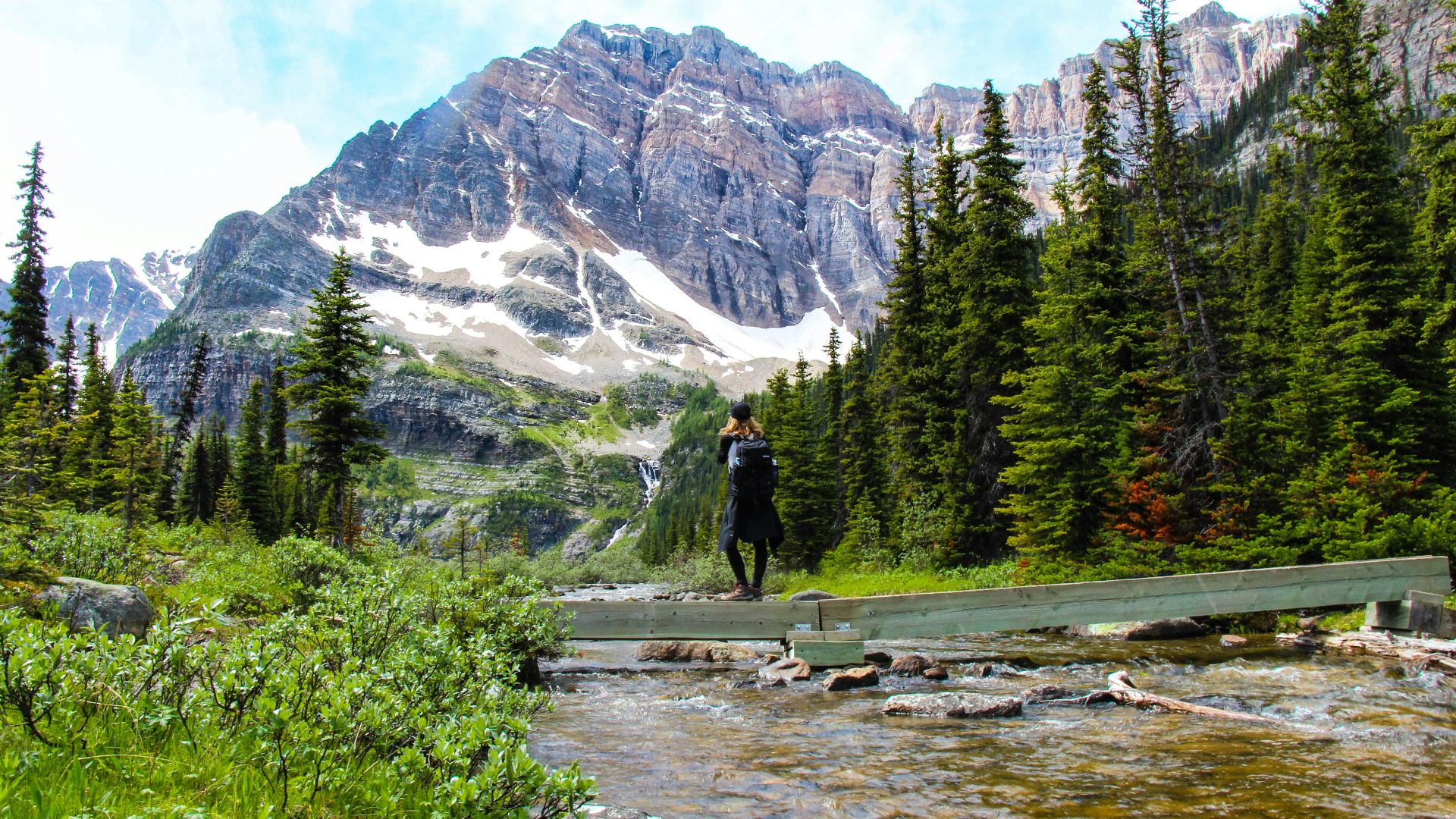
A Closure Does Not Make Everything Equivalent
The fact that the operator had a valid reason to abandon the original trail is only half of the issue. The next question is whether the replacement reasonably matched the experience customers purchased. A guided mountain hike and a gentle walk may both involve travelling on foot, but that does not necessarily make them commercially equivalent.
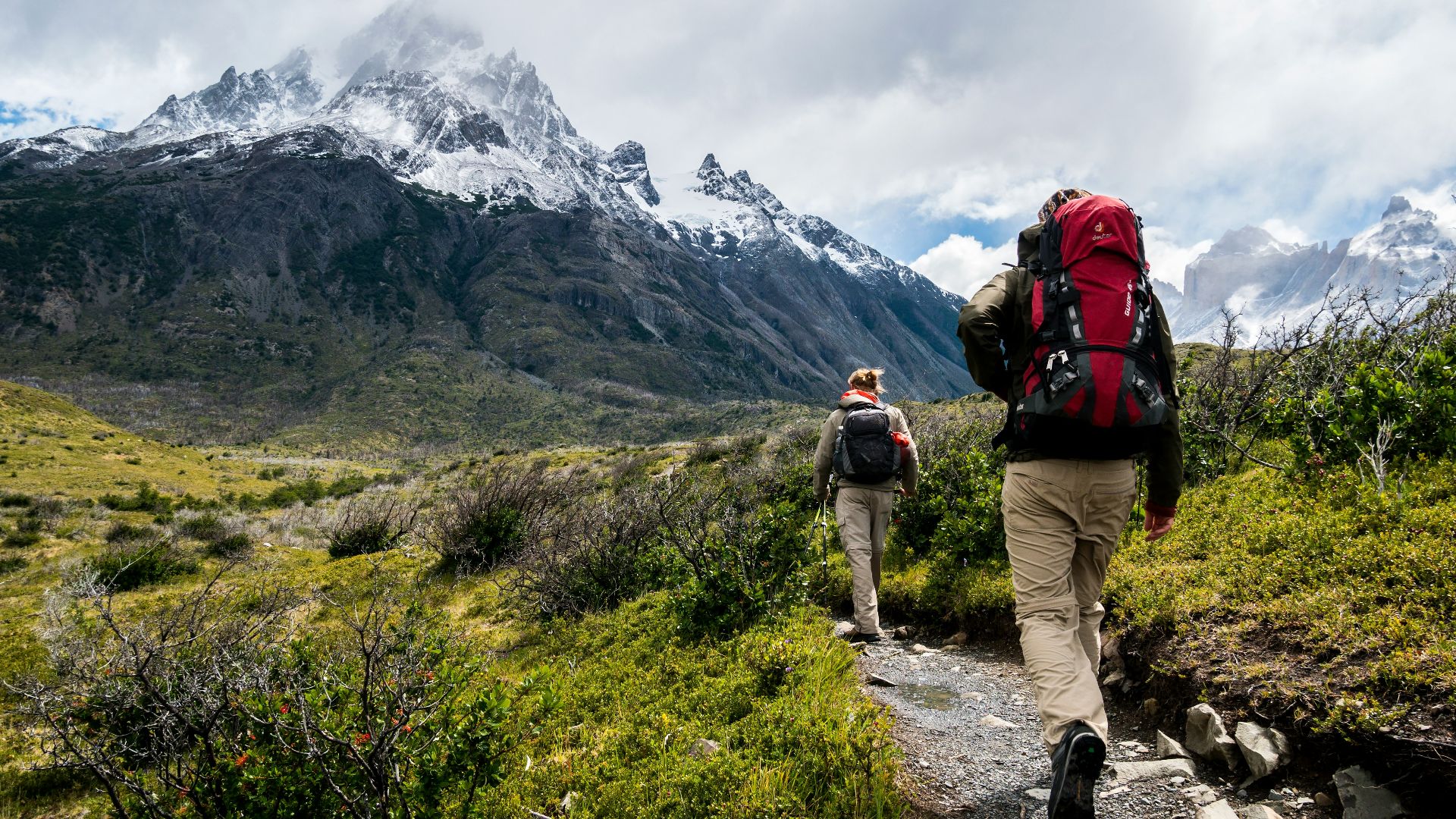
Start With Exactly What Was Advertised
Pull up the original booking page, confirmation email, itinerary, photographs, and description of the activity. Look for specific promises about distance, elevation, difficulty, duration, scenery, destinations, guide services, or special access. Consumer regulators care about material representations because information capable of influencing a purchasing decision can be legally significant.

The Difficulty Rating Could Matter
Suppose the original excursion was advertised as a challenging five-hour hike and the replacement involved two hours on an easy path. That difference goes beyond simply taking another route to the same objective. The greater the difference between the advertised experience and what was delivered, the stronger the practical argument that the substitute represented a downgrade.

Adventure Travel Usually Comes With Flexibility
There is an important catch. Adventure-tour contracts commonly warn travelers that itineraries can change because of circumstances outside the operator's control. G Adventures, for example, says routes, schedules, activities, amenities, and transportation can change because of unforeseeable events, while Intrepid similarly tells travelers that adventure itineraries require flexibility.

Some Hiking Contracts Go Even Further
Certain hiking operators expressly address land closures in their terms. Intrepid's special conditions for Wildland Trekking state that trips can change because of circumstances including snowpack, wildlife, fires, permit issues, and park or land closures. Those conditions also state that payments are not refundable merely because of itinerary changes or park or land closures.
 Prabeshsdev, Wikimedia Commons
Read The Terms You Actually Accepted
That makes your own booking agreement essential. Search it for phrases such as "itinerary changes," "trail closures," "alternative route," "force majeure," "weather," and "refund." Do not assume another company's policy applies to your booking, because operators can use significantly different contractual terms.

Not Every Change Is A Major Change
Travel-industry rules and contracts often distinguish between minor itinerary adjustments and significant ones. Intrepid's UK booking conditions, for example, say that changing a route or stopping points can qualify as a minor change, while changes affecting major characteristics of a booking may be significant. Context therefore matters more than the simple fact that the route changed.
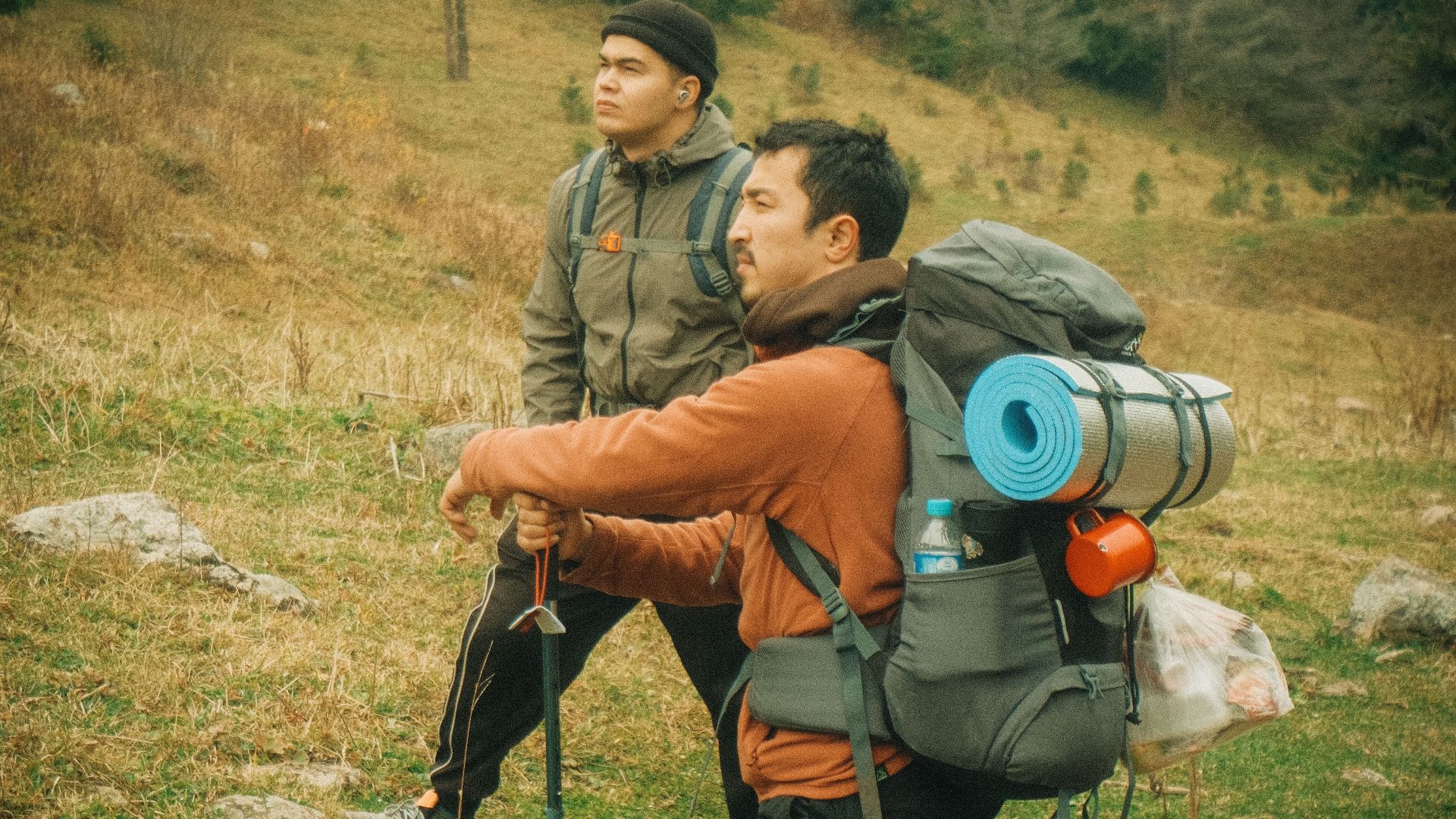
Ask Whether The Character Of The Trip Changed
A useful question is whether the substitute preserved the basic character of what you bought. G Adventures' Canadian terms use a "Material Change" concept that includes a change materially affecting the character of a product or service in its entirety. That illustrates why replacing one mountain trail with another comparable hike is different from replacing the day's central hiking experience with an ordinary stroll.

Compare More Than The Number Of Hours
Duration alone does not tell the entire story. Compare the original and substitute routes by distance, elevation gain, terrain, destination, difficulty, scenery, transportation, guide time, and any included equipment or permits. A replacement lasting four hours may still be substantially inferior if most of the features that justified booking the original excursion have disappeared.

The Guide Still Has Value
At the same time, customers should not assume that an easier route means the entire service became worthless. If the company still provided transportation, a professional guide, interpretation, equipment, meals, permits, or several hours of service, those components still have value. That is one reason a partial refund can sometimes make more practical sense than demanding every dollar back.

A Comparable Alternative Changes The Argument
Imagine the closed trail was replaced by another trail of similar length, elevation, scenery, and difficulty. In that situation, the operator has a much stronger case that it delivered a reasonable substitute. Adventure-travel terms commonly allow reasonable alterations because conditions at destinations cannot always be guaranteed.
 Moyan Brenn from Italy, Wikimedia Commons
A Walking Path Is Harder To Defend
Now imagine the substitute eliminated nearly all of the characteristics emphasized in the advertisement. There was no meaningful elevation, no backcountry terrain, and perhaps a much shorter outing. If those differences are documented, your request for a price reduction becomes considerably easier to explain because you can identify precisely what was missing rather than simply saying the replacement was disappointing.

Package Trips Can Have Extra Protection
Your rights may be different if the hike formed part of a larger package rather than being purchased as a standalone excursion. In the UK, a tourist service such as a tour can contribute to a package when combined with other travel services and when it forms a significant part of the trip. Package protections can require organizers to address significant alterations rather than simply relying on the rules applying to an individual excursion.

Significant Changes Can Trigger Choices
ABTA guidance for its members says customers affected by a significant change should be offered a genuine choice between a comparable alternative, when available, and their money back. When a lower-quality replacement is offered, the guidance says the difference in cost should be refunded. Whether a particular hiking substitution reaches that threshold depends on the circumstances and the booking involved.

European Package Rules Add Another Layer
The European Union also regulates package travel, including many combinations of transportation, accommodation, and other travel services. The Package Travel Directive provides consumer protections for qualifying packages, and amendments to the directive entered into force in 2026, although member states have time to transpose the updated provisions into national law. A European traveler should therefore check the rules applicable in the country governing the booking.
 Thijs ter Haar, Wikimedia Commons
Canadian Travelers Need To Check Their Province
Canada does not have one simple nationwide refund rule covering every disappointing guided hike. Provincial consumer and travel rules can matter, as can the type of seller involved. Quebec's consumer protection office, for example, advises travelers to examine the cancellation conditions supplied by their travel agency, while federal competition rules prohibit materially false or misleading representations when promoting services.

Misleading Advertising Is A Separate Question
There is also a difference between an unavoidable last-minute closure and selling an experience using a description the business knows it cannot provide. Canada's Competition Bureau says representations promoting products or services cannot be false or misleading in a material respect. Material information includes information capable of influencing a consumer's decision to buy.

Timing Can Reveal A Lot
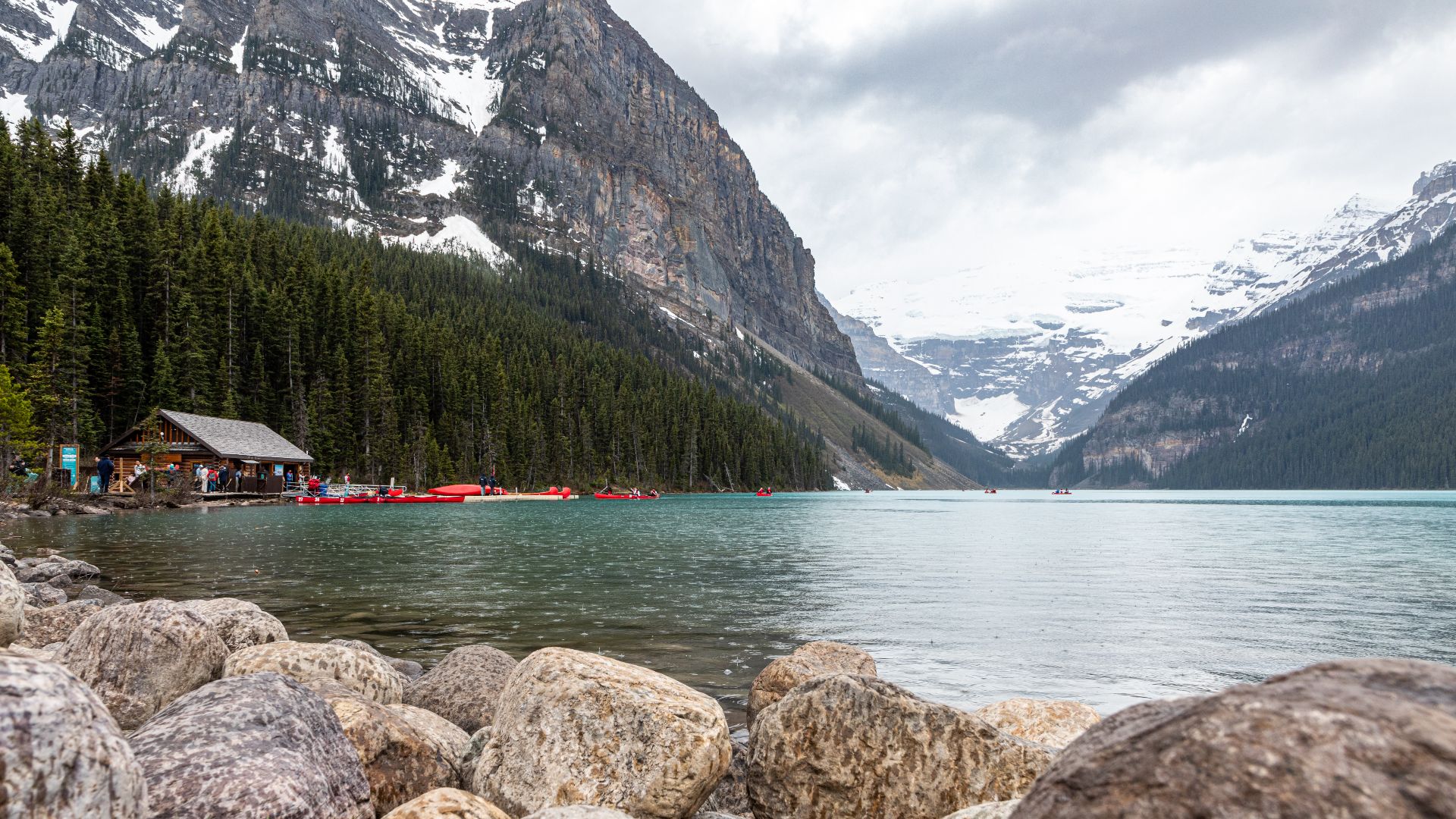
Find out when the trail actually closed and when the tour company learned about it. A closure announced shortly before departure creates a very different situation from a trail that had been unavailable long before customers booked. Parks Canada maintains current trail-condition and closure information for destinations such as Banff and Yoho, showing how official conditions can sometimes be checked against the timing of a tour.
 Dietmar Rabich, Wikimedia Commons
Save The Original Listing Now
Web pages change, so preserve the description you relied on when making the purchase. Save screenshots of the advertised route, difficulty, duration, photographs, price, and cancellation terms, along with your confirmation and receipts. The FTC specifically advises travelers to keep confirmation details showing the rates and amenities they were promised.

Document What You Actually Received
Record the name of the replacement route and, where practical, its approximate duration and characteristics. Keep messages from the operator explaining the closure and substitution, and save any notice from the relevant park authority. A side-by-side comparison between the advertised excursion and the delivered excursion makes a refund request much more concrete.

Ask For A Partial Refund First
If you still received several hours of guiding and transportation, requesting a reasonable partial refund can be more persuasive than demanding the entire price back. Explain that you understand the original trail had to close for safety or operational reasons but that the replacement was materially less substantial. Then identify the lost features and ask the company to reflect that downgrade in the price.

Ask The Operator To Explain The Value
If the company refuses, ask how it determined that the replacement was equivalent to the original excursion. This shifts the conversation away from whether you personally enjoyed the walk. The useful comparison is between the service advertised and the service actually supplied.

Do Not Ignore The Cancellation Policy
Travelers should ideally understand cancellation and refund conditions before paying. The FTC specifically recommends getting a copy of those policies before purchasing travel services. Once a dispute occurs, those same terms become one of the first documents worth reviewing.

Escalate With A Clear Written Complaint
If the first response is simply "no refunds," send a concise written complaint to the operator or booking platform. Include the original description, evidence of the closure, details of the substitute, the relevant contract language, and the refund amount you are requesting. Avoid making the dispute about whether the replacement was boring, because measurable differences in the service are much easier to evaluate.
 Christian Velitchkov, Unsplash
Your Strongest Argument Is The Downgrade
A trail closure itself is not necessarily the operator's fault, and responsible companies should respect official closures. Your better argument is that the replacement may not have been comparable to the experience for which the price was set. The more dramatically the difficulty, terrain, duration, scenery, or included features changed, the more substantial that argument becomes.
 Petrit Bejdoni, Wikimedia Commons
So Should You Get Money Back?
Possibly, but not simply because the original trail closed. If the operator delivered a genuinely comparable guided hike and the contract permitted reasonable itinerary changes, a refund may be difficult to justify. If a centerpiece hiking experience was replaced with a substantially cheaper, shorter, or easier outing that changed the character of what was sold, asking for an appropriate partial refund is reasonable, while the precise legal entitlement depends on the contract, location, and whether the hike was part of a regulated travel package.

The Best Test Is Surprisingly Simple
Forget the trail names for a moment and compare what you paid for with what you received. An unavoidable closure can explain why the operator could not provide the original hike, but it does not by itself prove that every substitute has equal value. Read the contract, document the difference, and base any refund request on the measurable downgrade rather than on the closure alone.

You May Also Like: