
The Awkward Travel Red Flag
Your friend says the flights are booked, but will not share the confirmation number. That is more than annoying. It is a real warning sign, because a legit airline booking can usually be verified with the traveler’s name and a record locator.
 Antoni Shkraba, Pexels, Modified
Why This Matters Right Away
Flight problems often stay hidden until check-in day, when fixing them is expensive or flat-out impossible. The U.S. Department of Transportation says passengers are entitled to clear information about bookings and refunds when airlines cancel or significantly change flights. If someone in your group is holding back basic booking details, you need to verify the ticket well before travel day.

Start With The Most Basic Question
Ask exactly what was bought and when. Was it a ticket purchased directly from the airline, a booking made through an online travel agency, or a hold that was never ticketed? That matters because a reservation is not always the same thing as a paid, issued ticket.

A Reservation Is Not Always A Ticket
Airlines and travel agencies often create a reservation first and issue the ticket after. The International Air Transport Association says an e-ticket is the electronic record of the ticket in the airline’s system. If your friend only has an itinerary email and no proof the ticket was issued, your seat may not be locked in yet.
 Arild Vågen, Wikimedia Commons
What A Real Booking Usually Includes
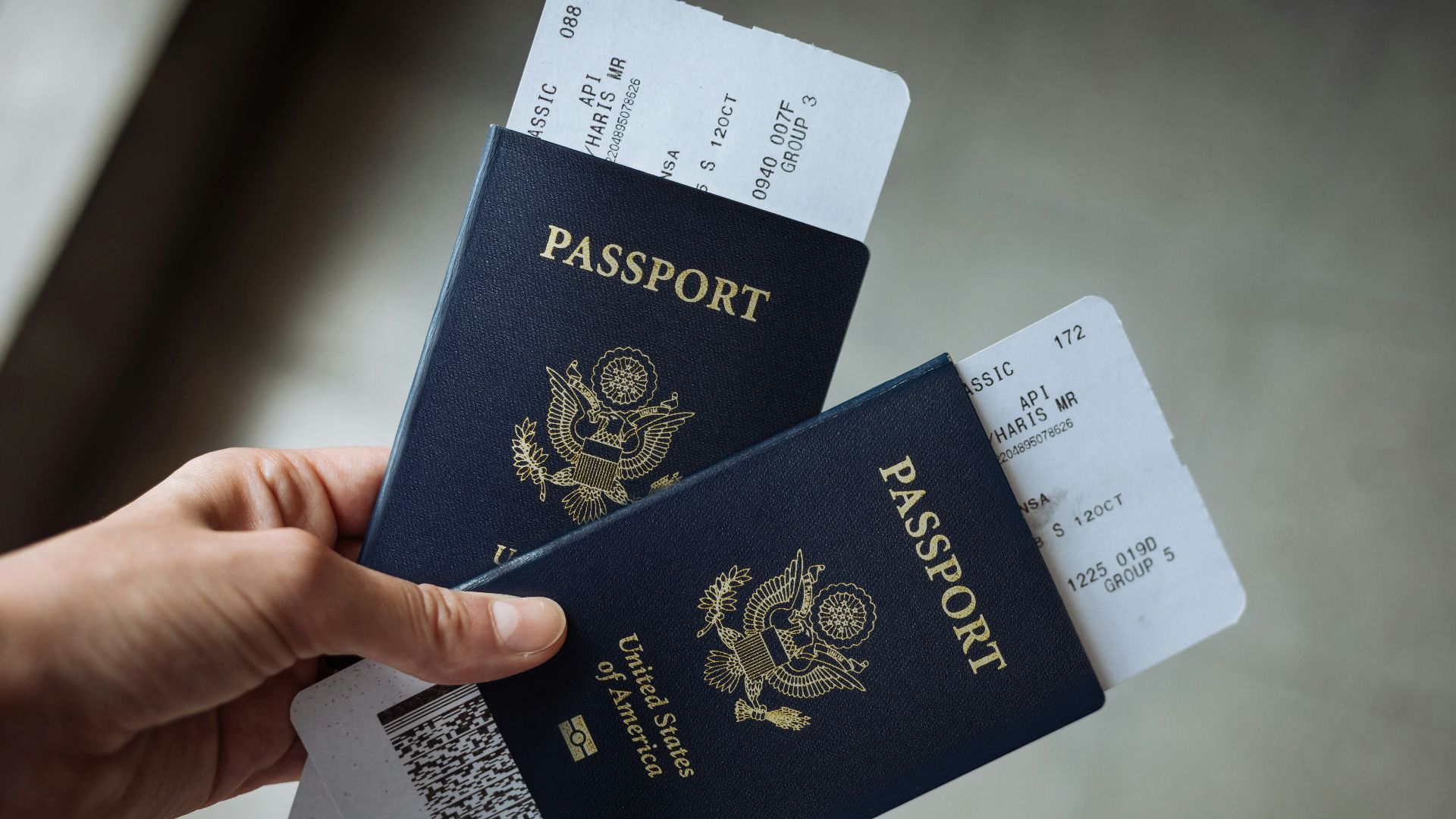
A real airline booking usually comes with a six-character record locator, often called a confirmation code or PNR. Once the ticket is issued, there may also be a 13-digit ticket number. If your friend will not share either one, that is a reason to be careful.
 Global Residence Index, Unsplash
The Confirmation Code Is Not A Secret Password
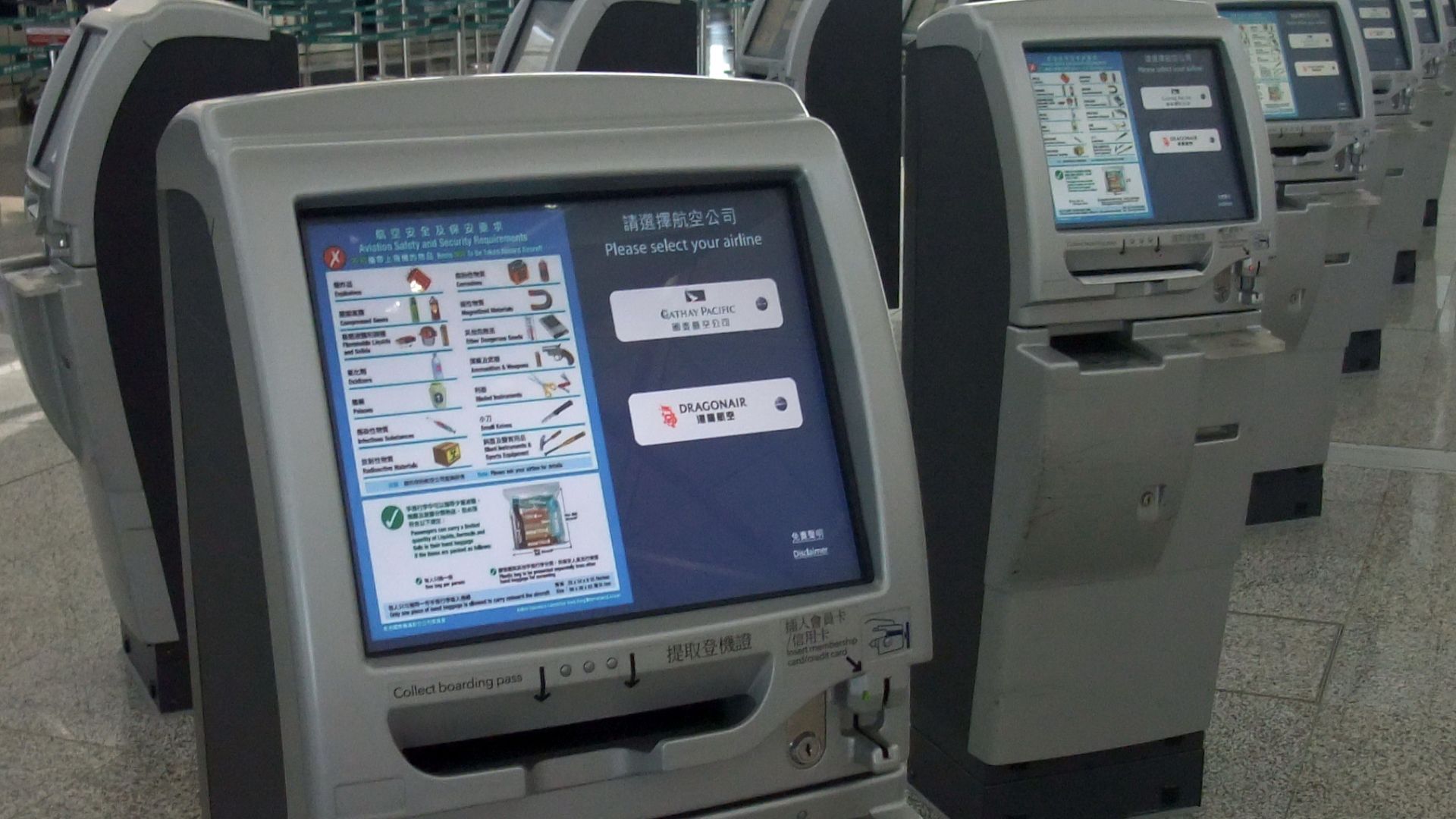
Travelers regularly use a last name and confirmation code to pull up trips online. Delta, United, and American all have trip lookup tools built for that. So if the people actually on the booking ask for the code, that is normal.
Ask For The Airline Name And Exact Flight Details
If your friend still will not share the record locator, ask for the airline, travel date, city pair, and flight numbers right away. With that info, each traveler can call the airline and ask whether a reservation exists under their full name. The airline may not share every detail, but agents can often confirm whether you are in the system.
 User:Mattes, Wikimedia Commons
Try To Verify Directly With The Airline
The cleanest move is to verify with the airline, not through your friend. Many airline sites let travelers manage a booking using the passenger’s last name and locator. If your friend insists the ticket is real but blocks every attempt to verify it, that is an even bigger red flag.

Look For A Ticket Number
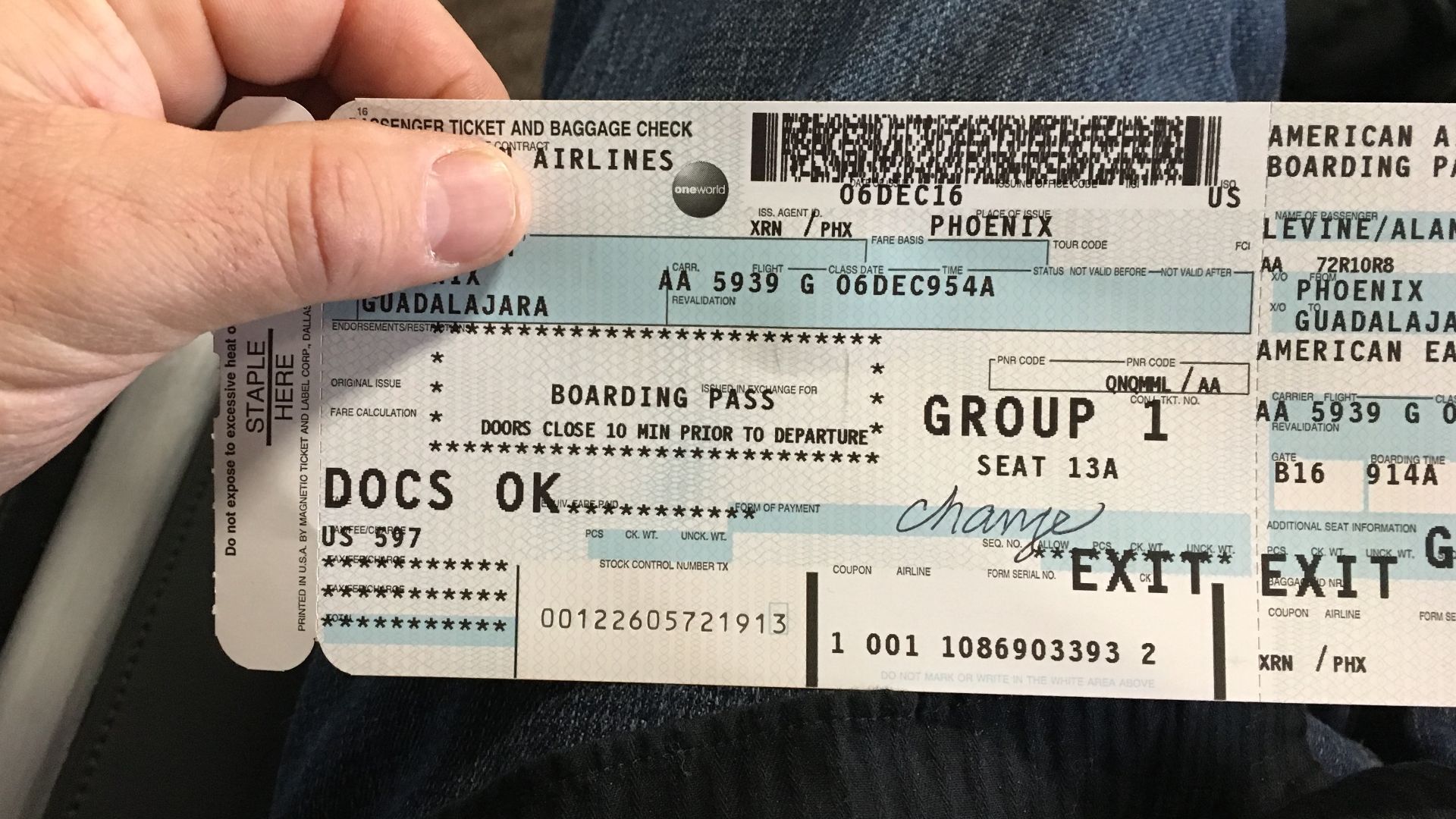
A ticket number is often stronger proof than an itinerary email. On many airlines, it is 13 digits and tied to a validating carrier. If there is still no ticket number days after the payment was supposedly made, ask why.
 Alan Levine from Mortlach, Canada, Wikimedia Commons
Watch Out For Itinerary Emails
An itinerary can look official even when no ticket has been issued. Travel industry consumer guidance often warns that a booking may be canceled automatically if payment fails or a ticketing deadline passes. A polished email helps, but it is not final proof.

Payment Problems Can Cancel Trips Quietly
Sometimes a card gets declined, a fraud alert interrupts payment, or the agency misses the ticketing deadline. When that happens, the reservation can vanish without the passengers realizing it. That is why verification matters more than screenshots.
 wichayada suwanachun, Shutterstock
Group Bookings Add Another Layer
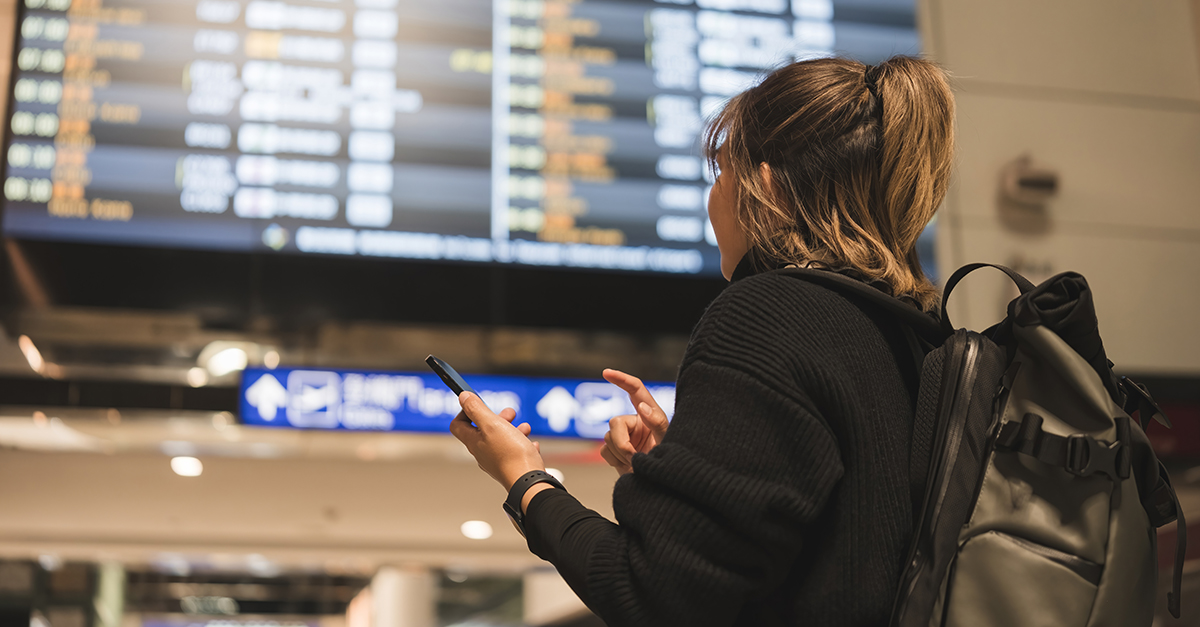
Some airlines handle group reservations differently, especially when a lot of travelers are on one file. The lead passenger or organizer may get most of the messages. Even then, each traveler should still be able to get basic confirmation that they are actually ticketed.

If You Paid Your Friend, Ask For Proof Of Purchase
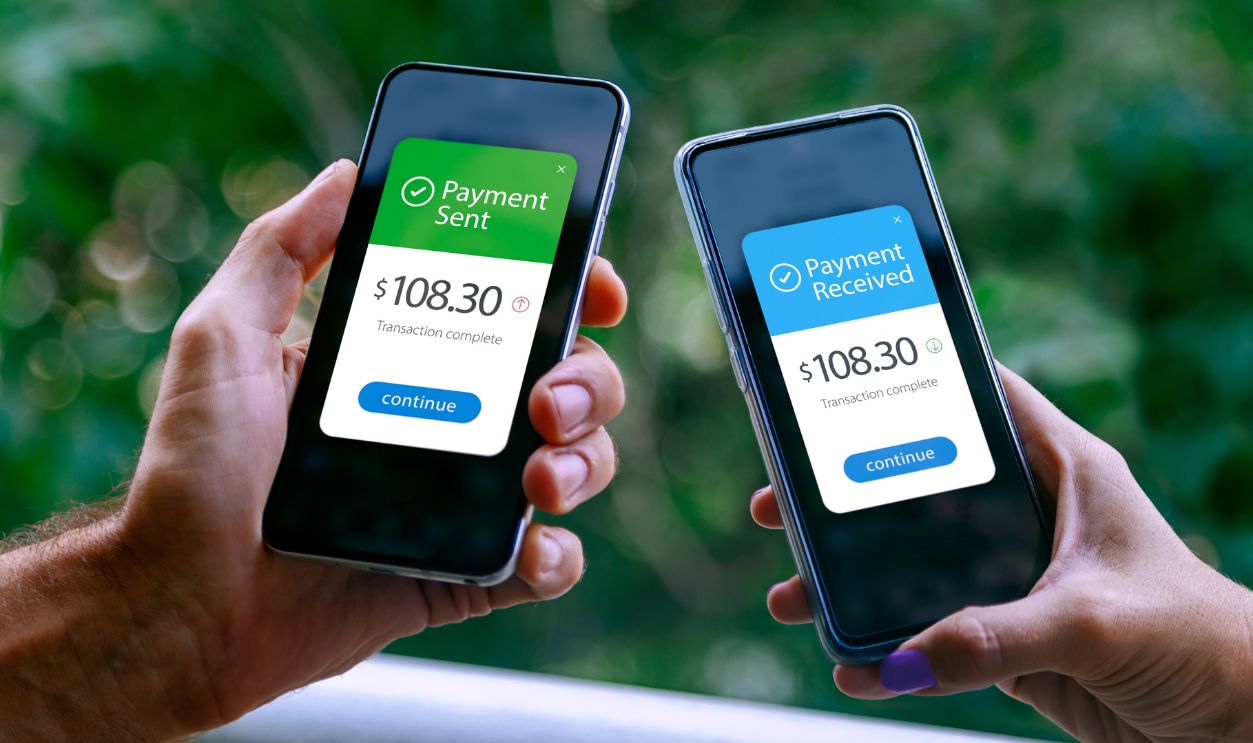
If money changed hands, ask for a receipt showing the airline or agency name, the date charged, and the amount. A bank transfer to a friend is not proof that airfare was bought. It only proves you sent money.
 Alex Photo Stock, Shutterstock
Use The 24-Hour Rule Carefully
The U.S. Department of Transportation requires airlines that market to U.S. consumers to either allow a 24-hour hold or permit a cancellation within 24 hours without penalty, as long as the booking is made at least seven days before departure. That can help if a real booking needs a quick fix. It cannot save a trip that was never ticketed in the first place.
 AgnosticPreachersKid, Wikimedia Commons
There Is A Difference Between A Hold And A Purchase
Some airline and agency systems let customers place a reservation on hold for a short time. A hold can look almost finished, but it is still not a paid ticket. Ask directly whether the flights were held, reserved, or ticketed.
Check Your Own Email And Loyalty Account
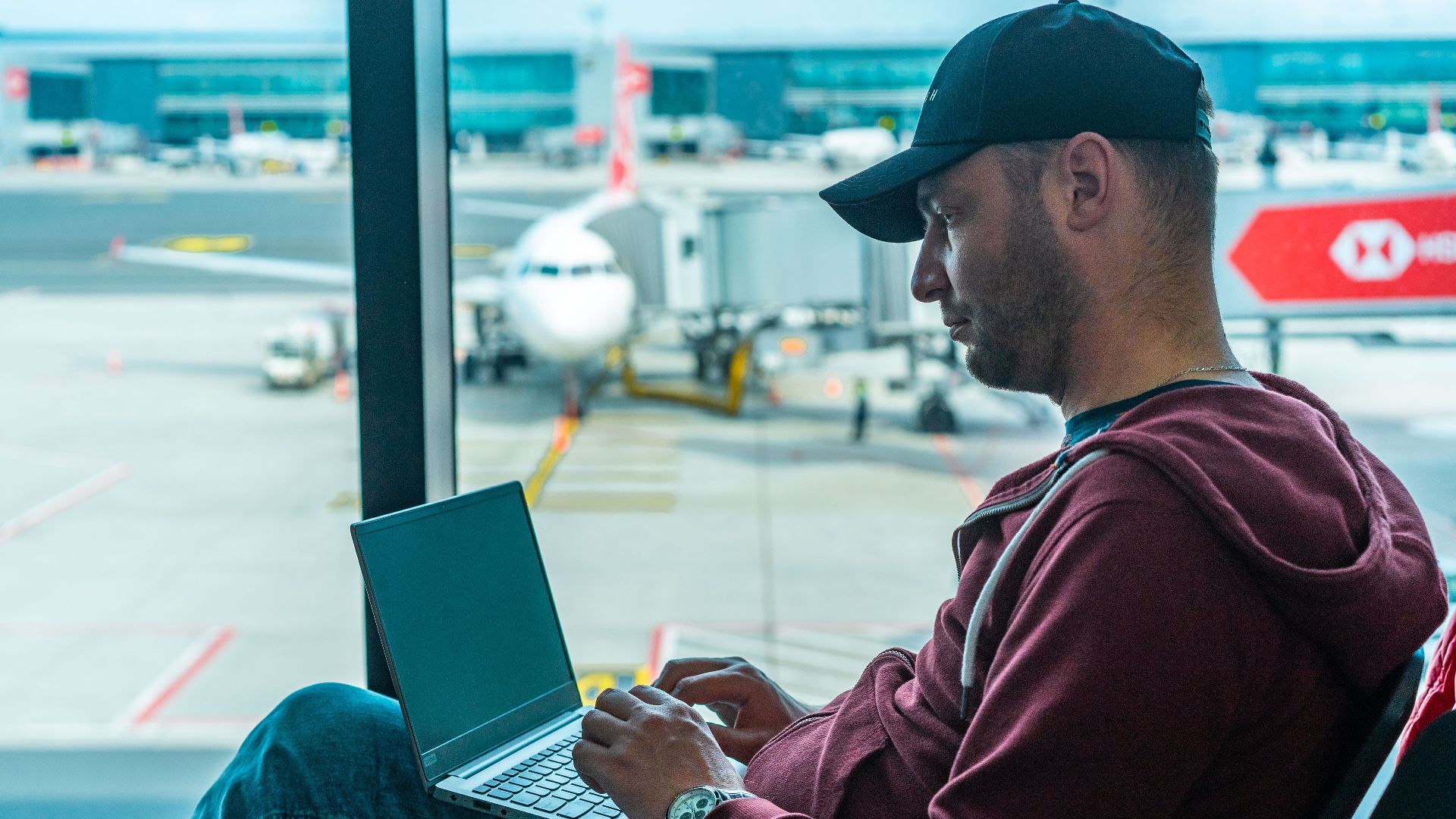
If your frequent flyer number was added to the booking, the trip may show up in your airline account automatically. Some airlines also send schedule change notices directly to each passenger email on file. If you have received nothing at all, that does not prove fraud, but it does mean you should keep digging.

Name Errors Can Also Cause Trouble
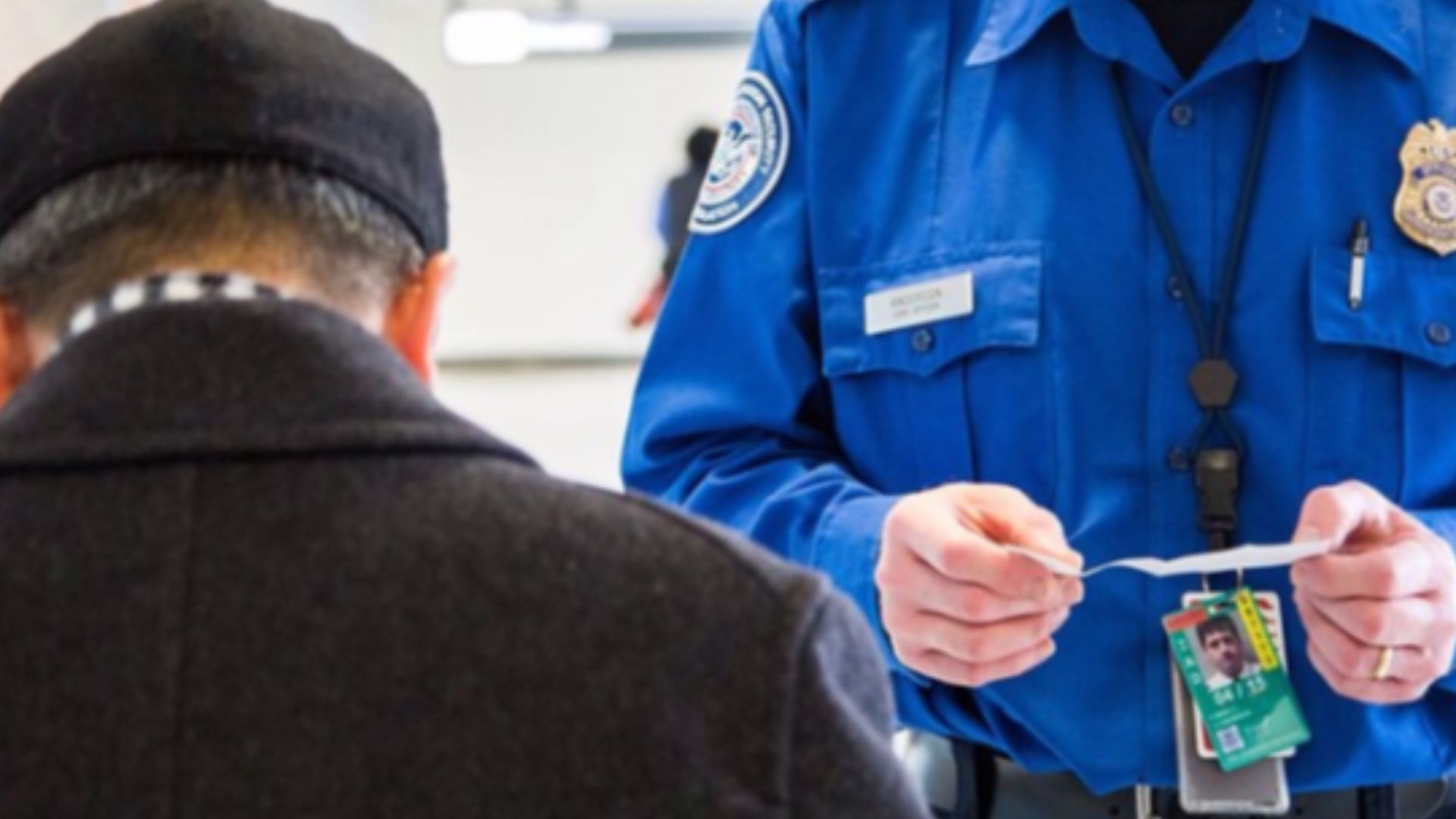
A booking can be real and still turn into a mess if your name was entered wrong. TSA says the name on a boarding pass should match the passenger’s government-issued ID. Verifying early gives you time to fix spelling mistakes before they become an airport problem.
 Transportation Security Administration, Wikimedia Commons
Online Travel Agencies Can Complicate Things
If your friend booked through a third-party site, there may be both an agency confirmation number and a separate airline locator. You want the airline locator whenever possible. That is the code that usually lets you verify the booking directly with the carrier.

When Refusal Becomes The Story
The real issue may not be the code itself. It may be the refusal. If someone keeps dodging simple requests for the airline name, locator, ticket number, or receipt, assume the trip is unverified until proven otherwise.

What To Say Without Starting A Group Fight
Keep it calm and practical. Say you need the airline confirmation code or ticket number so you can choose seats, add your Known Traveler Number, check baggage rules, and make sure your name matches your ID. Those are normal travel tasks, not accusations.

When To Call The Credit Card Company
If you paid your friend and think the booking may be fake, save your messages and payment records right away. Your options depend on how you paid. If you used a credit card through a real merchant, your dispute rights may be stronger than if you sent money through a peer-to-peer app to a friend.

Peer-To-Peer Payments Can Be Tough To Reverse
Services like Zelle, Venmo, and Cash App often treat person-to-person payments differently from card purchases. Once the money is sent, getting it back can be much harder unless there is clear fraud and the platform steps in. That is one more reason not to reimburse a group organizer until you have proof of ticketing.

Do Not Wait Until Check-In Opens
Airlines usually open check-in about 24 hours before departure, but by then the best replacement fares may be gone. Verify as soon as possible, ideally the same day your friend says the flights were booked. Moving fast gives you more options.
 Frame Stock Footage, Shutterstock
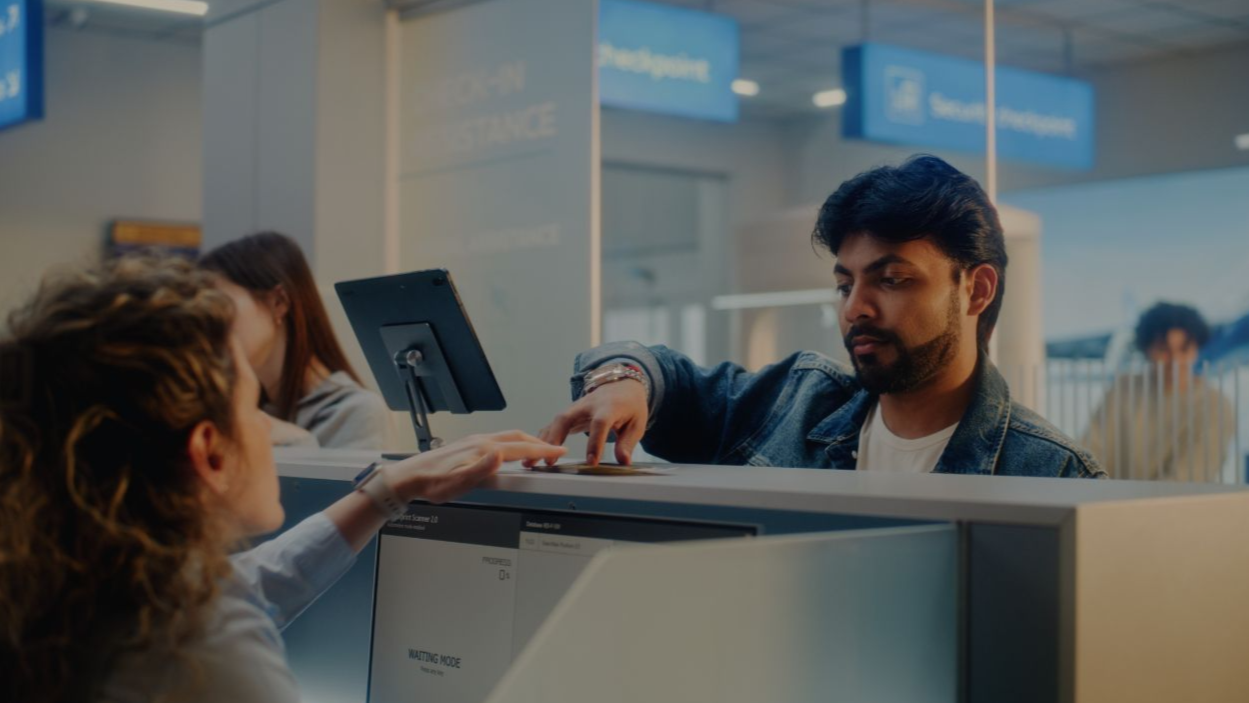
What If The Airline Cannot Find You
If the airline cannot find a reservation under your full name and route, ask your friend one last time for the exact airline locator and ticket number. Set a clear deadline. If they still refuse or cannot produce it, start making backup plans and assume your payment may be at risk.

Protect Yourself On Future Group Trips
Whenever possible, have each traveler pay the airline directly or use a split-payment option through a legit travel agency. If one person has to book for everyone, require the confirmation details that same day. Transparency is a lot cheaper than last-minute panic.

The Bottom Line
If your friend booked your flight but will not share confirmation numbers, you do not actually know that your ticket is real. The safest proof is direct verification with the airline using your name, the record locator, and ideally a ticket number. Until you have that, treat it as an unresolved travel problem, not a confirmed seat.