The Gate-Area Gut Punch
There’s nothing quite like sitting at the gate, feeling that pre-flight optimism…only to hear the dreaded announcement: “This flight is canceled.” You barely have time to blink before your phone lights up with a rebooking for tomorrow. But what happens tonight—does the airline owe you a hotel?
First: Why Was It Canceled?
Before talking compensation, the key question is why the flight was canceled. Airlines base benefits on the cause. Weather? Mechanical issue? Crew timing out? Each scenario changes what they must provide—and what’s just “unfortunate but not their responsibility.”

What Country’s Rules Are We Talking About?
Passenger rights depend heavily on where you’re flying. This article is mainly about U.S. rules, where federal law gives you refunds but doesn’t guarantee hotels. Other regions—especially the European Union—offer stronger protections, including built-in “duty of care” that can cover meals and hotels during disruptions.
Weather Cancellations Are the Most Frustrating
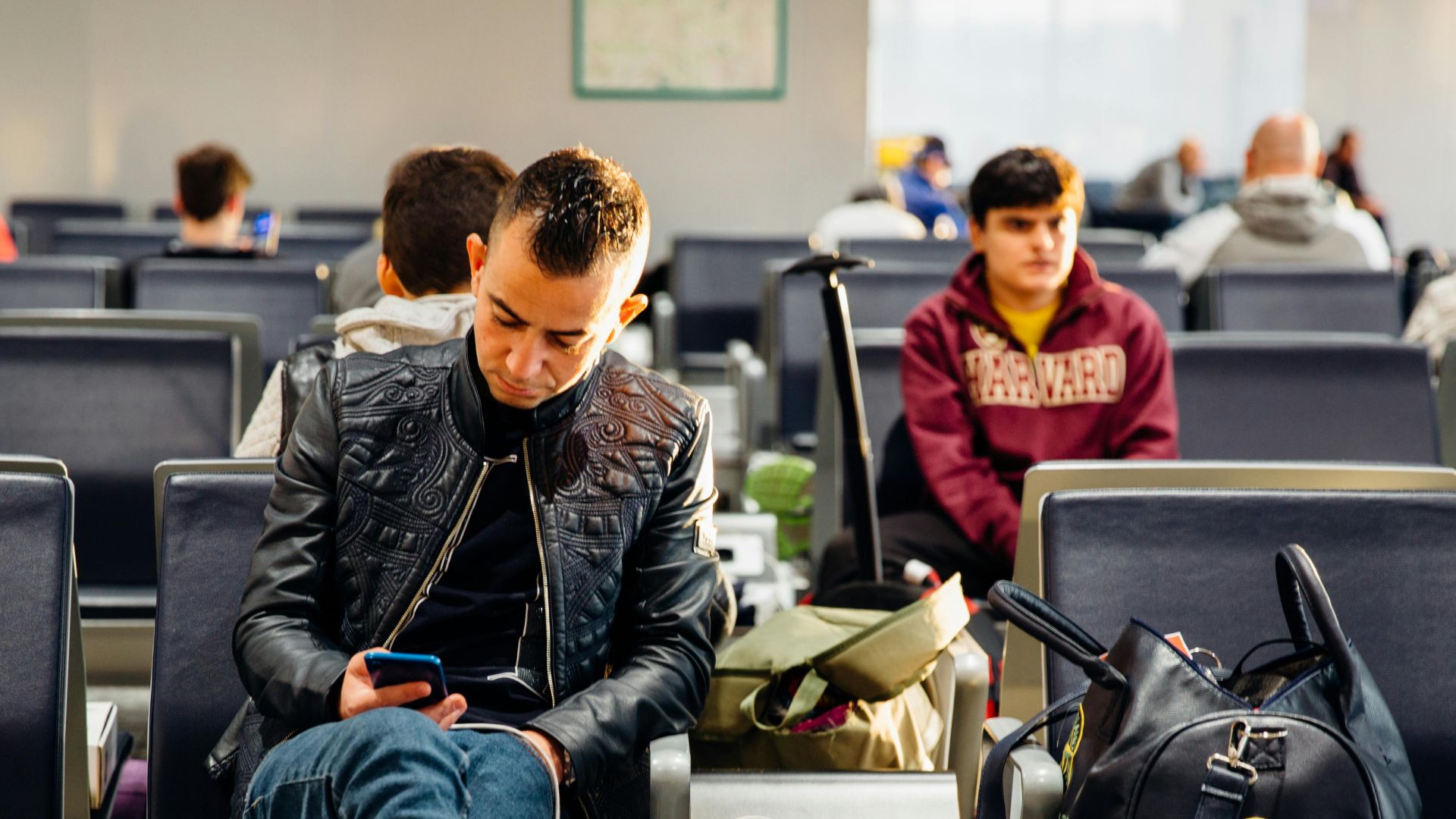
If the problem is weather—storms, visibility issues, or high winds—U.S. airlines typically won’t pay for hotel rooms. Regulators classify this as outside the airline’s control, meaning you may get rebooking help, but overnight costs are usually on you. It’s disappointing, but it’s standard across U.S. carriers.
Mechanical Problem? Now You Might Get a Room
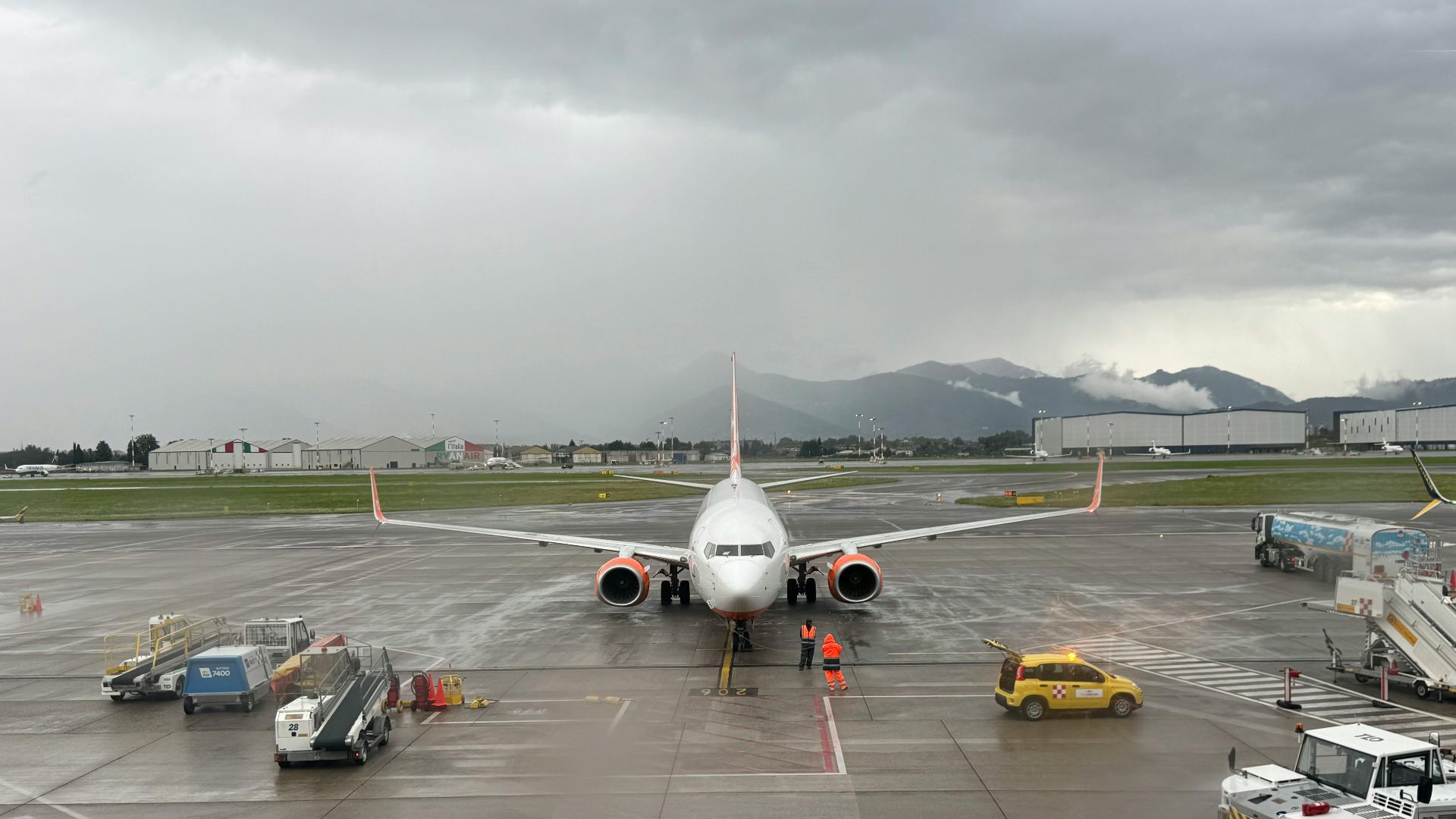
When the cancellation is clearly the airline’s fault—like a mechanical issue or a maintenance-related delay—many carriers promise hotel accommodations in their customer service plans. It’s not a legal requirement, but if their policy states they provide lodging for “controllable” cancellations, you can absolutely ask for a hotel voucher.
Crew Timing Out Is a Gray Area
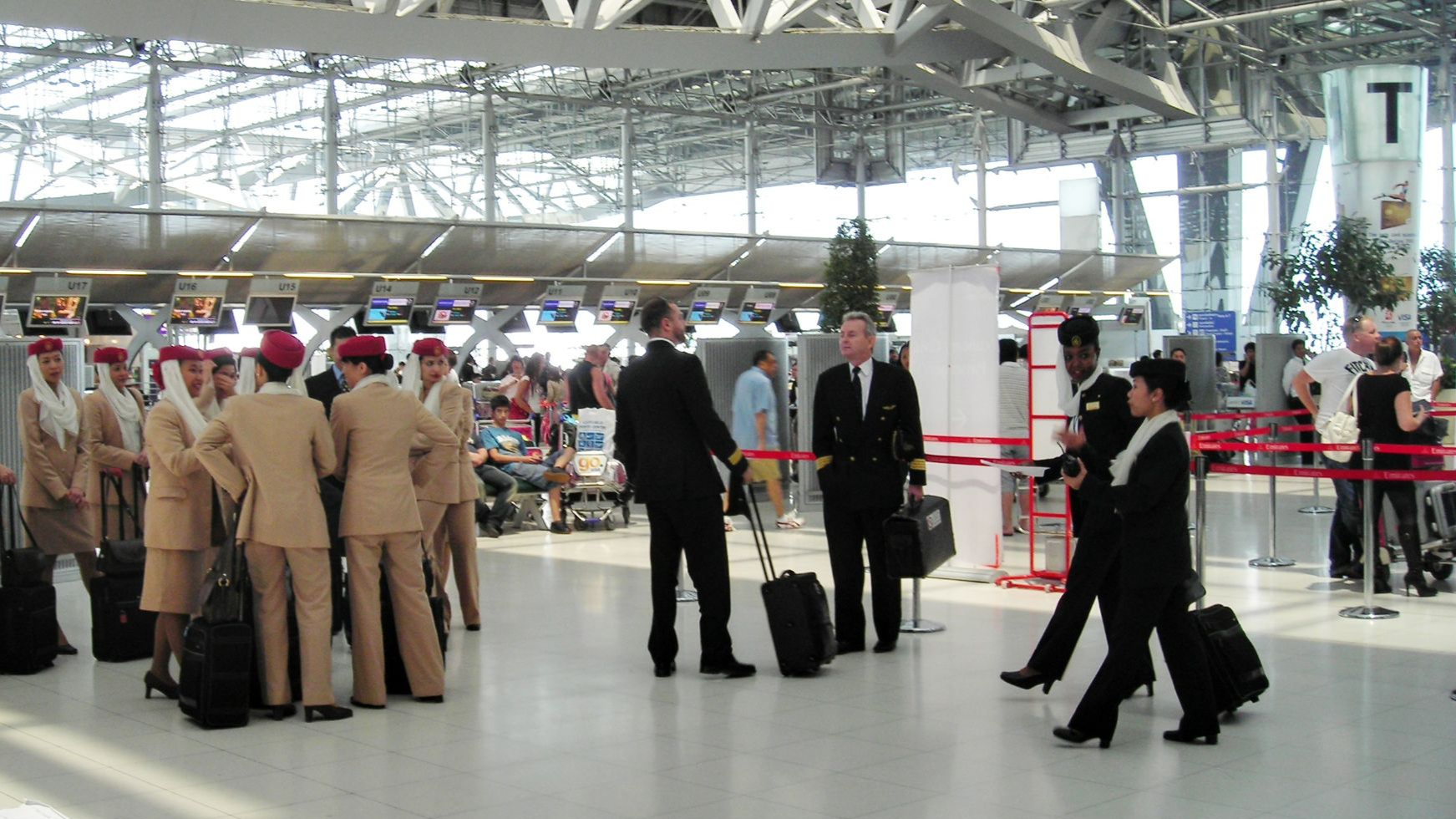
Crew members must follow strict duty-hour limits, and when they “time out,” flights can be canceled. DOT generally treats crew issues as controllable, but airline interpretation varies. Some carriers provide hotels, others don’t, and it often depends on how they classify the disruption at that moment.
 User:Mattes, Wikimedia Commons
Check the Airline’s “Customer Commitment”
Every major U.S. airline publicly posts a customer service plan explaining what they offer during controllable delays and cancellations. This includes hotels, meal vouchers, and ground transport. These documents aren’t laws, but airlines are expected to follow their own published standards—making them valuable leverage at the gate.

The Magic Phrase to Ask the Gate Agent
Gate agents respond well to specific wording: “Is this considered a controllable cancellation under your policy?” If they say yes—and their customer commitment or the DOT dashboard confirms hotel accommodations—you have a strong basis to request a voucher. Being polite helps more than you’d expect.

Know the DOT “Dashboard” Leverage
The Department of Transportation maintains a public dashboard showing exactly what each airline promises during controllable cancellations. While not legally binding compensation rules, these public commitments strongly pressure airlines to honor their promises. If they listed “hotel accommodations,” they generally must follow through.

International Flights Sometimes Have Better Protections
If your trip is covered by the EU’s EC 261 regulation—either departing from the EU or flying with an EU carrier—you get significantly better rights. Duty of care may include meals, communication, overnight hotels, and airport-to-hotel transportation, even if the cause of the disruption is outside the airline’s control.
Timing Matters: Gate vs. Earlier Cancellations
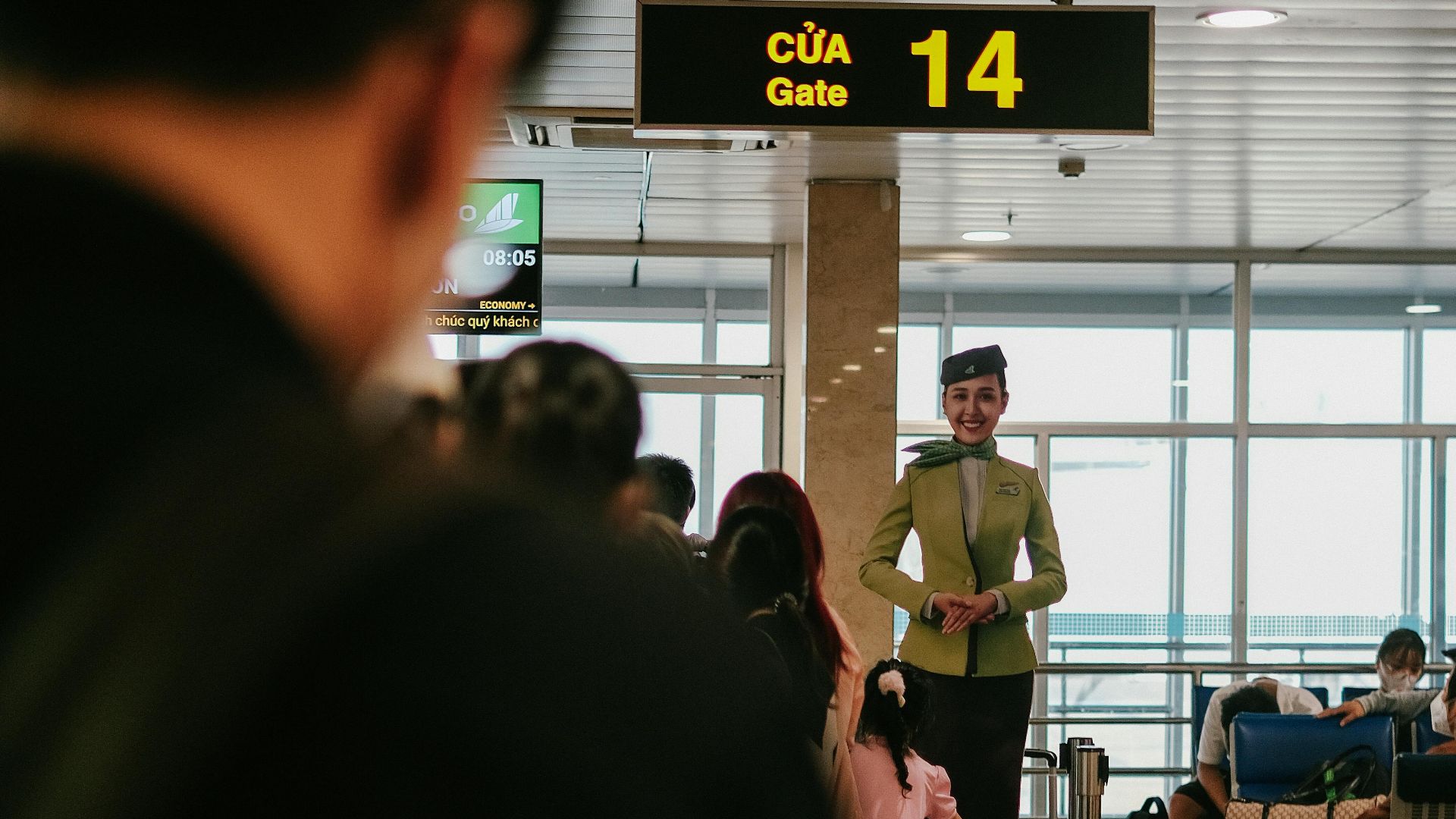
A last-minute, at-the-gate cancellation is one of the worst-case scenarios for travelers. You’ve already cleared security and committed to the trip. While U.S. law doesn’t give you extra benefits based on timing, airline staff sometimes have more flexibility when everyone is stranded right there at the gate.
Ask for Rebooking on Partner Airlines
If your airline rebooks you for tomorrow but other flights have open seats tonight, ask whether they can rebook you on a partner or another carrier. Some airlines promise this for controllable cancellations, while others don’t—but it never hurts to ask. Availability and fare class matter, but it’s possible.

If You Have Elite Status, Mention It
Elite members typically get priority when resources run thin. That can mean earlier rebooking, better seat options, and sometimes first access to limited hotel vouchers. It’s not guaranteed, but if you have status, mentioning it politely can put you higher on the help list.

If You Don’t Get a Hotel, Try These Options
If a free hotel isn’t available, ask about distressed traveler rates. These are discounted hotel rates airlines negotiate with nearby properties specifically for stranded passengers. They won’t be free, but they can be significantly cheaper than booking last minute on your own.

Document Everything as You Go
Take screenshots of cancellation messages, gate displays, the airline app, and any explanation of the cause. This documentation becomes crucial if you later request reimbursement from the airline, file a complaint with the DOT, or submit a claim to your travel insurance provider.

What If You Paid with a Premium Credit Card?
Many travel credit cards offer trip-delay insurance that reimburses hotels, meals, and transport once you’ve been delayed beyond a certain threshold—often 6 to 12 hours. This coverage applies even if the airline isn’t responsible. It’s one of the best underused travel protections.

Airline Reps on Chat May Be More Helpful
If the gate agent is overwhelmed—or visibly frazzled—try the airline’s app chat, website support, or social channels. These reps often have more time to check policies carefully and may approve hotel or meal vouchers when the gate team is too rushed to consider it.

Skip the Long Customer Service Line
After a mass cancellation, hundreds of passengers may swarm the rebooking desk. Meanwhile, phone agents, app chats, and online tools can rebook people in minutes. You don’t earn any bonus points for standing in line for three hours—use every channel available.
If You’re Traveling with Kids or Have Special Needs—Say So
Families with small children, elderly passengers, and travelers with medical or disability-related needs often receive priority assistance. Airlines don’t want kids sleeping on an airport floor, and disability-related considerations can trigger additional obligations. Being upfront about your needs can unlock better support.

Late-Night Cancellations Give You More Leverage
When cancellations happen close to midnight and no flights remain, airlines are often more flexible—even if the issue is borderline. They know it’s unreasonable to expect passengers to sleep in the terminal. While not guaranteed, late-night disruptions sometimes lead to more generous hotel assistance.

Don’t Be Afraid to (Nicely) Escalate
If a gate agent denies a hotel but you believe the cancellation is controllable, politely ask for a supervisor. Calm escalation—paired with a reference to the airline’s published commitments—can work wonders. The key is staying calm and fact-based rather than frustrated.

File a DOT Complaint If the Airline Breaks Its Own Promises
If an airline refuses to honor the commitments it publicly submitted to the DOT, you can file a federal complaint. Airlines must acknowledge complaints within 30 days and issue a substantive response within 60 days. DOT uses these filings to spot patterns and take action.

So, Am I Actually Entitled to a Free Hotel?
In the U.S., you’re not legally guaranteed a hotel—even if the airline caused the cancellation. What you’re truly entitled to is whatever your airline promises for controllable disruptions, plus whatever coverage your credit card or travel insurance provides. Knowing that improves your odds of sleeping in a hotel instead of Gate C27.

You Might Also Like: