The One-Letter Problem That Can Ruin A Trip
It sounds ridiculous, but a missing letter in your middle name really can be enough to stop you at check-in or the gate. In air travel, even tiny differences between your ticket and your ID can create real problems fast, so hopefully you've made sure everything is in order before it's time to board.

Why This Keeps Happening
Airlines, border officials, and security systems depend on exact identity matches. Your booking is often checked against your passport or other ID, and sometimes against government passenger screening systems too. That is why even a small typo can turn into a stressful mess at the airport.
 Frame Stock Footage, Shutterstock
The Core Rule Is Simple
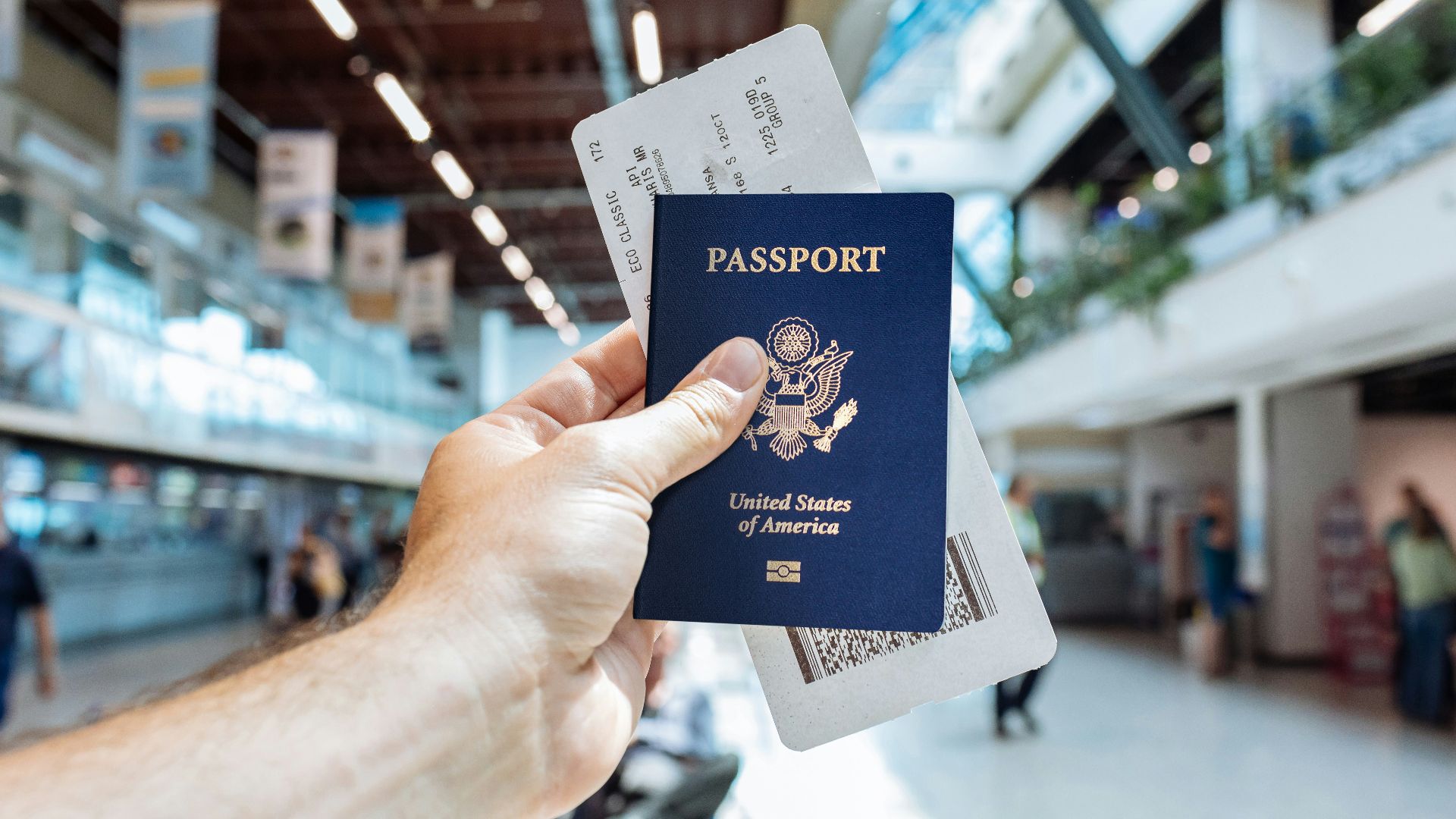
The name on your airline booking should match the name on the government ID you plan to use. The Transportation Security Administration says the name used to book travel must match the government-issued ID shown at the airport. That helps explain why airline staff are often careful about even minor differences.
 Global Residence Index, Unsplash
Middle Names Sit In A Gray Area
This is where people get mixed signals. Some airlines are flexible if a middle name is missing or shortened. Others want an exact match. So one traveler may get through with no trouble, while another gets stuck over a single missing character.
 Frame Stock Footage, Shutterstock
TSA Does Not Always Require A Middle Name
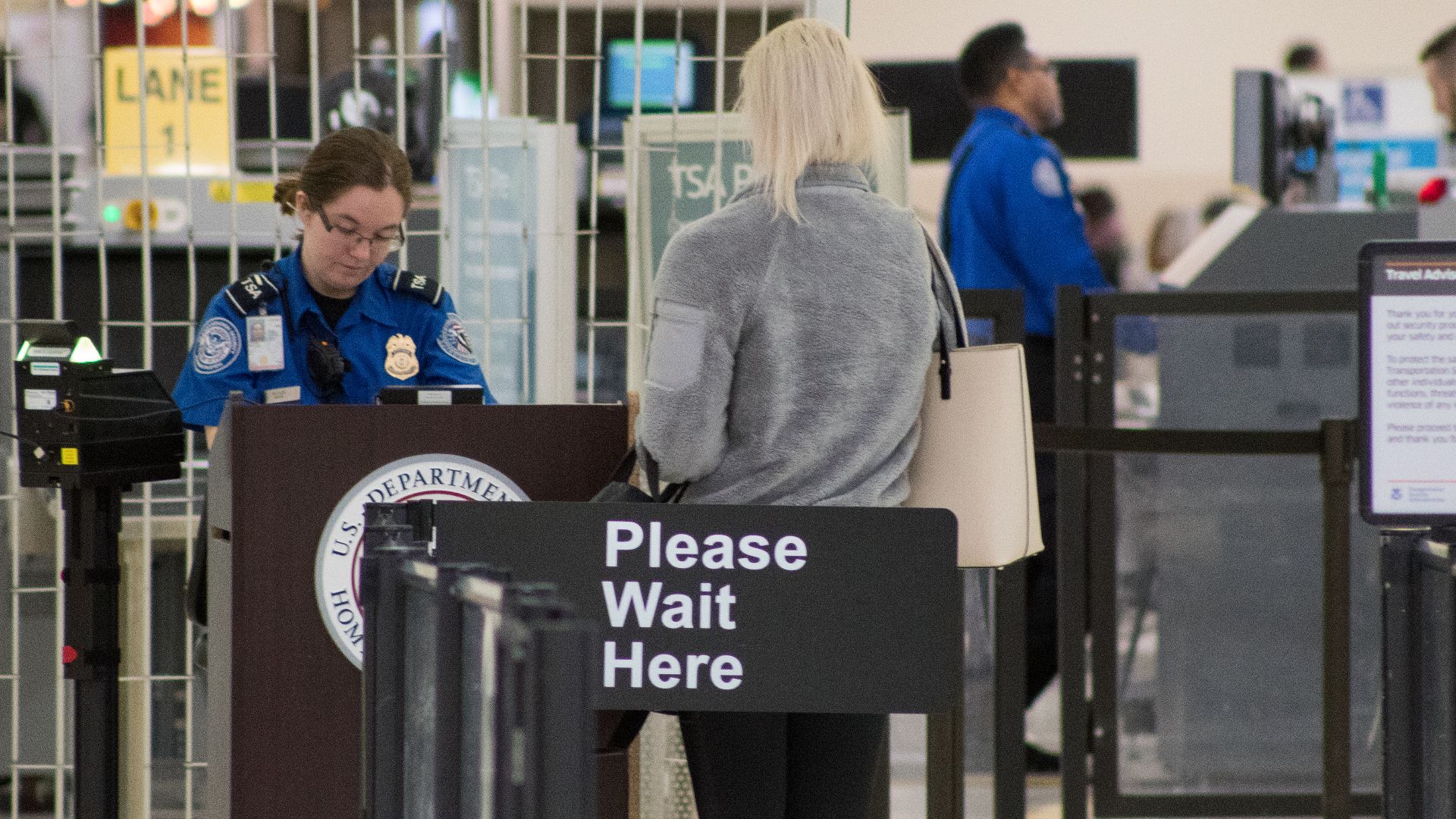
TSA’s Secure Flight FAQ says passengers do not have to provide a middle name when making a reservation. If no middle name is included, the agency says the booking should use the first and last name exactly as they appear on the ID. That helps, but it does not mean every airline will ignore a mismatch.
 Michael Ball, Wikimedia Commons
Why Airlines Can Still Say No
Even if TSA allows some flexibility, airlines are still responsible for making sure a passenger’s documents work for the trip. That matters even more on international routes, where carriers can face fines or have to fly someone back if paperwork is wrong. Because of that, staff often stick to stricter matching rules.
International Travel Is Usually Tougher
On domestic flights, a small name problem can sometimes be fixed at the airport. On international flights, airlines tend to be stricter because passport details, visa information, and border entry rules all need to line up. A missing letter may look minor to you, but to the airline it can look risky.
What The TSA Actually Says
TSA tells travelers to enter their name on reservations exactly as it appears on the ID they will use. The agency also says suffixes are not required on boarding passes and middle names are not required for reservations. That matters because it shows not every missing or extra name element automatically becomes a security issue.
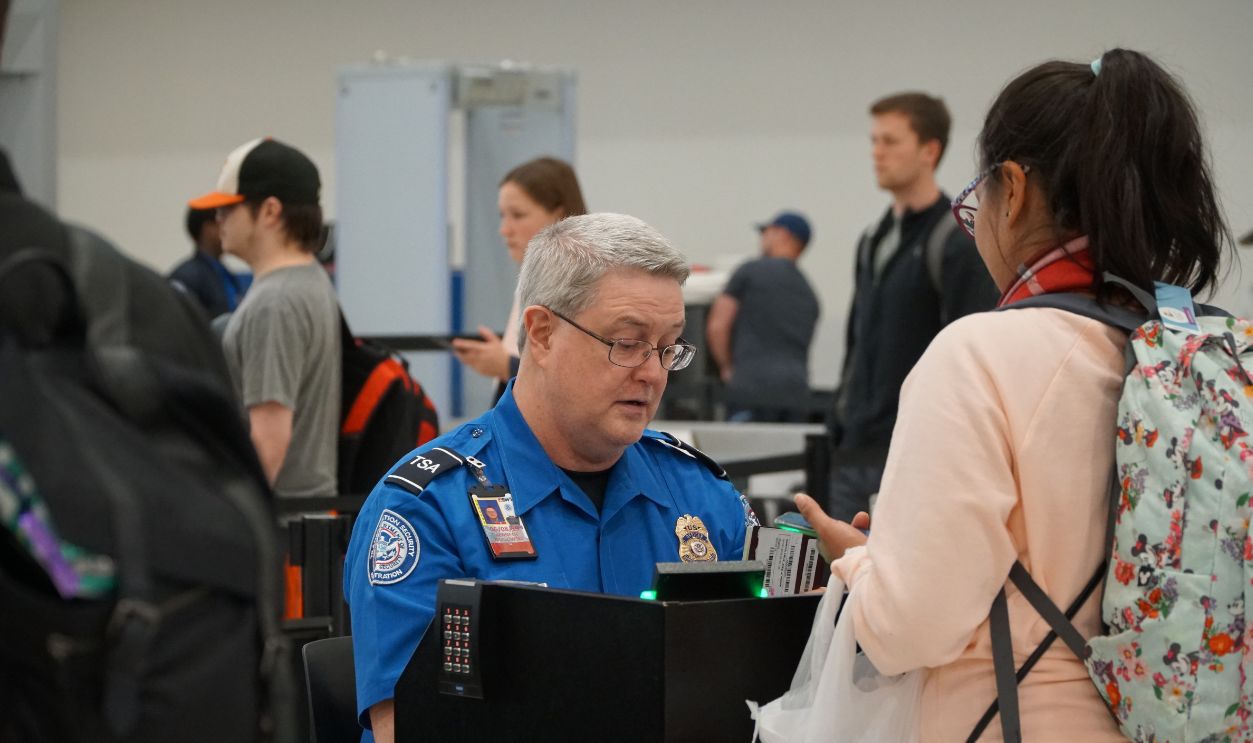 everythingforall, Shutterstock
What The State Department Says About Tickets
The U.S. Department of State gives a very clear warning for international travel. It says the name on your airline ticket must match the name on your passport exactly. That is some of the clearest official guidance out there, and it shows why airlines often play it safe.
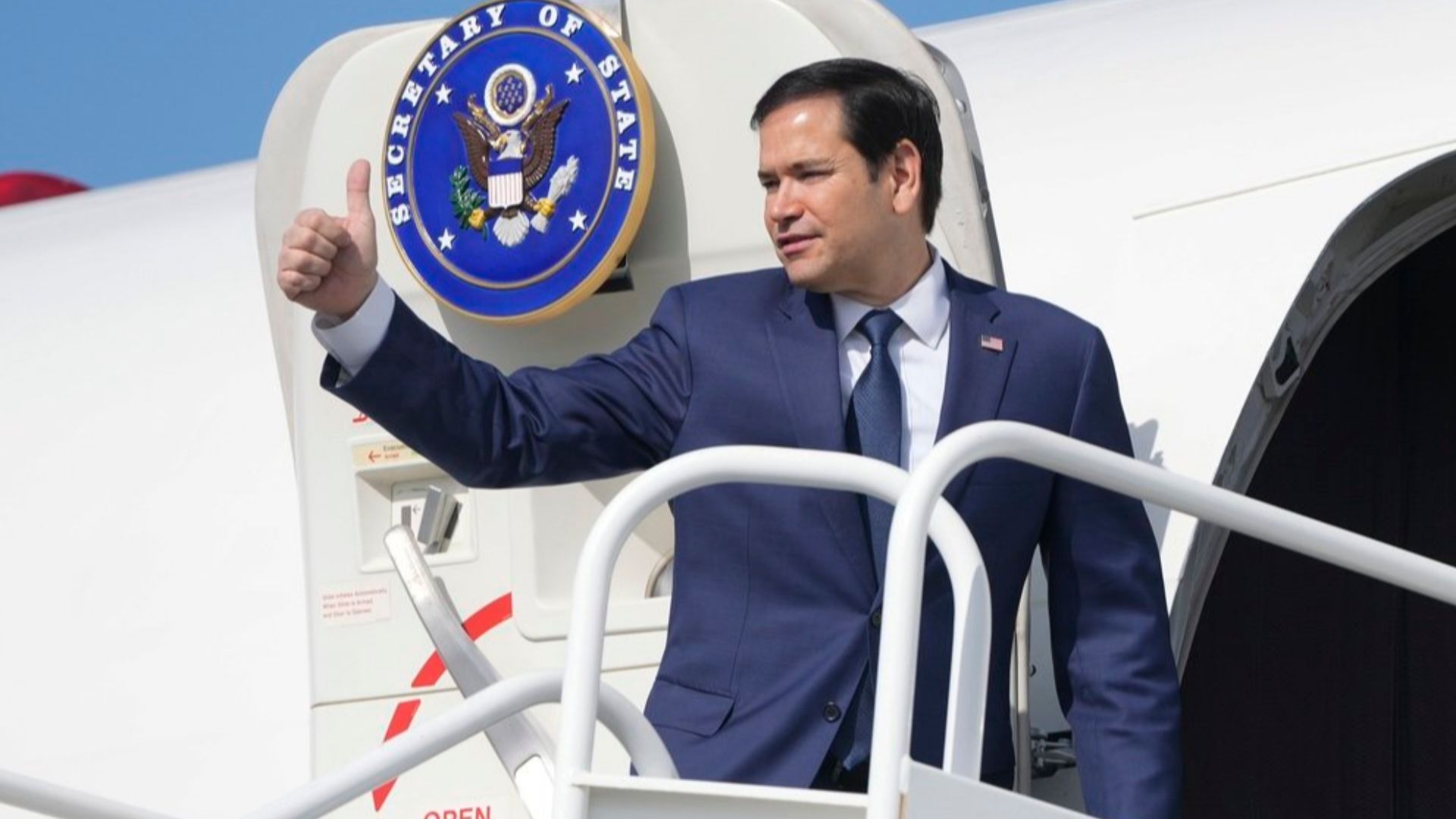 Embassy of the United States of America to Italy, Wikimedia Commons
Why A Missing Letter Can Matter More Than You Think
Computer systems do not read names the way people do. A ticket agent may instantly understand that two nearly identical names probably belong to the same person, but a system may only see a mismatch. Once that happens, fixing it can take time you may not have.
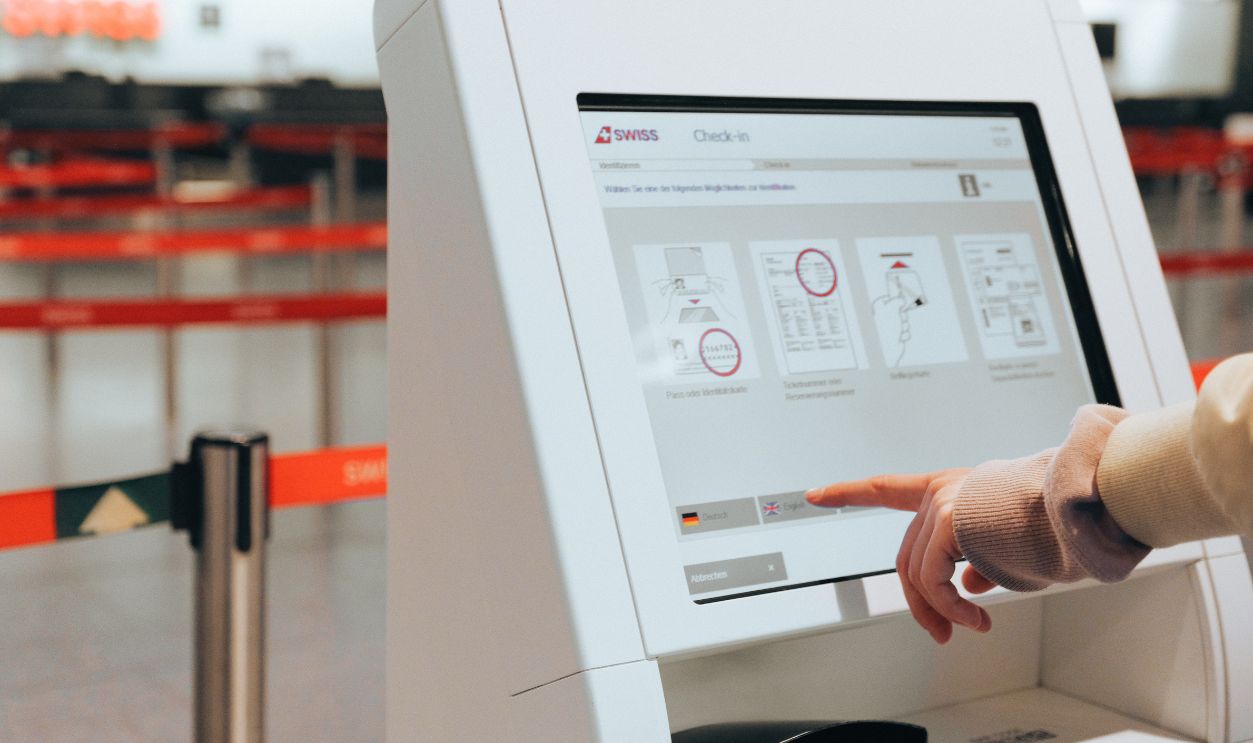
Airline Policies Are All Over The Map
Different airlines handle name corrections differently. Some allow minor typo fixes, often limited to a few characters. Others may require the ticket to be canceled and reissued. That is a big reason travelers are caught off guard when one airline shrugs at a mistake and another treats it like a major problem.
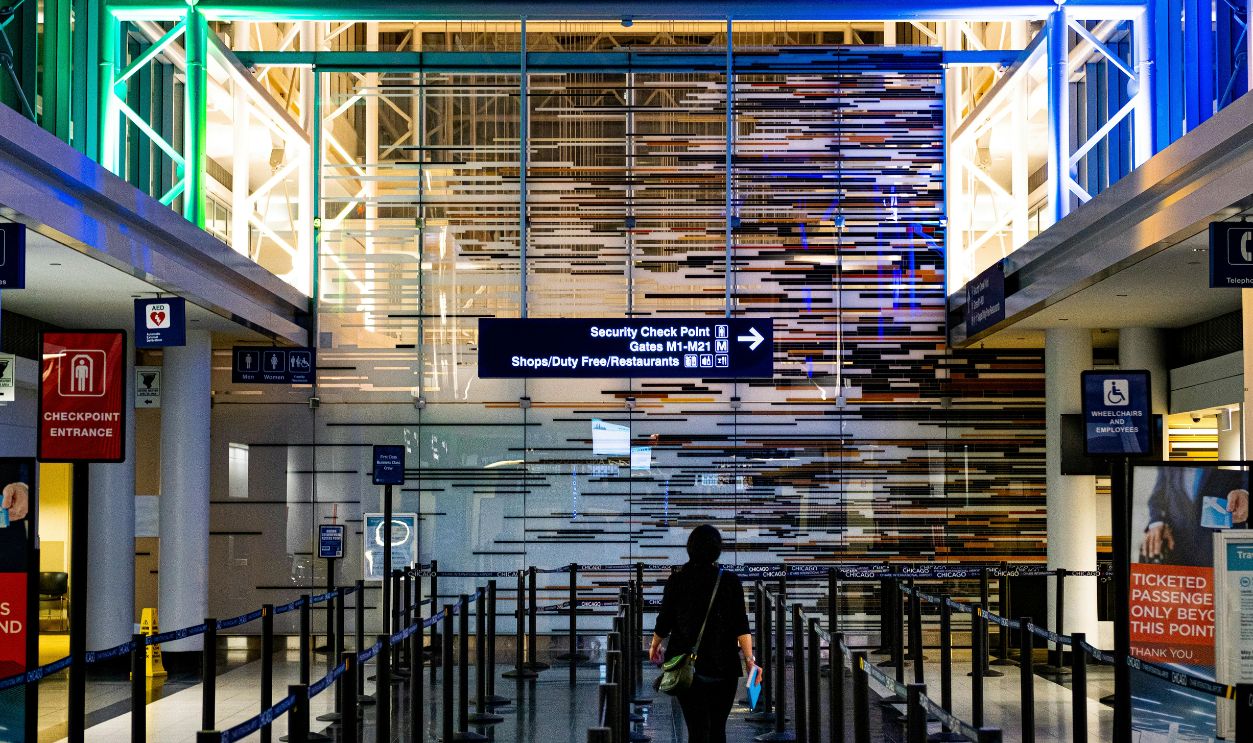
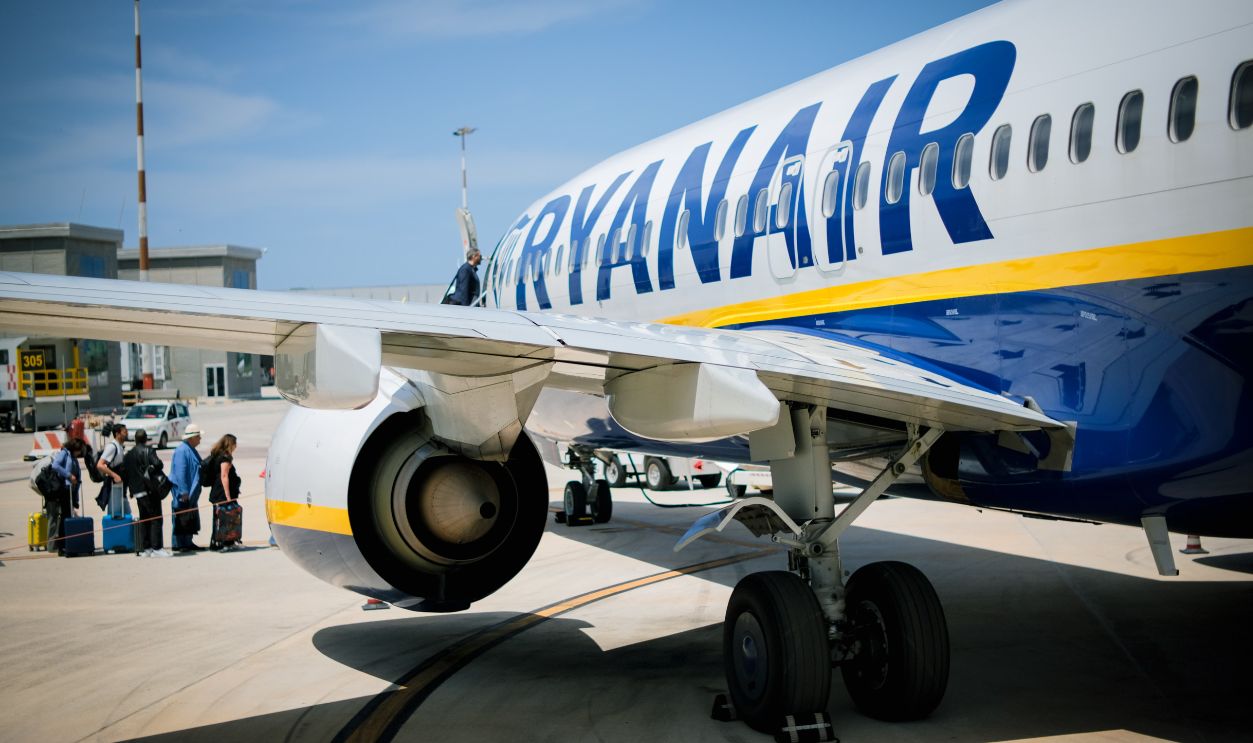
Ryanair Shows How Strict Policies Can Get
Ryanair says passengers can make minor name corrections, including up to three characters per name, free within 48 hours of booking. After that, bigger changes can come with fees. Policies like that show airlines know mistakes happen, but they still set firm limits.
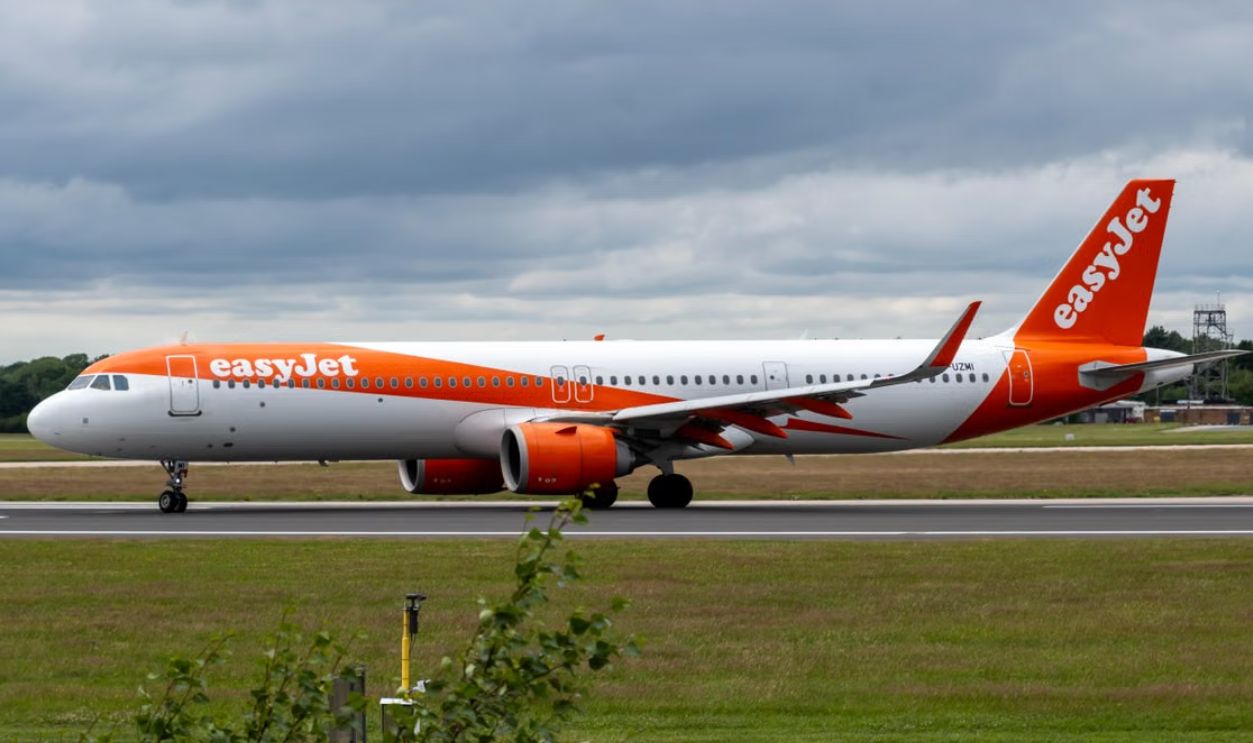
EasyJet Also Allows Limited Corrections
EasyJet says spelling mistakes of up to three characters can be corrected free if the airline is contacted. It also says title and gender changes can be updated. That is a useful example of how some carriers treat a typo differently from a full name change.
Not Every Carrier Publishes The Same Level Of Detail
Some major airlines keep their guidance vague. They may simply say the ticket name must match the traveler’s ID and tell customers to contact support if a correction is needed. That can leave a lot of room for judgment by airport staff, which is not great when boarding starts in 40 minutes.
 Global Residence Index, Unsplash
Government Systems Add Another Layer
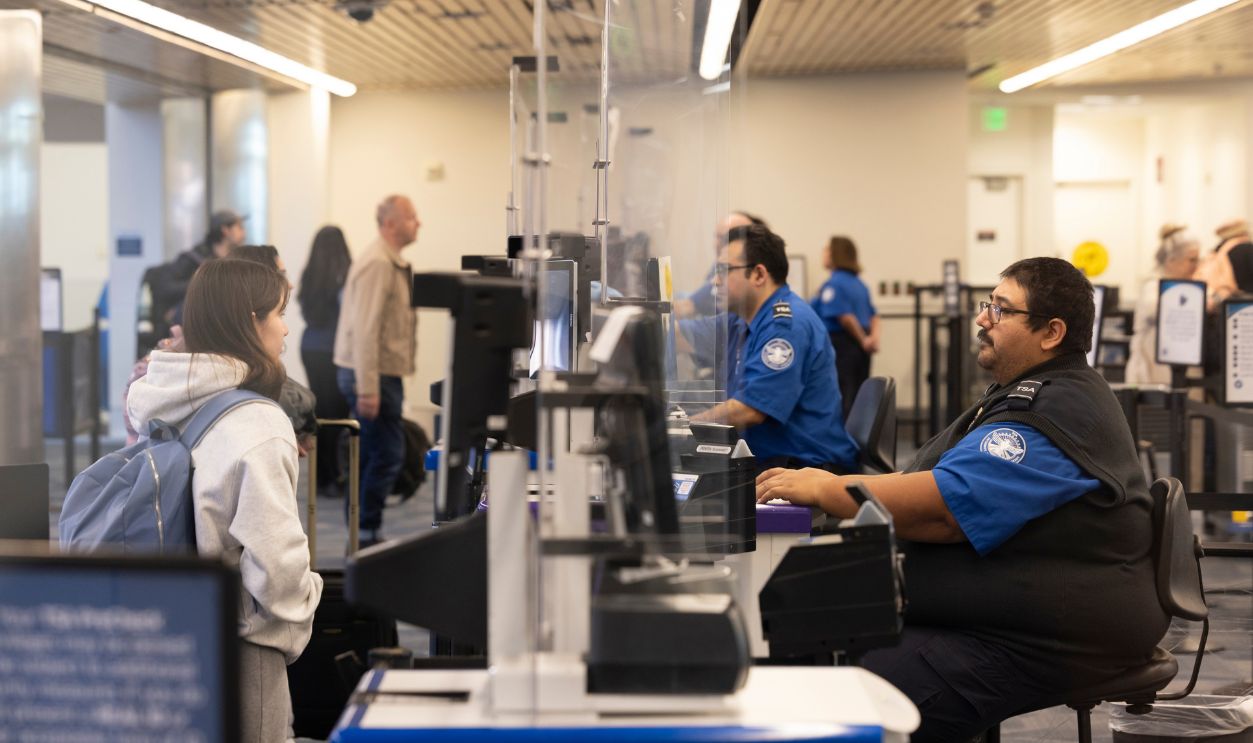
In the United States, Secure Flight requires airlines to collect certain passenger details for watchlist matching. TSA says this includes full name, date of birth, and gender, if applicable. The system is built for security, but it also means your identity details need to be clean and consistent from the start.
Why Front-Line Agents Rarely Take Chances
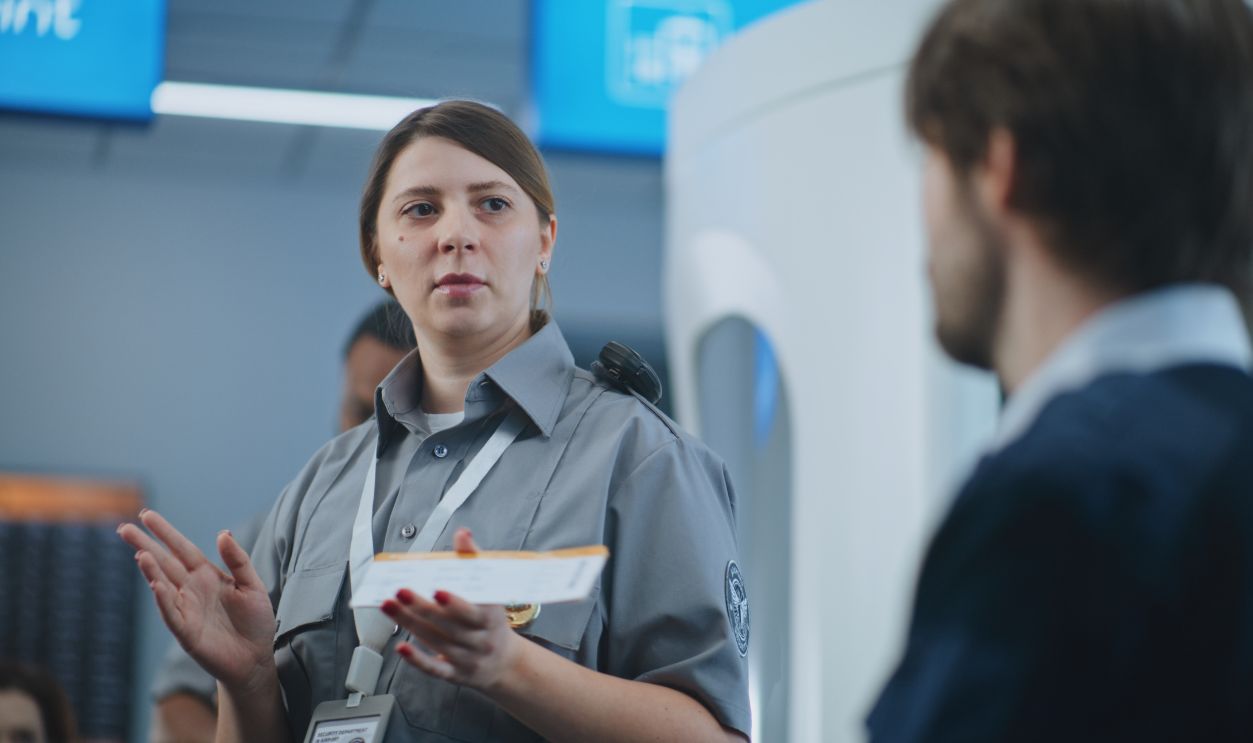
Check-in agents are not just deciding whether a typo looks harmless. They are working within airline rules, border requirements, and computer prompts they may not be able to override. If they let someone board with questionable documents, the airline may be the one that pays for it later.
 Frame Stock Footage, Shutterstock
A Missing Middle Name Is Different From A Wrong One
Many travelers get by without listing a middle name at all, especially if the rest of the booking matches the ID. A wrong middle name, or one that is missing a letter when the passport includes it, can be harder to brush off because it creates a mismatch instead of a simple omission. That difference can matter a lot.
Hyphens, Spaces, And Joined Names Cause Trouble Too
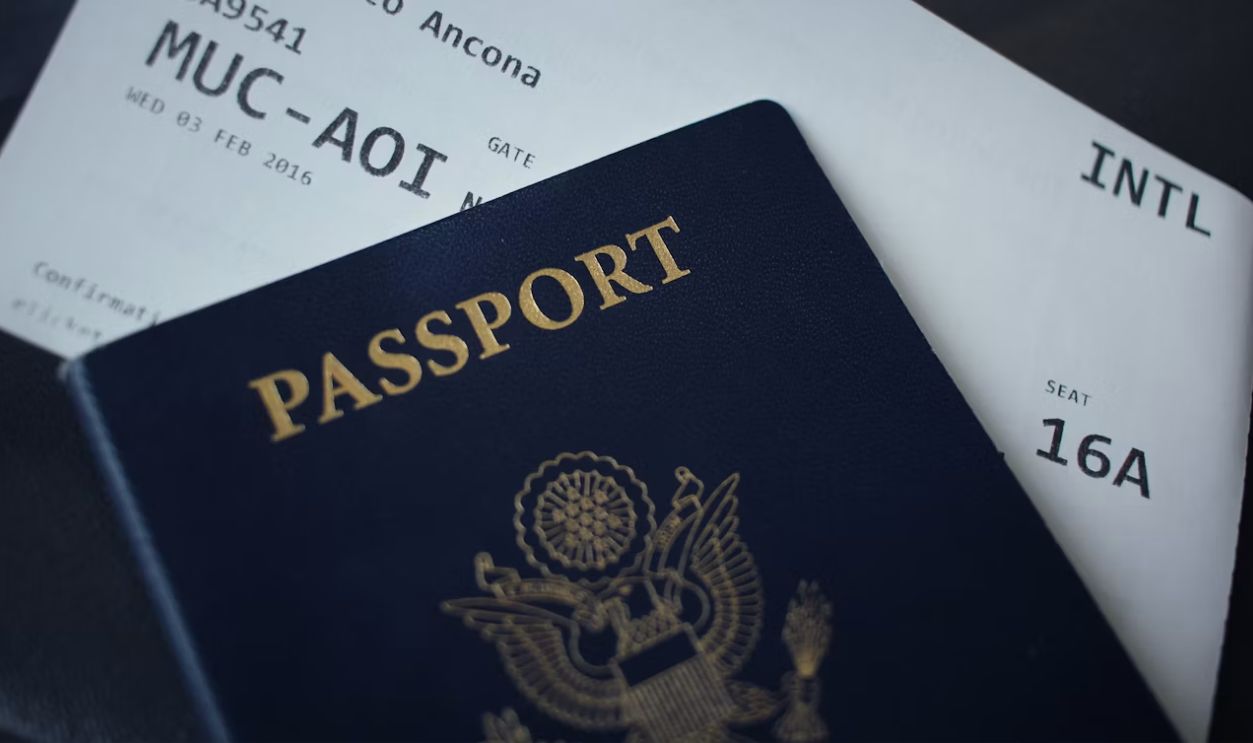
Booking systems often remove punctuation or squeeze names together. A surname like Smith-Jones may show up as SMITHJONES, and multiple given names may appear as one long string. That does not always cause trouble, but it can if a traveler assumes formatting never matters.
What To Do If You Spot A Mistake Early
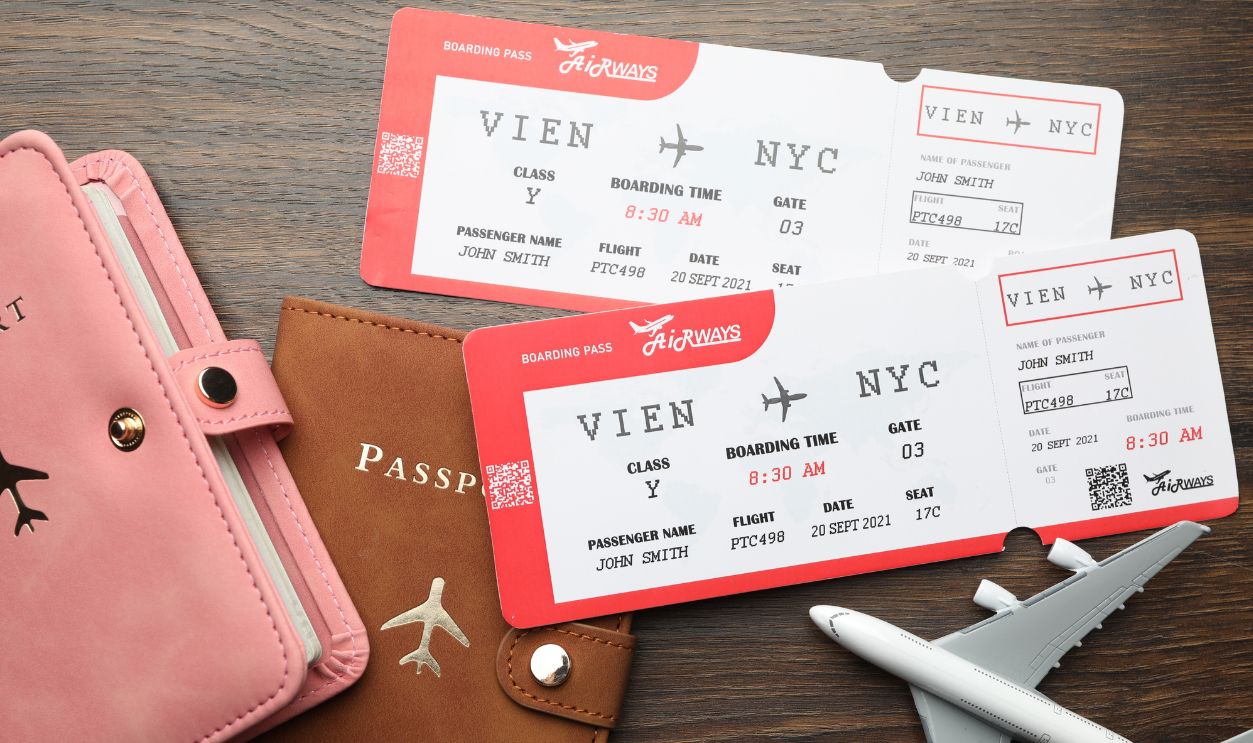
Do not wait and hope it works out. Contact the airline as soon as you notice the error and ask whether it can be fixed as a minor name correction without canceling the ticket. If the trip is international, get that fix confirmed before you go anywhere near the airport.

Why Timing Matters A Lot
Many airlines are more flexible soon after booking. Ryanair’s 48-hour free correction window is one example, and other carriers often make changes more easily before check-in opens. The closer you get to departure, the harder and more expensive a simple typo can become.

Bring More Than One Piece Of Documentation
If you are dealing with a small discrepancy, carry your passport, any secondary ID, your booking confirmation, and records of your talks with the airline. Those may help if a supervisor has to review the issue. They are not a guarantee, but they can strengthen your case.
Do Not Assume Online Check-In Means You Are Safe
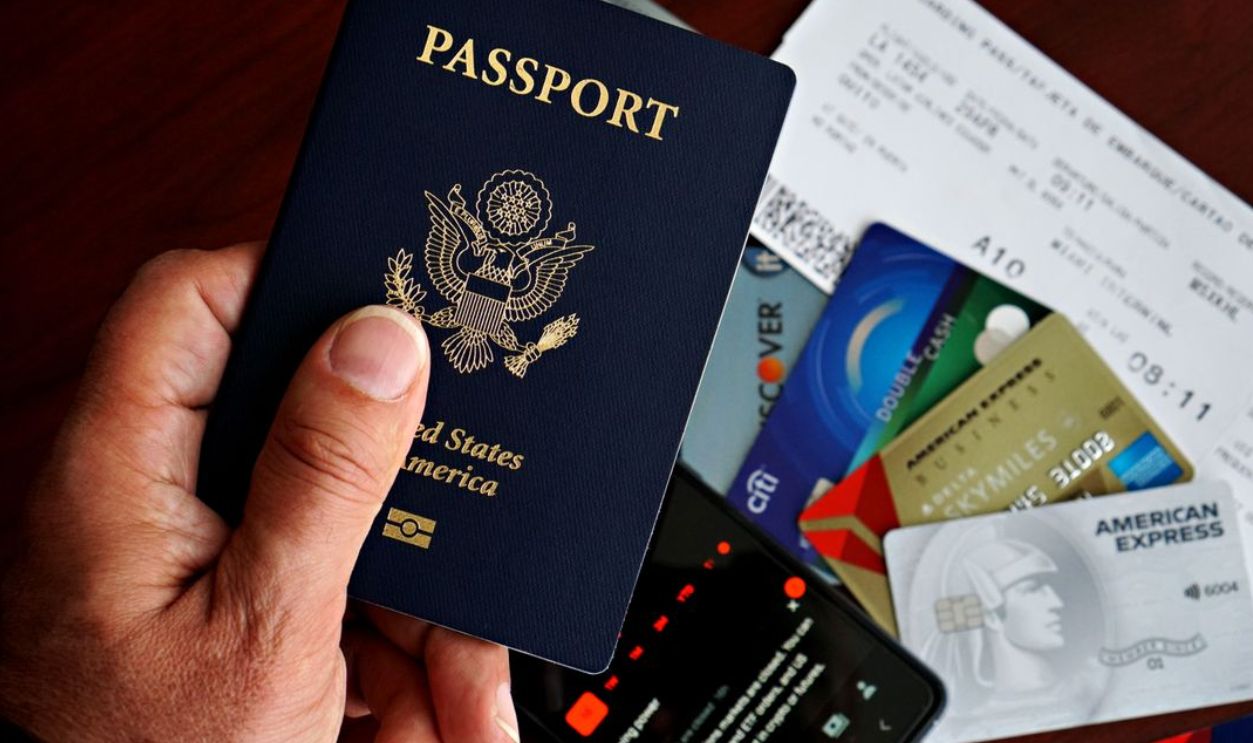
Getting a boarding pass on your phone does not always mean the problem is over. Your documents can still be checked at bag drop, security, or the gate, especially on international trips. That is why small errors can still blow up late in the process.
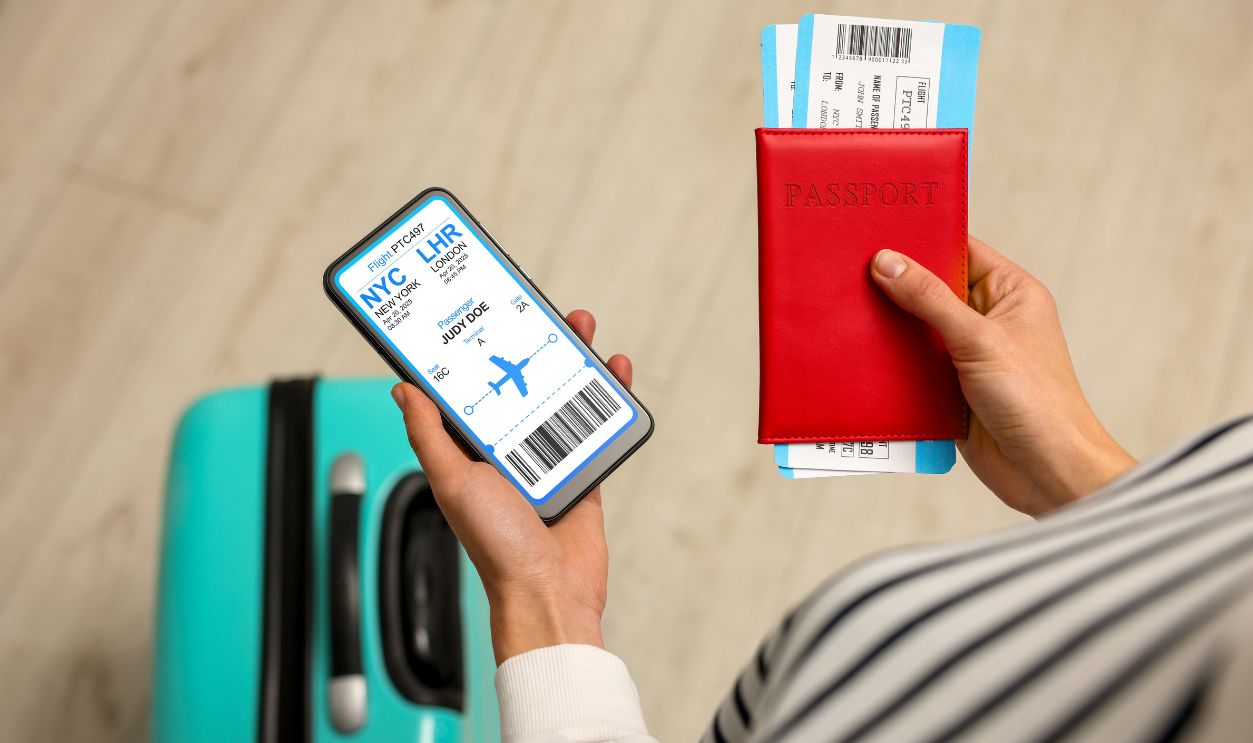
Travel Insurance Usually Will Not Save You
Standard travel insurance often does not cover losses caused by booking mistakes made by the traveler. Policies vary, but name errors are commonly treated as your responsibility. If you need a replacement ticket, the cost may fall on you.

So Is It Really Necessary
From a traveler’s point of view, denying boarding over one missing letter can feel absurd. From an airline’s point of view, exact matching is about compliance, security, and risk. Frustrating as it is, the answer can still be yes.

The Practical Answer Travelers Need
If your first and last names match and your middle name is left out completely, you may be fine, especially on some domestic trips. If a middle name appears on the booking but does not match the passport exactly, the risk goes up. For international travel, exact matching is still the safest rule every time.
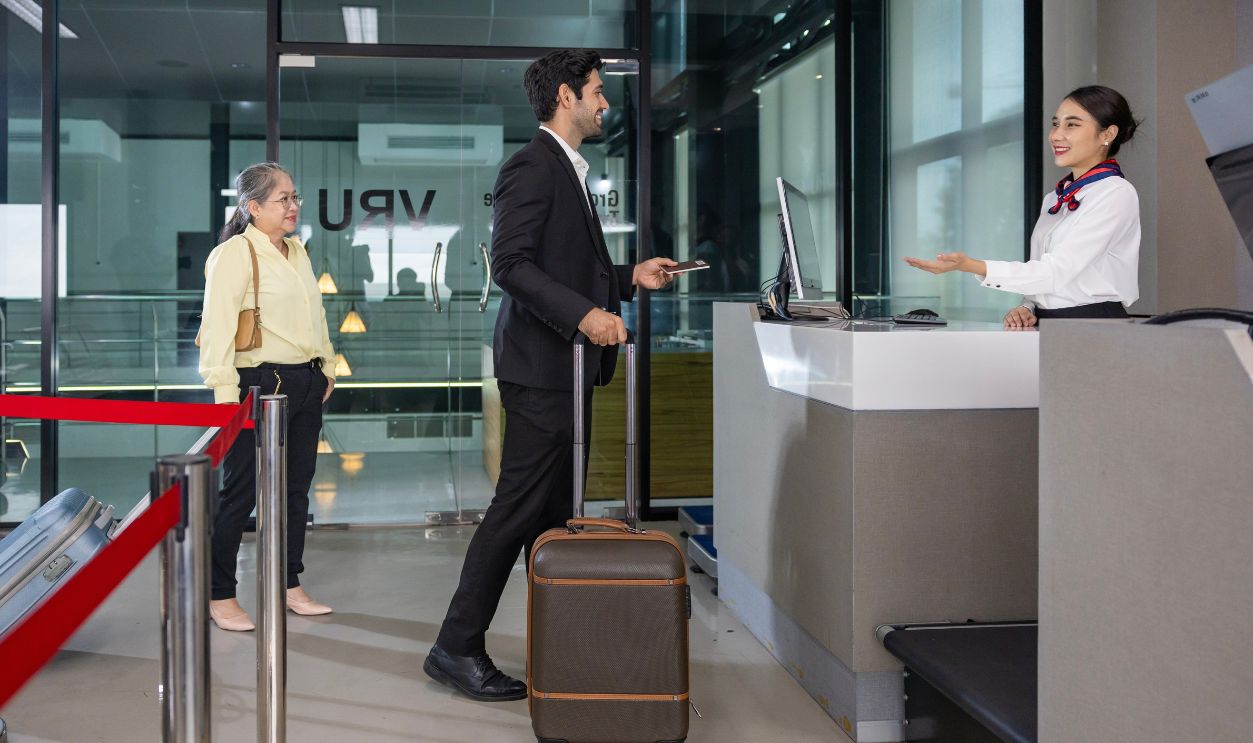
How To Avoid The Nightmare Next Time
Book using the name on your passport or ID exactly as written. Double-check auto-filled forms, saved traveler profiles, and middle names before you buy. One quick review at home can save you hours of panic later.

The Bottom Line Before You Fly
Yes, one missing letter really can matter. TSA and State Department guidance make clear that exact identity matching is the safest approach, while airline policies show that limited flexibility does exist. If you spot even the smallest discrepancy, treat it as urgent and fix it before travel day.