The $300 Typo Shock
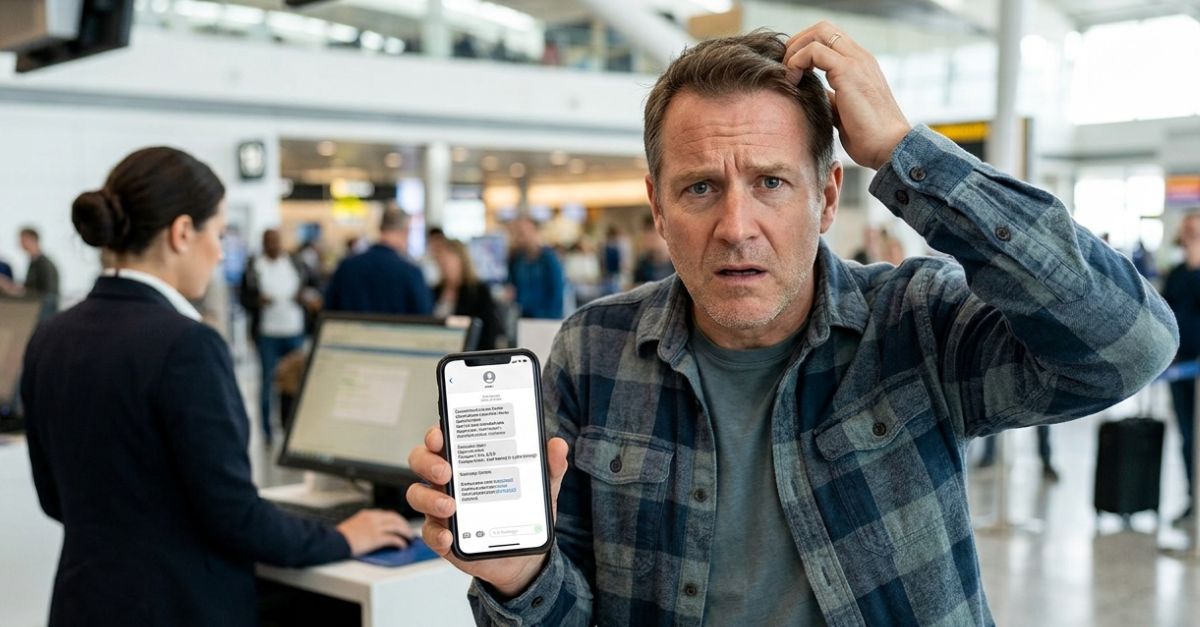
There's one wrong letter in your last name on the booking. That's an easy, 30-second fix, right? Nope. Airlines might quote $300 or more, and suddenly that tiny typo is almost painful as buying the ticket in the first place.
As ridiculous as it sounds, it does happen, because airlines treat name issues as much more than a simple edit. They tie them to security rules, fare rules, and booking systems.
Why One Letter Can Turn Into A Big Bill
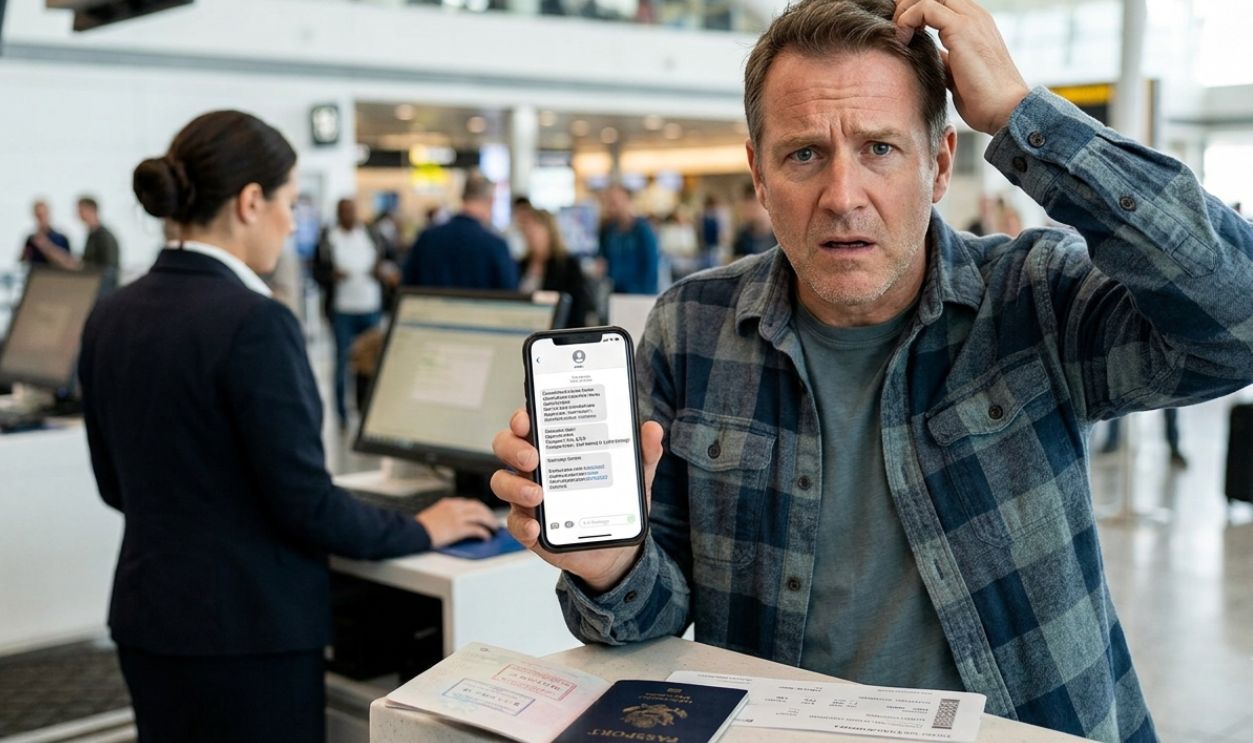
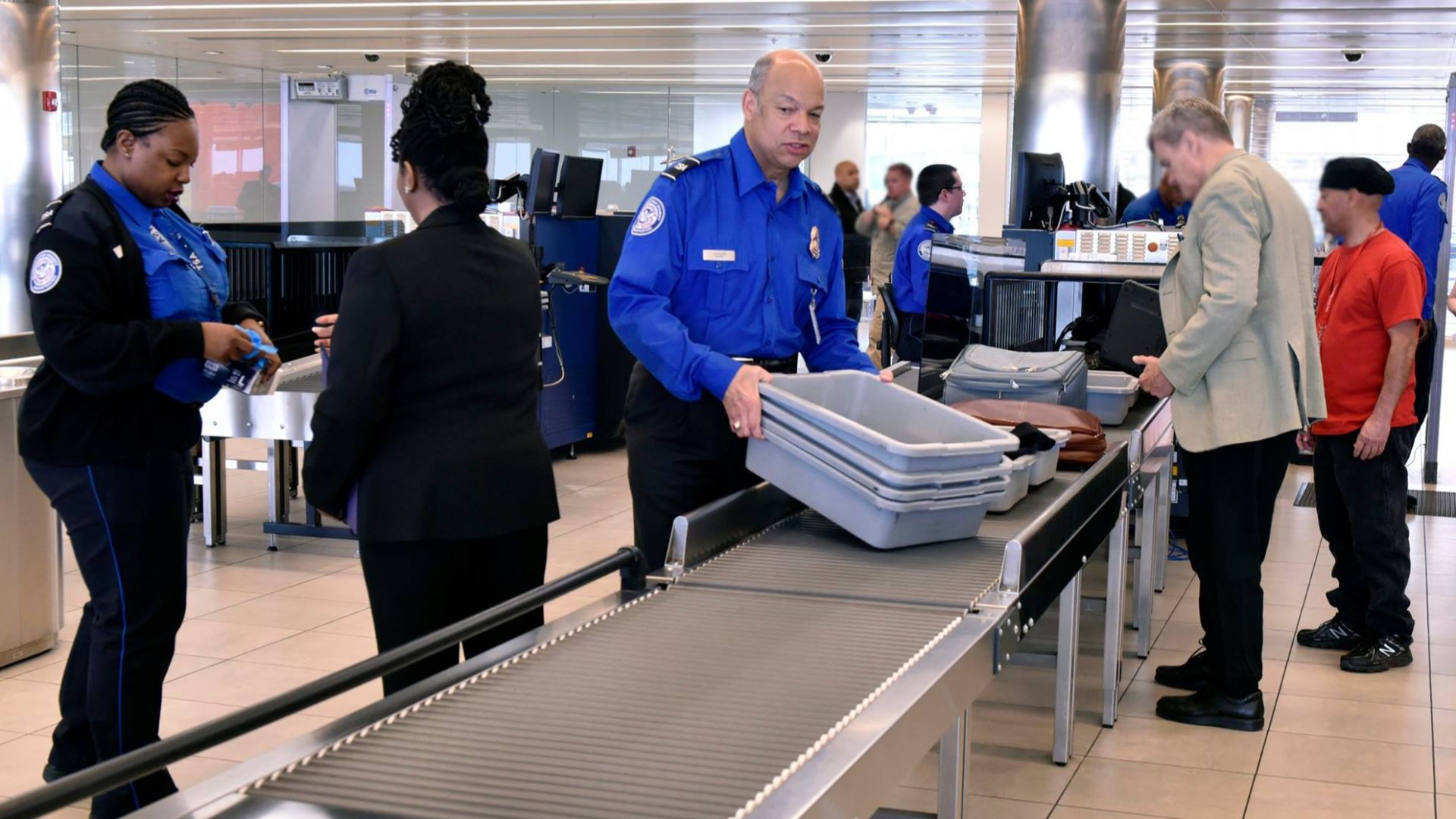
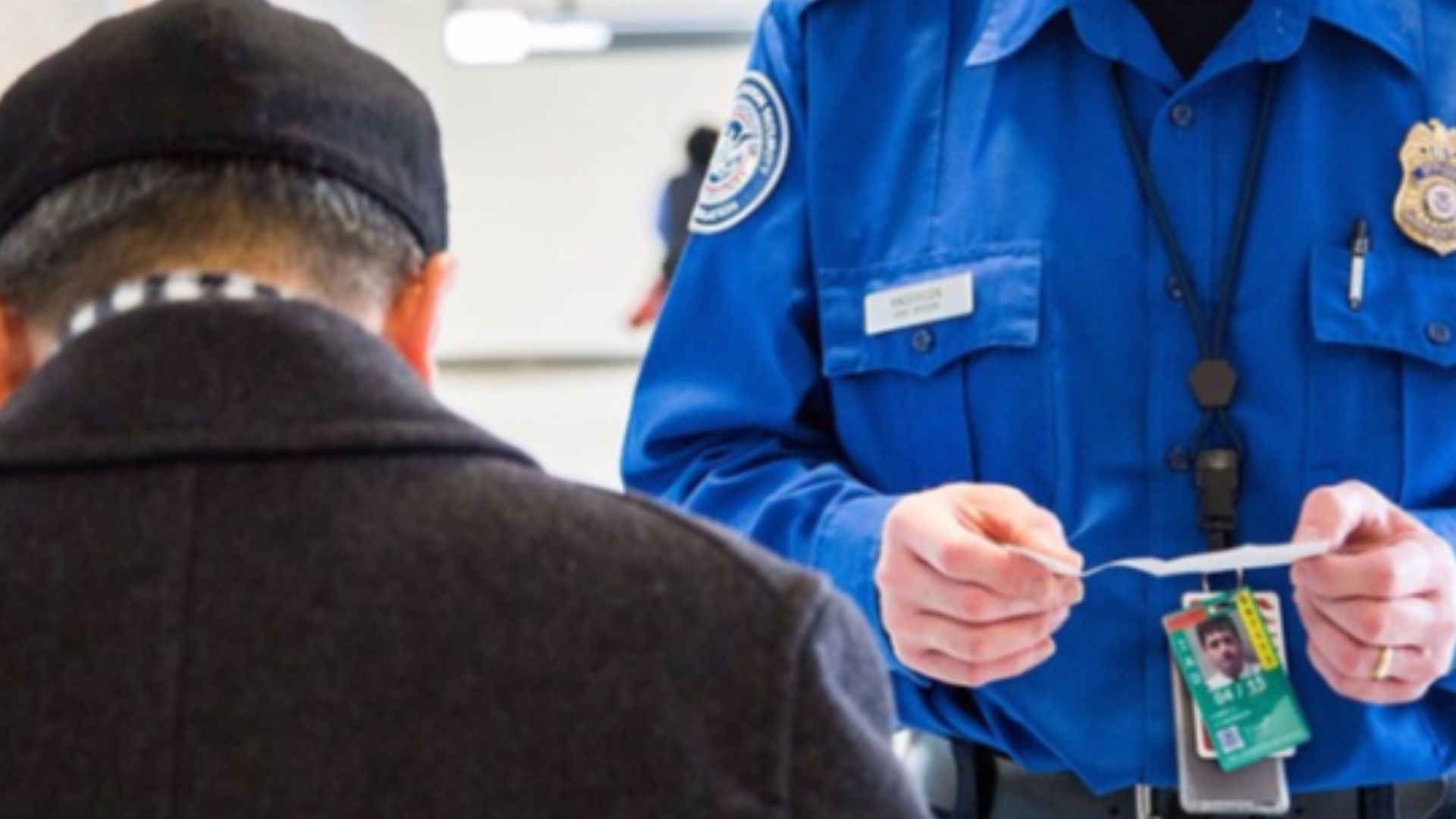
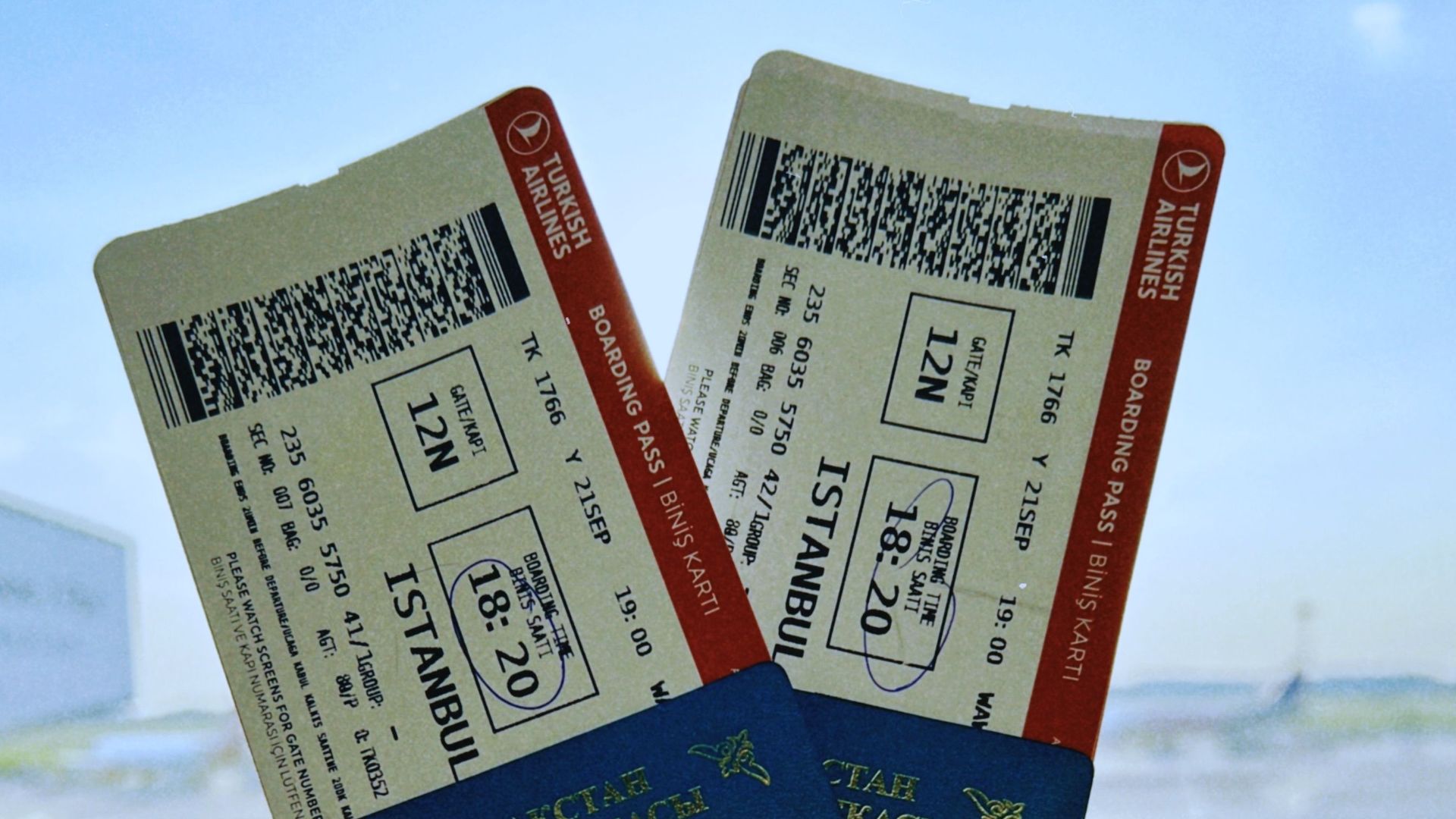
Airlines usually require the name on a ticket to match the passenger’s government ID or passport. The Transportation Security Administration says the Secure Flight program requires airlines to collect a passenger’s full name exactly as it appears on the unexpired government-issued ID used for travel. If the ticket name and the ID do not match closely enough, that can cause problems at check-in, security, or boarding.
 Michael Ball, Wikimedia Commons
Not Every Mistake Is Really A Name Change
This is the part that trips people up. Fixing a typo is often not the same thing as changing the ticket to a different traveler. Many airlines allow small spelling fixes, but they do not allow ticket transfers to someone else. That line is where a lot of the frustration starts.
 AlpakaVideo, Shutterstock Images
What Federal Rules Actually Say
There is no broad U.S. federal rule that limits what an airline can charge to fix a typo on a regular ticket. The U.S. Department of Transportation says airlines and ticket agents cannot use unfair or deceptive practices, but it does not publish a standard typo-fee chart for domestic tickets. In real life, the answer usually comes down to the airline’s contract of carriage, the fare rules, and how the ticket was issued.

The Security Piece Airlines Point To
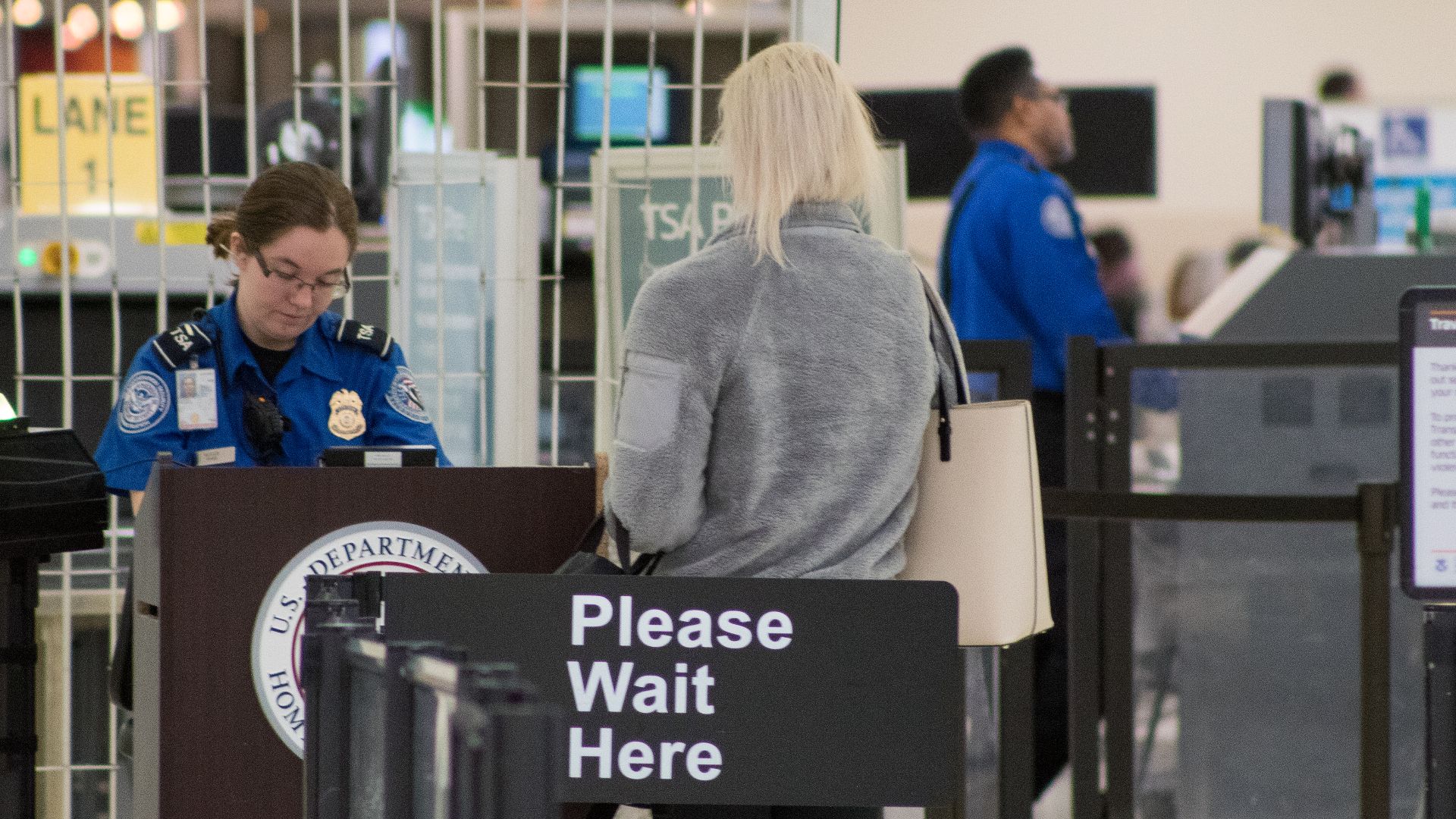
TSA has long told travelers to make sure the name on a boarding pass matches the name on the ID shown at the checkpoint. The agency also says Secure Flight collects a traveler’s name, date of birth, and gender for watch list matching. That is one big reason airlines get cautious, even when the mistake looks tiny.
 U.S. Department of Homeland Security (DHS), Wikimedia Commons
Real ID Raises The Stakes
The name-matching issue matters even more as REAL ID enforcement moves forward for air travel. DHS has said travelers need a REAL ID-compliant license or another acceptable form of identification to fly domestically once enforcement is in effect. When ID checks get tighter, even a small booking error can become a much bigger deal.
 Transportation Security Administration, Wikimedia Commons
Why Reservation Systems Make This Messier
An airline ticket is not just a receipt. It is a record tied to passenger name records, fare buckets, taxes, security data, and sometimes another airline’s system too. If the wrong letter is sitting inside a ticket that has already been issued, changed, or shared with a partner carrier, the agent helping you may not be able to fix it with one quick edit.
The Difference Between Airline And Agent Matters
Where you booked can make a big difference. If you used an online travel agency, a traditional travel advisor, or another third-party site, the airline may say only the company that issued the ticket can change it. That extra step can mean more delays, more confusion, and sometimes more fees.

Contracts Of Carriage Hide The Fine Print
The real rulebook for your trip is usually tucked away in the airline’s contract of carriage or conditions of transport. These documents explain whether tickets can be transferred, how name corrections work, and when a ticket has to be reissued. Most people never read them before buying, but they often decide whether your typo costs nothing or hundreds.

American Airlines Draws A Line Between Correction And Change
American Airlines says minor name corrections can be made in some cases, but a ticket cannot be transferred to another person. Its travel agency guidance says small corrections may be allowed when the same traveler is still on the ticket. That is why the words you use with customer service matter.
United Also Allows Certain Corrections
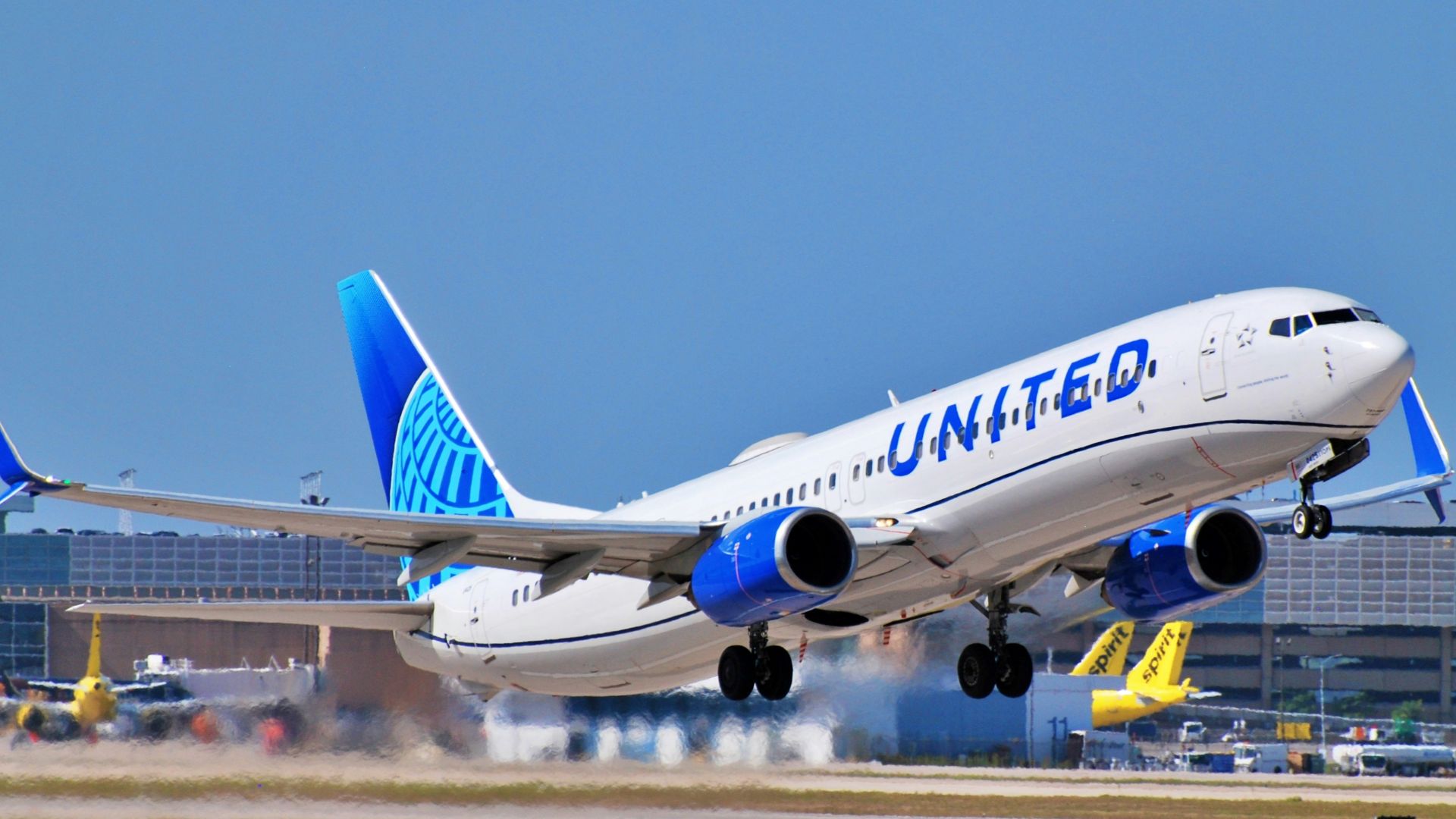
United Airlines has published guidance saying minor corrections can be made for flights operated by United and United Express, as long as its procedures are followed. The airline separates fixing an error from changing the traveler. If an agent decides your request falls into the second bucket, the cost can jump fast.
Delta Says Minor Corrections May Be Possible
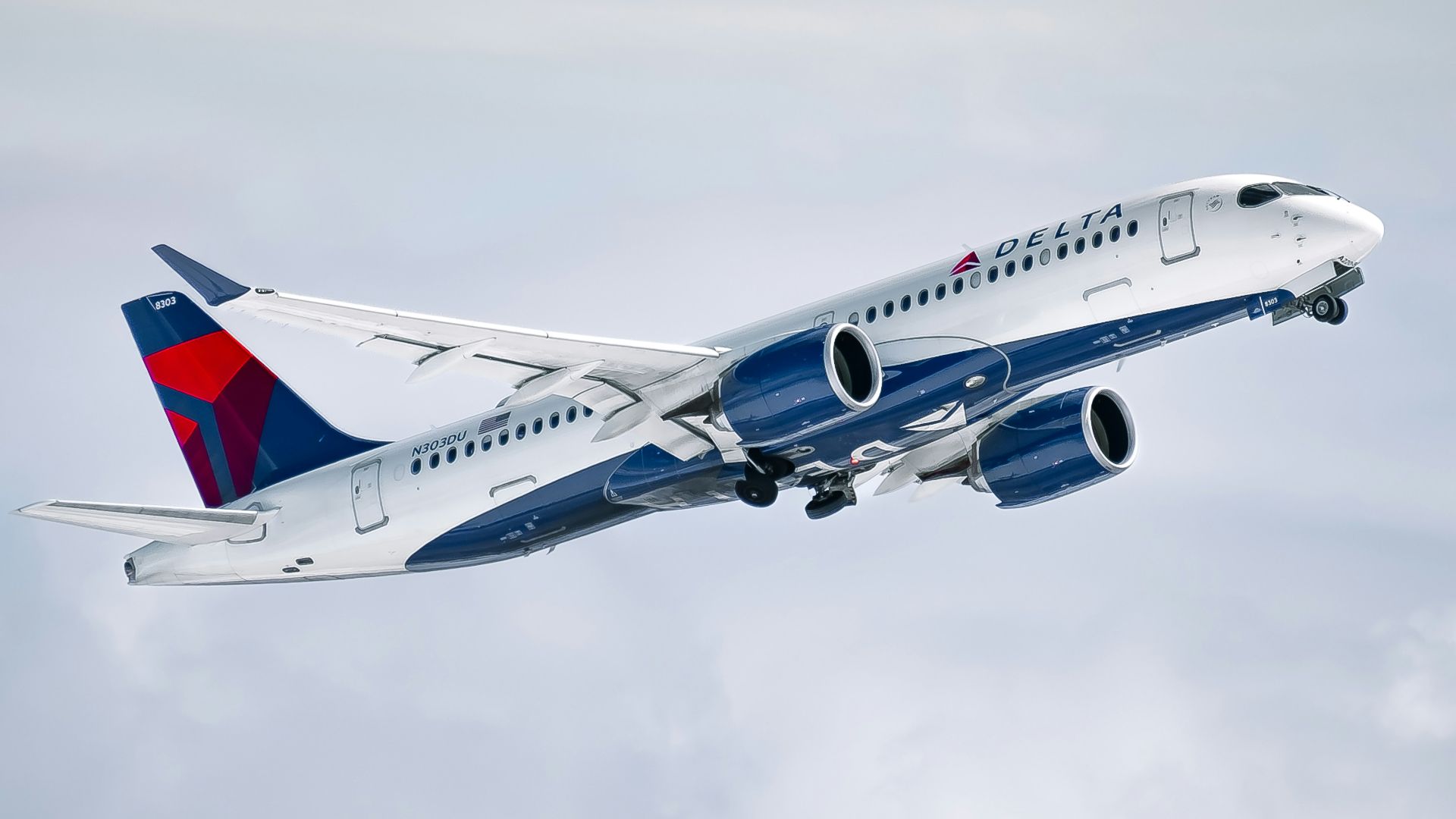
Delta’s travel agent guidance also says minor name corrections are allowed in limited cases. The policy is meant to keep the original passenger on the ticket, not let someone else use it. It sounds simple, but this is exactly where a lot of expensive mix-ups begin.
When A Correction Triggers A Reissue
If the ticket cannot be fixed with a basic correction, the airline may require a reissue. That can mean repricing the trip at the current fare instead of the price you originally paid. If fares have gone up since you booked, the difference can easily get close to $300 or more, even if the whole problem started with one wrong letter.
 Monkey Business Images, Shutterstock
Basic Economy Can Make Everything Harder
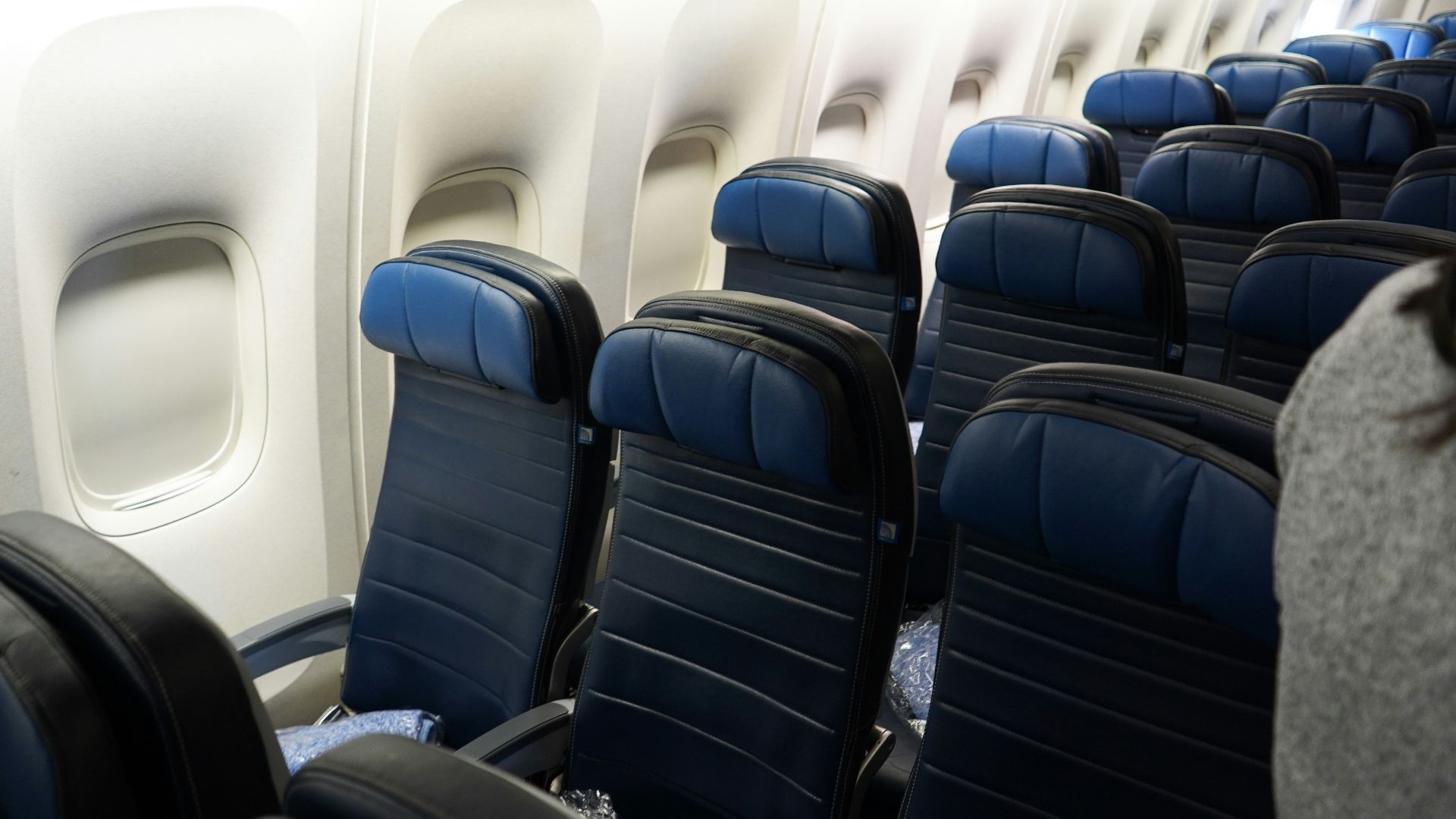
The cheapest tickets usually come with the toughest rules. Basic economy fares on several major airlines are known for limited flexibility, fewer changes, and stricter conditions. If there is a typo on a heavily restricted ticket, fixing it can get much more expensive because there are fewer ways to do it.
International Trips Can Be Even Tougher
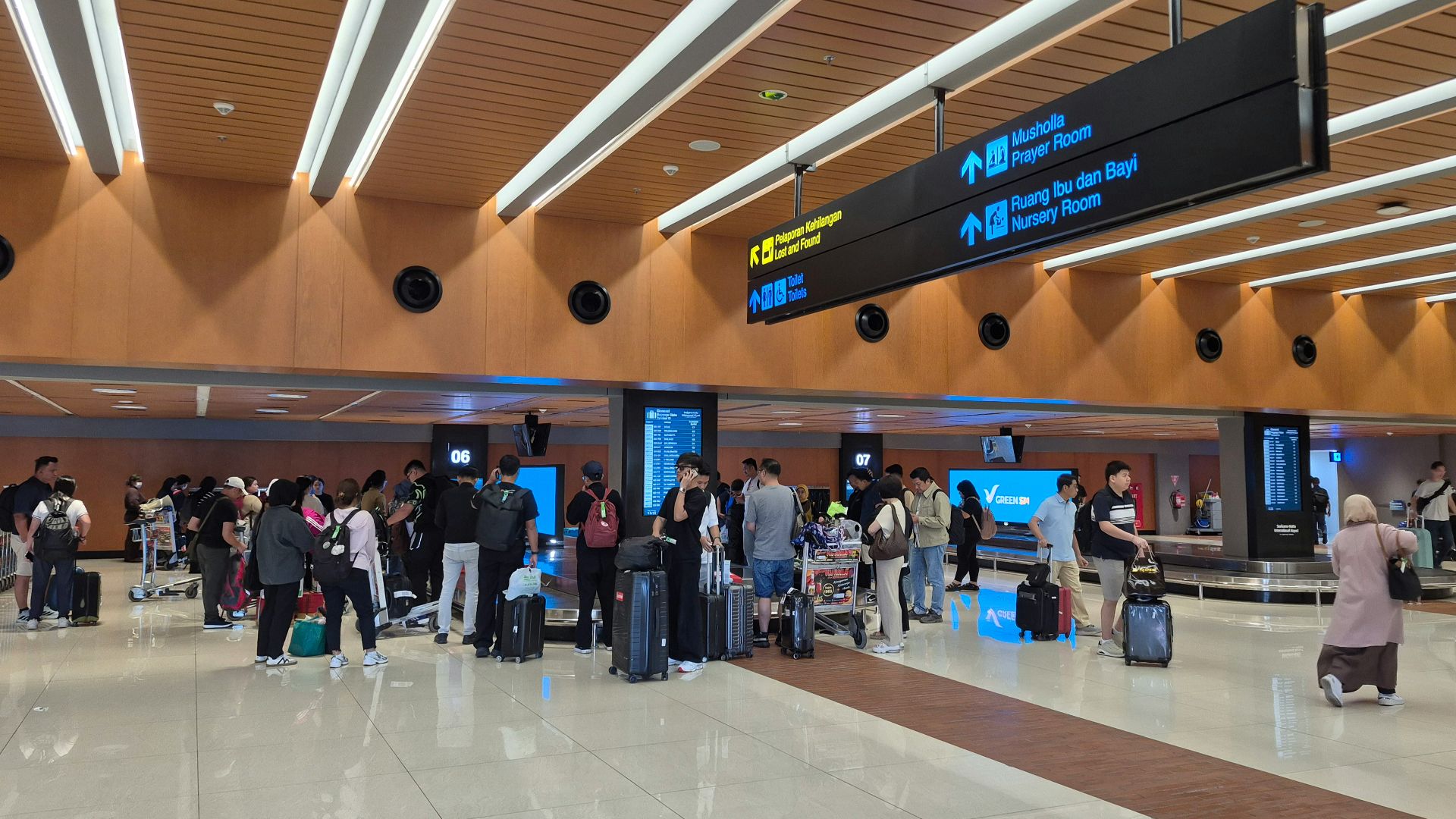
International trips add passports, foreign entry rules, and sometimes multiple airlines. A mismatch between the ticket and the passport can cause bigger trouble than it would on a simple domestic flight. Partner airlines may also use different systems and follow different policies, which can turn a quick fix into a long, messy problem.
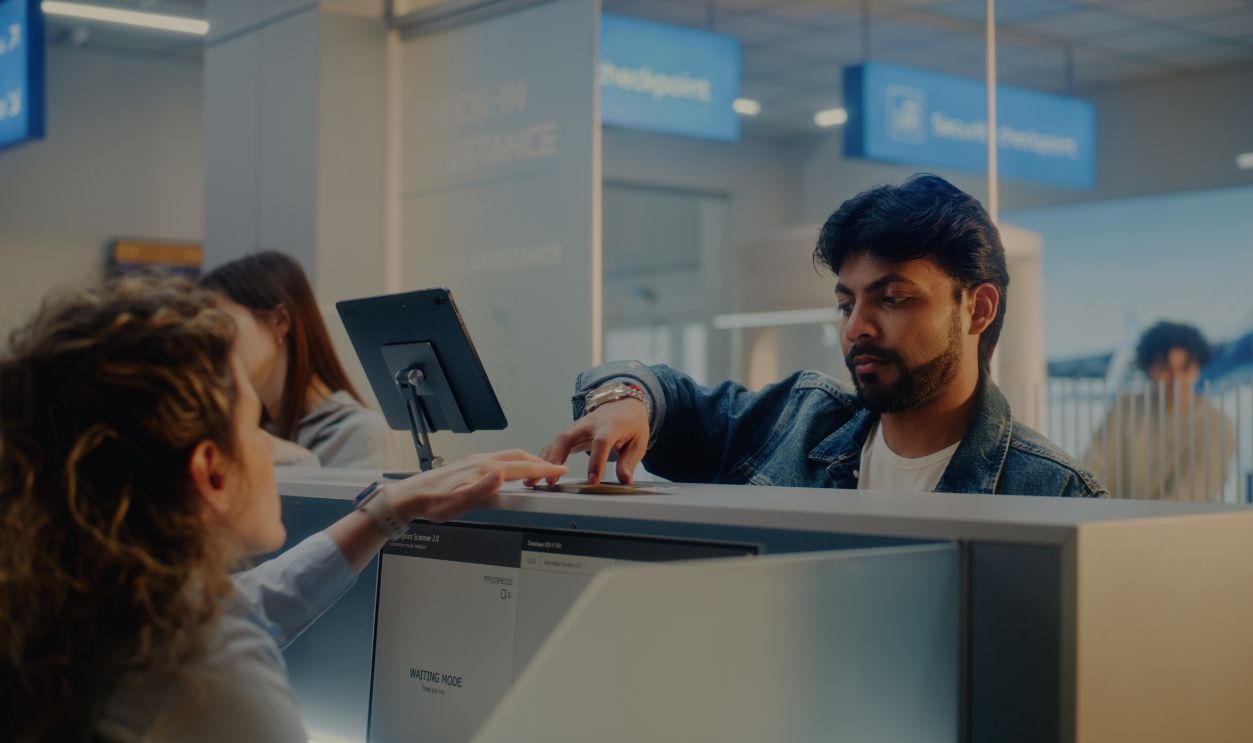
Middle Names And Missing Surnames Cause Plenty Of Panic
Not every mismatch ends in disaster. Some airlines are flexible about missing middle names or first and middle names running together, especially if the main identity is still clear and the rest of the booking matches the ID. Still, never assume it will be fine. The final call can depend on the airline, the destination, and the exact mistake.
 Frame Stock Footage, Shutterstock
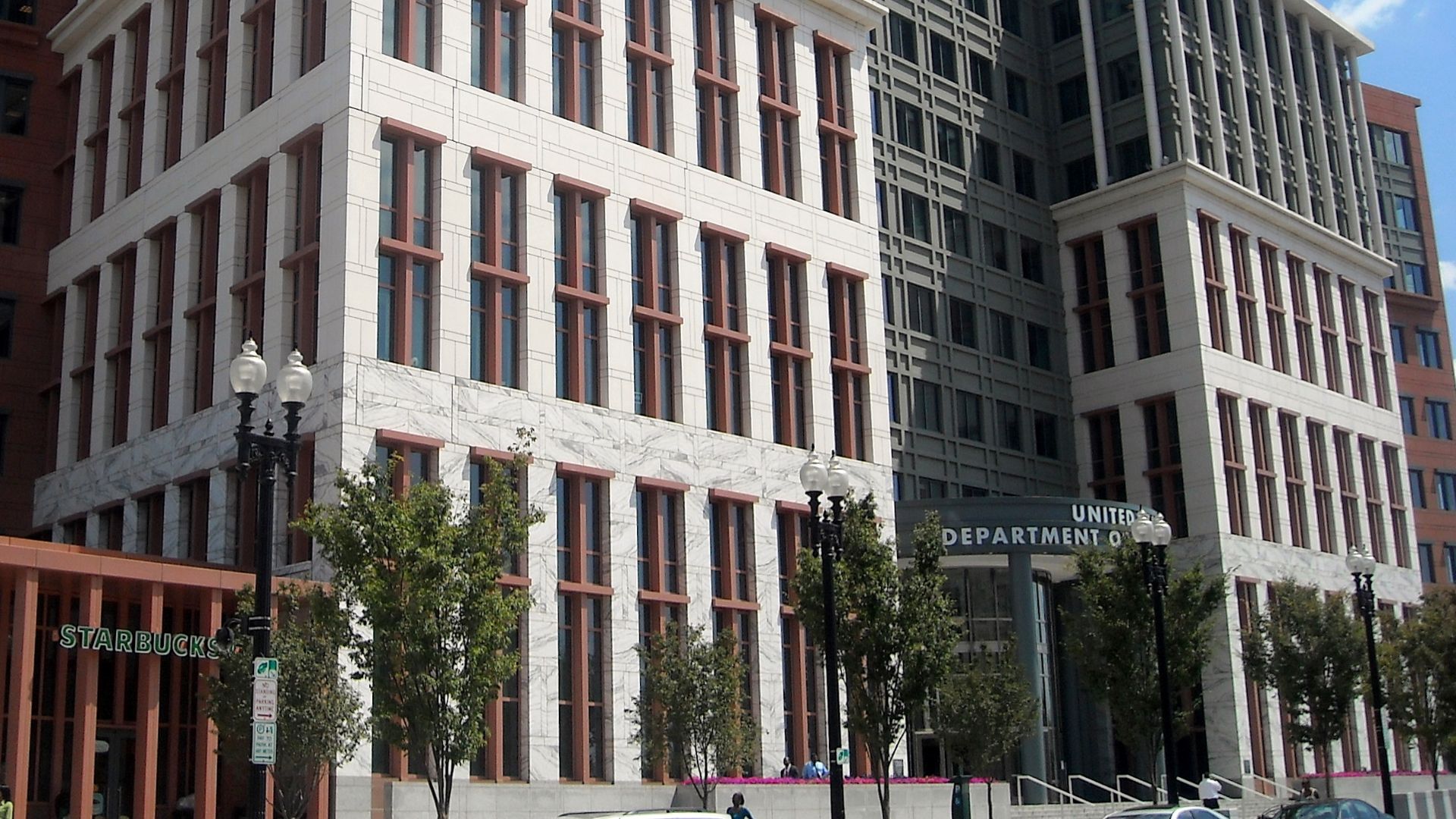
The Department Of Transportation’s Role Is Limited
The DOT can step in if an airline or ticket agent used unfair or deceptive practices, or if a company failed to follow its own published policy. But it does not act like a typo-fee judge for every booking fight. If the charge lines up with the fare rules and contract terms, the traveler may not have much leverage beyond escalating the issue and filing a complaint.
 AgnosticPreachersKid, Wikimedia Commons
Consumer Complaints Still Matter
That said, filing a complaint can still help. The DOT accepts air travel complaints through its Aviation Consumer Protection office, and a formal complaint creates a paper trail. If a traveler thinks an airline misrepresented a policy or ignored its own published rules, that record can matter.
 Edward Kimmel from Takoma Park, MD, Wikimedia Commons
There Is A Practical Way To Push Back
If you get quoted a high fee, ask the agent whether the request is being treated as a typo correction, a voluntary ticket change, or a name transfer. Then ask for the exact published policy or contract language being used. That one question can reveal whether the fee is based on an actual rule or just one employee’s reading of the situation.

What To Do If You Booked Through A Third Party
Start with the company that issued the ticket, because that business often controls the booking record. Ask whether the airline has approved a name correction waiver and whether the agency can handle it without canceling and rebooking. If the answer is fuzzy, ask for the fare rules and the reason the request cannot be processed as a simple correction.

How To Make Your Case Stronger
Have your passport or driver’s license in front of you when you call. Be ready to show that the booking was always meant for you, and point out that your date of birth, itinerary, and other details match your identity. The more clearly you show that this is a typo and not a different traveler, the better your chances.
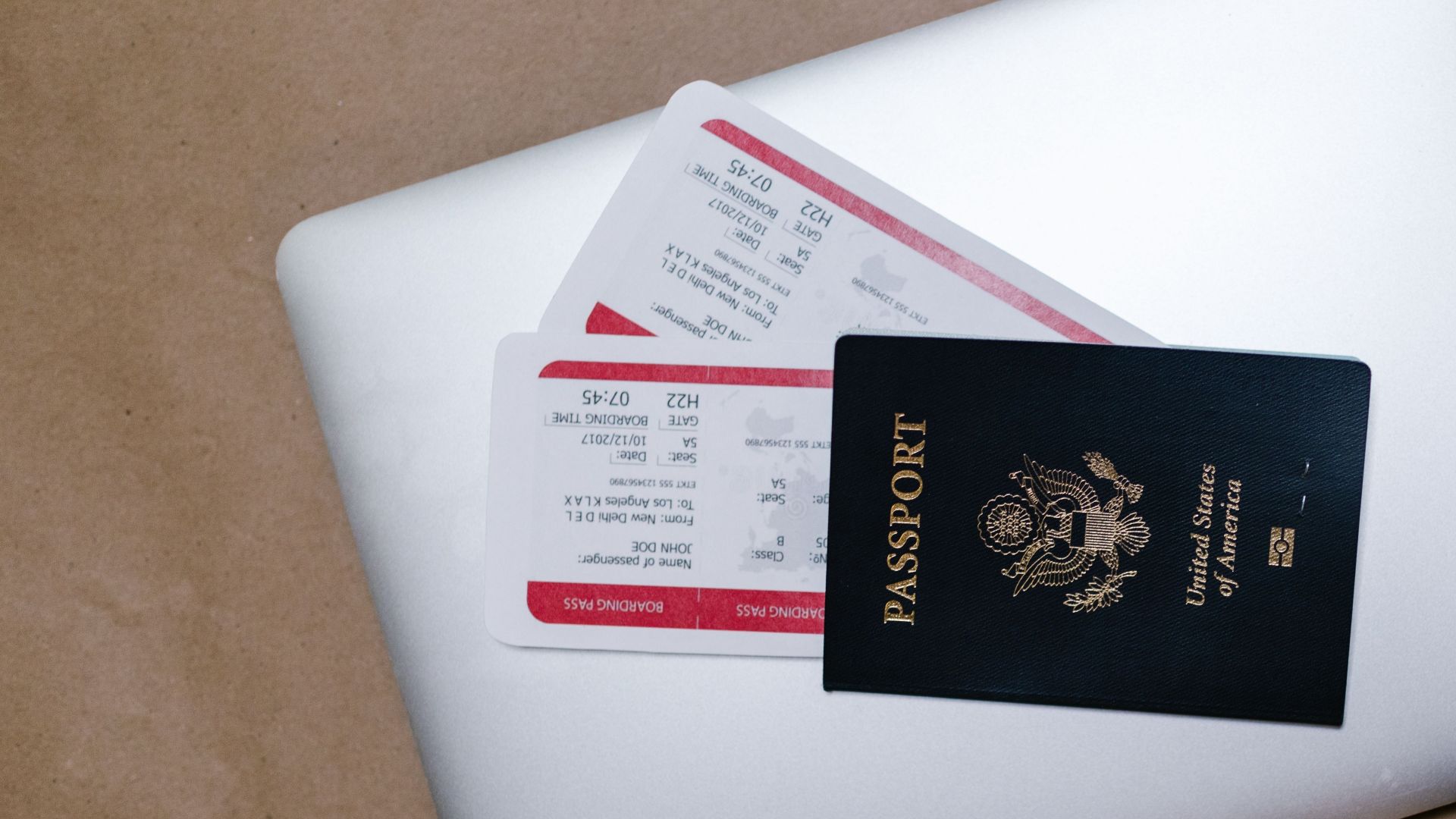
Timing Can Save You Serious Money
Fix the problem as soon as you notice it. The earlier you act, the better the odds that the reservation is still in a stage where a small correction can be made. Once check-in opens, a schedule change happens, or another airline gets involved, the process can become harder and more expensive.
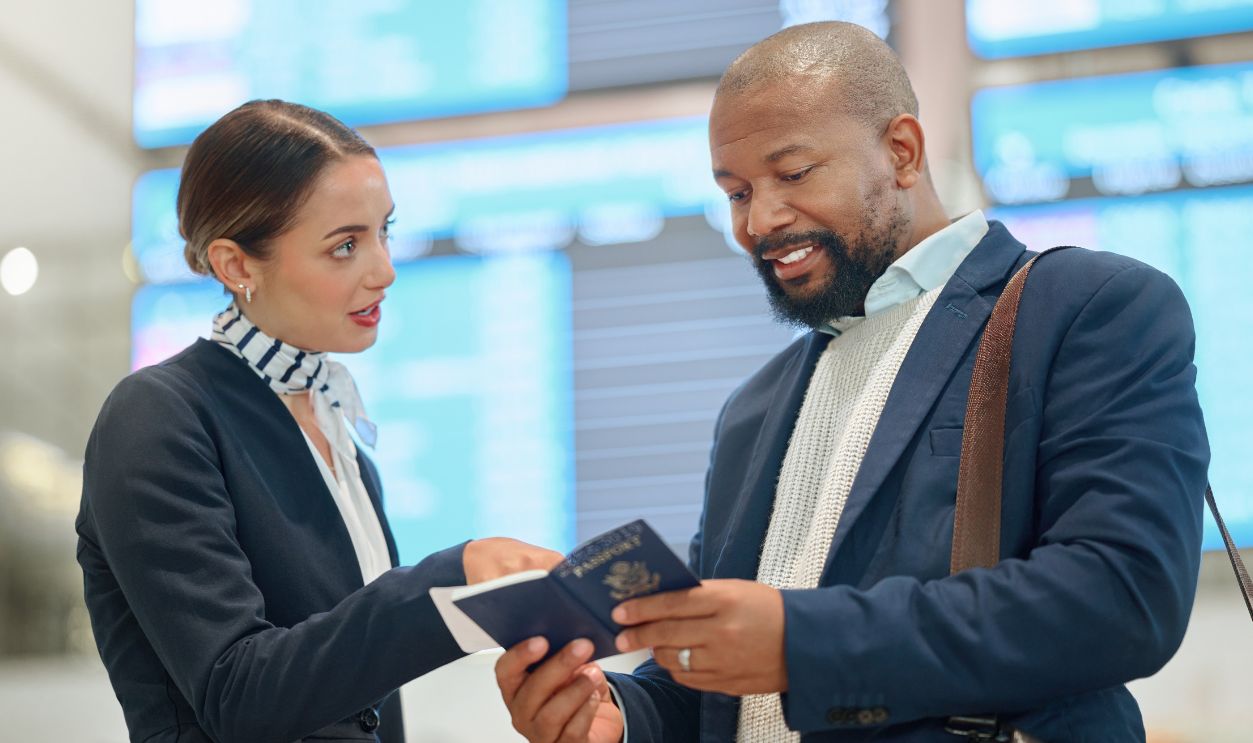
The 24-Hour Rule Might Help
The DOT requires airlines selling tickets in the United States to either let customers hold a fare for 24 hours or cancel without penalty within 24 hours of booking, as long as the flight is at least seven days away. If you catch the typo quickly, canceling and rebooking may cost less than paying a big correction fee. Sometimes that is the cleanest way out.
 Summit Art Creations, Shutterstock
Sometimes The Cheapest Move Is To Start Over
If the fare is still low and the booking is very recent, canceling and buying a new ticket may be better than fighting through a long correction process. This is especially true if the airline insists on a reissue at current prices plus fees. It is irritating, but sometimes the math is what matters.
When $300 Is Plausible
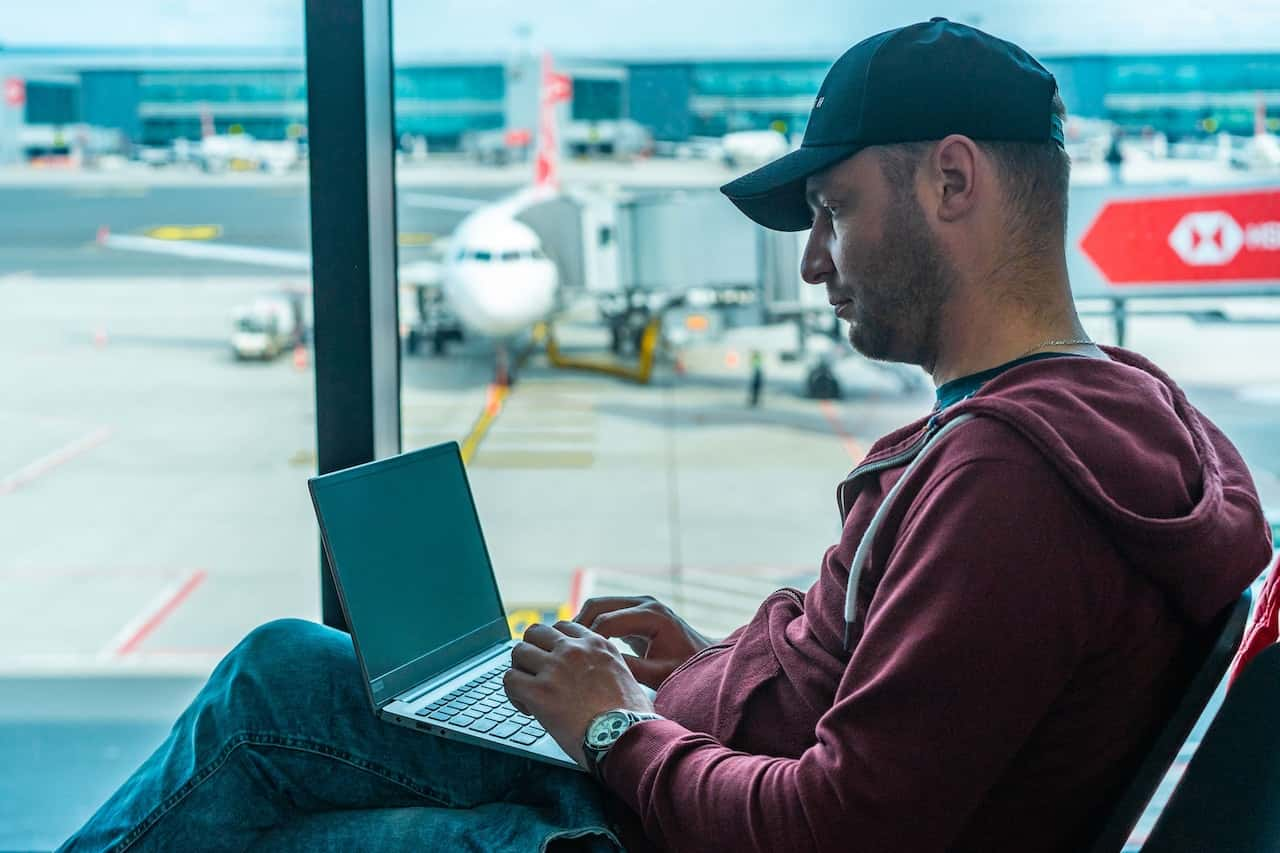
Yes, a typo really can end up costing almost as much as the ticket. A $300 total is believable when an airline or agency treats the fix as a reissue, when the fare has gone up, or when several fees stack together. The sting is that the price often comes from ticketing mechanics, not the actual effort of changing one letter.

When The Airline Should Probably Fix It For Less
If the mistake is clearly minor, the same traveler is flying, and the airline’s published policy allows small corrections, a huge fee deserves a second look. Calmly ask for a supervisor and point to the airline’s own name-correction guidance if you can find it. That can be the difference between getting nowhere and getting a fair fix.
The Best Defense Is A Two-Minute Check
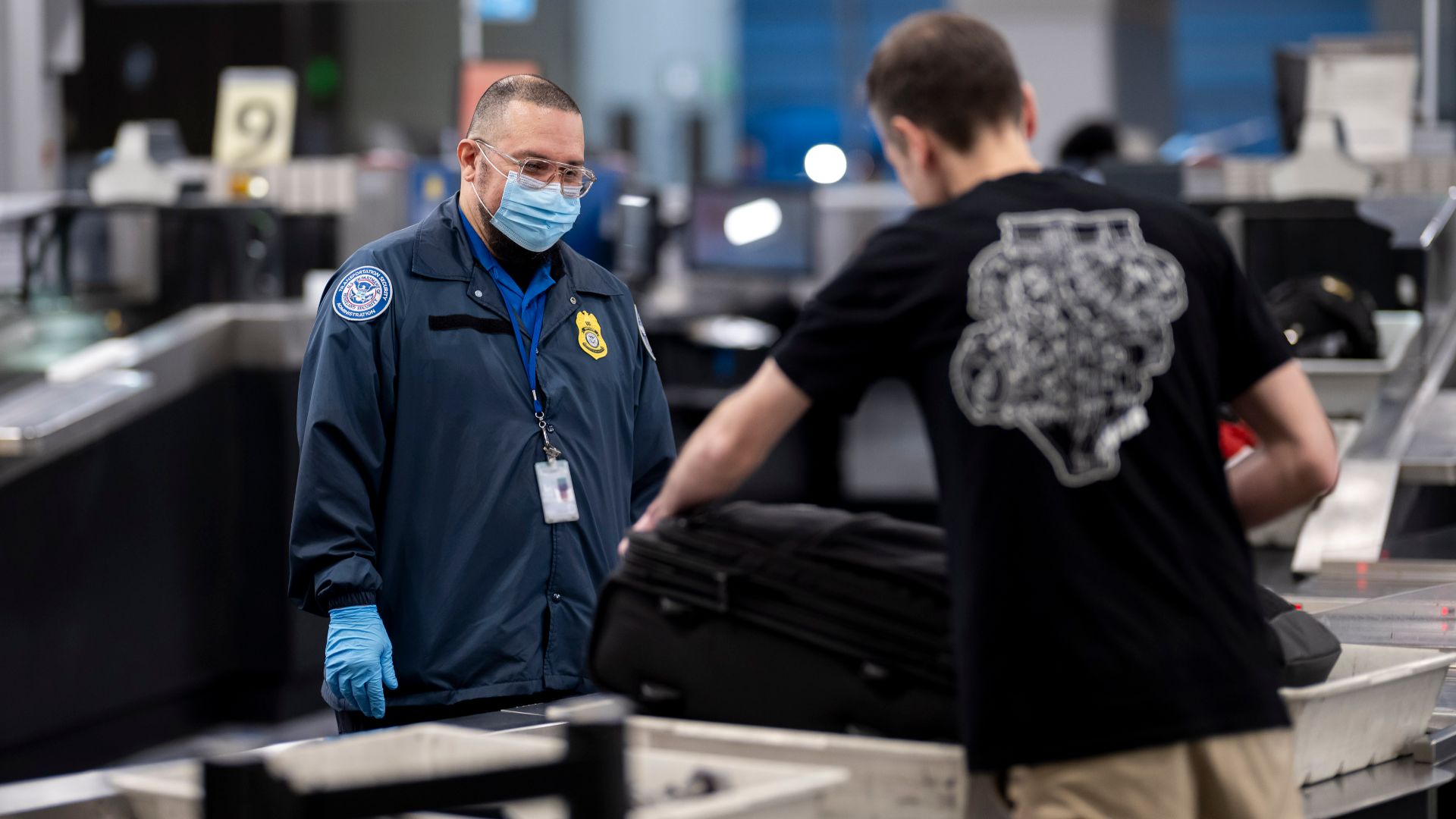
The easiest way to avoid this mess is very simple. Before you hit purchase, compare the booking name line by line with the ID or passport you plan to use for the trip. Two minutes up front can save you hours on hold and hundreds of dollars later.

The Bottom Line For Travelers
A one-letter typo should not always cost $300, but under real airline rules, sometimes it can. The outcome depends on timing, fare type, where you booked, and whether the airline sees the request as a basic correction or a full reissue. In air travel, small mistakes can get expensive fast, which is why catching them early matters so much.