
A Carry-On Can Fit And Still Get Rejected
A carry-on can slide right into an airline’s sizer and still get stopped at the gate. Most airlines care about more than just space, and weight might now be under even more scrutiny. Losing your carry-on due to weight overage might be new to you, but it's been happening to travellers for years—and it's probably going to continue.

Airlines Have Been Weighing Cabin Bags For A Long Time
While more people are noticing it, this isn't some brand-new rule that suddenly showed up in 2025 or 2026. Airlines around the world have listed maximum carry-on weights for years, especially in Europe, Asia, Australia, and on many budget airlines. What feels new is stricter enforcement, especially during busy travel periods and at crowded airports.
 OhanaUnitedTalk page, Wikimedia Commons
Size And Weight Are Two Different Rules
Most travelers focus on whether a bag fits in the overhead bin or under the seat. Airlines usually treat that as only half the story. They often have one rule for dimensions and another for weight. Meeting one does not mean you meet the other, which is why a bag that fits perfectly can still be checked.
 U.S. Customs and Border Protection, Wikimedia Commons
In The U.S., Weight Limits Are Less Common
Many major U.S. airlines focus more on carry-on size than on strict weight caps for standard cabin bags. That helps explain why many American travelers are caught off guard when an international airline weighs a bag. Once you fly abroad or connect to a foreign carrier, the rules can change fast.
Many International Airlines State The Limit Clearly
Lufthansa, for example, publishes a standard carry-on weight limit of up to 8 kilograms, or about 17.6 pounds, for many travelers. Air France says cabin baggage and accessory together must not exceed 12 kilograms in Economy and Premium Economy, with higher allowances in some cabins. Qantas also publishes carry-on weight rules, including a common 7 kilogram limit on many flights.
 CAPTAIN RAJU, Wikimedia Commons
Budget Airlines Are Often The Toughest
Low-cost airlines have made close baggage checks feel normal because bag fees are a major source of revenue. Ryanair, easyJet, Wizz Air, and similar carriers are best known for strict size rules, but weight limits can still matter depending on the bag type and fare. If your ticket only includes a small personal item, a bigger or heavier cabin bag can quickly lead to extra charges.

Why Airlines Care About Weight
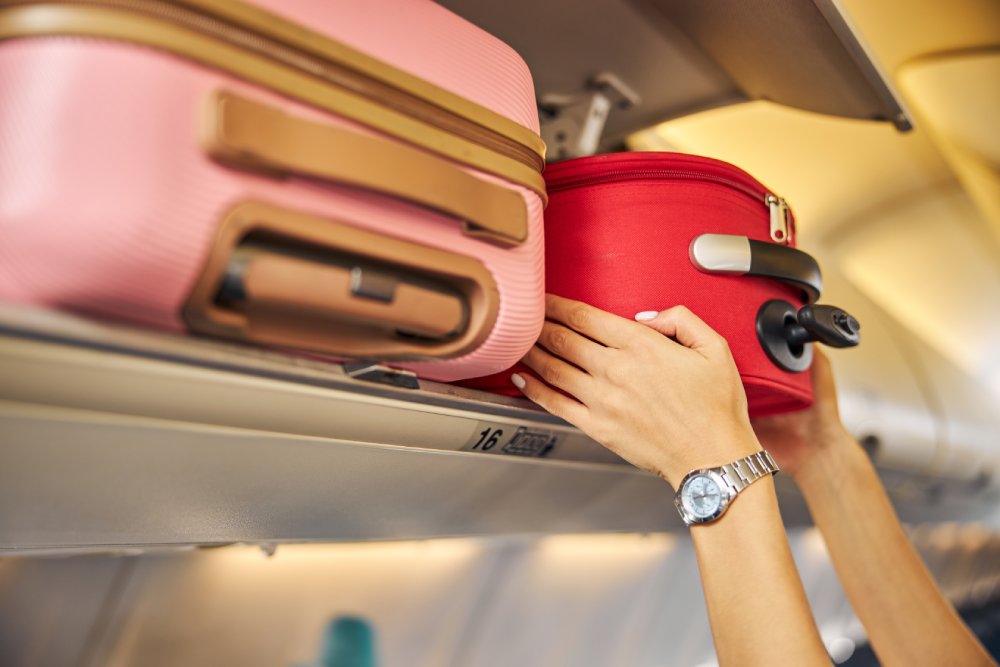
There are real reasons for these limits. Passengers have to lift cabin bags into overhead bins, and airlines want to lower the risk of injuries from heavy bags falling or from travelers straining to hoist them up. Weight also matters for overall aircraft load planning, even if one bag does not seem like much on its own.
 Viacheslav Yakobchuk, Adobe Stock
Safety Rules Keep This Issue Front And Center
The Federal Aviation Administration has long told passengers to be careful when storing carry-on bags and to avoid putting heavy items in overhead bins. Airlines also regularly warn customers not to pack dangerous items and to follow cabin baggage restrictions. Size, safety, and handling all come together here.
 Frame Stock Footage, Shutterstock
Some Airlines Weigh Bags At Check-In, Others At The Gate
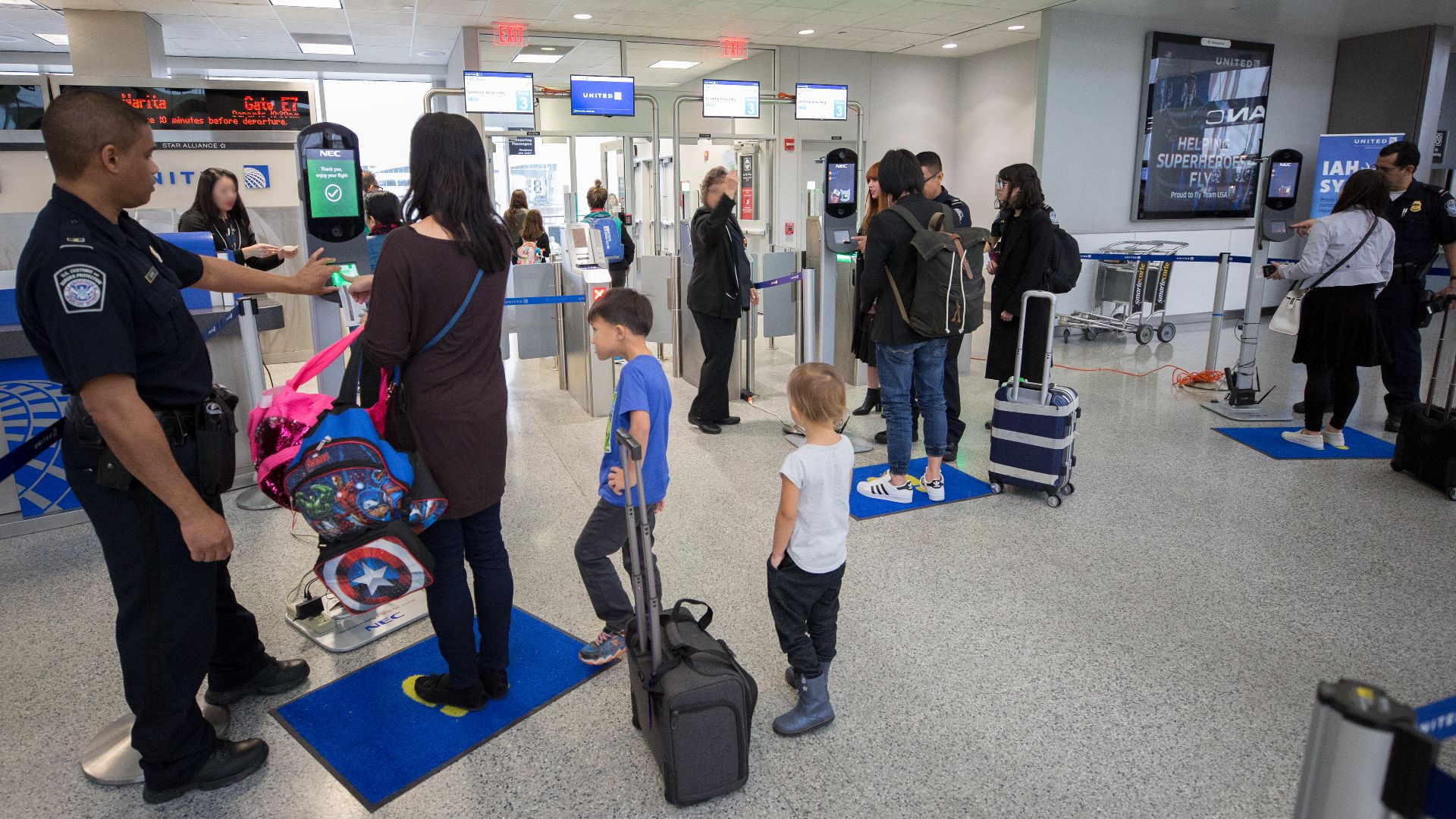
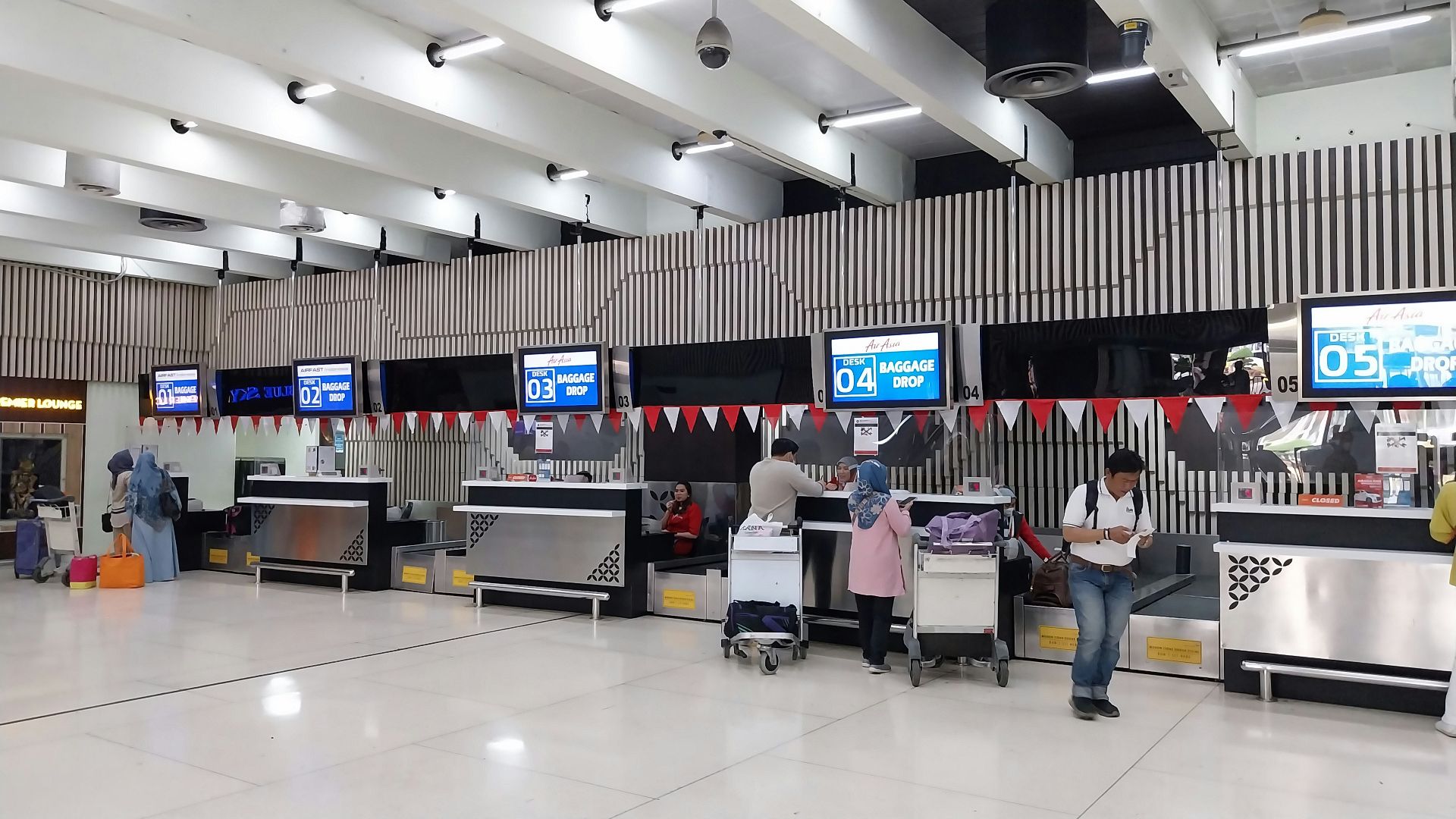
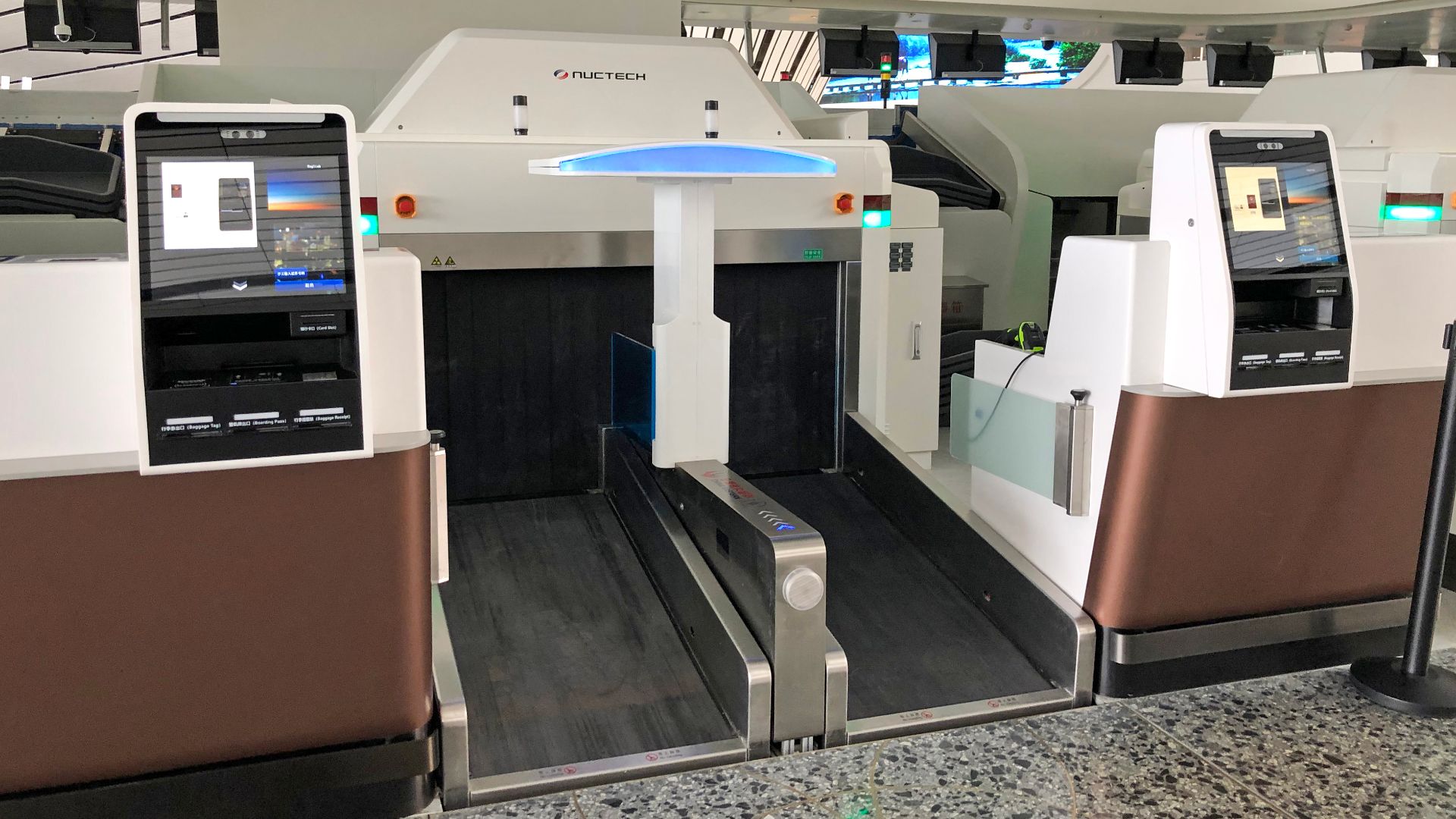
Enforcement depends on the airline and the airport. Some carriers weigh cabin bags at check-in when they issue boarding passes. Others do spot checks at the gate right before boarding. Gate checks can feel especially annoying because many travelers assume that once they clear security, their bag is in the clear.
 AutoRentals, Wikimedia Commons
Busy Airports Make The Checks More Obvious
When flights are full, staff often get stricter because overhead bin space disappears fast. A heavy roller bag that technically qualifies can still cause problems when lots of passengers bring big bags into the cabin. That is one reason enforcement can seem inconsistent from one trip to the next.
 CBP Photography, Wikimedia Commons
There Is No Single Weight Standard
There is no industrywide carry-on weight limit. A 7 kilogram limit is common on many international airlines, while others allow 8 kilograms, 10 kilograms, or a combined limit for both a carry-on and a personal item. Premium cabin passengers sometimes get more, but not always.
Rules Can Change Even On The Same Airline
Some airlines use different baggage rules depending on the route, aircraft type, or fare class. That can trip up travelers who assume the same rule from a past trip still applies. The safest move is to check the airline’s official baggage page for your exact booking before you leave home.

Connections Are Where Trouble Usually Starts
If your trip involves more than one airline, the rule that matters most may be the one enforced by the operating carrier that day. A bag accepted on the first flight can be challenged on the second. This happens a lot on international connections where one airline is much stricter than the other.

The Sizer Is Not The Final Word
Travelers often treat the metal sizer at the gate like the ultimate test. It is not. The sizer checks dimensions, not weight. If the airline’s published rules say your cabin bag also has to stay under a certain limit, staff usually have the right to enforce that too.
Why This Feels Like A Crackdown
Social media has made last-minute bag checks more visible, which makes the practice seem newer and more common than it really is. At the same time, airlines have become more focused on extra revenue, and baggage is one of the easiest things to police. Put those together, and it can feel like carry-on weighing came out of nowhere even though many of these rules have existed for years.
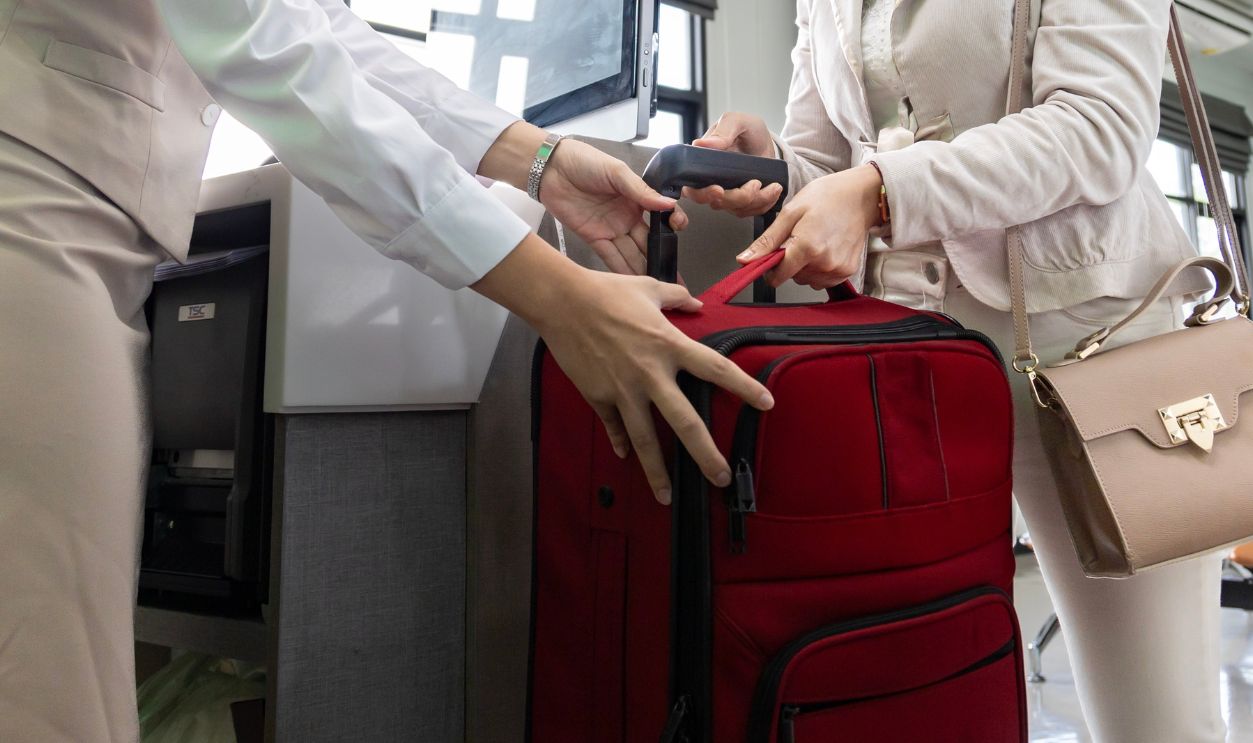
The Rule Is Often Hiding In Plain Sight
Most airlines list carry-on allowances on their baggage pages and in their fare conditions. The problem is that many travelers only look at the size graphic and skip the rest. A weight limit is easy to miss, especially when the booking process pushes checked bag add-ons more than cabin bag fine print.
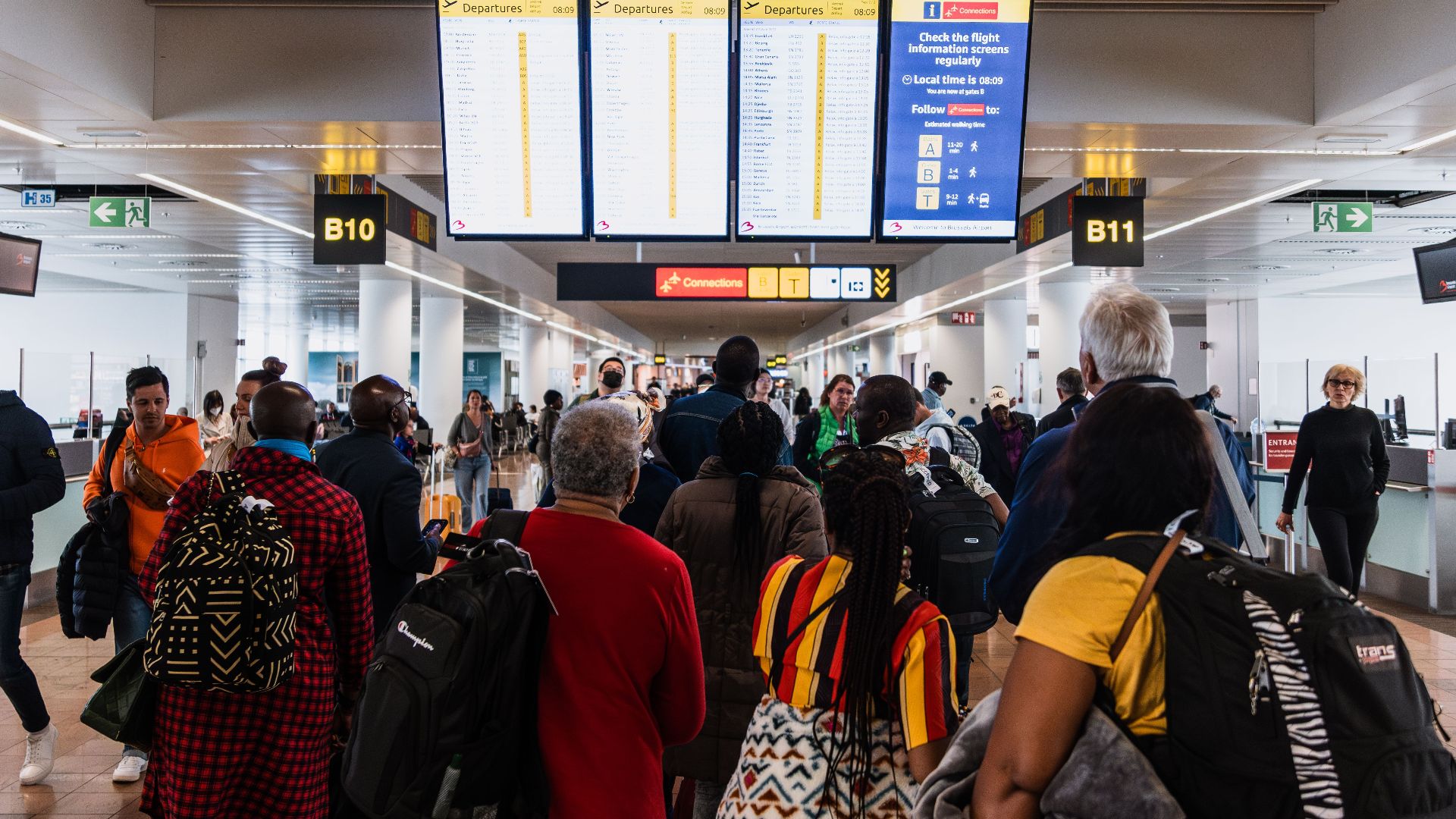
Australia And Asia Have Had Stricter Cabin Bag Culture For Years
Frequent flyers in Australia and parts of Asia are often less surprised by cabin bag weigh-ins because the practice has been common there for a long time. Qantas, for example, clearly publishes carry-on weight allowances. Many regional airlines in Asia do the same, which is why visitors from the U.S. and Europe sometimes get caught off guard.
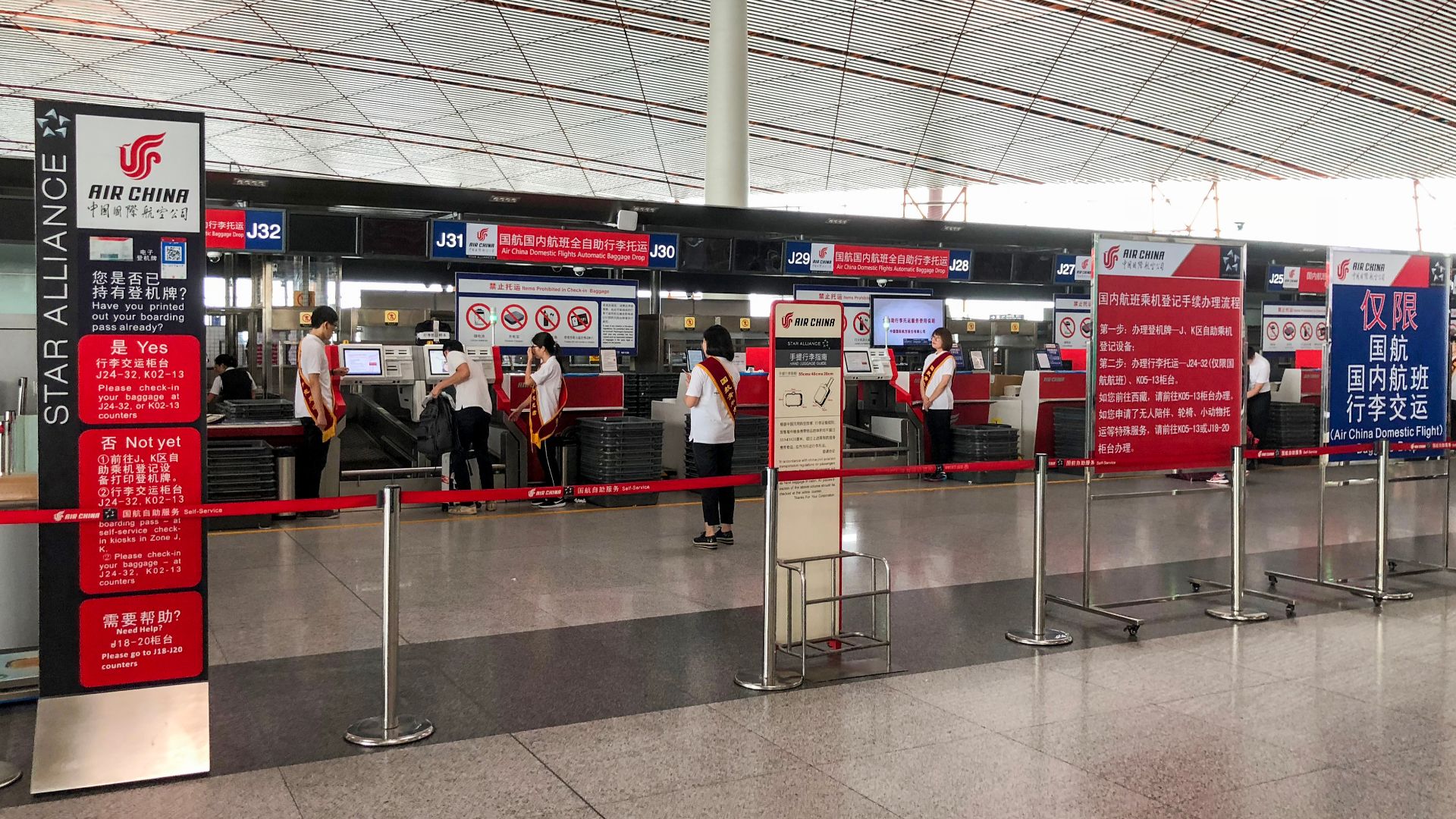
European Travelers May Be More Used To It
People who regularly fly in Europe, whether on major flag carriers or budget airlines, are often more familiar with detailed baggage rules. Lufthansa’s 8 kilogram limit and Air France’s combined cabin baggage allowance are not hidden policies. They are standard published rules that frequent travelers learn to watch closely.
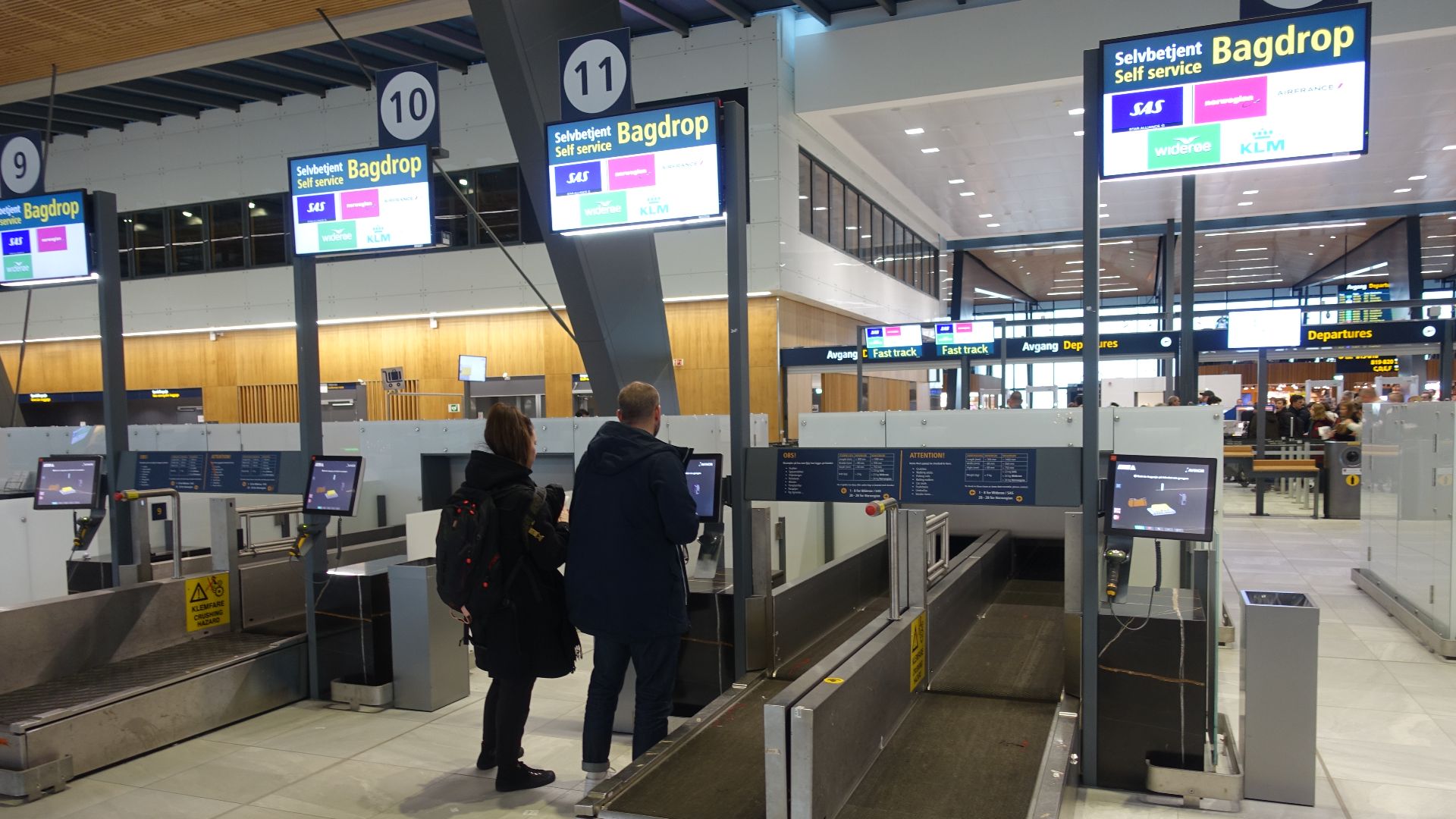
What Happens If Your Bag Is Overweight
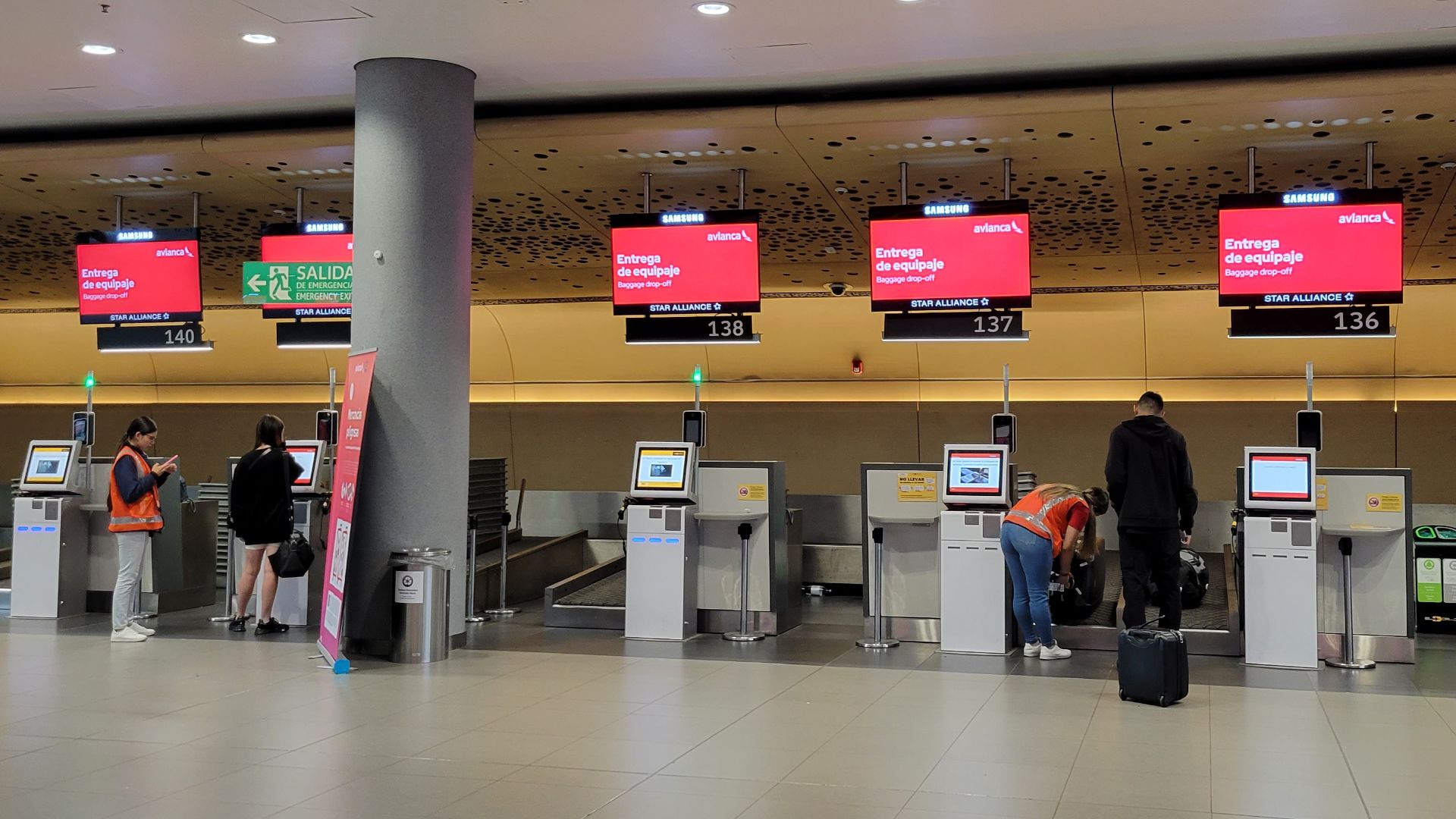
Usually, the airline will make you check the bag and may charge a fee, especially if the problem is found at the gate. On some airlines, gate-check fees cost more than pre-booked checked baggage. That means an overweight carry-on can turn into an expensive mistake in a matter of minutes.

Can Staff Make Exceptions
Sometimes, yes, but it is a gamble. Enforcement can depend on how full the flight is, the airport, the staff member, and whether your bag looks easy to handle. A lightly packed backpack may get ignored while a small but heavy roller bag gets pulled aside and weighed.
 OhanaUnitedTalk page, Wikimedia Commons
A Small Bag Can Still Be Very Heavy
Camera gear, shoes, books, and toiletries can push a carry-on over the limit faster than people expect. That is why travelers are often shocked when a compact bag turns out to be overweight. It may look neat and manageable while still breaking the rule by several pounds.
Weigh Your Bag Before You Leave Home
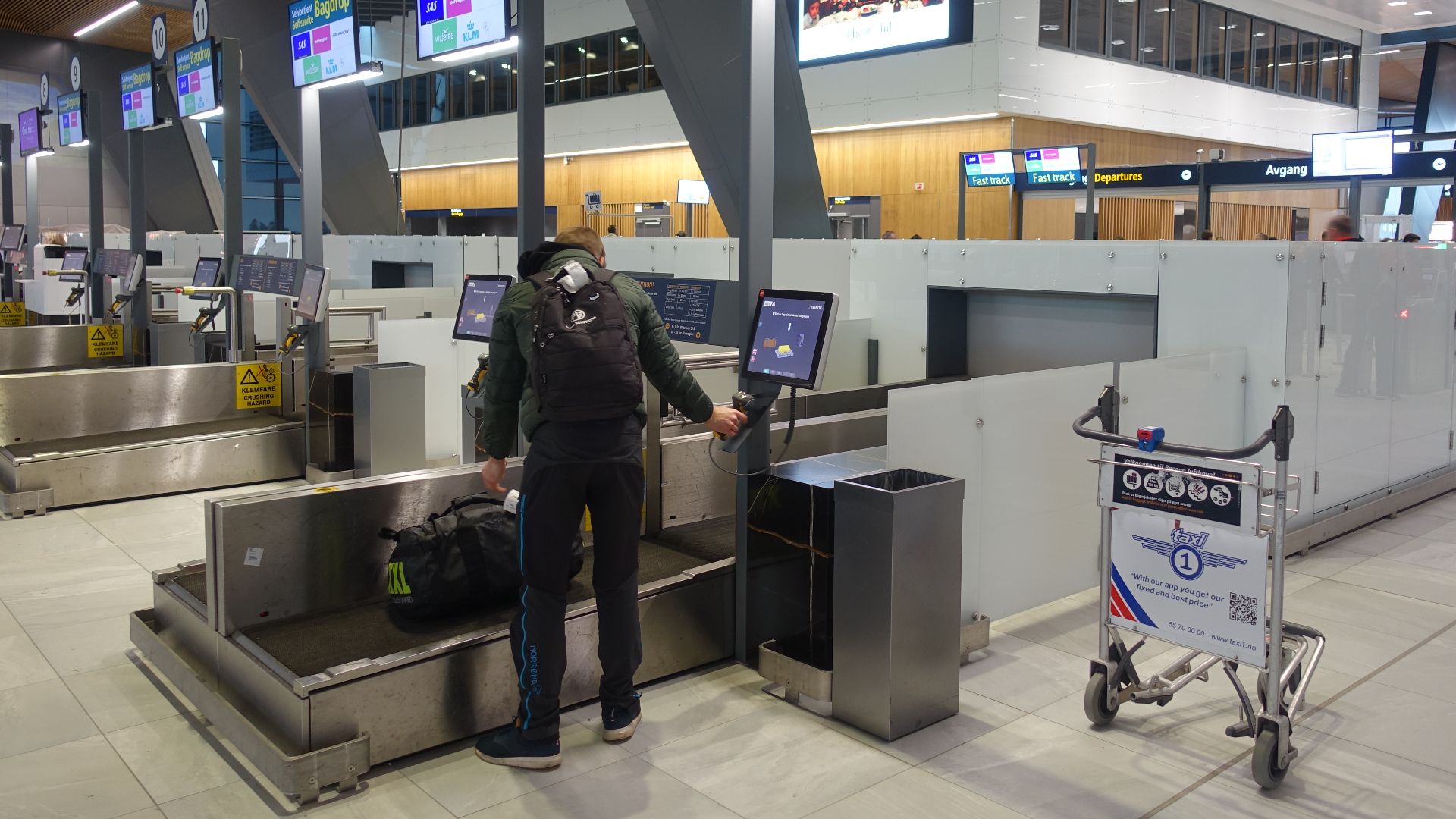
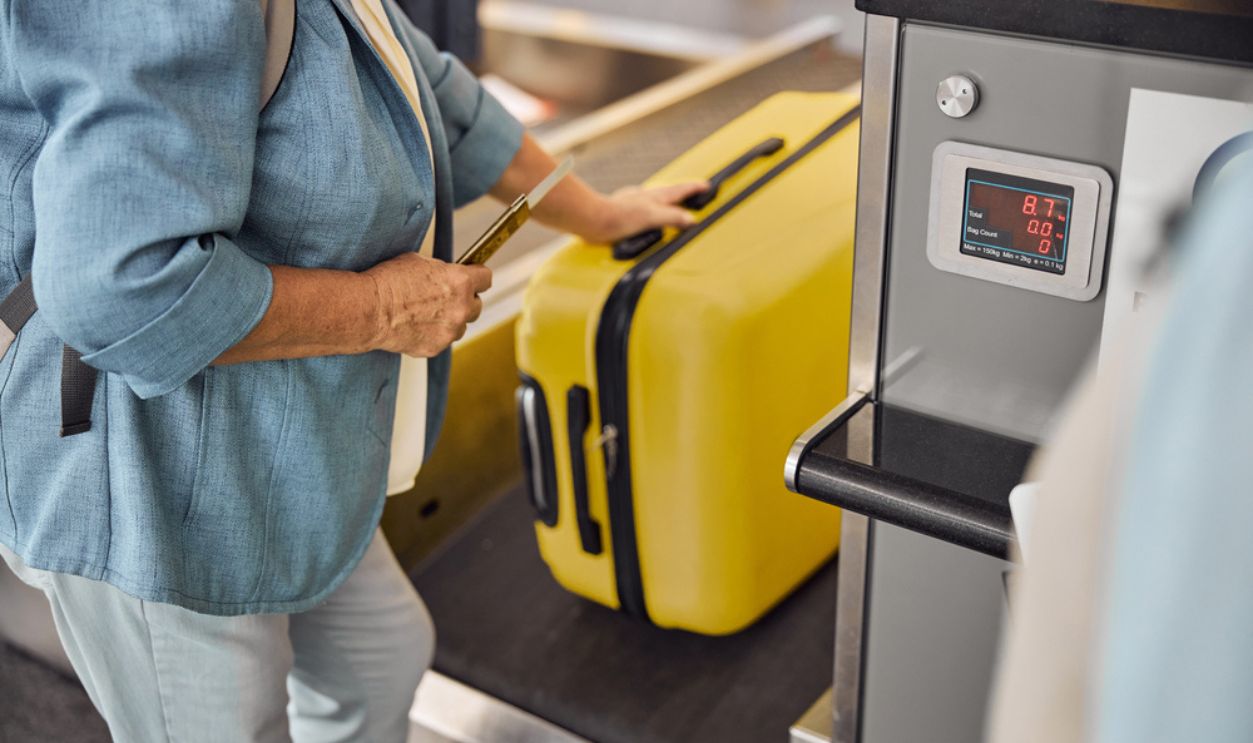
A cheap luggage scale can save you money and stress. Weigh your packed bag before heading to the airport, then compare it with the exact allowance on your airline’s website. If your trip includes more than one carrier, use the strictest rule as your target.

Wear The Heaviest Stuff If You Need To Cut Weight
If you are close to the limit, shoes, jackets, and sweaters are the easiest things to move off the scale and onto your body. Electronics and chargers can sometimes go into a personal item if the rules allow one. Just make sure you are still following the airline’s size limits and item count rules.

Do Not Ignore The Personal Item Rule
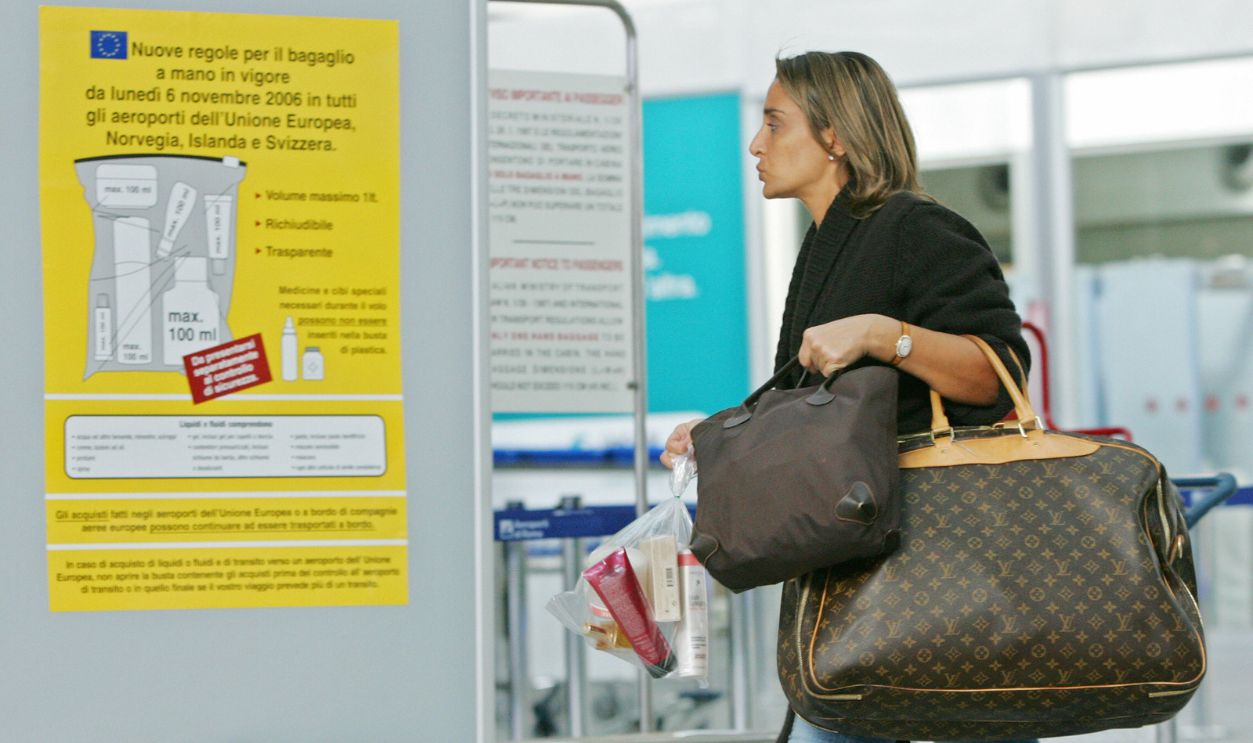
Some airlines let you bring both a carry-on and a smaller personal item, while others count them together under one total allowance. Air France, for example, publishes a combined cabin baggage weight limit that includes both pieces in certain cabins. That matters because moving weight from one bag to another does not always fix the problem.
Premium Tickets Still Have Limits
Business and first class passengers often get a more generous baggage allowance, but there are still rules. Some airlines allow an extra piece or a higher combined weight, while others mostly keep the same size rules for everyone. It is worth checking, because guessing based on cabin class can backfire at the airport.
There Was No Single Start Date
If you are wondering when this began, the honest answer is that carry-on weight limits have been around for many years, but enforcement has never been consistent. What changed is not one big launch date. What changed is how visible the checks have become and how willing airlines are to enforce rules they already had.
The Fine Print Matters When Money Is On The Line
No one wants to spend the night before a trip reading baggage charts, but this is one of the few times when the fine print can directly save you money. A bag that fits is only part of the battle. On many airlines, the scale is what counts.

What To Know Before You Get To The Airport
If an airline says your carry-on is too heavy, that does not automatically mean a staff member just made up a rule. In many cases, they are enforcing a long-standing published limit that travelers often miss. Check both size and weight on the airline’s official page every time you fly, especially if you are leaving the United States or making an international connection.