
The Email Nobody Wants To Get
You book a flight, line up the hotel, sort out the ride to the airport, and think the hard part is done. Then the airline sends a message saying your flight has been moved to the day before. To make it worse, changing it back may come with a price tag, which feels less like customer service and more like a shakedown.

Why This Feels So Wrong
Most travelers assume that if an airline makes a major change, the airline should fix it for free. That is a pretty reasonable view. The U.S. Department of Transportation says that when an airline significantly changes or cancels a flight, passengers may be entitled to a refund if they do not accept the new option offered.

What Counts As A Major Schedule Change
Moving a flight to the previous day is not some tiny adjustment. It can mean an extra hotel night, missed work, a lost tour, or a trip that no longer works at all. That is exactly why schedule changes can turn into major travel headaches.

The Key Federal Rule To Know
The biggest protection here is the DOT refund rule. In April 2024, the department announced a final rule requiring automatic cash refunds when passengers are owed one, including when a flight is canceled or significantly changed and the traveler turns down the alternative.
 AgnosticPreachersKid, Wikimedia Commons
What The DOT Said In 2024
On April 24, 2024, the DOT said passengers would be entitled to automatic refunds for canceled flights and significant changes. The department said a significant change includes a departure or arrival moved by more than three hours for domestic trips and more than six hours for international ones, along with certain airport changes and added connections. A move to the previous day could easily qualify, depending on the trip.
Why The Airline May Still Ask For Money
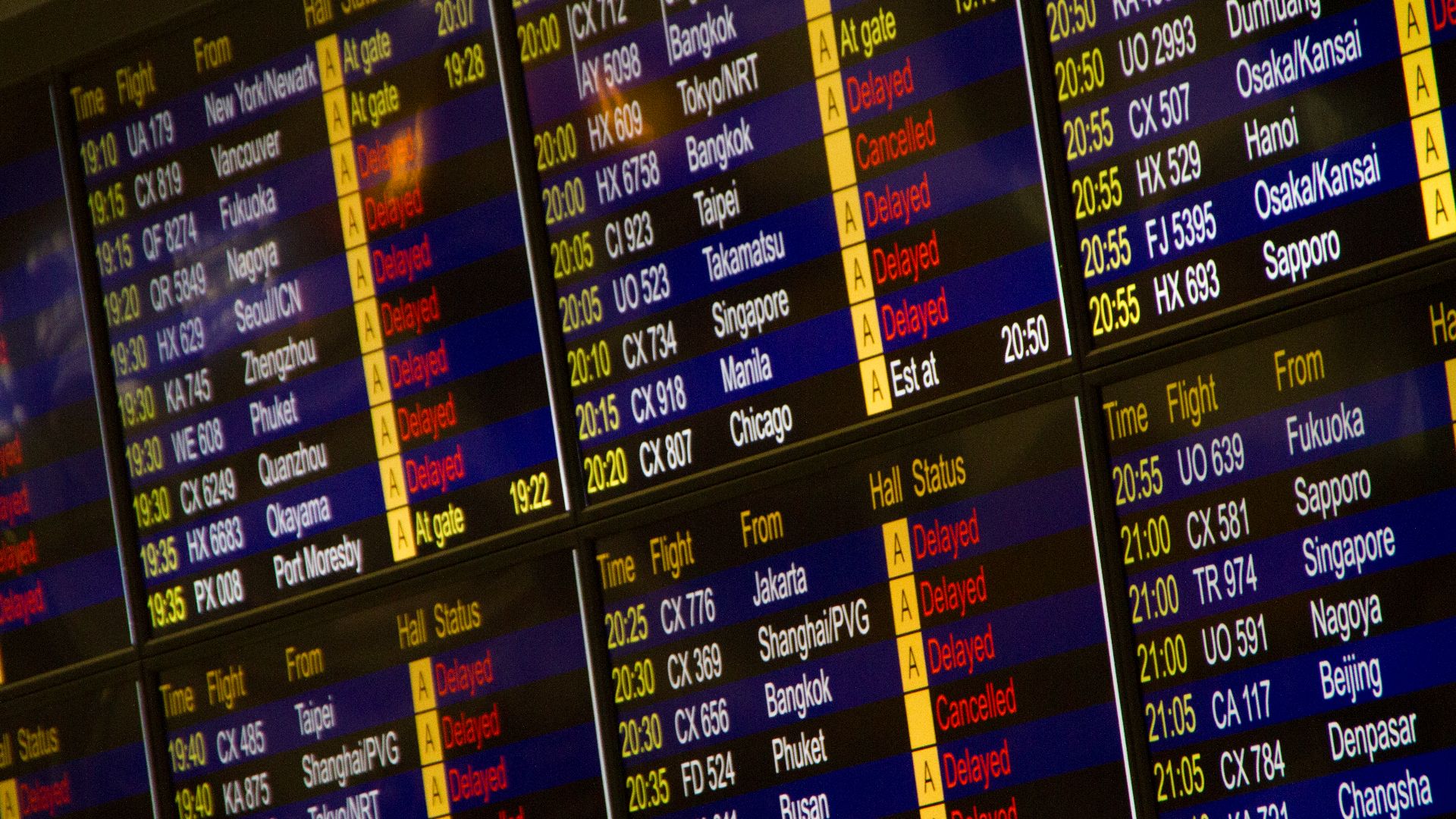
Here is the frustrating part. Airlines often separate a schedule change from a voluntary rebooking request in their systems. If the system treats your request as a normal fare change instead of a fix after an airline-caused disruption, you may see a charge that should not be there.

Computer Logic Is Not The Same As Consumer Law
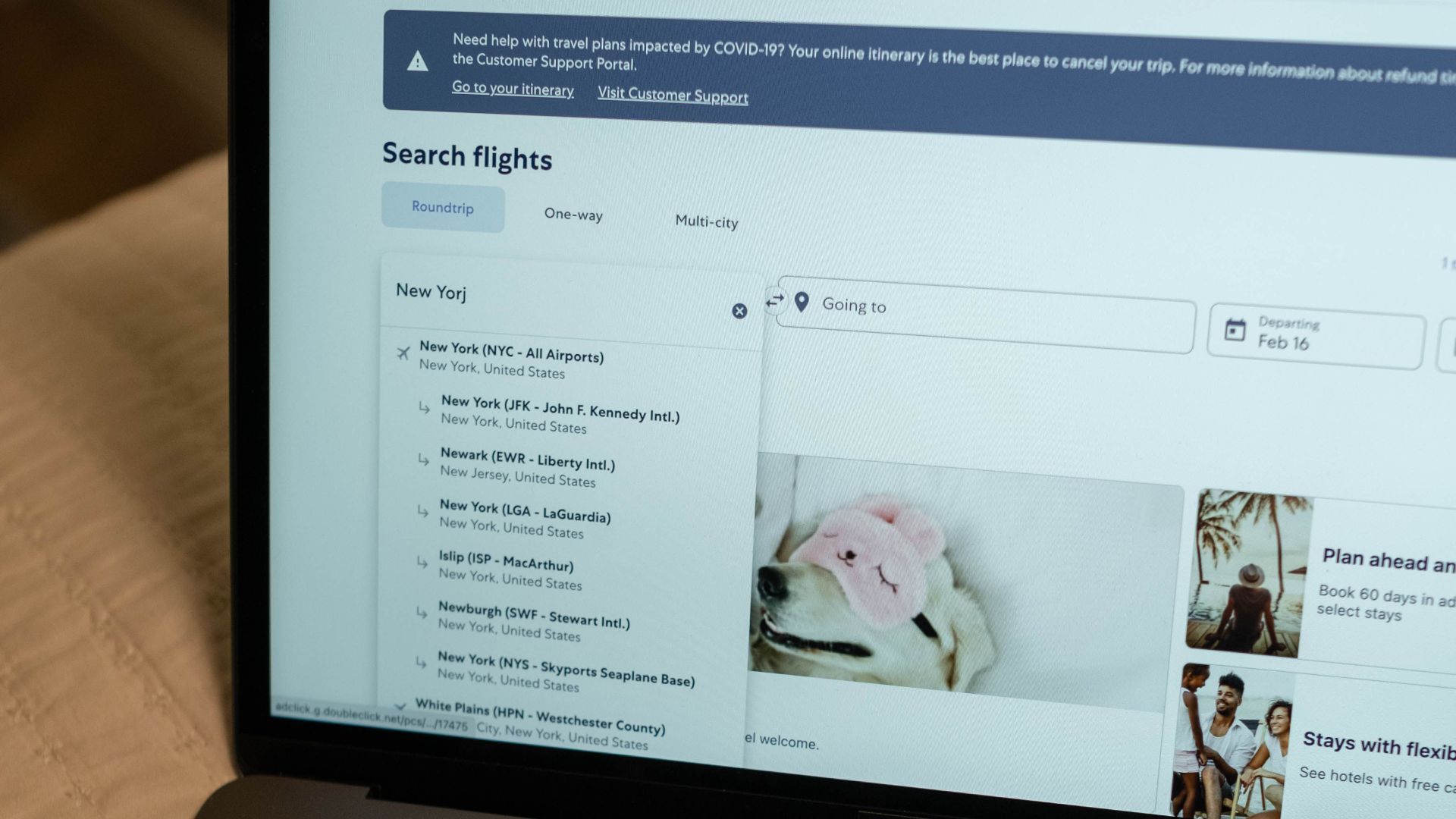
An airline website or app may show a price difference even when the airline changed the original flight first. That does not automatically mean the fee is valid. It may just mean the automated system is not recognizing the passenger’s rights under the airline’s own policy or federal refund rules.
Refund Rights And Rebooking Rights Are Different
The DOT rule is strongest on refunds. If the airline significantly changes your flight and you do not accept the replacement, you can generally ask for your money back to the original form of payment. What federal rules do not always guarantee is your preferred free rebooking onto any flight you want, which is why airlines sometimes push back.
The Fine Print Often Decides The Fight
Every airline has a contract of carriage, the legal document that explains what happens during disruptions and schedule changes. Those contracts are not all the same. Some airlines promise rebooking on the next available flight at no extra charge after a major schedule change, while others are more limited.

When A Previous-Day Move Is Clearly Material
If your flight is moved to the day before, that is usually a strong sign of a significant change. It is not just leaving a little earlier. It changes the travel date itself, which can affect hotels, visas, ground transportation, and whether the trip can happen at all.

What You Should Do First
Take screenshots before you touch anything in the app. Save the original itinerary, the new itinerary, any pop-up showing a fee, and the message from the airline announcing the change. That paper trail can matter later if you need a supervisor, a chargeback, or a DOT complaint.

Do Not Cancel Too Fast
If you click around too quickly, the system may turn your disrupted booking into a voluntary change or cancellation. That can muddy the record. It is smarter to pause, collect proof, and contact the airline with the schedule change notice in front of you.

Ask For The Schedule Change Desk
When you call or message the airline, keep your request specific. Say the airline moved your flight to the previous day and that you are asking for reaccommodation because of an airline-initiated schedule change. Using the right language can help the agent see that this is not a routine fare change request.

Keep Your Request Simple And Precise
You do not need to make a big speech. Tell the agent the original date, the new date, and the flight you want instead. Then ask them to waive any fare difference or change fee because the airline made the change.

If They Refuse, Escalate Calmly
Front-line agents do not always have the final say. Ask for a supervisor or a customer relations review if the agent insists on charging you. Staying calm helps, especially when you can point to the actual notice and explain that the airline moved the flight by a full day.

Know When A Refund May Be The Better Play
If the airline will not put you on an acceptable replacement without charging more, a refund may be the better move. Under the DOT’s refund framework, that can be the clearest fix when a major schedule change makes the new itinerary unusable. It is not ideal if fares have gone up, but sometimes it is the cleanest option.

The DOT Dashboard Can Help
The DOT keeps an Airline Customer Service Dashboard showing what major U.S. airlines say they provide during controllable disruptions. The dashboard does not replace the law or the contract of carriage, but it gives travelers a public baseline. It can also be useful when an airline’s service does not match its published promises.

Another Powerful Rule Took Effect In 2024
Along with the automatic refund rule, the DOT finalized another rule in December 2024 requiring airlines to clearly disclose fees for checked bags, carry-ons, changes, and cancellations. The goal was to help consumers compare the real cost of flights before buying. That rule does not solve every schedule-change fight, but it shows a broader push against surprise airline charges.
Why Timing Matters So Much
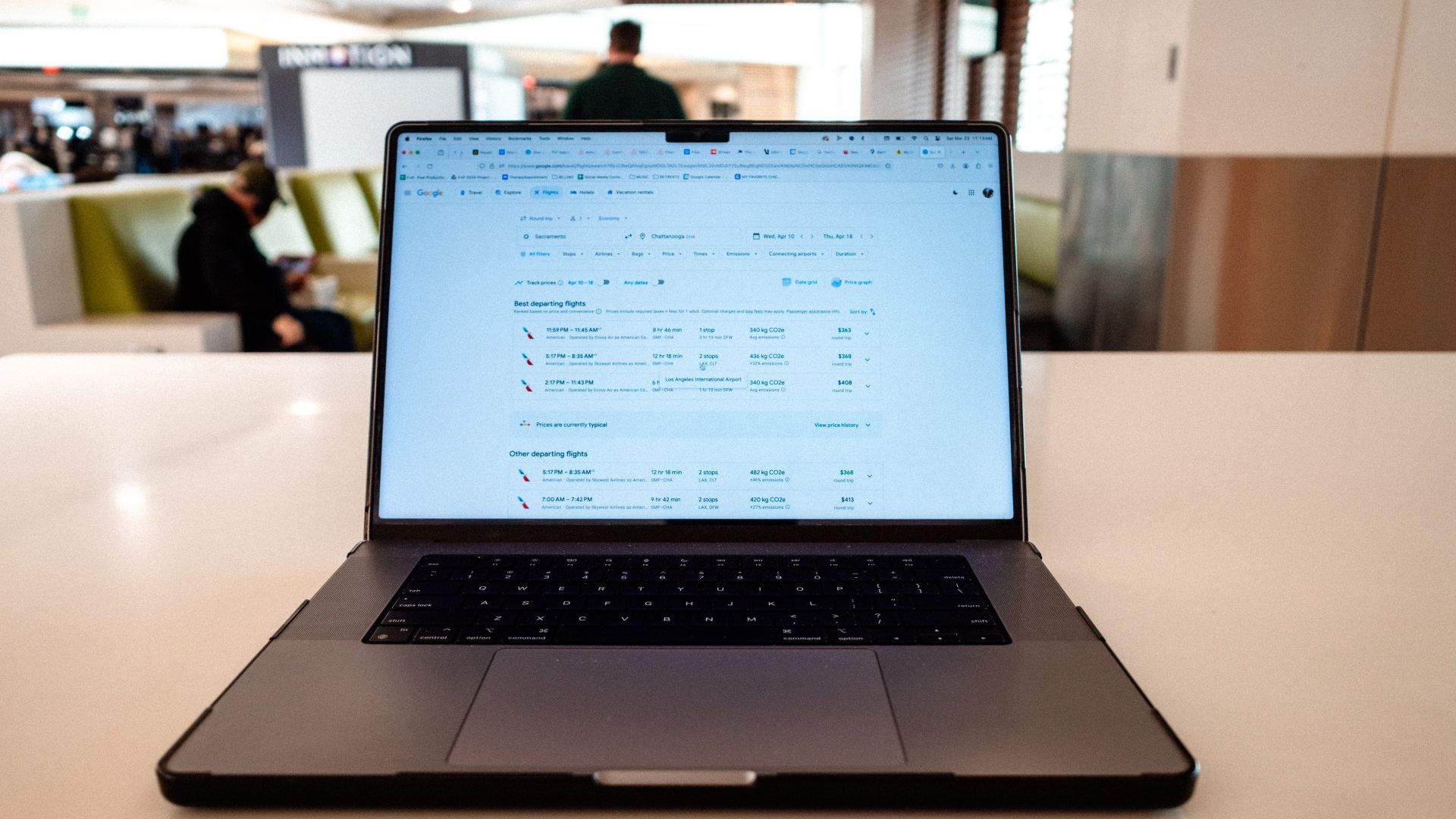
If the airline changed your itinerary before departure and you caught it quickly, you usually have more options. Once you miss a flight or accept a reissued ticket, things can get much messier. Acting early gives you the best chance at a free fix or a prompt refund.

Credit Card Protections Are A Backup, Not Step One
If the airline refuses a refund you believe you are owed, your credit card issuer may allow a charge dispute. That should usually come after you have tried to work it out with the airline directly. Keep records of your requests and the airline’s responses, because card issuers often ask for documentation.

Travel Insurance Will Not Fix Everything
Some travelers assume insurance will cover the fallout from a schedule change. Sometimes it helps with extra costs, but many policies come with strict conditions and exclusions. Insurance is not a replacement for pressing the airline to honor refund or reaccommodation options first.

What To Put In A DOT Complaint
If the airline refuses to budge, file a complaint with the DOT and include the original itinerary, the revised itinerary, the date you were notified, and the fee the airline tried to charge. Keep it factual and brief. The DOT sends complaints to airlines and tracks patterns, which can matter beyond your own case.

Do Not Confuse Courtesy With Obligation
Some airlines will rebook you generously after a bad schedule change, sometimes even onto better flights. Others do the bare minimum. That is why travelers should not count on goodwill alone when a date change blows up a trip.

The Practical Script To Use
Try this: “My original booking was changed by the airline from one travel date to the previous day. I am requesting reaccommodation on a comparable flight at no additional charge, or a full refund if that cannot be provided.” It is clear, accurate, and gets right to the point.

What The Airline Can Fairly Say
To be fair, airlines change schedules for all kinds of reasons, including aircraft swaps, network changes, staffing, and operational planning. They do not have to keep every original flight exactly as sold. But when the change is significant, the cost and hassle should not just land on the passenger.

The Bottom Line For Travelers
If an airline moves your flight to the previous day and then tries to charge you to change it back, do not assume the fee is valid just because a website says it is. A previous-day shift is often a significant change, and that can trigger important refund rights if you reject the new itinerary. Your best tools are speed, screenshots, calm escalation, and a clear sense of what the DOT rules actually guarantee.