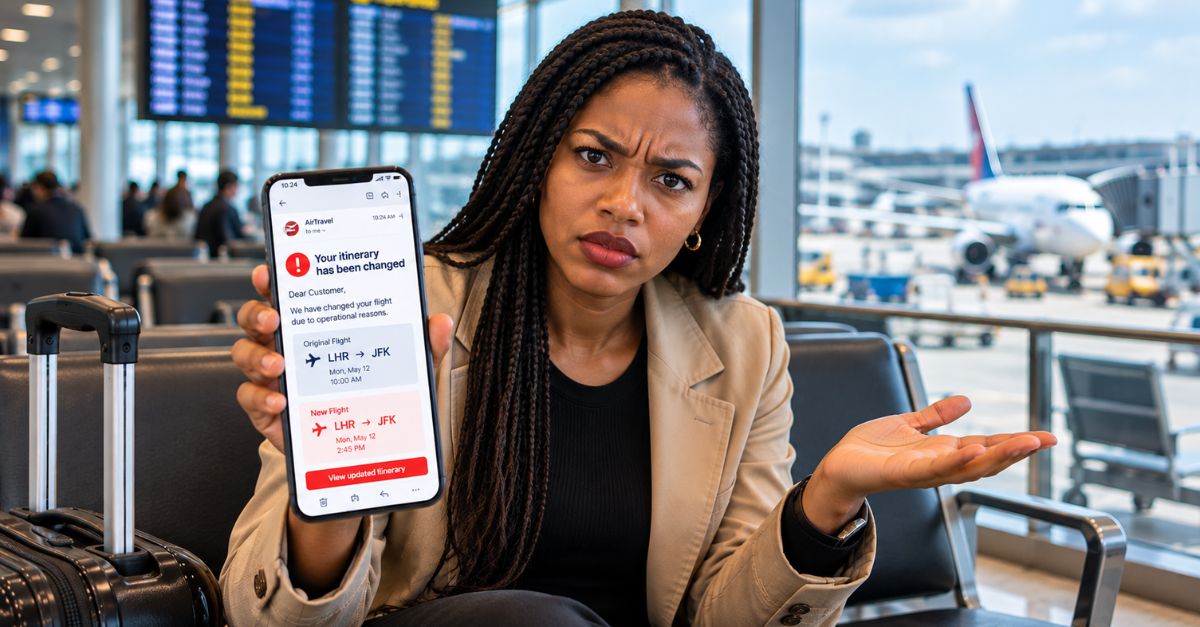
A Surprise Airport Switch Can Get Expensive Fast
You book a flight from one airport, then the airline quietly moves your departure to another one across town. Suddenly, the trip to the airport is longer, pricier, and a lot more stressful. The big question is simple: Do you have to eat that extra ground transport cost yourself, or can you get them to cover it?
After all, they're the ones who sent you to a different airport.

You're On The Hook
In most cases, airlines are not legally required to pay for your taxi, train, rideshare, or parking costs when they move a flight to a different airport in the same city. That catches a lot of travelers off guard, but it is generally how airline contracts and passenger-rights rules work. The exact result depends on where you are flying, which airline is involved, and whether the carrier decides to help on its own.

Why This Happens More Than People Think
Airport switches can happen because of schedule reshuffles, operational limits, airport slot issues, or bigger route changes. In large metro areas with multiple airports, airlines sometimes treat those airports as part of the same city market for scheduling. That may work on paper, but it is a different story when you are hauling bags across a city before sunrise.
The Rulebook Starts With Your Contract
Your first stop should be the airline’s contract of carriage or conditions of transport. Those documents spell out what the airline promises when schedules change, and they often give carriers a lot of room to change times, aircraft, and sometimes even airports. What they usually do not promise is repayment for every extra cost you rack up getting to the new departure point.

The DOT Does Not Automatically Hand You A Taxi Voucher
The US Department of Transportation requires airlines to give prompt refunds when a carrier cancels or significantly changes a flight and the passenger chooses not to travel. In April 2024, the DOT announced a final rule that strengthened automatic cash refund requirements for significant changes and cancellations. But that rule is about refunds for unused air travel and related fees, not a blanket rule forcing airlines to cover your ride to a different airport if you still take the trip.
 AgnosticPreachersKid, Wikimedia Commons
Refund Rights Matter If The New Airport Does Not Work
If the new airport is too inconvenient, too far away, or just impossible for your plans, your best protection may be the right to say no and ask for a refund. The DOT has made clear that passengers are entitled to a refund when a significant change happens and they do not accept the alternative offered. That can matter more than arguing over a cab fare, especially if the airport change blows up the whole trip.

Significant Change Is The Key Phrase
The tricky part is that what counts as a significant change depends on the facts. The DOT’s refund rule identifies major schedule shifts, extra connections, changes in departure or arrival airport, and downgrades in service as examples of changes that can trigger refund rights if the passenger declines to travel. A move from one airport to another in the same metro area can still be a big deal if it changes the trip in a real way.
Europe Has A Similar Gap On Ground Transport
In the European Union, UK, Norway, Switzerland, and Iceland, air passenger rules are well known for compensation and care during disruptions. But those rules do not create a simple, across-the-board right to repayment for your own trip across a city because the departure airport changed. Your rights are stronger when it comes to rebooking, refunds, meals, and hotels in qualifying cases than they are for every local transport expense.

What EU Rules Clearly Say About Reimbursement
The European Commission’s passenger-rights guidance says travelers can choose between rerouting and reimbursement when flights are canceled. If rerouting is offered from or to a different airport than the one on the original booking, the operating air carrier must cover the cost of transferring the passenger from that other airport either to the original booked airport or to another nearby destination agreed with the passenger. That is an important protection, but it is framed around rerouting after cancellation, not every schedule tweak.
 Photograph by Mike Peel (www.mikepeel.net)., Wikimedia Commons
That Distinction Can Change Everything
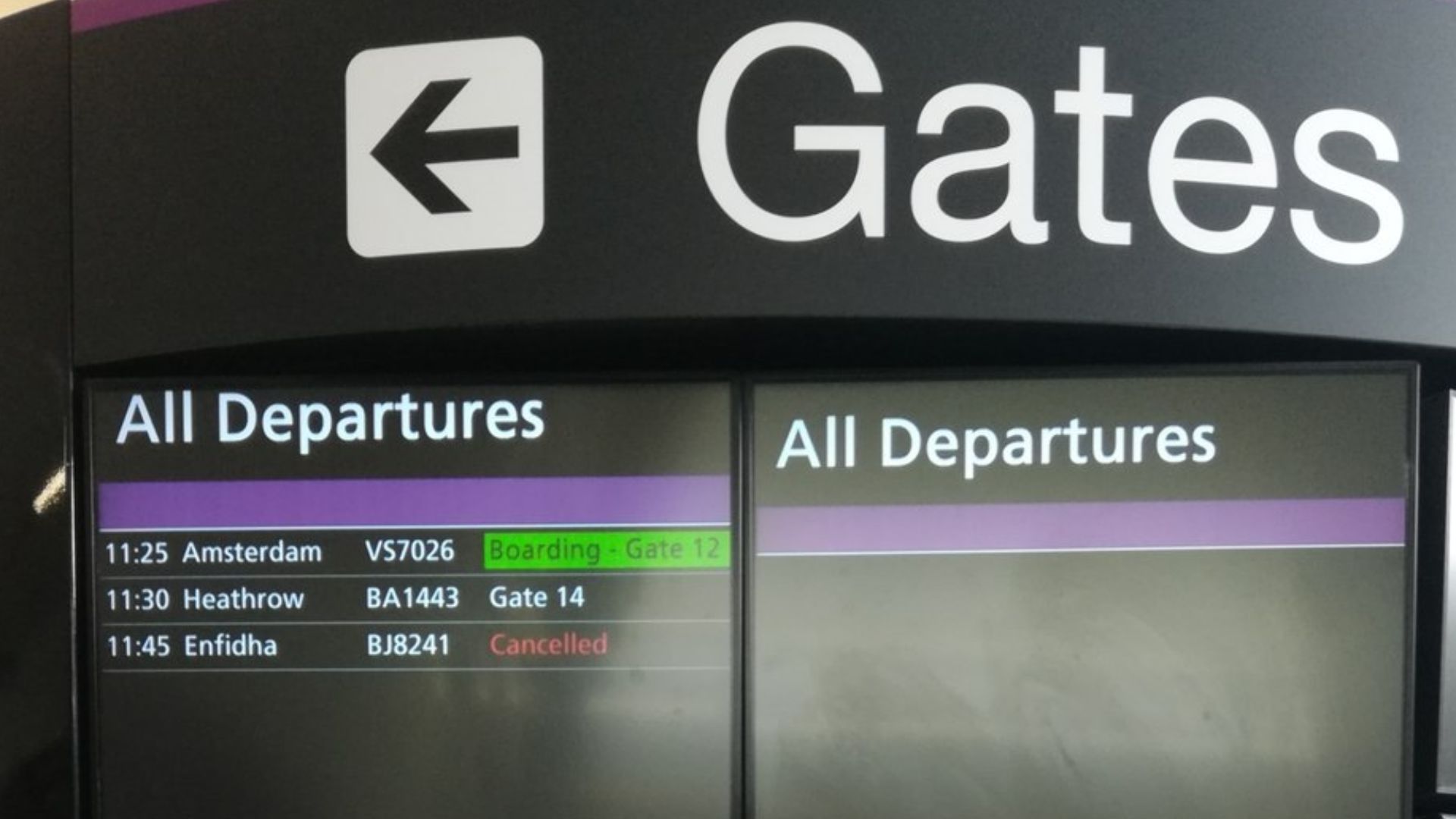
If your airline simply updates your itinerary and says your flight now leaves from another airport, the carrier may say this is a schedule change rather than a cancellation that triggers rerouting support. If the original flight is actually canceled and the replacement leaves from a different airport, your case for transfer costs gets stronger under EU rules. The real challenge is getting the airline to classify and handle the disruption correctly.
 Thomas Nugent , Wikimedia Commons
In The UK, Guidance Points The Same Way
The UK Civil Aviation Authority says passengers can claim a refund or accept a replacement flight if an airline cancels a flight. It also says that if a replacement flight uses a different airport, the airline should either provide transport or reimburse reasonable transfer costs. Again, that fits most clearly in the cancellation and replacement-flight setting, not as a catch-all rule for every airport swap.

The Airline’s Own Policies Can Be Better Than The Legal Minimum
Some airlines choose to provide buses, transfer guidance, waivers, or flexible rebooking when they move flights between airports in the same region. Others may simply let you switch to another flight or cancel for credit or refund, depending on the fare rules and the type of change. That is why it is worth asking, politely and directly, whether the airline will cover a train ticket, arrange a coach, or repay a reasonable cab fare.
 Frame Stock Footage, Shutterstock
Same City Does Not Mean Same Convenience
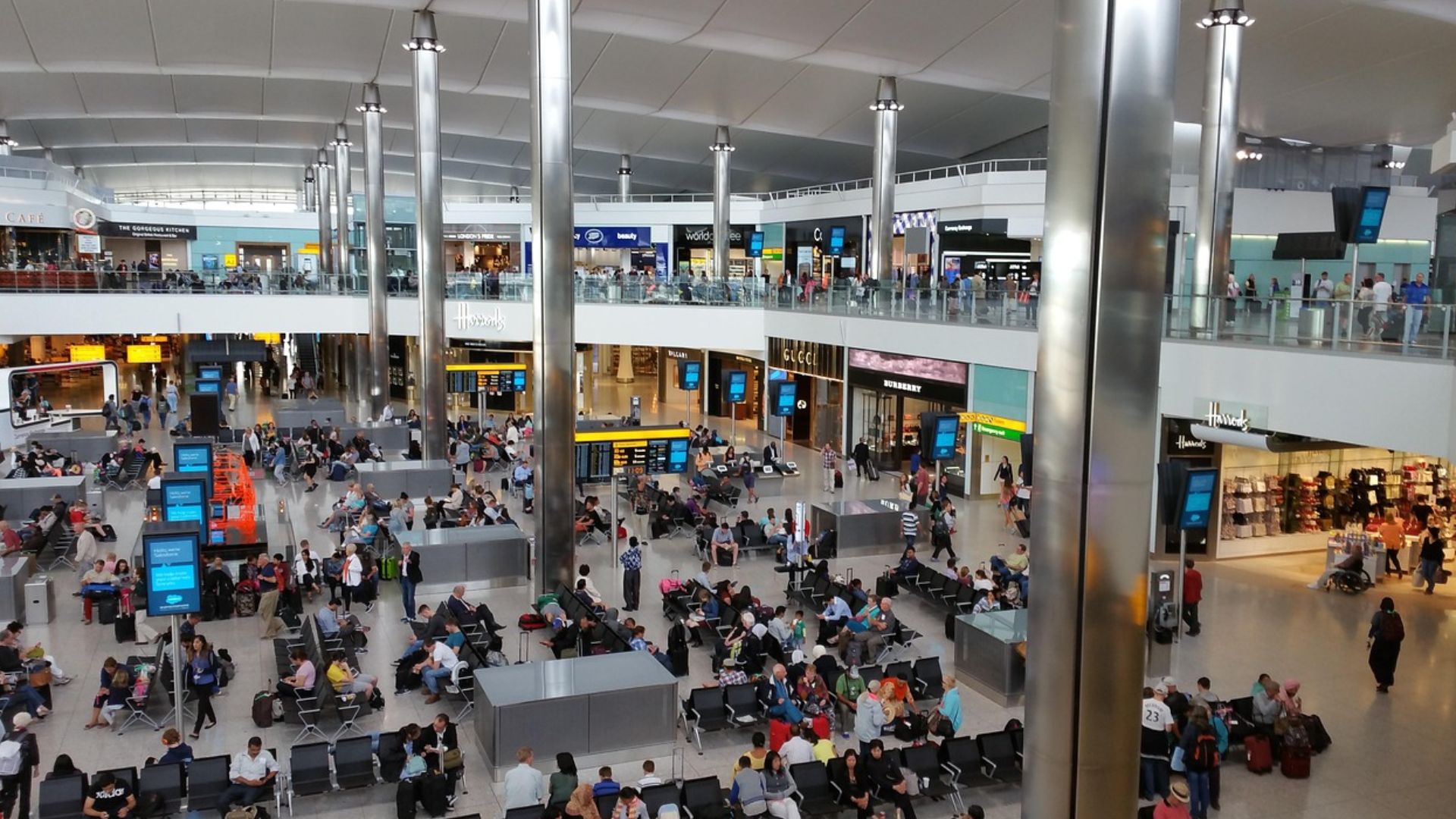
Airlines and booking systems often group airports under one city code, but travelers know that is not how it feels in real life. London Heathrow and London Gatwick are not interchangeable if you have a tight morning departure. The same goes for New York, Tokyo, Paris, or Milan, where changing airports can mean an extra hour or more of travel and real out-of-pocket cost.
How US Airlines Usually Frame It
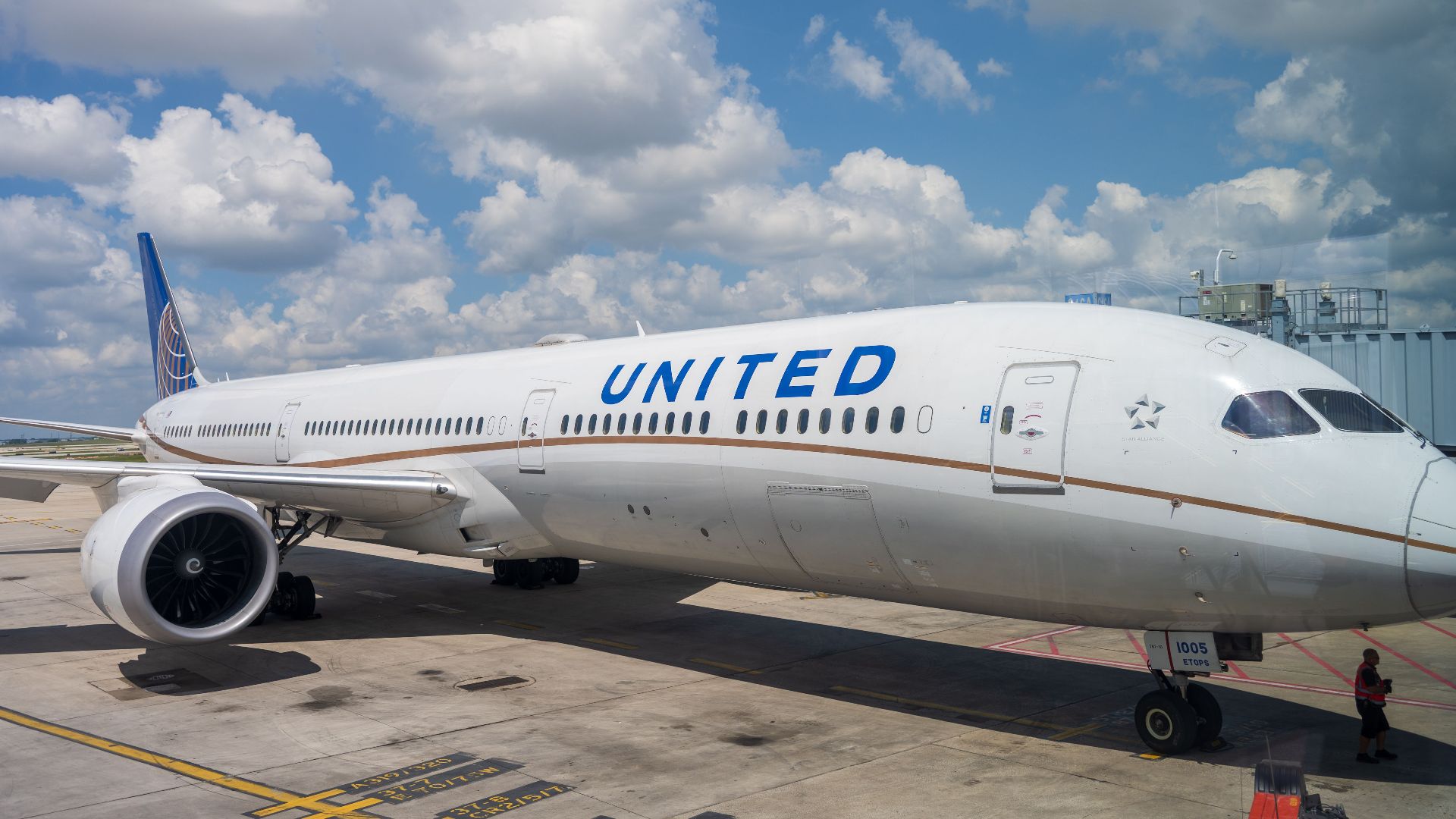
In the United States, carriers commonly reserve the right to change schedules and substitute airports in their conditions of carriage. They may offer rebooking or a refund if the change is substantial and you do not accept it. They generally do not promise to cover incidental costs like extra mileage, tolls, rideshares, or babysitting because your departure airport changed.
When The Airline Might Still Pay Anyway
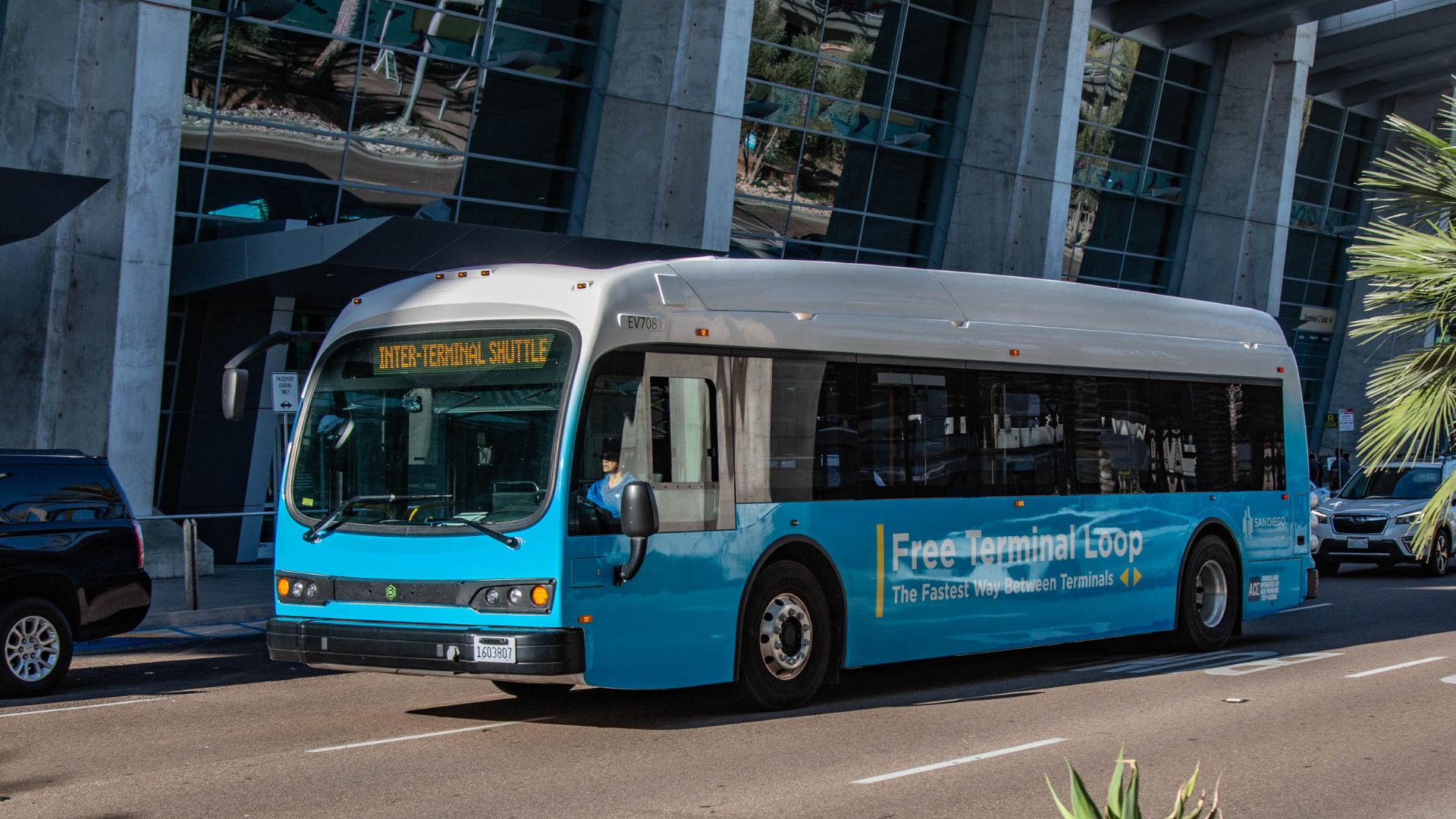
If the airport switch happens on the day of travel because of an operational meltdown, a weather recovery plan, or other irregular operations, agents sometimes issue meal vouchers, hotel stays, or transfer help as a goodwill move. That is especially true if the airline itself buses passengers between airports as part of a revised itinerary. None of that creates a universal right, but it does mean asking is worth it.
Timing Matters More Than Many Travelers Realize
A schedule change announced weeks or months in advance is treated differently from a last-minute same-day airport switch. With advance notice, the airline can say you had the chance to accept the change, rebook, or ask for a refund. With a day-of-travel disruption, the case for immediate practical help gets stronger, especially if the carrier is effectively controlling your rerouting.

Reasonable Costs Are Easier To Defend Than Fancy Ones
If you do seek reimbursement, keep your spending practical and well documented. A regular train fare, airport bus ticket, or standard taxi ride is easier to justify than a premium car service. Regulators and airline customer-relations teams tend to respond better when your claim looks sensible rather than inflated.

Save Every Receipt And Screenshot
Documentation is your best tool in these disputes. Save the original itinerary showing the first airport, the revised itinerary showing the new one, any text or email notices, and receipts for transport you had to buy. If an agent promises reimbursement out loud, write down the time, date, and the employee’s name if you can.
 https://kaboompics.com/, Pexels
Parking And Hotel Costs Can Turn Into A Mess Too
If you prepaid parking at the original airport or booked a nearby hotel, an airport switch can trigger a chain reaction of extra costs. Those expenses are not always covered either, though some travel insurance policies or premium credit card protections may help in limited cases. Check the terms carefully because many plans exclude known schedule changes once they have been announced.

Travel Insurance Is Not A Magic Fix
Many travelers assume insurance covers every disruption-related expense, but policies vary a lot. Some plans repay extra travel costs caused by covered delays or missed connections, while others do not treat an airport change by itself as a covered event. Read the wording before you buy, especially the sections on trip delay, missed departure, and carrier schedule changes.

Credit Card Benefits Are Worth Checking Too
If you paid with a travel rewards card, look at its guide to benefits. Some cards offer trip delay or trip interruption coverage that may repay certain reasonable costs, though the trigger conditions can be strict. These benefits usually work best when the airport switch is tied to a delay or cancellation rather than a simple timetable change.

If The New Airport Is Impossible, Do Not Force It
There is no prize for taking a replacement that does not work for your trip. If the airport change turns a manageable trip into a logistical headache, ask for alternate flights from the original airport or request a refund if the rules allow. The sooner you act, the more options you are likely to have.

How To Ask The Airline The Right Way
Keep your request short and specific. Explain that the flight was moved from one airport to another, state the added transport cost, and ask whether the airline will provide transfer help, rebook you from the original airport, or reimburse reasonable expenses. Agents are more likely to help when the request is concrete and calm.

If The Answer Is No, Escalate Smartly
Start with customer service, then move to a written complaint through the airline’s official web form or email channel. In the US, unresolved refund problems can be filed with the DOT. In the UK and EU, national enforcement bodies or approved alternative dispute resolution bodies may be available depending on the airline and route.

There Is A Big Difference Between Refunds And Compensation
Travelers often mix up these two ideas. A refund means getting your money back because you reject a changed or canceled flight. Compensation usually refers to fixed sums owed under some passenger-rights systems, such as EU and UK rules, and an airport switch by itself does not automatically trigger that payout.
 Christian Velitchkov, Unsplash
Your Best Leverage Is Often The Right To Reject The Change
This is the heart of the issue. In many systems, your strongest legal tool is not forcing the airline to pay for a cross-town transfer. It is the ability to say the revised itinerary does not work and to seek rerouting or a refund, depending on the circumstances.

The Practical Bottom Line For Travelers
If an airline moves your departure to another airport across town, do not assume the carrier will automatically cover the cost of getting there. In the US, that payment is usually not required by default, though a refund may be available if you refuse a significant change. In the EU and UK, transfer costs are more clearly protected when a cancellation leads to rerouting from a different airport, but not necessarily for every schedule change dressed up as routine.
A Few Minutes Of Homework Can Save You Money
Check the notice carefully, review the airline’s contract or conditions, and decide quickly whether the new airport works for you. Ask for help, keep your receipts, and know when a refund makes more sense than paying the transfer cost yourself. It may not be the answer travelers want, but it is usually the one backed by the actual rules.