
3 AM Wakeup Calls Aren't For Everybody
If your airline moves a 9 a.m. flight to 5 a.m., it may look like a small tweak to an airline that operates on global time. In real life, it can turn your whole trip upside down. Now you may need a much earlier ride to the airport, a hotel near the terminal, or a night with almost no sleep. That gap between airline policy and real life is why schedule changes cause so many customer service conflicts.
 JESHOOTS.COM, Unsplash, Modified
Schedule Changes Are Inevitable In Air Travel
Airlines change schedules all the time, often weeks or months before departure. The problem starts when the airline says the change is not “significant,” but the traveler sees it as a deal breaker. A four-hour jump from mid-morning to pre-dawn is about as bad as it gets.

What Counts As A Significant Schedule Change
There is no single government rule saying a flight change becomes significant at exactly two, three, or four hours. Airlines often set their own standards in their contracts of carriage and internal policies. So the answer can depend a lot on which airline sold the ticket and whether you want a refund, a free rebooking, or some other fix.

The Transportation Department Does Require Refunds In Some Cases
The U.S. Department of Transportation says passengers are entitled to a refund when an airline cancels or significantly changes a flight and the traveler rejects the alternative. But the agency has also made clear that “significant change” does not have one hard definition for every case. So the refund right is real, but the fight often comes down to whether your new flight time crosses that line.

Airlines Often Leave The Definition Fuzzy
The DOT has noted that airlines use different standards for what counts as a significant schedule change. Some use a set number of hours. Others look at the total trip, added connections, or airport changes. That flexibility can be frustrating when a change that clearly wrecks your plans still gets treated as acceptable.

A 9 A.M. Flight And A 5 A.M. Flight Are Not The Same Thing
A 9 a.m. departure usually lets people wake up at a normal hour and get to the airport without too much trouble. A 5 a.m. flight can mean leaving home in the middle of the night or paying for an airport hotel. For parents, older travelers, and anyone relying on public transit, that is a very different trip.

Consumer Advocates Have Been Pointing This Out For Years
Travel advisers and passenger-rights experts have long warned that schedule changes are one of the biggest sources of airline disputes. The reason is simple. Airlines may treat departure times as flexible, but travelers build work, sleep, child care, and rides around those hours.

What Major U.S. Airlines Say In Their Contracts
Contracts of carriage lay out what airlines promise when schedules change, but the wording is often broad. Some airlines reserve the right to change times, aircraft, or routing. Others give clearer options for refunds or rebooking after a major shift, though they do not always publish an easy hour-by-hour rule.
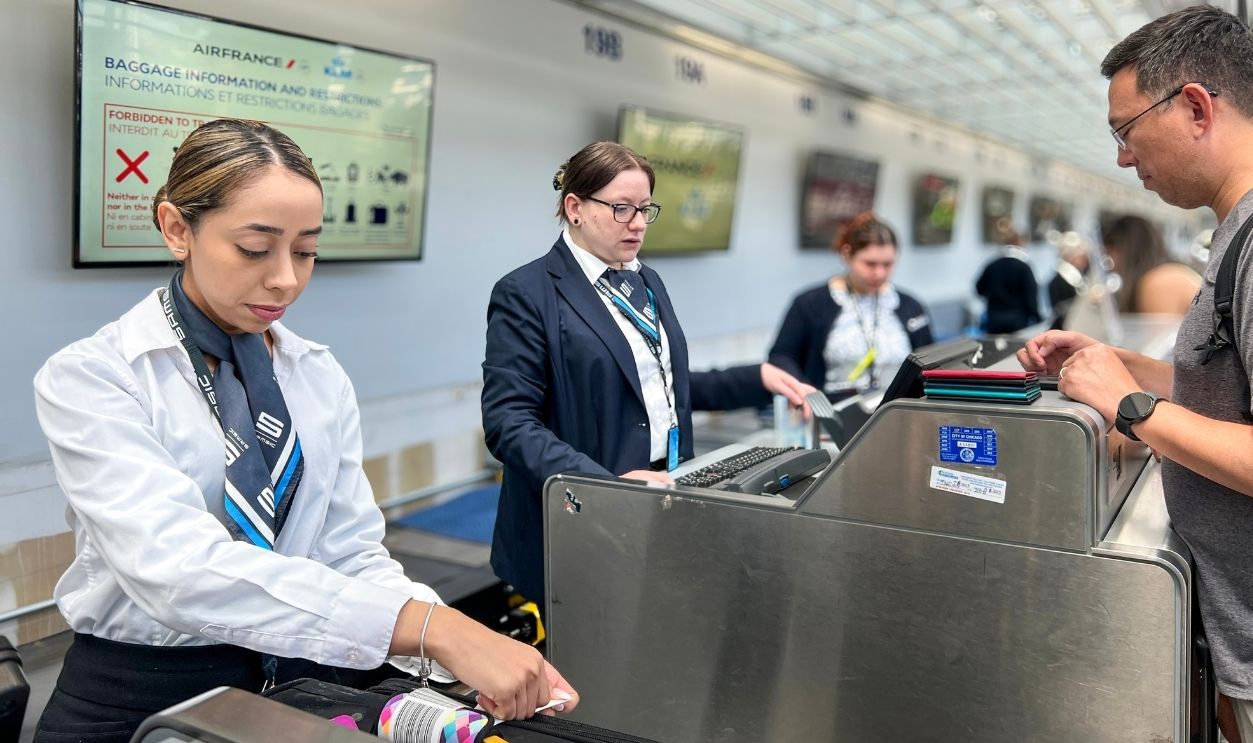
American Airlines Gives A Useful Benchmark
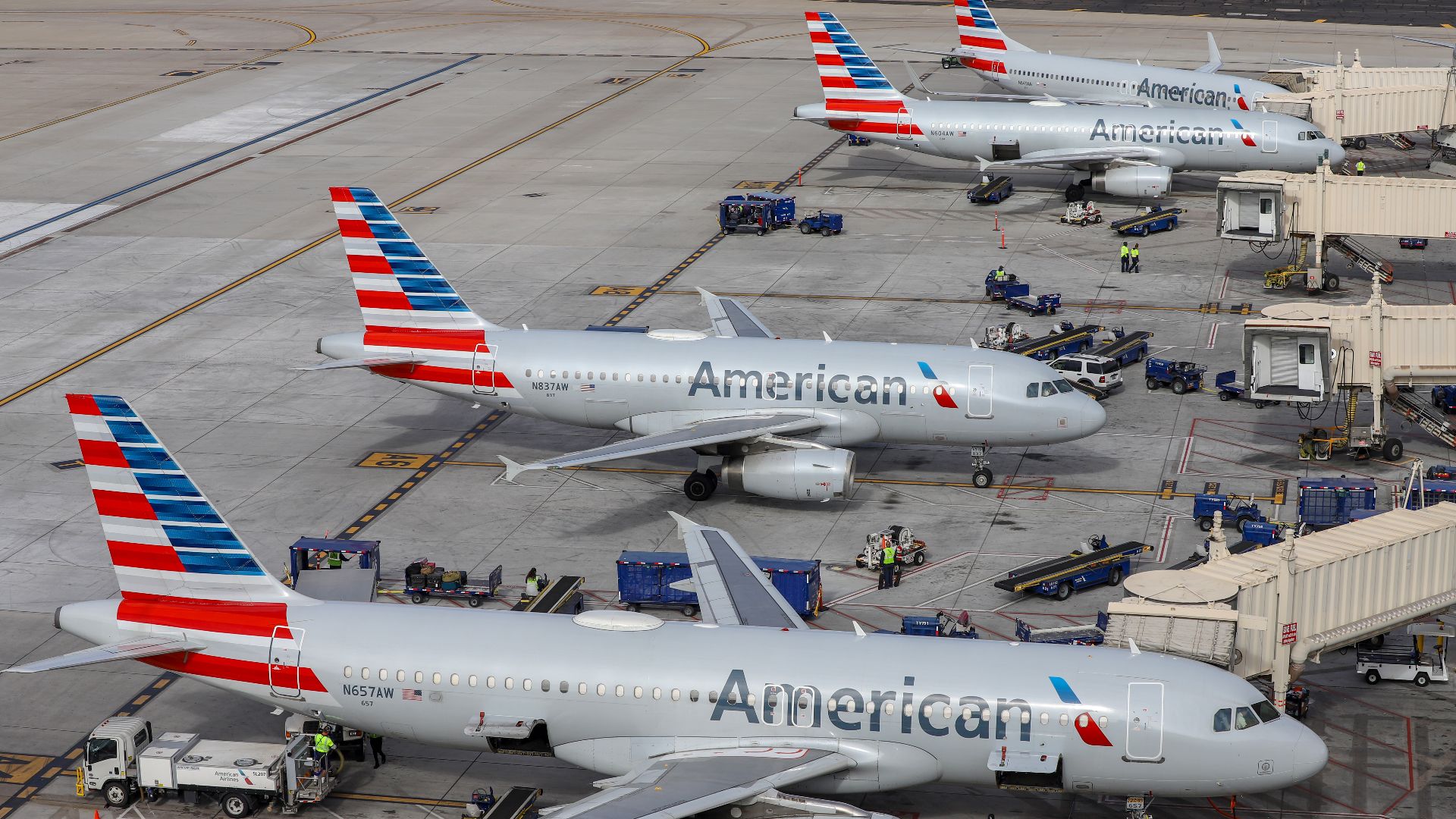
American Airlines says on its customer service and schedule change pages that if a schedule change is more than four hours, customers may be able to choose another flight or request a refund if they no longer want to travel. That does not settle every case, but it gives the public a concrete benchmark. A change from 9 a.m. to 5 a.m. lands right on that four-hour line, which helps explain why these cases can get messy.

Delta Uses Delay And Cancellation Language More Than A Simple Hour Rule
Delta’s contract of carriage says schedules can change and describes remedies when travel is disrupted, but it does not offer one simple public promise that every change of a certain number of hours counts as significant. In practice, Delta may rebook passengers on other flights. The problem for travelers is that not every policy question has a neat answer on a public web page.
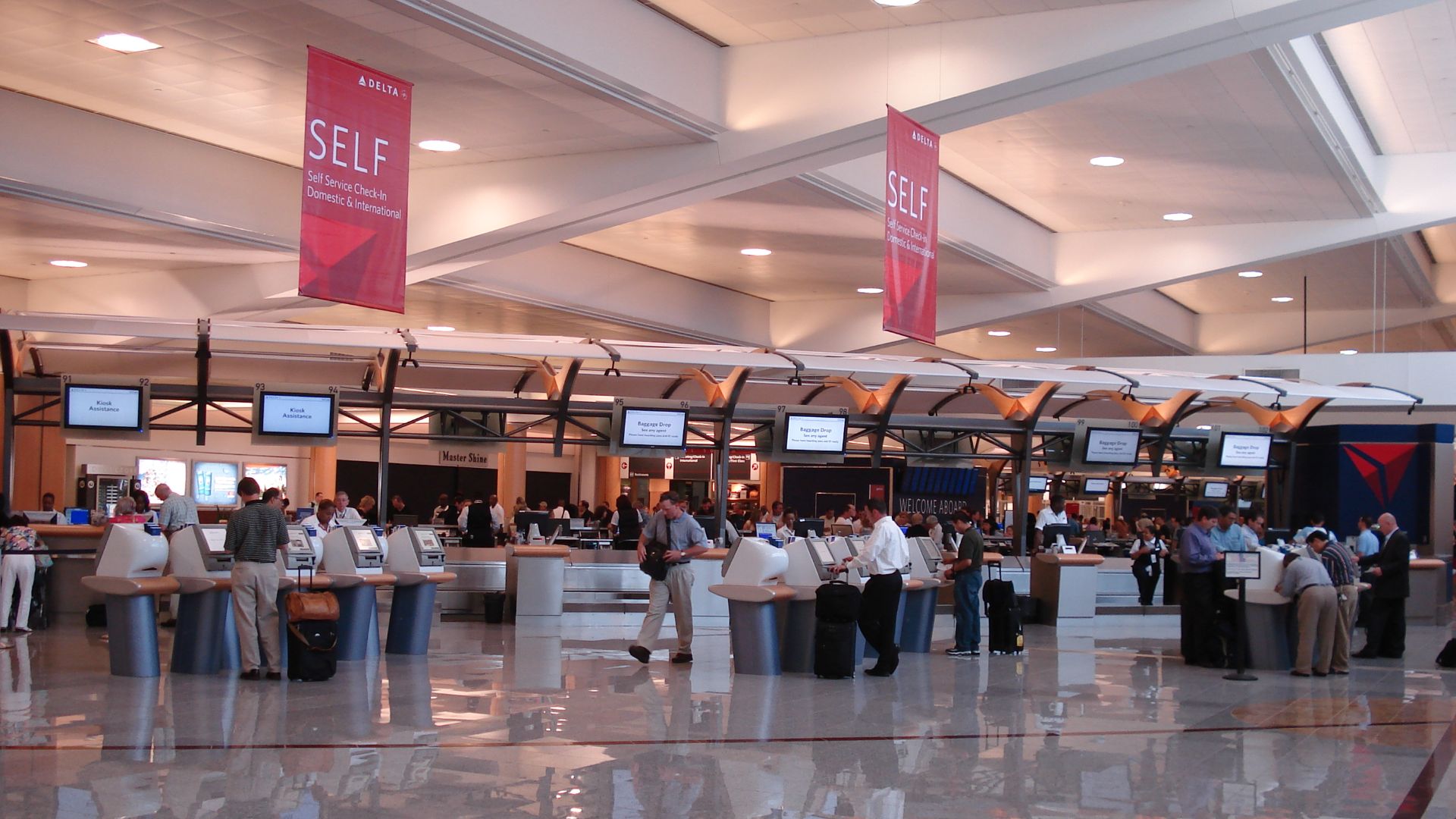 Atlantacitizen, Wikimedia Commons
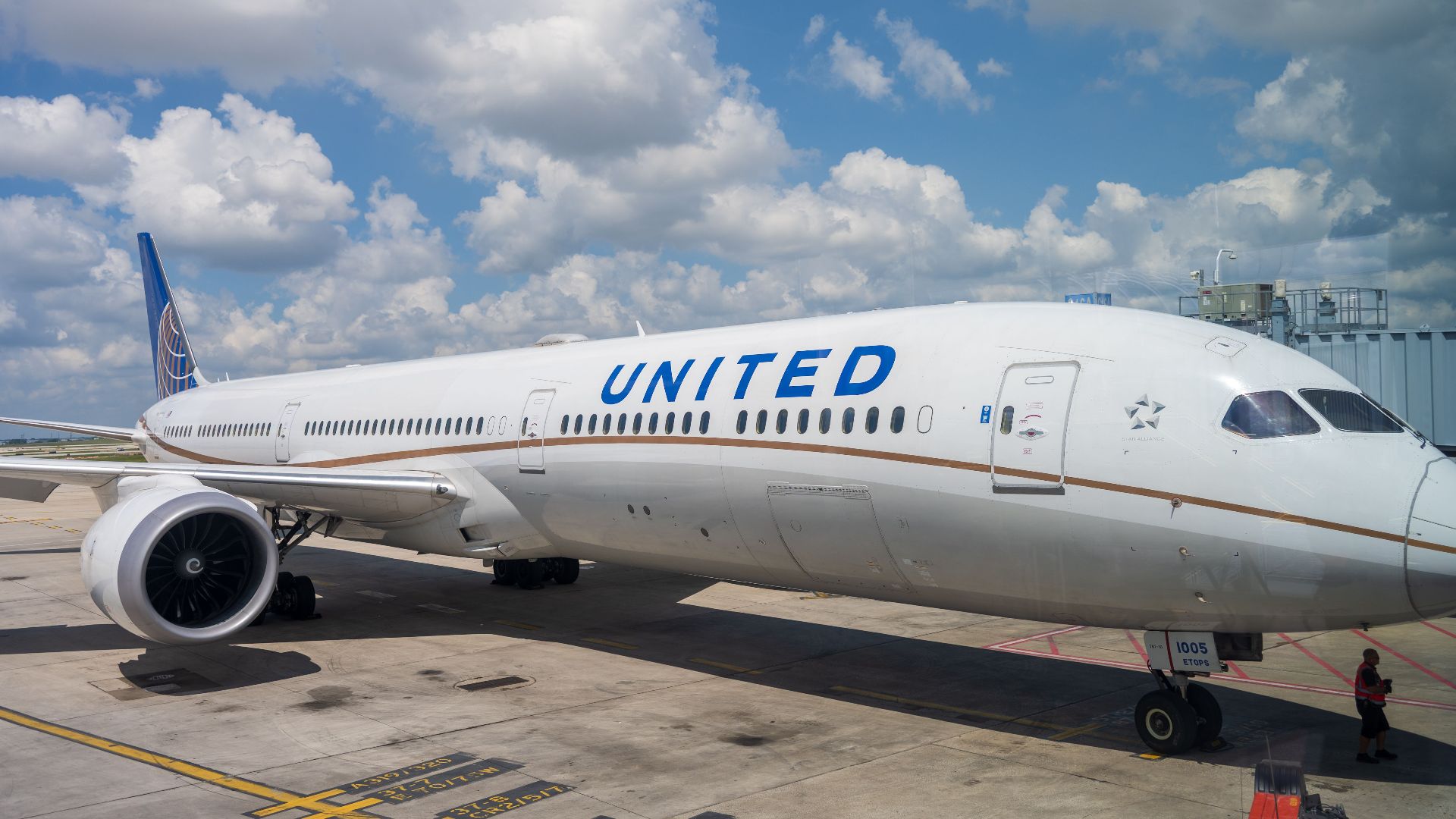
United Also Keeps Broad Scheduling Flexibility
United’s contract of carriage also says timetables are not guaranteed and may change. Like other airlines, it offers rebooking or other remedies depending on the situation. The main point is that broad contract language gives airlines room to argue, even when the inconvenience seems obvious.
Southwest’s Simpler Model Does Not Make The Problem Go Away
Southwest is often seen as more flexible because it does not charge change fees, but schedule changes can still create real problems. If the new flight time is far from what you originally booked, you may still have to push for the best replacement or decide the trip no longer works. Very early departures can be especially rough when there are not many nonstop options on the route.

International Rules Can Be Different
Outside the United States, passenger protections can be stronger in some situations. The European Union is best known for rules that cover compensation after certain delays and cancellations, though schedule-change cases can still depend on the facts. For most U.S. domestic travelers, the main tools are still the DOT refund rule and the airline’s own contract terms.
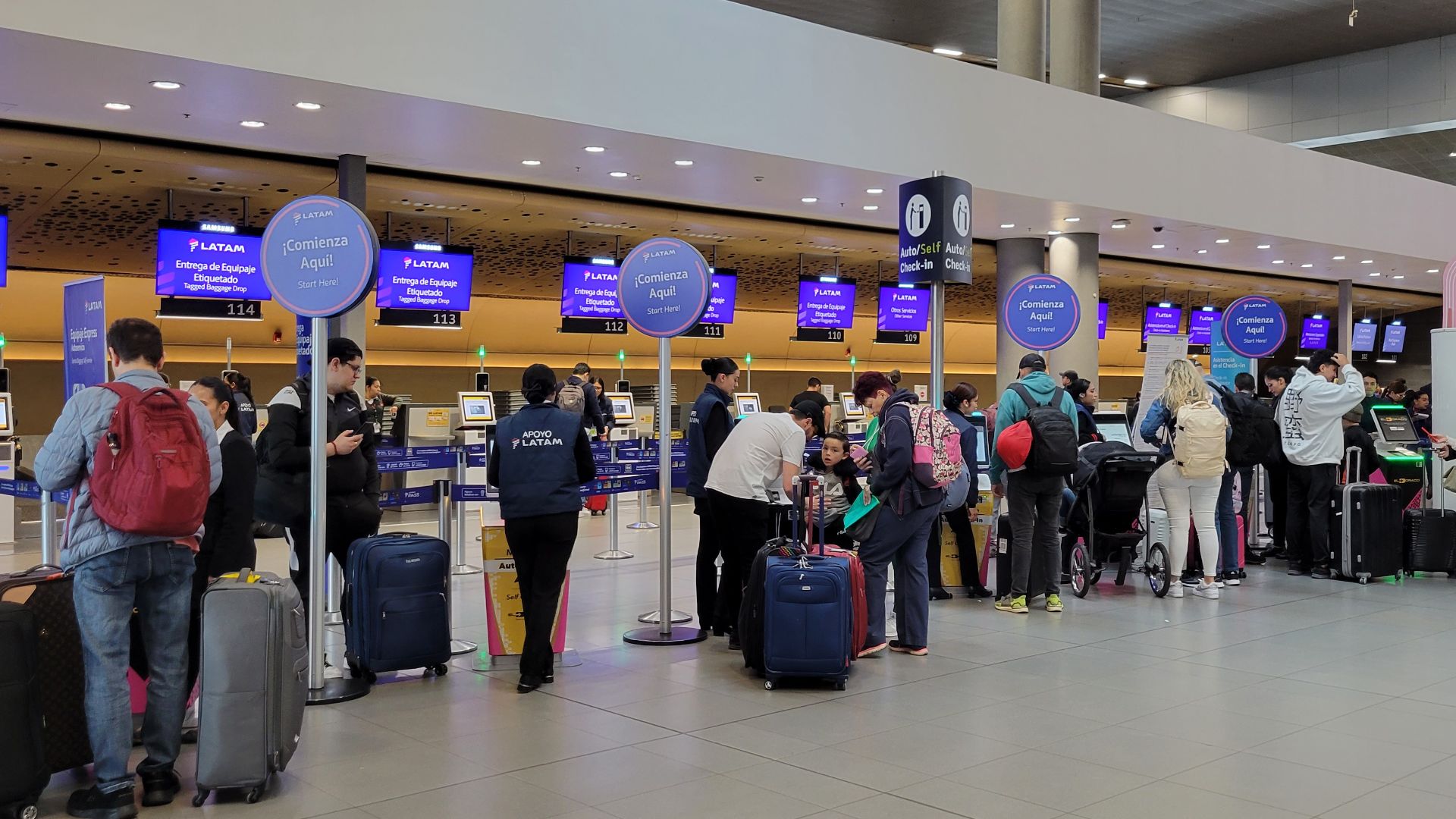 OhanaUnitedTalk page, Wikimedia Commons
Why Airlines Make These Changes In The First Place
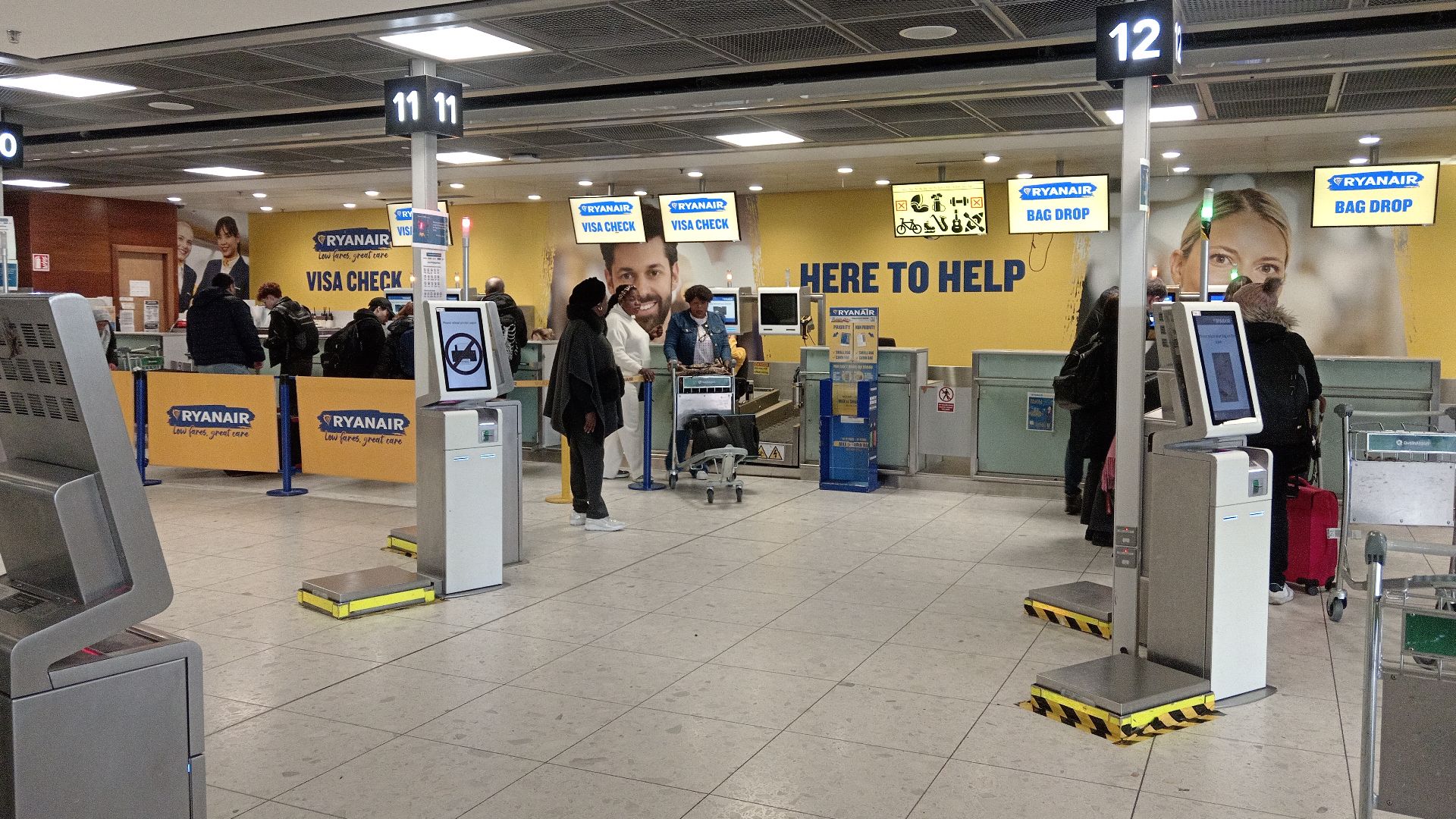
Schedule changes happen for a lot of reasons, including aircraft rotations, staffing, airport slot changes, seasonal demand, and network updates. Airlines publish schedules far ahead of time, then adjust them as demand shifts. That may make sense on the airline’s side, but it does not make a 5 a.m. replacement any easier to live with.
 CAPTAIN RAJU, Wikimedia Commons
The Real Cost Of A Pre-Dawn Departure
An earlier flight can bring new costs that are easy to miss at first. You may end up paying for a rideshare during surge pricing, an extra hotel night, airport parking, or another day of child care. If the airline calls that change minor, the extra expense can feel even worse.
 Frame Stock Footage, Shutterstock
Sleep Loss Is Not A Small Thing
Sleep disruption matters more than airline policies often admit. Moving a 9 a.m. departure to 5 a.m. can push your wake-up time three or four hours earlier, sometimes more. For travelers with medical needs, children, or long onward trips, that is not just a preference issue. It can seriously change how manageable the trip is.

Connection Risk Can Get Worse Too
Earlier departures may sound safer because they start the day sooner, but they can create new problems. Public transit to the airport may not be running yet. Airport staffing may be lighter. And if the first leg changes, it can throw off the rest of a carefully planned trip. If the new flight also means a longer layover or a different connection city, the impact can grow fast.

So How Early Is Too Early
For many travelers, “too early” starts when the new departure forces an overnight stay near the airport or requires leaving home before public transit, child care, or safe transport is available. A change from 9 a.m. to 5 a.m. often crosses that line. Even if an airline does not want to call it significant, a traveler has a strong argument that it materially changes the trip.
 Quintin Soloviev, Wikimedia Commons
What To Do As Soon As You Spot The Change
Move quickly and save proof. Take screenshots of the original itinerary, the new itinerary, any fare rules you can still see, and any messages the airline sent. Then look for other flights that same day that better match the departure window you originally booked.
 Michael Ball, Wikimedia Commons
Ask For A Free Rebooking First
Your first and often best move is to ask for a no-fee change to a better flight. Be polite but clear, and explain why the new departure does not work. Agents often have more flexibility than the website or app shows, especially when the airline made the change.

If The New Flight Does Not Work, Ask About A Refund
If the new timing ruins the trip and you no longer want to travel, ask whether the change qualifies for a refund under the airline’s policy and the DOT refund rules. Keep it simple. Say the new departure materially changes the trip and that you are declining the alternative transportation offered.
 Jevanto Productions, Shutterstock
How To Make Your Case Stronger
Specific facts help. Point out that the flight moved four hours earlier, that local transportation is not available at that hour, or that the change means an extra hotel night or creates problems for a child or older traveler. The more concrete the impact, the harder it is for the airline to brush it off as a mere preference.

Escalation Can Make A Difference
If the first representative says no, try again through another channel like phone, chat, social media support, or a supervisor request. Different agents may read the same policy in different ways. Persistence, especially when you have screenshots and the airline’s own public language, can lead to a better outcome.
When A Credit Card May Help
If the airline refuses a refund you believe you are owed, your credit card issuer may matter. A chargeback should not be the first move, but it can become part of the picture if the service you paid for was materially changed and not delivered as bought. Read your card terms closely and keep your records organized.

Filing A DOT Complaint Is Another Option
The DOT accepts consumer complaints about airline service and refunds. Filing one does not guarantee money back, but it creates a formal record and requires the airline to respond. If your 9 a.m. flight turned into a 5 a.m. flight and the airline still says that is insignificant, a complaint may be a reasonable next step.
 mimagephotography, Shutterstock
The Best Time To Push Back Is Before Travel Day
Do not wait until the night before departure if the new schedule clearly does not work. Once you start using parts of the ticket, your refund options may shrink. It is much easier to work this out while the itinerary is still untouched and the airline still has other flights it can offer.

Booking Tips That Can Reduce The Pain
When you can, book nonstop flights with several same-day options on the same airline. Morning departures can still be smart, but some schedule cushion helps if the airline later moves the time. If timing matters a lot, it can also help to choose a route served by several airlines, which gives you more backup options.

The Bottom Line For Travelers
A change from 9 a.m. to 5 a.m. is not a trivial adjustment for most people, even if an airline tries to frame it that way. In the United States, whether it is officially “significant” may depend on the airline’s policy and the details of your trip, but moving a flight four hours earlier is a strong reason to ask for a better option or a refund. If the new schedule ruins the trip you thought you bought, it is worth pushing back.