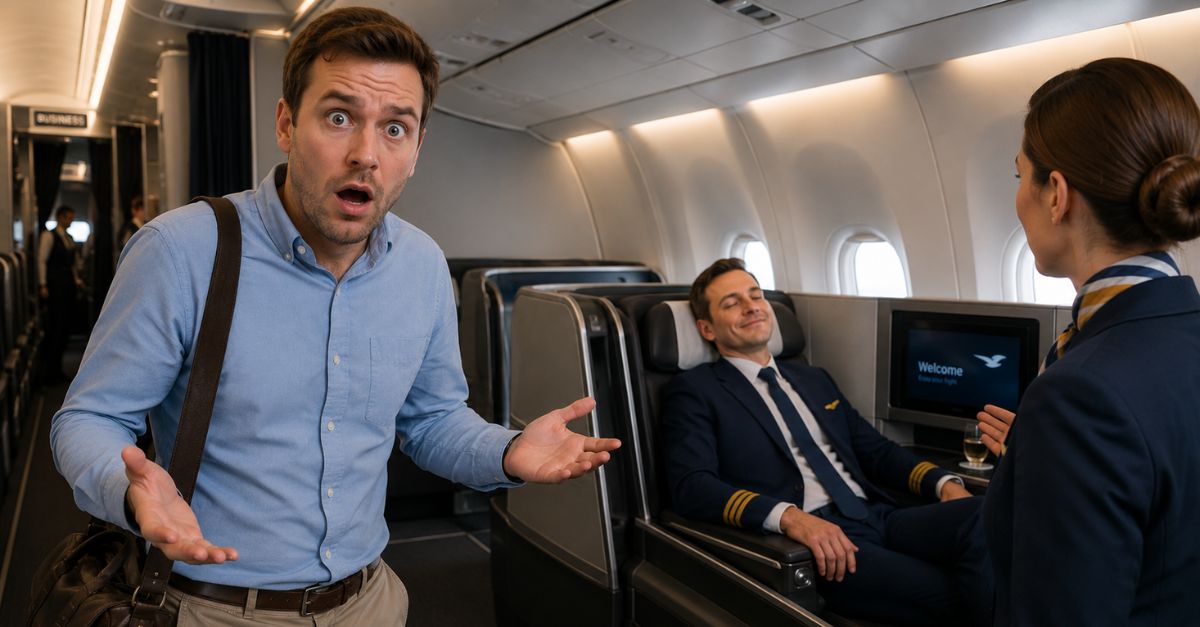
The Awkward Question After You Board
You’ve got a business-class boarding pass, you settle into your seat, and then a crew member asks you to move because an off-duty pilot needs it. It sounds crazy, especially if you paid a lot for that ticket. But in real airline operations, this can fall into a legal and operational gray area that depends on why the pilot is traveling and what the airline’s contract allows.
Why This Happens In The First Place
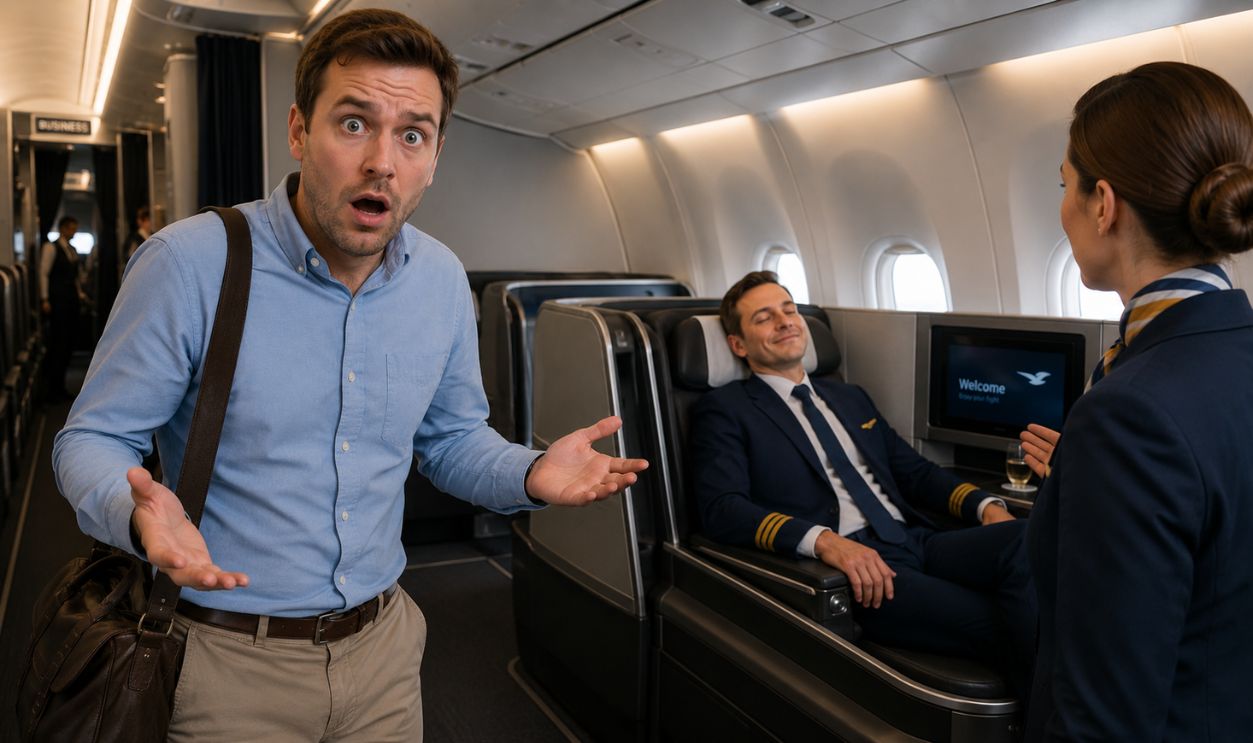
Airlines sometimes fly pilots and flight attendants as passengers so they can work another flight later. In the industry, that’s often called deadheading when a crew member is being moved for operational reasons. If that pilot is needed to operate a later flight, the airline may treat getting them there as a priority, even if it creates a headache for a paying passenger.
 Krakenimages.com, Shutterstock Images
Deadheading Is Not Just A Travel Perk
Deadheading is not the same as an airline employee flying somewhere for personal reasons. The Federal Aviation Administration defines deadhead transportation as travel to or from a duty assignment. That matters because the pilot may be traveling as part of the airline’s operation, not as an employee hoping to score a better seat.

The Fine Print Matters
The first place to look is the airline’s contract of carriage. That document spells out when the airline can refuse transport, reassign seats, or downgrade passengers. These contracts are usually broad and give airlines a lot of room to make changes for safety, security, or operational reasons. In plain terms, the fine print often gives airlines more power than most travelers think.

American Airlines Says So Directly
American Airlines says in its conditions of carriage that it will make reasonable efforts to transport passengers and bags as scheduled, but schedule times are not guaranteed. It also says it may use alternate carriers or aircraft and may change or skip stops when needed. That helps explain why airlines often argue that seat changes tied to operations are allowed.
 mimagephotography, Shutterstock
United Reserves Similar Flexibility
United Airlines also gives itself broad discretion in its contract of carriage for operational and safety-related changes. That does not mean the airline can do anything it wants without consequences. But it does mean the contract is written to protect its ability to keep the schedule running. If an off-duty pilot is being repositioned to crew another flight, United’s language gives it room to make changes.

Delta Does Too
Delta’s contract of carriage includes similar terms on schedules, seat assignments, and situations where transportation may be changed. Seat assignments usually are not guaranteed in an absolute sense, even in premium cabins. That is why a boarding pass showing business class does not always settle the matter.

Your Seat May Be Less Secure Than It Looks
Most passengers see a seat assignment as a promise. Airlines often see it as something they can change. Contracts and booking terms usually say seat assignments may be changed for operational, safety, or aircraft reasons. So the real legal question is often not whether the airline can move you, but what it owes you if it does.

Can They Really Move A Paying Passenger
Sometimes, yes. If the airline decides an off-duty pilot is traveling on company business to operate another flight, it may move a passenger, including someone in business class, to another available seat. The big issue then becomes compensation or a refund if that passenger is downgraded.
 Song_about_summer, Shutterstock
This Is Usually A Downgrade, Not A Bumping Case
Many travelers think of bumping rules right away, but a seat taken for a deadheading pilot is often treated as a downgrade rather than denied boarding. That difference matters. The rules for denied boarding are not the same as the rules that apply when you still fly but in a lower cabin than the one you bought.

In The US, Refunds Matter Most
The US Department of Transportation says passengers are entitled to a refund if they are involuntarily moved to a lower class of service than the one they paid for. In general, that means the difference in fare between the class purchased and the class actually flown. It may not feel like enough in the moment, but that is the basic federal protection.

There Is No Automatic Jackpot In The US
Unlike Europe’s system for some passenger-rights cases, US law does not create a broad automatic payout every time an airline downgrades someone. In many cases, your main right is the refund of the fare difference. Airlines may also offer miles, vouchers, or cash, but those extras are often goodwill rather than something the law requires.

Europe Has Clearer Downgrade Rules
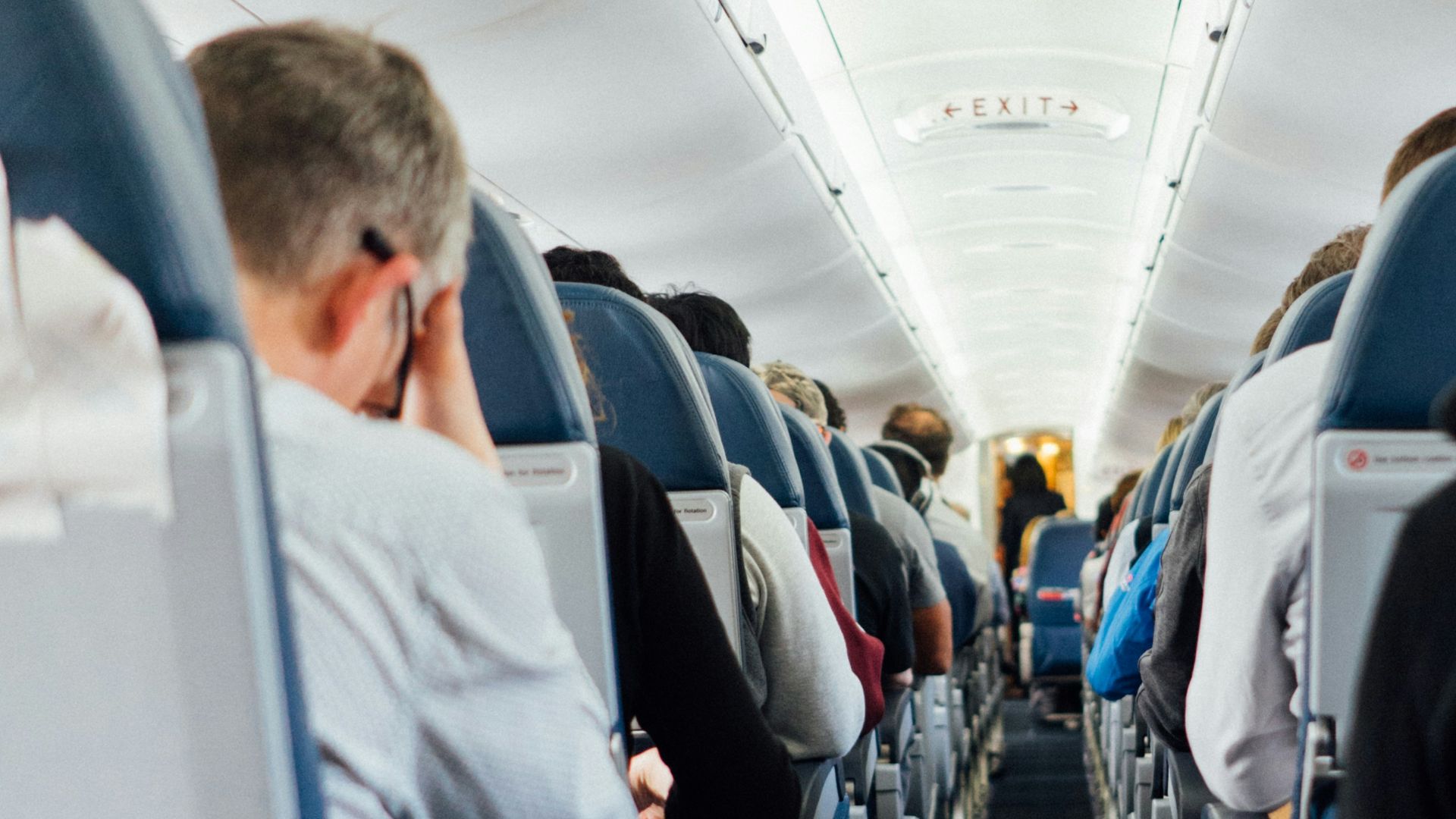
In the European Union, Regulation EC 261/2004 has a specific rule for downgrades. If an airline places a passenger in a lower class than the one on the ticket, it must reimburse part of the ticket price for that flight segment. Depending on the distance, that reimbursement can be 30 percent, 50 percent, or 75 percent.
The 75 Percent Rule Is A Big One
For many long-haul flights in Europe, a downgrade can trigger a refund of 75 percent of the price of that flight segment. That is one reason premium-cabin downgrades can get expensive for airlines on international routes. It also gives passengers in Europe a much clearer rulebook than many travelers in the United States have.
Why A Pilot Might Need A Premium Seat
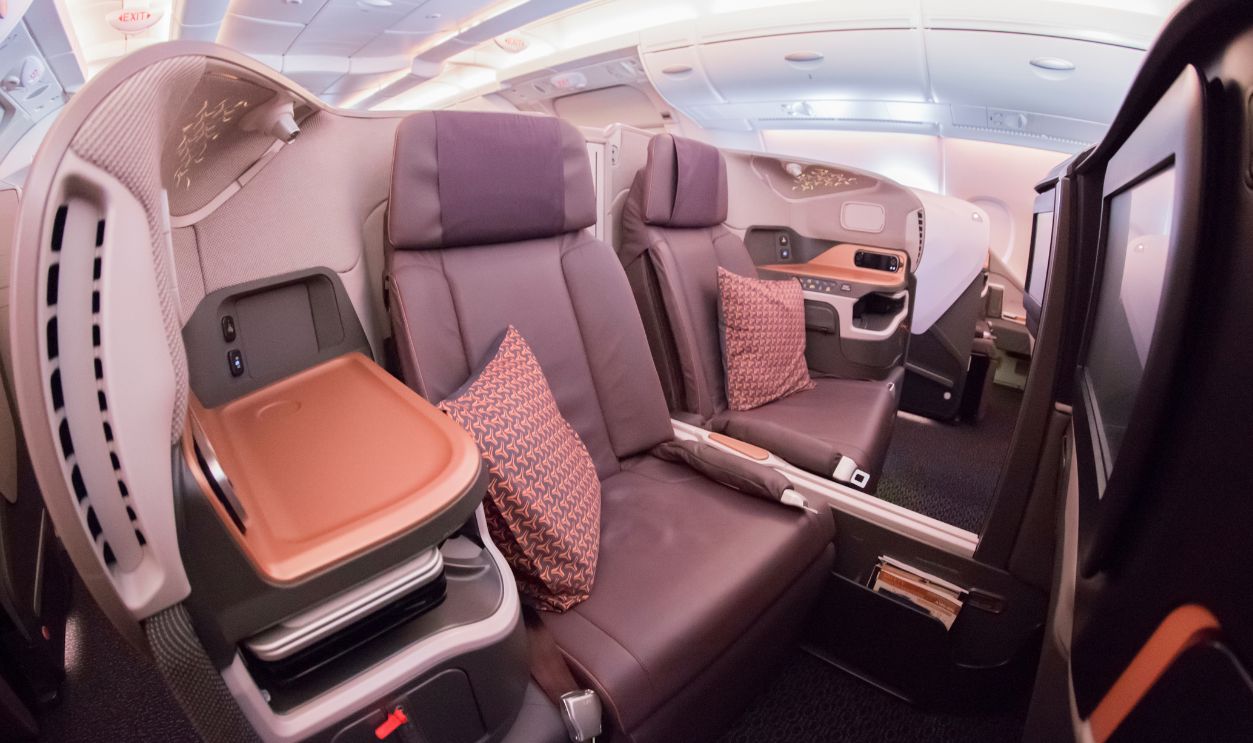
This is where things get more complicated. On some long-haul trips, labor agreements, company rules, or fatigue policies may require a certain class of travel for repositioning pilots, especially if they will be flying soon after arrival. The point is not luxury. It is about rest, and rest for a pilot is a safety issue.
 Ksenia Shestakova, Shutterstock
The FAA Ties Deadheading To Duty Rules
The FAA’s flight time and duty rules discuss deadhead transportation as part of rest and duty calculations. That does not automatically mean a pilot must sit in business class. But it does show that deadheading is tied directly to legal crew scheduling and fatigue management.

Not Every Off-Duty Pilot Comes Before You
The phrase off-duty pilot can mean very different things. A pilot commuting for personal convenience is not the same as a pilot the airline is officially repositioning to operate a flight. If the travel is personal, the argument for moving a paying premium passenger gets much weaker.
Standby Employee Travel Is Different
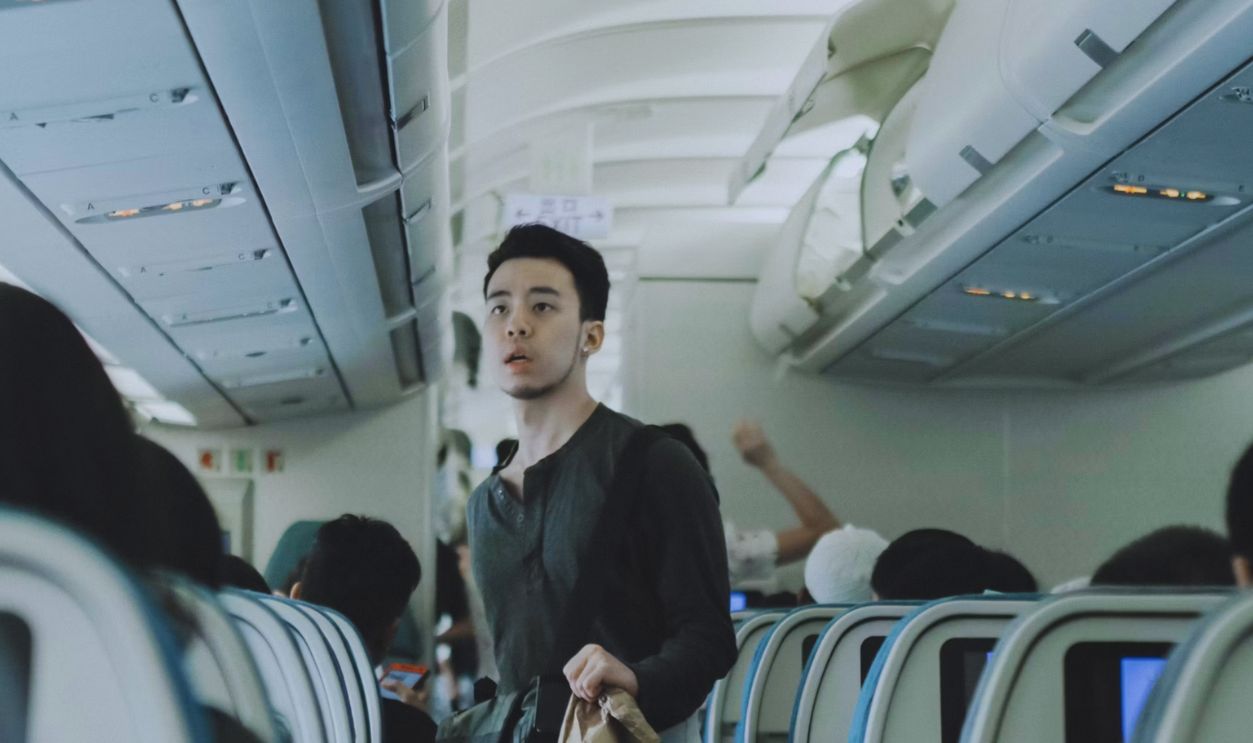
Most airline employees flying for leisure travel on standby and only get seats left open at departure. They can be upgraded if space is available, but they generally should not outrank a paying passenger who has already been assigned and boarded in that cabin. If that is what happened, the airline would have a much harder time defending the move.
 Mangkorn Danggura, Shutterstock
Airlines Often Look For Volunteers First
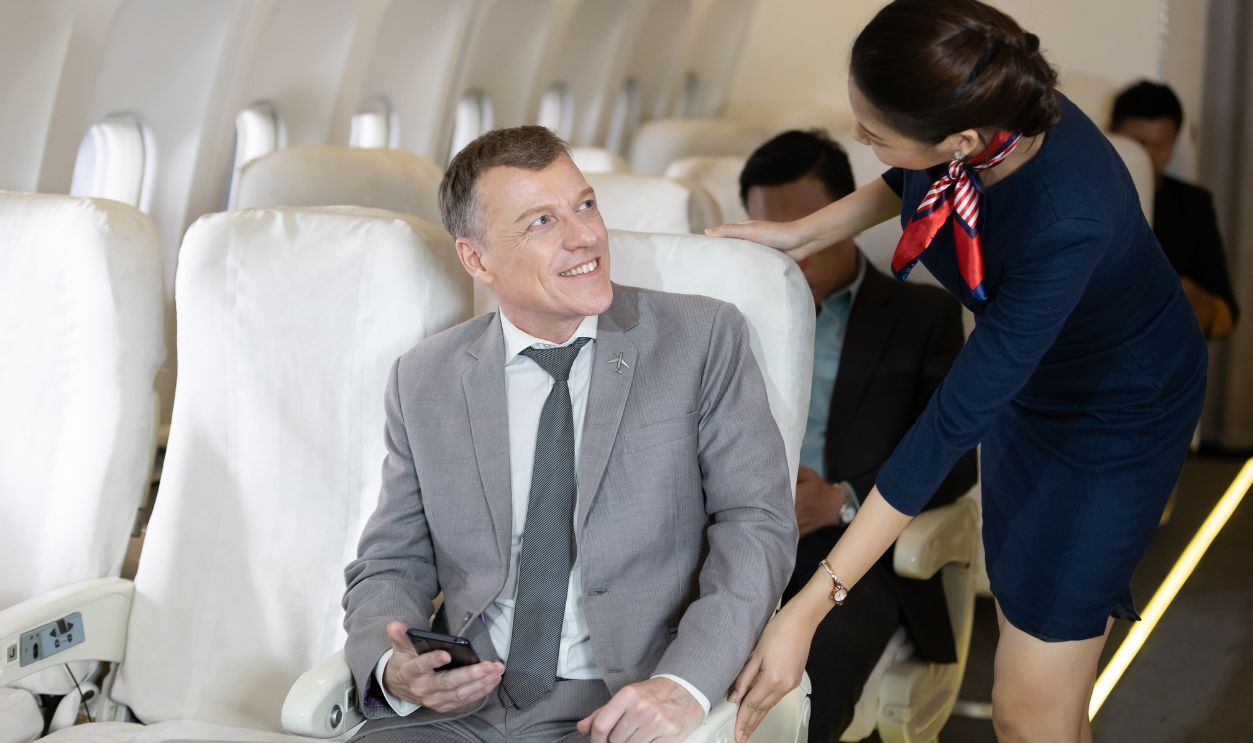
In real life, gate agents often try to handle these situations quietly by asking for volunteers. A passenger may be offered miles, a voucher, or a partial refund in exchange for moving to premium economy or economy. If the offer is good and your plans are flexible, volunteering can turn a bad moment into a decent deal.

If You Refuse, They May Still Move You
Being polite does not always mean you have a choice. If the airline decides the change is operationally necessary, it may simply reissue your boarding pass and process the downgrade. At that point, your best move is usually to document everything and deal with compensation afterward rather than argue at the aircraft door.

Ask One Key Question Right Away
If this happens, ask whether the pilot is deadheading on company business to operate another flight. That gets to the heart of the issue. It can help you tell the difference between a real operational need and an employee-travel situation that deserves a closer look.
 Monkey Business Images, Shutterstock
Try To Get The Reason In Writing
Ask the gate agent for a written note, a reissued itinerary, or any record showing that you were involuntarily downgraded. You do not need to make a scene. You just need proof of the cabin you bought, the cabin you flew in, and the fact that the change was not your choice.

Keep Your Boarding Pass And Receipt
This is one of those times when paperwork really matters. Save your original boarding pass, your new boarding pass, your booking confirmation, and screenshots of your seat assignment. If you later ask for a refund or file a complaint, those records can make the process much easier.

Know What To Ask For After The Flight
If you were downgraded in the United States, start by asking the airline for a refund of the fare difference. If the flight involved Europe and EC 261 applies, ask specifically for downgrade reimbursement under Article 10 of the regulation. Being specific usually works better than sending a general complaint about bad service.

When To File A DOT Complaint
If the airline ignores you or refuses to deal with a clear involuntary downgrade, US travelers can file a complaint with the Department of Transportation. The DOT is not your personal lawyer, but complaints are logged and sent to airlines for a response. It is a practical next step when customer service keeps giving you canned replies.

International Trips Can Change The Rules
Your rights can depend a lot on where the flight departed, where it landed, and which airline operated it. A US airline flying out of Europe may still have to follow EU passenger-rights rules for that departure. That is why international premium travelers should check both the airline’s contract and the local passenger-protection law.
The Bottom Line For Business-Class Passengers
Yes, airlines can sometimes move paying passengers, even in business class, if crew members are being repositioned for operational reasons. No, that does not mean any employee can take your seat on a whim. The best move is to stay calm, find out why it happened, and then go after the refund or compensation the rules support.