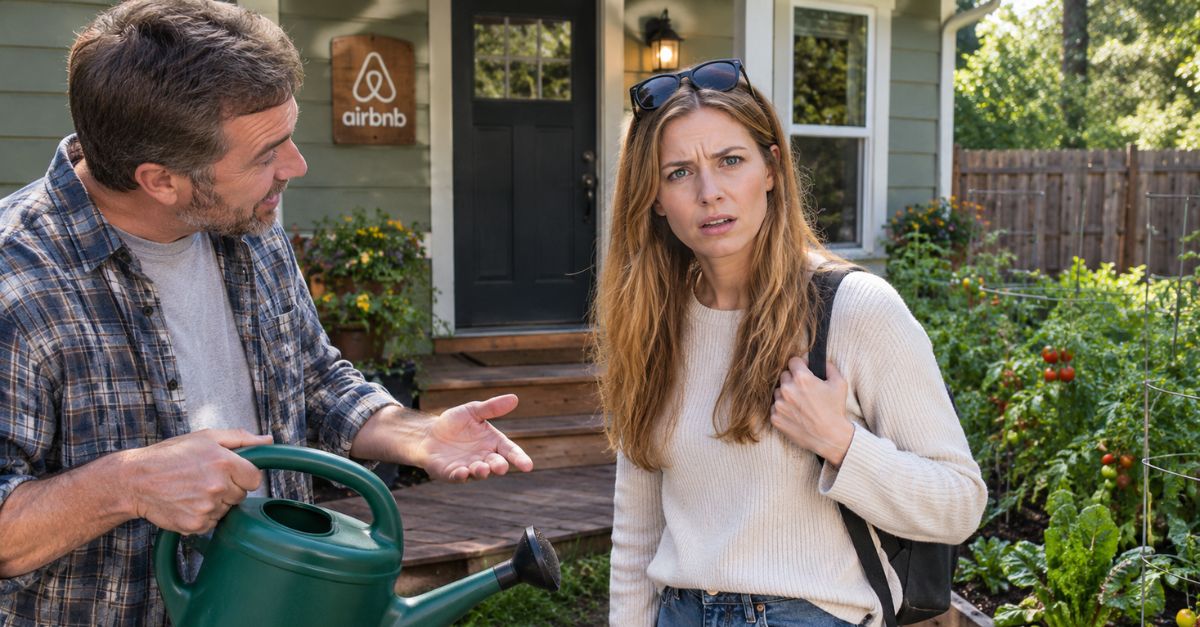
A Dream Stay With An Unexpected Chore List
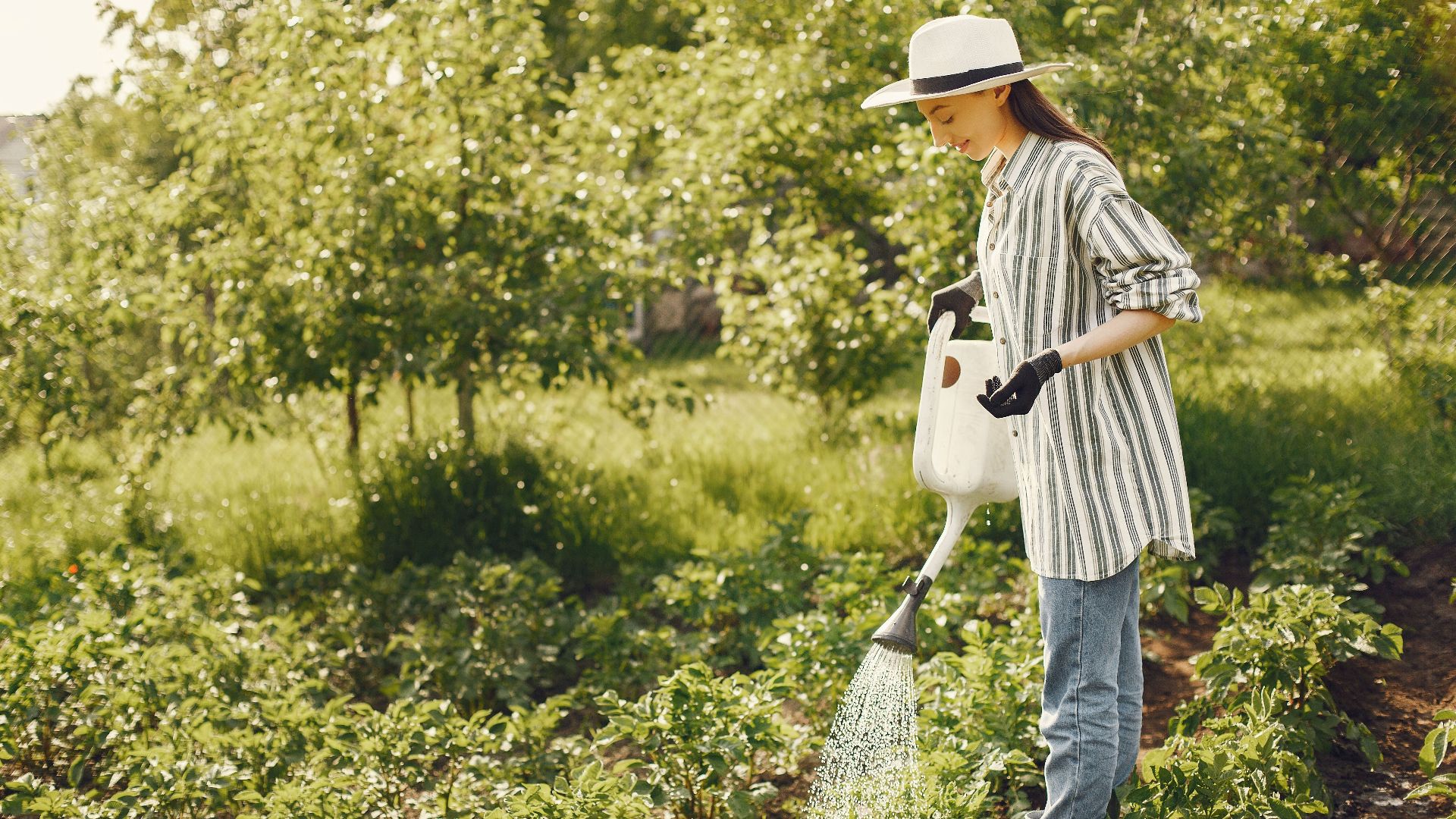
You book an Airbnb expecting clean sheets, local tips, and maybe a great view. At least, that's how it used to be. Now, it feels like most short-term rentals come pre-loaded with a hefty cleaning fee and a whole to-do list on top. But there's a difference between taking out the garbage when you and watering their vegetable garden daily.
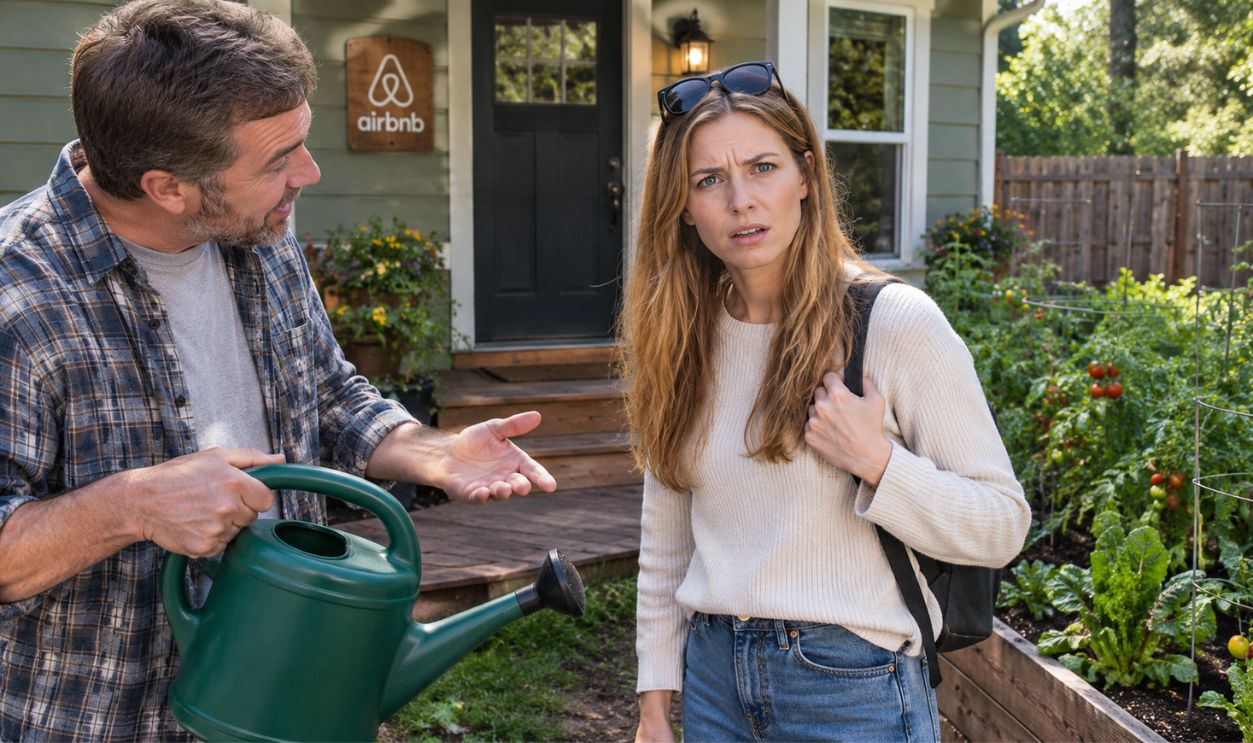
They're Asking For More And More
Part of Airbnb's appeal is that it feels homey without the hassle of actually managing a home. Cleaning fees, service charges, and nightly rates have already made an Airbnb cost as much as a hotel room in many cities. So when the host adds a daily task at the last second, that tension stands out more.

What Airbnb Says Hosts Need To Disclose
Airbnb’s ground rules say hosts should describe their place accurately and clearly explain any rules or requirements that affect the stay. That matters because guests are supposed to know what they are agreeing to before they book, not after they arrive. If a host expects guests to care for a garden every day, many travelers would see that as important information. Springing it on someone later can quickly turn into a trust problem.

House Rules Have Limits
Airbnb allows hosts to set house rules, and many are completely normal. Think quiet hours, no smoking, or directions for sorting recycling. But there is a clear difference between respecting a property and maintaining it for the host. Asking a guest to water a few potted herbs once during a heat wave is one thing. Requiring daily care for a vegetable garden during the whole stay feels a lot more like ongoing property upkeep.

The Contract Issue Starts Before Check-In
In practical terms, the big question is whether the duty was disclosed before the booking was confirmed. The basic consumer logic is simple. If an important condition shows up only after payment, the guest did not really agree to it in a fully informed way. That does not automatically make the request illegal, but it can make it unreasonable and something worth disputing.
Why Guests Often Feel Trapped
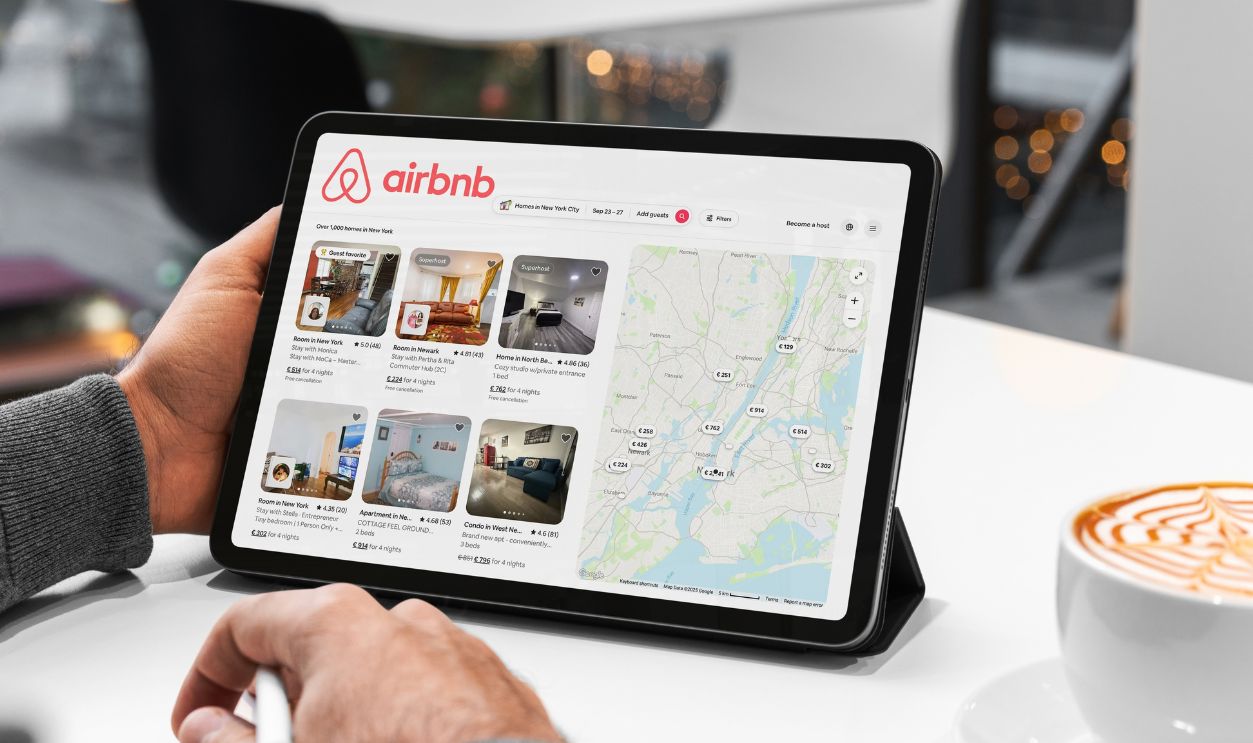
Once travelers arrive, pushing back can feel hard. They may be in an unfamiliar city, traveling with kids, or staying during a busy season when other places are expensive. A host’s message can also carry an unspoken threat of tension or a bad review. That is part of why surprise chores feel heavier than ordinary house etiquette. The timing matters just as much as the task itself.
 mimagephotography, Shutterstock
Hotels Usually Make This Simpler
Traditional hotels generally do not ask guests to handle routine upkeep for the property. You might reuse a towel for environmental reasons, but you are not expected to water landscaping or manage outdoor areas. Short-term rentals blur that line because they are often actual homes. Still, paying to stay in a home does not automatically make you its caretaker. Most travelers understand that right away.
 Hryshchyshen Serhii, Shutterstock
Airbnb Has Already Tried To Tackle Chore Fatigue
In late 2022, Airbnb changed its price display in many places so guests could more easily see the total cost before taxes. That came after years of frustration over surprise fees and checkout chore lists. In 2022, Chief Executive Brian Chesky also publicly criticized long checkout instructions. That matters here because it shows Airbnb knows guest goodwill disappears fast when extra demands start piling up.

Those Viral Checkout Lists Left A Mark
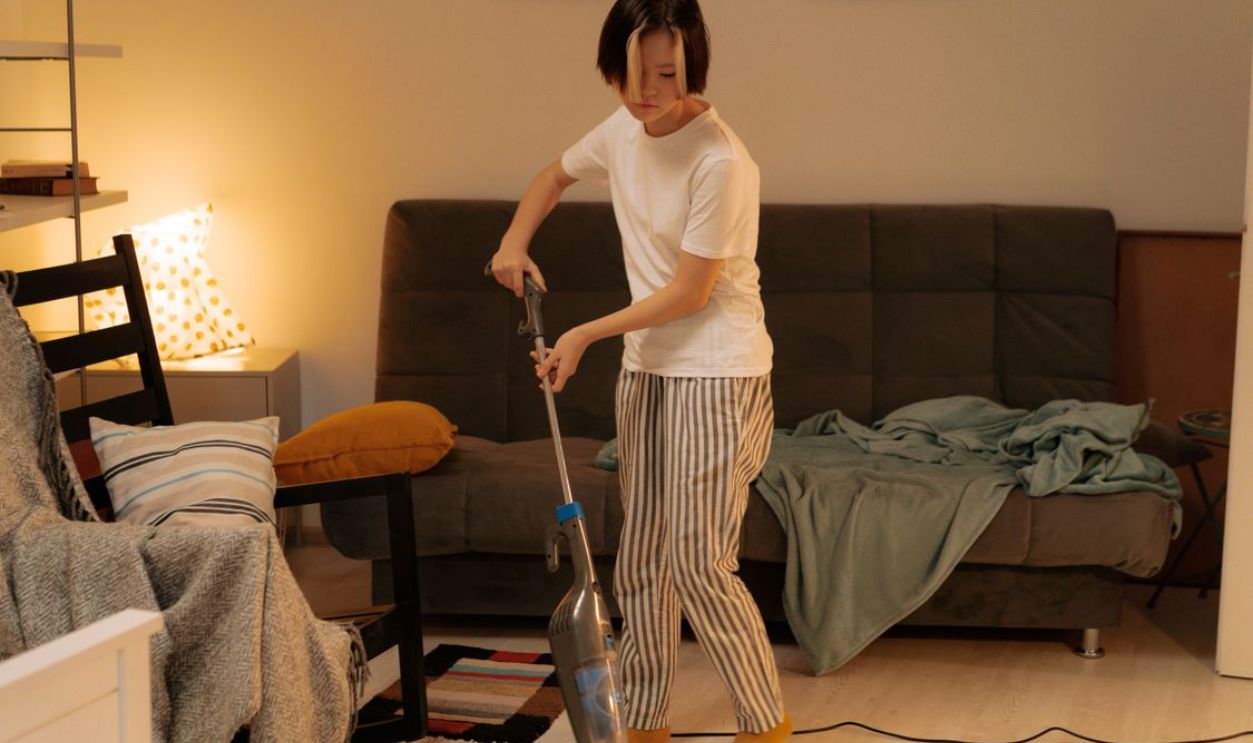
Over the past few years, social media has been packed with stories from guests who were told to strip beds, start laundry, take out trash, and vacuum even after paying large cleaning fees. Not every complaint was fair, but the pattern was hard to miss. Travelers started comparing rentals less favorably with hotels. A daily garden-watering request lands in the same touchy zone. It sounds minor until you remember the guest is already paying full price.
Emergency Help Is Not The Same As A Daily Duty
If a host asks for a one-time favor because something unexpected came up, many guests would gladly help. Watering plants once during an extreme heat day feels neighborly. Being given daily responsibility for a vegetable patch for the full stay feels very different. Frequency changes the whole thing. So does the fact that vegetables are part of an actively managed garden, not just a lonely plant on a porch.
Travelers Should Read The Listing Closely
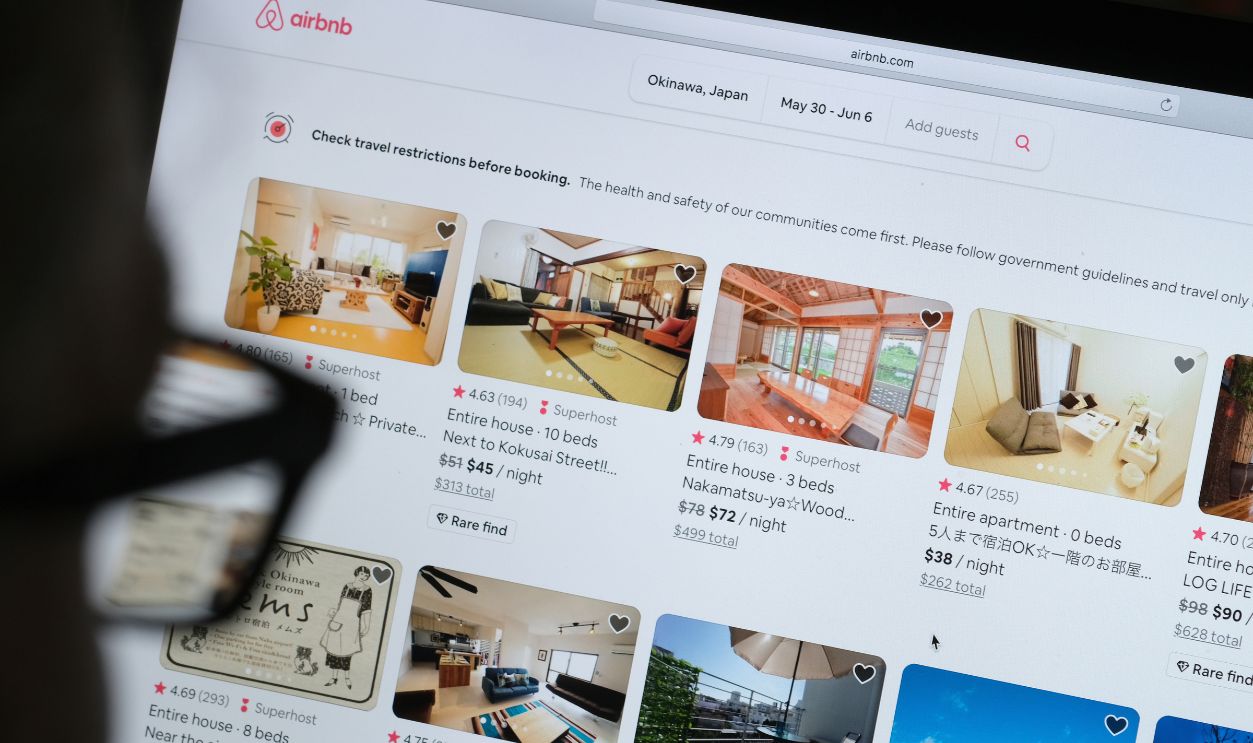
Before booking, it is smart to read the full description, the house rules, and recent reviews. If the listing mentions plant care, feeding animals, or other regular duties, that is the moment to decide whether the place is still worth it. Some guests may not care. Others will see it as an instant no. The key is that the choice should happen before any money is paid.
Reviews Can Expose What The Listing Does Not
Past guests often mention the details hosts leave out of polished listing copy. If several reviews complain about chores, hidden rules, or pushy messages, that is a warning sign. Reviews can also show whether the host is reasonable when problems come up. If multiple guests say they were surprised by maintenance tasks, take it seriously. It may save you from an awkward stay.
 ANTONI SHKRABA production, Pexels
What To Do If The Request Shows Up After Booking
Start by checking the listing and your booking confirmation for any mention of the task. If it was not disclosed, message the host calmly through Airbnb so there is a written record. Ask whether the request is optional or whether some other arrangement can be made. Keeping the conversation inside the app matters if Airbnb support later needs to review what happened.

How To Respond Without Starting A Fight
You do not need to be confrontational. A short, clear reply usually works best. You might say that you are happy to follow normal house rules, but daily garden care was not disclosed in the listing and is not something you agreed to during a paid stay. That keeps the focus on expectations rather than personalities. It also makes clear that your concern is reasonable.

When Airbnb Support Comes In
If the host insists and the task was never disclosed, guests can contact Airbnb support and ask for help. The platform’s policies stress listing accuracy and clear rules. Results can vary, but documentation helps. Screenshots of the listing, the messages, and any review pattern can strengthen your case. The more specific you are, the better.

Can A Host Punish You For Refusing
A host can leave a review, but that does not mean every complaint is untouchable. If the dispute comes from an undisclosed demand, guests should report that context to Airbnb. The platform has rules about extortion and retaliatory behavior, even if enforcement is not always straightforward. In practice, calm documentation matters more than a heated back-and-forth. Good records are your best protection.

Why The Cleaning Fee Debate Matters
Travelers are especially sensitive to extra work because many already feel like they are paying twice. First through a cleaning fee, then through checkout chores. A daily garden task adds another layer. Even if there is no separate gardening fee, the logic is the same. Guests reasonably expect the nightly rate to cover routine upkeep unless the listing clearly says otherwise.

Some Hosts See It Another Way
Hosts may argue that a home share is not the same as a hotel and that small responsibilities come with the setting. They may also say that watering a garden protects the property and takes only a few minutes. In some rural or eco-focused stays, guests may even enjoy helping out. But the main point does not change. The expectation should be clearly disclosed and agreed to ahead of time.

Longer Stays Can Blur The Line
On a month-long booking, a request to water a few plants may seem more understandable than it would on a two-night city trip. Even then, the burden should fit the stay. Asking someone to bring in mail or keep windows closed during rain is not the same as assigning daily garden duty. A longer stay can change what feels reasonable, but it does not remove the need for clear disclosure.

Insurance And Liability Linger In The Background
There is also a quieter issue here. If a guest is expected to do regular maintenance, what happens when something goes wrong? Too much water, a broken hose, a slippery path, or an argument over damaged plants can create trouble fast. That is another reason hosts should be careful about shifting duties onto guests. The more a guest is asked to act like staff, the messier responsibility can get.
Consumer Agencies Have Warned About Hidden Terms For Years
Consumer protection agencies have long said that key conditions should be shown clearly before a purchase. The principle applies broadly across travel. If a requirement could affect whether a reasonable person books, it should not be buried or introduced later. Surprise obligations undermine informed consent. That is why this issue goes beyond one awkward request about a garden.

How To Spot A Listing That Might Ask Too Much
Watch for phrases like self-sufficient stay, eco responsibilities, off-grid duties, or guest participation required. None of those is automatically a problem, but they deserve a closer look. Photos can also offer clues. A large active garden, several animals, or extensive outdoor spaces may hint at extra expectations. If you are unsure, ask direct questions before you book.

Questions Worth Asking Before You Book
Ask whether there are any daily tasks expected during the stay beyond normal tidying. Ask whether checkout chores are required and whether all fees are shown upfront. Ask whether any part of the property needs active care or monitoring. Clear questions often bring out revealing answers. If the host seems evasive, that tells you something too.

What A Fair Compromise Might Look Like
If you really like the property and the task is small, you might try to work something out. Maybe the host arranges for a gardener, or maybe you agree to water a few patio pots in exchange for a late checkout or a small refund. The key is that it should be a choice, not an assumption. Good hosts know the difference.

The Bigger Lesson For Travelers
Short-term rentals can be great, but they usually require more careful reading than hotels. What once felt charmingly informal can sometimes hide real obligations. As booking platforms grow up, guests are less willing to accept fuzzy boundaries. That is probably a healthy shift. Paying to stay somewhere should not come with surprise unpaid work.

So Are You A Guest Or An Unpaid Caretaker
If daily garden watering was clearly disclosed before booking and you knowingly accepted it, then it is part of the stay, even if not everyone would like it. If it appeared only after booking or after arrival, your frustration makes sense. In that case, pushing back is not unreasonable. It is simply insisting that a paying guest should be treated like a guest.

The Bottom Line Before You Pack
The easiest way to avoid this situation is to treat short-term rental listings like contracts, not travel brochures. Read every section, scan the reviews, and ask blunt questions before you commit. If a host wants help maintaining a vegetable garden, that should be stated clearly from the start. Anything less risks turning a getaway into a gig.