Why This Question Keeps Coming Up
Air travel has gotten tighter in every possible way—smaller seats, stricter rules, higher fees. For larger passengers, that pressure can turn into a real fear: can an airline legally make you buy two tickets? It’s a question that comes up constantly as planes—and wallets—feel more cramped than ever.
Short Answer: Sometimes, Yes
Airlines generally can require a second seat—but only under specific conditions. It’s not about weight alone. It comes down to whether you can safely occupy one seat without encroaching on others or blocking required safety equipment during flight operations.

It’s Not About the Scale
Airlines don’t weigh passengers or use BMI charts. The issue is physical space. If armrests can’t be lowered, or if a passenger’s body extends significantly into the adjacent seat, airlines may intervene—especially on full flights where there’s no flexibility.

Safety Is the Legal Justification
The official reason airlines cite isn’t comfort—it’s safety. Federal regulations require that seats, seatbelts, aisles, and exits remain usable in emergencies. If those conditions aren’t met, airlines are legally allowed to act, even if the situation feels subjective or uncomfortable.
Policies Vary by Airline
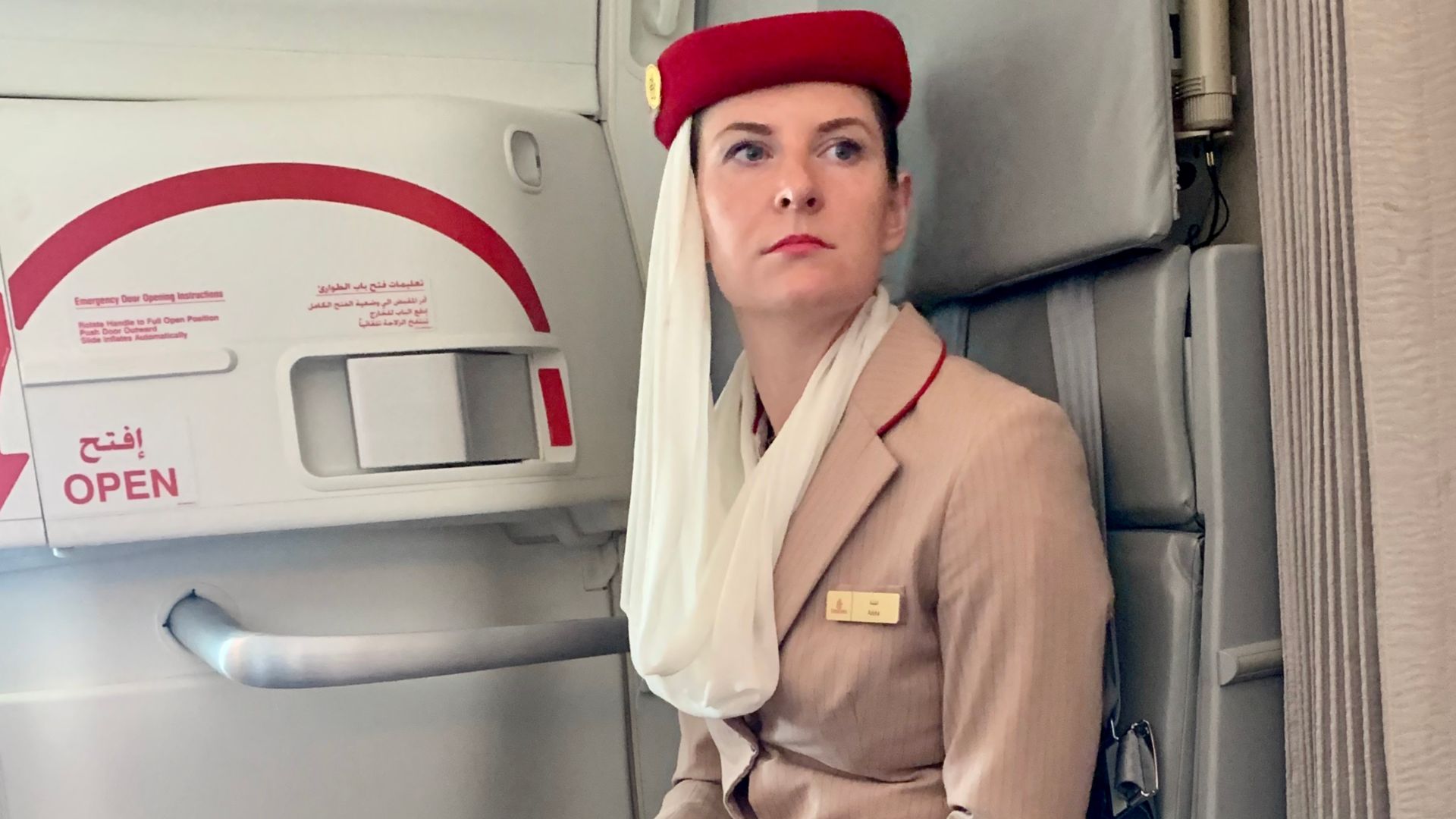
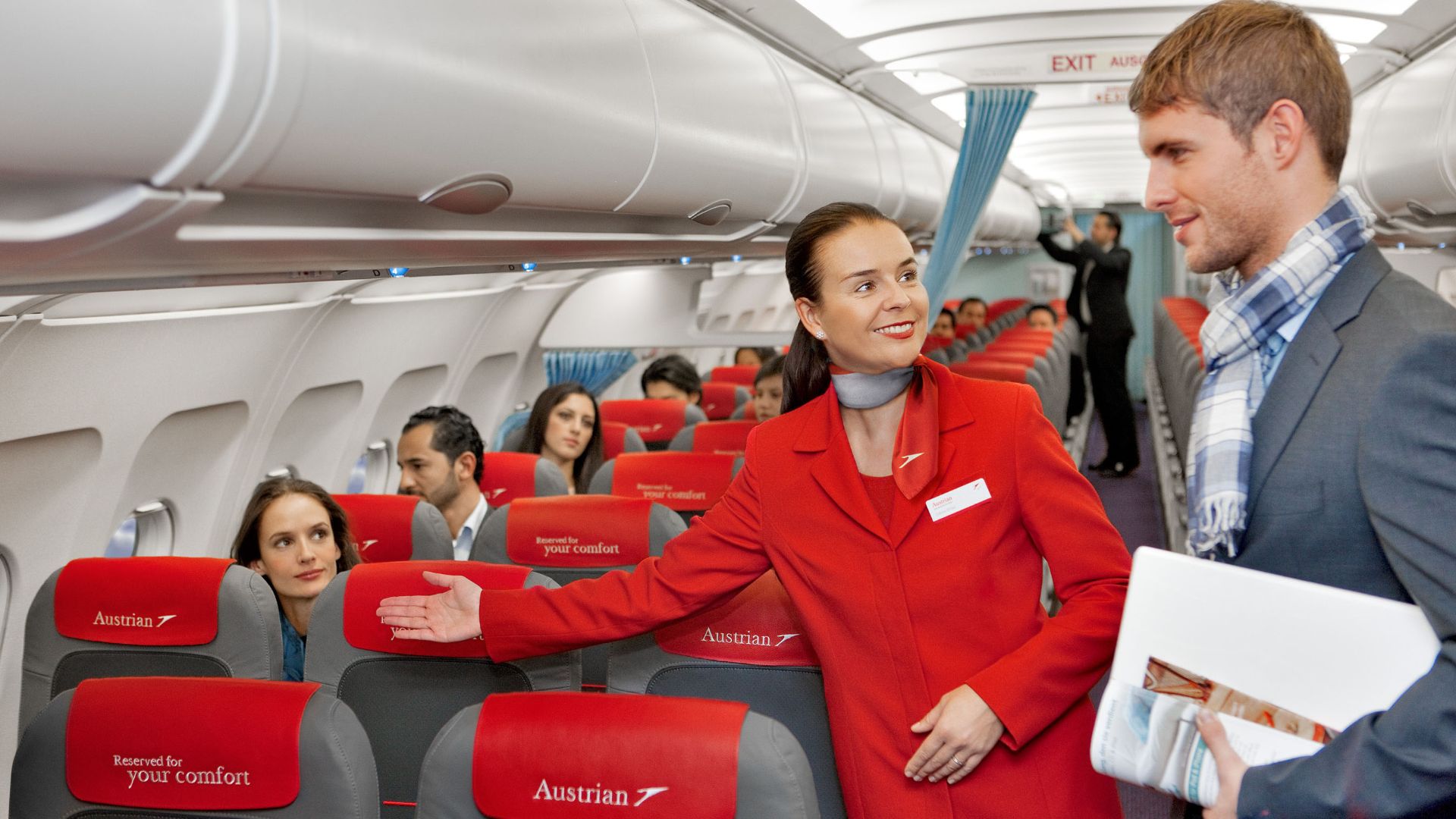
There’s no single industry-wide rule. Each airline sets its own “customer of size” policy, and they differ more than most passengers realize. Some require a second ticket outright, while others only step in if another passenger complains or a safety issue is identified.
 Austrian Airlines, Wikimedia Commons
Southwest’s New “Customer of Size” Policy (Starting 2026)
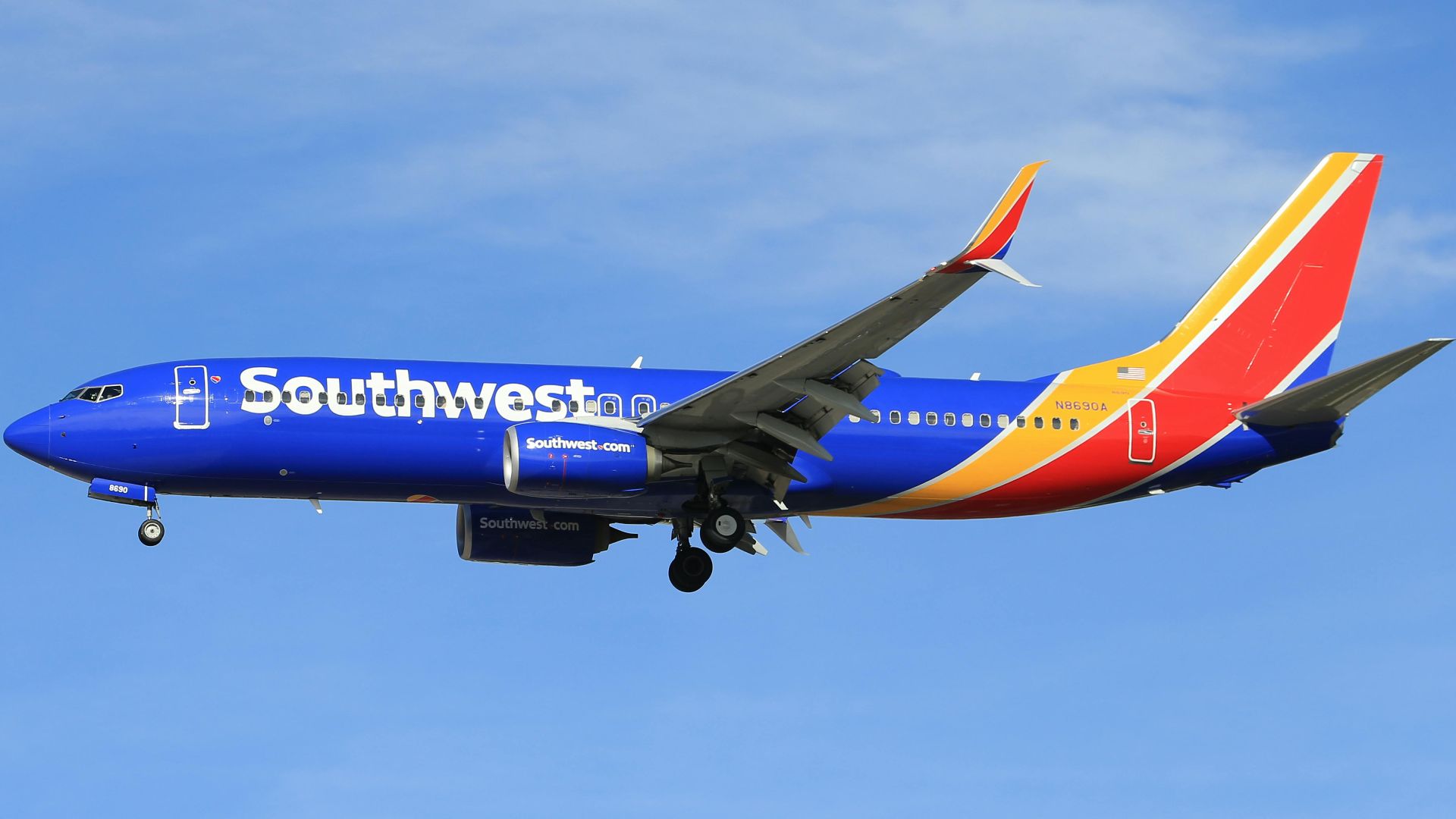
Beginning January 27, 2026, Southwest will require passengers who can’t fit within one seat’s armrests to purchase a second seat at booking, not at the gate. Refunds may still be available—but only if the flight isn’t full and a request is filed later. The change reduces flexibility and shifts the cost burden upfront, especially on busy routes.
Are Other Airlines Doing the Same Thing?
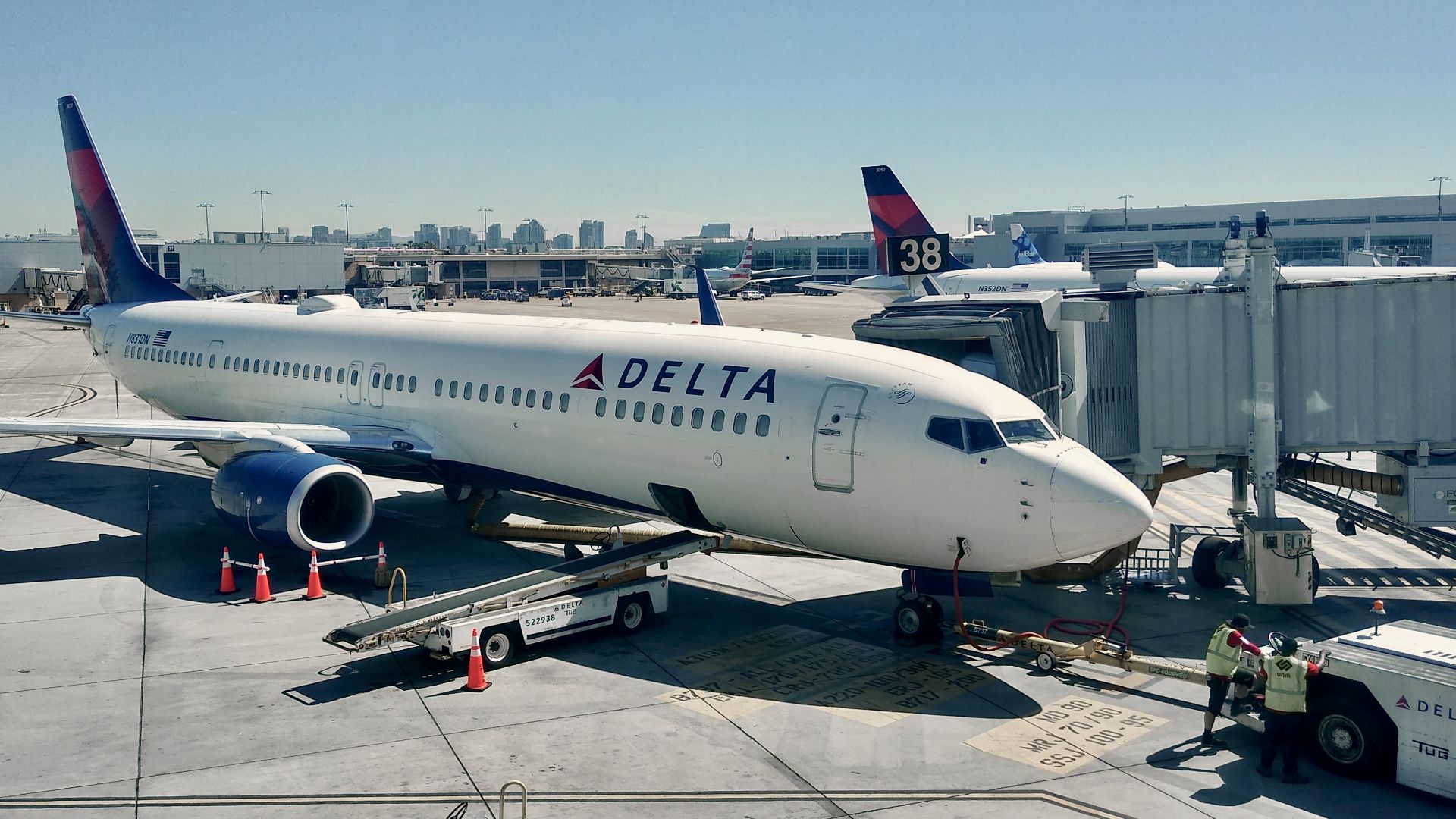
In practice, yes—most major airlines already reserve the right to require a second seat if a passenger can’t safely fit within one. The difference is how it’s enforced. Airlines like American, United, Delta, Spirit, and Frontier usually make that call at boarding, not booking, which can feel inconsistent and stressful.
When Airlines Usually Step In
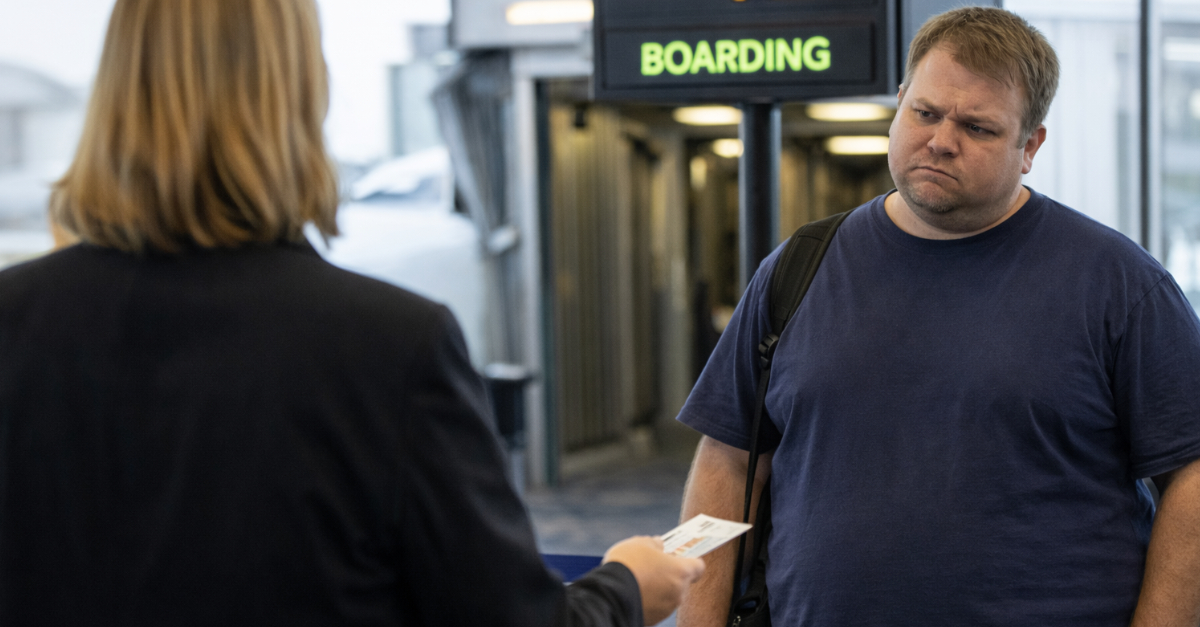
Problems tend to arise at boarding, not booking. Gate agents may notice armrests that can’t be lowered or seatbelt extenders that still don’t fit properly. That’s often when a second seat is discussed—sometimes quietly, sometimes very publicly.
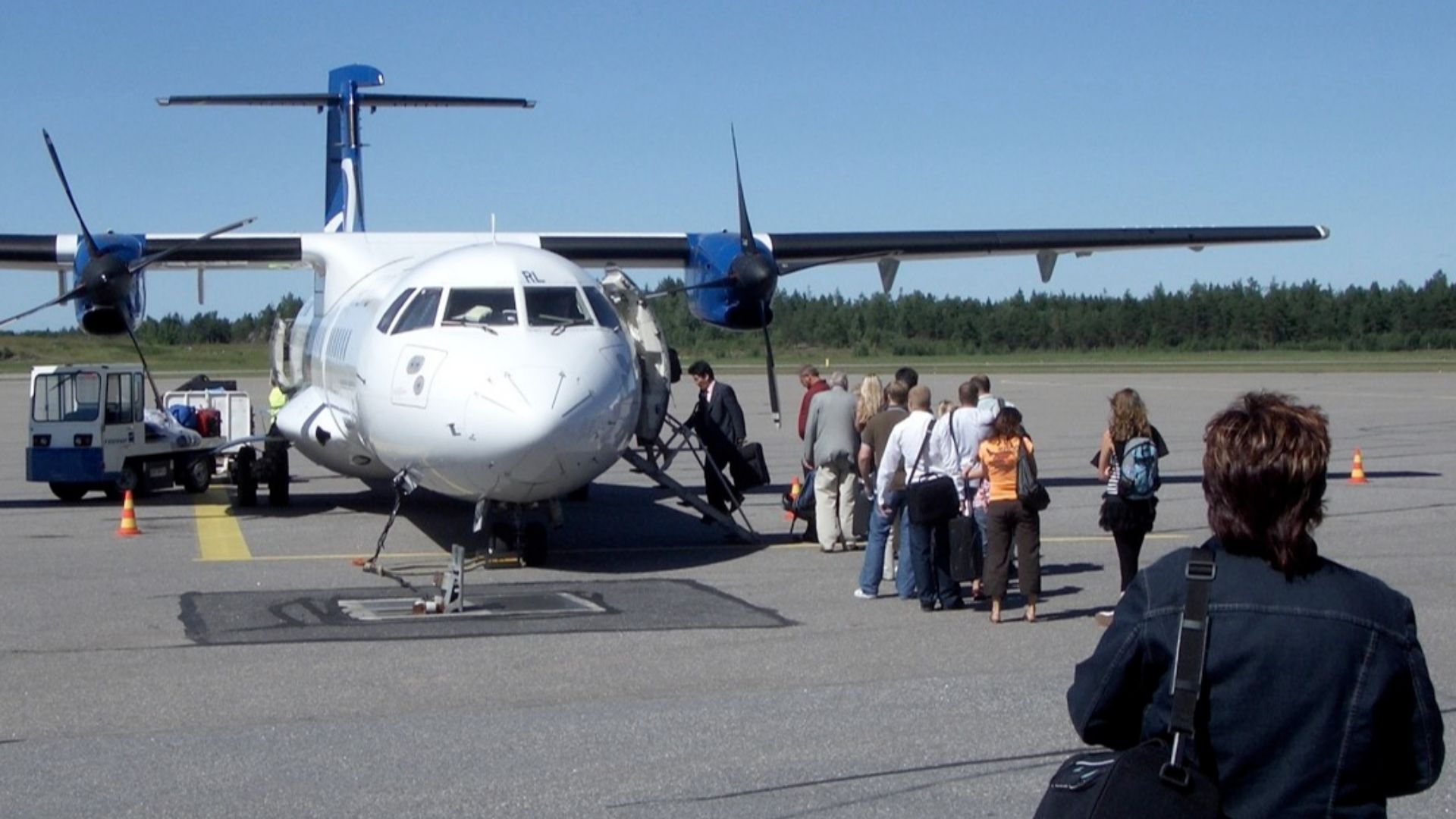 Henry Hagnäs from Turku, Finland, Wikimedia Commons
Can They Force It at the Gate?
Yes. If the flight is full and the airline determines you can’t safely fit in one seat, they can require you to purchase a second seat or rebook onto a later flight with more space available. This decision is usually final for that flight.
What Happens If You Can’t Afford It
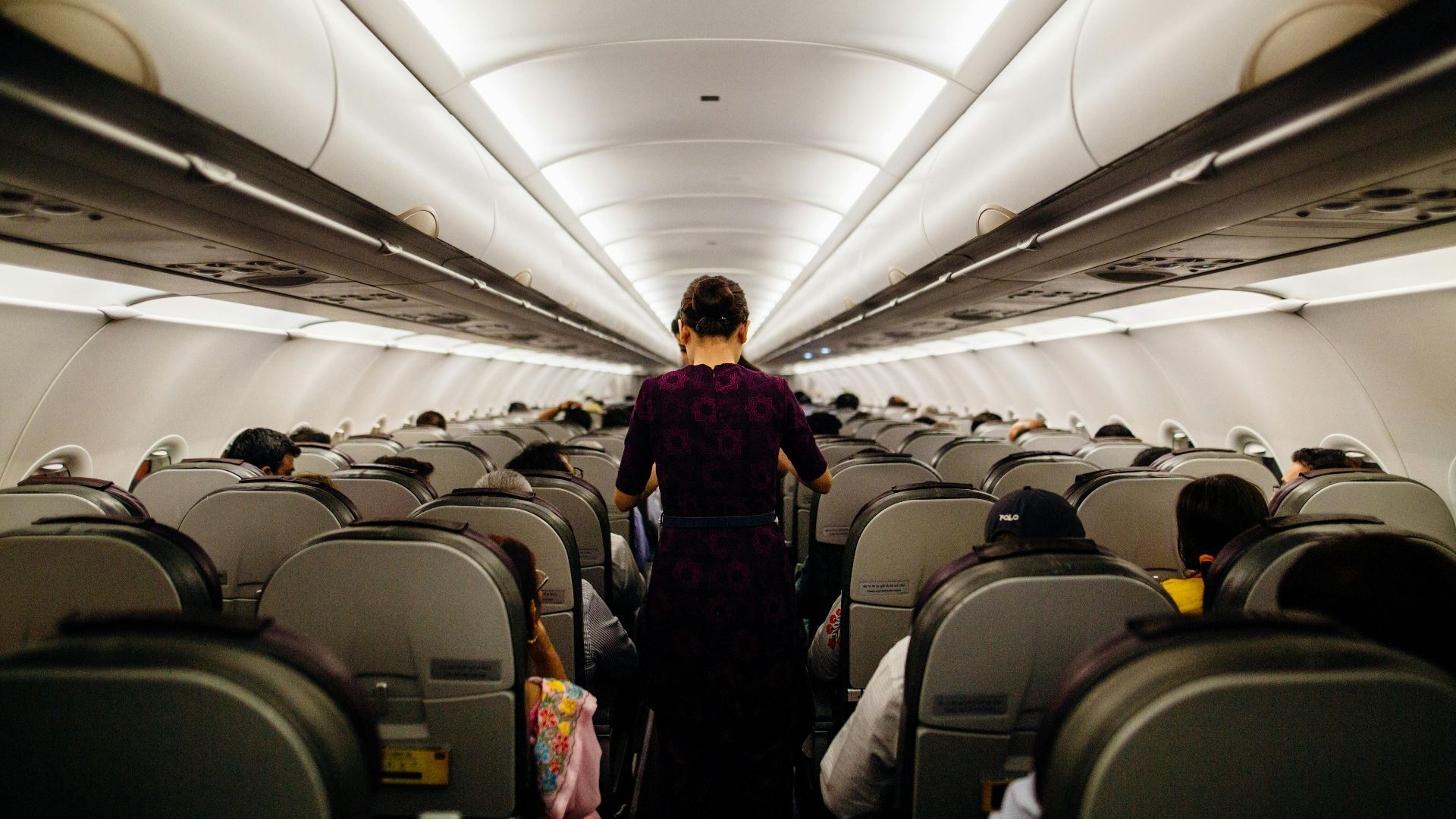
This is where things get rough. Airlines are not required to provide a free second seat. If you can’t pay and the flight is full, you may be denied boarding—even if you already paid for one ticket and arrived on time.
Refunds Depend on the Airline
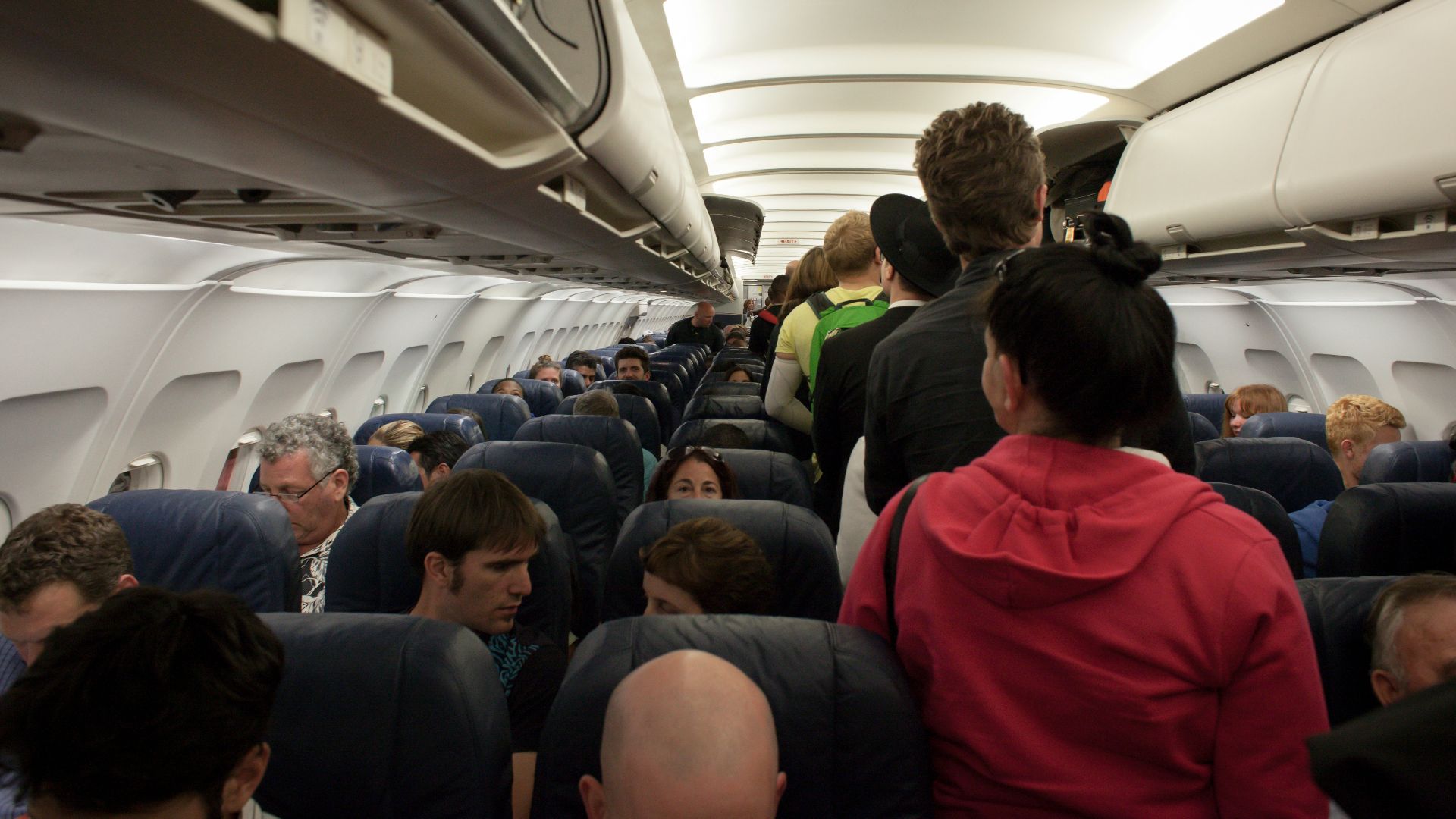
Some airlines refund the second seat if the flight isn’t full. Others don’t. A few allow you to pre-purchase two seats and request a refund later—but that money still has to be paid upfront, which isn’t realistic for many travelers.

Discrimination vs. Policy
Weight is not a federally protected class in the U.S. That means airlines enforcing size-related seating policies are generally acting within the law, as long as they apply rules consistently and justify them under safety requirements rather than personal judgment.
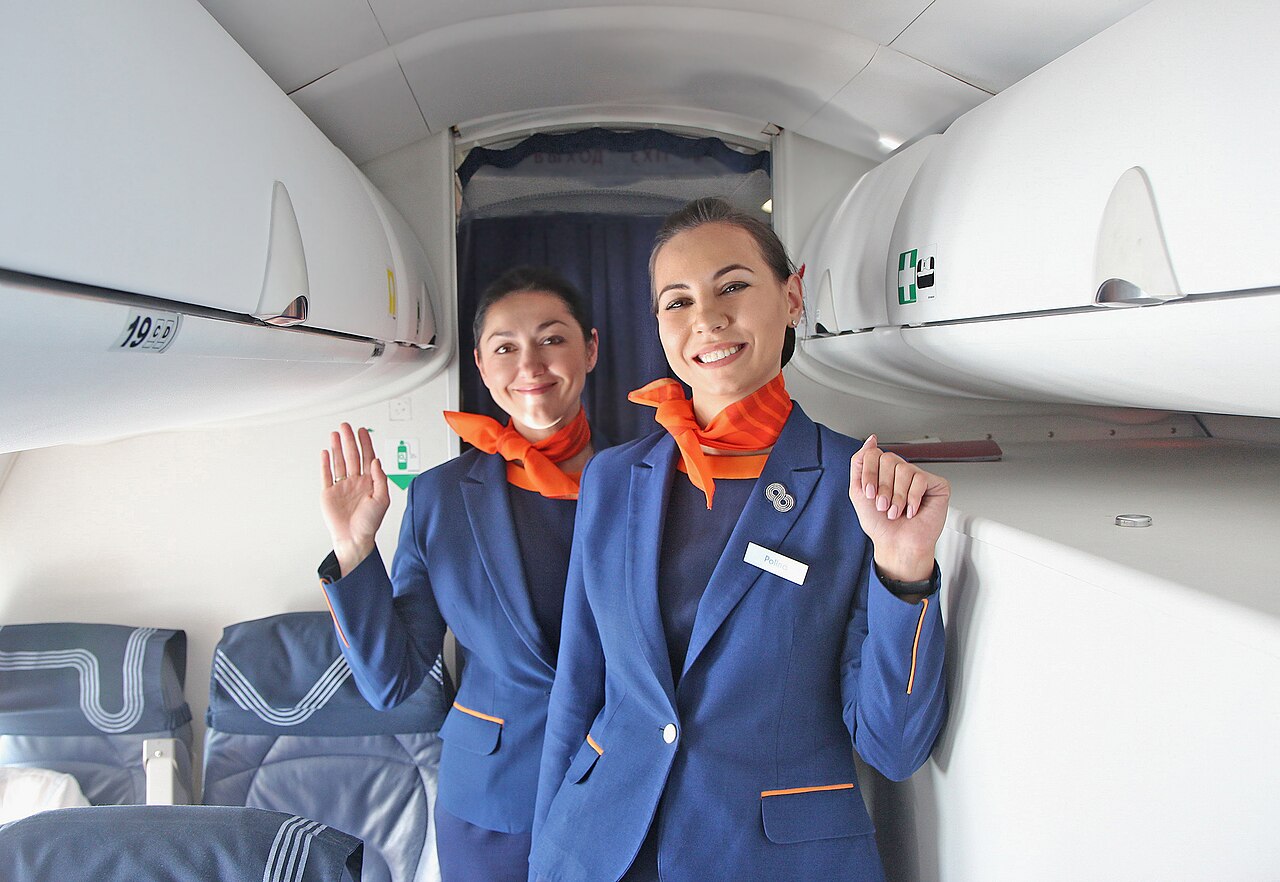 Vera.vvo, CC BY-SA 4.0, Wikimedia Commons
Why Complaints Don’t Always Help
Filing a complaint may lead to an apology, a credit, or a refund after the fact—but it rarely changes the outcome of that specific flight. Airlines are given broad discretion when safety is involved, and regulators usually side with them.
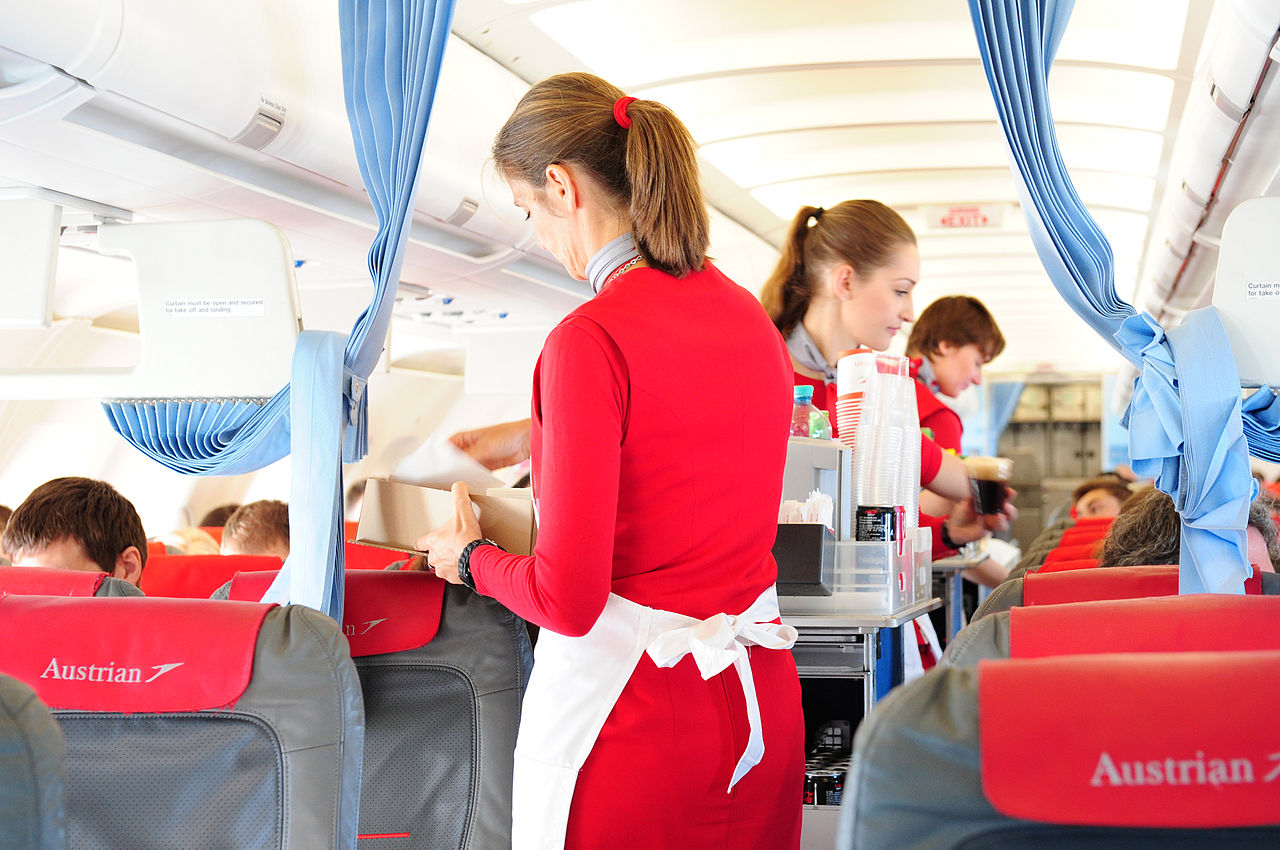 Austrian Airlines, CC BY-SA 2.0, Wikimedia Commons
Pre-Booking Two Seats Isn’t Always Safer
Buying two tickets ahead of time doesn’t guarantee you’ll keep both seats. If the airline oversells the flight, that extra seat can sometimes be reassigned unless the policy explicitly protects it.
Seat Selection Can Make a Difference
Bulkhead rows, aisle seats, or planes with wider seats can reduce the risk of issues. Some travelers also avoid smaller regional jets, where seat width is significantly tighter and enforcement decisions happen more often.
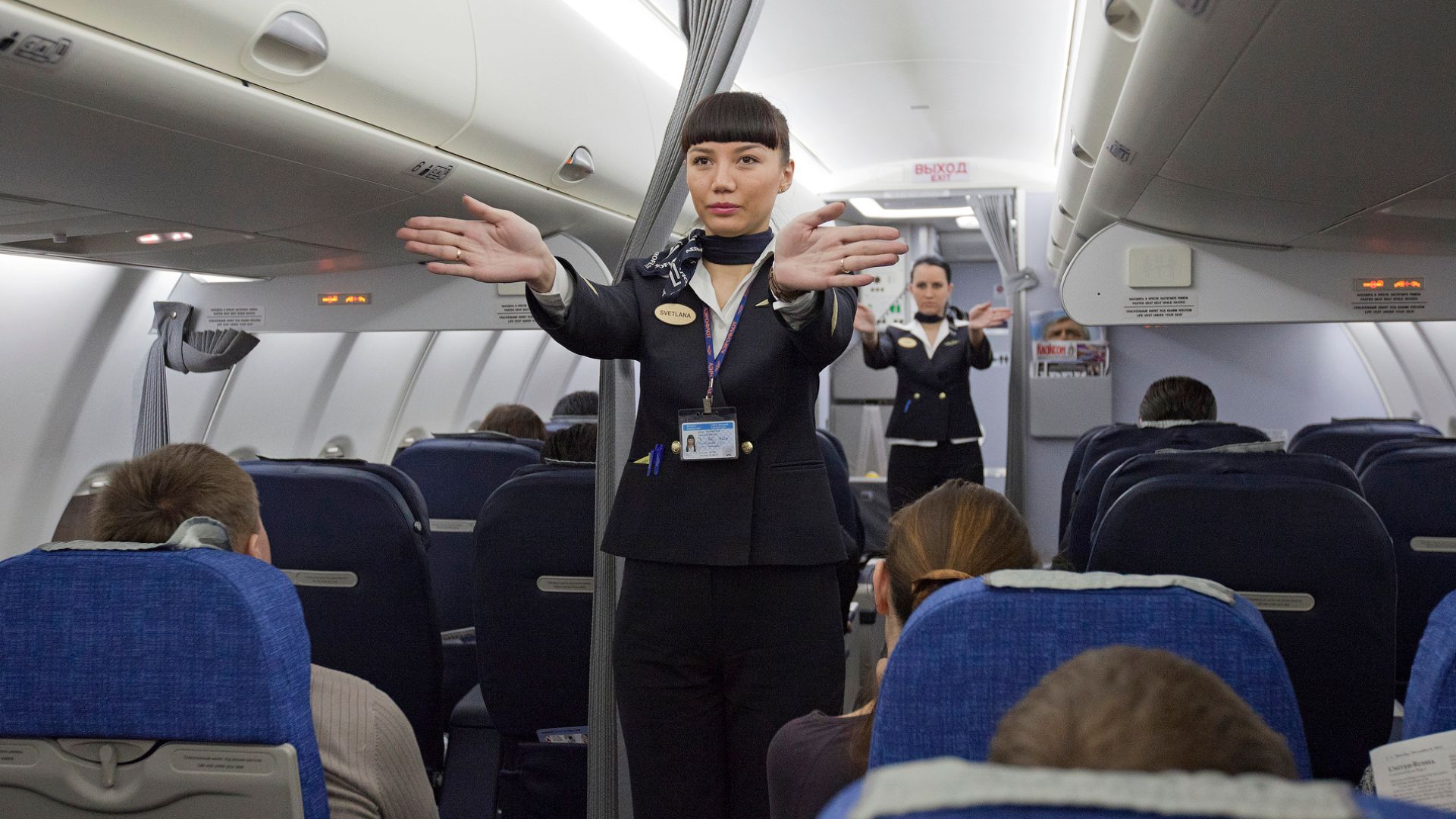 SuperJet International, Wikimedia Commons
Seatbelt Extenders Aren’t the Issue
Needing a seatbelt extender alone is not grounds for requiring a second seat. Airlines provide extenders as standard safety equipment. Problems arise only if the extender still doesn’t allow proper restraint or interferes with seat function.
The Embarrassment Factor
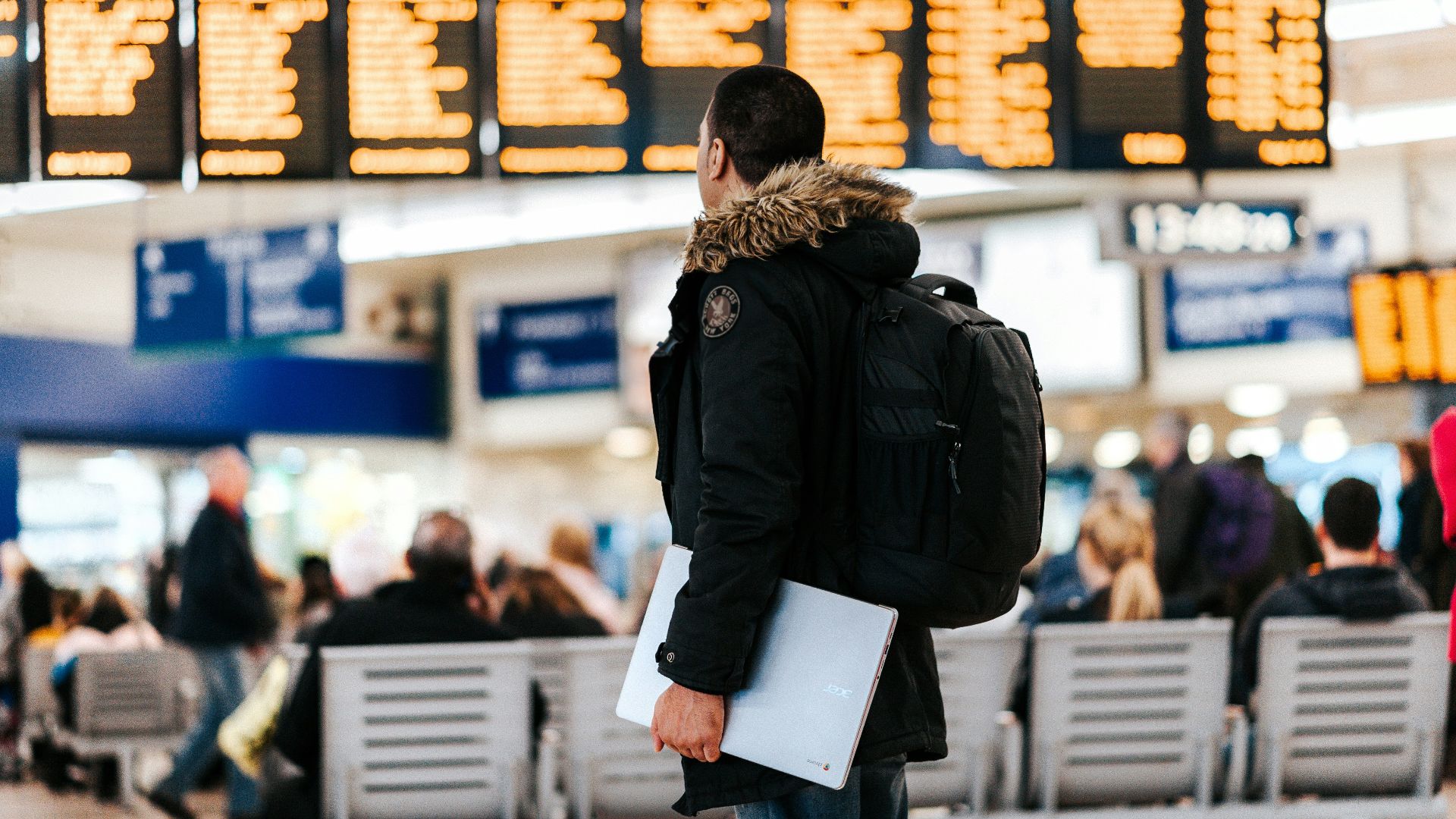
Many passengers say the worst part isn’t the cost—it’s being singled out. Gate discussions are often rushed, public, and stressful, which adds emotional harm on top of financial pressure and can sour the entire travel experience.
International Flights Can Be Harsher
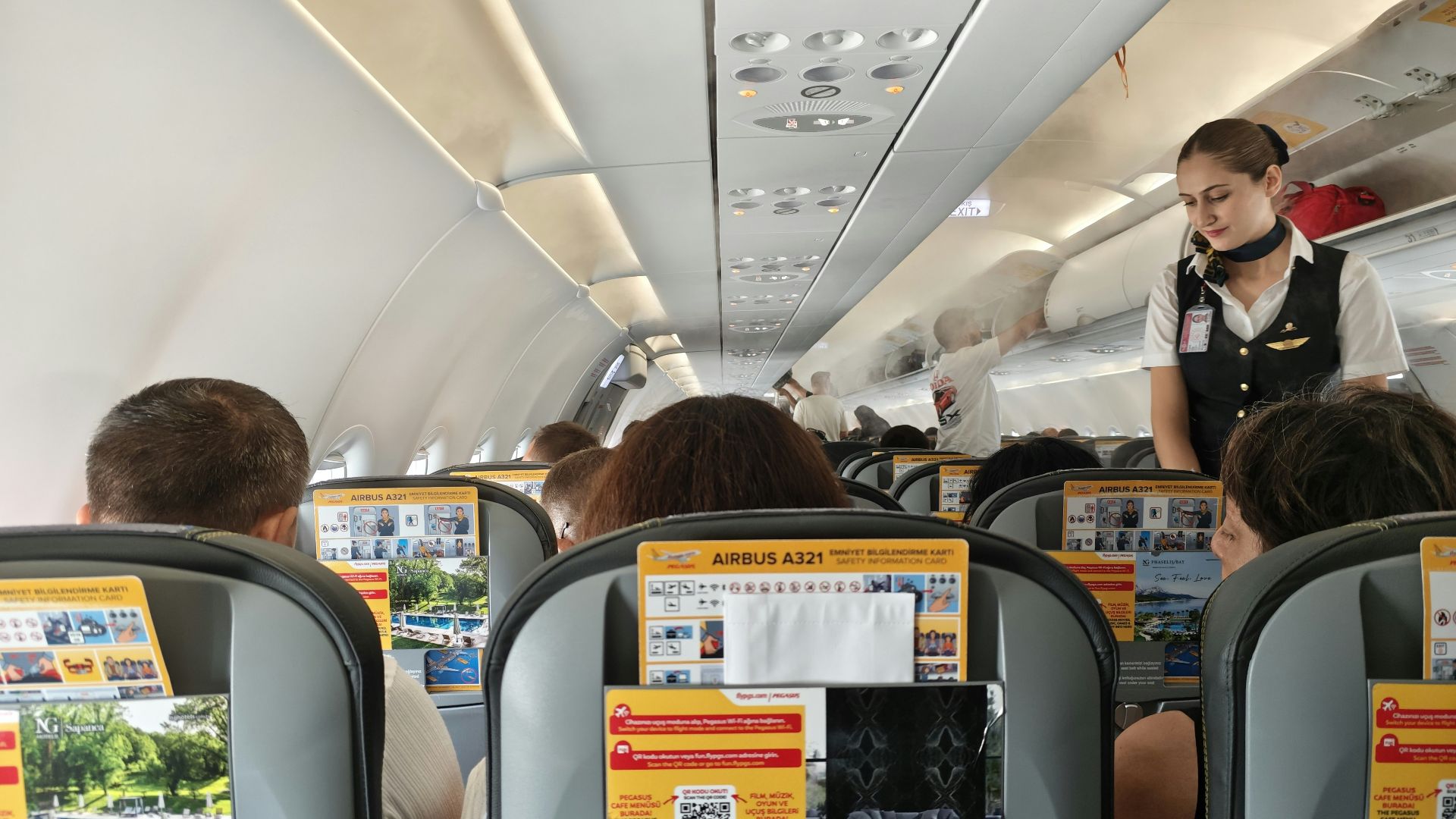
Some international carriers enforce stricter size policies and are less flexible with refunds. Long-haul flights also raise additional safety and comfort scrutiny.
 Oleg V. Belyakov, Wikimedia Commons
Why This Is Becoming More Common
Seats have narrowed by inches over the past few decades, while pitch has also shrunk. At the same time, average body sizes have increased, pushing more passengers into policy gray areas.
Can You Fight It After the Fact?
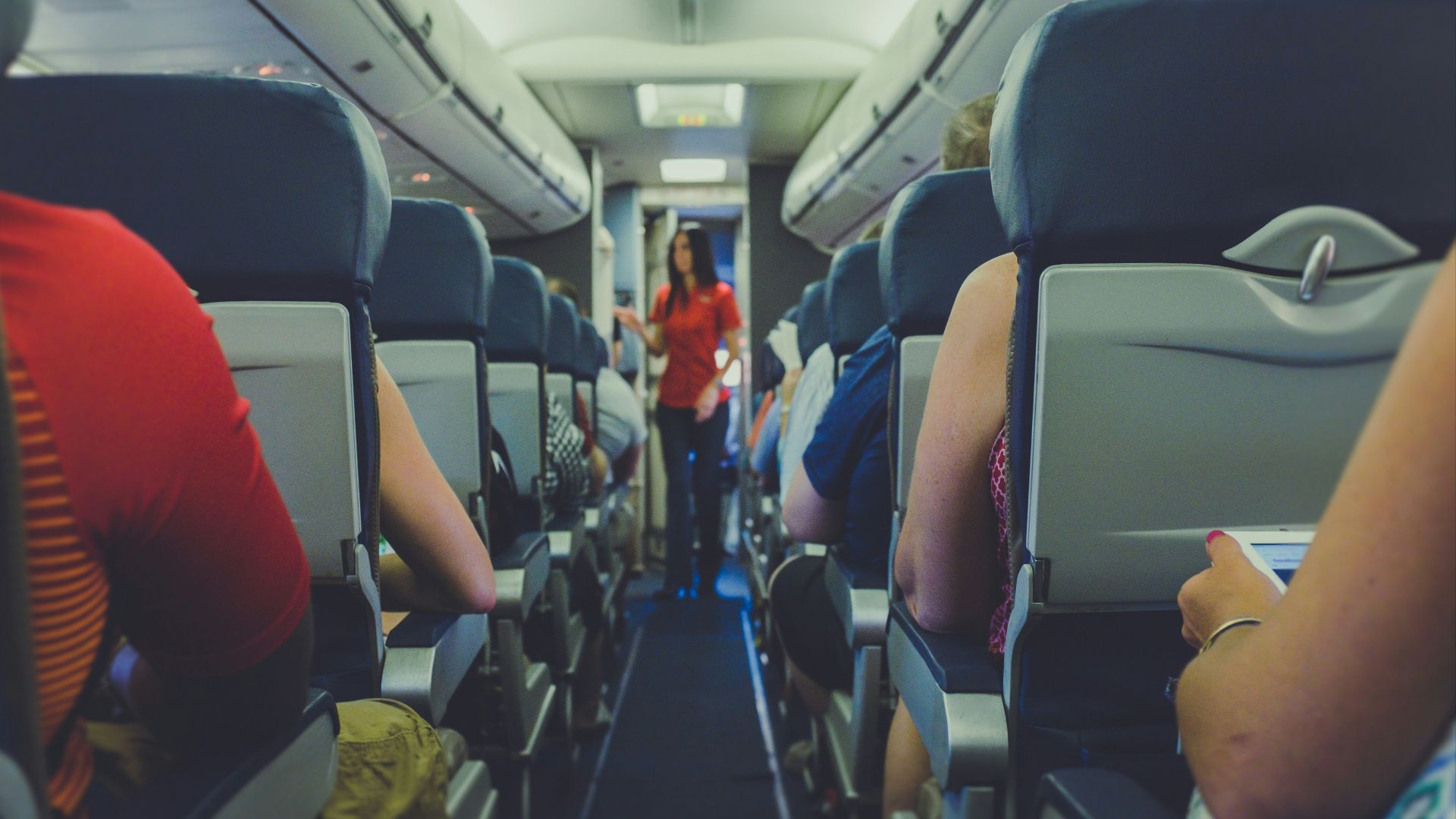
Sometimes. Document everything—boarding passes, seat numbers, staff names, and conversations. If the airline violated its own written policy, you may be eligible for reimbursement or credits after the trip is complete.
What Airlines Rarely Tell You
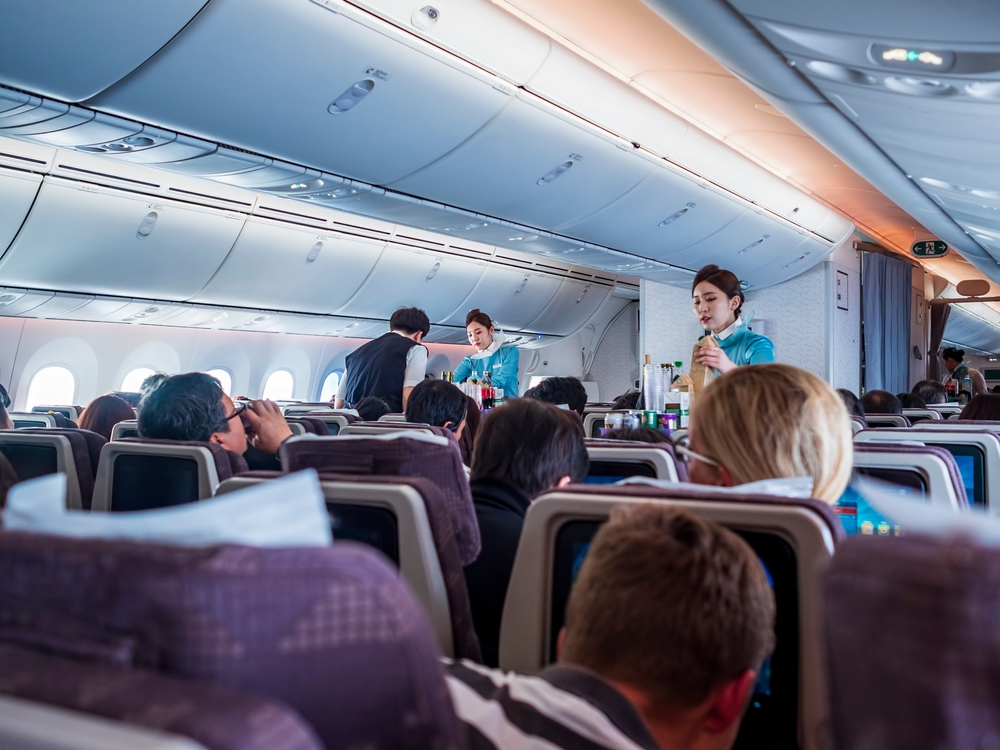
Calling the airline before booking can help—but customer service agents often give vague or non-binding answers. The final decision is usually made by gate staff on the day of travel.
The Bottom Line
Yes, an airline can force you to buy a second ticket—but only if they determine one seat can’t be used safely. It’s legal, inconsistent, and often feels unfair—but under current U.S. airline rules, it’s allowed.
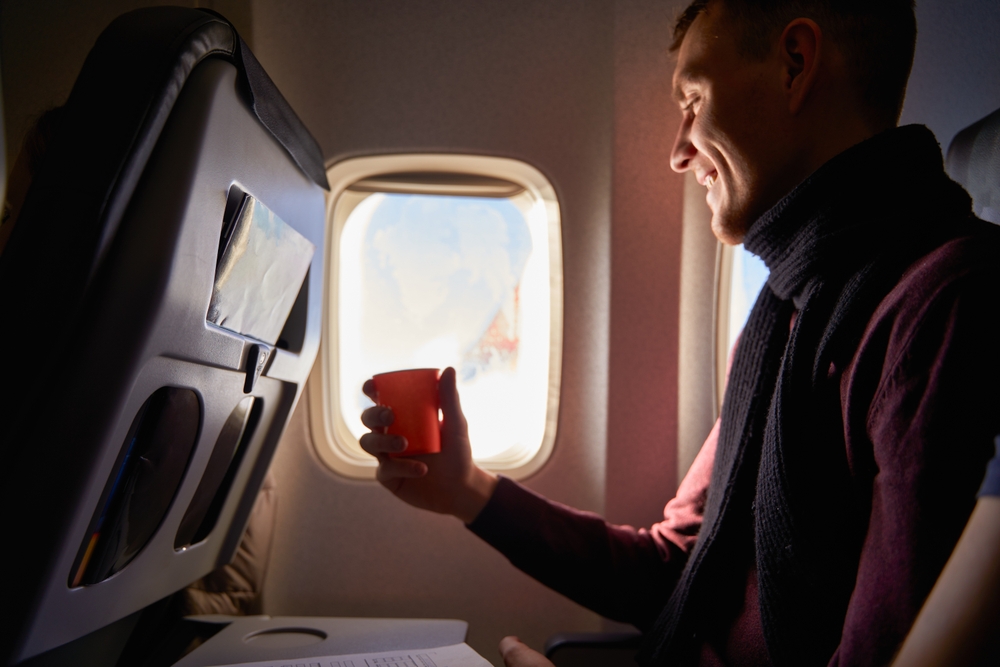
 Mihailomilovanovic, Getty Images
You Might Also Like: