
Wait... I Thought Healthcare In Canada Was Free?
It’s one of the most common beliefs out there—Canada has “free healthcare.” So when someone gets a massive hospital bill, it feels shocking, even wrong. But the reality is more complicated, especially if you’re not a Canadian resident—and there’s one crucial step many travelers overlook before ever crossing the border.

What Happened In This Case
A visitor traveling to Canada experienced a sudden medical emergency and required urgent treatment, including a multi-week hospital stay. The care likely included imaging, monitoring, medications, and possibly time in intensive care—all adding up quickly behind the scenes.

The Shock After Recovery
After being discharged, the patient received a bill totaling around $105,000. For someone expecting universal coverage, it felt like a mistake. But it wasn’t—it reflected how Canada’s system actually works for non-residents, even if they have family living in the country—something that often makes people think they’re covered when they’re not.

Who Actually Gets “Free” Healthcare?
Canada’s healthcare system is publicly funded—but mainly for people who qualify as eligible residents under a province or territory’s health plan. Each province administers its own plan, and eligibility depends on residency status, not just being physically present in the country. In some provinces, even new residents face waiting periods of up to three months before coverage begins.

Visitors Are Not Covered
Tourists and short-term visitors are generally not covered by provincial healthcare plans. That means any hospital stay, emergency treatment, or specialist care can be billed directly to the patient—often at full cost, with no government subsidy.

Emergency Care Still Happens First
Importantly, Canadian hospitals won’t deny emergency treatment. If you have a stroke, heart attack, or serious injury, you’ll be treated immediately under emergency protocols. But billing discussions happen afterward, not before.

Why The Bill Gets So High
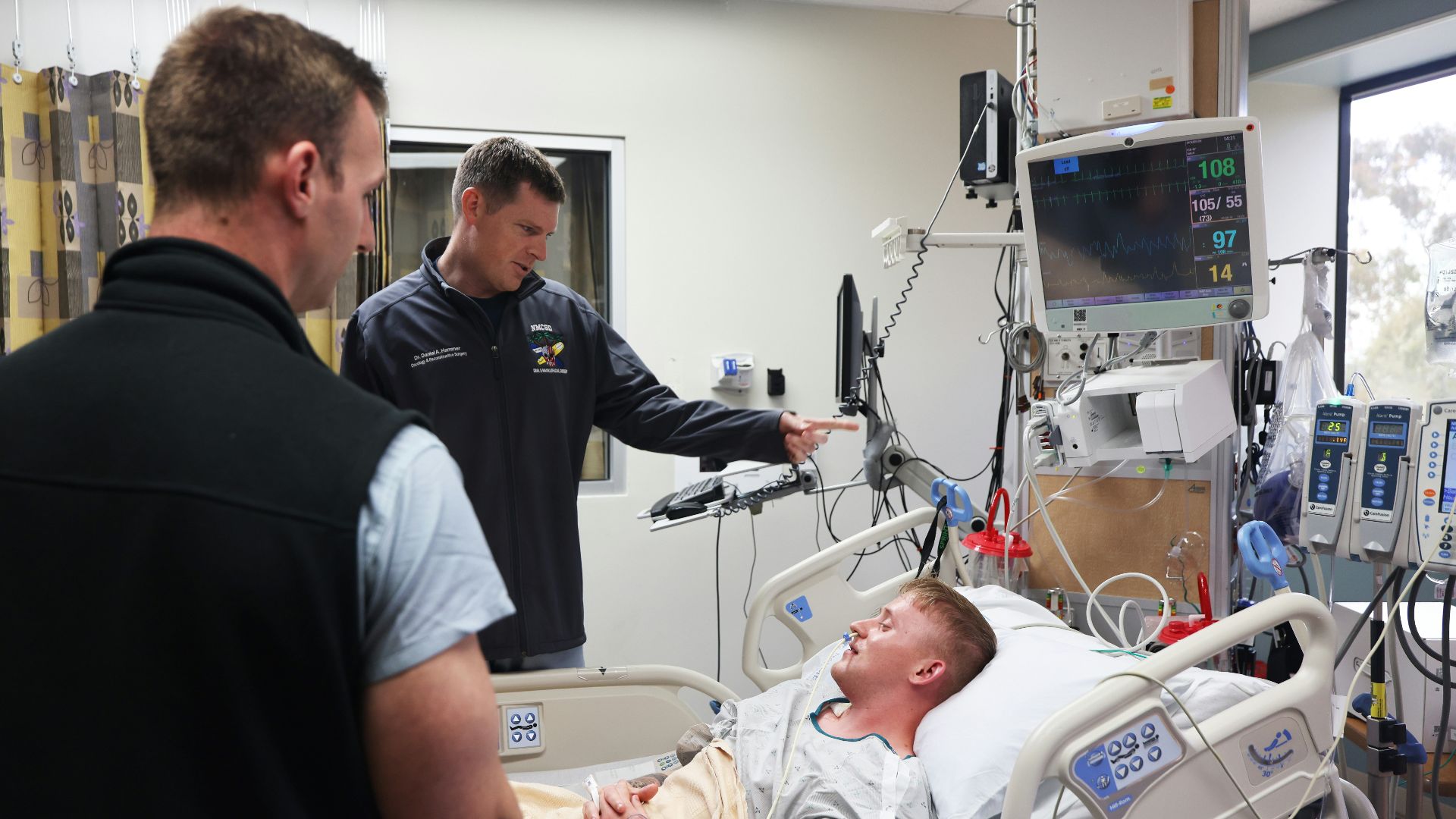
A multi-week hospital stay is extremely expensive anywhere in the world. In fact, estimates suggest a hospital bed in Canada can cost anywhere from $1,000 to $3,000+ per day depending on the level of care—meaning a longer stay alone can quickly reach tens of thousands of dollars. Costs can include ICU days, diagnostic scans like MRIs or CTs, medications, physician fees, and ongoing monitoring—all billed individually.

ICU Care Is Especially Costly
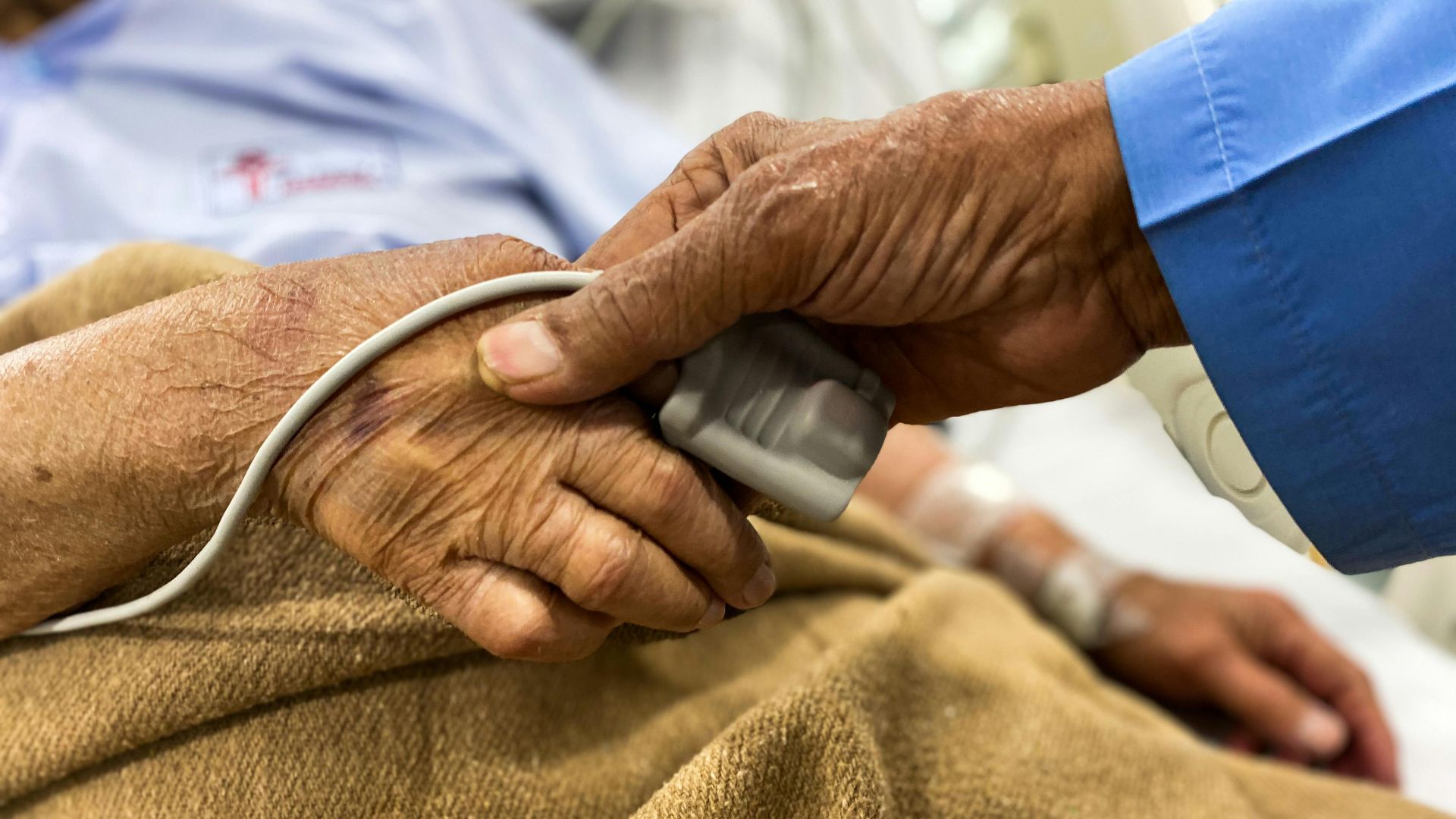
If the patient spent time in intensive care, that alone can cost thousands per day. Some estimates place ICU care in Canada at $3,000 to $5,000 per day or more, depending on the treatment required. Even in Canada, where pricing is lower than in the U.S., extended ICU treatment quickly pushes totals into six figures.
Ambulance Fees Add Up Too
Even the ambulance ride may not be free. In many provinces, ambulance services can cost a few hundred dollars for residents—and significantly more for non-residents, who may be billed the full rate.

Medications Aren’t Always Included
Hospital medications may be covered for residents, but for visitors, they’re often itemized and billed. Certain specialized drugs or treatments can dramatically increase the total cost.

Rehabilitation And Follow-Up Care
After a serious medical event, patients often need therapy, monitoring, and follow-up care. If these services were provided during the hospital stay, they would also be included in the final bill.
Provincial Differences Matter
Healthcare rules vary by province, but for ordinary visitors the bottom line is usually the same: you are generally not covered by the provincial plan and can be billed directly for your care.
Travel Insurance Is The Missing Piece
This is where travel insurance becomes critical. A relatively inexpensive policy could have covered most or all of the $105,000 bill—including hospital stays, ICU care, ambulance transport, and emergency treatment—depending on the plan and coverage limits. Some plans even include medical evacuation back home, which alone can cost tens of thousands of dollars.

Many Travelers Skip It
Despite the risk, many travelers choose not to buy insurance—especially when visiting countries they believe have “free healthcare.” That misunderstanding can lead to devastating financial consequences.

Canada vs. The U.S. Cost Comparison
While Canadian healthcare is generally cheaper than U.S. care, it’s not free to provide. Hospitals still calculate real costs—and when billing non-residents, those costs are passed directly to the patient.

Hospitals Still Need Funding
Canada’s system is funded through taxes for residents. When treating visitors, hospitals seek reimbursement directly because those patients haven’t contributed to the system through taxation.
Can You Negotiate The Bill?
In some cases, hospitals may allow payment plans or negotiate partial reductions, especially for large bills. But unlike insured care, there’s no guaranteed discount structure for visitors.

Will Insurance Back Home Help?
Some private health insurance plans—especially in the U.S.—offer limited international emergency coverage, but often with strict caps or reimbursement rules. Many travelers assume they’re covered, only to find out afterward they’re not.

Why The Myth Persists
The phrase “free healthcare” is widely used but misleading. It’s more accurate to say healthcare is publicly funded for residents—not universally free for everyone who enters the country.

What Canadians Actually Experience
For residents, most hospital and physician services are covered, meaning no direct bill at the point of care. But even they pay indirectly through taxes and may pay for things like prescriptions or dental care.

This Isn’t Unique To Canada
Many countries with universal healthcare—like the UK, Australia, and parts of Europe—also do not fully cover visitors. Travel insurance is expected, even if it’s not always emphasized.

The Real Lesson Here
The biggest takeaway isn’t that Canada’s system failed—it’s that assumptions about healthcare abroad can be costly. Understanding eligibility rules is just as important as booking flights or hotels.

A Preventable Financial Shock
A $105,000 bill feels devastating—but in many cases, it’s preventable with proper planning. Travel insurance for a short trip can be relatively inexpensive compared with the cost of an emergency hospitalization, though prices vary widely based on age, trip length, and coverage.
What To Do Before Traveling
Before visiting another country, check exactly what healthcare coverage you’ll have, what’s excluded, and whether emergency care abroad is included. Don’t assume—you could be responsible for the full cost.

“Free” Doesn’t Mean Free For Everyone
Canada’s healthcare system works exactly as designed—but only for those who qualify. For everyone else, including visitors, the reality can be very different—and very expensive.

You Might Also Like: