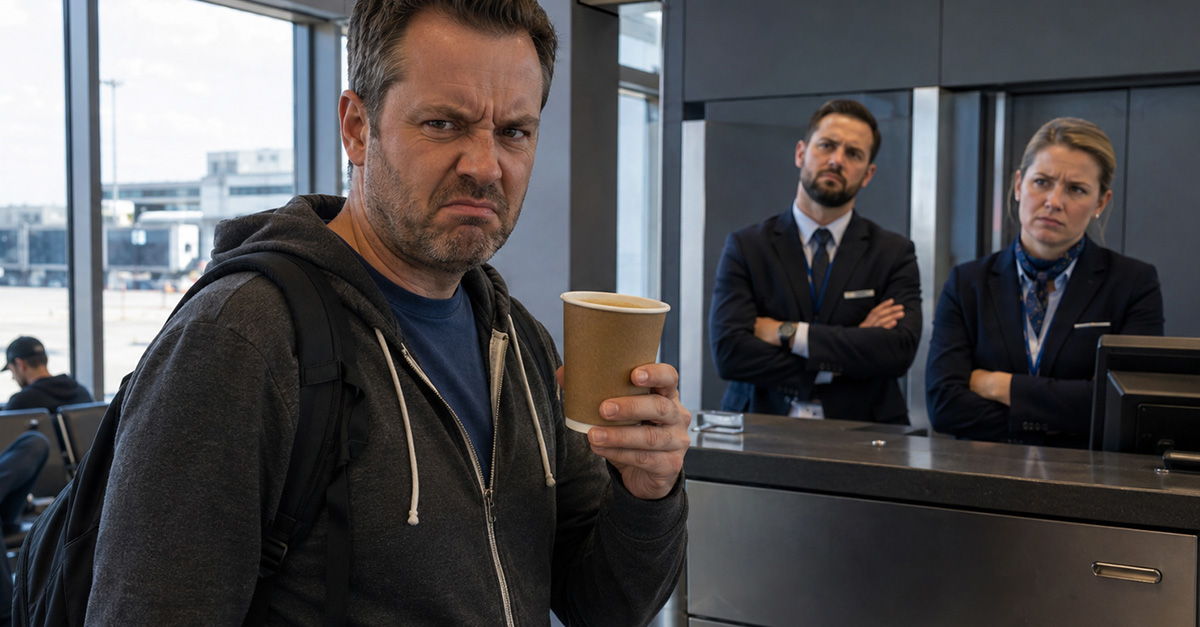
The Coffee Complaint That Became A Travel Drama
You asked for hot coffee. You got something closer to sad brown puddle water. You complained. Now the airline says you are blacklisted as a “trouble passenger.” It sounds like the opening scene of a travel sitcom, but the question is very real: can they actually do that?
Airlines Can Refuse Passengers, But Not For Anything
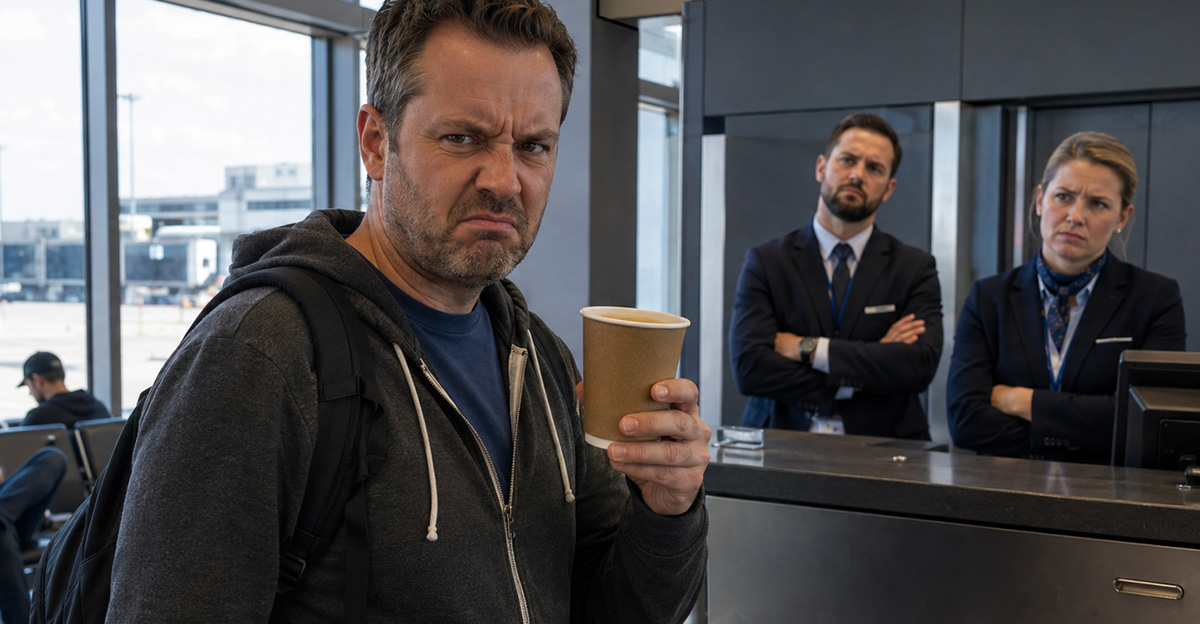
Airlines do have power to refuse transport, especially when safety, security, crew instructions, or disruptive behavior are involved. The FAA treats unruly passenger behavior seriously and says threatening or violent conduct can bring penalties. But a normal complaint about cold coffee is not the same thing as chaos in row 17.
The Magic Word Is Safety
Airlines are not coffee shops with wings. They are highly regulated transport systems. If staff believe a passenger may create a safety risk, interfere with crew, or disturb the flight, they may act quickly. That can include refusing boarding, removing someone, or flagging them for future review.
Complaining Is Not Automatically Misbehaving
Here is the good news: passengers are allowed to complain. You can say the coffee is cold, the seat is broken, or the app ate your boarding pass. The problem starts when a complaint becomes shouting, threats, insults, refusal to follow crew instructions, or behavior that staff record as disruptive.
The Airline’s Version Matters A Lot
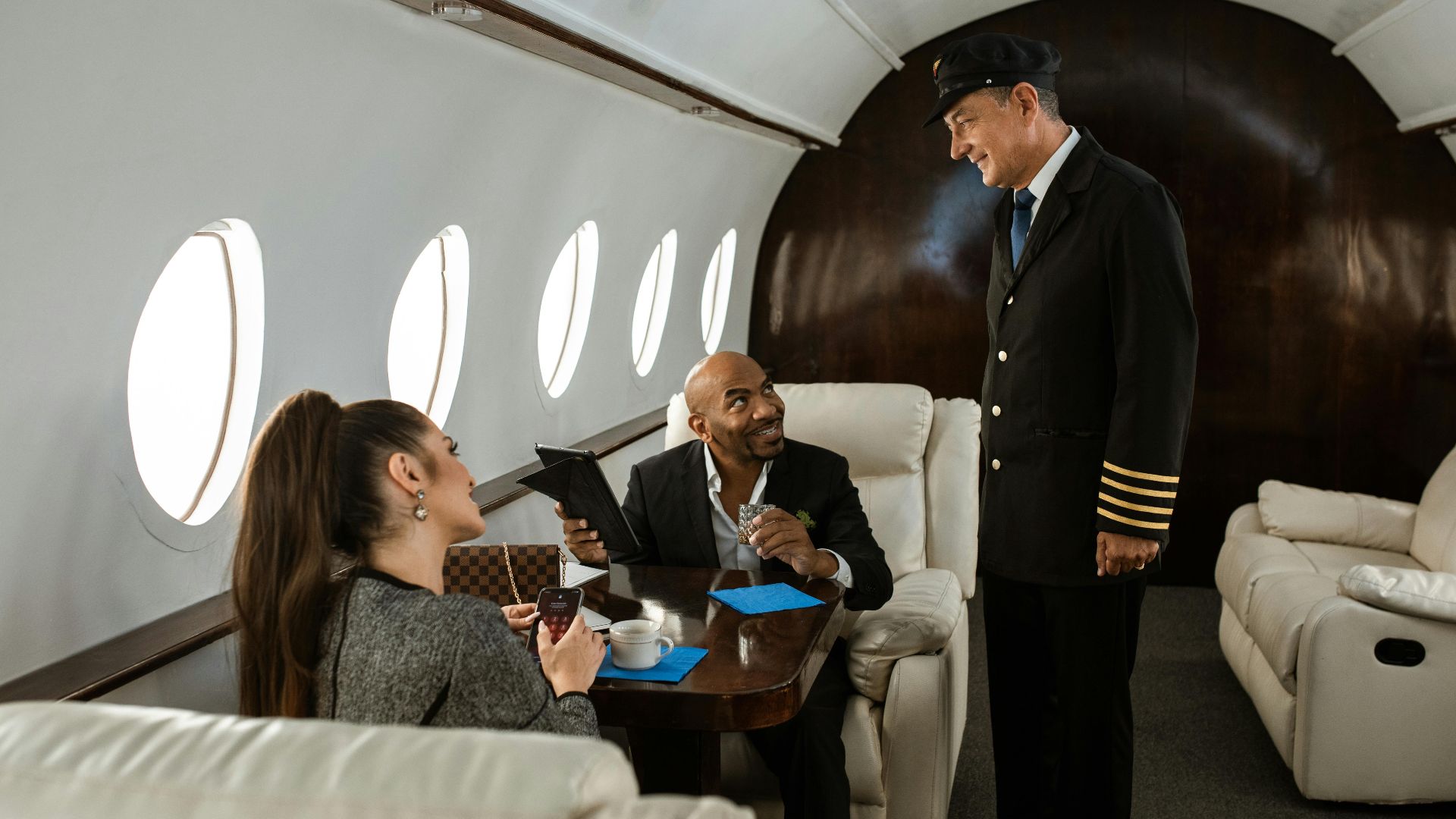
This is where things get messy. You may remember saying, “Excuse me, this coffee is cold.” The crew report may say, “Passenger became aggressive after service issue.” Airlines usually rely on staff reports, gate notes, and internal records when deciding whether to restrict future travel.
Blacklist Is A Dramatic Word
Most airlines do not call it a “blacklist” when speaking politely. They may call it a no-fly list, travel restriction, internal watchlist, refusal-of-carriage decision, or customer conduct review. Whatever the label, the effect can feel the same: you cannot book, board, or fly with that airline.
 Karollyne Videira Hubert, Unsplash
This Is Not The Government No-Fly List
An airline’s private restriction is different from a government security no-fly list. A carrier may decide not to transport a customer under its contract and policies. That does not mean you are banned from every airline, every airport, or the entire sky forever.
Can They Ban You For One Complaint?
In theory, an airline should not ban someone simply for politely complaining about cold coffee. In practice, they can restrict passengers when they believe past behavior crossed a line. The key issue is not the coffee. It is what the airline thinks happened after the coffee entered the plot.
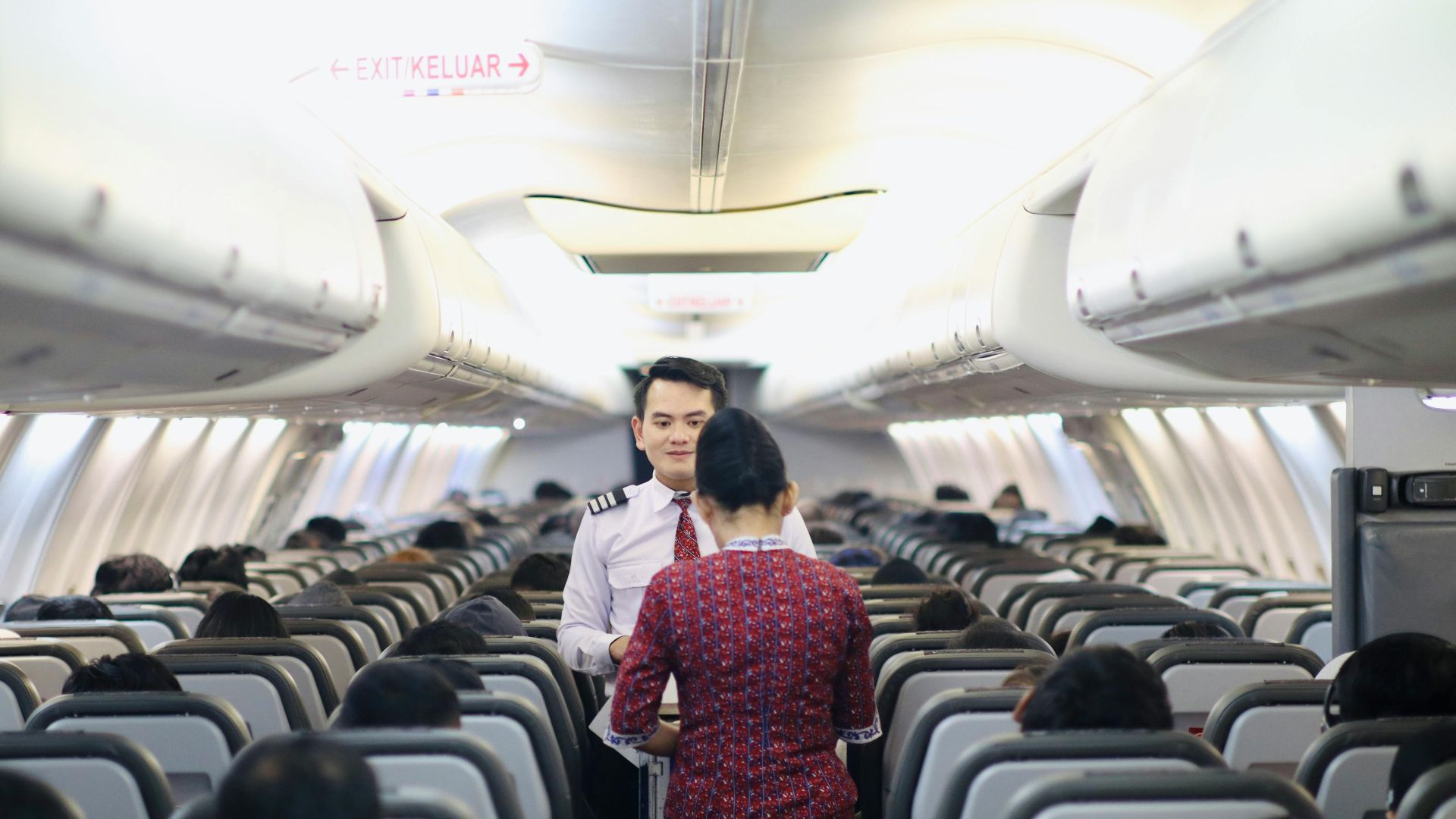
Conditions Of Carriage Are The Fine Print
When you buy a ticket, you agree to the airline’s contract of carriage. These rules usually give airlines broad discretion to refuse transport for safety, security, misconduct, intoxication, abusive behavior, or failure to follow instructions. It is not romantic reading, but it matters.
Denied Boarding Rules May Not Help Here
Passenger compensation rules often focus on overbooking, not behavior-based refusal. The U.S. Department of Transportation explains that “bumping” generally means denied boarding because there are more ticketed passengers than seats. That is different from being refused because the airline says you were disruptive.
The UK And EU Also Allow Safety Refusals
In the UK, passenger-rights rules can cover denied boarding, but the Civil Aviation Authority notes there are cases where refusal may be reasonable, including health, safety, security, or travel-document reasons. So even strong passenger protections usually leave room for safety-based decisions.
A Cold Coffee Complaint Should Be Low Level
Let’s be human about this. Cold coffee is annoying, especially on a dawn flight when your soul is still boarding. A calm complaint should be treated as customer feedback, not a federal incident. If that is truly all that happened, the airline’s reaction sounds excessive.

But Tone Can Change The Story
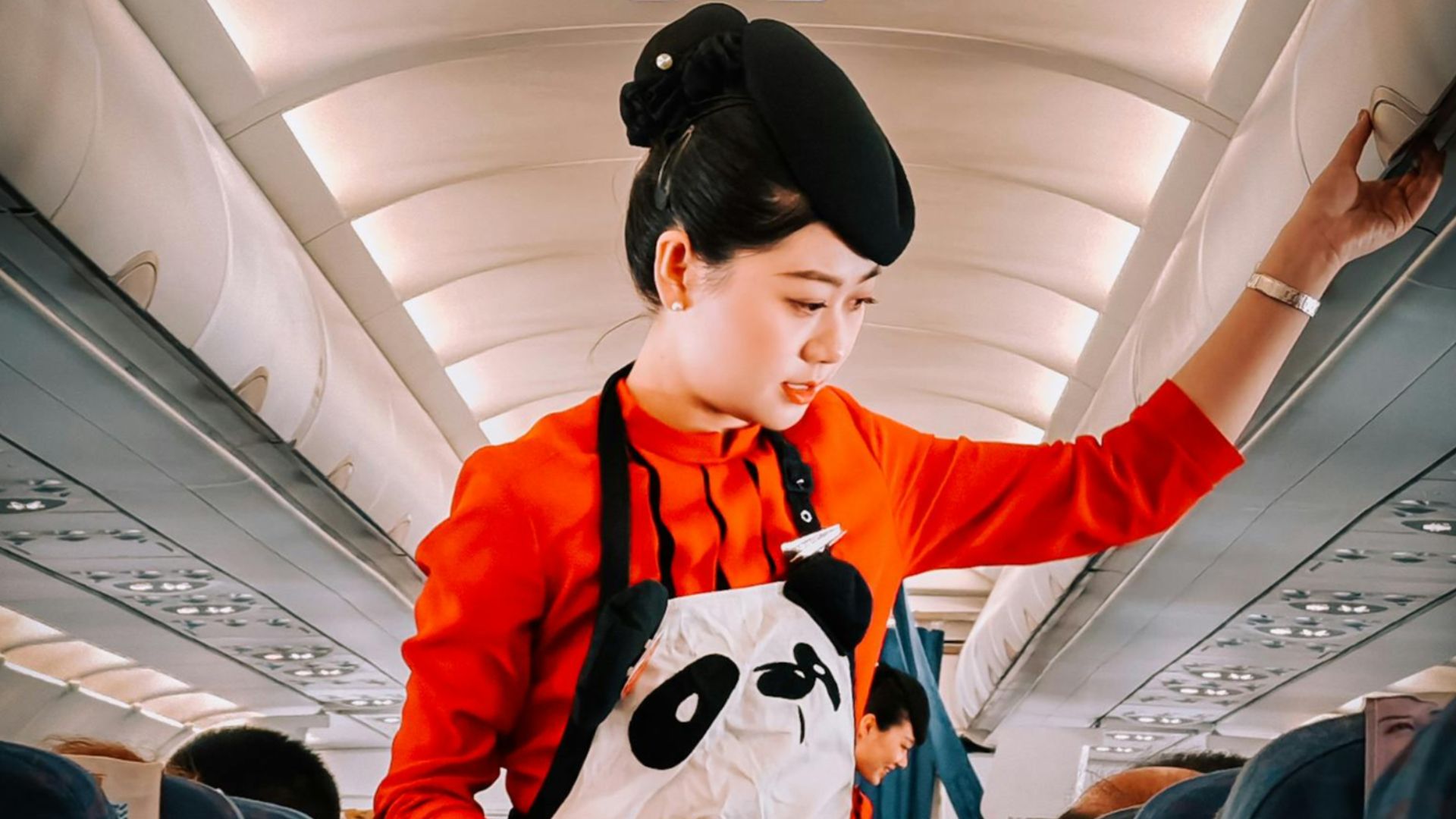
Air travel is a pressure cooker: tight seats, tired people, delayed flights, tiny pretzel bags. A complaint that feels normal to one person may feel confrontational to a crew member dealing with 180 passengers. That does not make a ban fair, but it explains how misunderstandings grow wings.
Ask For The Specific Reason
Your first move is simple: ask the airline, in writing, for the exact reason you were restricted. Do not write a novel called “Cold Coffee And Betrayal.” Keep it calm. Ask what policy you allegedly violated, when it happened, and how you can appeal the decision.
Gather Your Receipts
Save boarding passes, booking confirmations, emails, app messages, complaint forms, and any witness details. If you traveled with someone, ask them to write down what they saw while memories are fresh. Airlines love records. If you want to challenge a record, bring better records.

Stay Polite Even If You Are Furious
This is the hardest part. Nothing makes a “trouble passenger” label stick like an angry appeal written in all caps. Use calm language. Say you respect crew authority, believe there was a misunderstanding, and want a review. Boring and polite wins more fights than dramatic and spicy.

Use The Airline’s Complaint Channel
Start with the airline’s customer relations department, not a random gate agent or social media intern. Ask for a review by the customer conduct, security, or escalations team. If the airline has an appeal process, follow it carefully and keep copies of every message.

Mention The Proportionality Problem
A useful phrase is “proportionate response.” You can argue that a permanent or long-term travel ban is disproportionate if the incident involved only a polite service complaint. You are not saying airlines lack authority. You are saying the punishment does not match the behavior.
 Abdiel Hernandez Villegas, Pexels
Be Honest About The Whole Incident
Do not leave out the awkward bits. If you raised your voice, refused to sit down, or called the coffee “a crime against breakfast,” admit the emotion but explain the context. A half-truth is easy to dismiss. A calm, complete explanation is harder to ignore.

Ask Whether The Ban Is Temporary
Some airline restrictions are not forever. Ask whether the ban has an end date, whether it applies only to one route or all flights, and what steps can restore your ability to fly. Sometimes a written assurance of future conduct can help reopen the door.

Consider A Regulator Complaint
If the airline refuses to explain itself or you believe your rights were violated, you may be able to complain to a transport regulator. In the U.S., the Department of Transportation handles aviation consumer complaints. In the UK, the Civil Aviation Authority provides passenger-rights guidance.

Know What Regulators May Not Do
A regulator may not instantly force the airline to love you again. Behavior-based refusals can be tricky because airlines get discretion around safety. Still, a complaint can push the airline to review its decision, explain its reasoning, or correct sloppy handling.

Do Not Try To Sneak Around It
Booking under a nickname, using a different email, or hoping the system forgets you is a terrible travel strategy. If the airline catches it, you may look dishonest, even if your original coffee complaint was innocent. Challenge the restriction openly instead.
You May Still Fly Other Airlines
A private airline ban usually applies to that airline, not every carrier on Earth. But codeshares and partner airlines can complicate things. Before booking, check whether the flight is operated by the same airline that restricted you. The logo on the ticket is not always the operator.
The Bigger Industry Mood Is Strict
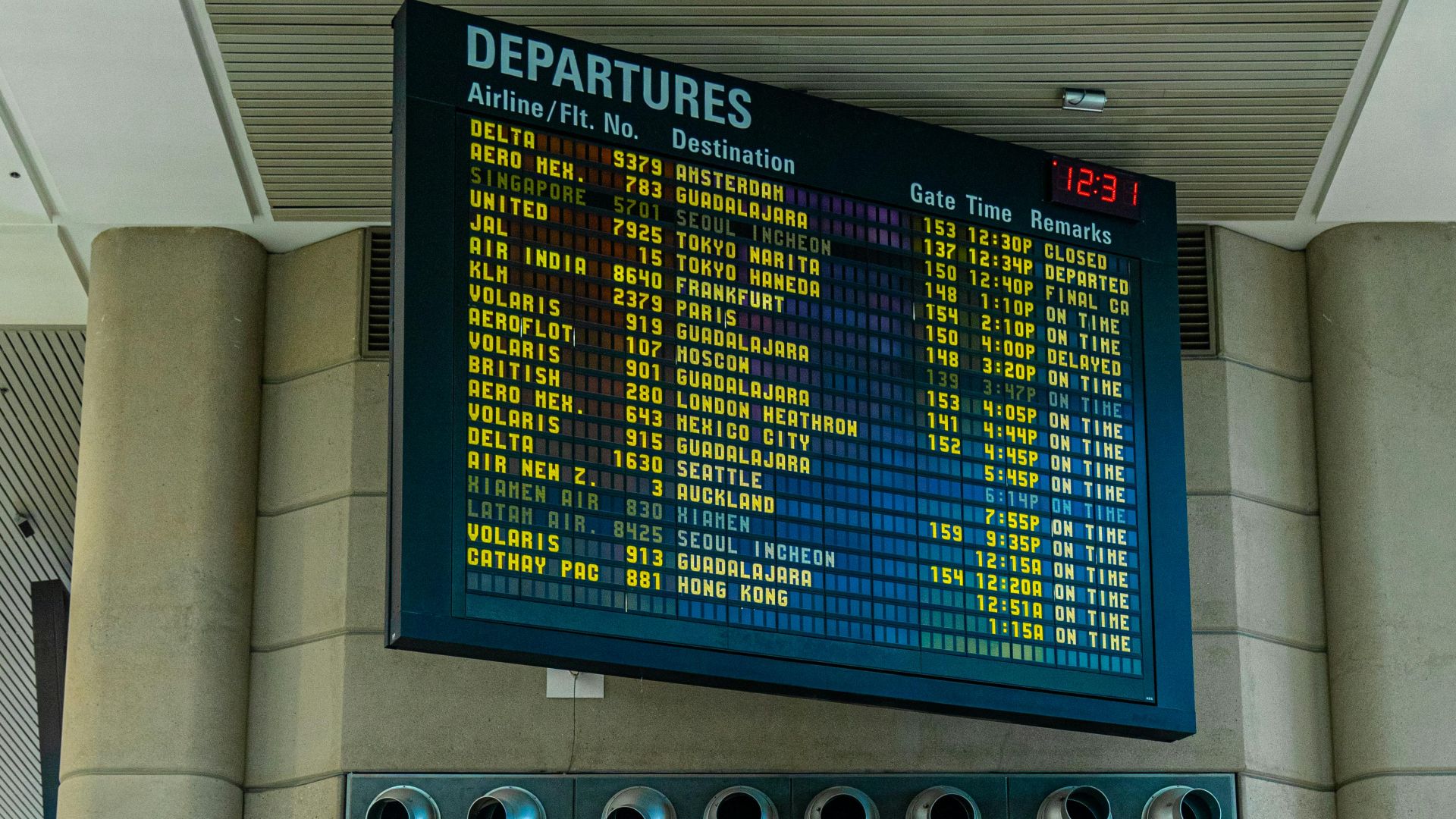
Airlines have become more sensitive about onboard behavior since unruly passenger incidents rose sharply in recent years. Industry groups like IATA publish guidance on preventing and managing disruptive passengers, and regulators have emphasized consequences for serious misconduct. That mood can make airlines quicker to act.
The Fair Answer Is Probably “Maybe”
Can they really do that? Yes, airlines can restrict passengers for conduct they consider disruptive or unsafe. Can they fairly do it only because you politely complained about cold coffee? That is much harder to justify. The real answer depends on the record, the policy, and the appeal.
How To Keep Your Travel Halo Shiny
Future flights are not the place to test your courtroom skills. If something goes wrong, document it, ask calmly, and complain later in writing. Cabin crew can fix many things, but they cannot hold a mini trial at 35,000 feet between beverage service and landing.
The Final Sip
Cold coffee should not turn anyone into aviation’s most wanted. If your story is accurate, ask for the evidence, appeal calmly, and push for a proportional review. Airlines can protect safety, but passengers can also expect fair treatment. Sometimes the best comeback is not shouting—it is paperwork.
You May Also Like:
My flight was canceled, but I couldn’t get a refund. Is that legal? How do I get my money back?
I booked a flight, but hidden fees doubled the price. Is that actually legal?