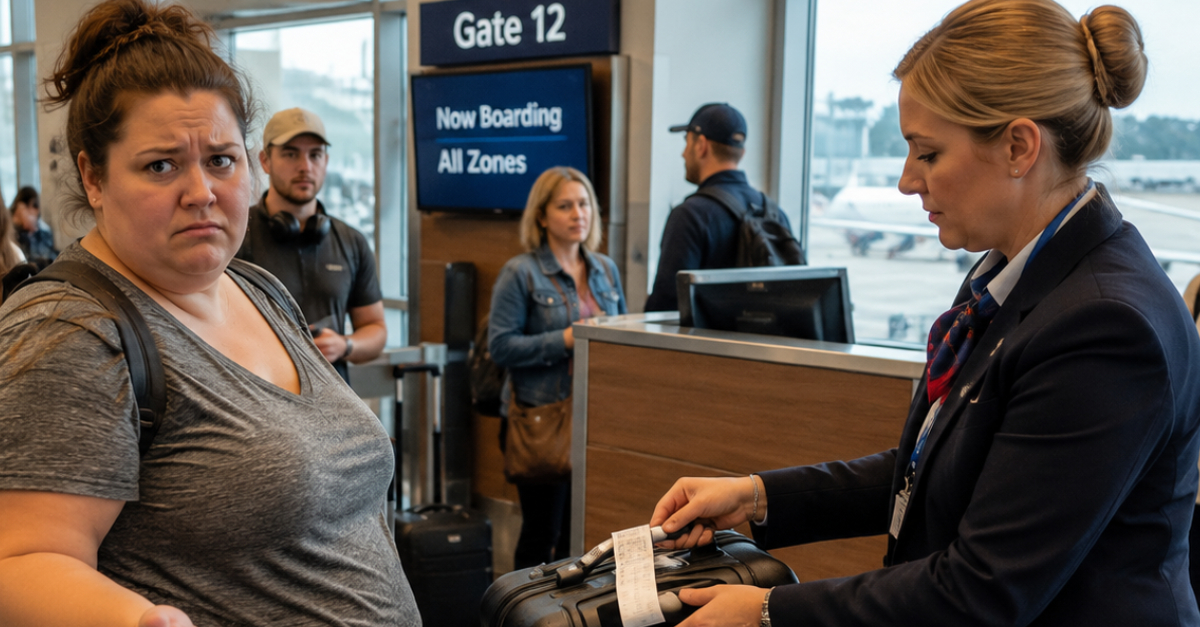
Most People Think Carry-On Rules Are Simple
For most travelers, carry-on policies feel pretty straightforward. If the suitcase fits the airline’s size requirements and isn’t ridiculously heavy, it usually goes in the overhead bin. That’s why this kind of situation surprises so many people. Most passengers never imagine their own body weight could factor into the equation too.
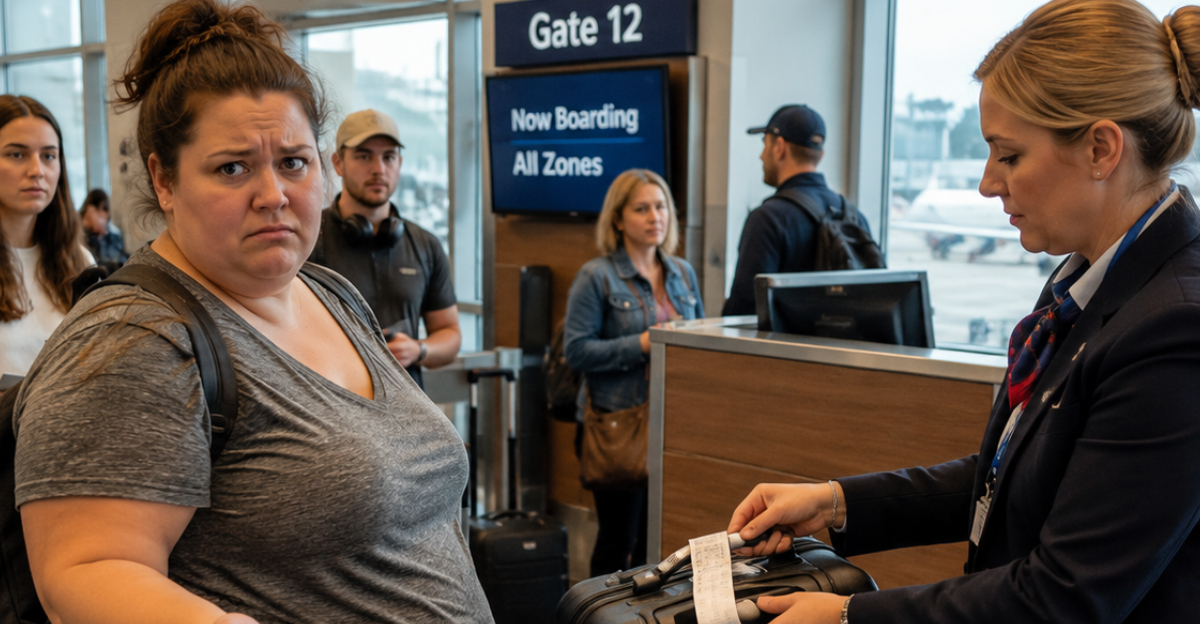
That’s The Part That Shocked Everyone
Most people assume airlines only care about the weight of the bag itself. Hearing that me plus my carry-on was supposedly too much weight for the flight sounds bizarre if you’ve only flown on large commercial jets.

Smaller Aircraft Sometimes Operate Very Differently
Large commercial planes have a lot more flexibility when it comes to passenger loads and baggage. Smaller aircraft, however, often operate under much stricter weight-and-balance limitations that airlines cannot legally ignore.
Passenger Weight Can Sometimes Matter
On certain flights, passenger weight may play a role in flight planning. Some smaller aircraft operations use actual or estimated passenger weights because accurate calculations are critical for fuel loads, aircraft balance, and takeoff performance.

Most Travelers Never Encounter This
That’s part of why situations like this sound so shocking online. The average person flying on a standard commercial airline will probably never have their body weight become part of a carry-on discussion.
Carry-On Rules Usually Feel Equal
Airlines advertise standard carry-on policies, so naturally most people assume the rules apply equally to everyone boarding the plane. Situations involving smaller aircraft can complicate that expectation pretty quickly.
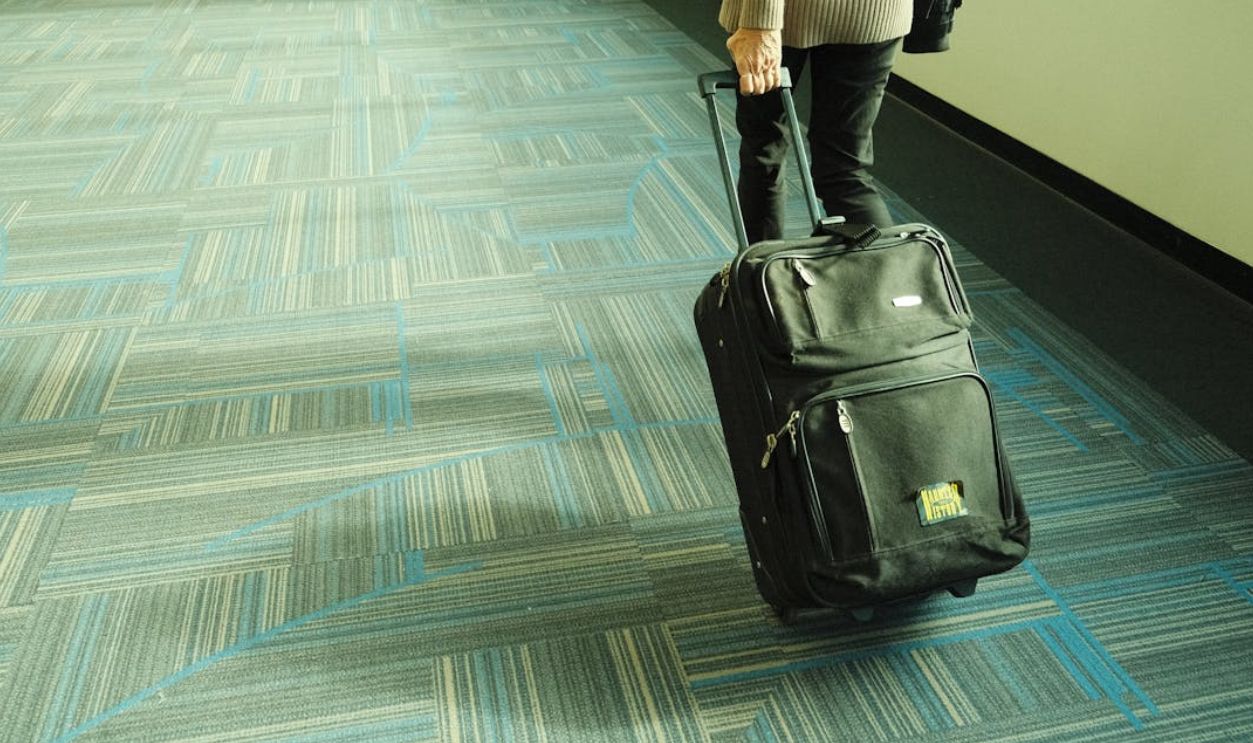
Aircraft Weight Limits Are Serious Safety Rules
Airlines and pilots can’t simply ignore weight restrictions because they feel awkward. Every flight involves calculations related to passenger loads, luggage, fuel, weather conditions, runway length, and aircraft performance.
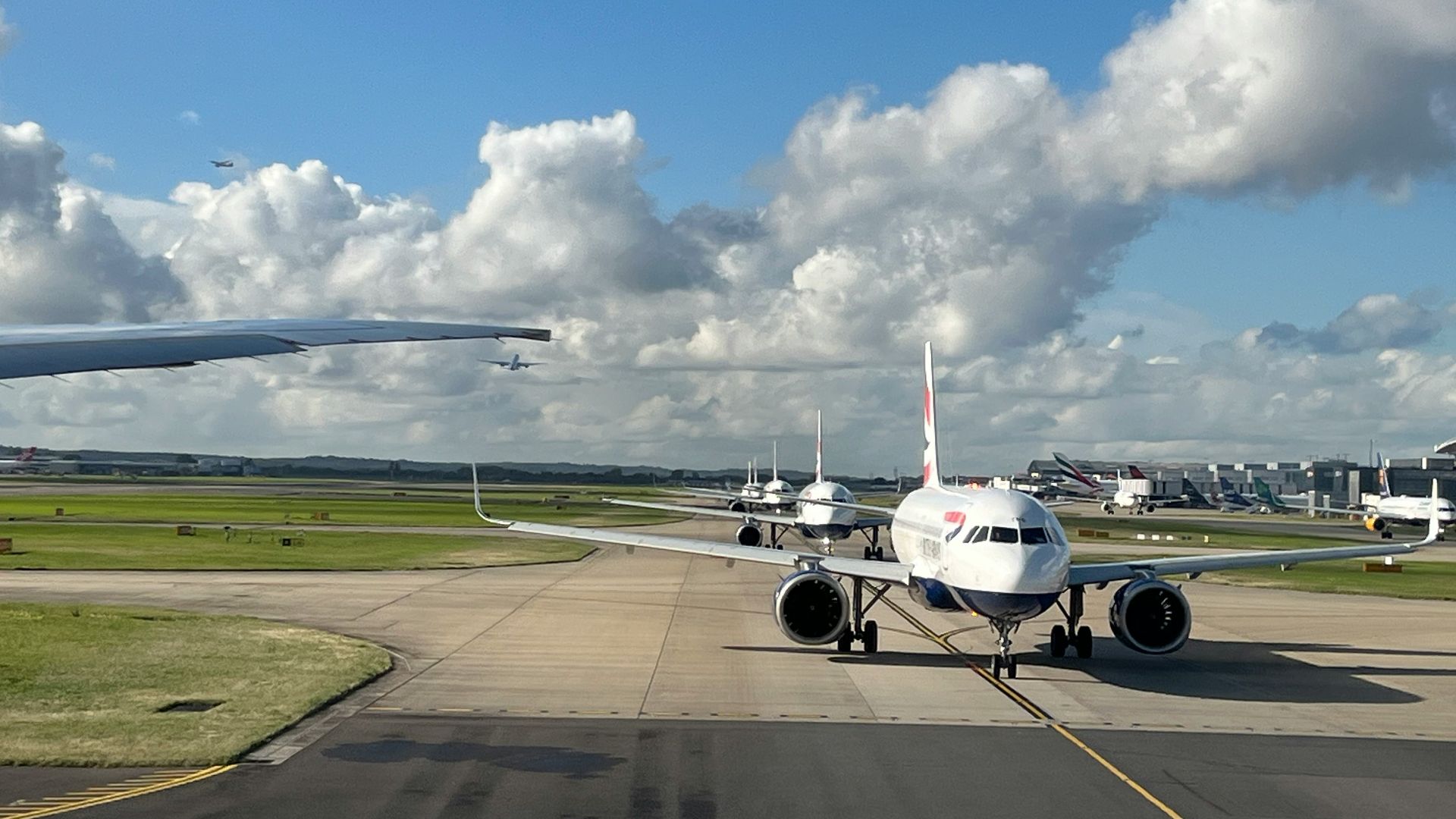
It’s Not Just About Total Weight
Aircraft balance matters almost as much as the total number on the scale. Too much weight concentrated in certain parts of the plane can affect handling during takeoff and landing, especially on smaller aircraft.
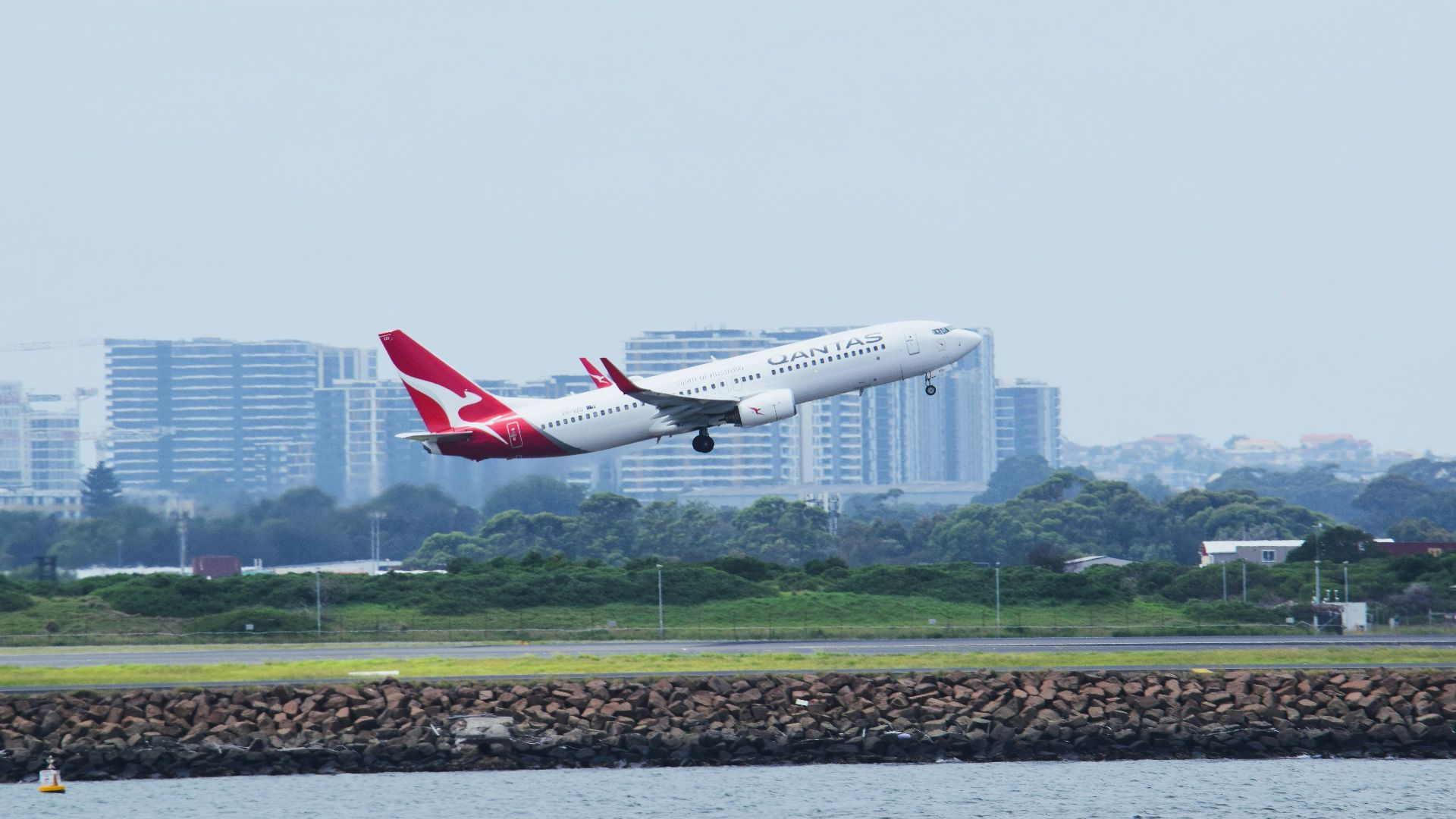
Some Planes Literally Assign Seats By Weight
On certain small aircraft, passengers aren’t always assigned seats randomly. Airlines may place heavier and lighter passengers in specific parts of the plane to help keep the aircraft balanced properly during flight.

Weather Can Change The Limits Too
Heat, wind, altitude, and runway conditions can all affect how much weight a plane can safely carry. A flight that’s fine one day may suddenly require tighter restrictions the next.
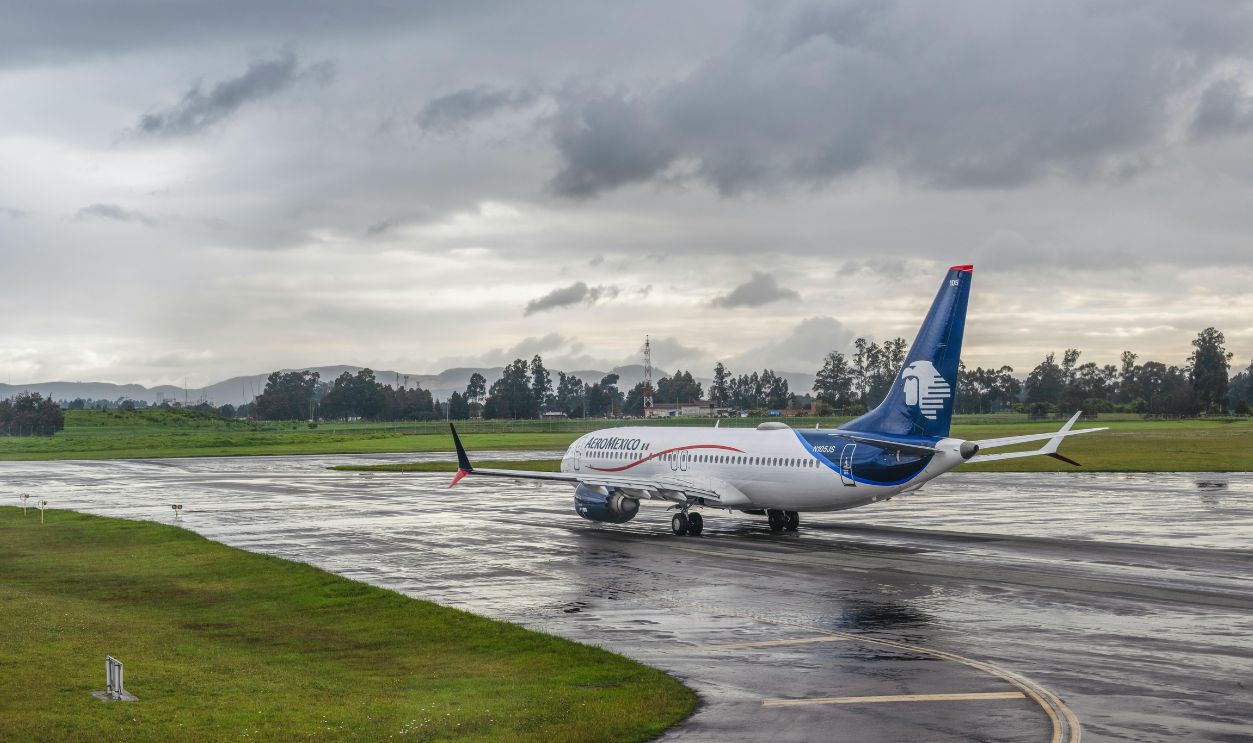
Hot Weather Can Actually Make The Problem Worse
Extreme heat can reduce aircraft performance and make takeoffs more difficult. That’s one reason smaller aircraft sometimes face stricter weight limits during summer months or at high-altitude airports.
Some Airlines Already Weigh Passengers
Passenger weigh-ins already happen on some smaller-aircraft routes around the world. In certain cases, airlines also conduct passenger-and-baggage weighing surveys to update their operational averages.
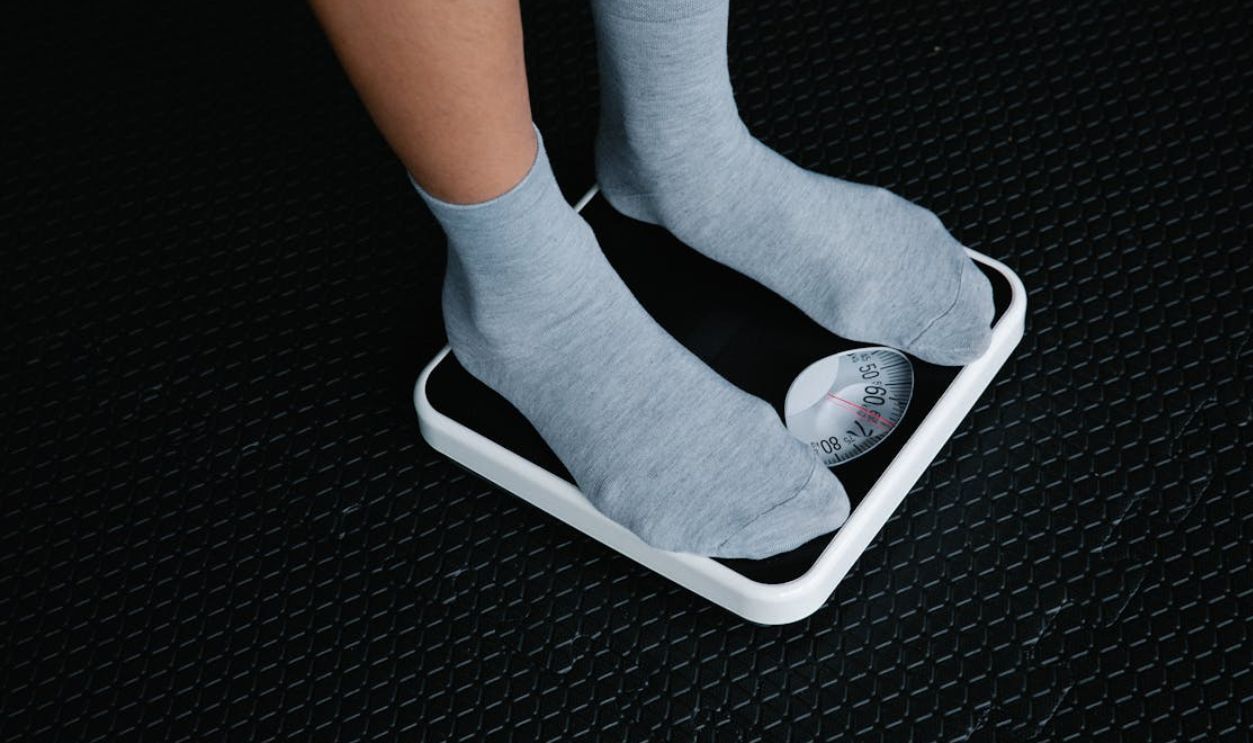
Airlines Often Use Average Passenger Weights
Many larger airlines don’t individually weigh passengers at all. Instead, operators may use approved average passenger and baggage weights for planning purposes rather than actual individual weigh-ins.
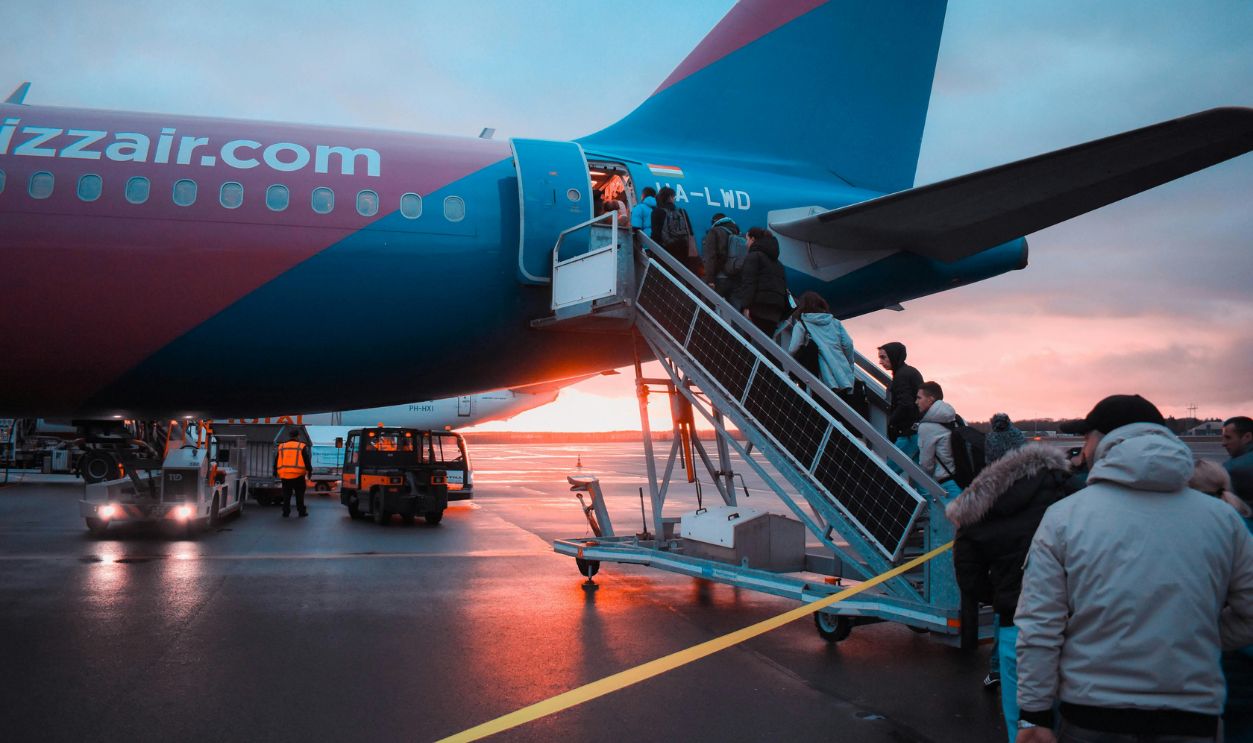
Large Commercial Jets Usually Don’t Work Like This
On massive commercial aircraft carrying hundreds of people, one passenger’s weight rarely changes operational planning very much. That’s why most travelers never encounter situations involving combined passenger-and-bag calculations.
Smaller Flights Have Much Less Flexibility
Aircraft carrying only a handful of passengers operate with tighter margins. Relatively small differences in passenger or luggage weight can matter much more than they would on a giant commercial jet.
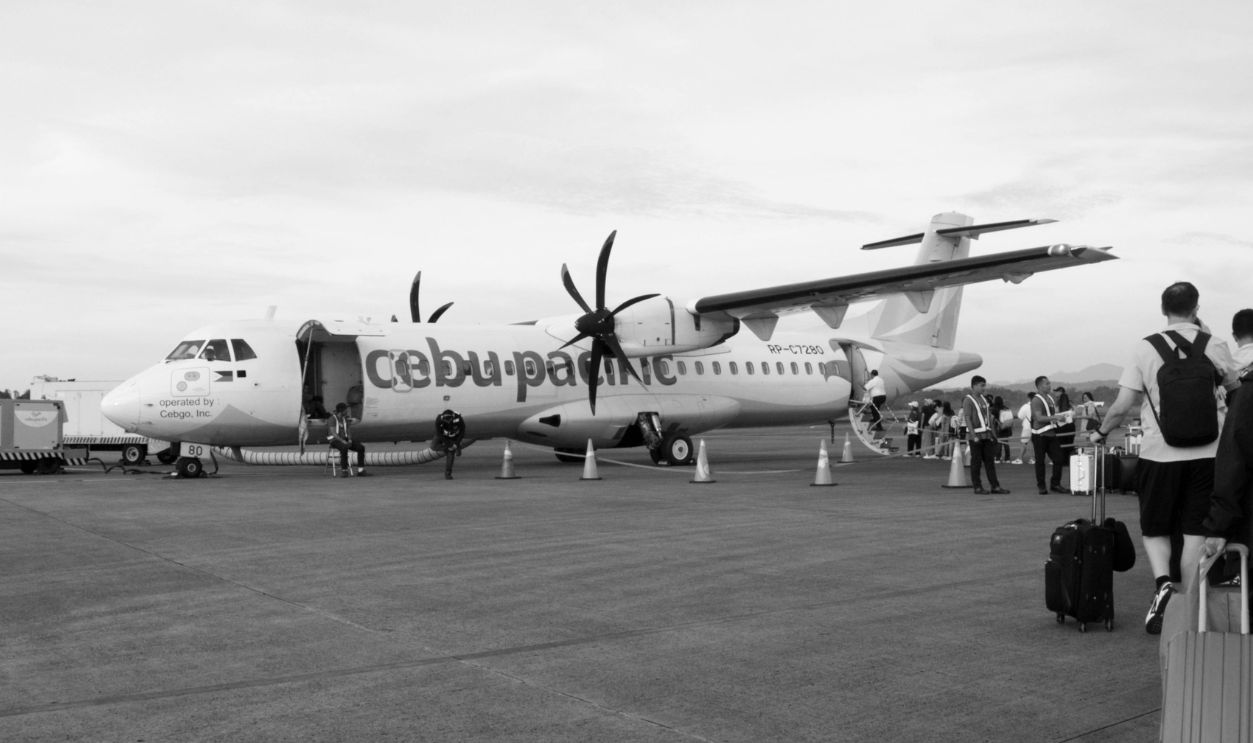
Some Flights Already Make Lots Of People Gate-Check Bags
Passengers on smaller regional flights are often asked to gate-check roller bags because overhead bins are tiny or aircraft weight limits are stricter. Many travelers assume it’s only a storage issue when weight calculations can also play a role.
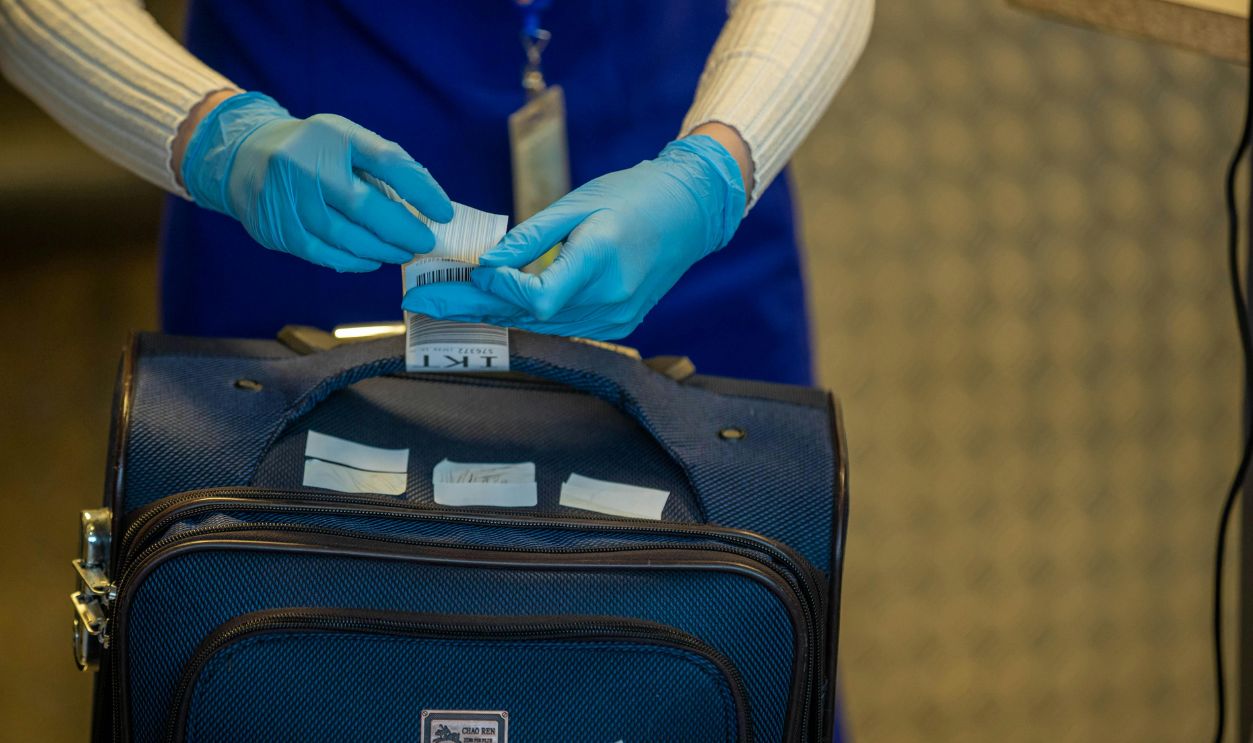
Pilots Sometimes Have To Leave Things Behind
In certain situations, airlines may reduce cargo, move luggage around the aircraft, or limit passenger bags entirely to keep the plane within approved operating limits. Smaller aircraft simply don’t have the same flexibility as giant commercial jets.
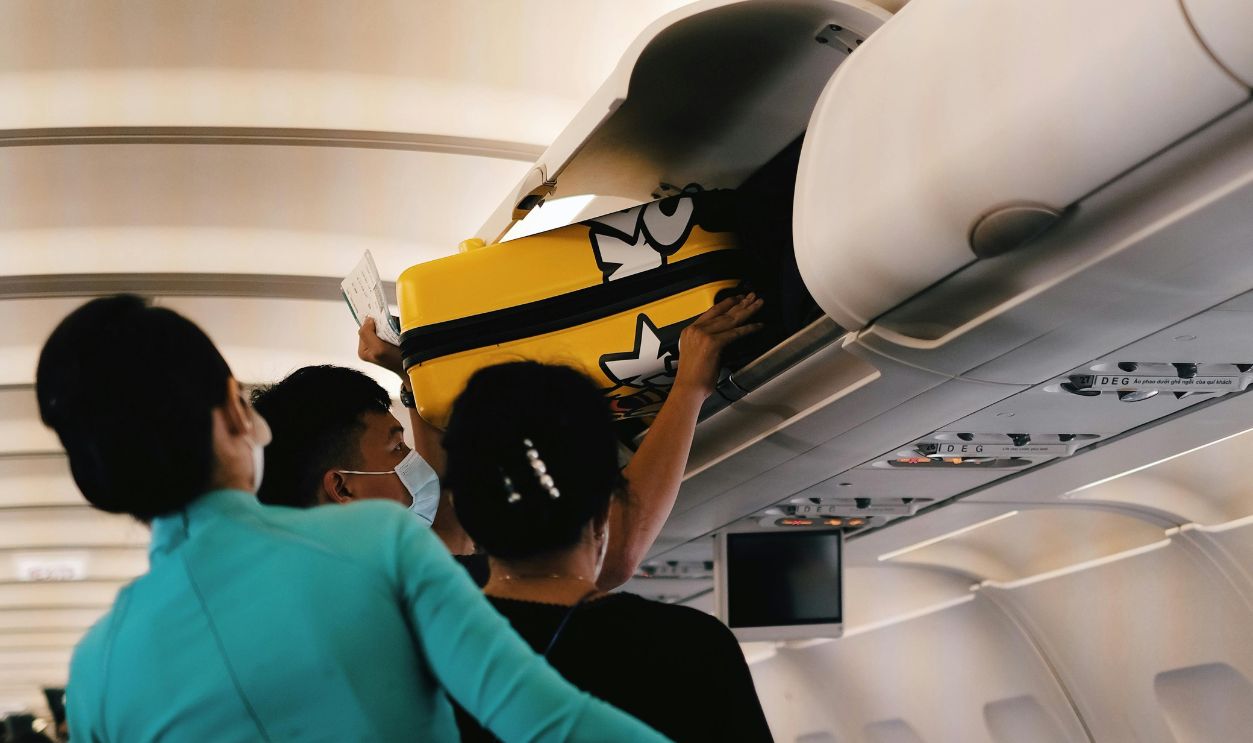
The Situation Still Feels Deeply Personal
Even if the reasoning comes down to aviation safety, it’s easy to understand why this kind of interaction would feel embarrassing. Most people do not expect airline staff to discuss their body weight while boarding a flight.

Most Travelers Probably Assume This Could Never Happen
Airlines spend years training passengers to obsess over bag dimensions and suitcase scales. Very few people ever stop to consider that their own body weight could become part of the conversation too.
The Booking Process Doesn’t Exactly Prepare People
Passengers may not even realize they’re flying on a much smaller aircraft until they arrive at the gate. By then, they’ve already packed assuming standard carry-on expectations will apply like they normally do.

Weight Restrictions Affect More Than Bags
On smaller flights, airlines may also redistribute passengers, move luggage around the aircraft, or reduce cargo loads entirely. Weight-and-balance planning affects almost every operational decision on certain planes.
Airlines Usually Prioritize Safety Over Convenience
From the airline’s perspective, these decisions are tied directly to federally regulated safety procedures. Aircraft cannot be dispatched outside approved weight-and-balance limits.

But That Doesn’t Automatically Make It Feel Fair
This is where the entire debate starts. Even if the calculations are technically justified, it can still feel uncomfortable when passengers carrying similar bags appear to be treated differently.

The Entire Situation Lives In A Weird Gray Area
On one side is aviation safety and strict operational math. On the other is the reality that situations like this can feel awkward, humiliating, and very personal for the passenger involved.
Most Travelers Will Still Probably Never Experience This
For passengers flying normal commercial routes on larger jets, this kind of situation remains relatively rare. Still, it’s a reminder that airline rules can change dramatically once smaller aircraft and tighter weight restrictions enter the picture.
You Might Also Like: