
Wait…there’s a $10,000 rule?
Yes. Under U.S. federal law, anyone entering or leaving the United States with more than $10,000 in cash or monetary instruments must report it to Customs and Border Protection (CBP). Many travelers don’t realize this until after a trip—and that’s when the panic starts.

Is $11,000 really over the line?
Yes. The reporting requirement kicks in at anything over $10,000—even $10,001 technically qualifies. There’s no grace margin. If the total amount transported across the border exceeds that threshold, the declaration requirement is triggered.
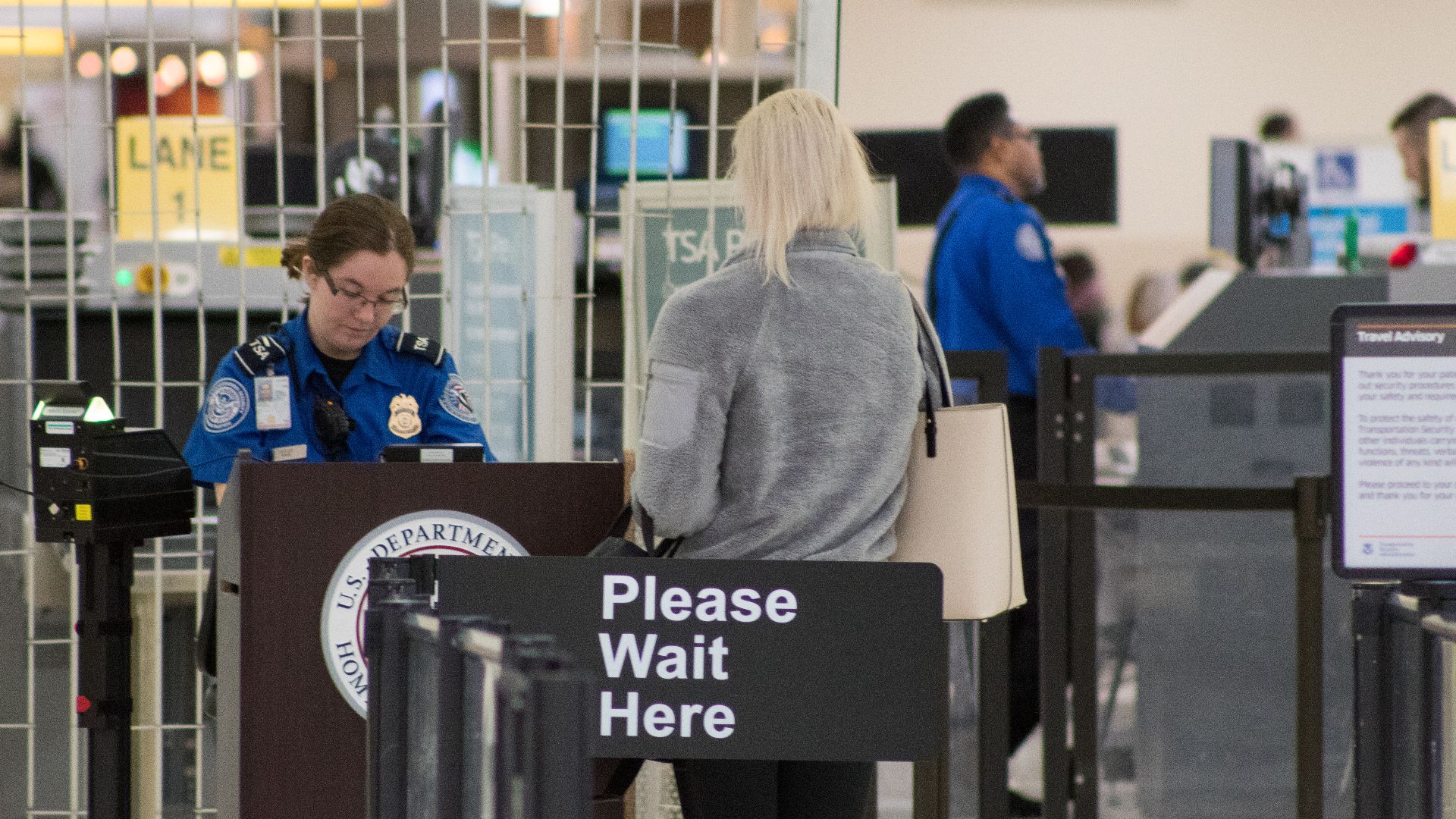 Michael Ball, Wikimedia Commons
Does this apply to everyone?
Yes. The rule applies to U.S. citizens, permanent residents, and foreign visitors alike. It doesn’t matter whether the money was earned legally or withdrawn from a personal bank account. The requirement is about reporting—not the source of the cash.

First, the important part: It’s not illegal to carry more than $10,000
This is where most people get confused. There is no law that says you can’t travel with $11,000, $50,000, or even more. The law doesn’t ban large amounts of cash. It only requires that you report it if you’re crossing the border.
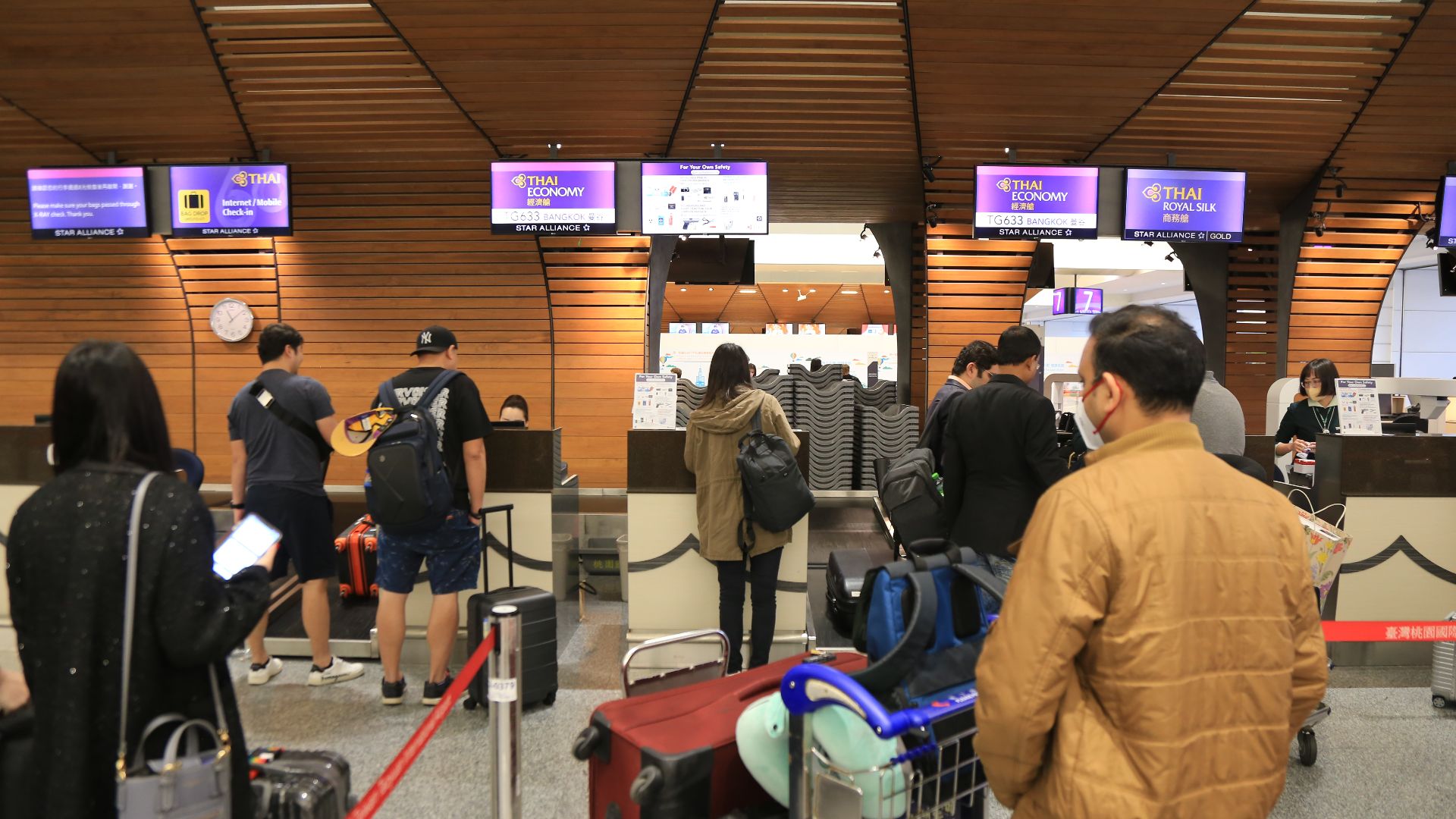 Wutthichai Charoenburi, Wikimedia Commons
So what exactly does the law say?
The rule comes from the Bank Secrecy Act framework. It requires anyone transporting more than $10,000 into or out of the U.S. to file FinCEN Form 105 (also called the CMIR). This applies at airports, land borders, and seaports.
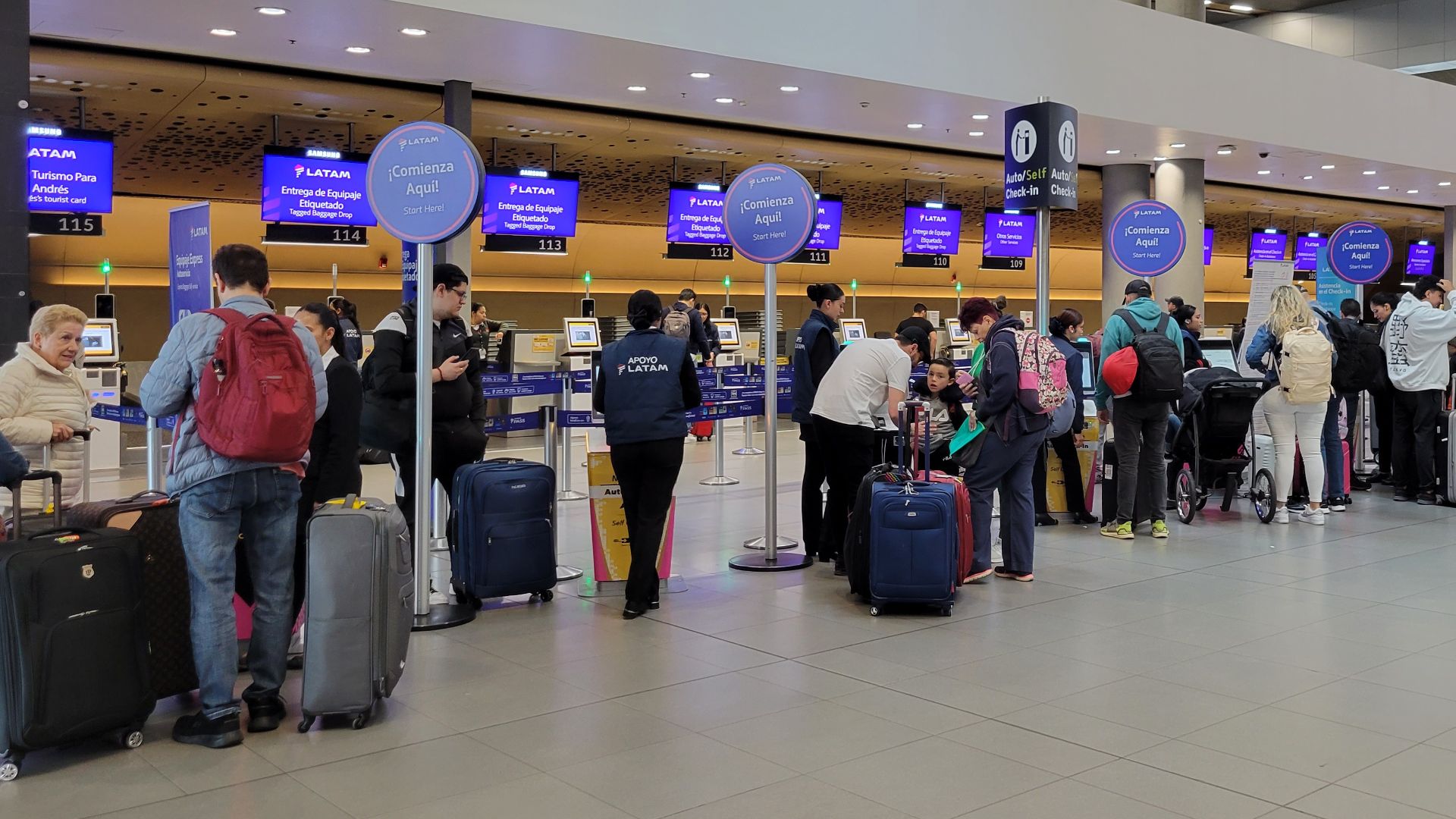 OhanaUnitedTalk page, Wikimedia Commons
It’s not per person—it can be per group
If a family is traveling together with more than $10,000 combined, that total must be declared. You can’t split $20,000 between two people to avoid reporting. Structuring it to dodge the rule can actually make things worse.
 Monkey Business Images, Shutterstock
What counts as “cash”?
It includes U.S. or foreign currency, traveler’s checks, money orders, cashier’s checks, and certain negotiable instruments. It does not include money in your bank account, credit cards, or personal checks written to a specific person.
 Karolina Grabowska www.kaboompics.com, Pexels
What happens if you don’t declare it?
Federal law allows authorities to seize the entire amount if it wasn’t properly declared—even if the money itself is completely legal. That’s because the violation is a reporting failure.

Yes, they can seize all of it
Under 31 U.S. Code § 5317, customs officers have seizure authority when reporting requirements aren’t met. In some cases, people have had the full amount taken, not just the portion over $10,000.

But here’s the part that matters
Enforcement typically happens at the border during inspection. If a traveler was not stopped, searched, questioned, or detained at the time of entry, the situation looks very different from someone caught in the act.

If you weren’t stopped at the border, enforcement becomes unlikely
The declaration requirement applies at the time of crossing. There isn’t a routine retroactive system that tracks and penalizes travelers later simply because they carried cash and weren’t inspected.
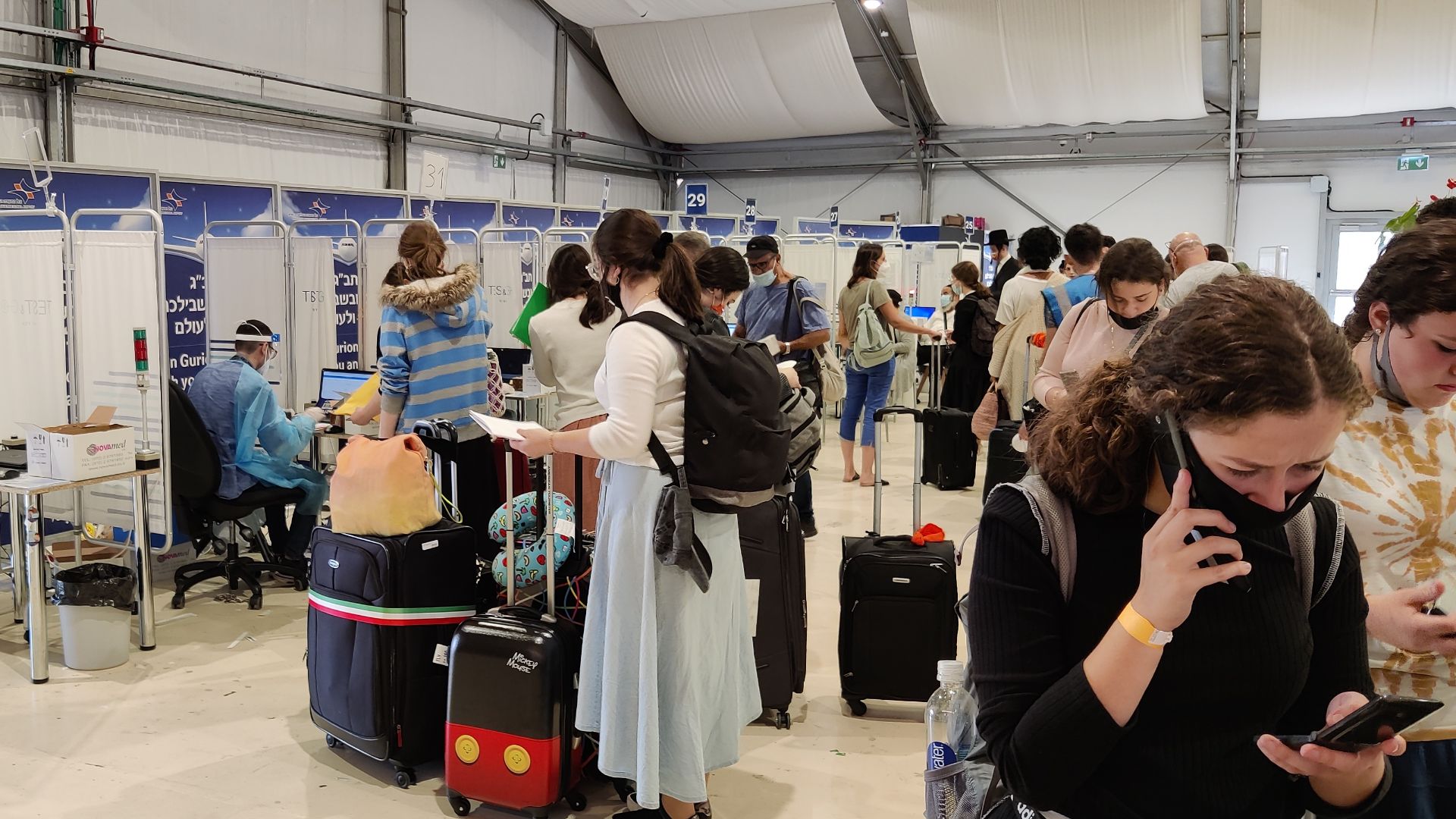
Can consequences still happen later?
Yes—but it’s uncommon and usually tied to something more serious. Retroactive penalties typically arise only if there was intentional concealment, false statements to officers, or the cash becomes linked to a separate criminal investigation. For travelers who were never stopped or questioned, after-the-fact enforcement is rare.

So will a letter arrive later?
In most real-world cases, no. The issue arises during inspection. CBP officers can question travelers, use currency detection dogs, and inspect luggage. If nothing happened at the time, follow-up enforcement is uncommon.
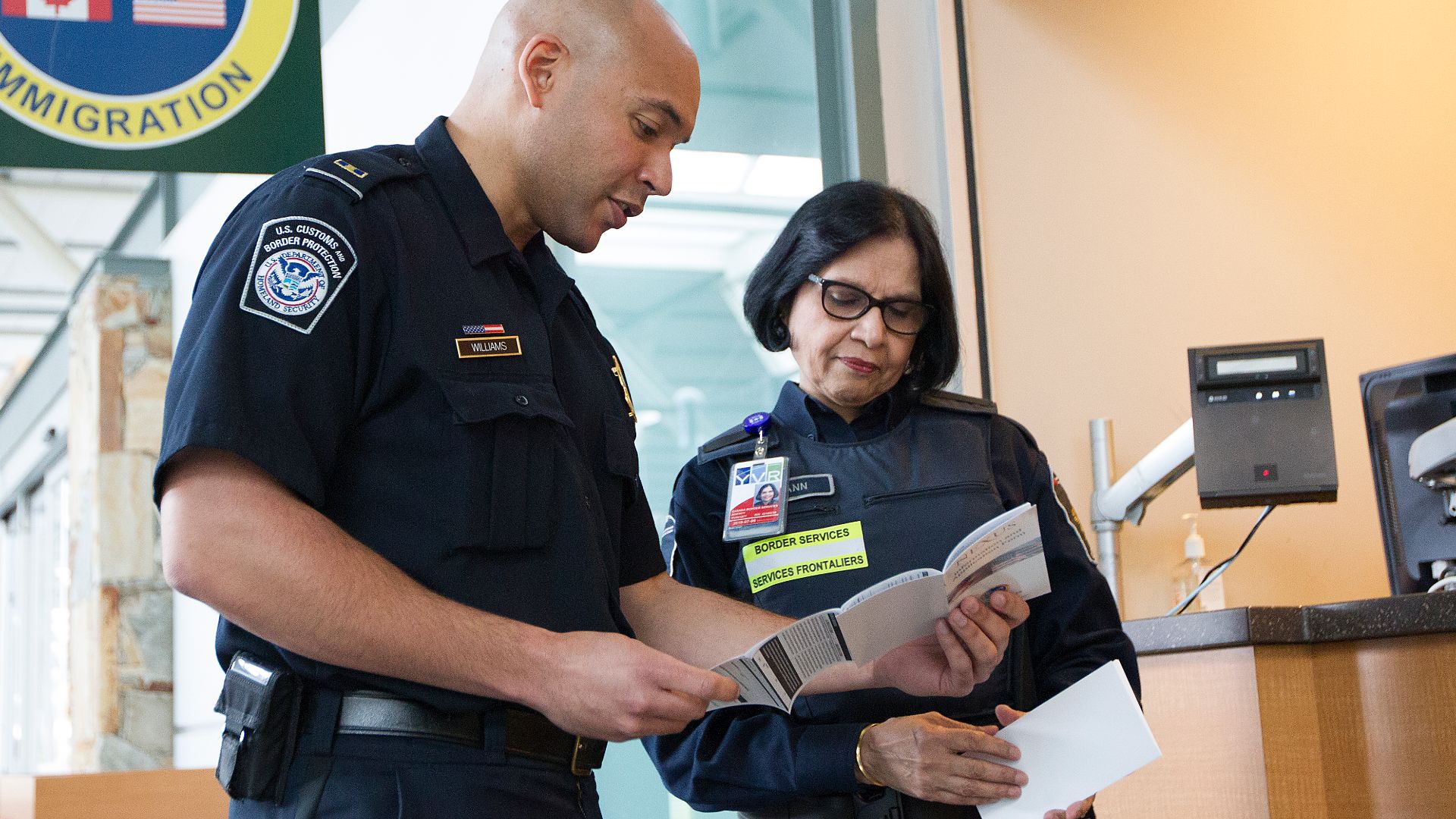 U.S. Customs and Border Protection, Wikimedia Commons
How common are seizures?
CBP publishes ongoing statistics on currency and other monetary instrument seizures, including both the number of seizure events and the total currency amounts recorded for each fiscal year. Currency seizures occur regularly at ports of entry every year, both inbound and outbound.
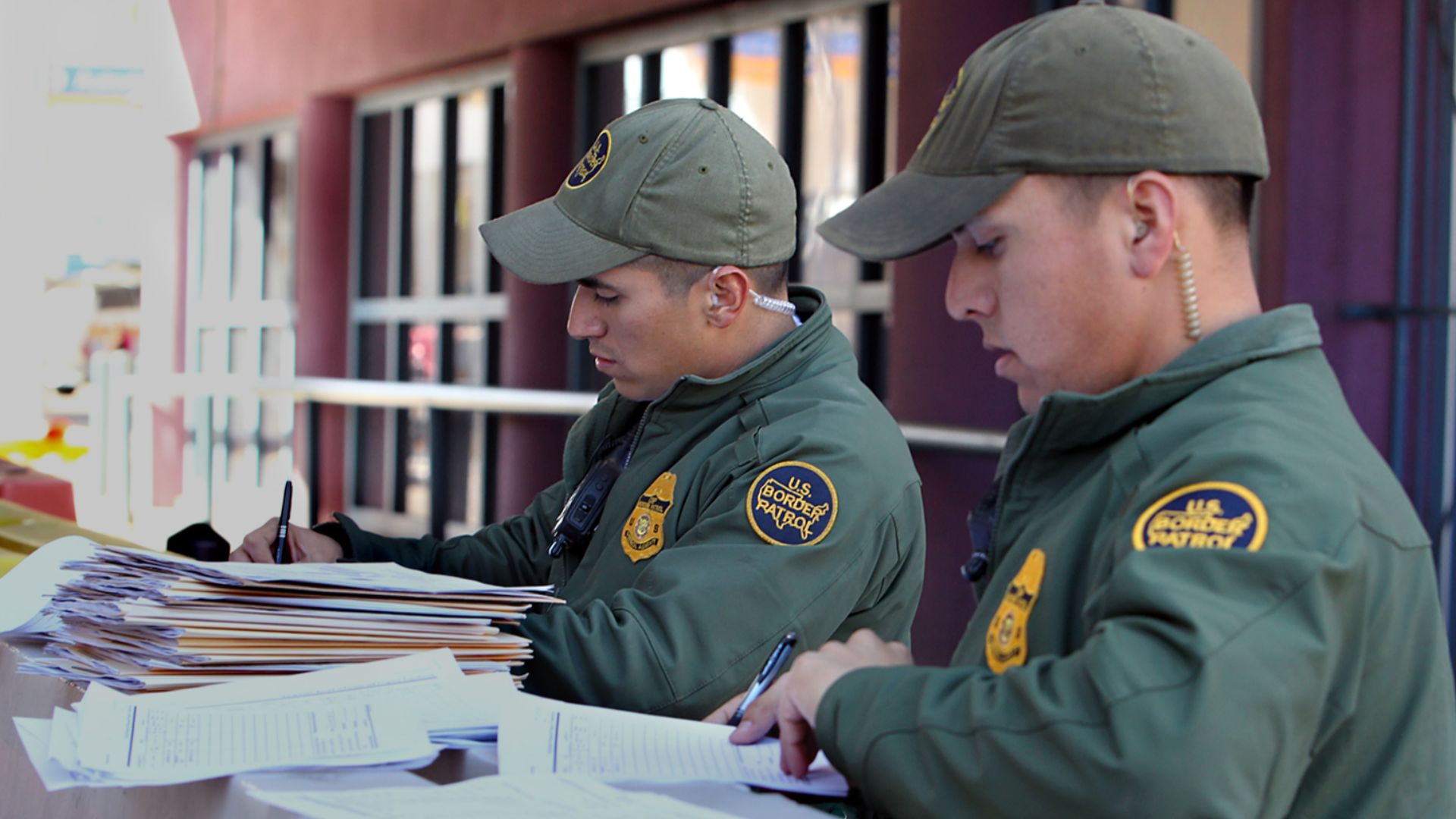 CBP Photography, Wikimedia Commons
Wait—“bulk cash smuggling”? That sounds serious
It is. Federal law (31 U.S. Code § 5332) makes bulk cash smuggling a criminal offense when someone, with intent to evade the reporting requirement, knowingly conceals more than $10,000 in currency or monetary instruments and transports or attempts to transport it into or out of the United States.

Intent matters a lot
Deliberately hiding cash or lying to officers can escalate the situation into a criminal matter. Simply being unaware of the rule and never being stopped is very different from actively concealing money.

What if someone is stopped and tells the truth?
If a traveler declares the funds when asked and properly files the form, the money is typically allowed to continue with them. Reporting alone does not mean confiscation. The form is primarily for anti–money laundering tracking.

Is this about taxes?
No. The $10,000 border rule has nothing to do with income taxes. It’s about tracking large cross-border currency movements under anti–money laundering laws. It does not automatically create a tax bill.

So why does this rule even exist?
Congress enacted the Bank Secrecy Act framework to combat money laundering and other financial crimes. Large amounts of physical currency crossing borders can be linked to criminal activity, so reporting helps authorities monitor suspicious patterns.

What about future travel?
If someone plans to cross a U.S. border with more than $10,000 again, the safest move is simple: declare it. FinCEN Form 105 can be filed online in advance or completed with CBP at the port of entry.
 Frame Stock Footage, Shutterstock
What about domestic flights?
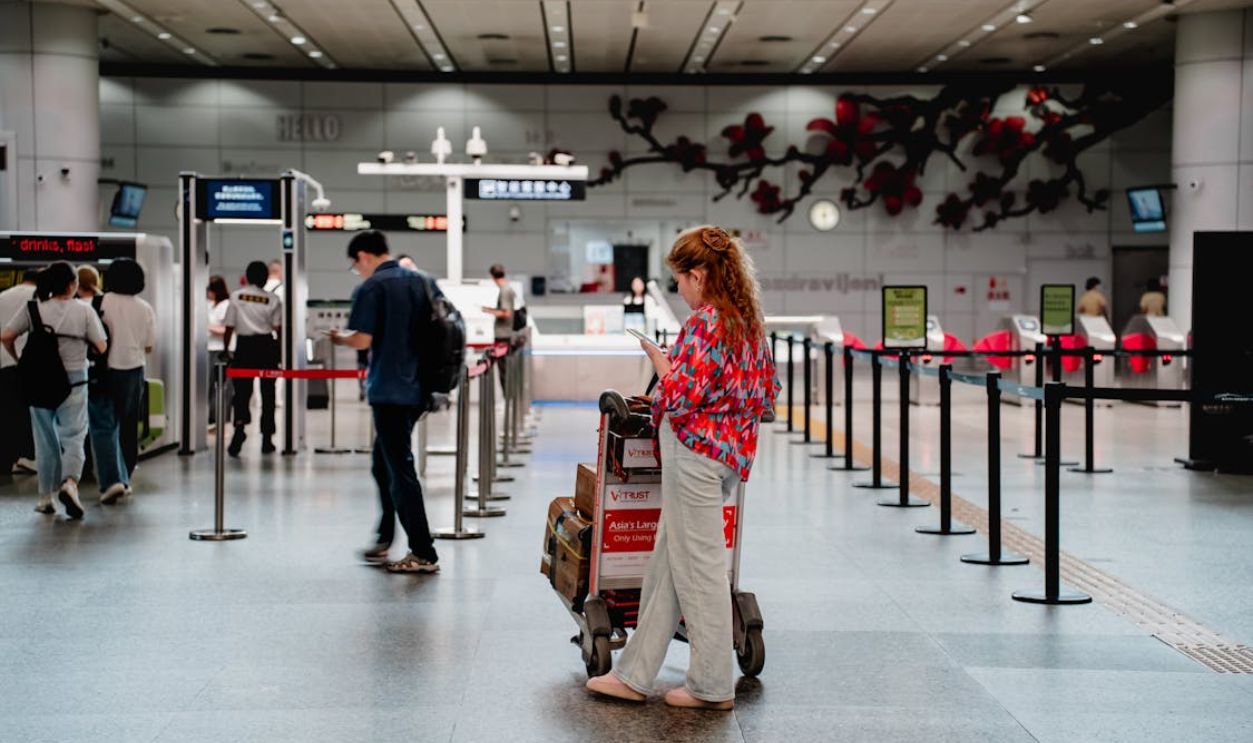
This rule applies only to international travel. There is no federal law limiting how much cash someone can carry on a domestic flight within the United States. TSA may question travelers, but there is no reporting requirement for domestic travel.
Could a bank report large deposits?
That’s a separate rule. Banks must file a Currency Transaction Report (CTR) for cash transactions over $10,000 (generally aggregated per day) under the Bank Secrecy Act. That report goes to FinCEN, but it does not mean wrongdoing occurred.

So… is someone actually in trouble?
If a traveler returned from a trip, was not stopped, questioned, or searched, and no money was seized at the time of entry, the likelihood of consequences after the fact is generally low.

The calm conclusion
Carrying $11,000 across the border without declaring it technically violates reporting rules—but enforcement almost always happens at the time of crossing. If nothing occurred during entry, panic is usually unnecessary. The key takeaway is simple: know the rule and declare it next time.

You Might Also Like: