The Picture-Perfect Arrival
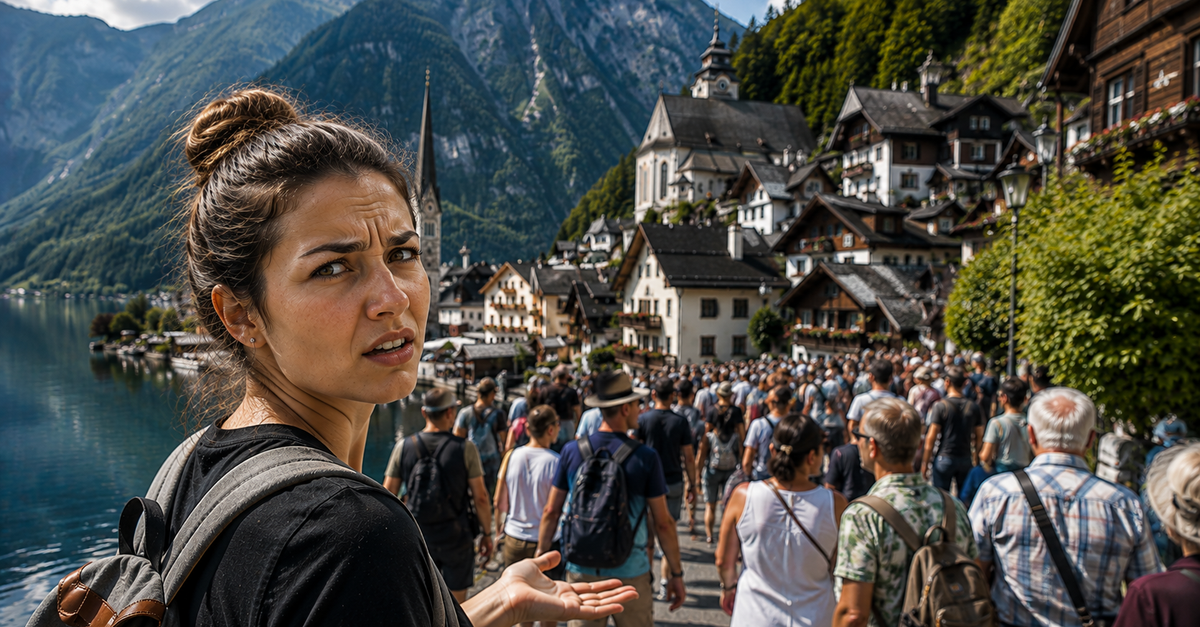
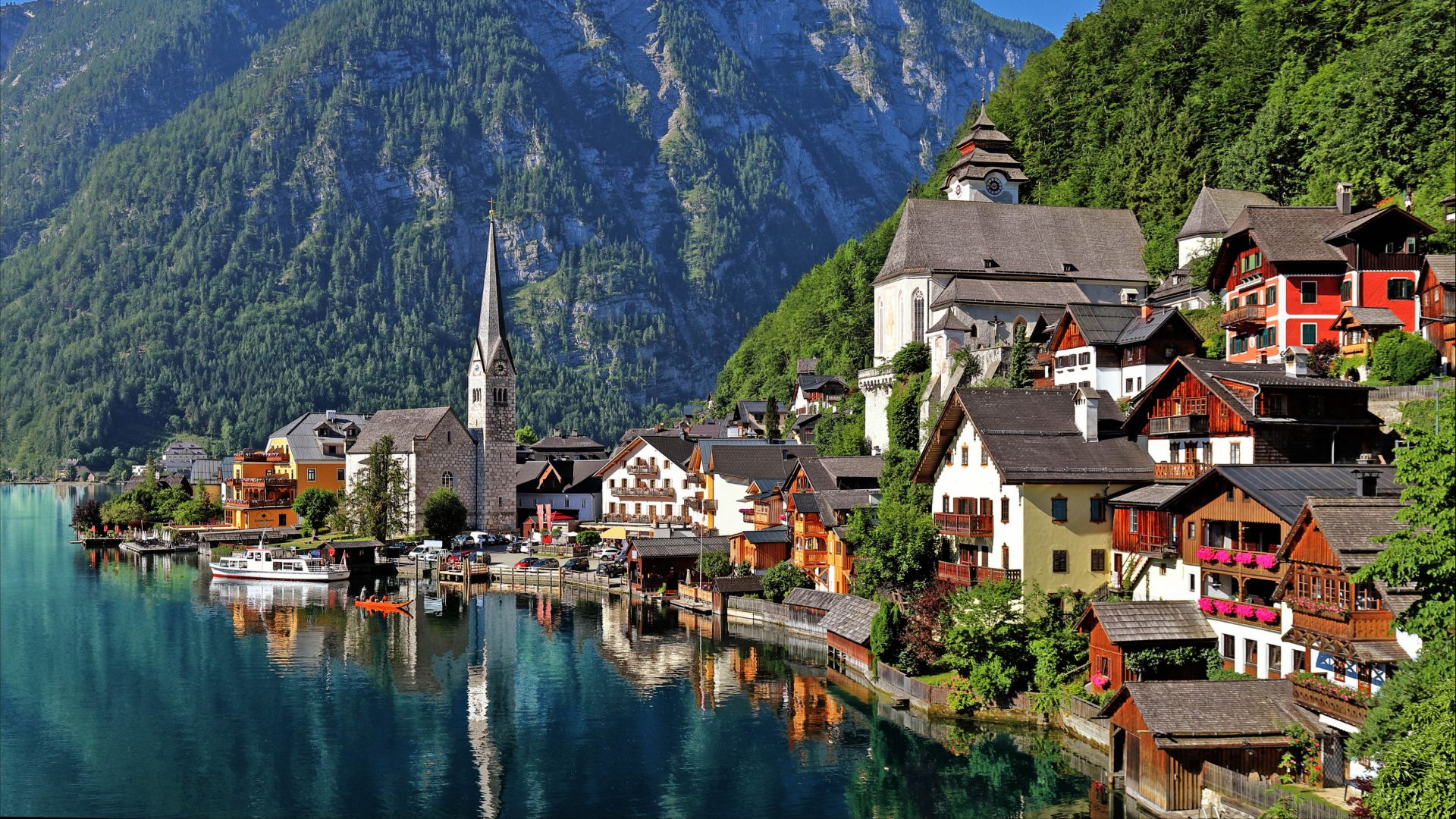
Hallstatt, Austria, looks like the kind of place travel apps were built to sell. The lake is glassy, the mountains rise sharply, and the village seems almost too neat to be real. It is easy to understand why visitors arrive with cameras ready. It is also easy to understand why residents might feel surrounded.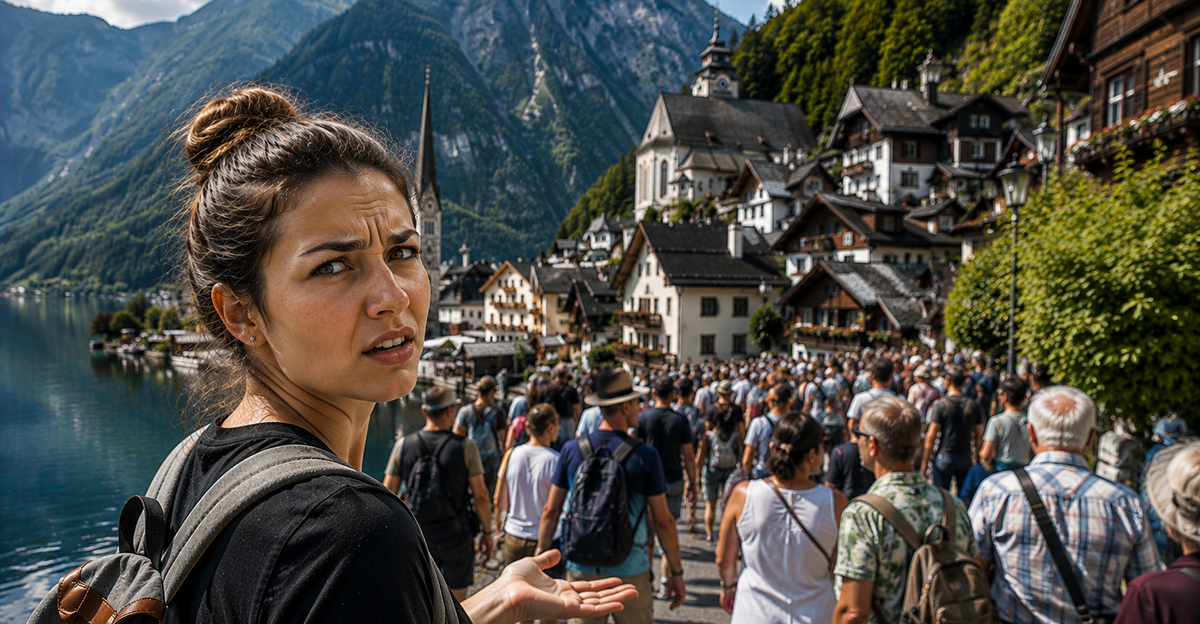 Factinate Ltd
The First Hint Of Tension
The mood changed once the streets filled with tour groups. People paused in doorways, crowded narrow paths, and lined up for the same famous photo angles. Locals still had errands, work, and school runs to manage. The town felt beautiful, but it did not feel relaxed.
A Small Town With A Huge Audience
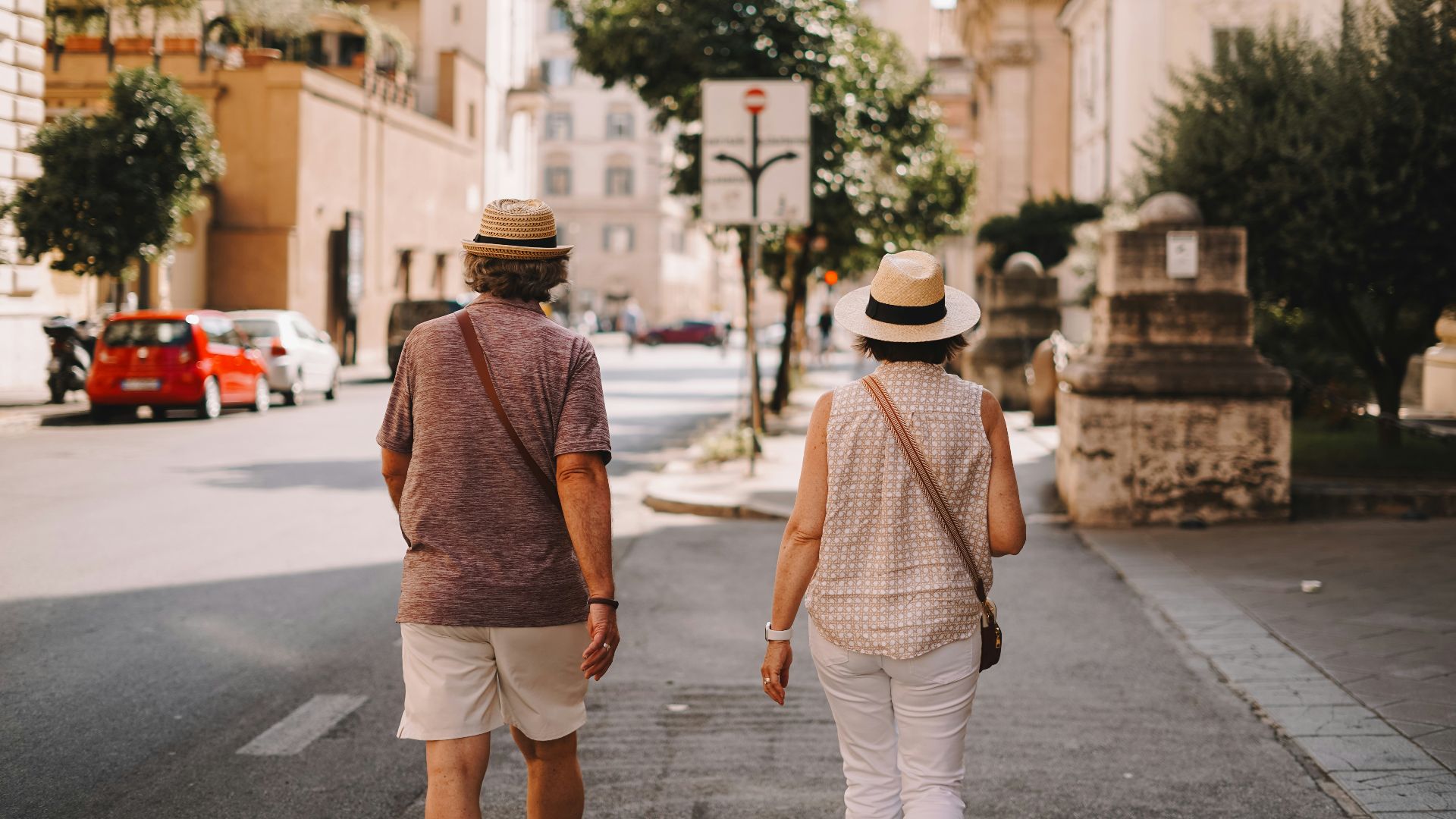
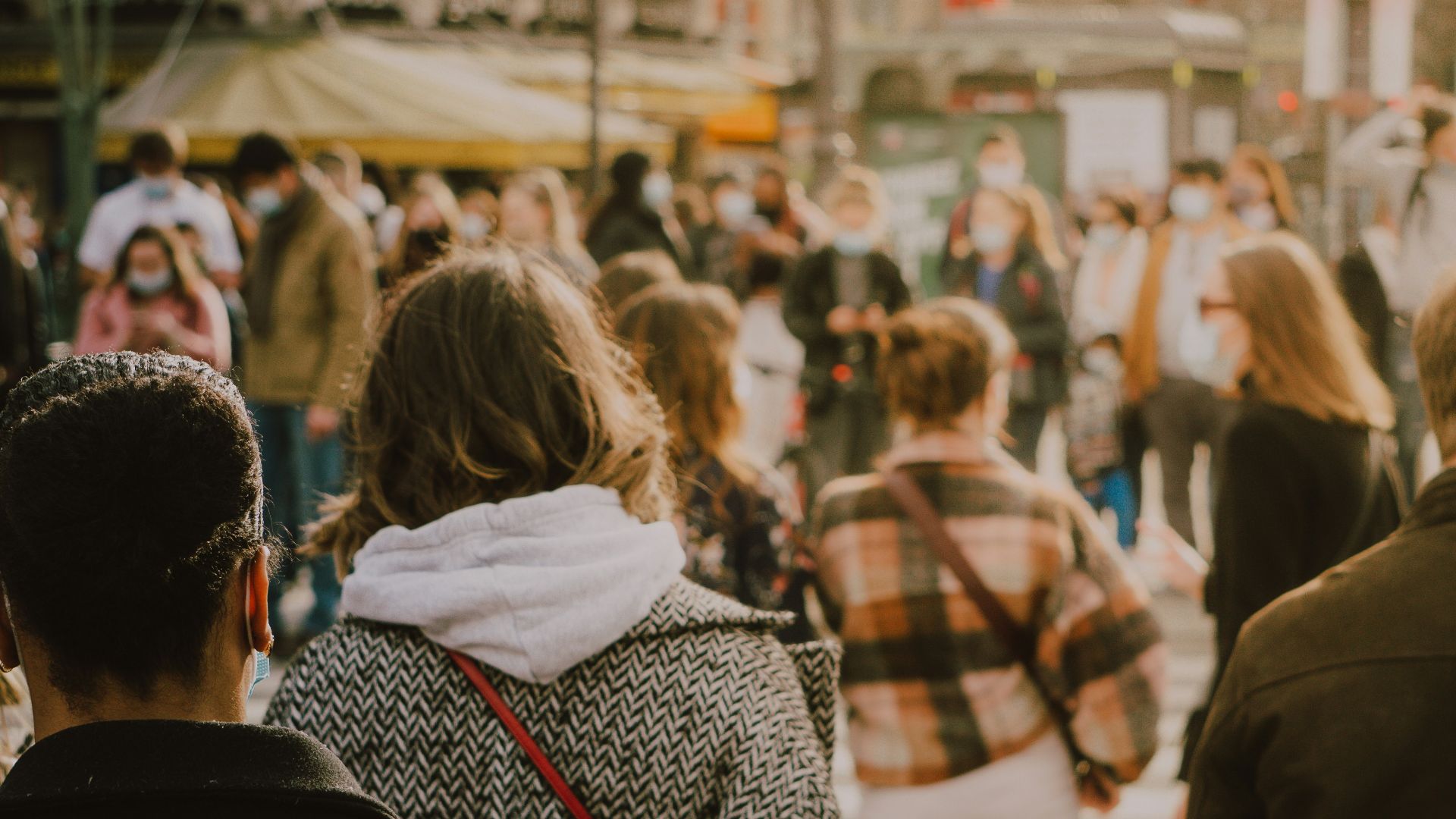
Hallstatt has fewer than 1,000 residents, but reports have described thousands of visitors arriving on busy days. Many come by bus, stay briefly, take photos, and leave. That pattern brings crowds without always bringing long stays. For residents, the pressure can feel much bigger than the town itself.
When Tourism Stops Feeling Like A Compliment
Tourism often starts as praise for a place. People visit because a town is scenic, historic, charming, or culturally important. The problem begins when attention changes daily life. A destination can be loved so intensely that locals struggle to live normally in it.
Hallstatt Became A Warning Sign
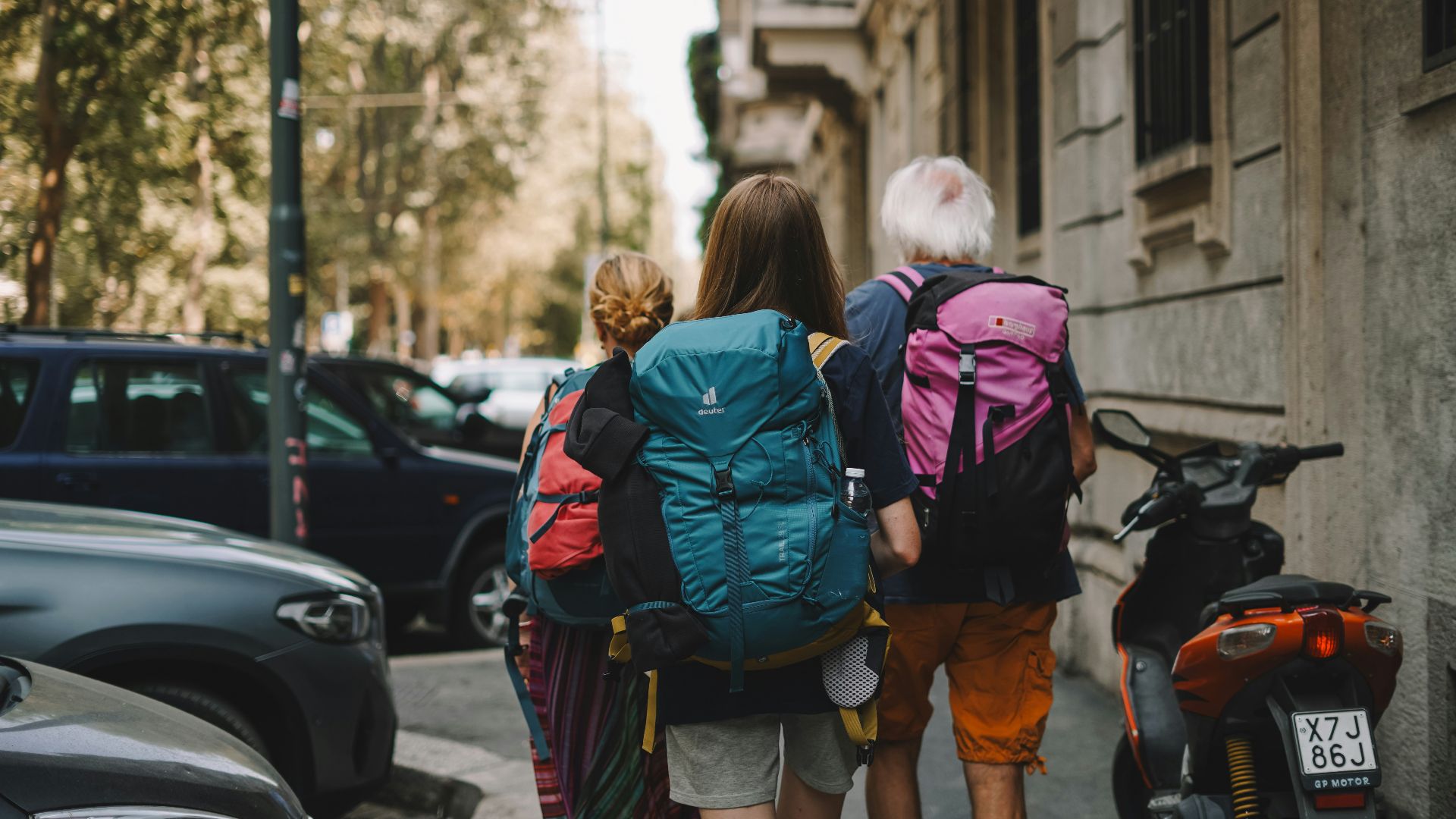
Hallstatt has become one of Europe’s best-known examples of overtourism. Residents protested in 2023, and local leaders discussed reducing tour bus traffic. Earlier reports described attempts to control selfie crowds and manage bus arrivals. The story is not anti-travel, but it is clearly pro-breathing room.
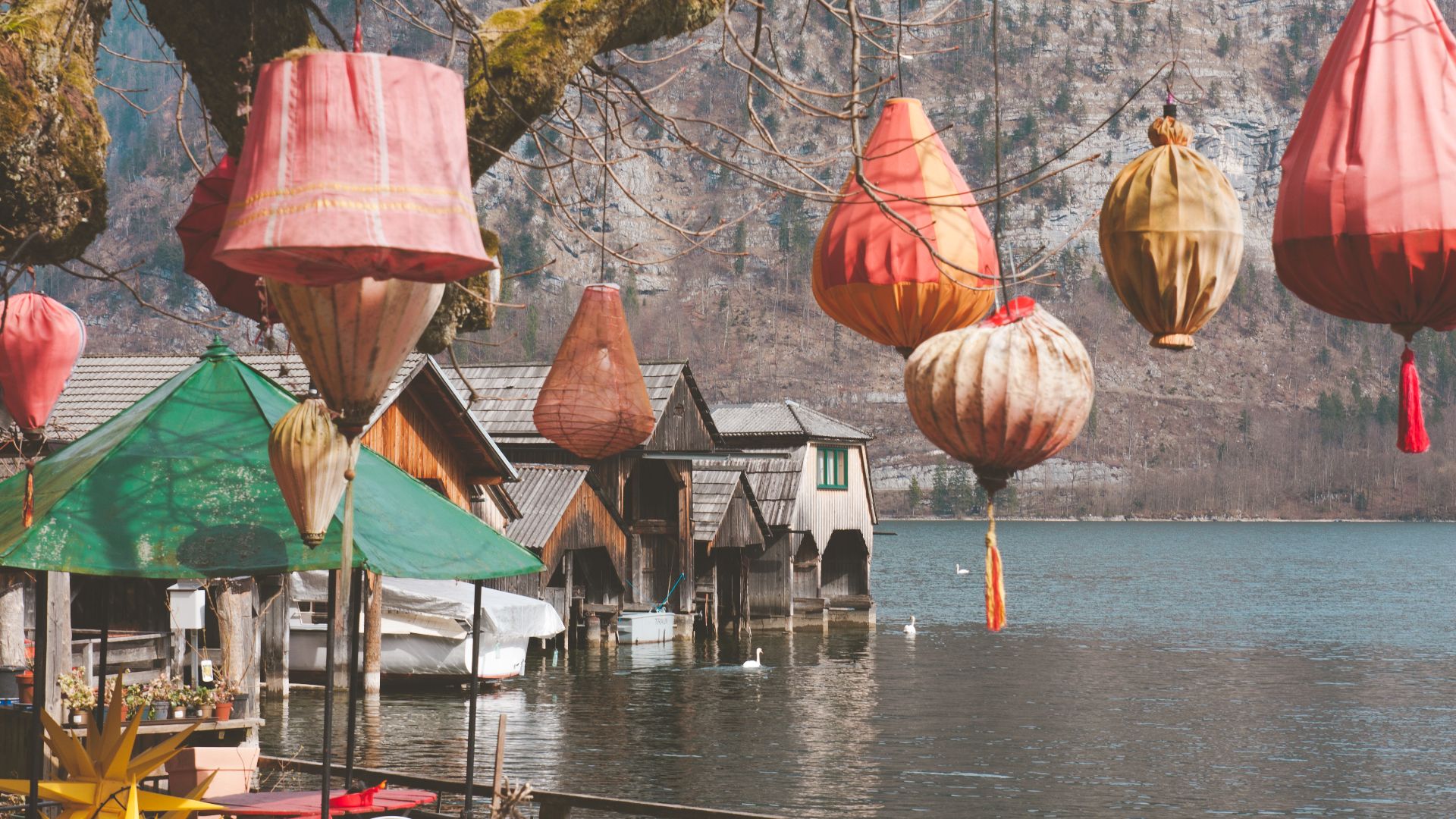 Daniel Frank fr3nks, Wikimedia Commons
Social Media Changed The Math
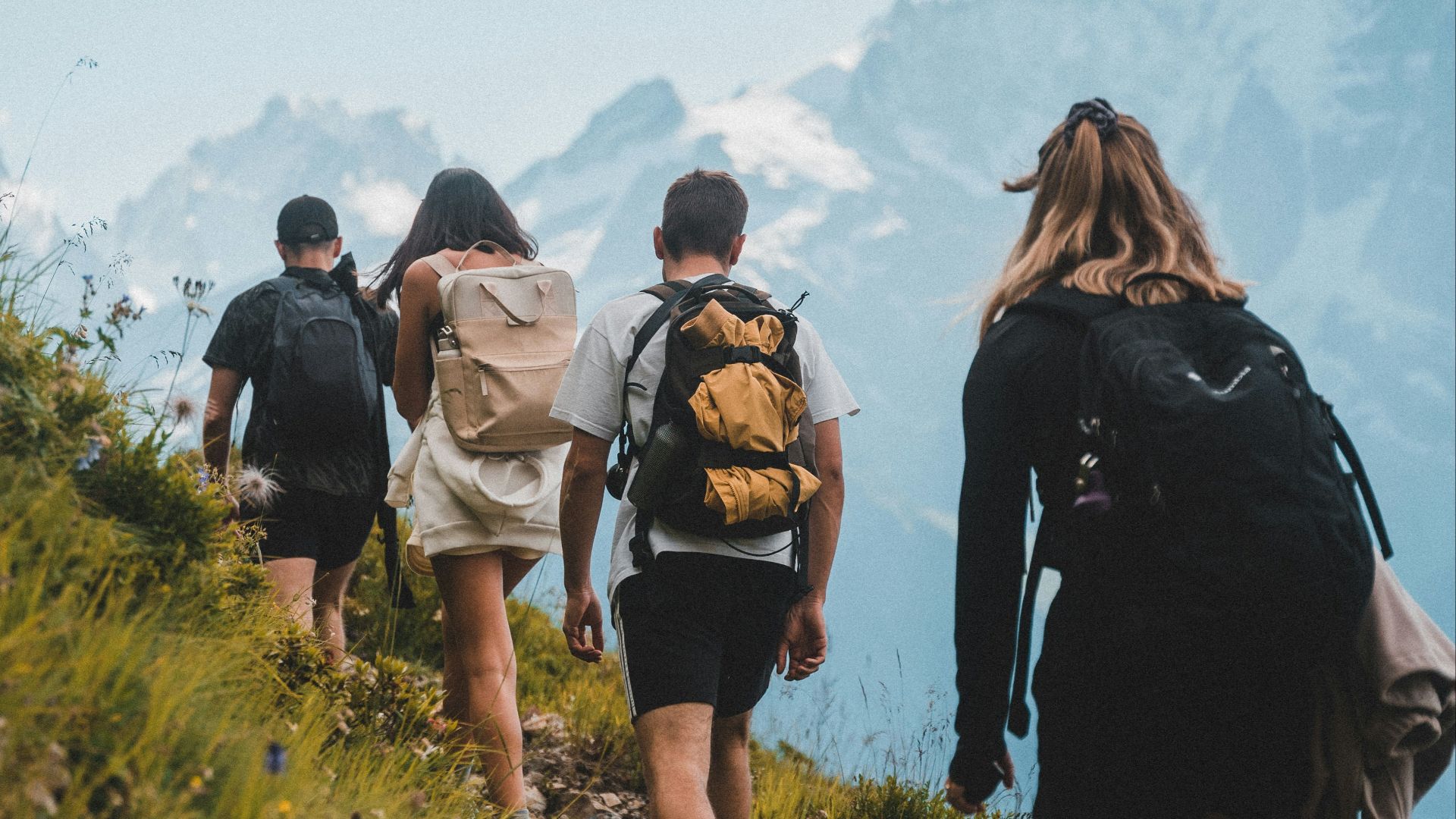
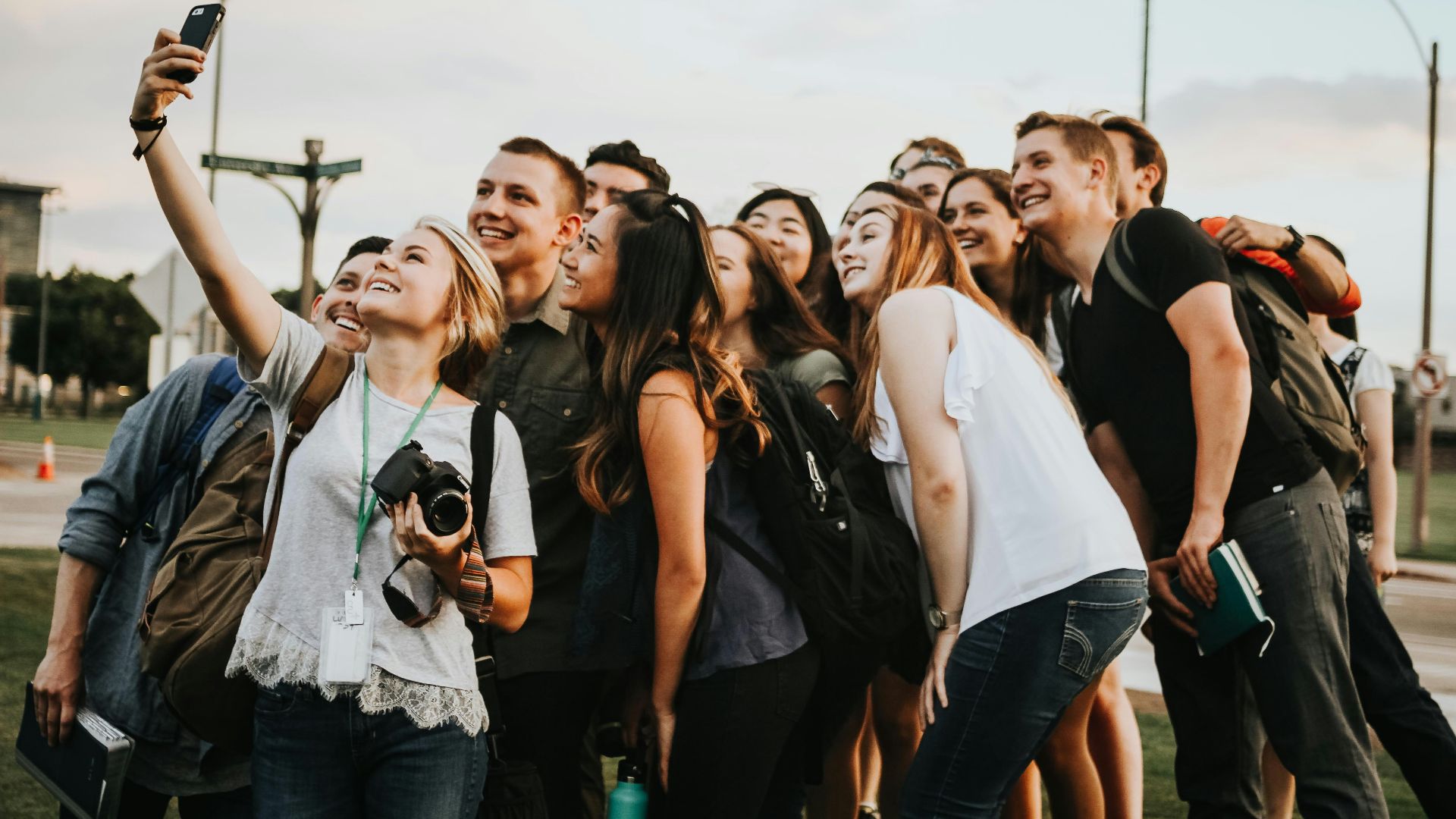
A single viewpoint can now become a global checklist item. Instagram, TikTok, travel blogs, and film rumors can send crowds to places that were never designed for them. In small towns, one viral angle can overwhelm one street. The result can feel less like discovery and more like a daily stampede.
The Photo Stop Problem
Day trips are not automatically bad. Still, quick photo-stop tourism can leave towns with congestion, noise, and litter while spreading spending thinly. Overnight visitors often use more local services and move at a slower pace. That difference matters when a place has limited space.
Locals Are Not Usually Against Visitors
Most frustrated residents are not saying that nobody should come. They are asking for limits, manners, and a fairer balance. Tourism supports restaurants, guides, hotels, shops, and public revenue. The hard part is protecting those benefits without making home feel like a theme park.
This Is Bigger Than One Village
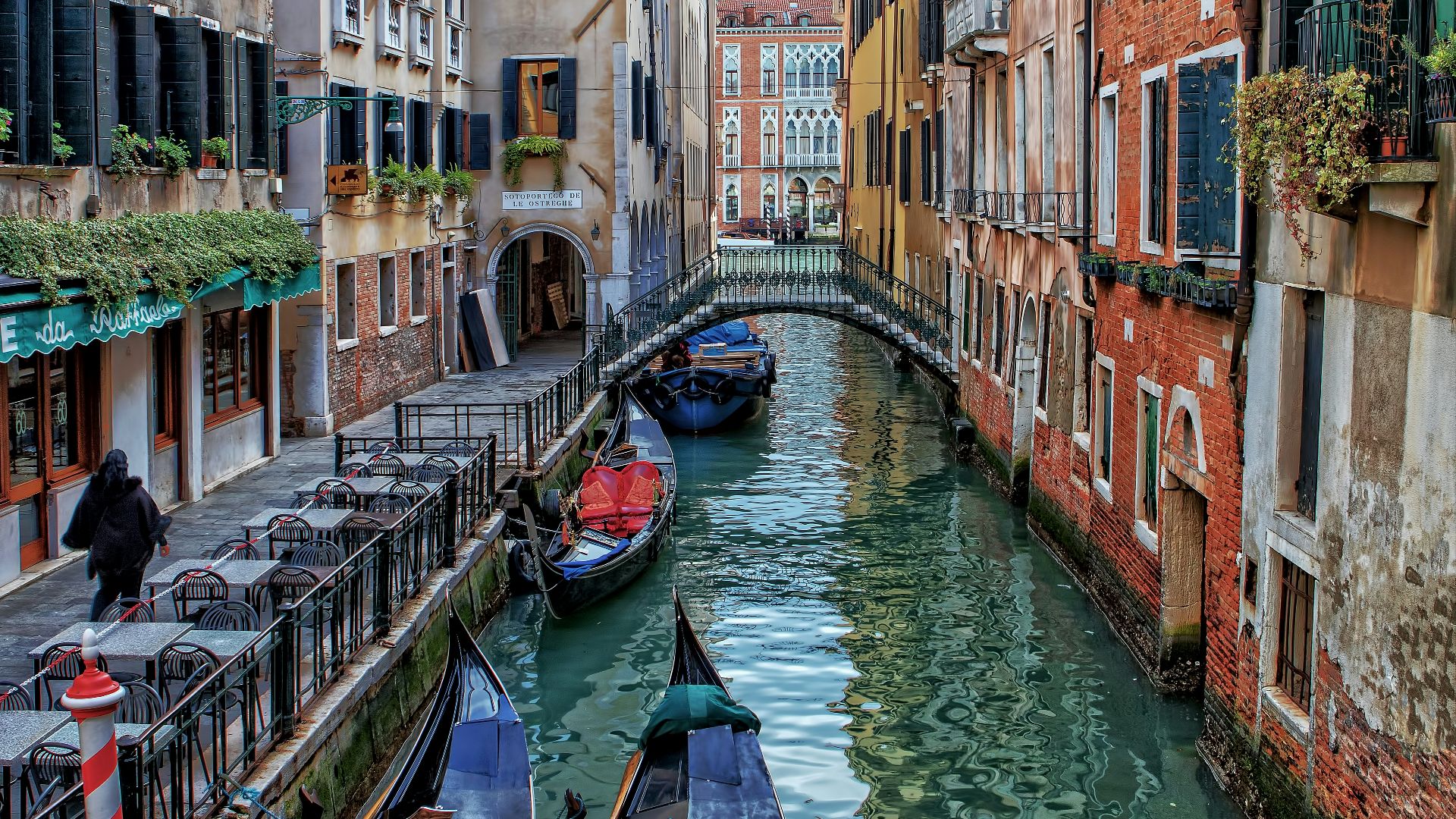
Venice has tested and extended access fees for day-trippers. Barcelona has moved to phase out thousands of tourist apartment licenses by 2028. Bréhat, a small French island, has limited daily visitors during peak summer periods. Different places are trying different tools because the pressure looks different everywhere.
Venice Shows The Challenge
Venice’s access fee was designed to manage peak-day crowds and protect daily life. Officials expanded the program after its first trial. Critics have argued that fees alone may not reduce visitor numbers enough. That shows how complicated overtourism can be once a place is globally famous.
Barcelona Links Tourism To Housing
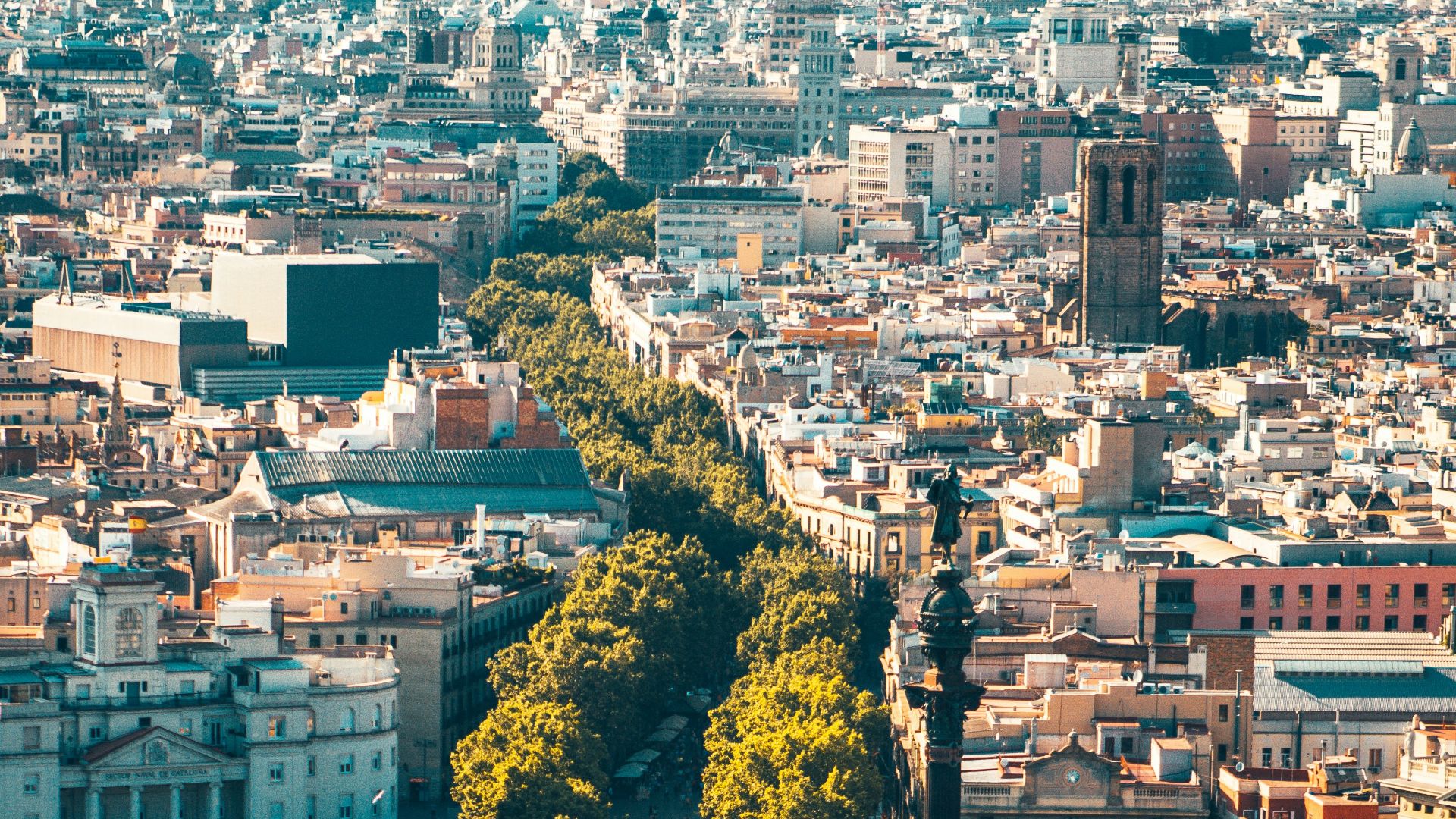
Barcelona’s leaders have connected short-term rentals to housing pressure. The city has said it plans not to renew more than 10,000 tourist flat licenses when they expire in 2028. The goal is to return homes to residents. Tourism there is not just about crowds, but also about who can afford to stay.
Islands Feel Limits Faster
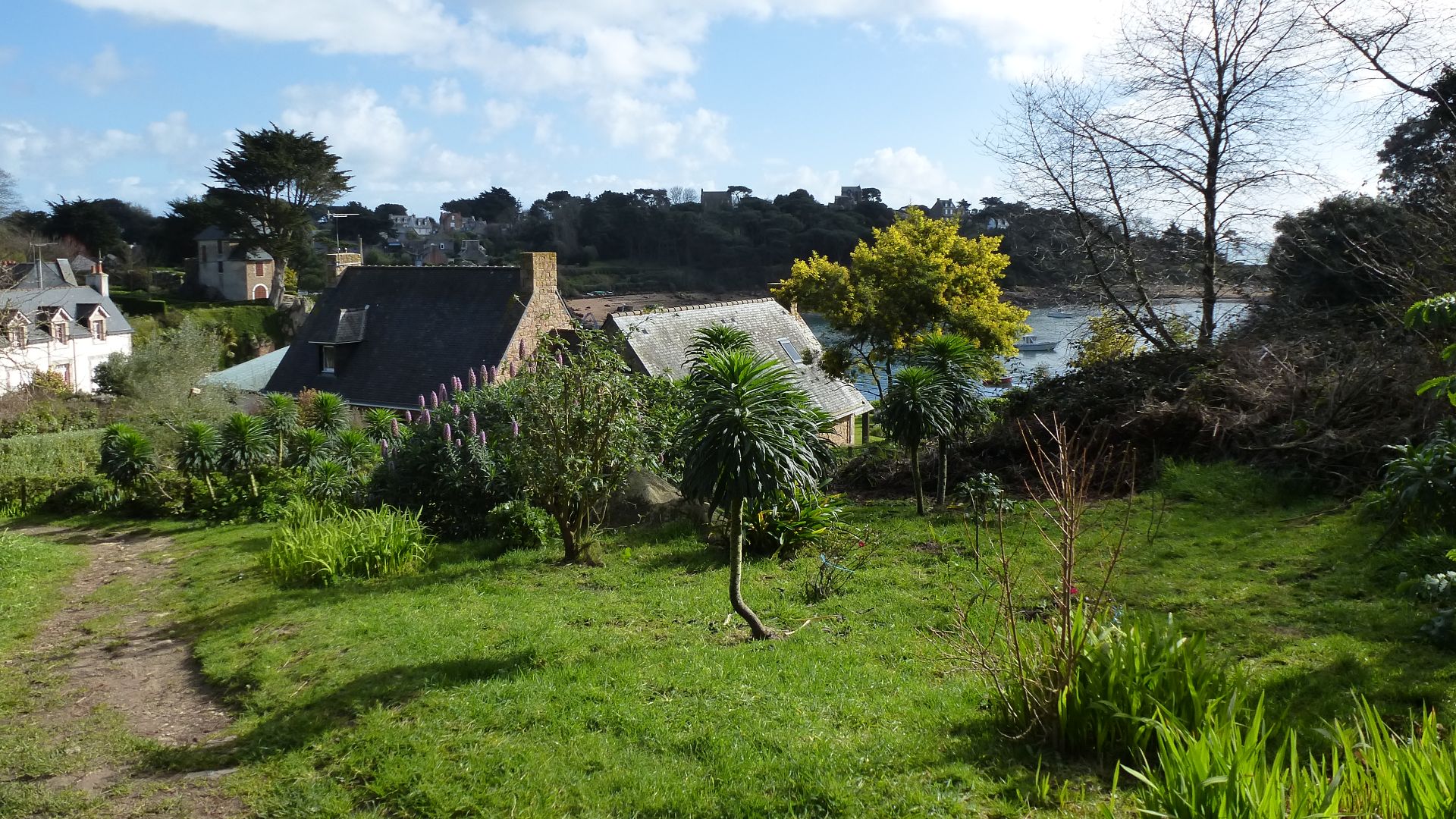
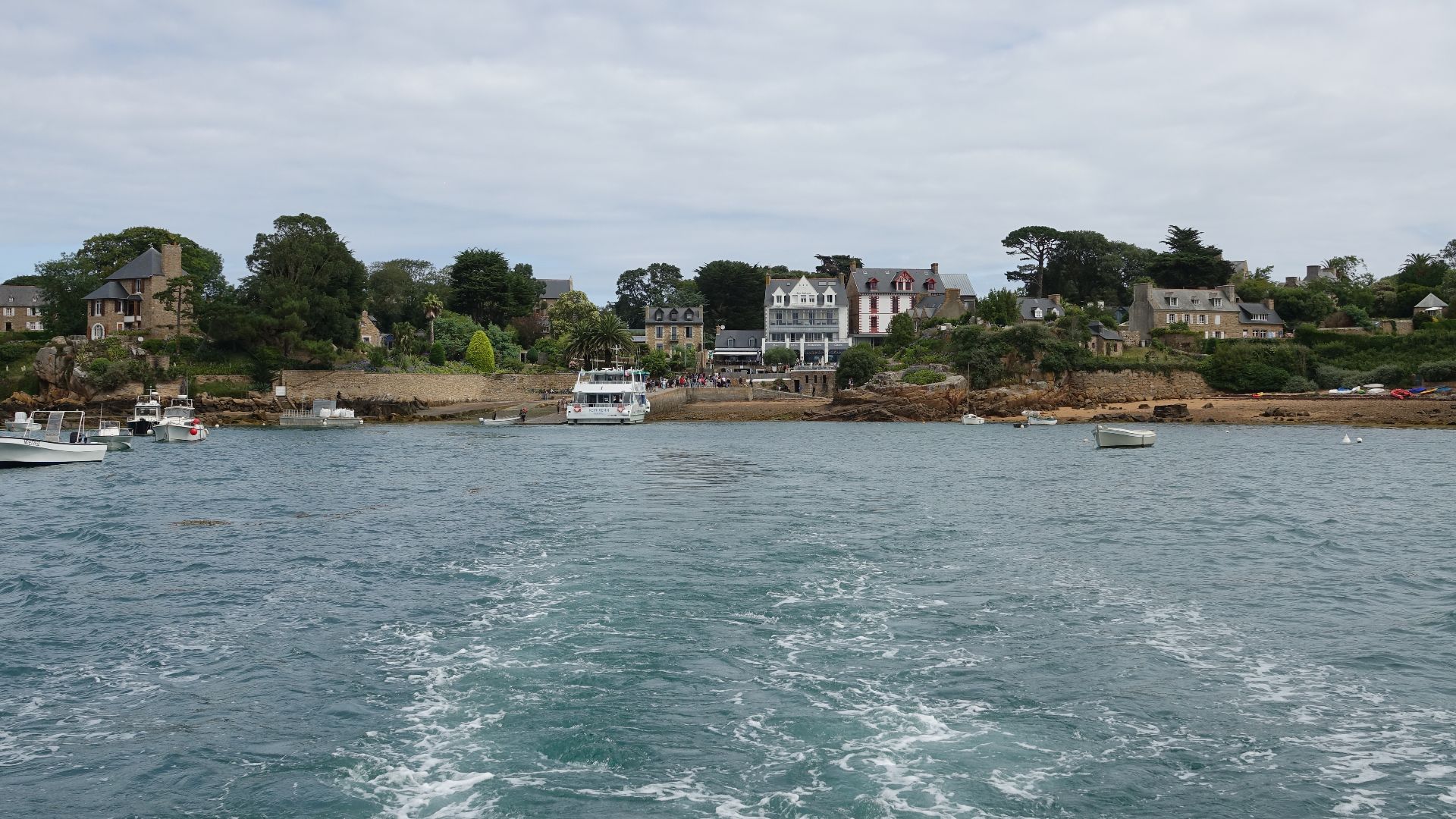
Small islands often have fixed ferry capacity, limited roads, and fragile environments. Bréhat capped visitors during summer daytime hours to reduce pressure on residents and nature. The island has only a few hundred permanent residents. A place that small can feel crowded very quickly.
Cruise Cities Are Pushing Back
Cannes has moved to restrict very large cruise ships as part of a broader response to overtourism. Cruise passengers can arrive in big waves and concentrate pressure in a short window. Local officials want tourism revenue without losing control of streets, ports, and public space. That is becoming a common goal in popular coastal cities.
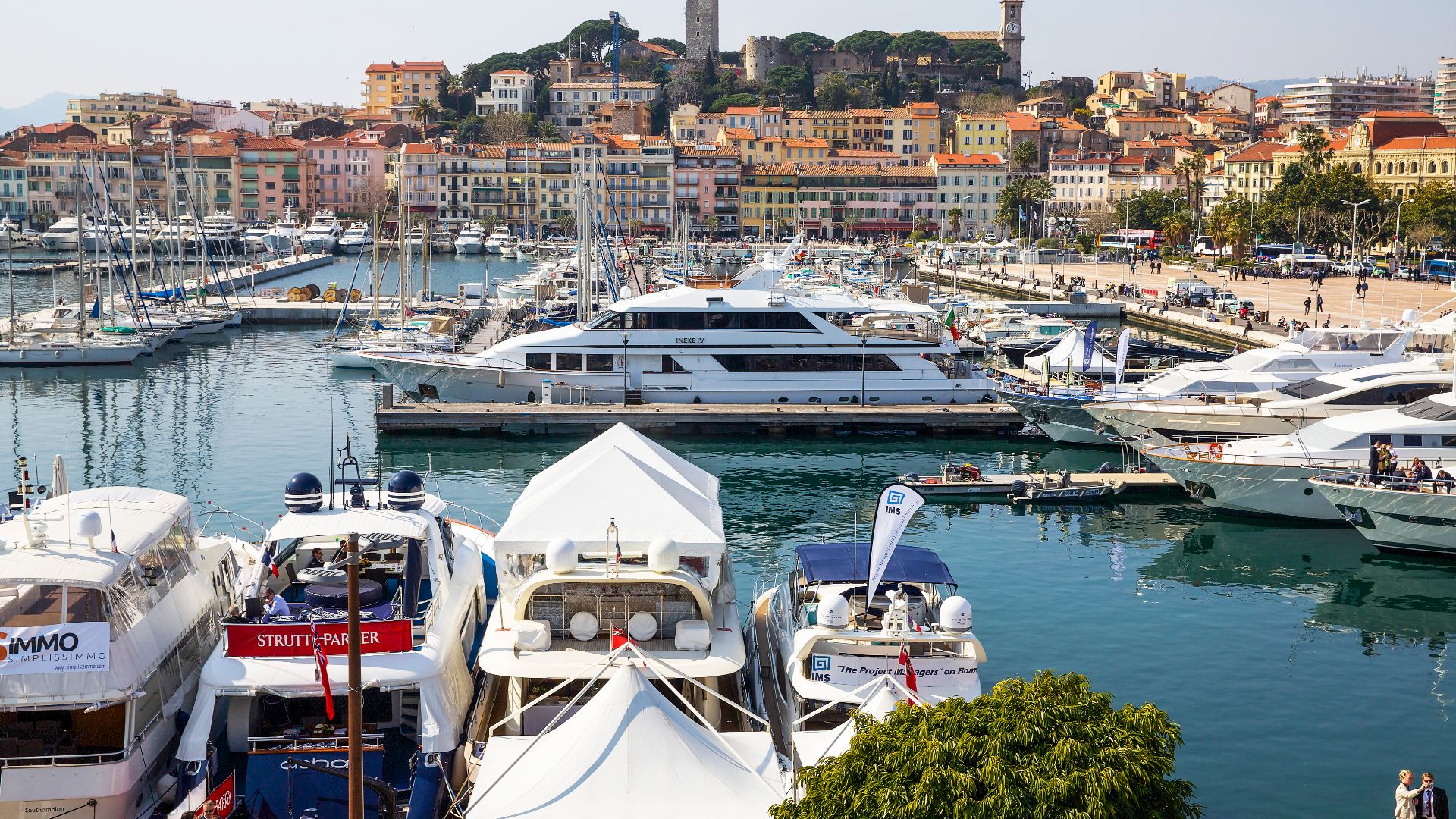 Jenny Andersson / News Oresund, Wikimedia Commons
Famous Sites Face The Same Question
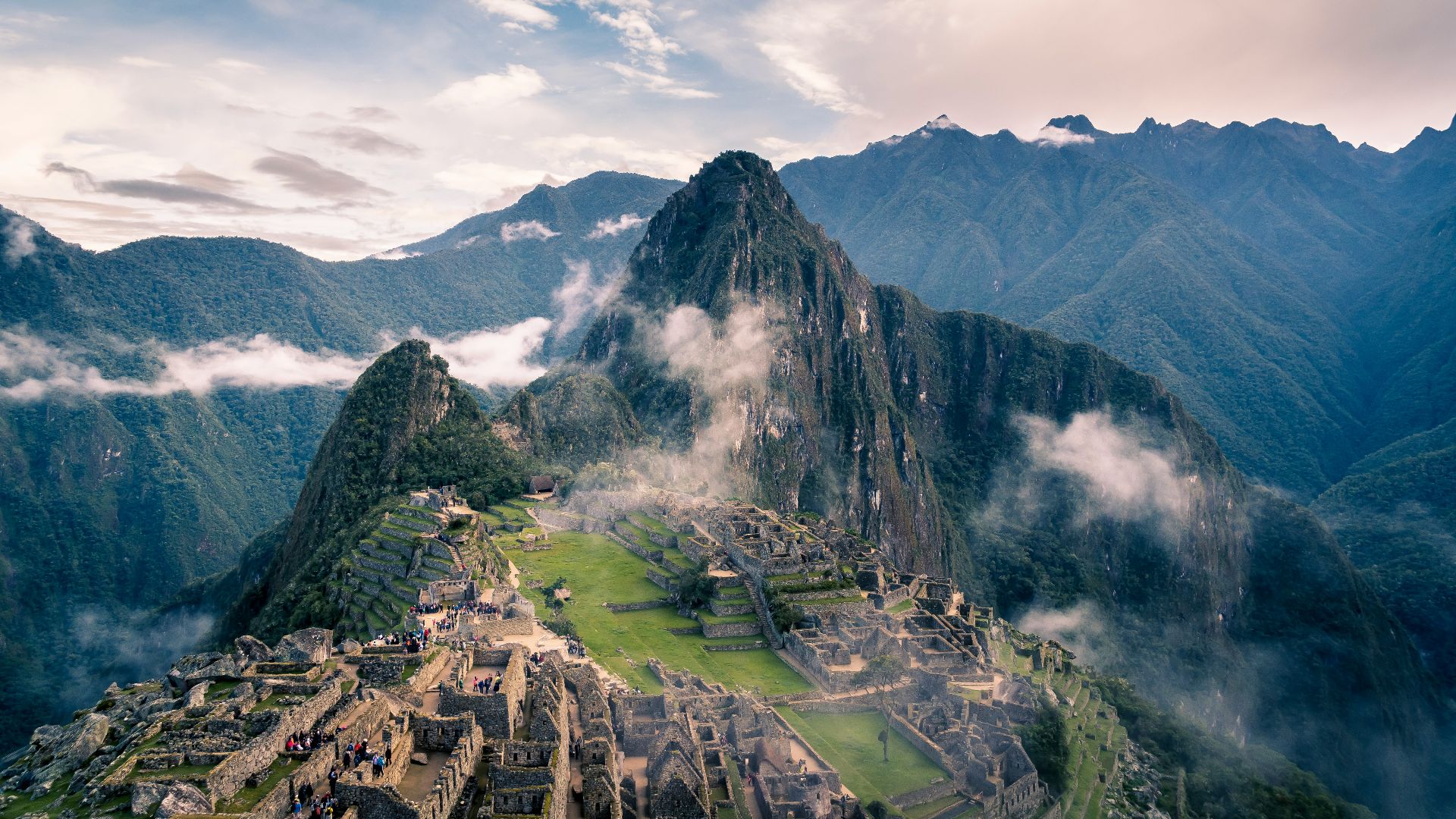
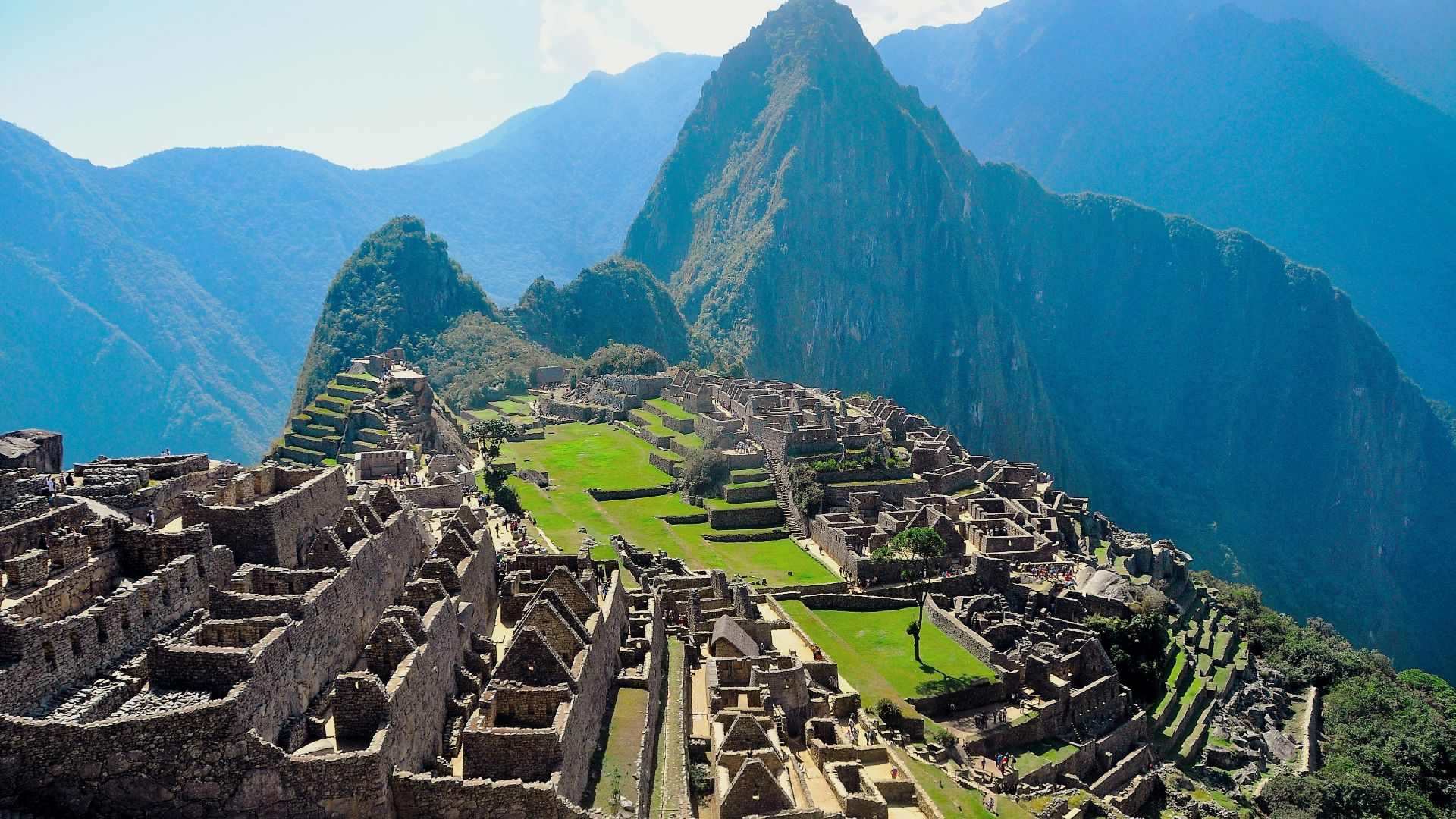
Machu Picchu has strict visitor quotas, with higher limits allowed during peak periods. Peru has also faced debate about crowding, infrastructure, and the pressure around nearby Aguas Calientes. The site remains economically vital and culturally priceless. That combination makes management especially delicate.
 Willian Justen de Vasconcellos, Unsplash
The Economy Still Matters
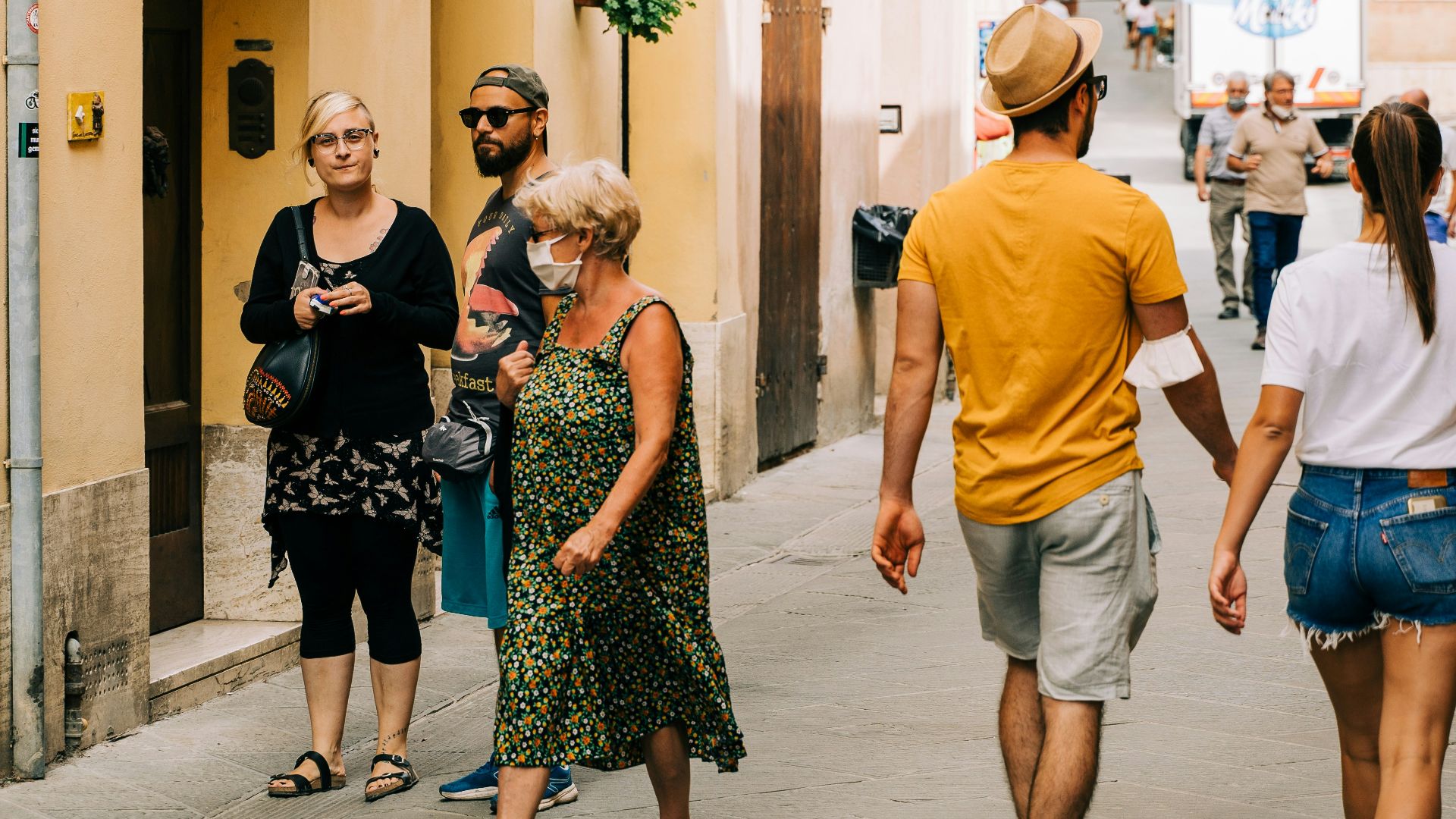
Tourism is not a side issue for many destinations. It supports jobs, tax revenue, family businesses, and regional investment. A sudden drop in visitors can hurt workers who depend on seasonal income. The better question is not whether tourism should exist, but what kind of tourism a place can handle.
 Gabriella Clare Marino, Unsplash
Carrying Capacity Is Not Just A Number
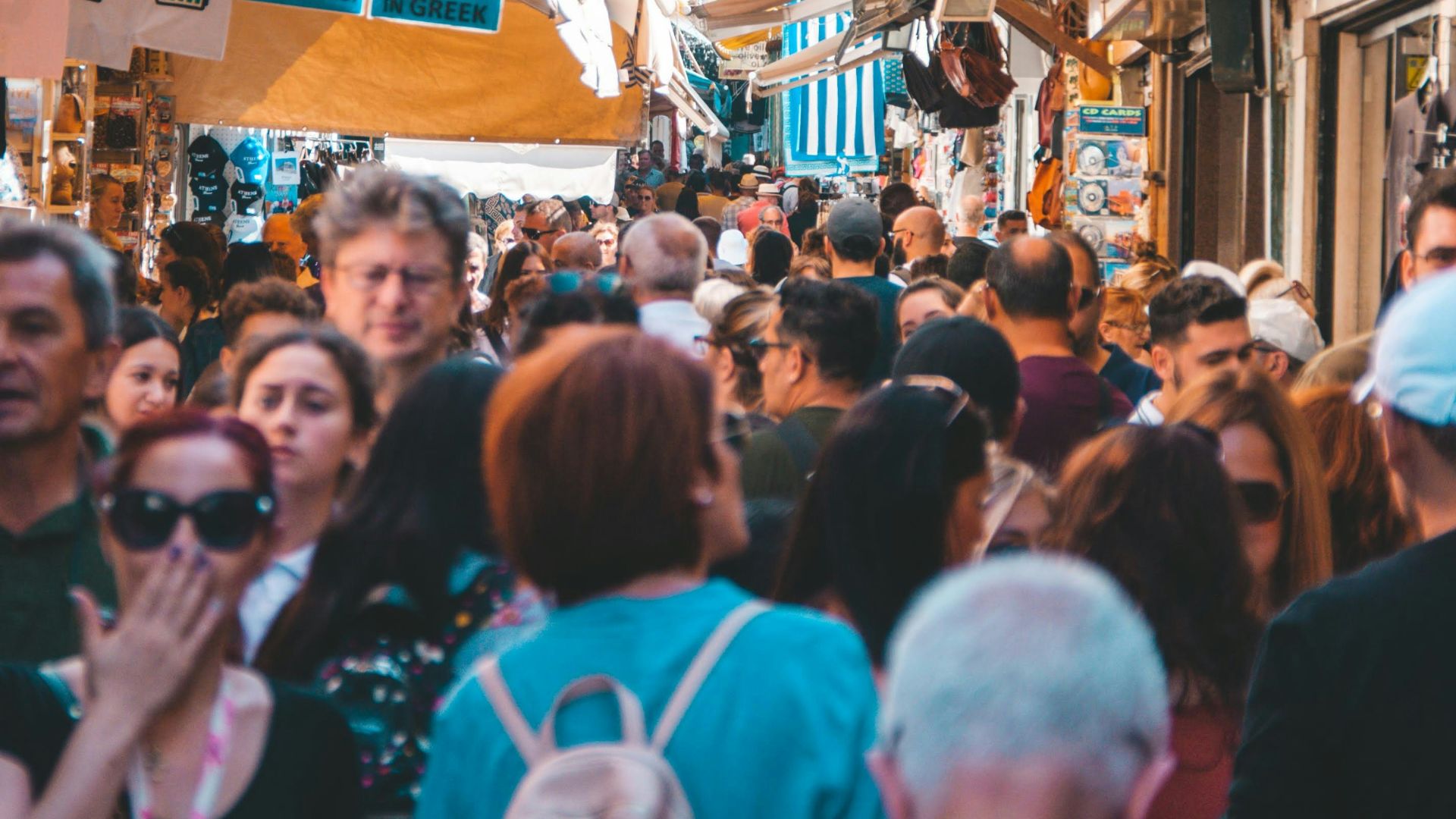
A destination’s limit is not only about how many people fit on a street. It also includes noise, housing costs, water use, waste, traffic, and resident patience. A town may look open on a map while feeling full on the ground. That gap is where resentment often grows.
The Visitor Experience Also Suffers
Overtourism does not only hurt locals. Visitors can end up standing in lines, fighting crowds, and seeing more phones than scenery. The trip becomes less personal and more stressful. When everyone chases the same “hidden gem,” the gem stops feeling hidden.
Rules Are Becoming Part Of Travel
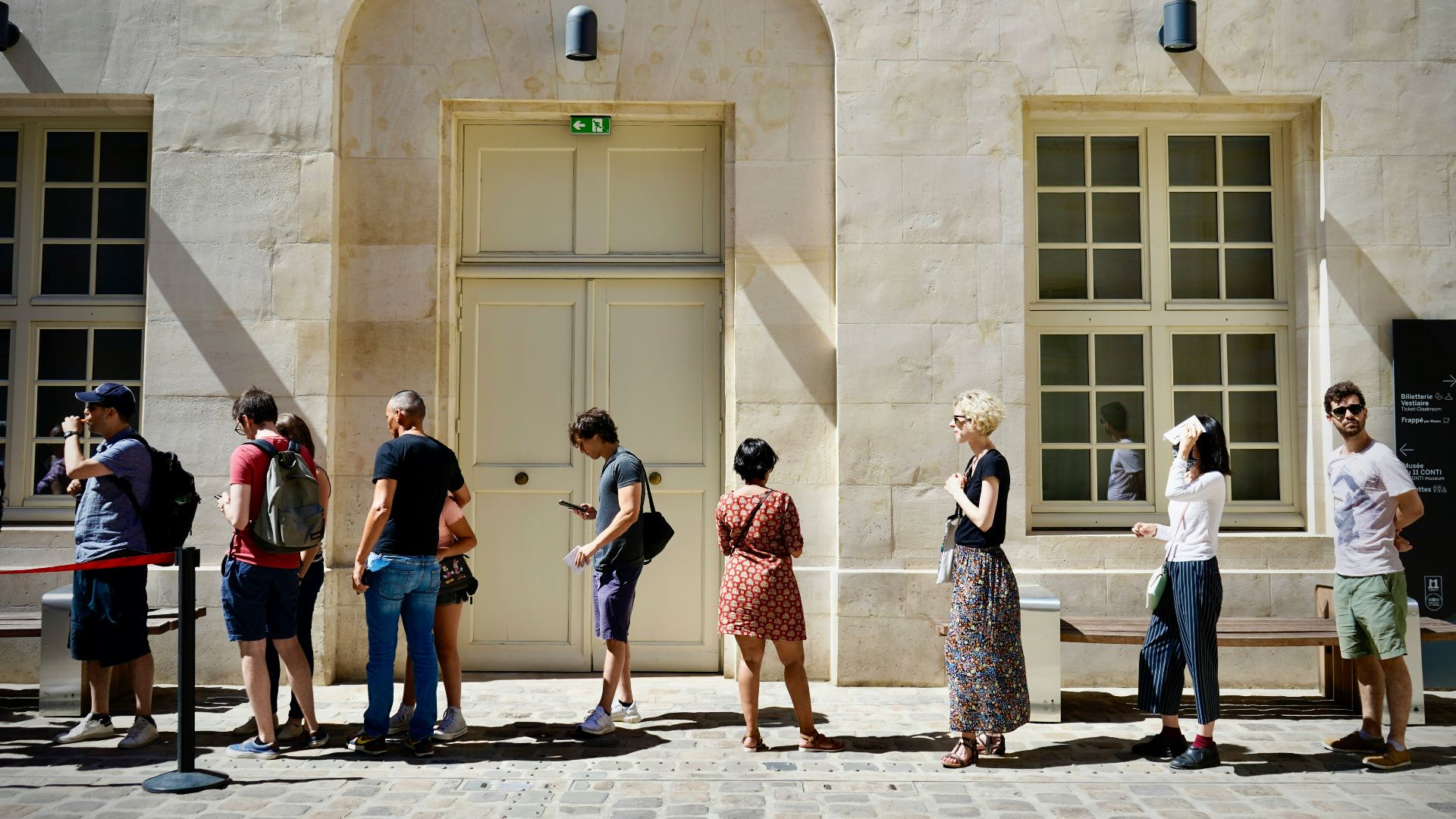
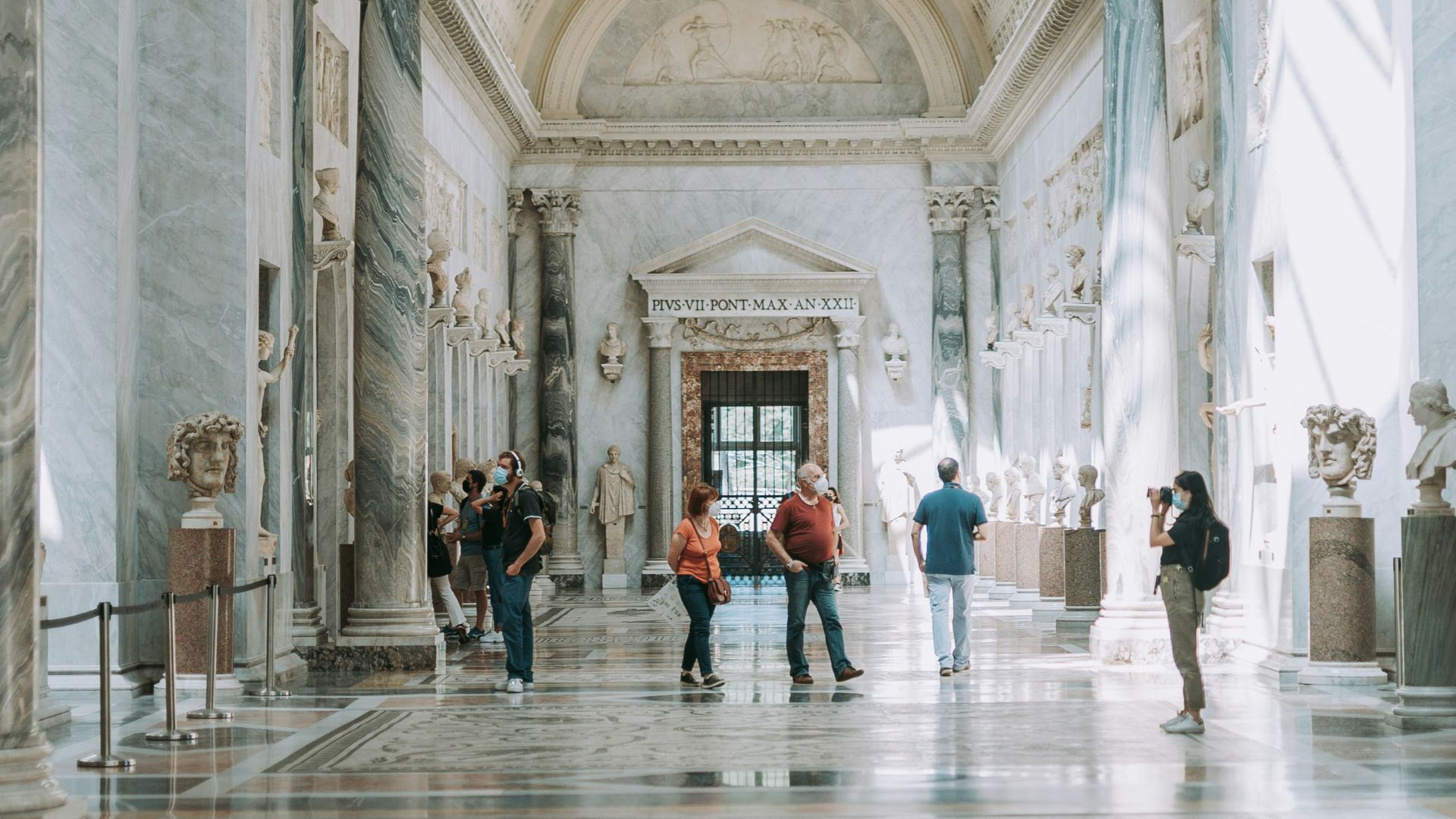
More destinations now use timed entry, visitor caps, cruise limits, tourist taxes, and short-term rental rules. These policies can feel annoying to travelers at first. They are usually meant to keep places livable and visitable. In the long run, rules may protect the experience people came for.
 Marialaura Gionfriddo, Unsplash
Better Travel Starts Before Arrival
Travelers can help by staying overnight, visiting off-season, and spending money locally. They can also avoid blocking homes, photographing private spaces, or treating residents like scenery. Basic manners go a long way in small places. Respect is not a travel trend, but it should be.
The Best Souvenir Is A Lighter Footprint
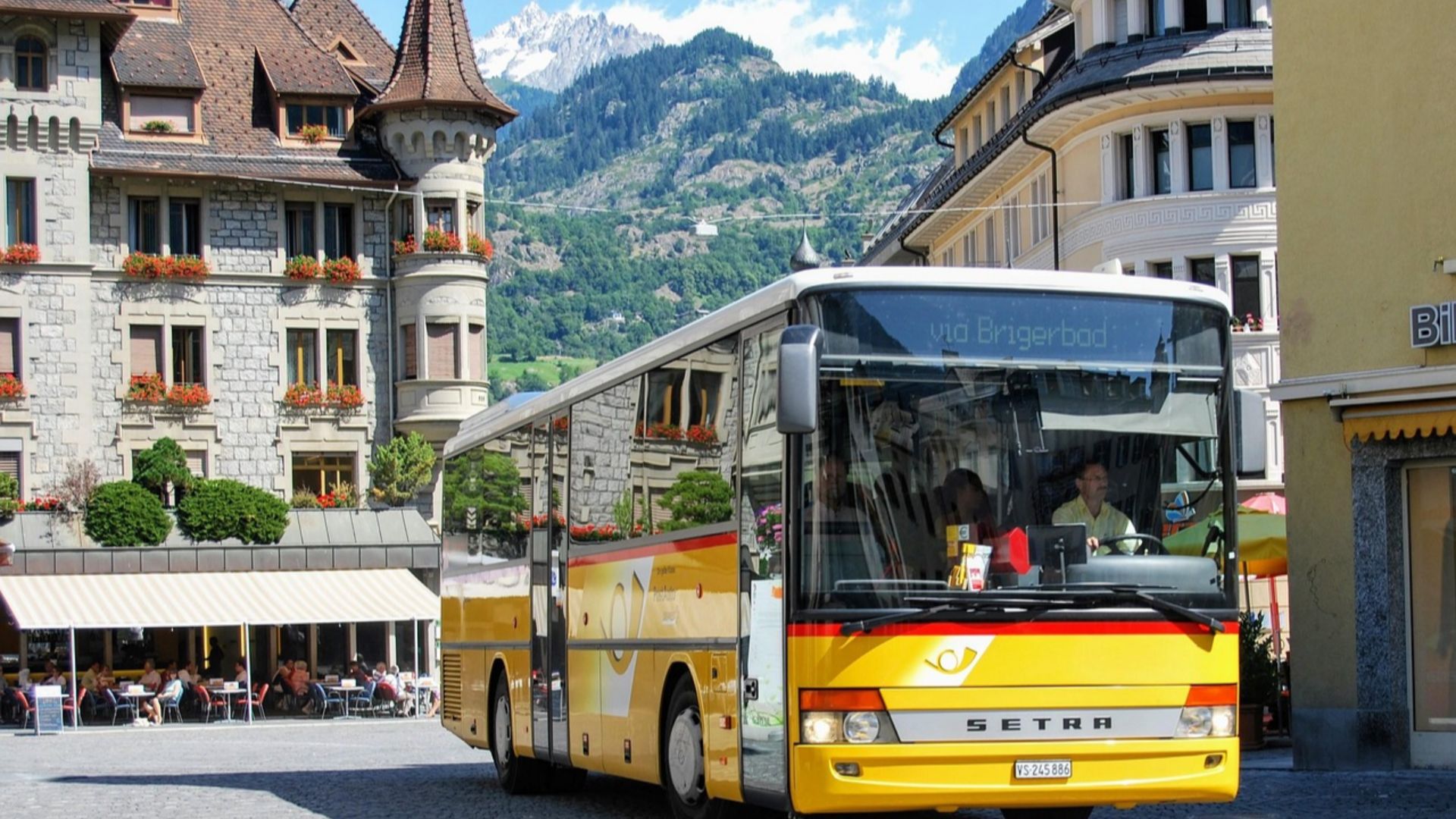
A good visit should not make life harder for the people who live there. That means using public transport when possible, following local signs, and accepting that not every spot needs a photo. It also means choosing restaurants, guides, and shops that keep money in the community. Small choices scale when millions of people travel.
Influencers Have Extra Responsibility
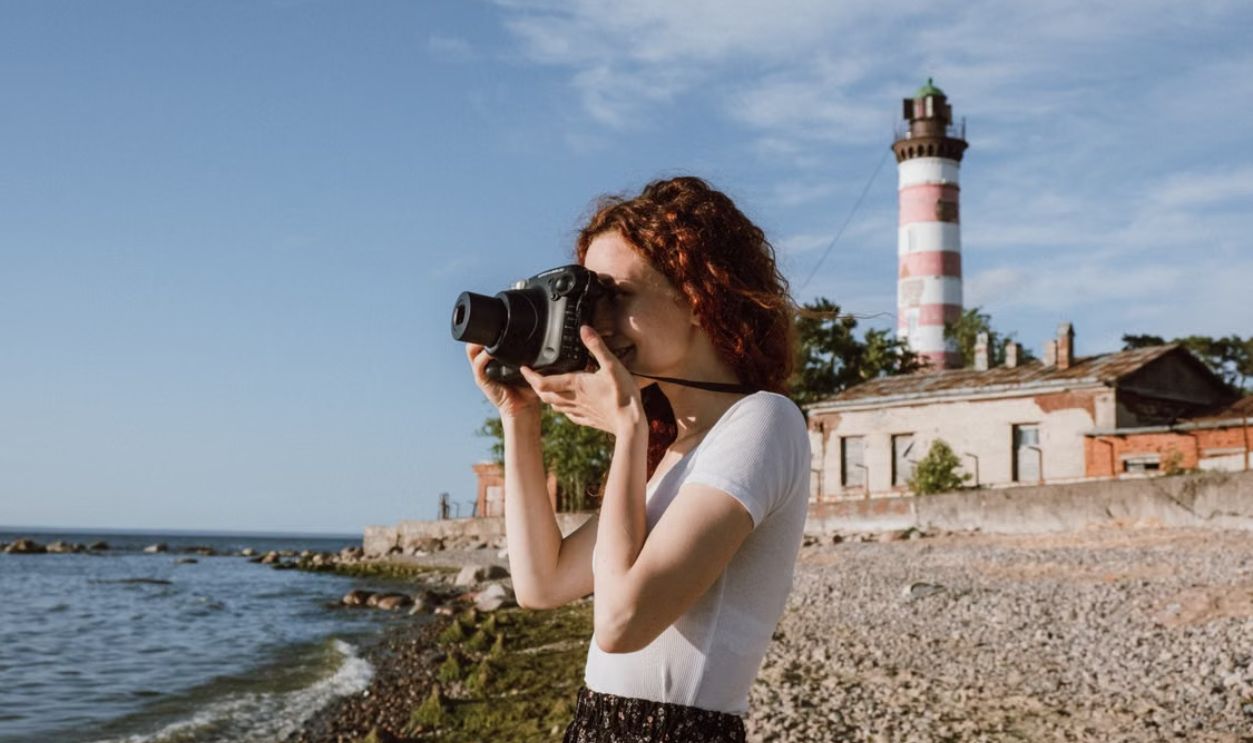
Creators can change a destination overnight. Posting exact locations, encouraging copycat shots, or glamorizing crowded spots can increase pressure. Some travelers now choose to share broader regions instead of fragile viewpoints. That small restraint can help spread attention more fairly.
Destinations Need Honest Marketing
Tourism boards once focused almost entirely on attracting more visitors. Many now need to manage timing, behavior, and distribution. Promoting lesser-known areas can help, but only if those places are ready for visitors. Otherwise, the problem simply moves somewhere new.
Locals Deserve A Voice
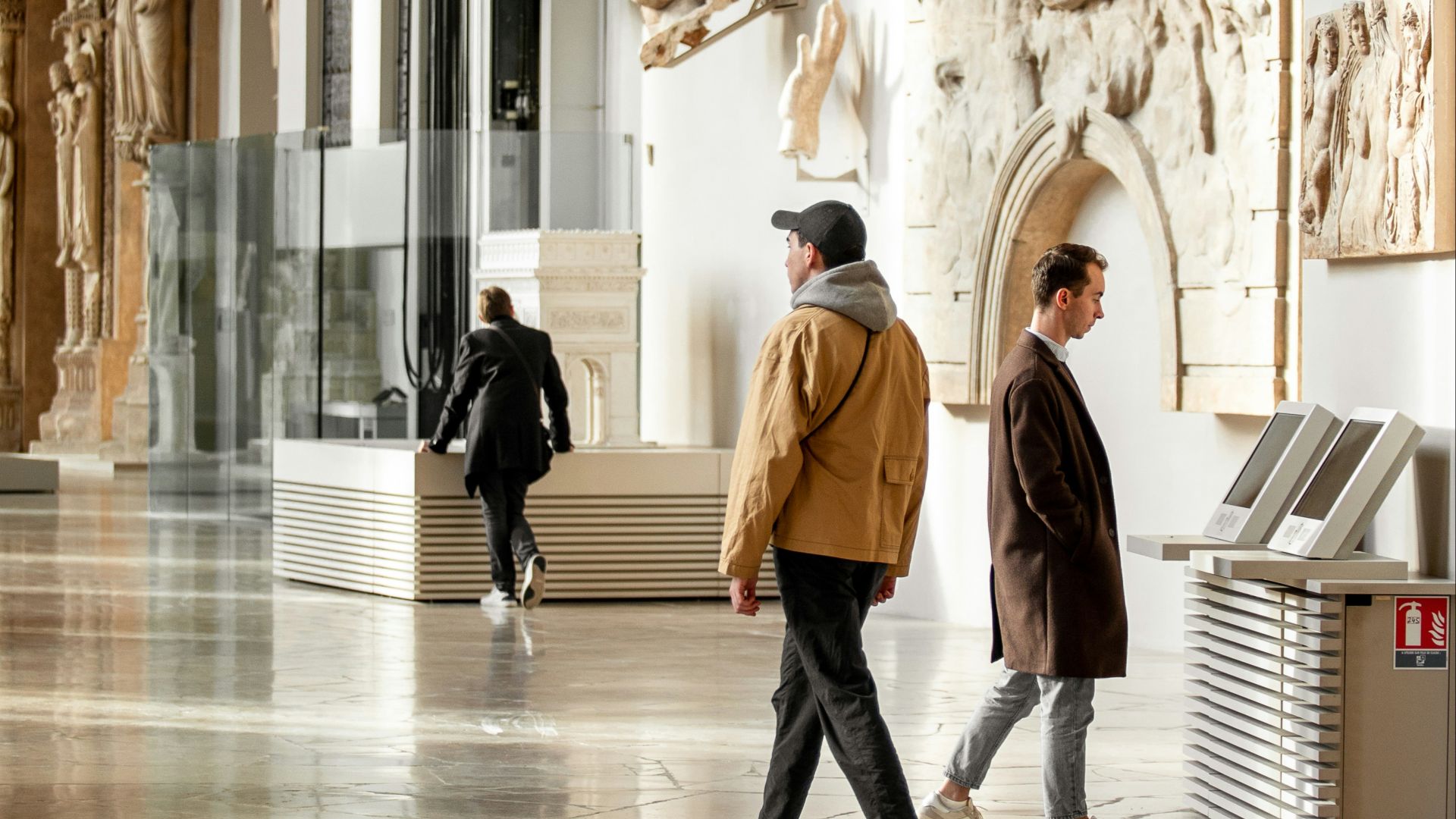
Residents should be part of decisions about tourism limits, housing rules, and public space. They experience the trade-offs every day. Their concerns are not just complaints from people who dislike outsiders. They are data about whether a destination is still functioning as a home.
Travelers Deserve Clarity Too
Visitors need clear rules, not mixed signals. It is confusing when a place advertises itself globally and then seems irritated when people arrive. Good management explains where to go, when to come, and how to behave. That helps travelers feel welcome without overwhelming the place.

Some Places Are Reaching Their Limit
Yes, some destinations appear to be reaching social, environmental, or practical limits. Hallstatt, Venice, Barcelona, Bréhat, Cannes, and Machu Picchu show different versions of the same pressure. The limit is not always a locked gate. Sometimes it is a town full of residents who have simply had enough.
The Future Of Travel Needs Balance
Popular places do not need to become off-limits to survive. They need smarter flows, fairer rules, and visitors who understand that beauty is not unlimited. The best trips leave room for local life to continue. If we want beloved destinations to stay worth visiting, we have to stop treating them like unlimited backdrops.
You May Also Like: