
What Felt Like A Cheap Rental Can Suddenly Become Very Expensive
Many travelers rent scooters while vacationing abroad because they are affordable, convenient, and fun. Then weeks later, an email arrives claiming thousands of dollars in damages. The sudden demand can feel overwhelming, especially when the alleged damage wasn't obvious at the time.
So the question is: Can you just ignore them?

Scooter Rental Disputes Are Surprisingly Common
Across popular tourist destinations, rental disputes occur regularly. Travelers often return vehicles believing everything is fine, only to receive unexpected repair bills later. Language barriers, rushed inspections, and unfamiliar local laws can all contribute to misunderstandings.

Your First Reaction Might Be To Ignore The Demand
When a rental company requests an amount that seems unreasonable, many travelers immediately consider deleting the email and moving on. After all, you're back home, possibly thousands of miles away. Unfortunately, ignoring the situation isn't always risk-free.
 Trinity_Elektroroller, Pixabay
The Company May Have A Valid Claim
Not every damage demand is fraudulent. If you signed a rental agreement and caused damage, the company may have legal grounds to seek compensation. The key issue is determining whether the claim is legitimate and whether the amount being requested is reasonable.

Request Evidence Before Paying Anything
A legitimate rental company should be able to provide documentation supporting its claim. Ask for photographs, repair estimates, inspection reports, invoices, and details explaining exactly how the damage occurred. Reputable businesses should be willing to show their evidence.

Always Review The Rental Agreement
Many travelers sign rental paperwork without reading it carefully. The agreement often outlines liability rules, insurance coverage, dispute procedures, and damage assessment policies. Understanding what you agreed to is one of the most important steps in evaluating the claim.
 Andrii Iemelianenko, Shutterstock
Pre-Rental Photos Can Become Extremely Valuable
Travelers who photograph scooters before and after use often have the strongest protection. Time-stamped images can prove pre-existing damage or demonstrate the condition of the vehicle when it was returned. These photos frequently become crucial evidence during disputes.

Some Companies Target Tourists Aggressively
Unfortunately, some rental operators have developed poor reputations for pursuing questionable damage claims. Popular tourist destinations occasionally generate complaints involving exaggerated repair costs, vague accusations, or damage that allegedly appeared after the vehicle was returned.

Credit Card Companies May Offer Protection
If the rental company attempts to charge your credit card unexpectedly, you may have dispute rights depending on your card issuer and local consumer protection laws. Documentation, photos, receipts, and communication records can strengthen your position during a charge dispute.

Insurance Coverage Can Change Everything
Travel insurance, credit card rental protection, or separate vehicle insurance may cover certain damages. Before paying anything yourself, review all applicable policies. Some travelers discover they already have coverage they didn't realize applied to overseas rentals.

Repair Costs Vary Dramatically By Country
What seems like an outrageous repair bill may not always be fraudulent. Labor costs, imported parts, taxes, and local repair standards differ around the world. That's why obtaining detailed invoices and independent estimates can be helpful before challenging a claim.

Ignoring The Company Doesn't Always Make The Problem Disappear
Some travelers assume overseas companies have no practical way to pursue foreign customers. In reality, some businesses use collection agencies, legal representatives, or credit card claims processes to recover alleged losses. The consequences depend heavily on the circumstances.

Collection Agencies May Become Involved
In some situations, rental companies sell unpaid claims to collection agencies or hire firms to pursue debts internationally. While cross-border collections can be complicated, receiving collection notices can create additional stress and confusion long after the trip ends.

Documentation Is Your Best Defense
Save every receipt, rental contract, email, text message, inspection form, and photograph related to the rental. Even seemingly minor documents can become important if the dispute escalates or if you need to challenge inaccurate allegations later.

Local Consumer Protection Agencies May Help
Some countries have tourism offices, consumer protection agencies, or industry regulators that handle complaints involving rental companies. If you believe a claim is unfair, filing an official complaint may help create leverage during negotiations.
 G. Edward Johnson, Wikimedia Commons
Language Barriers Can Create Expensive Misunderstandings
Many disputes arise because travelers misunderstand rental terms or damage procedures. Translated contracts sometimes contain errors, and verbal explanations may differ from written agreements. Clarifying details in writing can help reduce confusion later.
 Daria Nepriakhina 🇺🇦, Unsplash
Small Scratches Can Lead To Large Bills
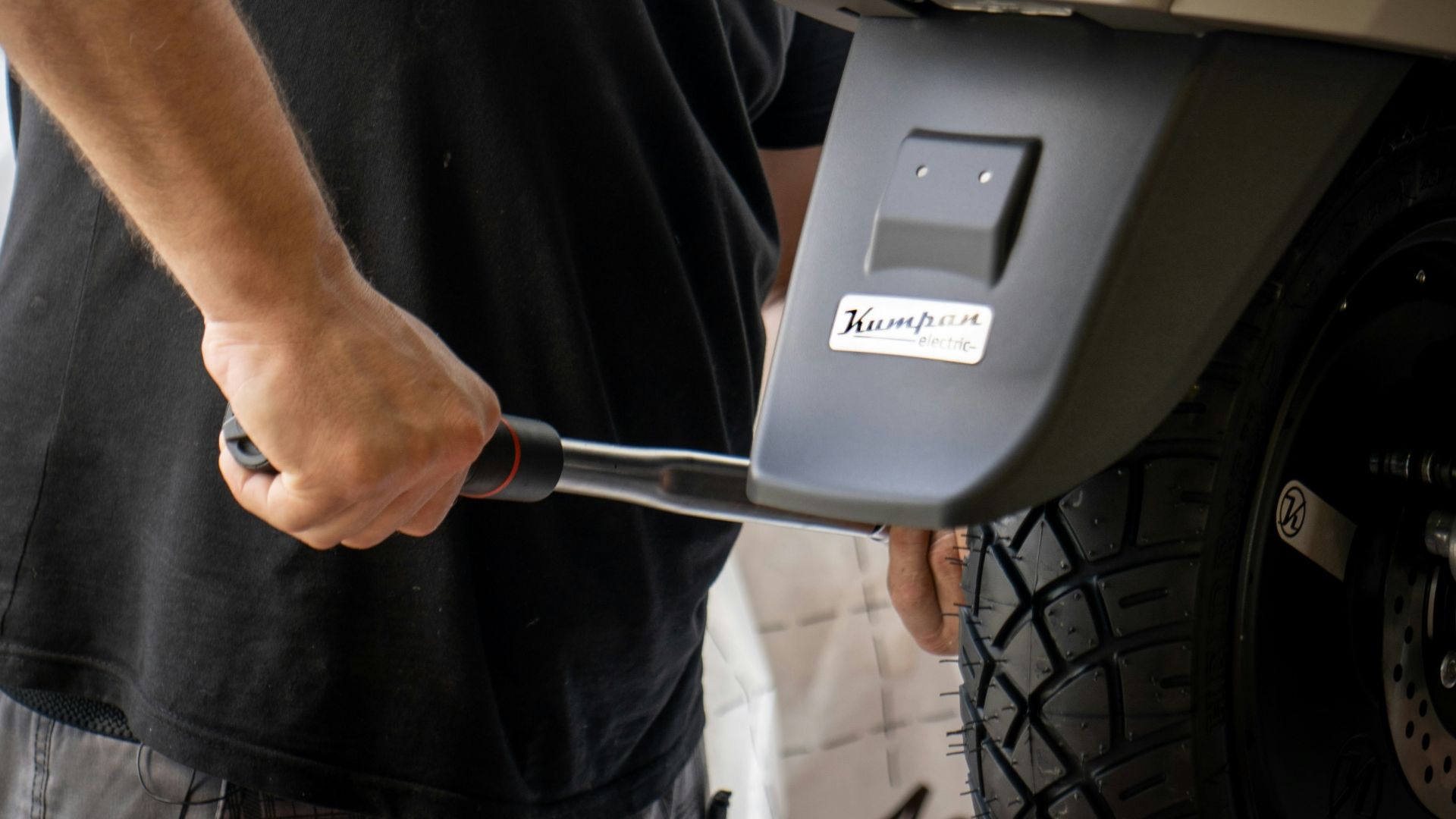
Scooter repairs often involve replacing entire panels or assemblies rather than repairing small cosmetic damage. Travelers are sometimes shocked to learn that what looks like a minor scrape can generate surprisingly large repair estimates under company policies.
Social Media Complaints Should Be Used Carefully
Posting negative reviews may feel satisfying, but it's important to stick to verified facts. Making accusations without evidence could complicate the dispute. Focus on documenting your experience accurately rather than escalating the conflict emotionally online.

Legal Action Across Borders Is Complicated
Cross-border lawsuits can be expensive and time-consuming for both sides. Many rental companies may decide that pursuing legal action internationally isn't worthwhile for relatively small claims. However, every situation is different, and assumptions can be risky.
 Tingey Injury Law Firm, Unsplash
Ask Questions Before Making Any Decision
Before paying or ignoring the claim, gather as much information as possible. Request evidence, review your contract, check insurance coverage, and understand local laws. A few hours of research may save you from making an expensive mistake.

Negotiation Is Sometimes Possible
Even when damage occurred, rental companies may be willing to negotiate. Travelers who respond professionally, ask reasonable questions, and provide evidence often have more success reaching fair outcomes than those who immediately refuse all communication.

Future Rentals Can Be Affected
Some rental businesses share information internally or maintain customer records. While practices vary widely, unresolved disputes could potentially affect future rentals with the same company or affiliated businesses in certain situations.
Most Disputes Never Reach A Courtroom
Despite frightening emails and stern demands, many rental disputes are eventually resolved through communication, documentation, insurance claims, or negotiated settlements. The vast majority never result in formal court proceedings.

Staying Calm Usually Produces Better Results
Receiving a demand for thousands of dollars can trigger panic. However, reacting emotionally rarely helps. Carefully gathering evidence, understanding your rights, and responding professionally often produces far better outcomes than immediately paying or ignoring the matter entirely.

The Best Protection Starts Before The Rental Begins
The strongest defense against future disputes is preparation. Photograph the vehicle thoroughly, read the agreement carefully, verify insurance coverage, and insist on documented inspections. Those few extra minutes can prevent major headaches long after the vacation ends.

You May Also Like:
The Travel Perks Airlines No Longer Honor—Even If You’re Loyal
New Airport And Luggage Scams Travellers Need To Know About
The Craziest Things TSA Agents Have Ever Found In People's Luggage