I Thought Festival Week Was The Perfect Time
Planning a trip around a famous festival sounds like the obvious choice. The event promises music, food, traditions, and a lively atmosphere that appears in every travel brochure. I expected the celebration to make my vacation unforgettable, but I quickly learned that popularity can come with surprising tradeoffs.
The Crowds Changed Everything
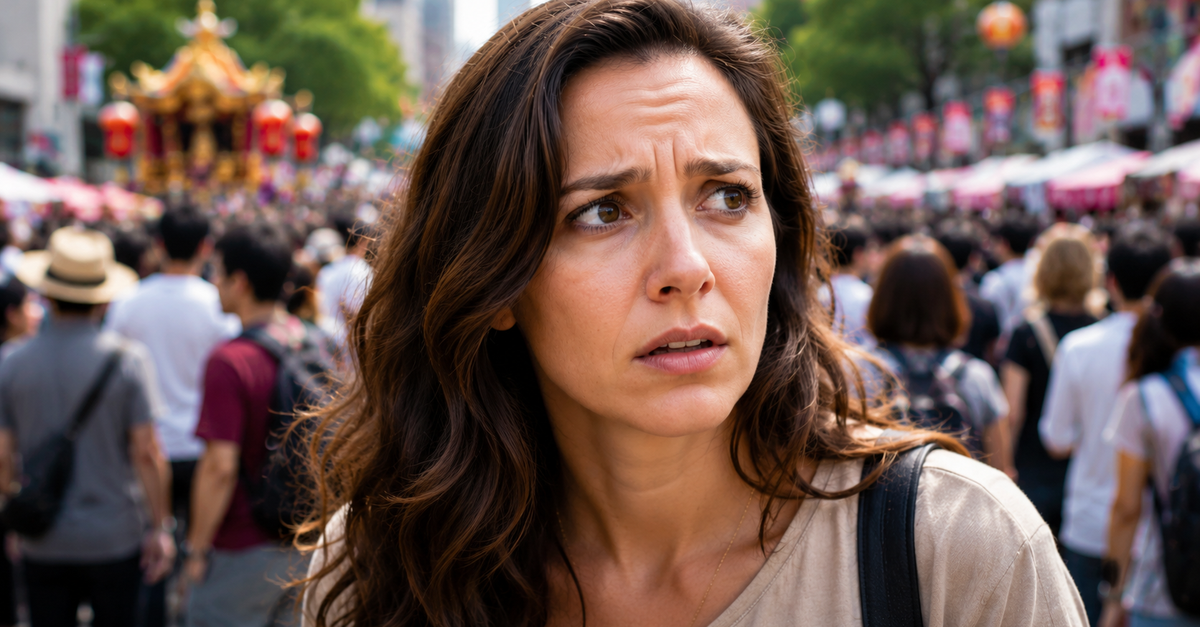
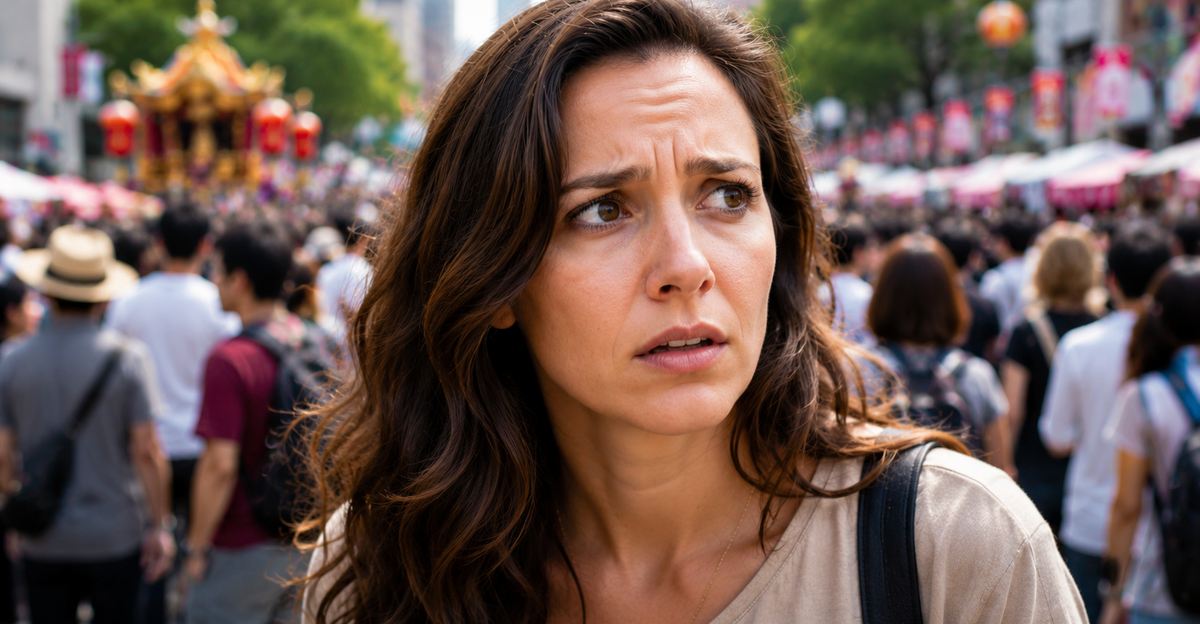
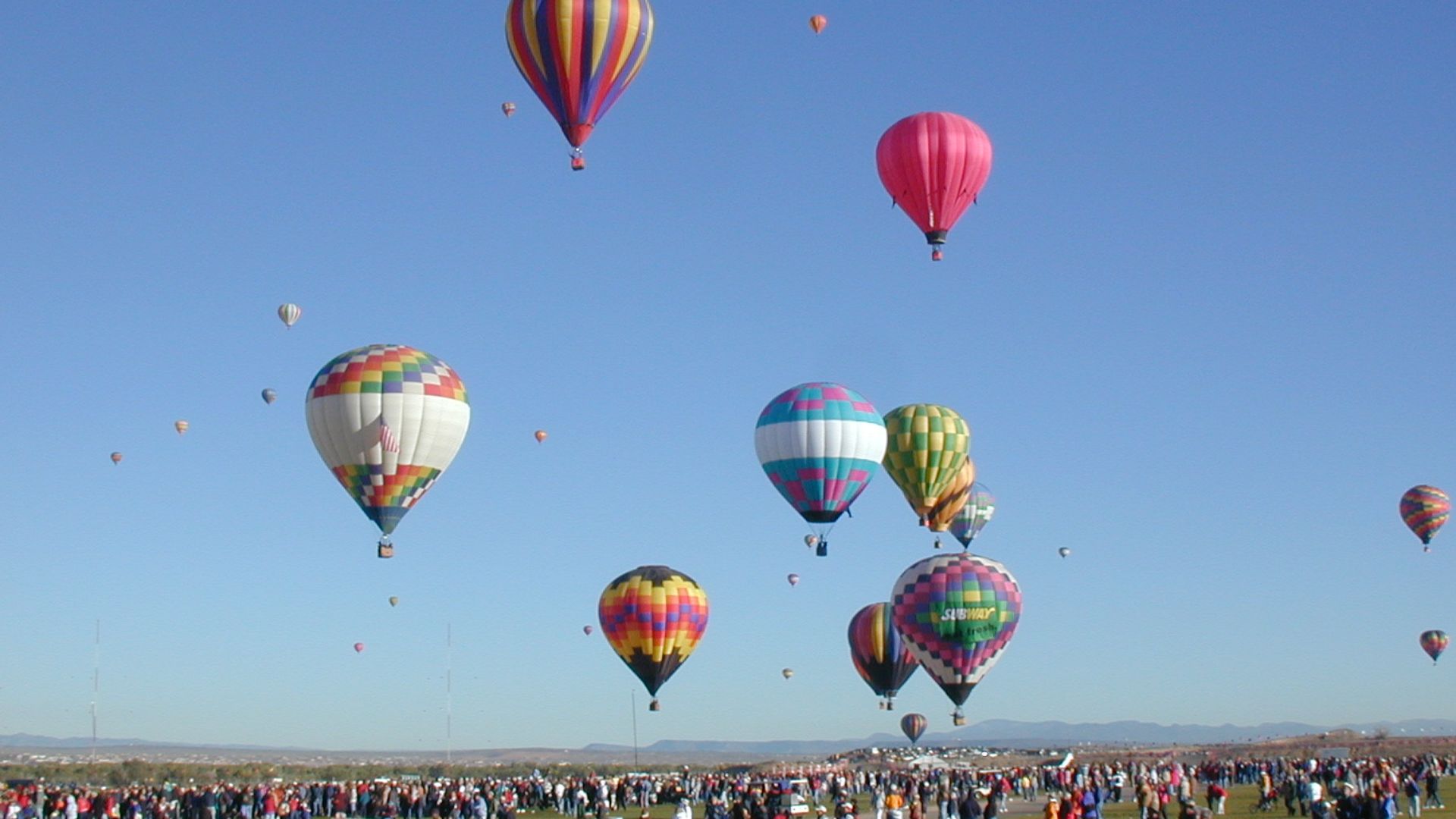
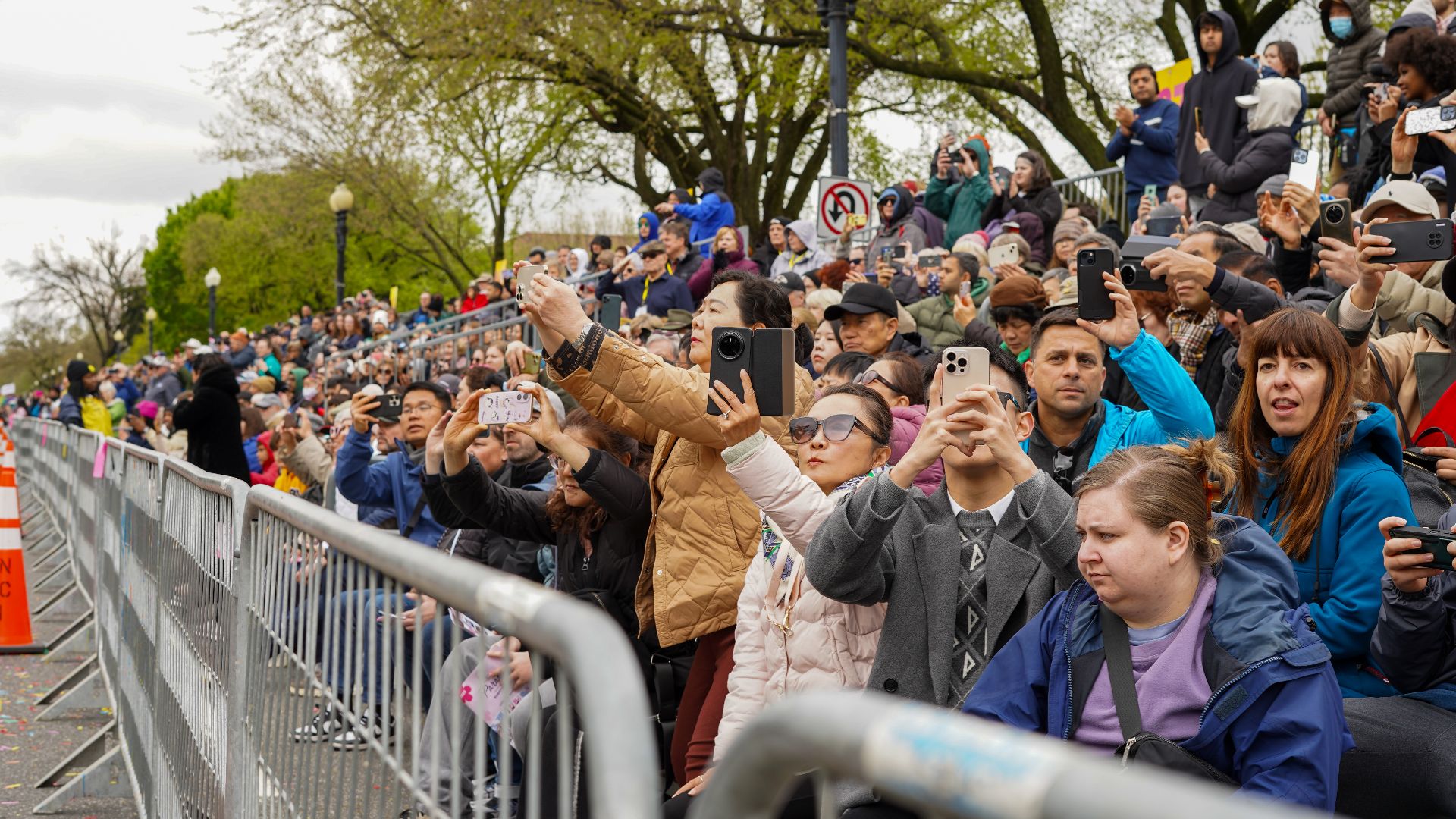
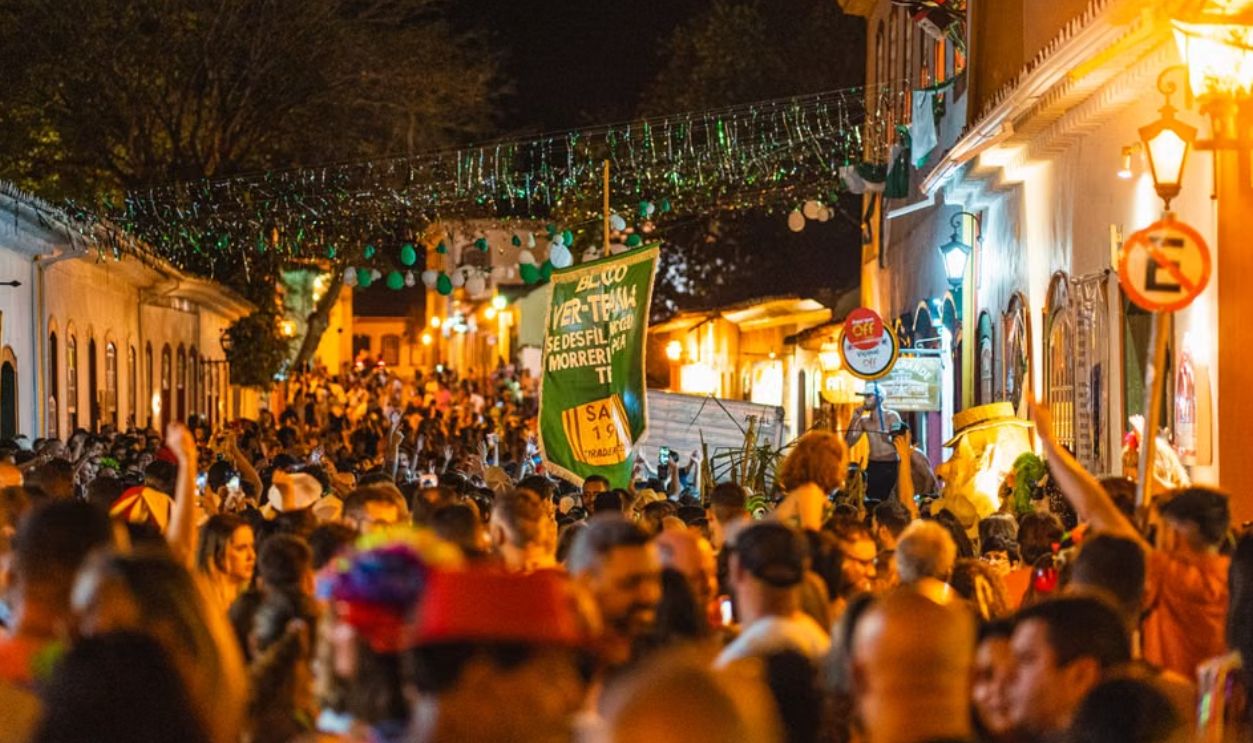
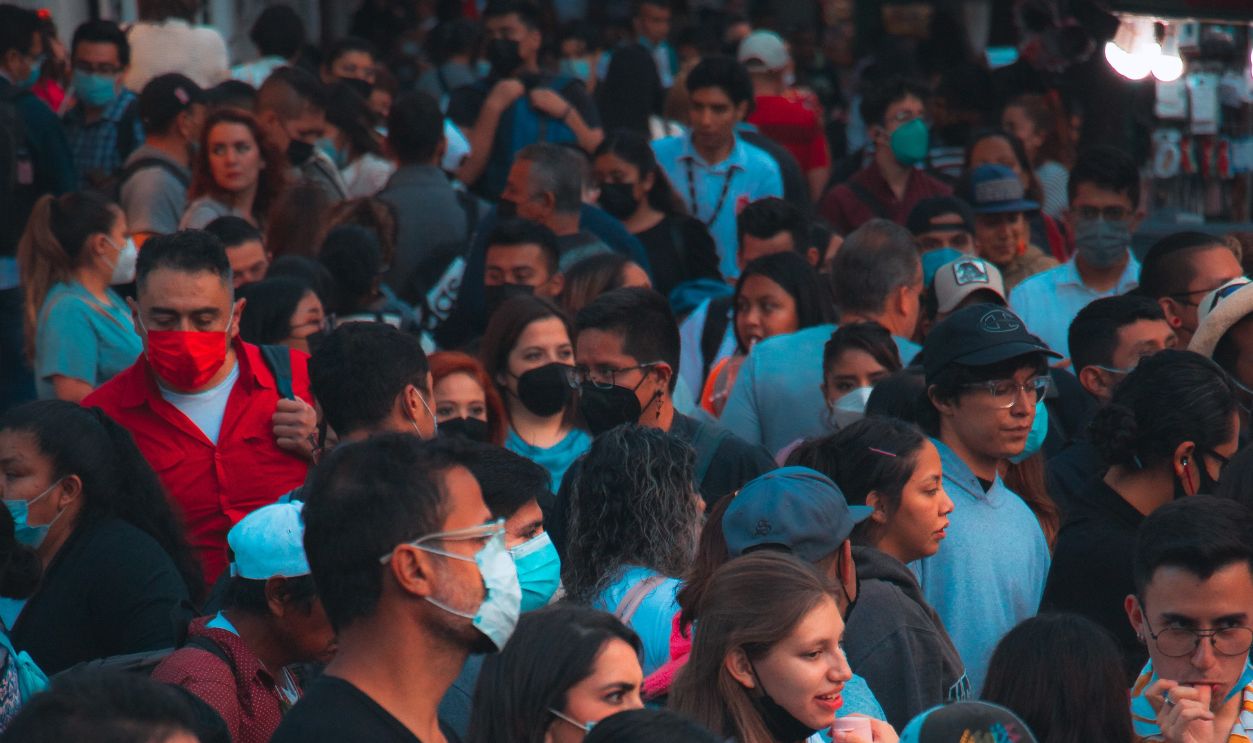
Instead of strolling through charming streets, I found myself inching through packed sidewalks. Restaurants had long waits, attractions were full, and even taking photos became difficult. It made me wonder whether I had picked the worst possible time to visit.
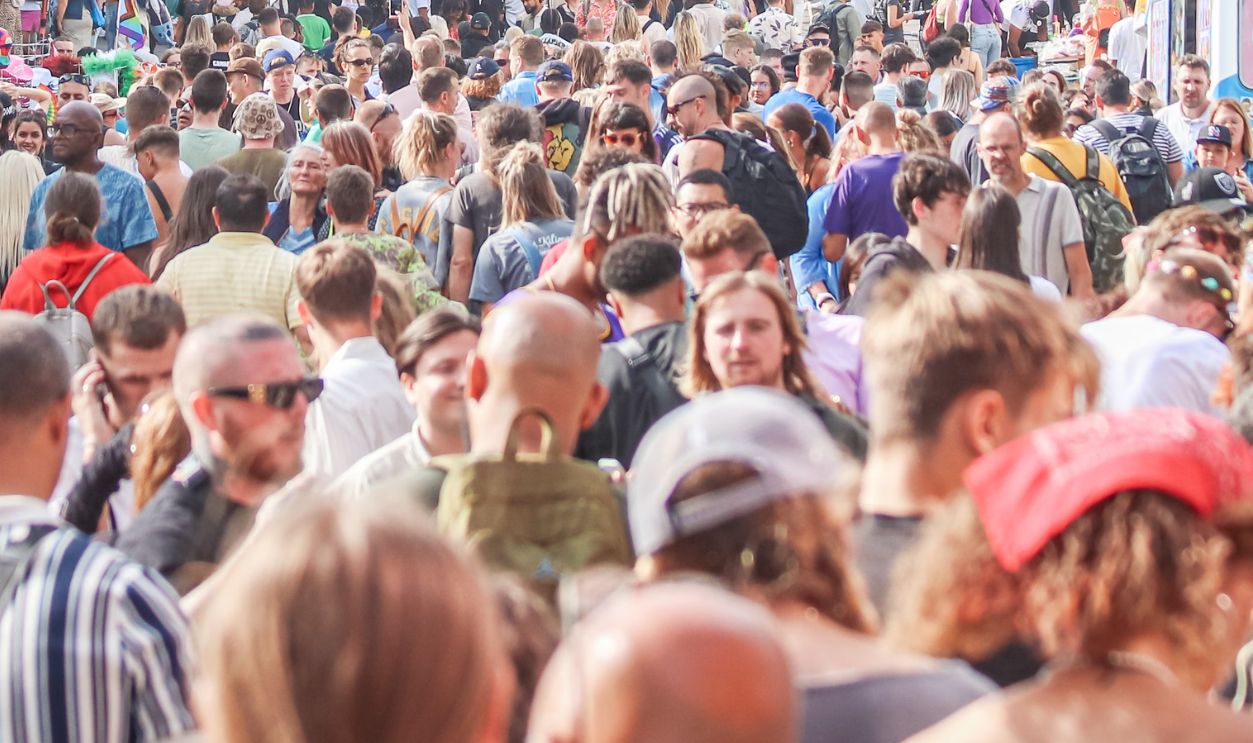 Boys in Bristol Photography, Pexels
Festivals Become Victims Of Their Own Success
Many famous festivals attract visitors from around the world every year. That popularity helps local businesses and showcases regional culture, but it also puts pressure on transportation, hotels, and public spaces. Tourism officials around the world increasingly recognize overcrowding as a challenge that affects both visitors and residents.
Every Destination Has A Breaking Point
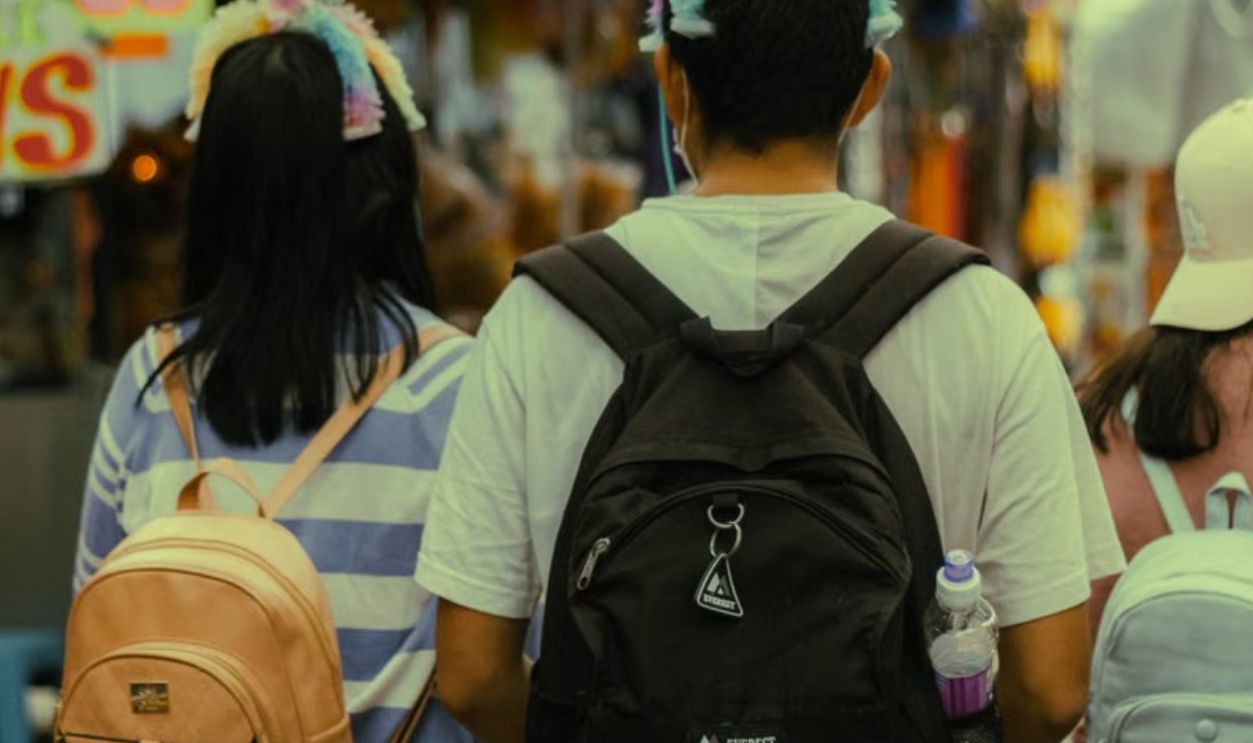
No destination can comfortably handle unlimited visitors. When too many people arrive at once, traffic slows, reservations disappear, and attractions become congested. Even travelers who planned months in advance may spend more time waiting than exploring.
Hotels Fill Faster Than You Expect
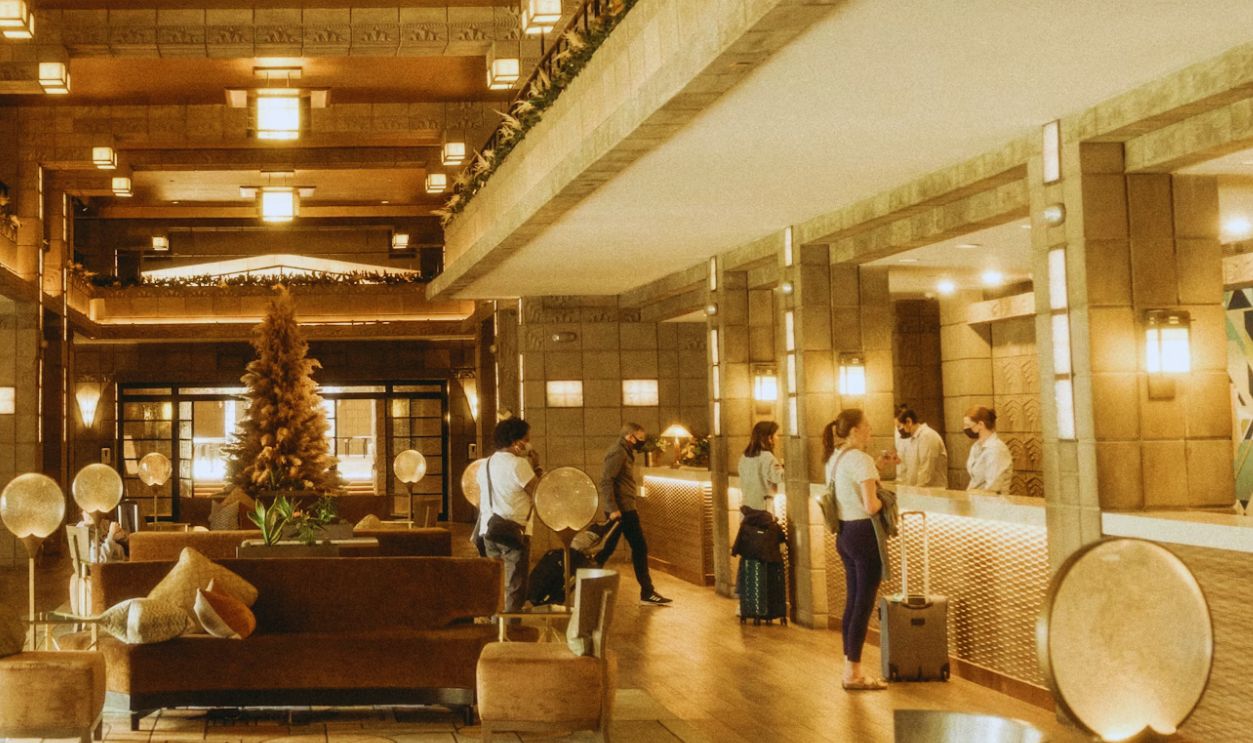
Major festivals often cause hotel occupancy to surge well before the event begins. As available rooms disappear, prices frequently rise because demand greatly exceeds supply. Waiting too long to book can leave travelers with expensive accommodations far from the city center.
Transportation Becomes Part Of The Challenge
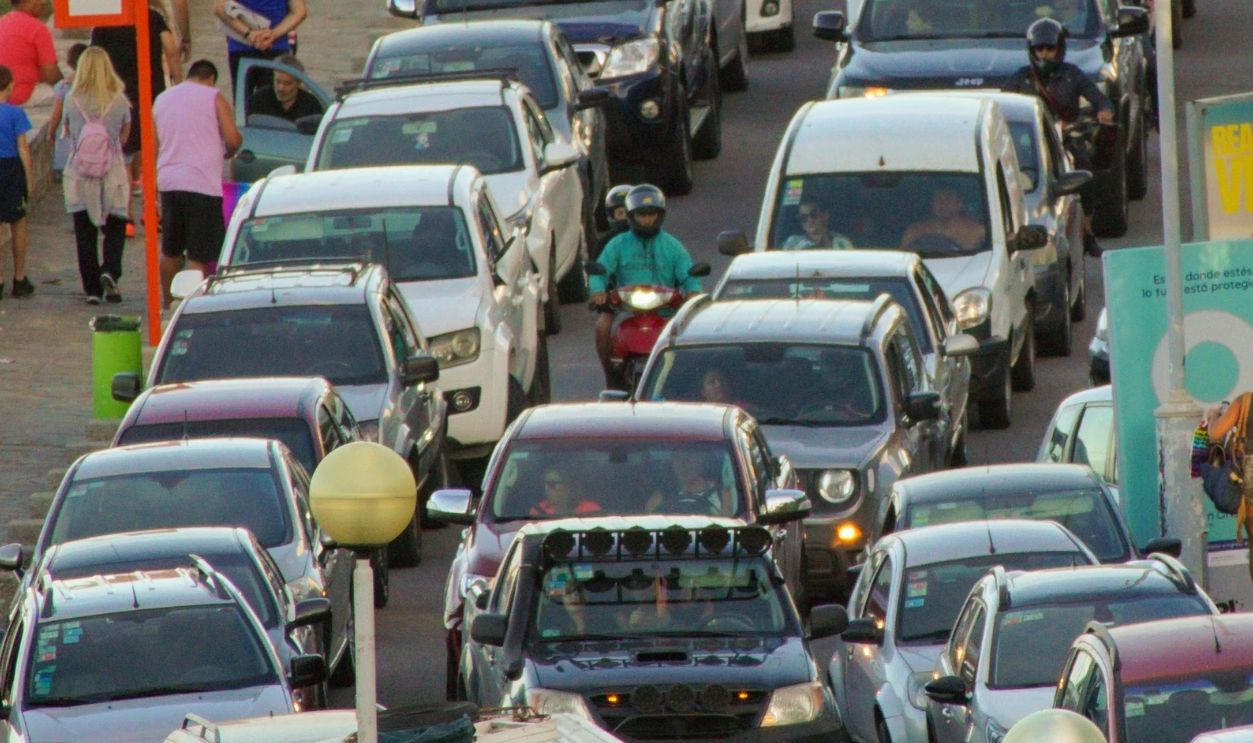
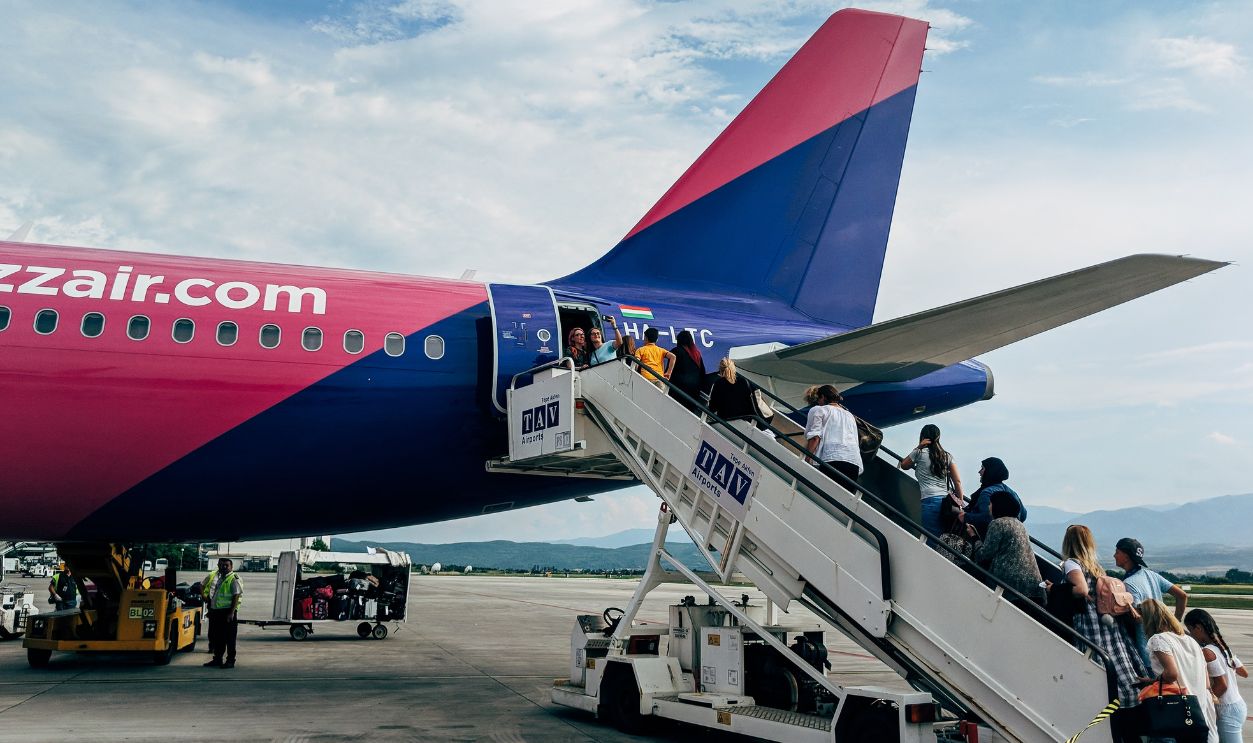
Road closures, shuttle systems, and crowded public transit are common during major celebrations. A short drive can become an hour-long journey when thousands of visitors arrive simultaneously. Even airports and train stations often experience heavier traffic during festival periods.
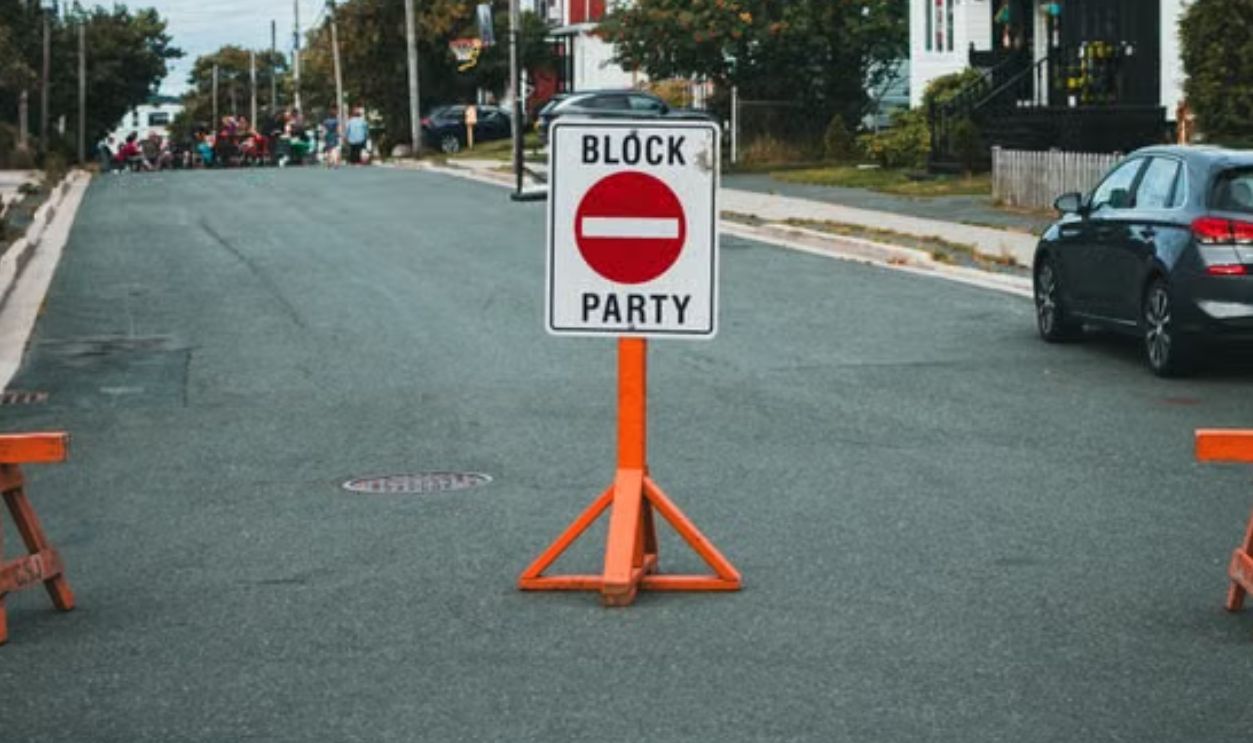
Restaurants Turn Into Waiting Games
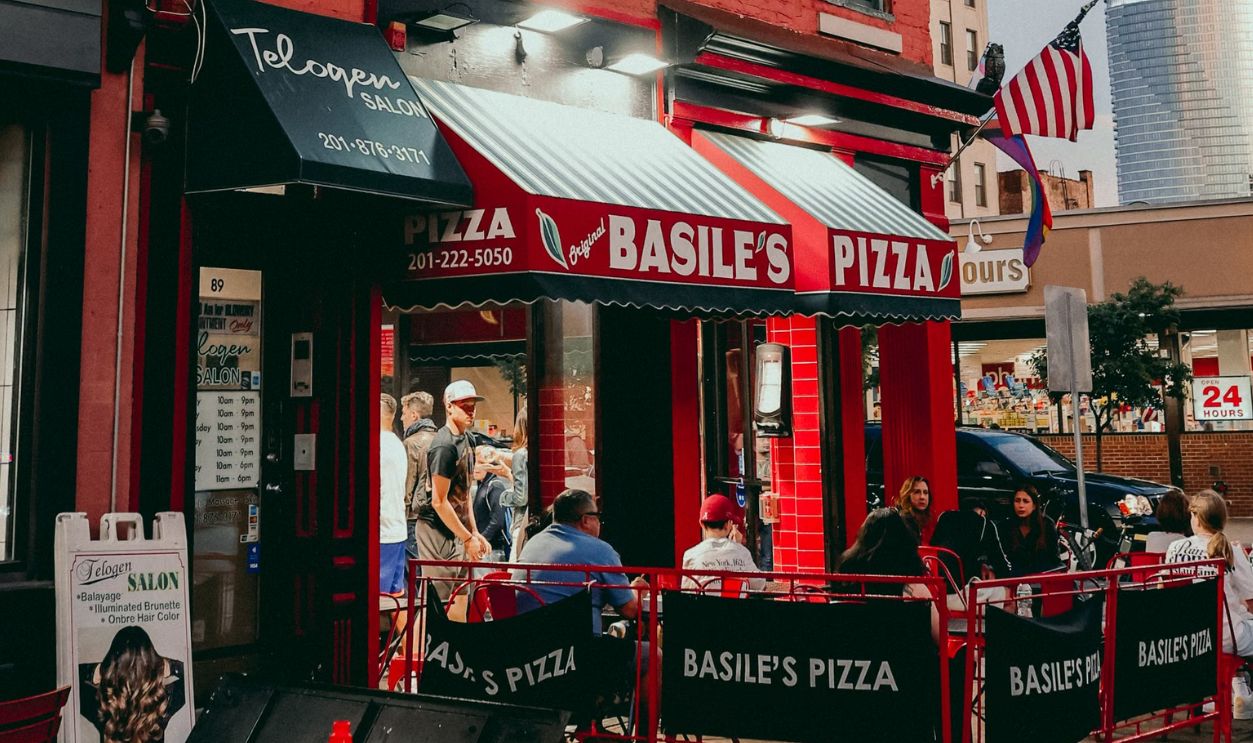
Popular local restaurants often receive far more customers than they normally serve. Reservations may be required weeks ahead, while walk-in waits can stretch well beyond an hour. That leaves less time to actually enjoy the destination.
Attractions Do Not Pause For Festivals
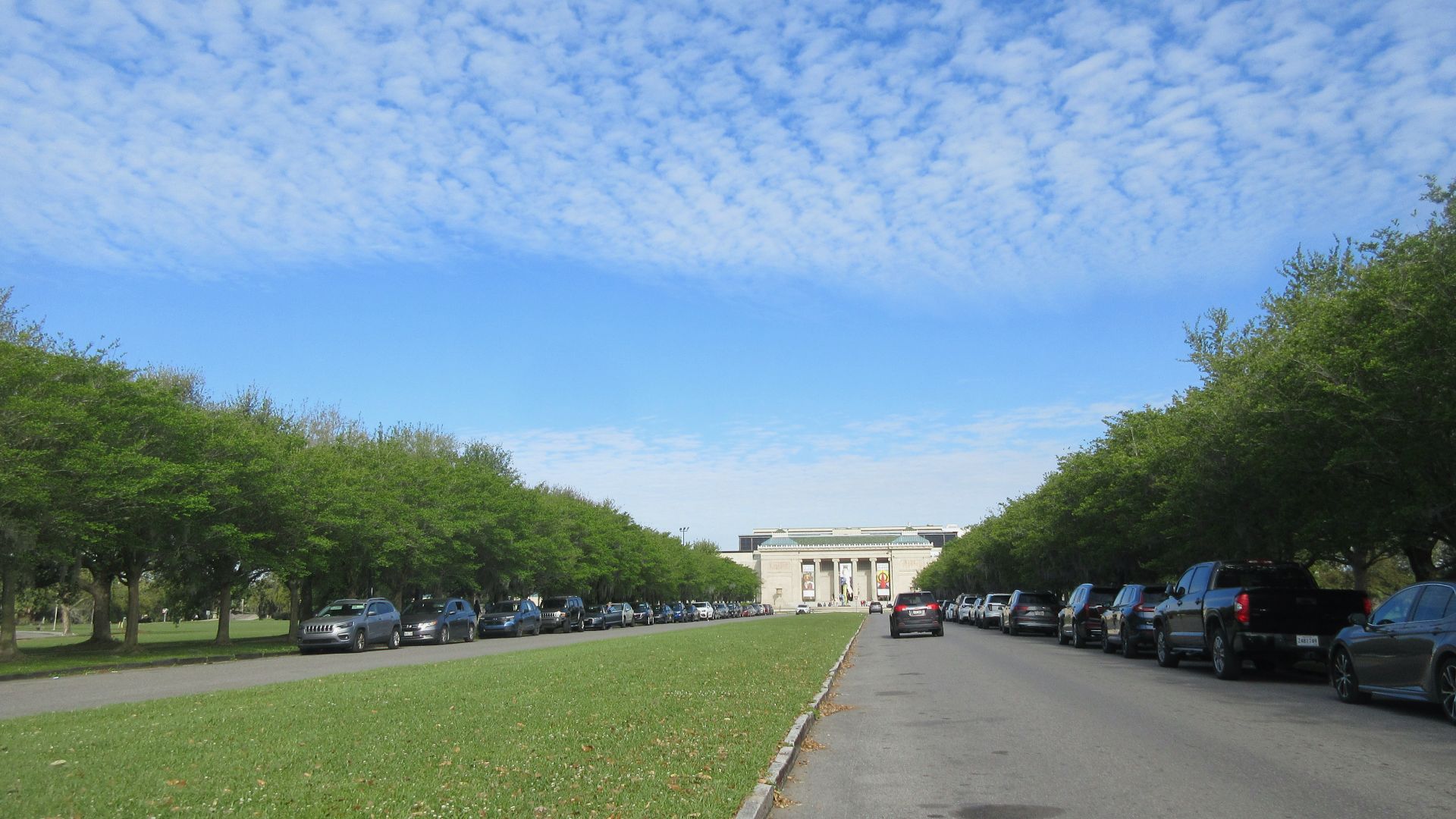
Museums, historic landmarks, and scenic viewpoints usually remain open during festival season. Unfortunately, many visitors try to experience everything on the same day. Even attractions unrelated to the celebration often become much busier.
 Infrogmation, Wikimedia Commons
Photos Lose Their Magic
Travel photos usually highlight empty streets and peaceful scenery. During a major festival, those same locations may be packed with people from sunrise until evening. Capturing the image you imagined often requires patience or creative timing.
 Joe Ross from Lansing, Michigan, Wikimedia Commons
Local Residents Experience The Crowds Too
Visitors are not the only people affected. Heavy tourism can increase traffic, noise, and pressure on neighborhood services. Governments and tourism agencies increasingly promote strategies that balance tourism with residents' quality of life.
 3d U.S. Infantry Regiment (The Old Guard), Wikimedia Commons
Overtourism Is Becoming A Global Conversation
The term "overtourism" describes situations where visitor numbers begin affecting everyday life and visitor satisfaction. Popular destinations across Europe and Asia have introduced crowd management measures to reduce congestion. The goal is to protect communities while maintaining tourism.
Some Festivals Grow Larger Every Year
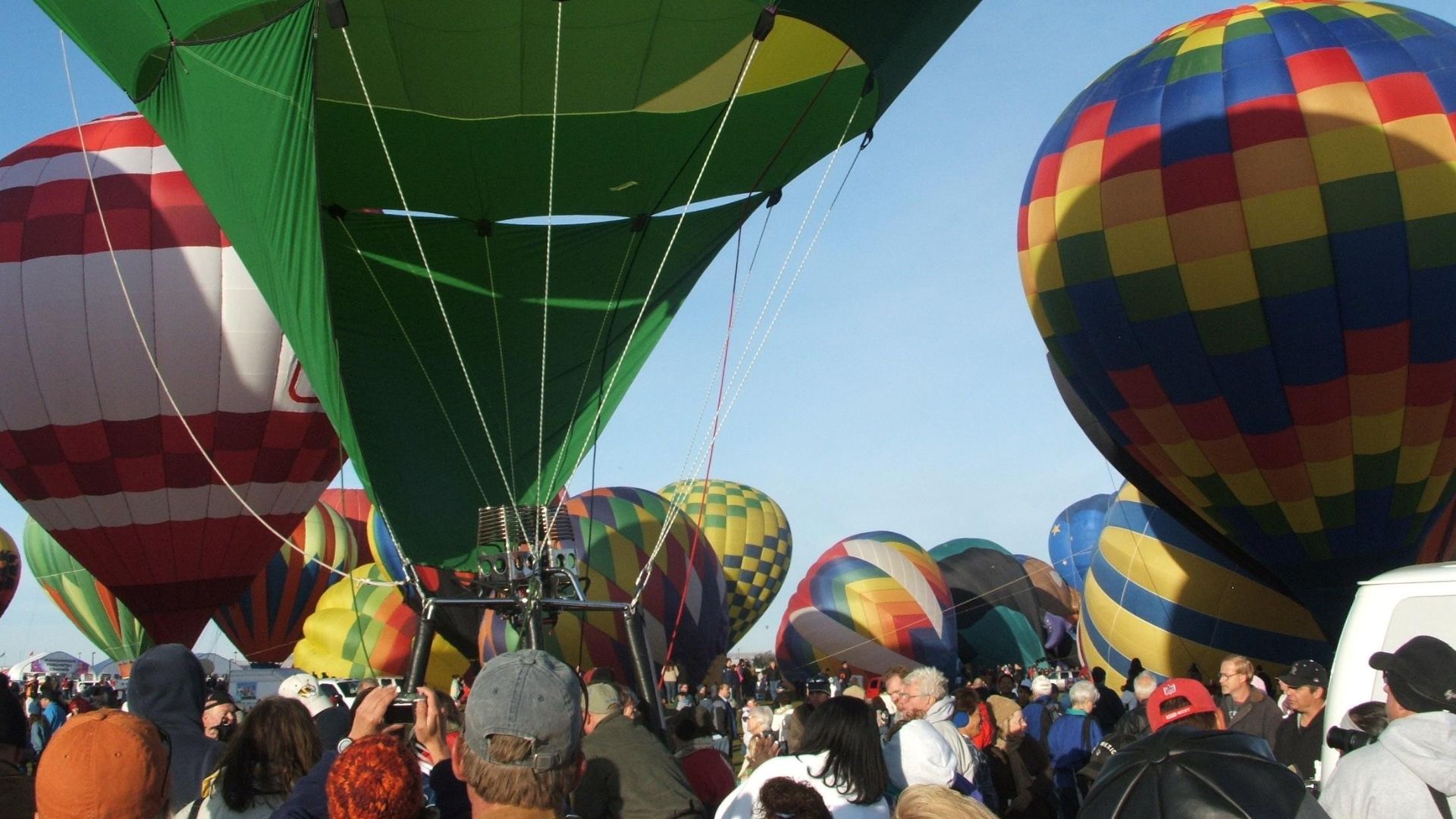
Successful festivals often continue attracting larger audiences. For example, Georgia's International Cherry Blossom Festival reported record attendance and increasing economic impact in recent years. Growth is wonderful for local economies, but it can also make the visitor experience more crowded.
 PerryPlanet, Wikimedia Commons
Social Media Changes Travel Patterns
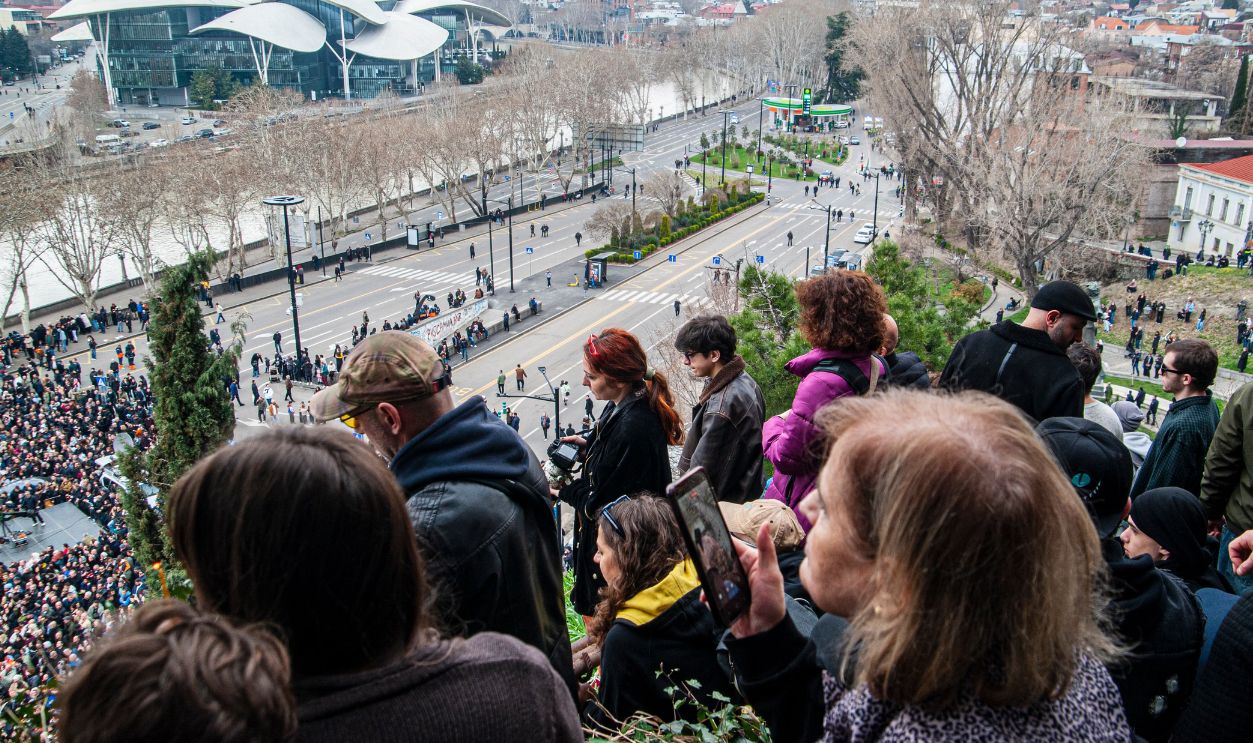
One viral photo can dramatically increase interest in a destination. Travelers frequently visit the same viewpoints after seeing them online. That concentration of visitors can overwhelm locations that were never designed for massive crowds.
Even Famous Festivals Sometimes Change
Some destinations have altered or canceled festival activities because visitor numbers became difficult to manage. Officials in Fujiyoshida, Japan, cited overtourism and community concerns when canceling a cherry blossom festival while expecting visitors to continue arriving for blossom season.
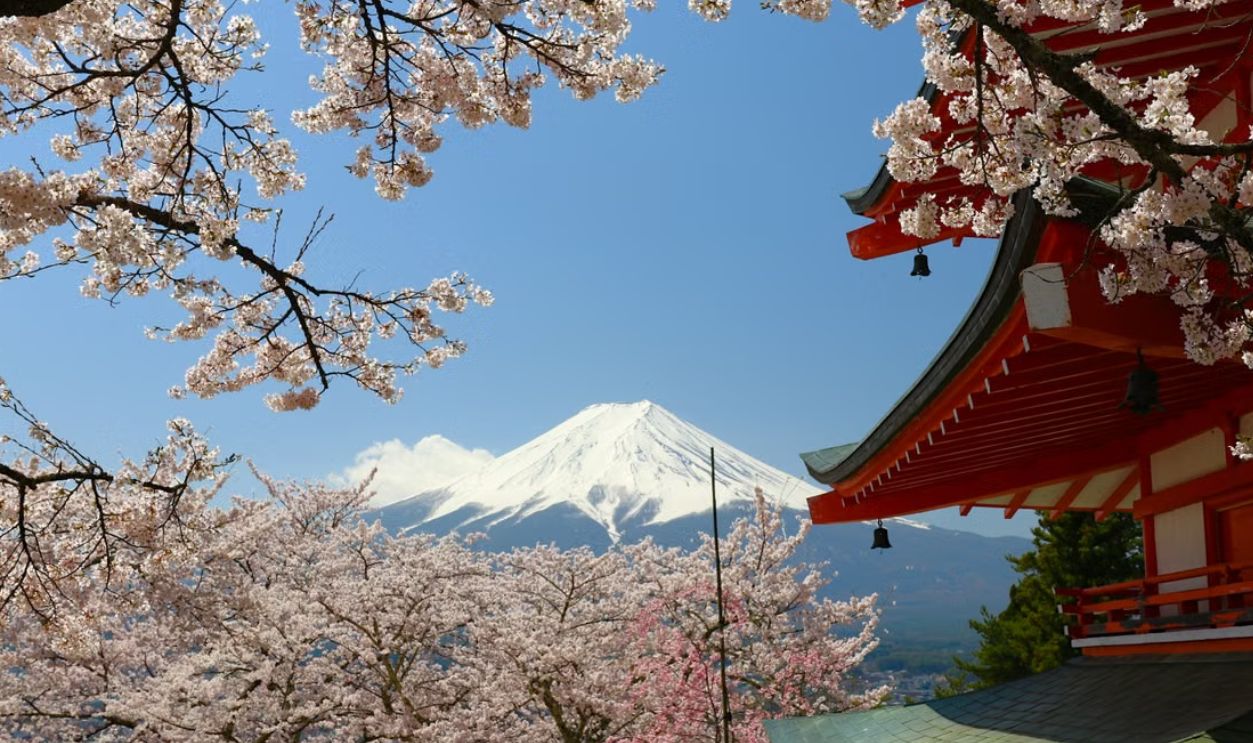 Rafael Hideki Tamanaha, Pexels
Visiting Immediately After Can Feel Completely Different
Once the festival ends, many tourists head home. Streets often become easier to navigate, restaurants return to normal, and hotel availability improves. You still experience the destination itself without competing against peak crowds.
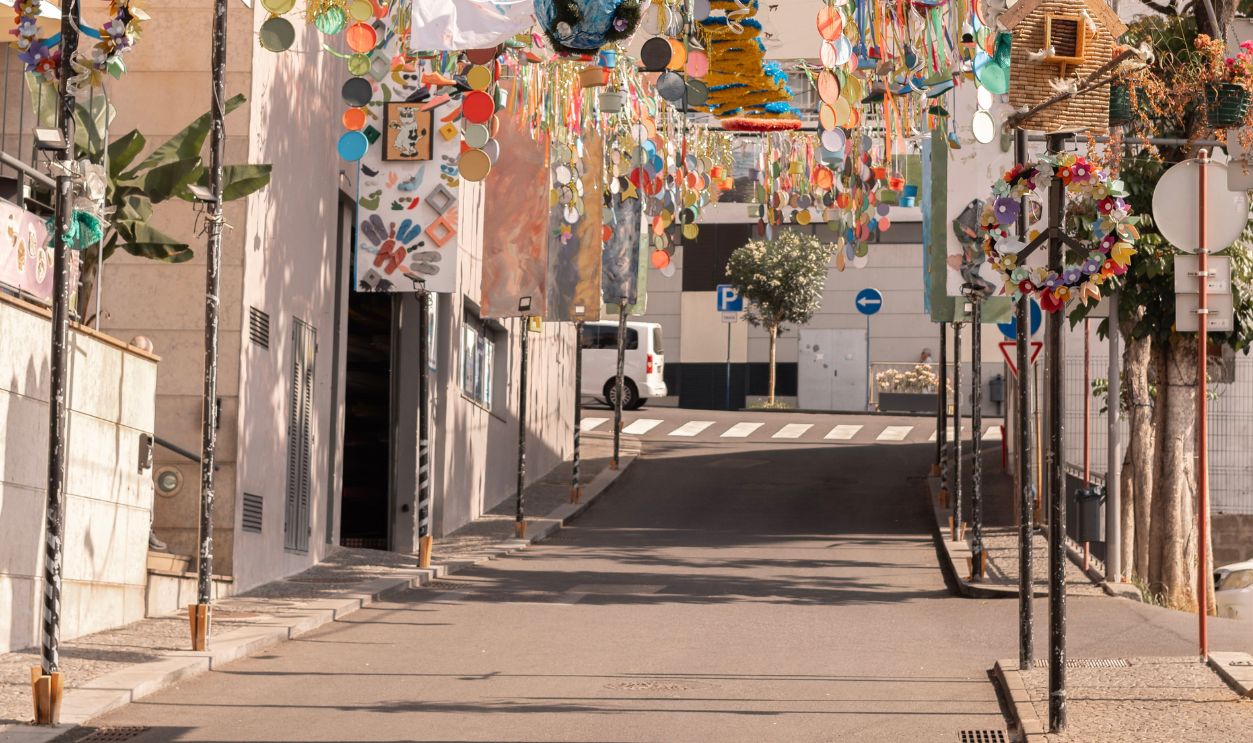
Decorations Sometimes Remain
Many cities leave decorations, flowers, displays, or seasonal landscaping in place after the official celebration ends. Visitors arriving shortly afterward may still enjoy much of the atmosphere. The difference is that they can appreciate it at a slower pace.
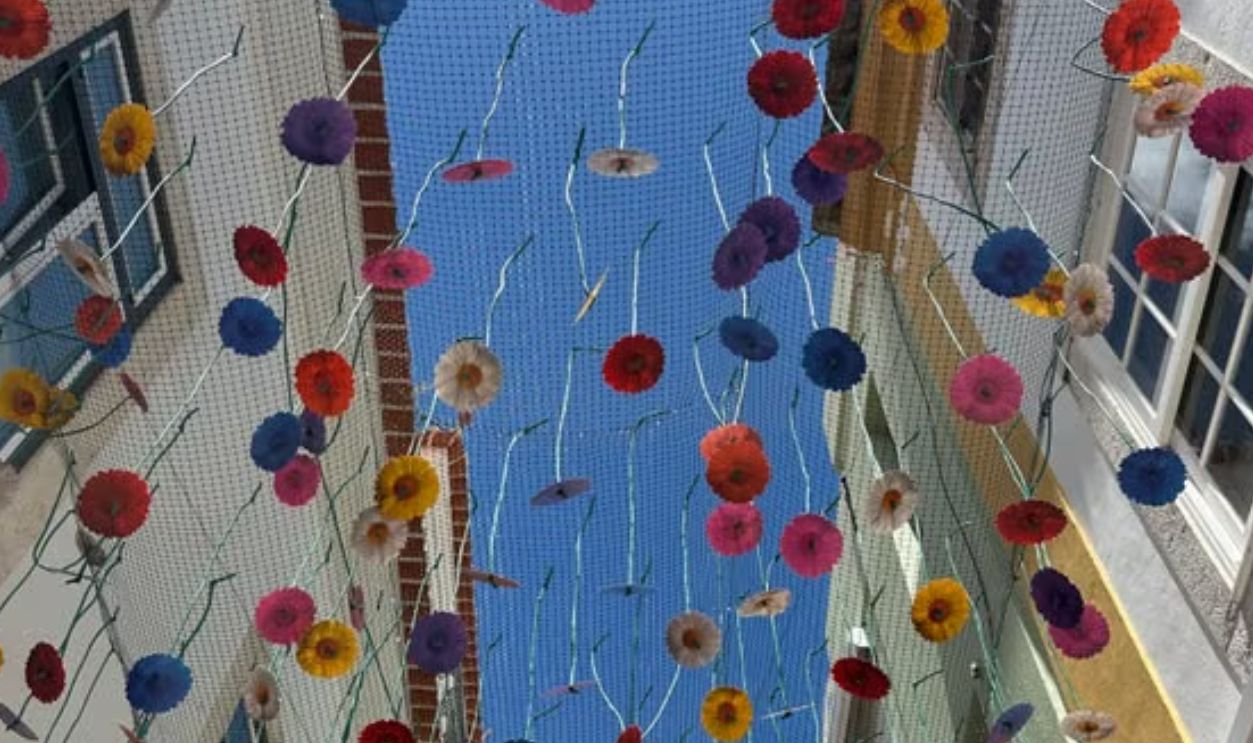
Prices Often Become More Reasonable
Demand frequently drops after the main event concludes. Hotels may lower rates, airfare can become less expensive, and vacation rentals may offer better availability. Flexible travelers sometimes save significant money simply by shifting their arrival by a few days.
Locals Have More Time To Chat
During peak festival periods, workers stay busy serving large numbers of guests. After the rush, conversations become easier and more relaxed. Those interactions often create some of the most memorable travel experiences.
You Can Explore At Your Own Pace
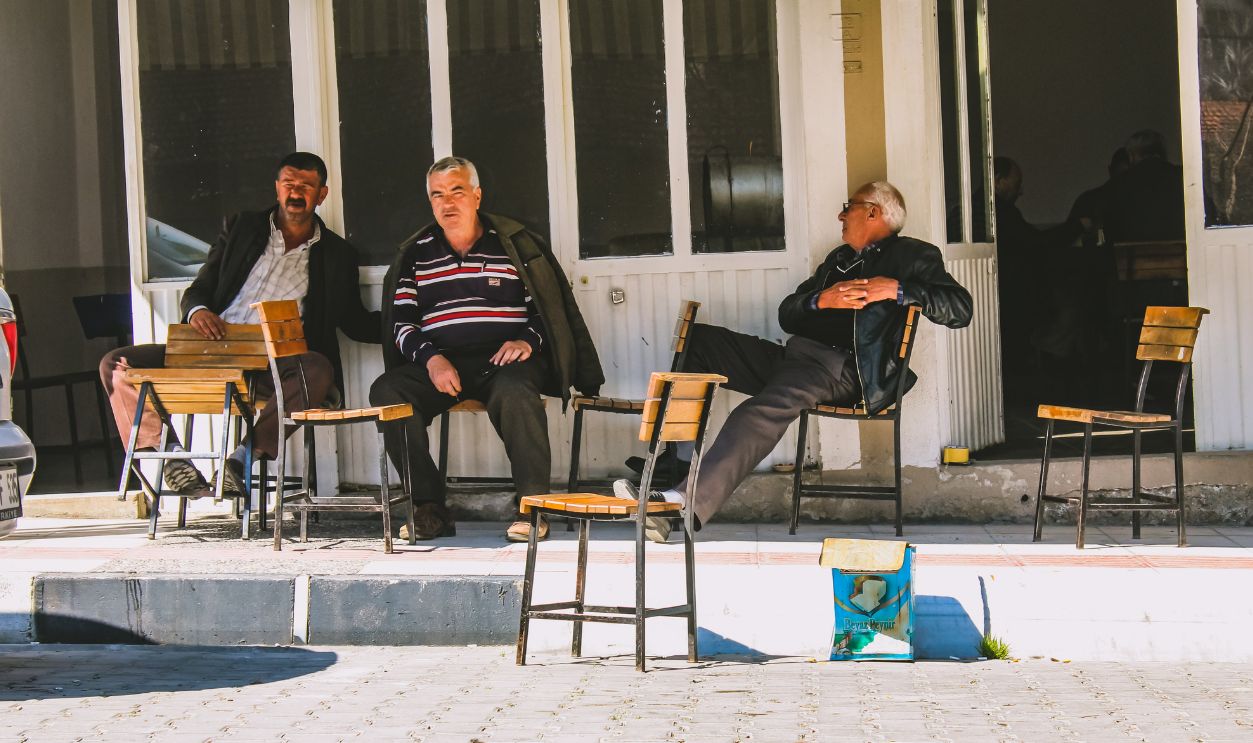
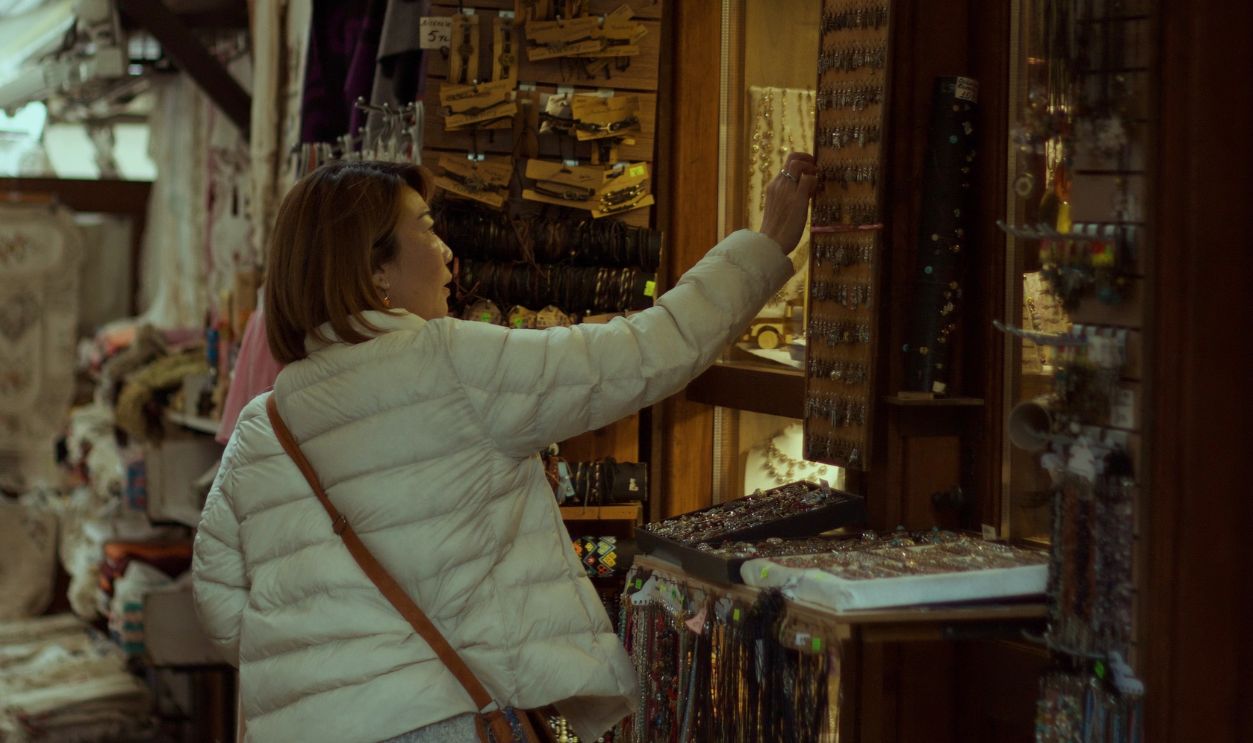
Without constant crowds, you can linger in museums, browse shops, or enjoy scenic viewpoints without feeling rushed. The destination begins to feel like a real place instead of a checklist. That slower pace often creates richer memories.
Festivals Still Have Their Advantages
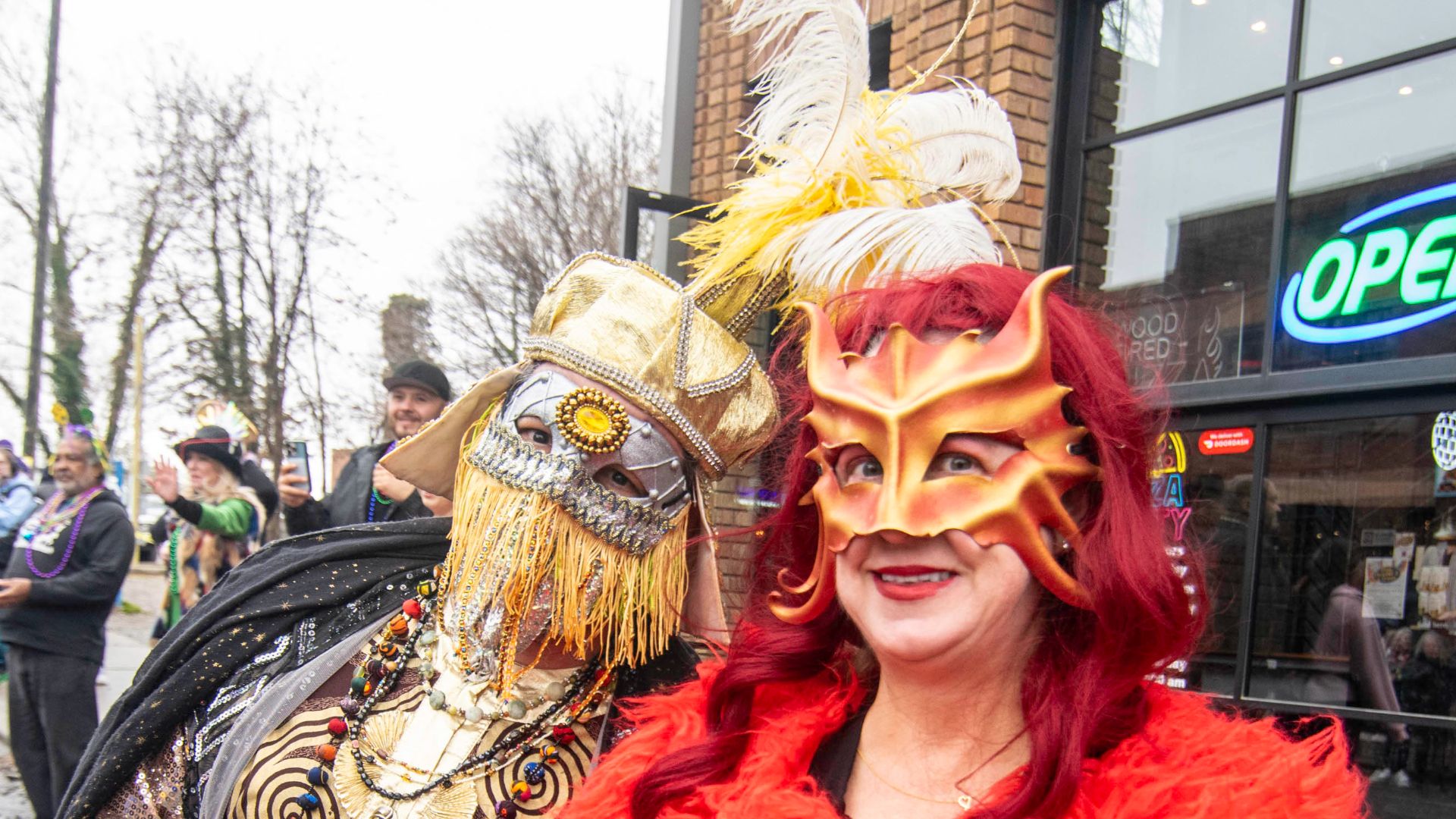
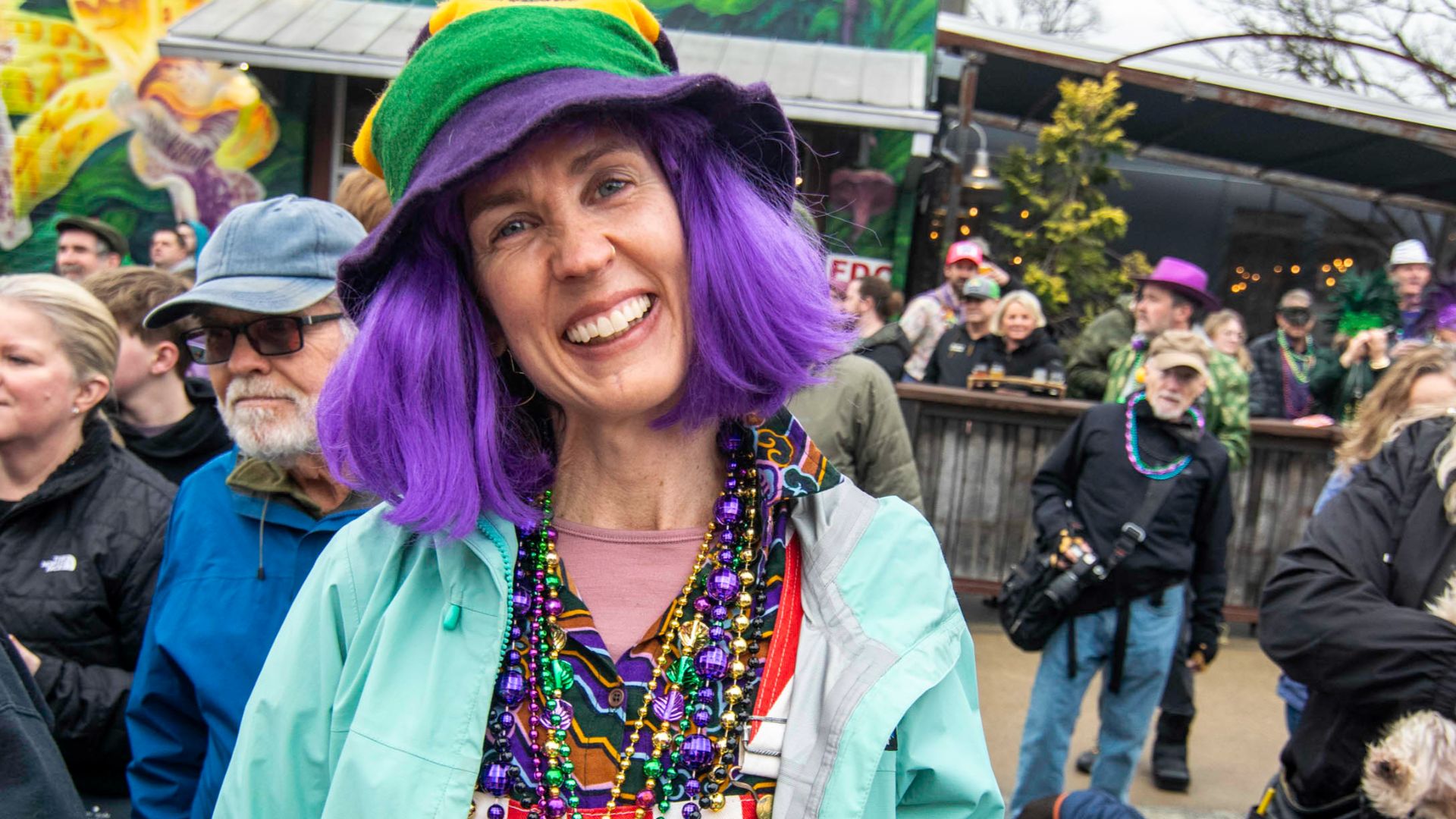
None of this means festival travel is a bad idea. Live performances, cultural traditions, parades, and special foods may only be available during the celebration itself. For many travelers, those unique experiences justify the larger crowds.
 karl hinterkopf, Wikimedia Commons
Decide What Matters Most
Ask yourself why you are visiting. If attending the festival itself is your main goal, the crowds may simply be part of the experience. If you mostly want to explore the city, shifting your trip can dramatically improve your vacation.
 karl hinterkopf, Wikimedia Commons
Build Flexibility Into Your Plans
If you travel during festival season, reserve accommodations early and make restaurant reservations whenever possible. Visit major attractions early in the morning or later in the day to avoid peak congestion. A flexible schedule helps reduce frustration.
Keep Safety In Mind
Large gatherings can increase traffic congestion, create longer emergency response times, and make pickpocketing more common. Health officials also note that crowded events can increase the spread of infectious diseases. Preparing ahead and staying aware can make the experience much smoother.
Shoulder Season Often Offers The Best Balance
Many tourism organizations encourage travelers to consider shoulder season, which falls just before or after peak travel periods. Visitors often enjoy pleasant weather, lighter crowds, and easier reservations. It can deliver many of the same highlights with far less stress.
My Answer Would Be Yes
After experiencing a festival at its busiest, I realized I enjoy destinations more when I have room to explore them. Visiting shortly after the celebration often preserves much of the seasonal charm while avoiding the biggest inconveniences. Sometimes the best way to appreciate a famous place is to arrive after everyone else has already gone home.
You May Also Like: