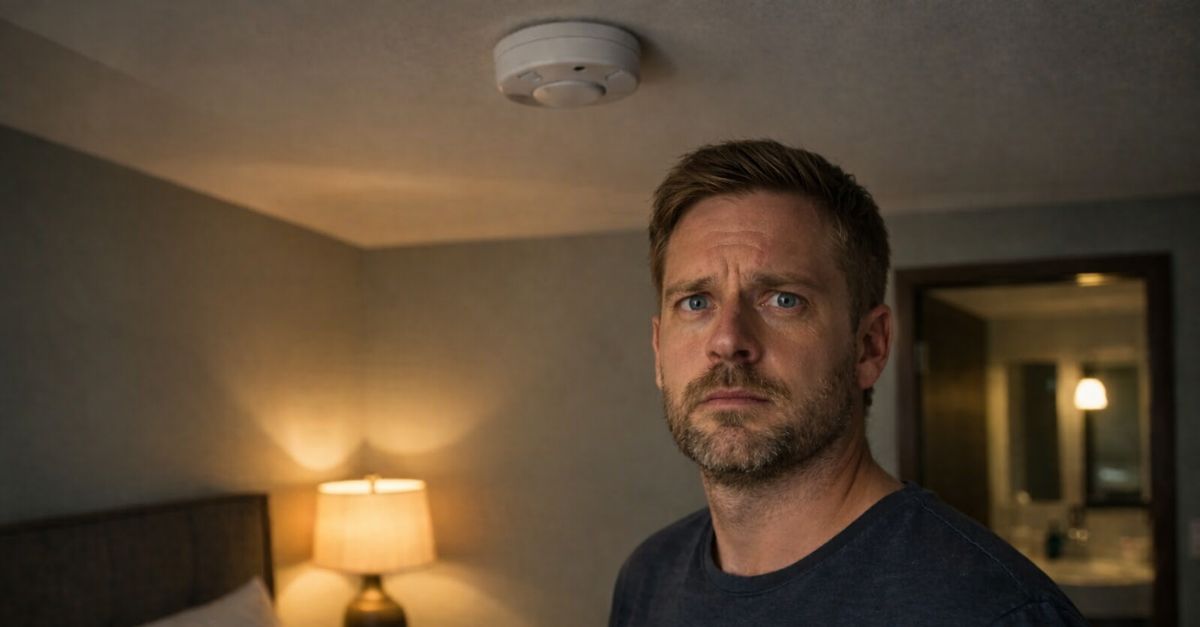
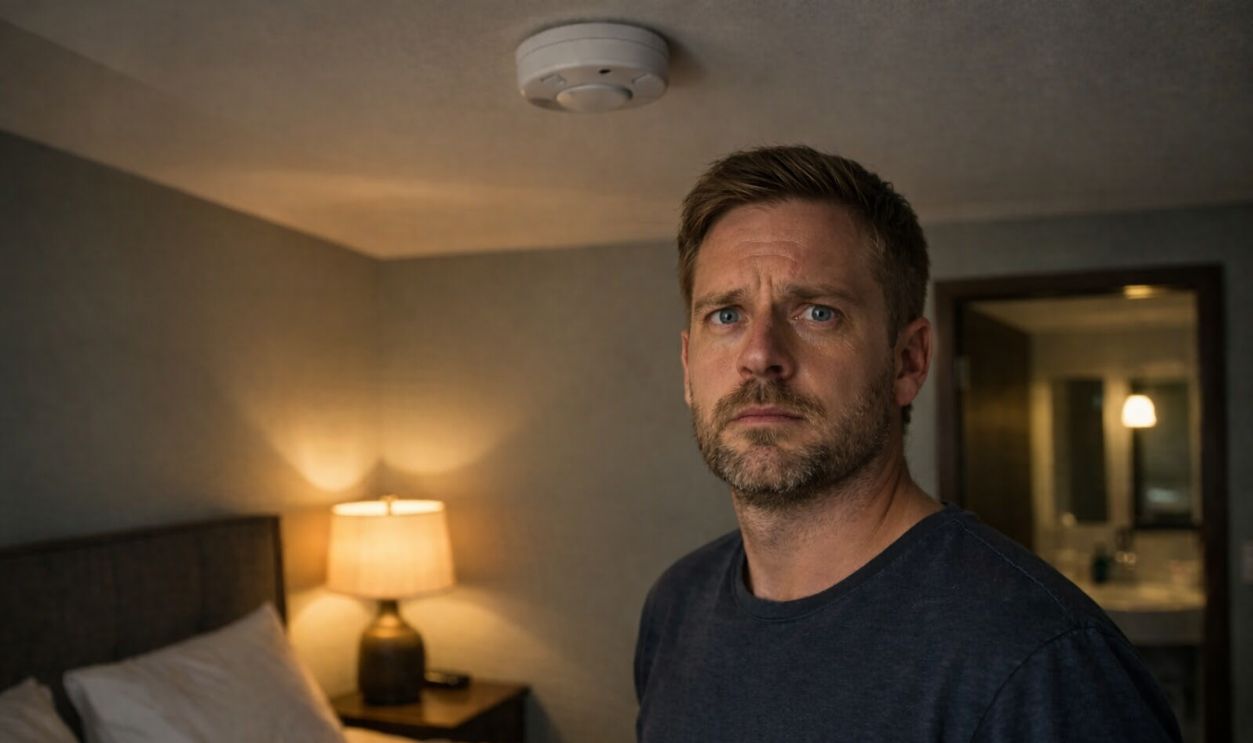
A weekend getaway turns into something far more sinister when that tiny lens glinting from the smoke detector proves real. Hidden cameras in rental properties cross from creepy into criminal territory, especially when placed in bathrooms, bedrooms, or anywhere guests expect privacy. Law enforcement takes these incidents seriously across nearly every jurisdiction, but successful prosecutions depend on victims following specific protocols. The discovery itself violates privacy laws in most states, and property owners face criminal charges depending on what their cameras captured and whether footage was stored or shared.
Document Everything Before Touching Anything
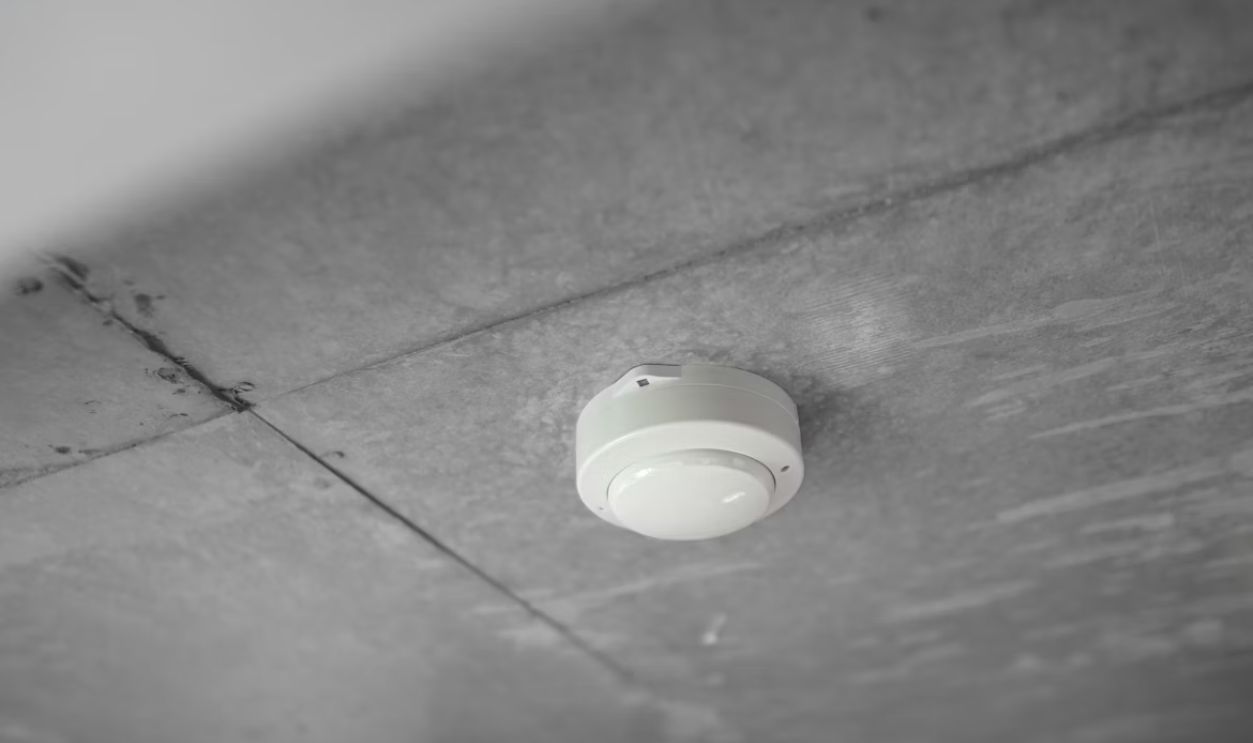
The smoke detector stays exactly where it is for now. Resist every instinct to rip it down or confront the host immediately. Instead, grab your phone and start recording video with timestamps enabled. Film the entire room from multiple angles, showing the smoke detector's position relative to beds, bathrooms, or other private spaces. Zoom in on the lens without touching the device, and narrate what's being recorded: "It's 3:47 PM on February 9th, 2026, and I'm documenting a camera lens visible in the smoke detector of unit 4B at 123 Main Street". Capture serial numbers on the detector's exterior if visible, then photograph the rental listing screenshots showing the property layout and any host disclosures about security devices.
Next, check Airbnb messages for the original booking confirmation and any communication with the host. Screenshot everything, even seemingly irrelevant exchanges about check-in procedures or house rules. These establish that guests weren't warned about surveillance equipment in private areas. Open phone settings and disable any Wi-Fi connections to networks provided by the host—hidden cameras often transmit footage to cloud storage, and hosts shouldn't receive alerts that someone's discovered their setup. Lawyers and investigators need this uncontaminated evidence chain to prove the camera was actively recording during stays, not installed afterward by someone trying to frame the property owner.
Contact Authorities First, Platform Second
Dial the non-emergency police line for the jurisdiction where the rental property sits. Explain calmly that hidden surveillance equipment was discovered in a short-term rental, and an officer needs to document the scene. Dispatchers might initially treat this as a civil dispute, so emphasize the criminal aspect: "I'm reporting illegal video surveillance in a private residence where I'm legally renting a bedroom". Give the exact address, names, and confirm physical presence at the location. Stay inside until officers arrive because leaving could allow hosts to remove evidence before police secure the scene.
When law enforcement arrives at the house, show them the video documentation first, then point out the camera's location without touching it. Police will likely seize the smoke detector as evidence, along with any routers or storage devices that might contain recorded footage. Request a copy of the incident report number immediately, as this proves necessary for insurance claims and potential civil litigation. Some departments treat these cases as misdemeanor voyeurism, others as felony surveillance, depending on where the cameras were positioned and whether the footage captured any intimate scenes.
Only after filing a police report should victims contact Airbnb through the app's safety reporting feature. Select "I found a security camera in my listing" from the dropdown menu, attach the police report number, and upload photos and videos already captured. Airbnb's Trust & Safety team typically responds within hours for privacy violations, often issuing immediate refunds and relocating guests to alternative accommodations at the company's expense. Mention that law enforcement is actively investigating, as this triggers Airbnb's protocols for cooperating with criminal cases, including preserving host account data that might otherwise get deleted.
Protect Yourself Beyond The Immediate Incident
Hidden camera discoveries trigger justified paranoia about what else might be compromised. So, check credit card statements for fraudulent charges since some hosts install cameras specifically to capture payment information visible on laptops or documents. Run antivirus scans on any devices that were connected to the rental's Wi-Fi network, as compromised routers sometimes install malware that persists after departure. Contact banks to request new card numbers if payment details were entered on any device while connected to the host's network. Change passwords for accounts accessed during stays, prioritizing banking and social media profiles.
Consider consulting an attorney specializing in privacy law, especially if cameras were positioned to record private areas. Civil damages for illegal surveillance can reach six figures depending on how long the recording lasted, what activities were recorded, and whether the footage was distributed. Attorneys often work on a contingency basis for these cases, meaning clients don't pay unless they win a settlement. Document any emotional distress or relationship damage caused by the discovery; courts recognize these as legitimate harms in voyeurism cases, not just abstract privacy concerns that disappear once cameras get removed.