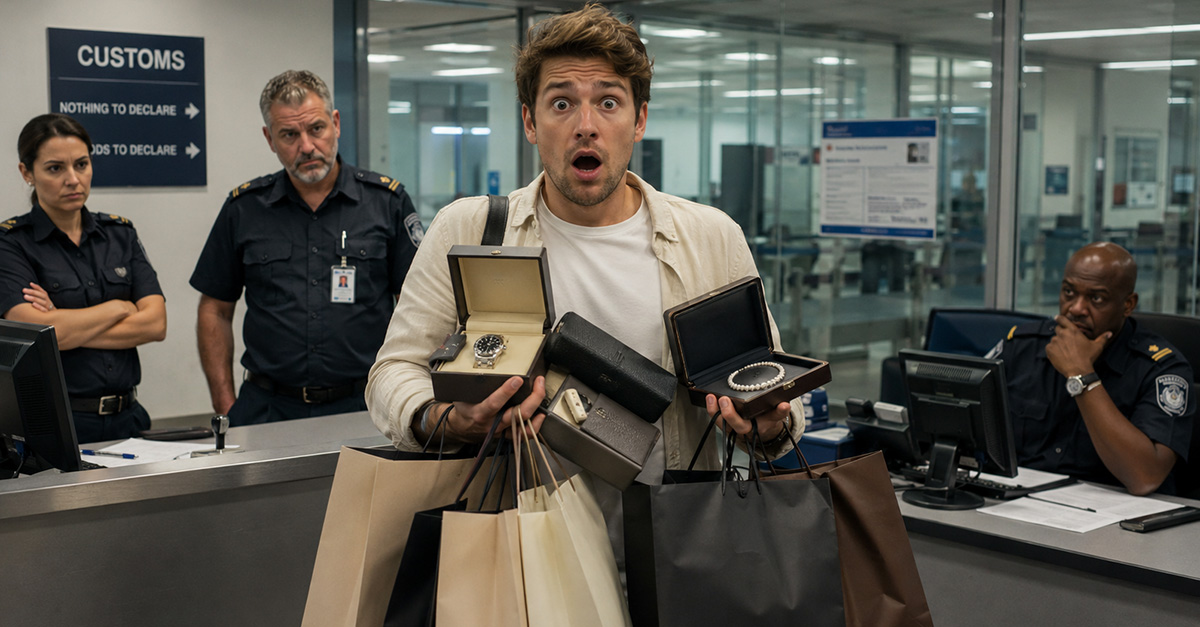
When Your Souvenir Comes With A Surprise Bill
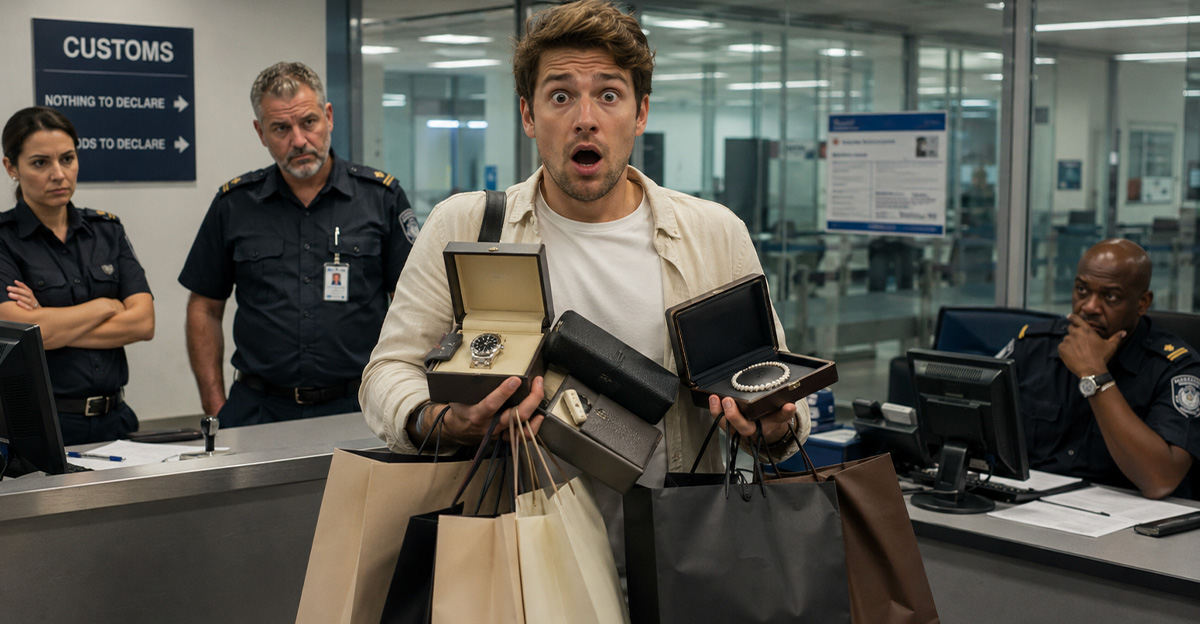
You did the responsible thing. You told customs about the designer bag, the fancy watch, the camera, or that “small” art purchase that somehow required its own seatbelt. Then, instead of a gold star, you got a bill. So, do you always have to pay import fees? Usually, yes—but not always without questions.
Declaring Is Not The Same As Getting Charged
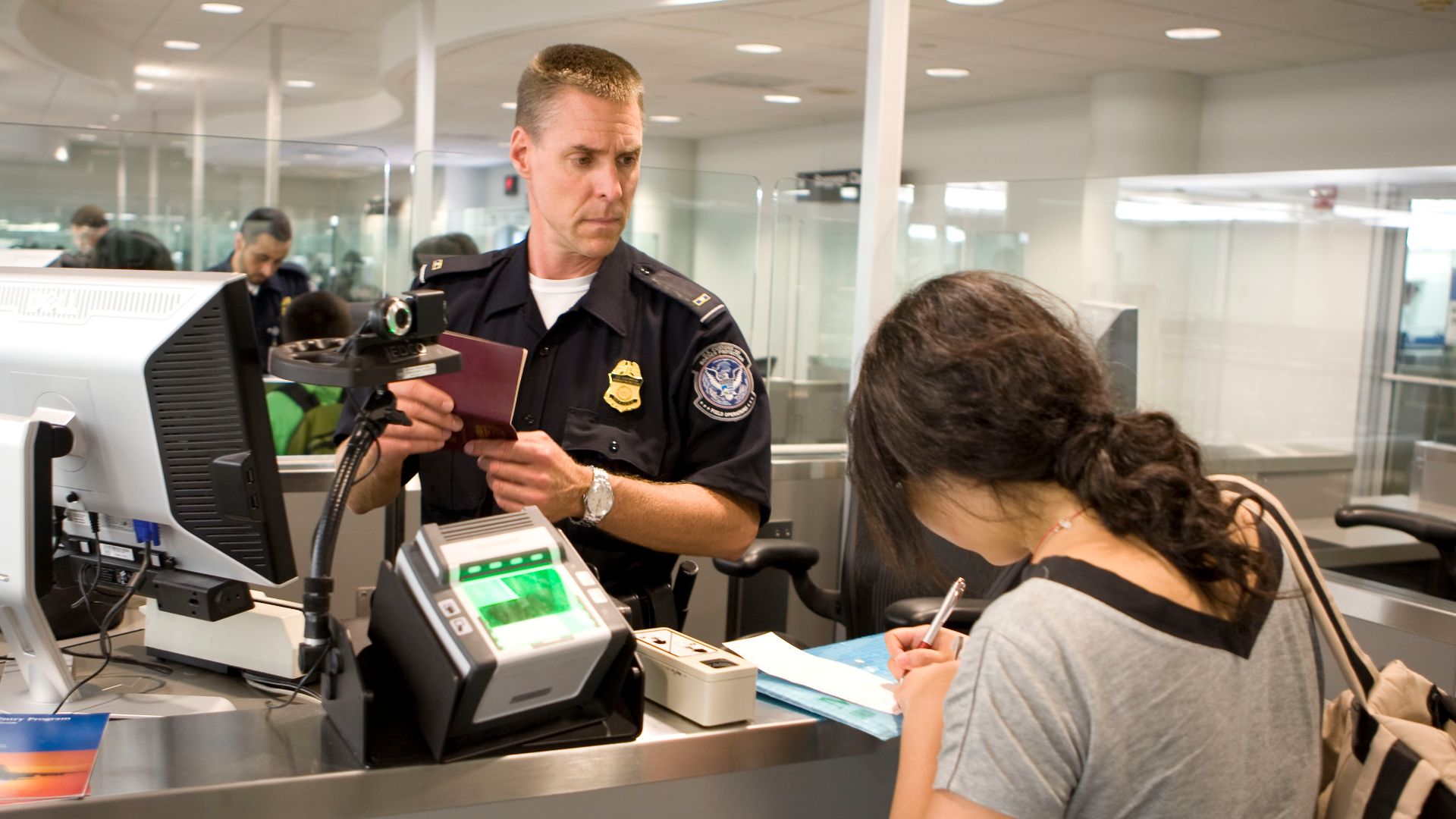
A lot of travelers think declaring an item is like confessing to a crime. It is not. Declaring simply means telling customs what you are bringing in. The fee comes later, depending on the item, its value, where it was made, your allowance, and your country’s rules.
 CBP Photography, Wikimedia Commons
Why Customs Cares About Your Shopping Bag
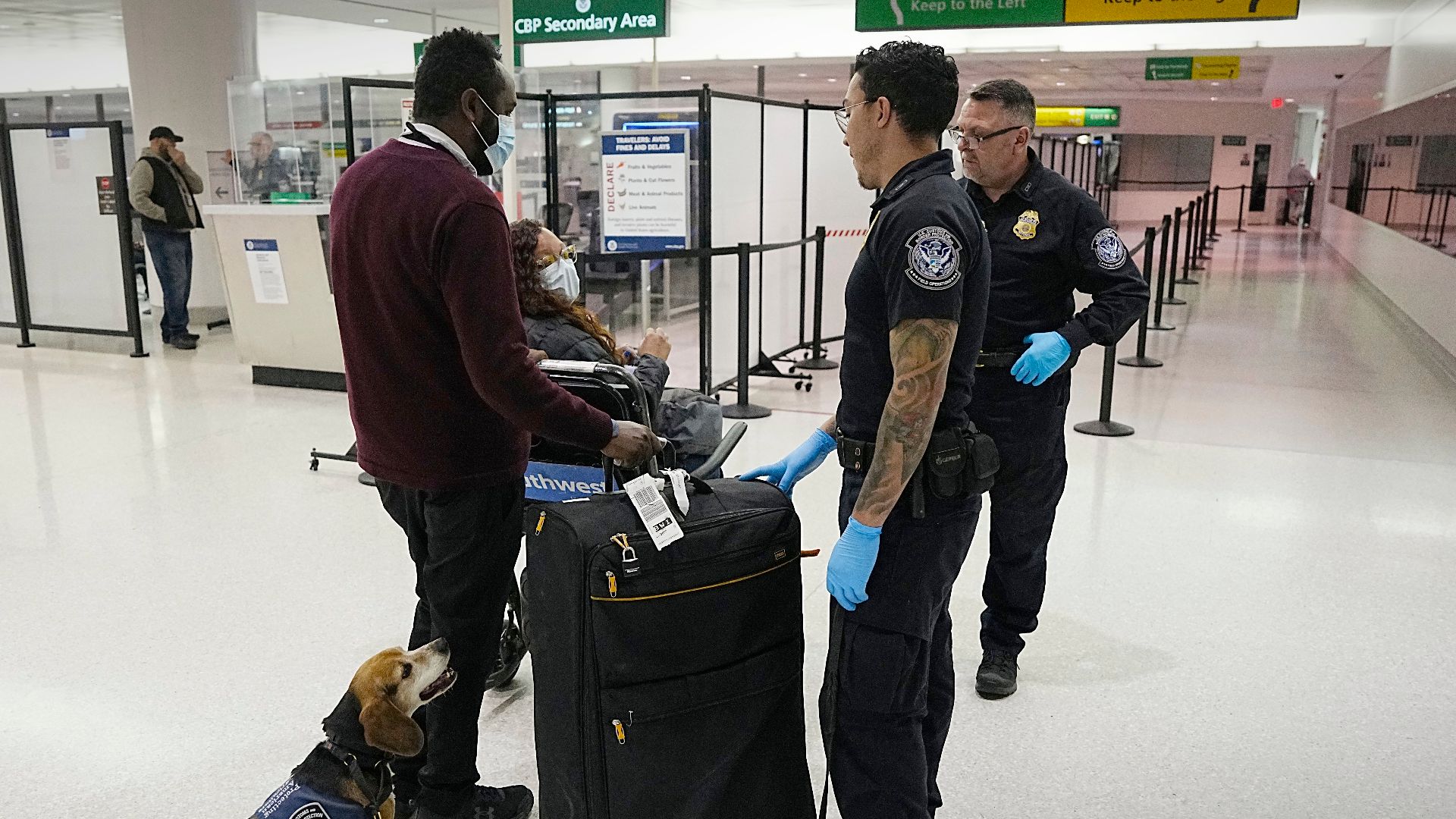
Customs is not personally judging your vacation spending, even if the officer’s eyebrow says otherwise. Countries charge duties and taxes to protect local markets, collect revenue, and track goods entering the country. Expensive items are especially interesting because they can push you over your duty-free allowance very quickly.
 CBP Photography, Wikimedia Commons
Your Duty-Free Allowance Is The Magic Line
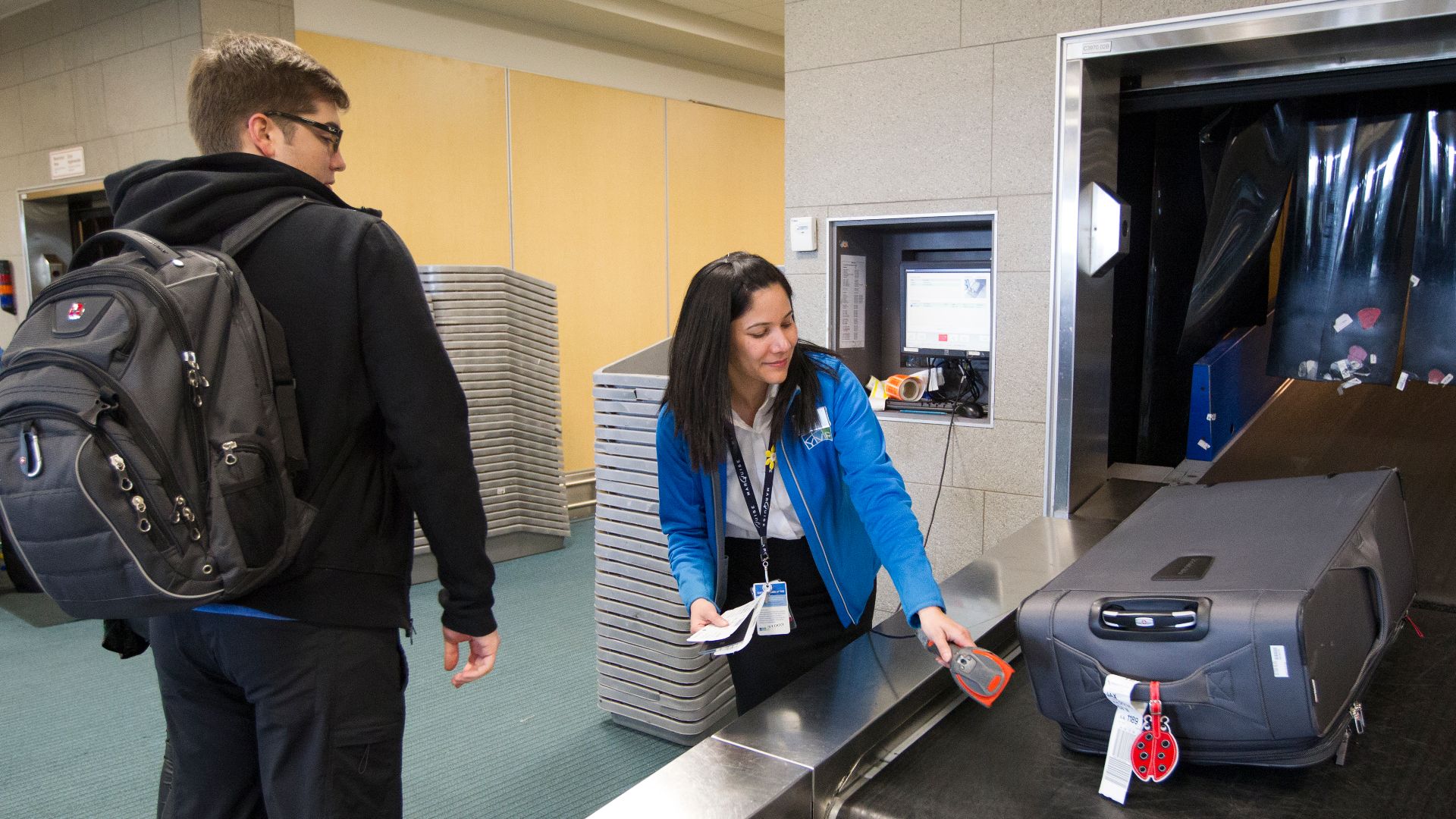
Most countries let travelers bring back a certain value of goods without paying duty or tax. That amount is your personal exemption or duty-free allowance. Once your purchases go above that line, customs may charge fees on the extra amount—or, in some places, on the whole category.
 U.S. Customs and Border Protection, Wikimedia Commons
The Rules Depend On Where You Land
There is no single worldwide customs rulebook tucked behind the passport desk. The United States, Canada, the United Kingdom, the European Union, Australia, and other destinations all use different thresholds, tax rates, and exemptions. That is why the same watch can create very different bills in different airports.
Expensive Does Not Always Mean Taxable
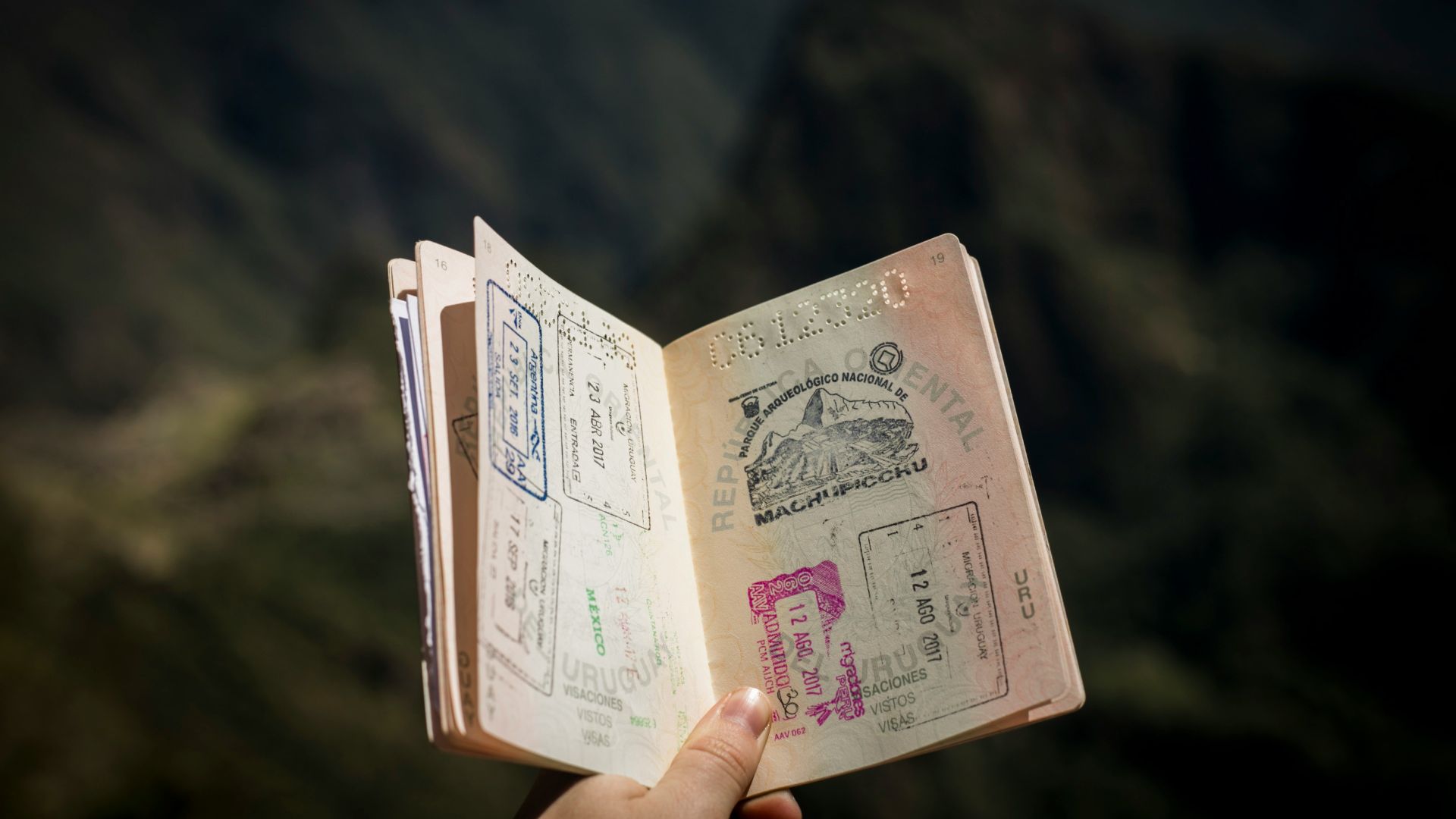
Price matters, but it is not the only factor. Some personal belongings, returned goods, temporary imports, family heirlooms, and items previously owned before travel may qualify for relief. The key is proving the item is not a new foreign purchase, usually with receipts, registration forms, photos, or insurance records.
 CBP Photography, Wikimedia Commons
Receipts Are Your Best Travel Buddy
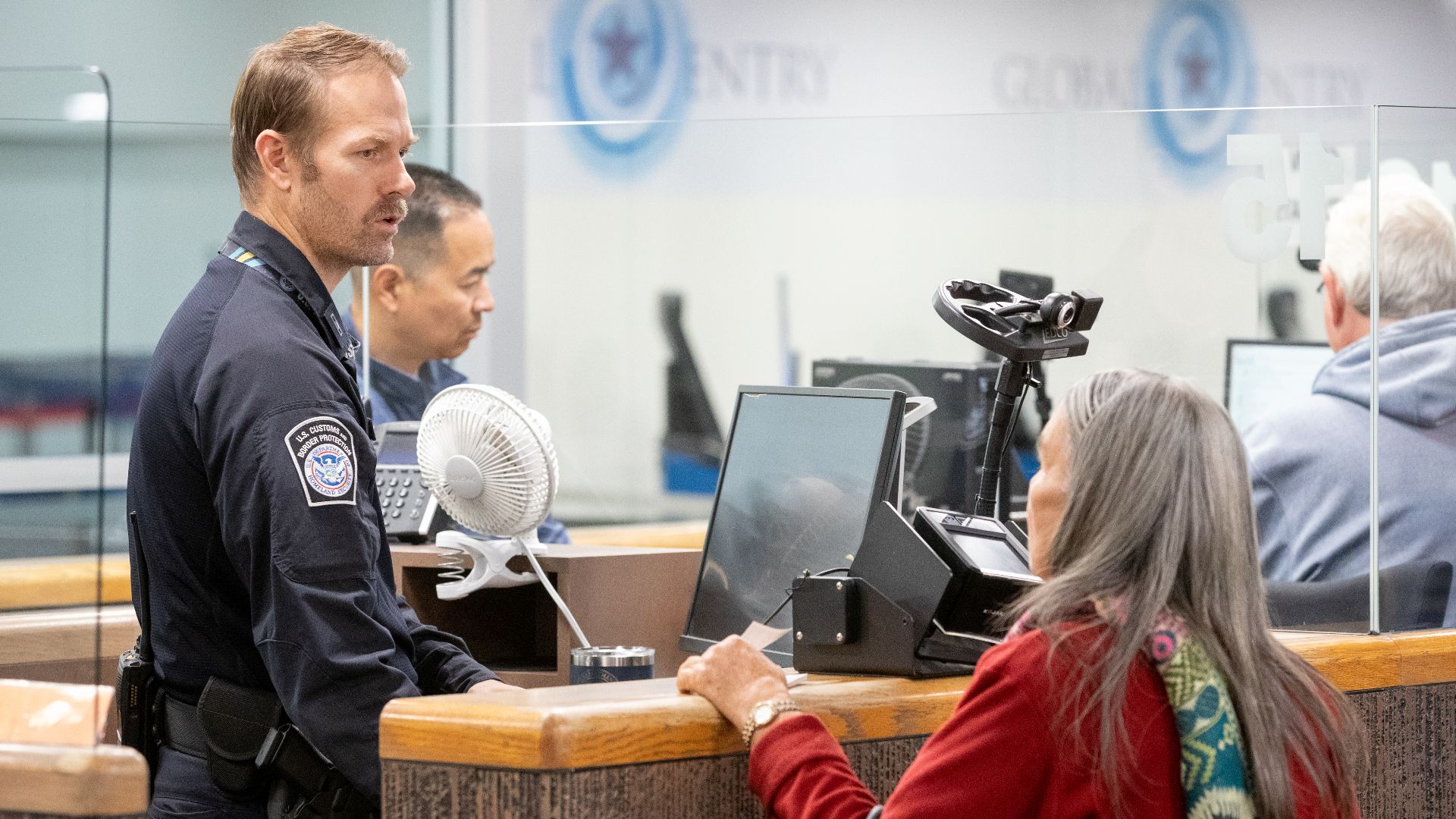
A receipt can save you from a guessing game at the counter. Without one, customs may estimate the value, and their estimate may not match your “it was definitely on sale” memory. Keep digital and paper copies for luxury goods, electronics, jewelry, art, and anything that looks newly purchased.
 CBP Photography, Wikimedia Commons
Currency Conversion Can Sting
That beautiful €900 jacket may feel different once customs converts it into your home currency. Exchange rates can push purchases over your allowance, especially when you bought several items. Customs usually uses official rates, not the casual math you did in the boutique while holding an espresso.

Gifts Count Too
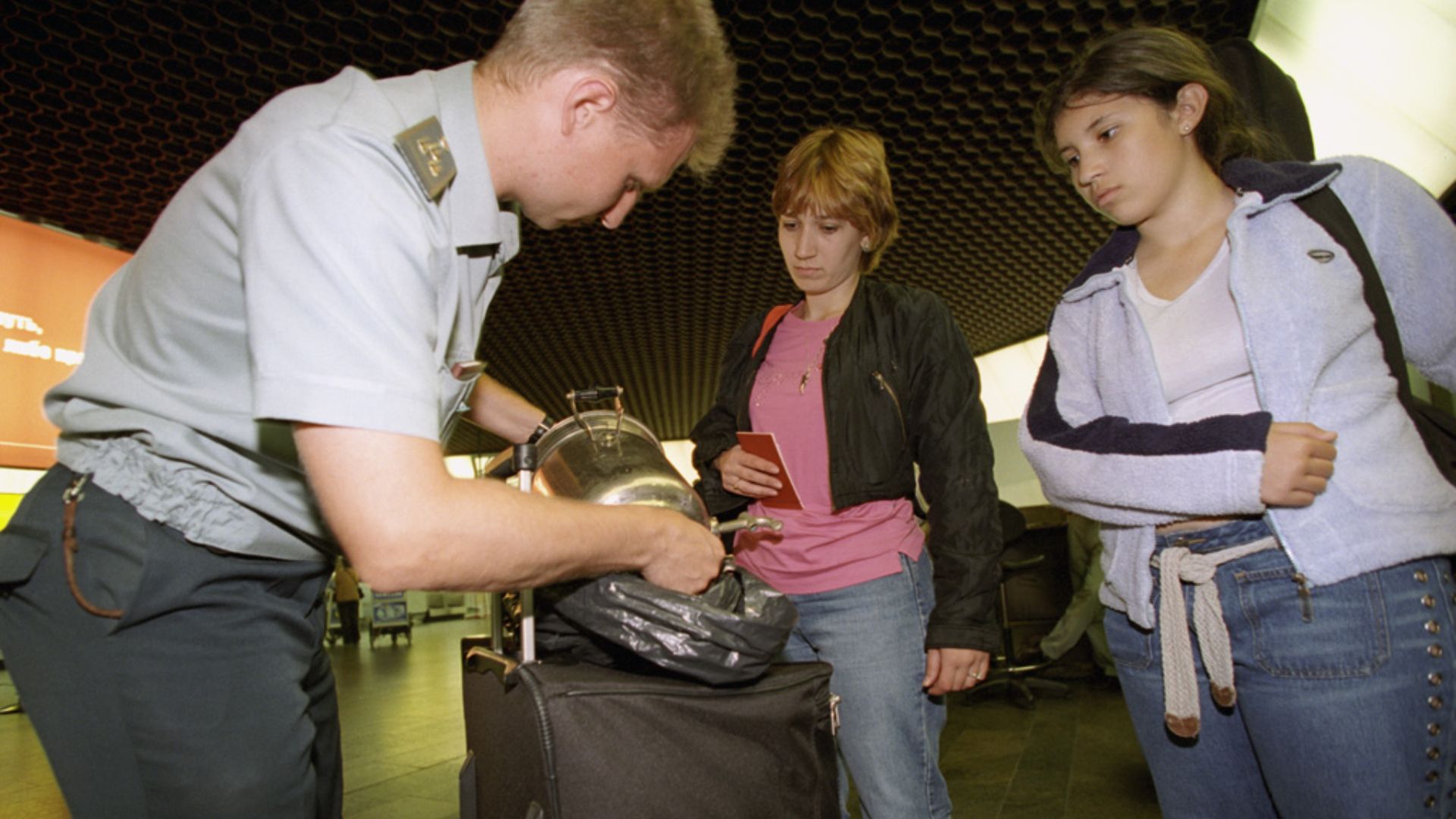
A gift is lovely, generous, and absolutely still interesting to customs. If you bought it abroad and brought it home, it may count toward your allowance. Writing “gift” on the receipt does not make it invisible. Customs cares about value and import rules, not whether Aunt Linda will be thrilled.
 Boris Babanov, Wikimedia Commons
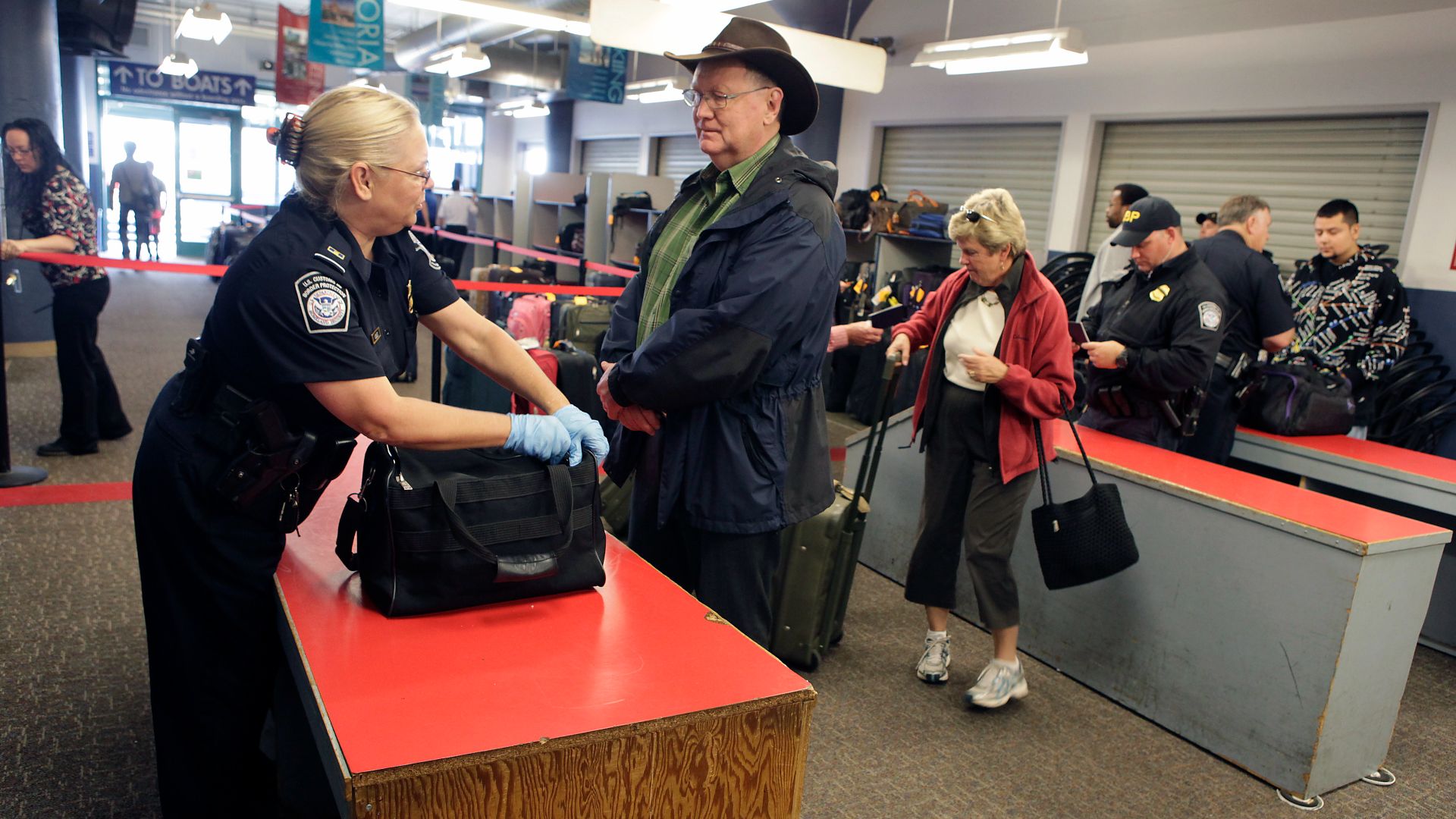
Used Items Can Still Trigger Fees
Wearing the watch through the airport does not magically turn it into an old possession. Customs officers see this trick often. If the item was purchased during your trip, it may still be dutiable, even if you removed the tag, used it once, or confidently called it “part of my outfit.”
 CBP Photography, Wikimedia Commons
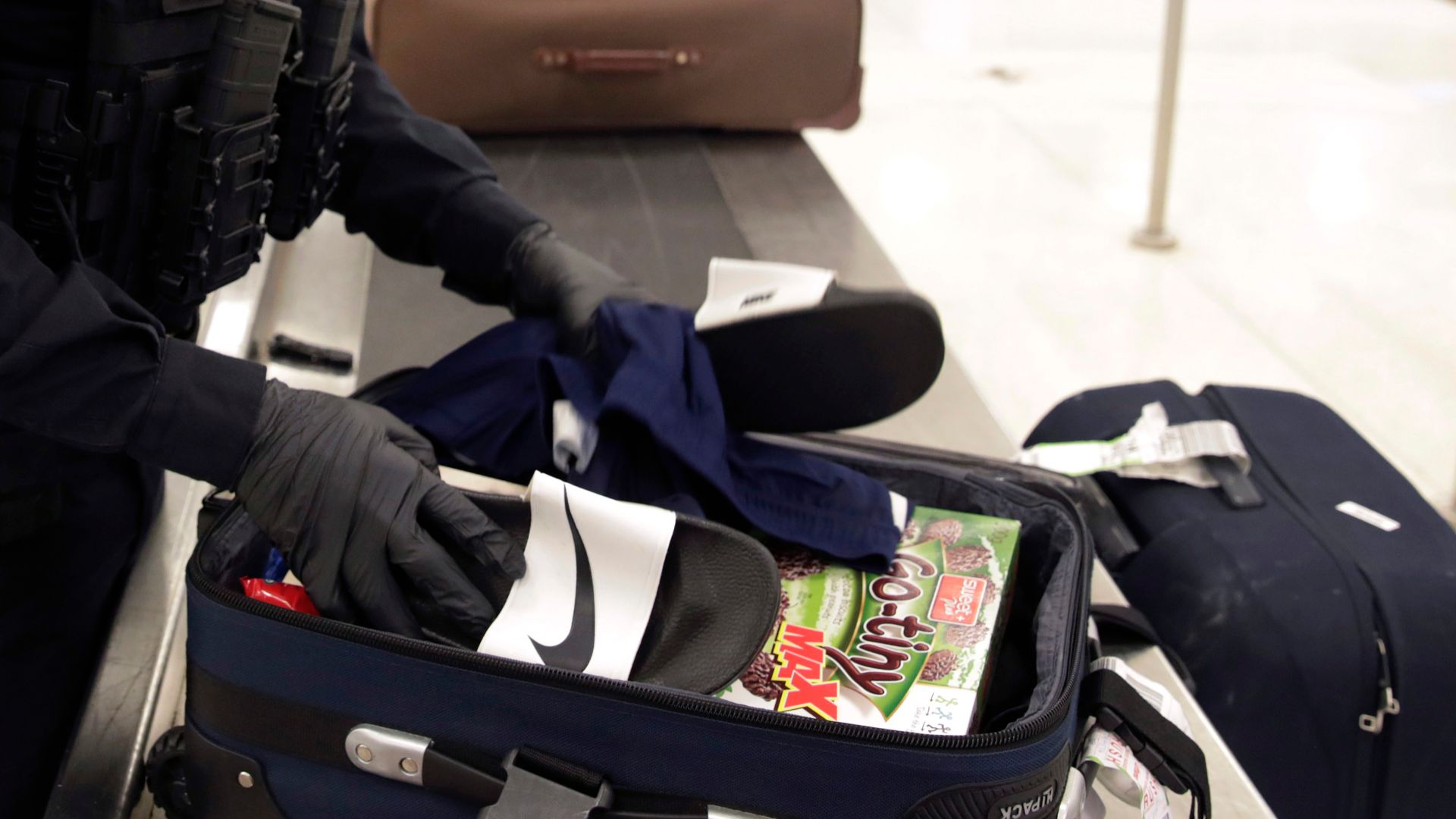
Country Of Origin Can Change The Bill
Two items with the same price can face different duty rates depending on where they were made. Trade agreements, tariffs, and product classifications all matter. That “Italian” bag may have a more complicated origin story than the label suggests, and customs may classify it based on official import rules.
 CBP Photography, Wikimedia Commons
Taxes And Duties Are Not The Same Thing
Import costs can include customs duty, sales tax, value-added tax, excise tax, processing fees, or special tariffs. That is why the final number can feel bigger than expected. You may not be paying one fee; you may be paying several small wolves in one airport-shaped trench coat.

Alcohol And Tobacco Play By Tougher Rules
Some categories get special treatment, and not always in your favor. Alcohol, tobacco, perfume, and certain luxury goods often have separate limits or higher rates. Even when your general allowance looks generous, these items may have their own mini-rulebook ready to ruin the party.
 CBP Photography, Wikimedia Commons
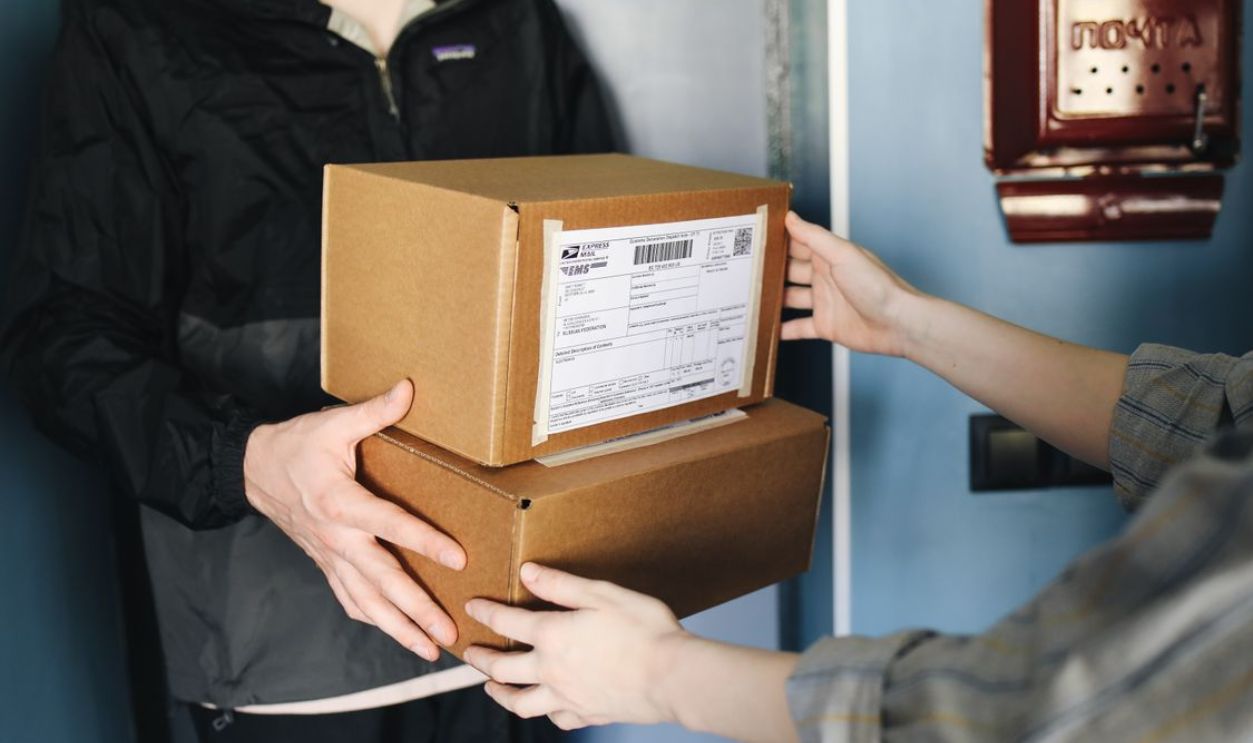
Shipping Items Home Does Not Always Help
Sending purchases by mail or courier can be convenient, but it does not erase import rules. In fact, shipped goods may face their own declaration process, brokerage fees, taxes, or duties. The box may arrive later, but the bill can still catch up with impressive dedication.
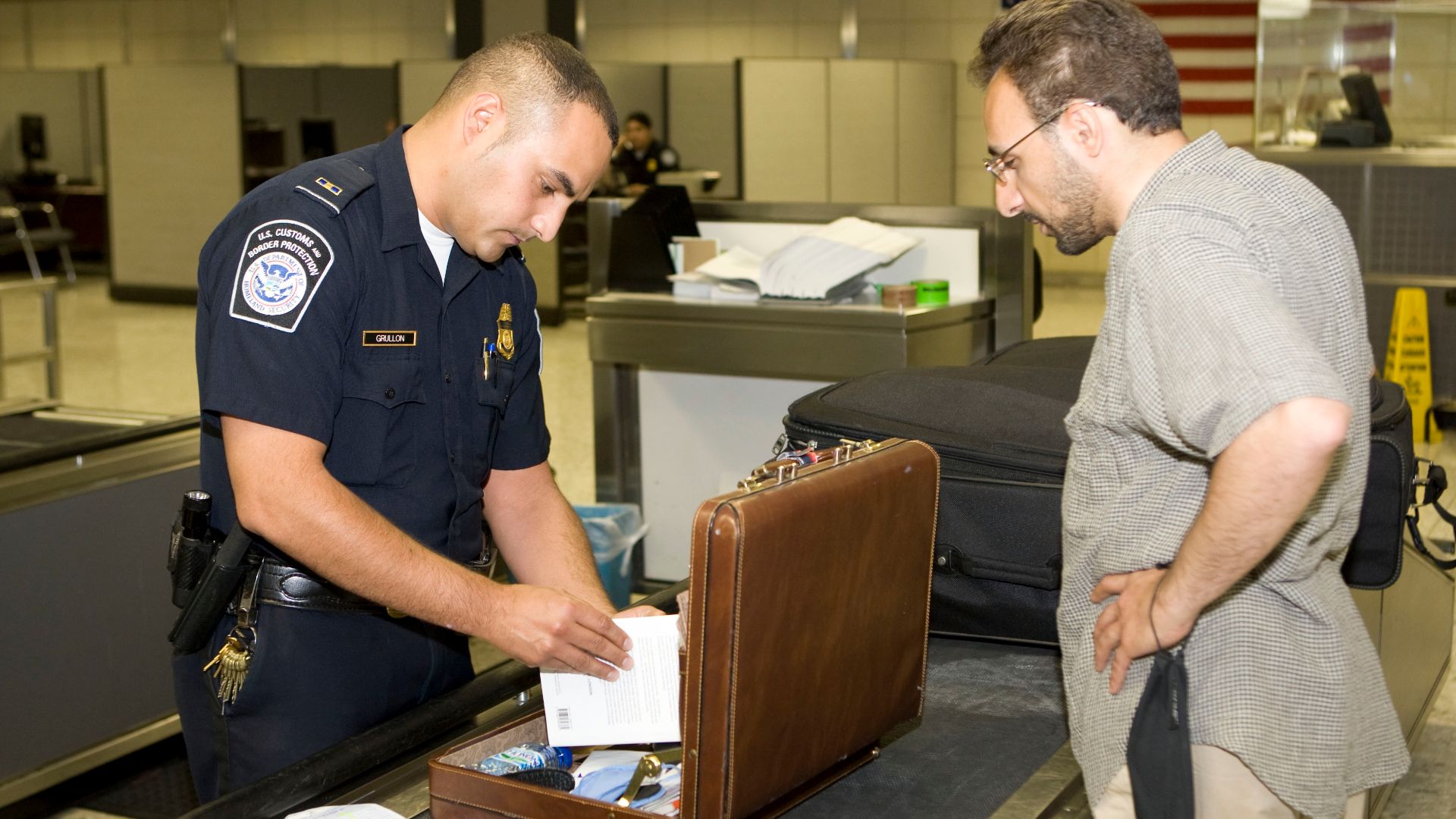
Personal Use Matters
Customs treats personal purchases differently from commercial imports. One camera for your own travel blog is not the same as ten identical cameras in sealed boxes. If customs thinks you are importing for resale, the paperwork and fees can become much more serious.
 CBP Photography, Wikimedia Commons
Can You Refuse To Pay?
In many cases, refusing to pay means refusing entry of the goods. Customs may hold, return, abandon, or seize the item depending on local rules. You may be able to appeal later, but you usually cannot simply smile, shrug, and stroll away with the item unpaid.
 CBP Photography, Wikimedia Commons
When The Fee Might Be Wrong
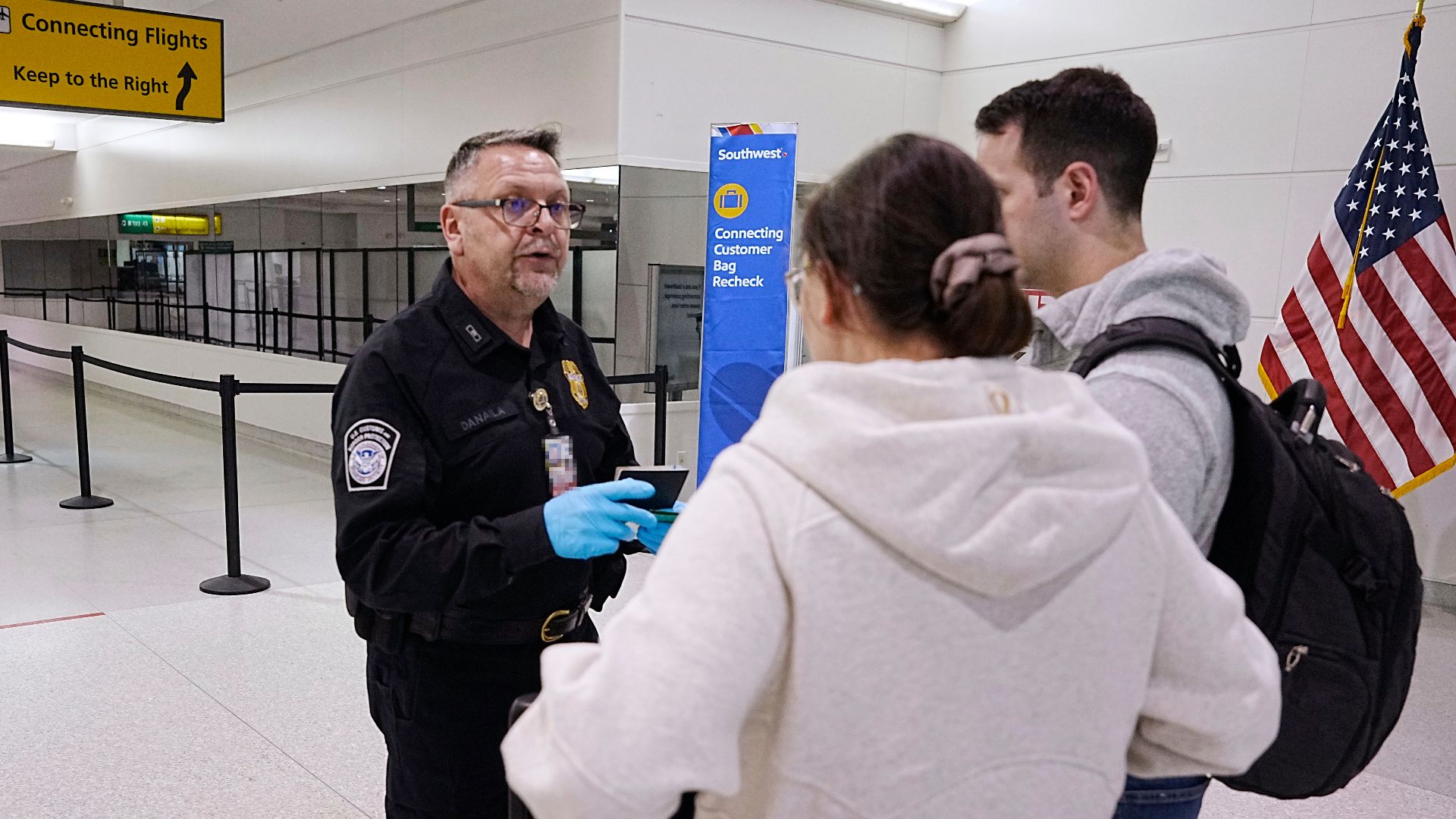
Customs officers are human, and classifications can be tricky. Mistakes happen with value, origin, item category, exchange rates, or exemption eligibility. If the charge seems off, ask politely how it was calculated. A calm question works much better than declaring war at baggage claim.
 CBP Photography, Wikimedia Commons
Ask For A Breakdown
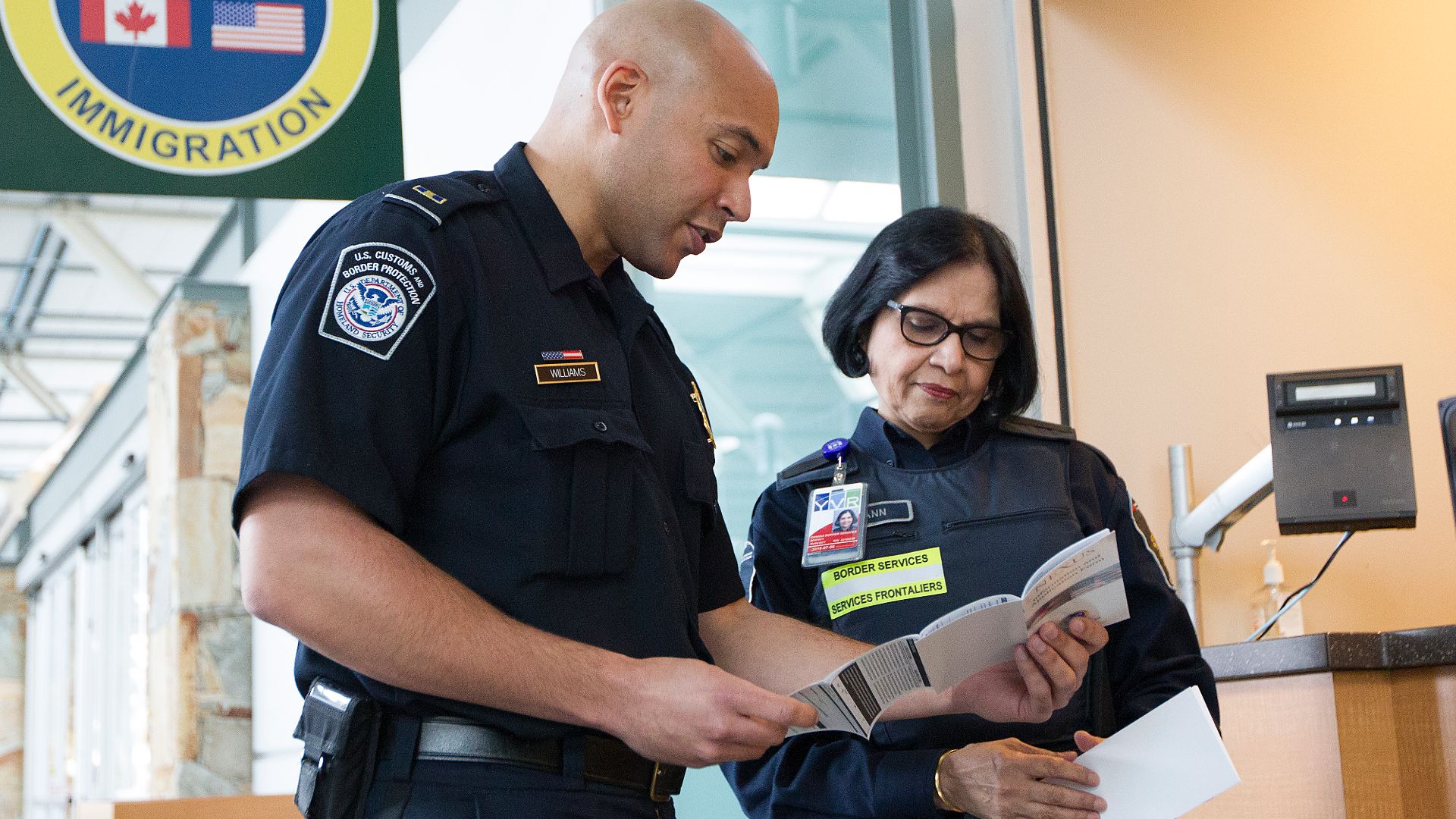
You are allowed to ask what you are being charged and why. Request a receipt, assessment notice, or written breakdown showing the item value, duty rate, tax rate, and category used. This paper trail is essential if you later challenge the fee or request a refund.
 U.S. Customs and Border Protection, Wikimedia Commons
Appeals And Refunds May Exist
Many countries have a process for disputing customs assessments, claiming relief, or requesting a refund. Deadlines can be short, so do not bury the paperwork under vacation laundry. If the item was misclassified or you had proof of prior ownership, you may have a decent case.
 CBP Photography, Wikimedia Commons
Proof Of Prior Ownership Helps A Lot
For expensive items you already own, consider traveling with proof. Photos from before the trip, insurance documents, appraisals, serial numbers, or customs registration forms can help show you did not buy the item abroad. This is especially useful for jewelry, watches, cameras, laptops, and musical instruments.
 CBP Photography, Wikimedia Commons
Do Not Underdeclare To Save Money
Tempting? Maybe. Smart? Absolutely not. Underdeclaring can lead to penalties, seizure, fines, and future travel headaches. Customs officers know what luxury items cost. If your brand-new designer handbag is declared as “miscellaneous fabric pouch, $40,” nobody is buying the performance.
 Frame Stock Footage, Shutterstock
Honesty Can Reduce Trouble
Declaring an item does not guarantee a fee-free experience, but hiding it can make everything worse. Many customs agencies are clearer and more forgiving when travelers are upfront. Think of declaring as buying peace of mind, even if the receipt comes with a small financial bruise.
Before You Travel, Check The Allowance
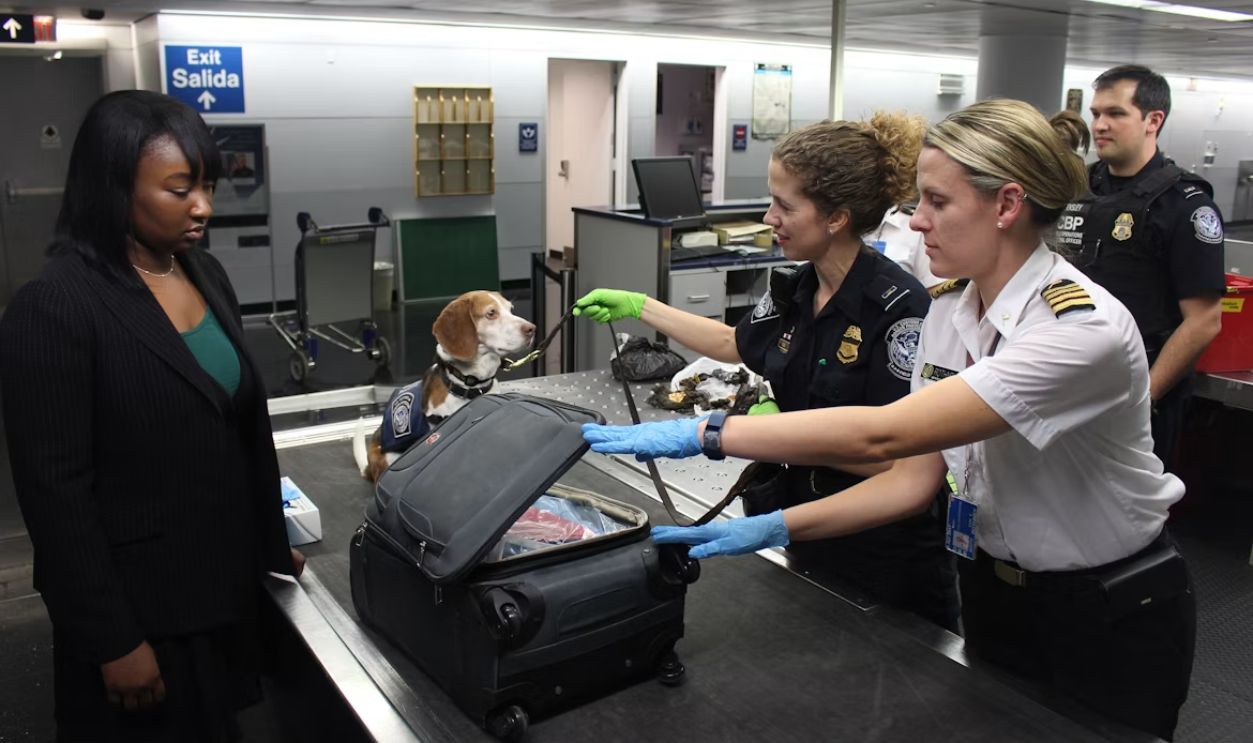
The least glamorous travel research may save you the most money. Before you shop abroad, check your home country’s duty-free allowance, alcohol limits, tax rules, and restricted goods list. Five minutes of research can prevent a dramatic airport finale starring you, your suitcase, and regret.

Build Fees Into Your Budget
If you are planning a big purchase overseas, add possible import costs before deciding it is a bargain. A watch, bag, camera, or artwork may still be worth it, but the real price is the store price plus customs, tax, and any fees waiting at home.

Keep The Packaging Question In Mind
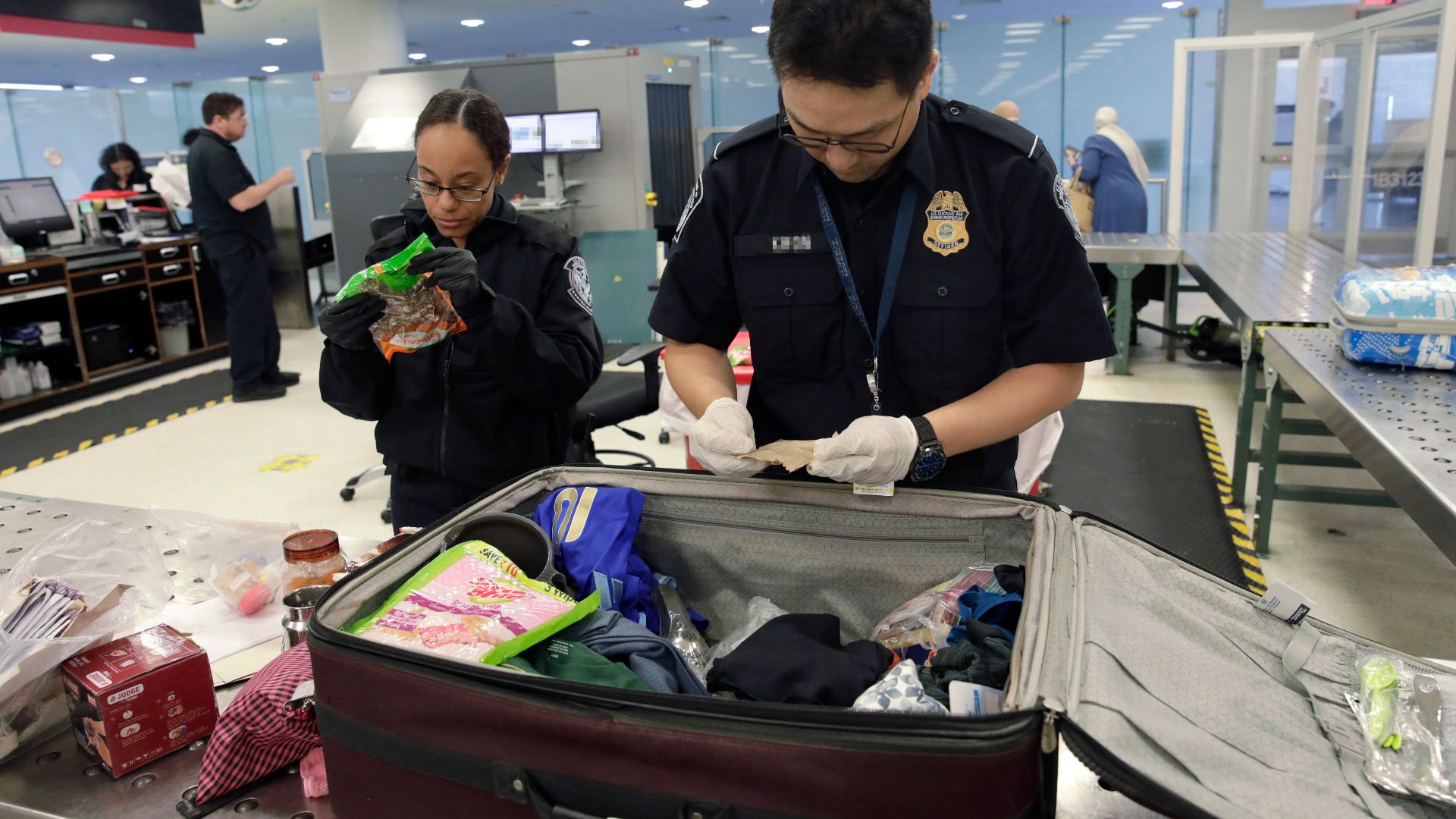
Original packaging can make customs valuation easier, but it can also scream “new purchase.” Throwing boxes away will not necessarily help and may make returns, warranties, or proof harder. The better strategy is simple: keep receipts, declare honestly, and know the rules before you fly.
 CBP Photography, Wikimedia Commons
So, Do You Always Have To Pay?
You usually have to pay if the law says the item is taxable and the calculation is correct. But you do not have to accept confusion silently. Ask for details, show proof, check exemptions, and appeal if something seems wrong. Customs fees are official, not mysterious airport magic.
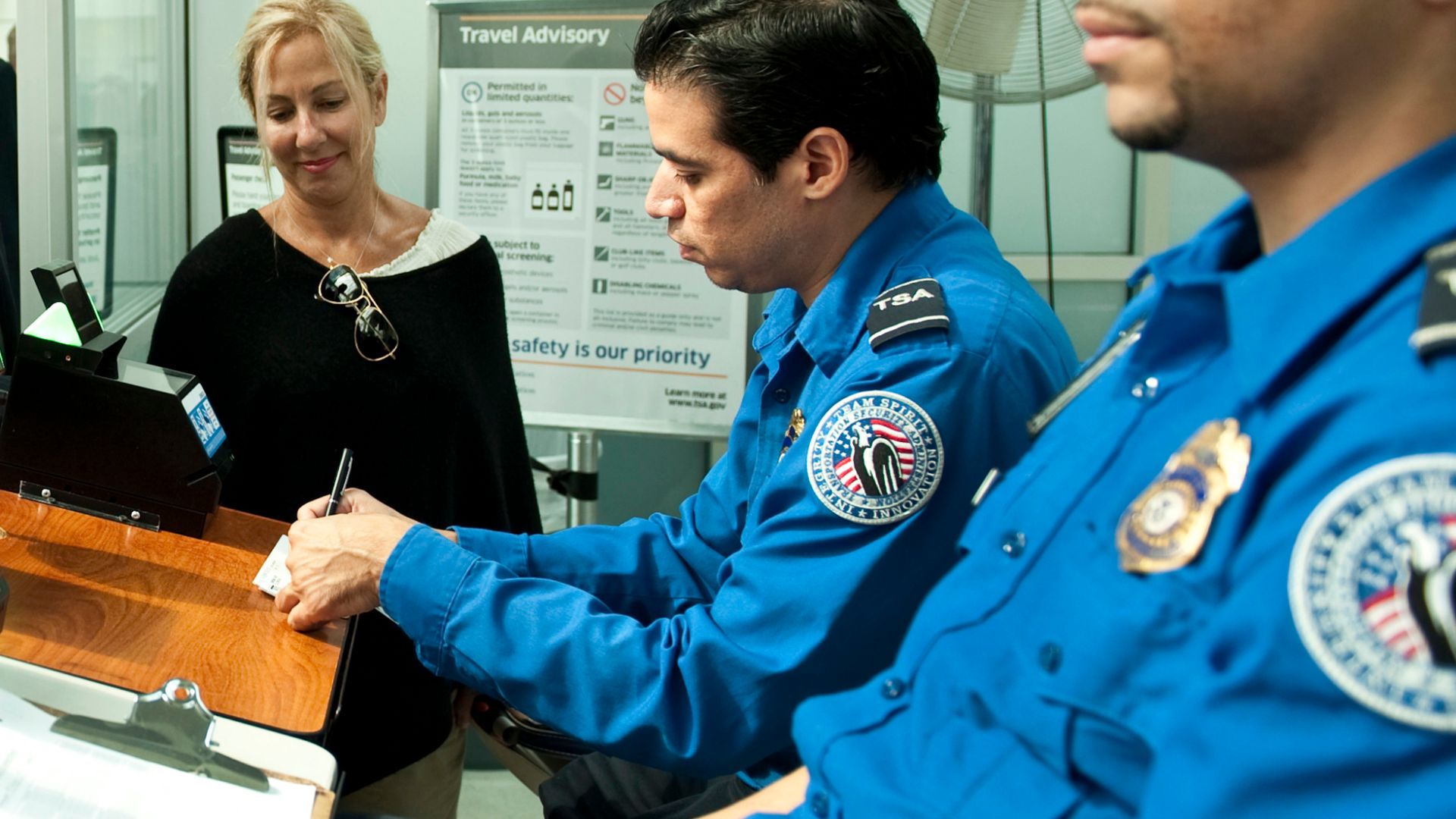 U.S. Department of Homeland Security (DHS), Wikimedia Commons
The Smart Traveler’s Final Move
Declaring expensive items is not a mistake. It is the grown-up travel move, even when it comes with an annoying bill. The trick is preparation: know your allowance, keep records, budget for fees, and stay calm. Your souvenir should come with a story—not a customs meltdown.
 Everythingforall, Shutterstock
You May Also Like: