Do Not Let Your First Three Days Disappear
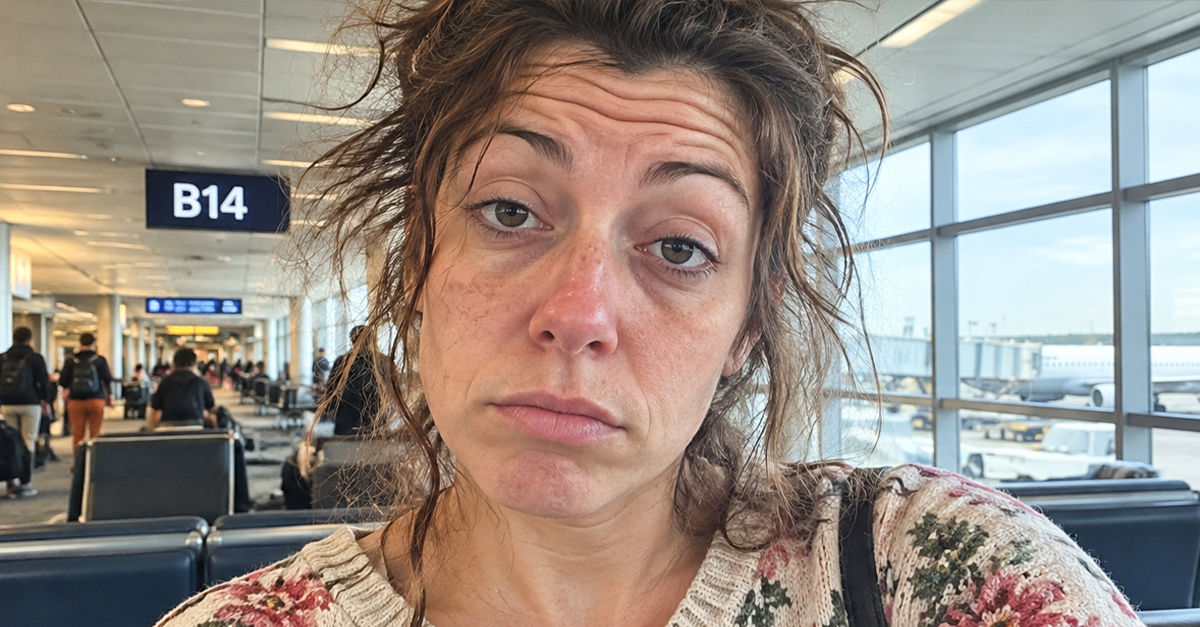
You finally land somewhere exciting, only to spend breakfast feeling half-conscious and bedtime staring at the ceiling. Jet lag happens when your internal clock has not caught up with local time. The good news is that a little planning before and after the flight can make those first days far easier.
Start Fixing It Before You Even Leave
One of the easiest mistakes is waiting until arrival to think about jet lag. If you are heading east, try moving bedtime and wake-up time a little earlier for several days before departure. Going west? Shift them later. Even an hour at a time can make the eventual change feel less brutal.

Do Not Board The Plane Already Exhausted
Pulling an all-nighter before a long flight may sound clever if you are hoping to sleep onboard. In reality, starting the trip sleep-deprived can make jet-lag symptoms feel worse. Get as much normal sleep as you can before departure so you are adjusting your body clock, not recovering from unnecessary exhaustion too.
Put Yourself On Destination Time Early
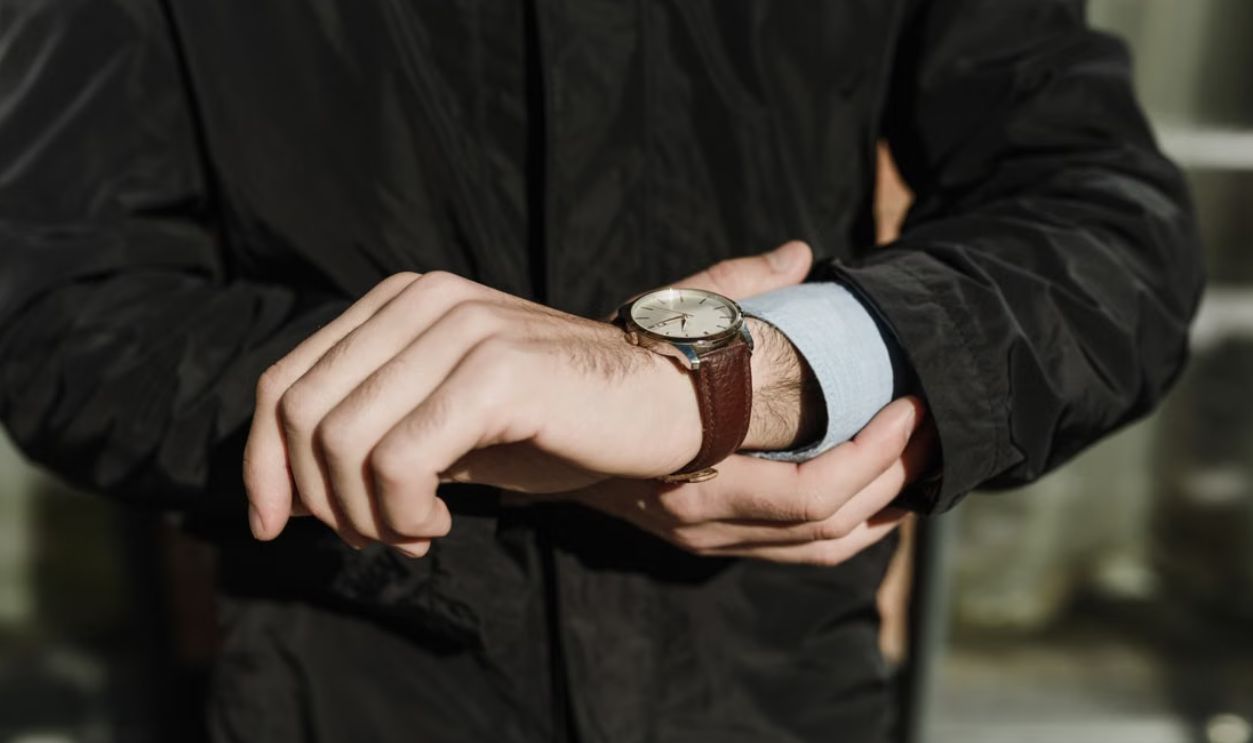
Once the trip begins, start thinking like someone who already lives where you are going. Change your watch, schedule meals around the destination, and ask yourself whether people there are currently sleeping or awake. That simple mental switch can help guide what you do during the flight.
Sleep On The Plane With A Purpose
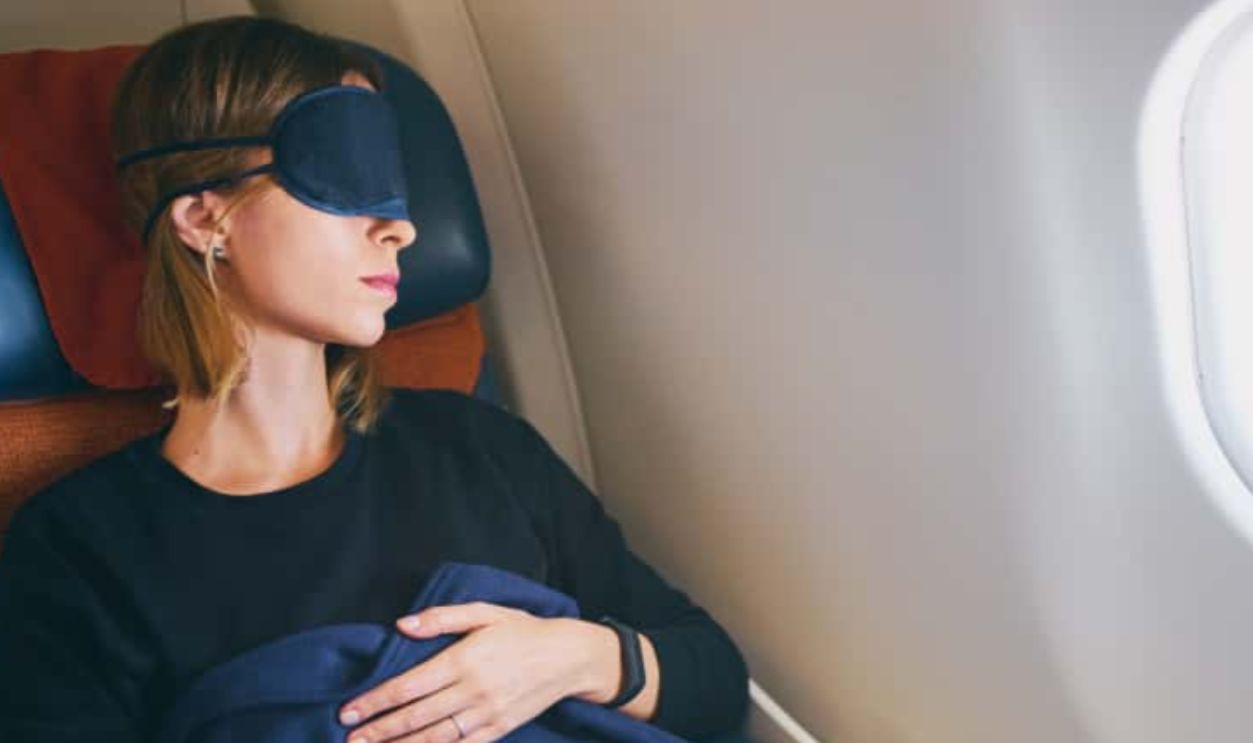
Sleeping through an entire flight is not always helpful. If it is nighttime at your destination, getting some rest makes sense. If you are landing in the middle of the day, hours of sleep right beforehand may make staying awake afterward harder. Match your in-flight sleep to the clock waiting for you.
Light Is One Of Your Best Weapons
Your body clock takes strong cues from light. Used at the right time, bright light can help shift your rhythm toward your destination. That means getting outside can sometimes do more for your adjustment than another cup of coffee or an extra hour hiding beneath the hotel duvet.

Heading East? Morning Light May Help
Eastbound travel usually requires you to fall asleep earlier than your body expects. Appropriately timed morning light can help push your internal clock in that direction. The catch is timing: after very large time changes, random light exposure can work against you, so more sunshine is not automatically better.

Heading West? Evening Light Can Be Useful
Westbound trips often require staying awake later, which tends to be easier for many people. Evening light can help delay your body clock and make the new schedule feel more natural. That is one reason travelers frequently find a westbound time change easier than the same number of hours heading east.

Get Outside Once You Arrive
If the timing fits your adjustment plan, go for a walk instead of heading straight to the hotel room. Daylight, movement, fresh air, and the novelty of a new place can all help you stay awake when your body is begging for sleep. As bonuses go, sightseeing is a pretty good one.

Resist The Giant Afternoon Nap
This is where many trips go off the rails. You arrive exhausted at noon, lie down “for 20 minutes,” and wake up three hours later. Then midnight arrives and you are wide awake. If you absolutely need a nap, keep it short, ideally around 20 to 30 minutes.

Try To Reach A Normal Local Bedtime
You do not need to become a hero and stay awake until 2 am. Just aim for a reasonable bedtime in the new time zone. Staying awake long enough to build real sleep pressure gives you a better chance of sleeping through the night and waking closer to the local schedule.
Melatonin May Help, But Timing Matters
Melatonin is one of the most studied supplements for jet lag, and appropriately timed doses can help some travelers adjust. Recommendations are not identical everywhere, however. It is not simply a sedative: taken at the wrong biological time, melatonin can shift your internal clock in the wrong direction.

Check Before Taking Melatonin
Melatonin is not automatically appropriate for everyone just because it is sold over the counter. It can interact with medications, and people with certain medical conditions may need additional caution. Always ask a medical professional before taking any new supplement.

Supplement Labels Are Not Always Exact
There is another wrinkle with melatonin: the amount inside a supplement may not perfectly match the amount stated on the label. US supplements are not approved for safety and effectiveness before sale in the same way medications are. That makes choosing products carefully especially important.

Use Coffee Like A Tool, Not A Life Support System
Caffeine can be extremely useful when local time says “morning” and your body says “absolutely not". Have it early enough to improve alertness without ruining the next night's sleep. Coffee late in the day can keep the cycle going by leaving you exhausted but unable to fall asleep.

Water Helps You Feel Better, Not Change Time Zones
Long flights, dry cabins, and travel days can leave you dehydrated, which may worsen headaches and fatigue. Drinking water is still a smart move. Just remember that hydration cannot reset your body clock on its own. Think of it as helping your body cope while the real adjustment happens.

Be Careful With The “Nightcap” Strategy
Alcohol may make you feel sleepy, but that does not mean it gives you good sleep. It can fragment rest and contribute to dehydration, leaving you groggy even if you technically slept for several hours. If you are already fighting jet lag, adding poor-quality sleep to the equation rarely helps.

Move Around During The Day
You do not need a punishing workout after a 10-hour flight. A walk is enough. Movement can improve alertness and help you avoid collapsing into bed too early. If you can combine exercise with useful daylight exposure, even better. Just save the marathon training session for when you actually feel human again.

Eat On The New Schedule
Your meals should start following the destination too. Travel-health guidance recommends shifting meals, sleep, and other daily activities toward local time. That may mean eating breakfast when your stomach still thinks it is midnight, but establishing a normal routine can make the first couple of days feel less chaotic.

Make Nighttime Actually Look Like Night
Bright hotel lights and glowing screens are not helpful when you are trying to convince your brain that bedtime has arrived. As evening approaches, dim the room, lower screen brightness, and make the environment quieter and darker. Give your body fewer reasons to think the day is still going.

Pack The Boring Sleep Gear
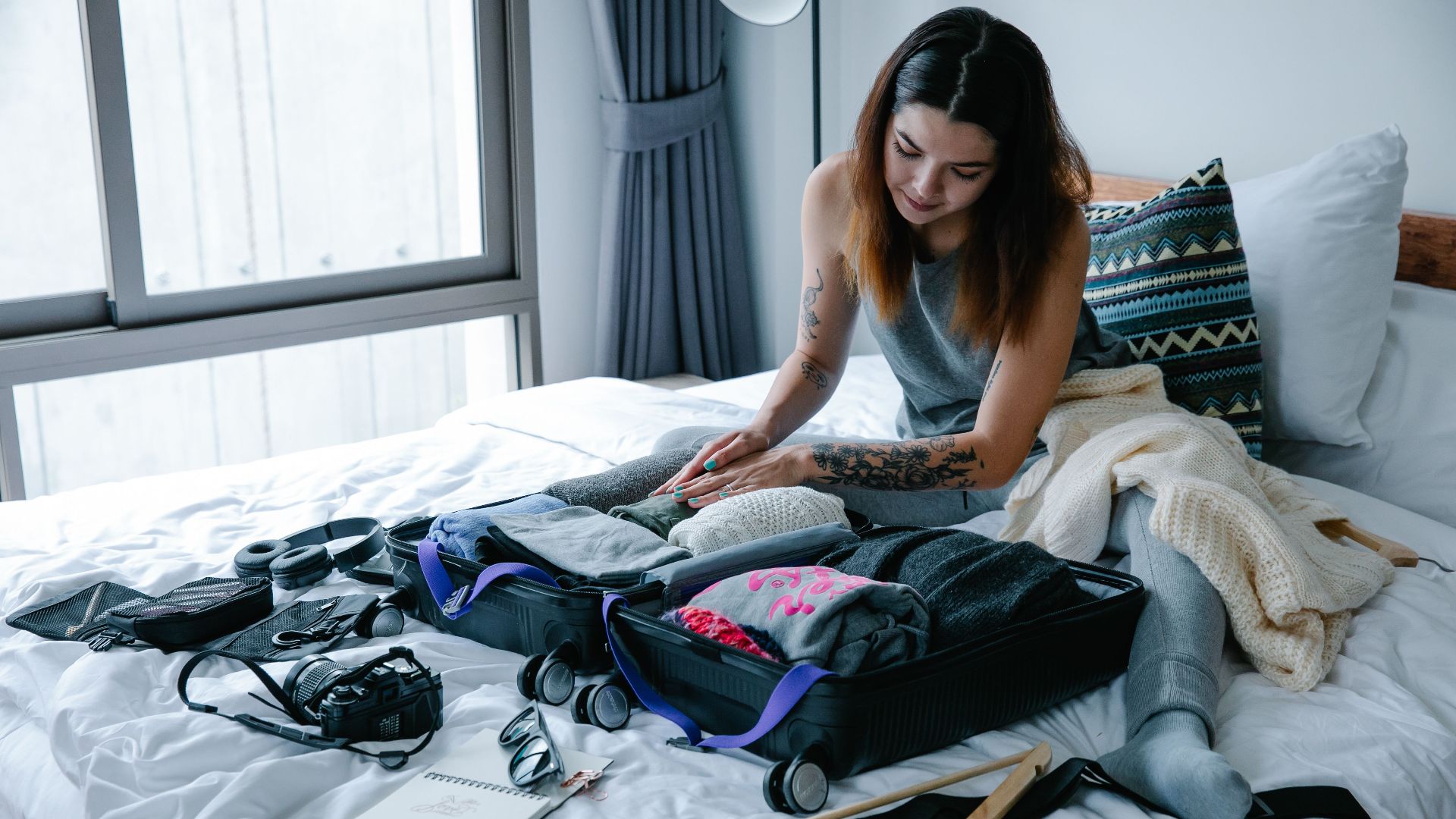
An eye mask and earplugs will never be the most exciting items in your suitcase, but they can rescue sleep in a bright airplane cabin or badly curtained hotel room. Noise-canceling headphones can help too. None of these cures jet lag, but protecting the sleep you do get makes everything easier.
Be Wary Of Heavy-Duty Sleep Fixes
Prescription sleep medications may be appropriate for some people, but they are not something to experiment with casually on a trip. Long-acting sedatives and sedating antihistamines can leave you foggy, unsteady, and impaired the next day. If medication is part of your plan, discuss it with a clinician beforehand.
 Amnaj Khetsamtip, Shutterstock
“Natural” Does Not Automatically Mean Effective
Chamomile, valerian, aromatherapy, and other travel sleep products are easy to find, but evidence that they actually correct jet lag is weak. Some may help people relax, which is different from resetting a circadian rhythm. They can also interact with medications, so natural does not necessarily mean harmless.

Big Time Change? Make An Actual Plan
If you are crossing many time zones, guessing when to seek sunlight or take melatonin can get complicated. A reputable jet-lag planner can map out sleep, light, and caffeine around your itinerary. This becomes particularly useful when the trip involves an eight-, ten-, or twelve-hour change rather than a small shift.

Short Trips May Not Be Worth A Full Reset
If you are away for only two or three days, fully adapting to the new time zone may create more trouble than it solves. Some health guidance suggests that short-trip travelers can sometimes stay closer to their home schedule, especially if meetings or activities allow enough flexibility.

Give Yourself Two Days Before Anything Important
Flying across several time zones for a wedding, presentation, competition, or major meeting? Build recovery time into the itinerary if you can. Travel-health guidance suggests considering arrival at least two days before an important event so your body can begin adapting before you need to be at your best.

Eastbound Trips Usually Require More Patience
There is a biological reason an eastbound flight can feel especially punishing. People generally find it easier to stay awake later than to force themselves to sleep earlier. Average adjustment is often estimated at around one hour per day heading east versus roughly 1.5 hours per day heading west.
You Probably Cannot Eliminate Jet Lag Completely
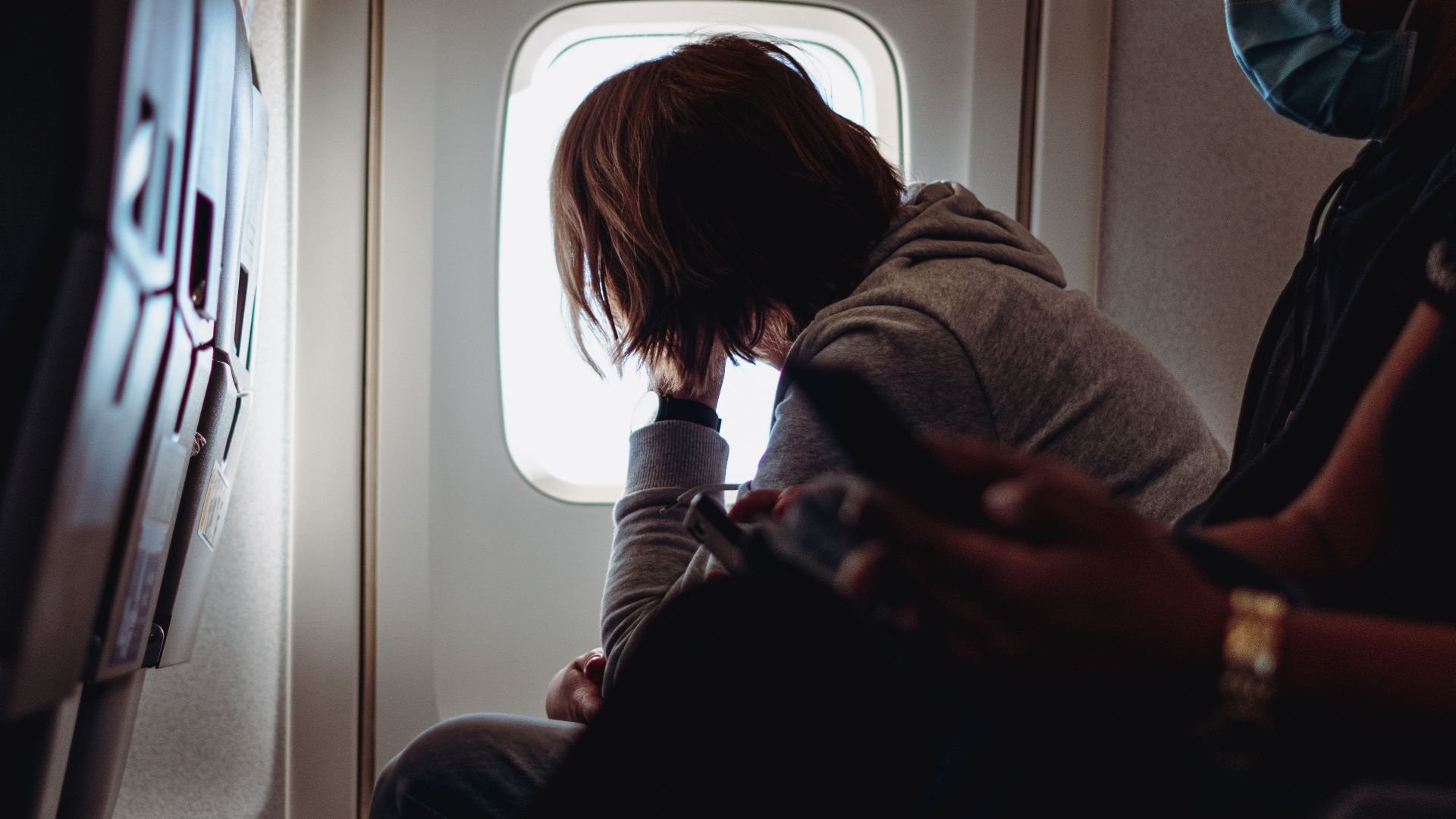
There is no magic trick that instantly moves your internal clock six hours. The realistic goal is to reduce the severity and shorten the adjustment. Sleep before the trip, use light deliberately, stay close to local time, nap briefly, control caffeine, and give your body a chance to catch up.

The Best Time To Fight Jet Lag Is Before It Hits
Jet lag becomes much easier to manage when you stop treating it as something that begins after landing. Think about sleep, light, caffeine, meals, and arrival time before you travel. You may still have one groggy breakfast, but that beats realizing halfway through the vacation that your body clock finally showed up.
 David Prado Perucha, Shutterstock
You May Also Like:
Tips for Travelling With Your Dog
Items You’ll Be Glad You Brought To Europe—And Some You Should Leave Behind