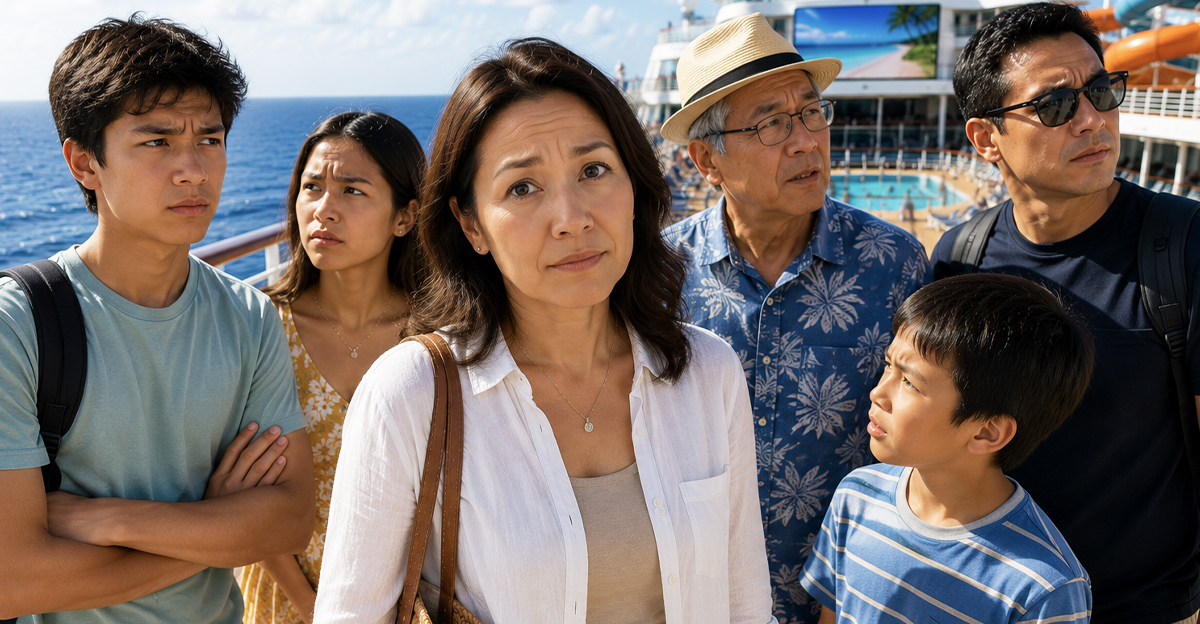
Everyone Boarded The Same Ship With A Different Vacation In Mind
The grandparents wanted quiet dinners and scenic ports, the teenagers wanted freedom, and the younger children cared mostly about pools and snacks. A cruise was supposed to simplify the family trip, but the number of competing expectations made it feel complicated before the ship even sailed. Cruises can work remarkably well for multigenerational families, but only when the group stops expecting everyone to take the same vacation.
Cruises Solve One Major Group-Travel Problem
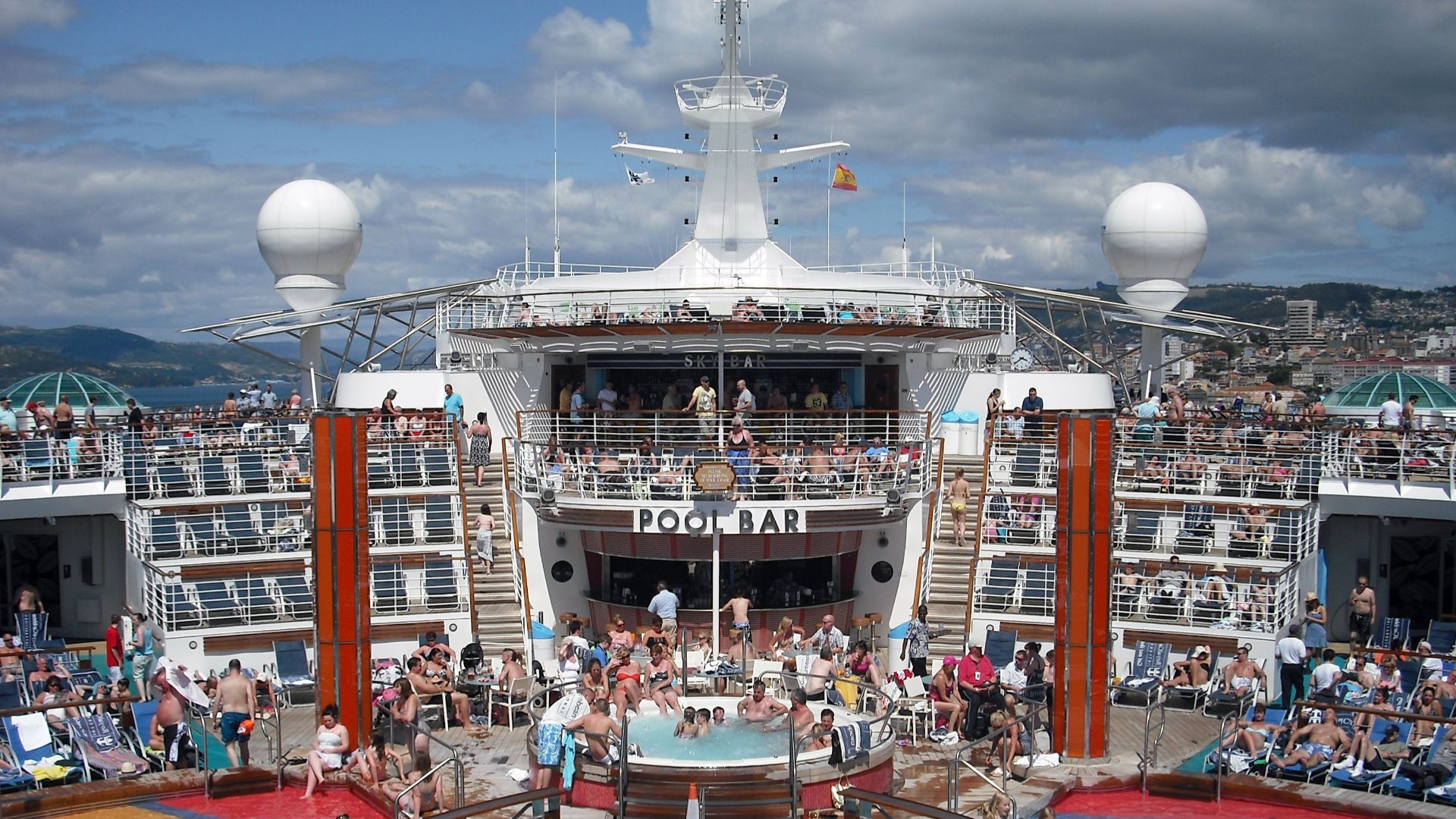
A cruise keeps accommodations, dining, transportation, and entertainment in one place. Families can visit several destinations without repeatedly packing, changing hotels, or arranging transfers. That convenience is one reason travel publications frequently recommend cruises for multigenerational groups.
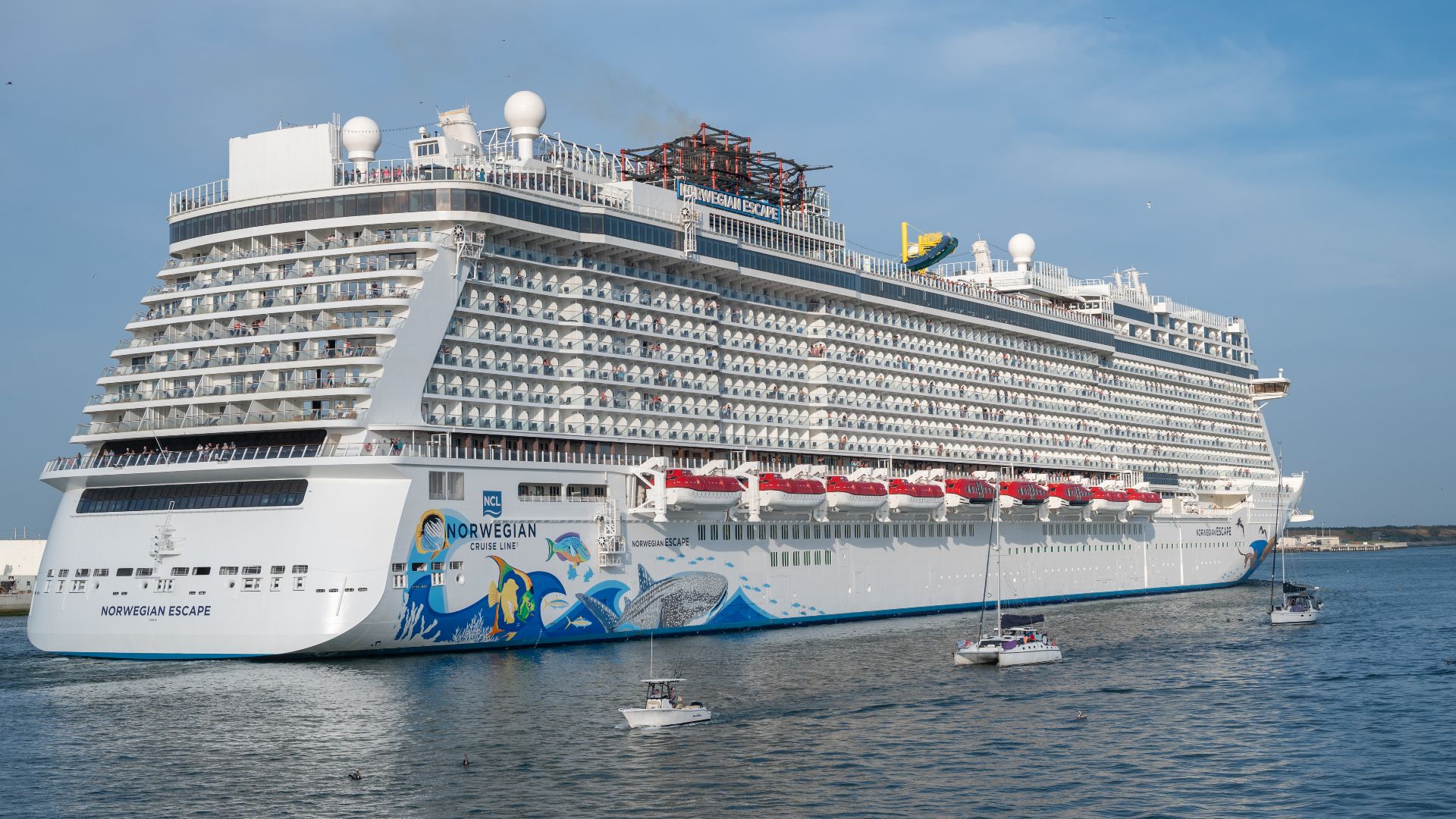 Gordon Leggett, Wikimedia Commons
The Ship Matters More Than The Cruise Label
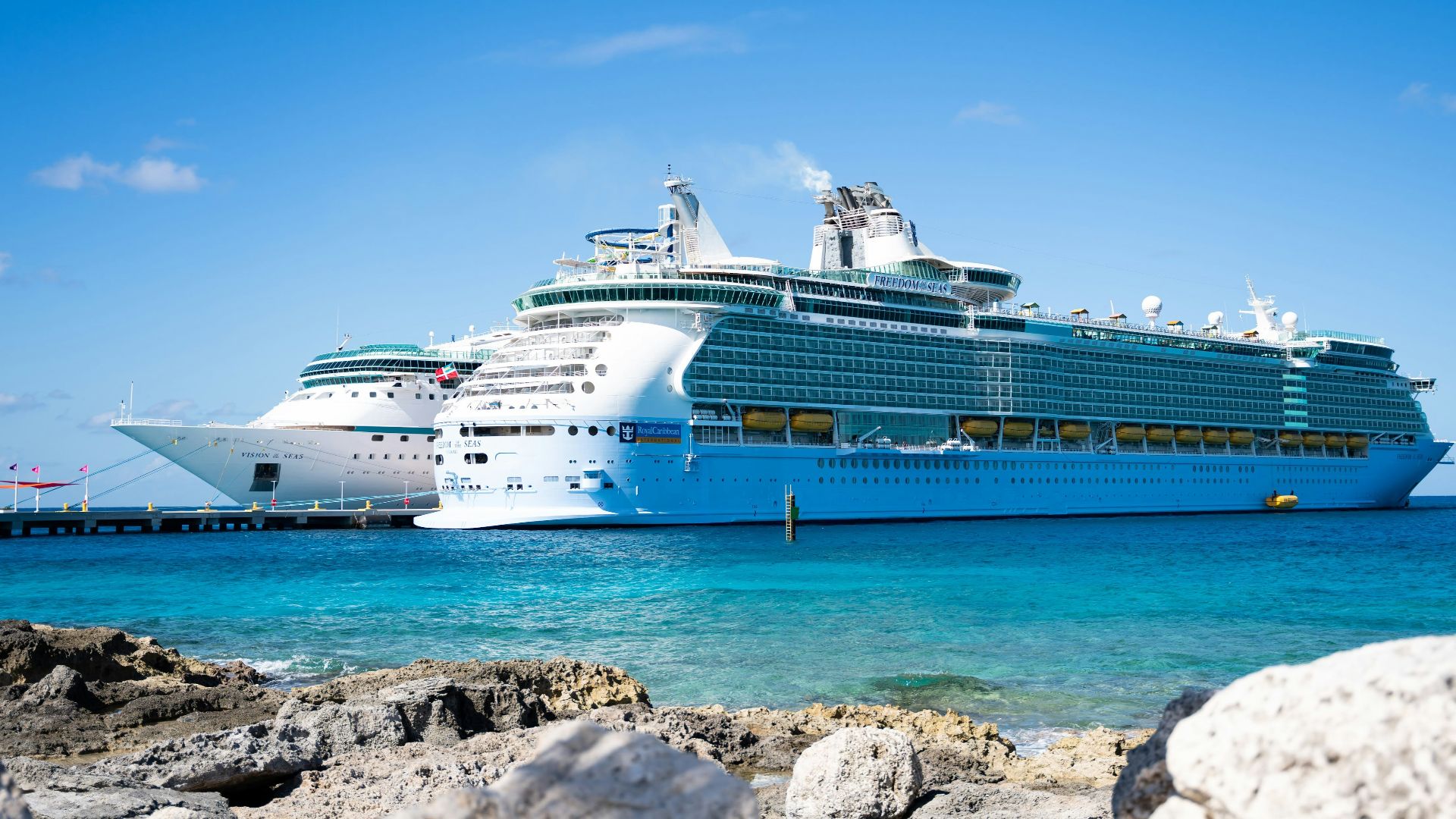
Not every cruise is equally suitable for every family. A huge resort-style ship may offer water slides, children’s clubs, nightlife, and dozens of restaurants, while a smaller ship may emphasize scenery, lectures, and quieter service. Choosing the wrong ship can create more tension than choosing the wrong itinerary.

Start With Everyone’s Nonnegotiables
Before booking, ask each household what would make the trip enjoyable and what would make it frustrating. Grandparents may need accessible cabins, parents may want childcare, and teenagers may care about Wi-Fi or spaces where they can spend time independently. The goal is to identify the few priorities that genuinely affect whether the trip works.

Don’t Let The Person Paying Control Everything
If one relative is covering most of the cost, they may reasonably influence the budget, cruise line, or cabin category. That doesn’t mean every passenger should follow their preferred schedule. Financial generosity works best when it creates a shared opportunity rather than a compulsory itinerary.
Pick The Cruise Line Before The Itinerary
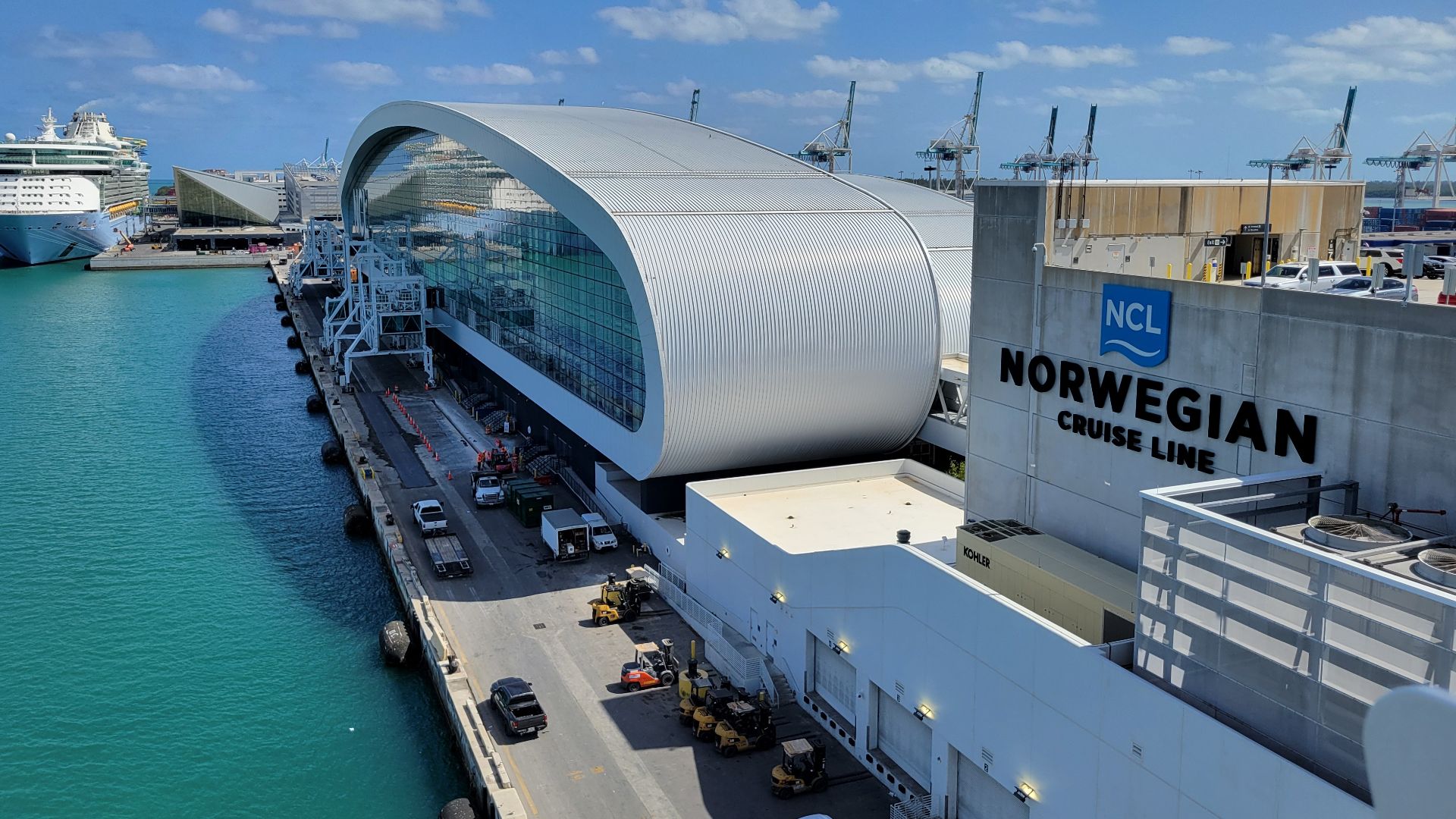
A beautiful route won’t compensate for a ship that doesn’t fit the family. Compare children’s programming, adult-only areas, accessibility, cabin layouts, dining flexibility, entertainment, and overall atmosphere before becoming attached to particular ports. Condé Nast Traveler notes that family-oriented cruise lines can differ significantly in how they serve children, teens, adults, and older travelers.

Match The Ship To The Children’s Ages
Toddlers, elementary-school children, teenagers, and young adults need very different things. Some children’s clubs have strict age bands, toilet-training rules, or limited nursery capacity. Teenagers may reject programming designed for younger children, so verify the actual age groups instead of assuming “family-friendly” covers everyone equally.
Check Childcare Before Promising Adult Time
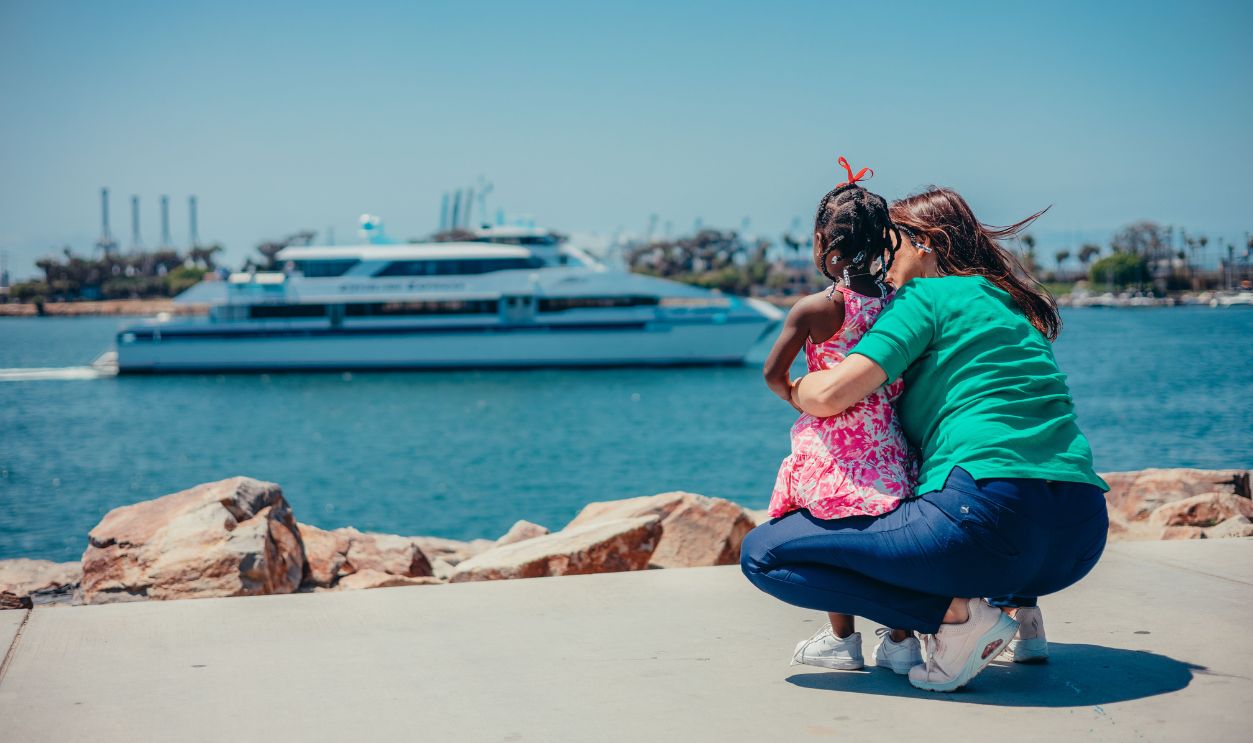
Parents may imagine dropping children at the club whenever they want, but hours, reservations, fees, and age limits vary. Nurseries and evening babysitting may be limited or unavailable. Confirm the schedule before building the adults’ vacation around childcare that may not exist.
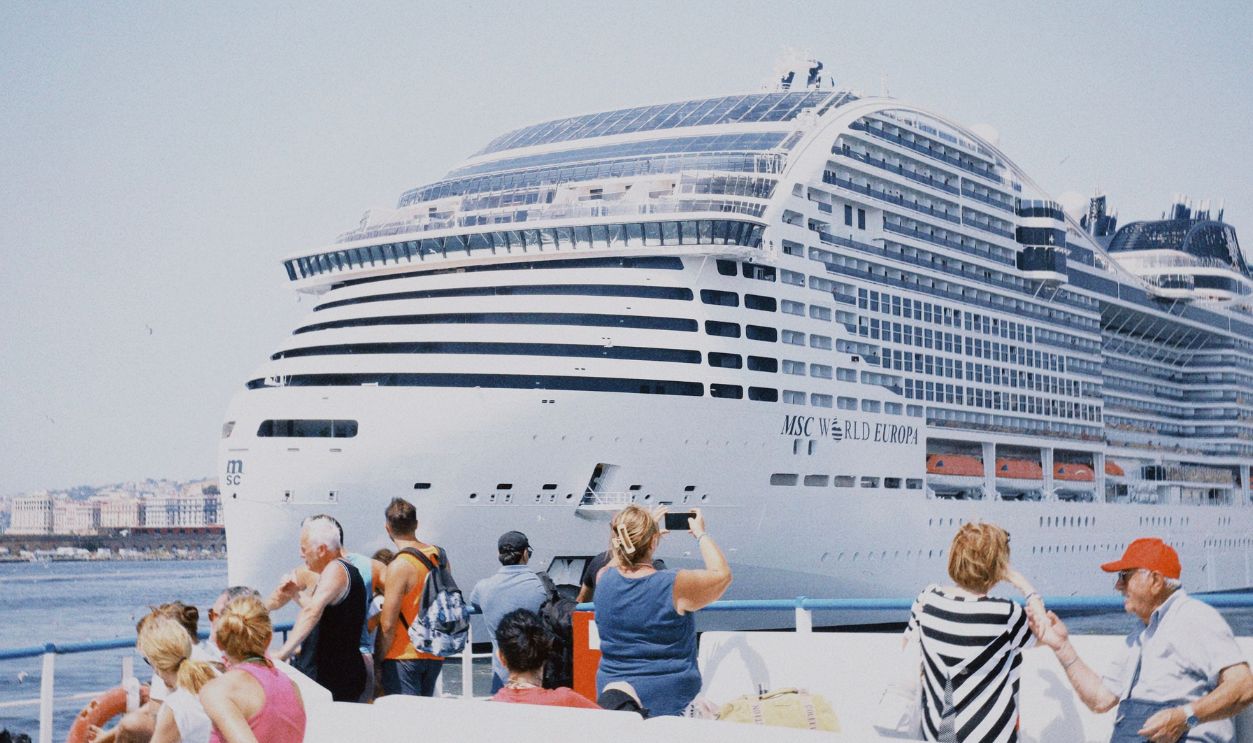
Grandparents Need More Than An Elevator
A ship may be technically accessible while still requiring long walks between cabins, restaurants, and theaters. Check cabin location, shower design, tender requirements, gangway conditions, and the distance between key spaces. A centrally located cabin can be worth more than a larger one at the far end of the ship.

Cabin Arrangements Can Make Or Break The Trip
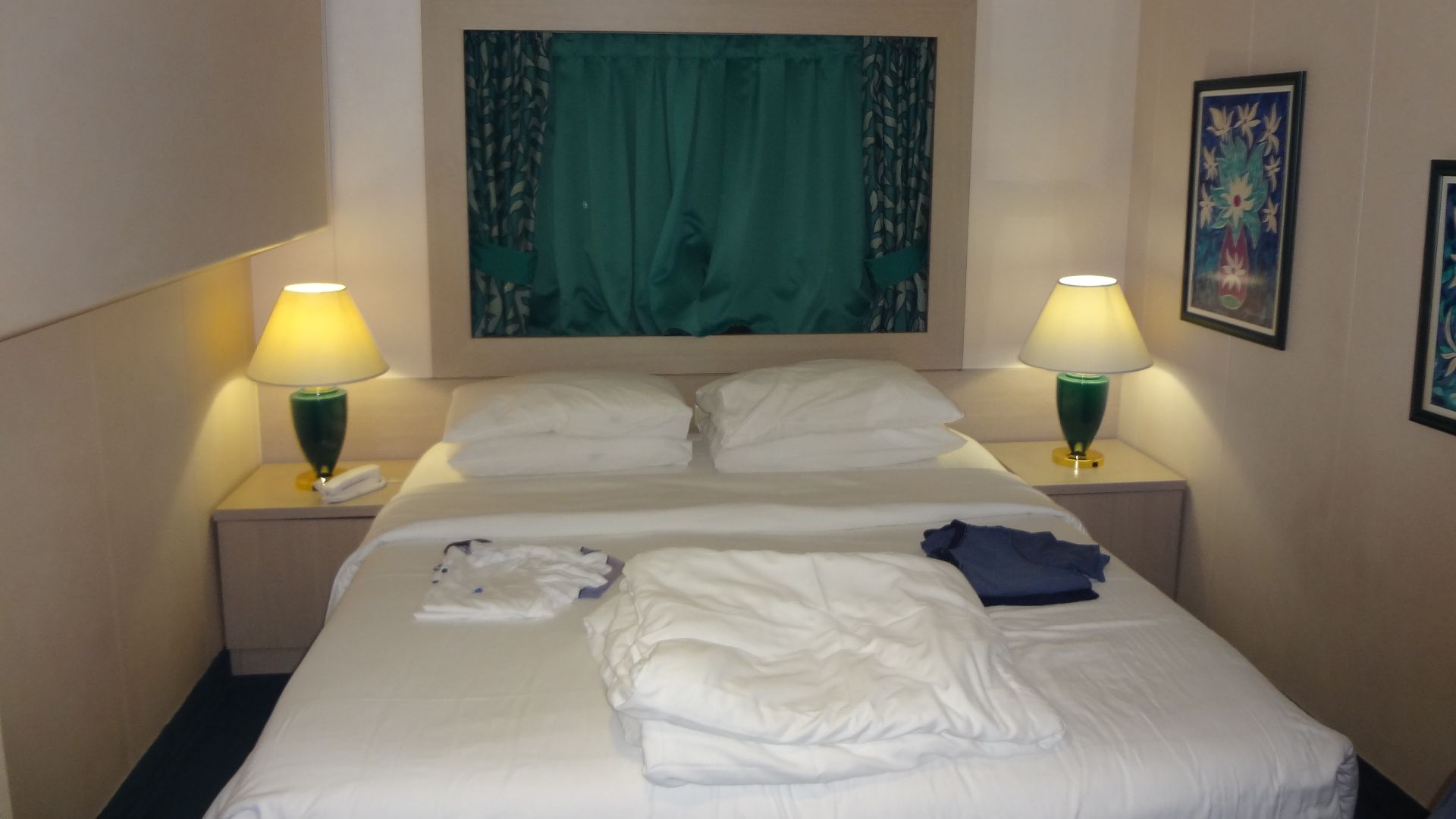
Trying to save money by squeezing too many relatives into one cabin can create tension quickly. Connecting rooms, nearby cabins, or suites with separate sleeping areas provide privacy while keeping the family close. Condé Nast Traveler’s account of a large multigenerational cruise emphasized the value of giving different age groups their own spaces.
Don’t Assume Everyone Wants To Dine Together Nightly
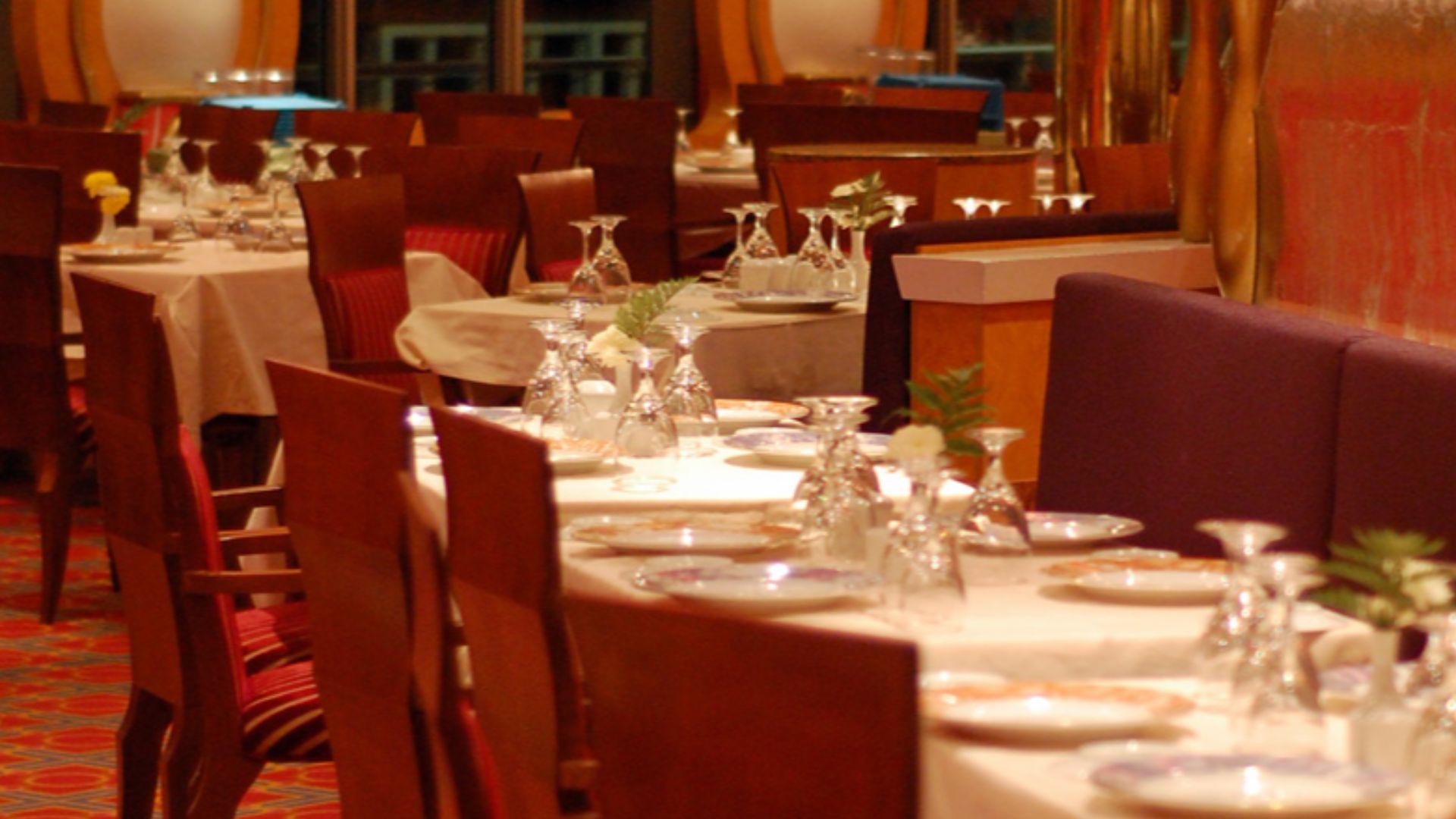
A large family dinner can be wonderful, but repeating it every night may become exhausting. Younger children may need earlier meals, teenagers may want casual food, and adults may occasionally prefer a quieter restaurant. Plan a few important group dinners and allow smaller groups to separate on other nights.
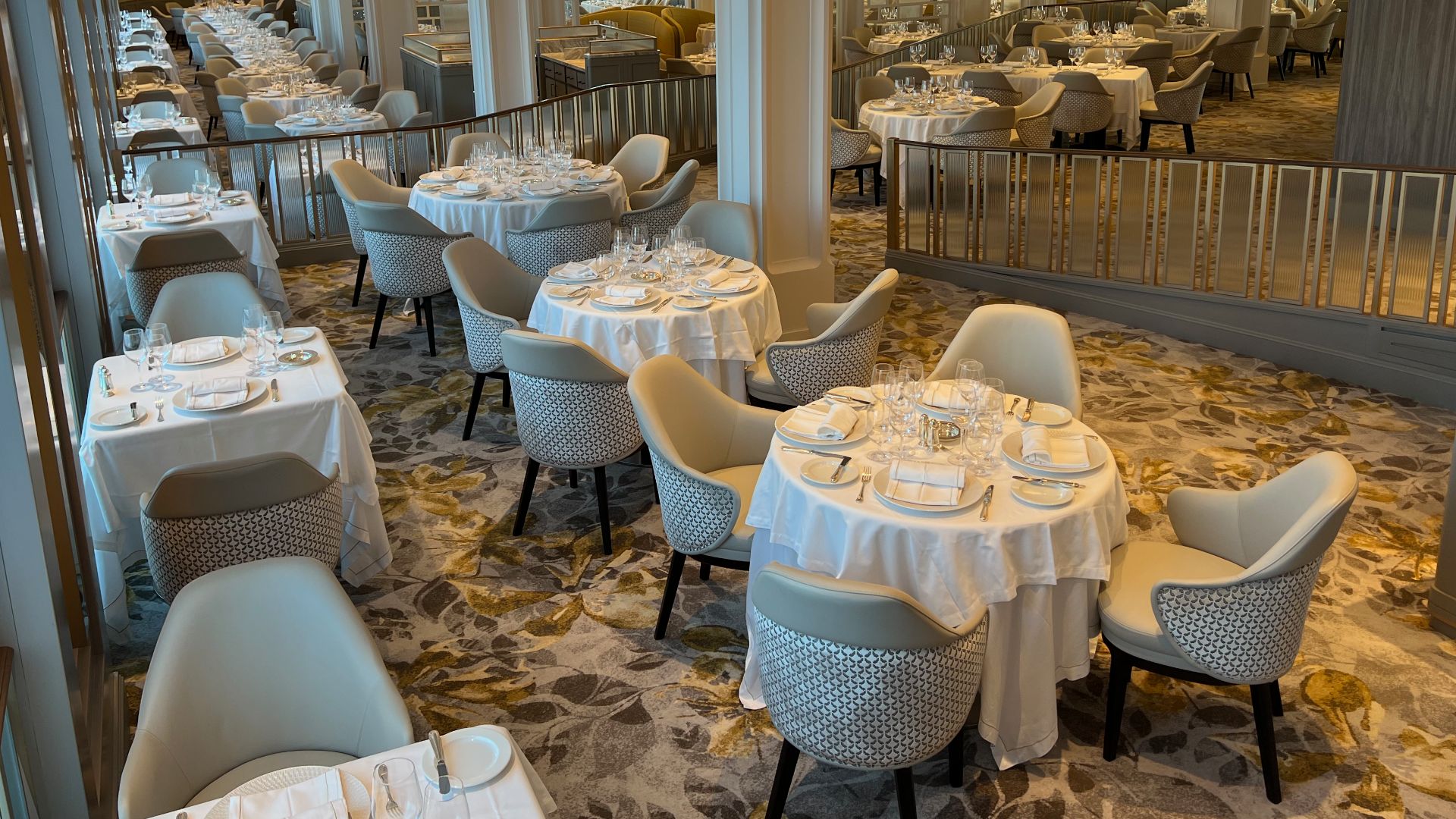
Choose Flexible Dining When Possible
Fixed dining times can help families reconnect each evening, but they can also clash with naps, excursions, or different appetites. Flexible dining gives the group more room to adapt. Large parties should still reserve important meals early because spontaneous seating for ten or fifteen people may be difficult.
 James Willamor from Raleigh, NC, USA, Wikimedia Commons
Establish A Few Anchor Events
The family doesn’t need to spend every hour together. Choose a small number of shared events, such as embarkation dinner, one excursion, a formal-night photo, and the final breakfast. Those anchors create meaningful family time without making every person follow the same daily schedule.
 Jolly Janner, Wikimedia Commons
Let Different Generations Split Up
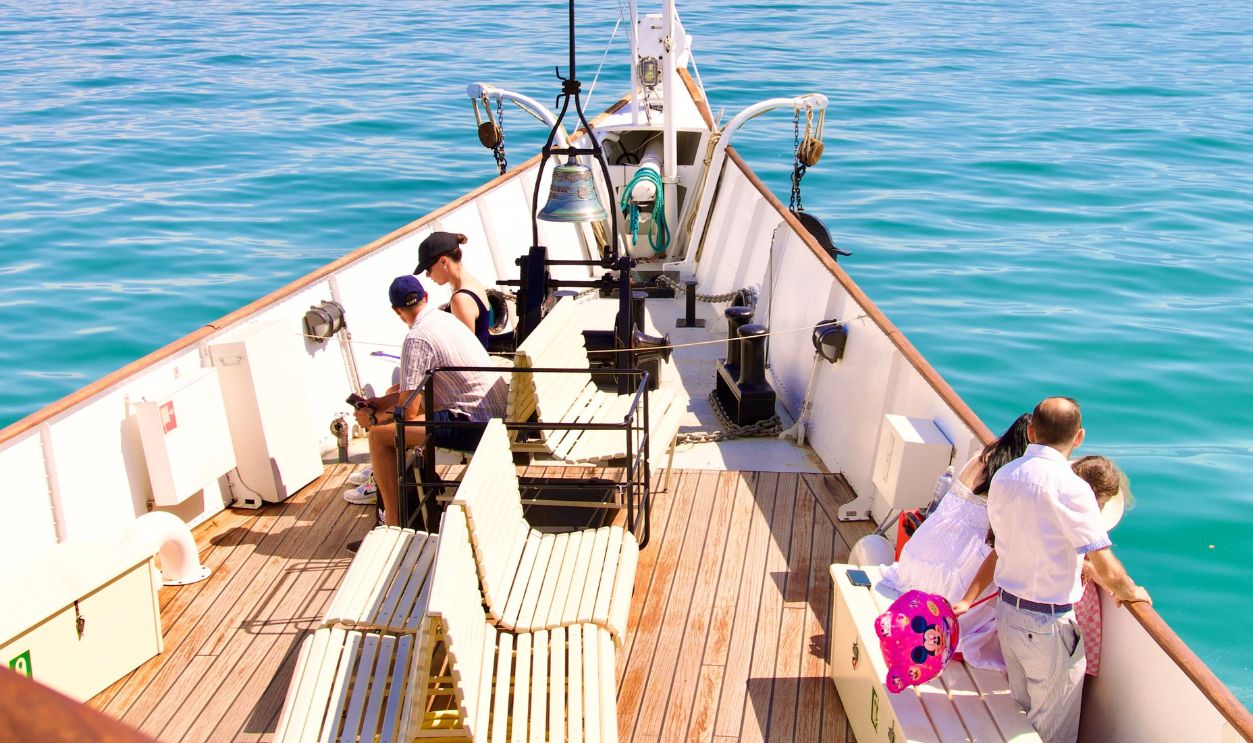
Children can attend supervised activities, teenagers can explore approved areas, and adults can choose pools, lectures, spas, or shore excursions. Families profiled by Condé Nast Traveler have successfully divided into smaller groups during the day and reunited for meals or shared activities.
Set Rules For Teen Independence
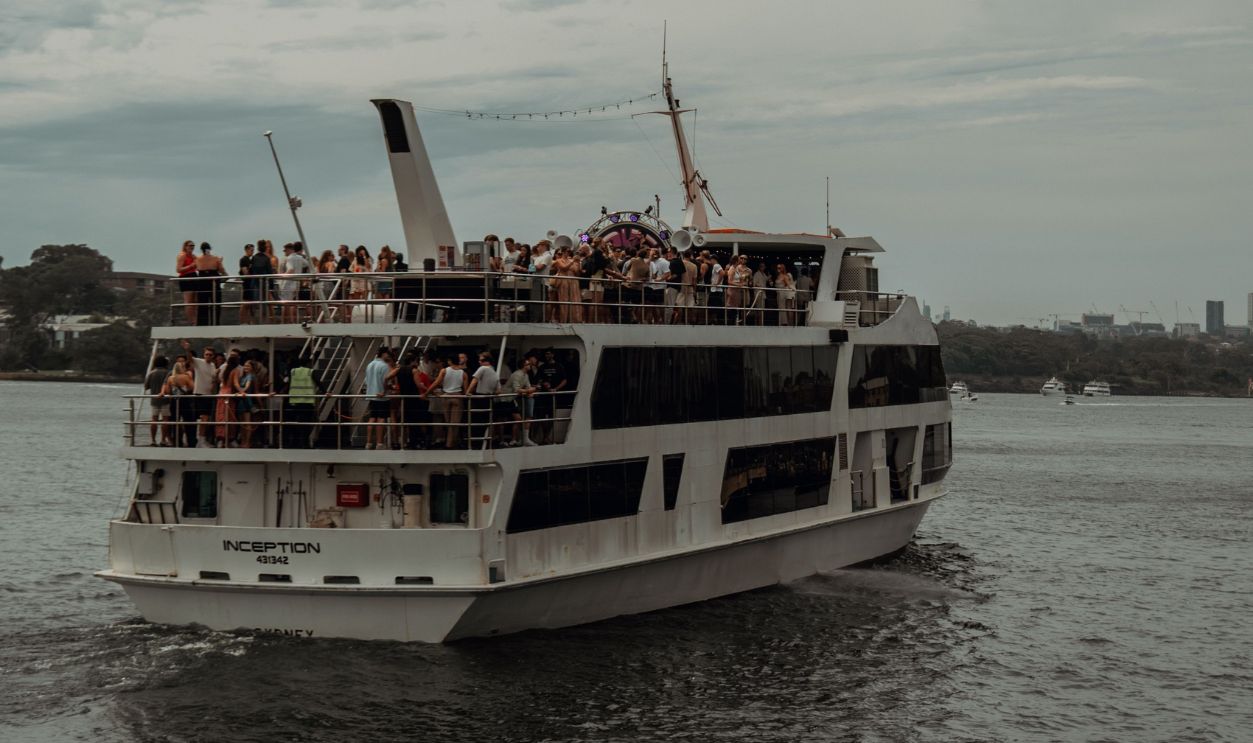
A ship can feel contained, but it’s still a large public environment. Agree on check-in times, spending limits, restricted areas, elevator behavior, curfews, and whether teenagers may leave the ship without an adult. Ship messaging apps or written meeting plans can help when cellular service is unavailable.
Choose Excursions By Ability, Not Guilt
One shore excursion rarely suits everyone. A long hike may exclude grandparents or small children, while a slow bus tour may bore active teenagers. Let relatives choose different excursions and meet afterward rather than forcing everyone into the same activity for the sake of togetherness.

Be Careful With Tender Ports
Some destinations require passengers to board smaller boats to reach shore. Tenders can involve steps, movement, waiting, and mobility restrictions. Families traveling with wheelchairs, strollers, or anyone who struggles with balance should review the port arrangements before booking.
Sea Days Reveal Whether The Ship Fits
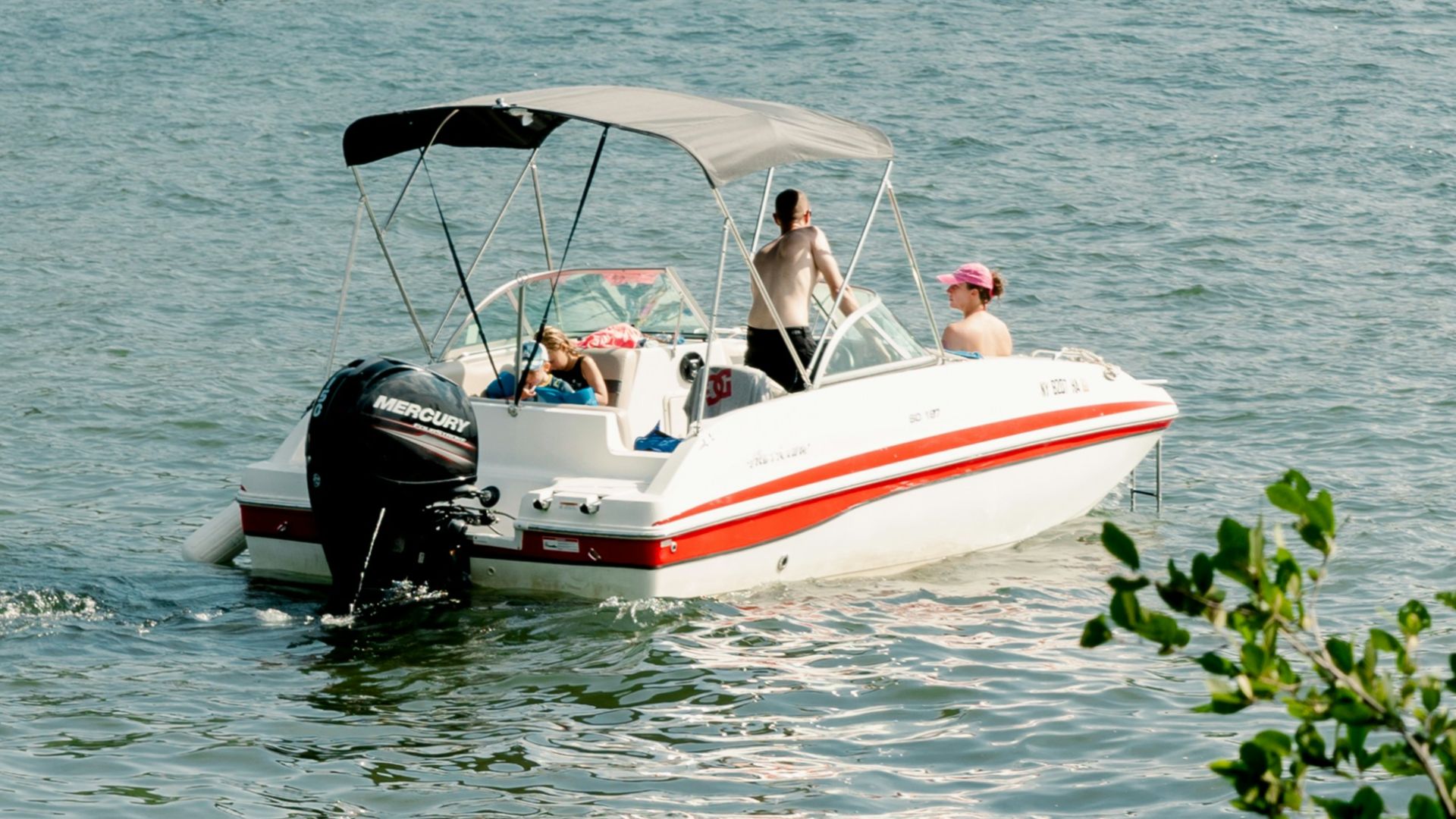
On port days, the destination provides much of the entertainment. Sea days depend almost entirely on the ship. Check whether there are enough age-appropriate activities, quiet areas, pools, indoor options, and places where relatives can spend time without feeling trapped together.
Budget Beyond The Advertised Fare
The base cruise price may not include gratuities, drinks, Wi-Fi, specialty dining, shore excursions, transportation, or some children’s services. Those extras can create resentment if family members assumed everything was covered. Decide in advance which expenses are shared and which each household will pay separately.

Give Everyone A Spending Plan
Cruise cards make purchases feel almost invisible until the final statement arrives. Set limits for arcade games, drinks, spa visits, shopping, and paid activities. Parents should understand whether children can charge expenses to the cabin and adjust those permissions if necessary.

Discuss Health And Medication Needs
Bring enough medication for the full trip, along with copies of prescriptions and essential medical information. Ship medical centers provide useful care but may not offer the same services as a hospital on land. Travelers with significant medical needs should understand the itinerary, insurance coverage, and evacuation limitations.

Consider Whether Anyone Is Prone To Seasickness
Modern ships can be stable, but motion remains possible, particularly in rough weather or certain regions. Discuss preventive options with a healthcare professional before sailing, especially for children, older adults, or anyone with previous motion sickness. Cabin location may also affect how much movement passengers feel.
Build In Recovery Time
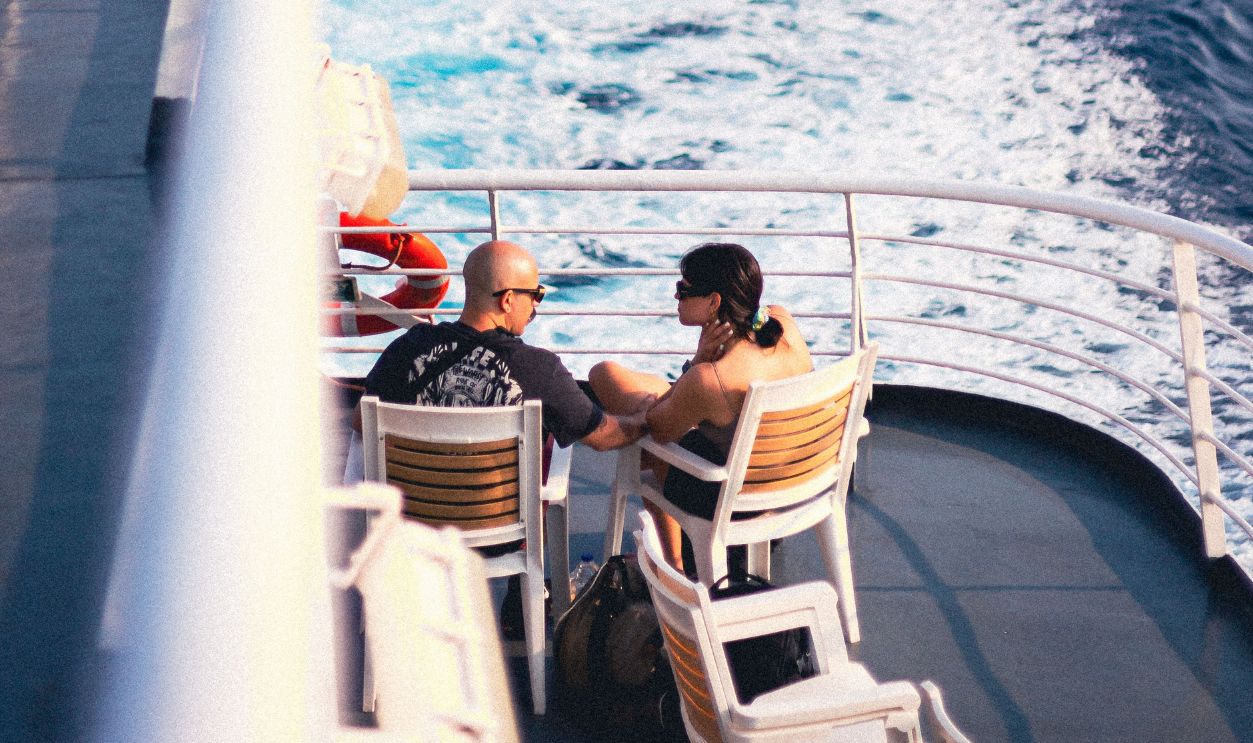
Families often rush from early excursions to pools, dinner, shows, and late-night activities. That pace can leave children overtired and older relatives exhausted. A quiet afternoon, skipped port, or early night may protect the rest of the trip rather than waste it.
Don’t Expect The Cruise To Fix Family Dynamics
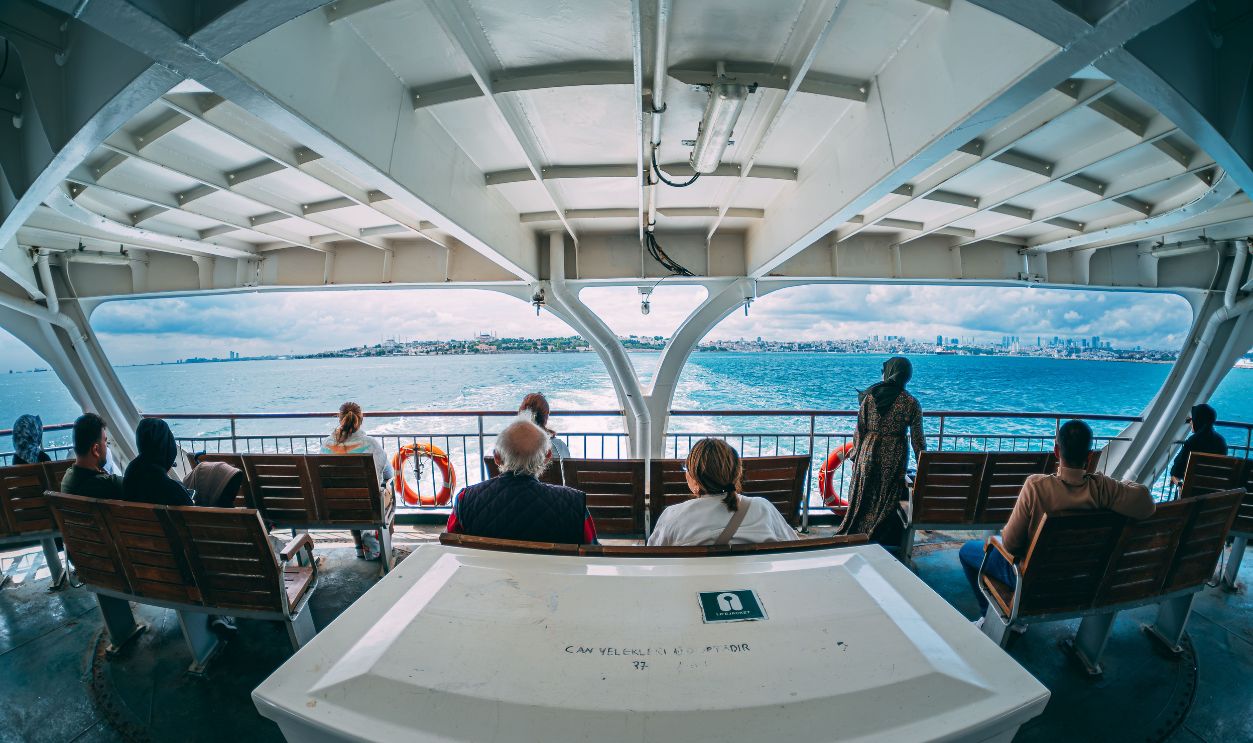
A cruise provides choices, but it can’t solve old resentments, controlling behavior, or disagreements about money. Discuss boundaries before departure, including who organizes the trip, how decisions are made, and whether anyone is expected to provide constant childcare. Cruise Critic recommends addressing family dynamics, communication, and financial expectations during the early planning stage.
A Cruise Can Be Excellent When Togetherness Isn’t Mandatory
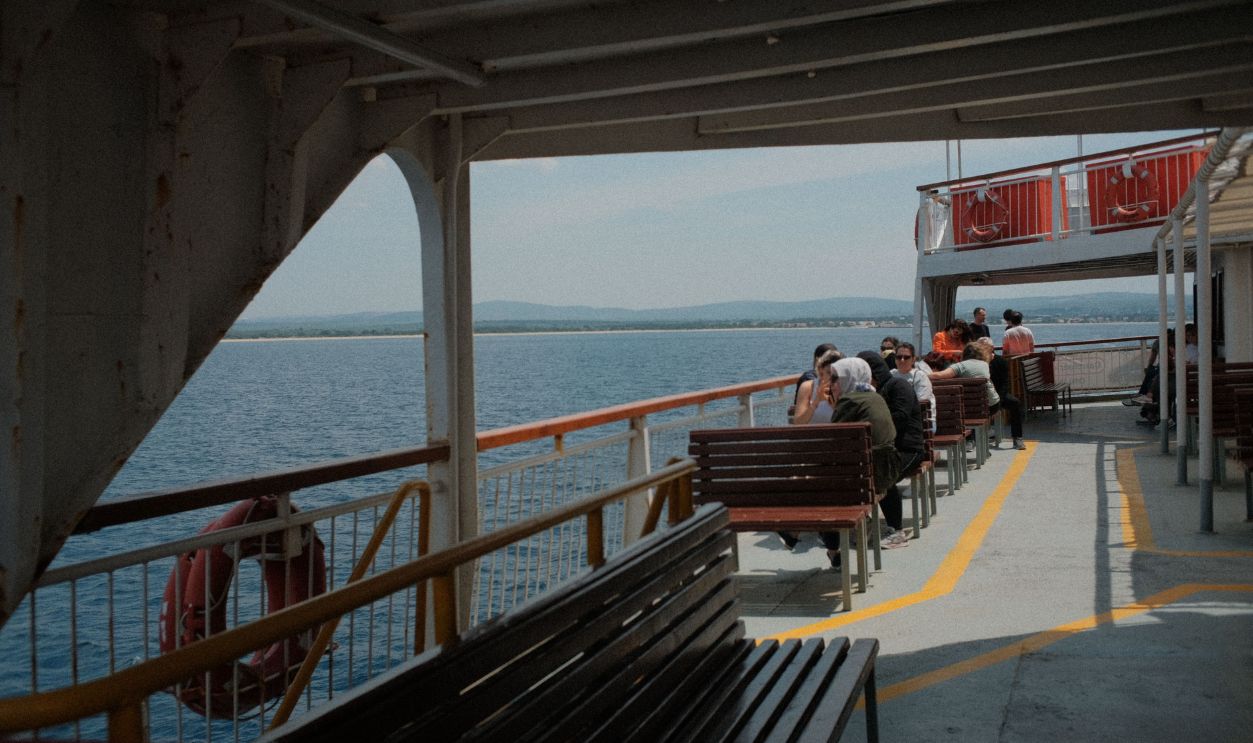
Cruises are often well suited to multigenerational families because they let people share accommodations and destinations while choosing different activities. The format works poorly when one person selects the wrong ship or expects everyone to move as a single group. Choose based on actual ages and abilities, plan a few shared moments, allow plenty of independence, and make the costs clear. The best family cruise isn’t one where everyone takes the same vacation. It’s one where everyone finds a vacation they enjoy on the same ship.

You May Also Like: