
The Fare Was Cheap, But The Vacation Paid The Price
The overnight flights looked like an easy way to keep the family vacation within budget. Then everyone arrived exhausted, irritable, and unable to enjoy the activities they’d planned for the first two days. Cheap flight times can sometimes be worthwhile, but only when the savings are large enough to offset lost sleep, extra recovery costs, and valuable vacation time.
The Cheapest Fare Isn’t Always The Cheapest Trip
Airfare is only one part of a vacation’s total cost. A flight that saves a family a few hundred dollars may also create extra spending on airport meals, taxis, early hotel access, caffeine, and cancelled activities. Once those expenses are included, the bargain can shrink surprisingly quickly.
Overnight Flights Affect Everyone Differently
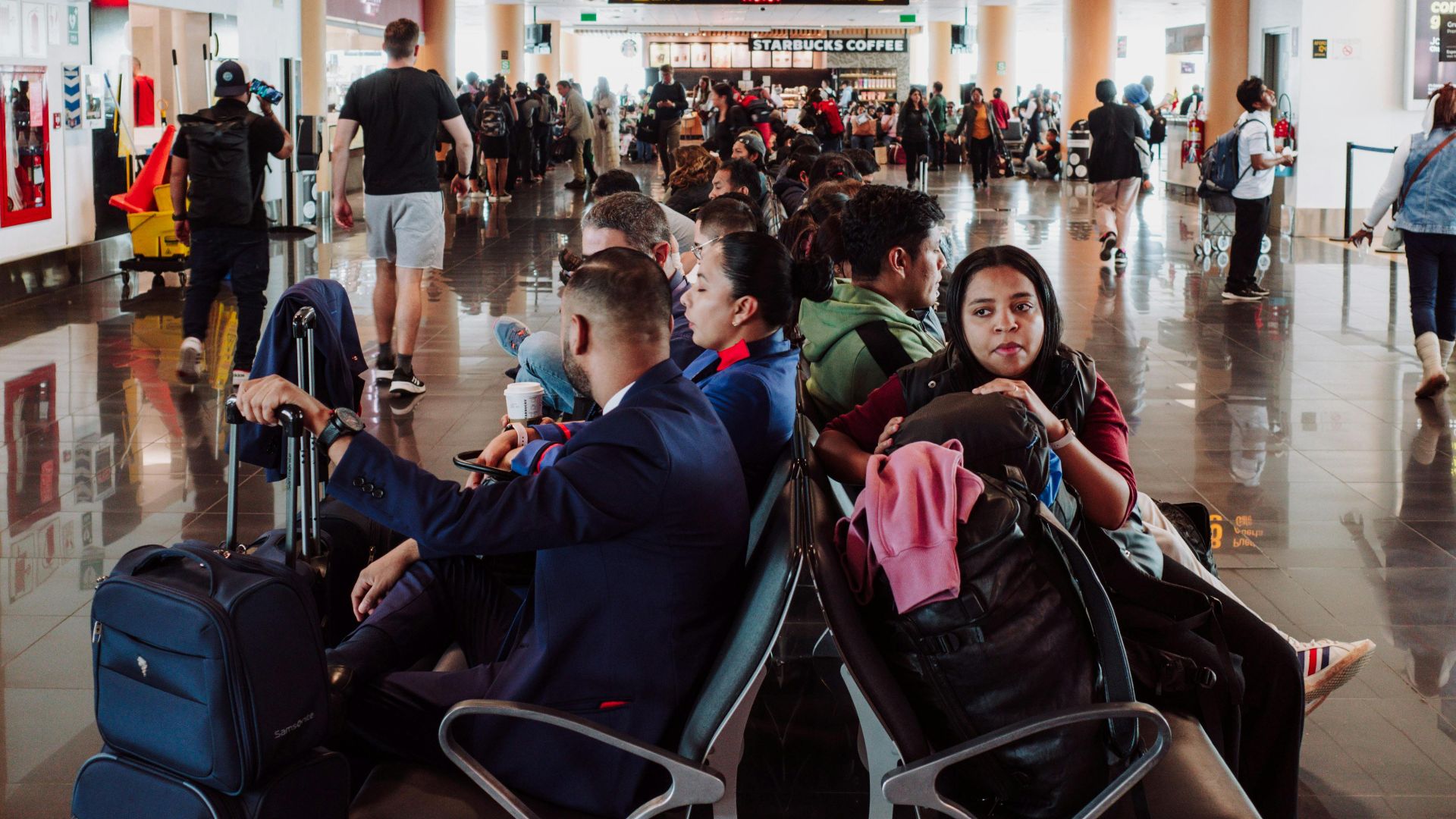
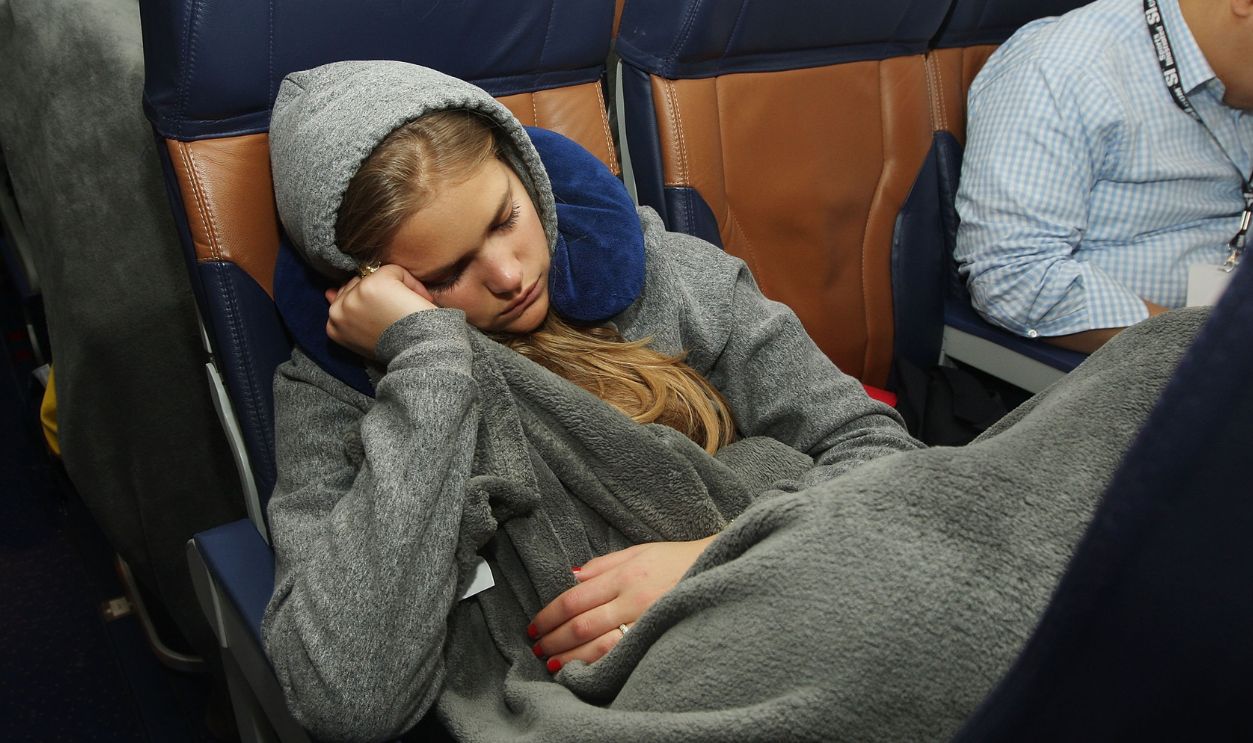
Some travelers can fall asleep before the plane reaches cruising altitude and wake up feeling reasonably functional. Others barely sleep at all in an upright economy seat. Booking for an entire family means planning around the person who handles disrupted sleep the worst, not the one who can nap anywhere.

Families Rarely Sleep At The Same Time
Even when everyone intends to sleep, the cabin environment can make that difficult. One person may be cold, another may be uncomfortable, and a child may become restless just as everyone else begins drifting off. A red-eye that looks like seven hours of rest on the itinerary may provide only a few broken hours in reality.
Children Can Lose More Than One Night
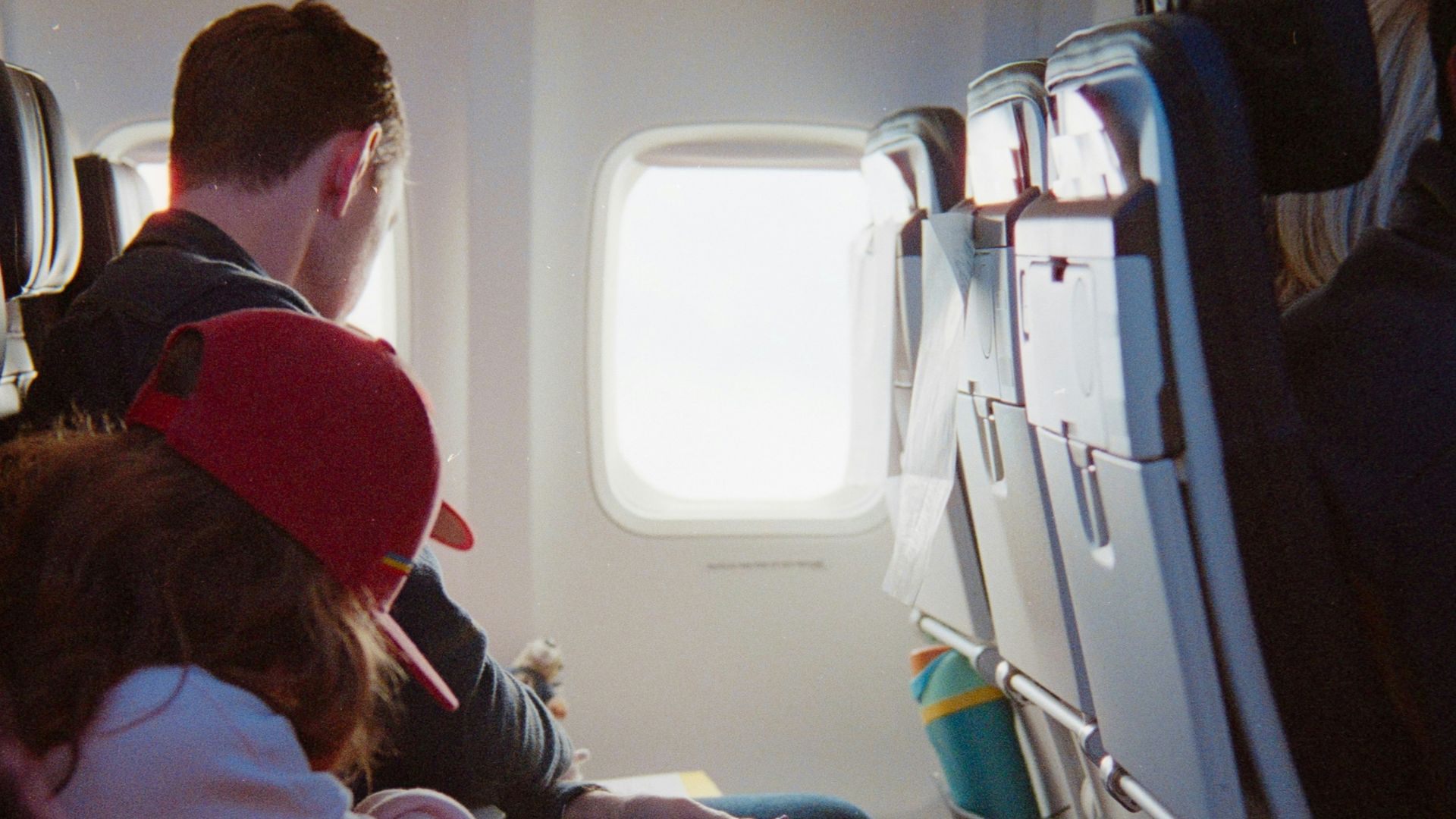
Parents sometimes assume children will simply sleep through an overnight flight. Some do, but others become overstimulated by the airport, boarding process, screens, unfamiliar seats, and changing routine. An overtired child may struggle through the following day and then sleep poorly again the next night, extending the disruption.

Older Relatives May Need More Recovery
Older travelers may find it harder to sleep comfortably in a cramped seat or recover quickly after a sleepless night. Stiffness, medication schedules, mobility needs, and unfamiliar meal times can make an overnight journey more demanding. A schedule that younger relatives tolerate may overwhelm someone with less physical resilience.
Airplane Sleep Isn’t Normal Sleep
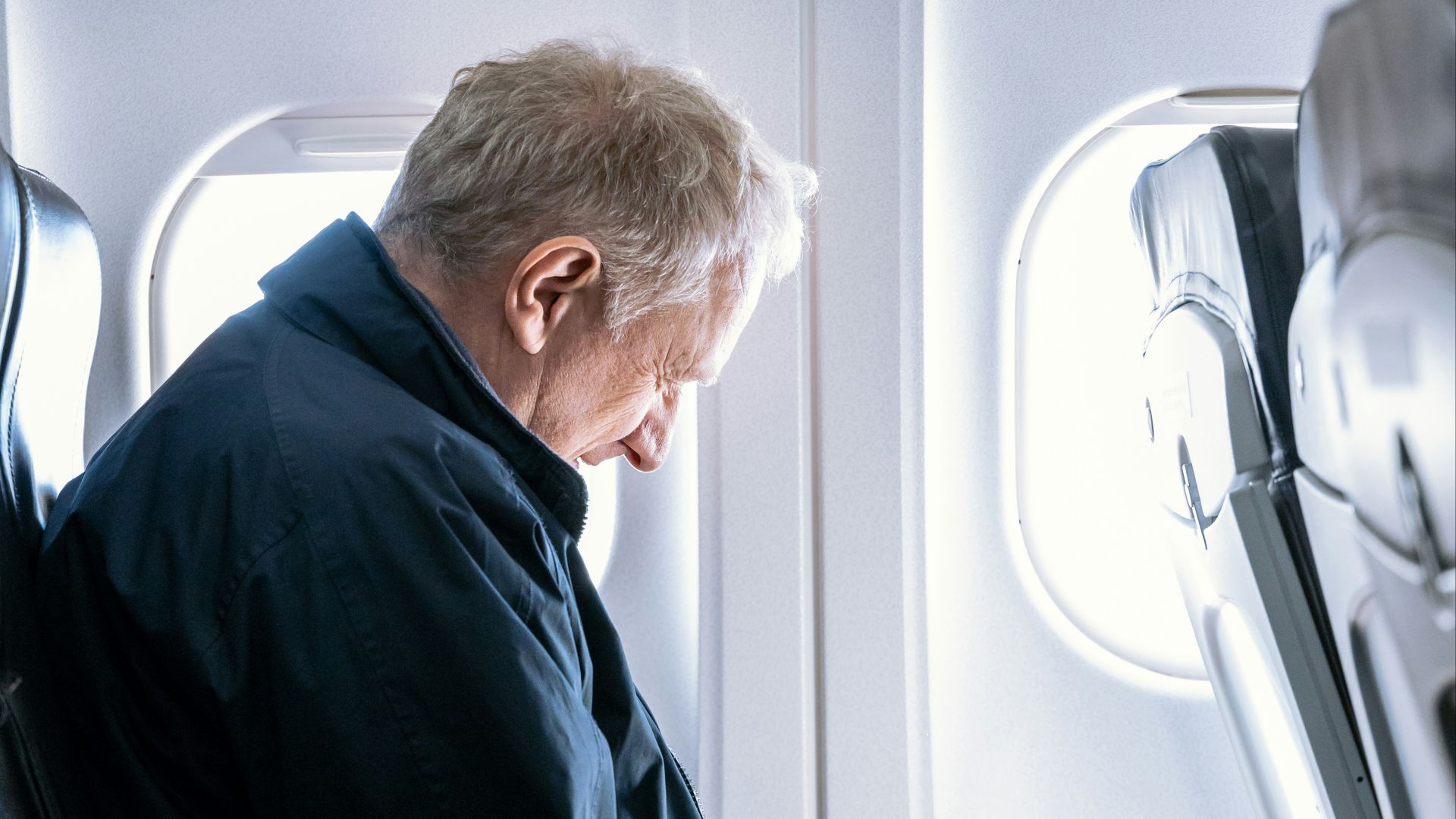
Cabin noise, light, interruptions, an upright position, and limited personal space can reduce both the amount and quality of sleep travelers get in the air. Condé Nast Traveler has noted that whether a red-eye feels manageable often depends heavily on a passenger’s ability to sleep on planes. Even someone who dozes for several hours may land feeling far less rested than they would after a normal night.
The Arrival Day Is Often Overestimated
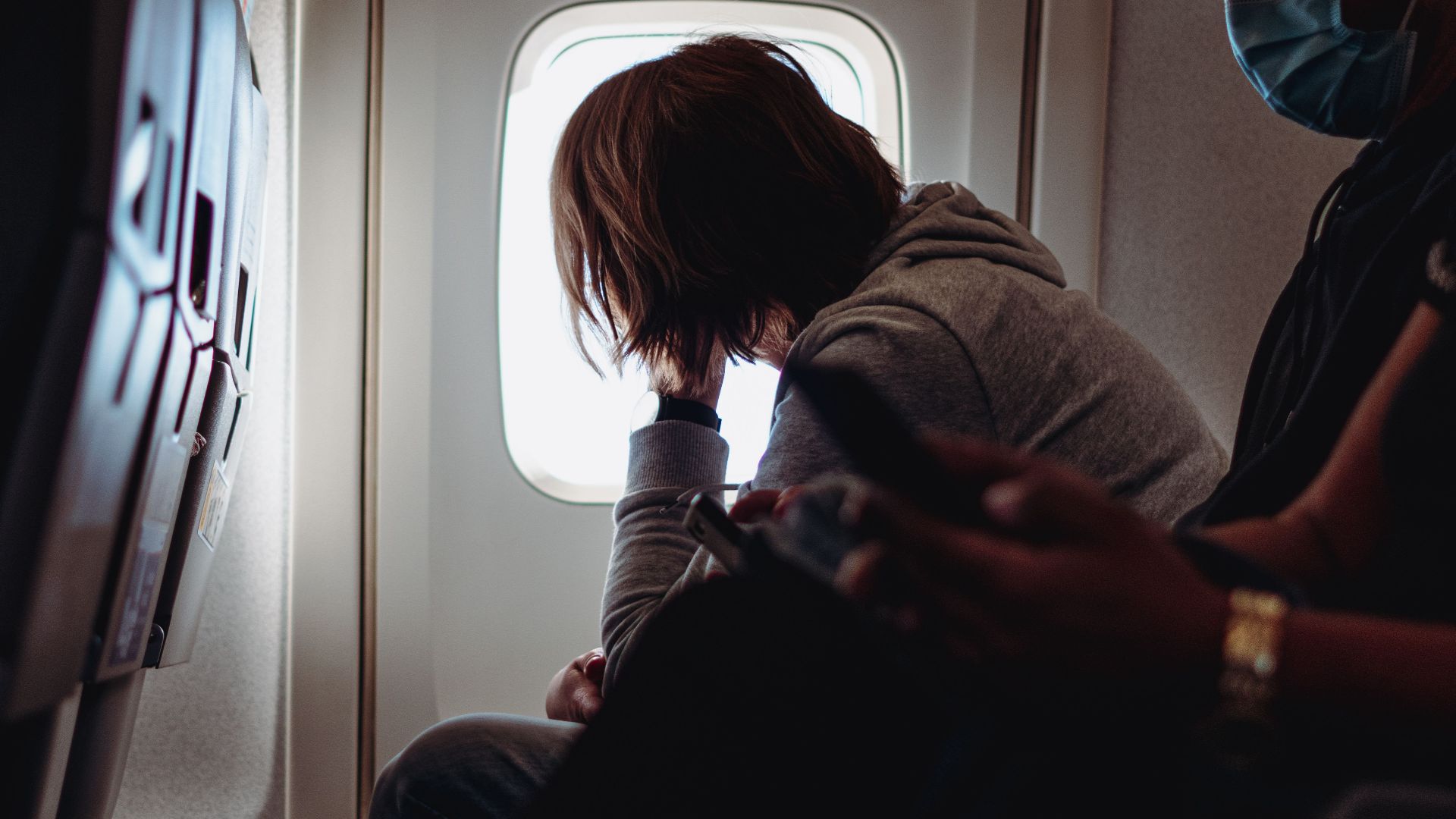
Families frequently build the first day as though landing early creates a full bonus day. On paper, an 8 a.m. arrival appears to offer hours of sightseeing. In practice, immigration, baggage collection, transportation, hunger, and exhaustion can consume much of that supposed advantage.
Hotel Check-In Can Make Everything Worse
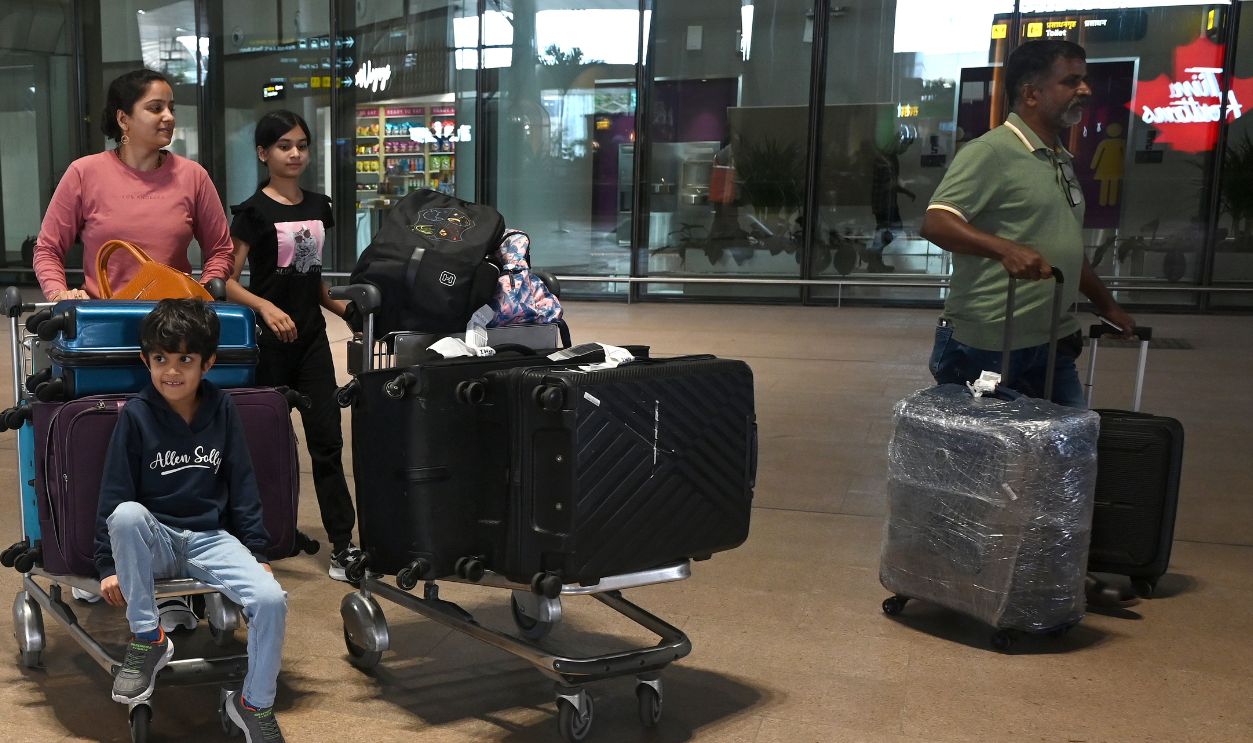
Many overnight flights land hours before standard hotel check-in. That can leave a tired family carrying luggage around an unfamiliar destination with nowhere to shower, change clothes, or sleep. The wait can feel especially long when children are cranky or someone becomes unwell.

Driving After A Sleepless Flight Is A Bad Start
Picking up a rental car immediately after a red-eye may save time, but it can also place an exhausted traveler behind the wheel on unfamiliar roads. New traffic patterns, navigation decisions, and possibly driving on the opposite side of the road demand attention. Paying for a transfer or delaying the drive may be safer and far less stressful.

One Bad Night Can Become Two Bad Days
After arriving exhausted, travelers may take a long afternoon nap because they can’t stay awake. That nap can make it harder to sleep at the proper local bedtime, creating another disrupted night. Condé Nast Traveler’s editors have described the difficult choice between sleeping after arrival and staying awake to adjust, with either strategy carrying trade-offs.

Calculate The Real Dollar Savings
Before choosing an overnight itinerary, compare the total fare difference for the whole family. Saving $40 per person may not justify an exhausting schedule, while saving several hundred dollars each might. The decision becomes clearer when the exact number is weighed against the family’s tolerance for fatigue.

Add The Hidden Recovery Costs
Include everything the difficult timing may force you to purchase. That could mean an additional hotel night, a day room, airport food, private transportation, luggage storage, or replacing a prepaid tour everyone was too tired to attend. A cheap ticket can become an expensive itinerary once recovery is priced in.

Put A Value On Vacation Time
A family may spend thousands of dollars on accommodations, meals, attraction tickets, and limited time away from work or school. Losing two good days to exhaustion can therefore cost much more than the difference between flight options. Vacation days aren’t technically refundable, but they still have real value.

Compare The Entire Schedule
Don’t judge flights by departure time alone. Look at when the family must leave home, how early airport check-in begins, the length of connections, and the time required to reach the hotel after landing. A 1 a.m. departure might actually require the travel day to begin at 8 p.m., making the night even longer.
A Slightly Higher Fare May Be Better Value
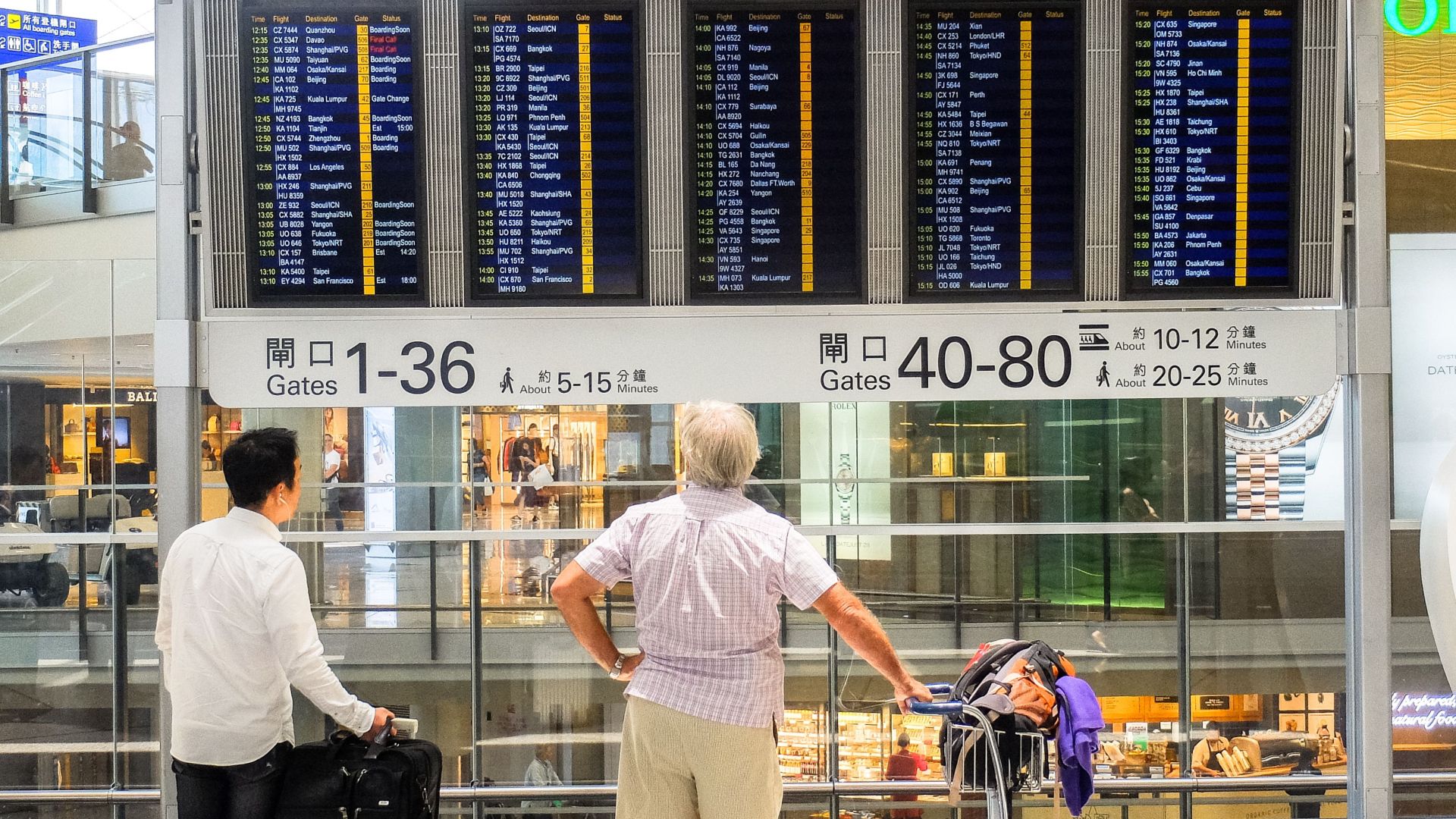
A daytime flight or early-evening arrival may cost more while preserving the first full vacation day. Arriving, eating a simple dinner, and sleeping in a proper bed can help everyone begin the trip refreshed. Sometimes the smarter bargain is paying a little more to protect the expensive vacation that follows.

Nonstop Flights Can Beat Cheaper Connections
The lowest fare may include a long overnight layover or an additional early-morning connection. Each extra segment creates another chance for delays, missed sleep, lost luggage, and family stress. A more expensive nonstop flight can provide much better overall value by shortening the journey and reducing uncertainty.
Search Nearby Dates Before Accepting Bad Times
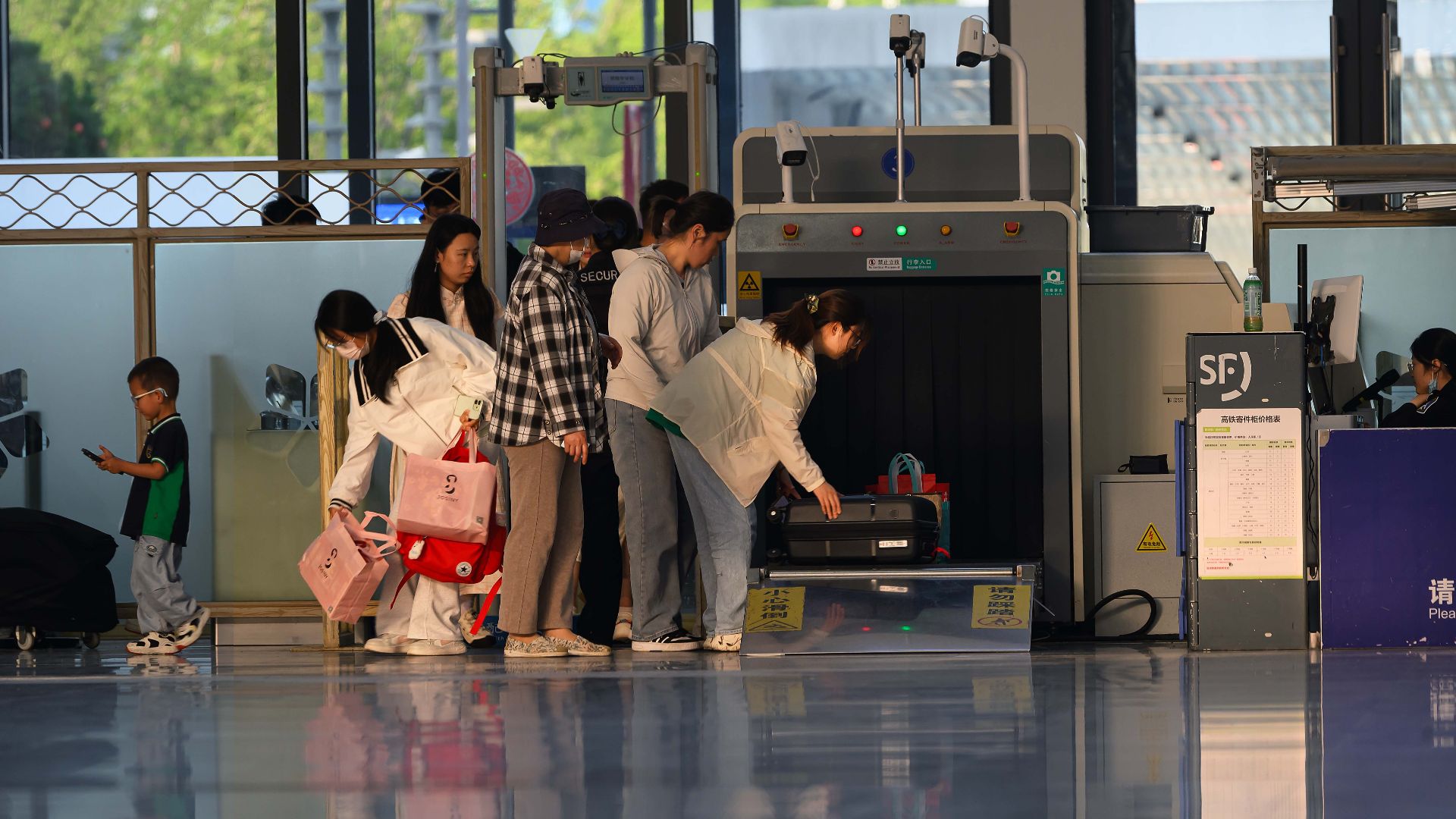
Flight prices can vary substantially from one day to the next. Moving the trip by a day, shortening it slightly, or returning on a different weekday may unlock better departure times at a similar price. Flexible-date tools can help families see whether the miserable schedule is truly necessary.

Compare Nearby Airports Carefully
Flying from or into a secondary airport may produce a lower fare, but ground transportation can erase the savings. A distant airport may require an expensive taxi, rental car, hotel night, or very early departure from home. Calculate door-to-door cost and travel time rather than comparing ticket prices alone.

Consider Splitting The Journey
For very long trips, an overnight stop can sometimes work better than forcing the entire family through a punishing schedule. A hotel near a connecting airport adds expense, but it can provide a real night of sleep and a calmer second travel day. This approach makes the most sense when the trip is already long or includes children and older relatives.

Choose Seats With Sleep In Mind
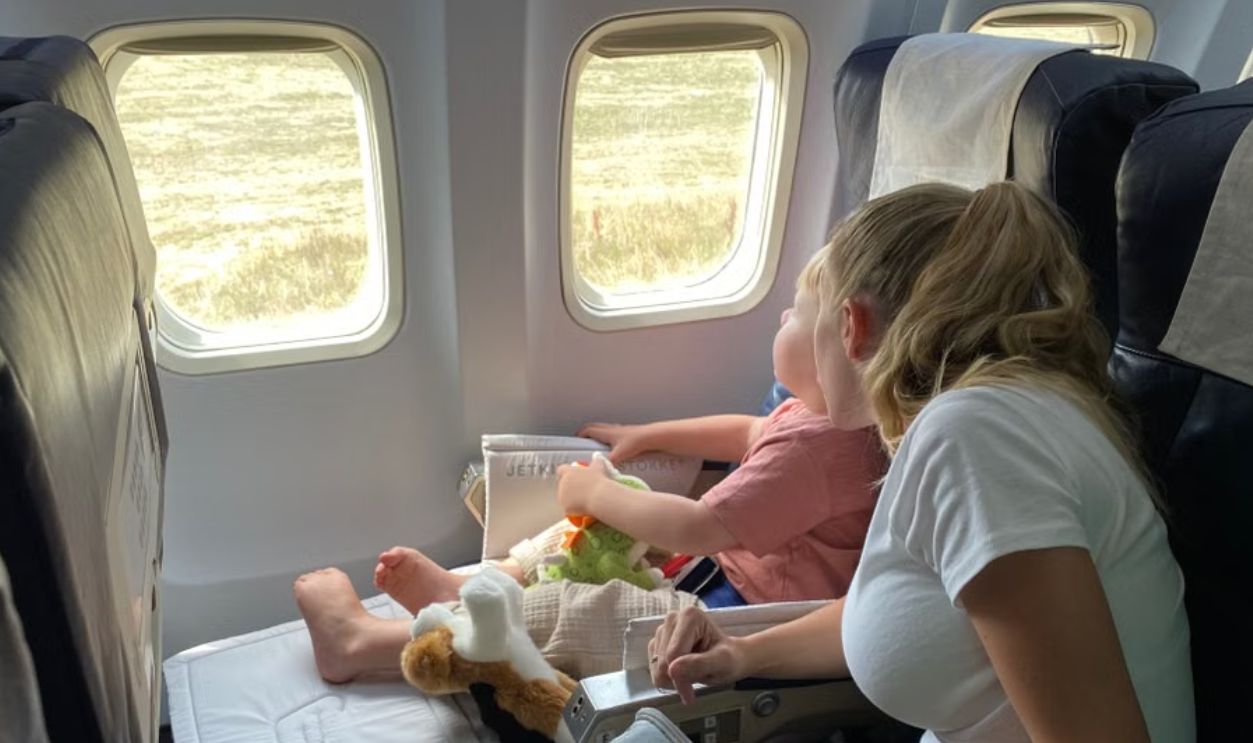
When an overnight flight remains the best option, seat selection matters. Families may prefer window seats for children who need something to lean against, aisle seats for travelers who need to move frequently, or seats away from busy lavatories and galleys. Paying to sit together can also prevent stress once everyone is tired.
Prepare Before Reaching The Airport
A successful overnight journey begins before boarding. Eat a normal meal, dress in comfortable layers, and pack eye masks, earplugs, neck support, medications, and familiar items for children. Avoid creating a complicated airport evening filled with heavy meals, excessive alcohol, or last-minute shopping.

Start Adjusting Before A Time-Zone Change
When the trip crosses several time zones, gradually shifting sleep and meal times before departure may make the transition easier. Light exposure, hydration, and choosing the right sleep schedule after arrival can also affect how quickly travelers adjust. Travel experts generally recommend planning for jet lag rather than expecting everyone to overcome it through willpower.
Keep The First Day Deliberately Light
Don’t schedule the trip’s most important tour immediately after an overnight flight. Plan a gentle meal, a short walk, a pool afternoon, or another activity that can be abandoned without financial loss. The first major attraction is better saved for a day when everyone has slept properly.

Arrange Early Access To A Room
Ask the hotel about guaranteed early check-in, booking the previous night, or reserving a day-use room. Luggage storage alone is helpful, but it doesn’t provide the shower, quiet, and short rest many travelers need. Condé Nast Traveler has specifically suggested airport day rooms as one option for recovering after a red-eye.

Sometimes Overnight Flights Are Worth It
A red-eye can make sense when the fare difference is substantial, the flight is long enough to allow meaningful sleep, and family members already know they rest well on planes. It may also be worthwhile when it avoids an extra hotel night or preserves a truly limited travel window. The key is making the choice with realistic expectations rather than assuming everyone will sleep.

The Savings Weren’t Worth It If They Cost The Vacation
If the overnight schedule wrecked the first two days, the cheapest tickets probably weren’t the best value for this particular family. That doesn’t mean overnight flights should always be avoided, but their true cost includes fatigue, lost activities, extra expenses, and family tension. Next time, compare the entire door-to-door journey, budget for recovery, and pay more when a humane schedule protects the vacation everyone worked so hard to take.

You May Also Like: