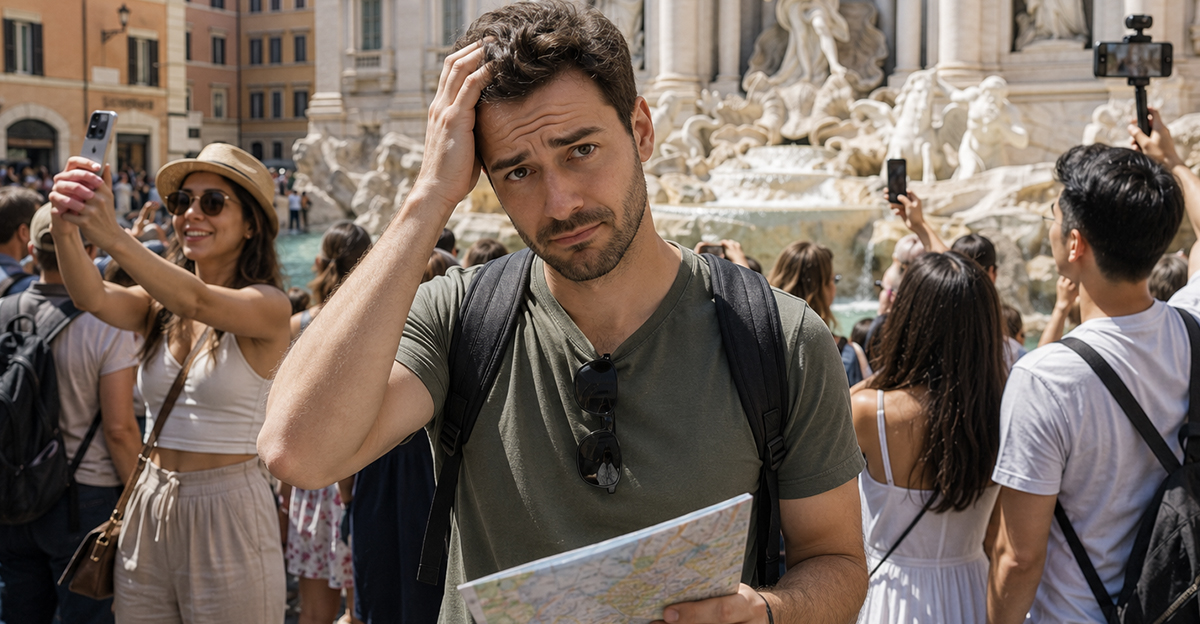
The Landmark Was Beautiful But The Crowd Was Watching It Through Theirs Screens
The view was barely visible behind tripods, selfie sticks, repeated takes, and travelers waiting for the perfect clip. Skipping famous sights entirely can feel like surrendering the trip, but joining the same packed photo line isn’t much better. Fortunately, a few changes in timing, location, and expectations can make even heavily photographed destinations feel more enjoyable.
Social Media Has Changed How Crowds Gather
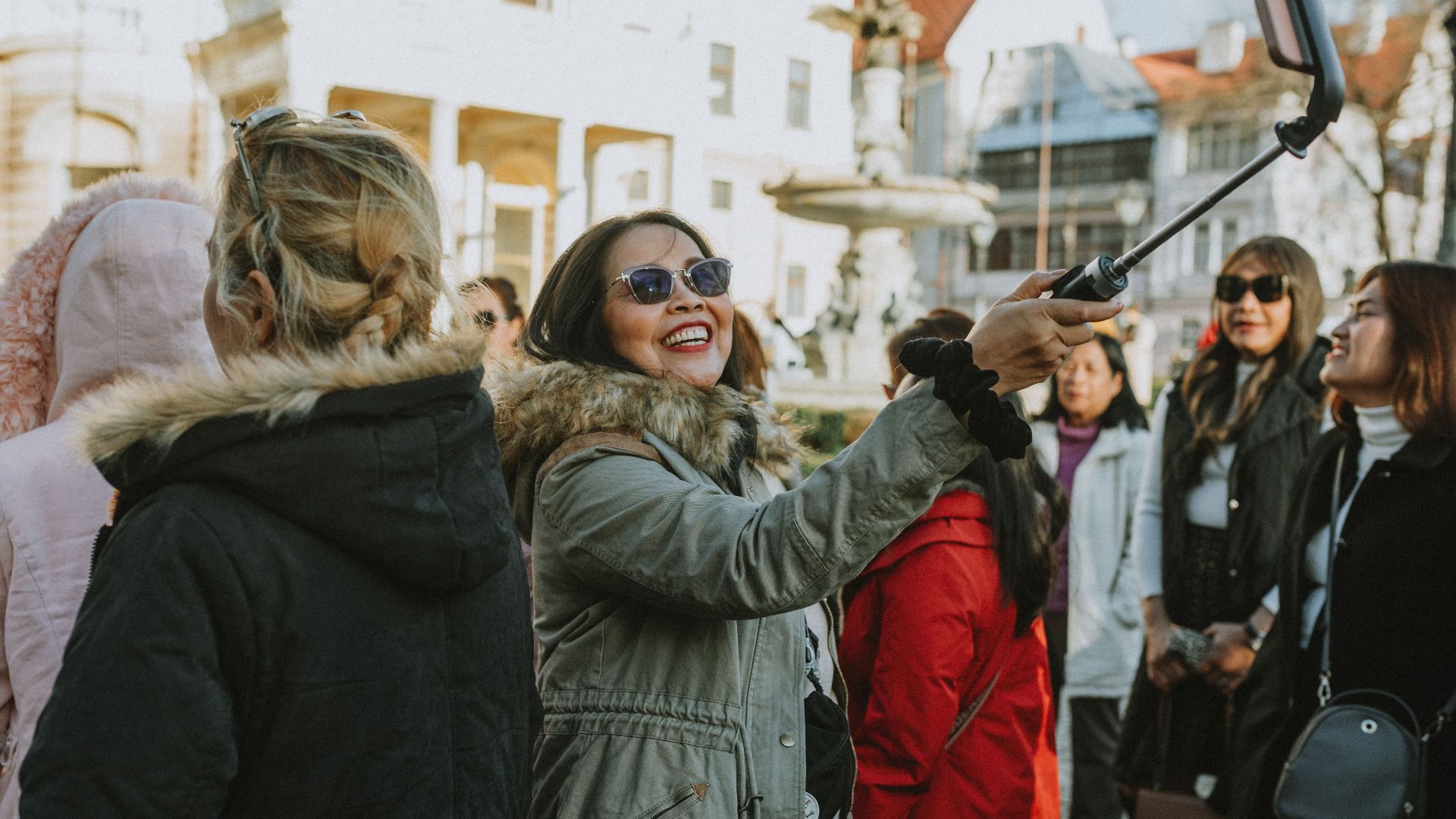
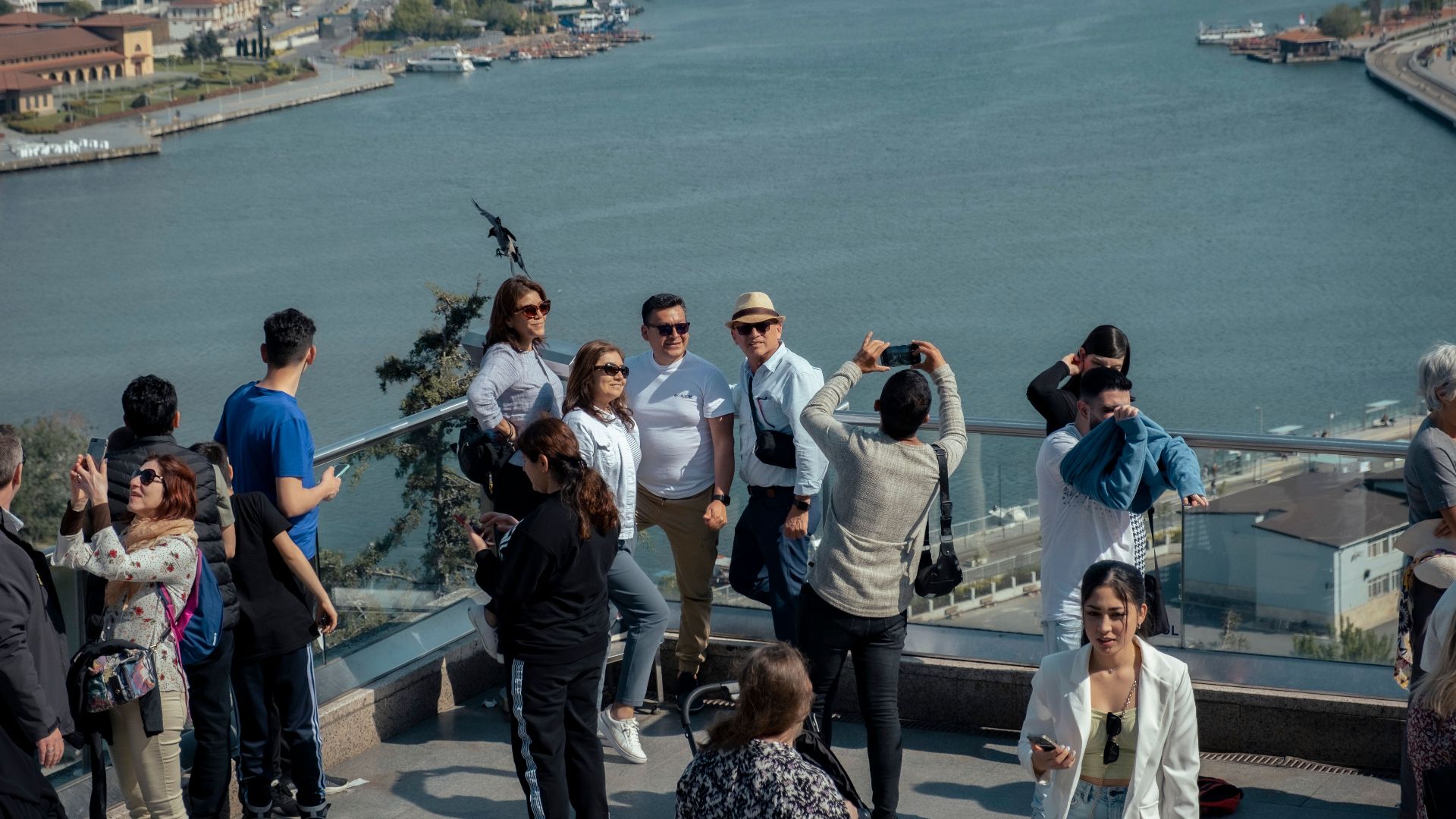
Popular attractions have always drawn cameras, but social platforms concentrate visitors around specific angles, poses, restaurants, and viewpoints. One viral image can send huge numbers of people to the same small location, sometimes creating queues for a photograph rather than for the attraction itself. Travel publications have linked geotagging and viral content with increased pressure on places that were never designed for such concentrated attention.
 Helena Jankovičová Kováčová, Pexels
The Problem Is Often Hyperlocal
An entire city may not be overrun even when one staircase, mural, lookout, or café feels unbearable. Social media tends to funnel visitors toward a handful of recognizable frames. Walking two streets away or choosing a different entrance can sometimes reveal a much calmer version of the same destination.
Search The Attraction On Social Media First
Before visiting, look at recent posts tagged at the location. Pay attention to the backgrounds rather than the carefully framed subject. If dozens of videos show lines, tripods, or crowds gathering at the same hour, you’ll know when and where congestion is likely to build.

Check Recent Reviews For Timing Clues
Search visitor reviews for words such as “crowded,” “Instagram,” “photos,” “queue,” “sunrise,” and “tour groups.” People often mention exactly when the atmosphere became unpleasant. Recent information is more valuable than a general claim that an attraction is “best visited early.”

Arrive Before The Content Creators Do
Early morning remains one of the most dependable ways to see famous places with fewer people. Many visitors want good light, but they also want breakfast, makeup, transportation, and a comfortable start. Arriving at opening time or shortly beforehand can give you a quieter window before organized tours and filming groups appear.
Late Afternoon Can Offer Another Opening
The first hour of the day isn’t always practical. At some attractions, crowds thin late in the afternoon as tour buses leave and day-trippers return to their hotels. Check closing times carefully so you don’t trade congestion for a rushed visit.
Avoid The Most Photogenic Hour
Golden hour attracts photographers, influencers, couples, and tour groups hoping for flattering light. It may be beautiful, but it’s rarely peaceful at a famous viewpoint. Visiting slightly earlier or later can mean less dramatic light and a much better experience.
Weekdays Aren’t Automatically Quiet
A Tuesday can still be packed if several cruise ships, tour groups, conferences, or school excursions arrive together. Research the destination’s local schedule rather than relying only on the day of the week. Cruise-port calendars and major event listings can reveal crowd surges that ordinary travel guides miss.
Travel Outside Peak Season
Shoulder seasons often bring fewer visitors, lower prices, and more breathing room at major attractions. Weather may be less predictable, and some services may operate reduced hours, but the tradeoff can be worthwhile. Travel writers increasingly recommend changing when people visit, not just where they go, as a response to overtourism.
Book The Earliest Timed Entry
Timed tickets don’t eliminate crowds, but the first available slot usually faces fewer delays from earlier groups. Later visitors often accumulate inside faster than they leave. Booking ahead also prevents you from standing outside in a second crowd simply to purchase admission.

Look For Alternate Entrances
Large museums, parks, churches, and historic complexes may have more than one approved entry point. The entrance facing the famous plaza is often the busiest because that’s where taxis, buses, and social media maps send everyone. Official websites may list quieter gates or separate access for advance-ticket holders.
Reverse The Standard Route
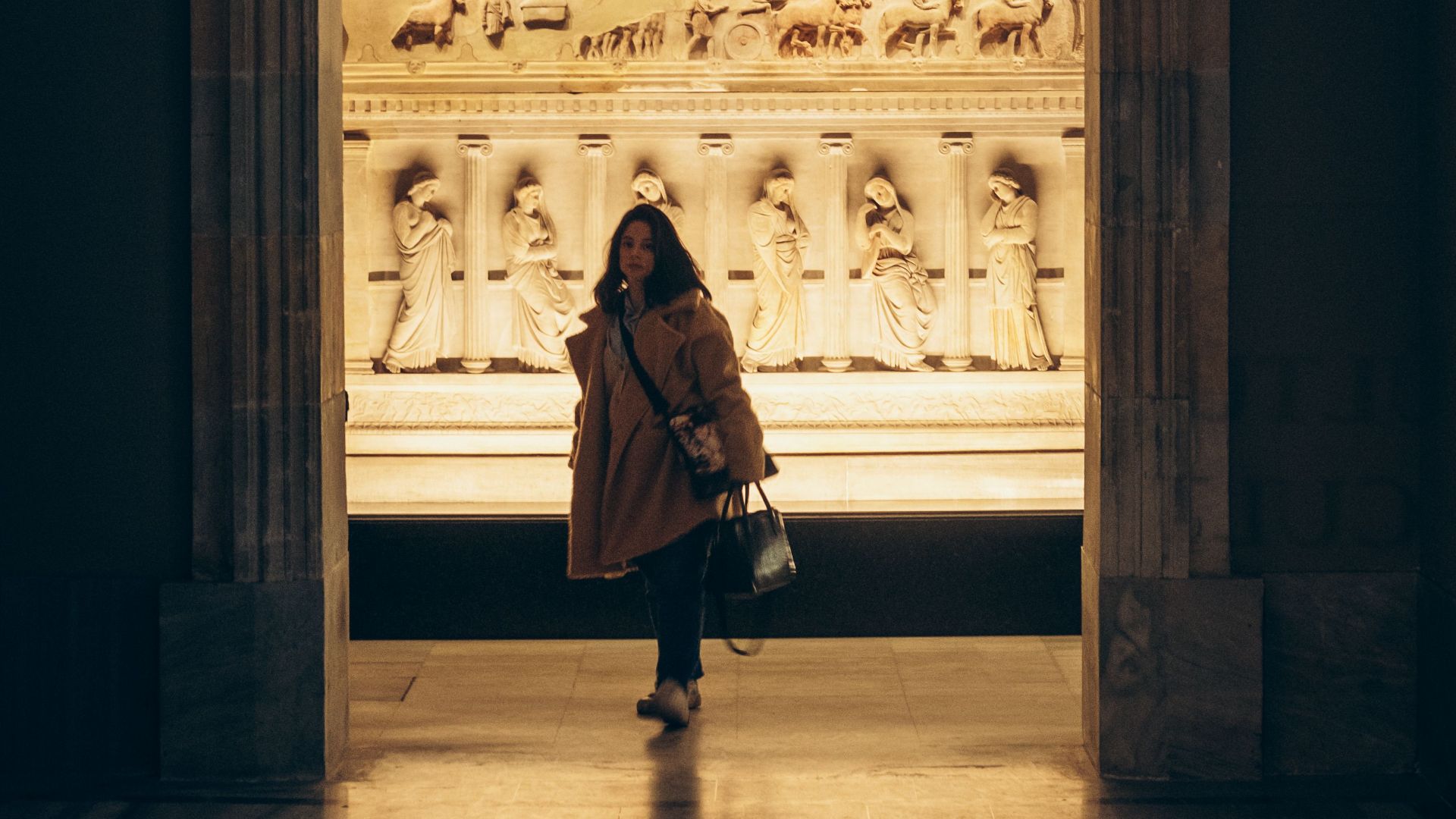
Most visitors follow the same guidebook sequence through a site. When permitted, begin at the far end or visit less famous rooms before circling back to the highlights. You may encounter the marquee attraction after the first wave has moved on.
Visit The Famous Sight, Then Move On
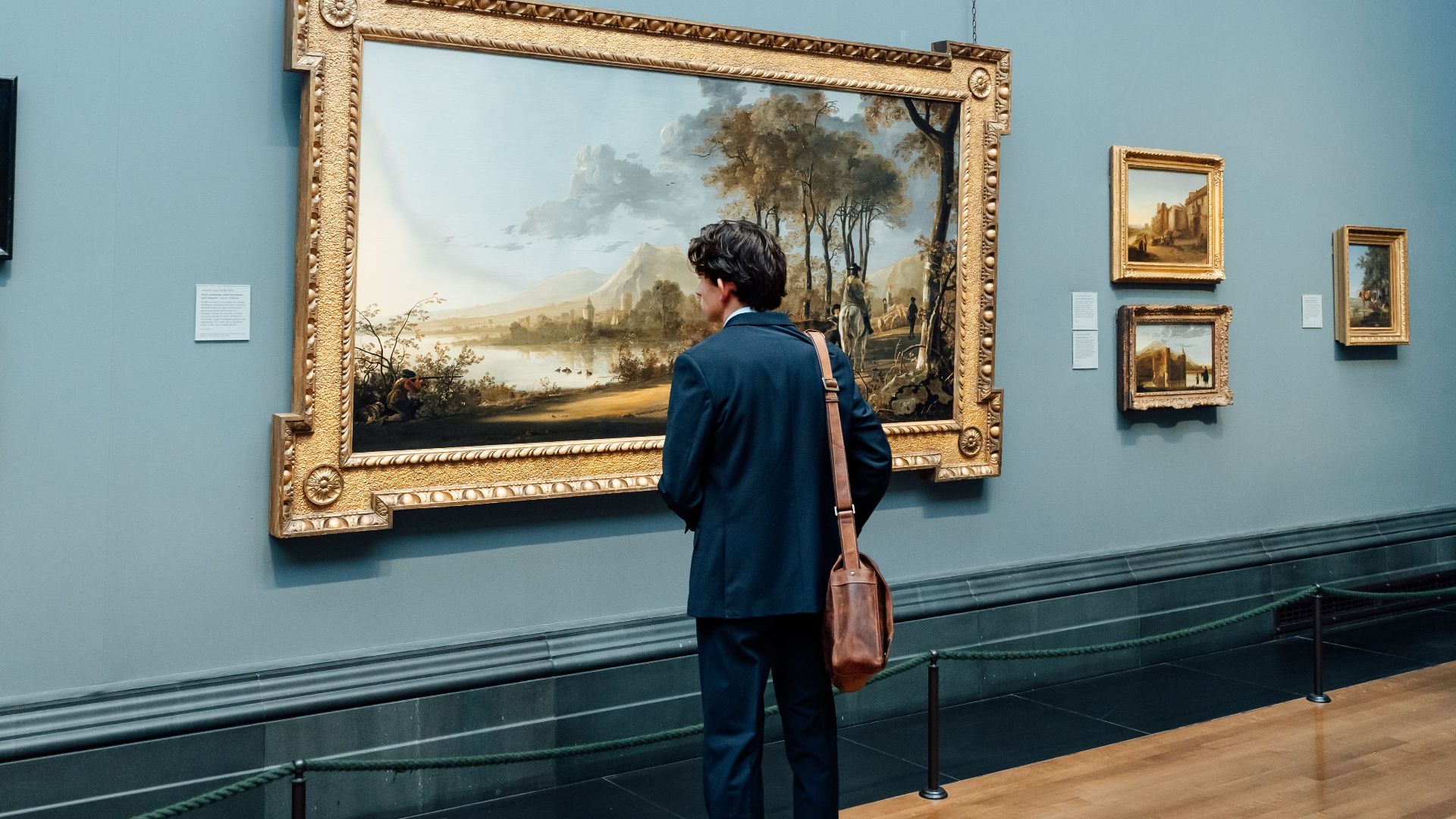
You don’t need to spend an hour fighting for the same photograph everyone else wants. Take a moment to see the landmark, capture one quick picture if desired, and explore the surrounding area. The best memories may begin once the location no longer matches a familiar social media post.
Find A Different Viewpoint
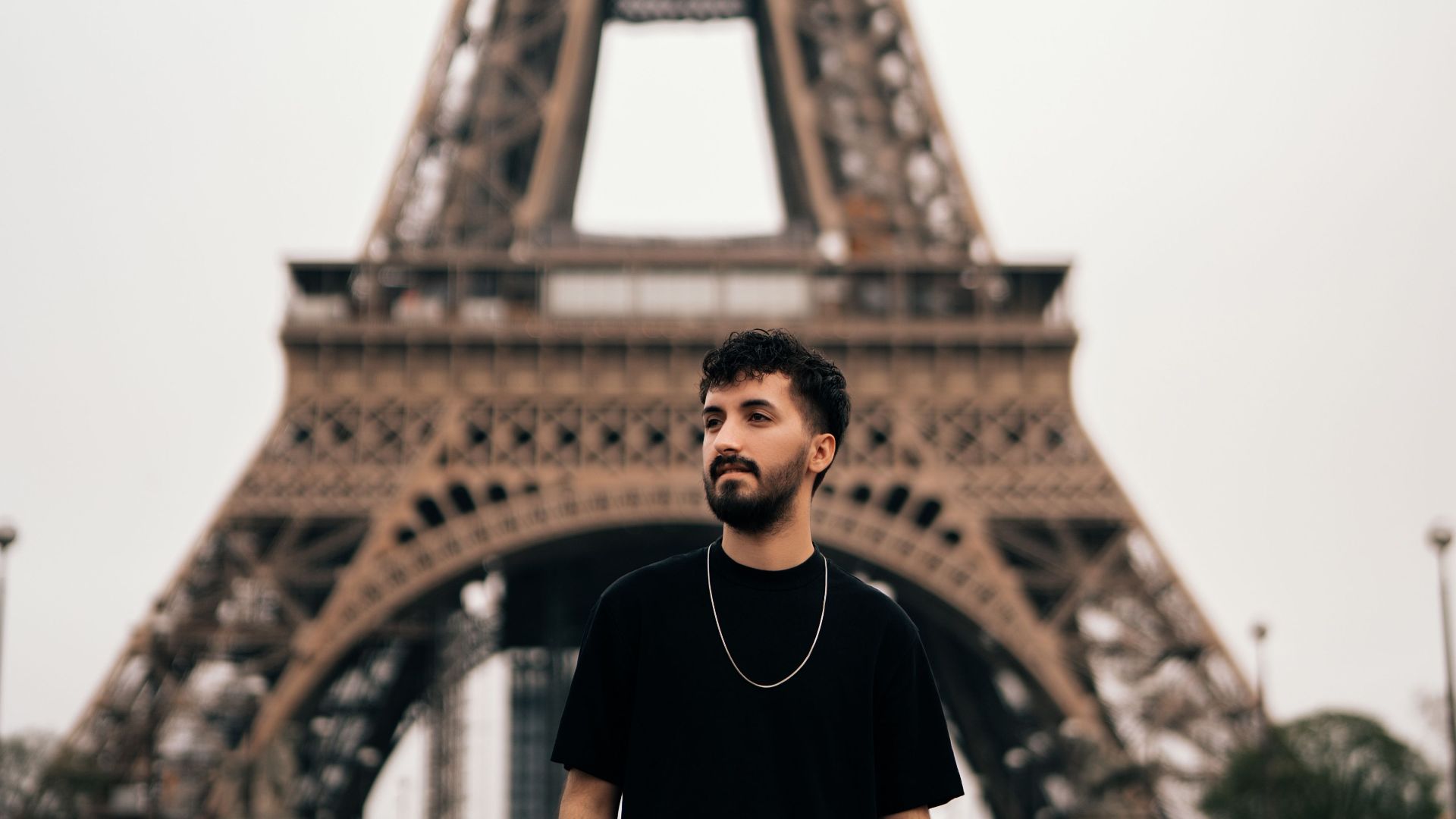
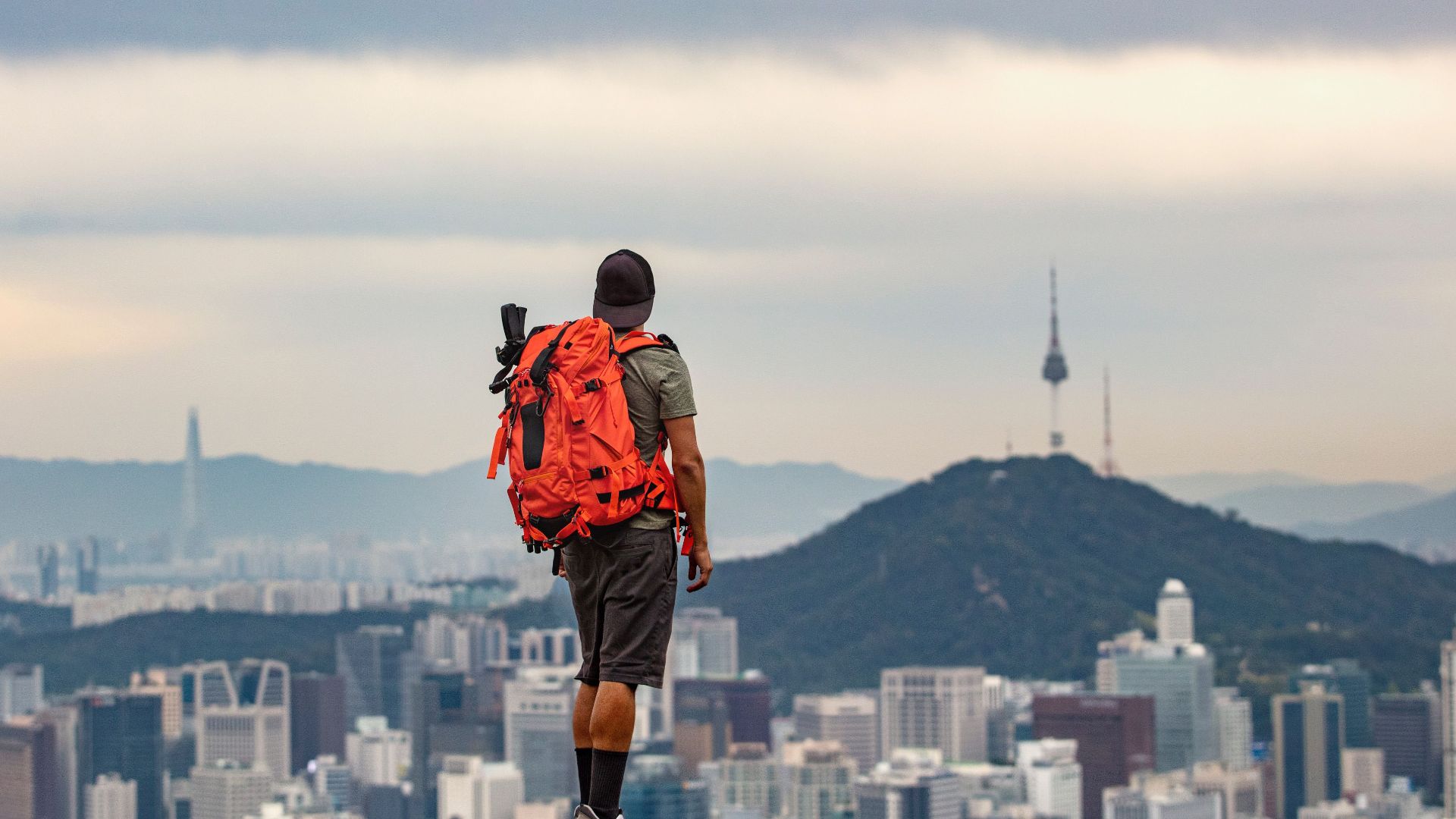
The platform directly beneath a monument may be packed, while a nearby bridge, hill, rooftop, garden, or side street provides a better overall view. Search maps, local blogs, and photography forums for alternative perspectives. A less famous angle can feel more personal and may reveal the site’s relationship with the wider city.
Ask A Local Guide Where Crowds Thin Out
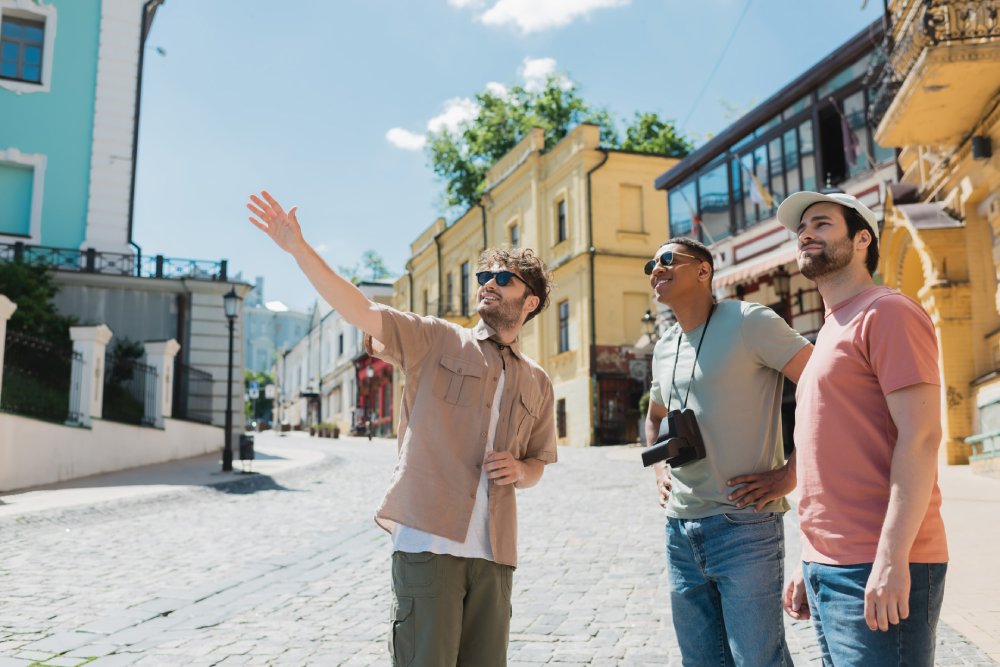
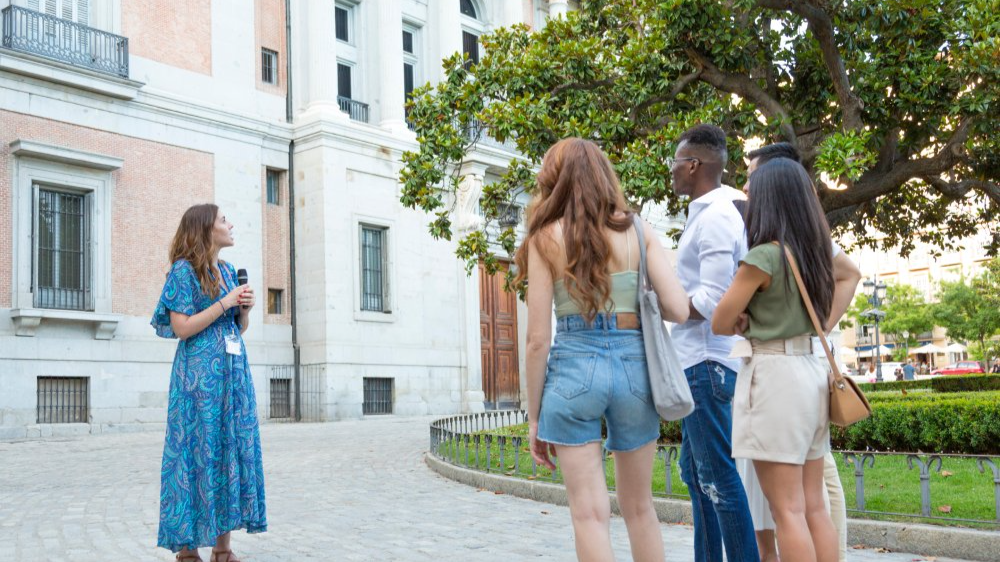
Local guides know which entrances become blocked, when tour buses arrive, and where visitors rarely walk. A private or small-group guide can also adjust the route when a popular stop becomes overwhelmed. Their value may come less from bypassing crowds than from knowing when not to follow them.
 LIGHTFIELD STUDIOS, Adobe Stock
Explore Secondary Attractions Nearby
Famous sites often sit among smaller museums, churches, parks, markets, and historic buildings that receive a fraction of the visitors. Plan one major attraction, then spend the rest of the day exploring nearby alternatives. This reduces frustration and spreads spending beyond the most heavily promoted locations.

Stay Overnight Instead Of Visiting For The Day
Destinations dominated by day-trippers can become dramatically calmer after the final buses, ferries, or cruise passengers leave. Staying overnight may give you peaceful evening and early-morning access. It also supports local accommodations and restaurants rather than treating the place as a brief photo stop.
Choose A Base Beyond The Viral District
The most photographed neighborhood may also be the noisiest, most expensive, and least representative part of the destination. Staying elsewhere gives you access to local cafés, parks, and streets before the daily crowds arrive. You can still visit the famous area without living inside it.
 Henri Mathieu-Saint-Laurent, Pexels
Don’t Join The Photo Queue Automatically
Some people wait 30 minutes or longer to recreate one exact composition. Ask whether you genuinely want that photograph or are simply following the line. Taking a different picture, buying a postcard, or leaving the camera in your pocket may preserve far more of the experience.
Avoid Confronting People For Filming
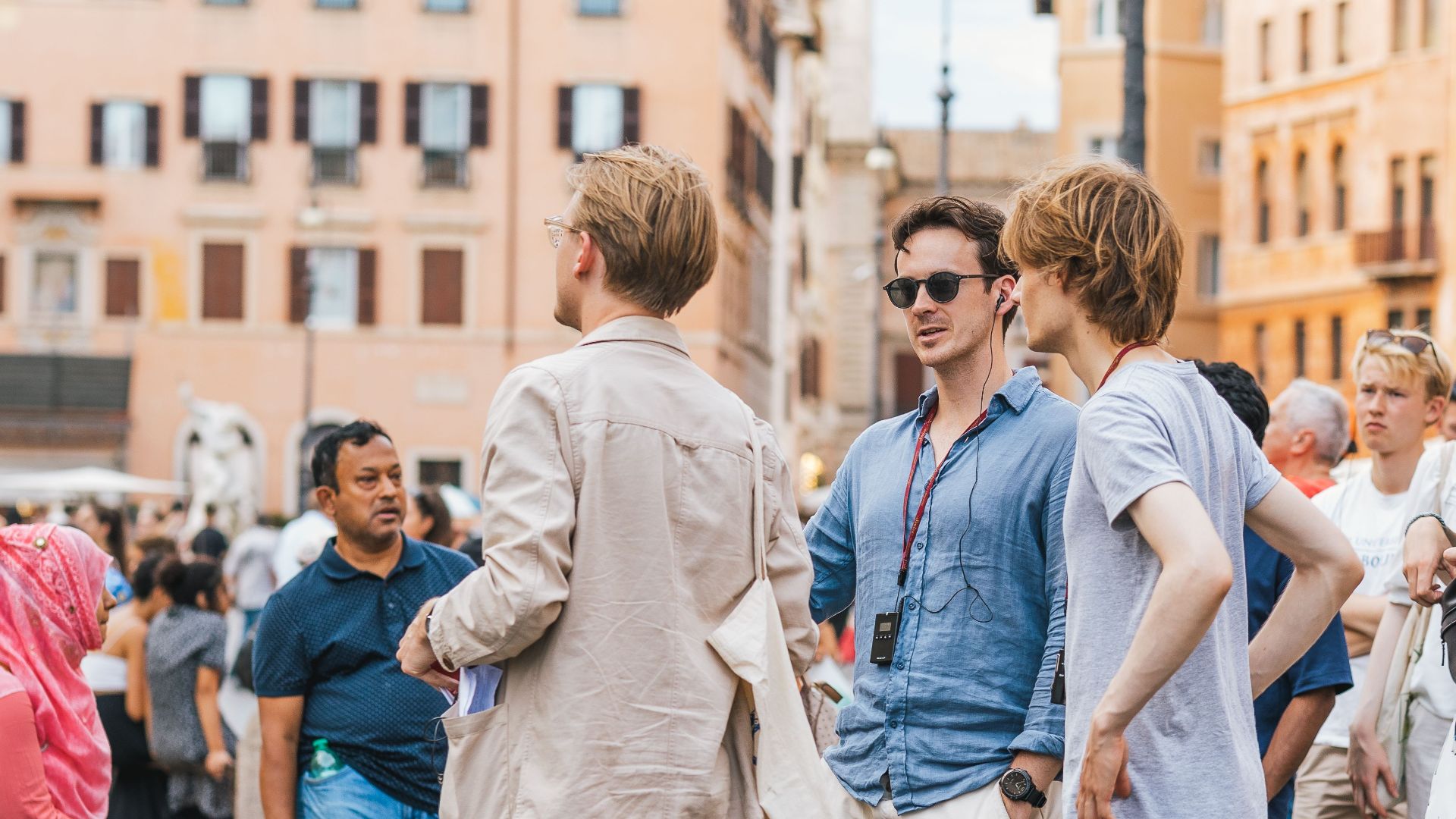
It’s frustrating when someone blocks a walkway for repeated takes, but an argument is unlikely to improve the visit. Wait briefly, move around them if possible, or ask politely whether you can pass. Staff should handle dangerous equipment, restricted-area filming, or repeated obstruction.
Don’t Become Part Of The Same Problem
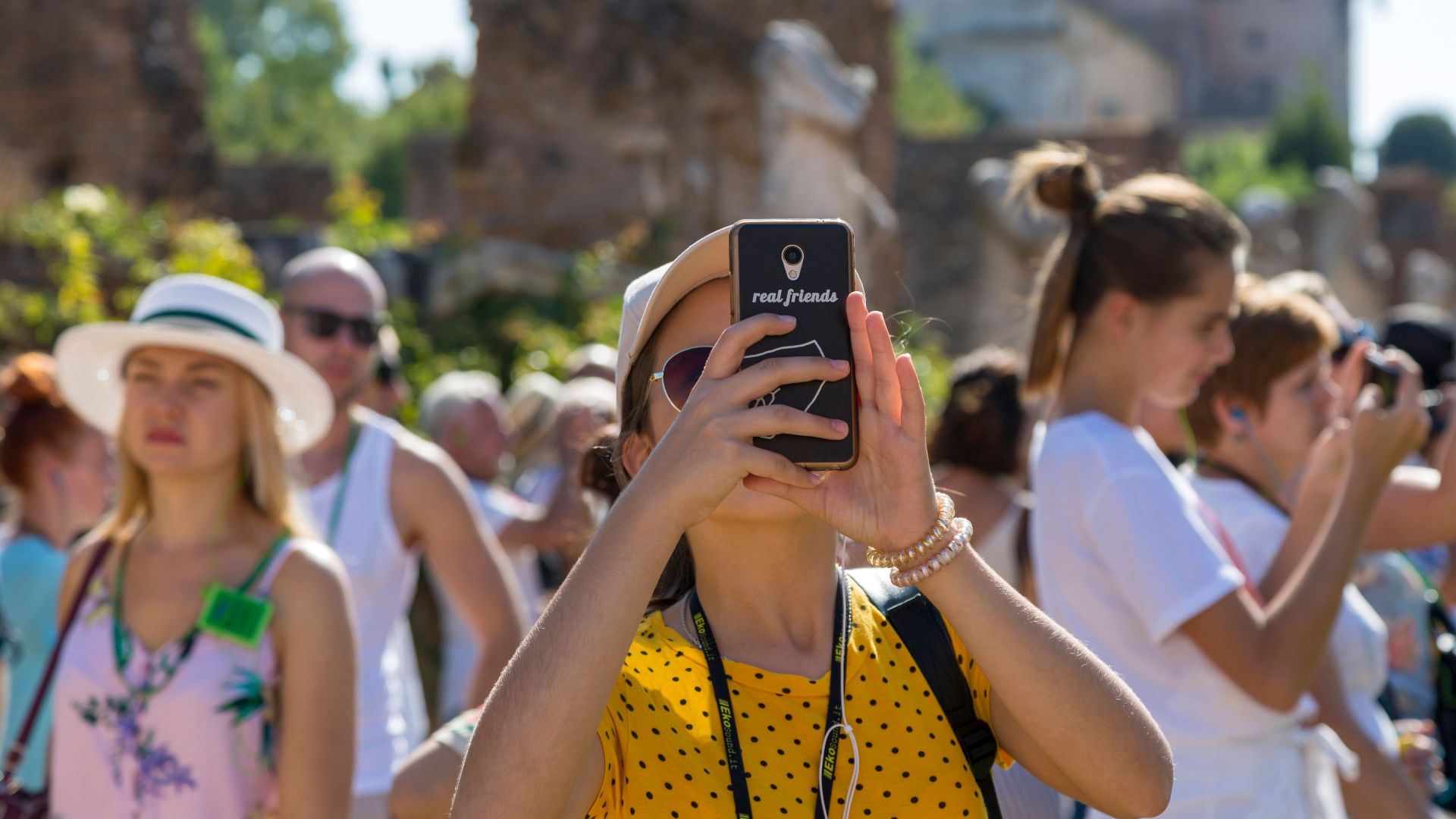
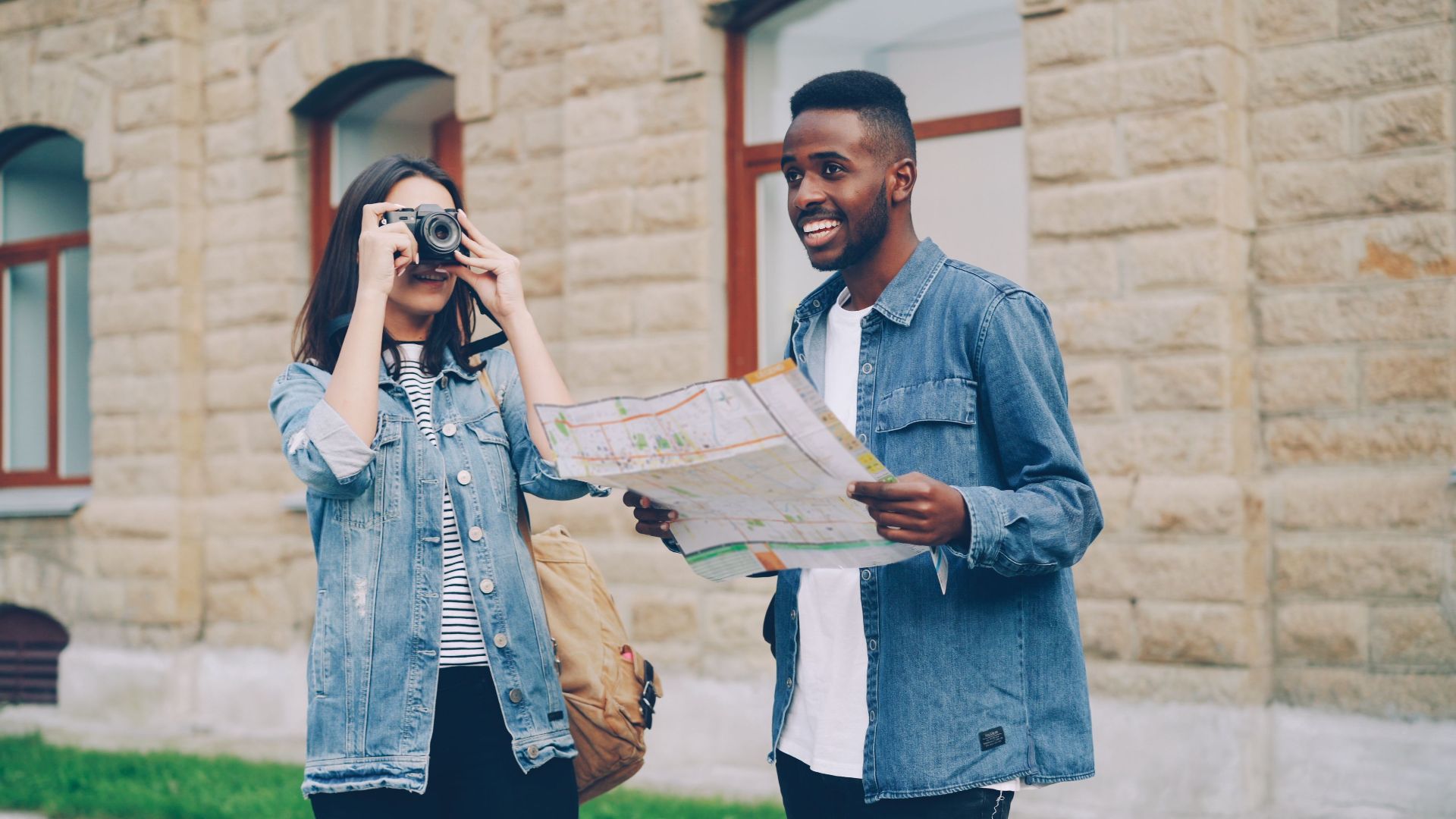
It’s easy to criticize social media crowds while taking several minutes to pose in the busiest location yourself. Keep pathways clear, avoid setting equipment where others must walk, and don’t repeat a shot endlessly when people are waiting. Responsible travel includes recognizing how your own behavior affects the space.
Respect Barriers And Local Rules
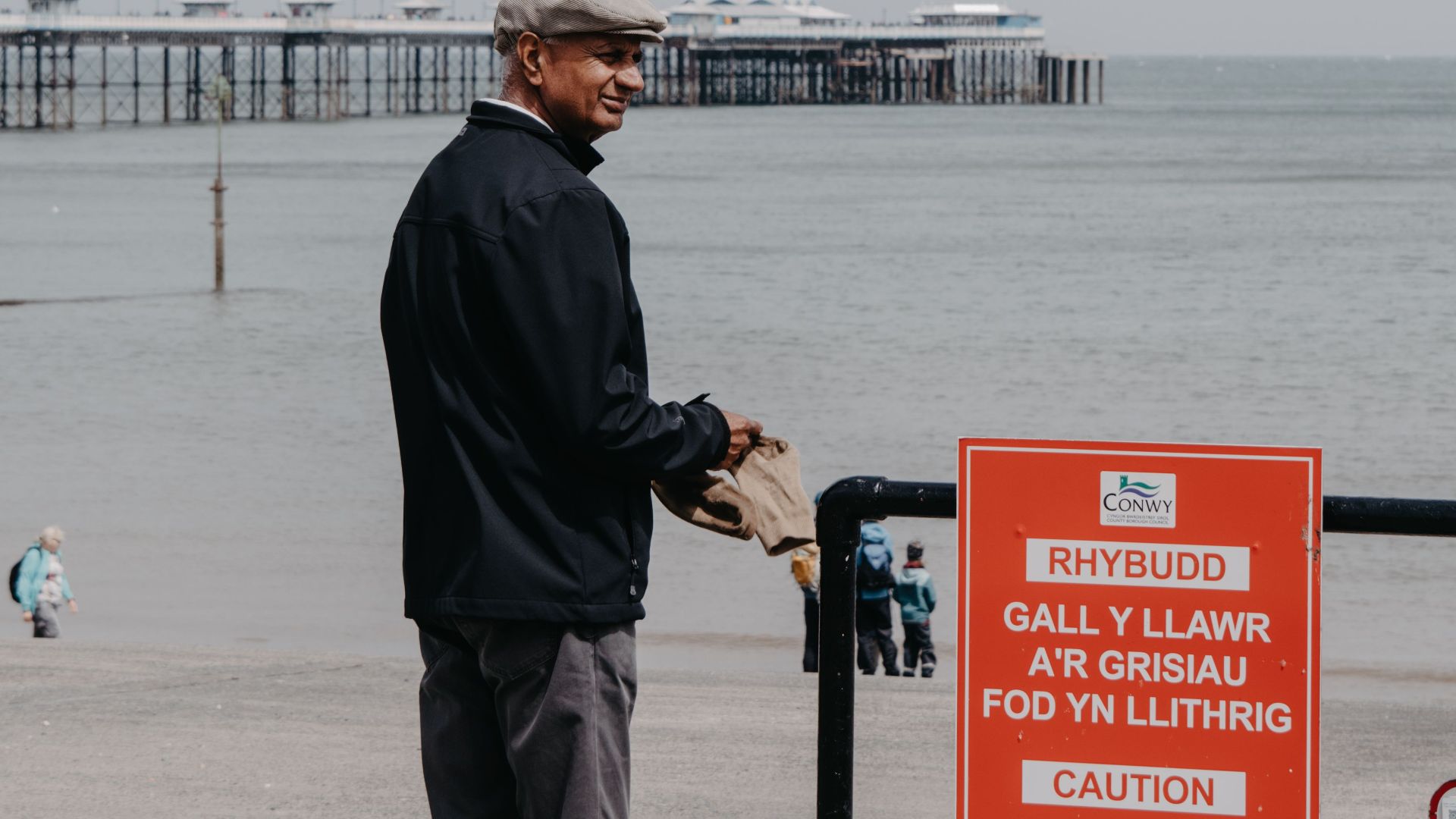
Crowded filming locations sometimes lead people onto private property, into traffic, across protective barriers, or onto fragile landscapes. Destinations have responded with restrictions after viral tourism created safety problems and disrupted residents. Japan, for example, has introduced measures at heavily photographed locations in response to congestion and poor visitor behavior.
Build Unscheduled Time Into The Trip
A tightly packed itinerary makes every crowd feel catastrophic because there’s no room to adjust. Leave open periods so you can return later, change neighborhoods, or follow a quieter street. Flexibility is one of the strongest advantages independent travelers have over large organized groups.

Accept That Famous Places Will Still Be Famous
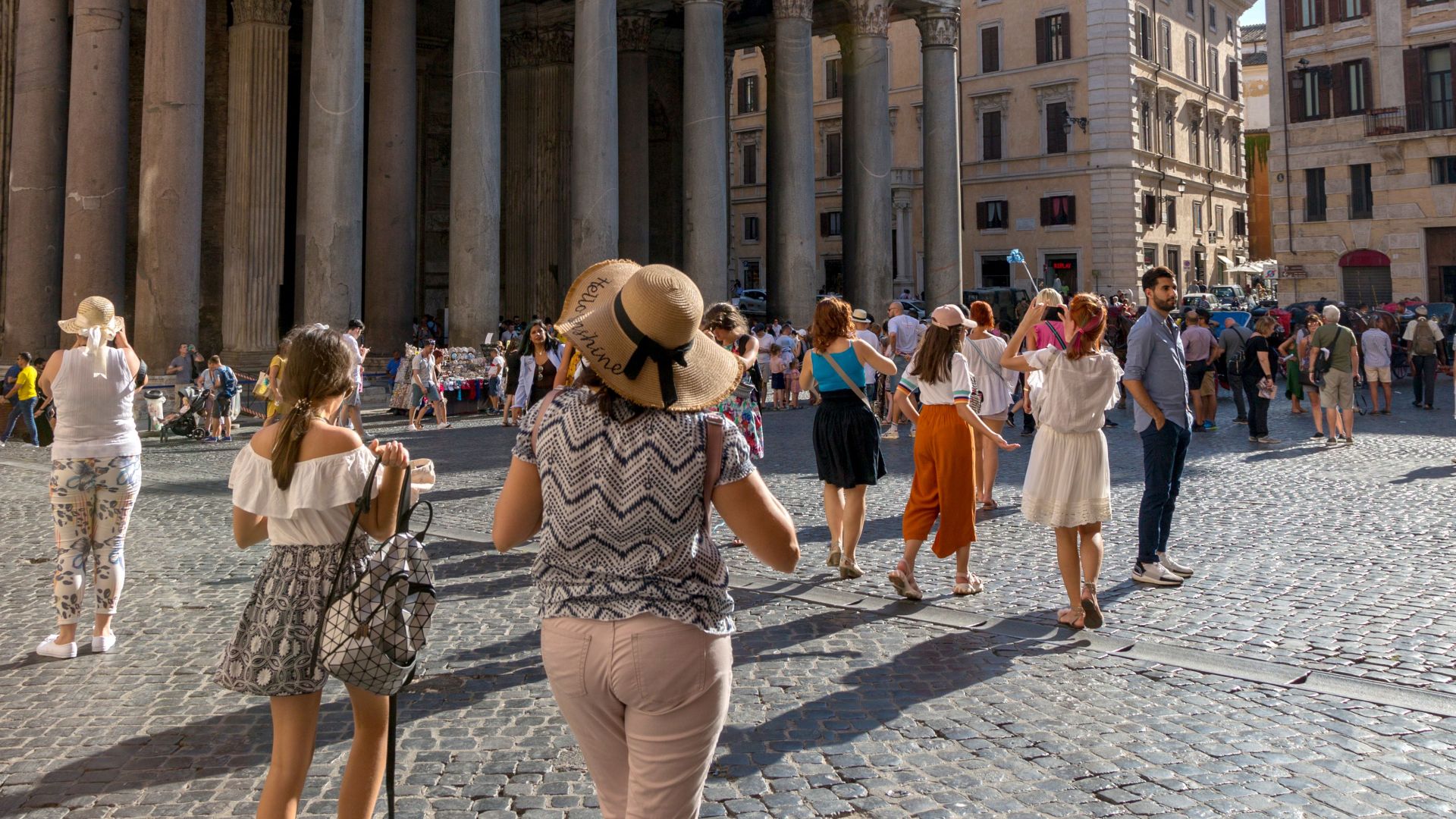
There may be no truly empty version of the world’s most recognizable landmarks during normal visiting hours. The goal isn’t always to achieve a private photo shoot. It’s to find a moment when the crowd is manageable enough that you can pay attention to the place rather than everyone documenting it.
See The Sights Without Letting The Crowd Define Them
Social media has concentrated visitors around particular images, but it hasn’t made meaningful travel impossible. Research recent conditions, arrive at unconventional times, avoid the standard photo angle, and pair major sights with quieter nearby places. You may not eliminate every tripod or filming queue, but you can stop organizing the entire trip around them. The landmark is still worth seeing, even when the best experience happens a few steps beyond the shot everyone else came to recreate.
You May Also Like: