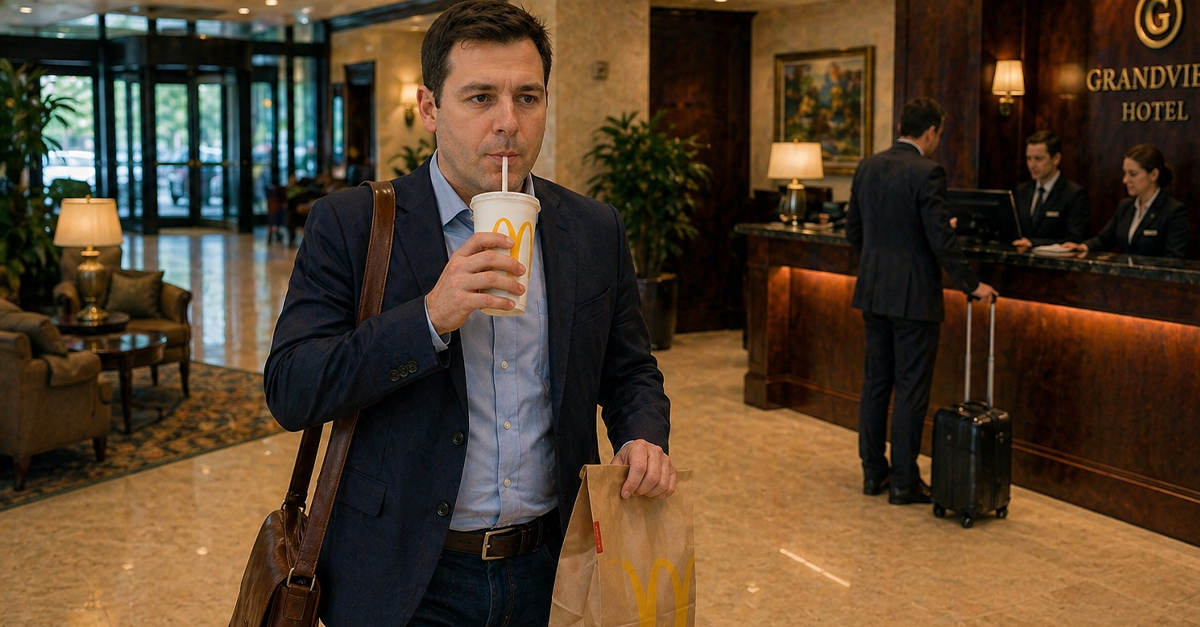
The Challenge Of A Tight Per Diem
You’ve landed a consulting role that has you traveling up to 15 days a month, but your company only offers you $35 per day for food. That’s a classic per diem setup, where you’re expected to cover meals within a fixed daily budget. If you go over, the extra cost comes out of your own pocket.

Why This Budget Feels So Tight
In a lot of places these days, $35 barely covers one restaurant meal, let alone three. Per diems are designed to simplify expense tracking for companies, not necessarily to match real-world prices in every location. That means you should treat this like a budgeting challenge rather than a normal dining experience.

Start With Your Hotel Choice
One of the biggest money-saving moves happens before you even set foot in your destination. Choose hotels that include free breakfast or at least coffee and snacks. A complimentary breakfast can take care of one meal entirely, giving you more room in your daily budget for lunch and dinner.

Prioritize Hotels With Kitchens
If your travel setup allows it, aim for extended-stay hotels or suites with a kitchenette. Having a fridge and microwave opens the potential to grocery shopping, leftovers, and simple meal prep. This is one of the most effective ways to stretch a tight daily allowance across multiple meals.

Grocery Stores Are Your Best Friend
Instead of eating every meal out at some restaurant or local watering hole, visit a grocery store when you arrive. Stock up on the basics like bread, deli meat, fruit, yogurt, and snacks. This lets you build cheap breakfasts and lunches, leaving you with more of your allowance for one decent meal each day.

Think In Terms Of One Paid Meal
A common strategy is to spend most of your daily budget on one solid meal, usually dinner, while keeping breakfast and lunch extremely low-cost. This approach helps you stay within your limitations while still enjoying at least one satisfying, even delectable, meal per day.

Use Lunch Specials And Combos
Restaurants often offer cheaper lunch specials or combo deals that cost a lot less than dinner menus. Planning your main meal at lunchtime instead of dinner can stretch your budget further without sacrificing quality.

Double Up And Save Leftovers
Whenever possible, order larger portions or combo meals and save half of them for later. A single restaurant meal can sometimes cover two meals if you plan ahead. This strategy is especially effective in cities where portion sizes are generous.
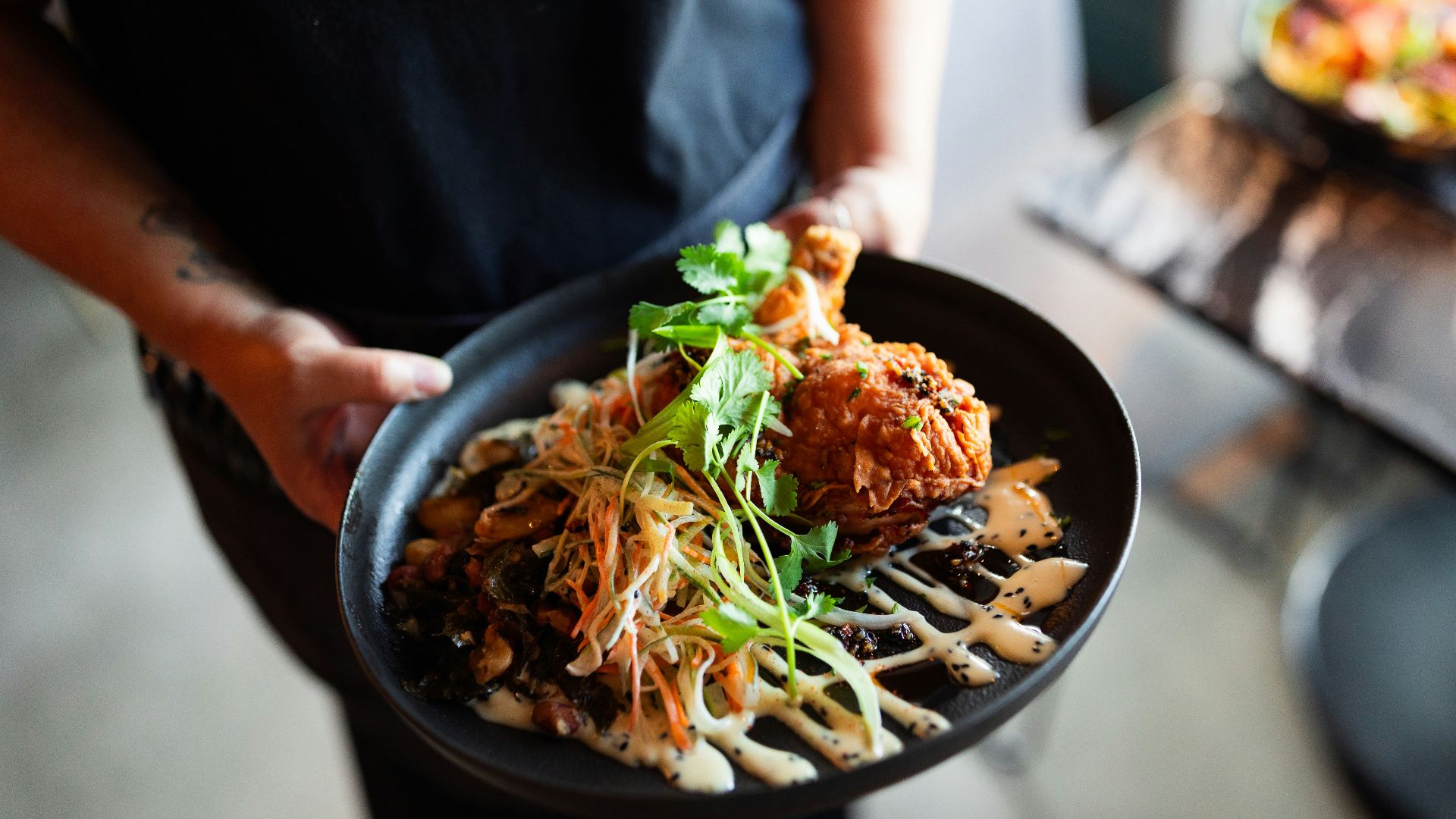
Make The Most Of Free Food Opportunities
Look for networking events, client meetings, or hotel happy hours that include food. Even light snacks or appetizers can take the place of a meal. Over time, these small wins add up and can significantly reduce how much you need to spend out of pocket.
Stay Hydrated Without Spending
Buying drinks throughout the day adds up quickly. Carry a refillable water bottle and use hotel gyms, airports, or public refill stations. Even skipping just a few bottled drinks per day can save a few bucks and keep you within your budget.

Track Your Spending Daily
When your budget is tight, it’s important to keep track of things. Keep a simple daily tally of what you spend so you don’t accidentally blow through your allowance early in the day. Per diem systems are meant to simplify things, but they still require some discipline to manage properly.

Loyalty Programs Can Offset Food Costs
Hotel loyalty programs often include perks like free breakfast, lounge access, or evening snacks. These benefits can effectively replace one or even two meals per day, making a huge difference when your food budget is limited.
Credit Cards Can Add Hidden Value
Travel credit cards often provide points, cashback, or statement credits on dining and travel purchases. Over time, these rewards can offset your food expenses or even cover future trips. Pairing a good card with your travel habits can quietly boost your budget.

Stack Your Rewards Strategically
If you consistently use the same hotel chain, airline, and credit card, you can stack rewards across all three. This means earning points on the booking, the stay, and the payment method. Over time, those points can translate into free meals, hotel nights, or upgrades.

Choose Locations Carefully
Whenever possible, stay near grocery stores, affordable restaurants, or areas with more dining options. Being stuck in a hotel surrounded by expensive restaurants makes it a lot harder to stay within your daily allowance.

Plan Your Food Ahead Of Time
Before arriving in a new city, look up nearby grocery stores, cheap eats, and meal deals. Having a plan prevents impulse spending and helps you make smarter choices when you’re tired or short on time.

Accept That Some Days Will Go Over
Even with careful planning, there will be days when you go over your budget. The goal is to stay under your average across the trip. If you spend less on some days, it can balance out the occasional overage.

Build A Routine That Works
Frequent travel rewards consistency. Once you find a routine that works for you, such as grocery runs on arrival and one main meal per day, stick to it. This reduces decision fatigue and keeps your spending predictable.

Turn Savings Into Perks
If you’re consistently coming in under budget, you can use that extra money for occasional nicer meals or experiences. This helps make long stretches of travel more enjoyable without blowing up your overall budget.

The Bottom Line
A $35 daily food allowance is tight, but it’s manageable with the right approach. By combining free hotel perks, grocery shopping, strategic meal planning, and travel rewards, you can stay within budget most of the time and avoid having to constantly pay out of pocket.
You May Also Like:
My Airbnb looks nothing like the photos. Can I demand a refund?
Hotel Employees Admit These Insider Realities Change Everything About Your Stay