The Beach Was The Whole Reason For The Trip, Then It Was Closed
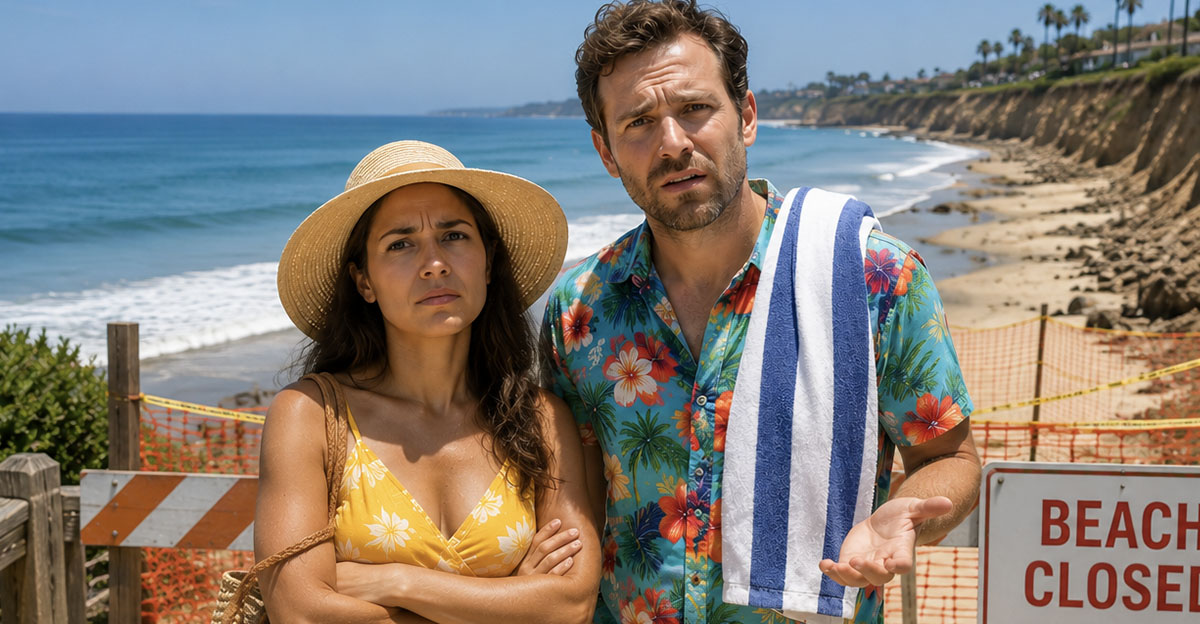
You spent months looking forward to relaxing on the sand, only to find that when you arrived, much of the shoreline was closed because of erosion or safety concerns. It's an incredibly disappointing surprise, but there are steps you can take to avoid surprises and still enjoy your vacation if plans suddenly change.
Beaches Change More Than Most People Realize
Unlike buildings or roads, beaches are constantly changing. Waves, tides, storms, currents, and seasonal weather all reshape the shoreline throughout the year. A beach that looked perfect six months ago may look completely different by the time your vacation begins.
Erosion Isn't Always Gradual
Some erosion happens slowly over many years, but severe storms, hurricanes, unusually high tides, and flooding can dramatically reshape a beach in just a few days. Entire sections of shoreline can disappear almost overnight, forcing local officials to close public access until conditions become safe again.
Safety Often Drives Closures
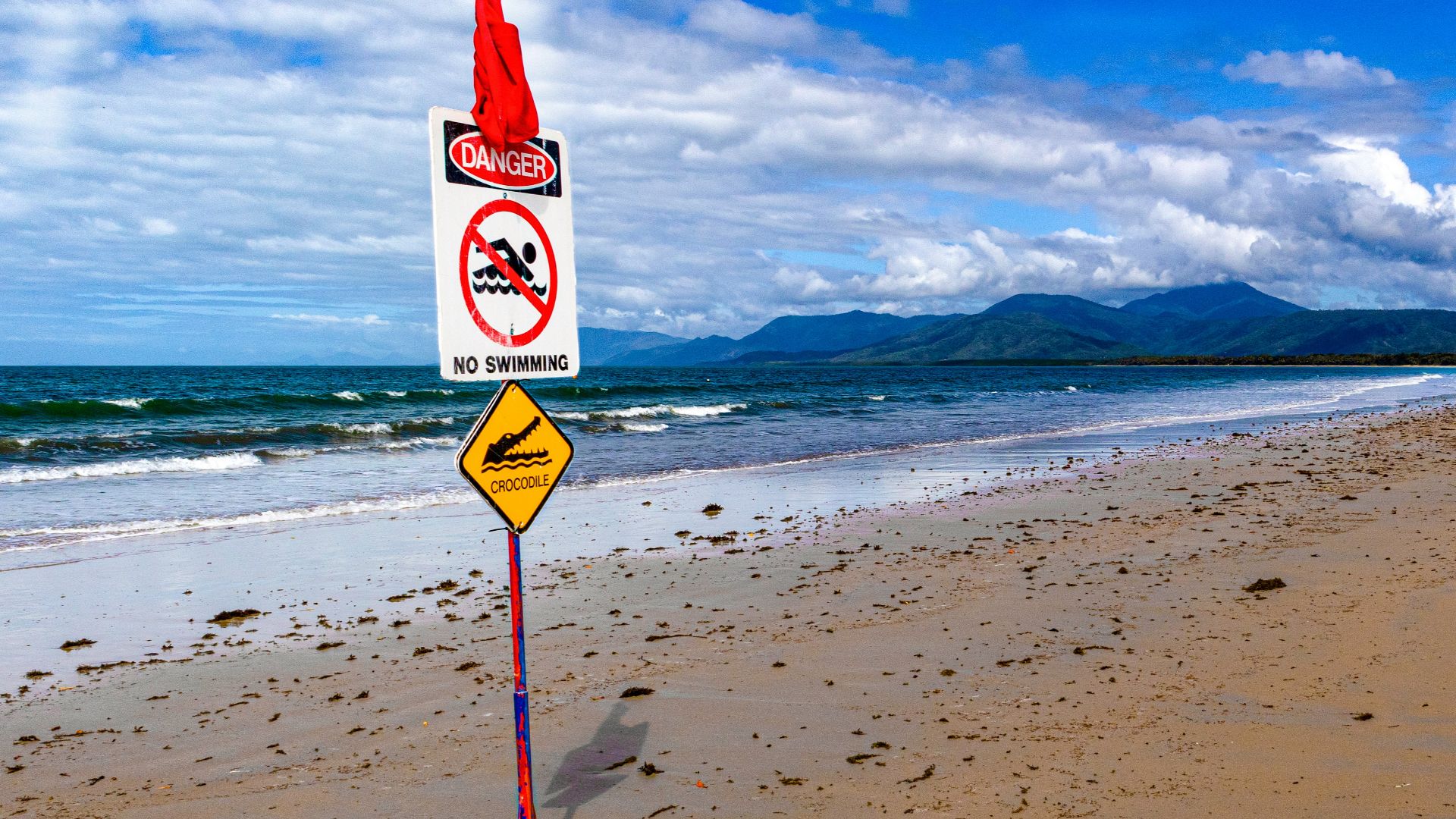
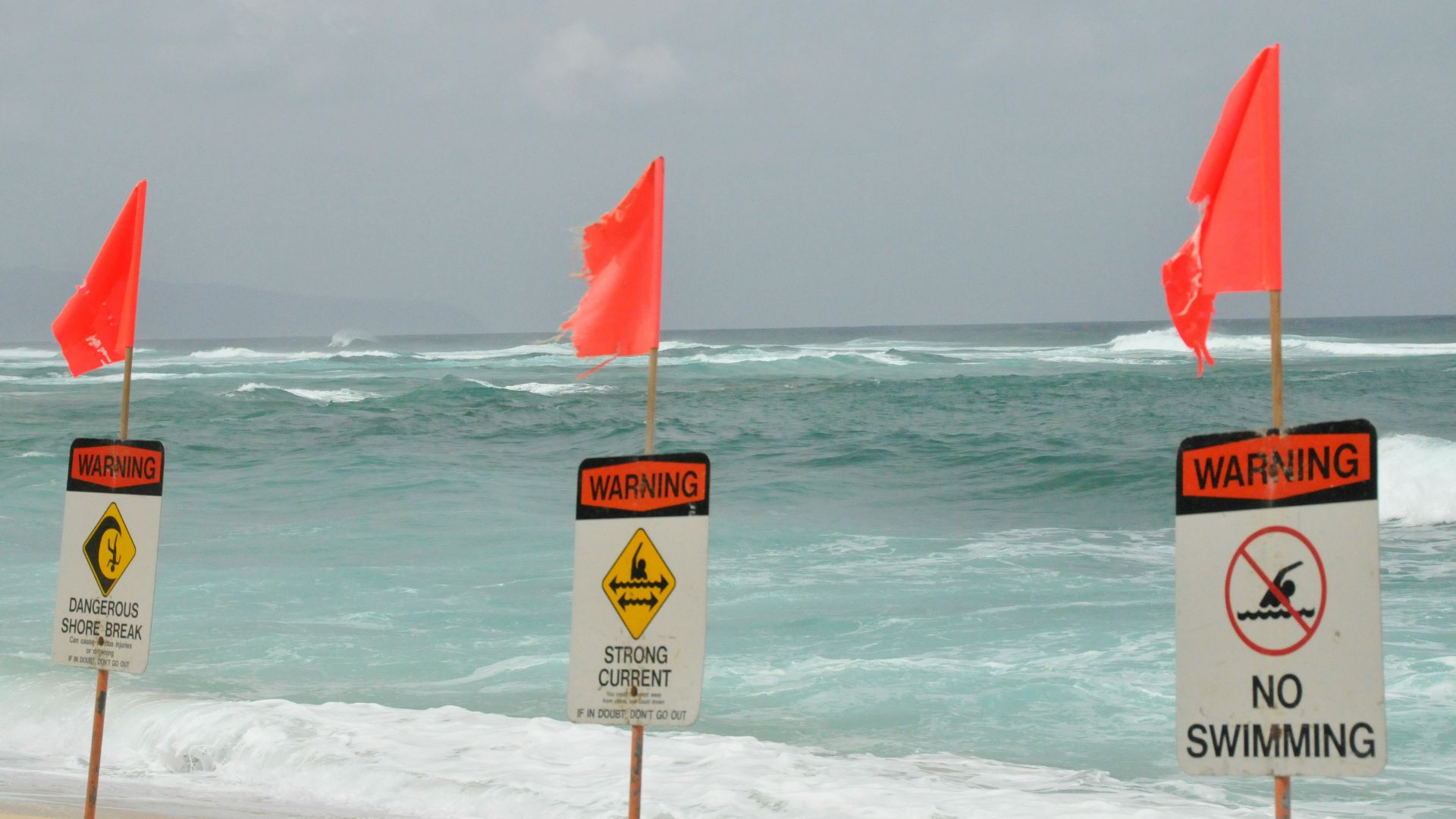
Beach closures aren't always about protecting the beach itself. Unstable dunes, damaged walkways, exposed infrastructure, sinkholes, debris, and dangerous surf conditions can all make certain areas unsafe for visitors. Local authorities generally close beaches to reduce the risk of injuries rather than simply inconvenience tourists.
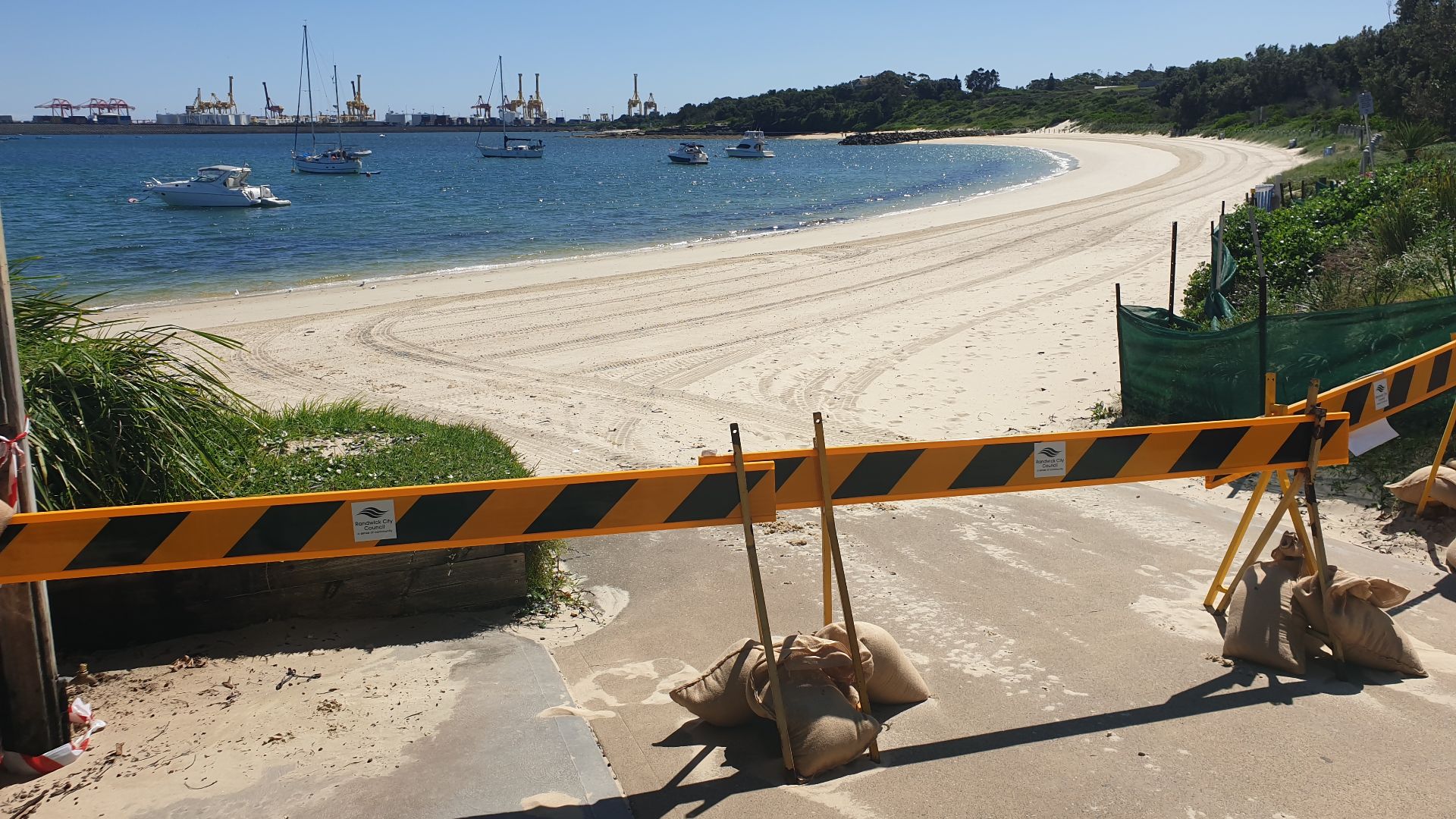 Floodstreet, Wikimedia Commons
Travel Websites Can't Predict Future Conditions
Many travelers assume booking sites should warn them about beach problems, but that's often unrealistic. Hotels and vacation rentals may be booked months in advance, long before anyone knows whether erosion, storms, or unusually high tides will affect the shoreline. Conditions can change much faster than travel listings can be updated.

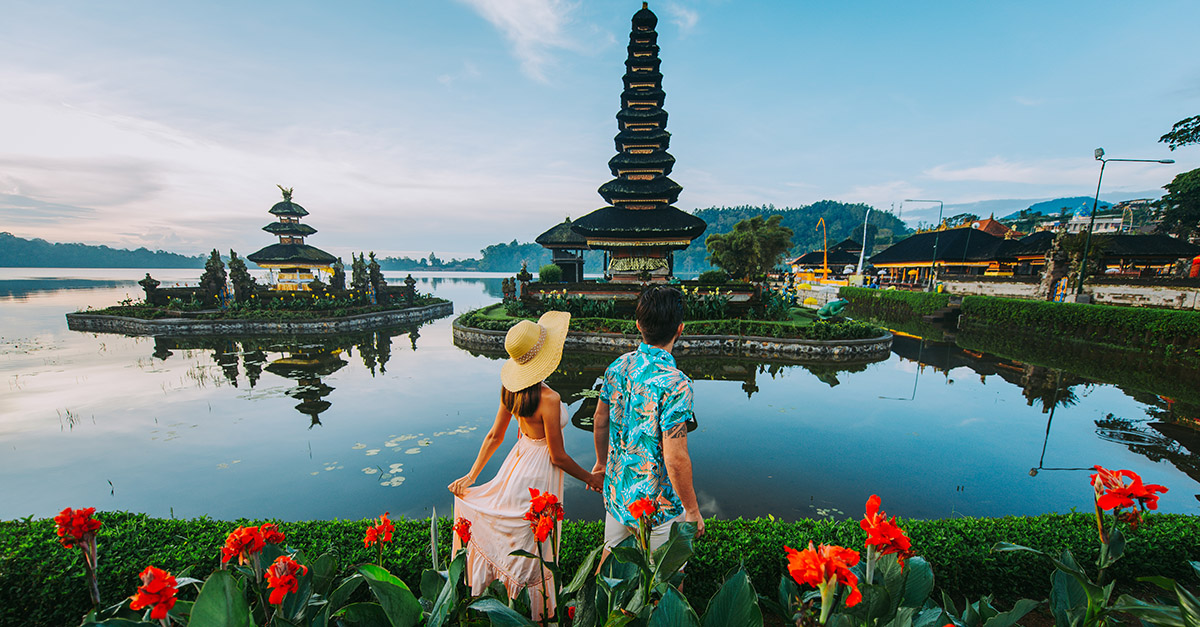
Marketing Photos May Be Outdated
It's also worth remembering that promotional photos aren't always recent. Images on hotel websites or booking platforms may have been taken years earlier under ideal conditions. They accurately represent the destination at one point in time, but they can't guarantee the beach will look identical during every season.
Check Recent Visitor Reviews
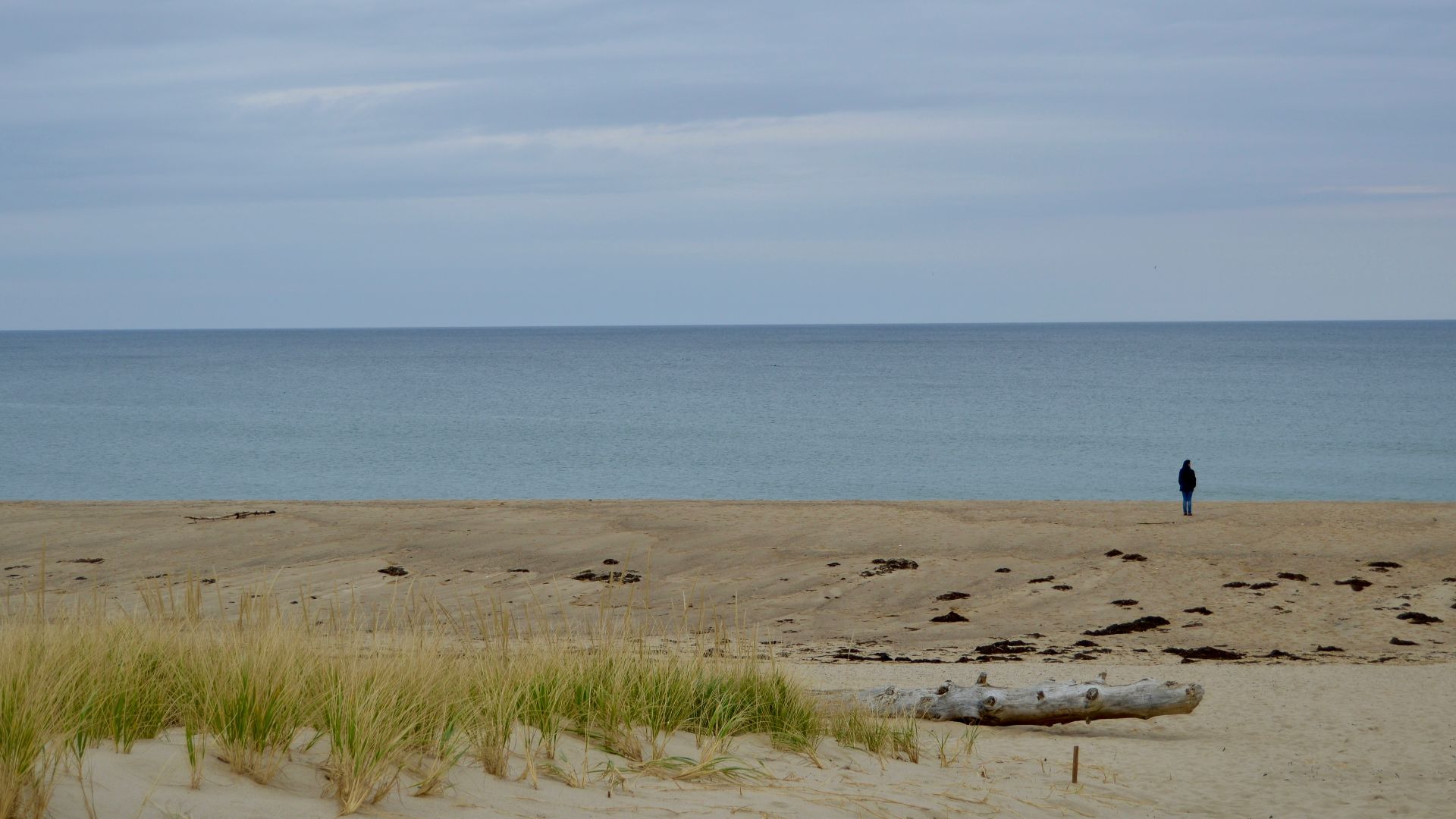
One of the easiest ways to spot changing conditions is by reading reviews posted within the past few weeks. Travelers frequently mention beach closures, construction, erosion, seaweed, water quality, or storm damage. Recent reviews are often much more useful than older comments praising perfect conditions.

Look At Recent Photos
Many review sites and social media platforms include recent visitor photographs. These images often provide a far more accurate picture of current beach conditions than professional marketing photos. Looking through several recent uploads can reveal whether erosion or closures have affected the shoreline.

Visit Local Government Websites
Many coastal communities regularly update beach conditions on municipal or parks department websites. These pages may include information about erosion, restoration projects, water quality advisories, access restrictions, and temporary closures. Checking them shortly before departure can help avoid unpleasant surprises.

Weather Forecasts Tell Part Of The Story
While a weather forecast can't predict erosion months in advance, checking conditions during the week before your trip can provide valuable clues. Major storms, unusually high surf, or recent hurricanes often affect beach access even after the skies clear.

Understand Seasonal Patterns
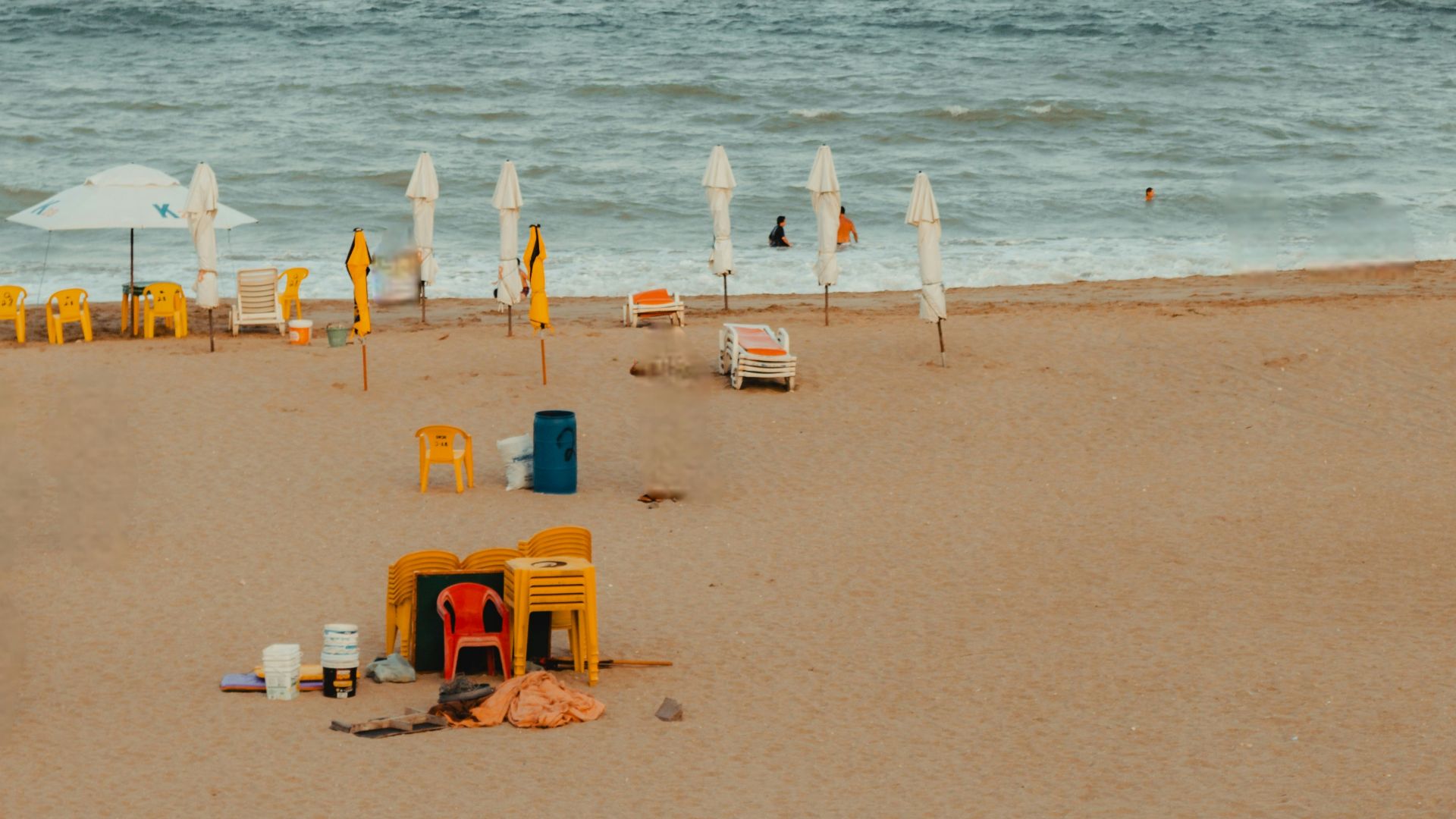
Some destinations naturally experience more erosion during certain times of the year. Storm seasons, king tides, winter surf, or heavy rainfall may temporarily reshape beaches until calmer conditions return. Learning a little about your destination's seasonal weather can help set realistic expectations.
Beach Restoration Is Common
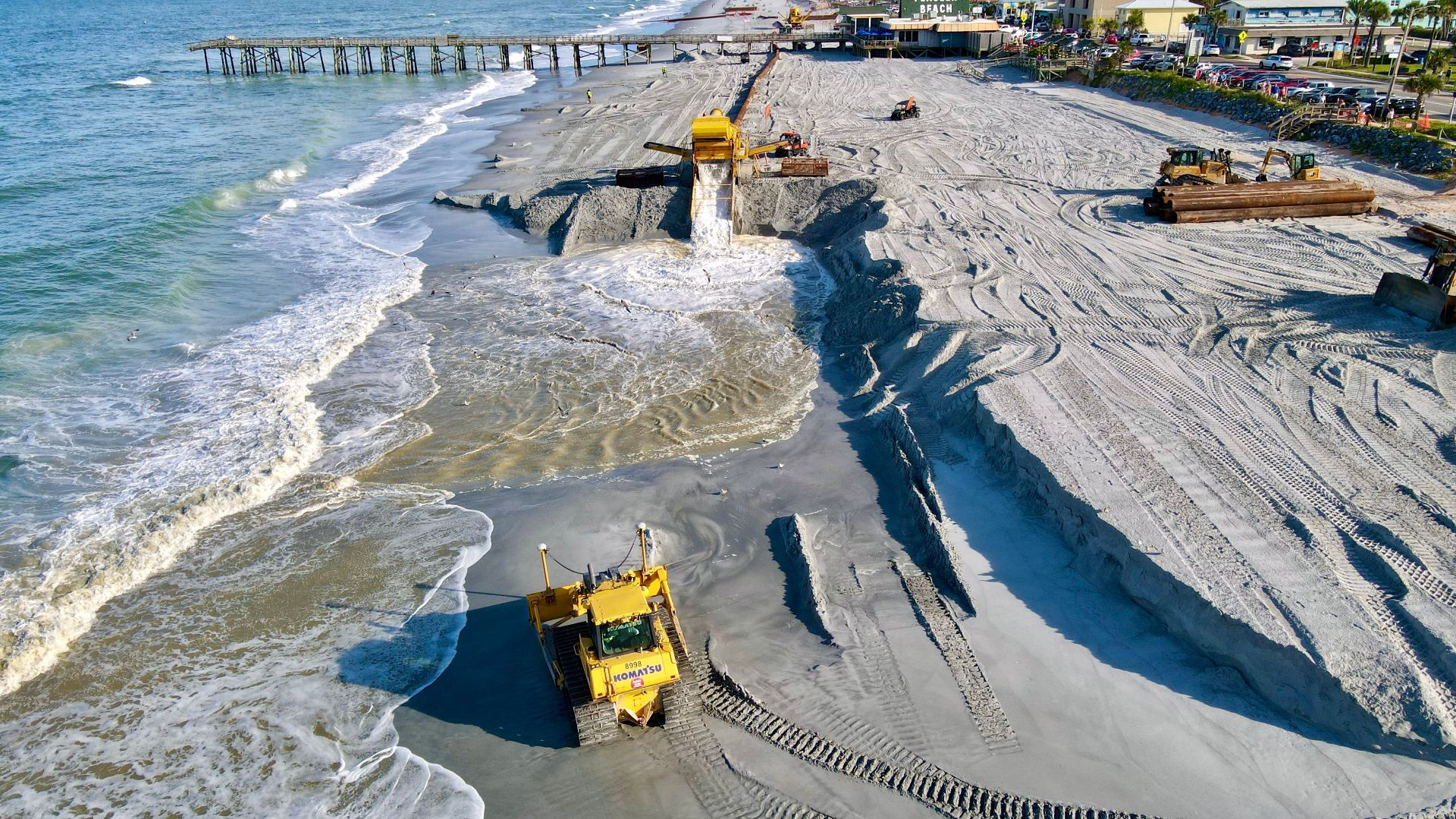
If erosion becomes severe, communities sometimes undertake beach nourishment projects that pump sand back onto the shoreline. While these efforts help preserve beaches over the long term, they can temporarily limit access or change the appearance of the coast while work is underway.
Ask Your Hotel Before You Arrive
A quick phone call or email a few days before check-in can answer many questions. Hotel staff usually know whether nearby beaches remain fully open, whether access points have changed, or whether guests are visiting alternate beaches nearby. They can often recommend the best current options.

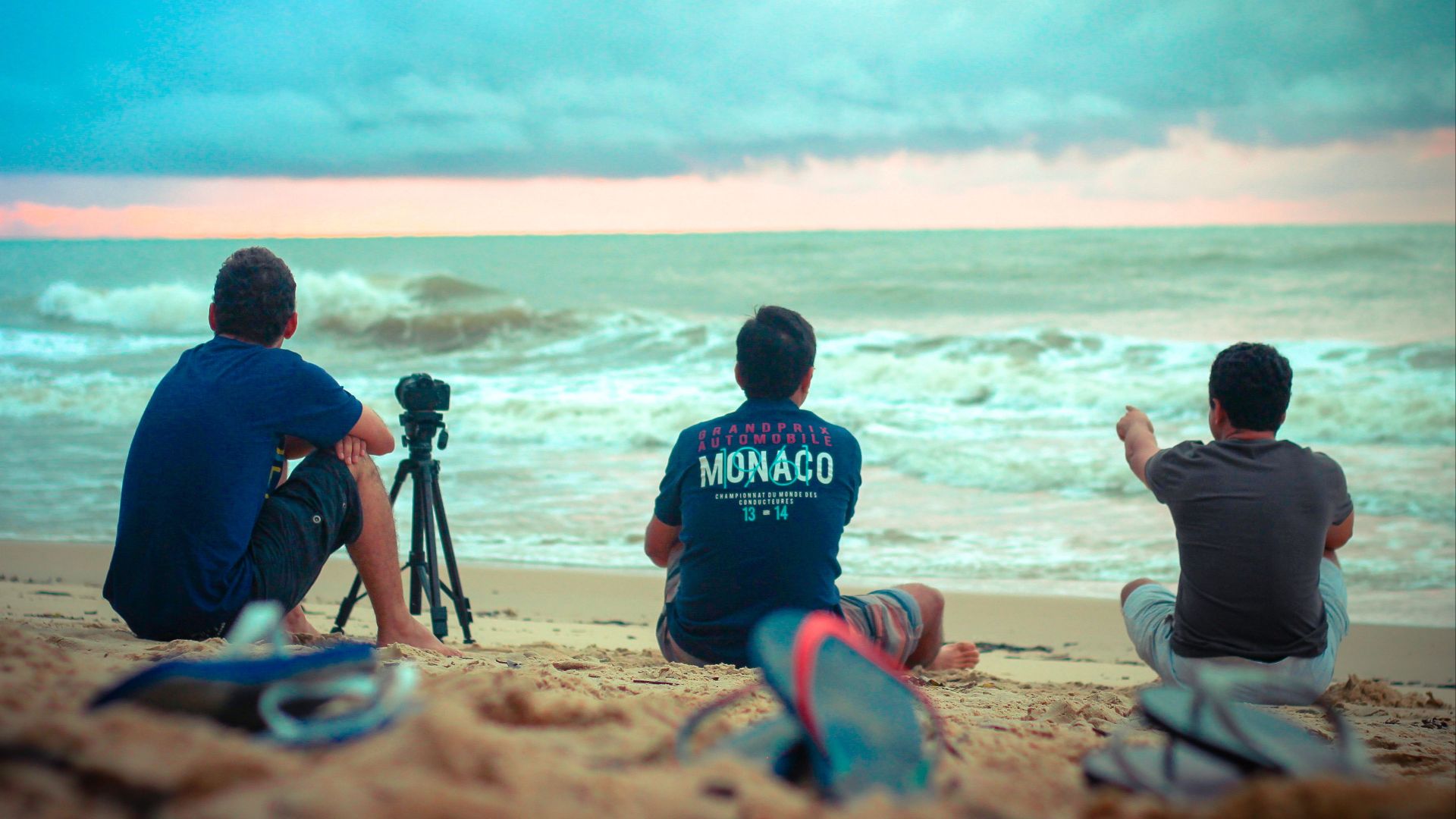
Explore Nearby Beaches
A closure at one beach doesn't necessarily affect the entire coastline. Neighboring beaches may remain completely open and accessible. Local tourism offices or hotel staff can often recommend nearby alternatives that are only a short drive away.
Consider State Parks
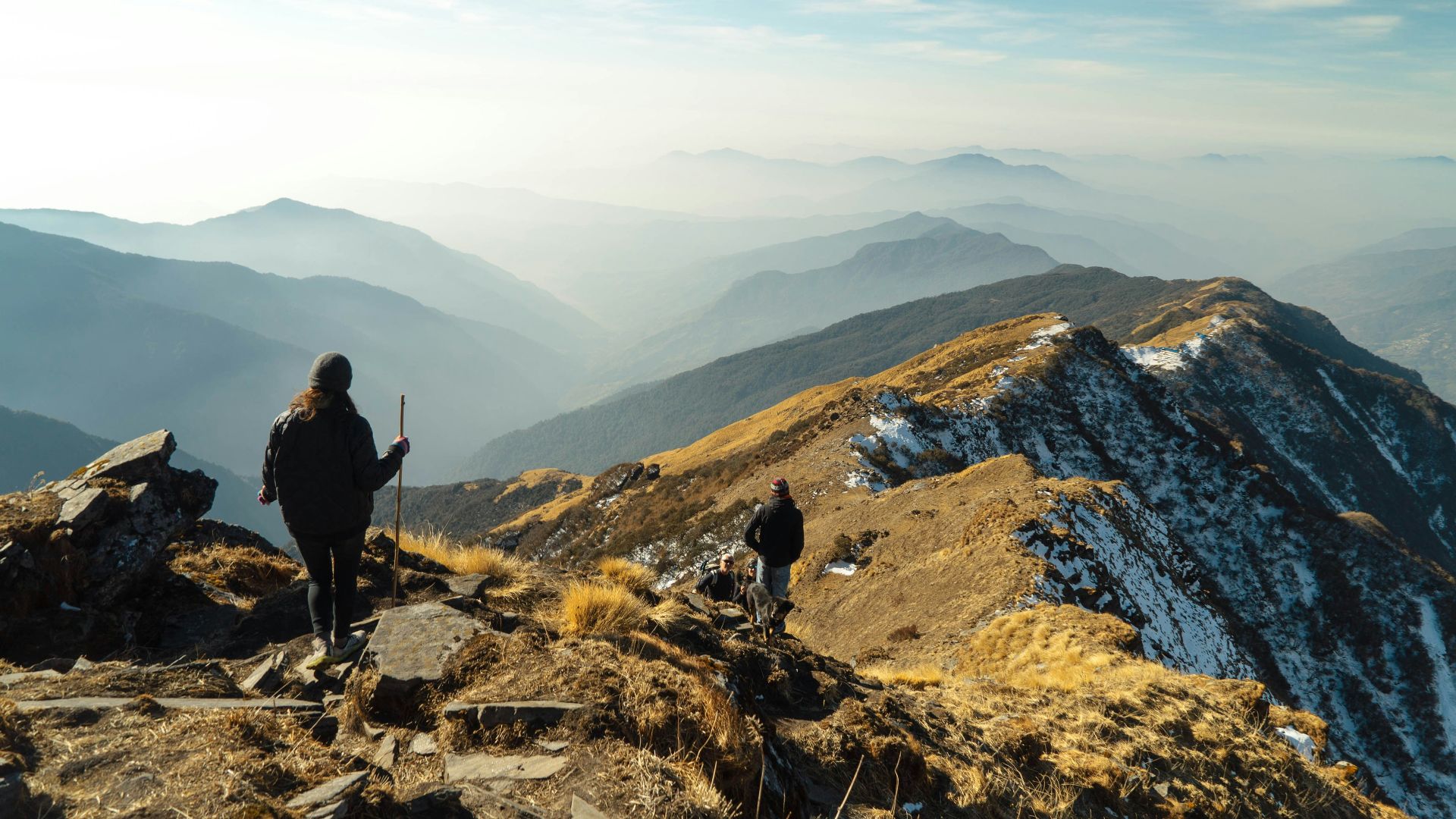
State parks, national seashores, and protected coastal areas sometimes experience different conditions than heavily developed resort beaches. They may also offer hiking trails, wildlife viewing, scenic overlooks, or quieter stretches of shoreline that remain open when other areas are affected.
Water Activities May Still Be Available
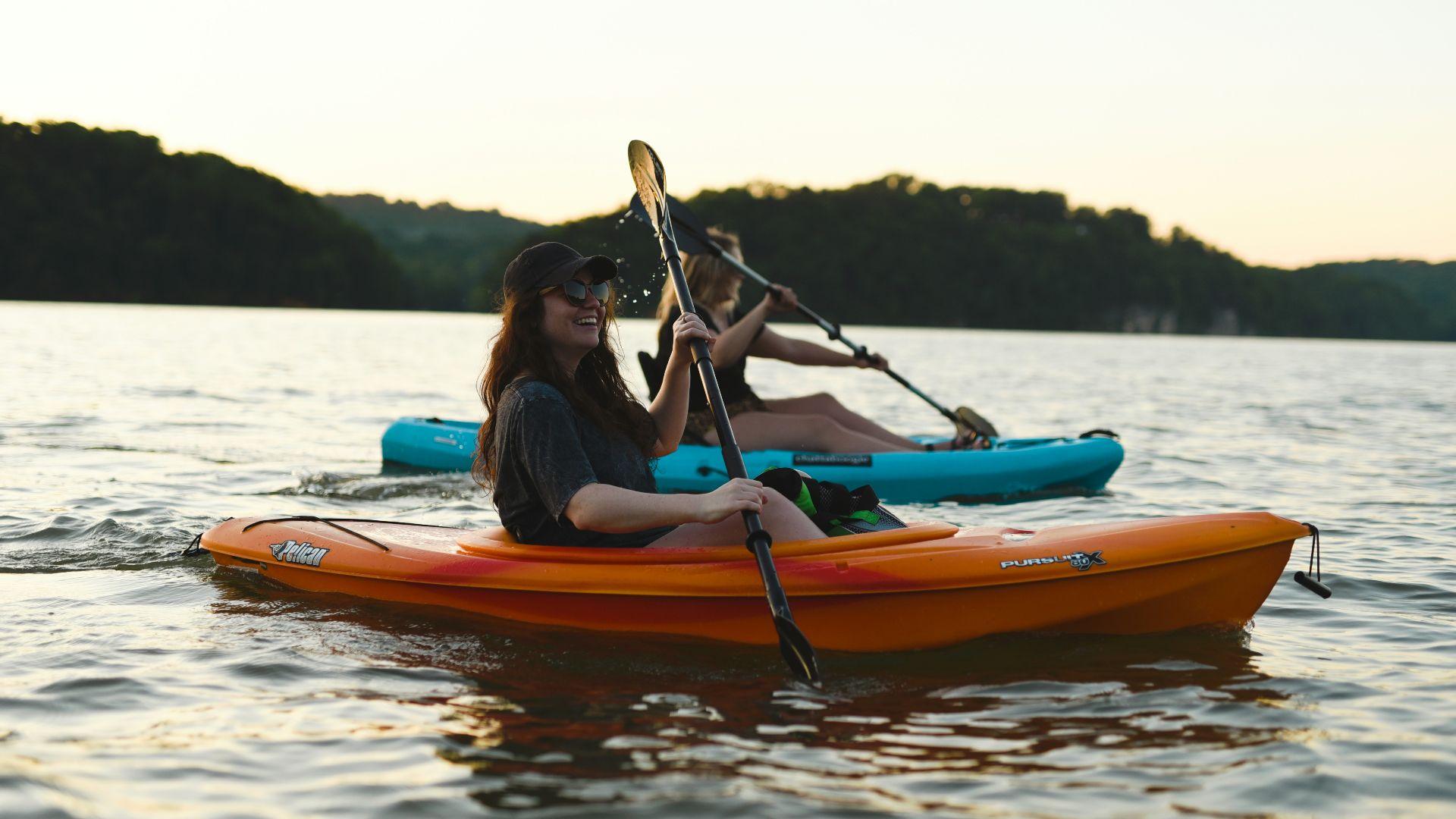
Even if a particular beach is closed for walking or sunbathing, boat tours, dolphin cruises, kayaking, paddleboarding, fishing charters, or snorkeling excursions may continue operating from nearby marinas. Checking with local operators can reveal opportunities you hadn't originally considered.
Explore The Town Instead
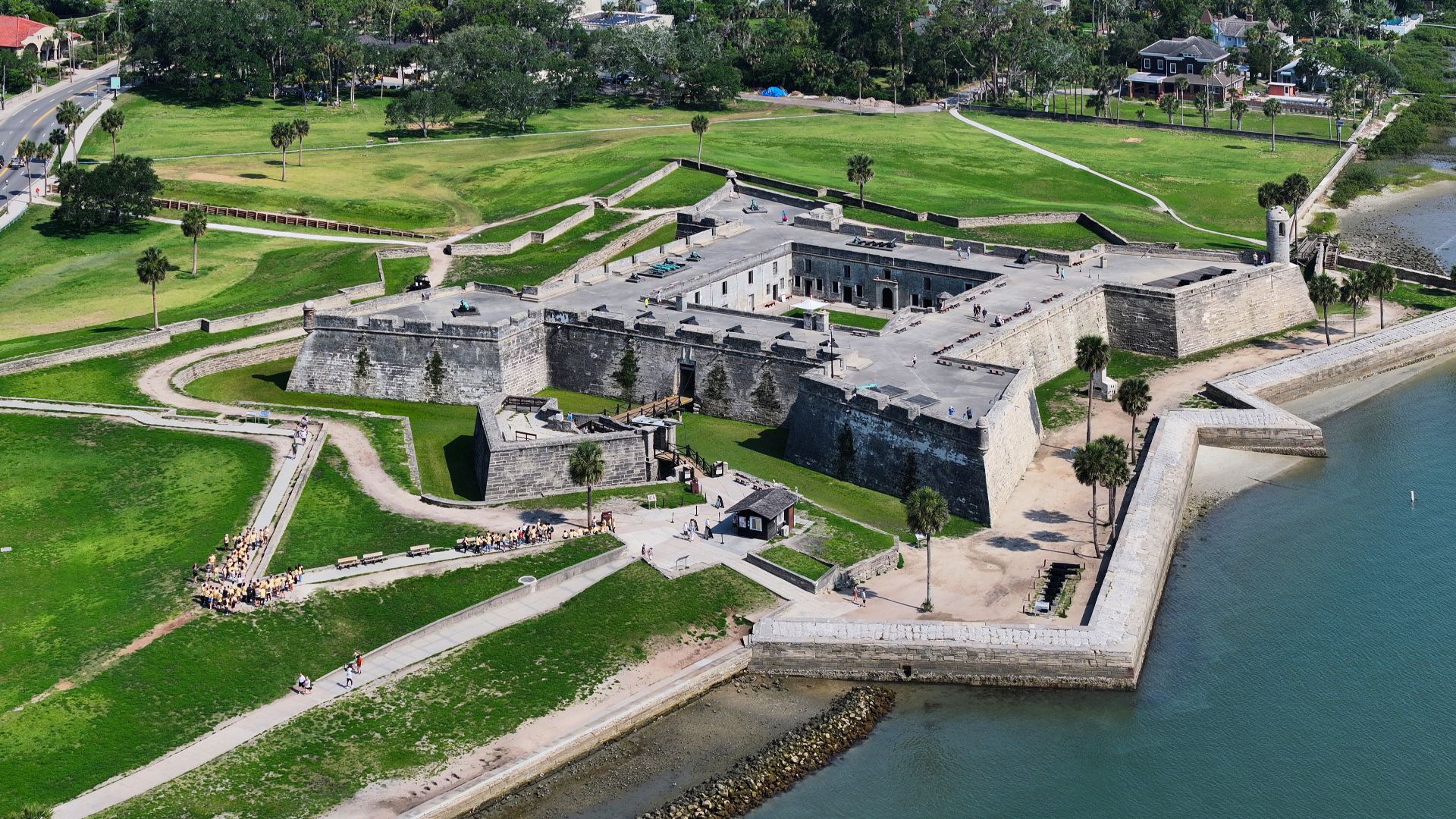
Many beach destinations have charming downtown areas, local markets, museums, historic districts, and waterfront restaurants that are easy to overlook when the plan revolves entirely around the beach. A closure can become an opportunity to discover another side of the destination.
Local Food Can Become A Highlight
If the shoreline isn't accessible, slow down and enjoy the local dining scene. Fresh seafood, regional specialties, waterfront cafés, farmers markets, and family-owned restaurants often become unexpected highlights of a trip that didn't go according to plan.

Nature Doesn't End At The Sand
Many coastal destinations also feature nature preserves, birdwatching areas, mangrove forests, lighthouses, scenic drives, botanical gardens, or nearby hiking trails. Exploring these attractions often provides memorable experiences without requiring perfect beach conditions.
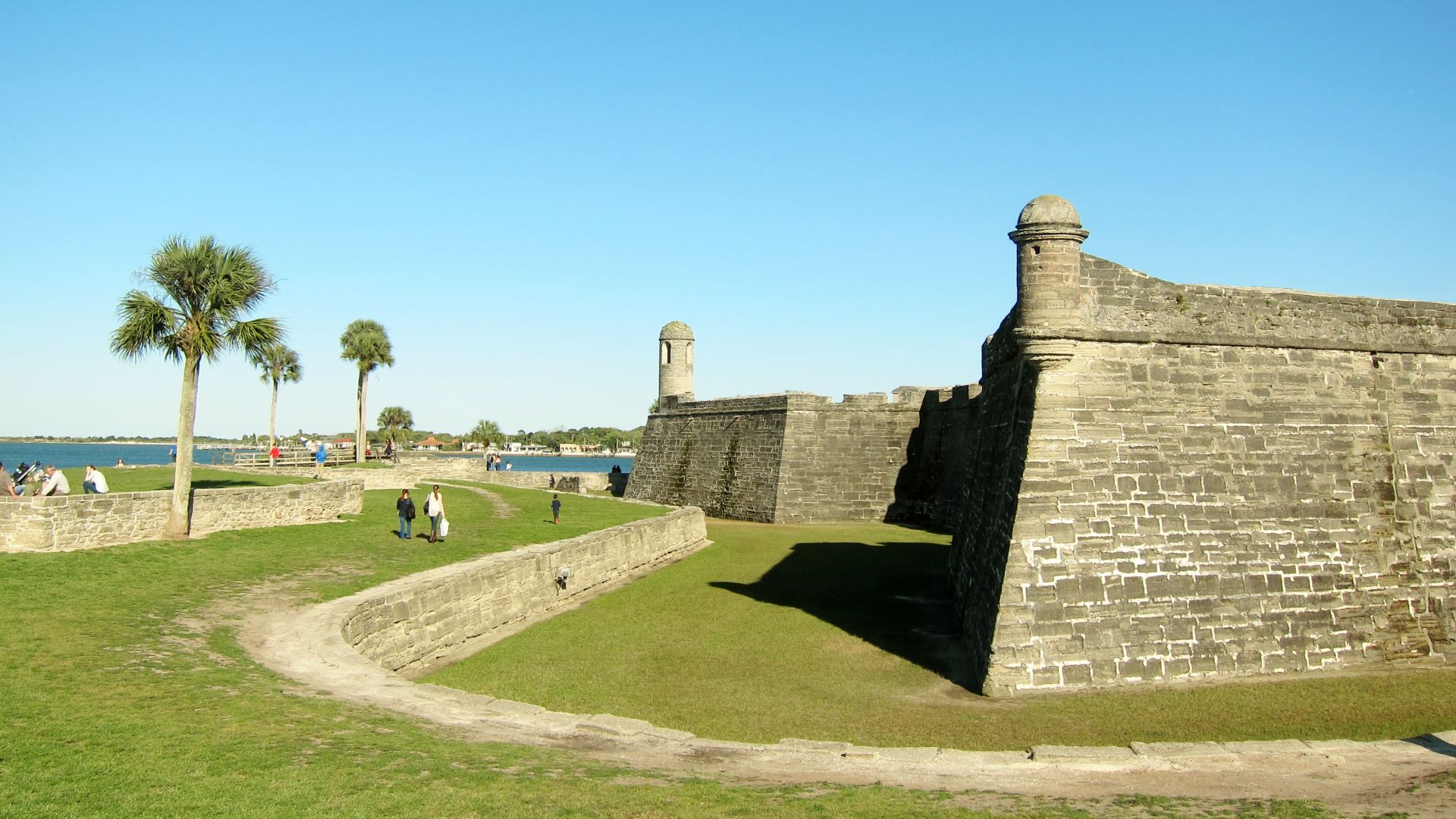 Roman Eugeniusz, Wikimedia Commons
Spa And Wellness Days Aren't A Bad Backup
If your original plan involved relaxing by the ocean, consider replacing part of that time with a spa treatment, thermal pool, yoga class, or wellness experience. While it isn't the same as a beach day, it can still provide the relaxing break you hoped to enjoy.

Travel Insurance Usually Won't Cover Erosion Alone
Many travelers wonder whether they'll receive compensation if the beach is unexpectedly closed. Unfortunately, travel insurance generally doesn't cover disappointment because an attraction isn't available unless the closure results from a covered event specified in the policy. Reading the policy before you travel helps avoid unrealistic expectations.
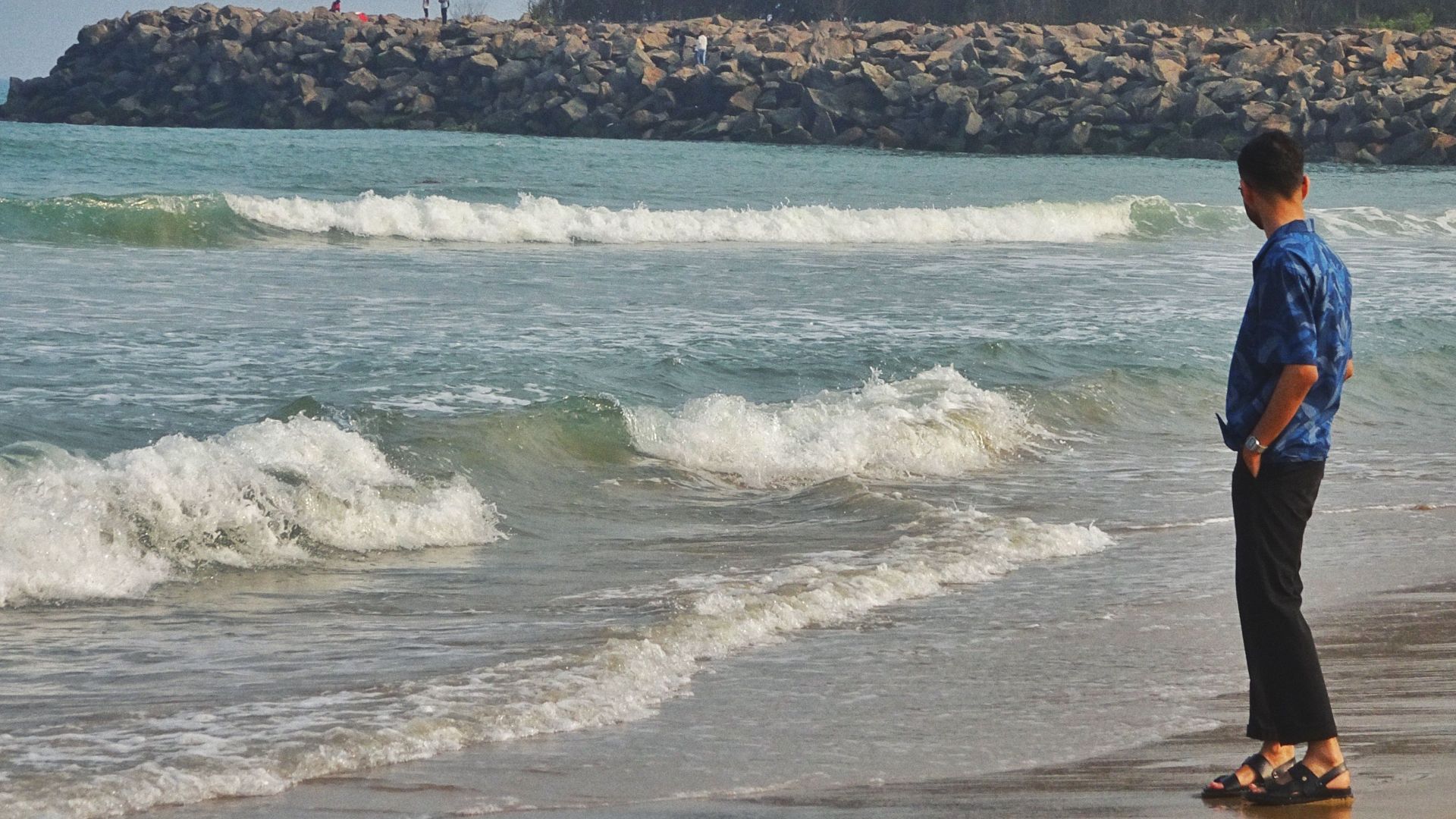
Flexibility Makes Better Vacations
The most enjoyable travelers often aren't the ones with perfect itineraries. They're the ones who adapt when circumstances change. A willingness to shift plans can transform what initially feels like a ruined vacation into an entirely different, but still rewarding, experience.
Use The Experience For Future Planning
If beach access is your highest priority, spend a little extra time researching before your next trip. Read recent reviews, check local government updates, browse current visitor photos, and ask accommodations directly about beach conditions. Those simple steps greatly reduce the chances of another unpleasant surprise.

Sometimes The Best Memories Aren't The Ones You Planned
Many travelers return home talking about an unexpected boat trip, a hidden seafood restaurant, a scenic hiking trail, or a charming coastal town they discovered only because the beach wasn't available. While that doesn't erase the initial disappointment, it shows that memorable vacations aren't always built around a single attraction.

A Closed Beach Doesn't Have To Mean A Failed Vacation
If unexpected erosion closed much of the shoreline during your beach vacation, it's understandable to feel frustrated. Beaches are dynamic environments that can change quickly, sometimes faster than travel websites or hotels can update their information. By checking recent local conditions before future trips, keeping your itinerary flexible, and embracing alternative activities when nature changes your plans, you can still enjoy a rewarding vacation, even if the sand isn't exactly where you expected it to be.
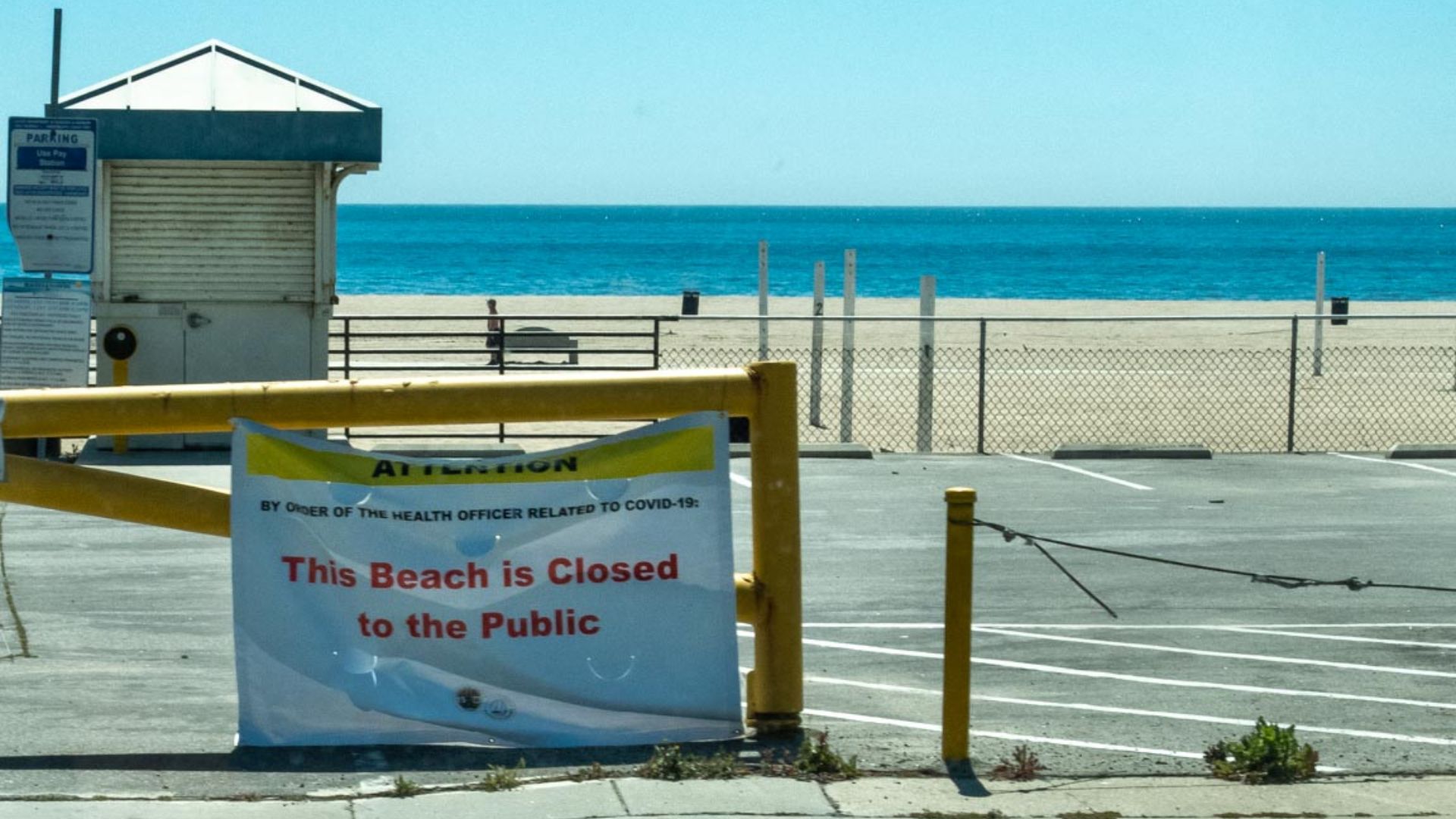 Channel City Camera Club from Santa Barbara, US, Wikimedia Commons
You May Also Like: