


You Never Know When You're Standing On History
Most cities are built like layer cakes. Modern streets usually sit higher than the ancient ground level. Over centuries, people rebuilt, filled, paved, and built again.
If you know where to look, you can spot ancient history hiding behind glass doors, inside basements, and under busy sidewalks.
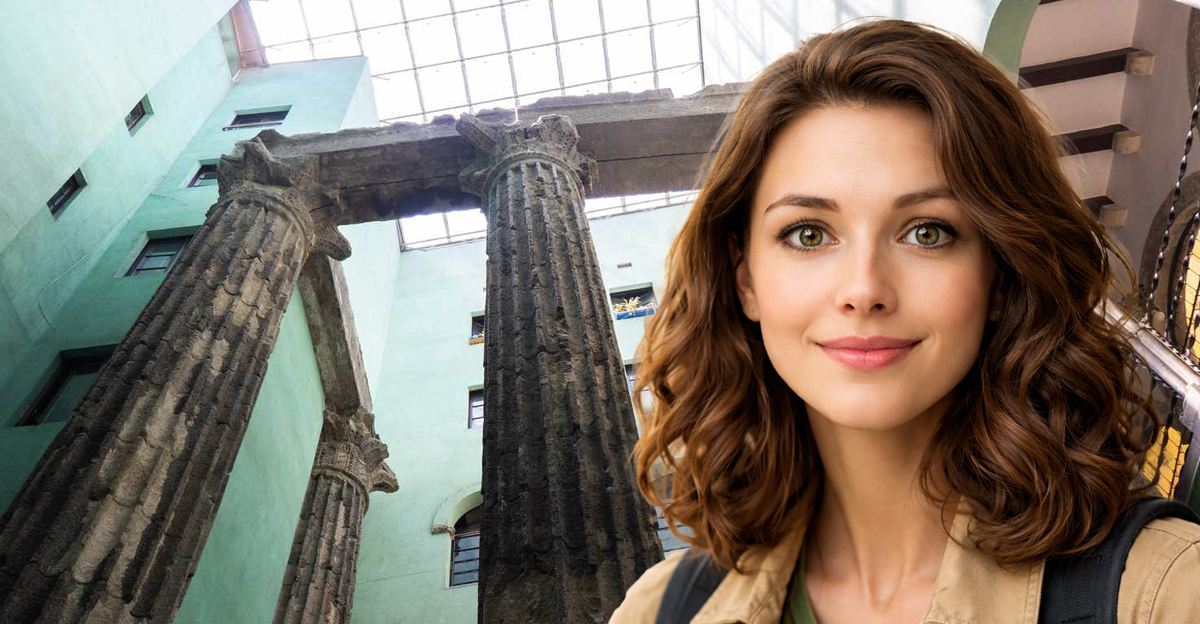
The Quick Etiquette Rule
If a site is behind a barrier or inside a building, treat it like a museum. Use posted signs, skip flash photography when requested, and do not touch fragile stone.
London Mithraeum Beneath The Financial District
In the City of London, a Roman temple to Mithras sits underground beneath Bloomberg’s European headquarters. It was discovered in the 1950s and later restored for public display below modern street level.
 Carole Raddato from Frankfurt, Germany, Wikimedia Commons
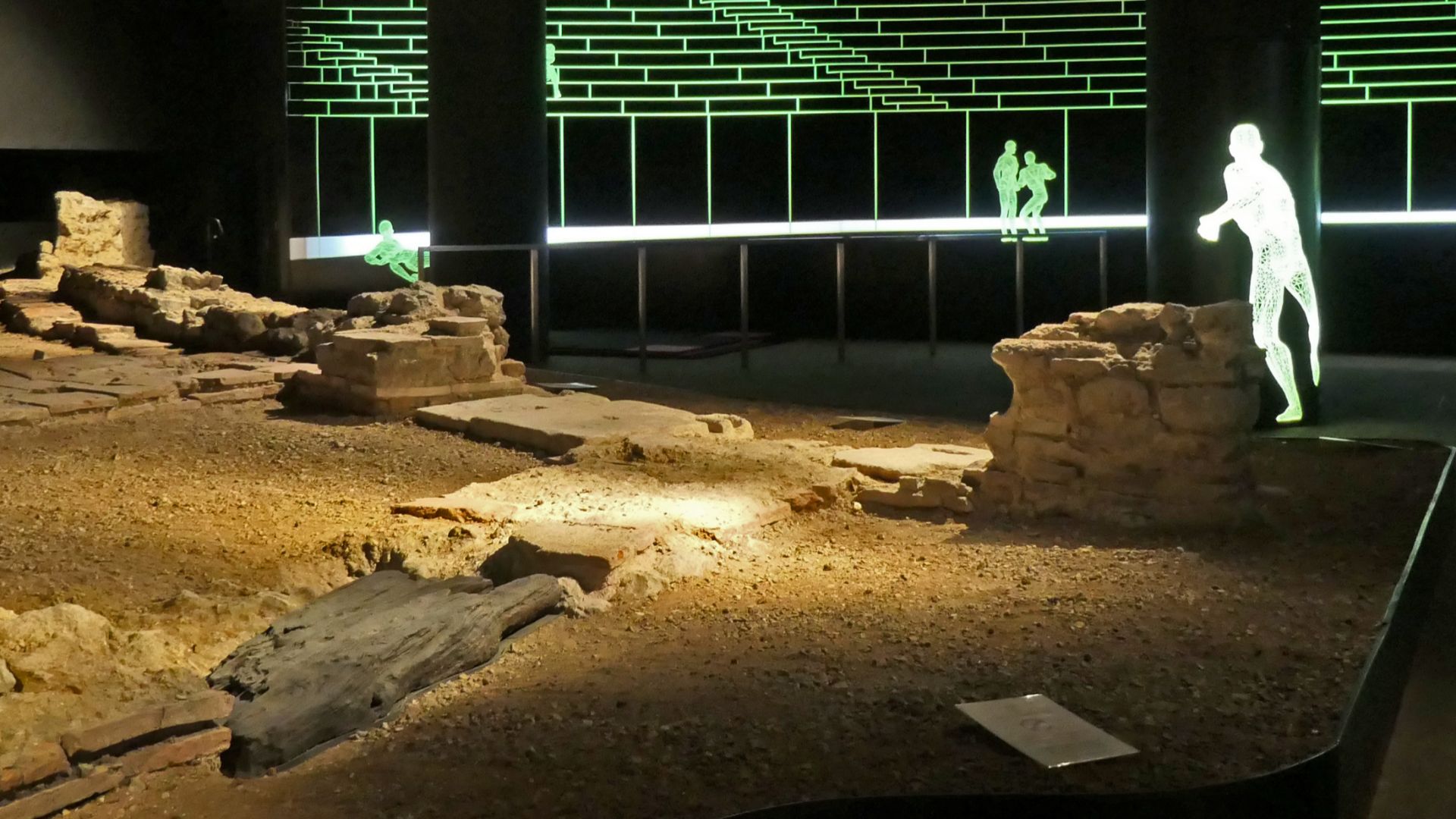
London’s Amphitheatre Under Guildhall Yard
Guildhall Yard looks like a normal plaza until you notice the arena outline marked at ground level. Down below, parts of a Roman amphitheatre are preserved in situ and were rediscovered in 1988.
 Amanda Slater, Wikimedia Commons
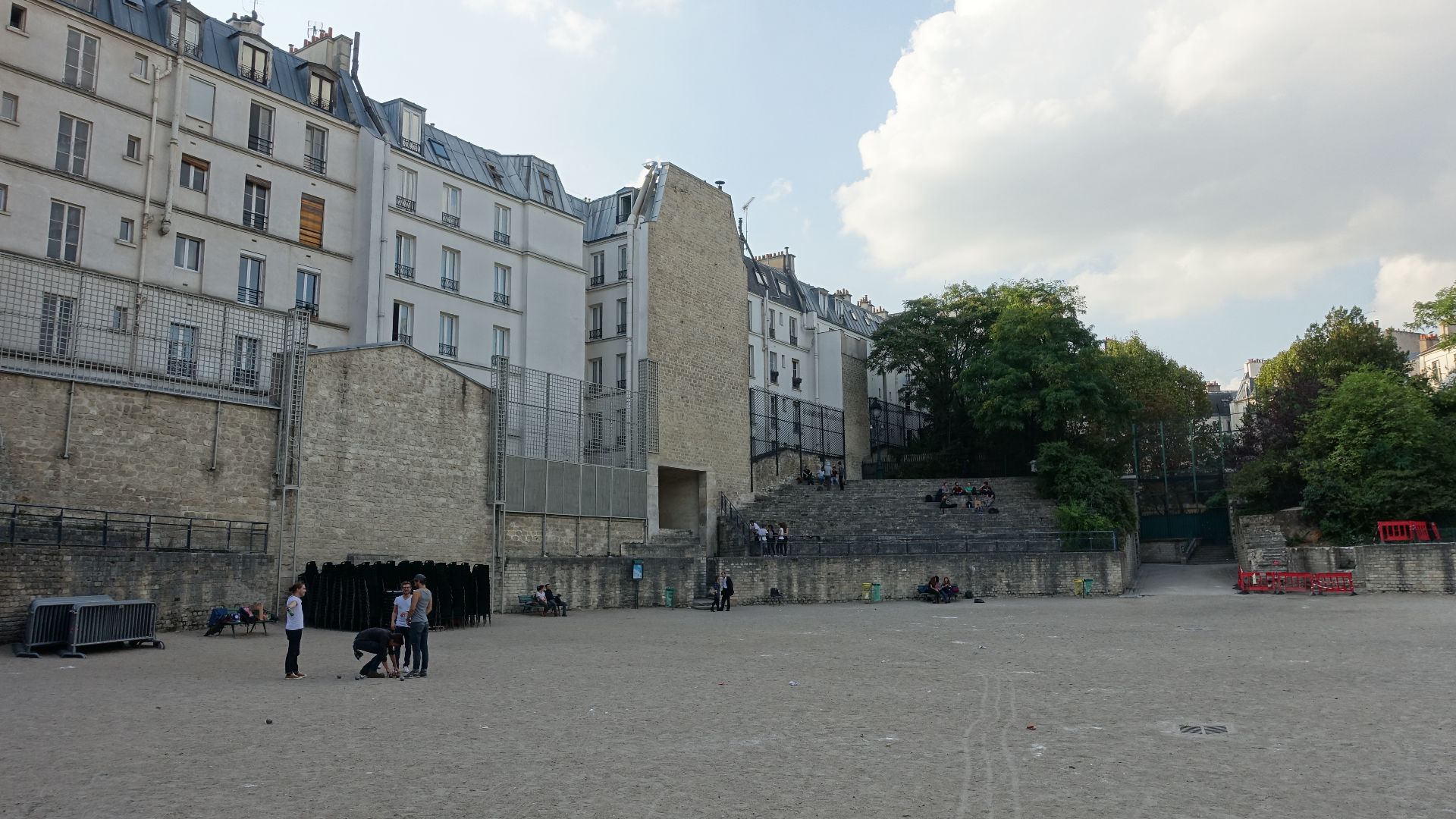
Paris’s Roman Arena Hidden In The Latin Quarter
The Arènes de Lutèce is a 1st-century Roman amphitheatre tucked behind street-facing buildings in the 5th arrondissement. You can sit where spectators once watched games, then step back out into modern Paris in minutes.
 Guilhem Vellut from Paris, France, Wikimedia Commons
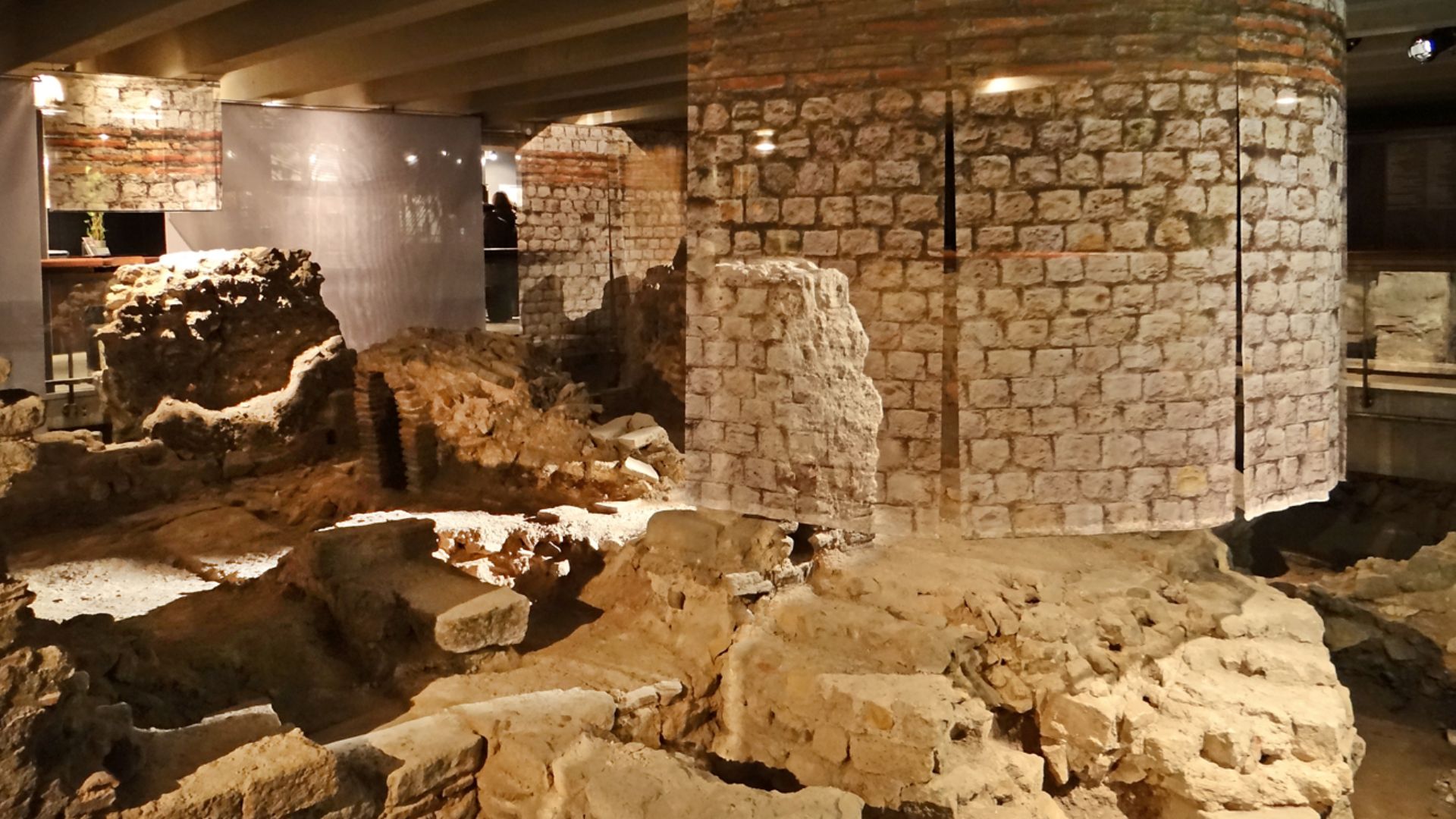
The Archaeological Crypt Under Notre-Dame’s Square
Beneath the square in front of Notre-Dame, an underground crypt displays remains uncovered during major excavations in the 1960s and early 1970s. It is a compact crash course in how the Île de la Cité evolved across Roman and later periods.
 Jean-Pierre Dalbéra from Paris, France, Wikimedia Commons
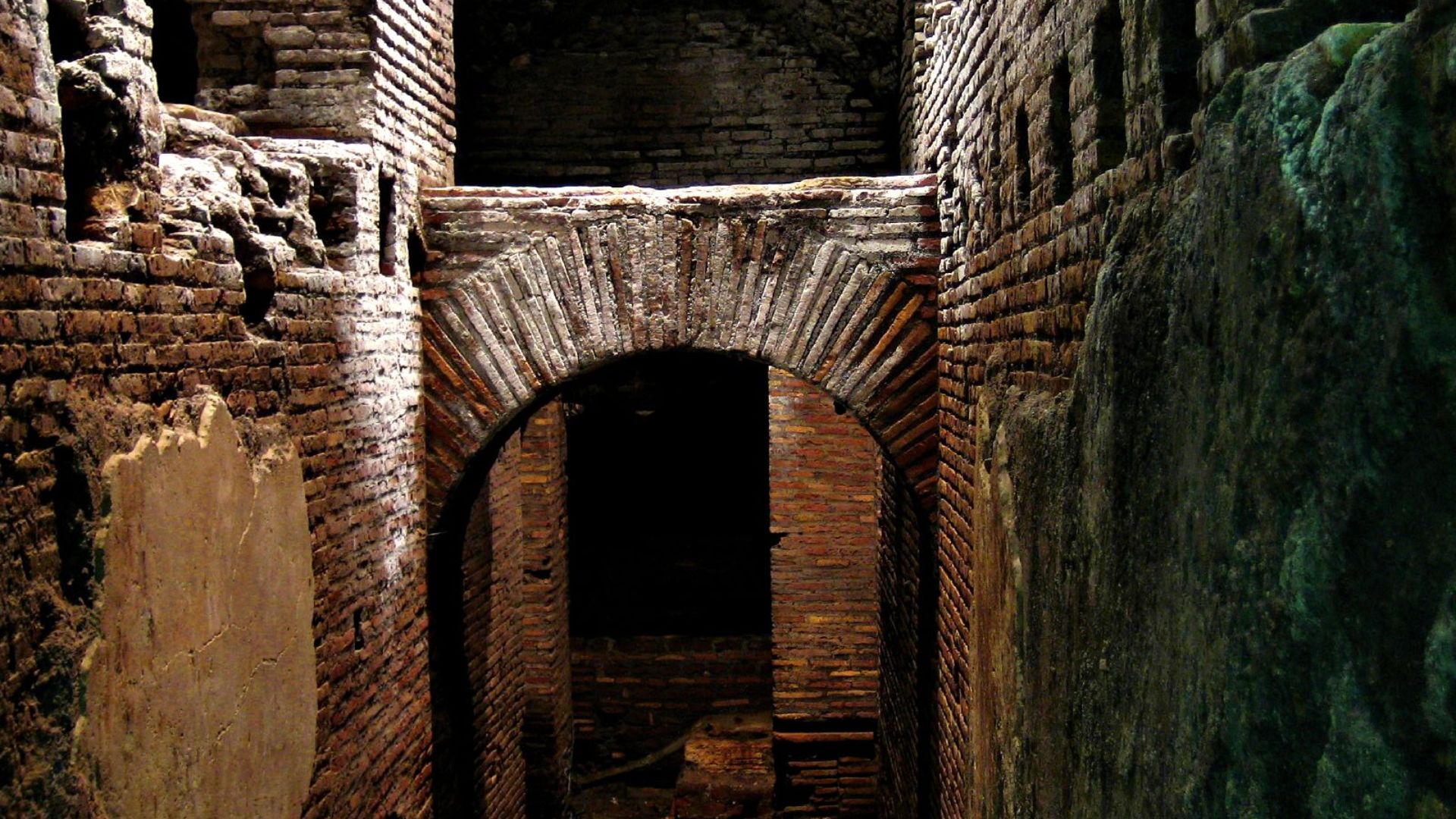
Rome’s Vicus Caprarius Below The Trevi District
A few steps from the Trevi Fountain, you can go roughly nine meters below street level into Vicus Caprarius, the “City of Water.” The site includes ancient residential structures and aqueduct-related remains revealed during late 20th-century works.
 Anthony Majanlahti, Wikimedia Commons
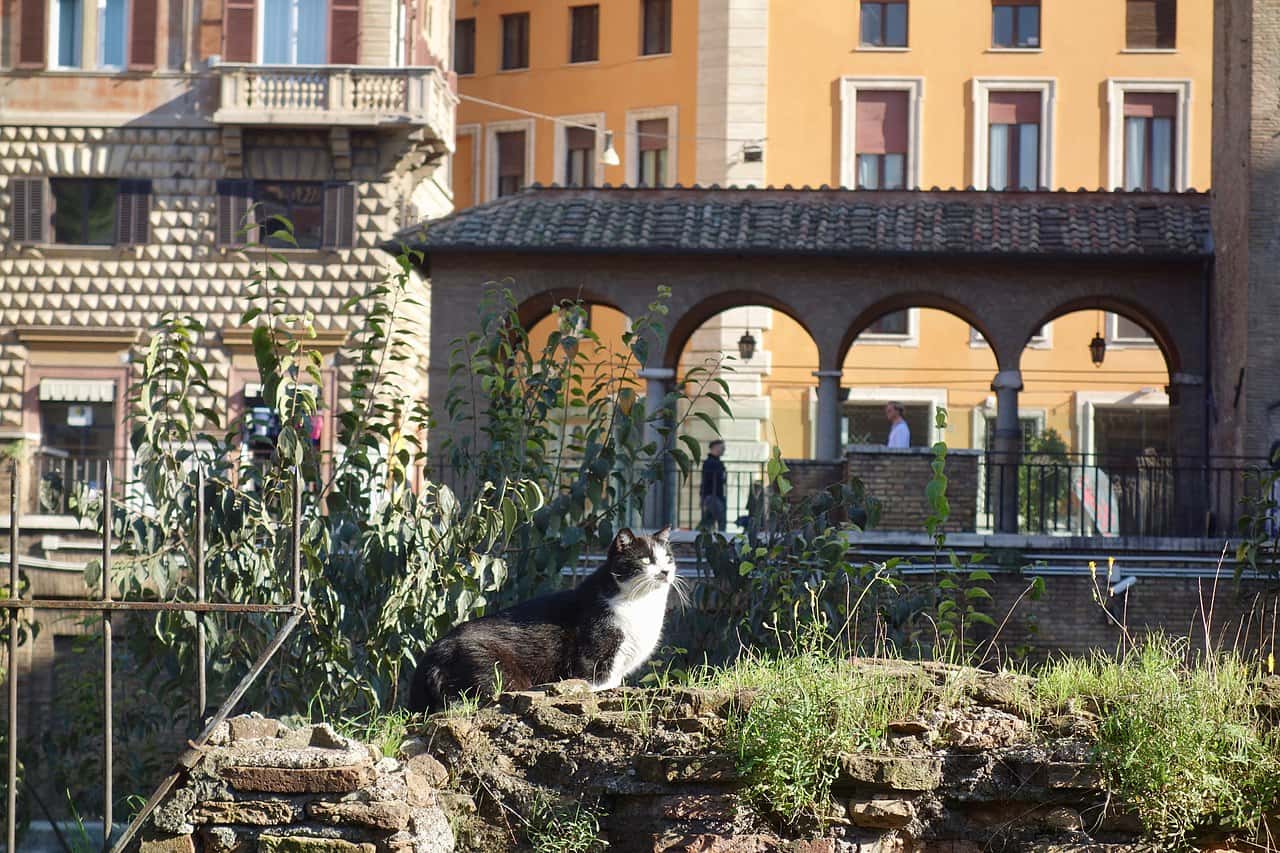
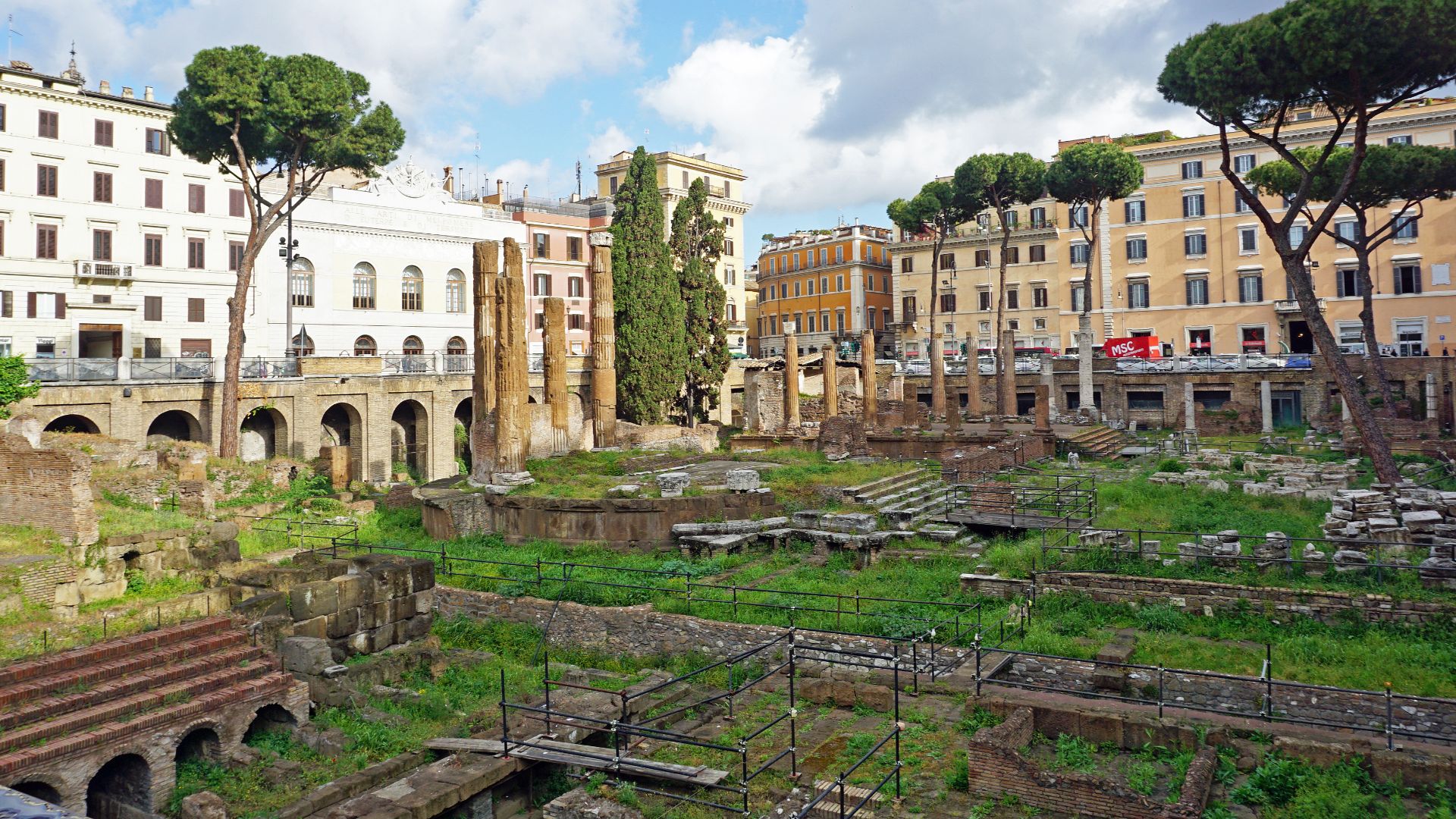
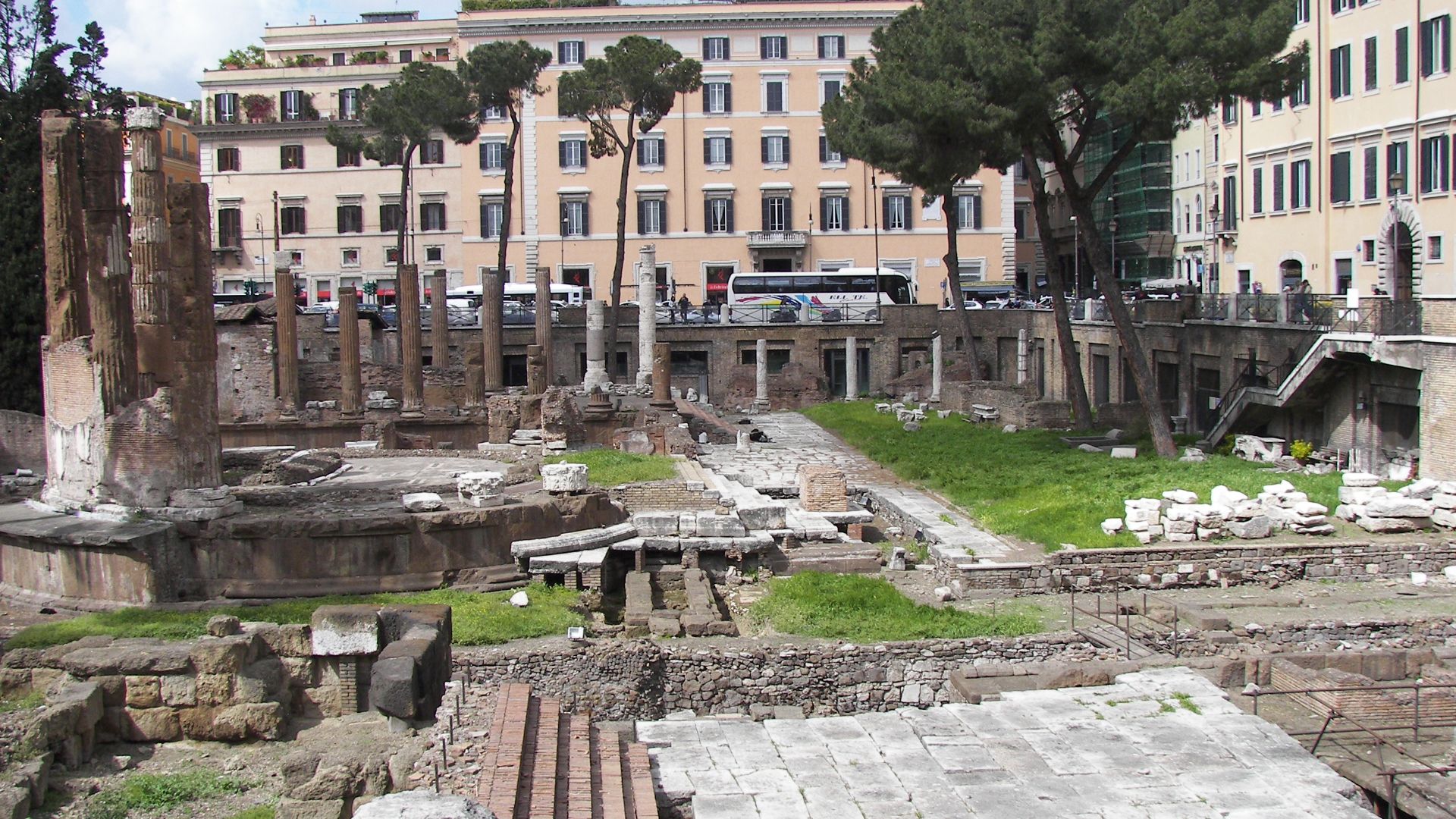
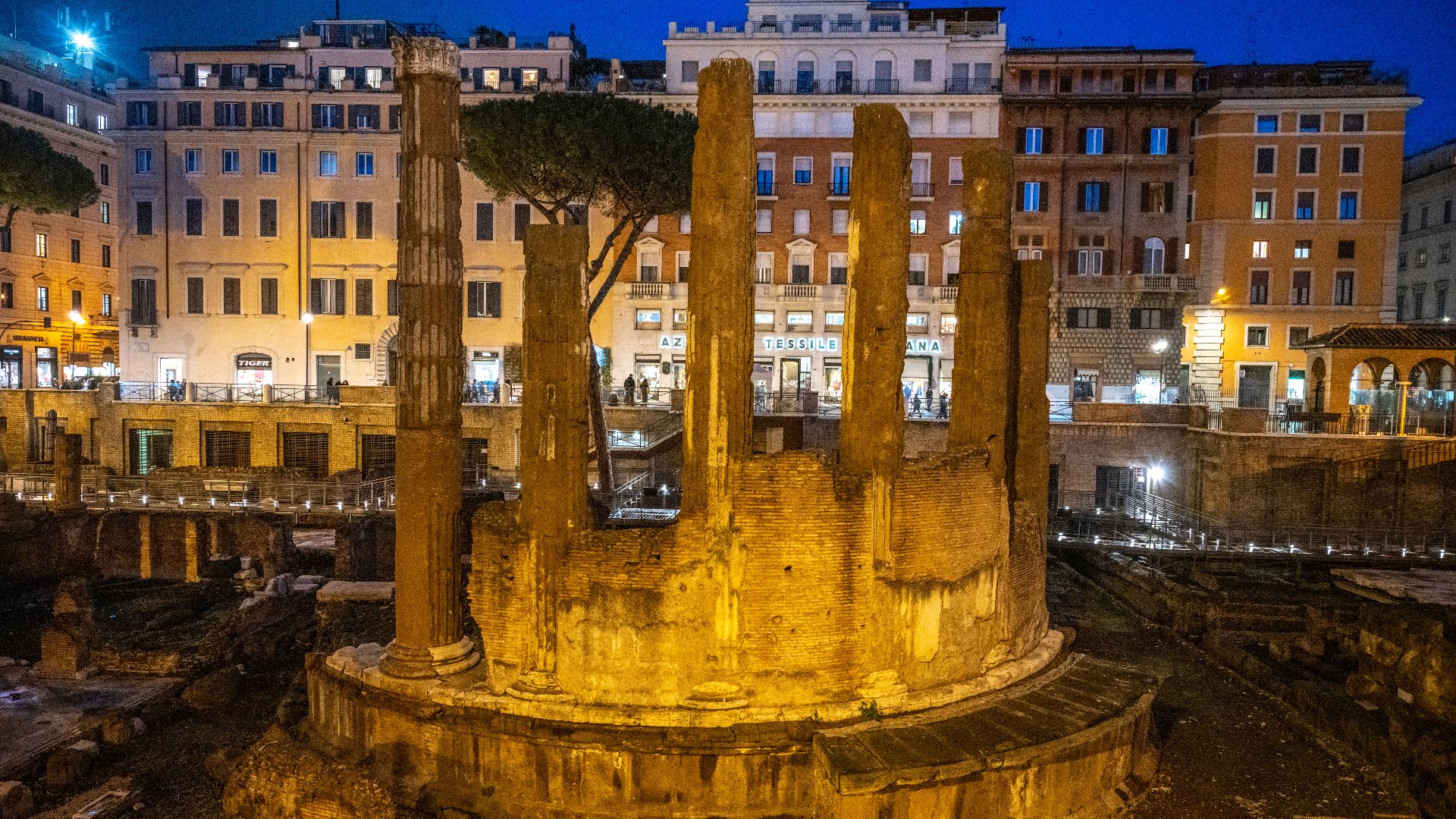
Rome’s Largo Argentina Where Ancient Temples Meet City Traffic
Largo di Torre Argentina is famous for its cat sanctuary, but the archaeological story is deeper than the memes. Rome created a new visitor itinerary that allows systematic access to the Sacred Area and its Republican-era temples.
 Mariordo (Mario Roberto Durán Ortiz), Wikimedia Commons
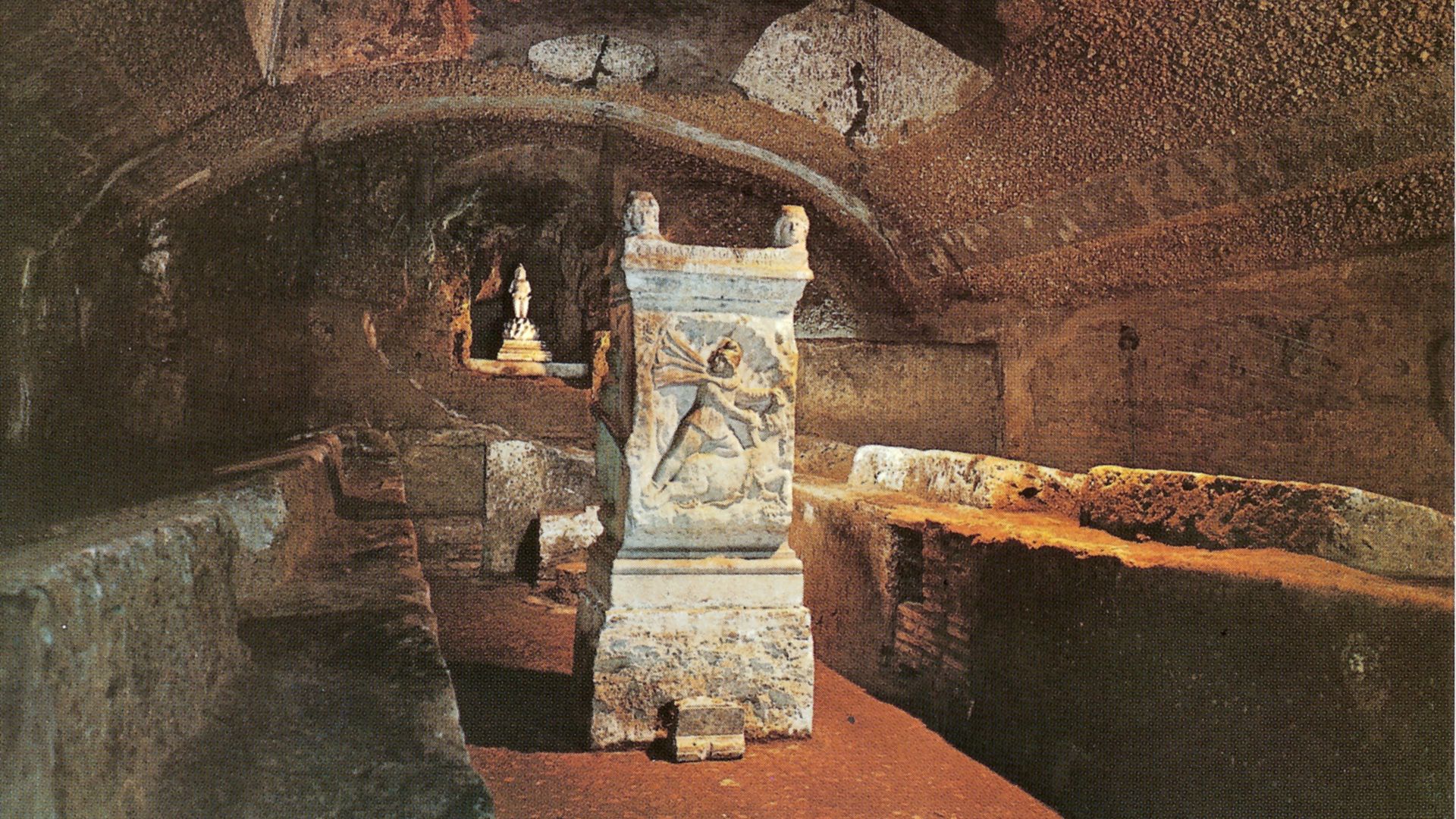
Rome’s Basilica di San Clemente With A Hidden Mithraeum
From the street, San Clemente is a beautiful basilica near the Colosseum. Once inside, you can descend into an underground archaeological complex that includes multiple layers of earlier Rome, including a Mithraeum.
 Allie Caulfield, Wikimedia Commons
Barcelona’s Temple Of Augustus Inside A Courtyard
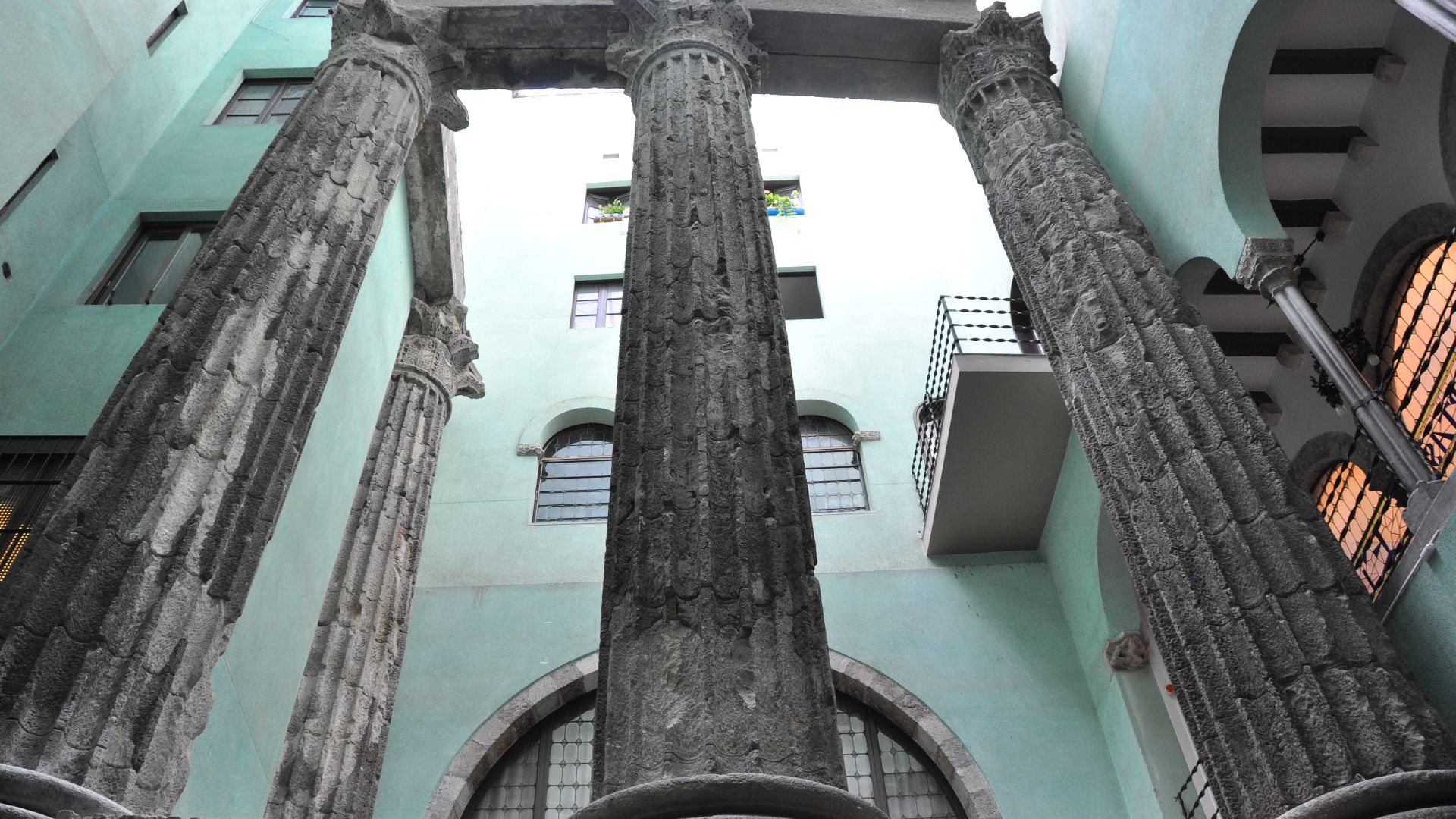
In the Gothic Quarter, four Roman columns survive inside a building courtyard on Carrer del Paradís. It is the kind of place you can miss completely unless you know the exact doorway.
Barcelona’s Roman Barcino Under Plaça Del Rei
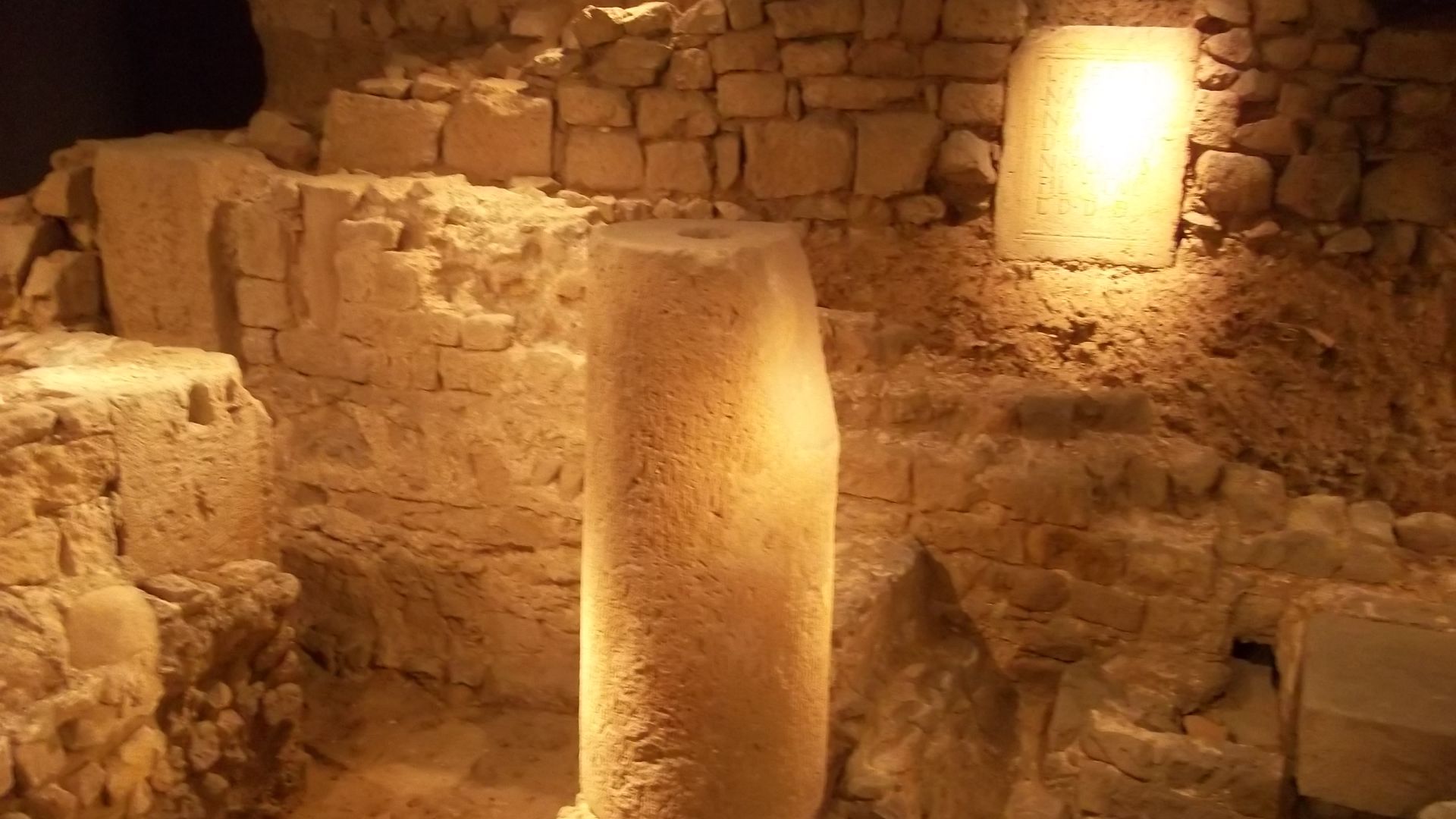
Plaça del Rei is a classic medieval-looking square, but the archaeology drops you into Roman Barcino. The Barcelona History Museum’s main complex includes Roman, Visigothic, and medieval layers in one visit.
 Simon Burchell, Wikimedia Commons
Istanbul’s Basilica Cistern Under Sultanahmet
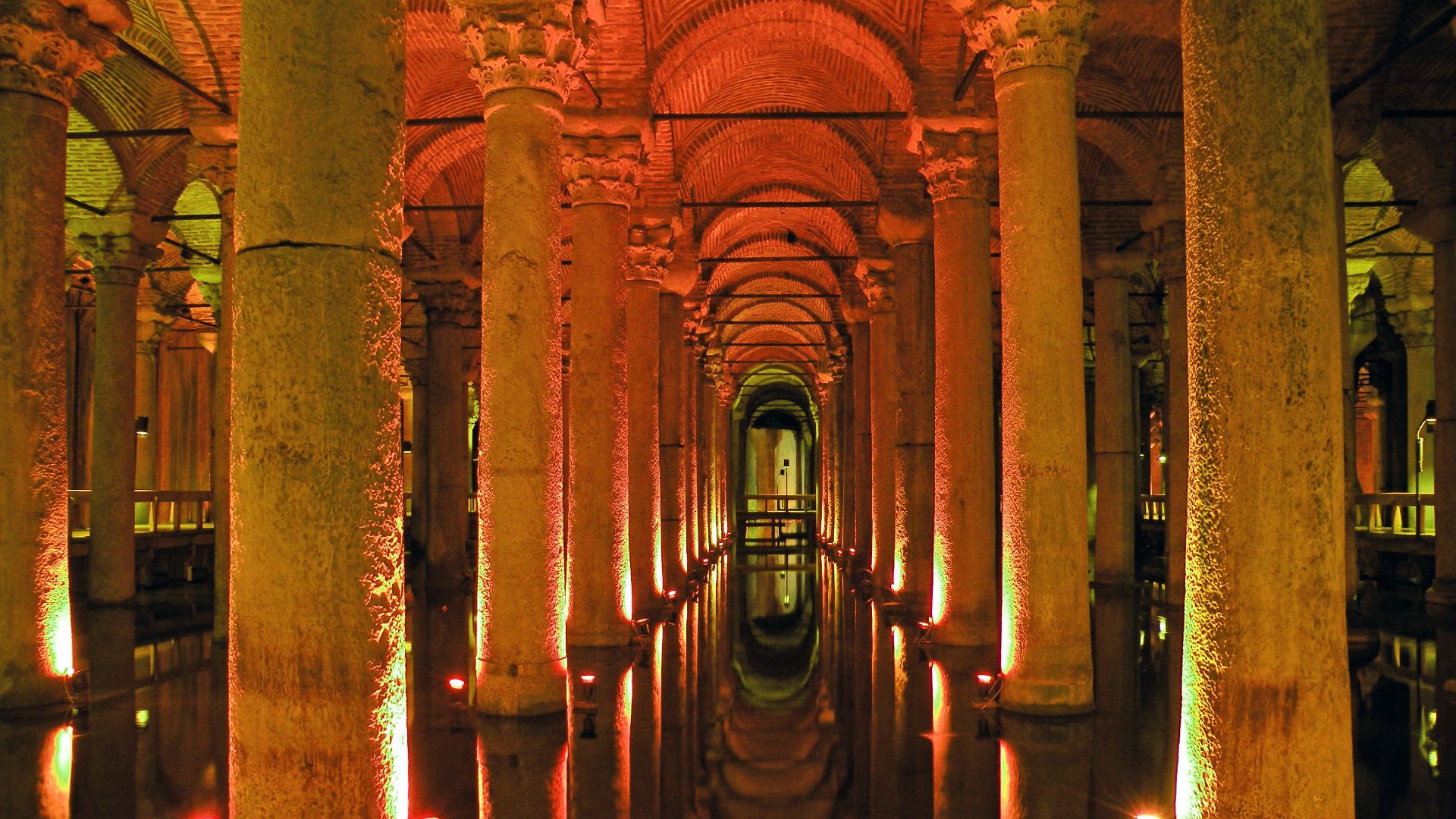
You can walk between major landmarks and never realize there is a massive water system under your feet. The Basilica Cistern was built in the 6th century under Emperor Justinian I and has undergone major modern restorations.
Istanbul’s Şerefiye Cistern As A Surprise Side Quest
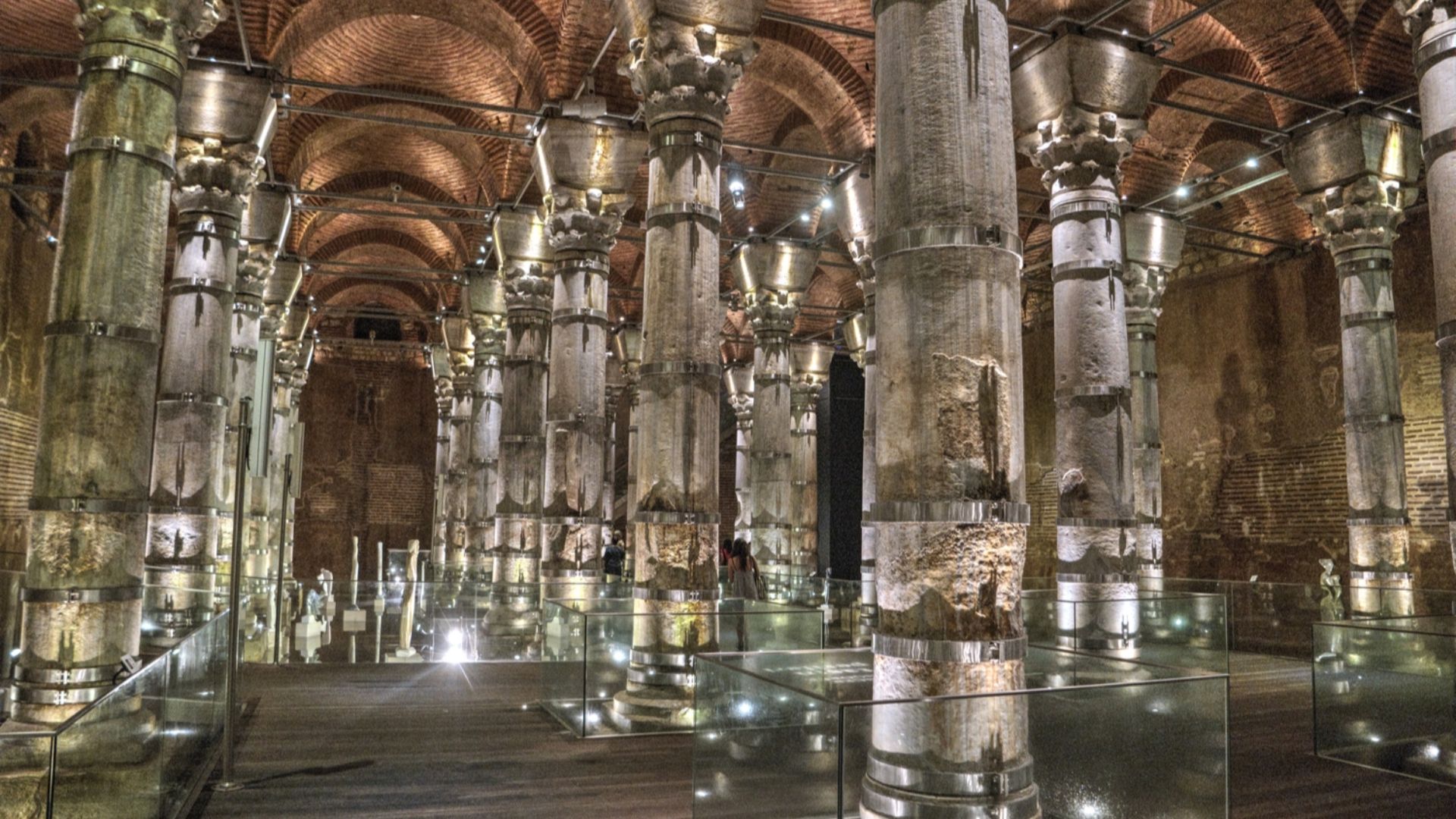
Near Sultanahmet, the Şerefiye Cistern is another underground Byzantine cistern that now operates as a museum experience. It is presented with modern interpretation and projection mapping, which makes the ancient architecture easier to read.
 Izabela Miszczak, Wikimedia Commons
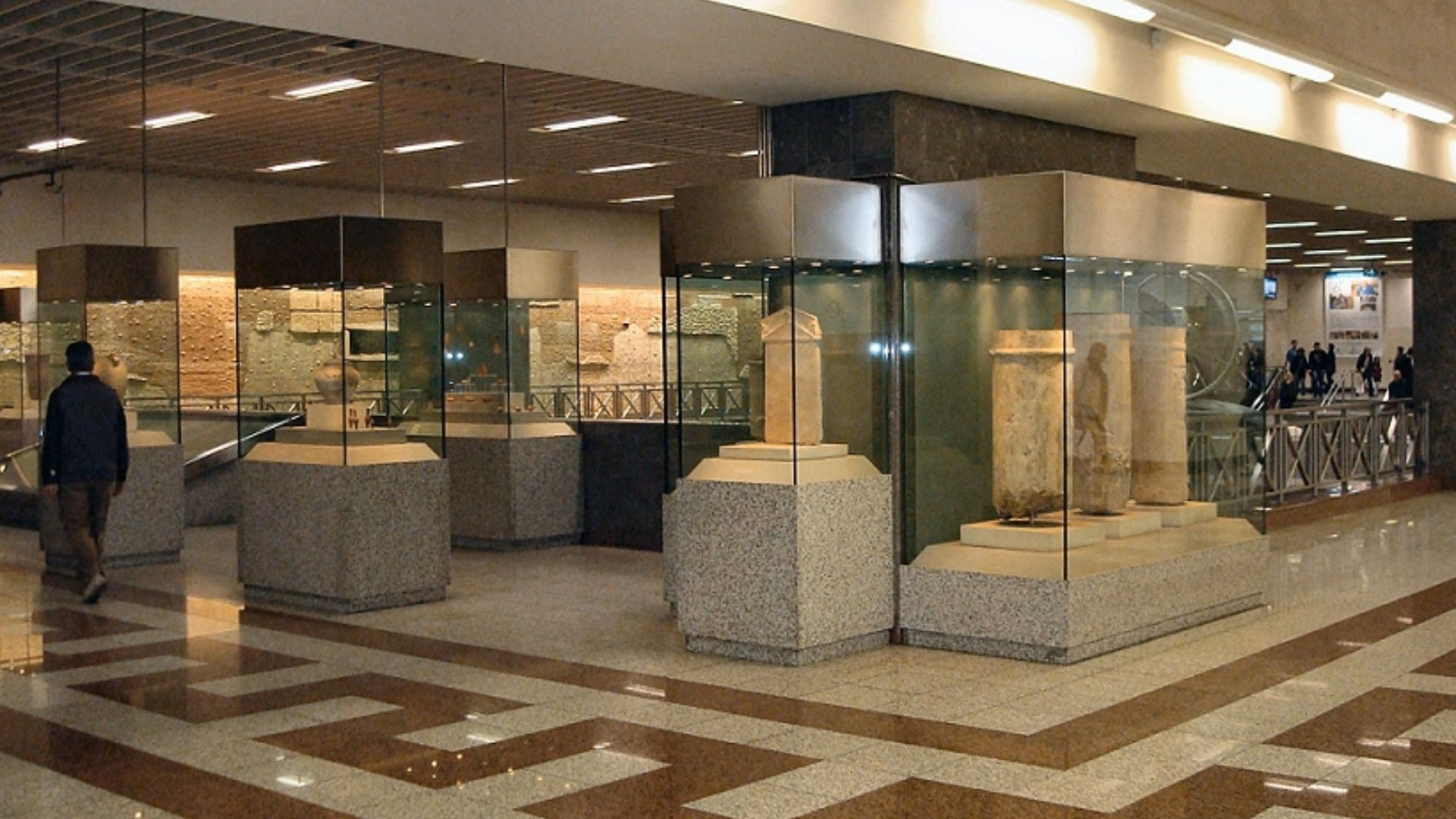
Athens Metro Stations That Double As Mini Museums
In central Athens, archaeology is not only in museums. The Athens Metro integrated preserved finds into stations, including an in-station archaeological display at Monastiraki with the embedded bed of the Iridanos River.
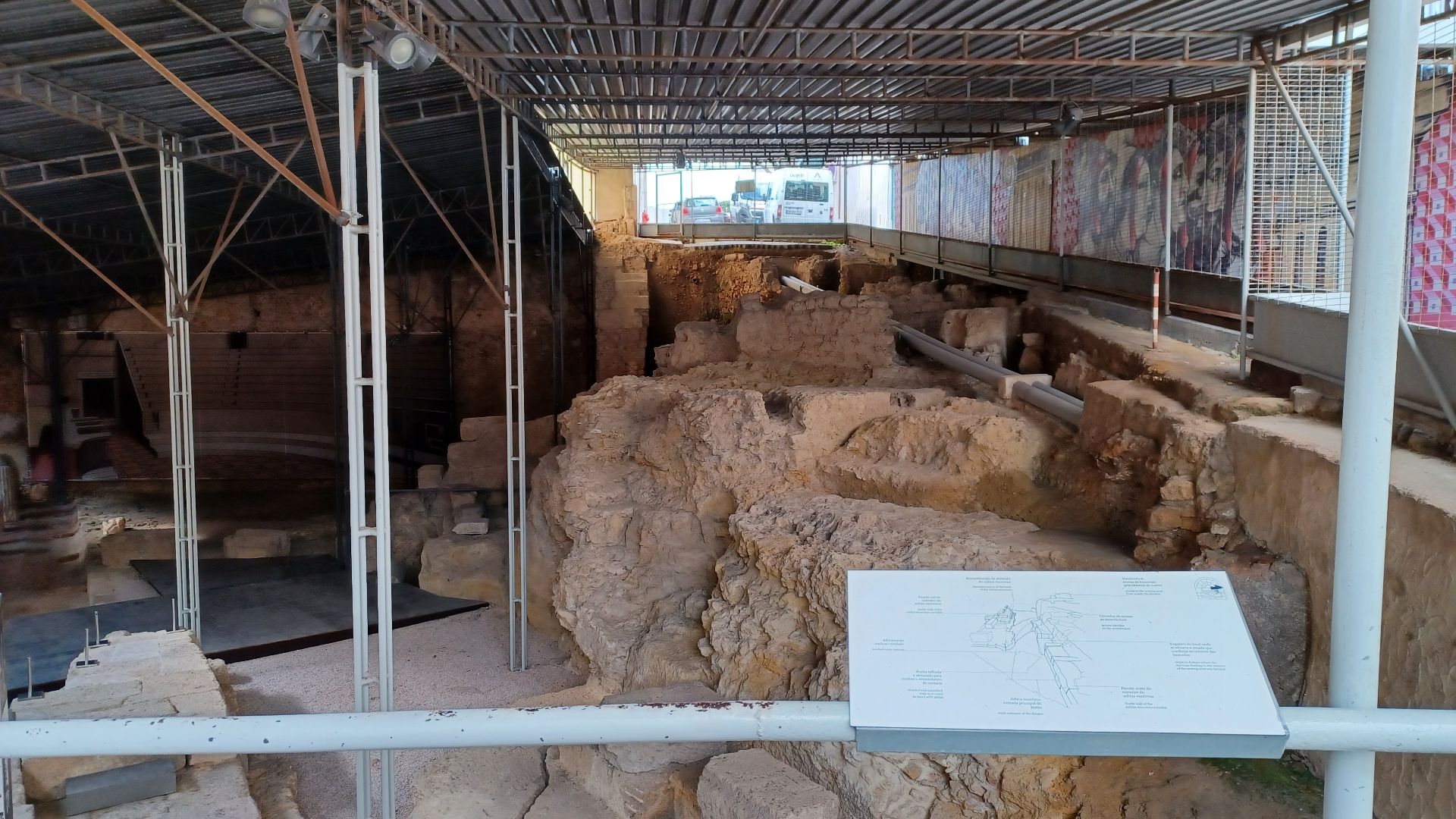
Lisbon’s Roman Theatre Unearthed After The Earthquake Era
Lisbon’s Roman Theatre ruins were rediscovered during rebuilding after the 1755 earthquake and became visitable as a museum site. The theatre dates to the time of Emperor Augustus and stayed buried for centuries.
 Simon Burchell, Wikimedia Commons
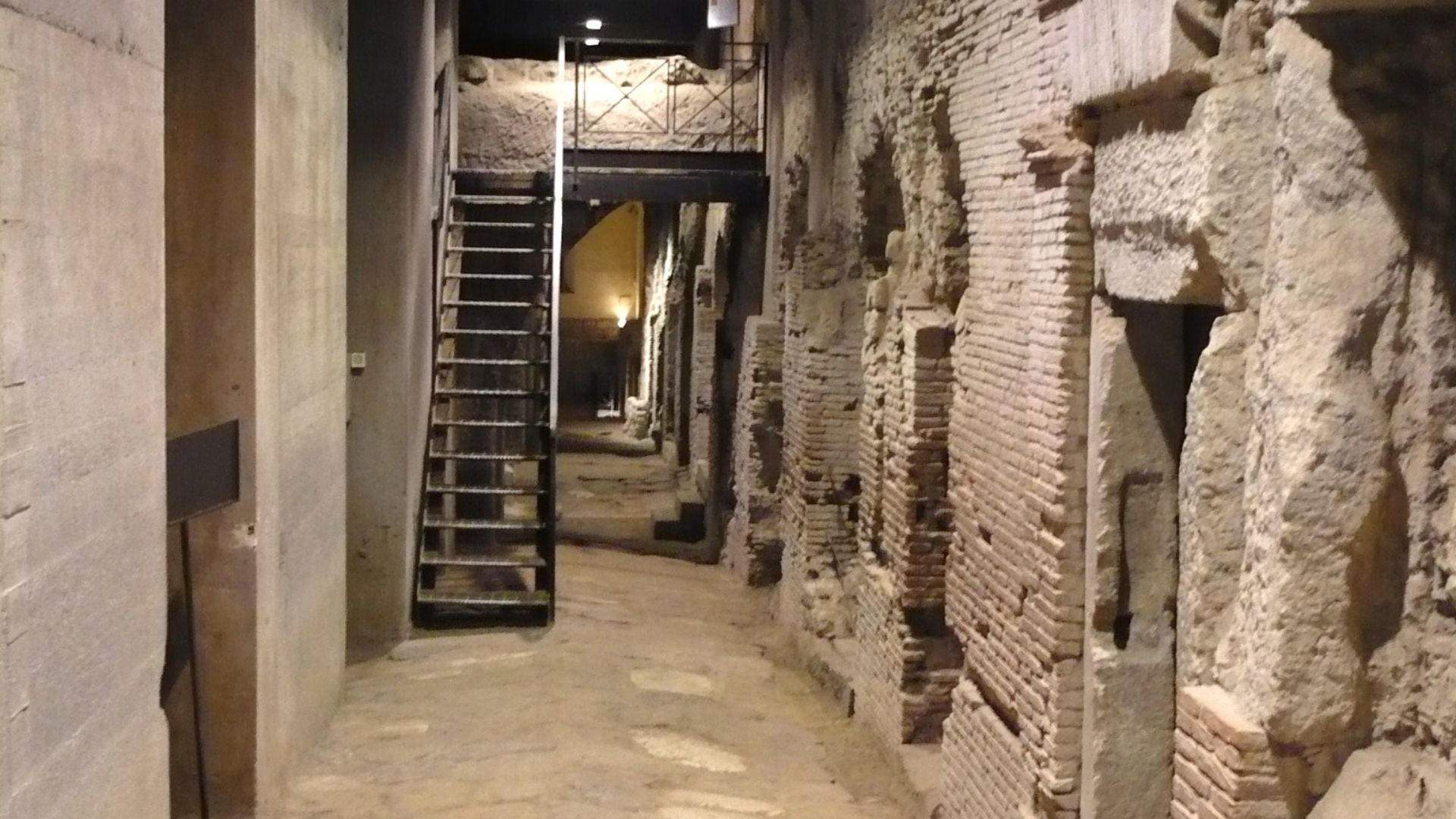
Naples’s Ancient Market Under San Lorenzo Maggiore
In Naples, the church complex of San Lorenzo Maggiore sits above a preserved Greco-Roman area that includes a Roman macellum, or market. The site is underground because later ground levels rose and built over the ancient streets.
 http://www.everyfoto.com, Wikimedia Commons
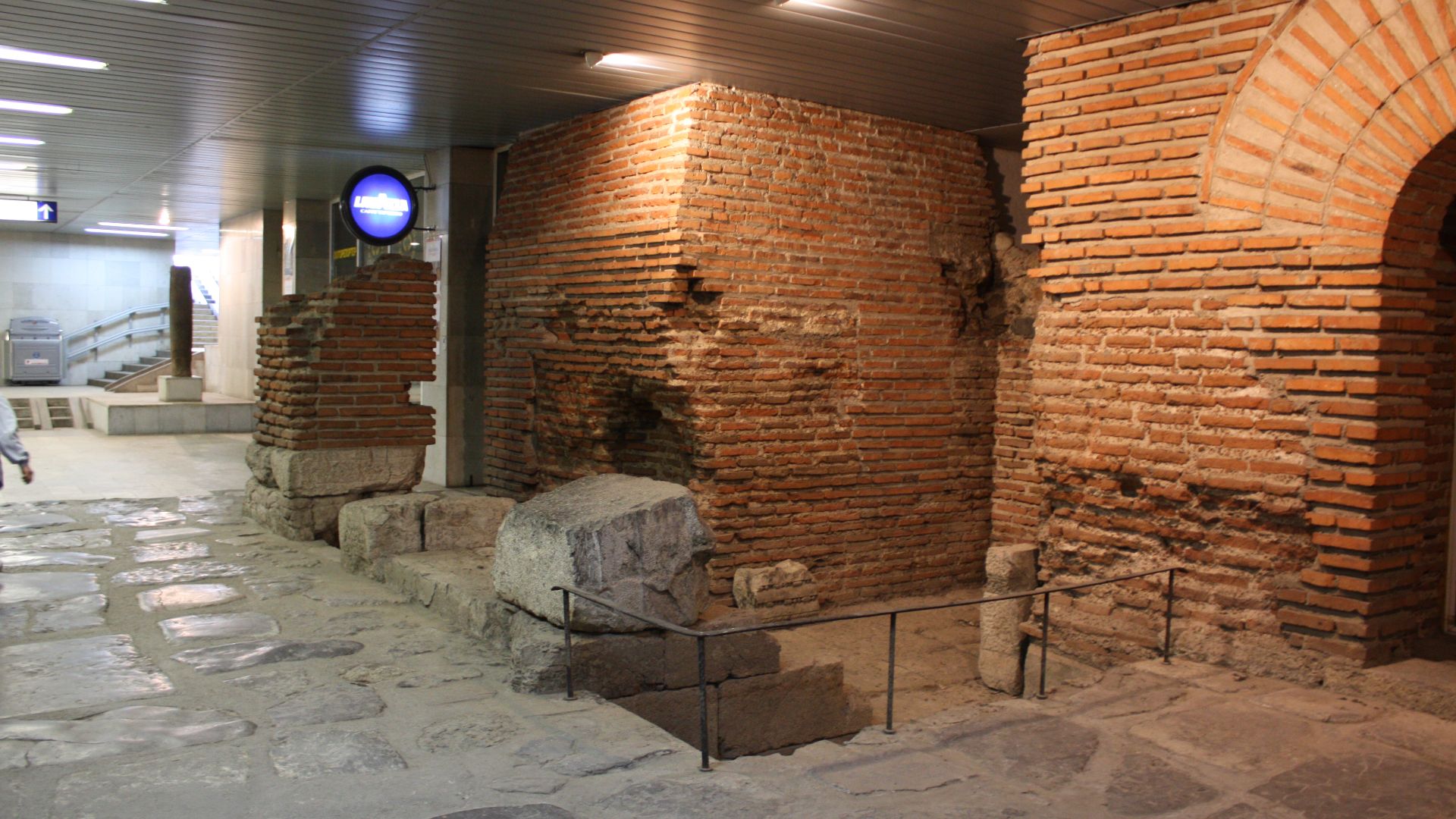
Sofia’s Ancient Serdica Beneath A Modern Transit Hub
In central Sofia, an archaeological complex known as “Serdica” sits under Nezavisimost Square in the Largo zone. It integrates unearthed remains into a public cultural space right beside the metro.
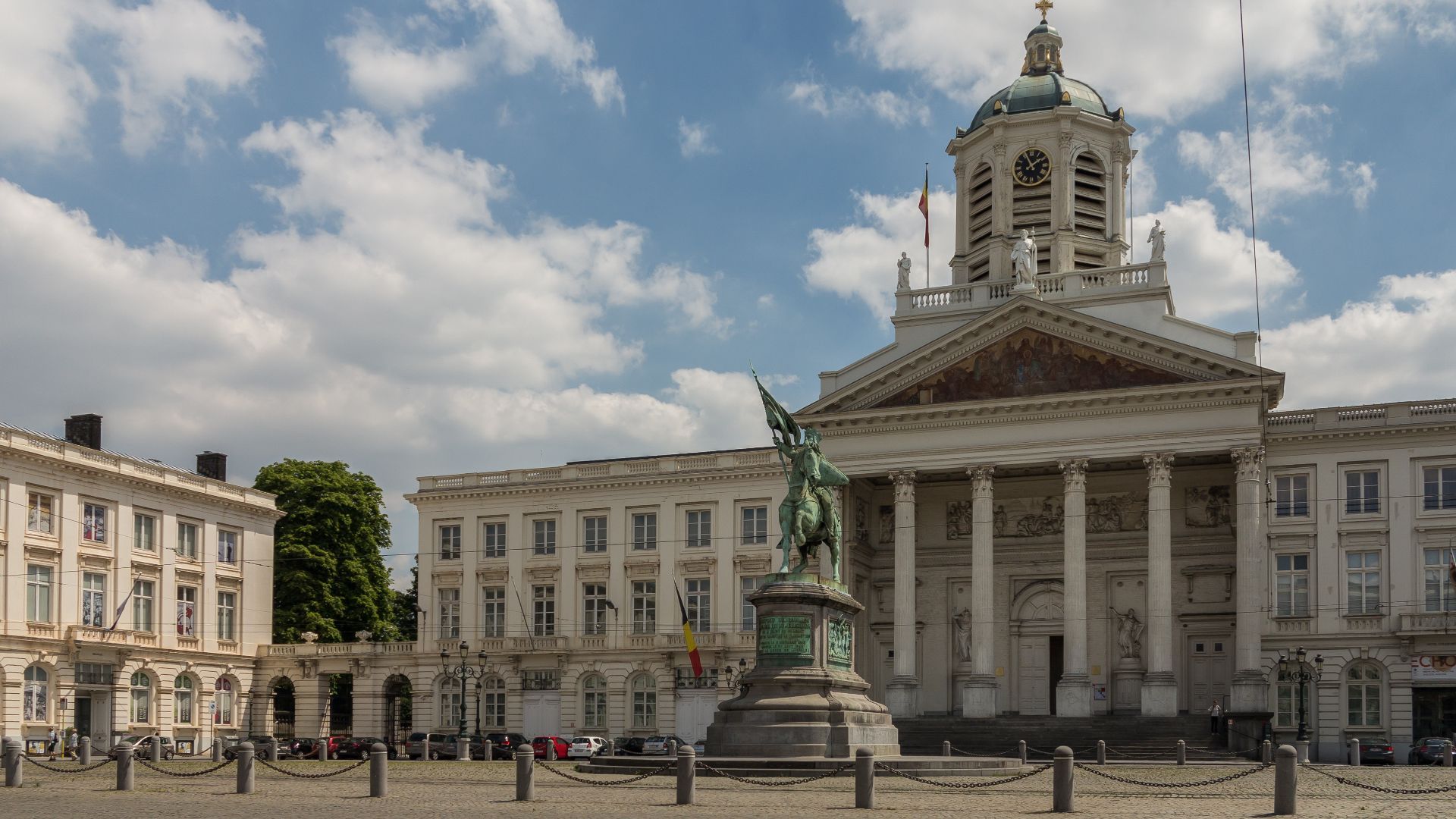
Brussels’ Lost Palace Under The Royal Quarter
The Coudenberg Palace vanished after a catastrophic fire in 1731 and later disappeared under the rebuilt royal district. Today, an underground route lets you walk through surviving structures beneath Place Royale.
 Michielverbeek, Wikimedia Commons
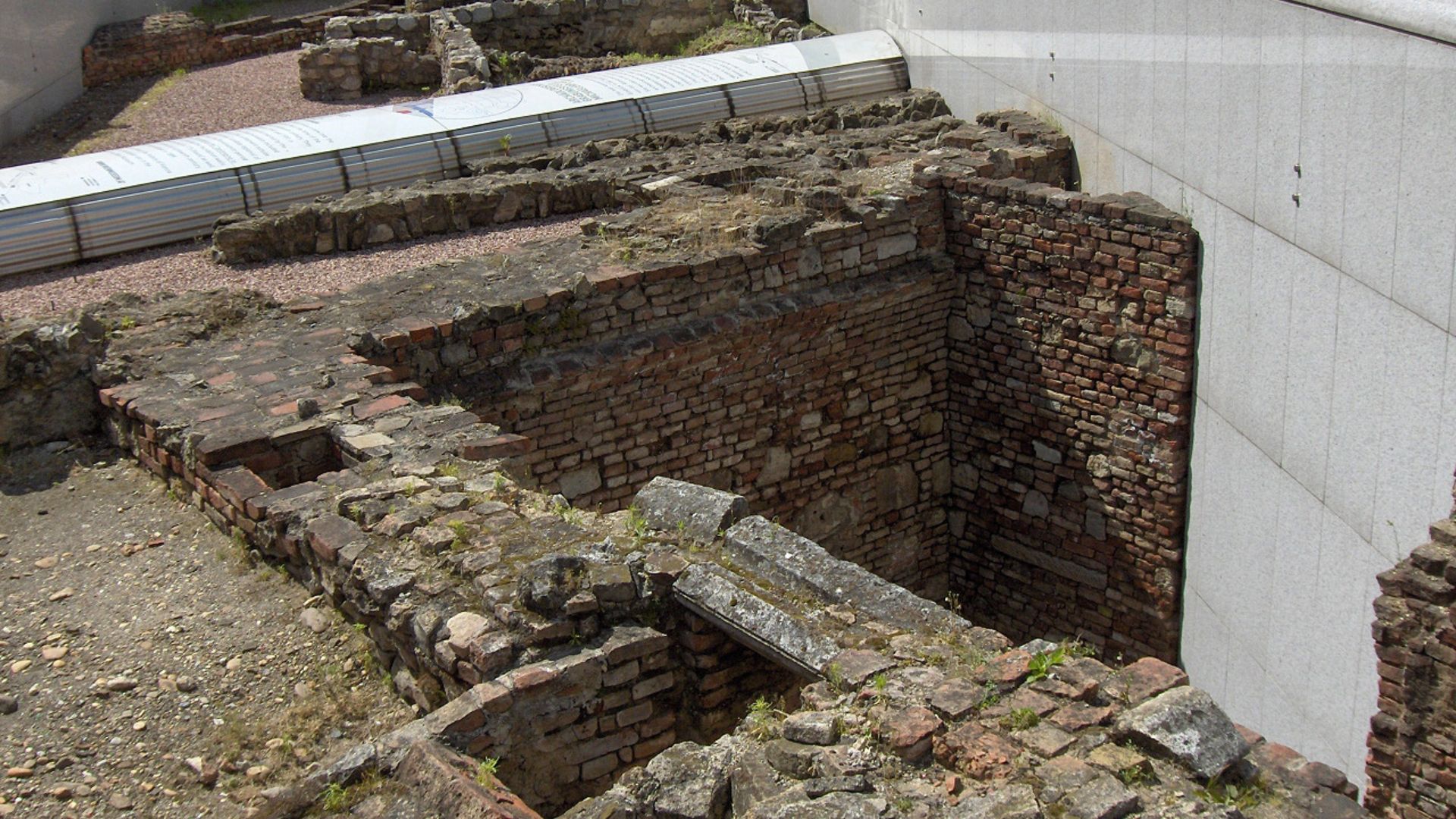
Vienna’s Roman Vindobona Layer In Michaelerplatz
Michaelerplatz is a busy Vienna square by the Hofburg, complete with carriages and crowds. Open-air excavations preserve visible remains that connect the square to the Roman era of Vindobona.
 Georges Jansoone, Wikimedia Commons
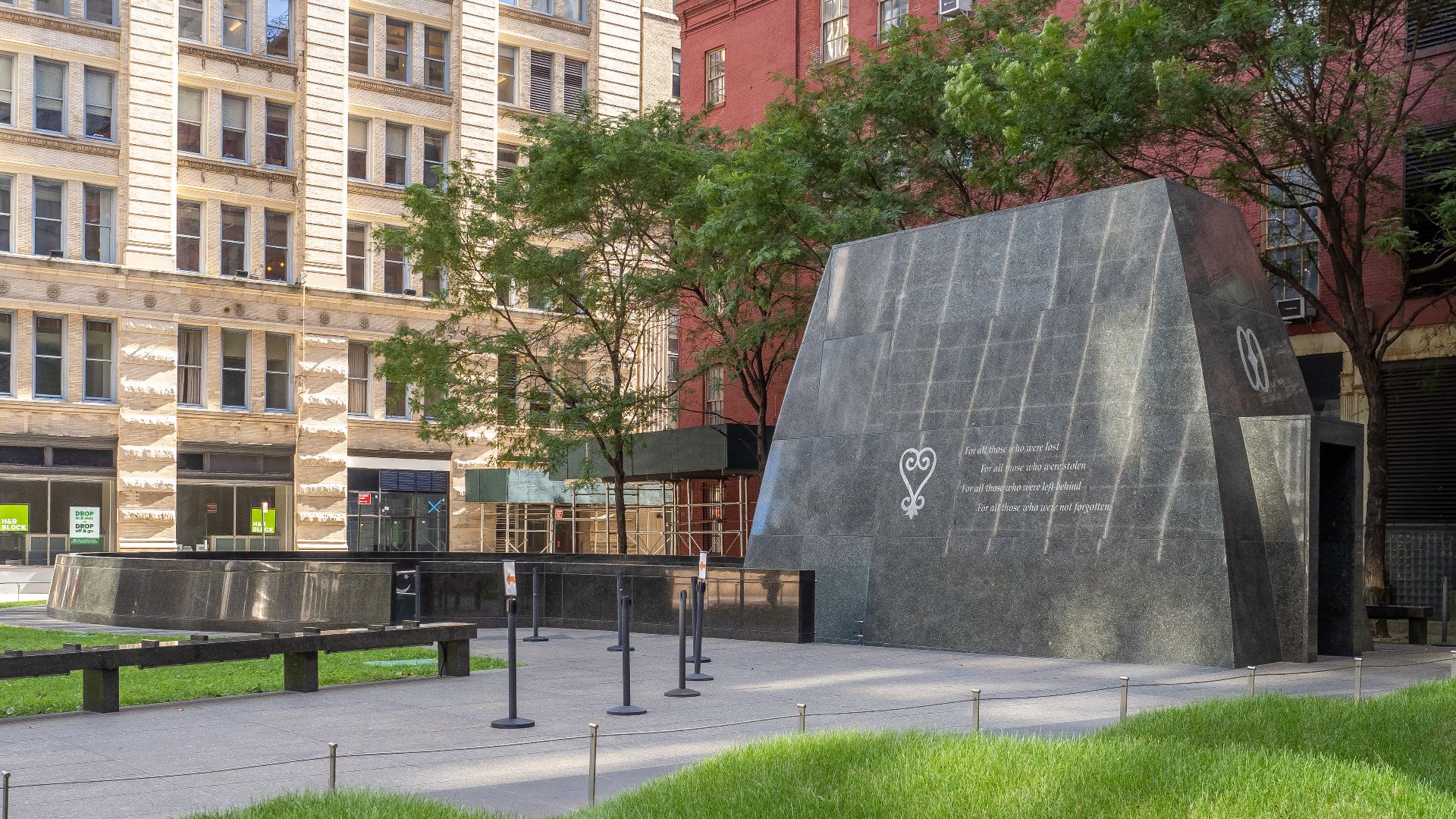
New York City’s African Burial Ground In Lower Manhattan
In Lower Manhattan, a major burial ground from the 1600s and 1700s was rediscovered in 1991 during federal construction at 290 Broadway. Many visitors walk by it while doing classic downtown sightseeing without realizing what the site represents.
 ajay_suresh, Wikimedia Commons
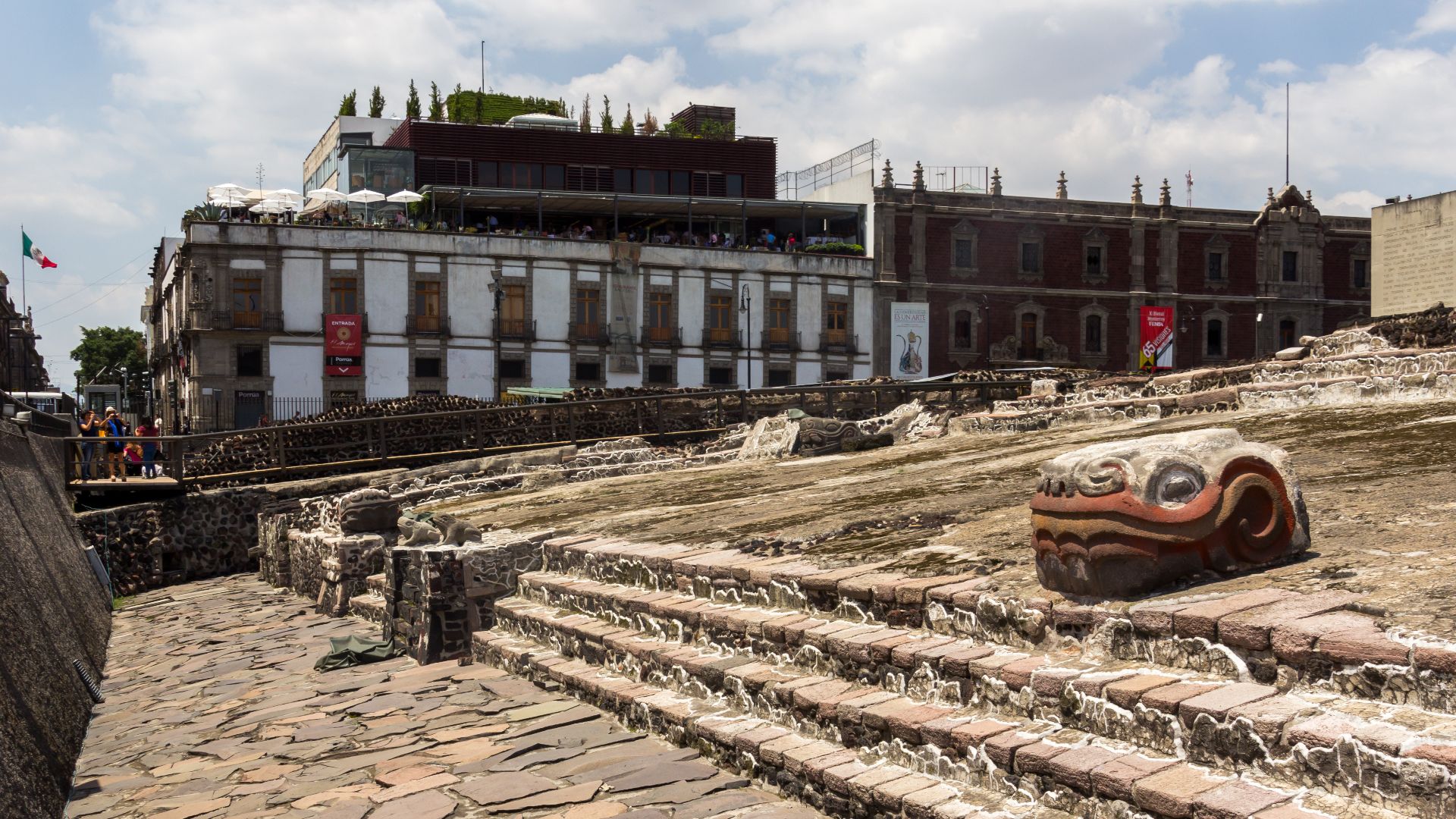
Mexico City’s Templo Mayor Next To The Zócalo
Two blocks from the Zócalo, the Templo Mayor excavation sits beside the modern city that grew over the Aztec capital. Its modern archaeological story accelerated after a major discovery in 1978 during electrical work.
 Photograph by Mike Peel (www.mikepeel.net)., Wikimedia Commons
The Pattern To Watch For On Your Walk
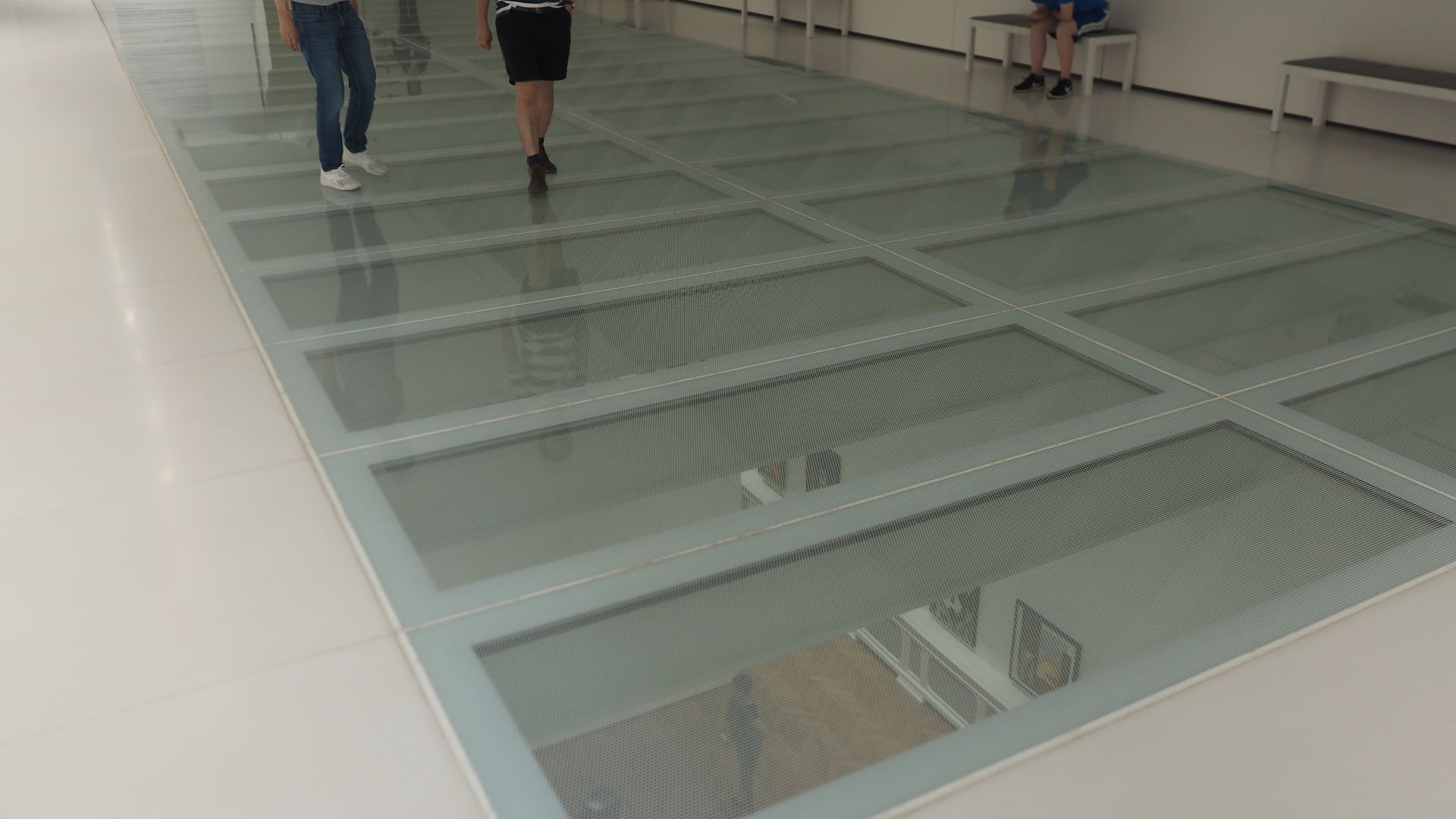
If you see glass floors, “archaeological area” signage, or staircases leading down in historic centers, pause. In many cities, that is the giveaway that older street levels still exist below.
How To Turn This Into A One-Day Challenge
Pick one neighborhood and aim for three “layers” of time, like Roman plus medieval plus modern. You will remember a city better when you see how it physically stacks its history.
The Best Part Is The Feeling Of Re-Sizing Time
These places make big history feel normal and close. You go from taxis and coffee shops to temples and marketplaces in the space of a few steps.
You May Also Like:
Photos Of The Ancient Tribe Whose Handmade Creations Outlasted Empires





.jpg)