The Border Feels Familiar—Until It Doesn’t
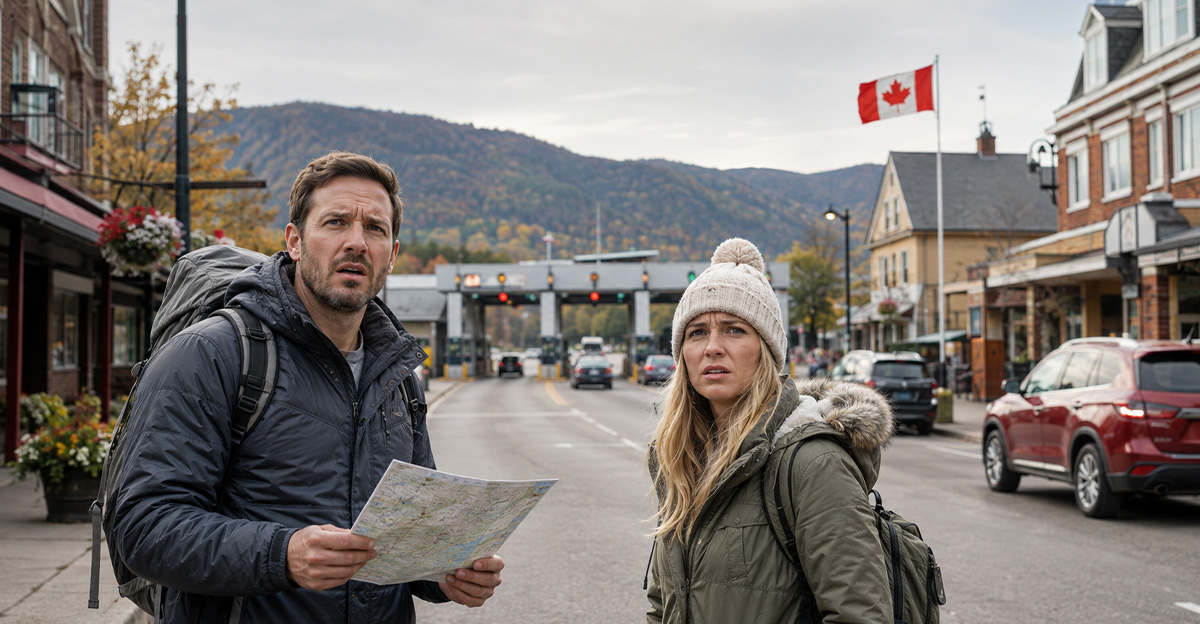
Crossing from the United States into a Canadian border town can feel almost anticlimactic at first. The roads look familiar, the stores seem recognizable, and everyone speaks English. Then the little differences start piling up. Before long, American visitors realize they are definitely not just in another American town.
The Speed Limit Suddenly Looks Very Fast
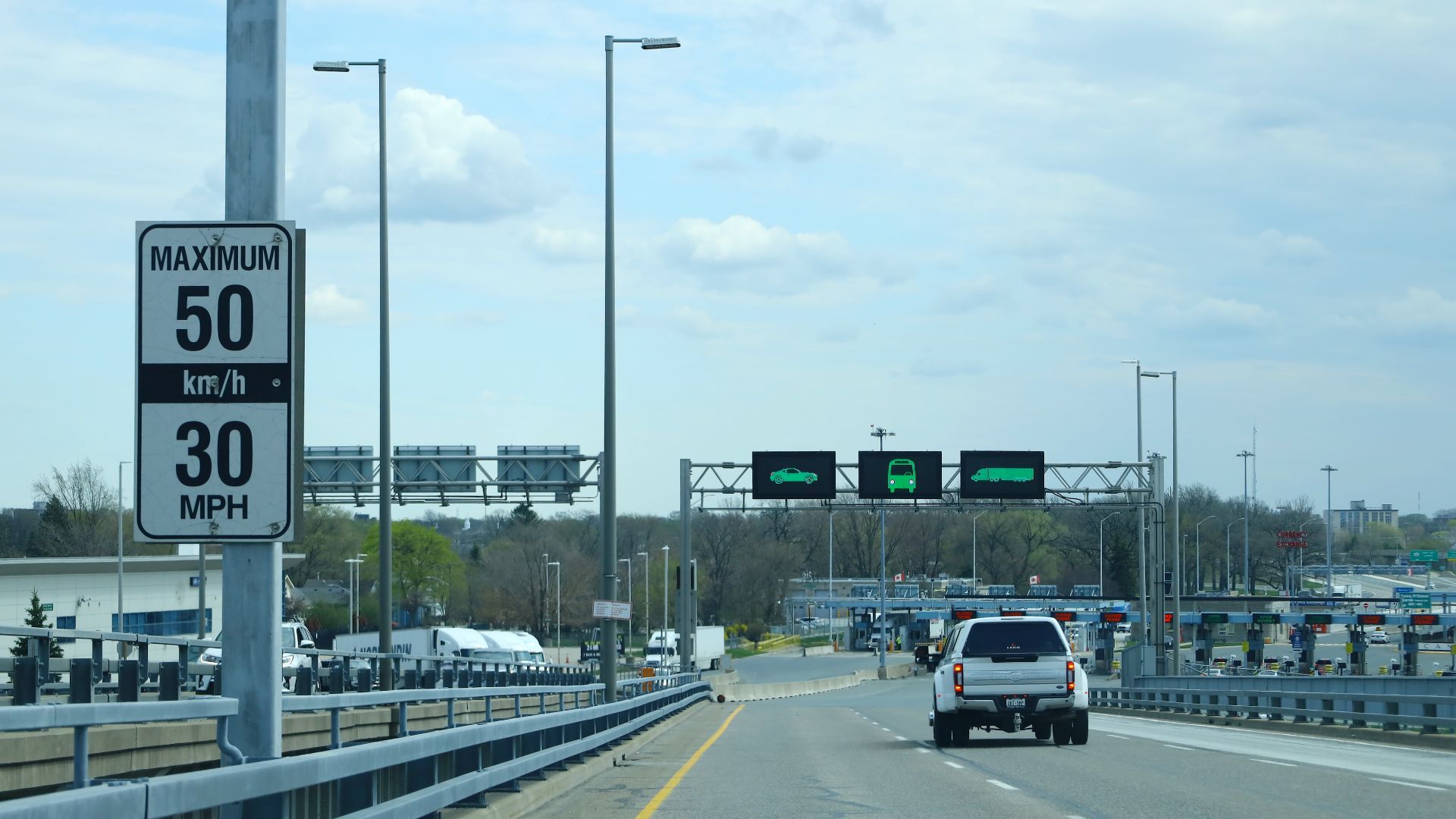
An American driver sees a sign saying “Maximum 80” and may briefly wonder whether Canada has become a racetrack. Then comes the realization: kilometers per hour. Border towns provide an immediate crash course in metric driving, usually accompanied by some hurried mental math and a glance at the speedometer.
 formulanone, Wikimedia Commons
Gas Prices Require Some Calculation
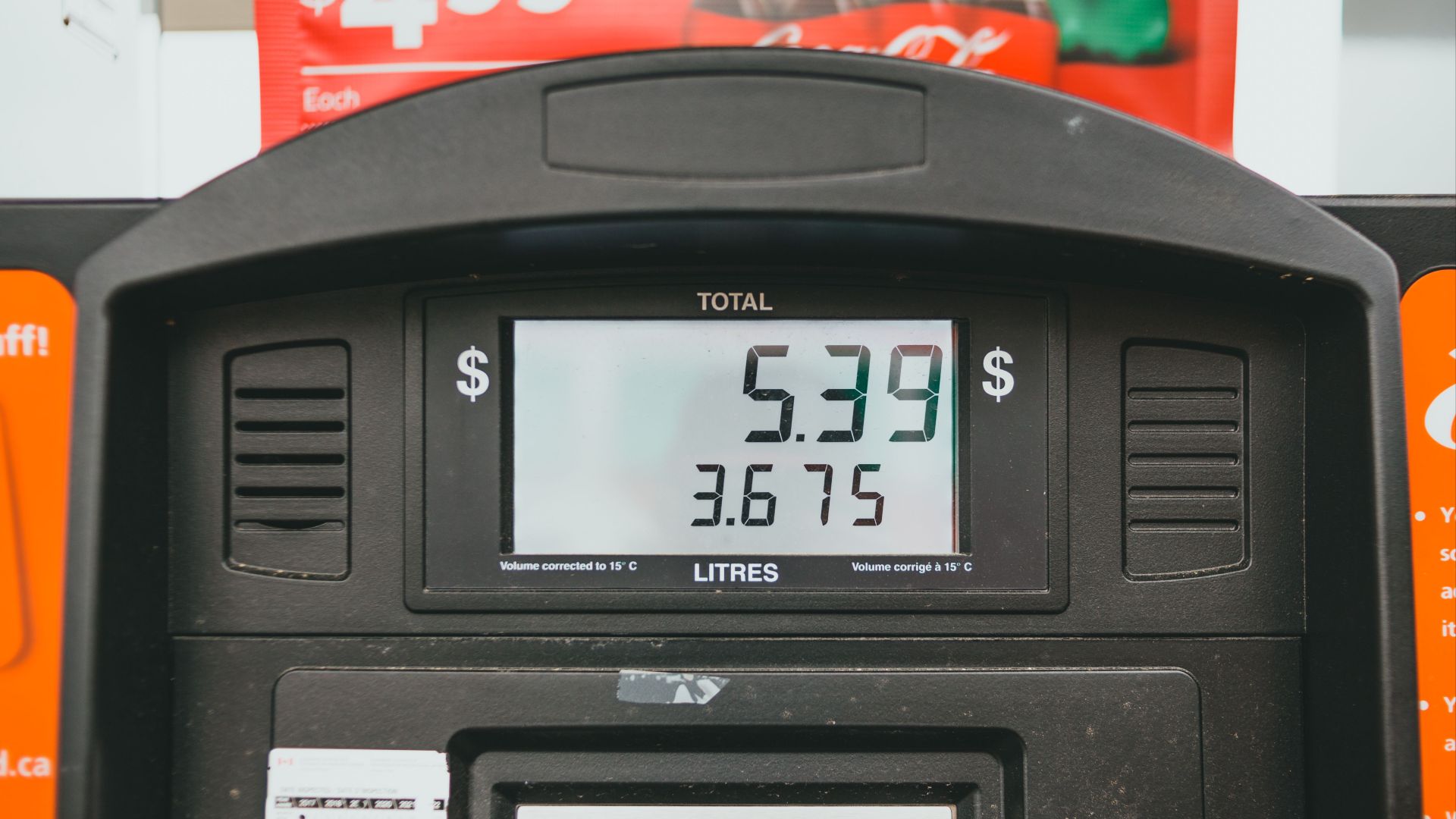
Canadian gas stations can cause another moment of confusion. Prices are displayed per litre instead of per gallon, and the numbers initially seem suspiciously low. Once Americans convert litres to gallons and Canadian dollars to U.S. dollars, the bargain may look rather different than it did from the road.
Canadian Money Appears Everywhere
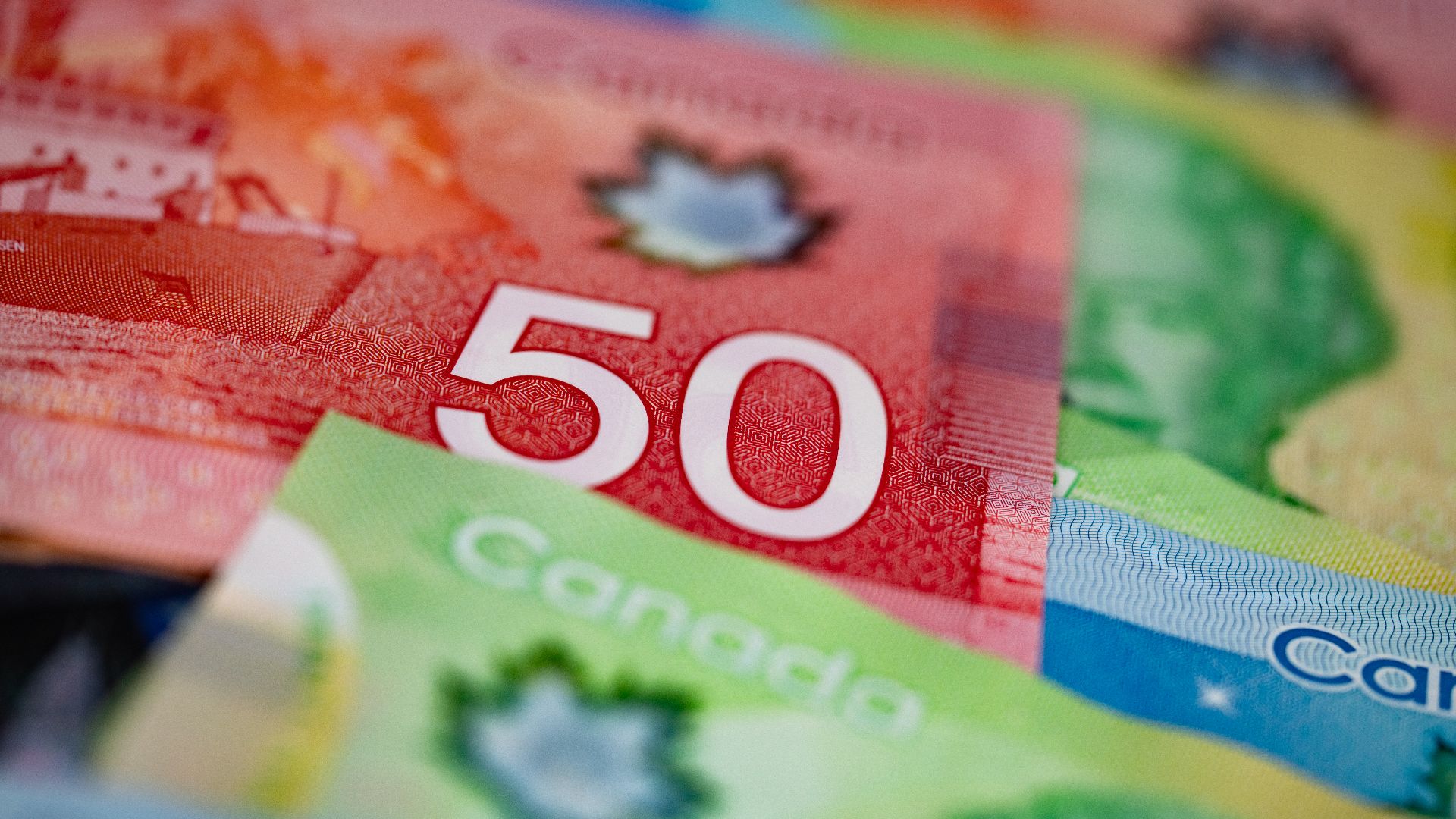
Border towns are places where Americans quickly meet loonies, toonies, colourful banknotes, and the occasional refusal to accept large U.S. bills. American money is often accepted near the border, but exchange rates vary. Suddenly, paying cash becomes a miniature international finance lesson before lunch.
 Tony Webster, Wikimedia Commons
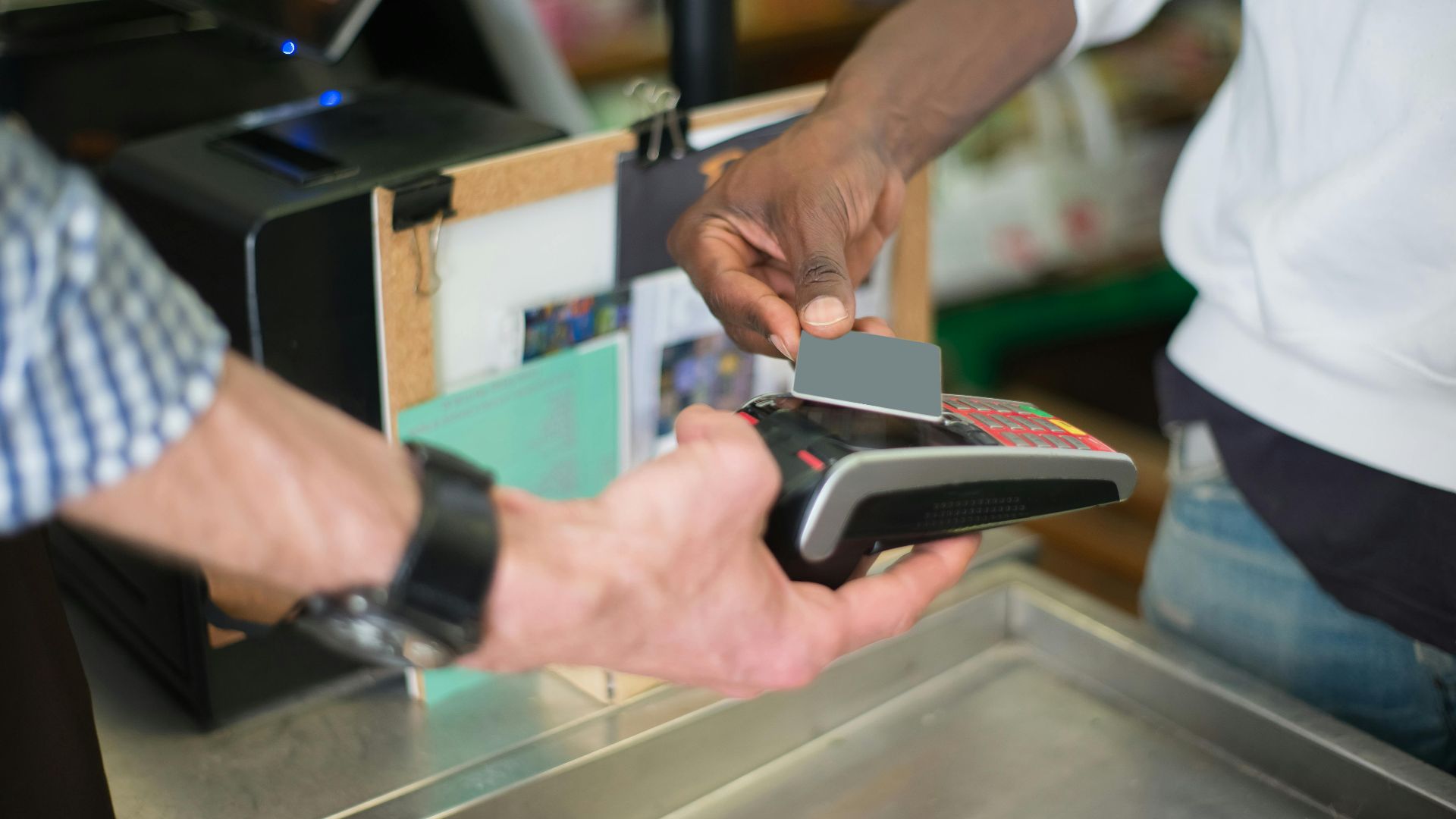
Credit Cards Make Everything Easier
Luckily, tapping a card usually eliminates most currency confusion. Americans often notice how routine contactless payment is in Canada, even for small purchases. Rather than digging through unfamiliar coins, visitors can tap a card or phone and move on, making those mysterious loonies much less intimidating.
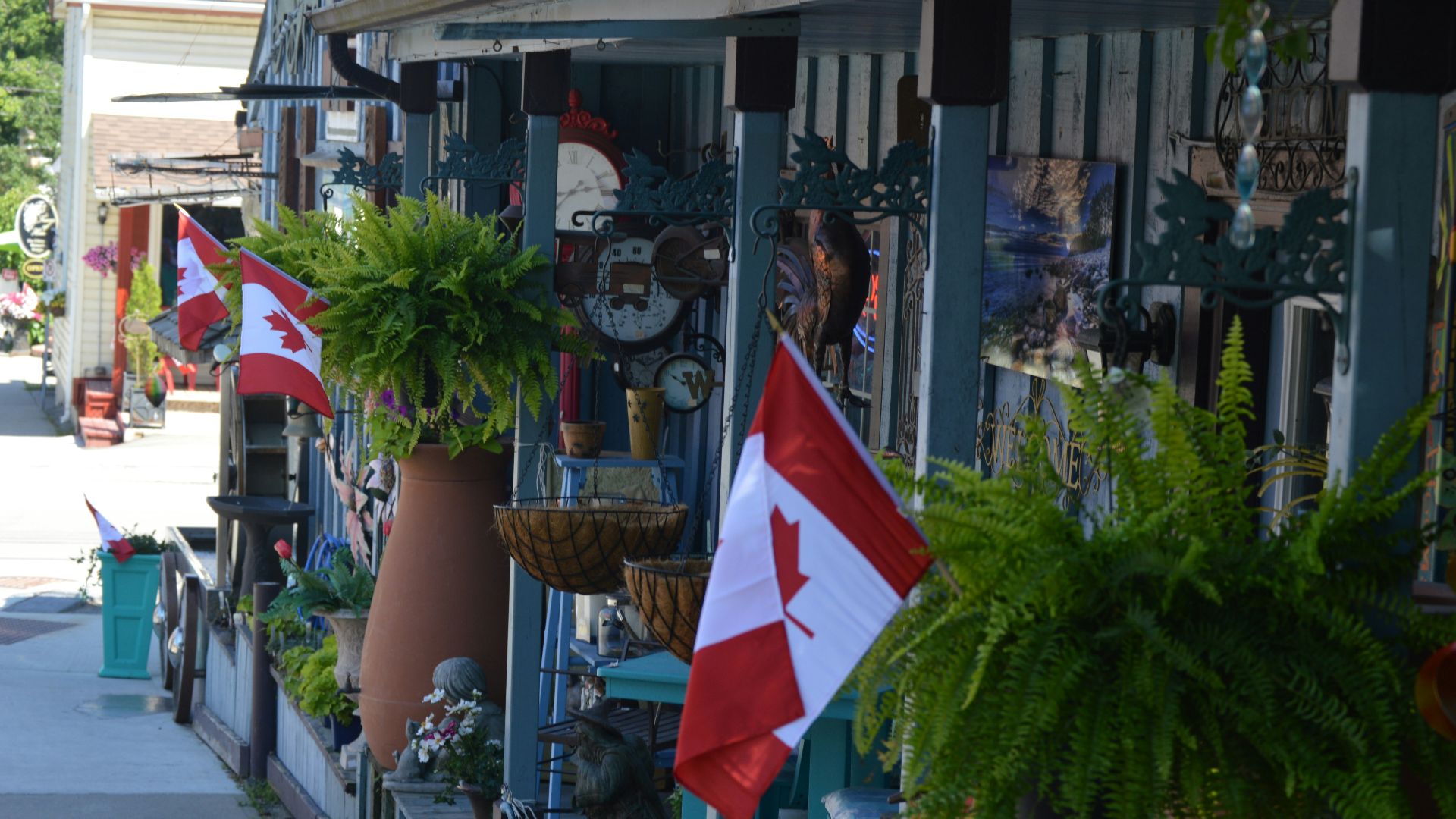
The Canadian Flag Is Hard To Miss
Nobody needs much help identifying which country they have entered. Canadian flags appear outside government buildings, hotels, shops, gas stations, and restaurants. In border towns especially, the maple leaf becomes part of the scenery, offering a constant visual reminder that the international crossing really did change something.
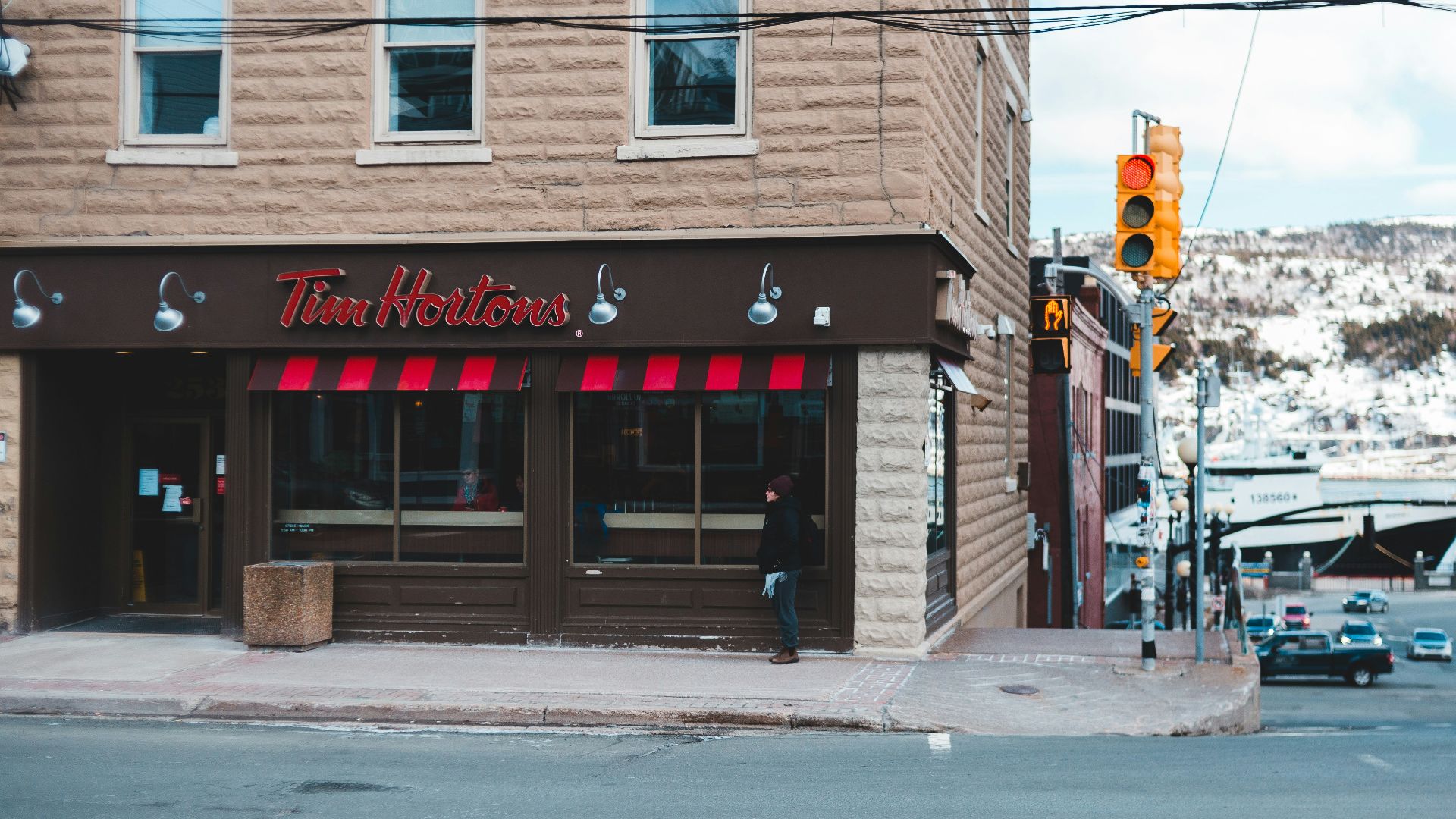
Tim Hortons Appears Almost Immediately
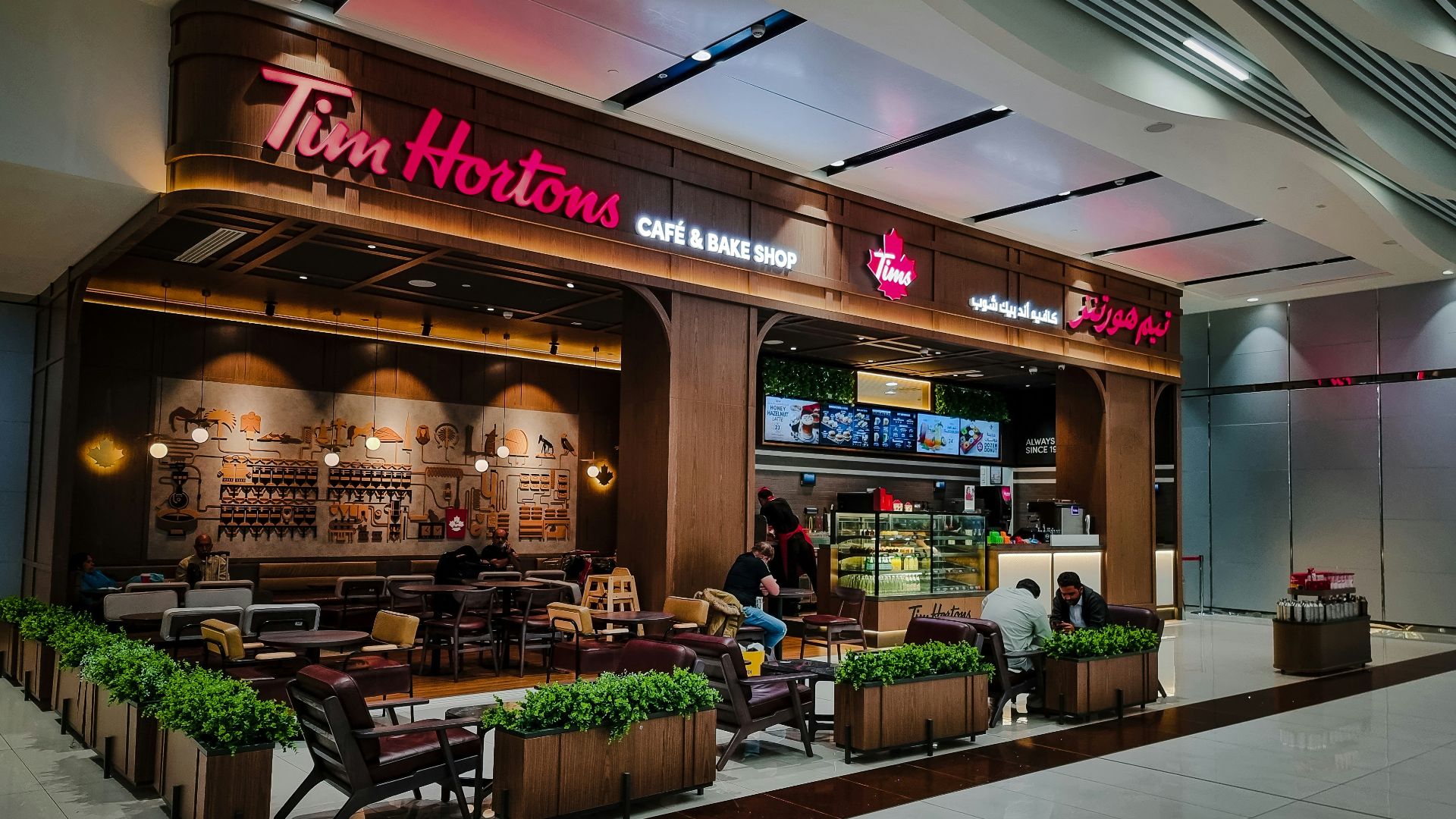
For many Americans, the first unmistakably Canadian landmark is not a monument. It is Tim Hortons. Border towns seem especially well supplied with the familiar red signs, drive-thru lines, coffee cups, and boxes of Timbits. Even visitors who know the chain may be surprised by how deeply woven into daily life it feels.
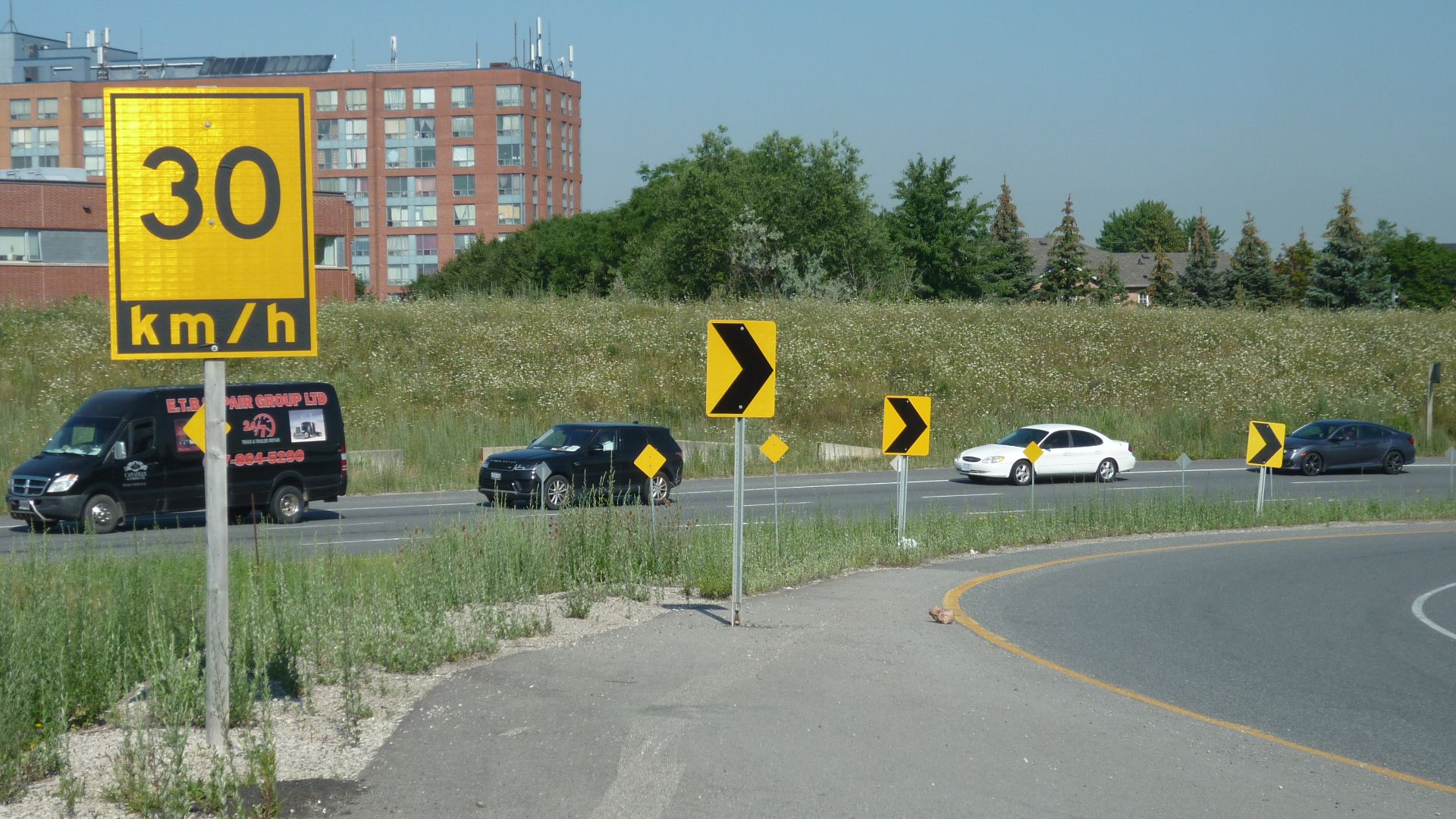
The Road Signs Look Slightly Different
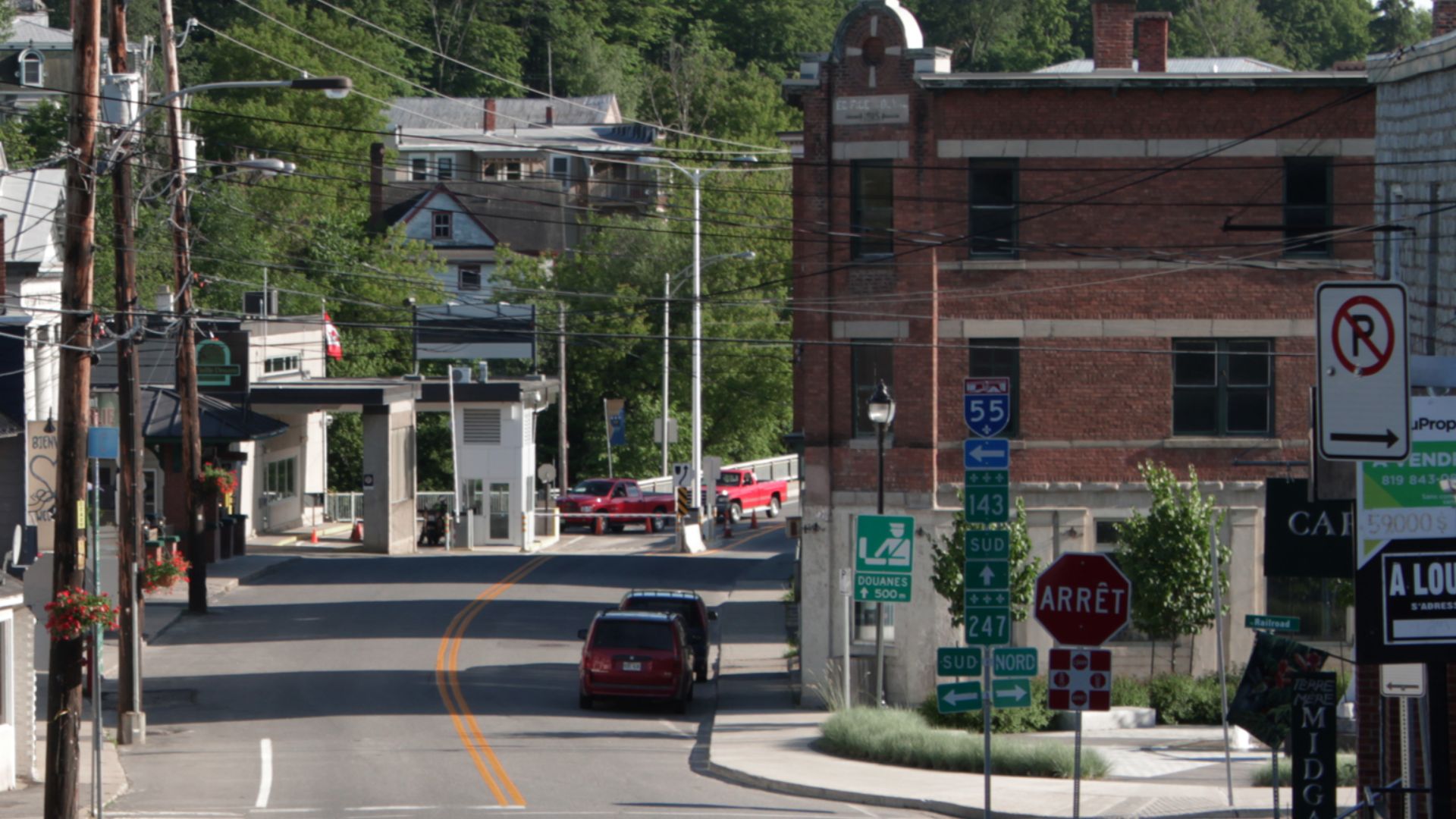
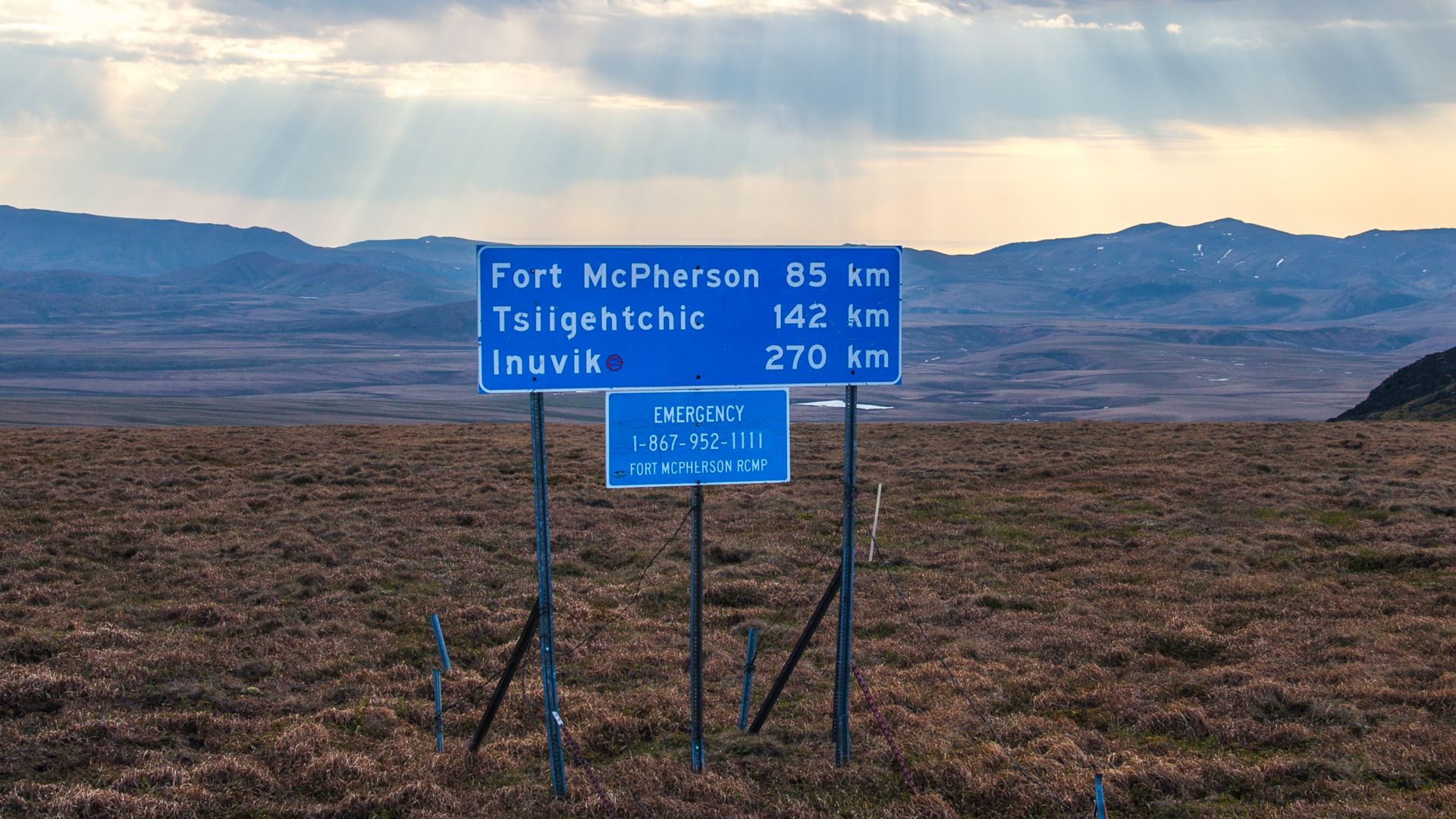
The roads themselves are familiar, but the signage has a subtle Canadian flavour. Distances appear in kilometers, speed limits use metric numbers, and symbols sometimes replace words. American drivers usually understand everything perfectly well, yet the collection of tiny differences makes an ordinary drive feel unexpectedly foreign.
French May Suddenly Join The Conversation
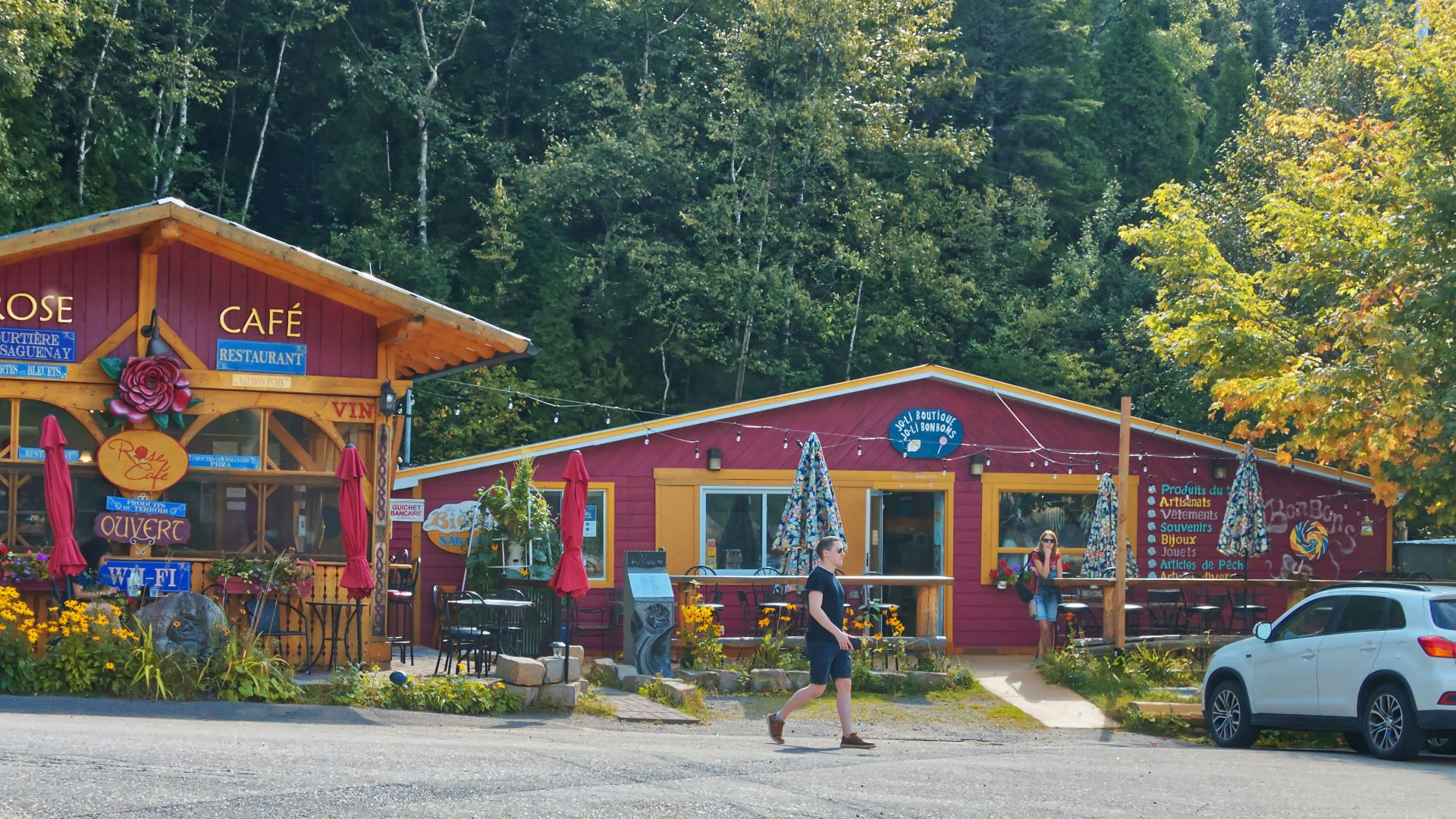
Depending on where they cross, Americans may start seeing French on packaging, government notices, road information, and store signs. Even in predominantly English-speaking towns, bilingual labels are common. In parts of Ontario, Quebec, and New Brunswick, French can quickly become a much bigger part of the visitor experience.
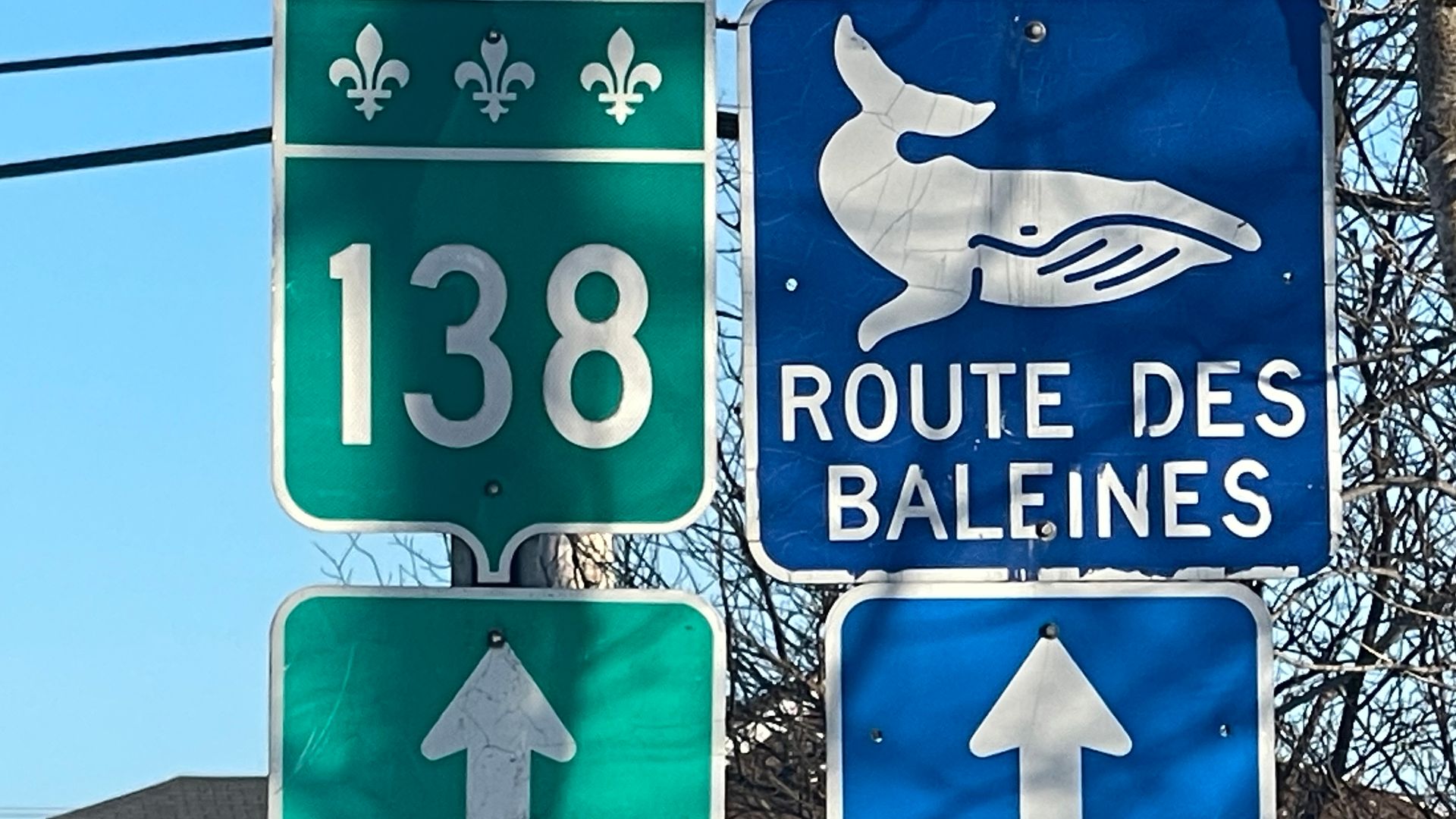
Milk Might Come In Bags
Americans visiting parts of eastern Canada may encounter one of the country's most famous grocery-store oddities: bagged milk. Not every Canadian buys milk this way, and it is far from universal nationally, but seeing bags of milk sitting casually in a supermarket refrigerator can stop an American shopper mid-aisle.
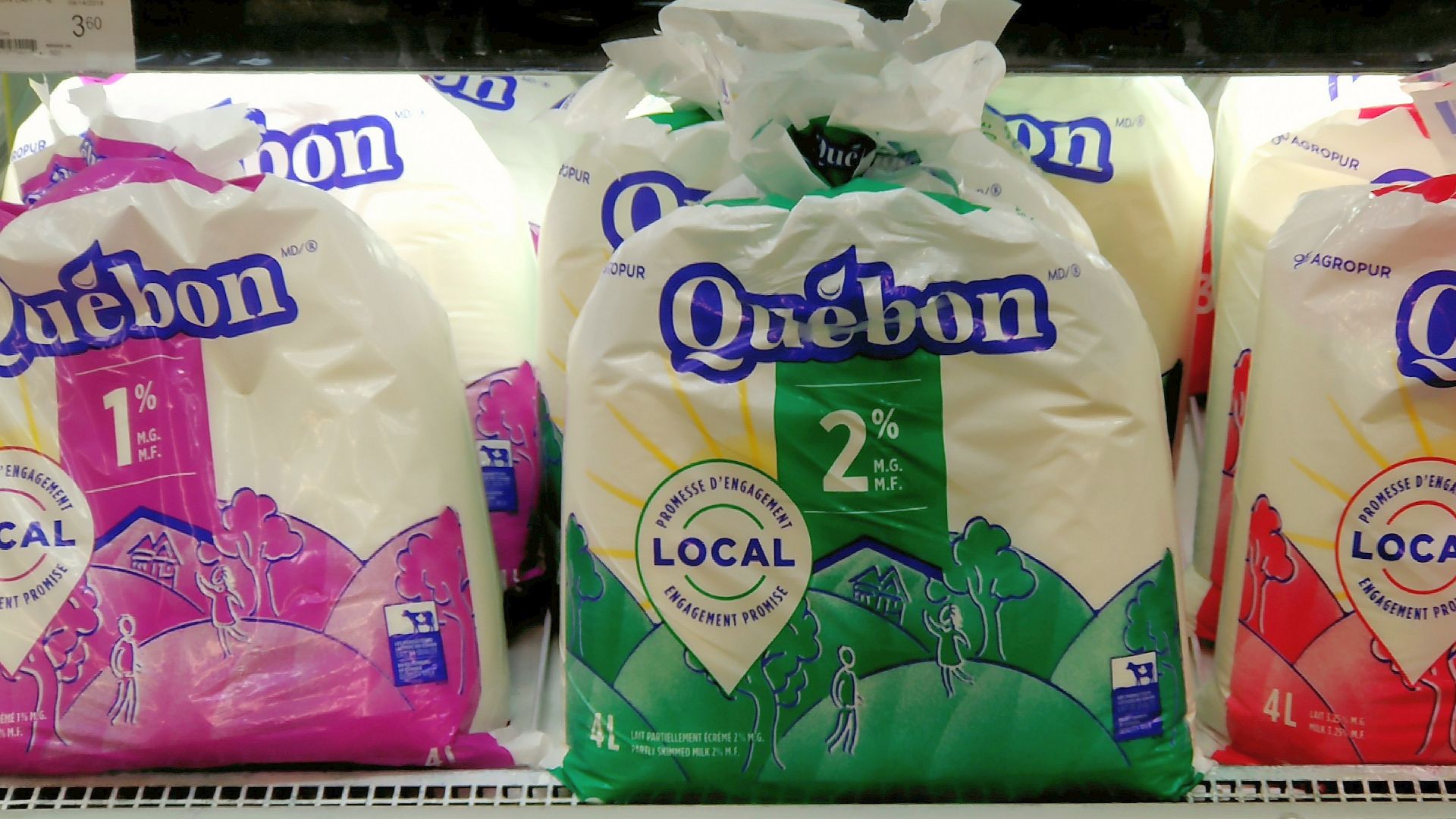 incommunicado, Wikimedia Commons
Grocery Packaging Looks Familiar But Different
A Canadian supermarket near the border may carry many American brands, but the packaging often has bilingual wording, metric measurements, and slightly different product names. It creates a strange effect: everything looks recognizable from ten feet away, yet close inspection reveals that nearly every package has changed.
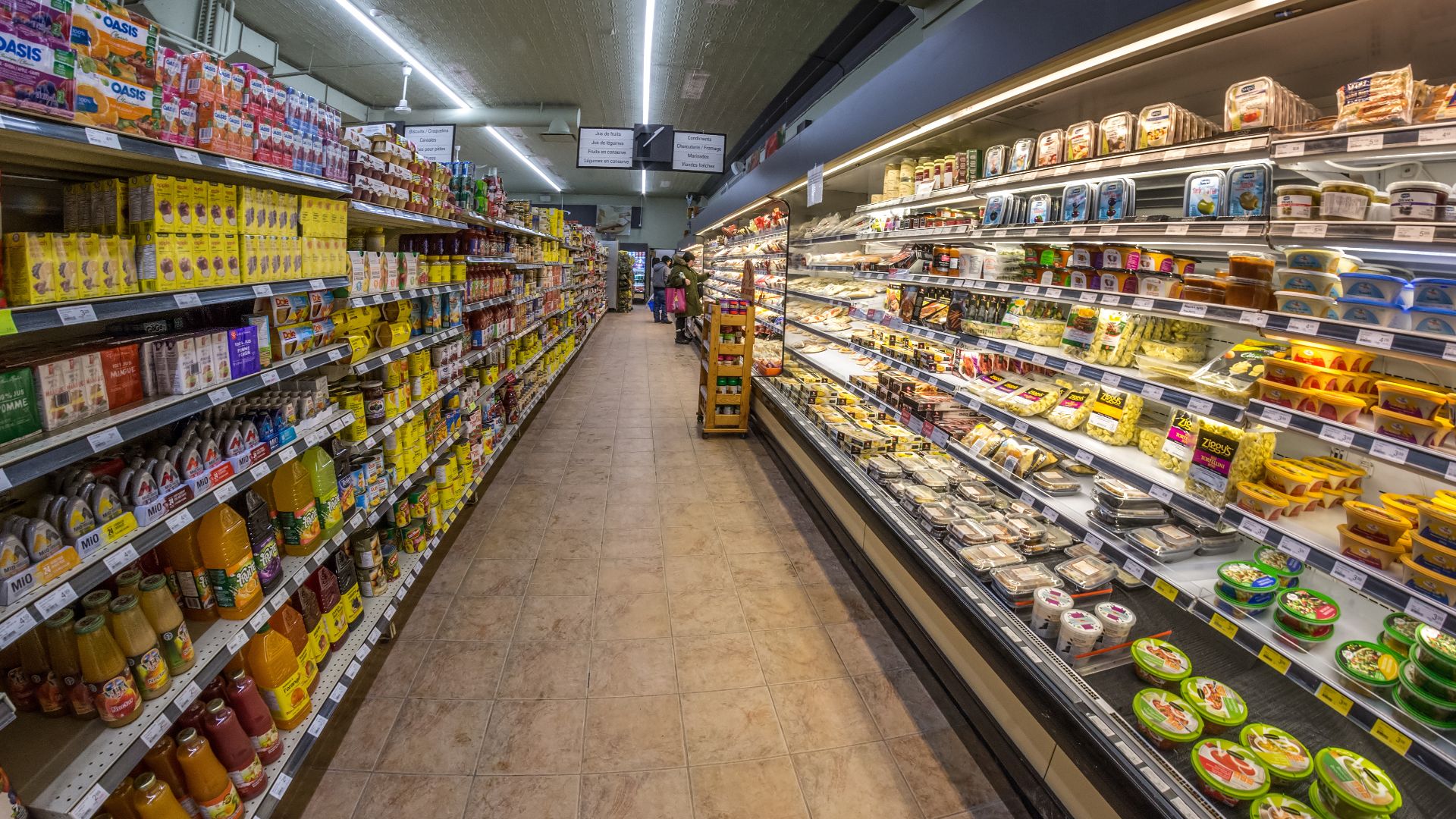
The Snack Aisle Gets Interesting Fast
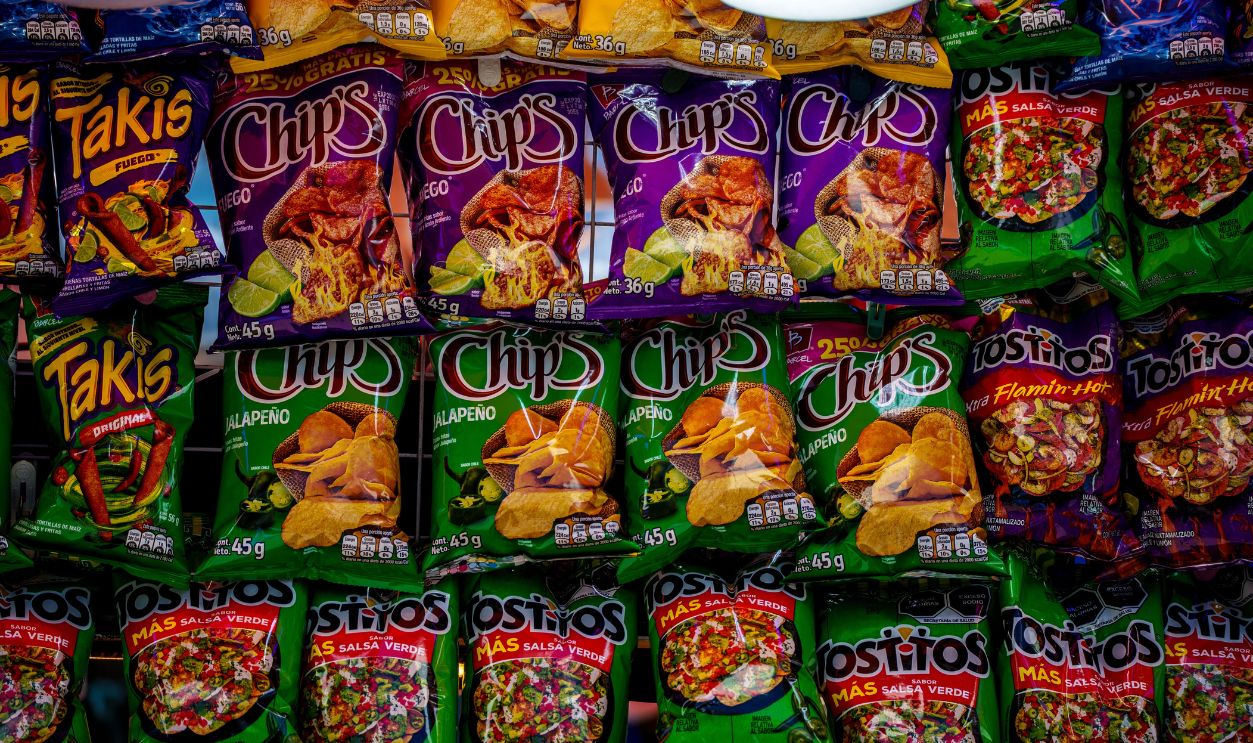
Americans who wander into a Canadian convenience store often discover flavours and brands they rarely see back home. Ketchup chips, all-dressed chips, Coffee Crisp bars, Aero bars, and Smarties can turn a routine snack stop into accidental food tourism. Border-town stores know curious American visitors are part of their audience.
The Chocolate Tastes A Little Different
Even familiar chocolate brands may have Canadian versions that taste slightly different from what Americans expect. Then there are distinctly Canadian favourites that visitors may never have tried. A border crossing can therefore become a surprisingly good excuse to buy far too much candy “for research purposes.”
 Sikander Iqbal, Wikimedia Commons
The Beer Selection Feels Canadian
Walk into a restaurant or liquor store and the beer menu quickly becomes another geography lesson. Familiar international brands mix with Canadian labels and regional craft breweries. Americans may also notice provincial rules surrounding where alcohol can be purchased, which can differ considerably depending on where they crossed.
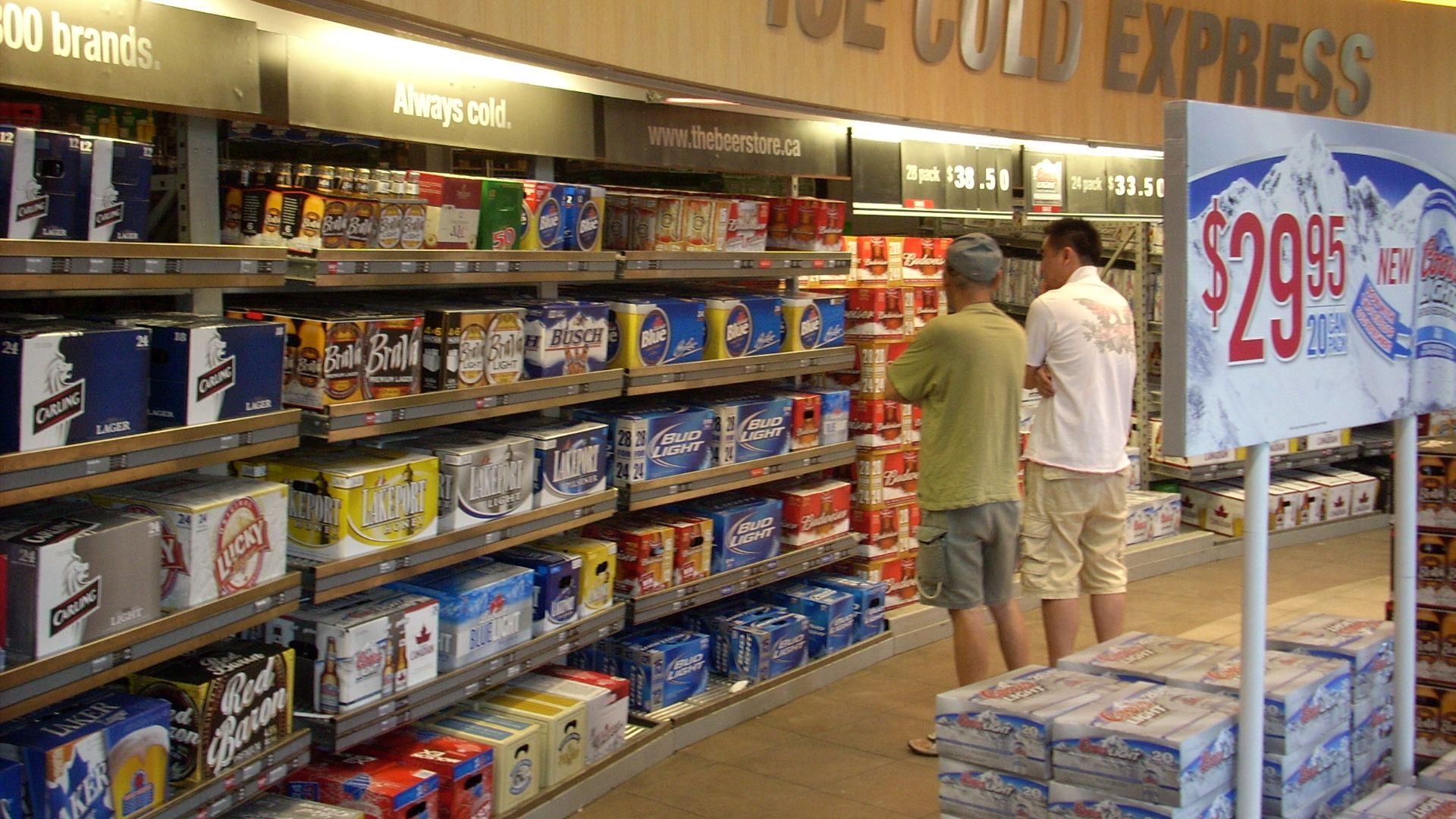 haunted by Leonard Cohen from Fort Worth, Wikimedia Commons
Restaurant Bills Come With Tax Surprises
The menu price is rarely the final price, which feels familiar to Americans. What changes is the type and amount of sales tax, depending on the province. Visitors may see GST, HST, PST, or combinations thereof, turning an ordinary lunch receipt into a brief introduction to Canadian tax policy.
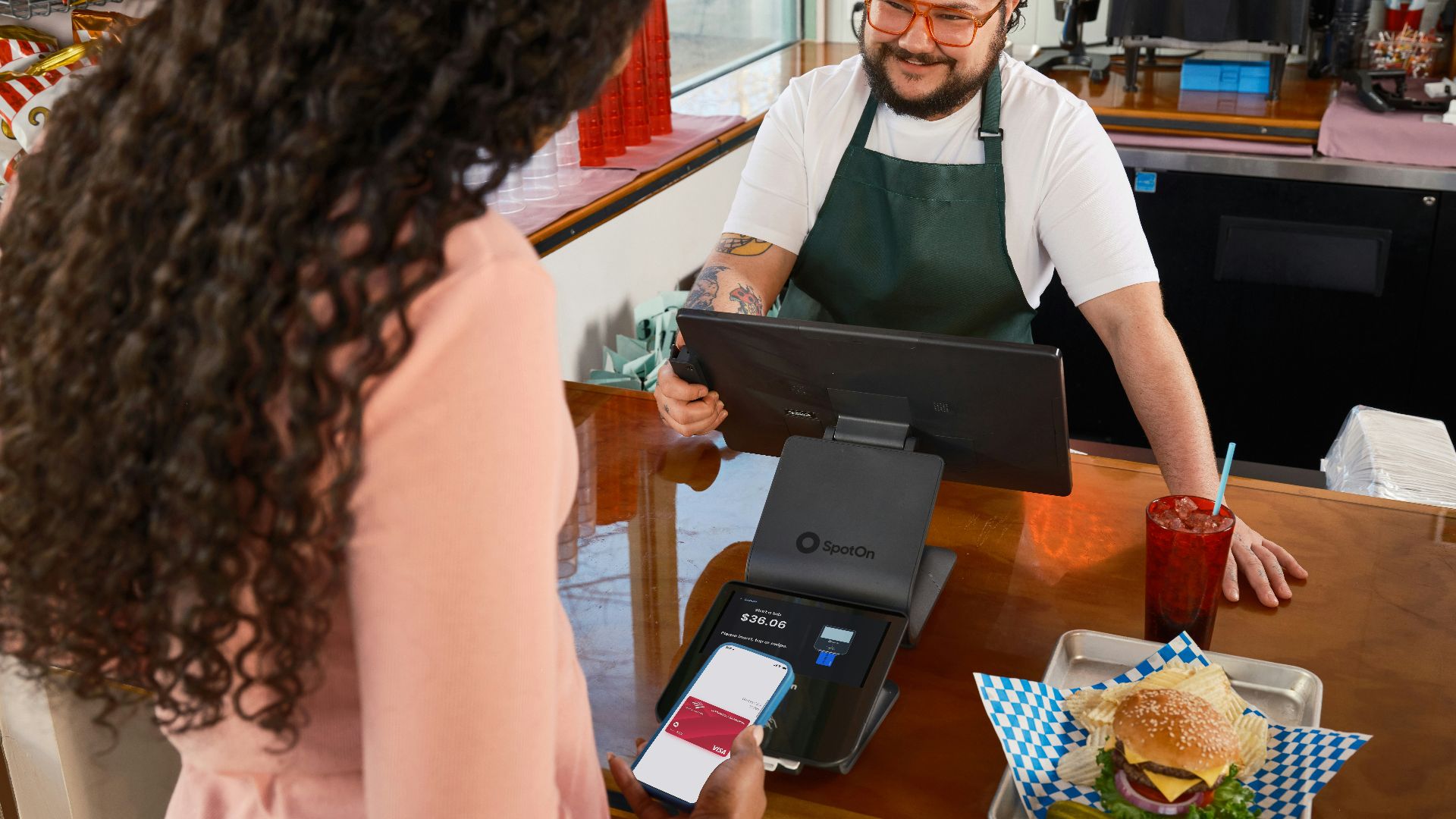
Tipping Feels Surprisingly Familiar
Americans expecting a radically different restaurant culture generally discover that tipping customs in Canada feel quite familiar. Many diners leave percentages similar to those in the United States. The bigger surprise may be the payment terminal, which sometimes presents several suggested tip percentages while the server stands nearby.

People Keep Saying “Washroom”
One small vocabulary difference becomes obvious remarkably quickly: Canadians commonly ask for the “washroom.” Americans usually say “restroom” or “bathroom.” Nobody gets confused, but after hearing “washroom” several times in one afternoon, American visitors may start using it themselves without even noticing.
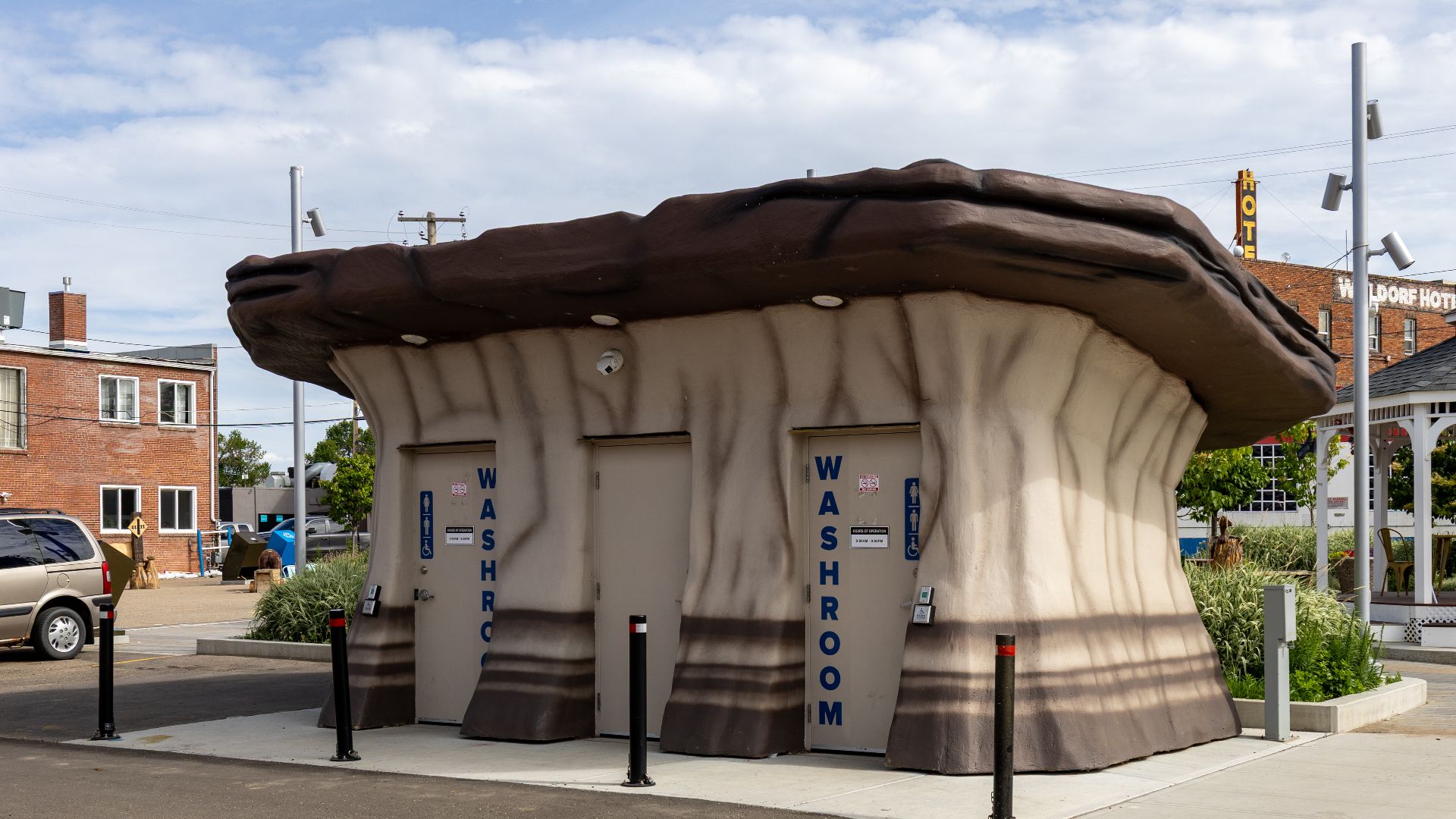 Chris Woodrich, Wikimedia Commons
Canadian Spellings Start Popping Up
A sign might mention a “centre,” a brochure may advertise local “favourites,” and somewhere the word “colour” appears with that extra “u.” Canadian English sits comfortably between British and American traditions, creating tiny spelling differences that many Americans notice only after they have already been staring at them.
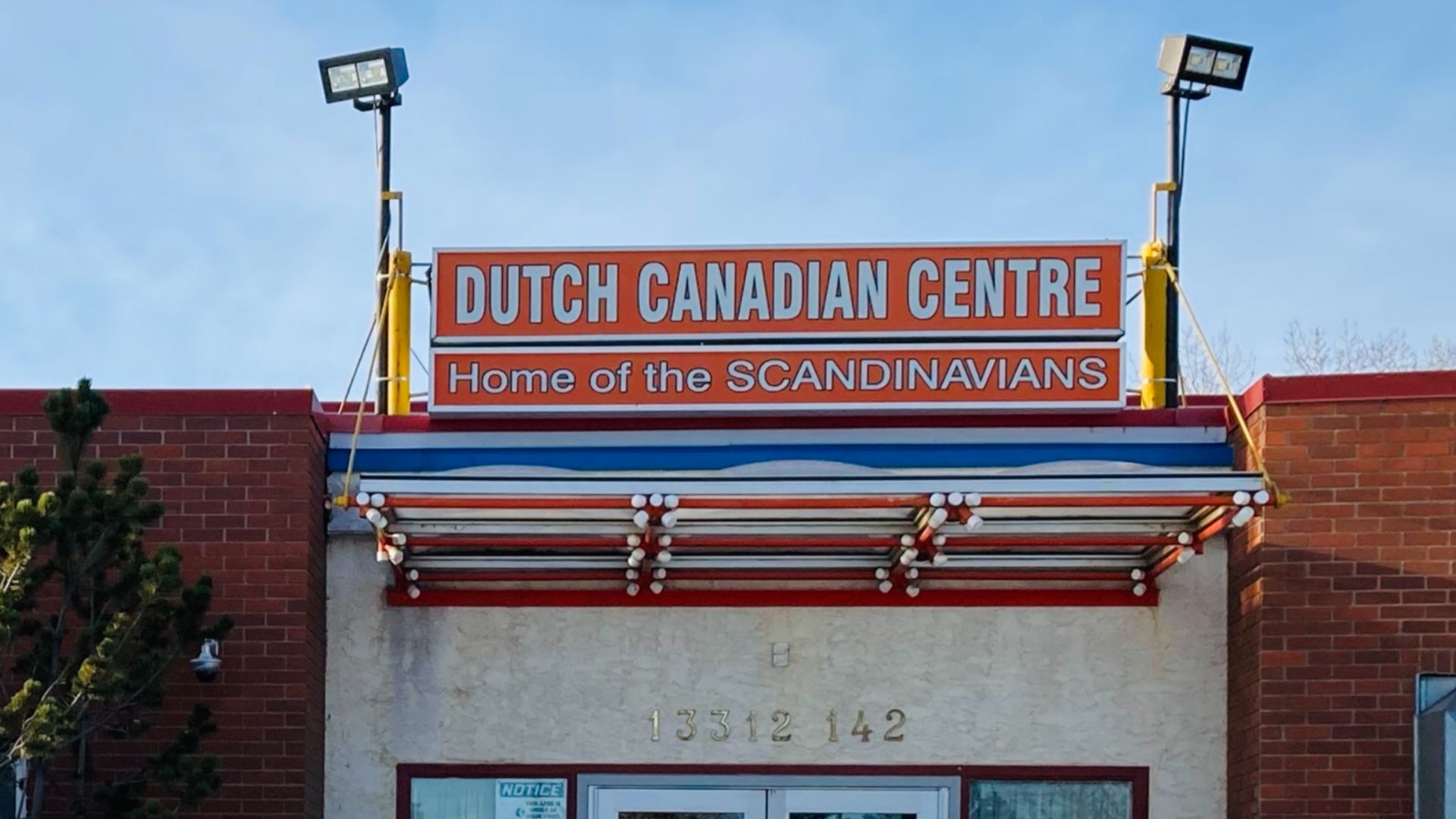
The Temperature Is In Celsius
Hotel thermostats and weather reports provide another metric surprise. Twenty degrees sounds alarmingly cold until an American remembers that Celsius is involved. Border-town visitors quickly learn a few essential conversions: zero means freezing, 20 is pleasant, and anything above 30 probably means it is time to find air conditioning.
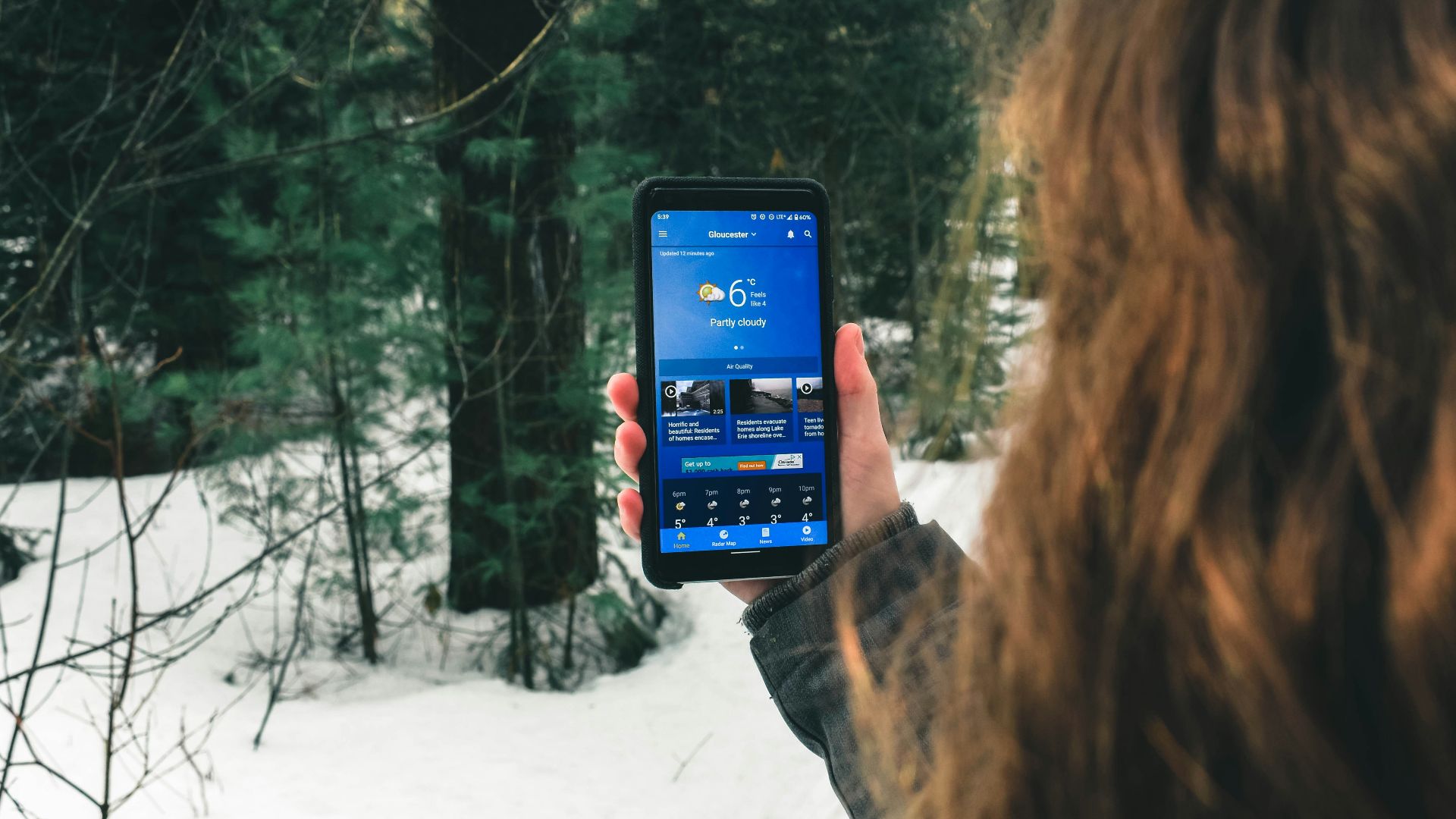
The Weather Can Change Quickly
Many Canadian border towns sit near large lakes, rivers, mountains, or wide-open countryside. Visitors may find that weather changes faster than expected, especially around the Great Lakes. A sunny morning can become windy and cool by afternoon, making that jacket left in the hotel suddenly seem like a mistake.

The Border Shapes The Entire Town
In some communities, the international border is not merely something visitors crossed—it is part of local life. Residents may work, shop, visit family, or attend events on the opposite side. License plates from both countries appear everywhere, and conversations about wait times at the crossing sound completely routine.
American Visitors Are Nothing Unusual
Americans sometimes arrive expecting to stand out. In busy Canadian border towns, they often do not. Local hotels, restaurants, outlet stores, casinos, and attractions may see American guests constantly. Staff members are usually very familiar with questions about currency, phones, taxes, directions, and crossing back into the United States.
Cellphones Can Create Nervous Moments
The modern border-crossing surprise often arrives as a phone notification. Depending on the visitor's mobile plan, international roaming may activate after entering Canada. Americans who rarely travel internationally sometimes spend their first Canadian hour checking whether texts, maps, and social media are quietly creating an expensive bill.

Distance Suddenly Requires New Math
A sign announcing that an attraction is 40 kilometers away sounds either extremely close or impossibly distant, depending on how comfortable someone is with metric measurements. Americans soon learn the rough shortcut that a kilometer is a little over half a mile, which is usually accurate enough for vacation purposes.
 Murray Foubister, Wikimedia Commons
The Town May Feel Quieter Than Expected
Some American visitors notice a slightly different pace in smaller Canadian border communities. Downtown streets can feel calmer, commercial areas may close earlier, and traffic may be lighter than in comparable American towns. It is hardly universal, but the contrast can be noticeable immediately after leaving a busy U.S. crossing.
Canada Is Familiar In An Unusual Way
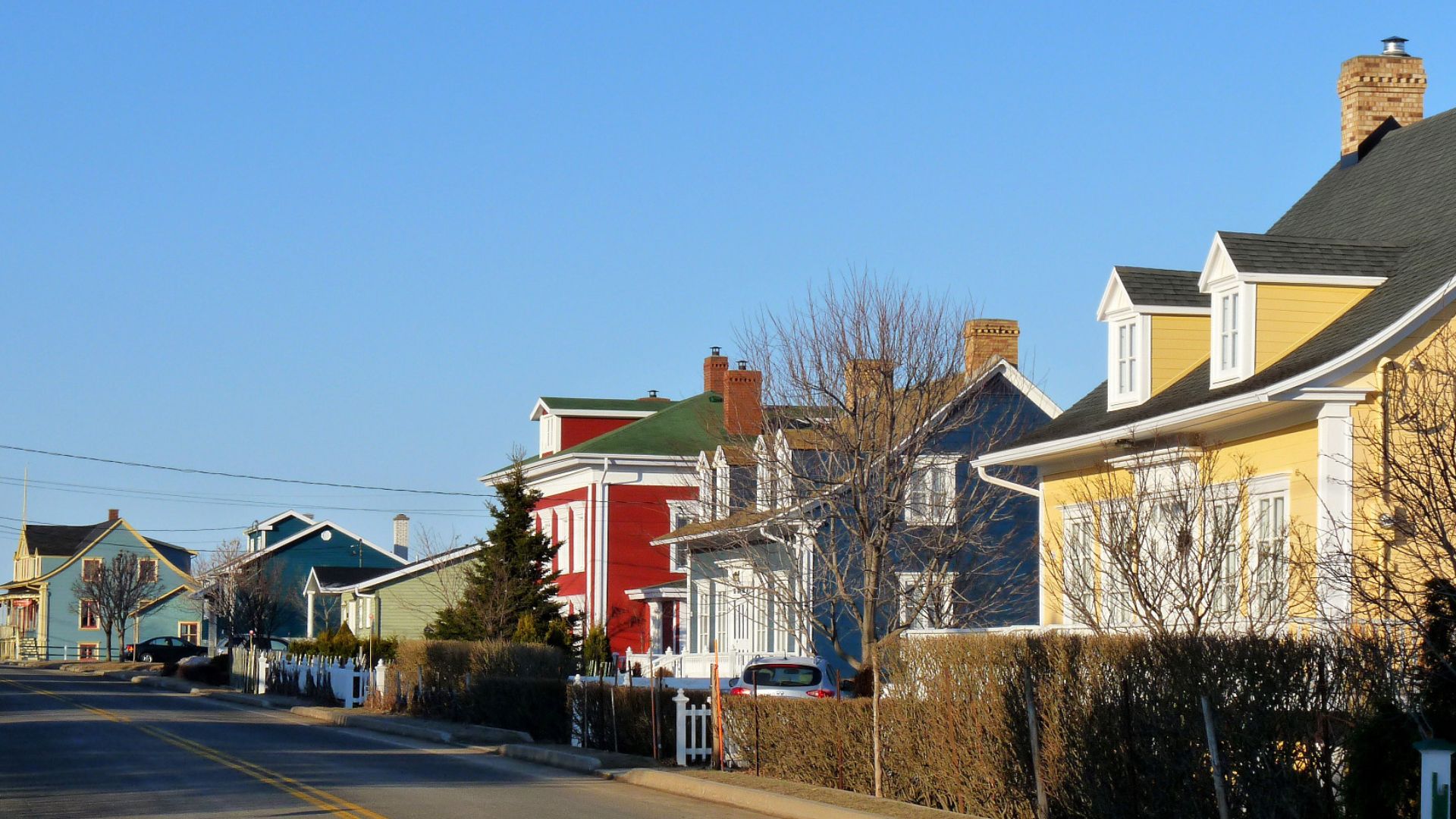
Perhaps the strangest thing about visiting a Canadian border town is how little culture shock there is. Americans can understand the language, recognize the cars, shop at familiar stores, and order familiar food. Yet dozens of small details continually signal that they have crossed into another country.
The Little Differences Become The Fun Part
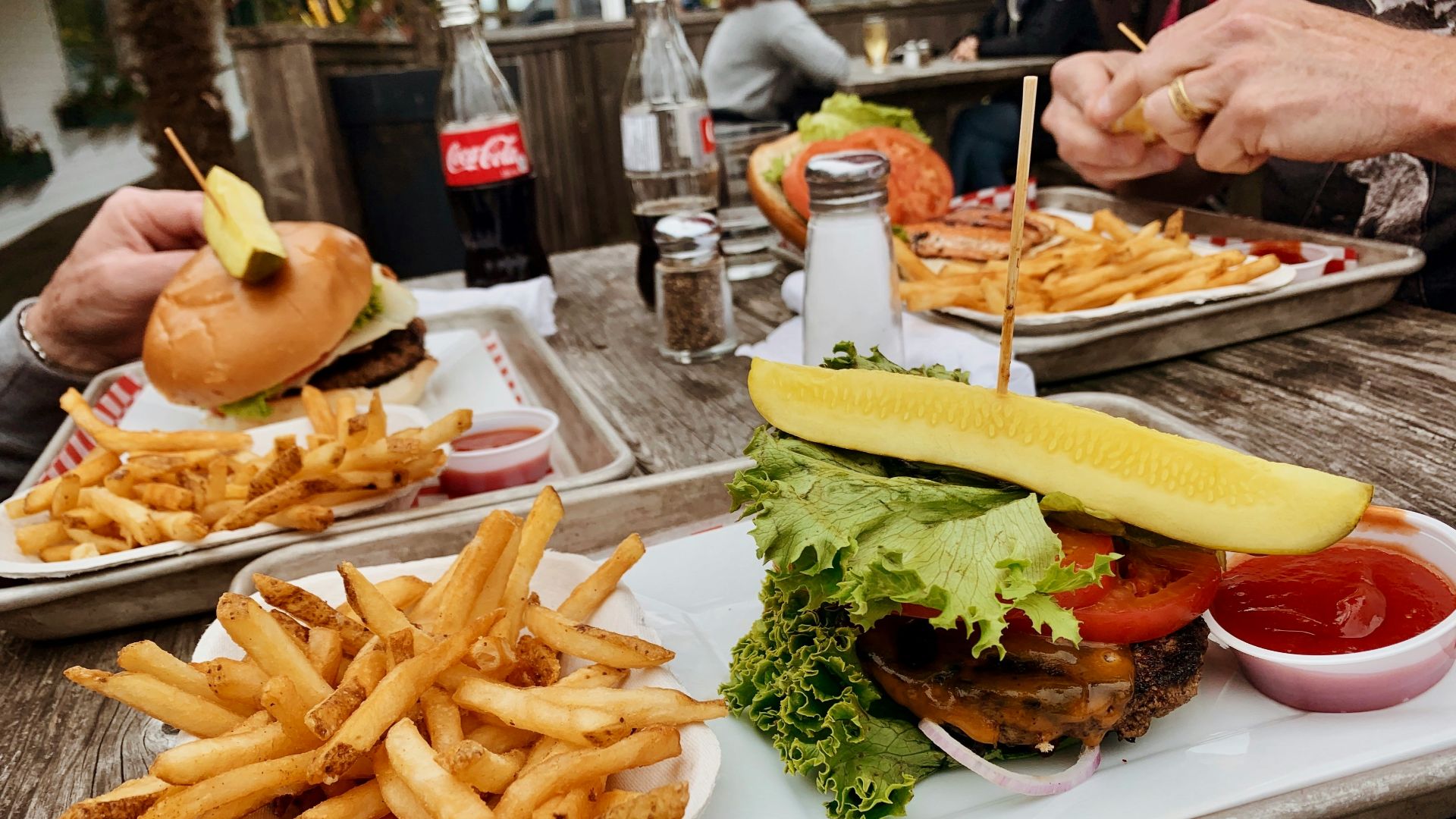
By the time Americans head back toward the border, metric signs, Canadian money, different snacks, bilingual labels, and repeated Tim Hortons sightings no longer seem strange. That is the charm of Canadian border towns: they feel comfortably familiar while still offering enough differences to make crossing the border feel like a genuine trip.
You May Also Like: