An Unexplained No Show
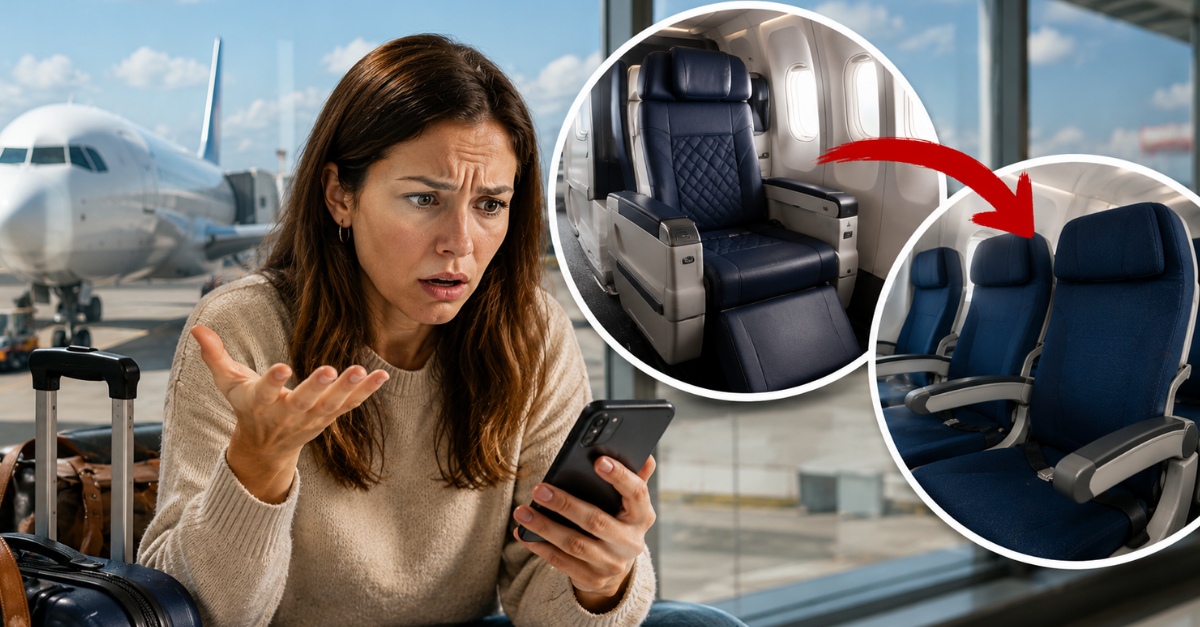
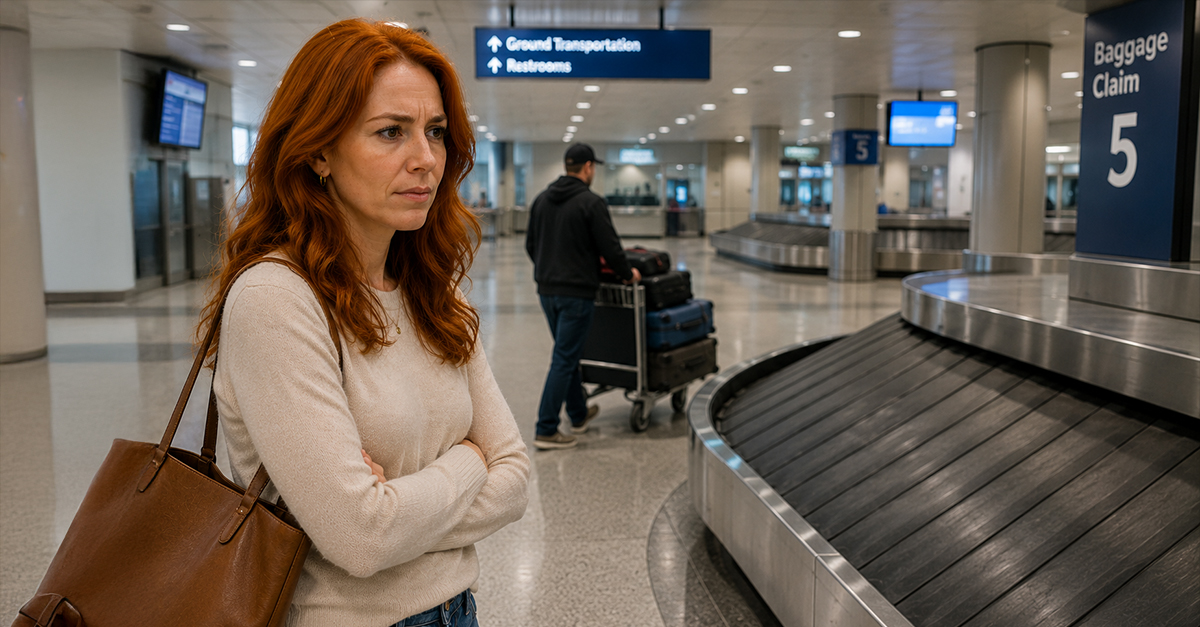
You landed excited to start your vacation, but your checked suitcase never showed up on the carousel. Days went by with repeated calls to the airline, vague updates, and mounting frustration as you bought replacement clothes, toiletries, and other essentials. Then, after your trip was already over, the airline finally tracked down your bag and returned it after you were back home. You’re now wondering what compensation you can get from the airline.

Delayed Bags Are Commonplace
Airlines mishandle millions of checked bags every year, especially during busy travel seasons. Most missing luggage is eventually recovered within a few days, but some rogue bags languish in airline systems for much longer. Delayed baggage is especially disruptive if the entire vacation passes before the suitcase is returned, leaving travelers effectively stranded without their belongings during the trip itself.
Tight Connections Are A Frequent Culprit
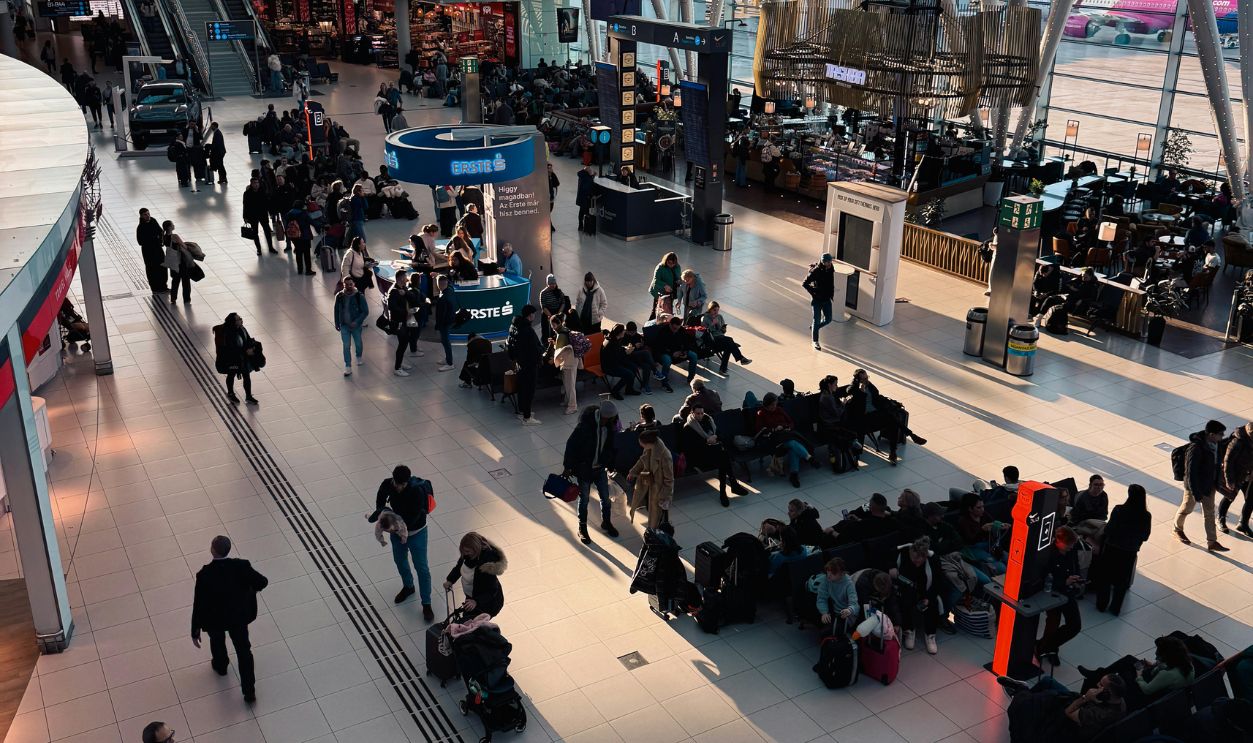
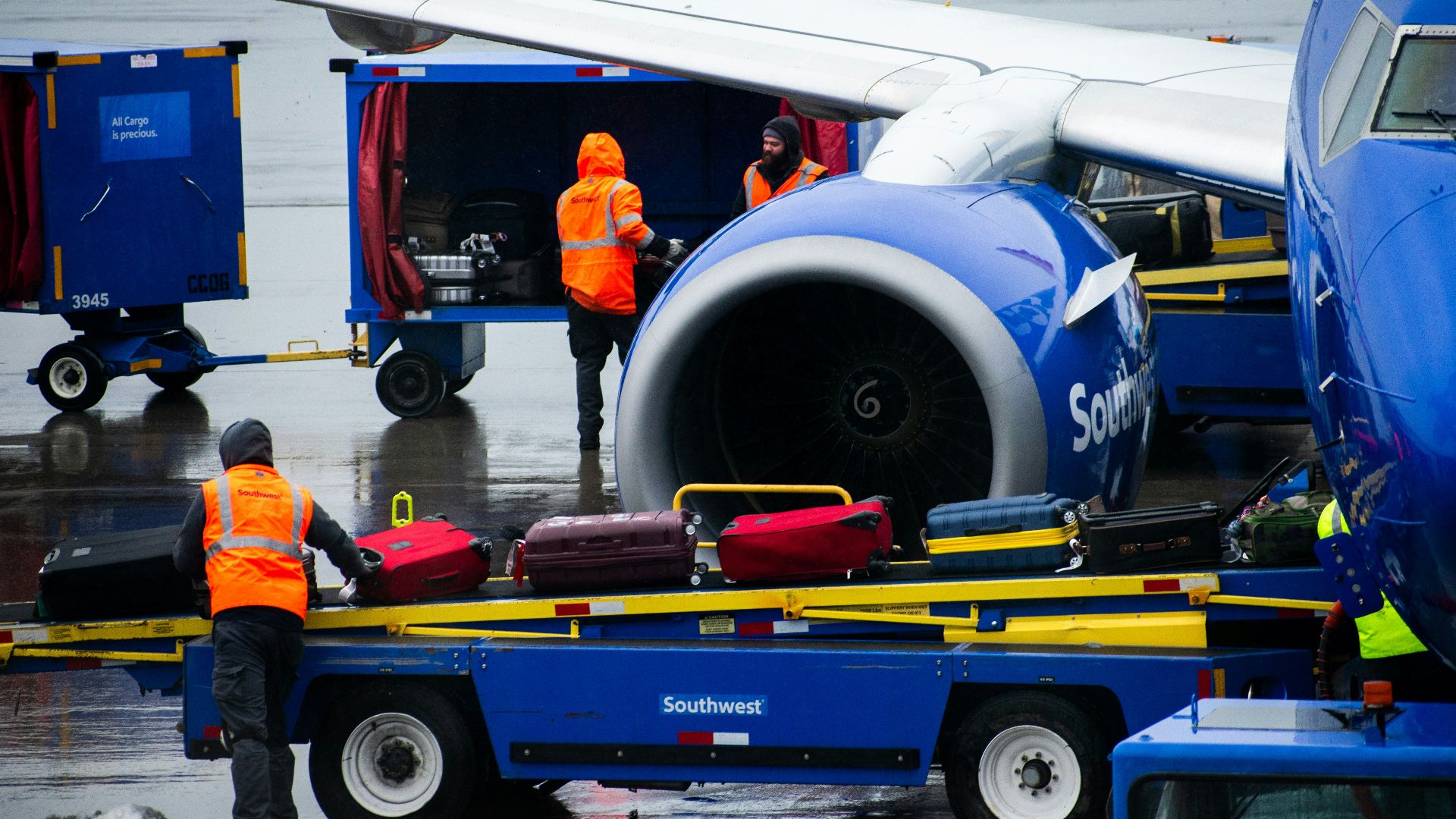
One of the most common reasons luggage gets delayed involves short connection times between flights. Your suitcase may not make it onto the connecting aircraft even if you barely did yourself. Large airports often require baggage crews to move thousands of bags enormous distances between terminals. Weather delays and late arriving aircraft can further reduce the time available for transferring luggage properly.
International Transfers Add Complexity
International travel creates more opportunities for baggage problems. Customs inspections, security checks, interline agreements between different airlines, and varying baggage systems all increase the chances of delays. Travelers flying on multiple carriers under a single itinerary can encounter confusion over which airline bears responsibility for tracking and delivering the missing suitcase after it vanishes somewhere along the route.
Weather Disruptions Can Scatter Bags
Major storms can disrupt baggage systems across entire airline networks. When flights are canceled or rerouted, checked luggage sometimes gets separated from passengers and sent to temporary holding areas. Bags may then continue traveling on entirely different aircraft after schedules stabilize. During severe weather events, airlines can quickly lose track of where individual bags ended up within overloaded baggage facilities.
 Guilherme Stecanella, Unsplash
Incorrect Tags Cause Serious Delays
Simple tagging mistakes can create surprisingly big problems. A torn baggage tag, smudged barcode, or incorrect routing code may prevent automated systems from identifying where the bag belongs. Once luggage loses readable identification, airline employees often need to inspect the contents manually to determine ownership. That process can dramatically increase the time required to reunite travelers with their property.
Report The Problem Immediately
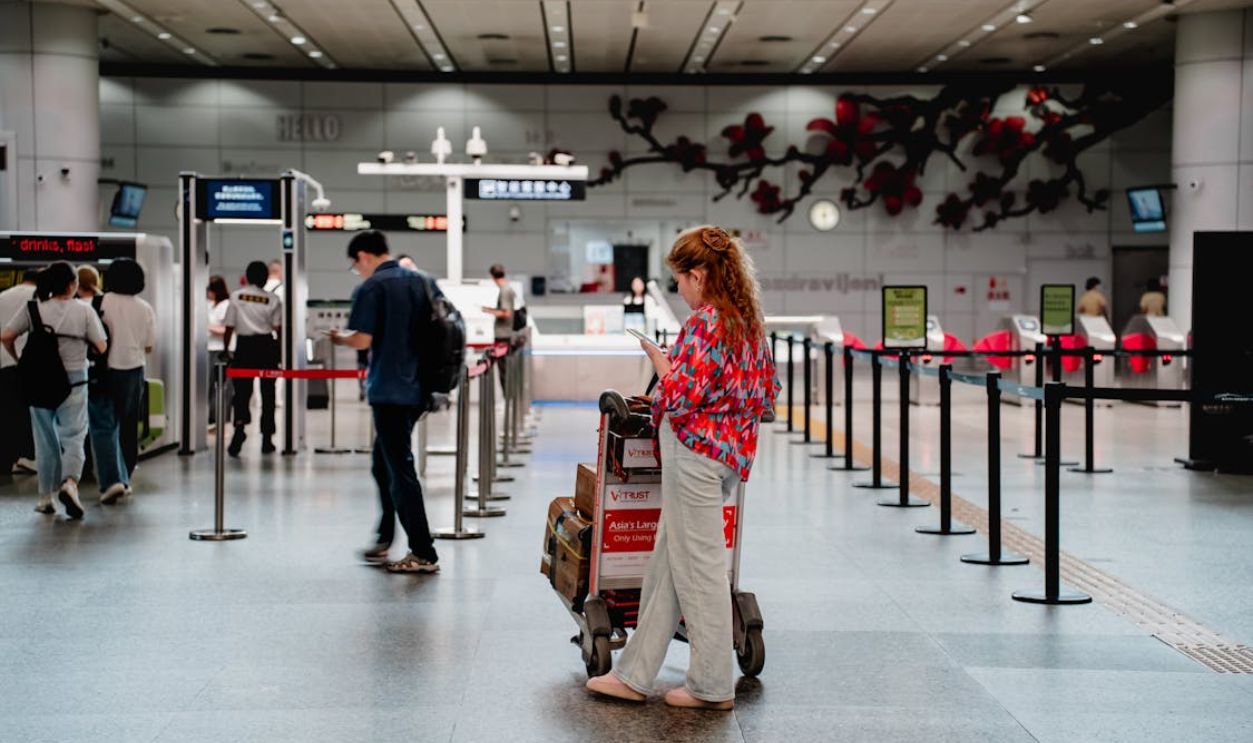
As soon as your bag fails to appear, file a delayed baggage report before you leave the airport. Airlines usually require prompt reporting to preserve reimbursement eligibility. Make sure you obtain a written claim number and contact information. Waiting until the next day can complicate matters because airlines may later argue that they can’t confirm exactly when or where the baggage disappeared.
 Monkey Business Images, Shuttestock
Save Every Receipt During The Delay
Travelers should keep detailed receipts for all replacement purchases made because of delayed luggage. Airlines commonly reimburse reasonable expenses for clothing, toiletries, medication, and basic necessities while bags remain missing. Without documentation, reimbursement is a lot more difficult. Organized travelers who keep itemized receipts generally get more compensation back than passengers going solely on memory afterward.

Airlines Often Dispute “Luxury” Purchases
Most airlines distinguish between necessary replacement items and discretionary spending. Purchasing basic clothing, undergarments, and toiletries is usually easier to justify than prestigious designer apparel or expensive electronics. Airlines may reject unusually costly claims by arguing the purchases exceeded what was reasonably necessary. Travelers improve their chances by keeping replacement purchases practical and proportional to the situation.
 Frame Stock Footage, Shutterstock
U.S. Rules Require Compensation
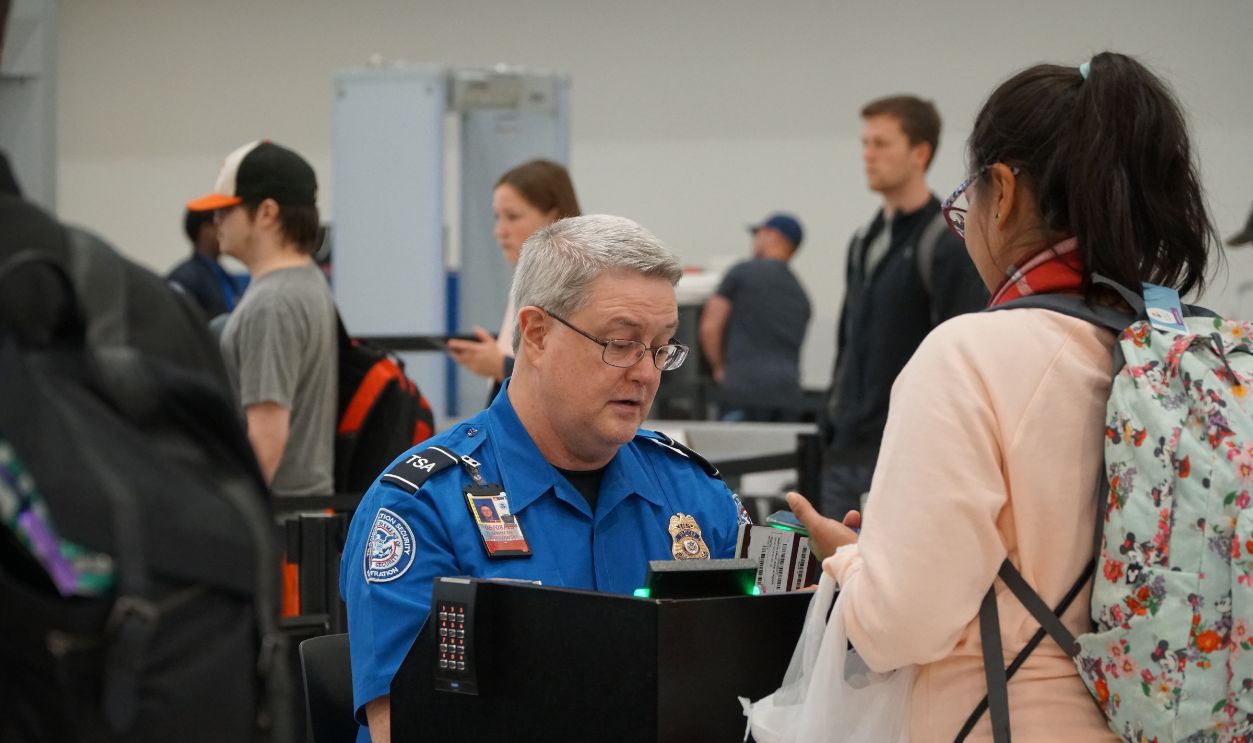
Under U.S. Department of Transportation regulations, airlines are financially responsible for reasonable expenses caused by delayed baggage on domestic flights. Current liability limits for lost, delayed, or damaged luggage can reach several thousand dollars per passenger. But airlines still evaluate claims individually and often require substantial supporting documentation before they reimburse people for delayed baggage related expenses.
 Everythingforall, Shutterstock
International Flights Follow Different Rules
International itineraries usually fall under treaties like the Montreal Convention, that lays out separate compensation frameworks for delayed baggage claims. These international rules also impose reimbursement limits, though passengers are entitled to reasonable expenses in many situations. Travelers often assume airlines follow identical policies worldwide, but legal obligations vary depending on the route and countries involved.

Airlines May Try To Limit Payments
Even when reimbursement is justified, airlines can attempt to minimize payouts. The airline may say that certain purchases were unnecessary, excessive, or not properly documented. Some carriers also interpret “reasonable expenses” differently. Passengers who politely escalate complaints, show organized receipts, and cite the regulations often get better outcomes than travelers accepting the initial response immediately.

Delivery Delays Can Make Everything Worse
Many travelers become especially frustrated when the airline finally finds the bag but delays delivery for additional days afterward. Staffing shortages, outsourced courier services, incorrect addresses, and weekend scheduling issues can all slow final delivery. Unfortunately, airlines may still treat the luggage as merely “delayed” rather than officially lost, even when the vacation itself has already ended by the time the bag arrives.

Confirm Everything Is Still Inside
When your suitcase finally returns, check right away that everything’s there before you close the claim. Missing jewelry, electronics, medication, or clothing should be reported right away. Some passengers realize items disappeared while the bag moved through multiple airports and inspection areas. Waiting too long to report missing contents may allow the airline to argue the property vanished after the suitcase was returned.

Certain Items Receive Limited Protection
Airlines frequently exclude or sharply limit compensation for valuable items such as jewelry, cash, laptops, cameras, and business documents inside checked luggage. Many carriers specifically warn passengers not to pack expensive or irreplaceable belongings in checked bags. Travelers sometimes discover too late that airline contracts dramatically reduce liability for precisely the types of valuables they assumed were protected.

Credit Cards Sometimes Provide Extra Coverage
Some premium travel credit cards include delayed baggage protection that reimburses replacement purchases after a qualifying delay period. These benefits can supplement airline compensation and occasionally provide faster reimbursement. However, coverage terms vary depending on the card issuer. Travelers should always review their benefits carefully before traveling rather than finding out the details only after luggage disappears.

Travel Insurance Can Fill Gaps
Travel insurance policies sometimes offer broader baggage delay coverage than the airlines do. Depending on the policy, insurance may reimburse additional clothing purchases, emergency items, and trip disruptions caused by missing luggage. Still, insurers often require the same careful documentation as airlines. Travelers who fail to keep receipts or delayed baggage reports may struggle obtaining compensation from either source.

Carry-Ons Reduce Your Exposure
One of the best ways to avoid serious baggage headaches involves traveling with carry-on luggage whenever possible. Smaller suitcases reduce the risk of separation from your belongings—by a lot. Even travelers checking larger bags should consider packing medications, chargers, one change of clothes, and essential toiletries in their carry-on baggage so they can get by in comfort during short delays.

Smart Tracking Devices Can Help
Many travelers now place Bluetooth or GPS tracking devices inside checked luggage to monitor the bag’s location independently. These devices sometimes reveal that the airline already knows where the suitcase sits even while customer service claims the location remains unknown. While trackers cannot prevent delays entirely, they can provide valuable information that helps speed recovery and reduce uncertainty.

Direct Flights Usually Lower The Risk
Every additional connection increases the chances of baggage mishandling. Travelers with important events, cruises, weddings, or short vacations may benefit from choosing nonstop flights whenever possible, even if the ticket costs slightly more. Direct routes reduce the number of baggage transfers required and therefore lower the likelihood that luggage becomes separated somewhere along the journey.
Loyalty Programs Sometimes Improve Service
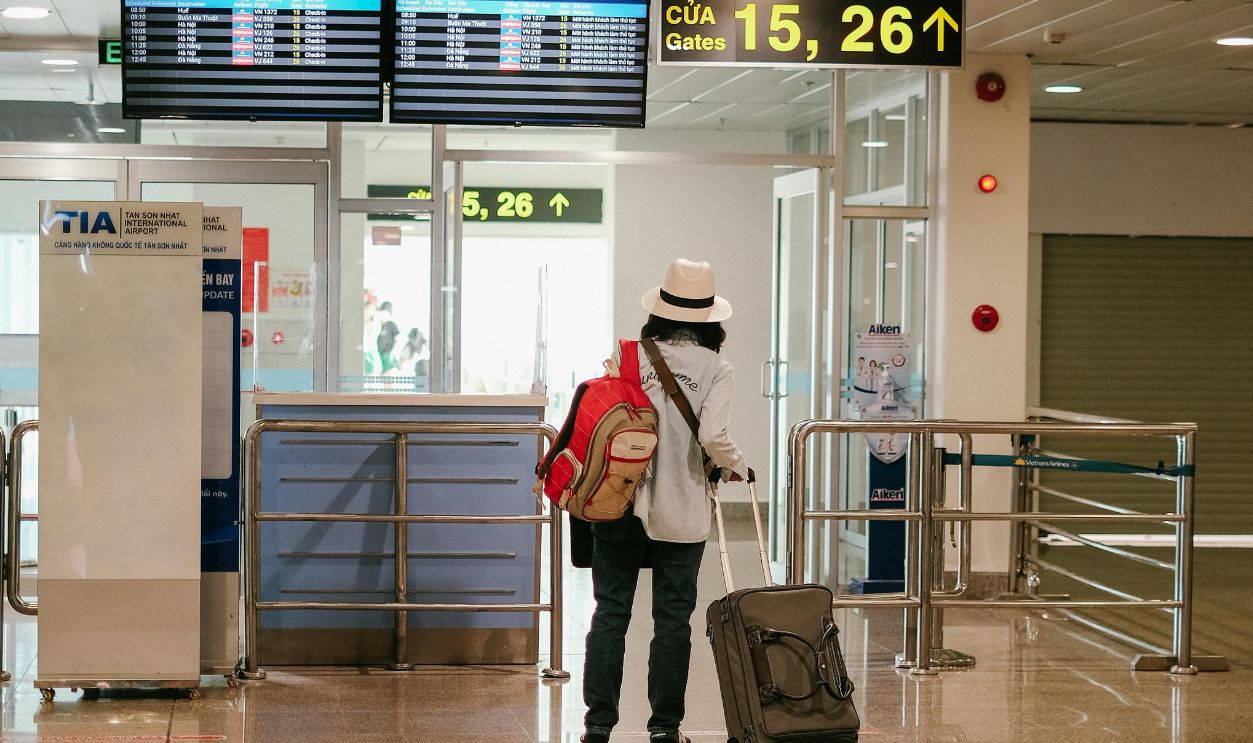
Frequent flyer elite members occasionally receive faster baggage assistance and more responsive customer service after problems occur. Airlines value repeat business heavily and may prioritize recovery efforts for loyal travelers. Even without elite status, remaining calm, organized, and persistent often helps more than anger. Representatives generally become more cooperative when dealing with passengers who present clear documentation.

Planning Ahead Makes Delays Easier To Survive
Baggage delays will probably always be an unavoidable part of air travel. While airlines are legally obligated to reimburse reasonable expenses in a lot of instances, recovering compensation can still require persistence and careful recordkeeping. Travelers who prepare ahead, pack strategically, and understand their rights place themselves in a much stronger position if their luggage unexpectedly vanishes during an important trip.
You May Also Like:
Data Reveals The Best And Worst Airports In The World—Is Yours On The List?