Here’s a story on the ceiling that waited two millennia to shine again. Makes you wonder—could all dirty ceilings be hiding the same thing?
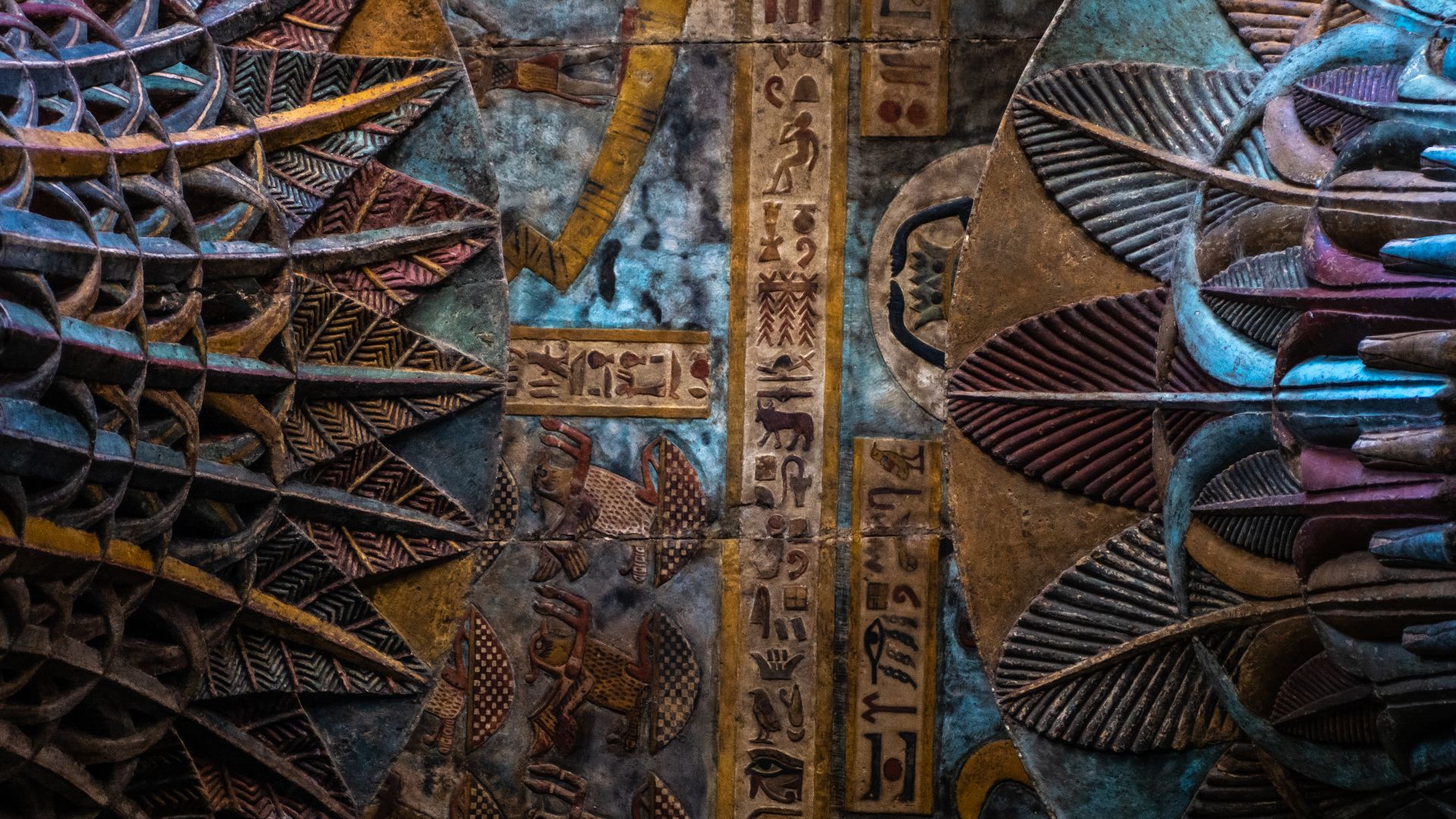
In Egypt’s city of Esna, about 34 miles south of Luxor, history has come back to life. After centuries cloaked in soot, dust, and bird droppings, the ceiling of the Temple of Esna now glows once more, its original hues restored to their ancient brilliance.
In a successful attempt to give the building a good wipe, the cleaning job ended up resurrecting color and cosmic meaning. Under the grime lay the entire zodiac—twelve vibrant signs, planets, and constellations—etched nearly 2,000 years ago.
For anyone who’s ever wondered how ancient Egyptians saw the heavens, this restored ceiling offers an answer. The very first thing we have to acknowledge is that this was…
A Partnership That Brought The Gods Back Into View
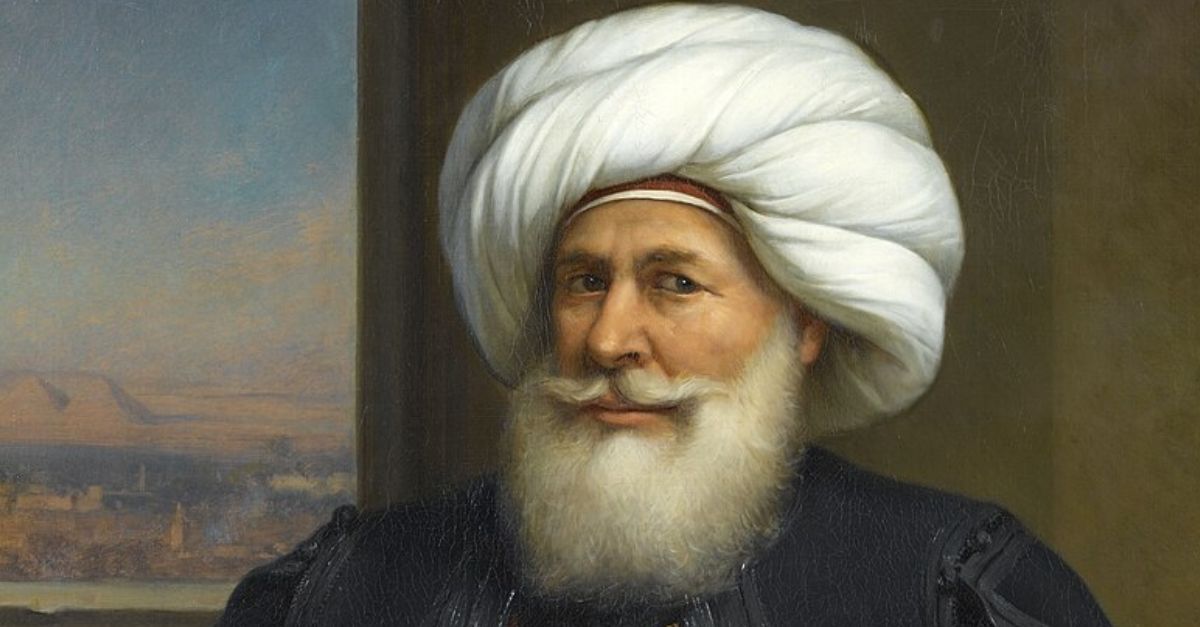
The Temple of Esna was built during the Ptolemaic and Roman periods, with its grand columned hall completed under the Roman emperor Claudius (AD 41–54) and decorative work finished during Decius’s reign (AD 249–251). Originally a center for celestial devotion, the temple was dedicated to Khnum, the ram-headed god of creation. Over centuries, it was swallowed by urban life, its roof blackened by candles and its chambers repurposed—even used as a cotton storehouse in the 1800s under Muhammad Ali Pasha.
Fast forward to December 2018, a joint Egyptian-German mission began to reverse time. Led by Hisham El-Leithy from Egypt’s Ministry of Antiquities and Christian Leitz from the University of Tubingen, the team painstakingly cleaned the soot layer by layer.
Beneath it emerged the zodiac signs, planets like Jupiter, Saturn, and Mars, and a host of lesser-known astronomical symbols, including the “seven arrows” once believed to influence human fate.
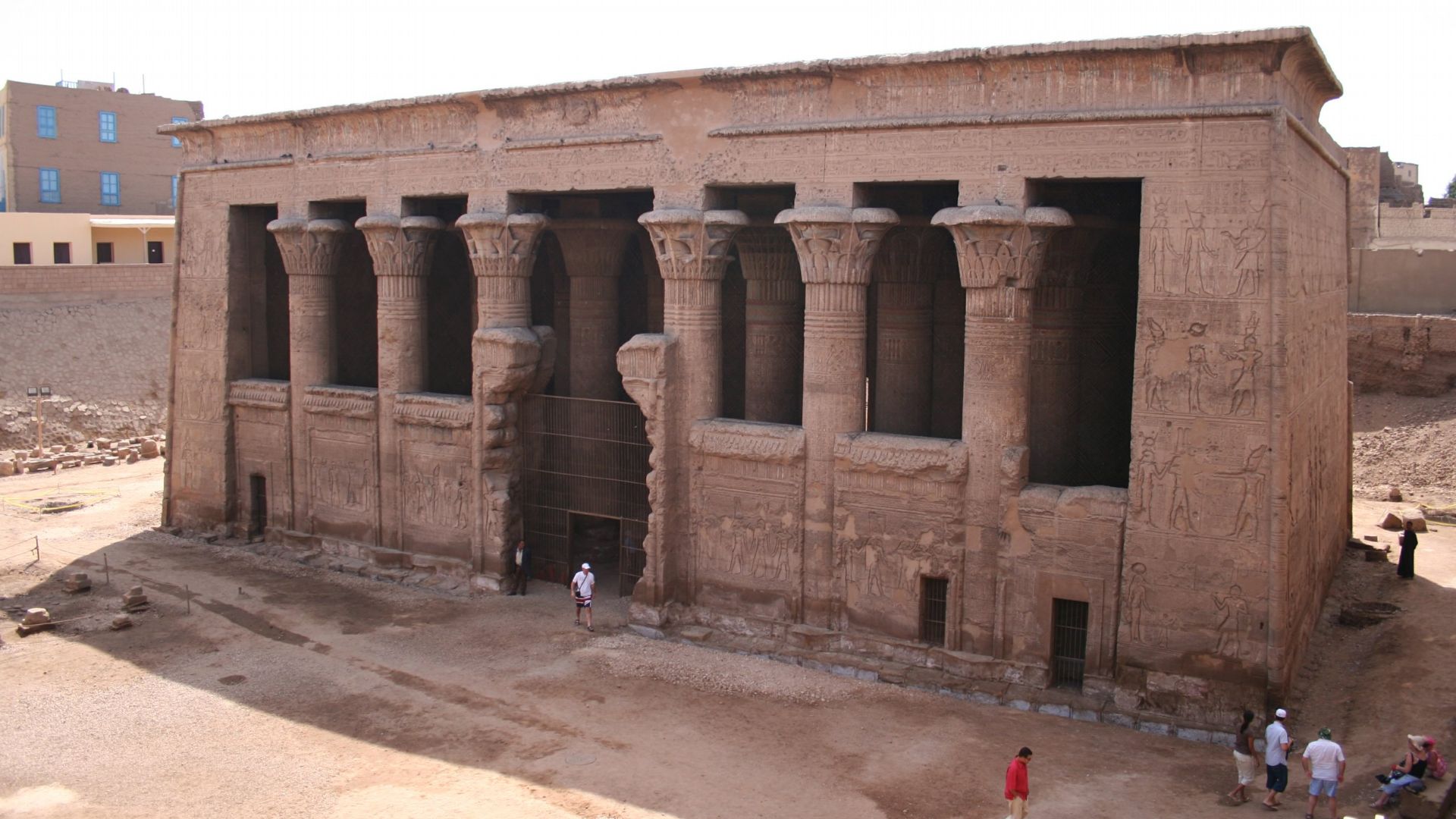 Steve F-E-Cameron (Merlin-UK), Wikimedia Commons
The Zodiac That Bridged Civilizations
While the zodiac feels Egyptian here, its origins trace back to Babylonian astronomy, later adopted through Greek influence in the Ptolemaic era. That makes the Esna ceiling a hybrid of science, art, and mythology—a cosmic conversation between civilizations. It’s also only one of two complete zodiac depictions found in Egypt, the other preserved at Dendera Temple.
Alongside Aries, Leo, and Libra, archaeologists discovered constellations familiar to both Greek and Egyptian stargazers—Orion and Sothis (Sirius)—figures deeply tied to Egypt’s calendar and Nile cycles. Forty-six carved eagles, representing days and hours, spread across the ceiling, anchoring the design with symbolic precision.
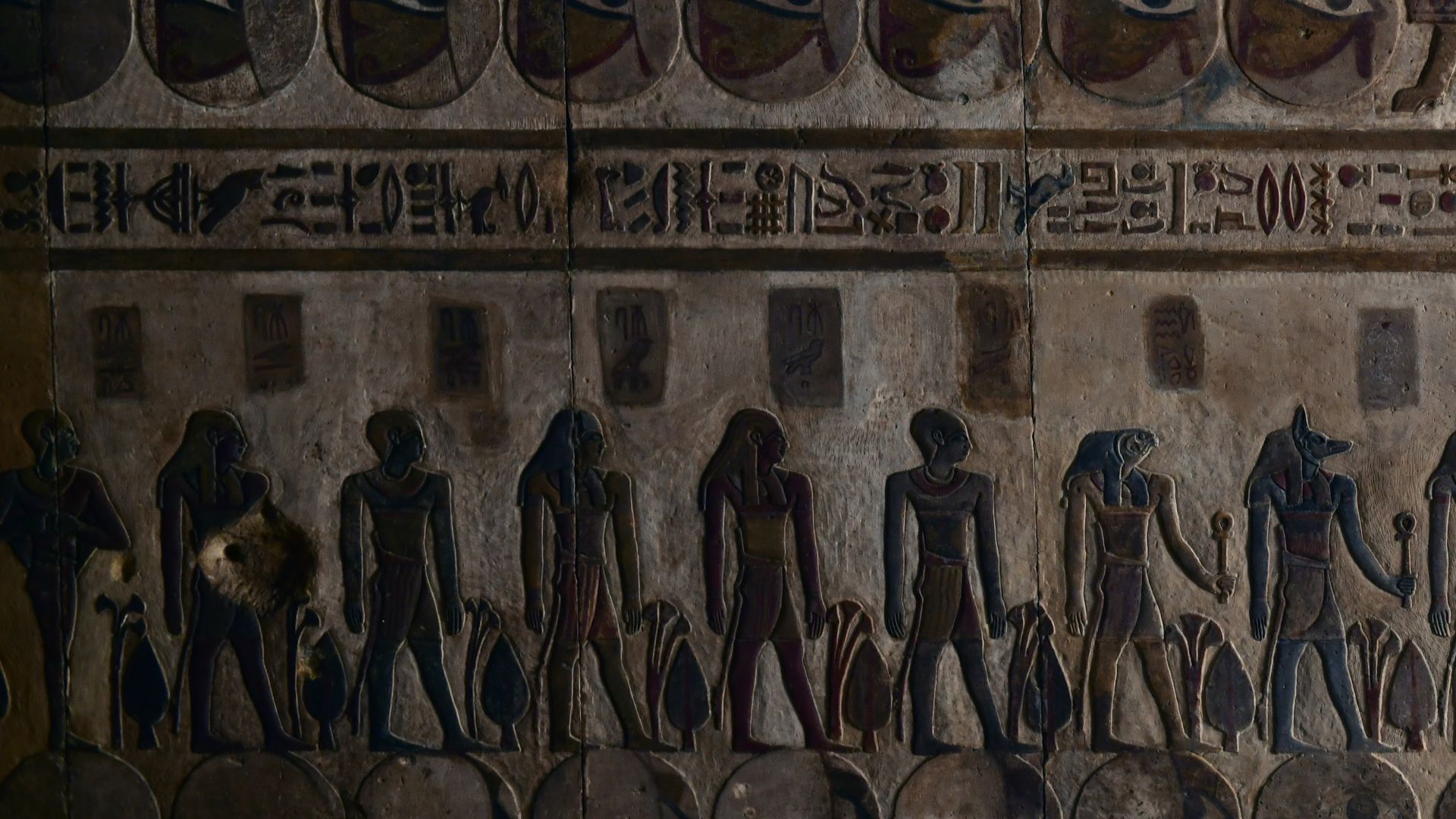 Panegyrics of Granovetter, Wikimedia Commons
A Colorful Reminder Of What Endures
When conservators cleared the final soot from the ceiling, the pigments stunned them. The colors hadn’t faded—they’d been sealed.
Ultramarine blues for the heavens, vermilion reds for Mars, and golden ochres for the gods shimmered under new light. Hieroglyphs that had vanished into darkness are now readable again, shedding light on Egypt’s late religious and astronomical thought.
The restoration revives the dialogue between humanity and the cosmos. Every restored inch reminds us that time may bury beauty, but patience (and cleanliness) can bring it roaring back. If you ever visit Esna, don’t just look at the ceiling—listen. The stars are speaking again.