That Gut Punch At The Gate
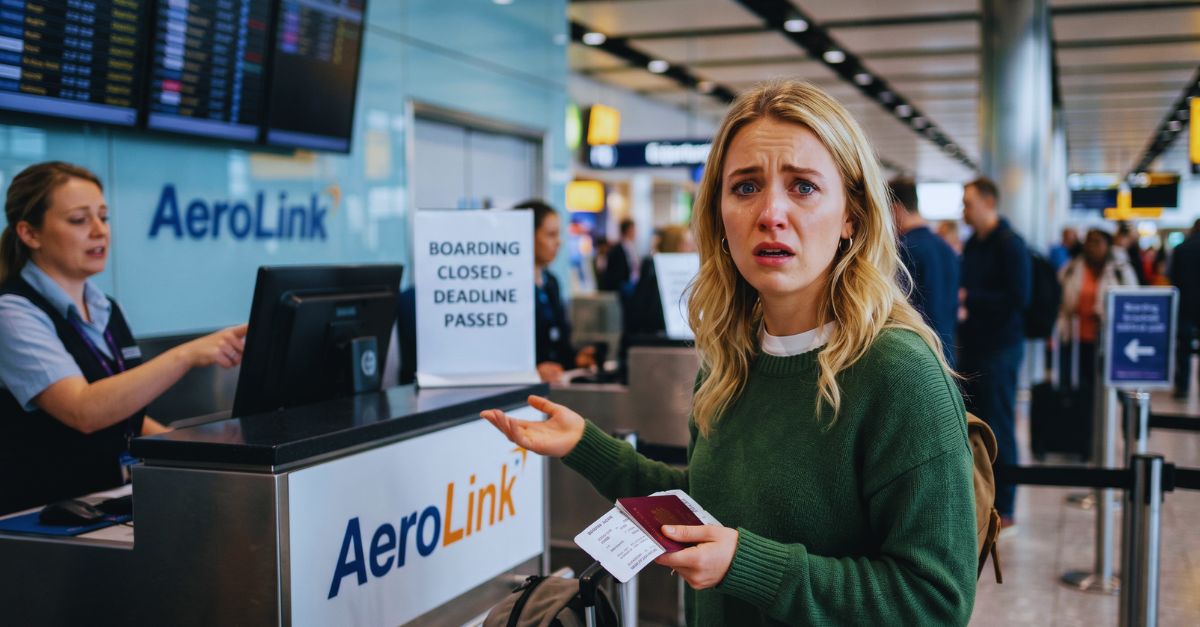
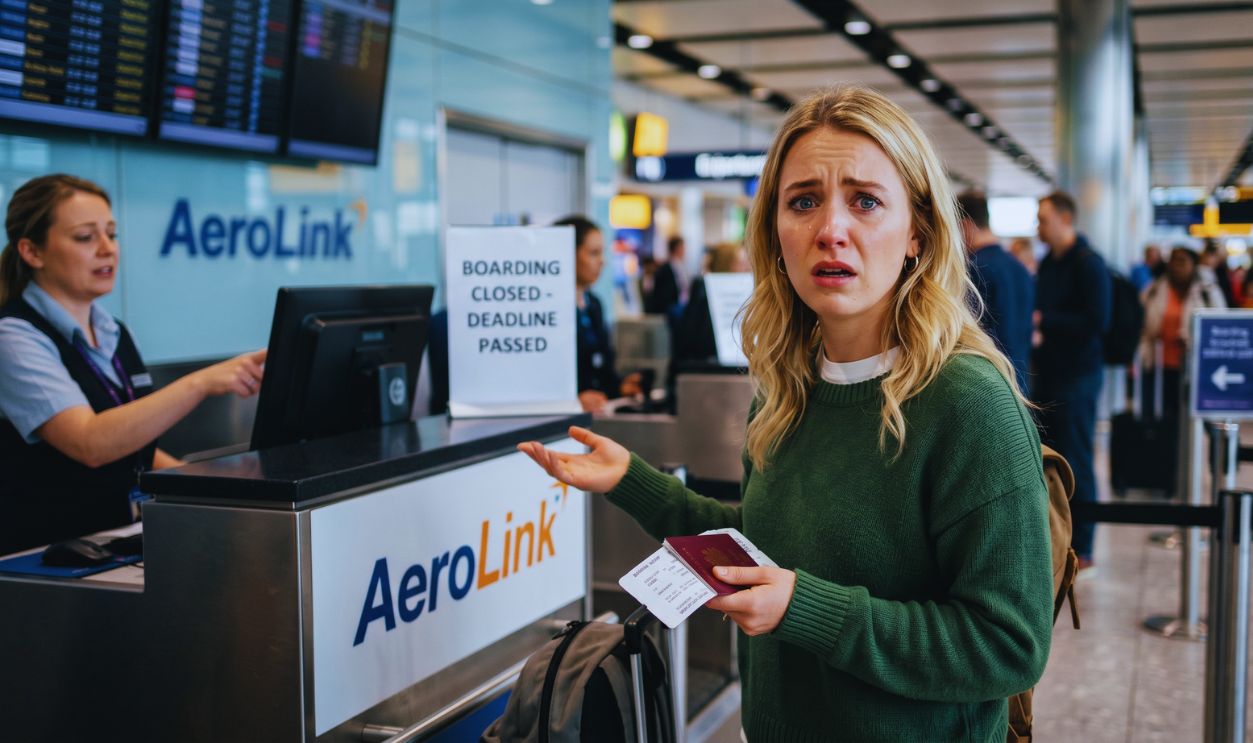
You get to the airport before takeoff, rush to the desk, and still get told you cannot board. It feels absurd, especially when you can see the plane is still sitting there at the gate. But in many cases, airlines are allowed to refuse boarding if you missed the check-in deadline, even if you made it to the airport before departure.
Why This Feels So Unfair
Most travelers think the big deadline is takeoff time. But airlines usually work with earlier cutoffs for check-in, bag drop, and gate closure. Miss one of them, and your ticket for that flight may be worthless.
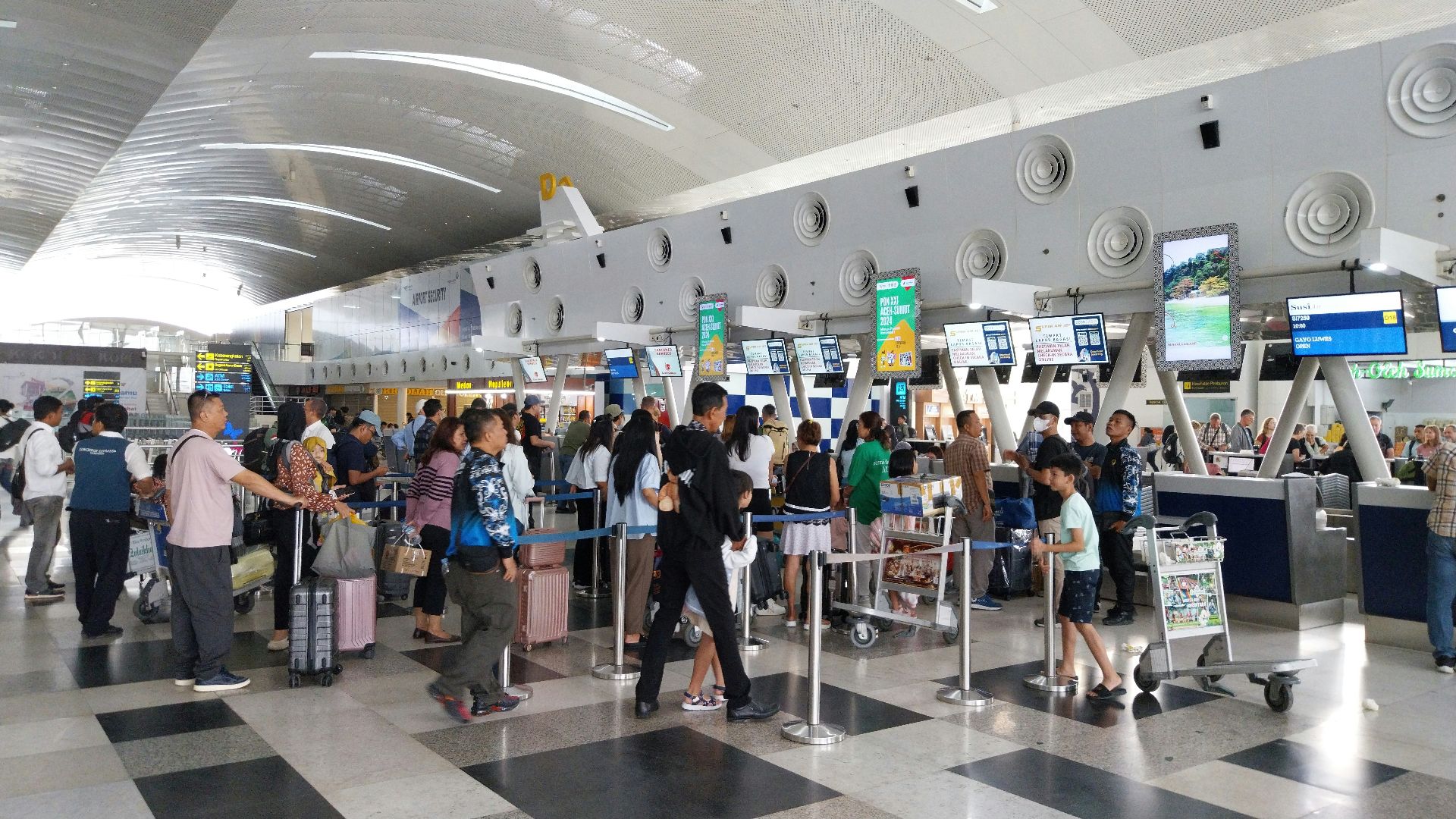
The Rule That Usually Decides It
The key question is not just whether you arrived before the plane left. It is whether you followed the airline’s published rules and timing requirements. Those rules often say you must check in by a set time, usually 30 to 60 minutes before departure for shorter flights, and sometimes earlier for long-haul or international trips.

A Real Case Put This In Front Of A Court
One well-known example came out of Europe in a dispute involving Ryanair. The case drew attention because it asked a simple question with a painful answer. If a passenger reaches the airport before departure, can the airline still turn them away because they checked in too late?

What Happened In The Ryanair Dispute
According to the Court of Justice of the European Union, the passenger showed up for check-in 40 minutes before the scheduled departure of his flight from Bologna to Charleroi. Ryanair’s terms required passengers to be at check-in no later than 45 minutes before departure. Because he arrived after that cutoff, the airline refused to carry him.

Who Examined The Dispute
The case reached the Court of Justice of the European Union, often called the CJEU. In November 2012, the court issued a judgment in Case C-321/11, Rodríguez Cachafeiro and Martínez-Reboredo Varela-Villamor v Iberia, Líneas Aéreas de España SA, which discussed denied boarding rules and touched on the same kind of late check-in issue in its reasoning. The court’s analysis helped clarify when EU passenger compensation rules apply and when they do not.

The Key Legal Takeaway
The court said that a passenger who does not show up for check-in as required and at the stated time is not considered to have been denied boarding under the EU regulation on air passenger rights. That matters because denied boarding can lead to compensation under EU law. If you missed the check-in deadline, the airline’s refusal may be lawful, and compensation may not be owed.
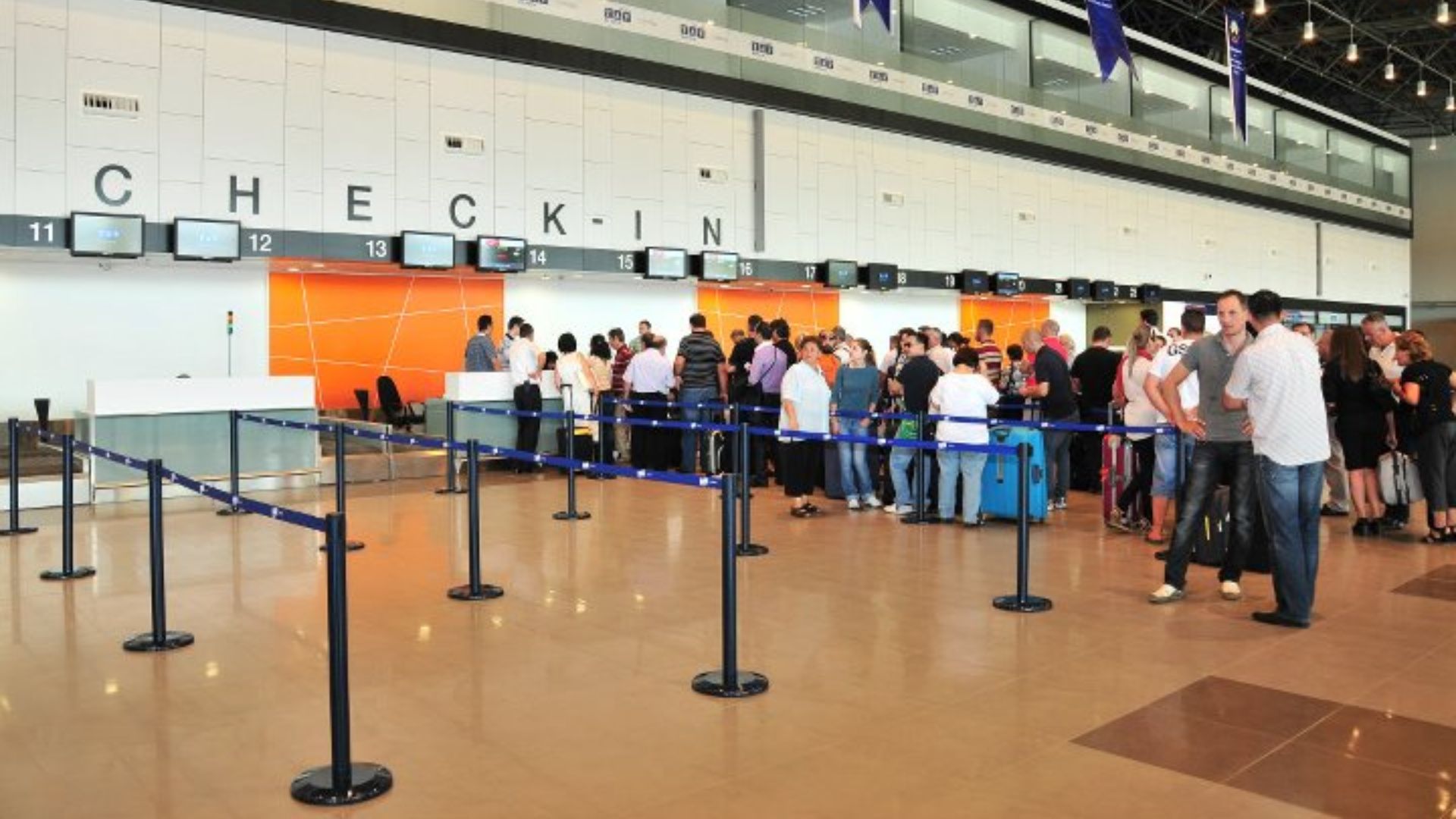
Why Departure Time Is Not The Whole Story
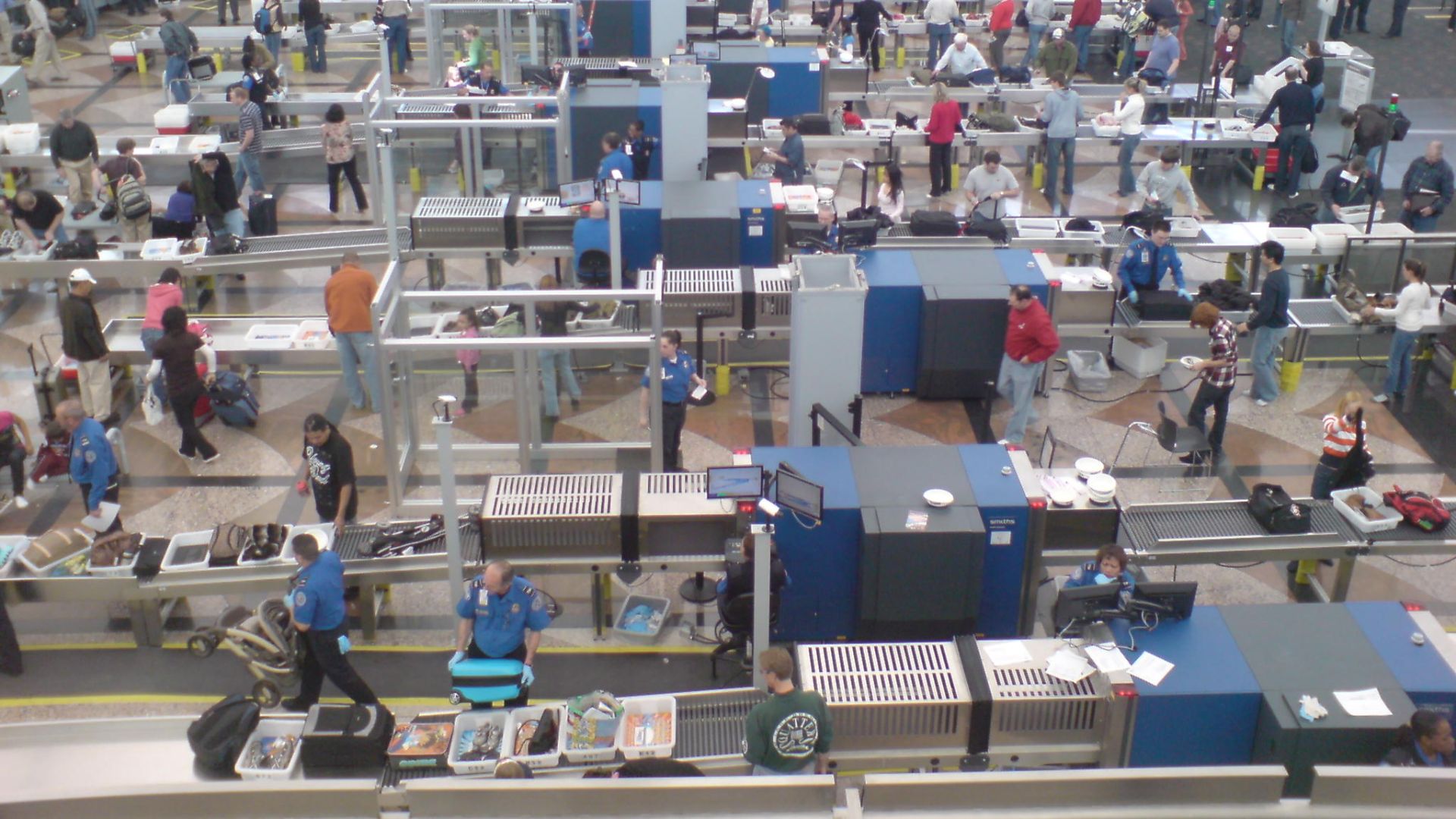
Airlines need time to finish security checks, final passenger counts, baggage handling, and paperwork before a flight leaves. That is why the real deadline often comes well before takeoff. You may still see the aircraft at the gate, but from the airline’s point of view, the flight can already be closed.
 dan paluska, Wikimedia Commons
EU Passenger Rights Sound Broad, But There Is A Catch
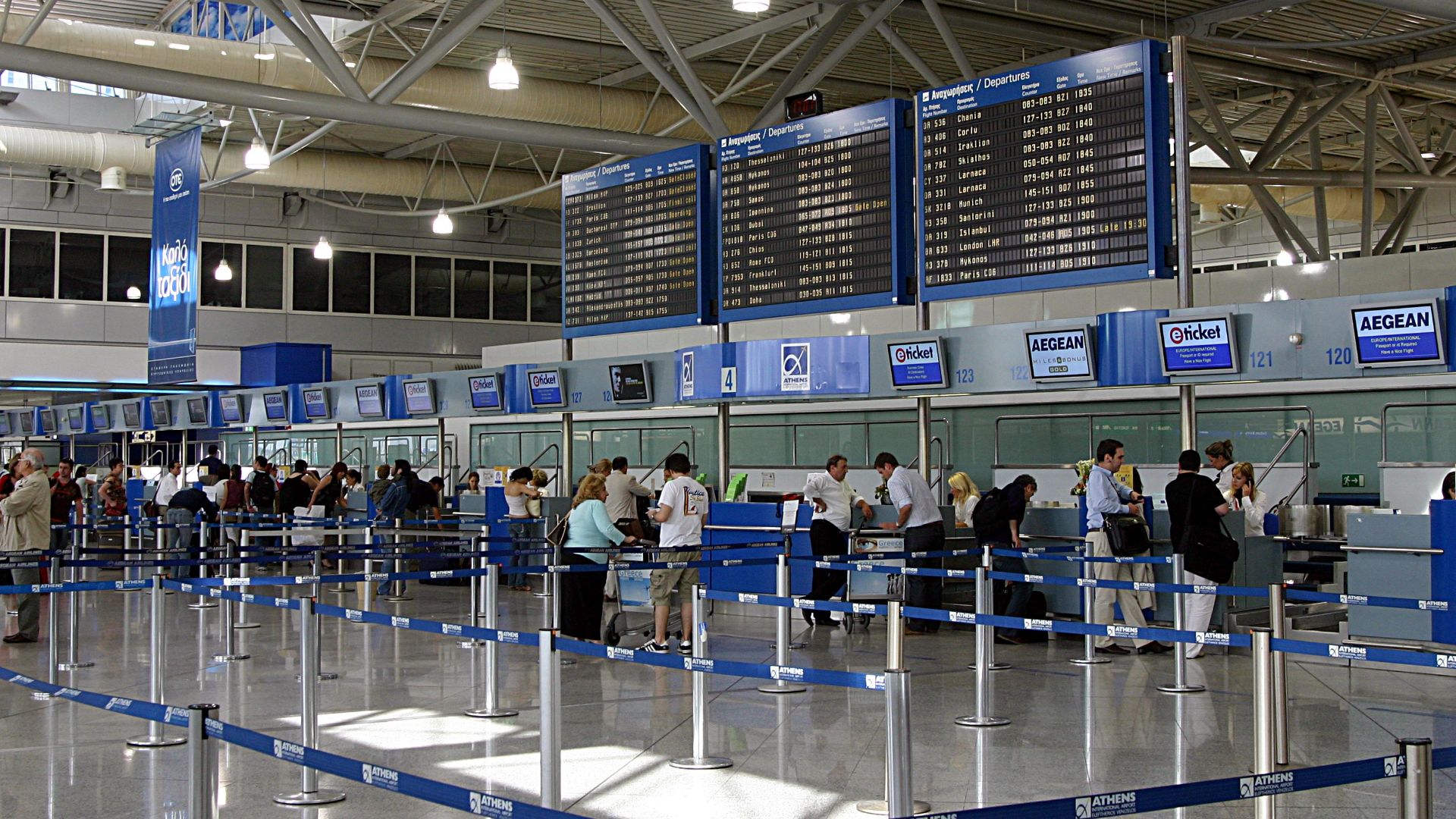
EU Regulation 261/2004 is known for giving travelers rights when flights are canceled, badly delayed, or overbooked. But the regulation also says passengers must show up for check-in as instructed and at the time given in advance by the airline or tour operator. If they do not, those protections may not apply.

The Regulation Says It Plainly
Article 3 of Regulation 261/2004 lays out when the law applies. It says passengers must have a confirmed reservation and must present themselves for check-in as instructed and at the time given beforehand. If no time is given, the regulation says they should show up no later than 45 minutes before the published departure time.
 Leonid Mamchenkov, Wikimedia Commons
So Is It Fair
Legally, it often is, as long as the airline clearly published the deadline and enforced it properly. Emotionally, a lot of travelers will still see it as harsh, especially if boarding is still going on or the plane has not moved. That gap between legal fairness and common-sense fairness is why this issue keeps coming up.
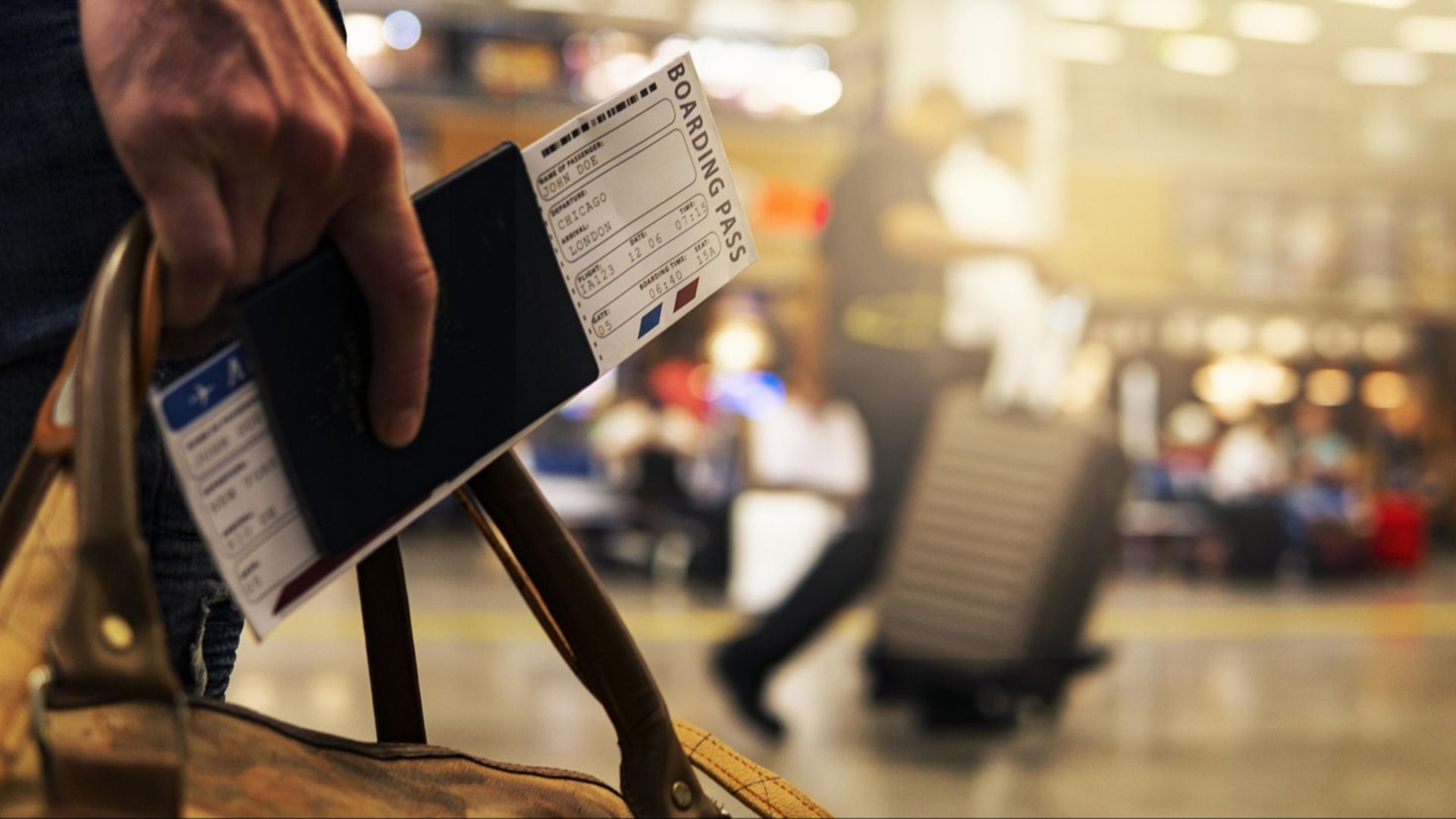
What The UK Aviation Regulator Tells Passengers
The UK Civil Aviation Authority warns travelers to check airline rules carefully because check-in desks and gates close before departure. It also says airlines can refuse to carry passengers who arrive after those deadlines. That matches what courts and airline contracts have said for years.
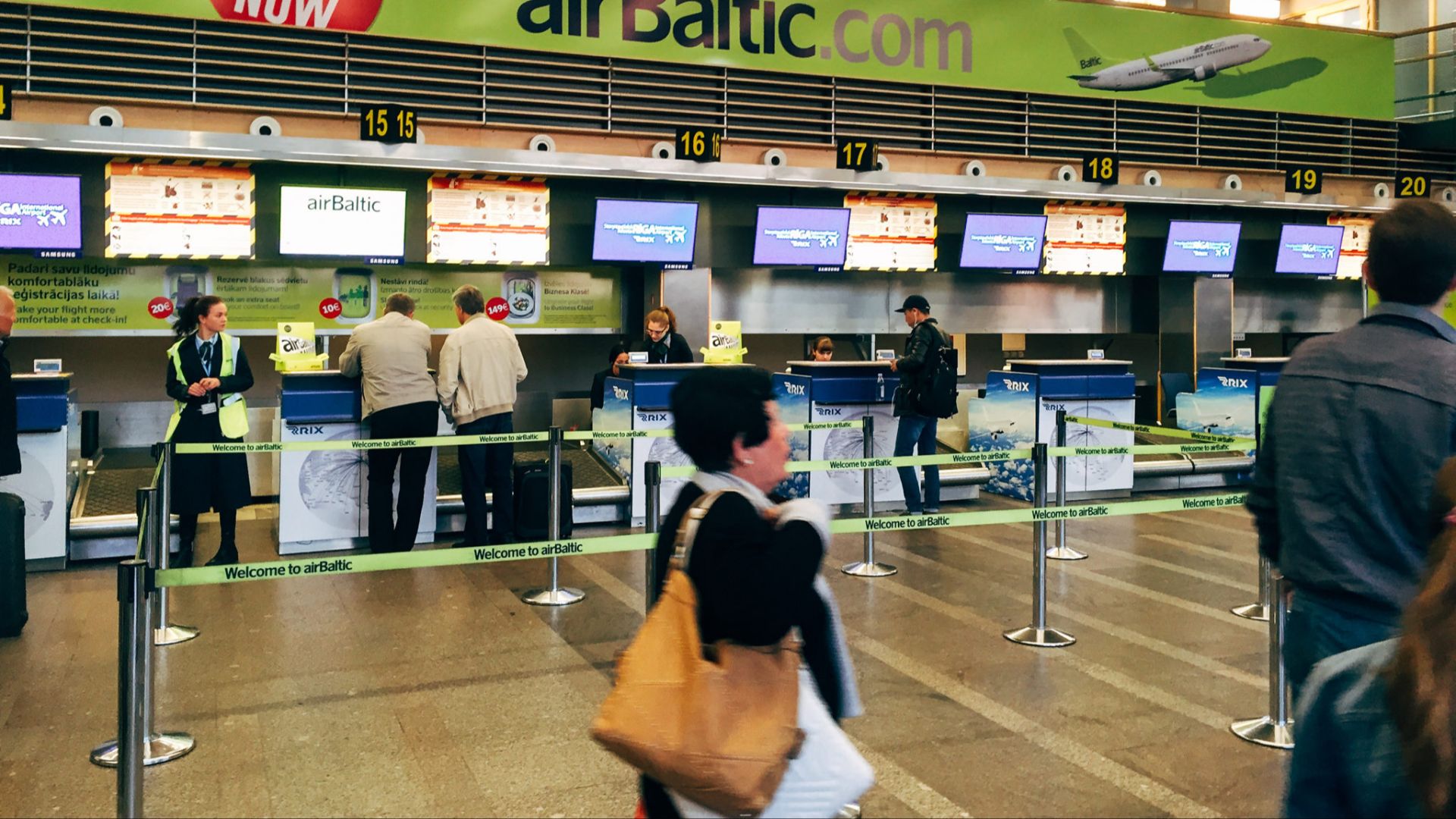 Markus Winkler (markuswinkler.de), Wikimedia Commons
The US Position Is Similar In Practice
In the United States, the Department of Transportation explains many passenger rights, but missed airline check-in deadlines are usually governed by the airline’s contract of carriage rather than a broad compensation system like EU261. Airlines publish minimum check-in and boarding times for domestic and international flights. If you miss them, the airline usually has the contractual right to leave you behind.
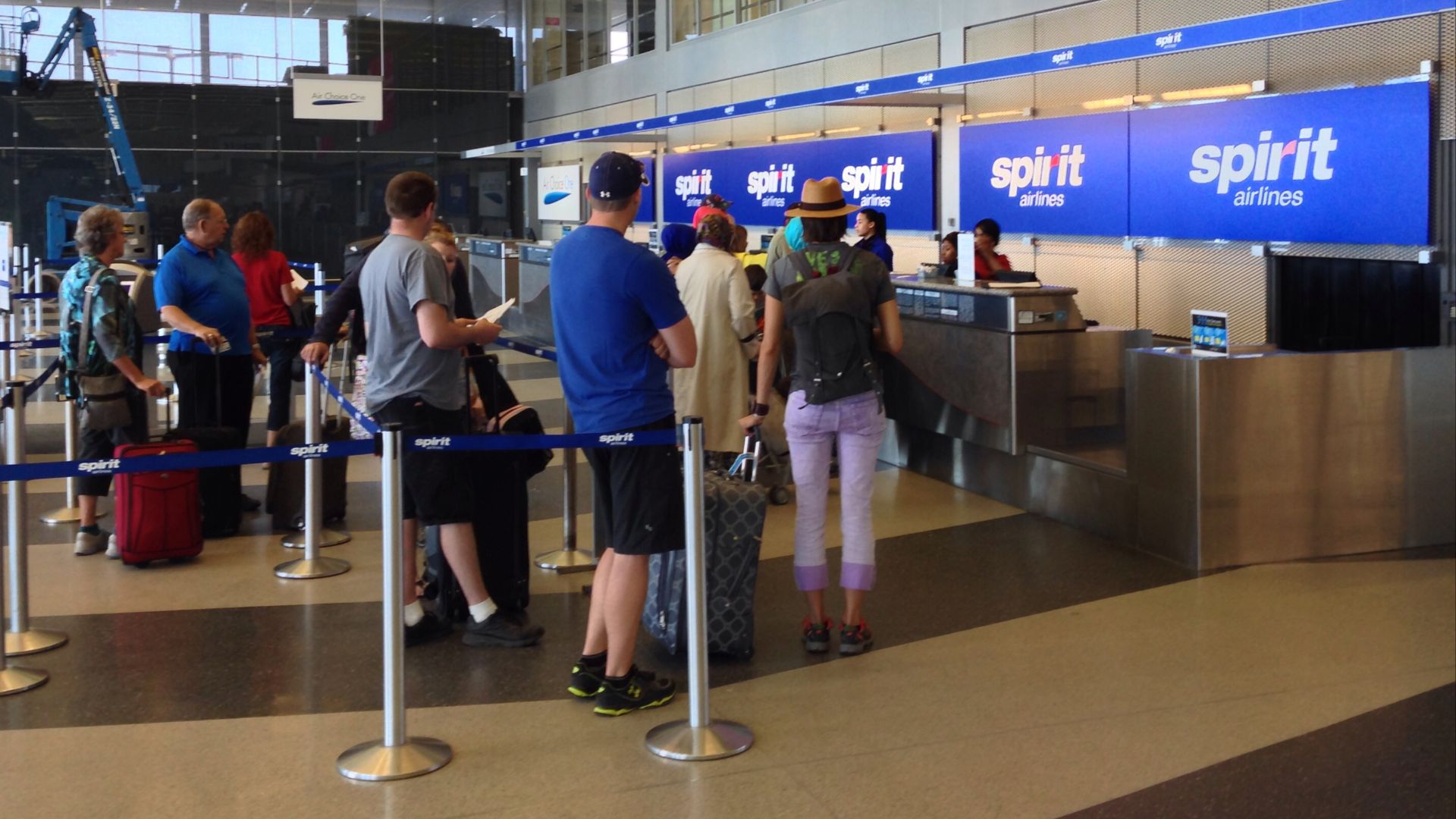 WestportWiki, Wikimedia Commons
Contracts Of Carriage Matter More Than Most People Think
Your ticket is not just proof that you paid. It is tied to the airline’s contract of carriage, which sets out deadlines, baggage rules, and situations where the airline can cancel your booking. Courts and regulators often start there when deciding whether a refusal to board was proper.
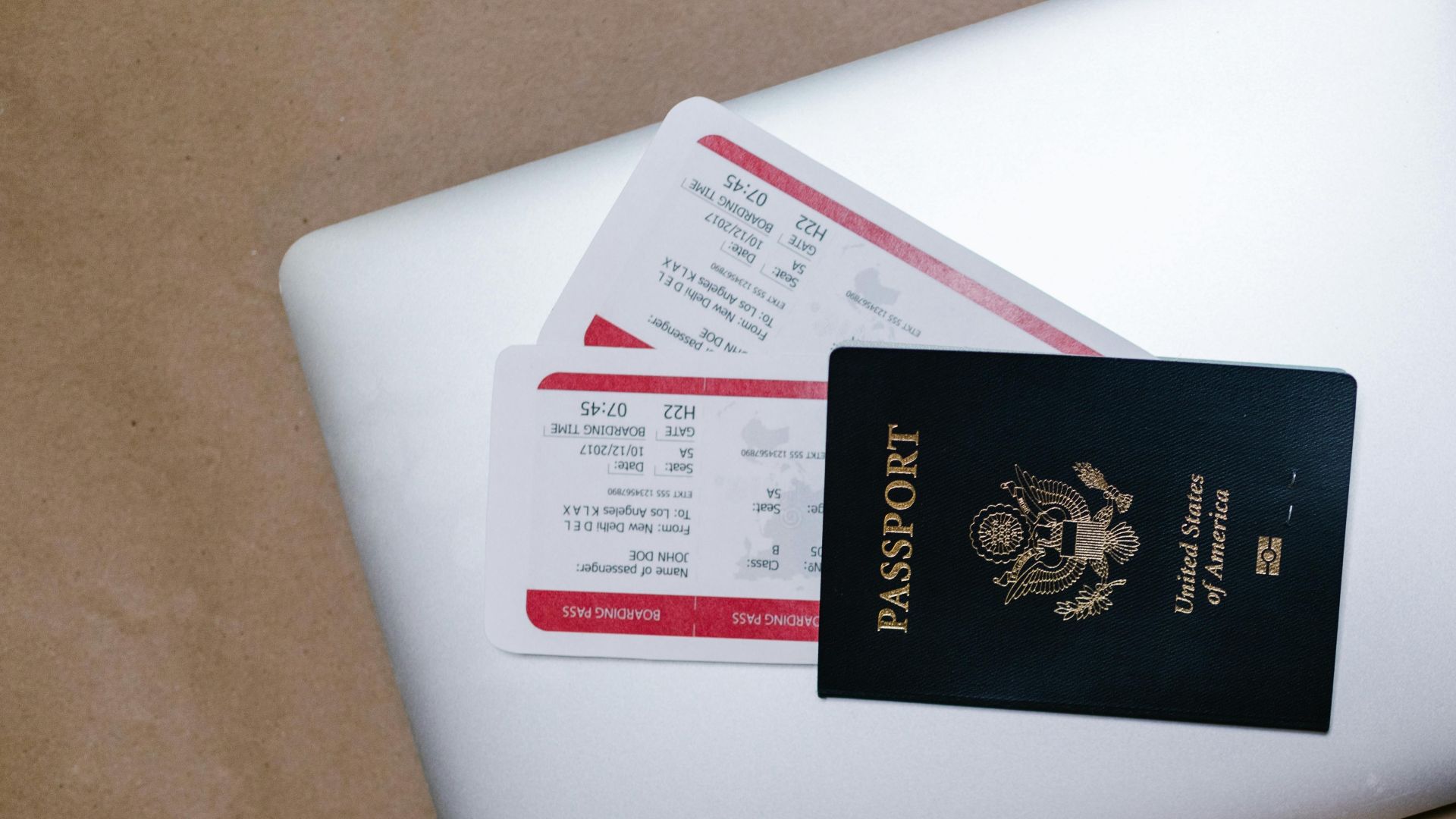
Why Checked Bags Raise The Stakes
If you need to check a bag, the deadline may be even earlier than online check-in makes it seem. Bags have to be screened, tagged, sorted, and loaded correctly. A close call might still work for someone with only a carry-on, but for someone checking luggage, it can already be too late.
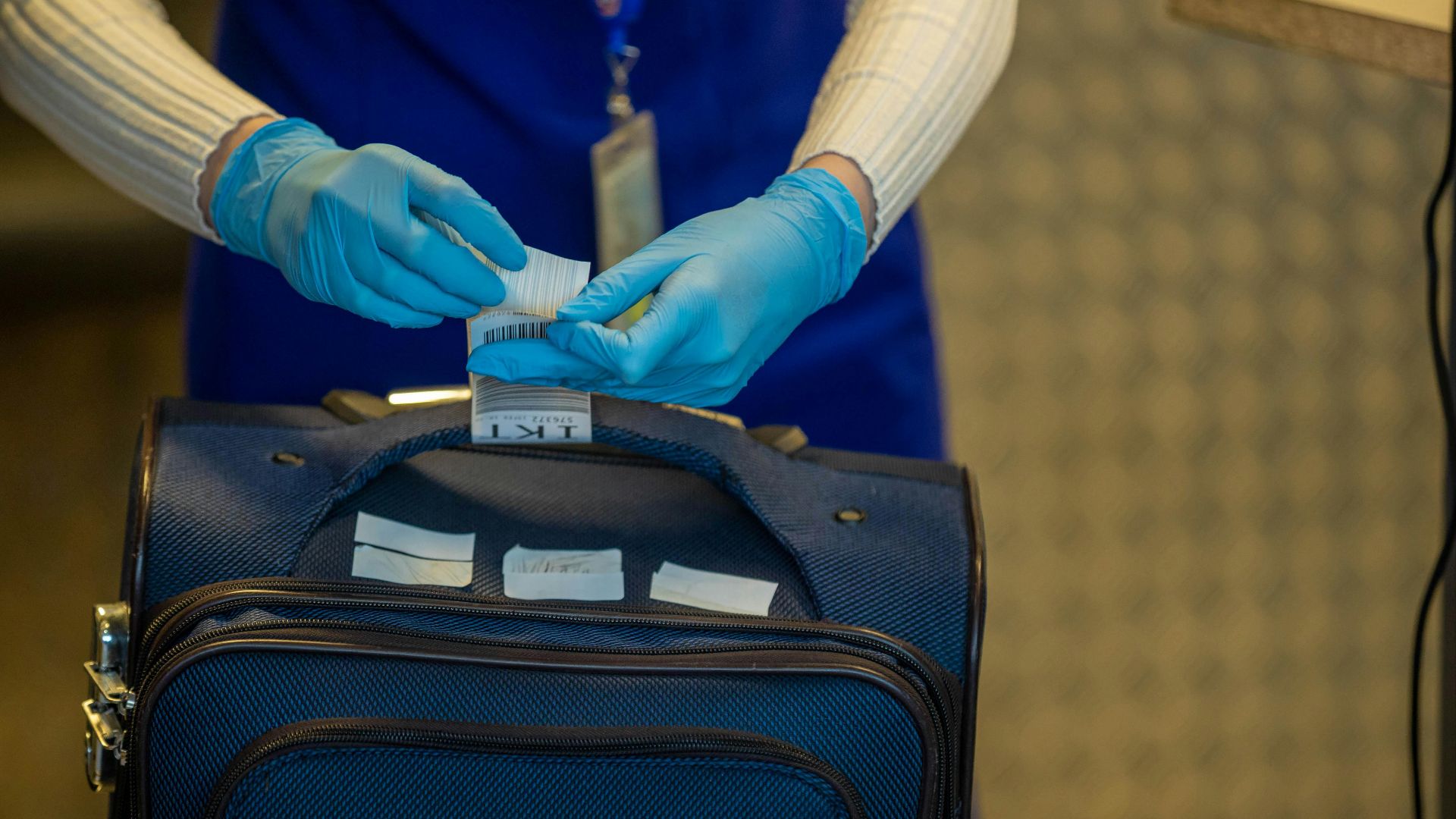
Gate Closing Time Is Another Trap
Even if you checked in online hours ago, you can still lose your seat by getting to the gate too late. Many airlines close the gate 15 to 30 minutes before departure, and sometimes even earlier at busy airports. A passenger can be inside the terminal and still be denied boarding for missing that cutoff.
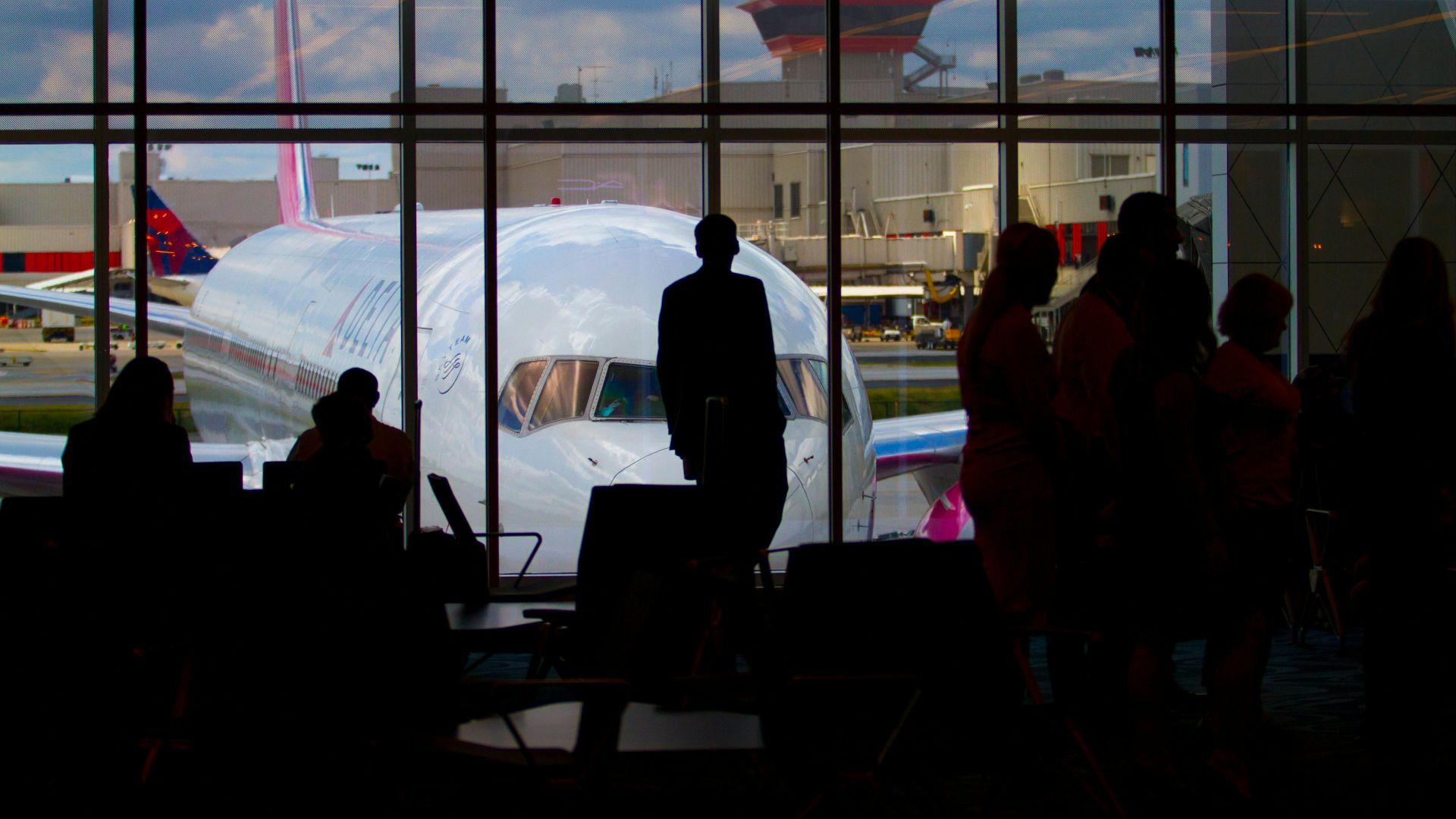
Overbooking And Late Check-In Are Not The Same
This distinction matters. If an airline refuses boarding because it sold too many seats, compensation rules may apply. If it refuses because you missed the check-in deadline, the situation is usually treated very differently, and compensation may not be available.

How Courts Usually Look At These Cases
Judges tend to start with a few basic questions. Was the deadline clearly communicated, and did the passenger miss it? If the answer is yes, that often settles the issue unless the airline or airport caused the problem in some major way.

When You Might Have A Stronger Complaint
Your case may be stronger if the airline gave wrong information, changed the deadline without proper notice, or caused the delay through its own mistake. For example, if a working check-in desk was unavailable or staff sent you the wrong way, the airline may have a harder time defending the refusal. In those cases, evidence matters a lot.
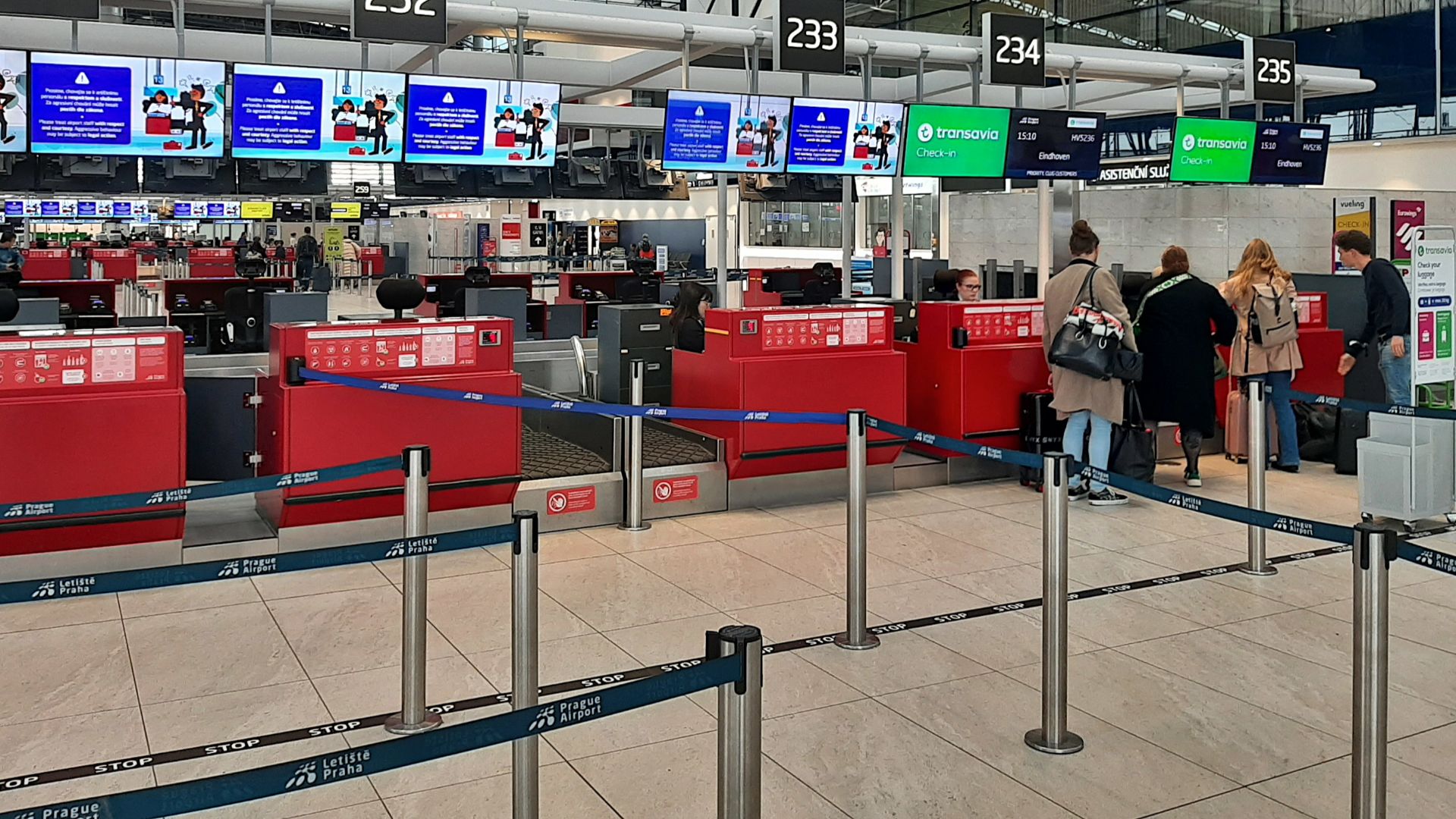 Pavel Hrdlička (Czech Wikipedia user Packa), Wikimedia Commons
What Evidence You Should Gather Right Away
Take screenshots of your booking, boarding pass, and any messages that show check-in or gate deadlines. Photograph airport screens, long queues, and the desk or gate if you can. If staff tell you that you are too late, ask for that in writing or at least note their names, the time, and exactly what they said.

Do Not Assume Online Check-In Solves Everything
Online check-in helps, but it does not cancel out baggage deadlines or gate closure rules. Some airports and destinations also require document checks before boarding. So you can be checked in on your phone and still be denied boarding in person.
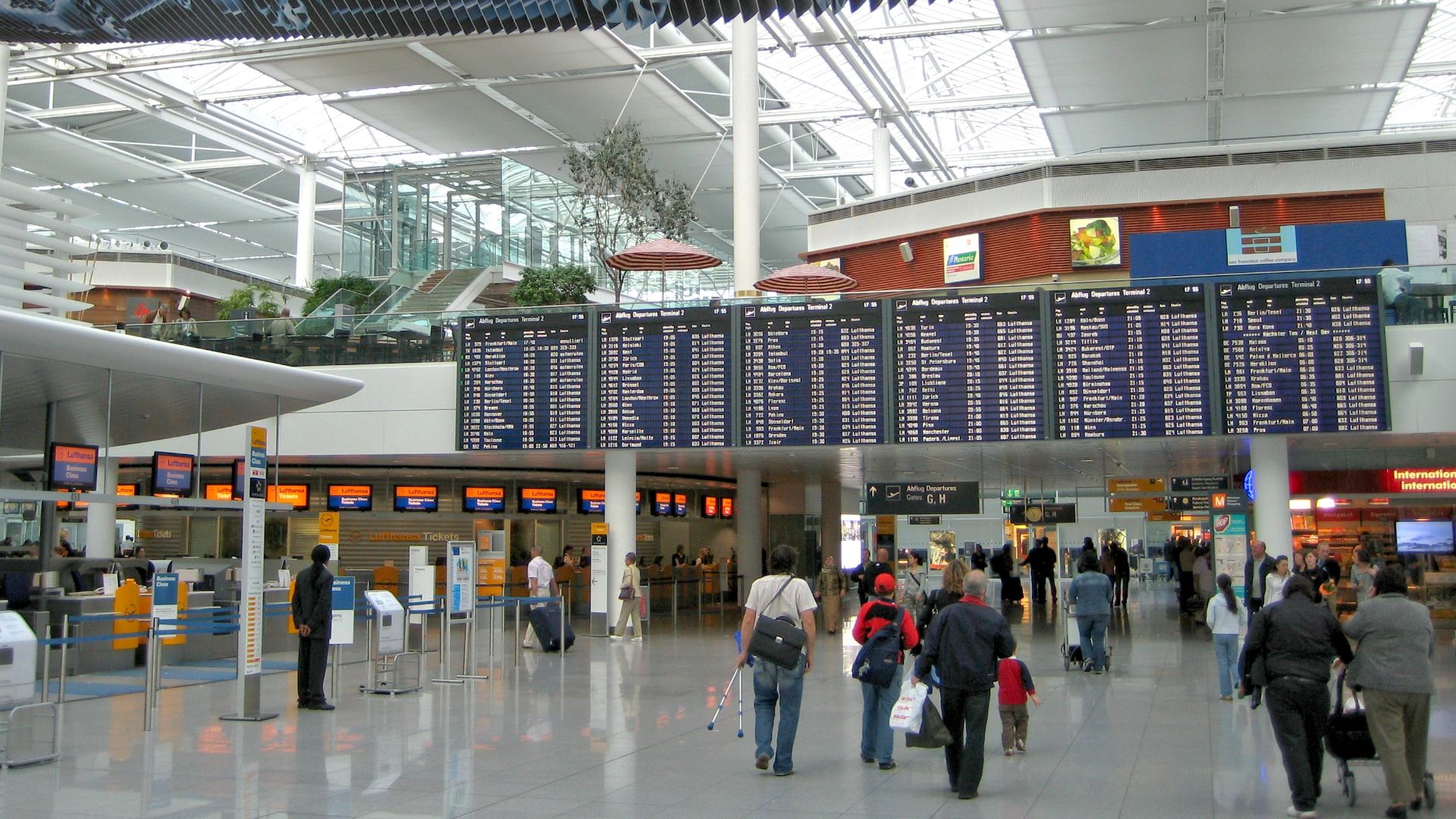
How Early Should You Really Arrive
For short domestic or short-haul flights with no checked bag, arriving two hours before departure is still a smart buffer at many airports. For international flights, three hours is usually safer, especially during holidays or at crowded hubs. If your airline publishes earlier minimums, follow those instead of relying on habit.
The Busy Airport Factor
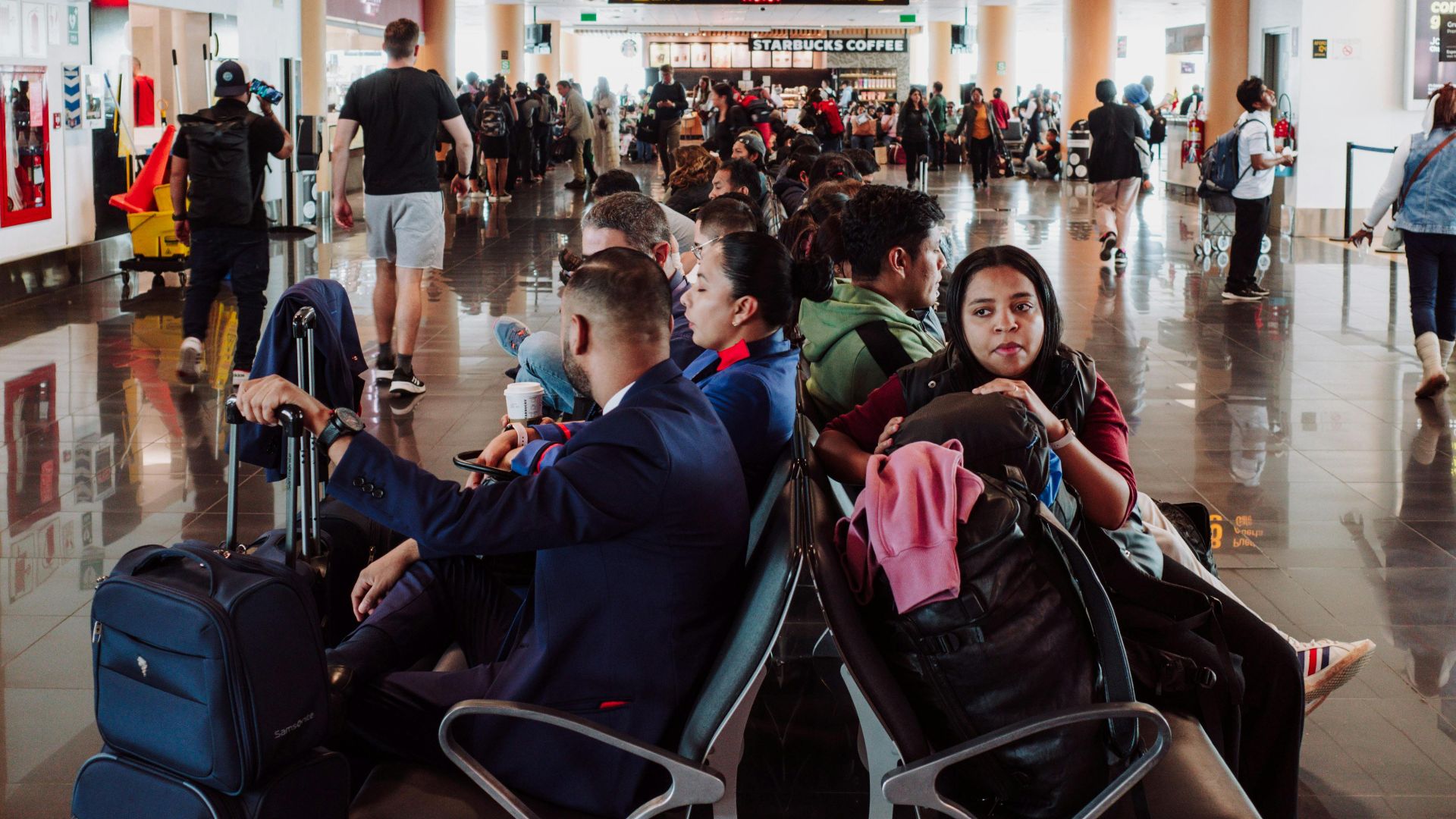
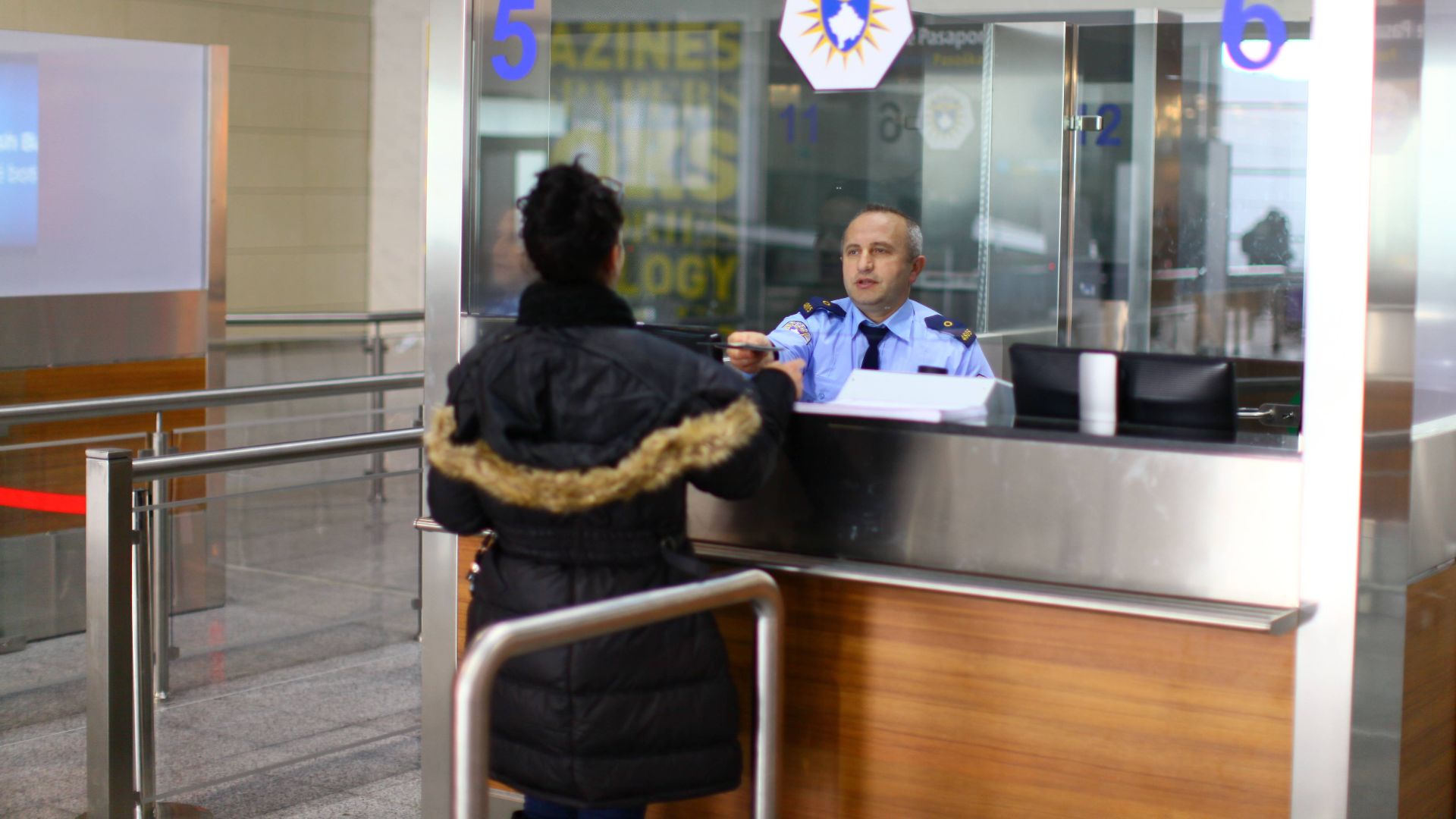
A schedule that works at a small airport can fall apart at a large or crowded one. Security lines, terminal transfers, trains, and passport checks can burn through time fast. The airline may still enforce the same deadline no matter why you got held up.
 Kosovo Police, Wikimedia Commons
What If Public Transport Failed You
Missed trains, traffic jams, and rideshare delays are frustrating, but they usually do not shift responsibility to the airline. From the carrier’s point of view, the passenger still missed the required reporting time. Travel insurance may help with some extra costs, but it usually will not force the airline to let you board.

Can Travel Insurance Help
Sometimes, but only if the policy covers it. Some plans include missed departure coverage in limited situations, such as public transport failure, an accident, or serious delays on the way to the airport. Coverage usually depends on proof and may not apply if you simply left too little time.

What To Do If You Think The Airline Got It Wrong
Start with the airline’s written complaint process and keep your claim factual. Lay out the timeline, attach screenshots, and explain why you think you met the stated rules or why the airline caused the problem. If the airline rejects the complaint, you can look at the relevant national enforcement body, an approved dispute resolution scheme, or small claims court, depending on the country.

The Bottom Line For Travelers
If you checked in too late under the airline’s published rules, refusing to let you board is often legally valid even if the plane has not left yet. That is the hard reality confirmed by regulators, airline contracts, and court reasoning. It may feel brutal, but the safest move is simple: treat the check-in cutoff, not departure time, as the deadline that really matters.