The Gate Check Fee That Catches Travelers Off Guard
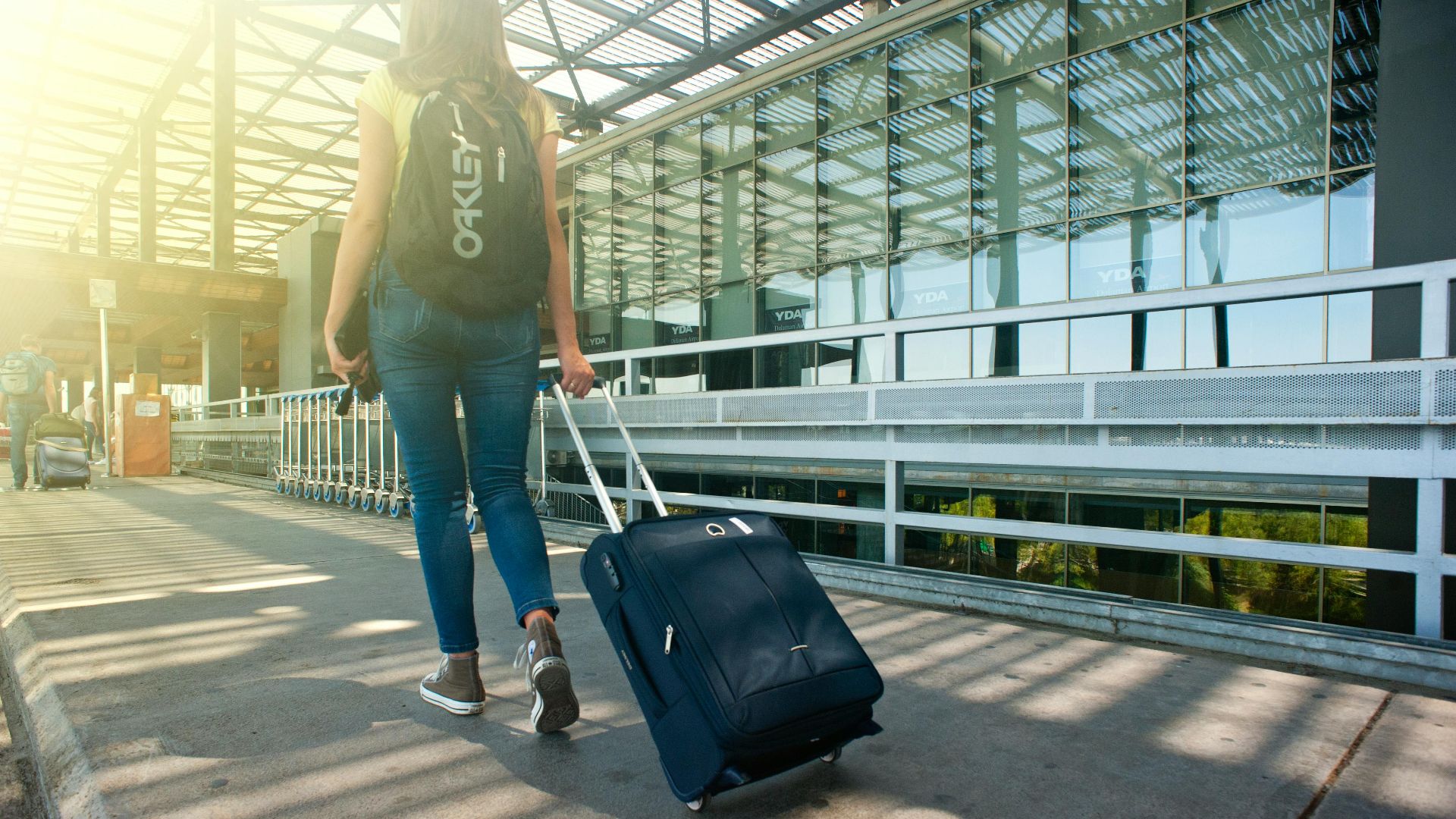
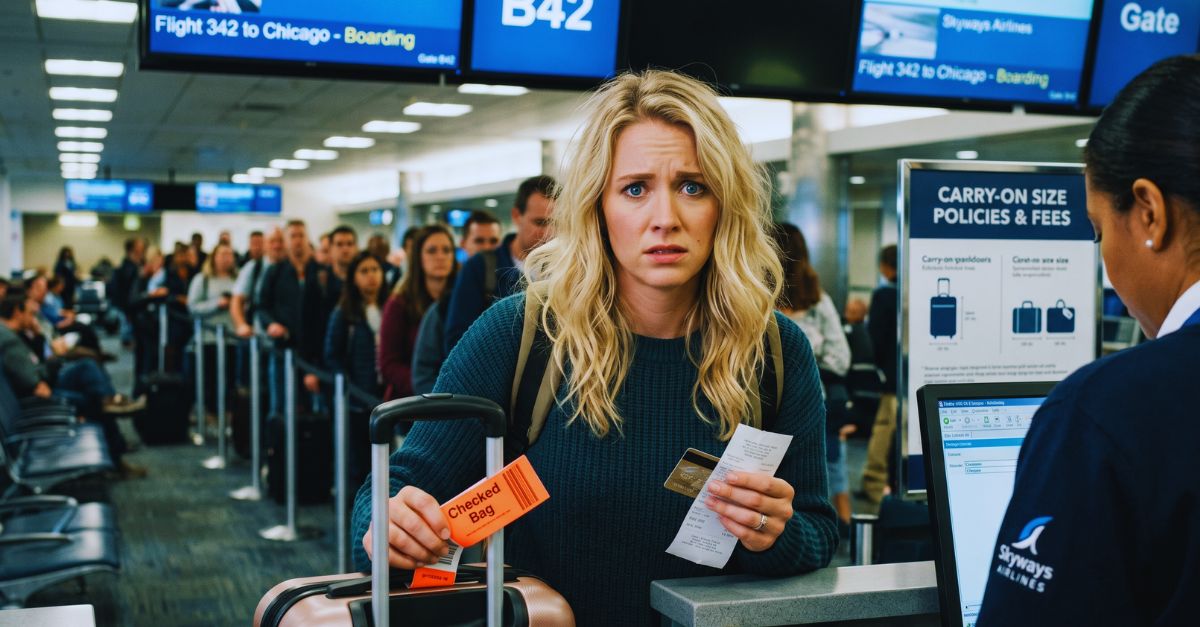
You make it to the gate, scan your boarding pass, and then the attendant tells you that your carry-on is too big to bring into the cabin. They say you have to check it, and now you owe a big fee even though you did not plan to check a bag. It sounds absurd, but fights over gate-check charges have been happening for years on U.S. airlines.
Why Passengers Get So Frustrated
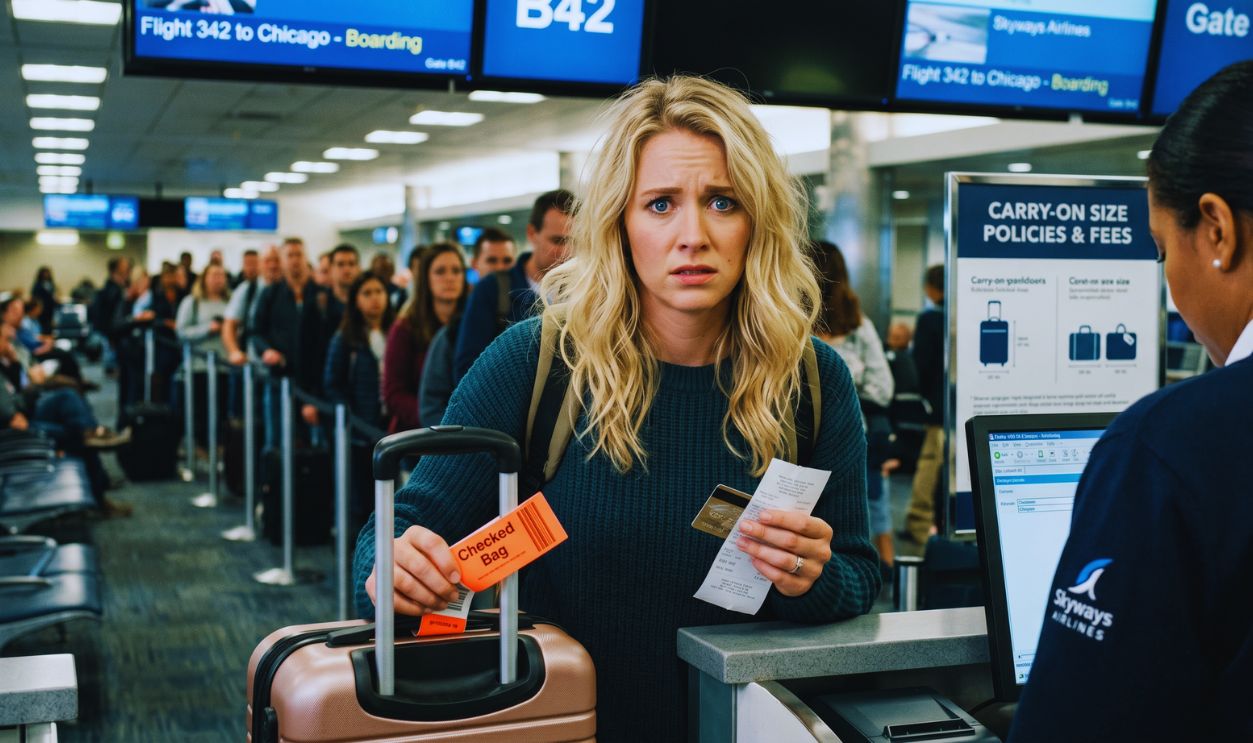
To most travelers, the logic seems obvious. If the airline is making you hand over your bag because of space limits or boarding rules, that should be the airline's problem, not yours. The catch is in the fine print. Airlines often treat a voluntary checked bag very differently from a bag that failed carry-on rules before you got on the plane.

Is It Actually Legal
Often, yes. In the United States, airlines usually have broad power to set bag rules and fees through their contract of carriage, as long as those rules are disclosed and do not break a specific law or regulation. That does not mean every fee is fair, and it does not mean every charge would hold up if the airline applied its own rules the wrong way.
What Federal Regulators Require
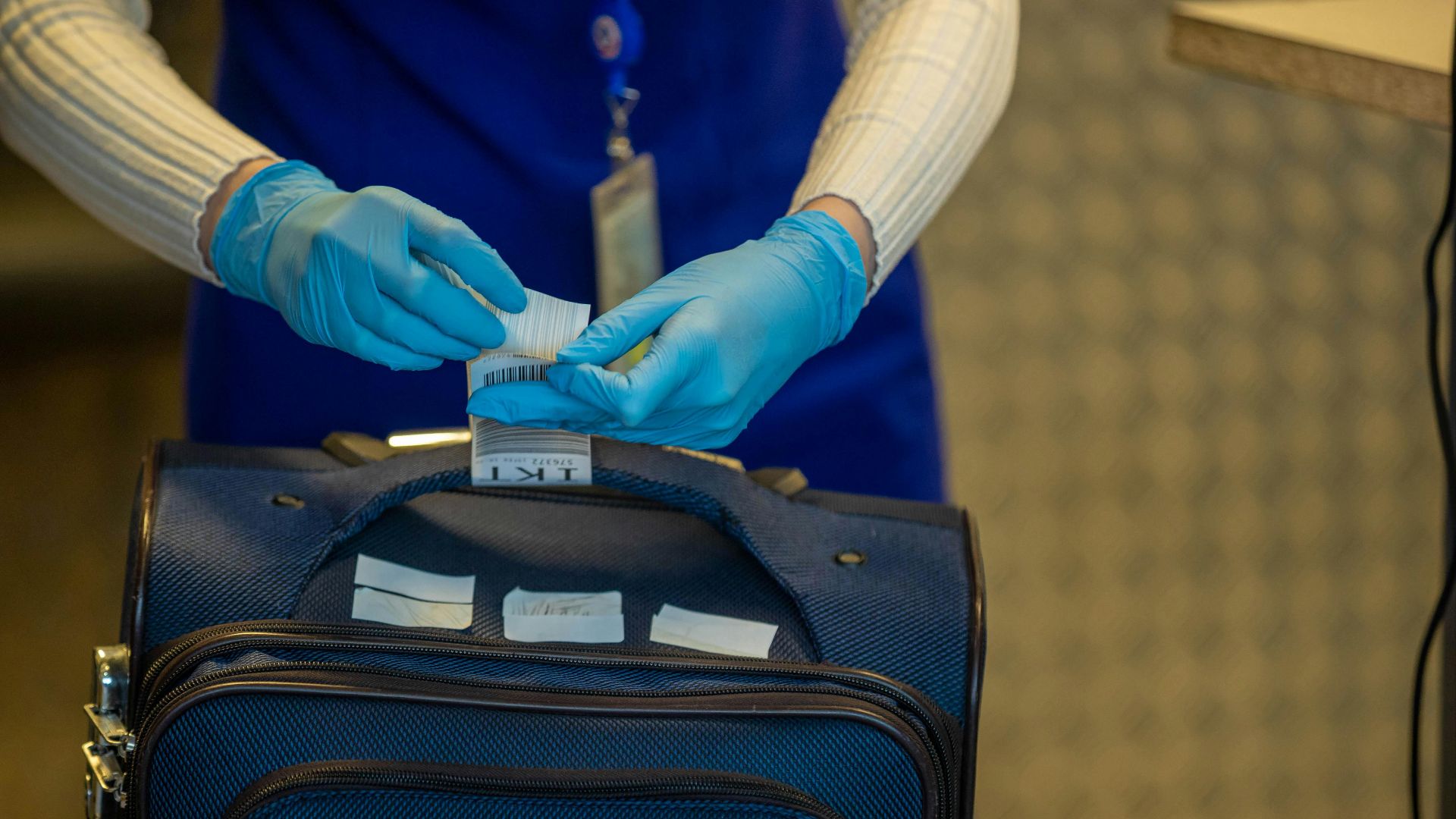
The U.S. Department of Transportation says airlines and ticket agents must disclose baggage fees to consumers. Airlines are supposed to clearly show those fees on their websites and provide fee information with e-ticket confirmations when a passenger buys a ticket. That matters because a hidden or poorly disclosed fee can turn into a consumer protection issue even if baggage charges themselves are generally allowed.
The Fine Print That Controls Everything
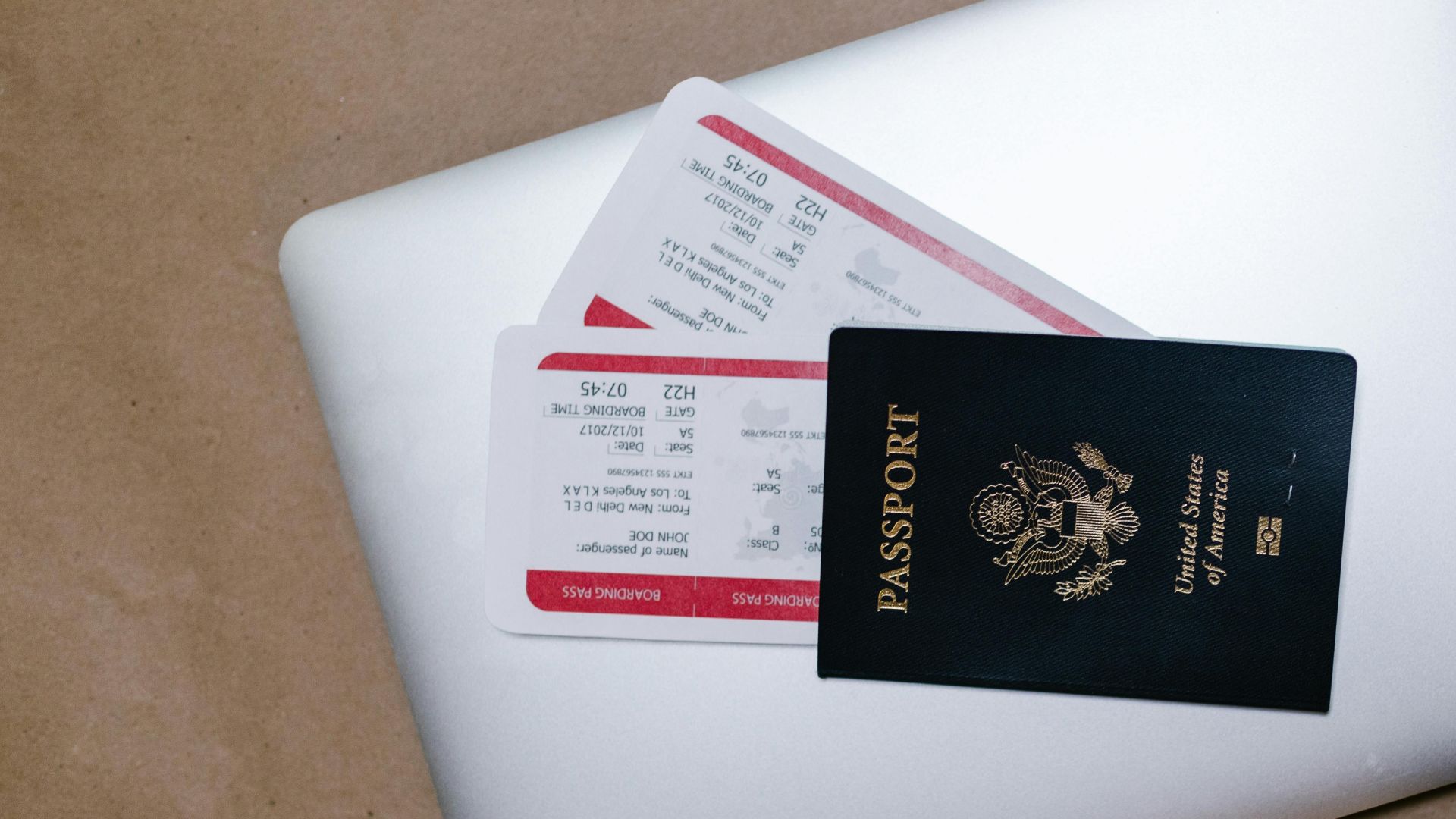
The key document is usually the airline's contract of carriage. That is the rulebook covering size limits, boarding deadlines, baggage rules, and when fees apply. If your bag is bigger than the published carry-on limits, or if your fare does not include a full-size carry-on, the airline often gives itself the right to charge a checked bag fee even if the bag is taken at the gate.

Basic Economy Is Where Problems Often Begin
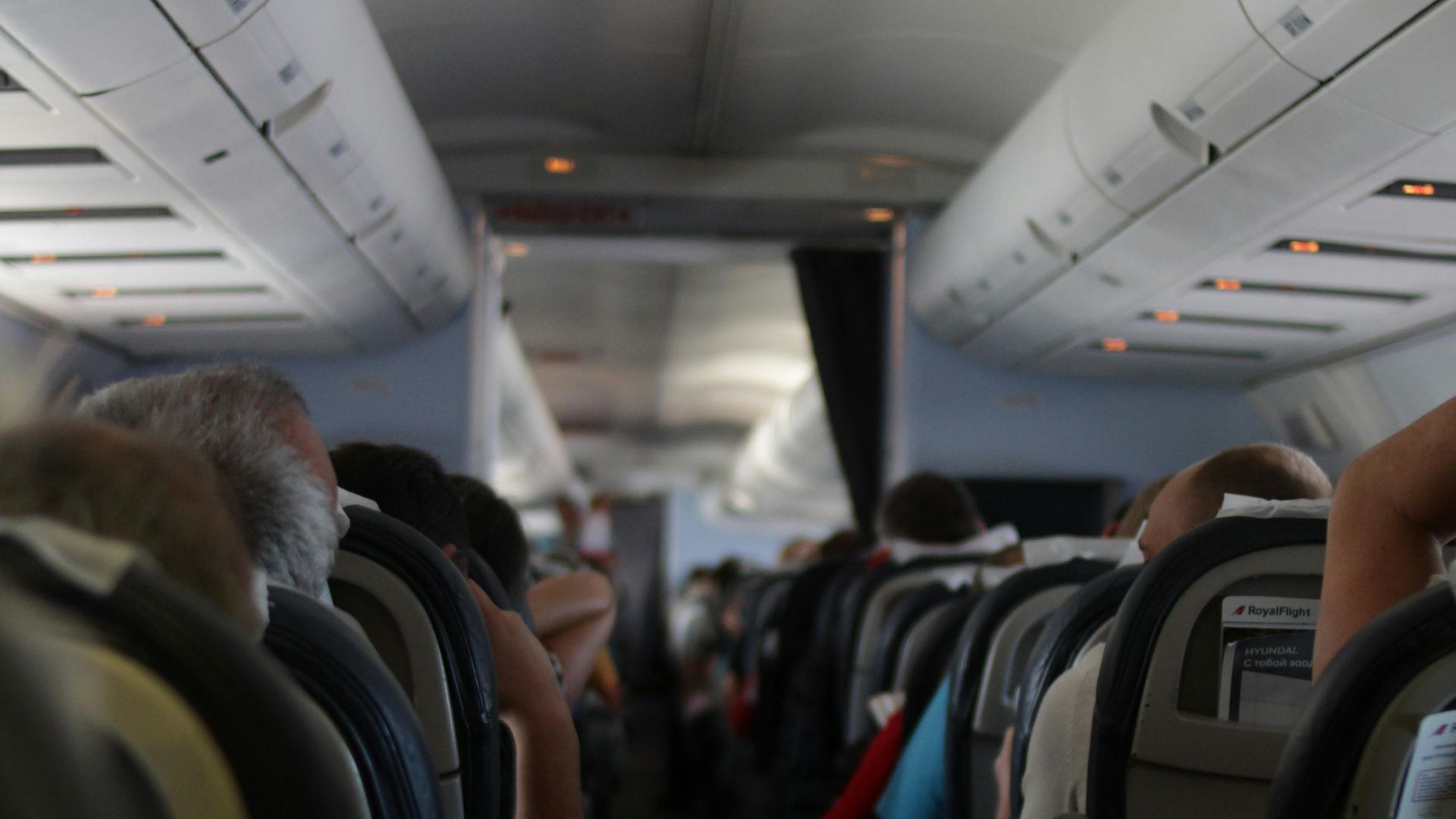
A lot of these disputes start with basic economy. On some airlines, those fares do not include a standard overhead-bin carry-on, or they allow one only on certain routes or for certain elite members. If you show up at the gate with a larger bag anyway, the airline may treat it as a checked bag that never qualified as free cabin baggage.
Frontier Became A Flashpoint
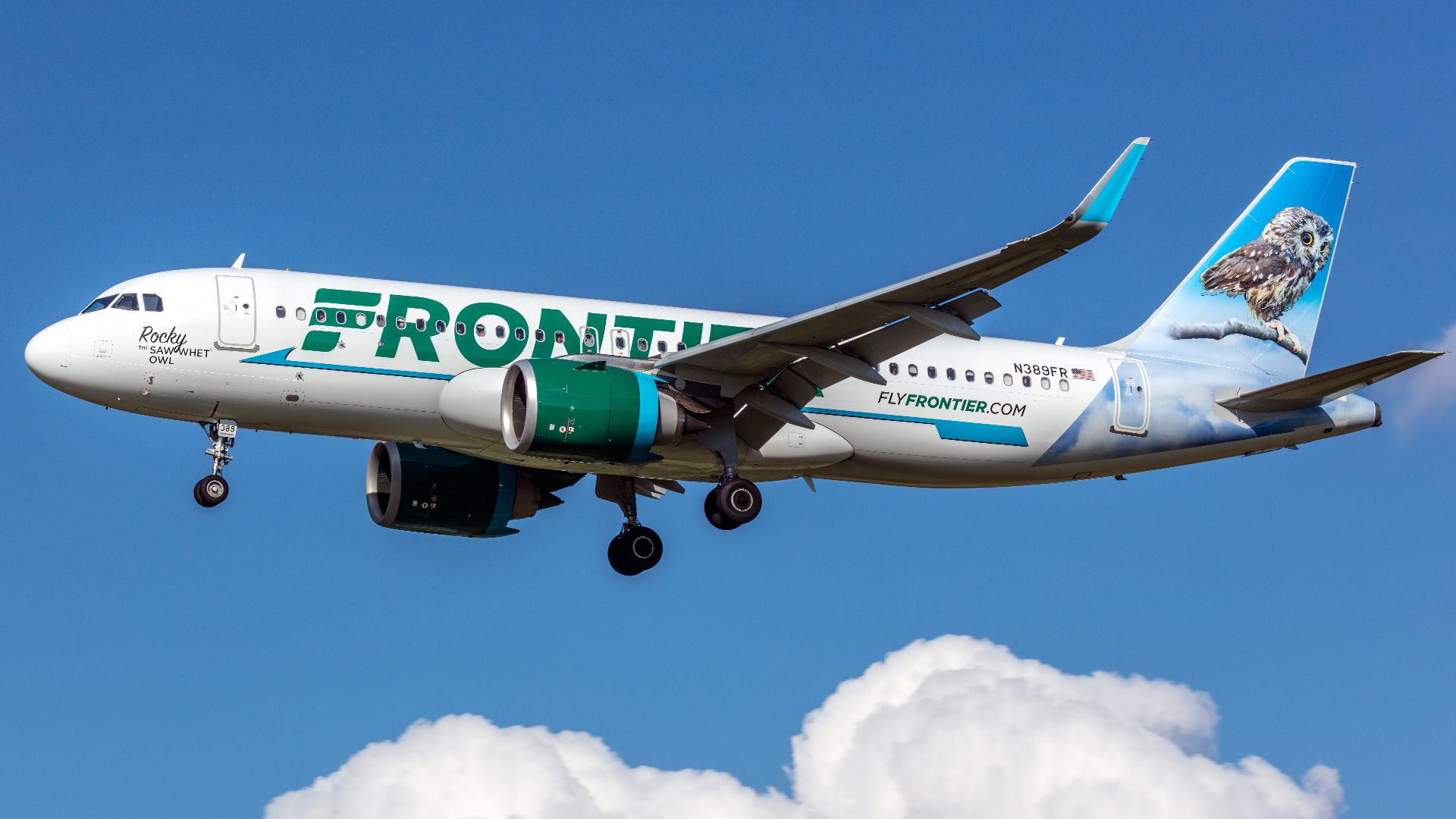
Few airlines have taken more heat over this issue than Frontier. The ultra-low-cost carrier has long charged separately for both carry-on and checked bags, and gate prices can be much higher than what passengers would pay online ahead of time. That setup has fueled a lot of stories from travelers who felt cornered at the last minute.
A Colorado Lawsuit Raised The Stakes
In 2024, Colorado Attorney General Phil Weiser sued Frontier Airlines, accusing the carrier of unfair and deceptive trade practices. The lawsuit claimed Frontier used a system that charged passengers for bags that supposedly did not qualify as free personal items, and it also said employees were given incentives to flag those bags. Frontier denied the allegations and said its policies follow the law.

Why That Lawsuit Got So Much Attention
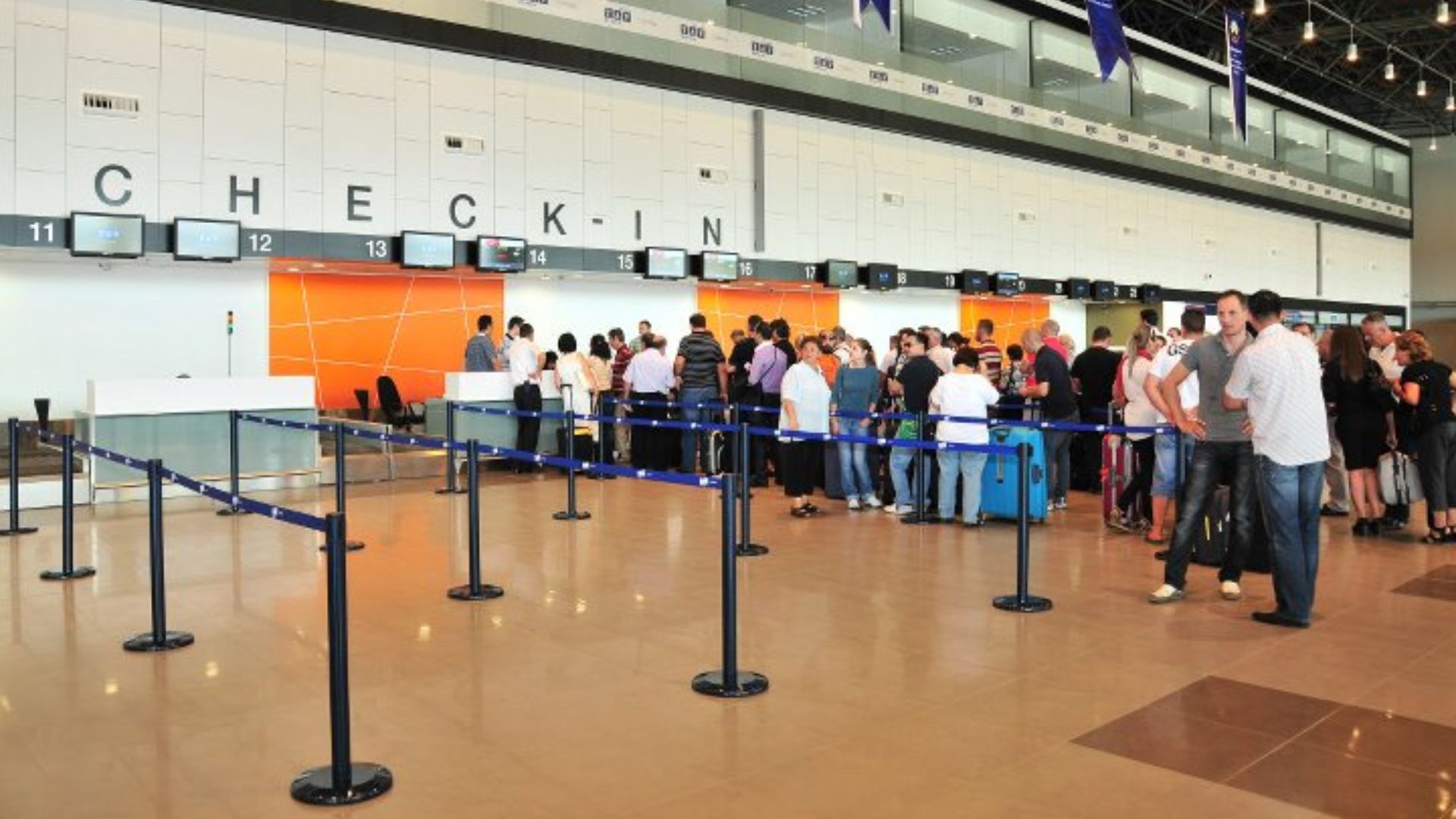
The case landed because it focused on a moment travelers know well. A bag that seemed fine at check-in or fit one sizer could still trigger a showdown at the gate, where the passenger has almost no leverage and almost no time. That kind of last-second pressure is exactly why these fees feel less like policy and more like punishment.
Frontier's Response
After the lawsuit was announced, Frontier said the state was misrepresenting its practices. The airline argued that it clearly discloses baggage allowances and fees during booking and before travel. It also said charging for noncompliant bags is standard across the industry, especially on low-fare tickets where extras are sold separately.

Spirit Has Drawn Similar Complaints
Spirit Airlines has also faced heavy criticism because of its add-on pricing model. Spirit's contract of carriage and bag policy say personal items are included, but larger bags are not, and the fee can jump if you pay at the airport or at the gate. For passengers, the result is the same. A dispute over a few inches can turn into a costly charge in minutes.
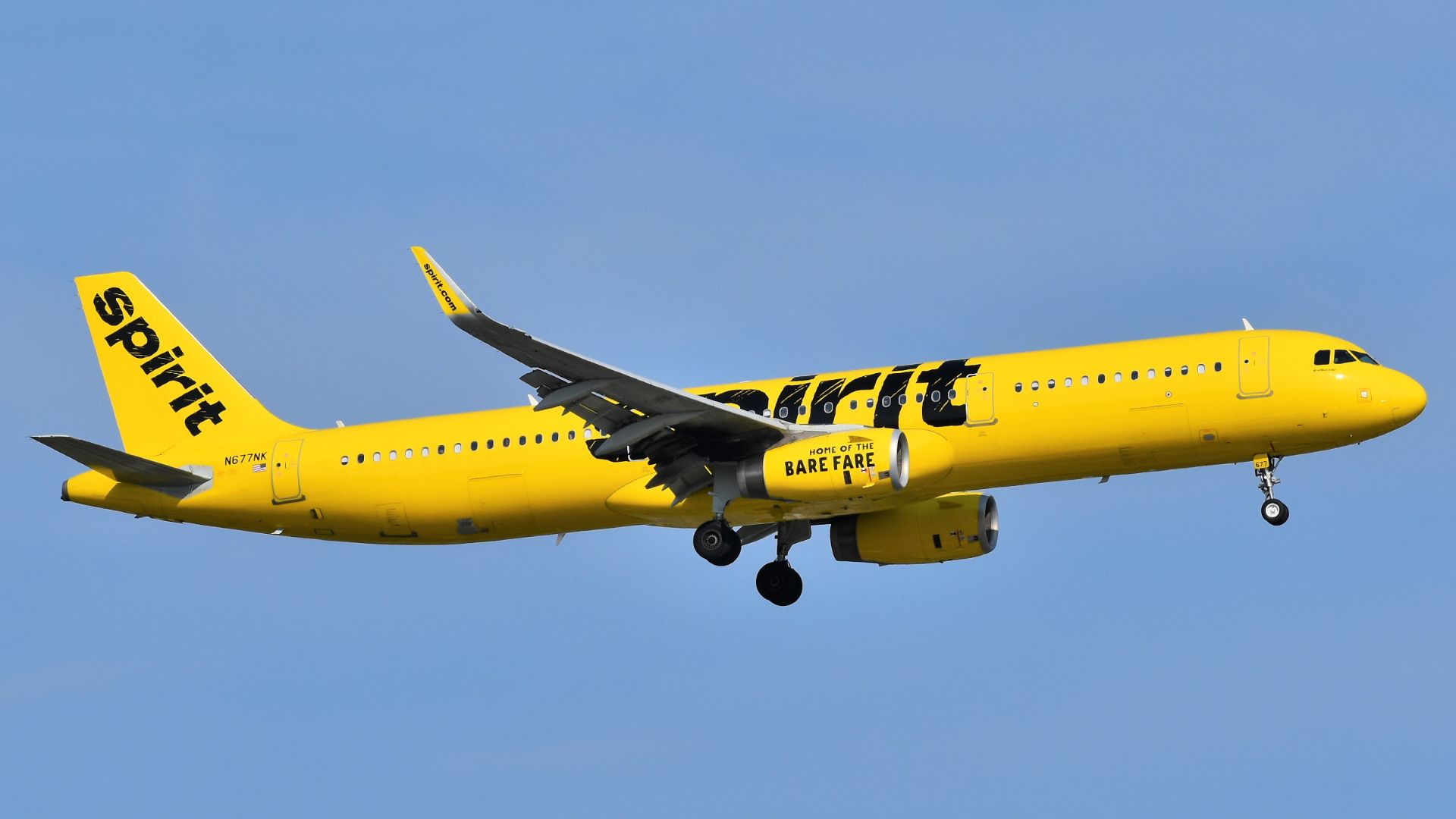 Adam Moreira (AEMoreira042281), Wikimedia Commons
Disclosure Is Usually The Main Legal Issue
The biggest legal question is often not whether an airline can charge for baggage at all. It is whether the airline clearly disclosed the rule, applied it the same way to everyone, and avoided misleading passengers. The Department of Transportation has authority to police unfair or deceptive practices in air travel, which is why fee transparency matters so much.

When The Plane Is Full And The Airline Forces A Check
This is the situation where passengers often have the strongest argument that no fee should apply. If your carry-on met the airline's size rules and your fare included a carry-on, but the flight ran out of overhead space, airlines often gate-check the bag for free. That is not a hard law in every case, but it is common because the passenger did not break the baggage rules.
When A Charge Is More Likely To Hold Up
If your bag was too large for the cabin, if your fare only included a personal item, or if you missed the earlier cutoff to check a bag, the airline has a stronger argument for charging you. The fact that the bag gets taken at the gate does not automatically make it free. The airline can say it is simply enforcing the fare rules you agreed to when you bought the ticket.
What Major Airlines Like American, Delta, And United Show
Big network airlines usually include a standard carry-on on most domestic non-basic fares, but the details still matter. Basic economy rules vary by airline and route, and carry-on exceptions can change over time. That is why it is smarter to check the current baggage allowance on the airline's own website before flying instead of relying on what you remember from a past trip.

United's Past Crackdown Still Shapes The Debate
United drew major attention in 2017 when it expanded basic economy and made clear that some passengers who brought full-size carry-ons to the gate would face extra charges. News coverage at the time pointed out that those fees could be higher than the normal checked bag price if the problem was caught late. That helped lock in a fear many travelers still have: the gate is where small bag mistakes suddenly get expensive.
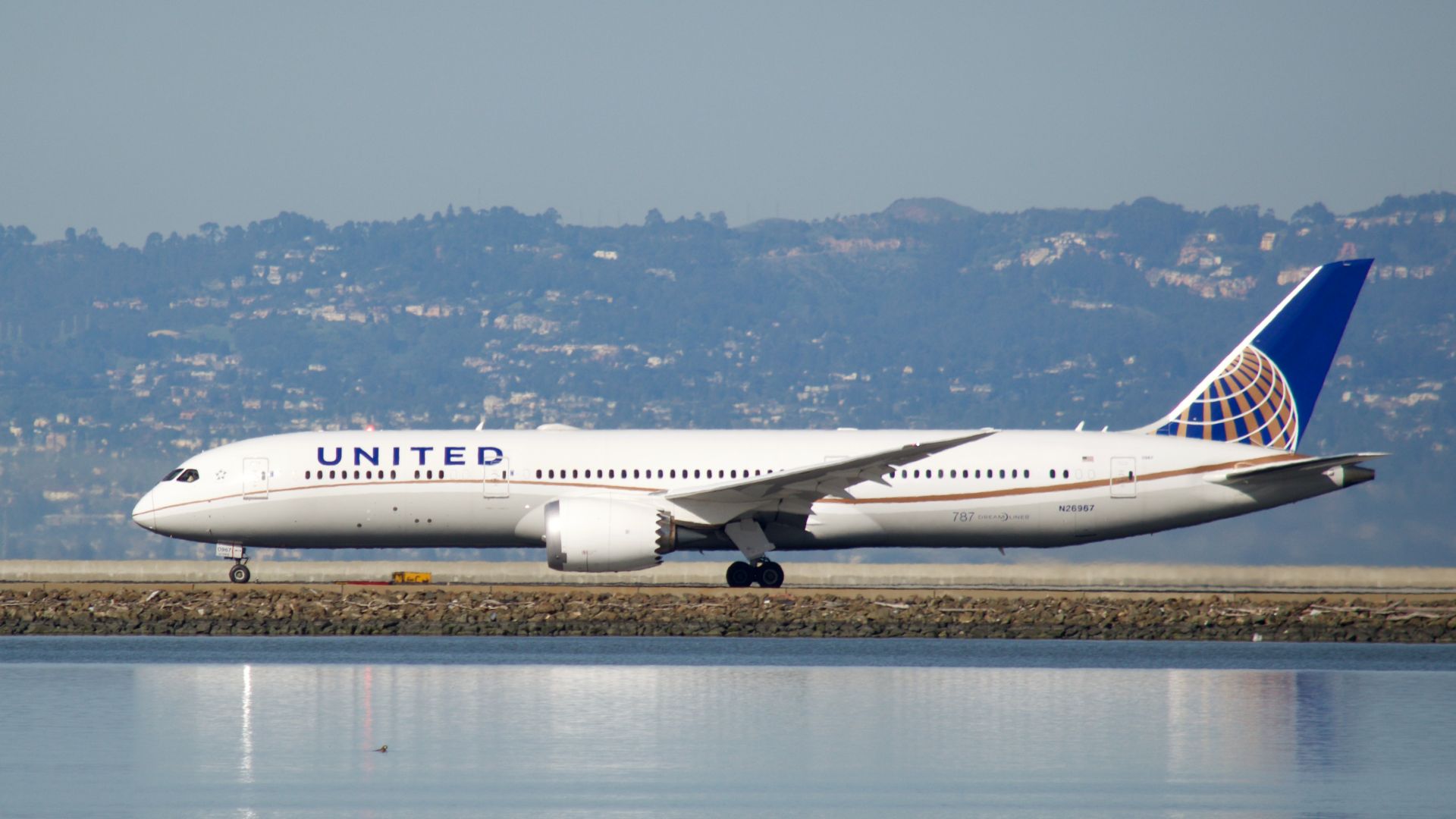 Bill Abbott, Wikimedia Commons
What Courts Usually Focus On
When baggage fee fights end up in court or arbitration, the case usually comes down to contract terms and disclosures. Judges do not normally ask whether the fee felt annoying or unfair. They ask whether the airline published the rule, whether federal law blocks certain state claims, and whether the airline acted in a misleading or inconsistent way.

Why Passenger Lawsuits Can Be Hard
Airlines often get help from the federal Airline Deregulation Act, which can block some state-law claims tied to prices, routes, or services. That does not mean airlines can do anything they want, but it can limit the legal options for angry passengers. Because of that, many disputes are pushed into complaints, chargebacks, or small claims tactics instead of major court wins.

The Contract Of Carriage Can Also Help Passengers
The contract of carriage is not just protection for the airline. It can also help travelers if the airline failed to follow its own written rules. If the contract says a compliant carry-on may be gate-checked without a fee when cabin space is limited, then a charge in that situation could be challenged as a violation of the airline's own terms.

Your Best Proof Starts Before You Board
If you think a fee was improper, start gathering evidence right away. Take photos of your bag in the sizer if one is available, screenshot the baggage allowance tied to your fare, and save your boarding pass and receipt. Those details can make the difference between a refund and a dead-end complaint.
The One Question To Ask At The Gate
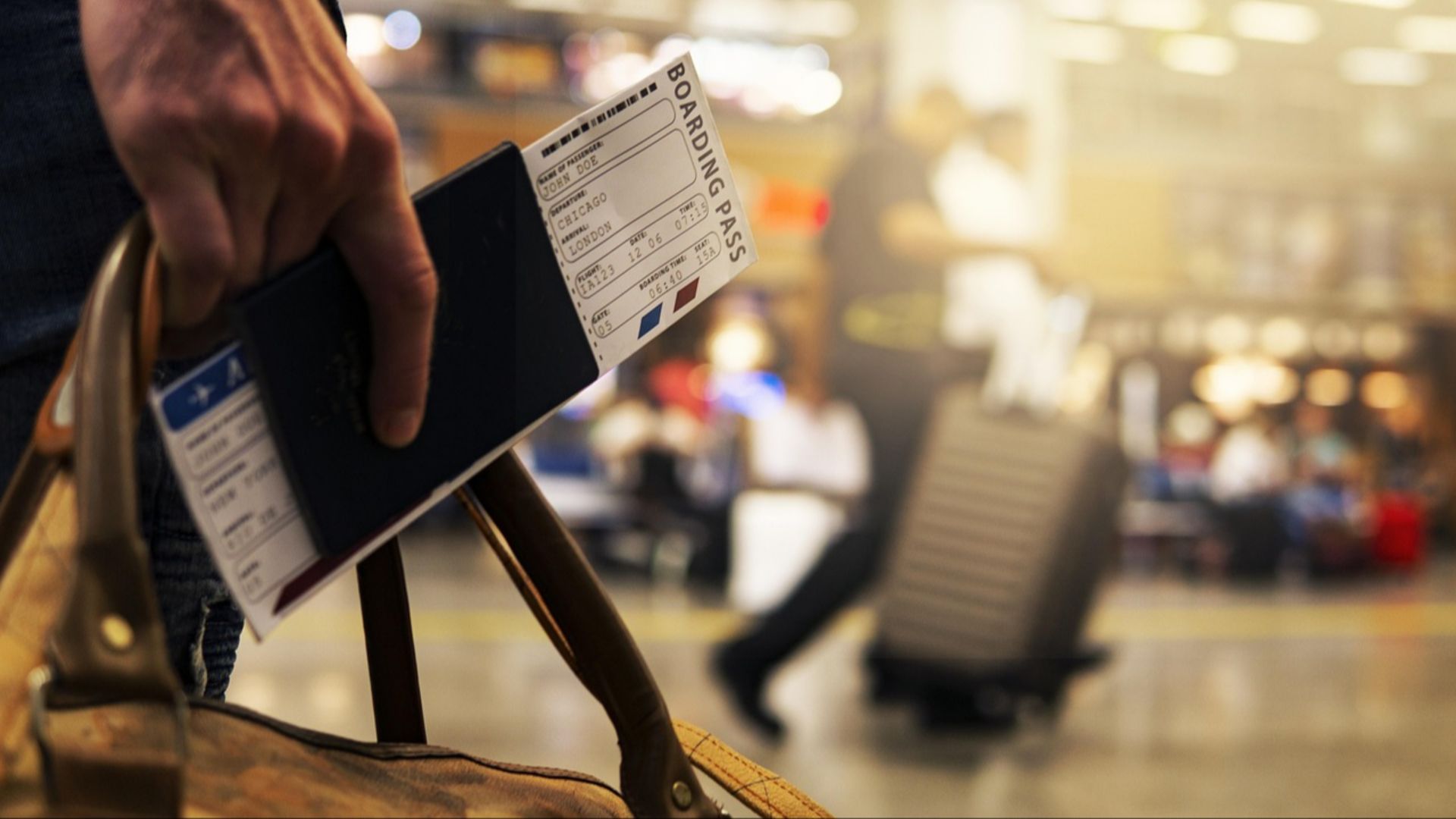
There is one simple question worth asking calmly. Is this bag being checked because it breaks the carry-on rules, or because there is not enough cabin space? The answer matters because those are two very different situations, and one is much easier to challenge later.
You Can Still Push Back After Paying
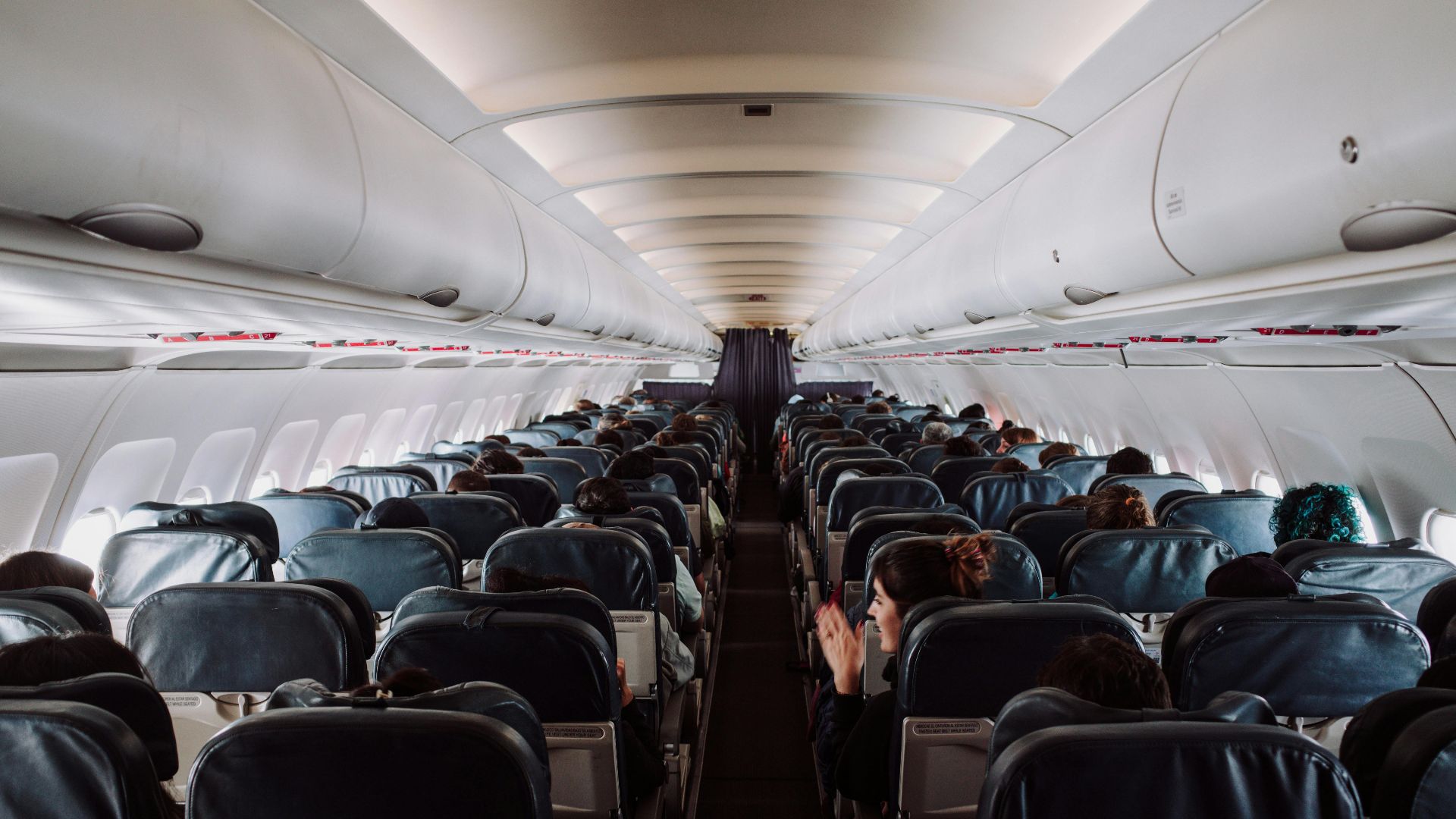
Paying at the gate does not mean the issue is over forever. You can file a written complaint with the airline, attach your evidence, and ask for a refund based on the baggage rules for your fare. If that goes nowhere, you can escalate the issue through the U.S. Department of Transportation's Air Travel Service Complaint form, which sends the complaint to the airline and tracks patterns.

Chargebacks Can Work, But They Are Not Easy
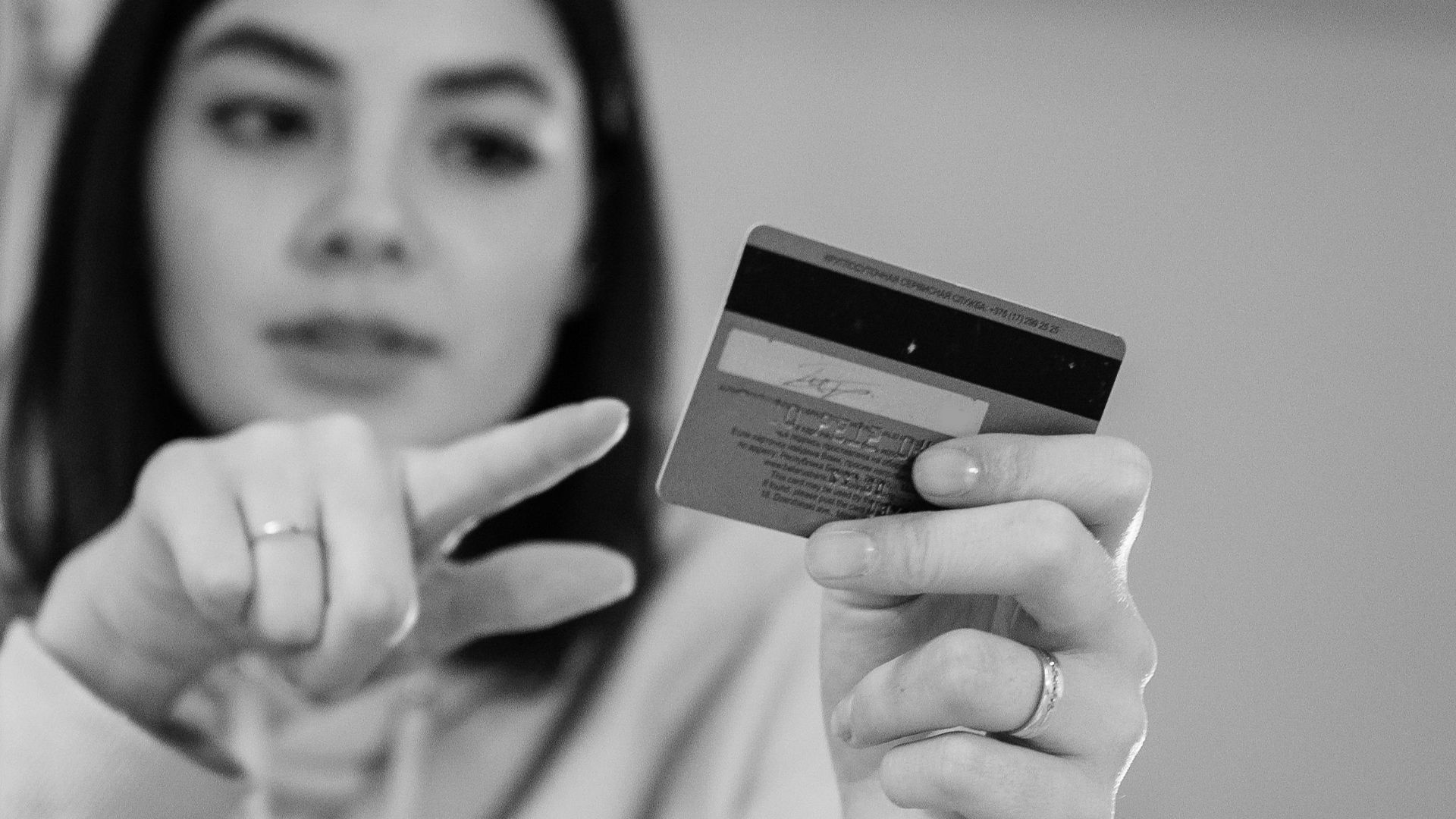
A credit card chargeback may help in some cases, especially if you can show the fee was misrepresented. But card issuers usually want solid documentation, and airlines may answer with the contract terms you accepted. This route is strongest when the fee clearly went against the written policy, not when it just felt unreasonable.
What The DOT Can And Cannot Do
The Department of Transportation will not swoop in and instantly force a refund. What it does do is collect complaints, send them to airlines for a response, and watch for patterns that may point to unfair or deceptive practices. That is why filing a complaint matters even when the dollar amount is small. A lot of similar complaints can draw regulatory attention.

The Smartest Way To Avoid The Problem
Measure your bag before you leave home, then compare it to the exact dimensions on the airline's website. Do not assume one airline's sizer matches another's, and do not assume your backpack counts as a personal item just because it did on your last flight. If you are flying basic economy or a budget airline, paying for the correct bag option in advance is usually far cheaper than risking a gate fee.

Unfair And Illegal Are Not The Same Thing
This is the most frustrating part of the whole issue. A baggage fee can feel outrageous and still be legal if it was clearly disclosed and applied under the contract. But if the airline hid the fee, misled you about what your fare included, or charged you even though your bag followed the published rules, that is when the legal picture gets much more serious.
The Bottom Line
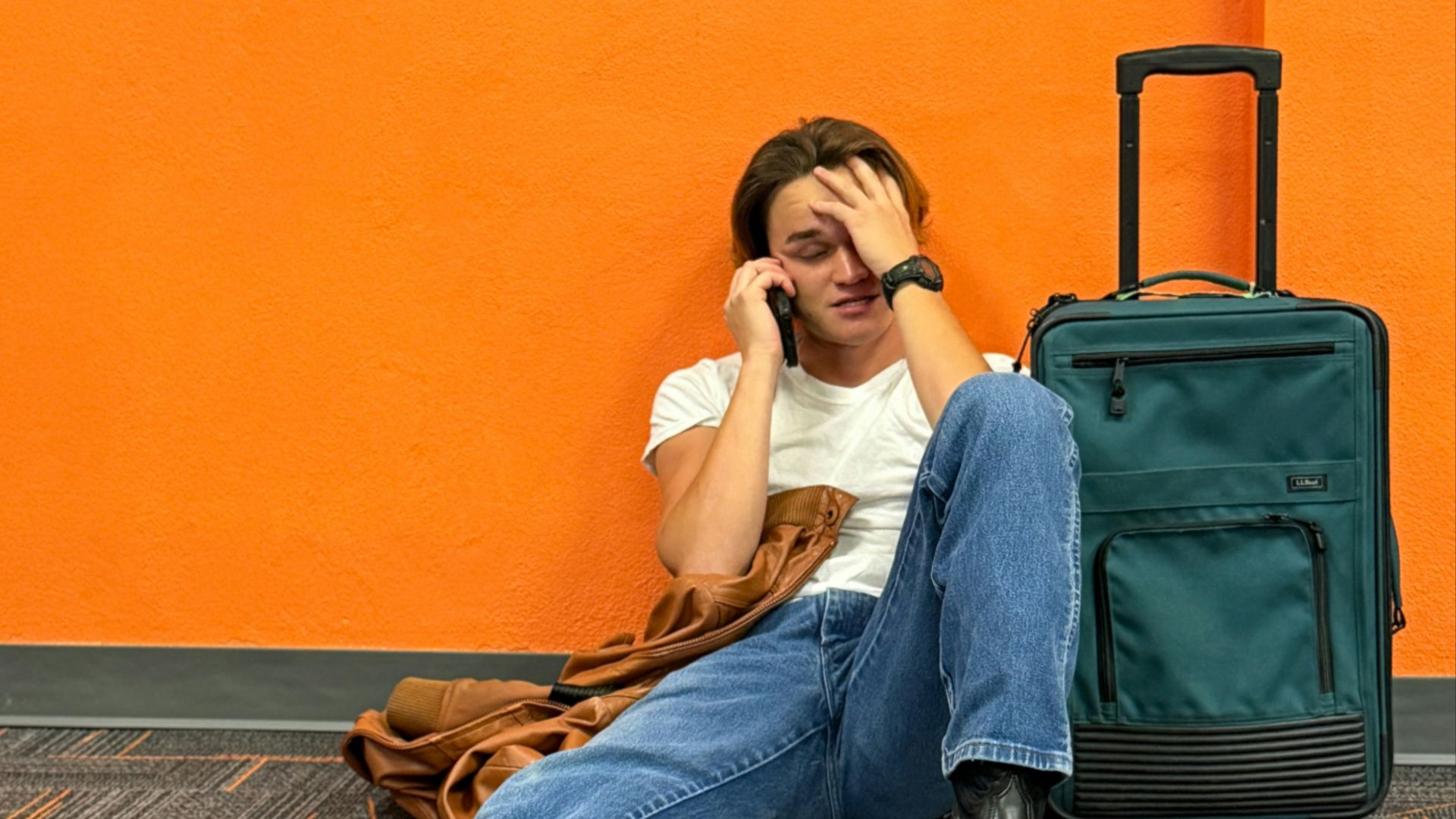
If an airline forced you to check your bag and then charged you, the fee may be legal, but it is not automatically proper. The key facts are what your fare included, whether your bag followed the published cabin rules, and why the bag was taken at the gate in the first place. The frustration is real, but the case usually turns on the fine print.