Small But Strong
Even as America becomes more interconnected than ever, there are still dozens of small, tight-knit communities across the Land of the Free that exist almost entirely on their own. In order to survive in the modern world, many of these places have enacted strict rules of conduct for their inhabitants, and residents tend to take them very seriously.

Mackinac Island Chose Hooves Over Horsepower
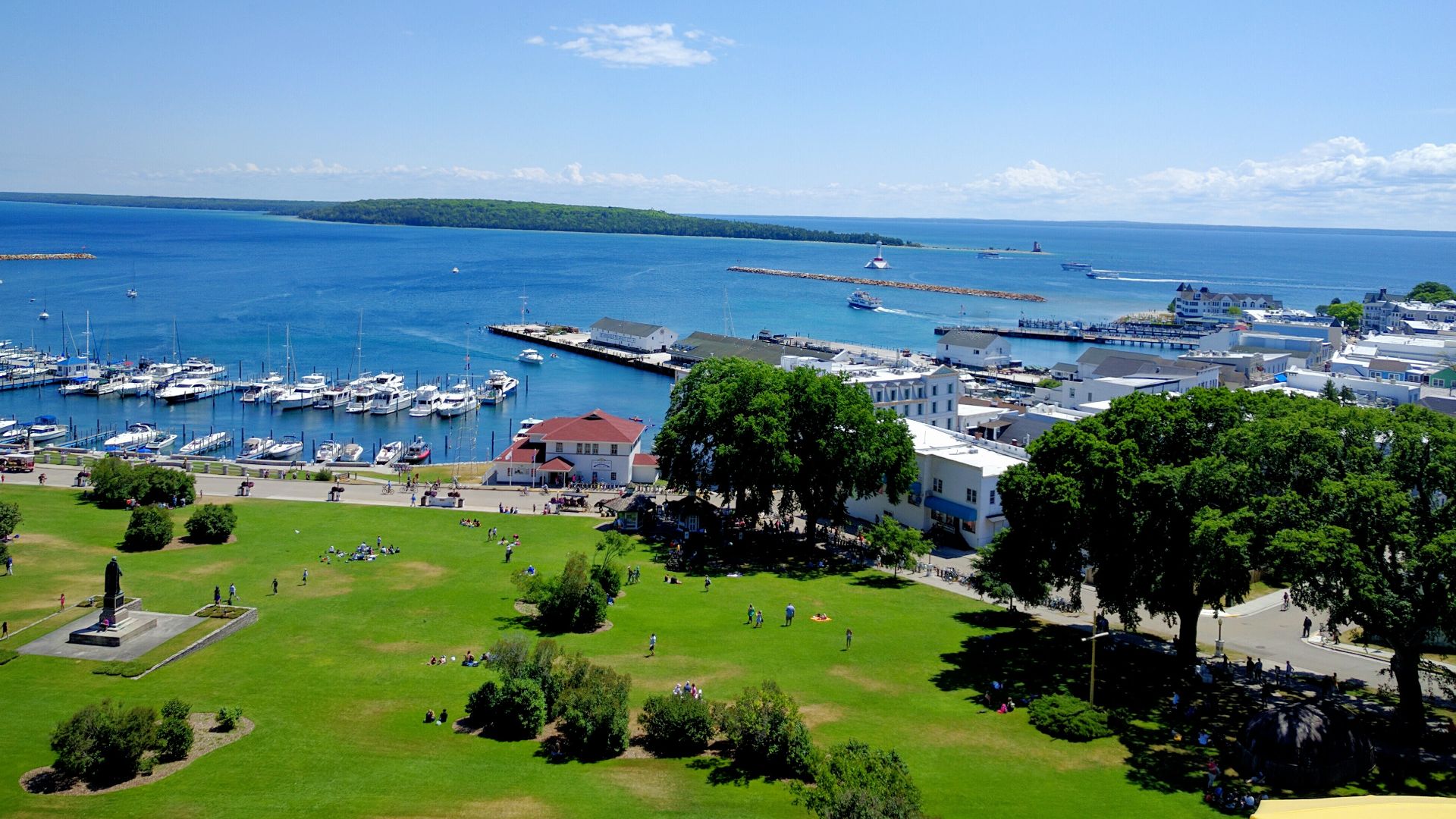
Mackinac Island, Michigan, has kept most automobiles off its roads for more than a century. Residents and visitors get around by walking, cycling, or using horse-drawn carriages. The rule helped preserve the island’s slower pace, which is now central to its identity.
 Viplav Valluri, Wikimedia Commons
Green Bank Protected Its Silence
Green Bank, West Virginia, sits inside the National Radio Quiet Zone. The rules limit radio interference so nearby telescopes can listen to space. That means daily life has long been shaped by unusual restrictions on wireless signals.

Whittier Moved Life Indoors
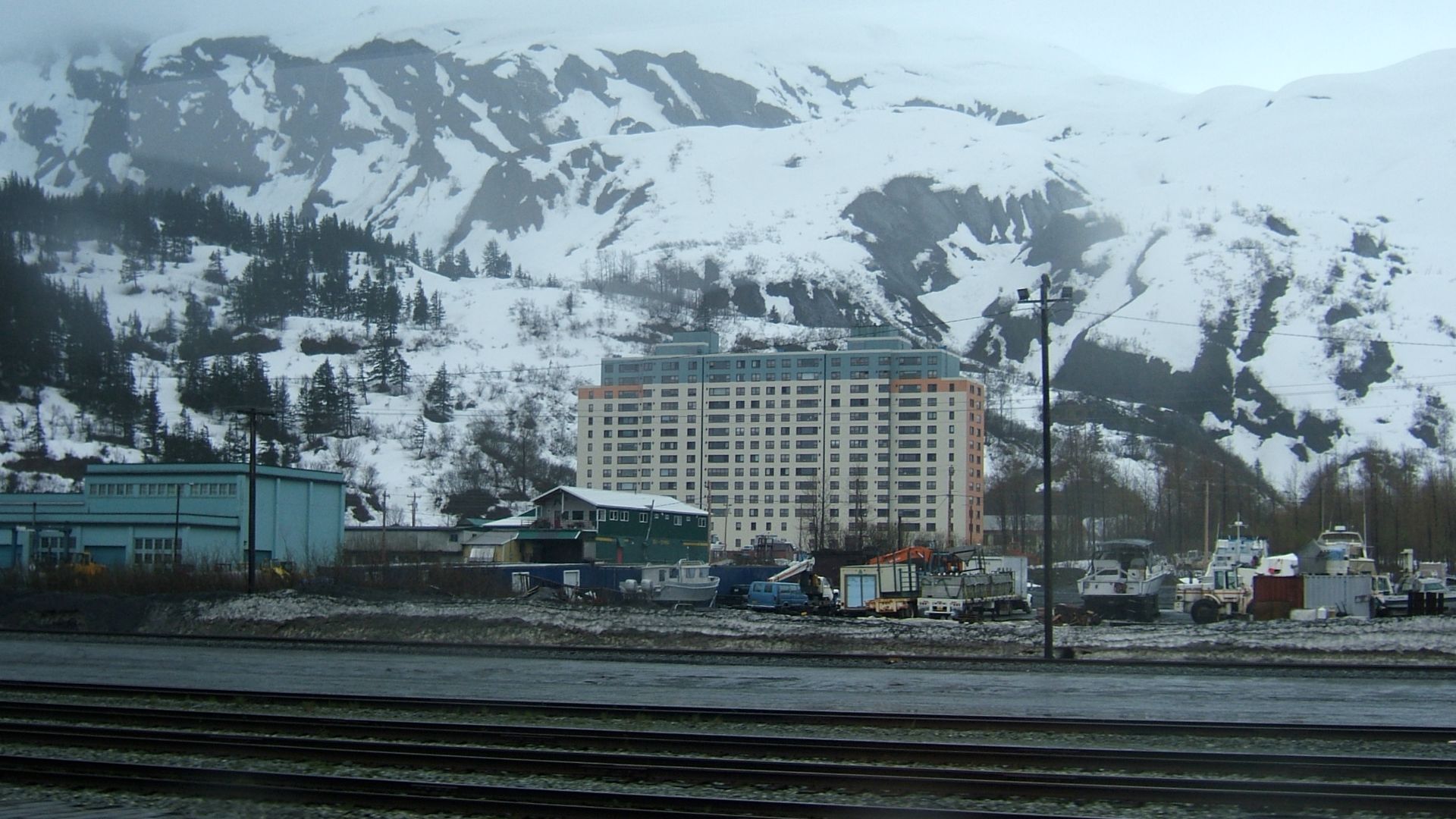
Whittier, Alaska, is famous because many residents live in Begich Towers. The building also contains services that help people manage brutal weather and isolation. In a place with heavy snow, rain, and wind, compact indoor living became practical.
 Jessica Spengler, Wikimedia Commons
Supai Kept The Trail As Its Lifeline
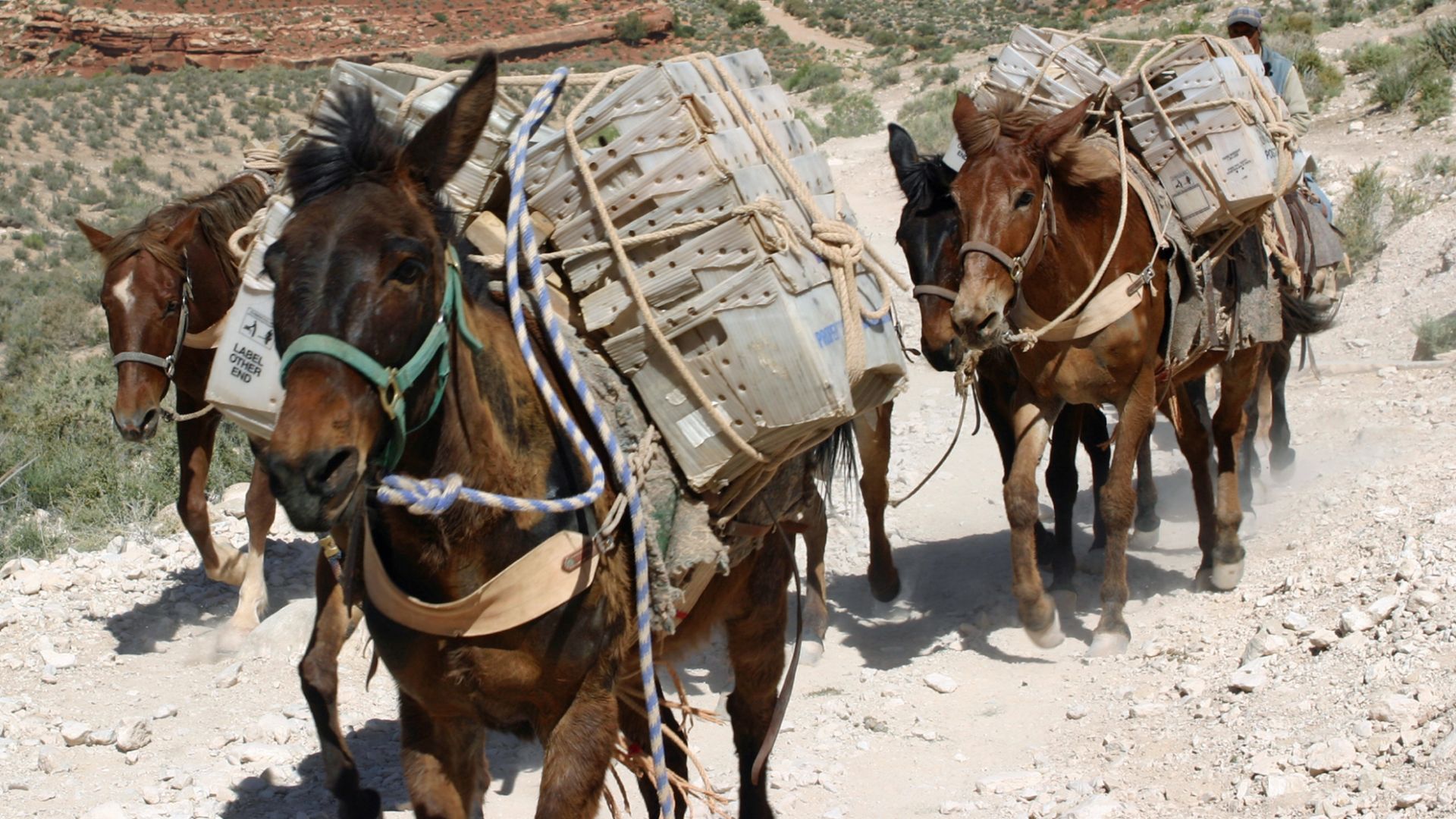
Supai, Arizona, is home to the Havasupai Tribe inside the Grand Canyon. Mail and supplies still arrive by mule train through the canyon. Visitors must follow tribal access rules, which help protect both the community and the fragile landscape.
Monowi Kept Its Government Alive
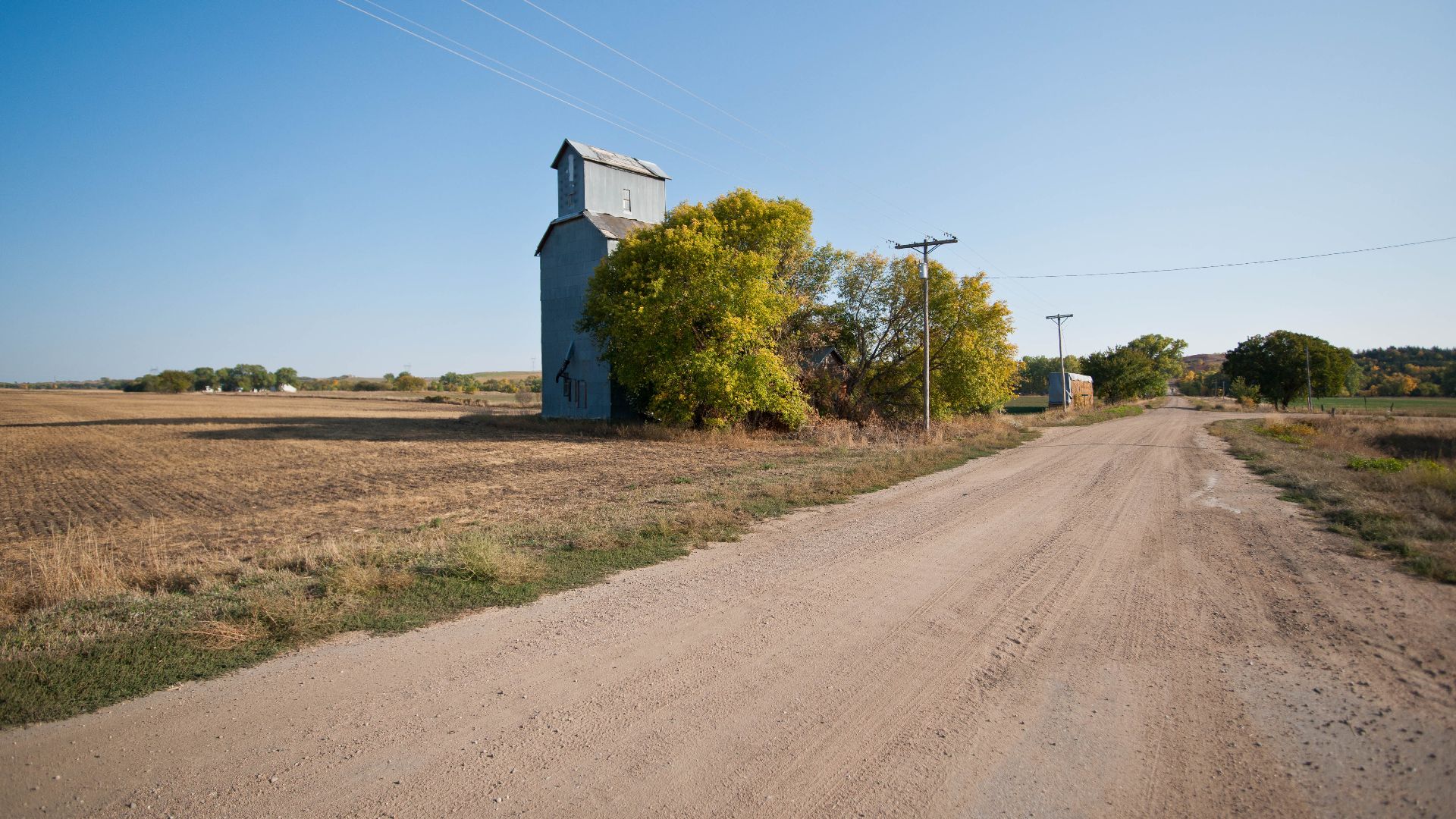
Monowi, Nebraska, is widely known as an incorporated village with one resident. Elsie Eiler has served multiple municipal roles while keeping the Monowi Tavern open. The town’s unusual civic routine helps preserve a place that might otherwise disappear.
 Andrew Filer from Seattle (ex-Minneapolis), Wikimedia Commons
Tangier Fights For Its Shoreline
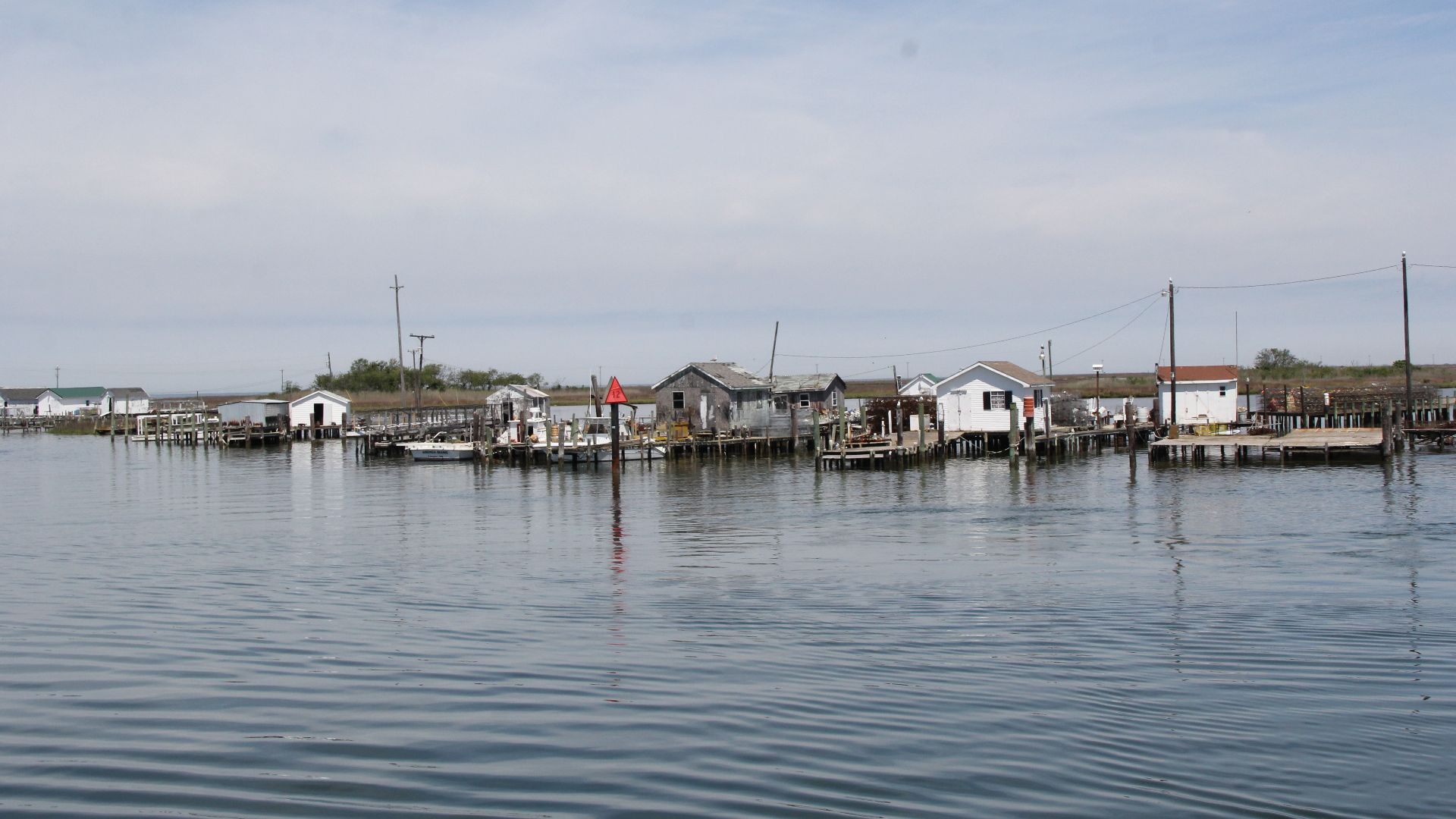
Tangier, Virginia, sits in the Chesapeake Bay and has faced severe erosion and rising water. The community has pushed for dredging, shoreline protection, and public attention. Survival there depends on practical rules about land, water, and access.
 Eli Christman from Richmond, VA, USA, Wikimedia Commons
Carmel Made Walking A Legal Matter
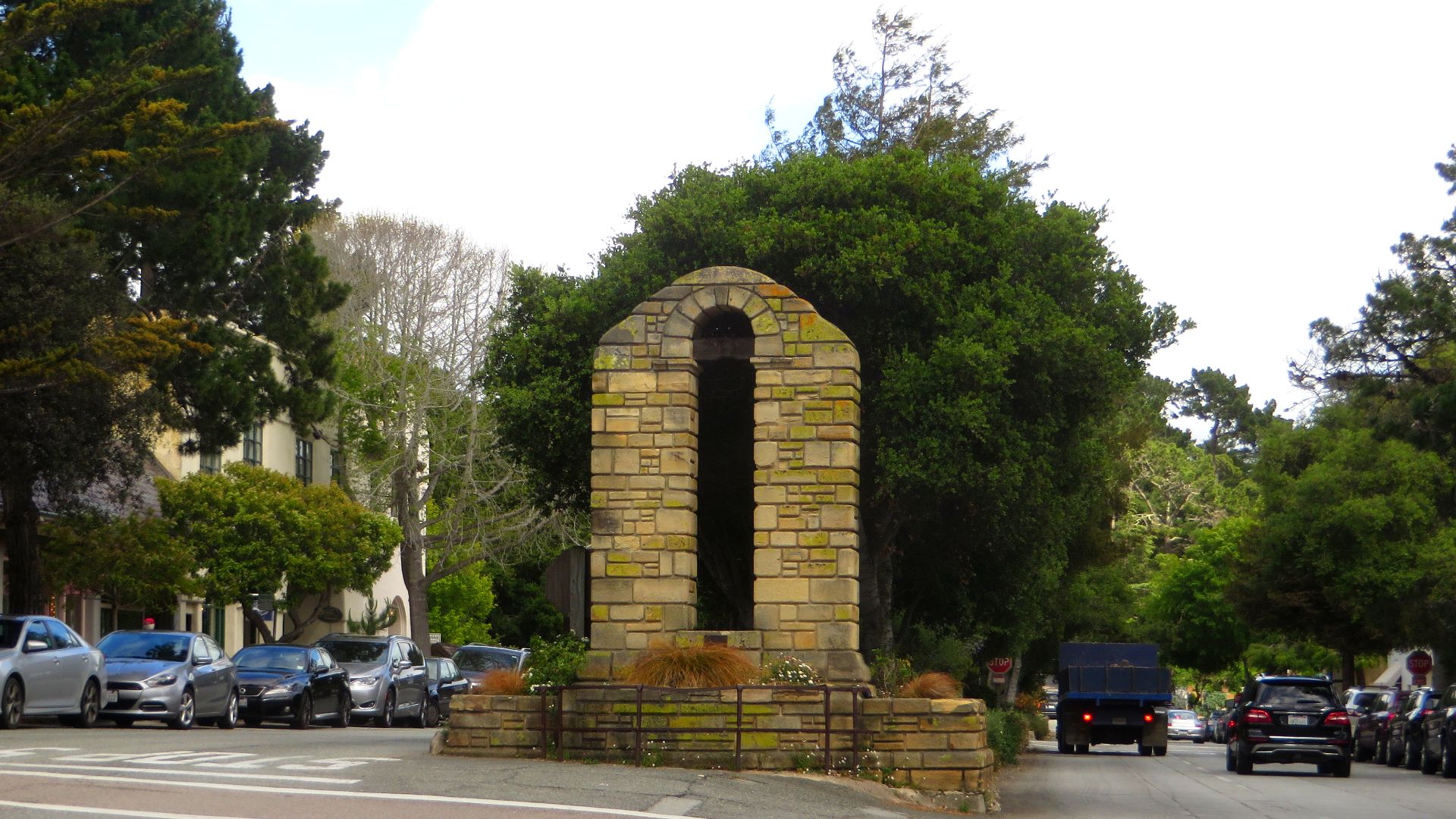
Carmel-by-the-Sea, California, is known for a quirky high-heel permit rule. The regulation applies to shoes with heels over two inches or narrow bases. It reflects a town built around uneven paths, village charm, and pedestrian life.
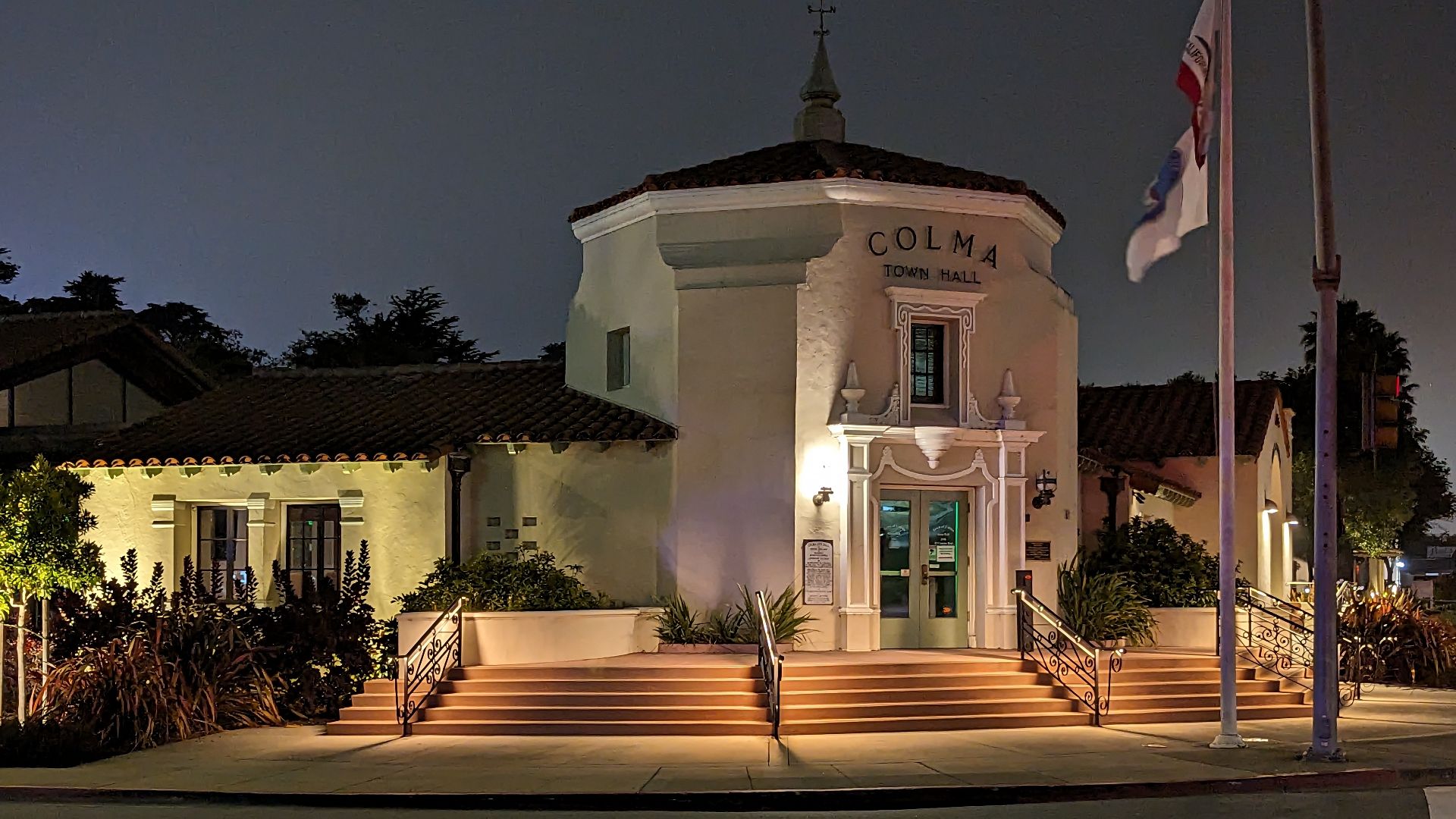
Colma Made Room For The Dead
Colma, California, became a cemetery town after San Francisco restricted burials. Much of the town’s land is dedicated to cemeteries. Its unusual identity grew from a practical regional need that shaped local planning for generations.
Gibsonton Welcomed The Carnival World
Gibsonton, Florida, became a winter home for carnival and sideshow workers. Local zoning allowed circus equipment and exotic animals in ways most towns would not. That flexibility helped performers live ordinary lives when the show season ended.
 Currier and Ives, Wikimedia Commons
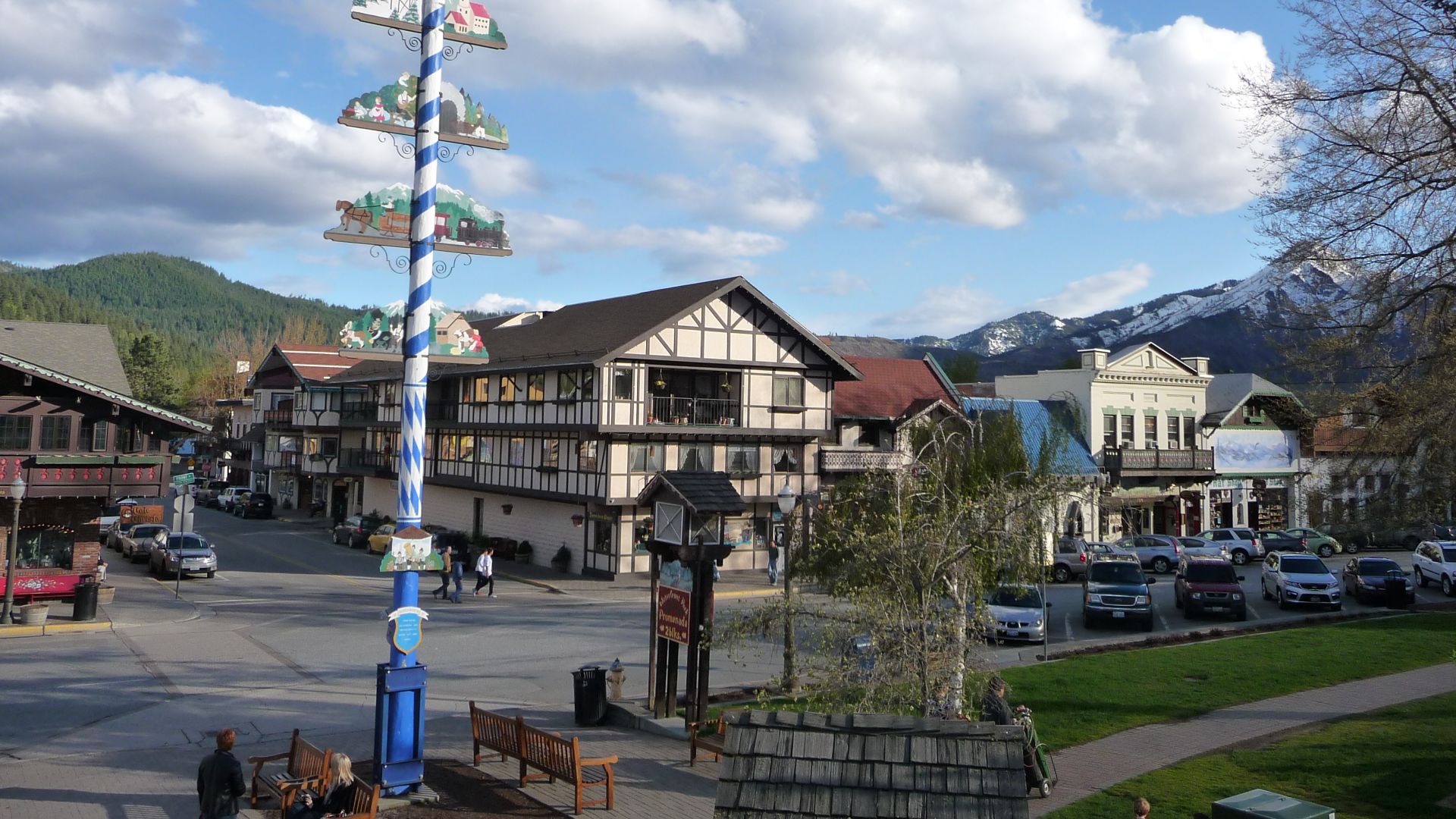
Leavenworth Rebuilt Itself As Bavaria
Leavenworth, Washington, struggled after railroad and timber activity declined. The town reinvented itself with a Bavarian theme and later adopted design review rules. That unusual visual code helped turn a fading mountain town into a tourism destination.
 tamara semina, Wikimedia Commons
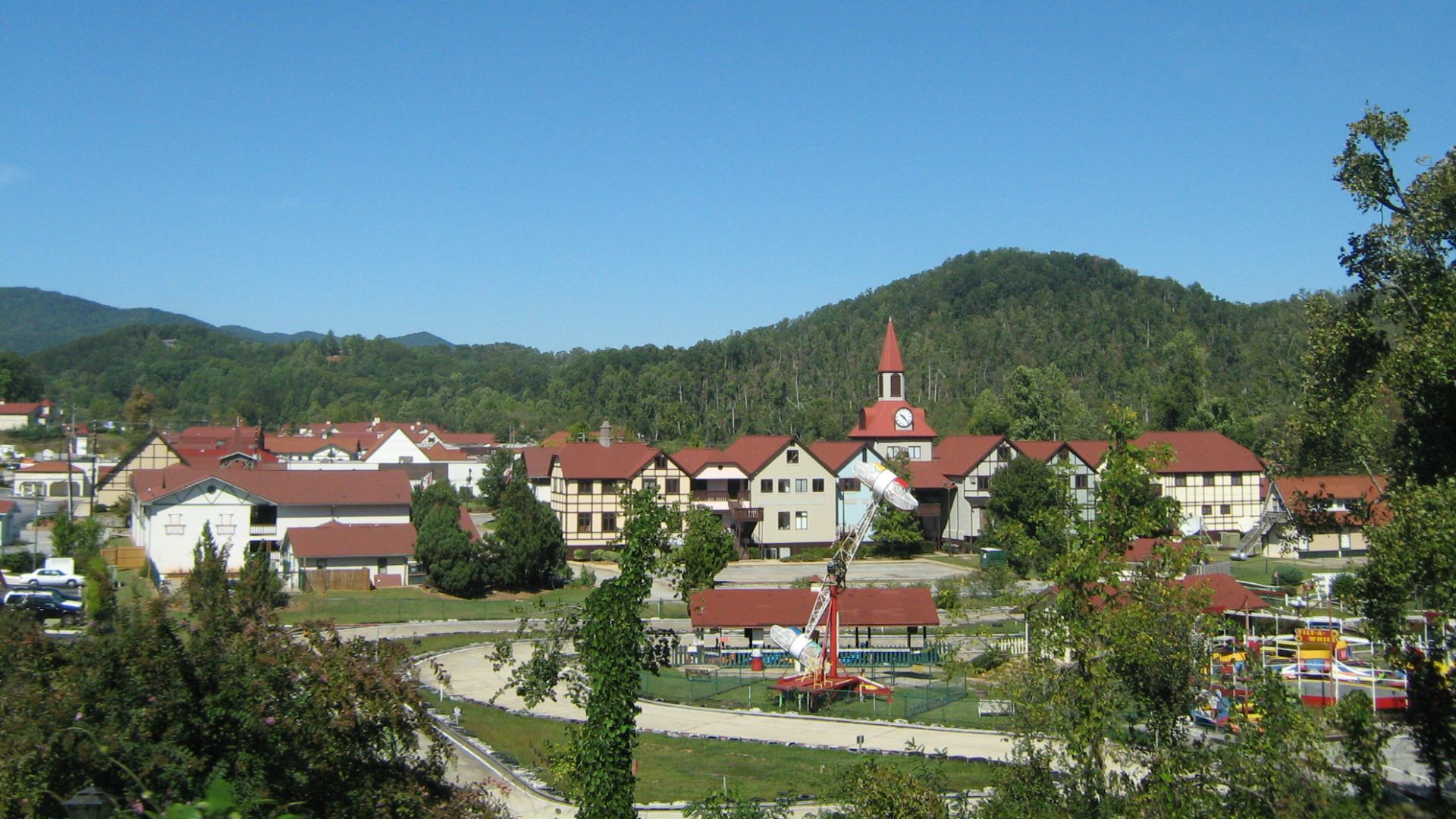
Helen Went Alpine To Stay Alive
Helen, Georgia, was once a declining logging town. In the late 1960s, local leaders remade it as an Alpine-style village. The theme became part of the town’s economy and remains visible in its downtown buildings.
 Mike Gonzalez (TheCoffee), Wikimedia Commons
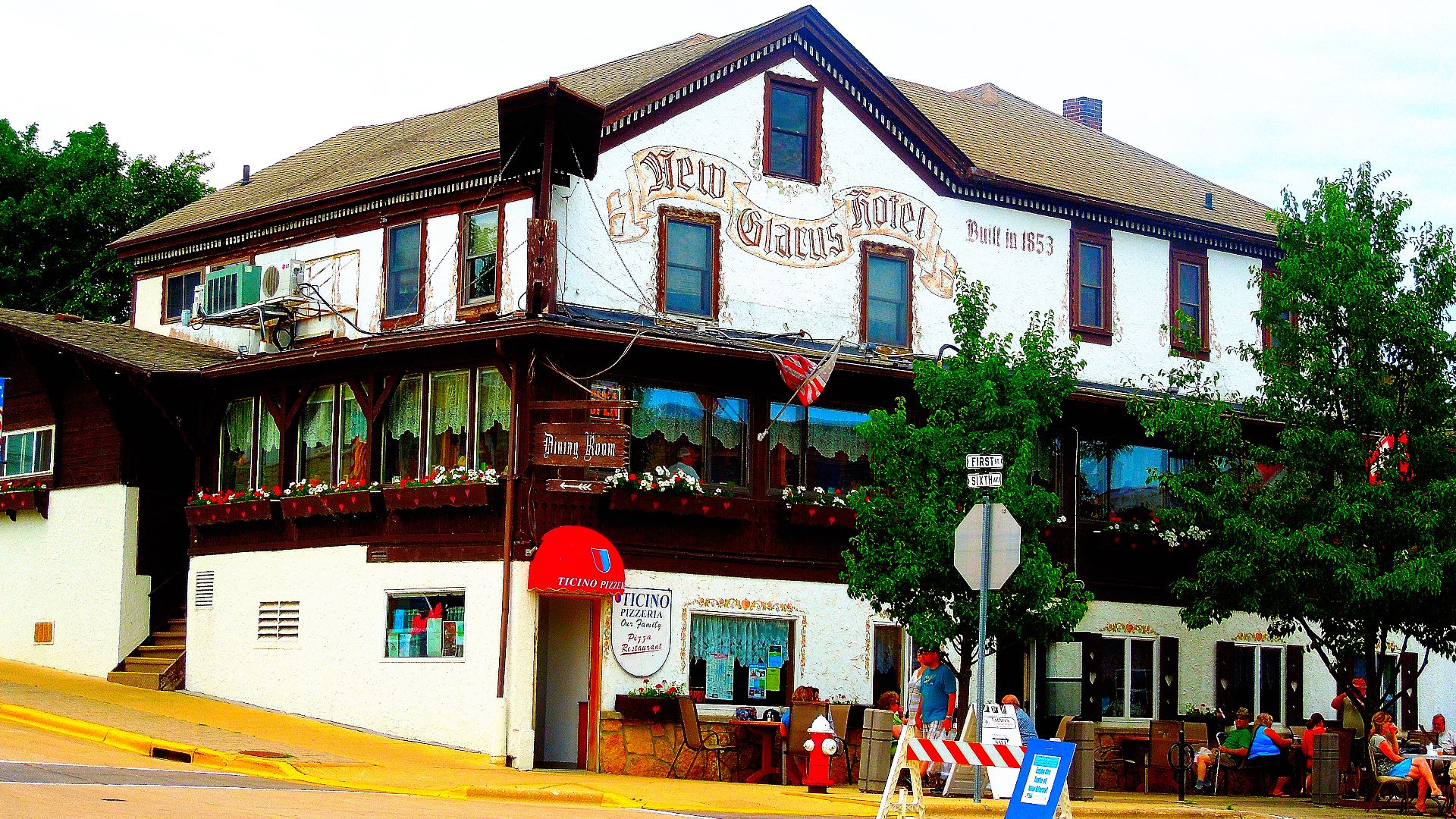
New Glarus Protected Its Swiss Look
New Glarus, Wisconsin, leans into its Swiss heritage. Village rules include a Swiss architectural theme for certain buildings. That gives the small town a distinctive identity tied to tourism, festivals, and local pride.
 Corey Coyle, Wikimedia Commons
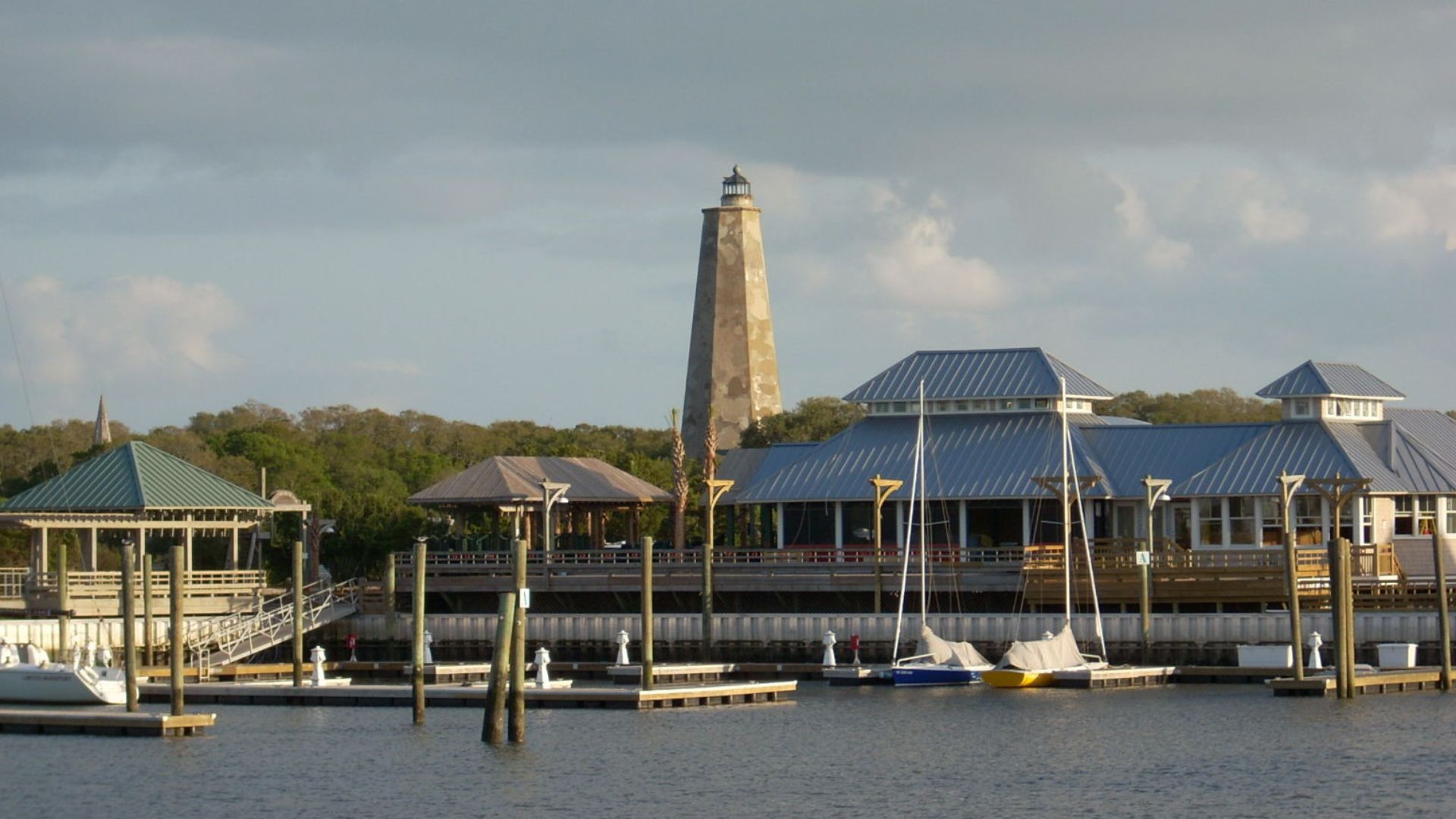
Bald Head Island Left Cars Behind
Bald Head Island, North Carolina, asks visitors to leave cars on the mainland. Golf carts, bikes, and walking shape transportation on the island. The rule supports a quieter community built around beaches, marshes, and conservation.
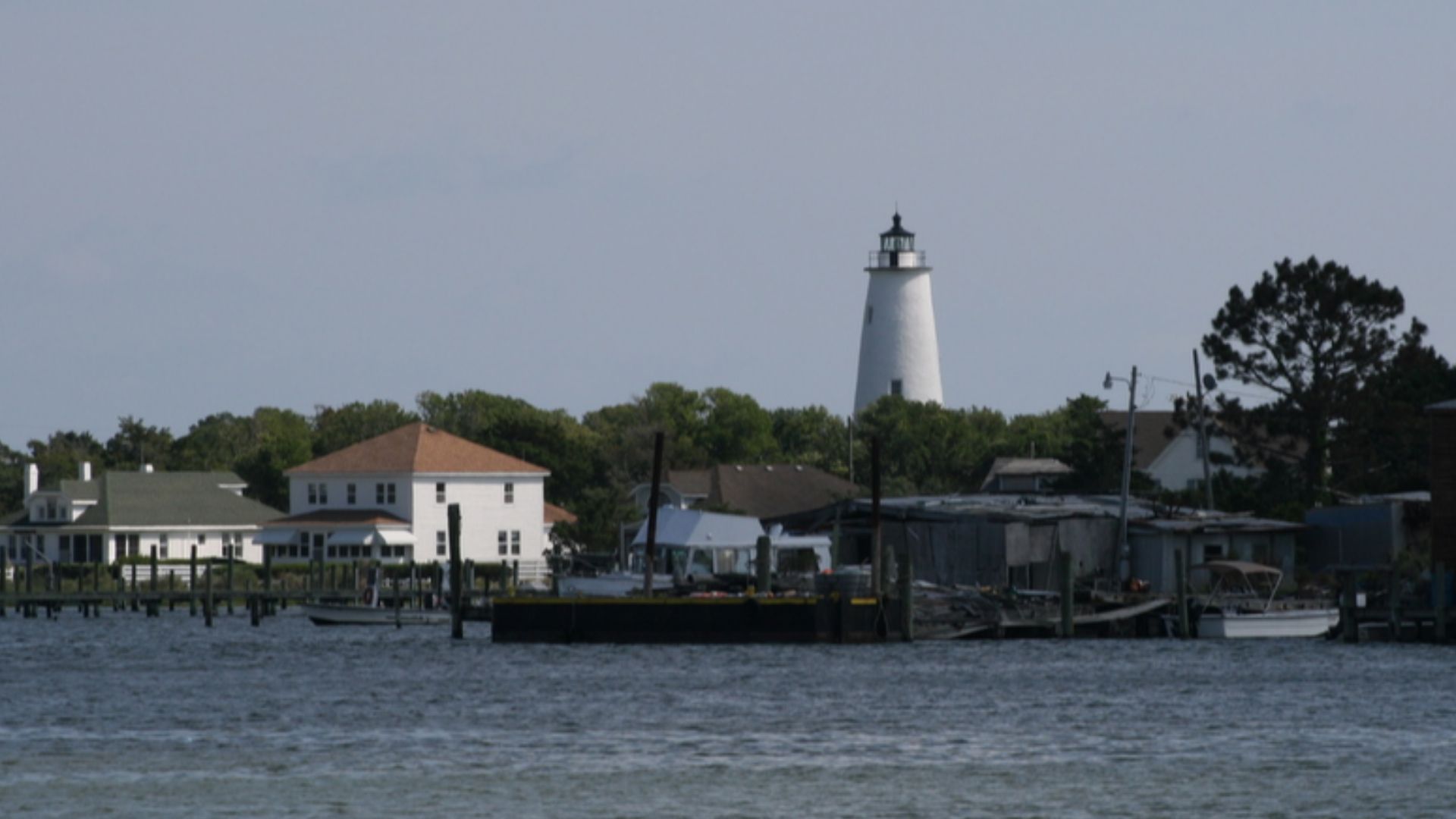
Ocracoke Lives By The Ferry Clock
Ocracoke, North Carolina, has no bridge to the mainland. Ferries connect the village to Hatteras, Cedar Island, and Swan Quarter. That schedule shapes daily life and keeps the island’s pace different from the rest of the Outer Banks.
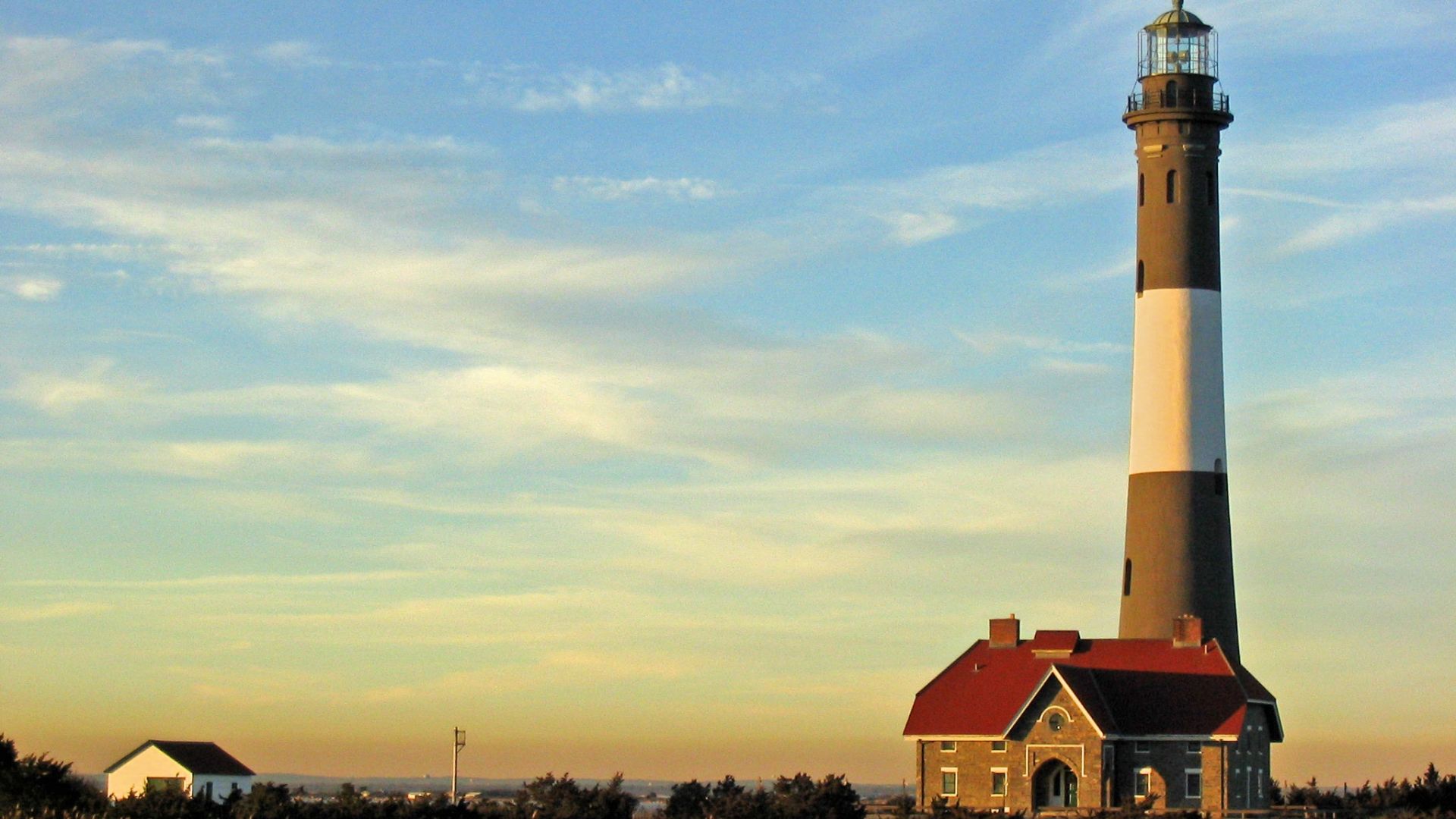
Fire Island Balanced Villages And Wilderness
Fire Island, New York, includes small communities inside a national seashore. Federal rules allowed existing communities to remain if development followed zoning limits. That balance helped preserve both human settlements and barrier-island landscapes.
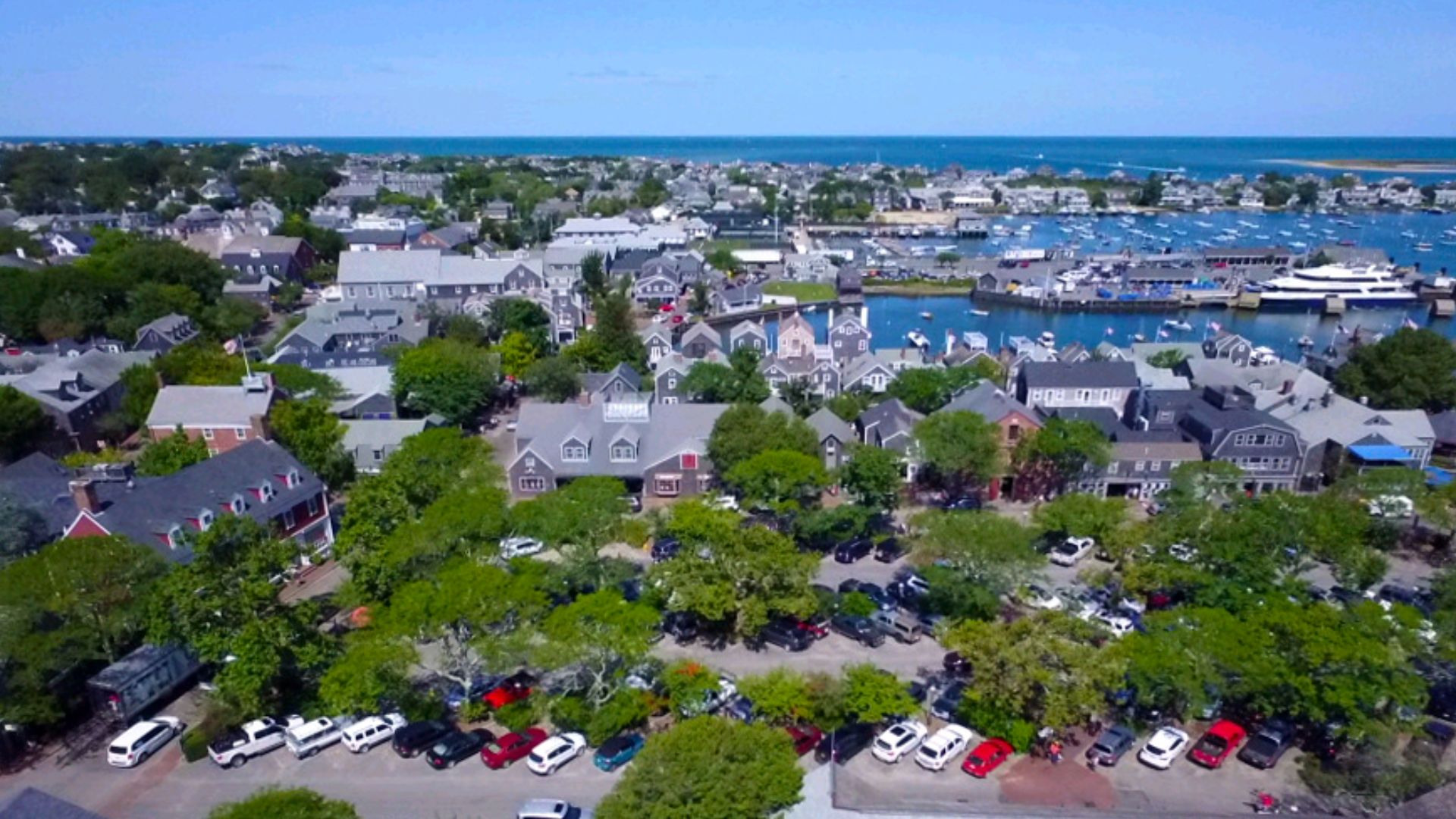
Nantucket Guarded Its Old Streetscape
Nantucket, Massachusetts, protects its historic appearance through strict local review. The island’s rules shape building changes, materials, and visual character. That has helped preserve a small seaport identity under heavy tourism pressure.
 Don Ramey Logan, Wikimedia Commons
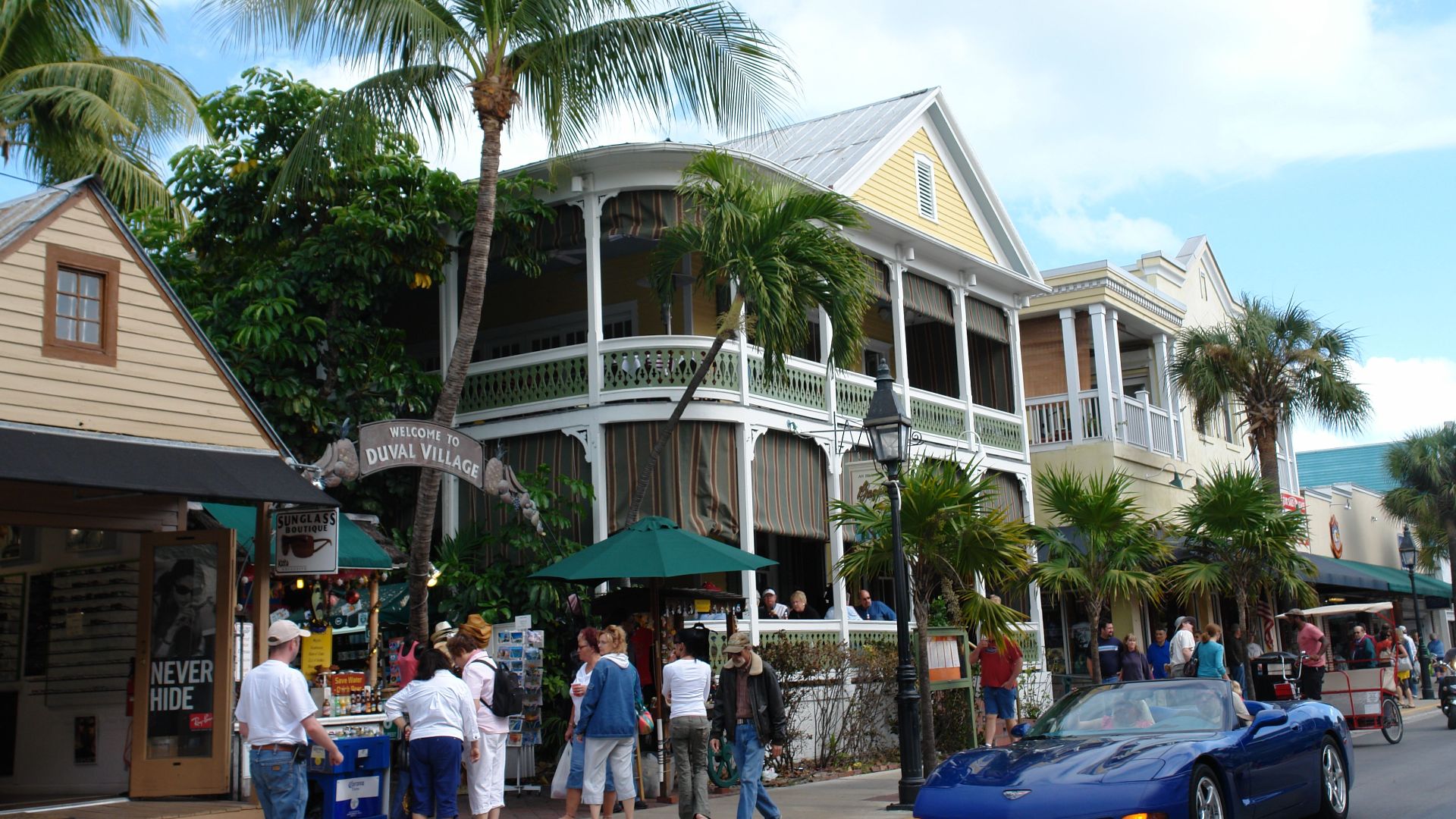
Key West Protected Its Chickens
Key West, Florida, treats its free-roaming chickens as part of the city’s character. Local rules restrict harming them and provide a process for dealing with nuisance birds. The result is a strange but recognizable form of urban coexistence.
 User:Kolossos, Wikimedia Commons
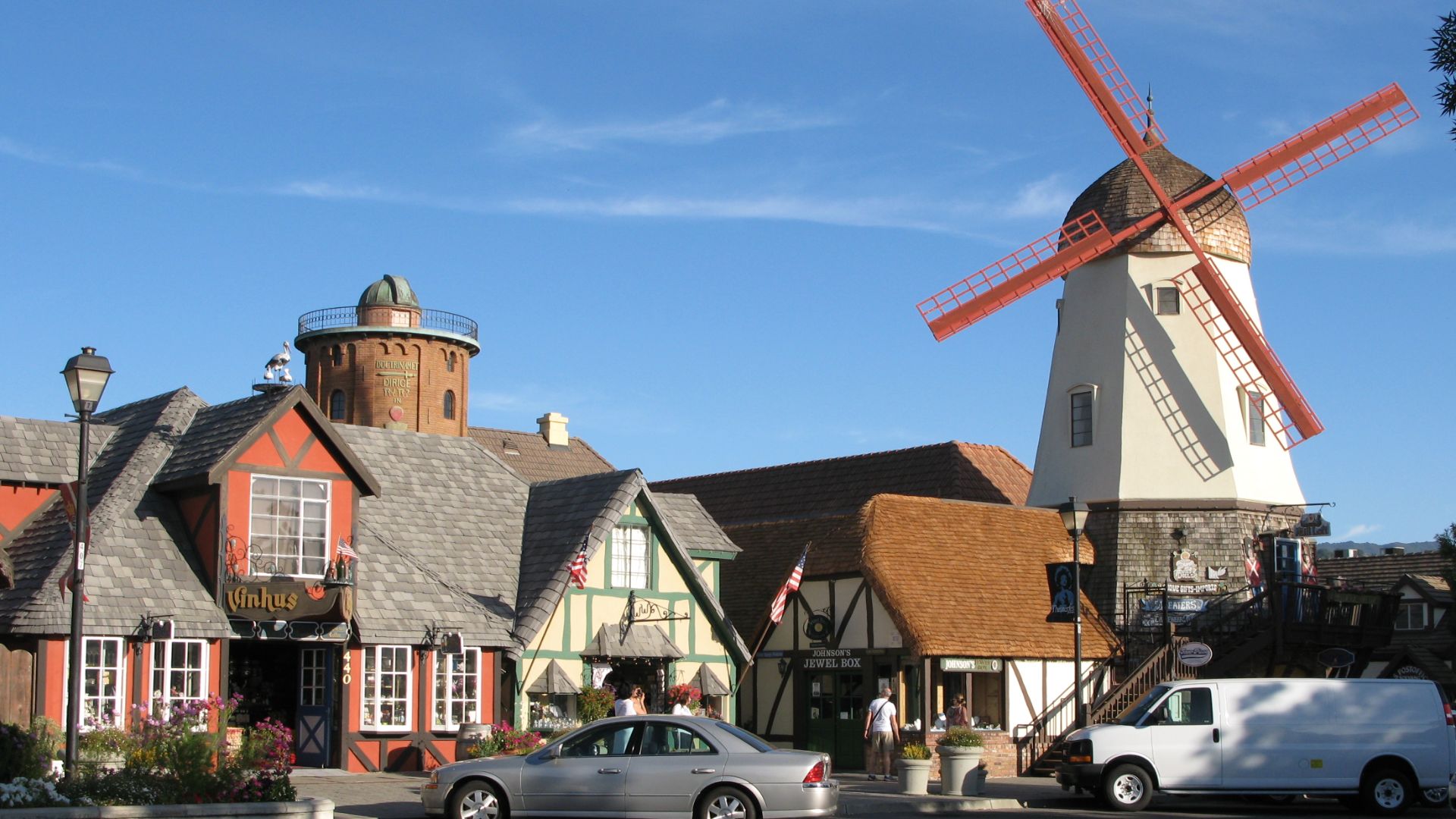
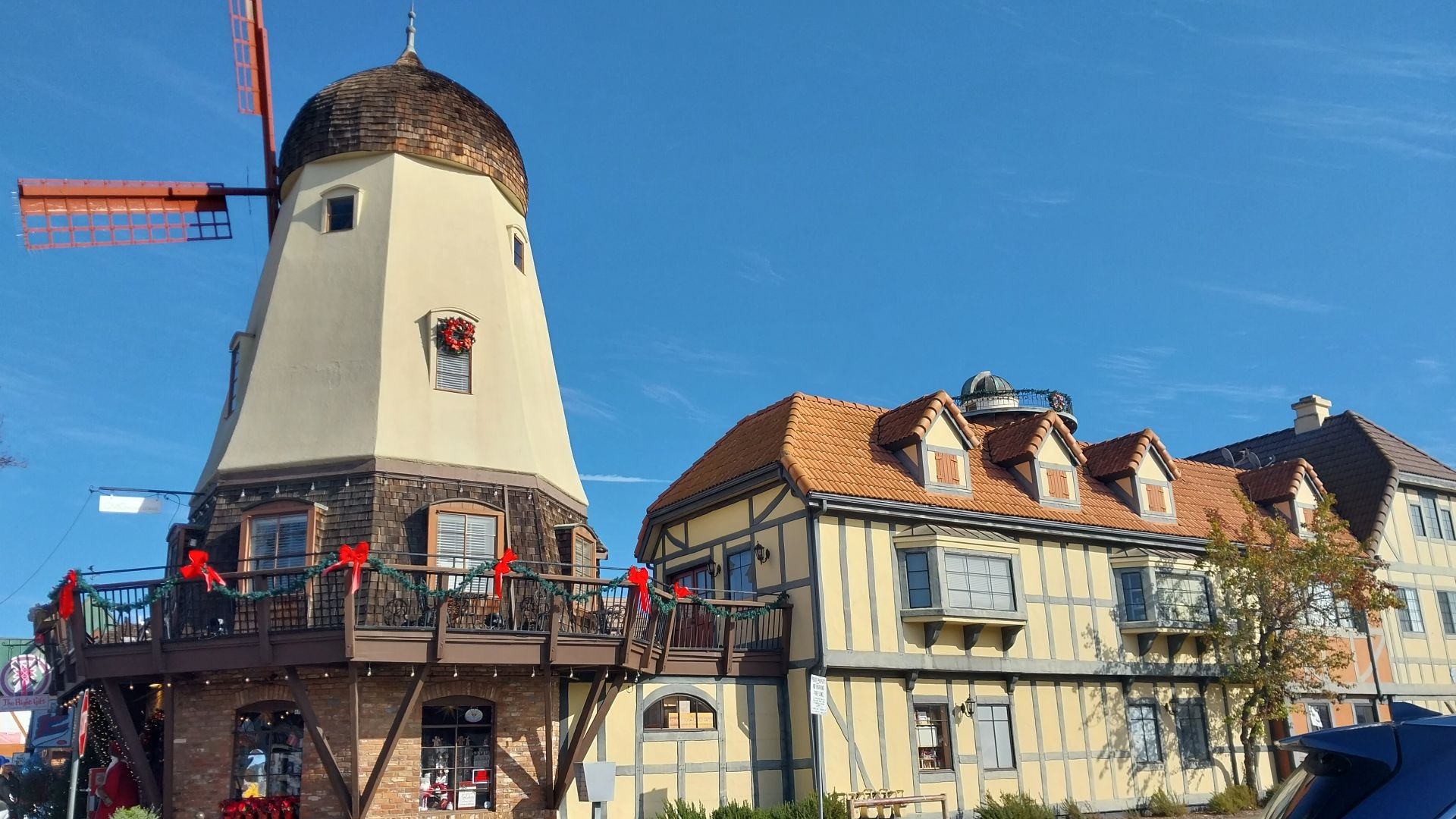
Solvang Turned Danish Style Into Survival
Solvang, California, embraced Danish-inspired architecture and culture after local leaders promoted the theme. The town’s look became a major tourism draw. Its unusual rulebook is less about isolation and more about keeping a small community economically visible.
 SUZUKI Hironobu, Wikimedia Commons
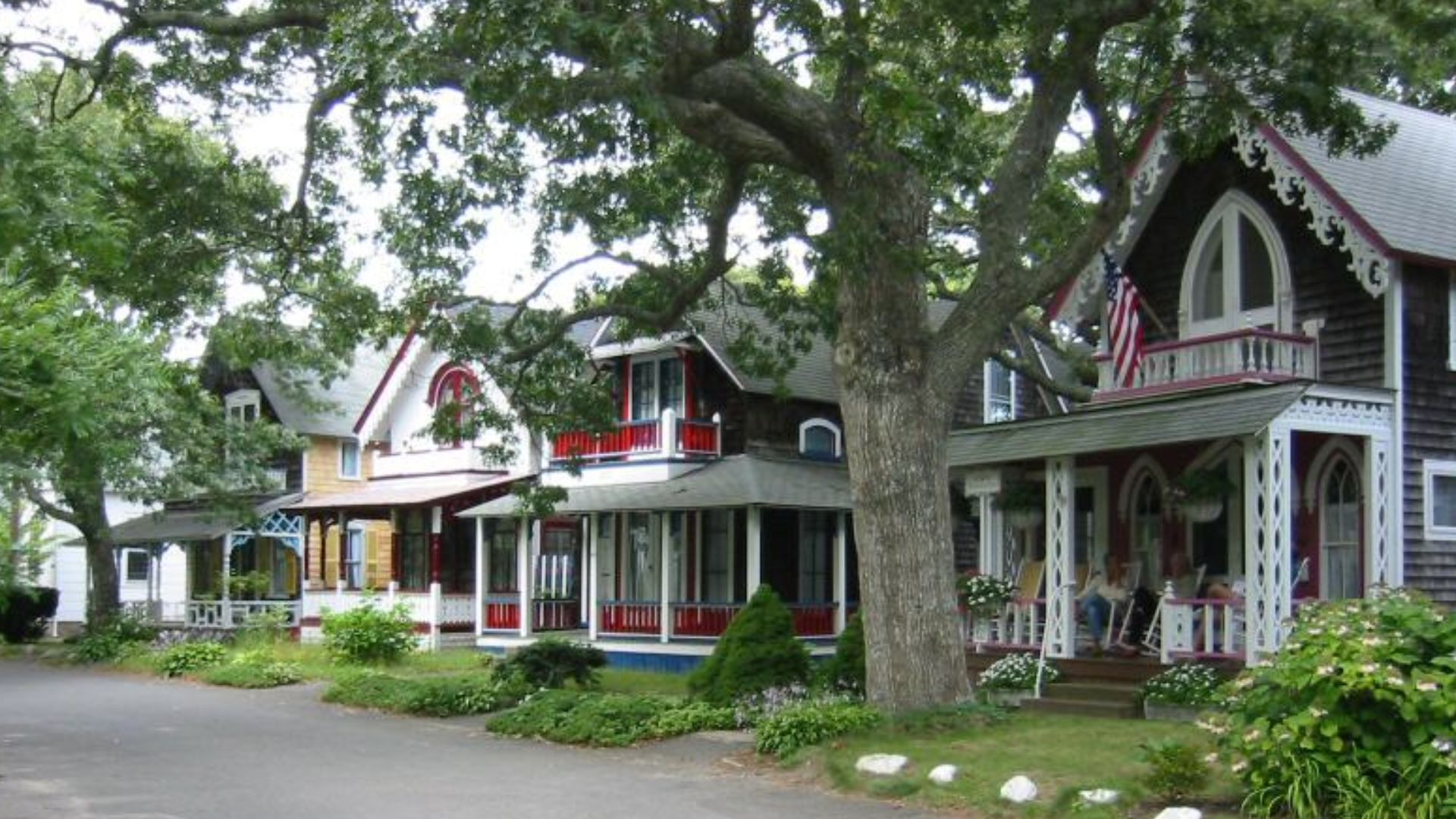
Oak Bluffs Preserved Its Gingerbread Cottages
Oak Bluffs, Massachusetts, is known for colorful cottages in the Martha’s Vineyard Camp Meeting Association grounds. Preservation rules help protect the historic character of the area. The result is a community where architecture is part of the survival plan.
 Elkman at en.wikipedia, Wikimedia Commons
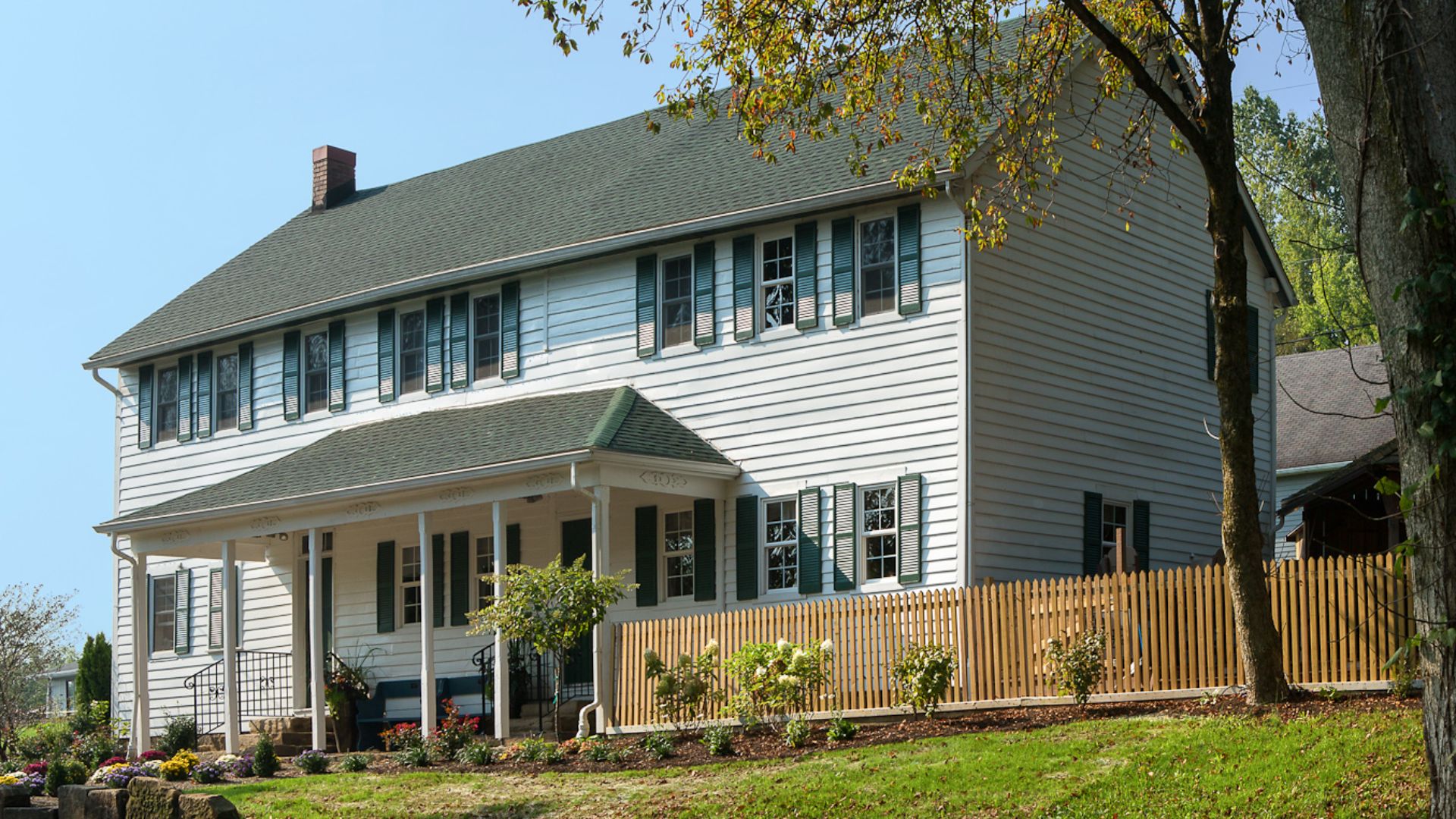
Zoar Preserved A Communal Legacy
Zoar, Ohio, began as a religious communal settlement. The village later became a preserved historic district with rules protecting its buildings and layout. Its survival depends on treating the whole place as a living record.
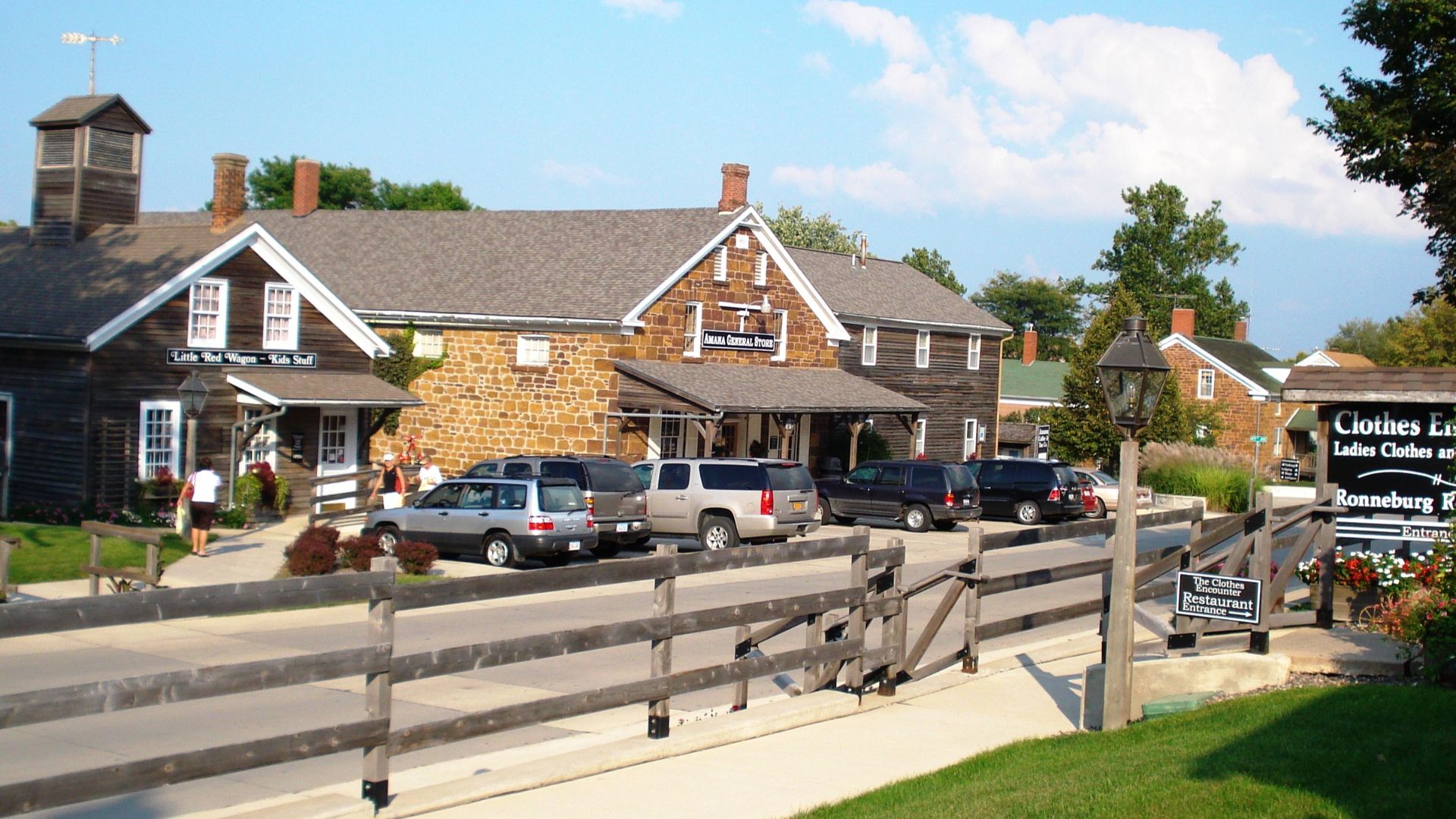
Amana Kept Its Communal Past Visible
The Amana Colonies in Iowa began as a communal religious society. Today, preservation and tourism keep that history visible through buildings, foodways, and local museums. The community’s old rules became the foundation for its modern identity.
 Kepper66 at en.wikipedia, Wikimedia Commons
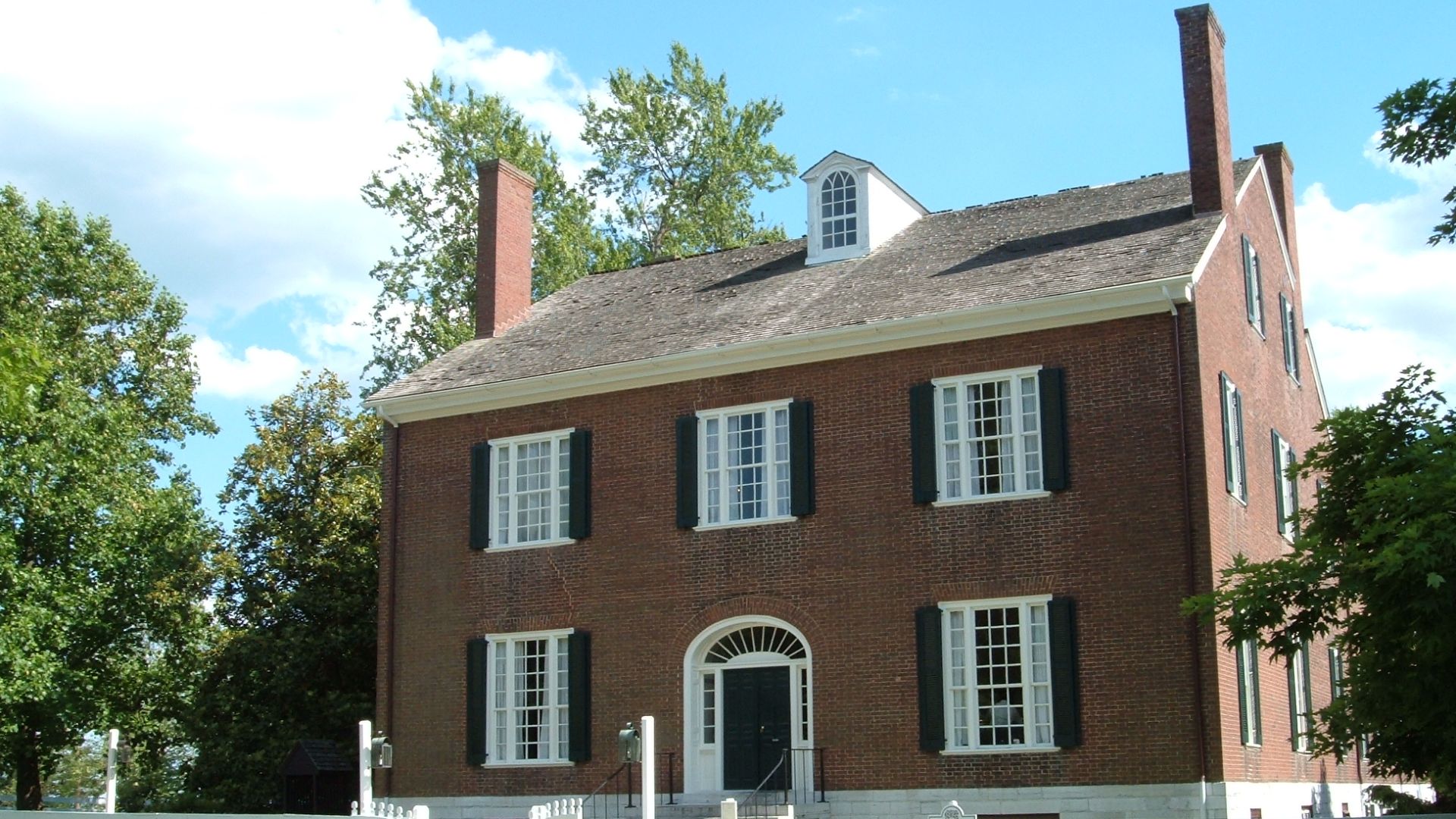
Shaker Village Preserved A Vanished Way Of Life
Pleasant Hill, Kentucky, was once home to a Shaker community. The site now protects Shaker buildings, farms, and landscapes as a historic village. Its strict preservation model keeps a small community’s unusual social experiment from fading away.
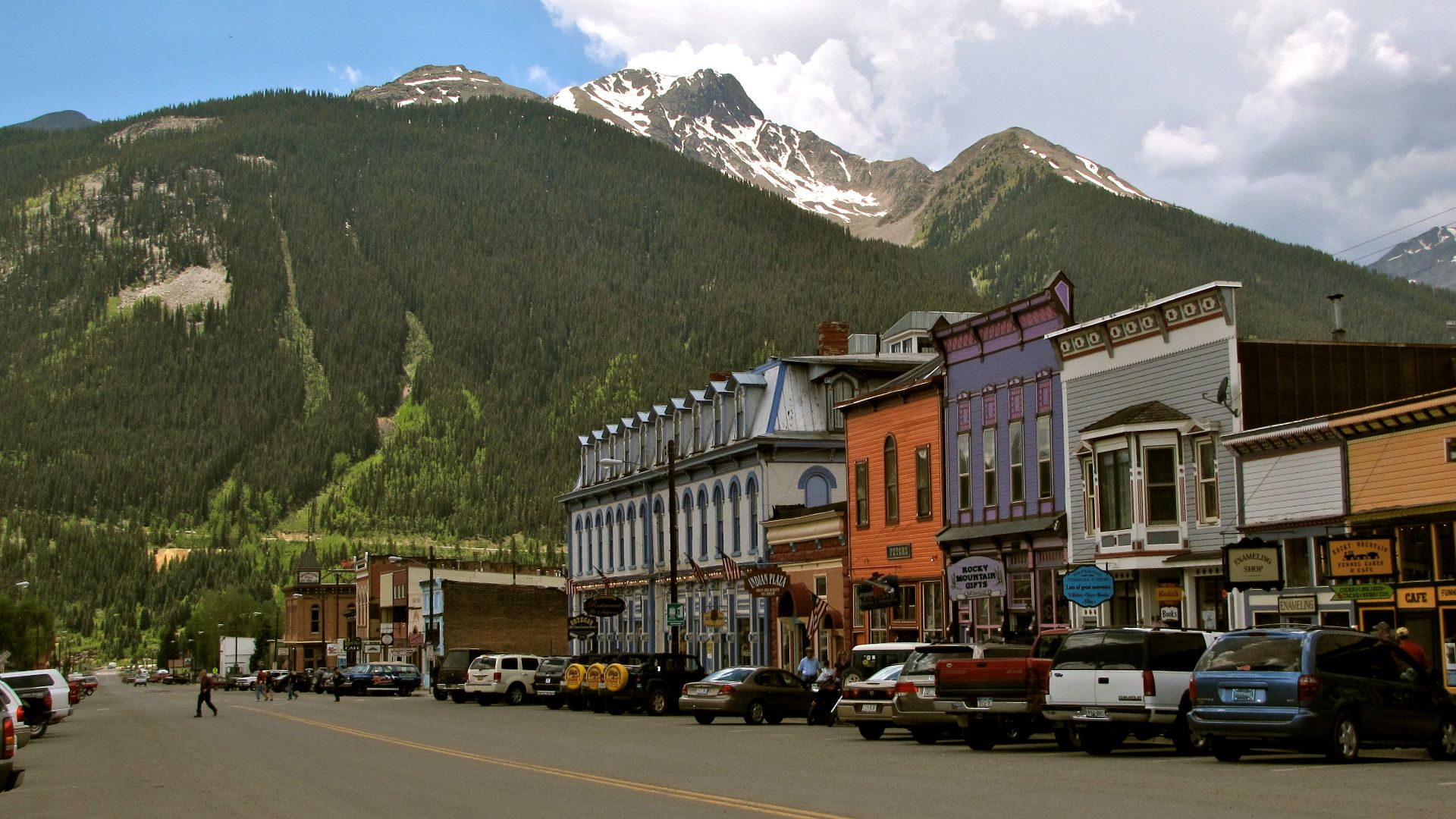
Silverton Adapted To Mountain Isolation
Silverton, Colorado, sits high in the San Juan Mountains and has long depended on mining, rail, and tourism. Local preservation rules protect its historic downtown character. In a remote mountain setting, heritage became an economic survival tool.
 Alex Reinhart, Wikimedia Commons
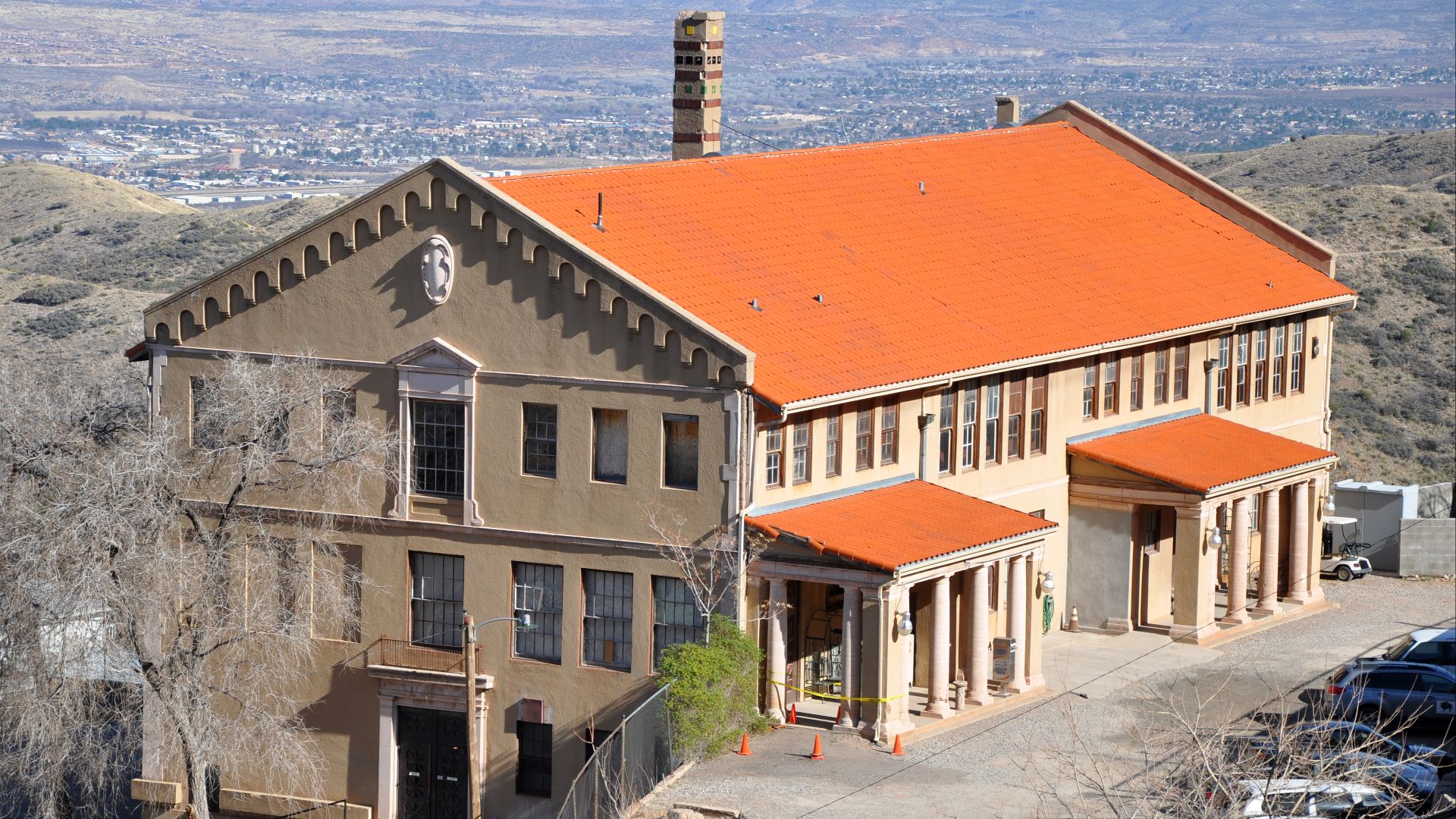
Jerome Rebuilt After The Mines
Jerome, Arizona, nearly became a ghost town after mining declined. The town survived by leaning into historic preservation, art, and tourism. Its steep streets and old buildings are now protected assets rather than abandoned leftovers.
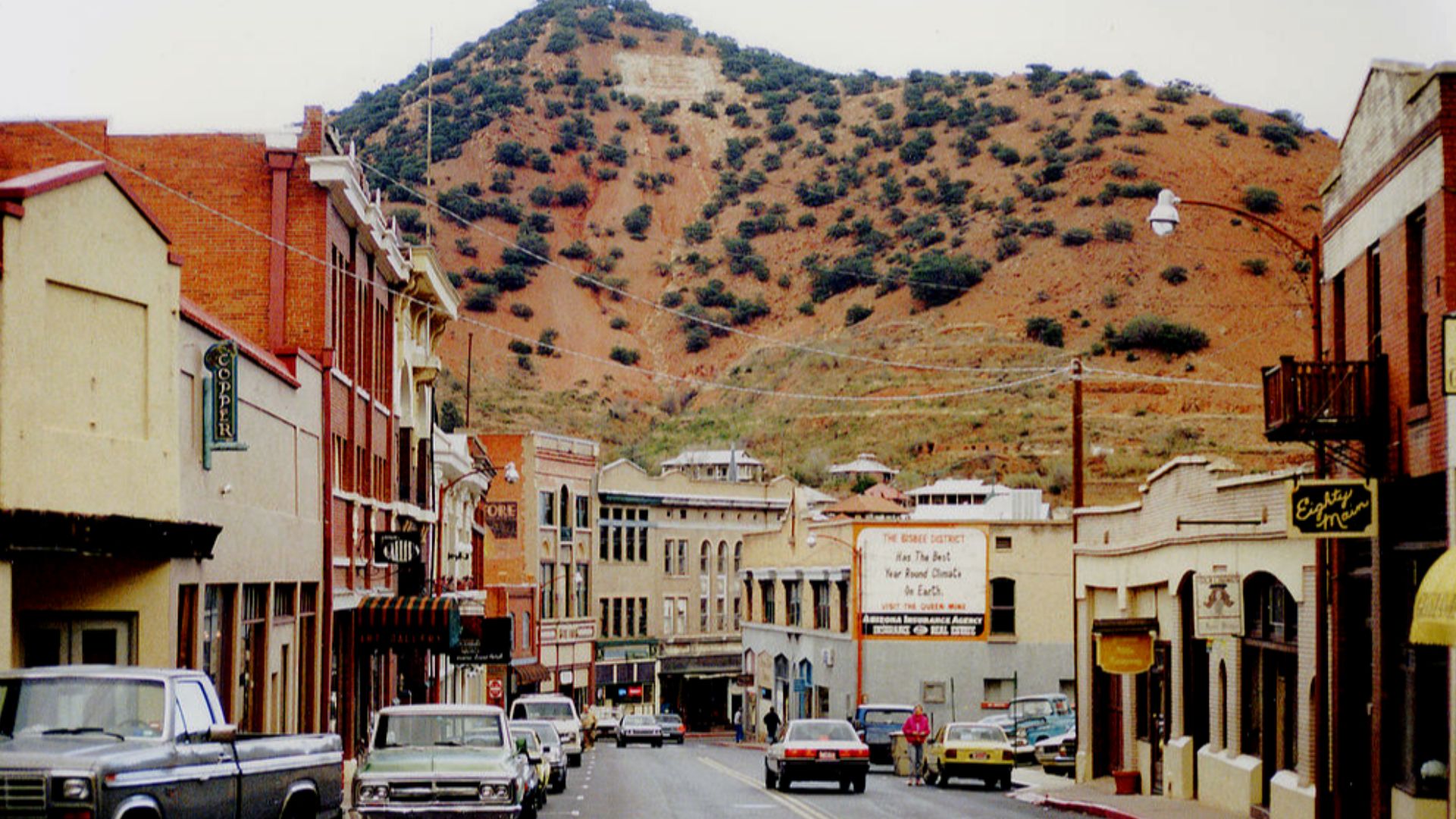
Bisbee Made Reuse Its Rule
Bisbee, Arizona, also reinvented itself after mining faded. Artists, small businesses, and preservation advocates helped reuse historic buildings instead of replacing them. The town’s survival came from treating eccentricity and old infrastructure as advantages.
 Phillip Capper from Wellington, New Zealand, Wikimedia Commons
These Places Survived By Being Specific
The rules in these communities can look strange from the outside. Up close, they usually make sense because they respond to weather, geography, economic collapse, heritage, or isolation. That is what makes them worth visiting with patience, respect, and curiosity.
 DestinationFearFan, Wikimedia Commons