A Quiet Village With A Loud Past
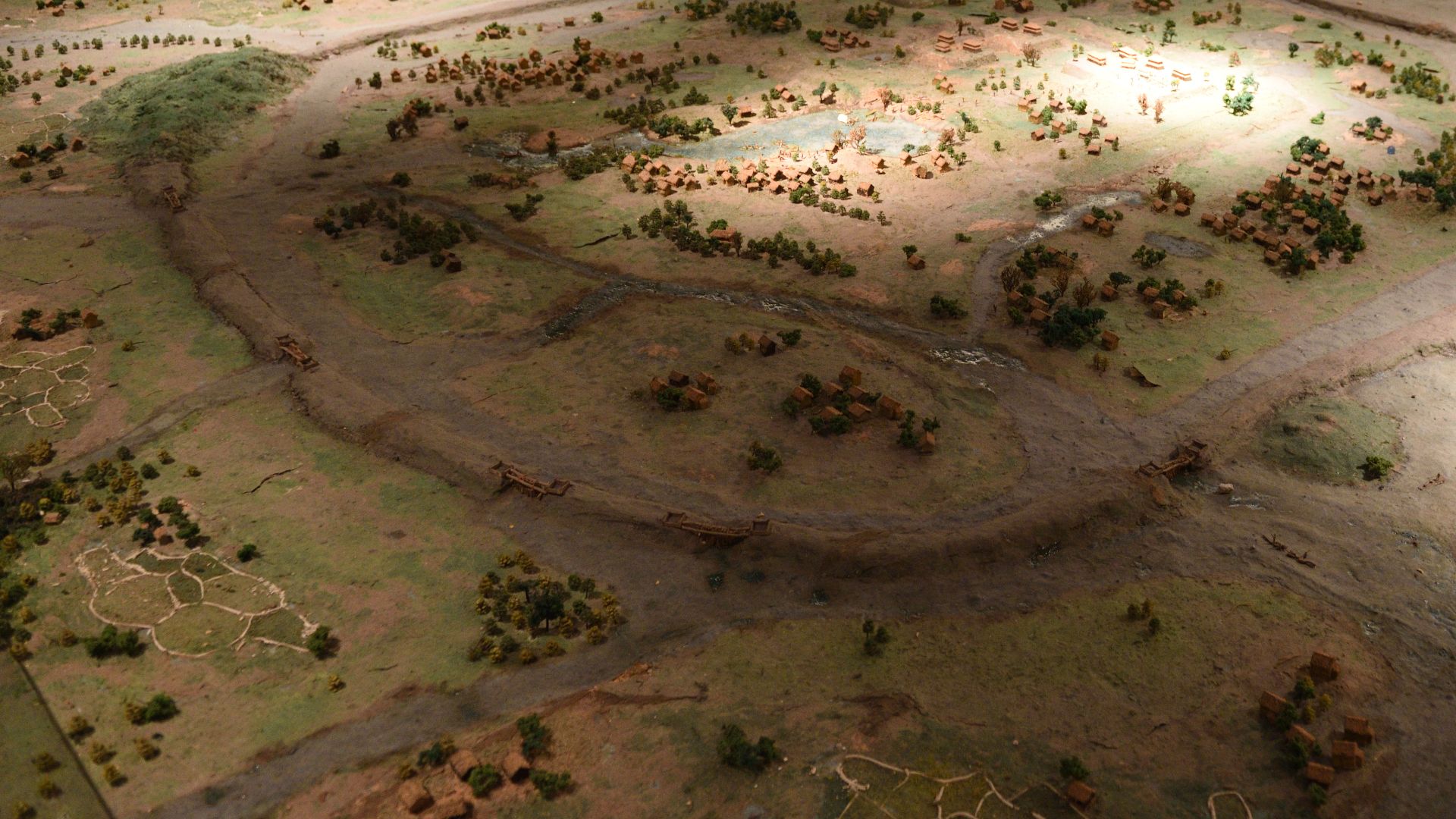
From above, the fields look ordinary. There are crops, trees, and a few scattered buildings. Yet beneath the surface in Henan Province lies a buried village from China’s ancient past. Its remains show how the most unassuming place can suddenly transform into one of archaeology’s most surprising time capsules.
Where The Yellow River Hides Secrets
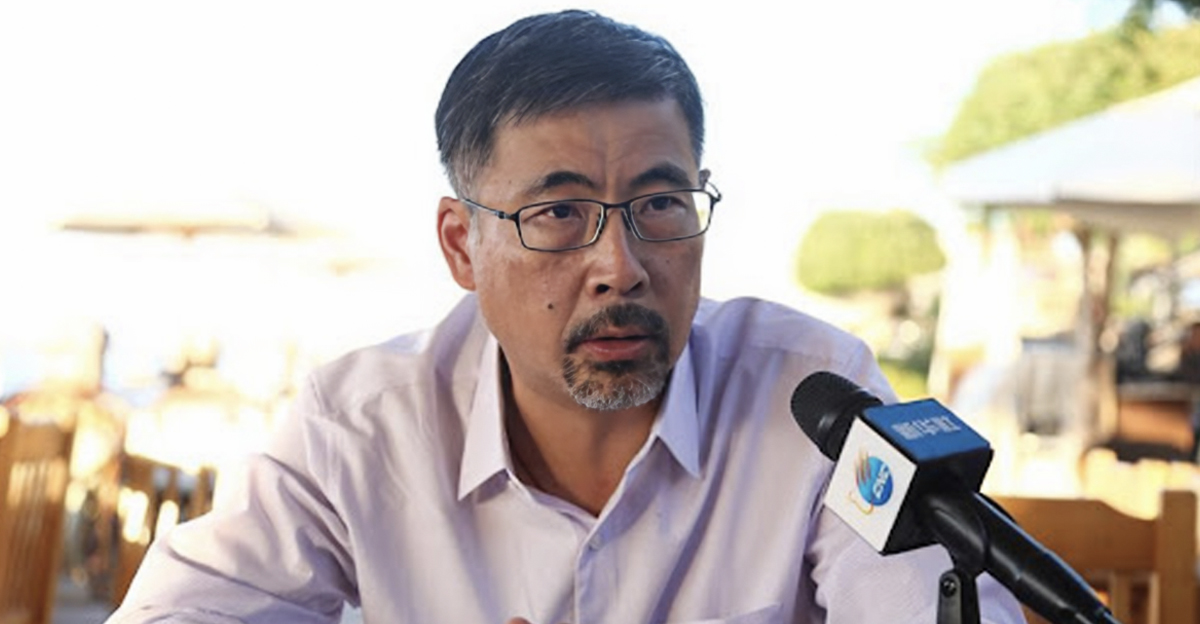
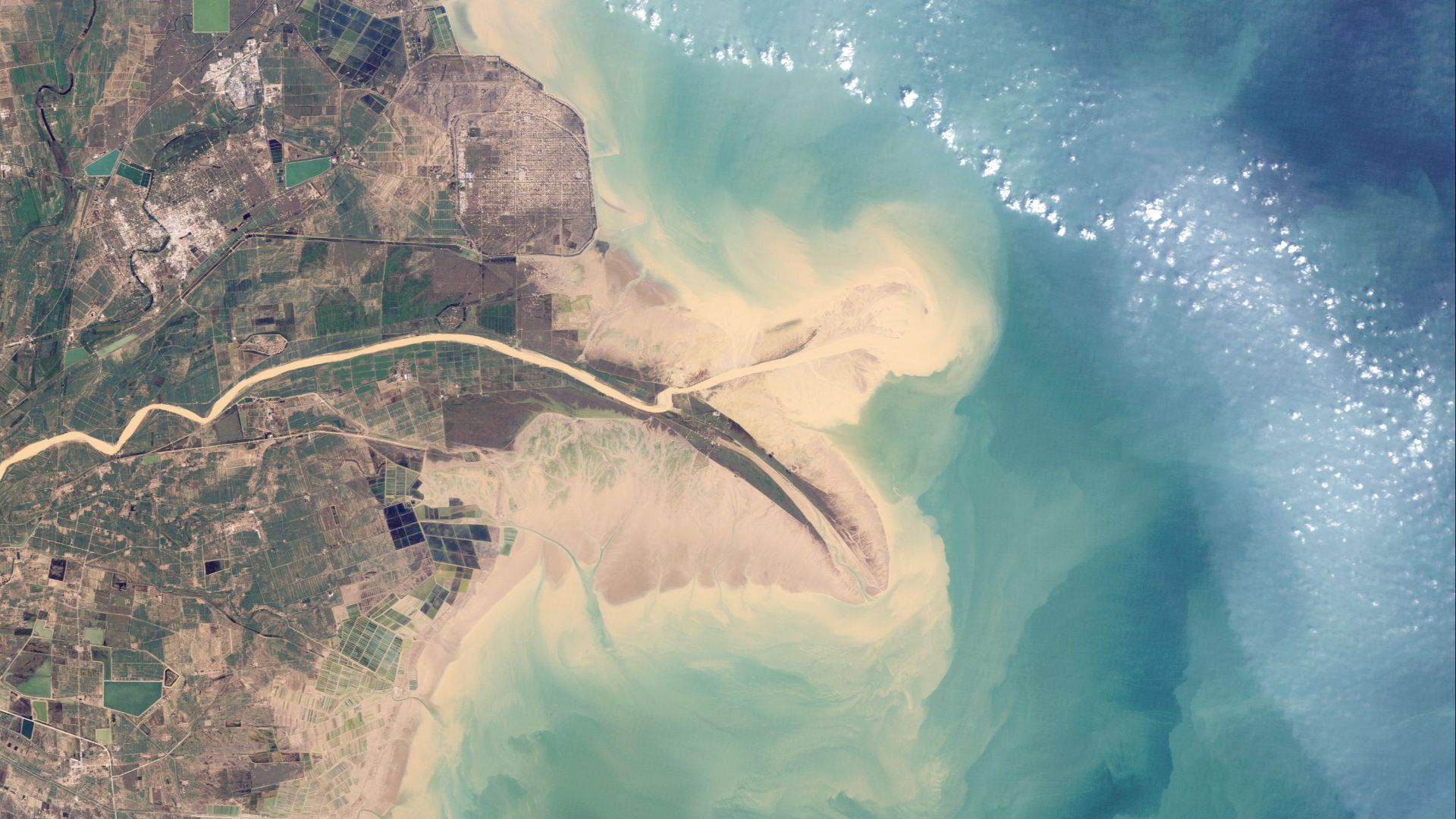
The village sits on the vast floodplain of the Yellow River. For thousands of years, this river has shifted its course and spilled over its banks. Its floods destroyed homes and reshaped farmland. They also left behind thick layers of silt that preserved entire landscapes beneath the modern fields.
Sanyangzhuang: A Name With Hidden Depths
This buried settlement is called Sanyangzhuang. It lies in modern Henan Province, in north-central China. Today the area looks like a typical rural landscape. Beneath the ground, however, rests a remarkably intact community from roughly two thousand years ago.
An Accidental Discovery In 2003
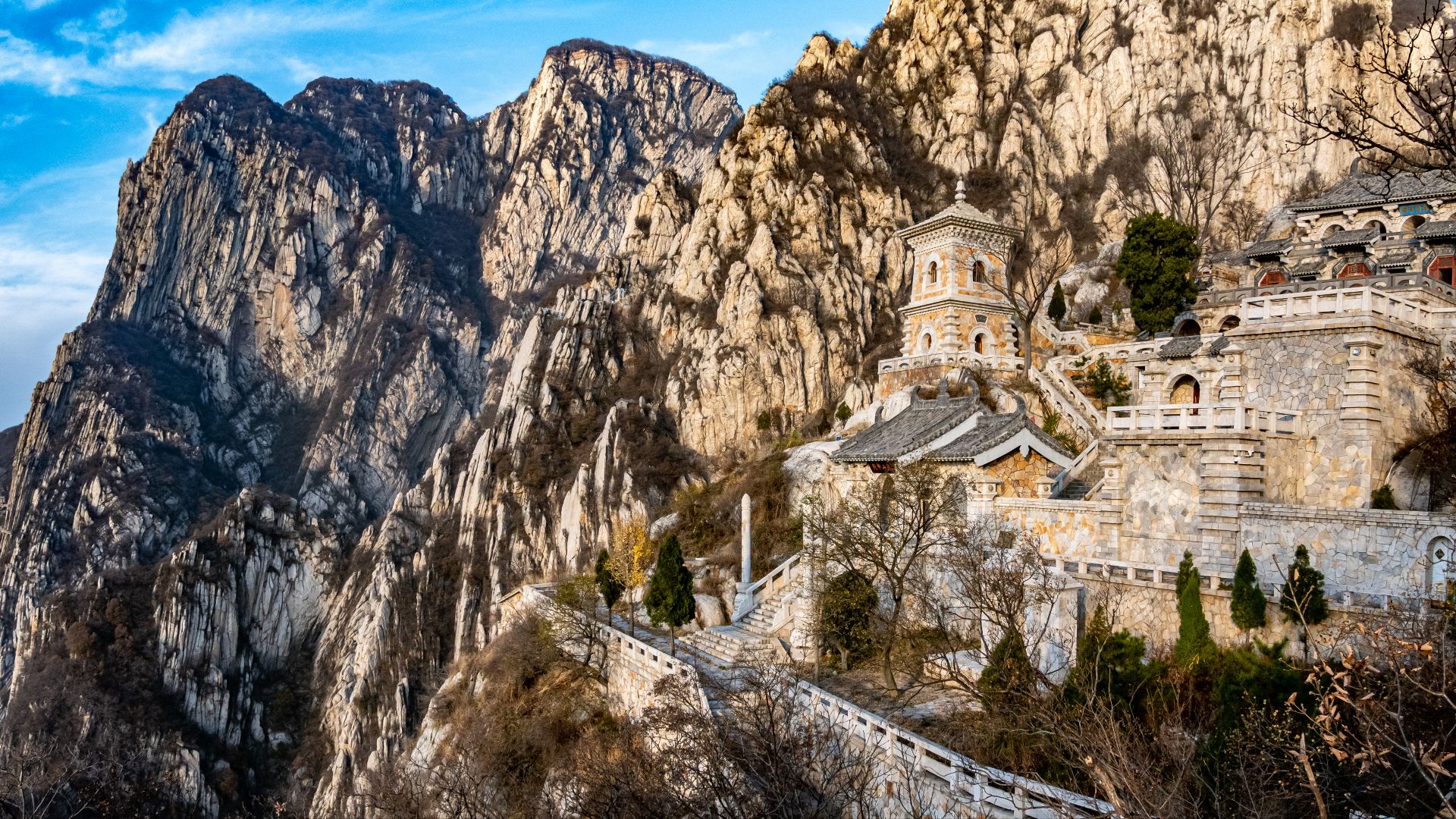
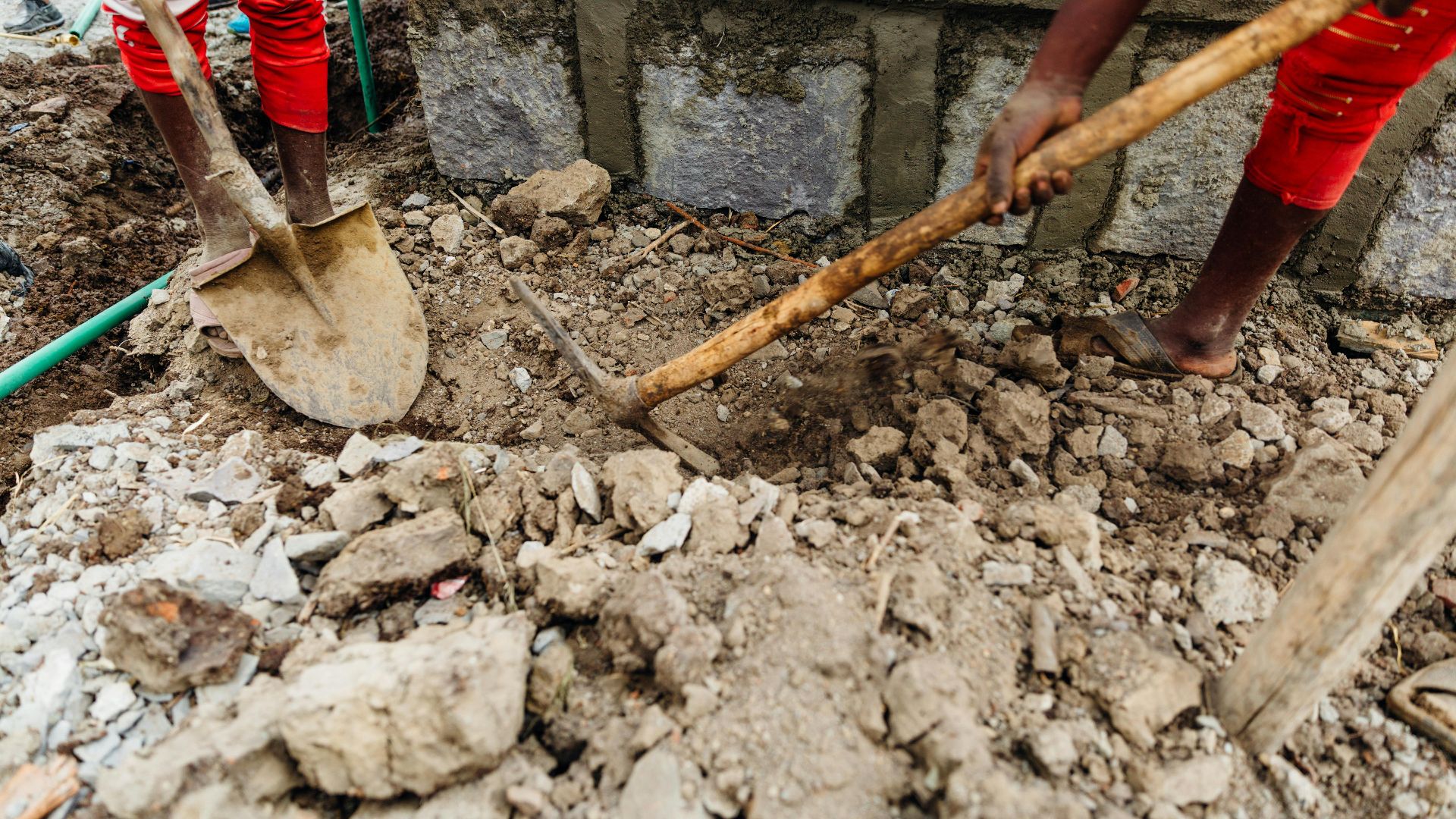
Sanyangzhuang came to light in 2003 during the digging of an irrigation canal. Workers cutting through the soil noticed traces of ancient structures. Their routine project turned into a major archaeological discovery. What they uncovered rewrote part of the story of rural life in the Han Dynasty.
A Village Lost To A Catastrophic Flood
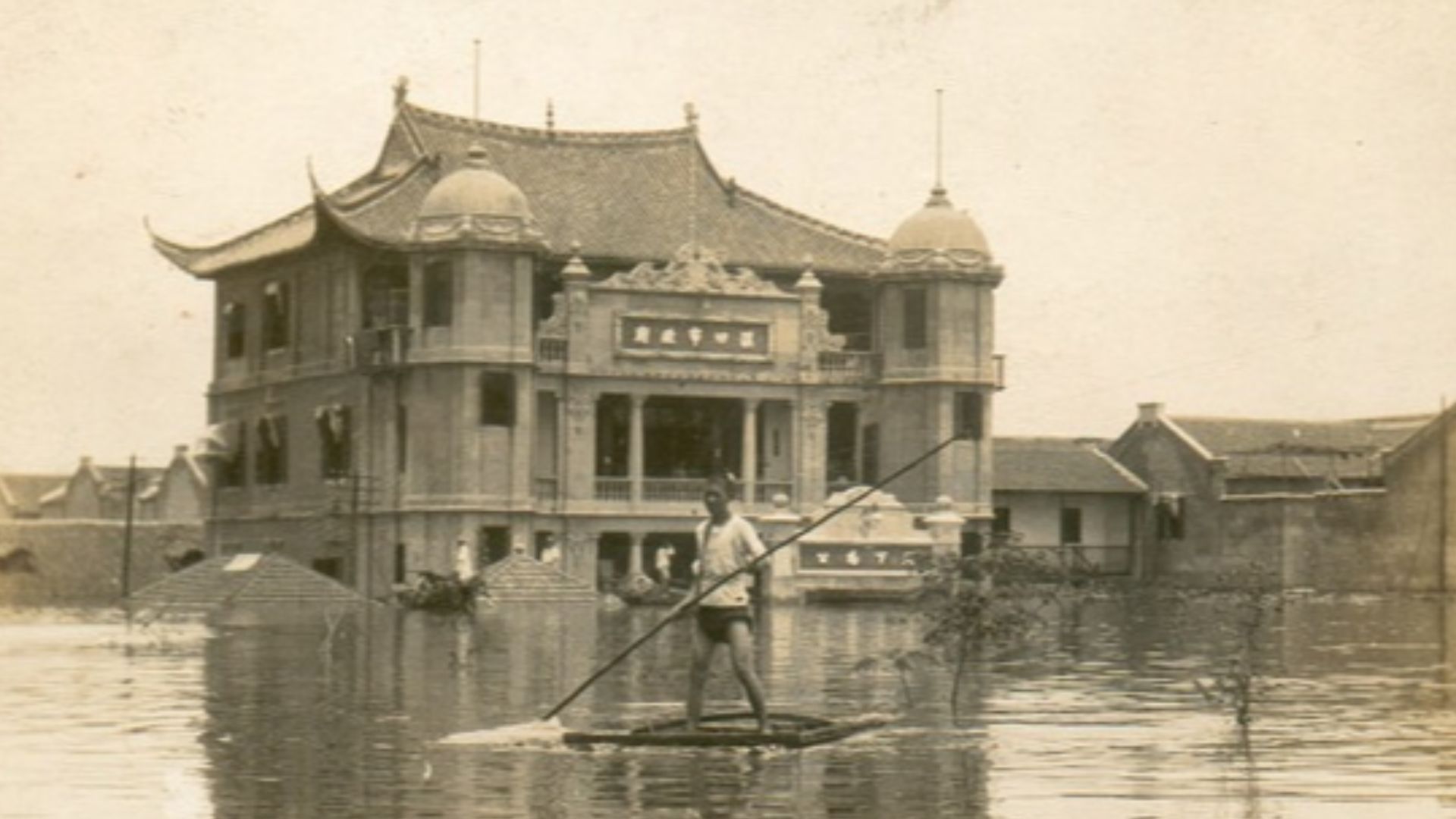
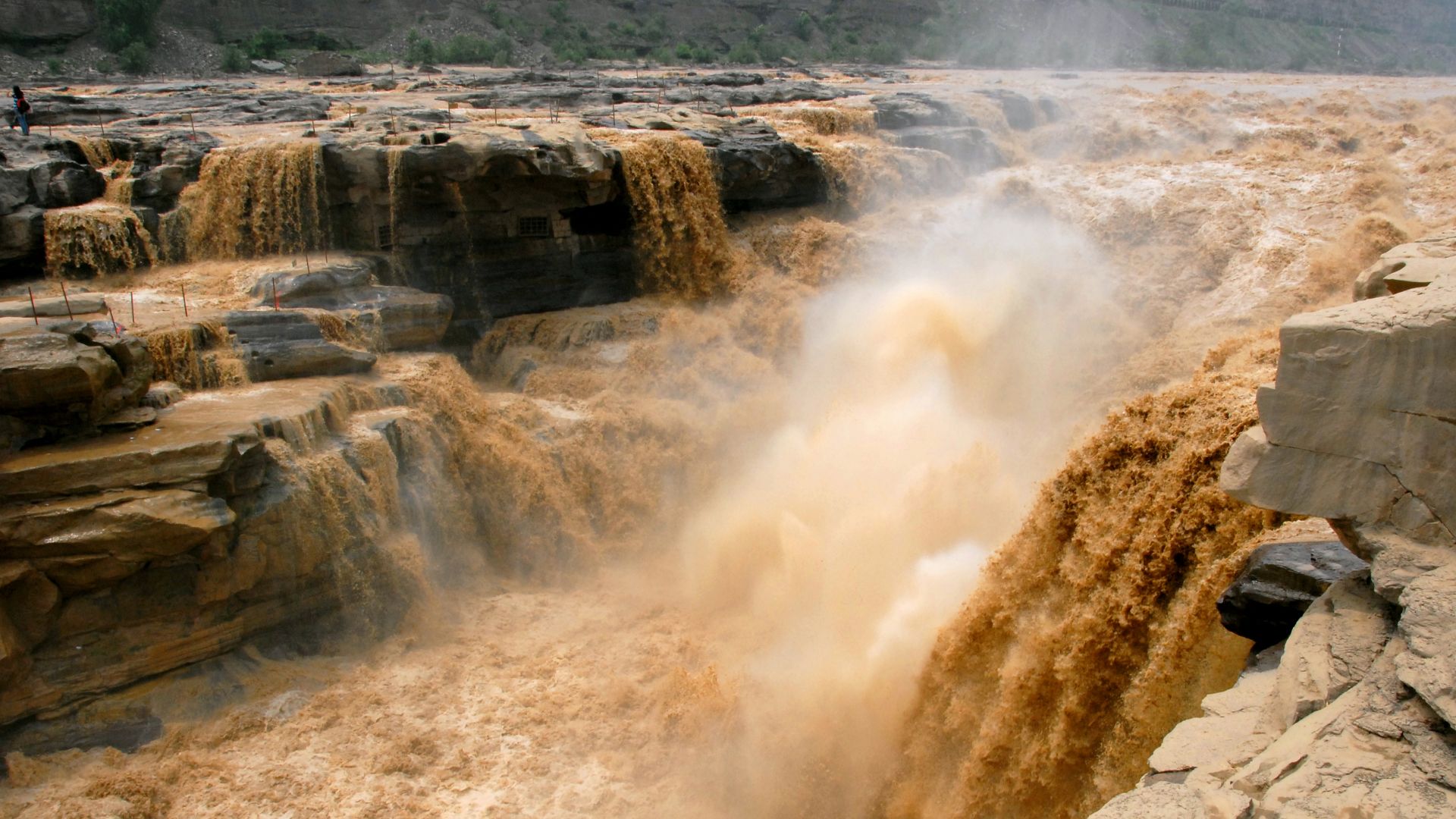
Around two millennia ago, the Yellow River rose and swept across the settlement. The floodwaters covered the village in thick sediment. That sudden event buried houses, courtyards, and fields. It ended daily life and also sealed the community in place for centuries.
 Sina Blog "Alumni of Wuhan No.1 High School" (reprinted from reader's article), Wikimedia Commons
A Time Capsule Under Layers Of Silt
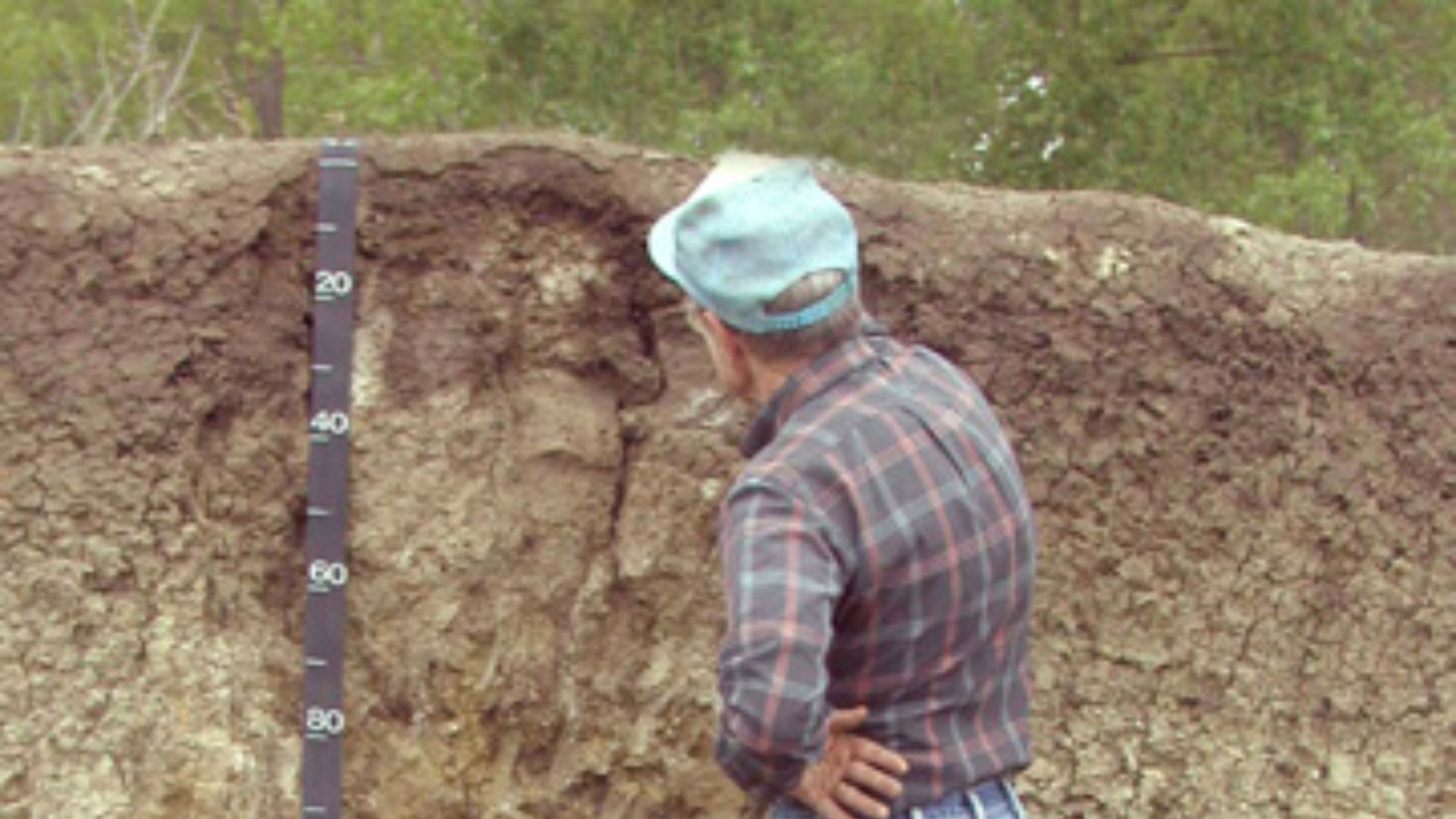
Excavations show that flood deposits here can reach roughly five meters deep or more. Archaeologists dig through these layers to reach the ancient surface. When they arrive, they find buildings, roads, and field patterns preserved almost exactly where their owners left them.

A Window Into Western Han Rural Life
Most of the settlement belongs to the Western Han Dynasty and the brief Wang Mang regime. This was a period of imperial expansion and organized agriculture. Sanyangzhuang represents a farming community that helped supply the empire and sustain daily life far from royal capitals.

Courtyard Houses Frozen In Place
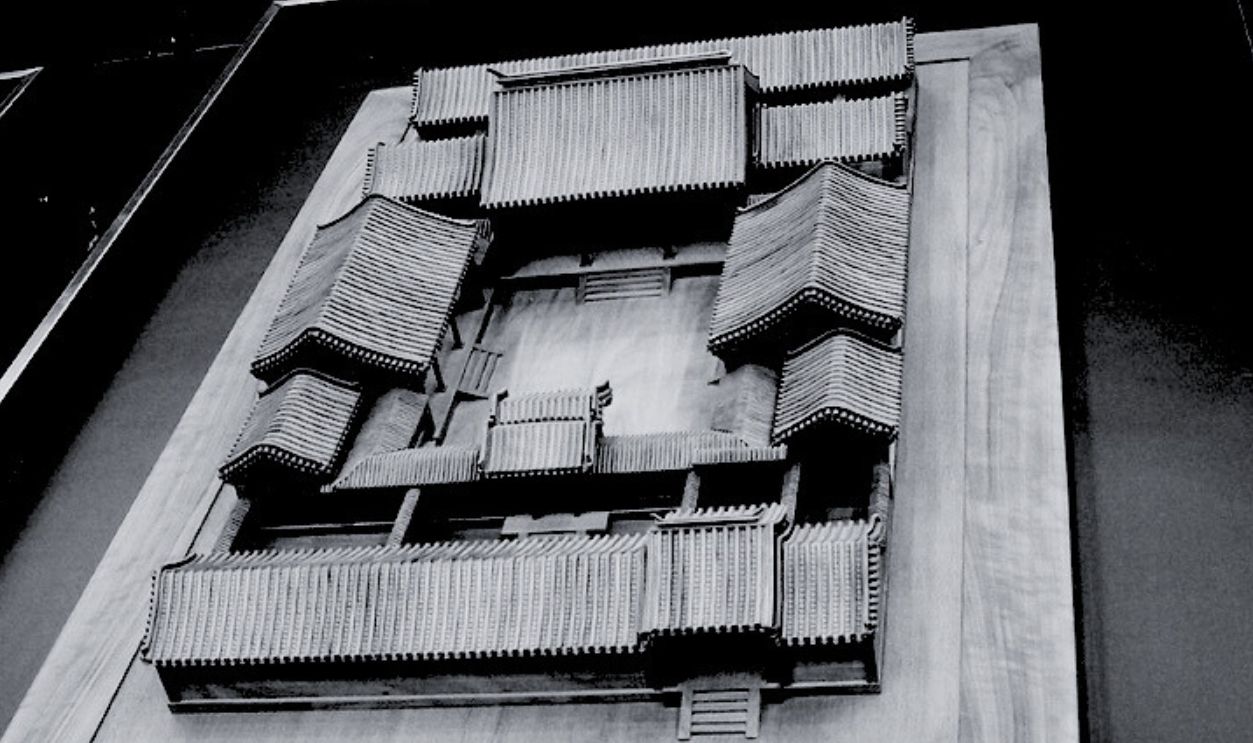
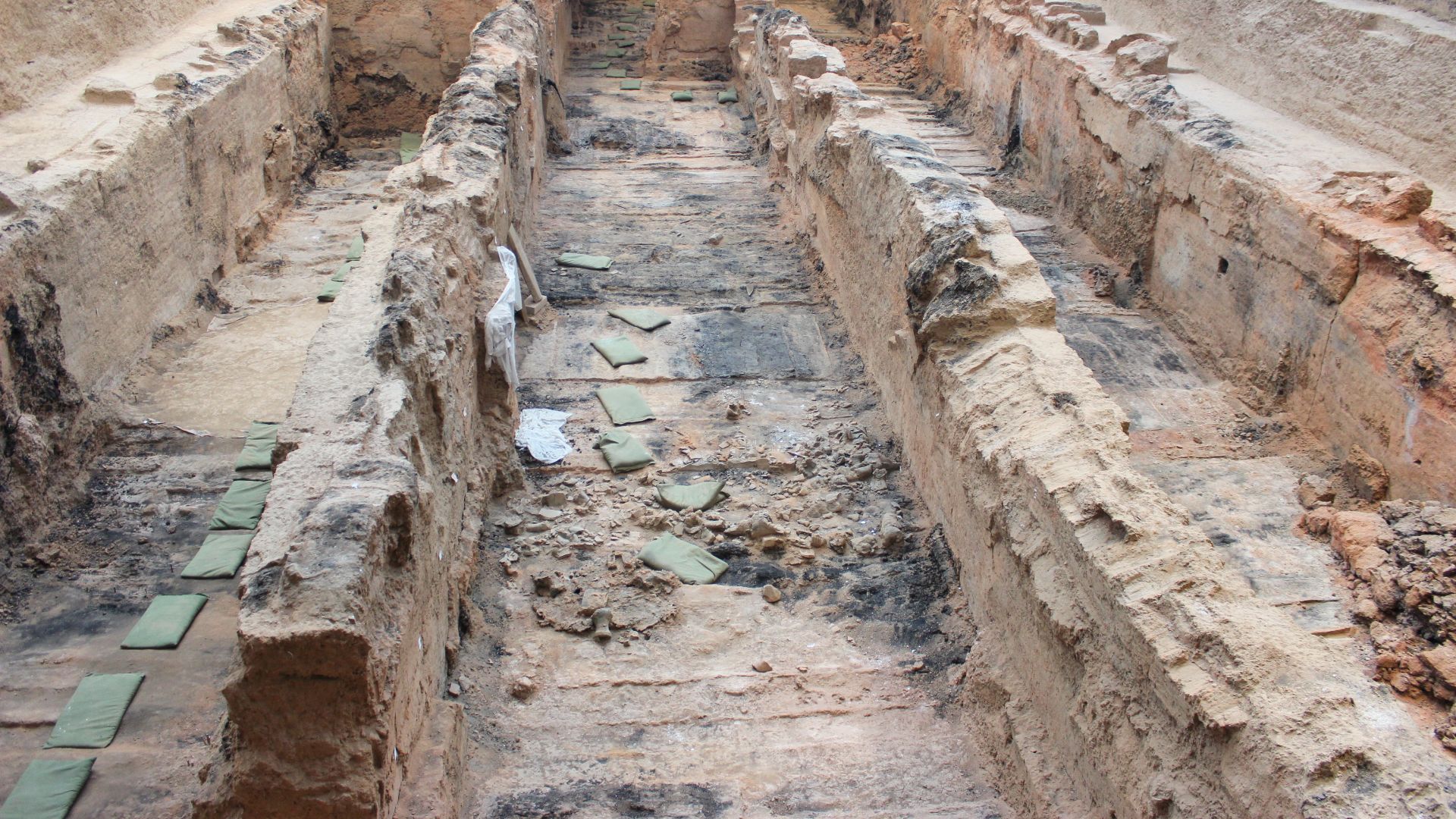
Archaeologists uncovered courtyard houses with clear outlines. Roof tiles collapsed but remained on-site. Brick foundations survived where builders laid them. These finds reveal how families arranged their homes around open courtyards and how they built structures suited to the demands of rural life.
Wells, Roads, And Village Infrastructure
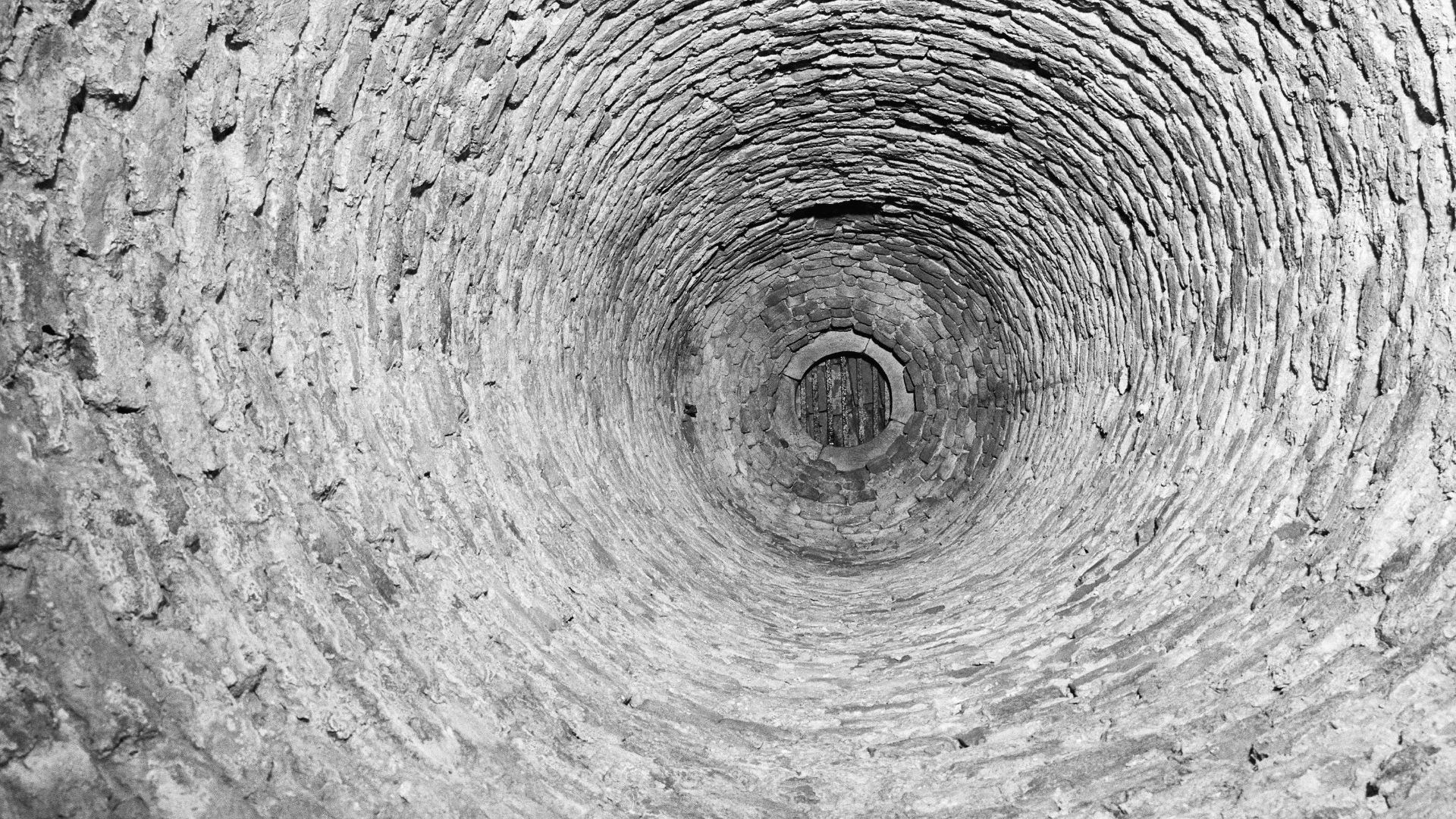
The preserved village shows more than domestic spaces. Brick-lined wells mark vital water sources. Road traces reveal connections among houses and fields. These elements form a complete picture of an organized rural community. They demonstrate that Sanyangzhuang was a functioning village, not an isolated dwelling.
 A. J. van der Wal, Wikimedia Commons
Ancient Farming Written Into The Soil
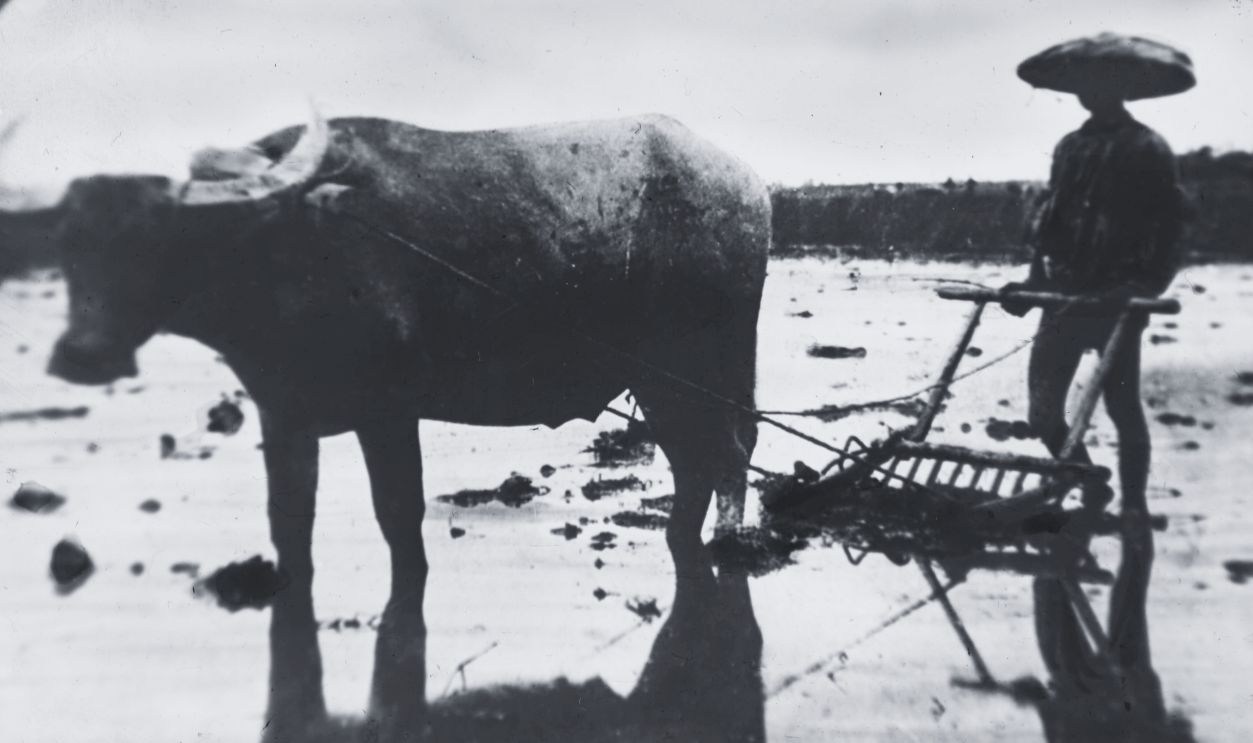
Beyond the houses, the soil preserves signs of ancient farming. Archaeologists study anthrosols, soils shaped by human activity. They interpret plowing, manuring, and irrigation practices from soil chemistry and structure. These buried layers offer a rare look at field management during the Han period.
 Unknown Author, Wikimedia Commons
Tools That Tell A Story Of Work
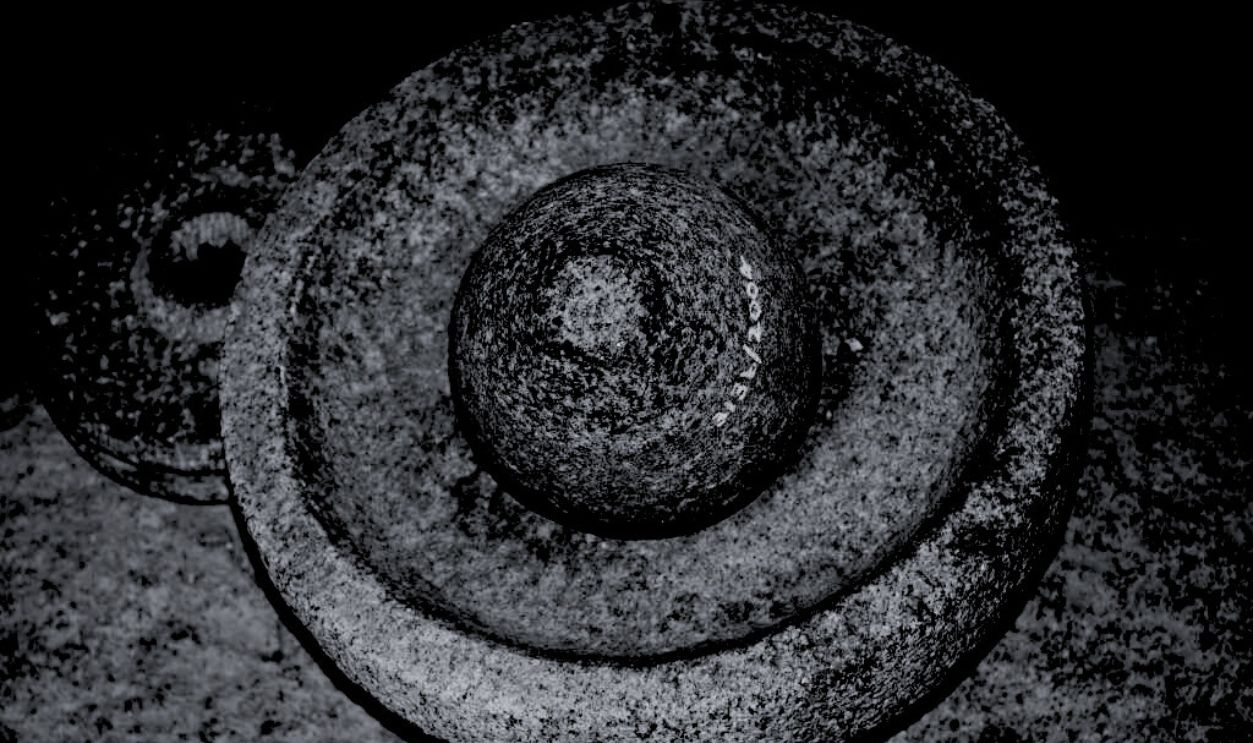
Excavations have recovered metal tools and grinding stones. Plow shares reveal how farmers broke the heavy floodplain soil. Grinding stones hint at daily preparation of grain inside homes. These tools help reconstruct the work that sustained early communities on the Yellow River plain.
 w:en:User:Rrjanbiah, Photo taken by me with D70s., Wikimedia Commons
Coins And The Local Economy
Archaeologists also found coins at the site. These small objects show that villagers used money and interacted with a wider economy. Even remote communities participated in markets and tax systems that linked them to the broader imperial world.
 Three Hunts, Wikimedia Commons
Mulberry Leaves And A Possible Silk Connection
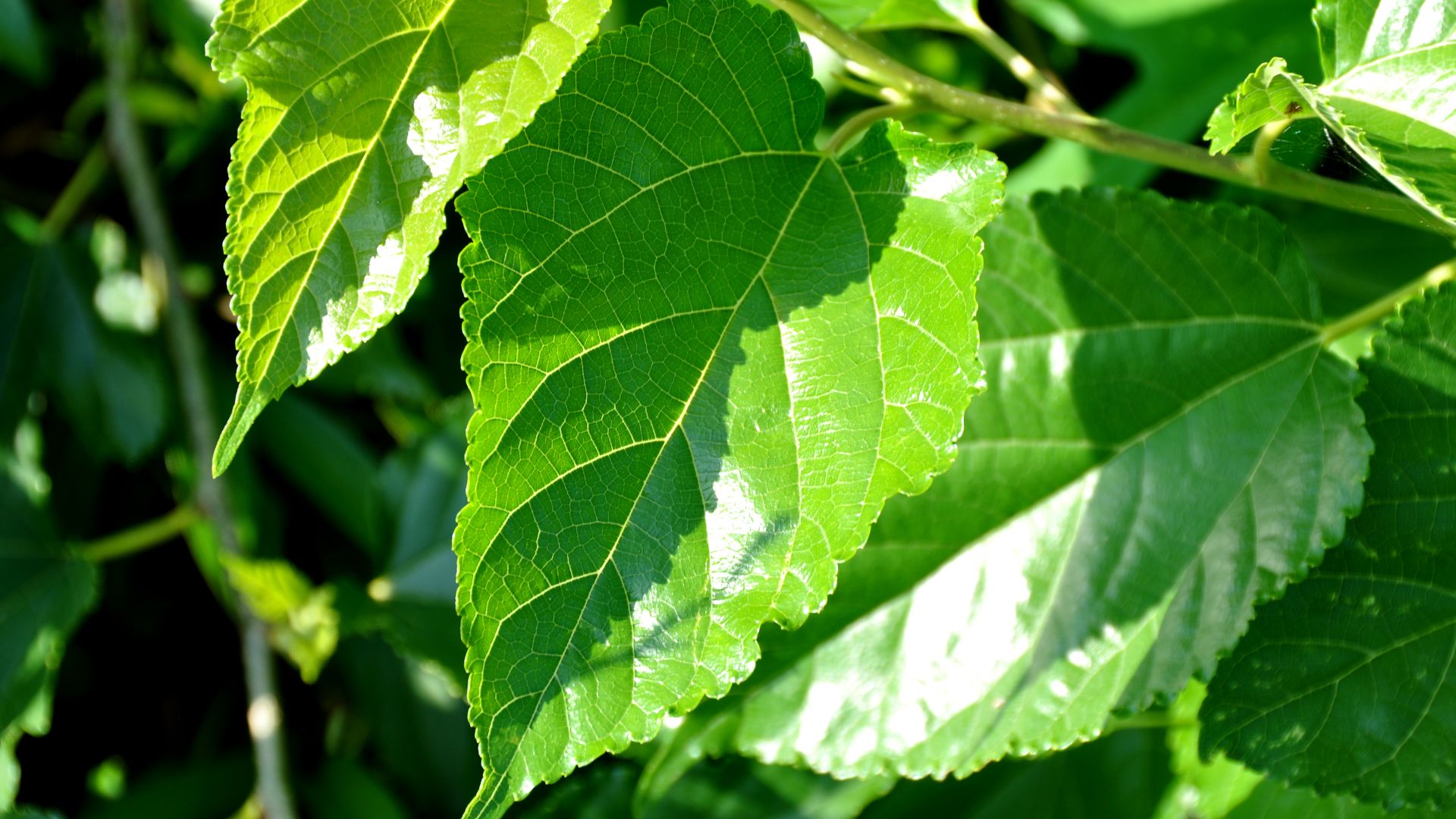
Among the preserved items are mulberry leaves. Some researchers suggest these leaves may point to silk-related activity in the village. This interpretation remains uncertain, yet it raises the possibility that rural households played a role in early silk production.
Reading A Flood Through Earth And Sediment
Geoarchaeologists study the layers that buried Sanyangzhuang. Different sediments reflect the strength and pace of the flood that swept across the village. These layers suggest a dramatic event that quickly overwhelmed the community and preserved it with unusual clarity.
Traces Of Older History Beneath The Han Village
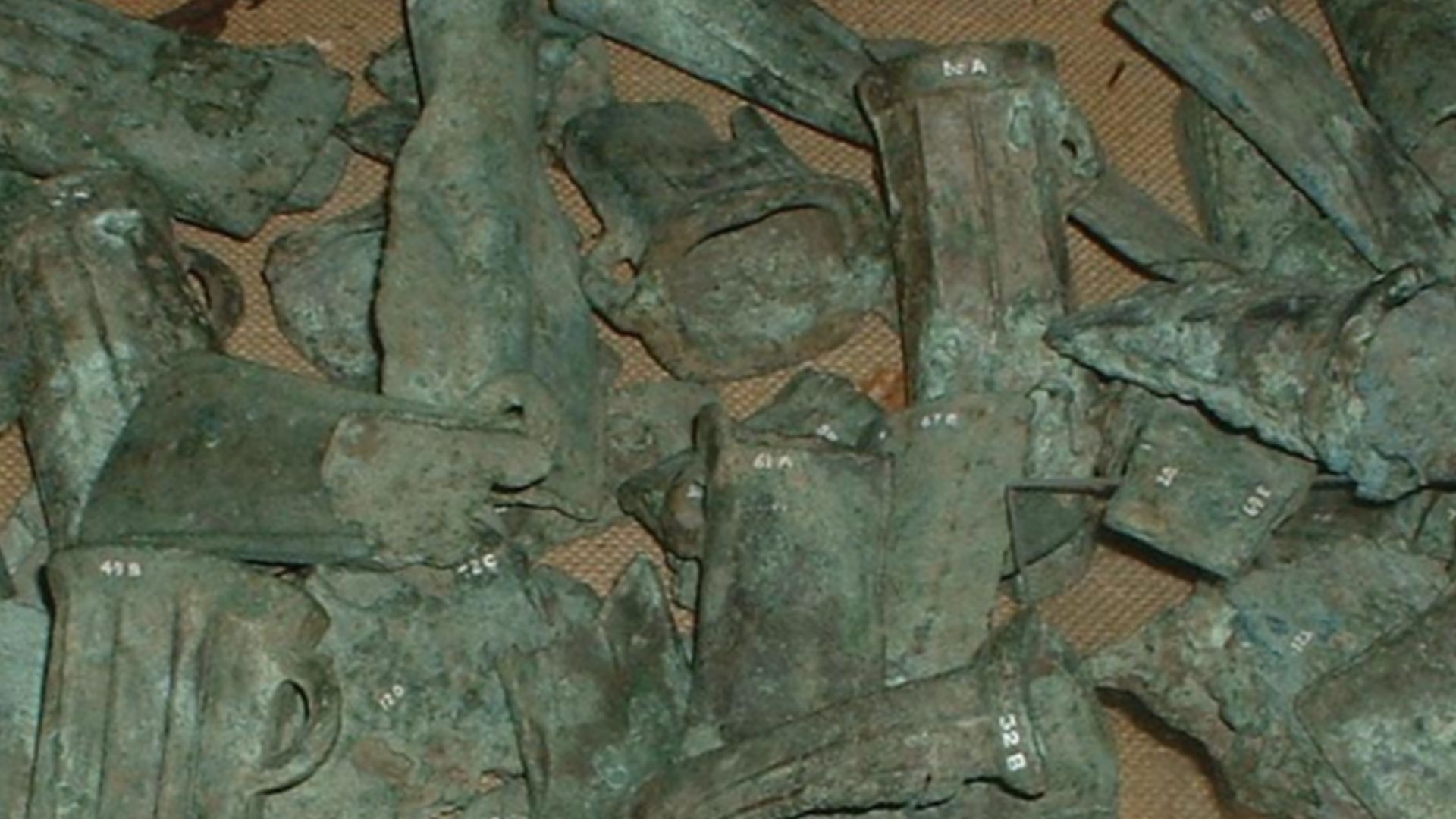
Sanyangzhuang does not stand alone in time. Beneath or near the Han-period layers lie traces from earlier eras. These include Neolithic and Warring States horizons and possibly early Bronze Age levels. The site captures a long sequence of settlement on the floodplain.
A Landscape That May Hold More Secrets
Field studies and satellite images show that floodplain deposits stretch for kilometers. Some researchers believe these sediments may conceal many more ancient settlements. Only a small part of Sanyangzhuang has been excavated, and the wider region remains largely unexplored.
From Palaces To Farmsteads: A Shift In Focus
For many years, archaeology in China centered on elite tombs and major cities. Sites like Sanyangzhuang shift attention toward everyday people. They highlight farmers, craftsmen, and households that formed the backbone of ancient society.
A Rare Snapshot Of Ordinary Life
The flood’s preservation created a unique record. At Sanyangzhuang, researchers can see tools, wells, rooms, and workspaces used by common villagers. These discoveries offer a grounded view of how early communities lived, worked, and adapted to their environment.
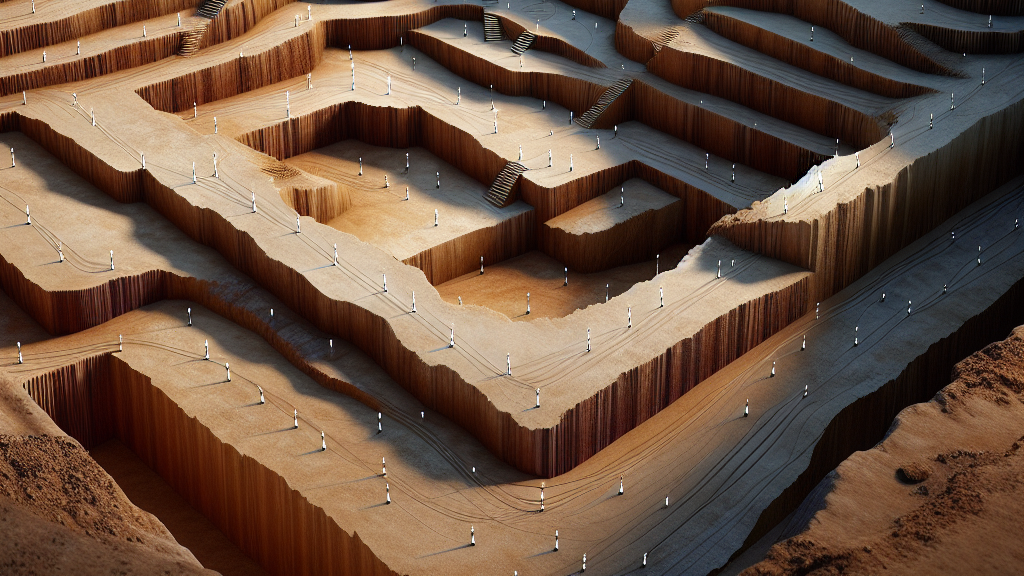
Were These Villagers Considered Comfortable?
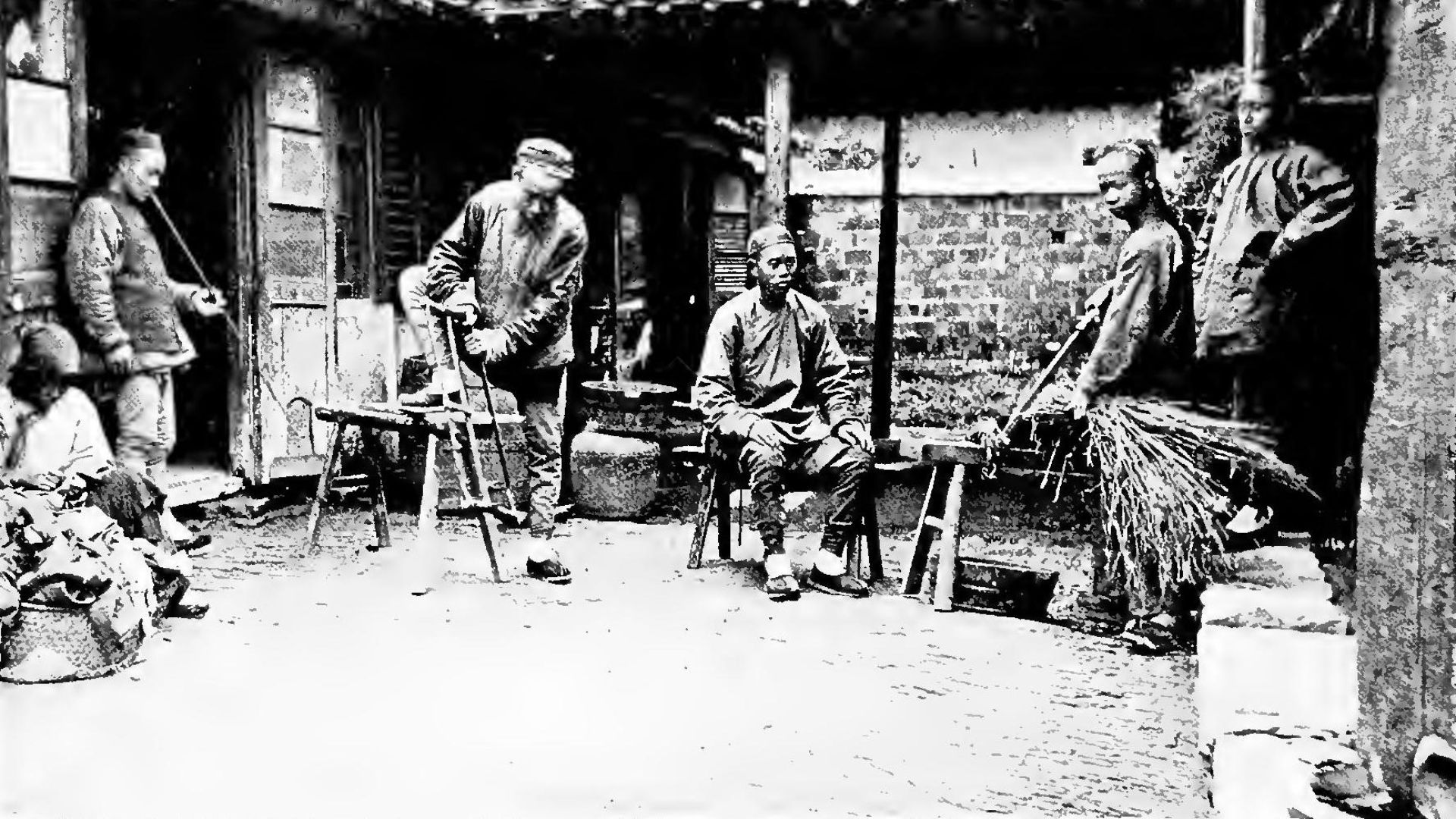
Some scholars think the villagers may have enjoyed relative comfort for rural standards. Features like tiled roofs and brick-lined wells suggest some resources. Still, measuring “wealth” in ancient communities is complex. Archaeologists continue to study what these materials reveal about status and living conditions.
 Arthur Henderson Smith (1845–1932), Wikimedia Commons
Floods And Regional Change
Large Yellow River floods have long shaped settlement patterns. They can force communities to move and reshape entire regions. Some researchers explore how events like the one at Sanyangzhuang might connect to broader changes. The specific impact of this flood remains a topic of investigation.
Archaeology In A Living Landscape
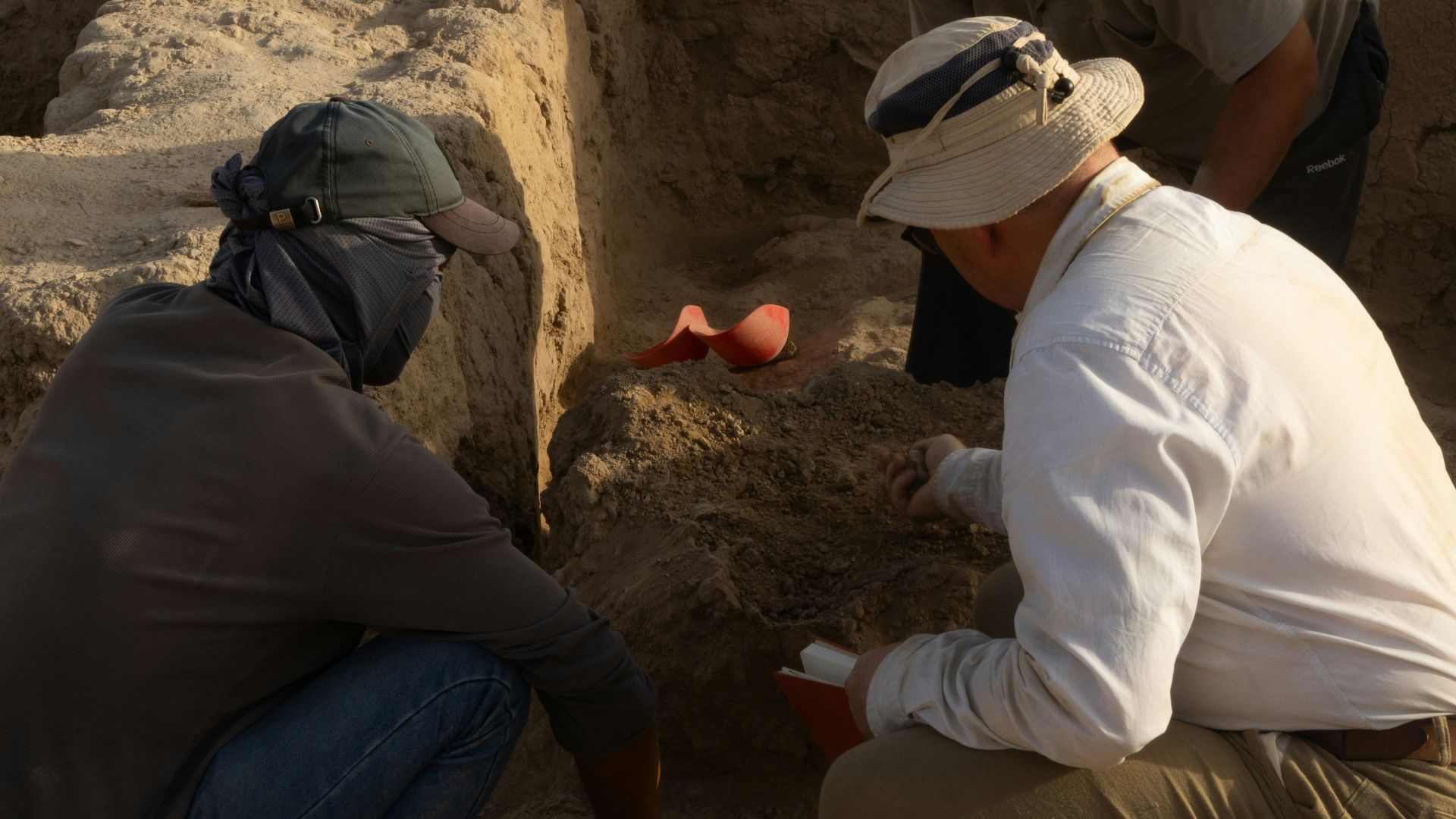
Today’s researchers use careful excavation, soil analysis, and mapping to study the buried village. All this work happens in an active rural area where people still farm the land. Modern activity and ancient remains exist side by side.
 Aleksander Stypczynski, Unsplash
Walking Above A Hidden World
To a visitor, the fields above Sanyangzhuang look ordinary. Knowing what lies below changes the experience. Every ridge or furrow hints at earlier structures. Standing there, it becomes clear that modern life rests on deep layers of history.
Villages Living Beside Their Own Past
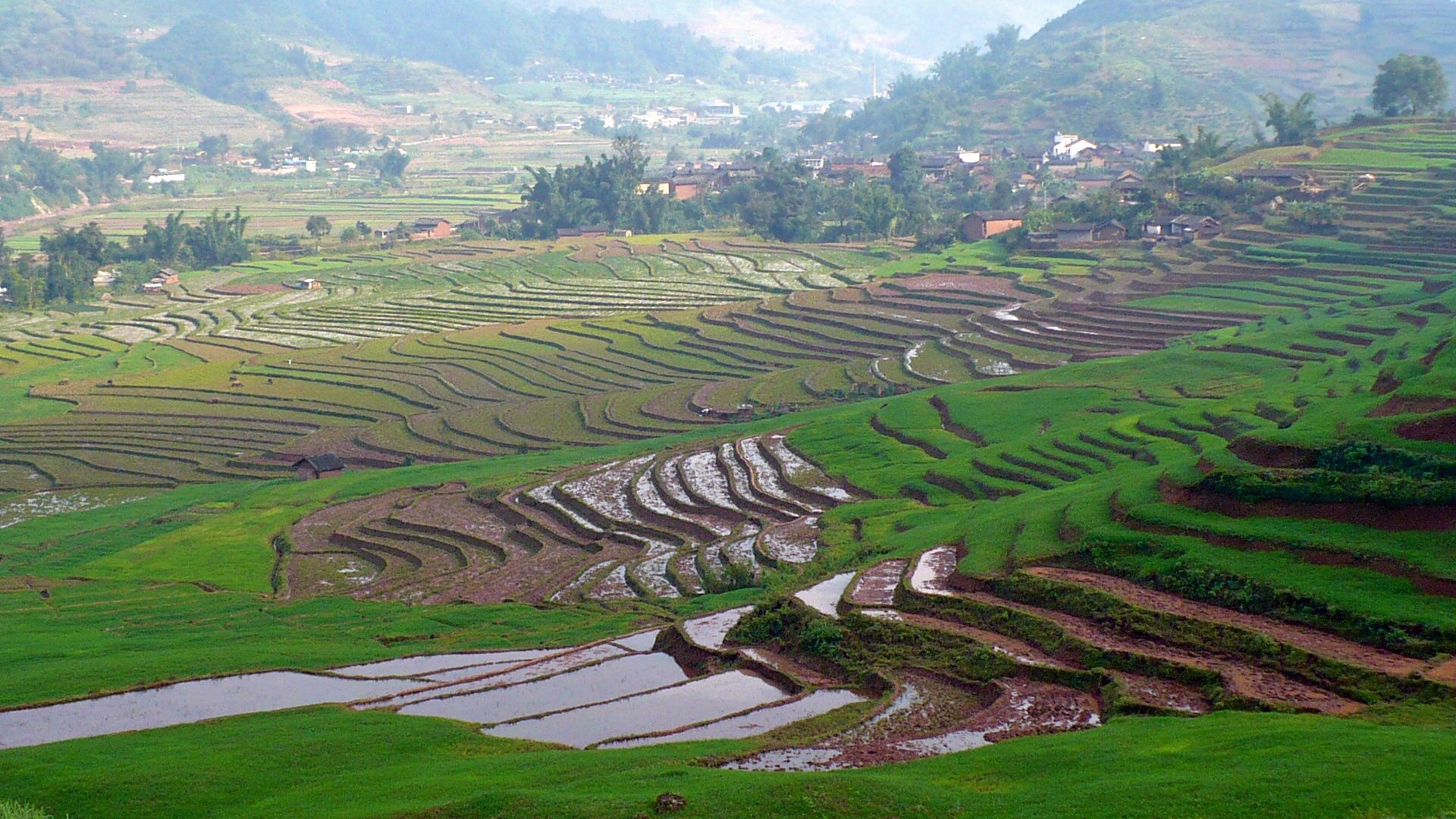
Modern villages near the site share the land with ancient communities. Farmers work fields that sit atop earlier fields. Irrigation channels cut through old flood deposits. This overlap shows how history and daily life continue to shape each other.
Respecting A Fragile Archaeological Record
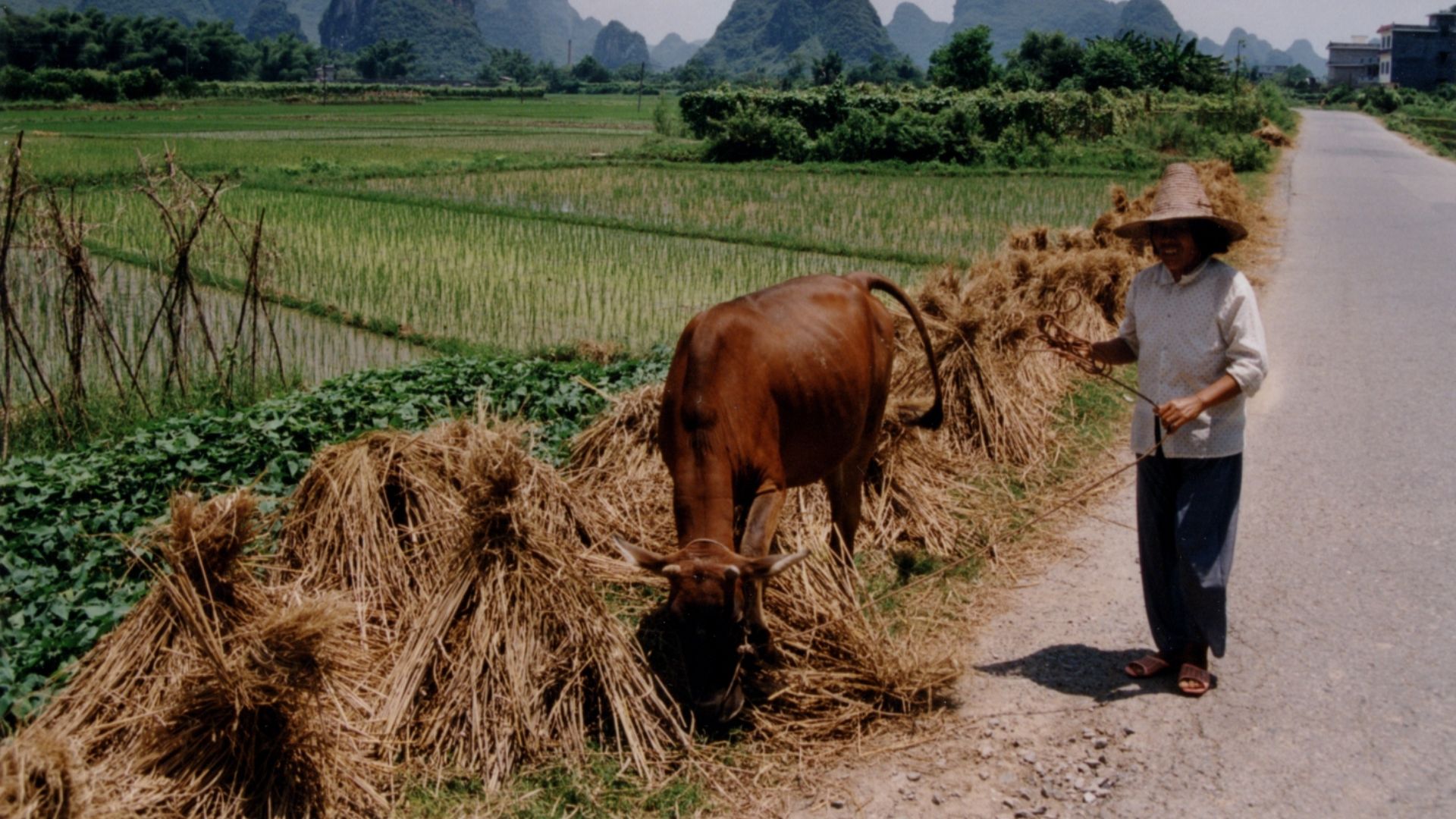
Much of the area around Sanyangzhuang remains under protection. Visitors must follow local guidance and stay clear of restricted zones. Preserving the buried village is essential because its fragile structures survived only through unusual natural conditions.

An Archaeological Goldmine Still Underground
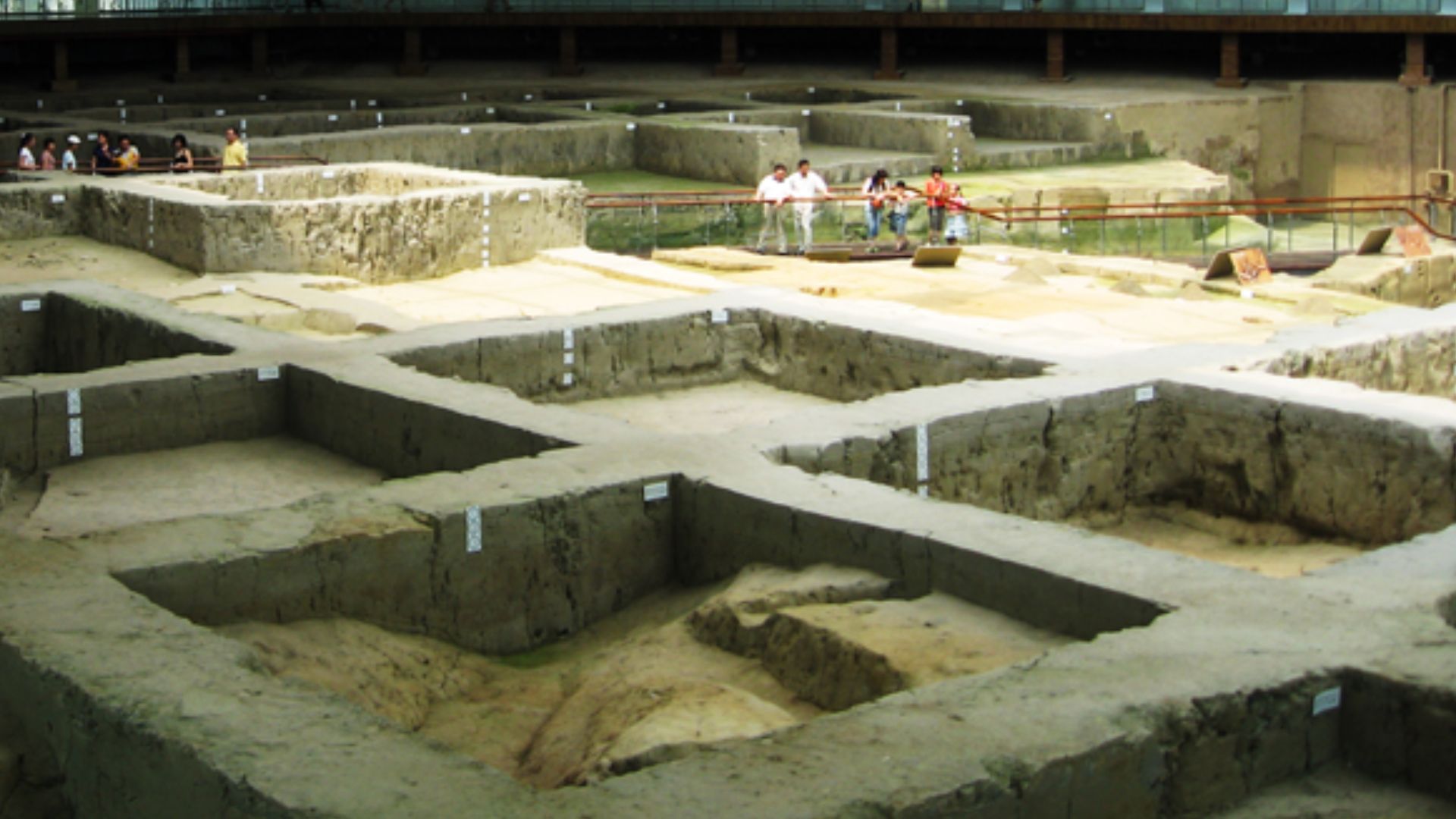
Only a portion of Sanyangzhuang has been excavated. The full extent of preserved houses, fields, and neighboring features is not yet known. This uncertainty fuels ongoing research. It suggests that important discoveries still lie beneath the floodplain.
 BenBen/Issei Motomoto, Wikimedia Commons
China’s Quiet Fields And Loud Questions
Sanyangzhuang proves that ordinary landscapes can hide extraordinary history. It raises questions about how many other villages lie preserved under river deposits. These humble sites may reshape our understanding of ancient China, one buried community at a time.
You May Also Like:
Photos Of The Ancient Tribe Whose Handmade Creations Outlasted Empires
Archaeologists Find Ancient God In A Sewer