When Vacation Posts Cross the Line
A bad photo in the group chat is one thing. A stream of embarrassing pictures posted online during a trip is something else. If your travel companion keeps uploading unflattering shots of you and refuses to take them down, many privacy and legal experts would say yes, that can cross a line. The question is: What do you do about it?
The First Question Is Consent
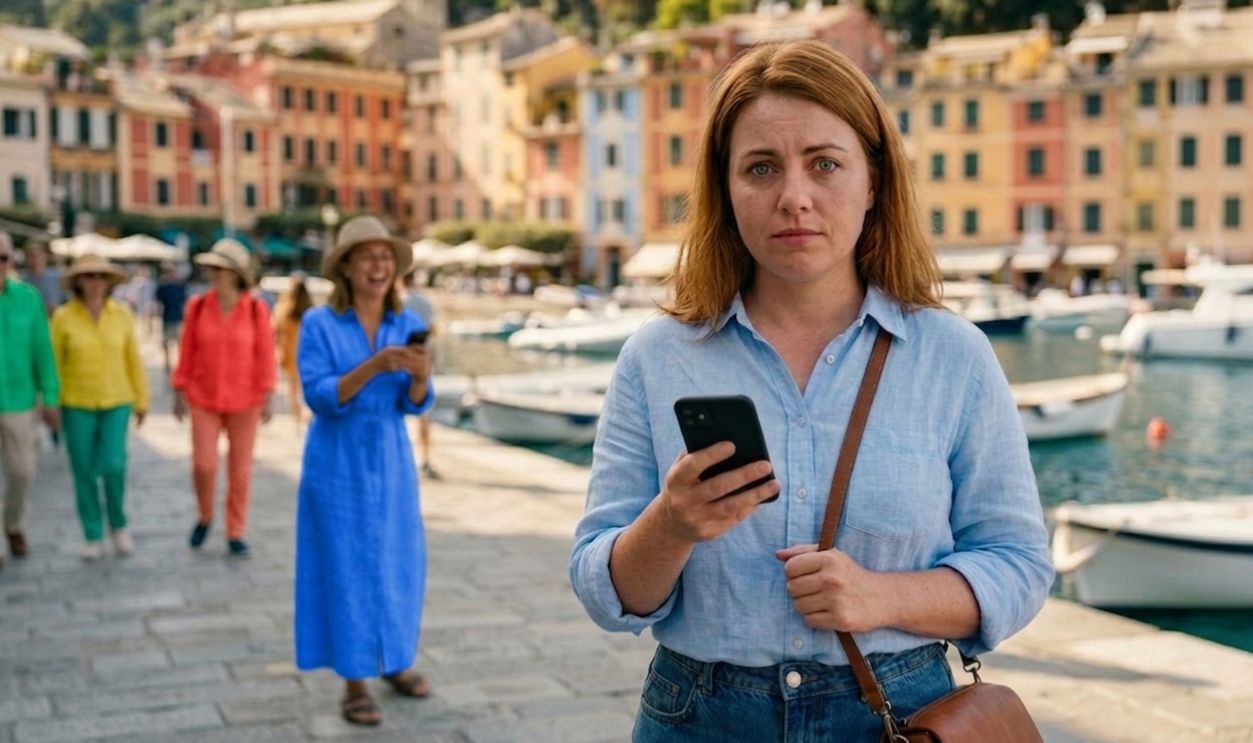
Did you agree to be photographed and shared online that way? That is the key issue, even if the person posting the photos is your friend, partner, or relative. Travel can blur social boundaries, but your right to object does not disappear.
Why It Hits Harder on a Trip
Travel puts people in a more exposed state. You are tired, off schedule, and often caught in swimsuits, wrinkled clothes, or awkward moments you would never share back home. That is why posting without your OK can feel less like teasing and more like a betrayal.
What the Law Says About Photos in Public
In many places, people can generally be photographed in public spaces where there is no reasonable expectation of privacy. Cornell Law School’s Legal Information Institute explains that privacy expectations are a big part of how these cases are judged. But that does not mean every online use of your image is fair game.
Private Spaces Are Different
A hotel room, rental apartment, hostel dorm, changing area, or bathroom is another story. Those places can create a reasonable expectation of privacy, and sharing images taken there may lead to much more serious legal trouble. The exact rules depend on where you are, but the line gets a lot clearer once a private space is involved.

Rude Is Not Always Illegal
Some humiliating vacation posts are obnoxious but not unlawful. Others can slide into harassment, invasion of privacy, or image-based abuse, especially if they are sexual, intimate, misleading, or part of a pattern. Calling it a joke does not settle the issue.

Image-Based Abuse Can Cause Real Harm
Without My Consent, a group focused on online image abuse, has documented how non-consensual sharing can cause lasting damage even when the image was not meant to be intimate. A lot of the harm comes from context, humiliation, and losing control of where your image ends up. Even a goofy poolside photo can become deeply upsetting if it is posted to mock you.
Humiliation Can Be Harassment
The Cyber Civil Rights Initiative has long warned that online abuse does not have to fit one narrow definition to be harmful. Repeated posting after you clearly say no can become part of a bigger pattern of harassment. If someone keeps doing it to upset, punish, or embarrass you, that matters.

You Can Change Your Mind
Even if you agreed to one photo on day one, that does not give someone unlimited permission to post every bad angle for the rest of the trip. Consent is not a blanket pass for all future sharing. Once you tell them to stop and they refuse, the situation changes.

Ask Clearly and in Writing
If you want the photos removed, be direct and specific. Say which images you want deleted, where they were posted, and that you do not consent to any more sharing. A text or email gives you a record, which may help if you need to report the posts later.

Save Proof Before It Disappears
Take screenshots of the posts, the account name, the date, the captions, and your removal request. If there are comments, save those too. The National Network to End Domestic Violence recommends documenting online abuse before reporting or blocking because content can disappear fast.

Report the Posts on the Platform
Most major social platforms have reporting tools for harassment, bullying, privacy violations, or non-consensual intimate imagery. Meta, which owns Instagram and Facebook, publishes policies that let users report bullying and some privacy-related content. If the images are sexual or intimate, the need to act quickly goes up.
Instagram and Facebook Have Reporting Channels
Meta’s help resources explain how users can report content that targets or shames them. That does not guarantee instant removal, but it is often the fastest next step once your direct request is ignored. Be as accurate as possible when picking the reason for the report so it lands under the right policy.

TikTok and Other Apps Work the Same Way
TikTok, X, Snapchat, and other platforms each have their own reporting systems and community rules. If the same photo shows up across several apps, report it on each one. A post taken down on one site can still keep spreading somewhere else.

If the Photo Is Intimate, Move Fast
When an image is sexual, nude, or otherwise intimate, you may have stronger protections. The Cyber Civil Rights Initiative tracks state laws on non-consensual pornography and image-based sexual abuse. Those laws vary, but they show how seriously this kind of posting is now treated.

Travel Abroad Makes It Messier
If the trip is international, the rules may change from country to country. In the European Union, data protection and privacy rules can give you extra arguments when identifiable images are shared without a lawful basis, though personal-use exceptions can complicate things. Cross-border disputes get messy fast, which makes early documentation and platform reporting even more important.
The United Kingdom Has Strengthened Protections
In the UK, sharing intimate images without consent has been addressed through changing criminal law, and reforms have expanded how image-based abuse is understood. Government guidance and advocacy groups have pushed this issue hard in recent years. If your trip is in Britain and the content is intimate, your legal options may be stronger than many travelers realize.
The United States Is a Patchwork
In the US, privacy and image-abuse rules differ by state, so there is no one-size-fits-all answer for every embarrassing travel photo. Some states recognize privacy claims such as public disclosure of private facts or intrusion upon seclusion. Others have laws aimed specifically at non-consensual intimate imagery.

Public Disclosure of Private Facts May Apply
Cornell Law School’s Legal Information Institute describes public disclosure of private facts as a privacy claim involving truthful private information that would be highly offensive to a reasonable person and is not of legitimate public concern. That is a high bar, and not every awkward vacation picture will qualify. Still, the idea matters when someone blasts private moments to a wide audience just to humiliate you.

Commercial Use Is Another Problem
If your companion is using your face to promote a brand, make money from content, or run ads, a different legal issue may come into play. Rights of publicity and unauthorized commercial use of someone’s likeness are separate from ordinary social posting. That may be less common on a casual trip, but it is not rare in the age of influencer travel.
Your Safety Matters Most
If the person posting the photos is also controlling, threatening, or isolating you during the trip, treat this as more than a social media fight. The National Domestic Violence Hotline notes that digital abuse can be part of broader coercive behavior. In that situation, focus on getting somewhere safe and contacting local support, your hotel, or emergency services if needed.
Do Not Battle in the Comments
It is tempting to call them out under the post, but that can make things worse. Someone who is already enjoying your embarrassment may escalate once there is an audience. Private documentation and formal reporting are usually more effective than a public blowup.

Friends Can Help or Backfire
If you are traveling with a group, ask one trusted person to back up your request calmly. Sometimes a companion backs down when another adult says the behavior is out of line. But avoid turning the whole trip into a public trial, because group drama can spread the images even further.
Set a Clear Travel Boundary
Say it plainly: no more photos of me posted without my approval. A boundary like that works best when it is specific, immediate, and tied to a consequence, such as leaving the outing, changing rooms, or ending shared plans.

Hotels and Tour Companies Have Limits
Your hotel or tour operator usually cannot force someone to delete a post. But staff may be able to help if the conduct is part of harassment happening on the property, especially if hidden photography or threatening behavior is involved. They may also help you separate from the person safely.
If They Say You Are Overreacting
That line is common because it shifts attention from what they did to how you feel. The better question is simple: did you say no, and did they keep going? If the answer is yes, your discomfort is not beside the point. It is the point.

A Simple Script You Can Use
Try this: I do not consent to these photos being posted. Delete the current posts today and do not post any more images of me without asking first. It is short, clear, and hard to twist.

When to Get Legal Advice
If the images are intimate, taken in a private place, tied to threats, or causing serious damage to your reputation, it may be time to speak with a lawyer or local legal aid service. The need is more urgent if minors are involved or if the content suggests stalking or blackmail. Because laws vary so much, local advice matters.

The Bottom Line for Travelers
Yes, it can absolutely cross a line when a travel companion keeps posting embarrassing photos of you online and refuses to delete them. Whether it is just cruel or also illegal depends on the image, the setting, the country, the platform, and what happened after you objected. Either way, you are not being difficult for wanting control over your own image while you are supposed to be enjoying a trip.