The Itinerary You Booked Is Not Always The Itinerary You Get
A big part of the reason to book a cruise is for the variation of port locations to stop at. So if your itinerary suddenly cuts out multiple ports and replaces them with extra days at sea, that isn't what you signed up for. But the hard truth is that, in most cases, cruise lines really can make those changes.
 Kevin Hackert, Unsplash, Modified
Yes, Cruise Lines Usually Have That Power
Major cruise contracts give the line broad power to cancel, change, or swap ports, and to alter the order of stops or even the length of the voyage. Those rights are usually tucked into the ticket contract passengers agree to before sailing. So the legal answer is often very different from what travelers think is fair.
The Fine Print Does Most Of The Heavy Lifting
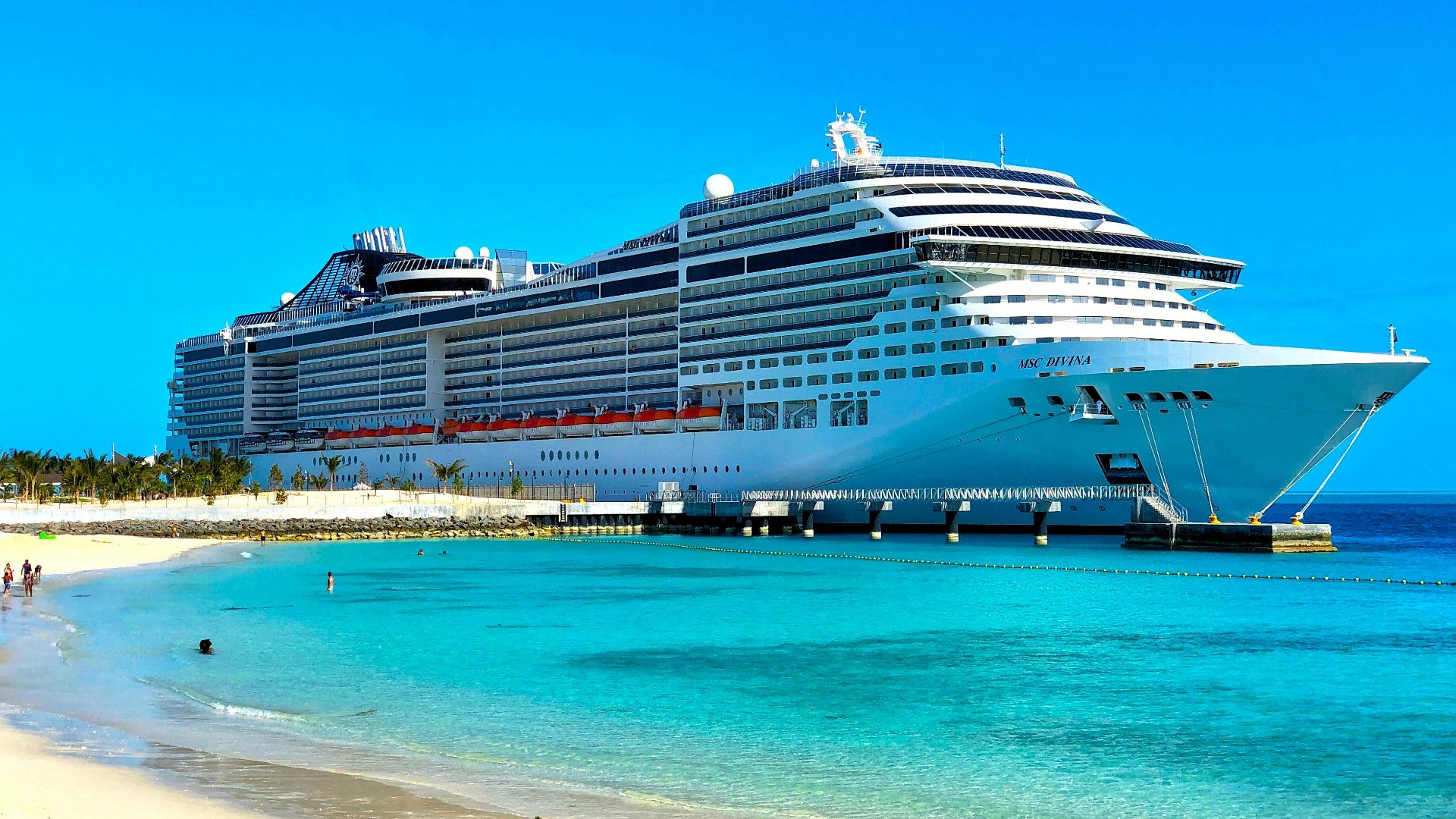
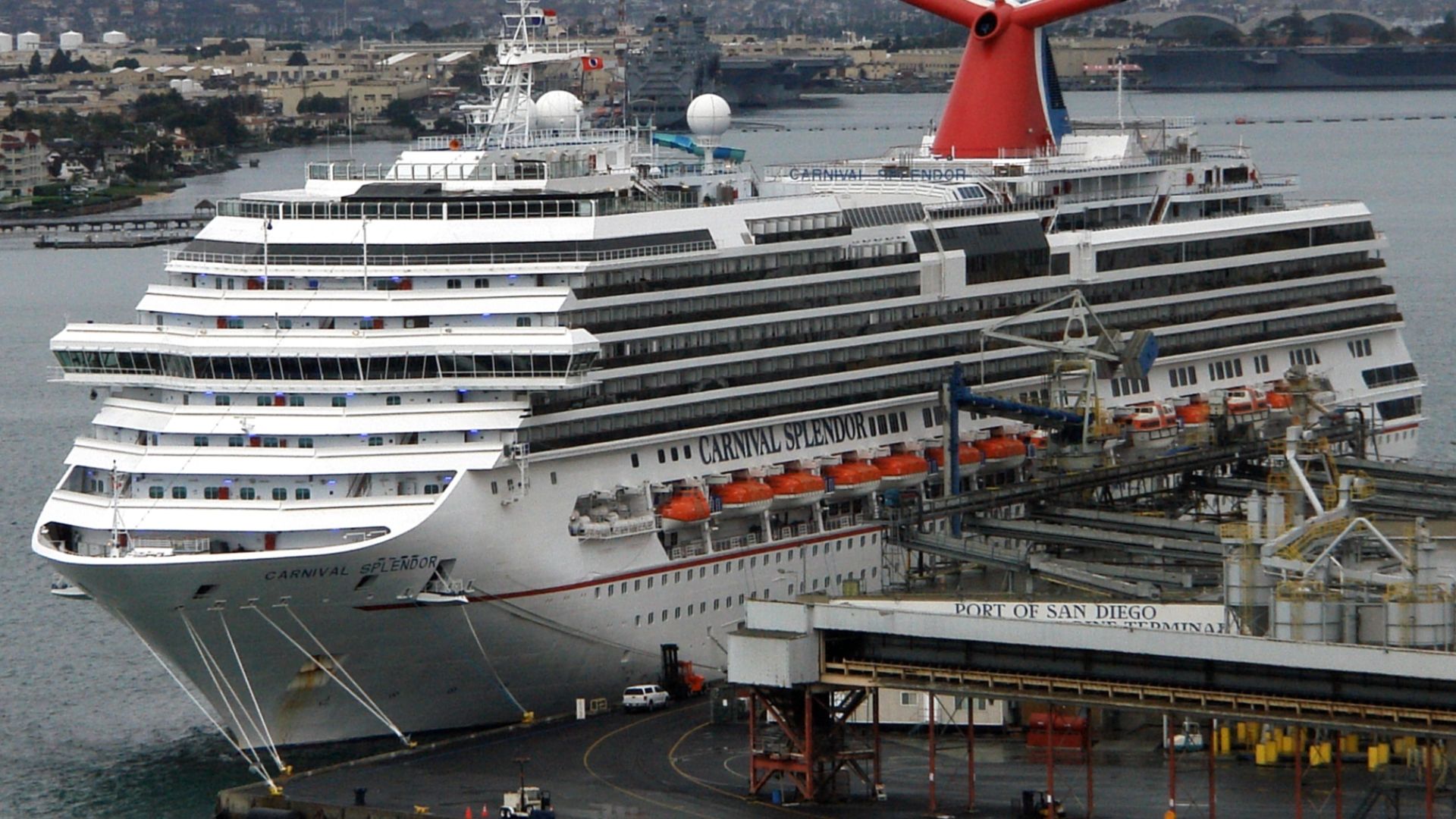
For example, Carnival’s ticket contract says the line may substitute ports, deviate from the scheduled course, and change or skip any port of call. It also says those changes can happen without prior notice for reasons such as safety, weather, mechanical problems, or operational needs. In plain English, that gives the company a lot of room when your dream itinerary suddenly changes.

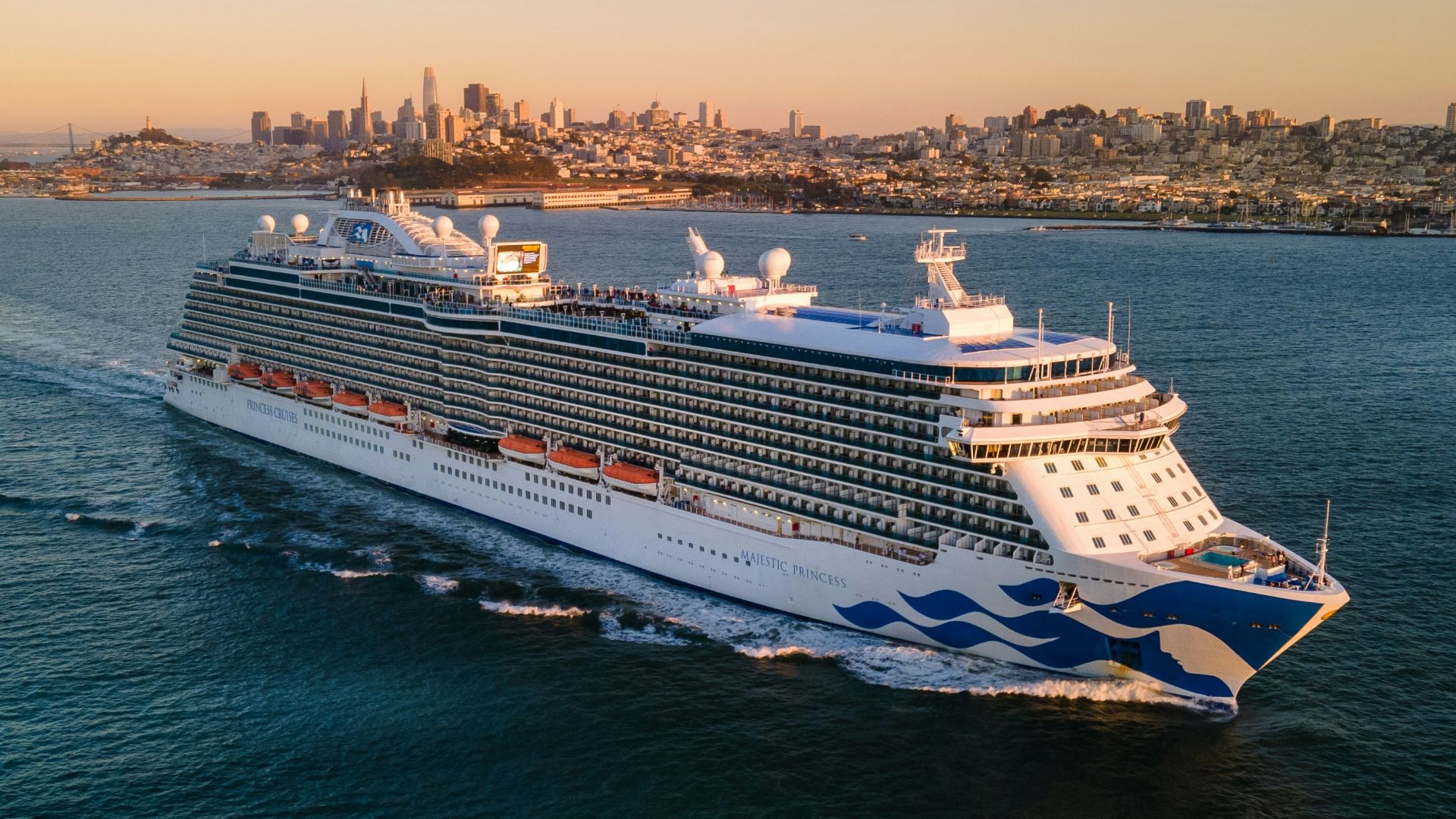
Royal Caribbean Says Much The Same
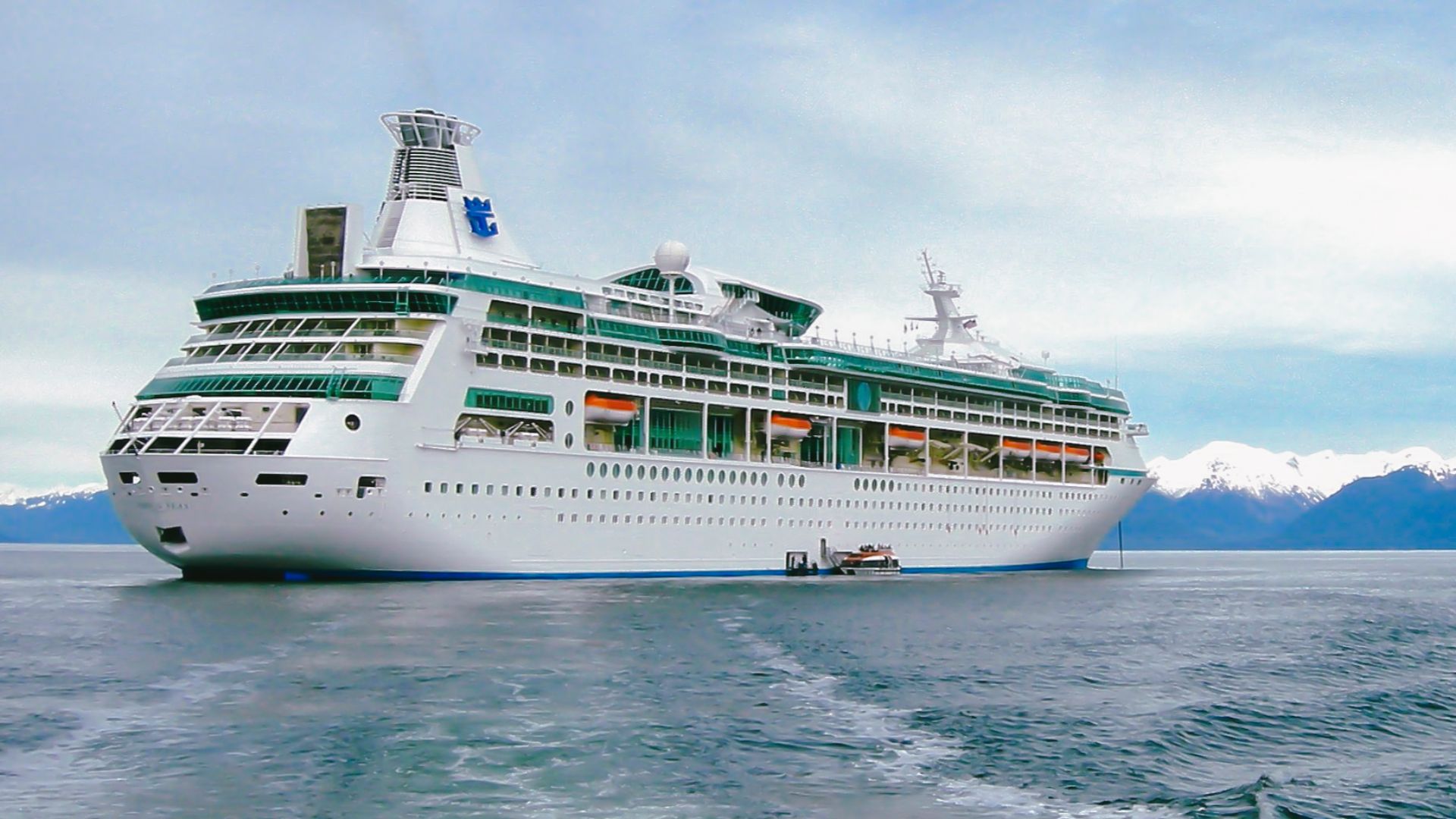
Royal Caribbean’s cruise ticket contract also gives the company the right to cancel, move up, postpone, or change any scheduled sailing or port of call. The wording says those decisions may be made for reasons the carrier considers advisable. If your original plan shifts mid-cruise, the contract is built to shield the line from that kind of dispute.
 Matthew T Rader, Wikimedia Commons
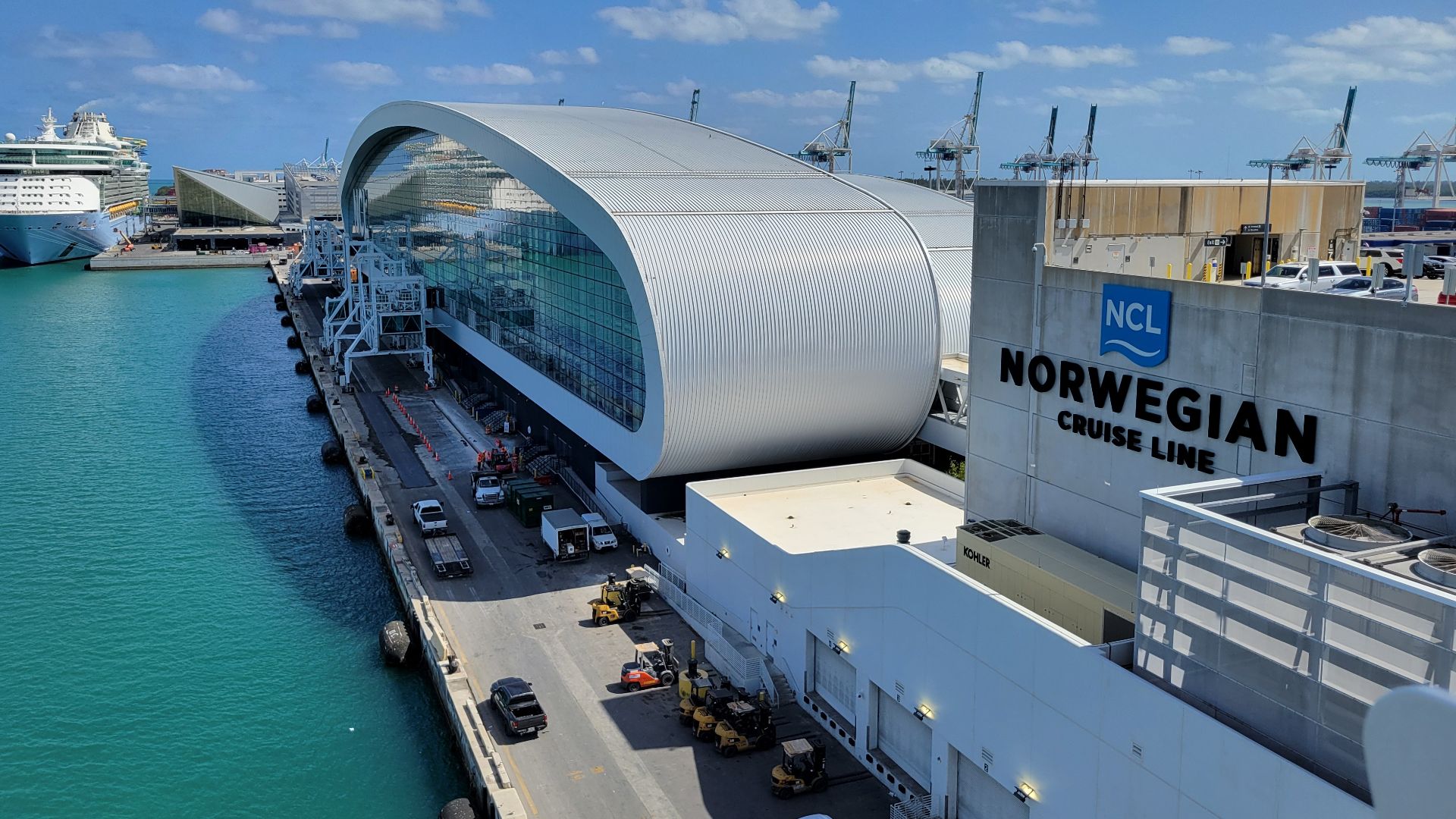
Norwegian Covers It Too
Norwegian Cruise Line’s guest ticket contract says scheduled ports may be changed, swapped, or canceled as well. Like its rivals, it reserves that power for a range of safety and operational reasons. So if it seems like every cruise brand has the same escape hatch, that is because they more or less do.
Why Cruise Lines Change Ports In The First Place
Not every itinerary shake-up comes down to a careless corporate decision. Weather is one of the biggest reasons, especially during hurricane season and winter storm periods. Port congestion, labor trouble, political concerns, local government restrictions, and ship maintenance issues can all force sudden changes.

Safety Is The Strongest Reason
If a captain or cruise line says a port is being skipped for safety, that carries real weight. Cruise companies are expected to put passengers, crew, and the ship ahead of sticking to a brochure. Courts and regulators usually give carriers room to make those calls, especially when weather or navigation hazards are involved.
Mechanical Problems Can Blow Up The Schedule
Sometimes the issue is not rough seas but a ship that cannot safely keep its planned speed or timing. Propulsion trouble, engine repairs, and other technical limits can wipe out several ports at once. When that happens, extra sea days are often the easiest fix from an operations standpoint, even if they are the least satisfying option for guests.
 Intersofia P. Alejandro Diaz, Wikimedia Commons
Legal And Fair Are Not The Same Thing
This is where passenger anger usually peaks. A cruise line may be fully within its contract rights and still leave customers feeling ripped off. Missing one port is disappointing, but missing three with nothing offered in return feels like a completely different level of loss.

Federal Regulators Say Itineraries Can Change
The Federal Maritime Commission, which oversees certain parts of ocean transportation in the United States, tells passengers to read the cruise contract carefully because schedules and ports are not guaranteed. Its consumer guidance reflects the basic reality of cruising. A voyage is sold with an itinerary, but it is not promised with airline-style certainty.

What The Passenger Bill Of Rights Actually Says
Cruise Lines International Association’s Passenger Bill of Rights gives travelers some important protections, but it does not promise compensation for every port change. It focuses on things like emergency medical care, timely updates, and the ability to get off a docked ship if essential provisions cannot be provided. That helps, but it is not the same as a guarantee that every port will happen as advertised.
When Compensation Is More Likely
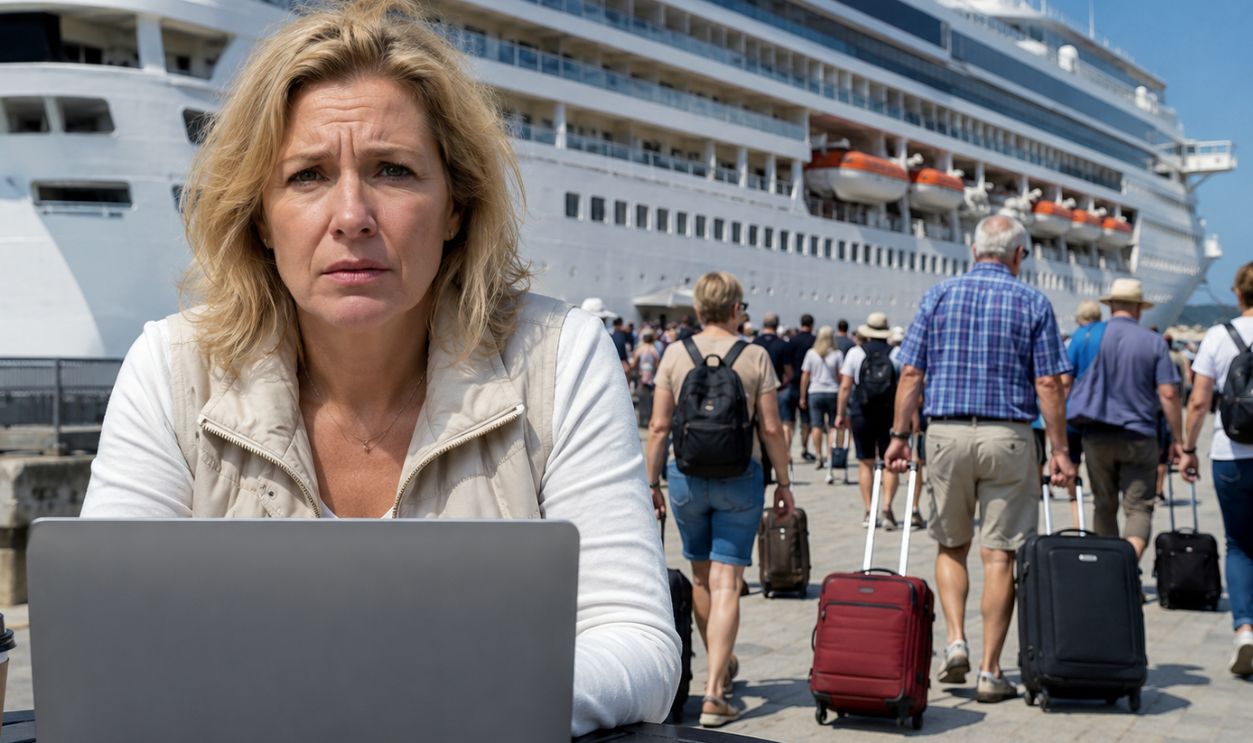
Compensation is more likely when the disruption is serious enough to change the core value of the cruise. If a voyage is cut short, badly delayed, or canceled altogether, cruise lines are more likely to offer refunds, future cruise credits, hotel coverage, or transportation help. A few missed ports, however frustrating, usually fall into a grayer area where lines may offer a goodwill gesture but often are not clearly required to.
 Anastasia Ilina-Makarova, Pexels
Port Fees Are The First Thing To Check
If your ship skips ports, check whether port taxes and fees tied to those missed stops are refunded automatically. Those charges are often collected for specific ports and may be returned if the ship never calls there. It will not make up for a wrecked itinerary, but it is one concrete thing passengers should review on their onboard account or post-cruise statement.

Travel Insurance Can Matter More Than You Think
Standard travel insurance does not always cover plain disappointment over itinerary changes. But some policies offer missed-port coverage or benefits tied to trip interruption and travel delay under certain conditions. The exact wording matters, so this is one of those times when reading the policy before you sail can save a lot of frustration later.

Do Not Assume Cruise Insurance Covers Everything
The cruise line’s own protection plans may help with some disruptions, but they are not magic shields against every itinerary problem. Some plans focus more on cancellation, medical issues, baggage, and emergency transportation than on port substitutions. If the ports are the whole point of your trip, comparing independent policies is worth the effort.

Your Best Move Is To Complain Early And Clearly
If three ports disappear, do not wait until you get home to speak up. Go to guest services, ask for a written explanation, and politely request compensation while you are still onboard. Cruise lines sometimes offer goodwill gestures in real time that are harder to get after the voyage ends.

Put Everything In Writing
Take screenshots of the original itinerary, the revised schedule, app notifications, and any messages from the ship. Save receipts for shore excursions, transportation, or other costs tied to those canceled stops. If you later escalate the complaint, a solid paper trail gives you a much stronger case.

Use Clear Language In Your Complaint
Stick to the measurable loss instead of just saying the cruise was disappointing. Explain which ports were removed, when you were told, what reason was given, and whether any port fees or prepaid excursions were refunded. Calm, clear facts usually work better than outrage alone.

Ask For Specific Remedies
Instead of demanding that the line simply make it right, ask for concrete options. You can request a refund of port charges, onboard credit, a partial future cruise credit, or reimbursement for nonrefundable shore arrangements booked through the line, if that applies. Specific requests are easier for customer service teams to review.

Escalation Options Are Limited But Real
If the cruise line refuses to help, passengers can escalate through the company’s executive customer relations channels. They can also file complaints with state attorneys general or consumer protection offices, though those routes do not guarantee compensation. For money claims, some cruise contracts require arbitration rather than a court lawsuit, which makes the ticket terms important yet again.

Credit Card Protections May Be Worth A Try
If a major part of the trip you paid for was not delivered, some travelers try a chargeback through their credit card issuer. Success is far from guaranteed because the cruise contract usually allows itinerary changes. Still, it may be worth asking the card issuer what documents would be needed for a review.

Social Media Can Get Attention, But It Is Not A Legal Strategy
Public complaints sometimes get a faster response, especially when many passengers report the same problem. But a viral post does not rewrite the ticket contract. Use social media for visibility if you want, but pair it with a formal written complaint through the cruise line’s official channels.

The Biggest Warning Sign Comes Before You Book
If one specific port is the whole reason you are taking the cruise, think carefully before booking. Cruise vacations are naturally more flexible than land trips because ships operate in changing maritime conditions. Travelers who absolutely must visit a destination on a fixed date may be happier with a hotel-based trip.

Look Closely At The Season
The risk of itinerary changes goes up at certain times of year. Caribbean sailings during hurricane season, transatlantic voyages, and winter routes in rougher waters all face a greater chance of changes. That does not mean you should not go, but it does mean you should book with realistic expectations.
Booking Shore Excursions Independently Adds Risk
Independent tours can save money, but they can also create refund headaches if a port is skipped. Cruise line-run excursions are generally refunded automatically when the ship does not stop at that destination. With third-party tours, you may have to chase refunds yourself and rely on the operator’s cancellation policy.

What About Three Missed Ports Specifically
Three missed ports sounds extreme, and from a customer standpoint, it absolutely is. But unless the cruise line guaranteed those ports in a way that overrides the contract, or unless there was some deceptive marketing issue, the company may still be on solid legal ground. The size of the change does not automatically create a right to compensation.
That Does Not Mean You Should Accept Silence
No compensation does not have to be the final word if the line handled the situation badly. Poor communication, failure to refund port charges, or confusion over excursion refunds are all fair reasons for a stronger complaint. Even when the contract favors the cruise line, bad customer service can still be challenged.

The Bottom Line For Frustrated Cruisers
Yes, cruise lines can usually replace ports with sea days and offer nothing beyond any required refunds of port-related charges. That power is generally built into the passenger contract and backed by long-standing industry practice. It may feel outrageous, but on most sailings, it is legal. That is why smart travelers protect themselves before booking and document everything if plans go sideways.