
The Sickening Moment At Baggage Claim
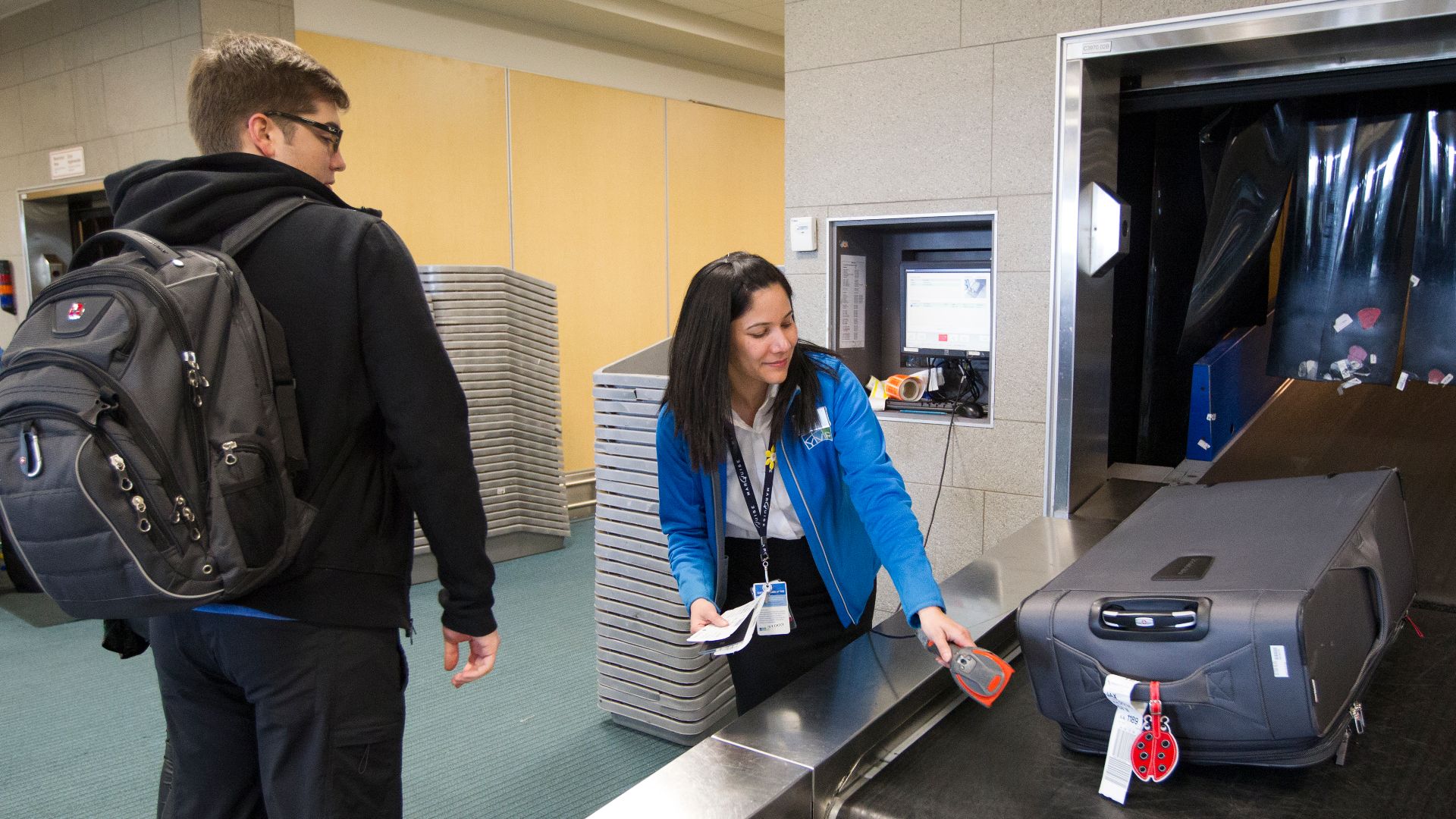
You land, head to the carousel, and wait for the one item you really care about. Everyone else grabs a roller bag and leaves, but your golf clubs never show. It's a travel nightmare, especially when a full set of clubs can cost thousands of dollars. If the airline isn't being helpful, you have some options for what to do next.

Why Airline Compensation Can Feel So Low
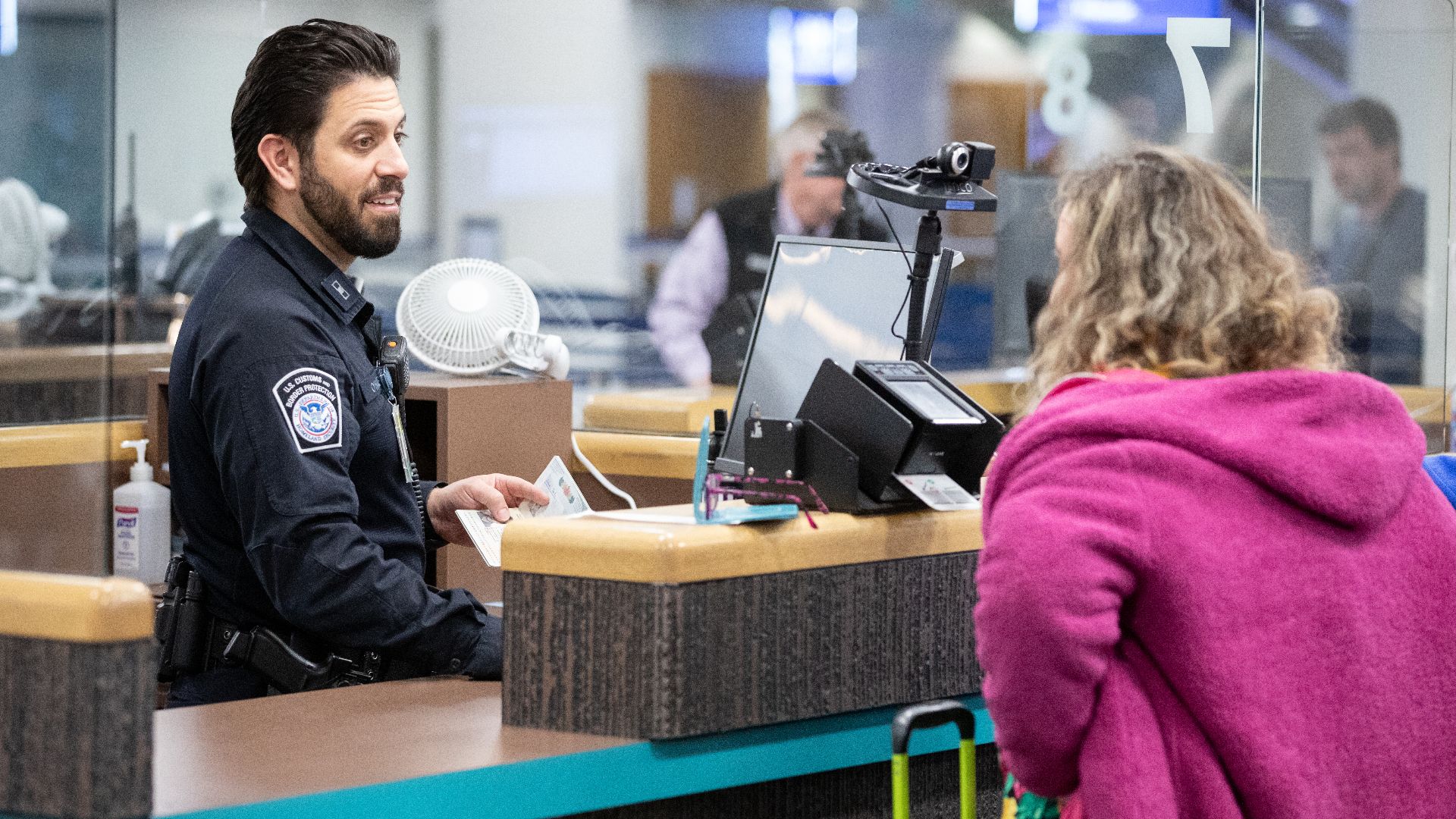
Many travelers assume an airline will pay full replacement value if a checked bag is lost. In reality, airline liability is often capped by law or treaty, so the amount offered may be far less than what premium golf gear costs today. That is where the frustration usually starts.
 WestportWiki, Wikimedia Commons
The First Rule Is Simple: Report It Before You Leave
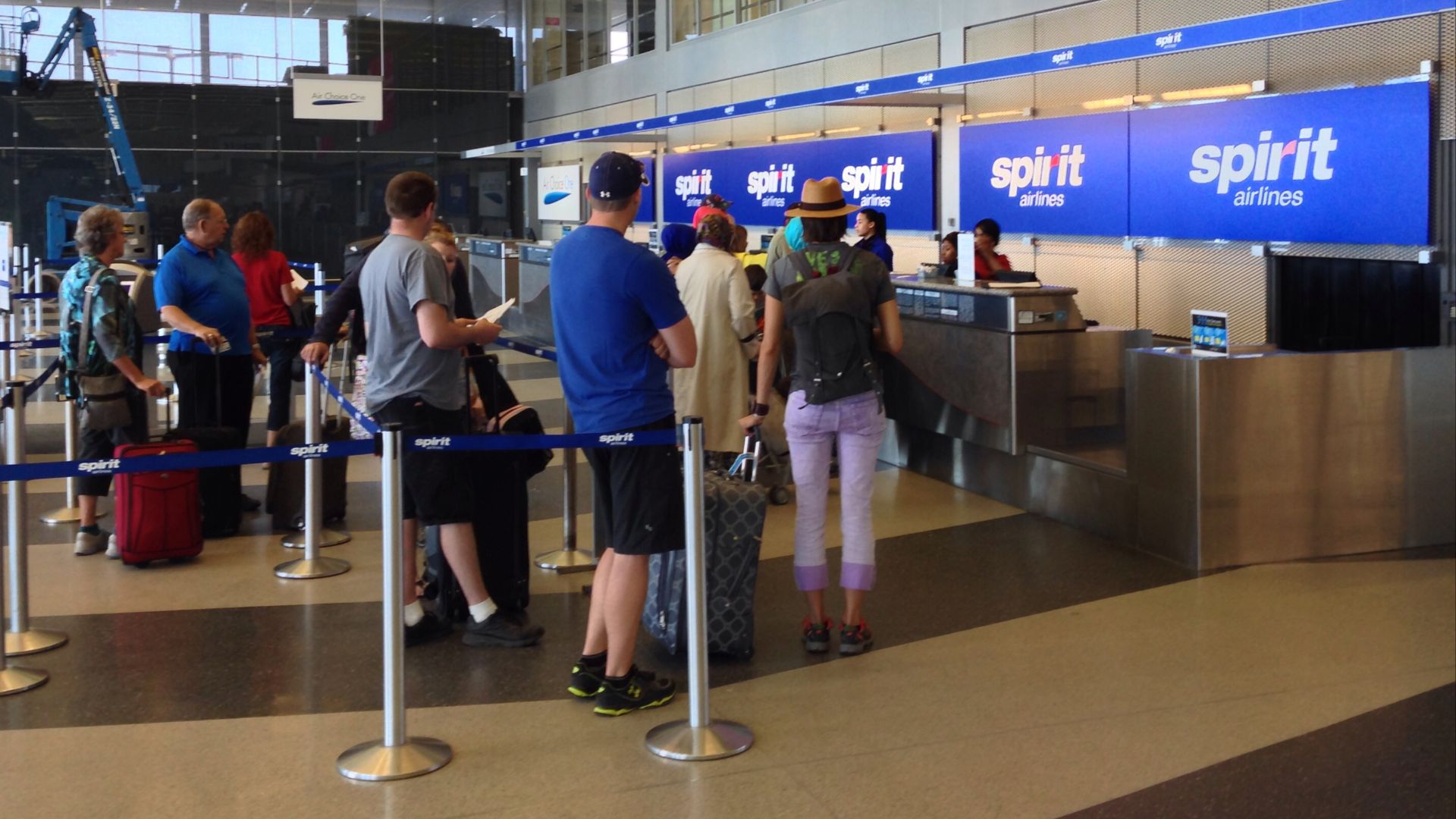
If your clubs do not arrive, report the loss at the airline’s baggage service office before leaving the airport. Ask for a written report and keep the file reference number because that is the backbone of your claim. The US Department of Transportation says airlines must compensate passengers for reasonable, verifiable, and actual incidental expenses when bags are delayed, up to the applicable liability limit.
 CBP Photography, Wikimedia Commons
Delayed Is Not The Same As Lost
Airlines often label bags as delayed first, even if your clubs are missing for days. That matters because a delayed-bag claim can include emergency purchases or rental clubs if they were reasonably necessary for your trip. If the bag is later declared lost, the claim usually shifts to the value of the bag and what was inside it.
 U.S. Customs and Border Protection, Wikimedia Commons
For Domestic US Flights, There Is A Federal Cap
For domestic trips within the United States, the Department of Transportation says airlines are liable for up to $4,700 per passenger for lost, delayed, or damaged baggage. That figure is a ceiling, not an automatic payout. The airline can still ask you to prove what your clubs were worth and what related expenses you had.

For International Trips, A Different System Usually Applies
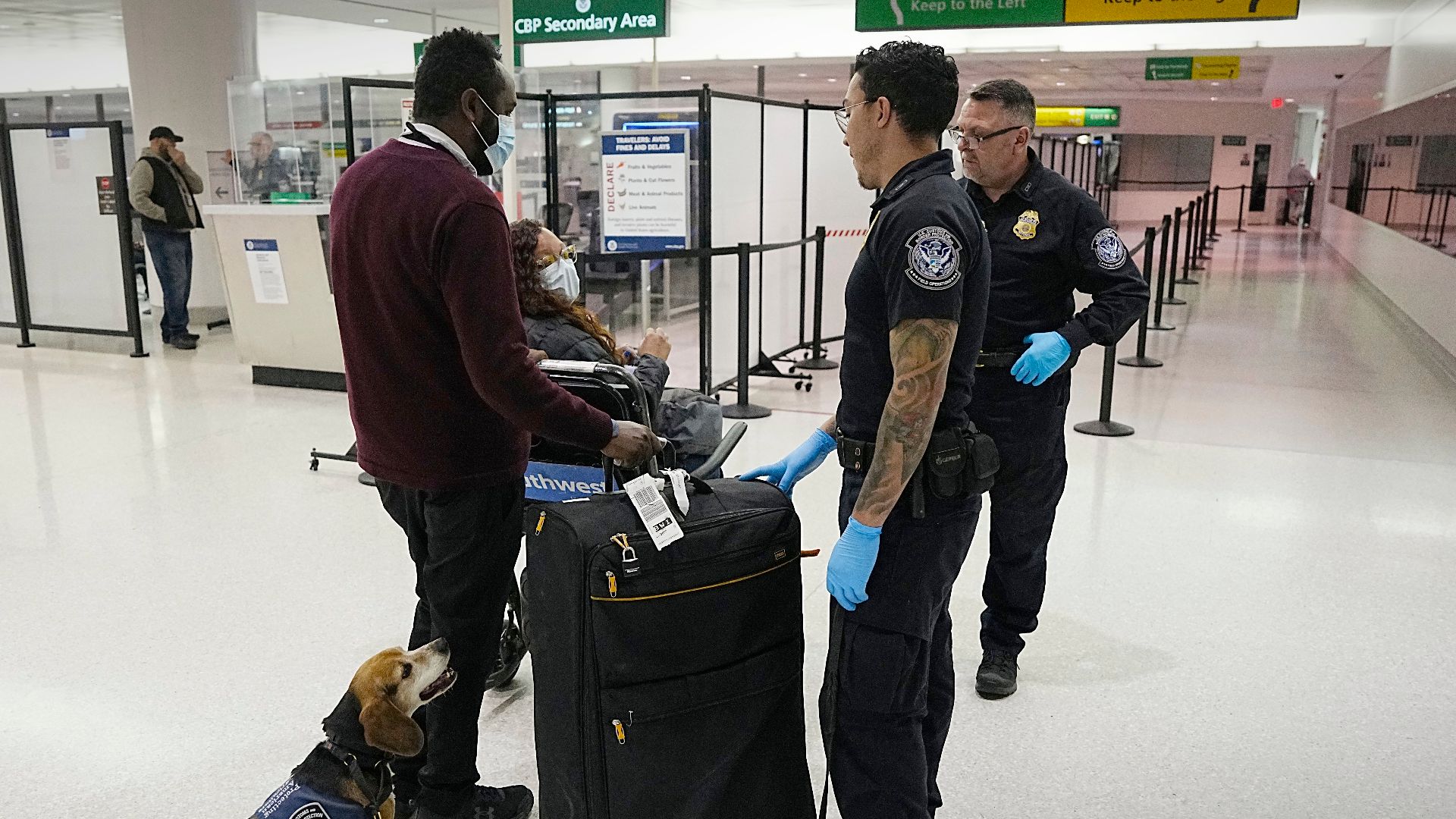
On many international itineraries, baggage claims are governed by the Montreal Convention of 1999. The treaty generally limits liability to 1,519 Special Drawing Rights for baggage, according to airline and treaty references. Because exchange rates move around, that amount can end up well below the cost of high-end clubs, rangefinders, and travel cases.
 CBP Photography, Wikimedia Commons
Golf Clubs Are In A Particularly Pricey Category
A basic set can already cost well over a thousand dollars, and premium drivers, irons, putters, and shafts can send the total much higher. Add a hard-shell travel case, golf shoes, and accessories, and the replacement cost rises fast. That is why an airline payout can feel wildly out of step with reality.

Your Airline Contract Matters More Than Most People Think
Every airline publishes a contract of carriage or conditions of transport that spells out baggage rules and claim procedures. Some carriers list deadlines for reporting damage or loss and explain how they handle depreciation or reimbursement. Read that document carefully because it often tells you what paperwork comes next.

Receipts Are Gold When A Claim Gets Messy
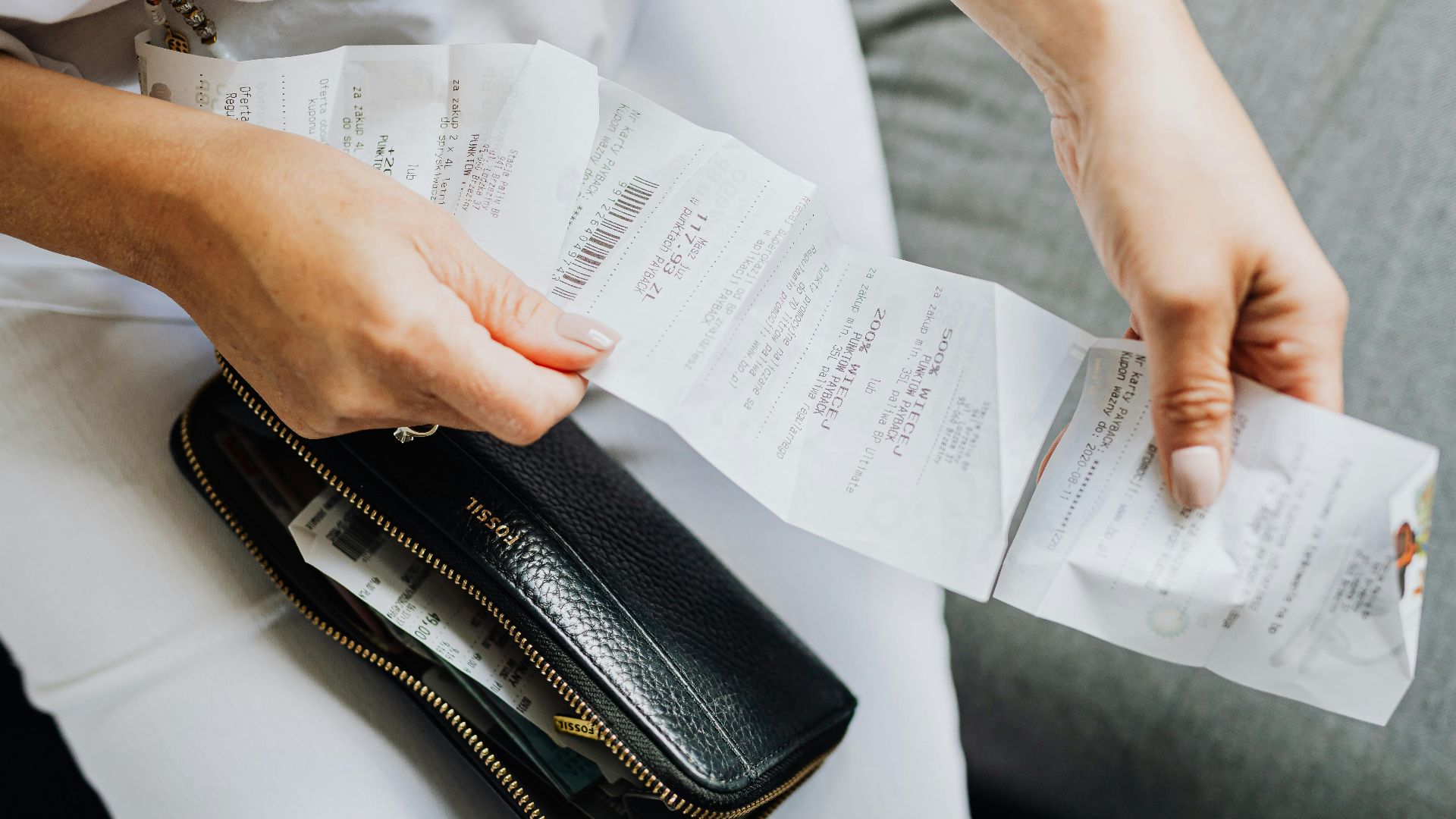
The strongest baggage claims are built on documentation, not memory. Gather purchase receipts, credit card statements, fitting invoices, repair records, serial numbers, and photos of the clubs before the trip if you have them. If you do not have every receipt, make a detailed item list with brand, model, approximate purchase date, and replacement cost.
Photos Can Quietly Save Your Case
Travelers often snap a quick photo of their golf bag at check-in or before leaving home without realizing how useful it could be later. Images can help show the contents, condition, and accessories that were packed. They also make it harder for an airline to argue that a premium club or travel cover was never in the bag.

Do Not Accept The First Offer Too Quickly
If the airline offers compensation that would not cover even half the value, you do not have to say yes on the spot. Ask for a written breakdown showing how the amount was calculated and whether depreciation was applied. A calm appeal backed by better documentation can sometimes lead to a better result.
 AutoRentals, Wikimedia Commons
Ask One Key Question About Depreciation
Airlines often reimburse based on the current value of used items rather than what it would cost to replace them with new ones today. That can slash a claim if your clubs are a few seasons old, even if replacing them now would be expensive. If the numbers seem off, ask the airline to explain the valuation method in writing.
 CBP Photography, Wikimedia Commons
Rental Clubs And Emergency Buys May Be Reimbursable
If your clubs are delayed and you need to play during the trip, keep receipts for rental clubs, golf balls, shoes, or basic clothing you had to buy because your checked bag was missing. The Department of Transportation says passengers are entitled to reimbursement for reasonable incidental expenses, again subject to liability limits. The key word is reasonable, so avoid luxury replacements unless they were truly necessary.

Credit Card Coverage Could Be Your Best Backup
Some travel credit cards include baggage delay insurance or lost luggage reimbursement when you paid for the trip with the card. Coverage terms vary a lot, and sports equipment may come with special rules or lower limits. Check your card’s guide to benefits as soon as the problem starts because claims often come with short filing deadlines.

Homeowners And Renters Insurance May Also Help
Your homeowners or renters policy may cover personal property away from home, including baggage lost in transit. That said, deductibles and sublimits can cut down how much help you actually get, and filing a claim is not always worth it for smaller losses. It is smart to ask your insurer whether a claim could affect future premiums before moving ahead.
 Vodafone x Rankin everyone.connected, Pexels
Travel Insurance Is Often The Missing Piece
Comprehensive travel insurance can provide baggage coverage beyond what the airline pays, depending on the policy. Some plans also cover sporting equipment specifically, while others cap payouts per item or exclude high-value gear unless it was declared in advance. If you travel with expensive clubs often, this is one of the best lessons to carry into your next booking.

International Claims Come With Tight Deadlines
Under the Montreal Convention, passengers have to move quickly, especially for damaged baggage. Written complaints for damaged baggage generally must be made within seven days from receipt, while delayed baggage complaints generally must be made within 21 days from the date the baggage is placed at your disposal. Missing those deadlines can badly weaken your claim.
 Oregon Department of Transportation, Wikimedia Commons
Domestic Claims Also Have Deadlines Hidden In Fine Print
For domestic US trips, federal rules set liability, but airlines can still impose claim procedures in their contracts. That means you should send in your written claim and supporting evidence as soon as possible, even if a baggage agent verbally tells you to wait. Slow paperwork is one of the easiest ways to lose leverage.
 Harrison Keely, Wikimedia Commons
Escalation Can Work When The Process Stalls
If the airline stops responding or keeps repeating an offer that seems unsupported, escalate politely to customer relations in writing. Include your bag report number, itinerary, receipts, and a short timeline of what happened and when. Clear, organized complaints are much harder to ignore than angry but vague messages.

You Can File A Complaint With The DOT
For flights involving the United States, passengers can file an airline service complaint with the Department of Transportation. The DOT does not act as your personal lawyer, but a complaint can add pressure and create a formal record. That can help if you believe the airline is not following its stated obligations.

Small Claims Court May Be An Option
If you have a well-documented loss and the airline’s offer still seems unfair, small claims court may be worth considering, depending on the amount and the facts. Before filing, review the airline’s contract of carriage and any applicable treaty rules. You should also confirm whether arbitration clauses or venue rules affect your options.

What If The Clubs Were Damaged Instead Of Lost
Damage claims can be trickier because airlines sometimes argue that sports equipment is naturally vulnerable in transit. Even so, they are not automatically off the hook for obvious transit damage. Report damage right away, photograph everything, and do not throw away the case, tags, or broken items until the claim is settled.

One Extra Fee Could Have Changed The Story
On some international trips governed by the Montreal Convention, travelers can make a special declaration of interest in delivery for checked baggage and pay a supplementary sum if required. That can raise the carrier’s liability beyond the default treaty cap in some cases. Very few leisure travelers know this option exists, but it can matter if you are flying with especially expensive gear.
 CBP Photography, Wikimedia Commons
The Smartest Play Is Prevention Before You Fly
Use an Apple AirTag or similar tracker in your golf bag, photograph everything, and carry high-value accessories in your cabin bag if allowed. Consider a hard case, remove detachable items, and keep a digital file of receipts in your email or cloud storage. None of that guarantees a smooth trip, but it can put you in a much stronger position if something goes wrong.

How To Build Your Claim In One Sitting
Start with your baggage report, boarding pass, bag tag, and itinerary. Add receipts, photos, a full itemized list, and any emergency expenses caused by the delay or loss. Then write a short cover note stating the total amount claimed, why it is justified, and the deadline by which you want a response.

What A Fair Outcome Actually Looks Like
A fair outcome is not always full replacement cost, especially when legal caps apply, but it should reflect the rules that govern your trip and the evidence you provide. If your clubs were worth more than the airline’s liability limit, outside insurance may be the only realistic way to close the gap. If the offer is below the applicable cap and seems poorly explained, challenge it.

The Bottom Line For Golfers
If your airline loses your golf clubs and offers a payout that would not cover half the value, do not assume that first number is final. Your best move is to document everything, figure out whether domestic US rules or the Montreal Convention apply, and use any backup coverage through credit cards, travel insurance, or home insurance. It is a brutal way to start or end a golf trip, but a methodical claim can keep you from eating the whole loss.