
Their Complaint Became Everyone Else’s Embarrassment
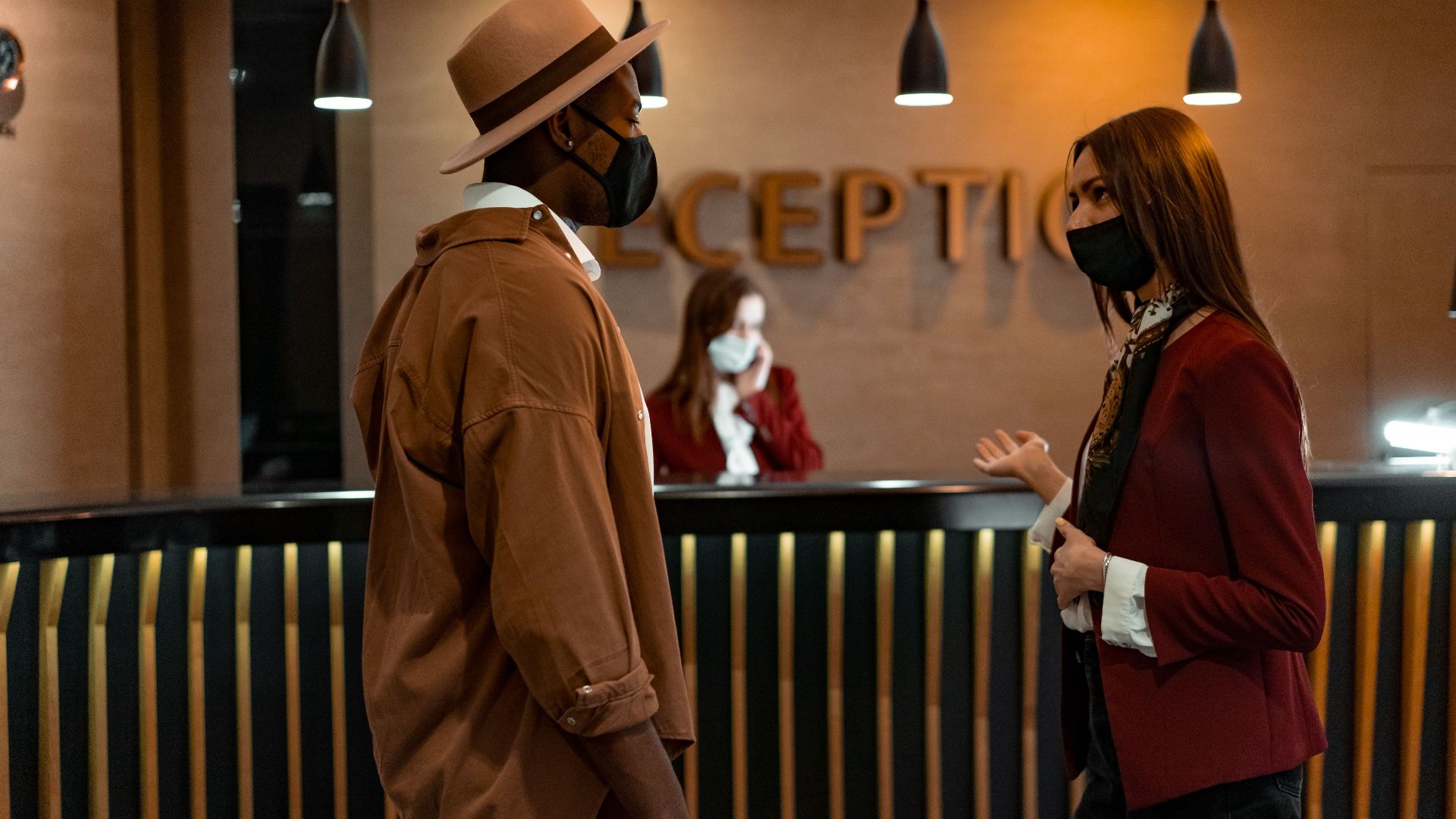
The room wasn’t ready, the restaurant reservation had been misplaced, and your friend immediately began speaking to the staff as though they had personally ruined the vacation. You may have disagreed with every word, but stepping in without creating an even bigger scene felt nearly impossible. The best response depends on how quickly you can separate a legitimate complaint from behavior you don’t want associated with you.
Don’t Pretend You Didn’t Hear It
Looking away may feel easier, especially when the confrontation is already uncomfortable. Unfortunately, silence can look like agreement to both your friend and the employee. You don’t need to launch into a public argument, but a calm interruption can make it clear that the hostility isn’t coming from the entire group.

Interrupt Before The Exchange Escalates
Step in early, before raised voices turn into insults or threats. A simple phrase such as, “Let’s slow down and figure out what happened,” can break the momentum. The goal is to lower the temperature, not prove your friend wrong in front of an audience.

Acknowledge The Problem Without Defending The Behavior
The hotel may genuinely have made a mistake. The room could be dirty, the reservation may be wrong, or a promised service might be unavailable. You can support the complaint while rejecting the delivery by saying, “We do need help resolving this, but we can speak respectfully".

Redirect The Conversation To A Solution
Angry travelers often begin repeating everything that has gone wrong instead of explaining what would fix it. Ask the employee what options are available, then help narrow them down. A room change, later checkout, housekeeping visit, meal credit, or manager conversation may resolve the actual problem faster than another round of accusations.

Volunteer To Handle The Discussion
If your friend is too angry to communicate productively, ask them to step aside while you speak with the employee. This gives the staff member a calmer person to work with and gives your friend time to cool down. It also stops the complaint from becoming a performance in the lobby.

Use Clear Language With Your Friend
Hints may not work when someone believes their anger is justified. Say quietly but directly, “I’m not comfortable with how you’re speaking to them,” or, “I’ll help solve this, but I won’t participate if you keep insulting the staff". That is a boundary, not an attempt to control how they feel.

Don’t Correct Them By Humiliating Them
Calling your friend a bully or announcing that they’re embarrassing everyone may intensify the confrontation. Speak firmly without trying to embarrass them in return. If possible, move the discussion away from the desk so the employee doesn’t become trapped inside a personal argument between travelers.

Apologize To The Employee When Appropriate
A short apology can acknowledge what happened without accepting responsibility for your friend’s conduct. Try, “I’m sorry you were spoken to that way,” or, “Thank you for staying patient while we sort this out". Hospitality employees are often expected to remain composed even when guests become aggressive, so basic recognition can matter.

Don’t Demand Forgiveness On Your Friend’s Behalf
You can apologize for the situation, but you can’t force the employee to feel comfortable or continue engaging with your friend. Staff members may decide to bring in a manager or security representative. Respect that decision rather than insisting that everyone move on immediately.
Know When The Hotel May End The Conversation
Insults, discriminatory comments, threats, physical intimidation, and refusal to follow hotel rules can become more than poor manners. Management may restrict service or ask a disruptive guest to leave. If the situation reaches that point, your priority should be preventing further escalation rather than arguing that the hotel is overreacting.

Step Away If The Behavior Becomes Unsafe
You aren’t required to physically place yourself between an enraged friend and an employee. If your friend is threatening someone, damaging property, or becoming physically aggressive, create distance and alert hotel management or security. Personal loyalty doesn’t require protecting dangerous behavior.

Don’t Let Them Use You As Backup
A rude traveler may turn to companions and say, “Tell them I’m right,” expecting public support. You can confirm the facts without endorsing the aggression. Say, “The reservation does show a king room, but I think we should let the manager explain the options".

Separate Entitlement From Advocacy
Guests are allowed to report genuine problems and request reasonable solutions. Calmly asking for what was promised isn’t rude. The issue is treating staff members as inferior, assuming every inconvenience is deliberate, or believing payment creates permission to humiliate someone.

Remember That The Front Desk May Not Control The Problem
The person facing your friend may not have caused the delay, set hotel policy, designed the room, or processed the booking. They may also have limited authority to provide refunds or upgrades. Directing anger at the nearest employee rarely creates more options and may make a solution harder to reach.

Give Your Friend Time To Cool Down
Once the immediate issue is stable, suggest taking a short walk, getting something to eat, or returning to the room. Hunger, exhaustion, and travel stress may be contributing to the reaction, although they don’t excuse it. A pause can prevent one confrontation from spilling into the rest of the day.

Address The Pattern In Private
Don’t wait until the final day if the behavior keeps happening. Speak privately after both of you have calmed down and explain what you observed. Focus on specific incidents and their effect on you rather than making a broad statement that your friend is simply a terrible person.
 https://kaboompics.com/, Pexels
Explain How It Is Affecting Your Trip
Your friend may believe their arguments have nothing to do with you. Explain that the tension, embarrassment, and fear of the next confrontation are changing your experience. A statement such as, “I’m spending the trip worrying about how you’ll treat people,” makes the consequence difficult to dismiss.

Set A Boundary For The Next Incident
Be clear about what you will do if it happens again. You might say that you’ll leave the conversation, handle your own reservation separately, or spend the day independently. A useful boundary describes your response rather than issuing an empty threat about how they must behave.

Make Separate Plans When Necessary
Travel companions don’t have to approach every desk, restaurant, and excursion together. If your friend repeatedly creates conflict, arrange your own check-in questions, meals, or activities. Some distance may allow you to enjoy the destination without becoming the unwilling audience for every complaint.

Keep Your Own Account Separate
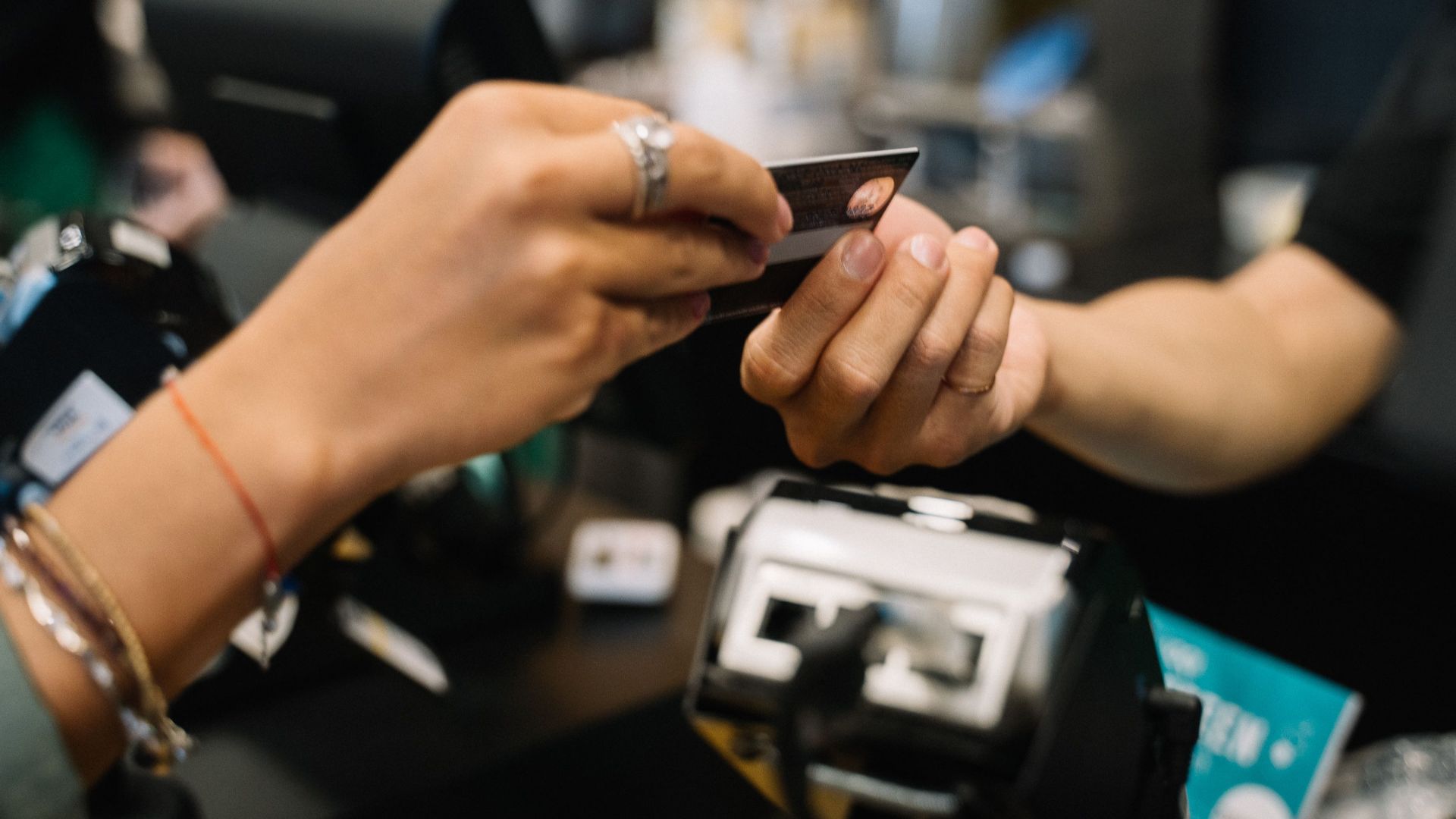
When practical, use separate payment cards, reservation names, and incidentals. If your friend damages property, refuses charges, or creates a dispute, shared billing can pull you into the consequences. Separate arrangements also make it easier to move rooms or leave early if the relationship deteriorates.
Don’t Reward The Behavior
If your friend receives an upgrade after shouting, they may treat that as proof that aggression works. You don’t need to lecture them, but avoid celebrating the outcome or encouraging the same tactic elsewhere. A concession from a hotel may have been intended to end a confrontation, not validate it.

Decide Whether This Was An Exception
One bad exchange during an exhausting travel day may be repairable if your friend recognizes it, apologizes, and behaves differently afterward. A repeated pattern of contempt, threats, or humiliation is more serious. Pay attention to whether they take responsibility or insist that every employee deserved it.

Discuss Future Travel Before Booking Again
If you’re considering another trip together, talk about what happened before any money is spent. Agree on how complaints will be handled, whether separate rooms are needed, and what behavior would end the trip. Travel compatibility includes how someone treats the people providing service, not just whether you enjoy the same activities.

You Don’t Have To Travel With Them Again
A person can be a valued friend at home and an unbearable travel companion. Declining another vacation doesn’t require ending the entire friendship. You can simply explain that your travel styles and expectations around handling problems are too different.

Protecting Staff Doesn’t Mean Ignoring Bad Service
You can insist that a hotel correct a serious problem while still treating employees with dignity. In the moment, interrupt the abuse, move the conversation toward a solution, and step away if your friend refuses to calm down. Later, explain exactly how the behavior affected you and what boundary will apply next time. A vacation inconvenience can be fixed, but allowing someone to repeatedly mistreat others may damage the trip and the friendship far more than the original problem ever could.

You May Also Like: