
Feeling Conflicted
Your wife's sister already had a legal courthouse wedding, but now she wants family and friends to fly to Hawaii for a destination celebration. You wonder whether spending thousands of dollars on what feels like a second wedding makes sense. Balancing family expectations with financial reality requires thoughtful communication rather than frustration.
Understand The Difference
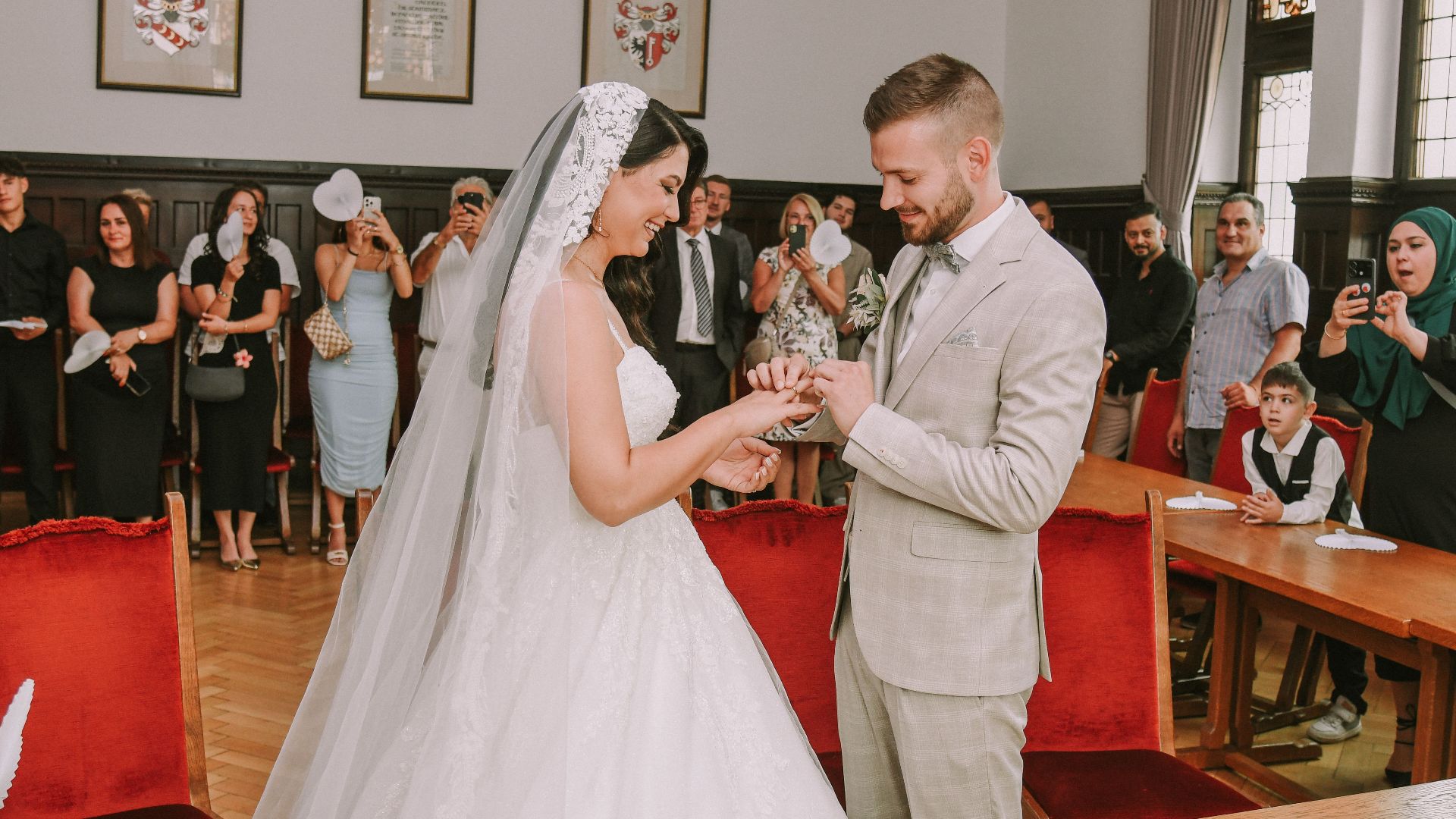
A courthouse ceremony legally establishes the marriage, while a destination celebration often serves as a chance to gather loved ones in a memorable setting. For many couples, the larger event fulfills emotional, cultural, or personal dreams that the simple legal ceremony could not.
Ask Why It Matters
Before dismissing the idea, ask your wife what attending means to her. She may value supporting her sister, spending time with extended family, or creating shared memories. Understanding her motivation makes the conversation far more productive than debating whether the wedding already "counts."

Consider Your Budget
Destination weddings can easily cost several thousand dollars after airfare, hotels, meals, transportation, and activities. Before making any decisions, review your finances together and determine whether the trip fits comfortably within your overall financial goals without creating debt or unnecessary stress.

Separate Emotion From Money
Arguments often sound like they're about money when they're really about emotions. Your wife may hear financial objections as criticism of her family. Try explaining that your concern centers on affordability rather than questioning the importance of celebrating her sister's marriage.

Talk About Priorities
Every family has competing financial priorities. Perhaps you're saving for a home, retirement, children's education, or another vacation. Discuss whether attending this celebration aligns with those priorities instead of evaluating it as an isolated expense.

Avoid Keeping Score
Comparing how much either family has spent on previous weddings or vacations rarely improves the discussion. Focus on your current circumstances rather than past events. Every financial decision should reflect today's budget instead of yesterday's perceived fairness.

Explore Cheaper Options
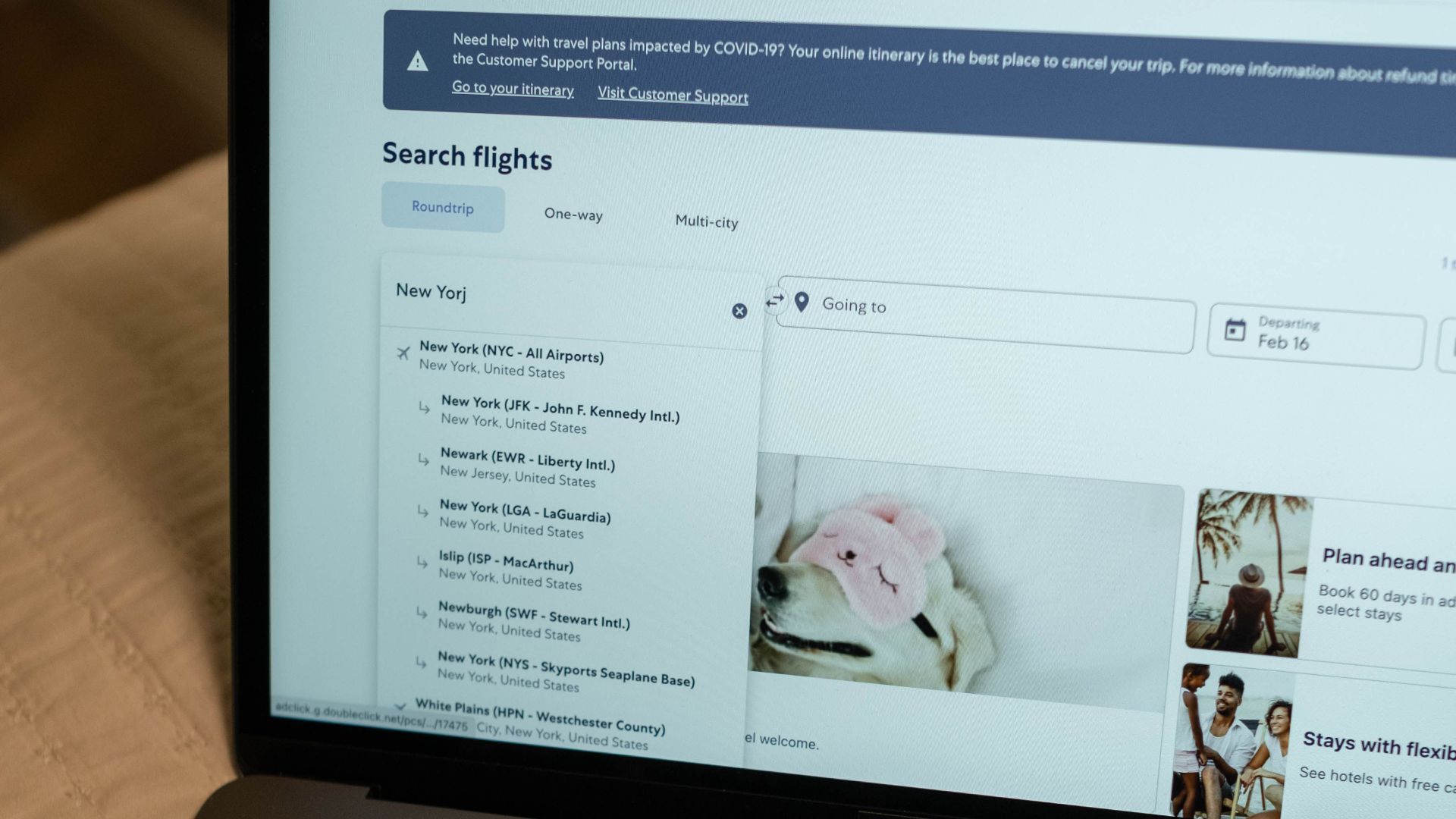
If attending matters but costs feel overwhelming, look for ways to reduce expenses. Flexible travel dates, reward points, vacation rentals, or sharing accommodations with relatives may significantly lower the overall price without skipping the celebration entirely.
Set Spending Limits
Agree on a maximum amount you're willing to spend before booking anything. Having a predetermined budget reduces conflict later when optional excursions, expensive dinners, or upgraded accommodations inevitably become tempting during the trip.

Clarify Expectations
Ask the couple exactly what events guests are expected to attend. Some destination weddings include several optional activities spread across multiple days. Understanding the itinerary helps you estimate both the time commitment and the total financial impact before committing.

Remember You're Guests
Unless you're part of the wedding party, you generally aren't obligated to participate in every activity. Politely declining expensive excursions or optional group dinners is perfectly acceptable if they exceed your budget or personal interests.

Know There Is No Law
In the United States, there is no legal obligation requiring relatives to attend a destination wedding. Declining an invitation carries social consequences, not legal ones. You always retain the right to decide what works best for your family and finances.

Discuss Vacation Time
Money isn't always the biggest obstacle. Limited vacation days can be just as valuable. Consider whether using several days for someone else's celebration leaves enough time for vacations, emergencies, or family plans later in the year.

Think About Resentment
If you reluctantly agree while remaining deeply unhappy about the expense, lingering resentment may overshadow the trip itself. Honest conversations before booking are healthier than simmering frustration after thousands of dollars have already been spent.

Consider Relationship Benefits
Sometimes attending strengthens important family relationships in ways that outlast the financial cost. Shared experiences often become treasured memories. Ask yourself whether maintaining close family bonds justifies the investment, especially if you otherwise enjoy spending time together.
Respect Different Views
Not everyone values weddings the same way. You may see the destination event as unnecessary, while your wife sees it as once-in-a-lifetime. Neither perspective is automatically wrong. Mutual respect matters more than convincing each other who is correct.

Look For Compromise
Compromise could involve shortening the trip, choosing less expensive lodging, or attending only the ceremony and reception. Creative solutions often satisfy everyone's core priorities without forcing either spouse to completely surrender their position.

Avoid Public Arguments
Keep disagreements between yourselves instead of involving relatives. Once family members take sides, resolving the issue becomes much more difficult. Presenting a united front protects both your marriage and your relationships with extended family.

Respond Graciously
If you decide not to attend, decline the invitation promptly and politely. Express genuine happiness for the couple, send a thoughtful gift within your means, and avoid criticizing their decision to hold a destination celebration.

Attend Wholeheartedly
If you choose to go, avoid spending the entire trip reminding everyone that the couple was already legally married. Celebrate with enthusiasm and focus on enjoying the experience rather than dwelling on your original reservations.

Plan Your Own Trip
If Hawaii has always interested you, consider extending your stay by a few days or exploring another island afterward. Combining the wedding with your own vacation can make the travel costs feel more worthwhile.

Protect Your Marriage
Ultimately, your relationship with your spouse deserves greater attention than the wedding itself. Working together respectfully strengthens your marriage, regardless of whether you end up boarding the plane or politely declining the invitation.

There Is No Right Answer
Every couple faces different financial circumstances, family dynamics, and personal values. What feels reasonable for one household may be unrealistic for another. The goal is reaching a decision together rather than proving whose opinion is objectively correct.

Focus On Partnership
Marriage often requires balancing practical realities with emotional commitments. This situation offers an opportunity to practice compromise, communication, and mutual respect, qualities that will serve both of you long after the destination wedding has ended.

Celebrate Your Decision
Whether you attend or stay home, make the choice together and support it confidently. When both spouses feel heard and respected, even difficult family decisions become opportunities to strengthen trust instead of creating lasting conflict.

You May Also Like: