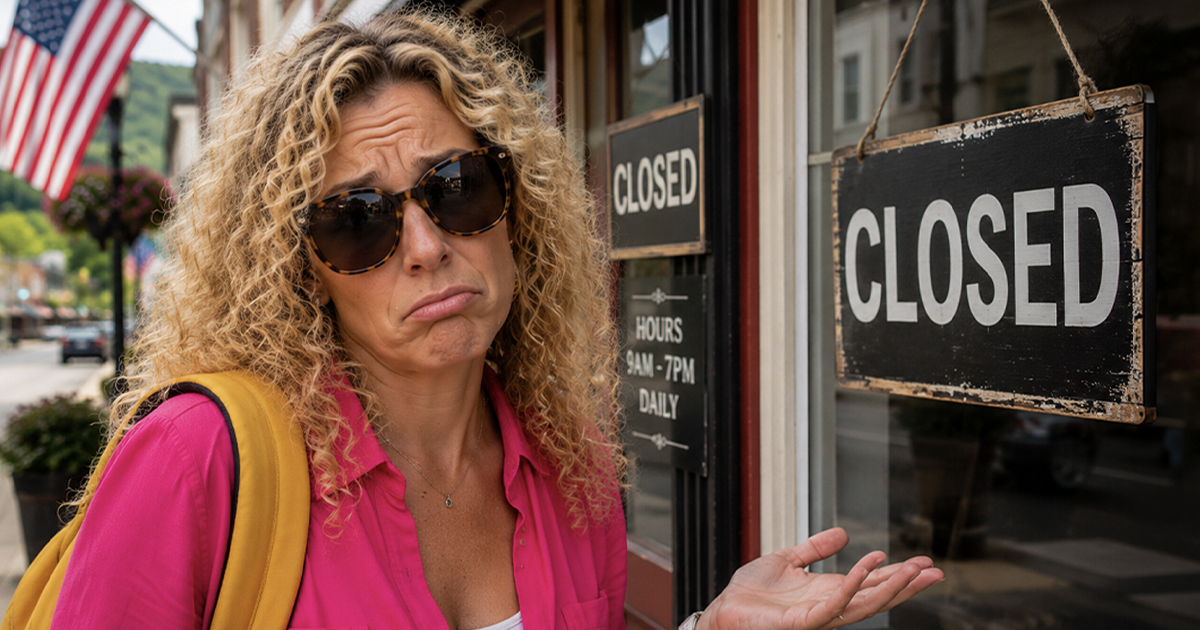
You Planned The Perfect Small-Town Getaway—Then Everything Closed Before Dinner
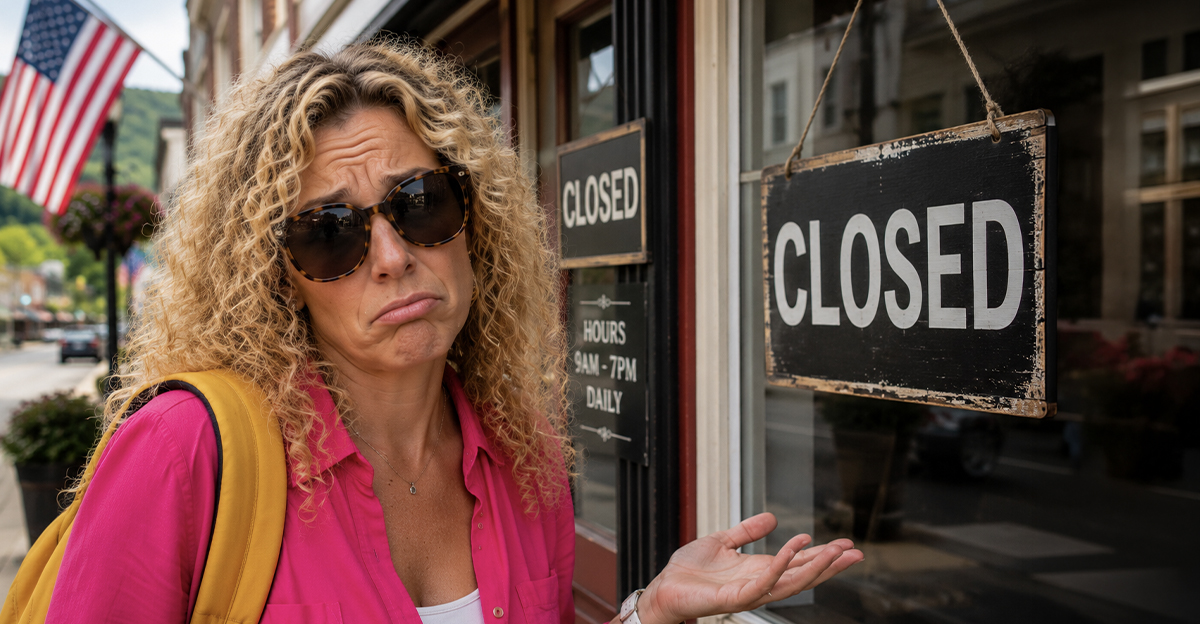
You finally escape the city for a quiet weekend in a charming little town. The streets are beautiful, the scenery is perfect... and by 7:00 p.m., nearly every restaurant, café, gift shop, and attraction has closed for the night. You can't help but wonder: should travel websites be warning visitors about this before they book?
It Happens More Often Than You'd Think
Many travelers assume that every destination stays lively well into the evening. That's often true in larger cities, but many smaller communities operate on an entirely different schedule.
Not Every Town Is Built For Tourists
Some small towns attract thousands of visitors each year, while others are simply regular communities that happen to have beautiful scenery. Their businesses are often designed around the needs of local residents—not vacationers.
Why Does Everything Close So Early?
At first glance, it can seem frustrating. But there are several reasons small-town businesses often close earlier than visitors expect, and not all of them involve saving money.
Staffing Is A Bigger Challenge Than You Think
Many rural businesses struggle to find enough employees, especially in the evenings. Staying open later sometimes costs more than the additional customers bring in.

Demand Often Disappears After Dinner
Unlike major tourist destinations, many small towns simply don't have enough evening foot traffic to justify staying open until 10 or 11 p.m.

Season Matters More Than Most People Realize
A lakeside town might stay busy until midnight during July, then become almost silent after sunset in October. Visiting during the shoulder season can feel like an entirely different experience.
Even Restaurants May Have Limited Hours
Some family-owned restaurants only serve breakfast and lunch. Others close one or two days every week, especially outside of peak tourist season.

Museums Aren't Immune Either
Historic homes, museums, visitor centers, and local attractions often have surprisingly limited operating hours. Some close before most travelers even finish lunch.
Monday Can Be The Quietest Day
Many attractions intentionally close on Mondays or Tuesdays after busy weekends. Unfortunately, that's exactly when many travelers arrive.

Online Listings Aren't Always Accurate
One of the biggest frustrations is discovering that Google, travel websites, or review platforms list outdated business hours. Small businesses don't always update every online listing.

Even Locals Get Surprised
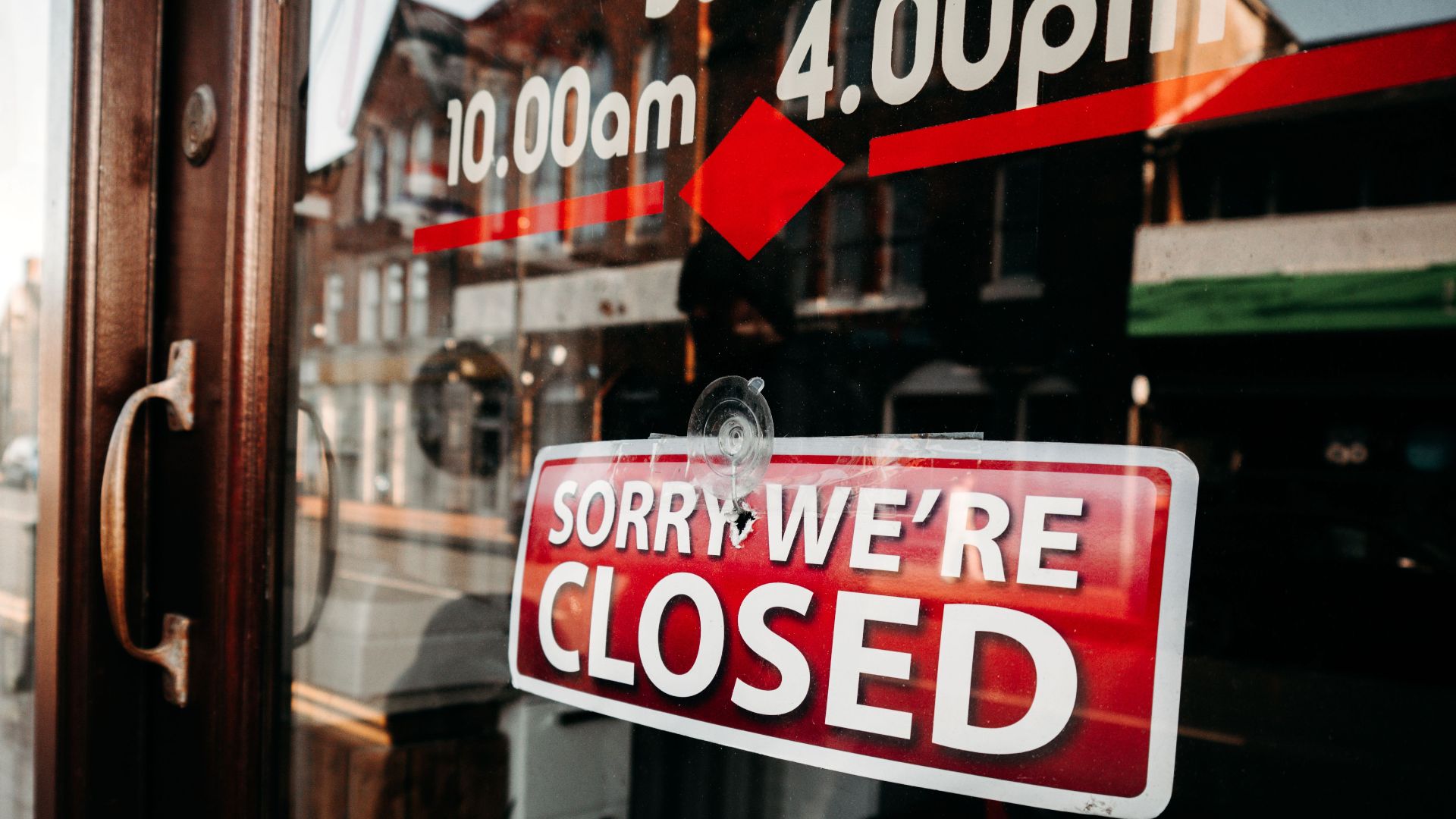
Residents occasionally show up expecting a favorite café or bakery to be open, only to find a handwritten sign saying they're closed for the day.
Smaller Doesn't Mean Worse
Early closing hours don't necessarily mean a destination is disappointing. In fact, some travelers specifically choose small towns because they're quieter and slower-paced.

But Expectations Matter
A peaceful evening stroll feels very different when you expected live music, open shops, and late-night dining. Sometimes the disappointment comes more from expectations than the destination itself.
Travel Sites Usually Focus On Attractions
Most booking websites highlight beautiful photos, hotels, and things to do. Practical information like business hours often receives much less attention.

Reviews Become Incredibly Valuable
Experienced travelers often mention details that official tourism websites leave out. Reading recent reviews can reveal patterns about restaurant hours, seasonal closures, and local routines.

Tourism Offices Know More Than Search Engines
Local visitor centers usually have the most accurate information about what's currently open, what's seasonal, and what has recently changed.

Call Ahead If Something Matters
If there's a particular restaurant, brewery, museum, or shop you absolutely don't want to miss, a quick phone call before your trip can prevent a major disappointment.

Special Events Change Everything
Festivals, concerts, and holiday weekends can completely transform a quiet town. Businesses that normally close at six may stay open late during major community events.
 Cristian Quinones Ramirez, Pexels
Some Businesses Close Without Notice
Family emergencies, staffing shortages, weather, or unexpected maintenance can temporarily close small businesses with little warning.

Should Tourism Boards Say More?
Some travelers believe destination websites should provide a better picture of what visitors can realistically expect after dark. Others argue that individual businesses—not tourism websites—are responsible for posting their own hours.

Could Booking Sites Add Warnings?
Imagine seeing a simple note while booking: 'Many local businesses close before 7 p.m.' That small piece of information might completely change how someone plans their trip.

Not Everyone Would Like That
Some communities worry that emphasizing early closing hours could discourage visitors, even though many travelers end up loving the slower pace once they arrive.

Smart Travelers Adjust Their Plans
People who know what to expect often schedule sightseeing during the day, make dinner reservations in advance, and stock up on snacks before evening arrives.

Expectations Shape Vacations
The exact same destination can feel magical to one traveler and disappointing to another, depending almost entirely on what each person expected before arriving.

So... Should Travel Sites Warn Visitors?
In many cases, yes. While travel websites can't guarantee every business's operating hours, providing general information about seasonal schedules, typical closing times, and limited evening services would help travelers set realistic expectations. Better information doesn't make a destination less appealing—it helps visitors enjoy it for what it actually is.

Sometimes The Quiet Is The Attraction
That sleepy main street, the empty sidewalks, and the peaceful evening may be exactly why the town is worth visiting in the first place. Once you know what to expect, an early night might feel less like a disappointment—and more like the getaway you didn't realize you needed.
You May Also Like:
I booked “hidden city” flights to save money, but my dad says airlines can ban me for that—is that actually true?
My friend says TSA can’t make you unlock your phone. My cousin says they absolutely can at some airports. Who’s telling the truth?