
Your Road Trip Snacks Could Cause A Border Surprise
That innocent apple could become a problem. Before Canadian vacationers pack coolers, groceries, and homemade treats for an American getaway, there are some surprisingly specific border rules worth knowing.
 Jeremy Selwyn / Getty ImagesThe First Rule Is Surprisingly Simple
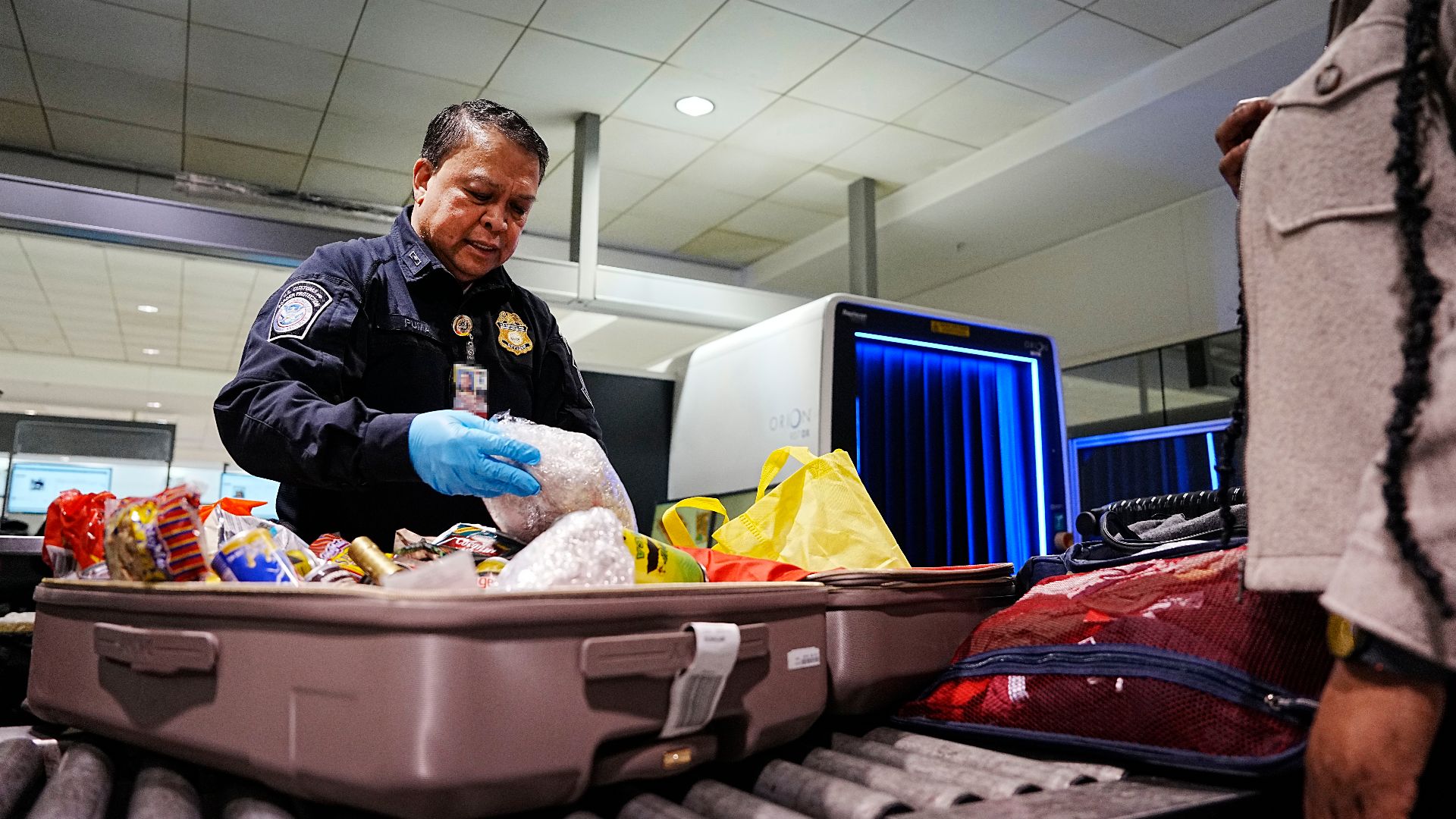
Whether you're heading to Florida for the winter or crossing into New York for the weekend, U.S. authorities require travelers to declare food and agricultural products. That includes items you believe are perfectly harmless or already permitted. Declaring something does not automatically mean it will be confiscated, so honesty is always the best starting point.
 CBP Photography, Wikimedia Commons
Even A Sandwich Counts As Food
That sandwich you packed for the drive might seem too ordinary to mention at customs. However, U.S. Customs and Border Protection requires travelers to declare food, including prepared and processed items. The ingredients matter because a sandwich containing meat, fresh vegetables, or other regulated products may receive additional scrutiny.
 https://kaboompics.com/, Pexels
Declaring Something Doesn't Mean Losing It
Many Canadian travelers worry that admitting they have food will automatically lead to confiscation. The U.S. Department of Agriculture explains that travelers who properly declare their agricultural products generally avoid penalties even when inspectors refuse entry to an item. You may have to surrender prohibited food, but that is much better than facing consequences for failing to declare it.
 CBP Photography, Wikimedia Commons
Fresh Fruit Can Be Surprisingly Complicated
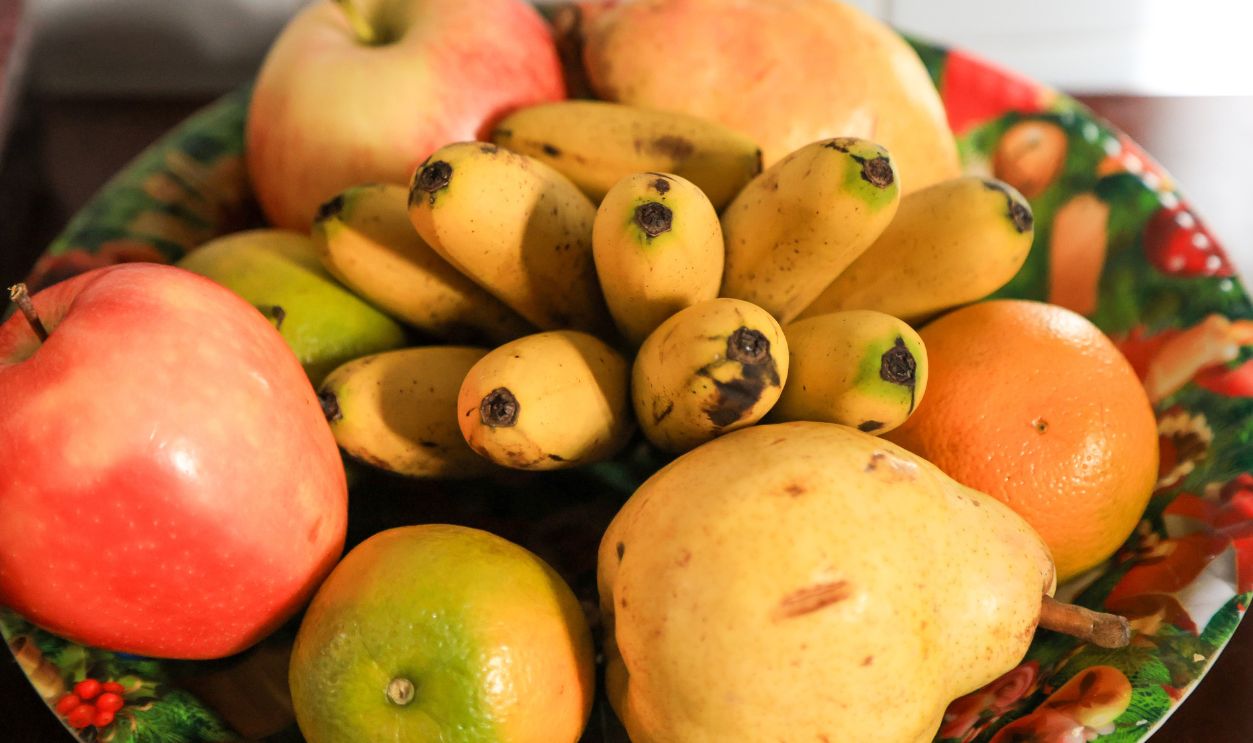
Packing apples, berries, or other fruit for a long drive sounds sensible, but fresh produce faces strict agricultural rules. Some commercially grown Canadian fruits and vegetables can enter through land borders when travelers have adequate proof of origin. Others are prohibited regardless of how fresh or harmless they appear, so checking the specific item matters more than assuming all Canadian produce is welcome.
 Bruno Martins Imagens, Shutterstock
Buying It In Canada Isn't Enough
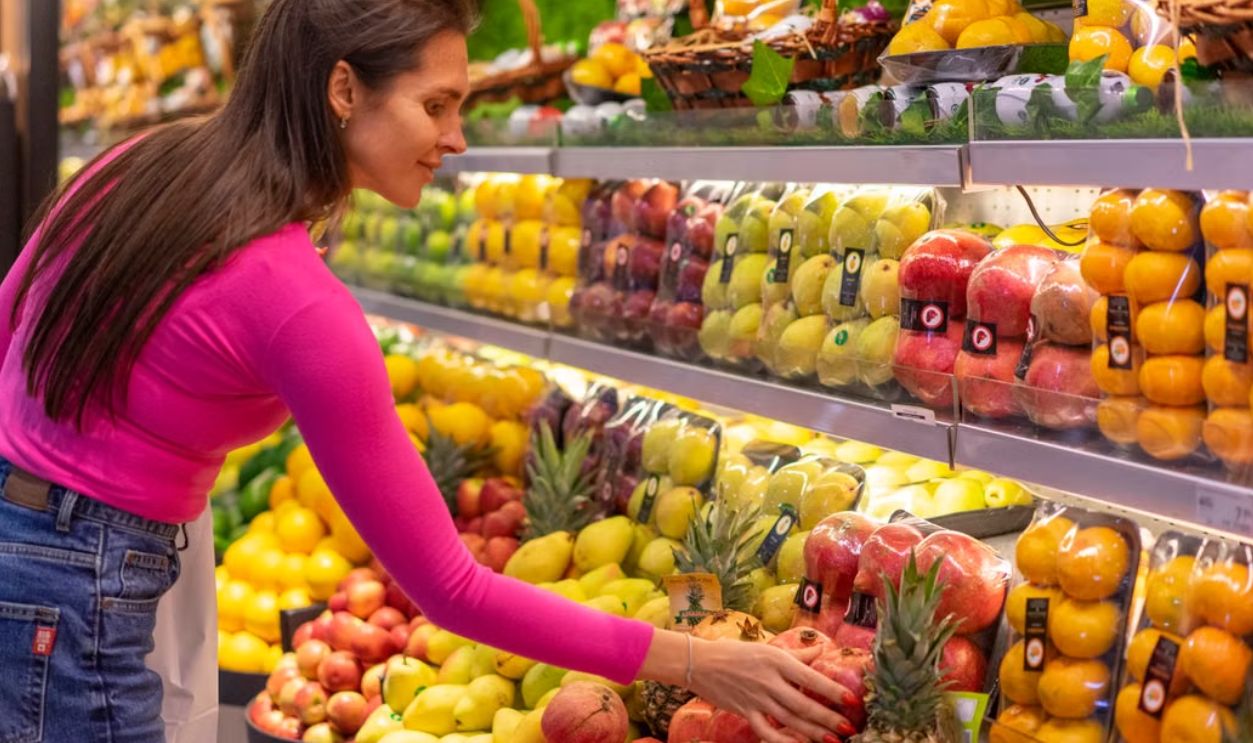
A supermarket receipt from Toronto or Vancouver does not necessarily prove that your fruit was grown in Canada. U.S. authorities distinguish between a product's country of purchase and its actual country of origin. For eligible fresh produce, labels identifying it as Canadian-grown and appropriate receipts can make a major difference during inspection.
Your Backyard Vegetables Are Usually A Problem
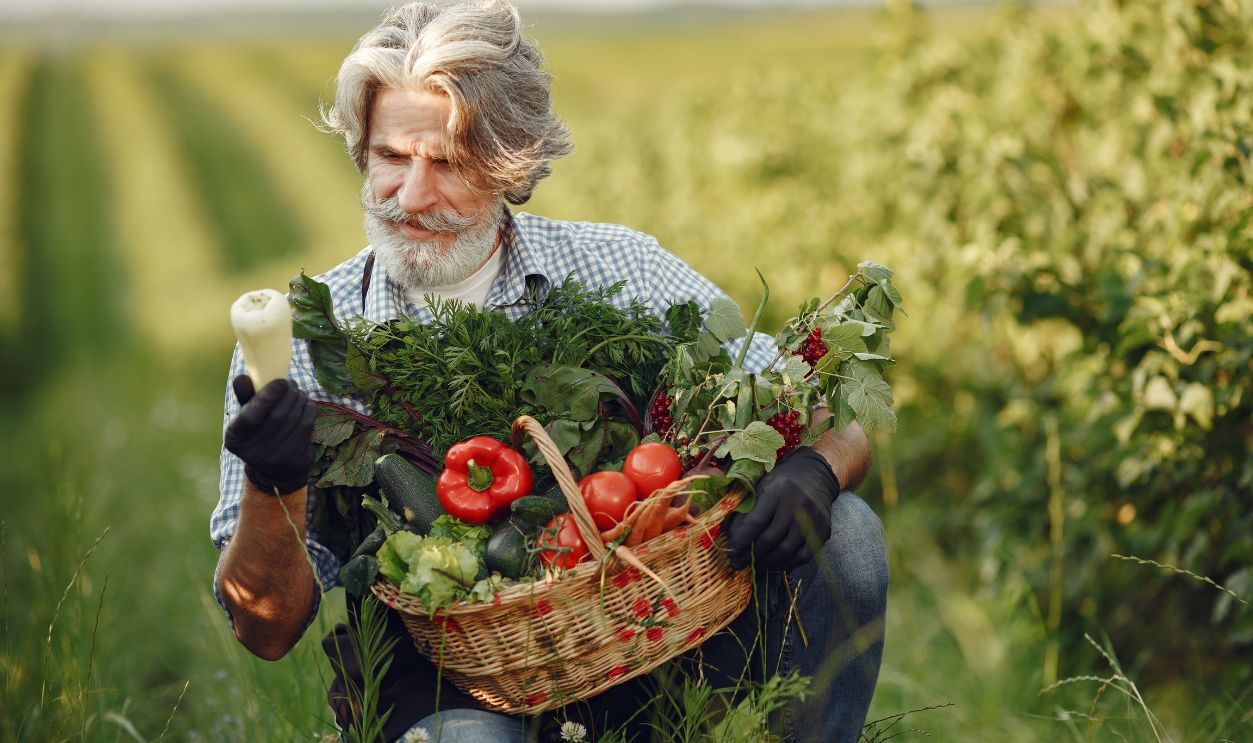
Homegrown tomatoes, lettuce, or garden vegetables might seem like the safest food imaginable. Unfortunately, USDA guidance generally prohibits Canadian backyard-grown produce because inspectors usually cannot verify where it was cultivated. A special Canadian Food Inspection Agency inspection and phytosanitary certificate can create an exception for some otherwise eligible produce, but that requires arranging documentation in advance.
Some Canadian Produce Has A Seasonal Window
Certain field-grown fruits and vegetables from commercial Canadian farms may be admitted during the Canadian growing season. USDA guidance identifies that period as May 1 through October 31 and warns that eligible field-grown produce presented outside those dates may be refused. Specific greenhouse-grown vegetables and strawberries can qualify year-round when their commercial labels establish Canadian greenhouse origin.
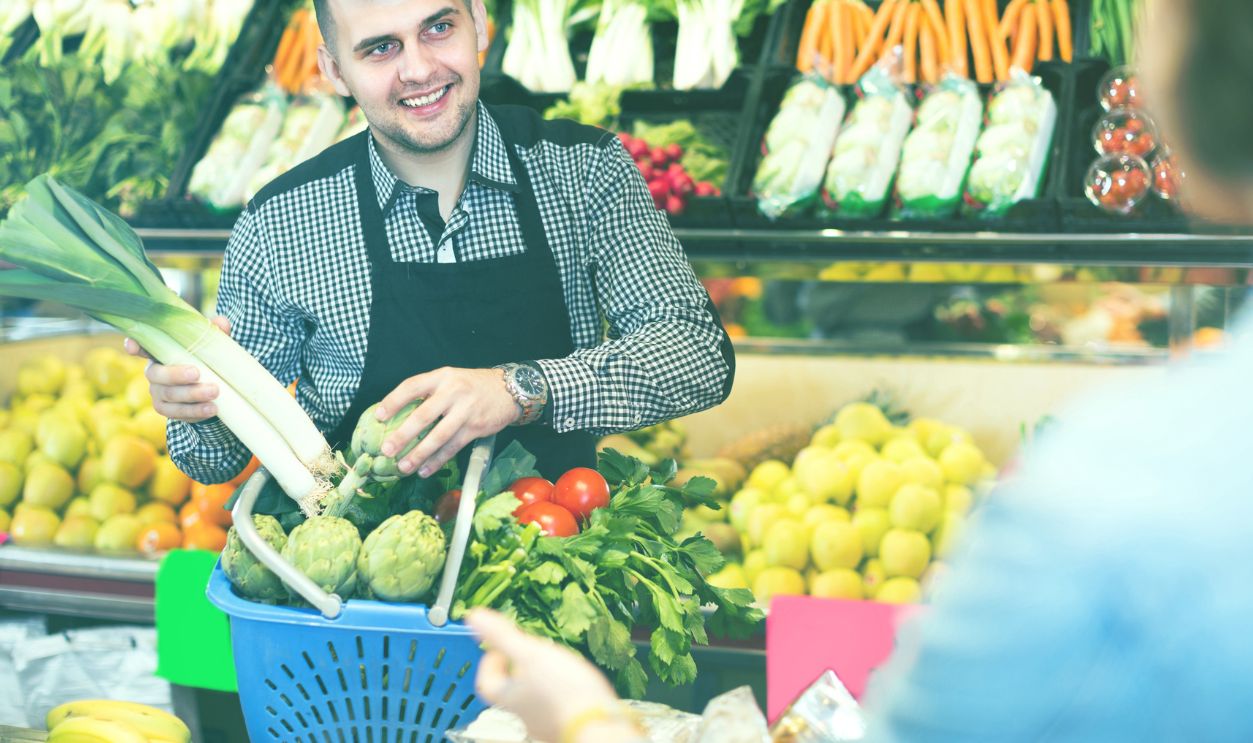
Tomatoes And Peppers Are Particularly Tricky
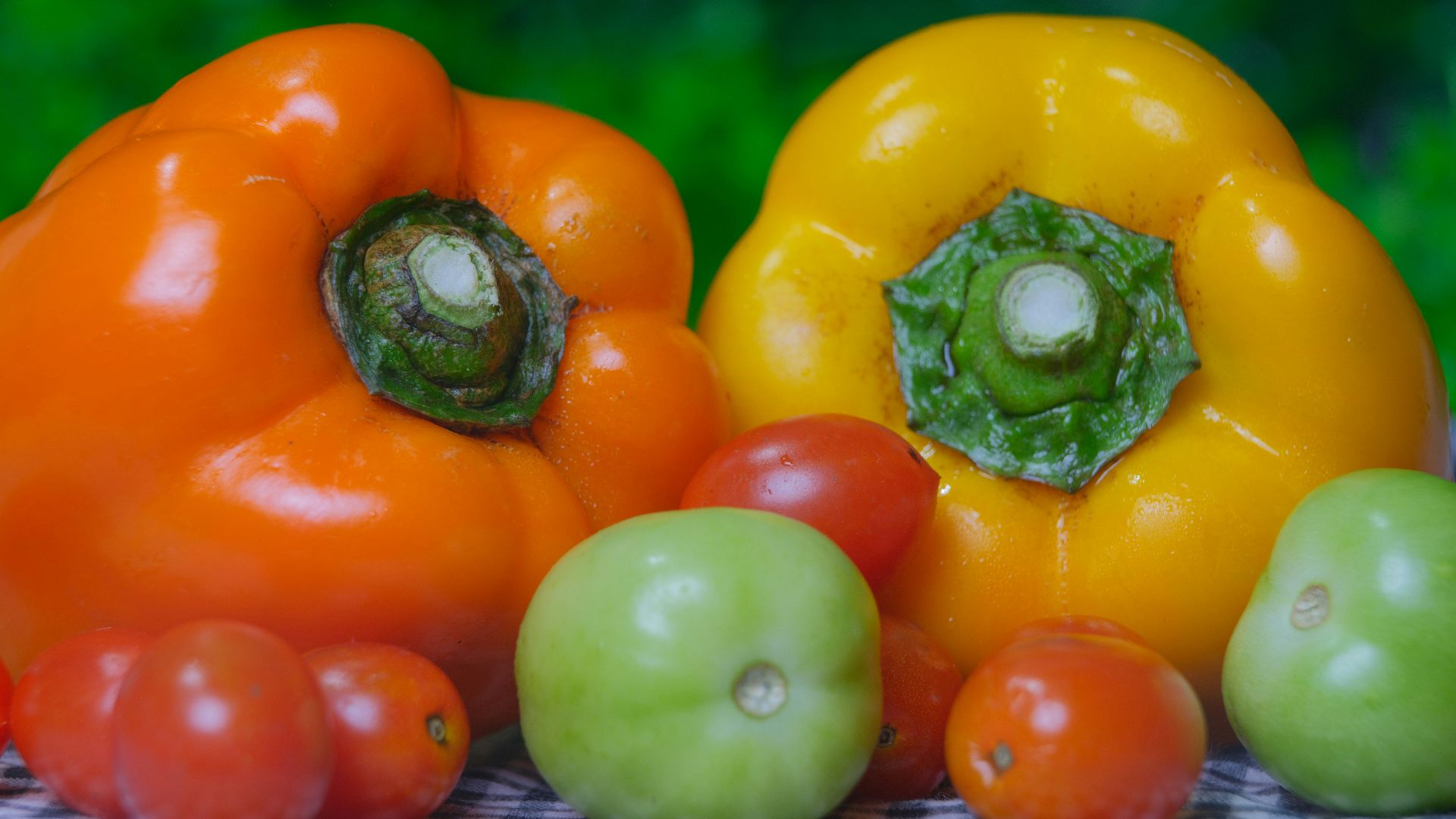
Canadian travelers should not assume that familiar vegetables are automatically allowed into the United States. USDA's Canada-specific rules list fresh tomatoes and peppers among prohibited produce, along with citrus fruits and several other items. Even a product originally grown in America may be refused when someone tries to bring it back across the border from Canada.
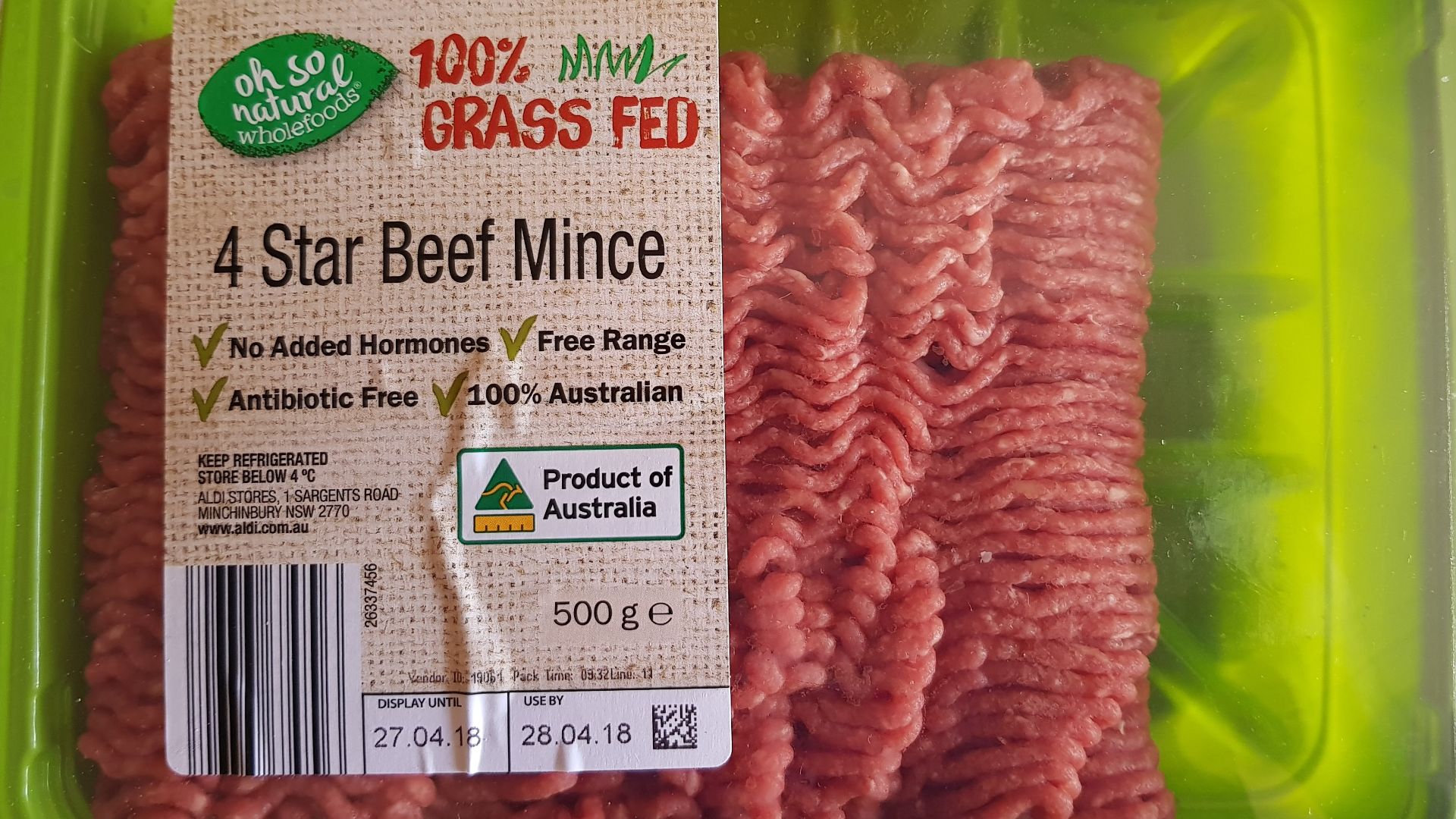
Meat Is Allowed More Often Than You Might Think
Contrary to the idea that all meat is banned, USDA rules permit several types of Canadian meat to enter through land borders for personal use. These include beef, bison, lamb, goat, and pork, with a general limit of 50 pounds per traveler. The products must meet applicable requirements, and travelers should retain packaging or documentation establishing their origin.
 Maksym Kozlenko, Wikimedia Commons
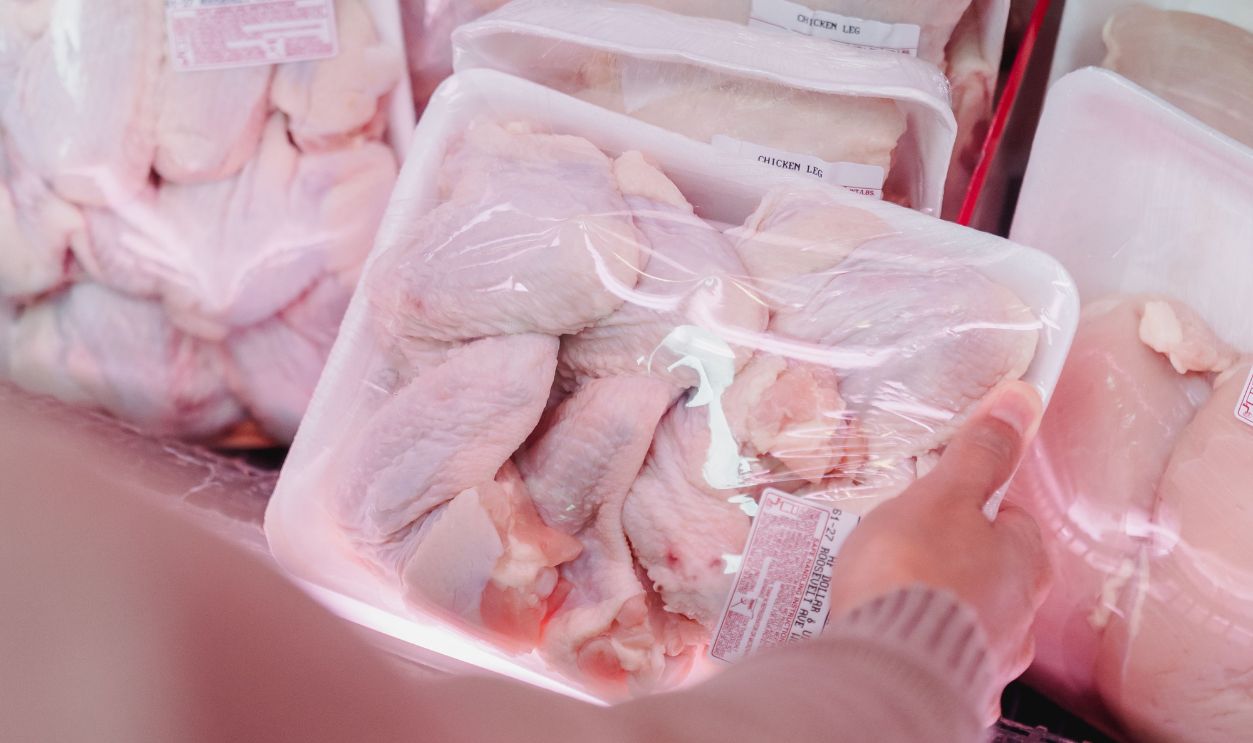
Chicken And Turkey Have Extra Complications
Poultry can be more complicated because avian influenza outbreaks sometimes trigger temporary import restrictions. USDA guidance allows personal-use quantities of Canadian poultry when no relevant temporary restriction applies. Before packing chicken or turkey, check the current disease-related restrictions rather than relying on what was permitted during an earlier vacation.
Your Bacon And Sausages Need Attention Too
Canadian bacon, sausages, and other meat products are not automatically prohibited simply because they contain pork or beef. However, admissibility depends on the animal product, its origin, and any restrictions in effect when you cross. Keeping the original package and declaring the product gives inspectors the information they need to assess it.

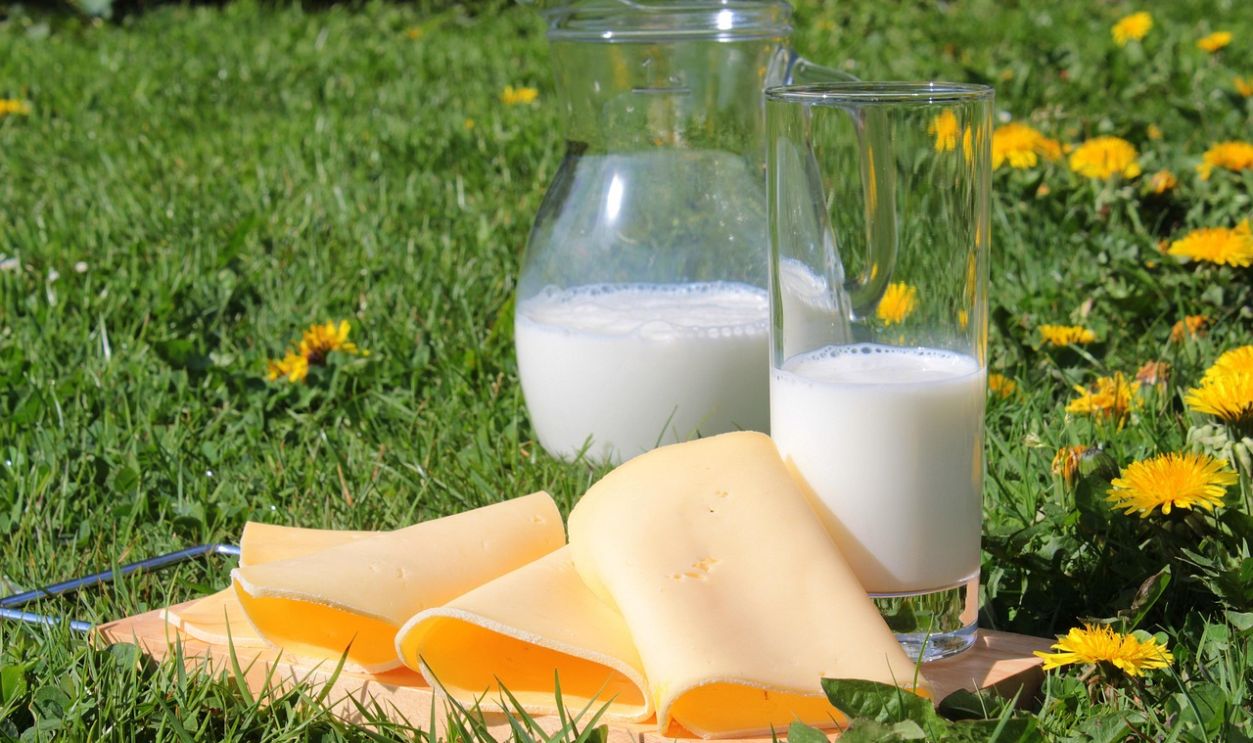
Cheese And Milk Can Usually Come Along
Travelers may bring milk and other dairy products from Canada when they have acceptable proof of Canadian origin. USDA lists packaging labels, receipts, and other documentation among the ways travelers can establish where these products came from. Remember that customs permission and food safety are different matters, so refrigerated products still need appropriate cold storage during the trip.
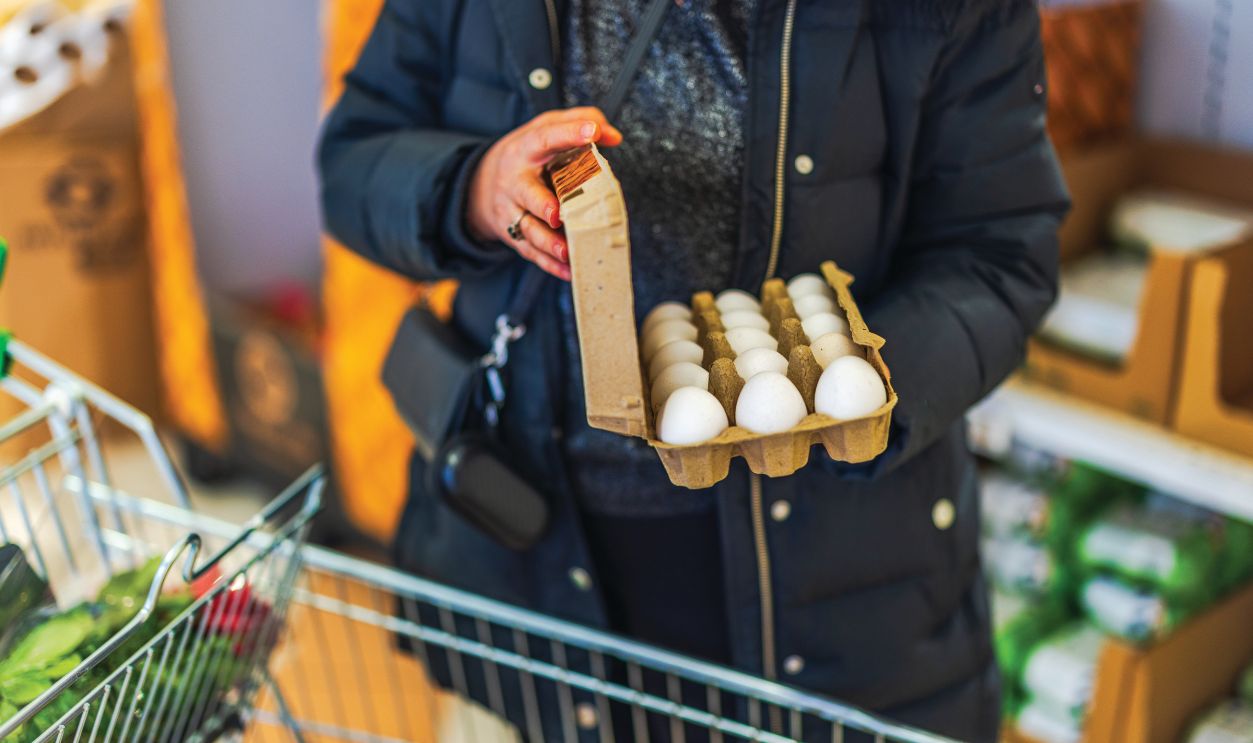
Eggs Can Become A Last-Minute Problem
A carton of Canadian eggs might seem like an easy breakfast solution for a rented cottage. USDA permits personal-use amounts of eggs and egg products from Canada when no relevant temporary disease restrictions are in force. Because those restrictions can change during avian influenza outbreaks, eggs deserve a fresh check before every crossing.
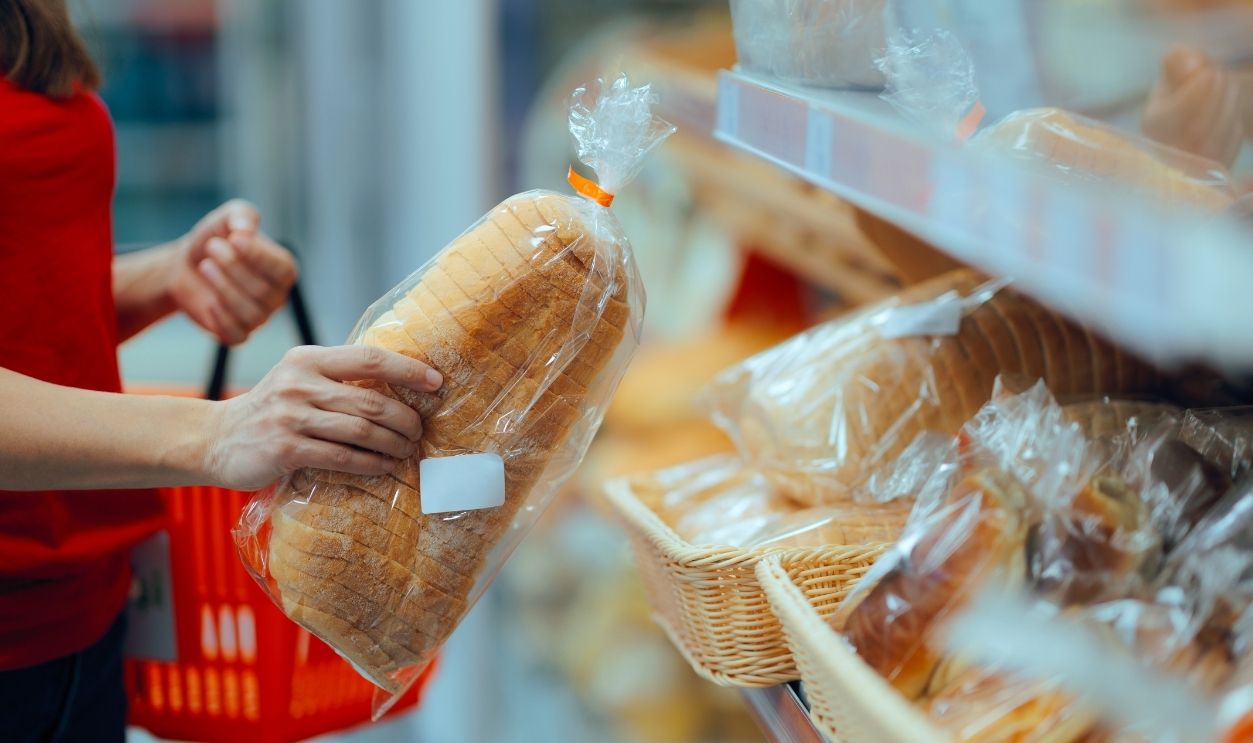
Bread And Cookies Are Generally Easier
Ordinary baked goods such as bread, bagels, cookies, and cakes are generally admissible for personal use. Problems can arise when a baked product contains regulated meat or other ingredients that change its import status. For vacationers packing snacks, commercially packaged baked goods without meat are usually a simpler choice than fresh produce or homemade meat dishes.
 Nicoleta Ionescu, Shutterstock
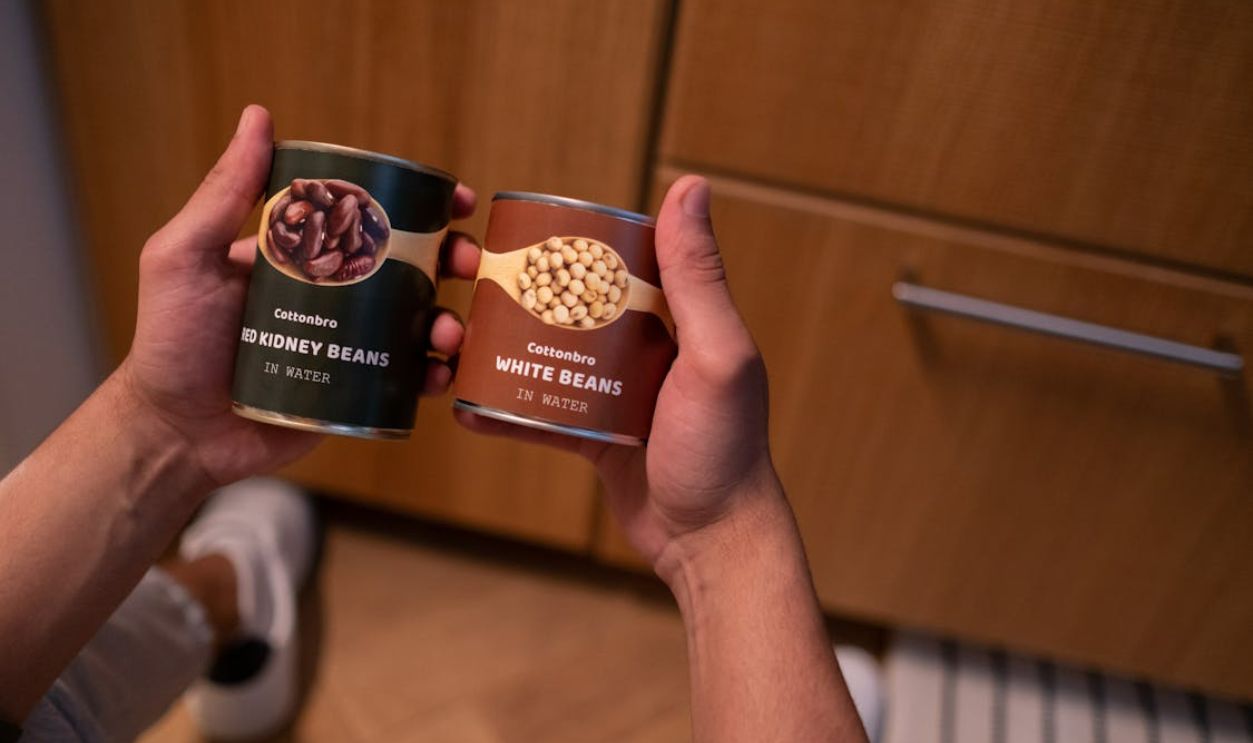
Commercially Canned Food Is Often A Good Bet
Commercially canned fruits and vegetables can generally enter the United States when they contain no meat products. USDA distinguishes these products from fresh produce because commercial processing changes the agricultural risks involved. Travelers must still declare canned foods and present them for inspection when requested.
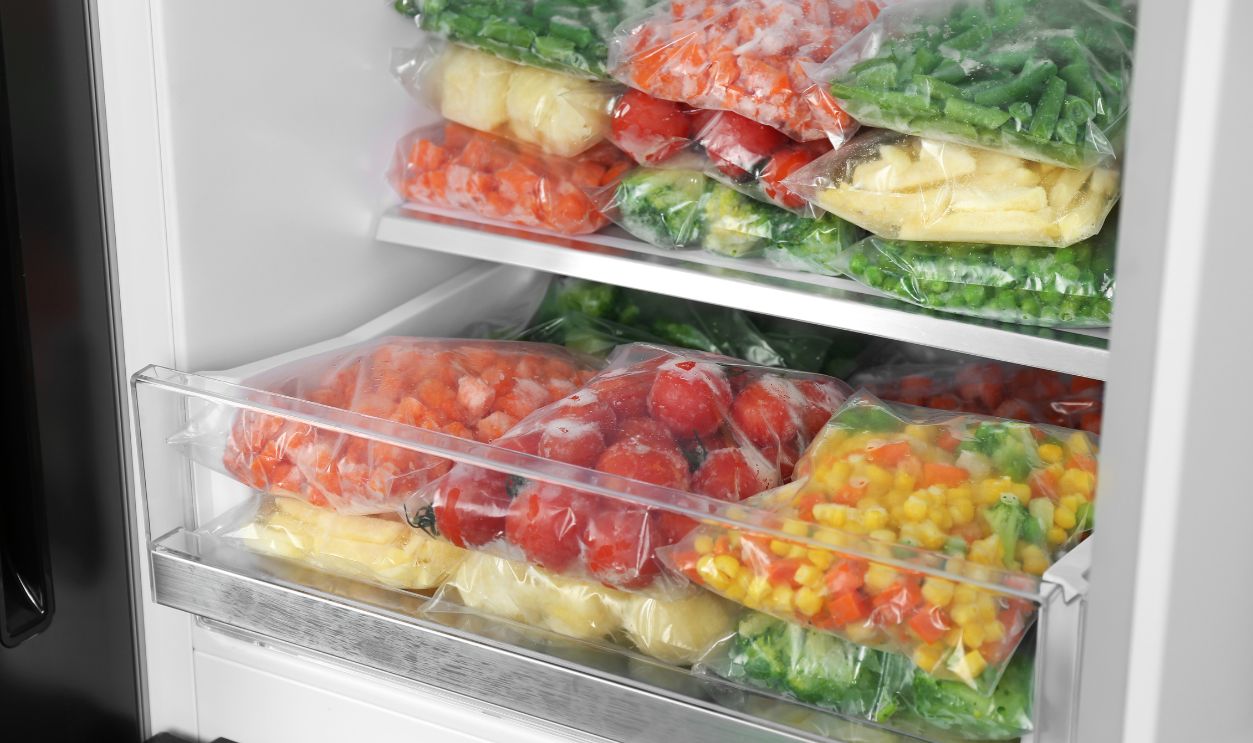
Frozen Vegetables Aren't Automatically Safe
Freezing produce does not guarantee that it can cross the border. USDA allows certain commercially packaged frozen fruits and vegetables grown in Canada when they contain no meat and remain frozen solid at inspection. However, many varieties prohibited in fresh form, including tomatoes and peppers, remain prohibited when frozen.
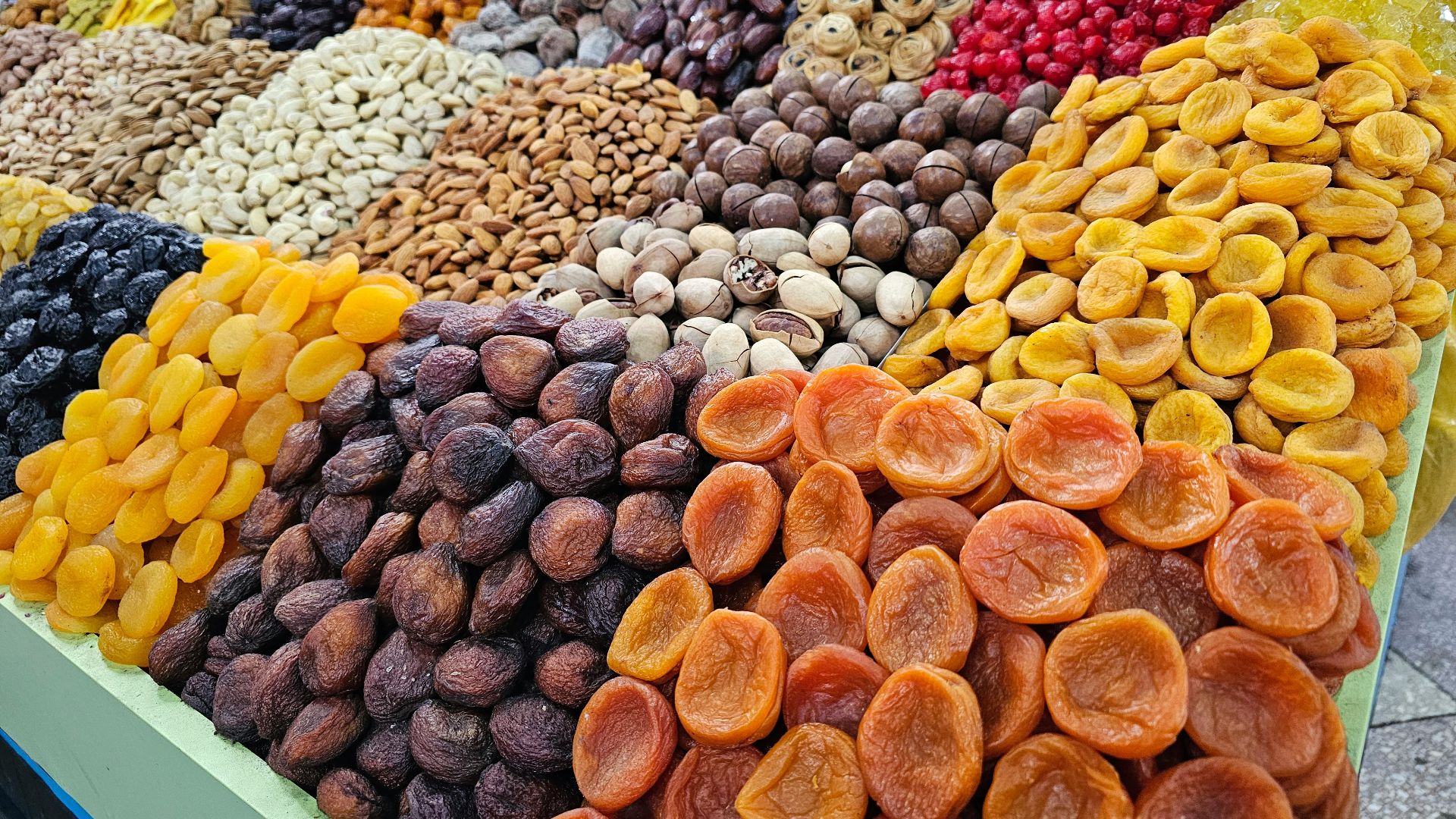
Dried Fruit Has Its Own Rules
Dried produce is not necessarily treated the same way as fresh fruit. USDA states that most commercially dried fruits and vegetables grown in Canada may enter through land borders, subject to declaration and inspection. Keeping the original packaging helps establish that the product was commercially prepared and where it originated.
 Hasmik Ghazaryan Olson, Unsplash
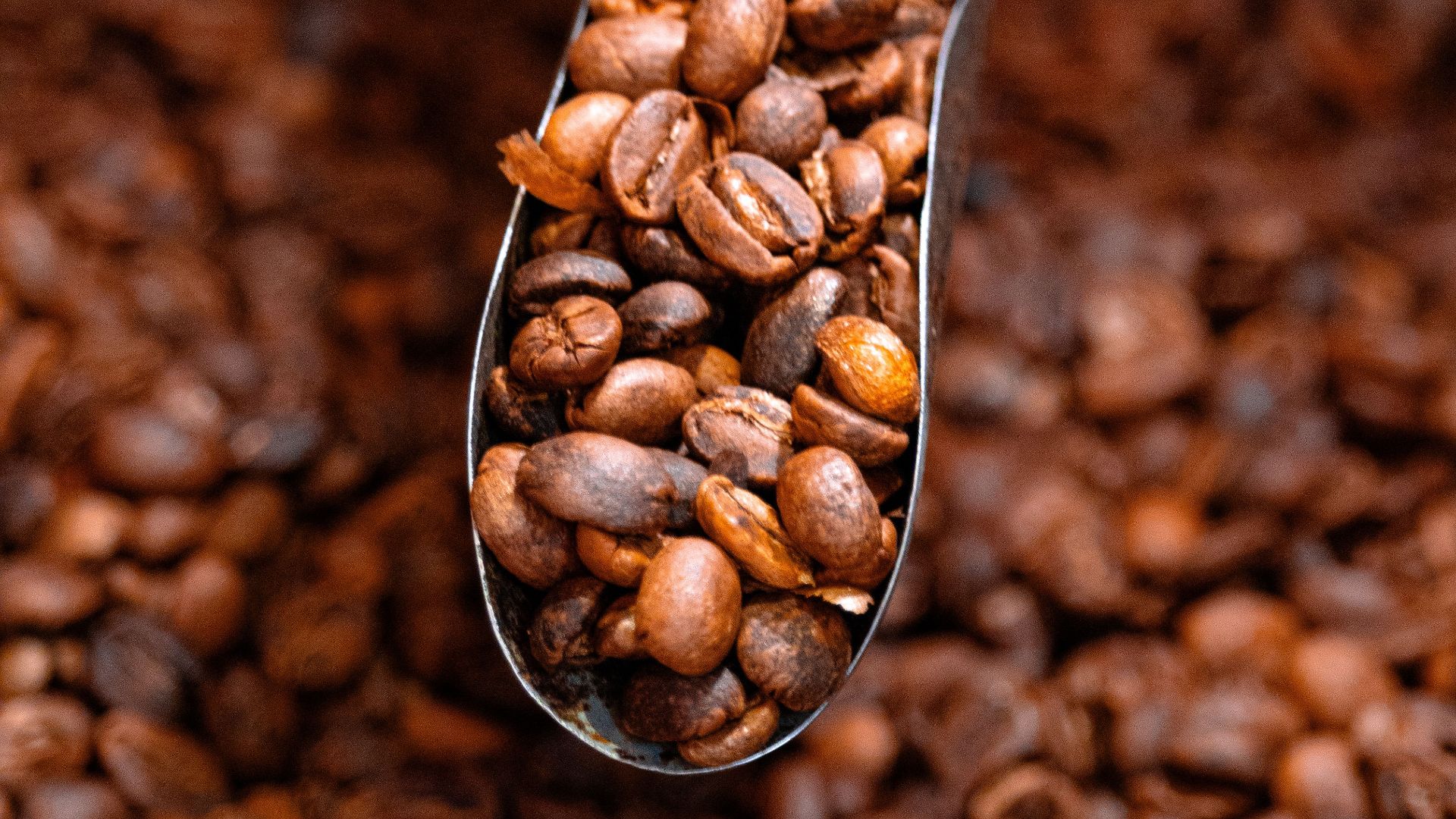
Coffee And Tea Are Usually Straightforward
Travelers can generally bring roasted coffee and ordinary black or green tea into the United States for personal use. USDA permits roasted coffee through U.S. ports of entry and allows tea products made solely from conventional tea leaves, although both must be declared. Herbal blends deserve closer attention because some ingredients face additional restrictions.
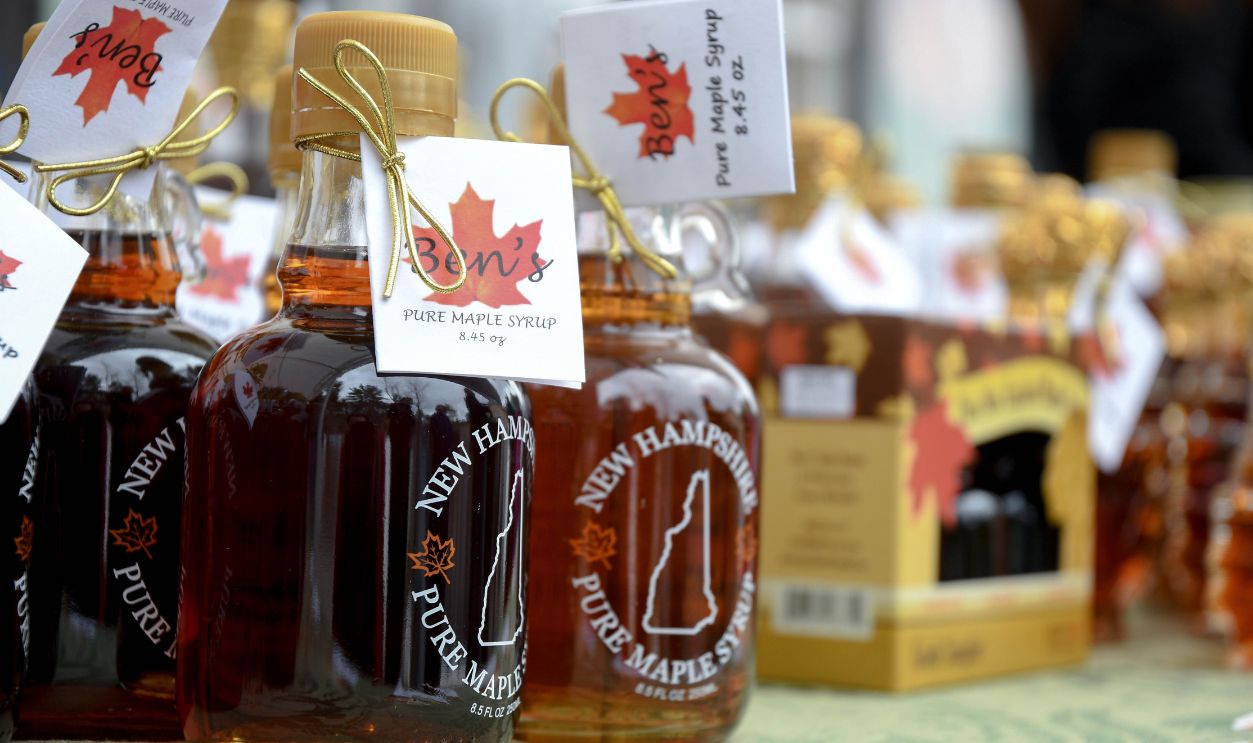
Honey And Maple Syrup Are Different Products
Honey intended for personal consumption is generally permitted under USDA agricultural guidance. Maple syrup is a processed food rather than fresh produce, making a sealed, commercially labeled bottle a comparatively straightforward item to declare. Neither product should be confused with live plants, untreated agricultural materials, or food intended for commercial resale.
Nuts And Spices Can Be Easier Than Fresh Produce
Roasted, cooked, ground, or otherwise appropriately processed nuts are generally permitted under USDA rules. Most dried spices can also enter, although certain citrus leaves, seeds, and other plant materials face restrictions. Travelers bringing unusual spice blends or raw nuts should check the ingredients instead of assuming that every shelf-stable product is acceptable.

Pet Food Has Border Rules As Well
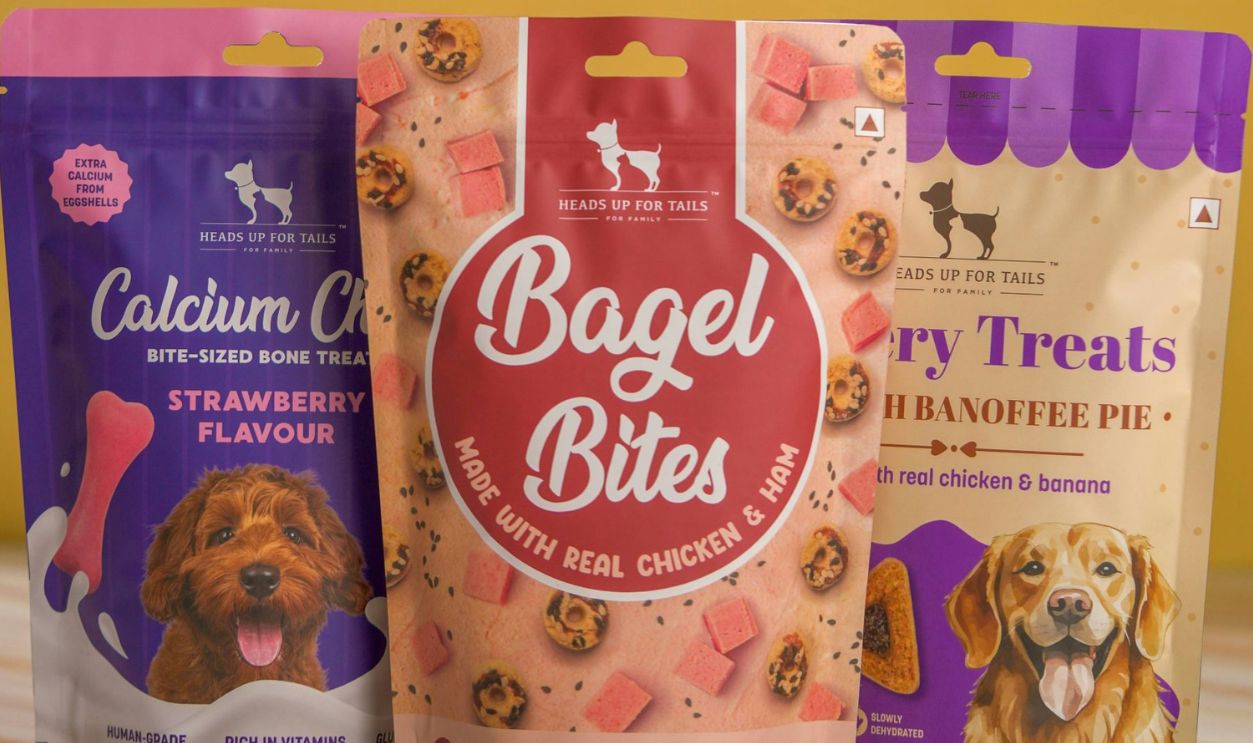
Traveling with a dog or cat introduces another category of agricultural products that visitors sometimes overlook. USDA allows certain Canadian pet foods and treats when they are in unopened retail packaging and satisfy applicable origin and disease restrictions. For land-border travelers, the general limit is 50 pounds per vehicle, so large bags of food should be checked before departure.
 pouchdirect Ausatralia, Unsplash
Flying To The United States Changes The Guidance
USDA's special Canadian land-border rules are not the same as its guidance for international air travelers. Someone flying from Toronto to Orlando should consult the rules for air travel rather than assuming every land-border exception applies. U.S. customs preclearance at participating Canadian airports also means travelers may complete American entry inspections before boarding their flights.

Border Officers Make The Final Decision
Even when a food product appears to meet published USDA requirements, admission is not guaranteed. U.S. Customs and Border Protection agriculture specialists have authority to inspect items and determine whether they satisfy current entry rules. That is why a package label, receipt, and honest declaration can be useful without serving as an absolute guarantee.
 CBP Photography, Wikimedia Commons
A Little Planning Can Save Your Vacation
Before leaving Canada, check the USDA guidance for your method of travel and review any temporary animal-disease restrictions. Keep food in original packaging, retain proof of origin, and make a clear declaration when you reach U.S. customs. If an item is uncertain, leaving it at home and buying groceries after crossing may be the easiest way to keep your vacation moving.
You May Also Like:
Vacation Habits That Made Sense 20 Years Ago But Waste Money Today
America’s Most Dangerous Tourist Destinations