Your 60s Carry-On Would Look Pretty Wild Today
Flying in the 60s wasn't completely without rules. And yes, not every item here was as “routinely” carried onto a plane as the others. But these were legit ordinary belongings people could bring along without someone telling them no. Such as...
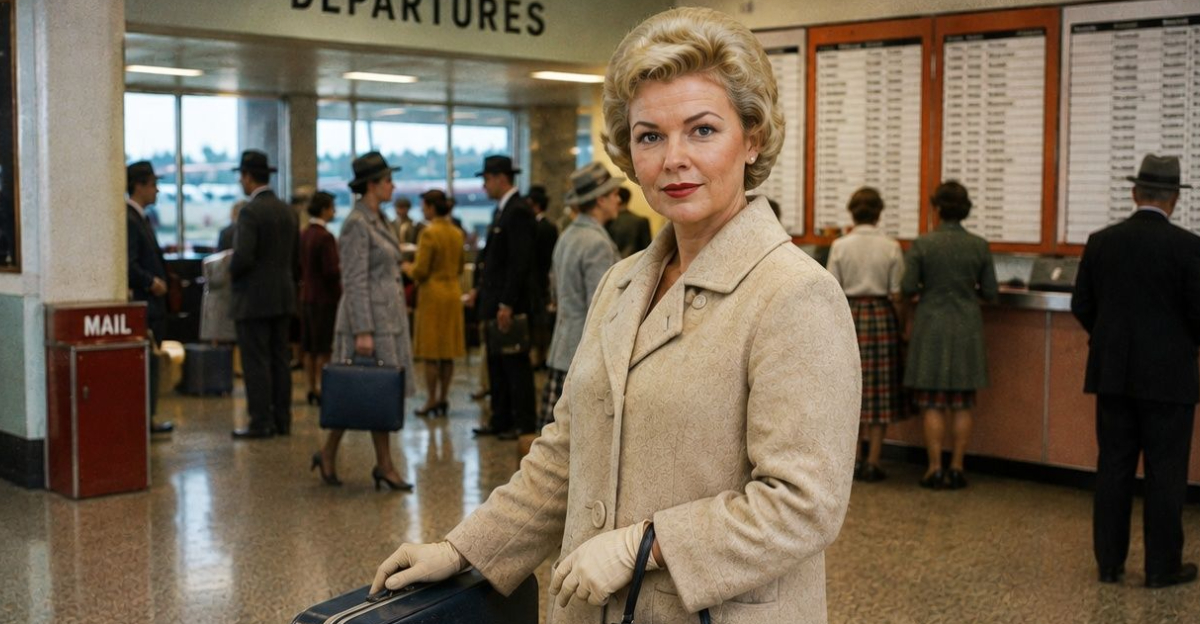
A Big Jar Of Peanut Butter
Let's start with one nobody in 1965 would've seen coming. TSA treats peanut butter as a spreadable subject to the liquids rule, meaning a big jar can't go through in a standard carry-on today. Yes, airport security now has an official position on peanut butter.

A Full-Size Bottle Of Shampoo
In the 60s, you needed shampoo, so you packed the bottle. Nobody was standing at security telling you it had to be 3.4 ounces or less because the modern 3-1-1 rule didn't exist yet. Today, that full-size bottle is heading into checked luggage.

A Hammer
Maybe you were a tradesman. Maybe you were bringing Dad a new hammer. Either way, there wasn't a nationwide security checkpoint measuring the potential threat posed by your toolbox. Today, TSA's answer on hammers is wonderfully uncomplicated: carry-on, no; checked baggage, yes.

A Cast-Iron Skillet
Here's one you probably weren't expecting. Ordinary pots and pans can generally pass through TSA today, but cast-iron cookware specifically cannot travel in carry-ons. In the 60s, there wasn't a nationwide checkpoint screening every passenger's belongings before they boarded.

A Giant Can Of Hairspray
And this was the 60s. Hair could require some structural engineering. A full-size aerosol can wasn't facing today's 3.4-ounce carry-on limit. Now your ambitious vacation hairstyle may require either a travel-size can or a checked suitcase. Progress always comes at a price.
 https://kaboompics.com/, Pexels
A Power Drill
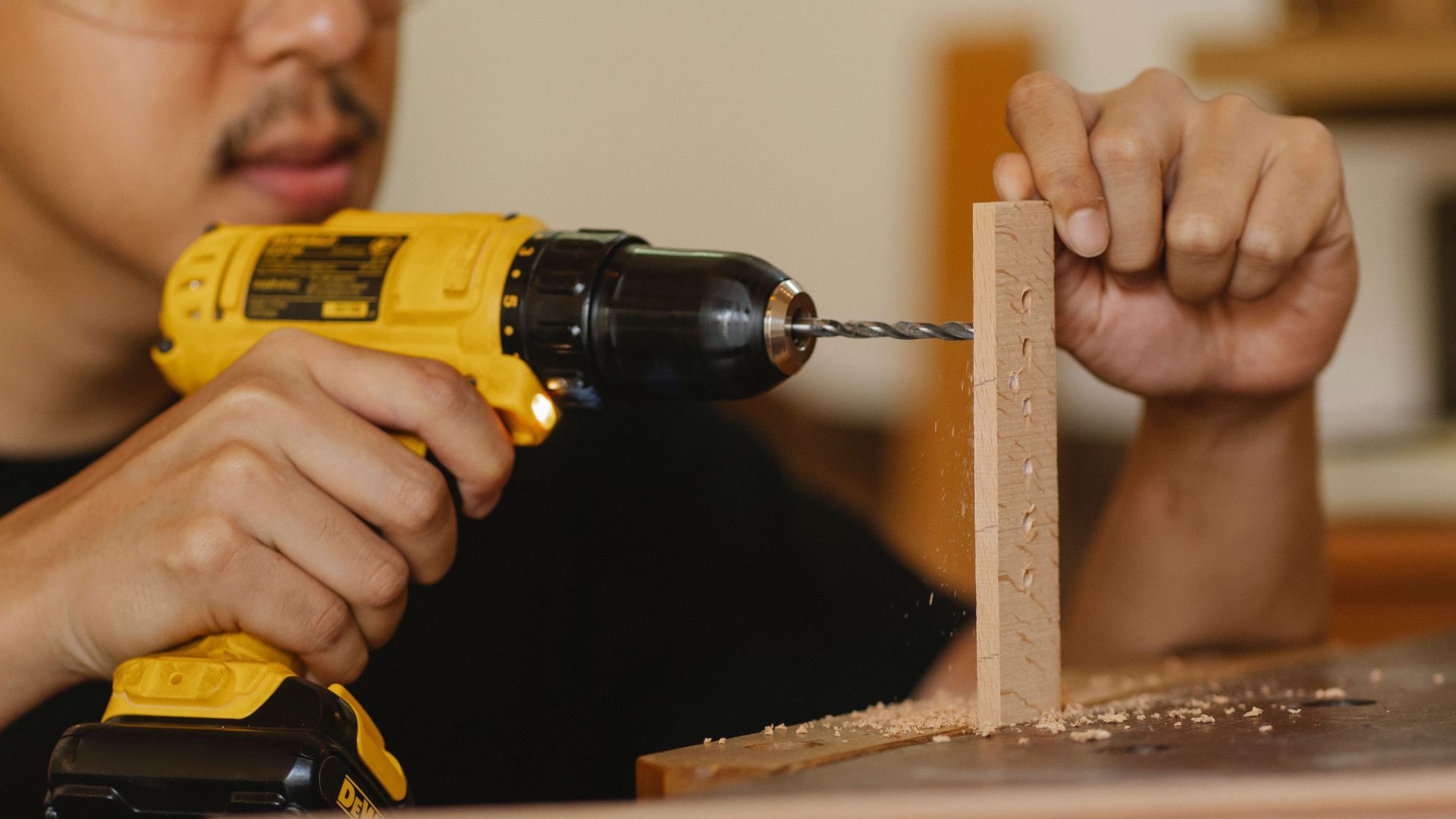
A traveler could also carry tools without encountering today's TSA rules. Modern security prohibits power tools such as drills in carry-on luggage. So that perfectly ordinary electric drill that didn't encounter universal screening in 1965 is now heading underneath the airplane instead.
A Bottle Of Water Or Soda
There was no reason for a 60s passenger to think an ordinary drink was a security issue. Today's rules generally stop bottles larger than 3.4 ounces at the checkpoint. You can bring an empty bottle through, of course, because airport security occasionally has a sense of humor.

A Magic 8 Ball
Here's one that sounds made up. The Magic 8 Ball was already around by the 60s, but TSA says it can't go in a carry-on today because of the liquid inside. TSA even answers the question in perfect Magic 8 Ball fashion: “Outlook not so good.” Into the checked bag it goes.

Darts
A set of darts is small enough to disappear into an ordinary travel bag, but TSA says no to them in carry-ons today. They can still make the trip in checked baggage, but they're not coming into the cabin with you. In the 60s, a set of darts was just game-night gear not an airport-security problem.

A Long Wrench Or Screwdriver
Today's rule gets oddly specific. Many tools seven inches or shorter may be allowed through, while longer tools must be checked. In the 60s, nobody at a universal federal checkpoint was pulling out a ruler to determine whether your wrench had crossed into suspicious territory.

A Large Snow Globe
Bought a snow globe on vacation? Today, it can travel in your carry-on only if it appears to contain 3.4 ounces of liquid or less and fits inside your quart-size liquids bag. That is a sentence absolutely nobody buying a souvenir in 1963 expected humanity to need.

Tent Stakes
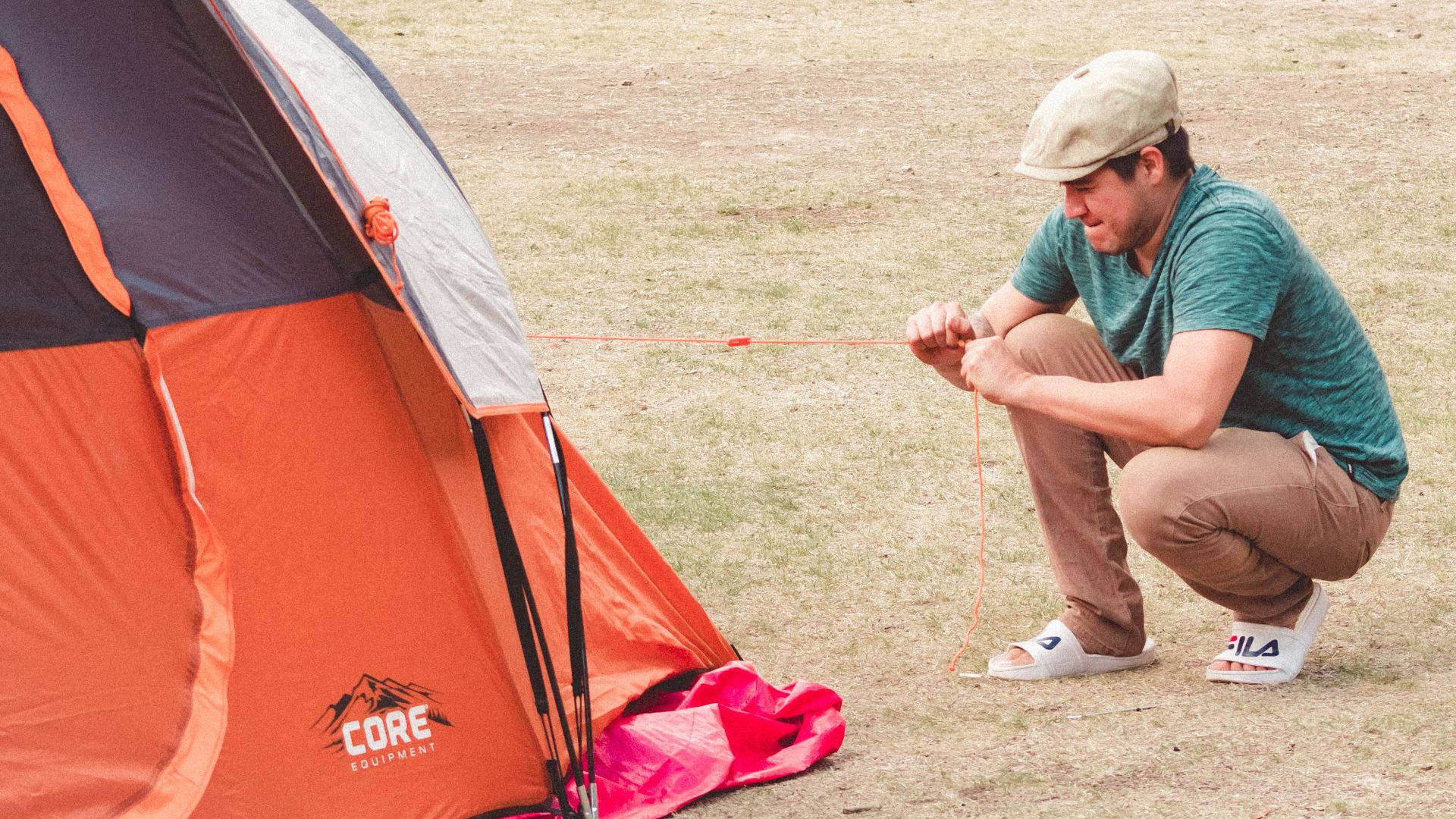
Going camping? Today, TSA says tent stakes have to go in checked baggage, even though the tent itself may be allowed as a carry-on if the airline accepts the size. It's one of those wonderfully specific modern rules that would've sounded pretty strange to a traveler packing for a camping trip in the 60s.
A Big Tube Of Toothpaste
Try explaining this one to somebody packing for a trip in 1965. TSA's liquids rule also covers pastes, which means a normal full-size tube of toothpaste can't go through in a standard carry-on today. Apparently toothpaste eventually became something travelers needed a security strategy for.

The Bags Themselves Were Different Too
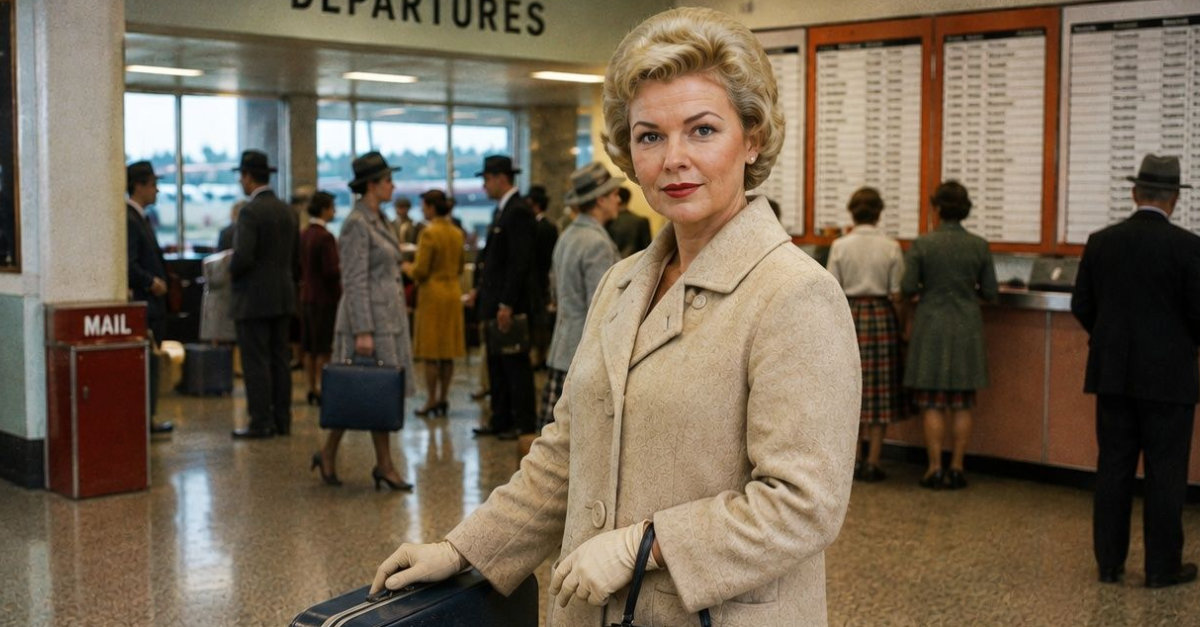
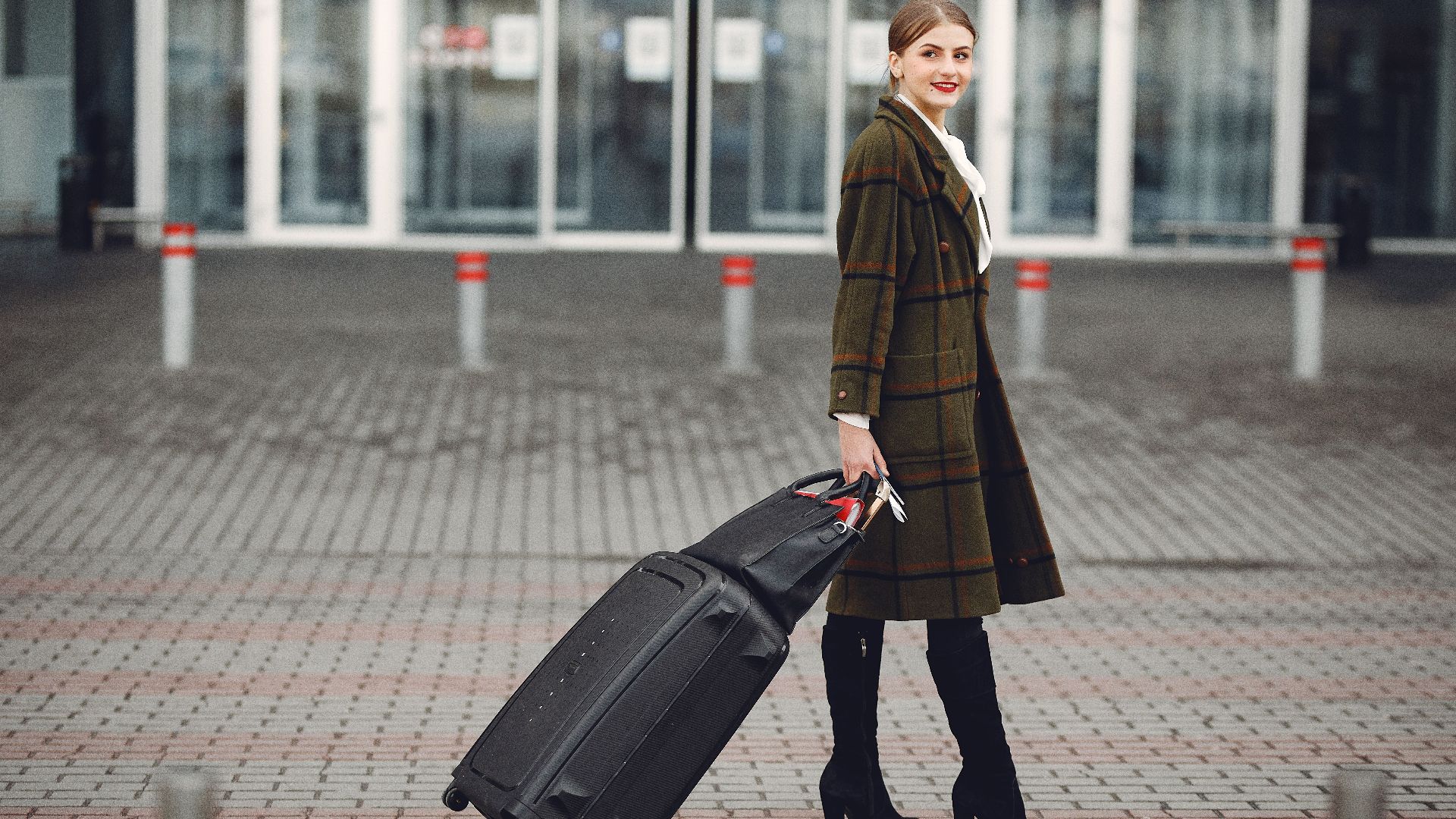
This doesn't mean passengers in the 60s routinely dragged enormous suitcases into the cabin. Airlines still had baggage policies, and small “flight bags” became popular for belongings passengers wanted to keep with them. The major difference was what those smaller bags encountered before reaching the airplane.
This Doesn't Mean Anything Went
There were still airline rules, federal laws and restrictions involving genuinely dangerous materials. The point isn't that a 1965 traveler could legally carry absolutely anything aboard. It's that the enormous standardized screening system deciding what may enter today's cabin simply wasn't there for most of the decade.
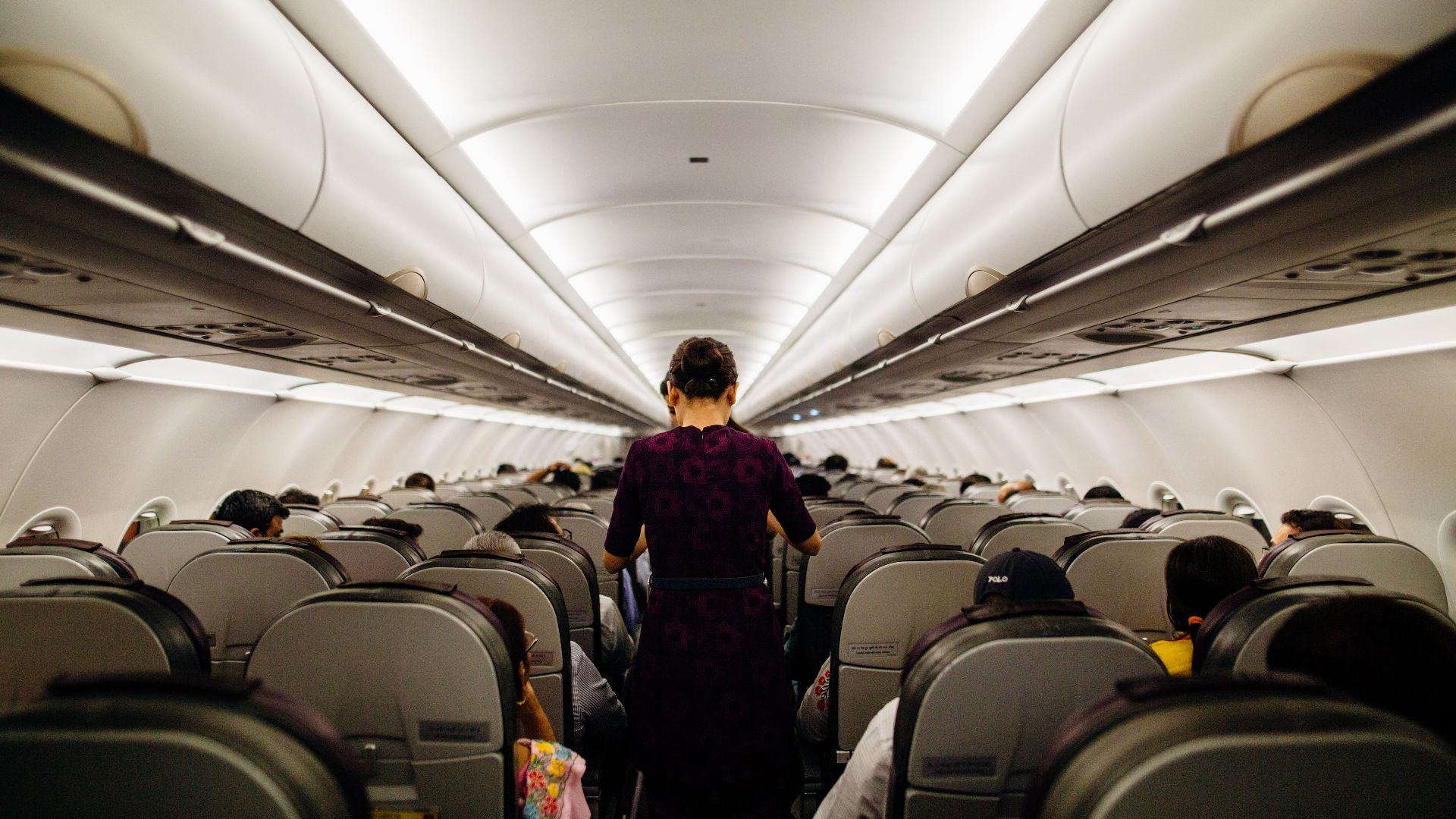
By 1973, Flying Had Changed
In early 1973, nationwide screening of passengers and carry-on luggage became mandatory. From then on, getting onto an airplane increasingly meant getting your belongings past a security system first. Later changes would tighten things much further.
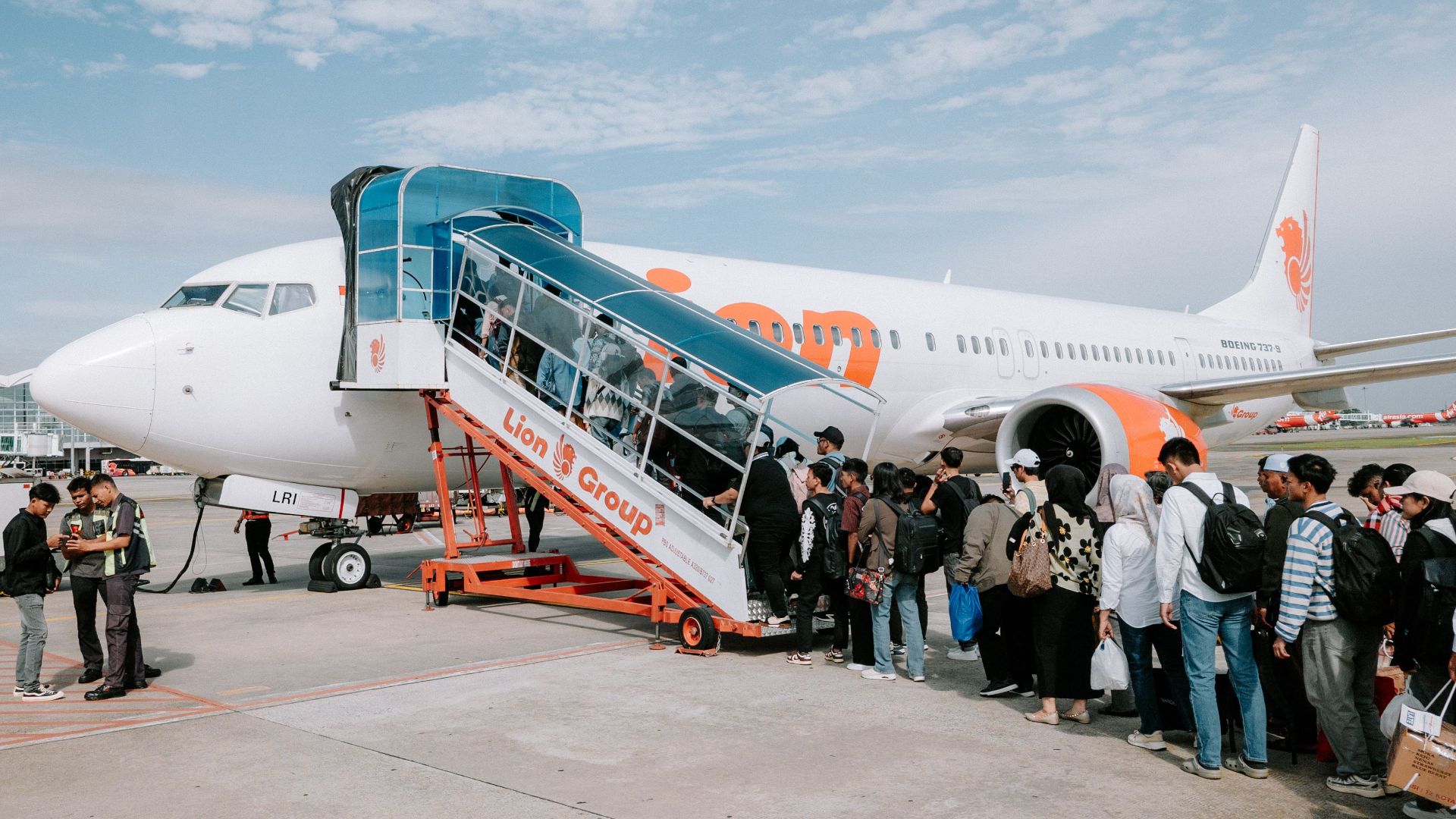
But Your Shampoo Was Still Fine
Even universal security screening didn't immediately create today's liquid rules. For decades afterward, passengers could still bring ordinary full-size toiletries and drinks through the checkpoint. That particular piece of modern airport life wouldn't arrive until 2006.

Then Came The 3-1-1 Rule
In 2006, carry-on liquids suddenly became a major security concern. The rules eventually settled into the familiar 3-1-1 system: containers of 3.4 ounces or less packed inside a quart-size bag.

That 60s Carry-On
Peanut butter. A hammer. A cast-iron skillet. Full-size shampoo. A power drill. A Magic 8 Ball. A bottle of soda. Maybe a snow globe for good measure.
Today, that's a truly terrible packing strategy.
In the 60s, the strangest part wasn't necessarily what people carried aboard. It was that there usually wasn't a checkpoint there to stop them.

You Might Also Like:
Americans Should Know That These “Normal” Things They Do In 49 States Are Illegal In 1 State
The Dos And Don'ts Of Flying: 46 Ways To Avoid Being That Passenger
Sources: 1