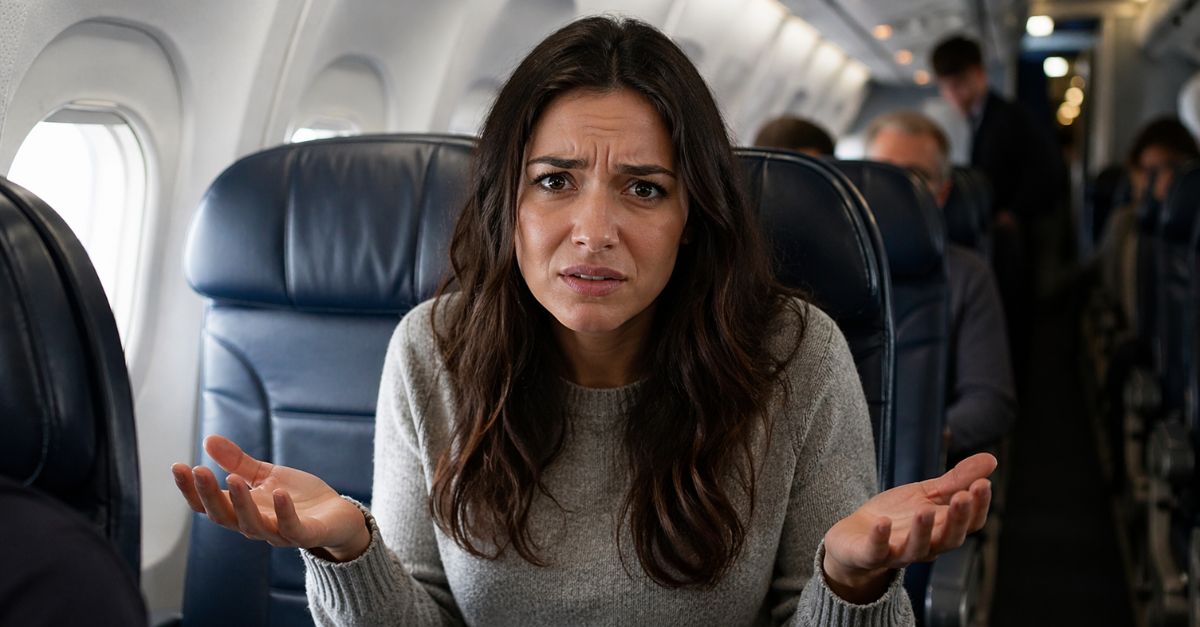
Your Seat Can Change More Than Once
You pick a seat, maybe even pay extra for it, and then the airline moves you before takeoff. Then, right before you board, they tell you they're changing it again. It's incredibly annoying, but it happens more often than many travelers realize. The big question is whether that original seat was ever truly guaranteed.
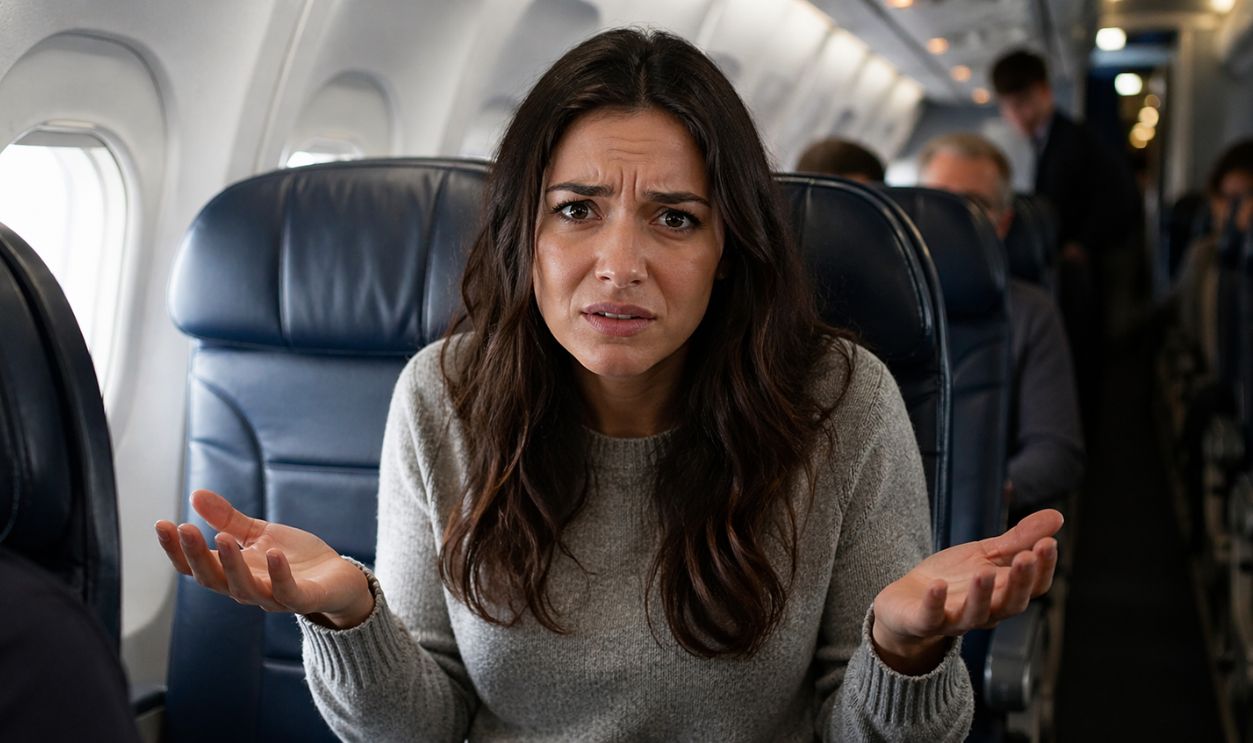
There Is Usually No Absolute Right To One Specific Seat
On most U.S. flights, there is no federal rule that gives passengers a blanket right to keep the exact seat they were first assigned. The U.S. Department of Transportation does require airlines to let families sit together without extra fees in many cases, but that is not the same as guaranteeing a particular seat. In real life, your rights usually come down to the airline’s contract of carriage and whether you paid for a seat product with specific terms.

Why Airlines Reassign Seats At The Last Minute
Airlines reshuffle seats for all kinds of reasons. A plane swap, weight and balance issues, broken seats, crew needs, and family seating adjustments can all trigger changes. Even a routine upgrade list at the gate can start a domino effect across the cabin.
The Contract Of Carriage Is The Fine Print That Counts
The most important document is usually the airline’s contract of carriage, which is the legal agreement between you and the airline. These contracts usually give airlines wide power to change seats, swap aircraft, and alter cabin assignments when operations require it. That means the airline can often move you even after check-in or after boarding begins.

American Airlines Says Seats Are Not Guaranteed
American Airlines says in its conditions of carriage that seat assignments are not guaranteed and may be changed at any time. That matters for travelers who assume a confirmed seat is locked in once it appears online. A boarding pass can feel final, but it is not always the last word.
Delta Uses Similar Language
Delta’s contract of carriage also says the airline can refuse transport in a specific seat and can change seat assignments at any time. Delta says it can do this even after boarding the aircraft. So if your seat moved more than once before the door closed, that may be maddening, but it is often allowed under the airline’s own rules.
United Also Reserves Broad Control Over Seating
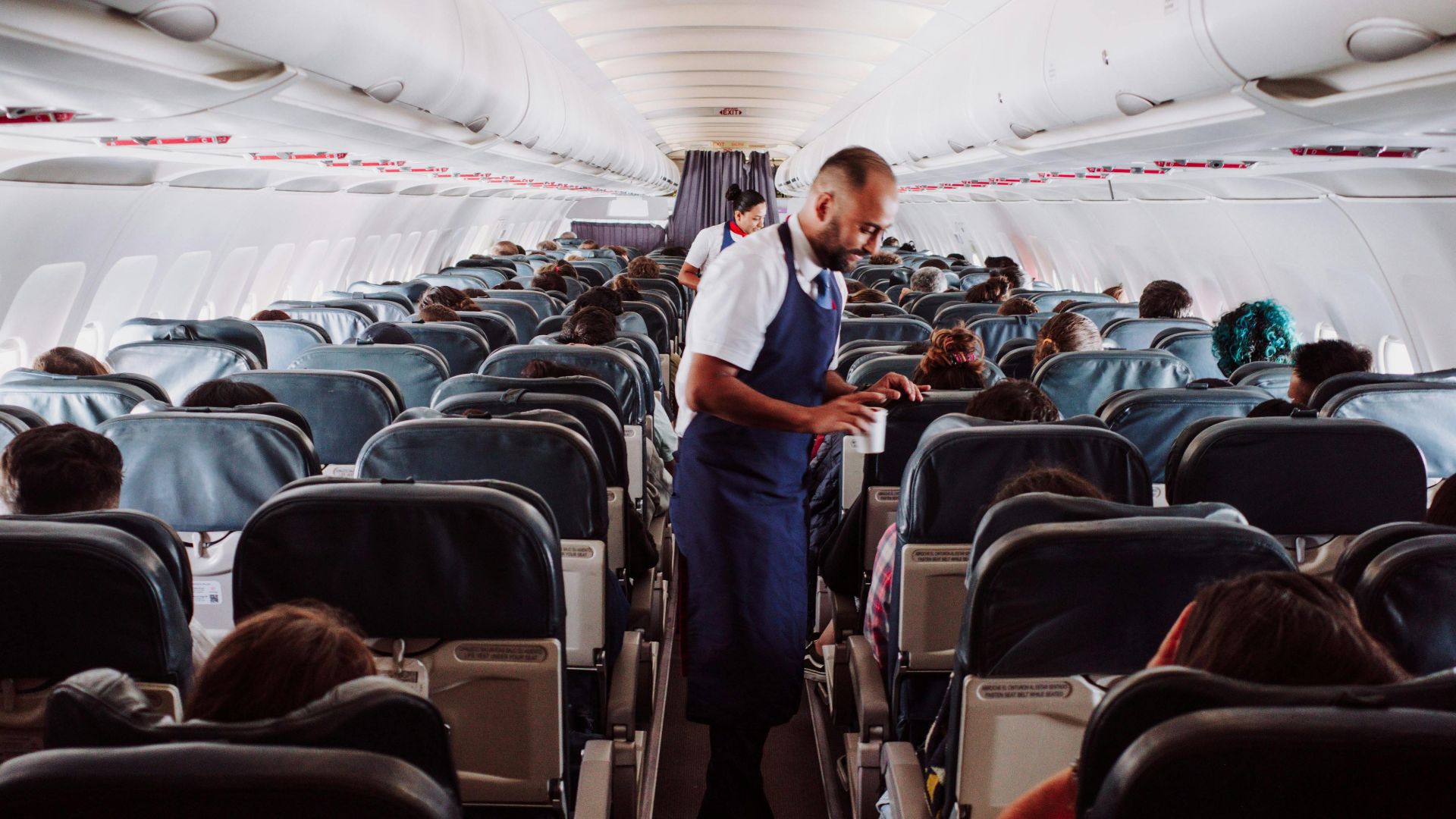
United’s contract of carriage says seat assignments are not guaranteed and may be changed. That is one of the clearest patterns across major U.S. airlines. If you want to know where a dispute is likely to land, it often starts with that single sentence in the airline’s legal terms.
Southwest Has A Different System Entirely
Southwest long used open seating instead of traditional assigned seats, which made this issue look very different for its passengers. In 2024, Southwest announced plans to move toward assigned seating and premium options, but for years its boarding model made seat certainty less relevant. The larger point is that every airline’s setup shapes what rights a traveler can realistically claim.
Paying Extra Helps Your Refund Case, Not Always Your Seat Claim
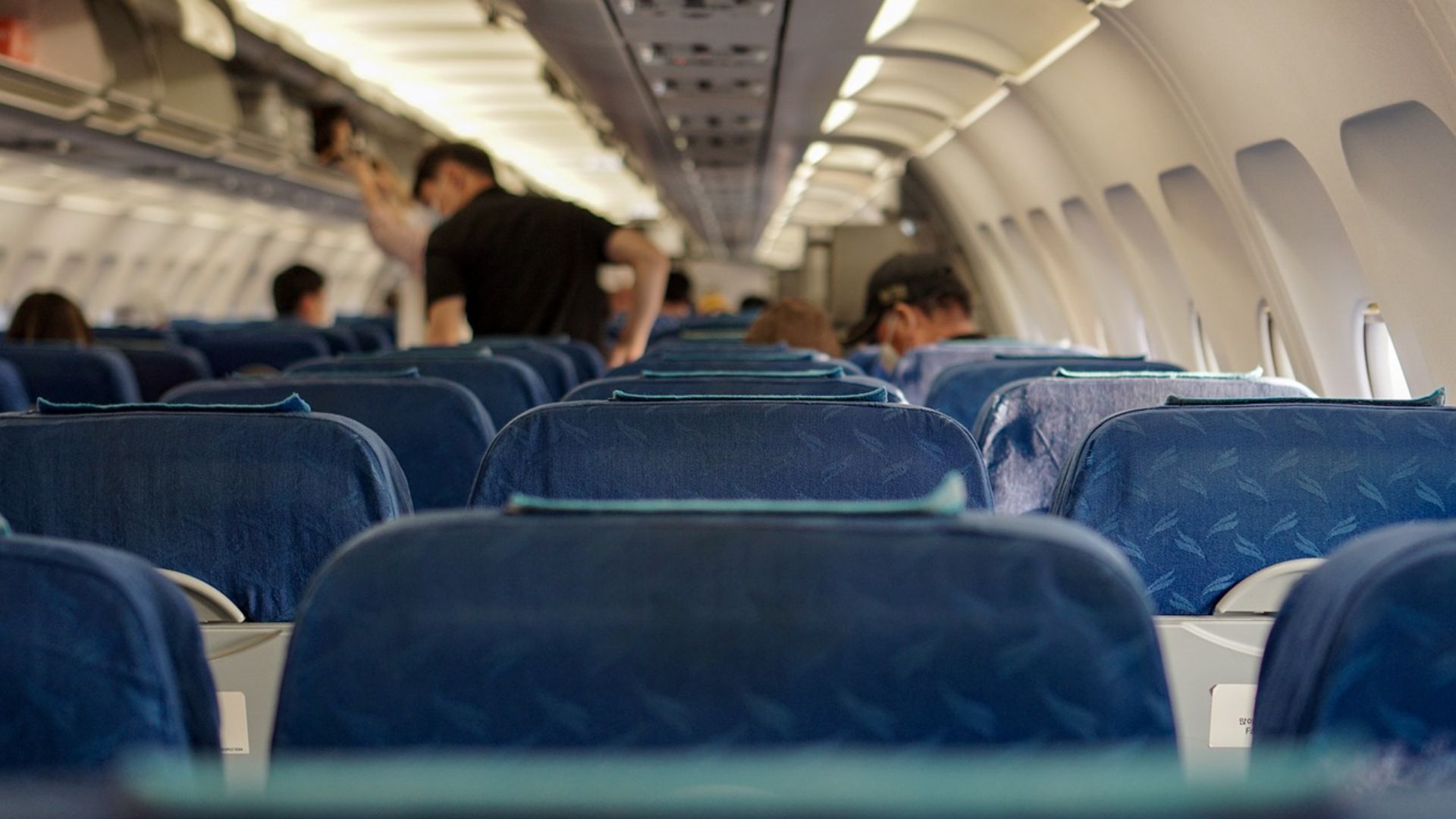
If you paid a separate fee for a preferred seat, extra legroom, or another seat selection product, you may have a stronger case for a refund if the airline moved you. That does not necessarily mean you can force the airline to put you back in the original seat before departure. Usually, it means you can argue that you did not get what you paid for.
The Transportation Department Has Scrutinized Airline Fees
In 2024, the U.S. Department of Transportation announced a final rule on automatic refunds that covered certain extra fees when airlines fail to provide paid services. That matters here because seat fees can fall into that category when a passenger pays for a feature and does not get it. The rule put a brighter spotlight on what travelers are owed when the airline changes the deal.
Automatic Refund Rules Can Matter Here
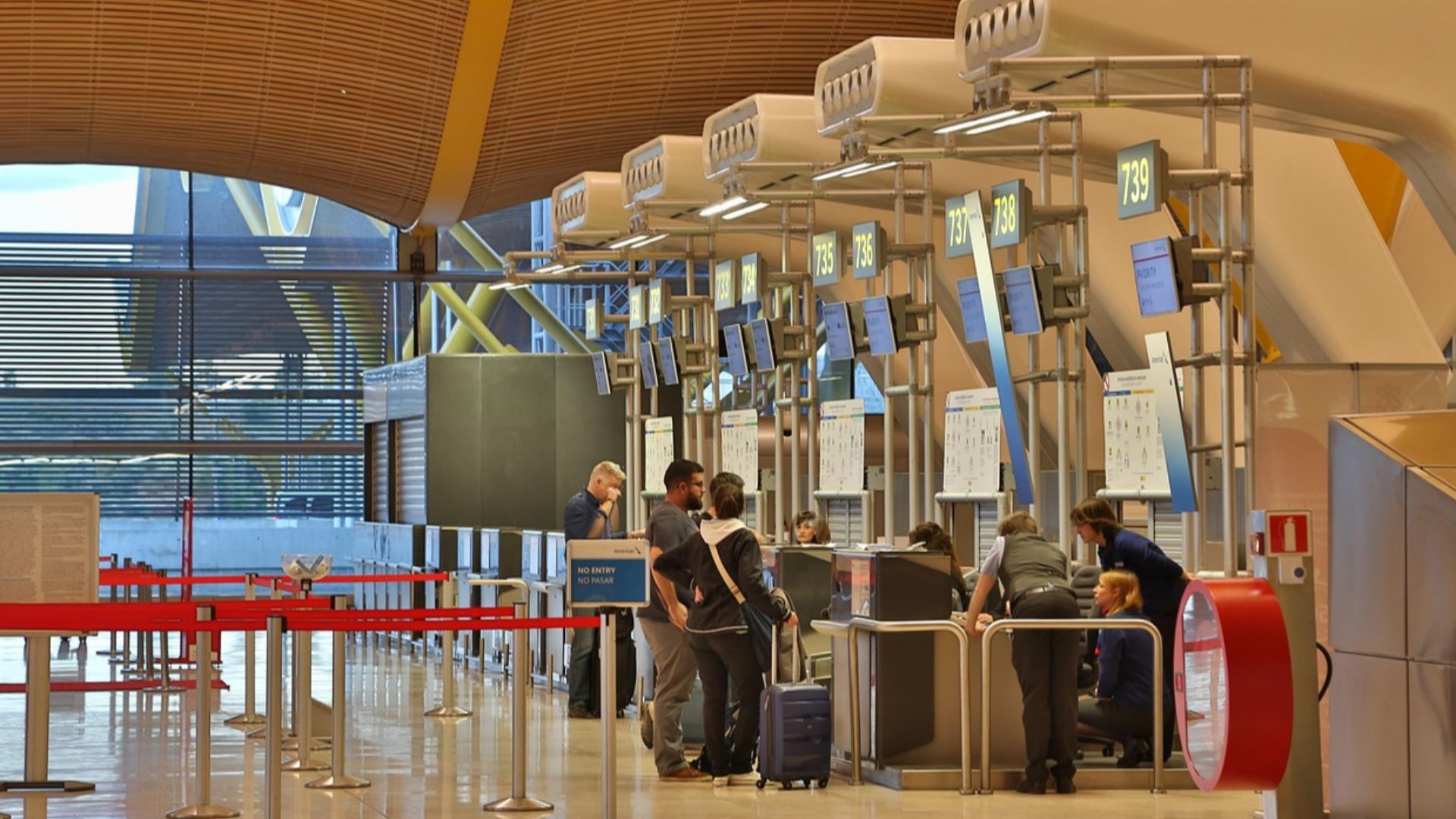
Under the DOT’s 2024 automatic refund rule, airlines and ticket agents must automatically refund passengers when they are owed money for disrupted travel and certain extras that were not provided. The exact details can depend on the fee and the situation. Still, the rule gave passengers a much clearer path to getting money back.
Families Have More Protection Than Solo Travelers
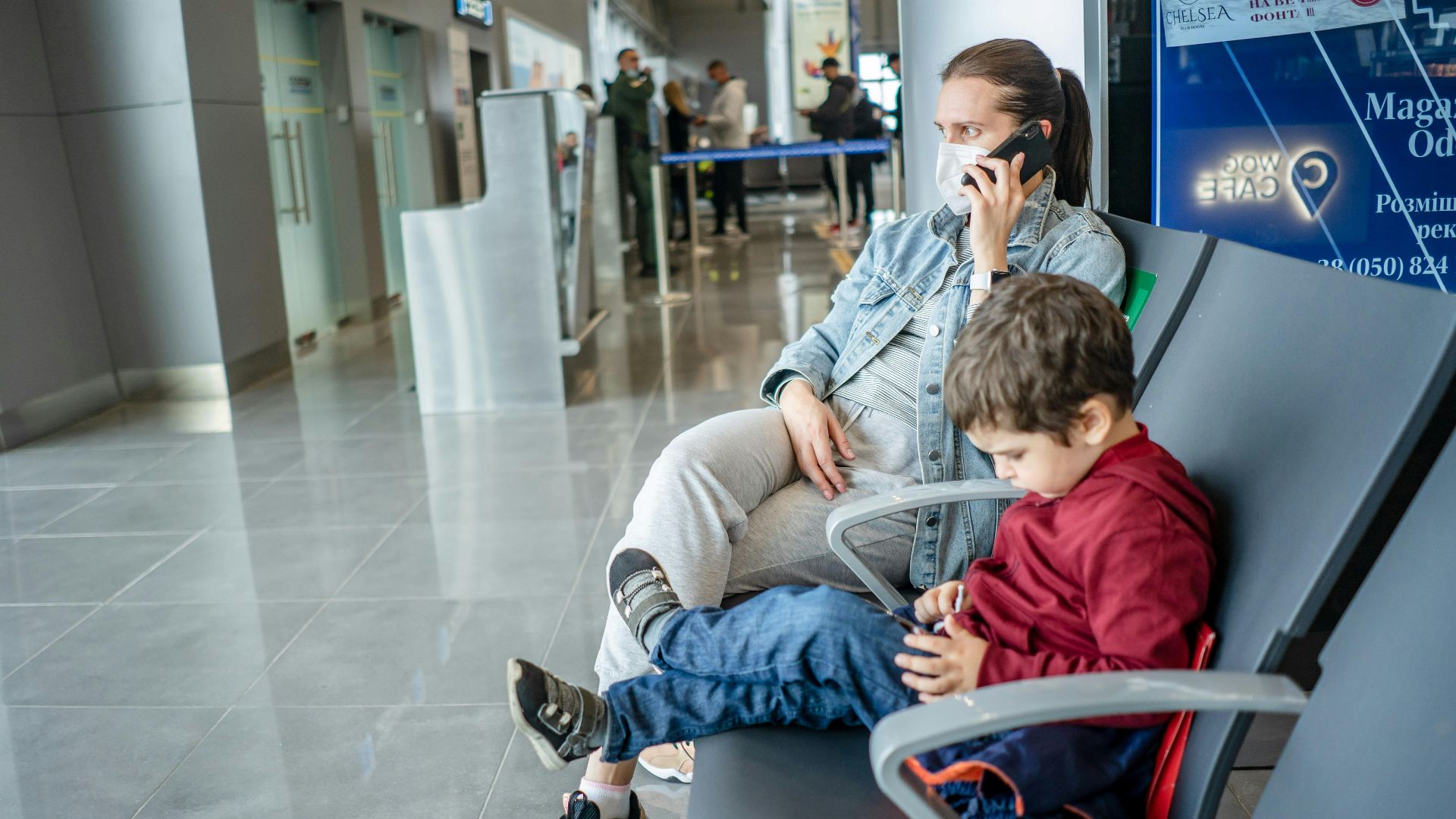
One of the clearest seating protections in the United States involves children sitting with the adult traveling with them. In 2024, the DOT issued a final rule requiring U.S. airlines to seat children age 13 or younger next to an accompanying adult at no extra cost, with limited exceptions. If your seat was changed to make that happen, the airline may have been following federal policy rather than acting at random.
That Family Seating Rule Is A Big Deal
The DOT announced the family seating rule in December 2024. The agency said airlines must seat children 13 and under next to an accompanying adult, if adjacent seats are available when the booking is made on the same reservation. It was one of the clearest recent examples of the government stepping directly into the seating issue.
Disability Accommodations Add Another Layer
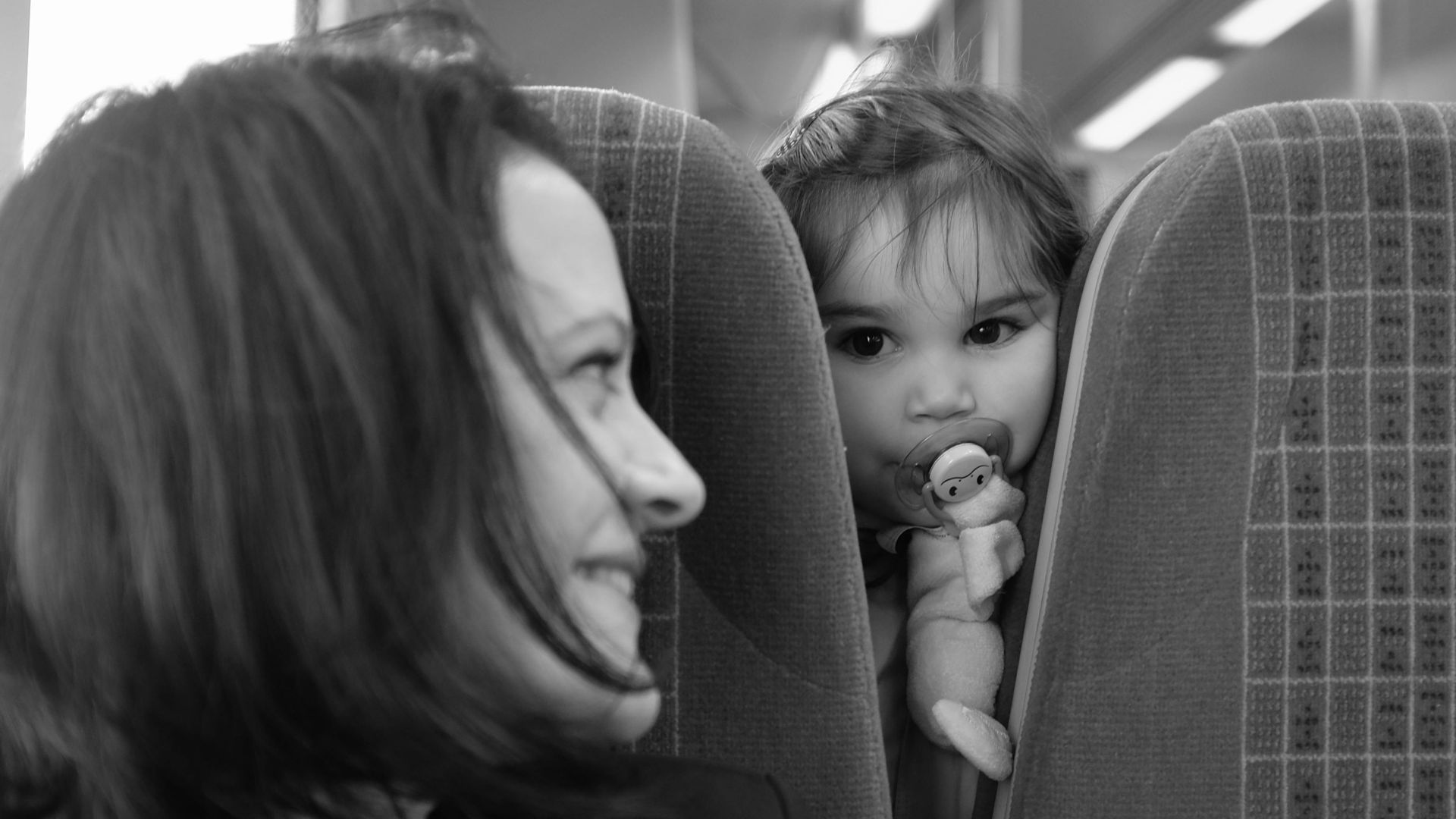
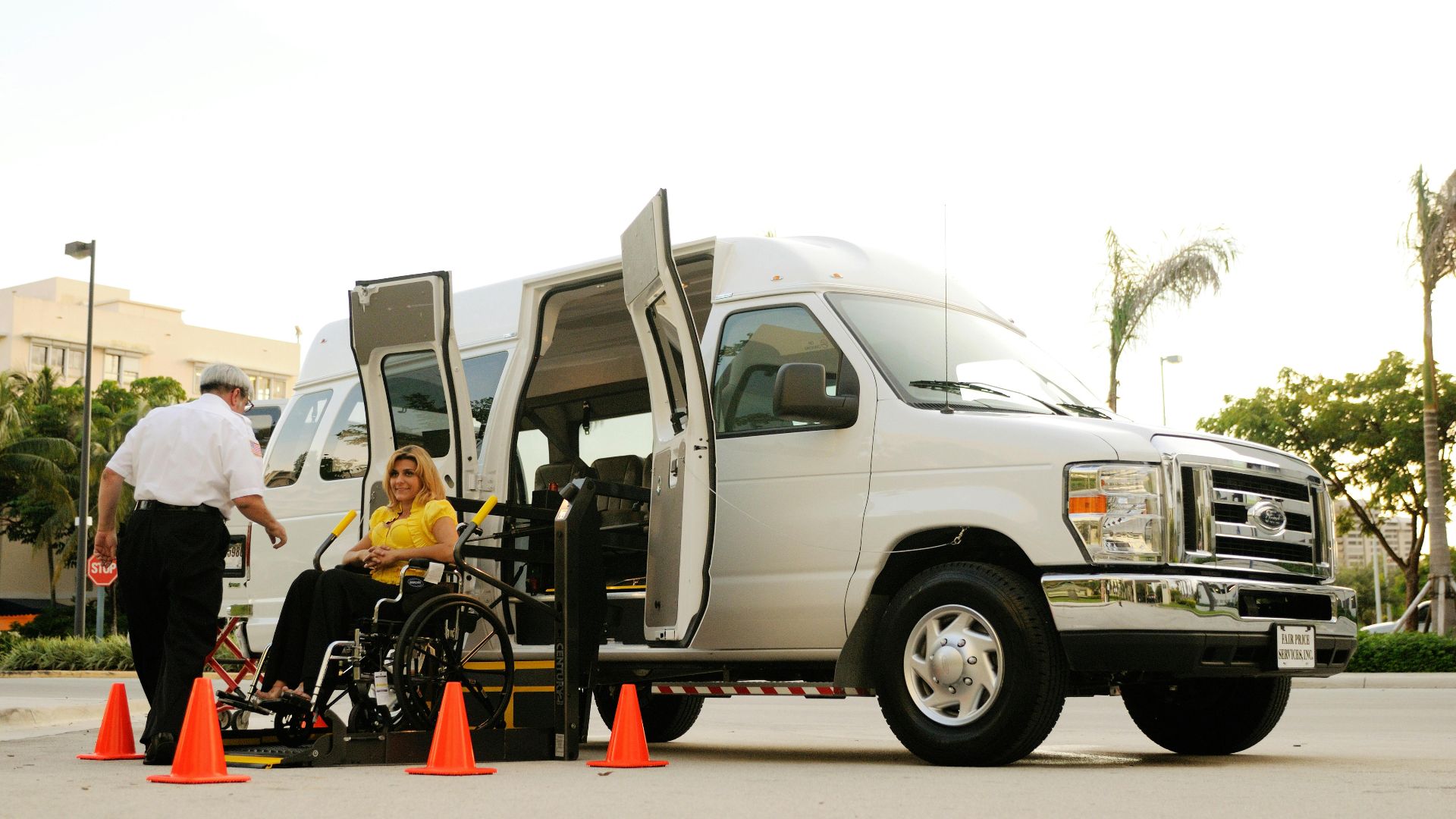
Passengers with disabilities may have important rights tied to seating, even if they still do not have a right to one exact seat number. The Air Carrier Access Act and DOT rules require airlines to provide certain seating accommodations for passengers with disabilities who need them. If a seat change interferes with an approved accommodation, that is a much more serious issue than a simple seat preference.
The DOT Has Pressed Airlines On Accessible Seating
The Transportation Department has repeatedly said airlines must provide seating accommodations for passengers with disabilities, including seating for a traveler with an attendant or a seat with a movable armrest in some cases. Travelers who are moved away from a needed accommodation should document everything right away. This is one of the strongest grounds for filing a formal complaint.
International Flights Can Be Different
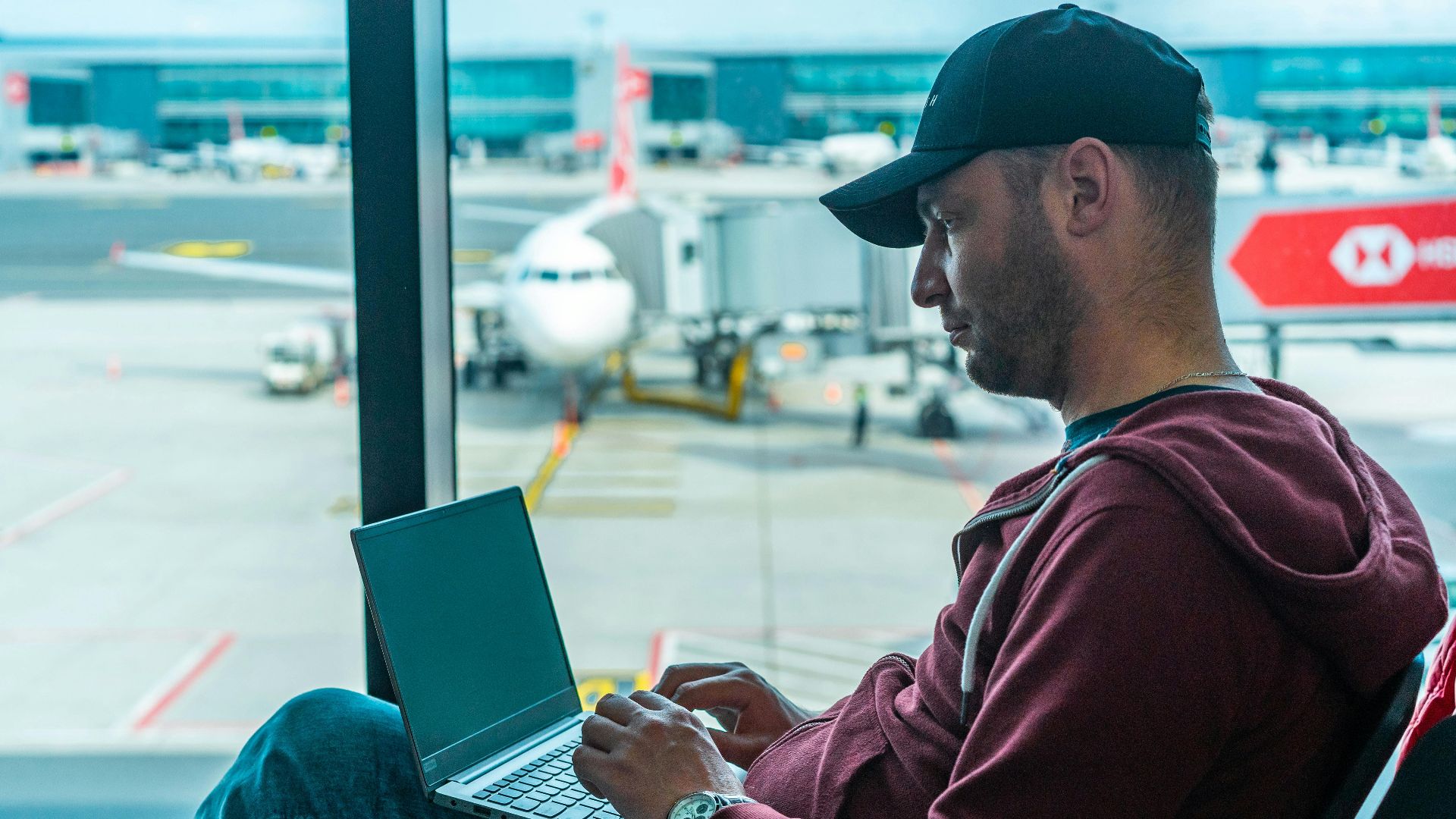
For flights involving Europe, passenger protections may be shaped by EU rules along with the airline’s own terms, but there still is not usually a universal right to one exact seat. What matters more is whether the cabin changed, whether a paid seat product was lost, and whether assistance needs were ignored. The legal answer can shift depending on where the flight departs, the airline involved, and the fare you bought.
A Cabin Downgrade Is Not The Same As A Seat Change
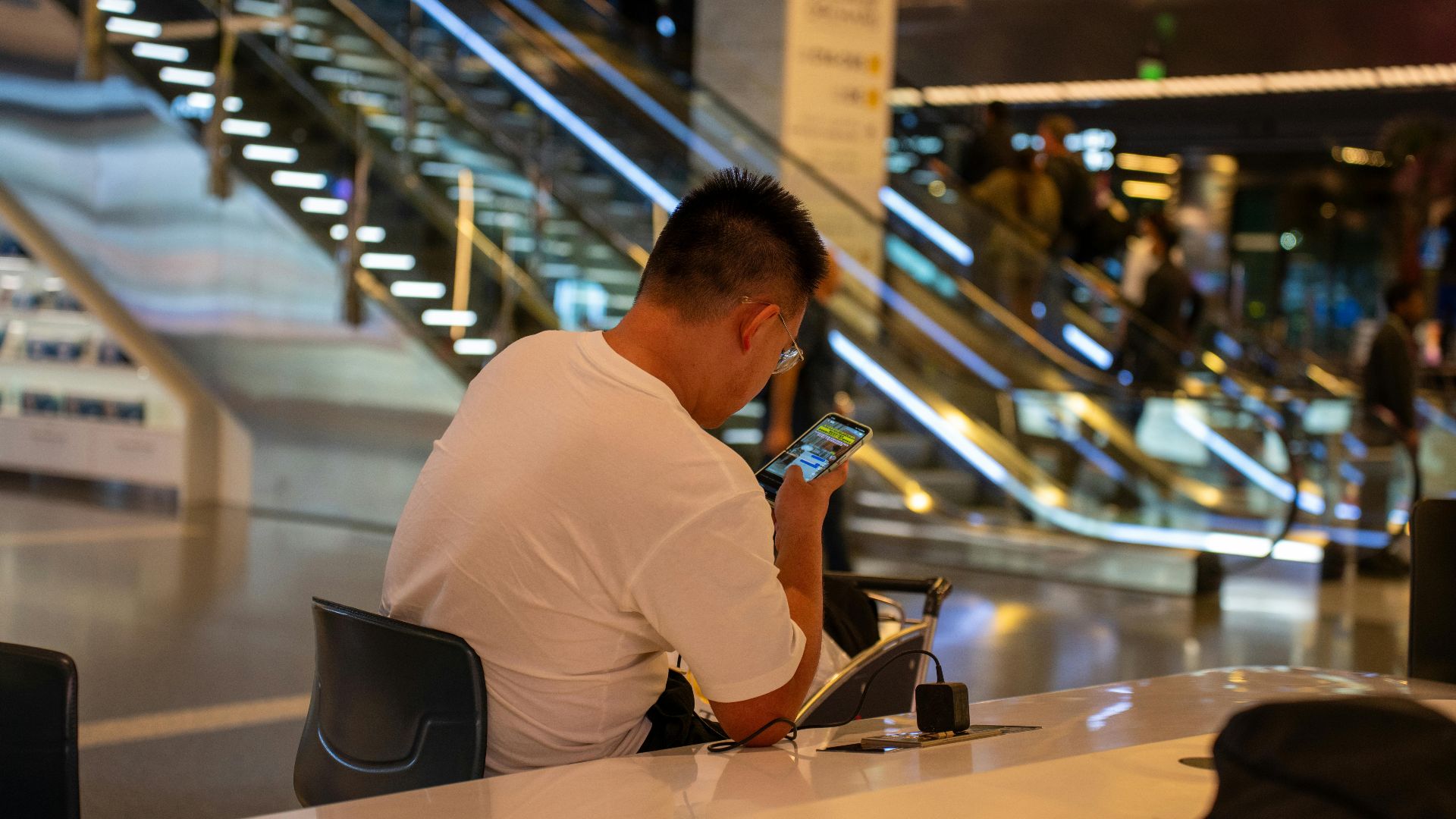
If the airline moved you from one seat to another in the same cabin, your compensation options may be limited. If it moved you from premium economy to economy, or from business class to economy, that is a different matter. A cabin downgrade can trigger stronger refund rights and, in some places, extra compensation rules.

Broken Seats And Aircraft Swaps Cause A Lot Of Trouble
Sometimes the cause is not the airline being difficult. A last-minute aircraft change can wipe out the old seat map, especially if the replacement plane has fewer rows or a different premium cabin layout. In those moments, gate agents are often rebuilding the seating chart on the fly while also handling delays and upgrades.
 TECNIC Bioprocess Solutions, Unsplash
Frequent Flyer Status Does Not Create A Legal Guarantee
Elite status can improve your odds of getting help, but it usually does not create a legal right to keep a specific seat. Airlines may give top-tier customers priority when they reassign seats, but their contracts still give them broad control. Status can give you leverage, not certainty.
What To Do The Moment You Notice A Seat Change
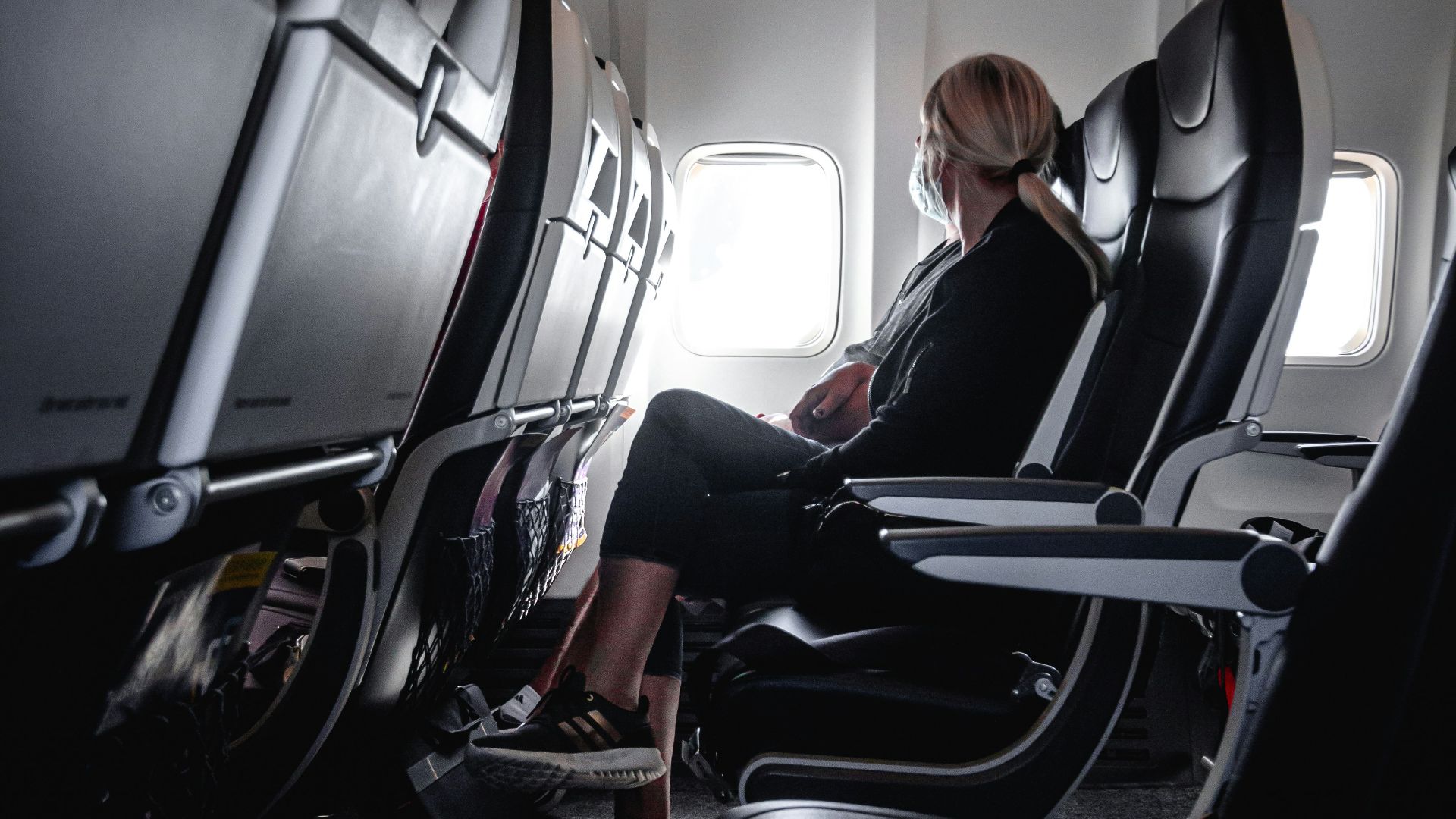
Check your reservation in the airline app as soon as you get a notice that your seat changed. Take screenshots of the original assignment, any fee you paid, and every update that follows. If the new seat creates a real problem, contact the airline right away through chat, phone, or an airport agent before the cabin fills up.

Be Specific When You Ask For Help
Do not just say you want your old seat back. Explain whether you paid for extra legroom, need to sit with a child, require a disability accommodation, or were separated from your travel companion. Clear facts give airline agents a better chance to fix the problem or document a refund.
If You Paid For A Better Seat, Ask For The Difference Back
If the airline moved you from a paid preferred seat to a standard one, ask for a refund of the seat fee or the difference tied to that product. Many travelers lose money because they assume the airline will process it automatically. Under recent DOT refund rules, passengers have stronger backing when paid extras are not delivered.

Save Every Receipt And Screenshot
Documentation can make the difference between a quick refund and a dead end. Keep the original confirmation email, boarding passes, seat maps, app notifications, and receipts for any seat purchases. If you speak with an agent, note the time, date, and what the airline told you.

Know When To Escalate
If the airline refuses to refund a paid seat you did not receive, start with customer service and then move to a written complaint. If that goes nowhere, file a complaint with the U.S. Department of Transportation through its consumer portal. A DOT complaint does not guarantee a payout, but it does require the airline to respond and creates a record.

Credit Card Protections May Help In Some Cases
If you paid for a seat assignment and the airline did not provide it, a credit card dispute may sometimes be worth considering after you try the airline’s refund process. This is especially true when the charge was separate and the service was not delivered. Just make sure you gather proof first, because banks usually want evidence that you tried to resolve the issue directly.

The Bottom Line On Your Rights
If an airline changed your seat multiple times before boarding, you usually do not have a legal right to force it to restore the original seat. You may, however, have a right to a refund for a paid seat product, stronger protection if children or disability accommodations are involved, and possible compensation if the change was really a cabin downgrade. The smart move is to treat seat assignments as flexible and your paperwork as essential.