The Fossils Weren’t Following The Script
Evolution sounds simple enough: tiny changes build up over countless generations, and eventually you get something very different. But when scientists looked closely at certain fossils, the story wasn’t so simple...
A Very Strange Set Of Eyes
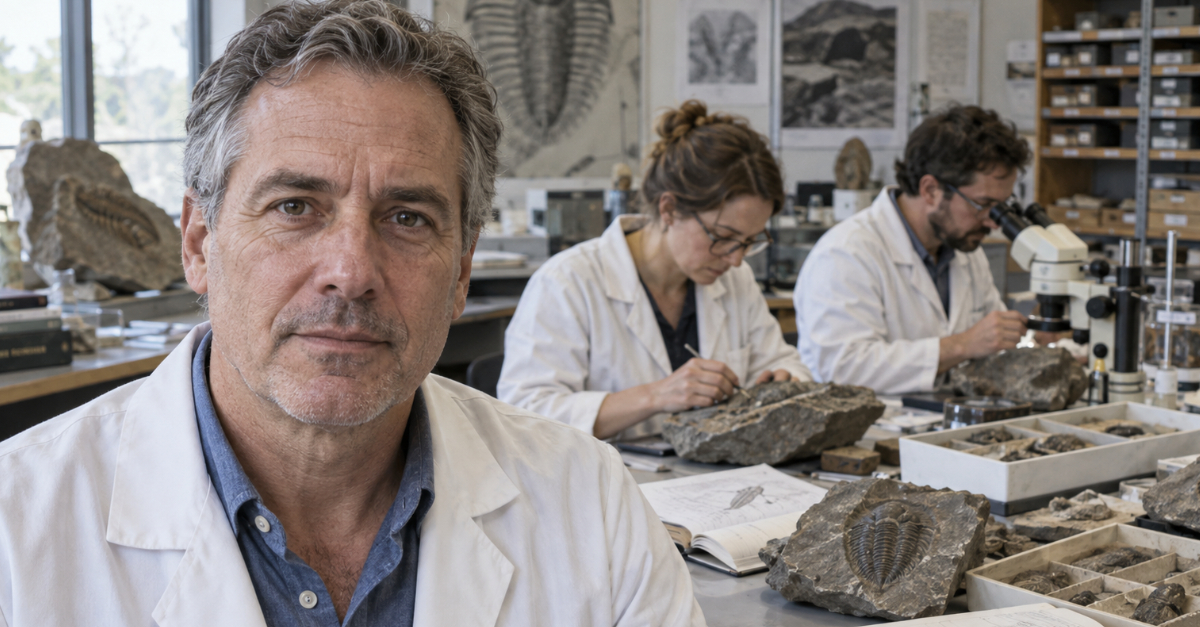
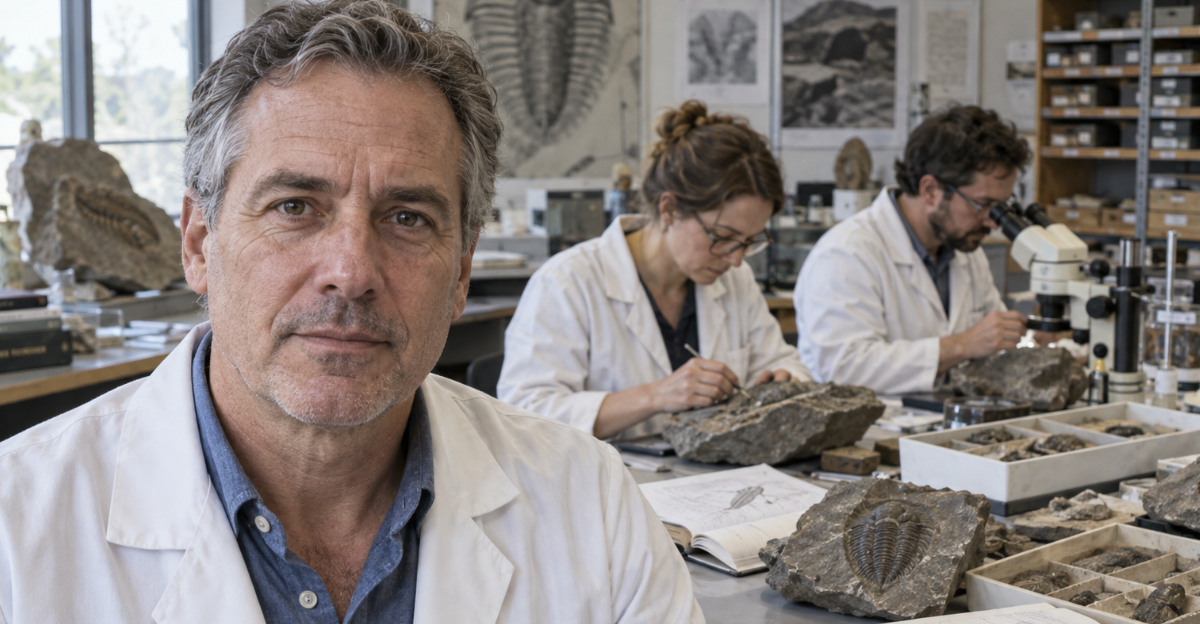
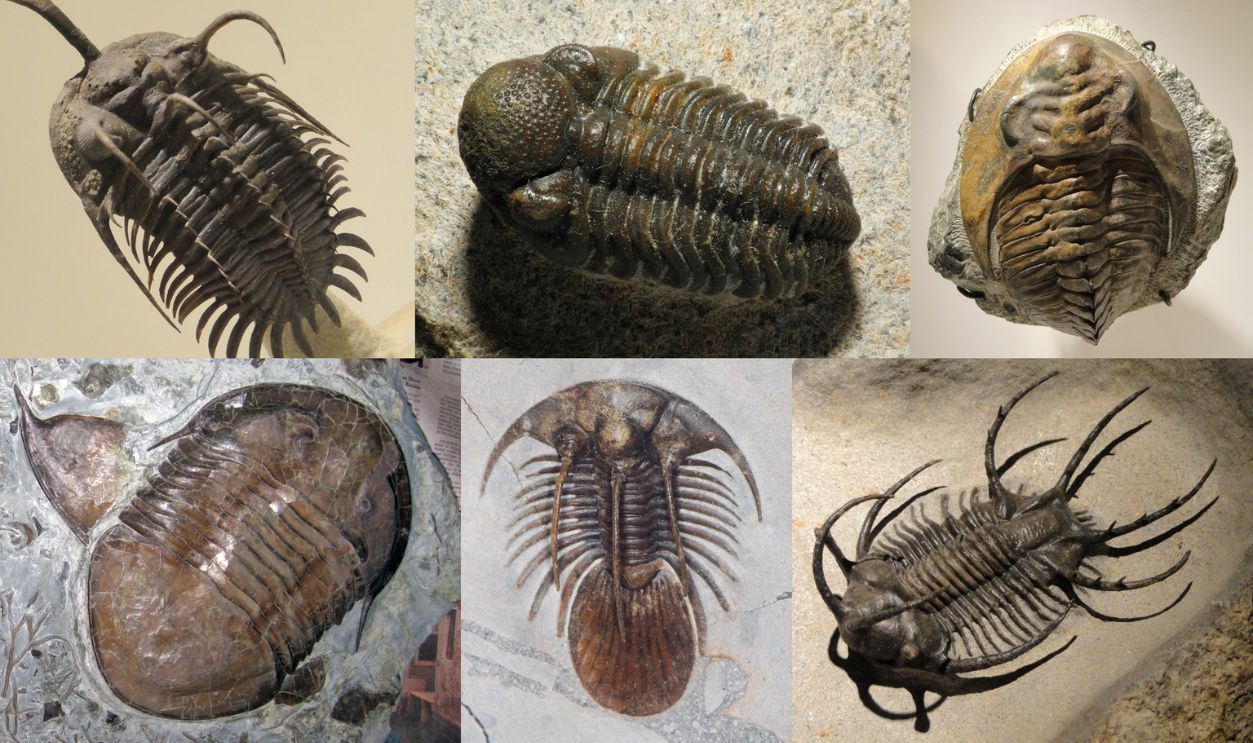
In the late 60s, graduate student Niles Eldredge was studying trilobites, ancient marine animals with remarkable eyes. He expected their fossils to reveal slow, steady changes over time. Instead, the specimens were making that expectation increasingly difficult to hold onto.
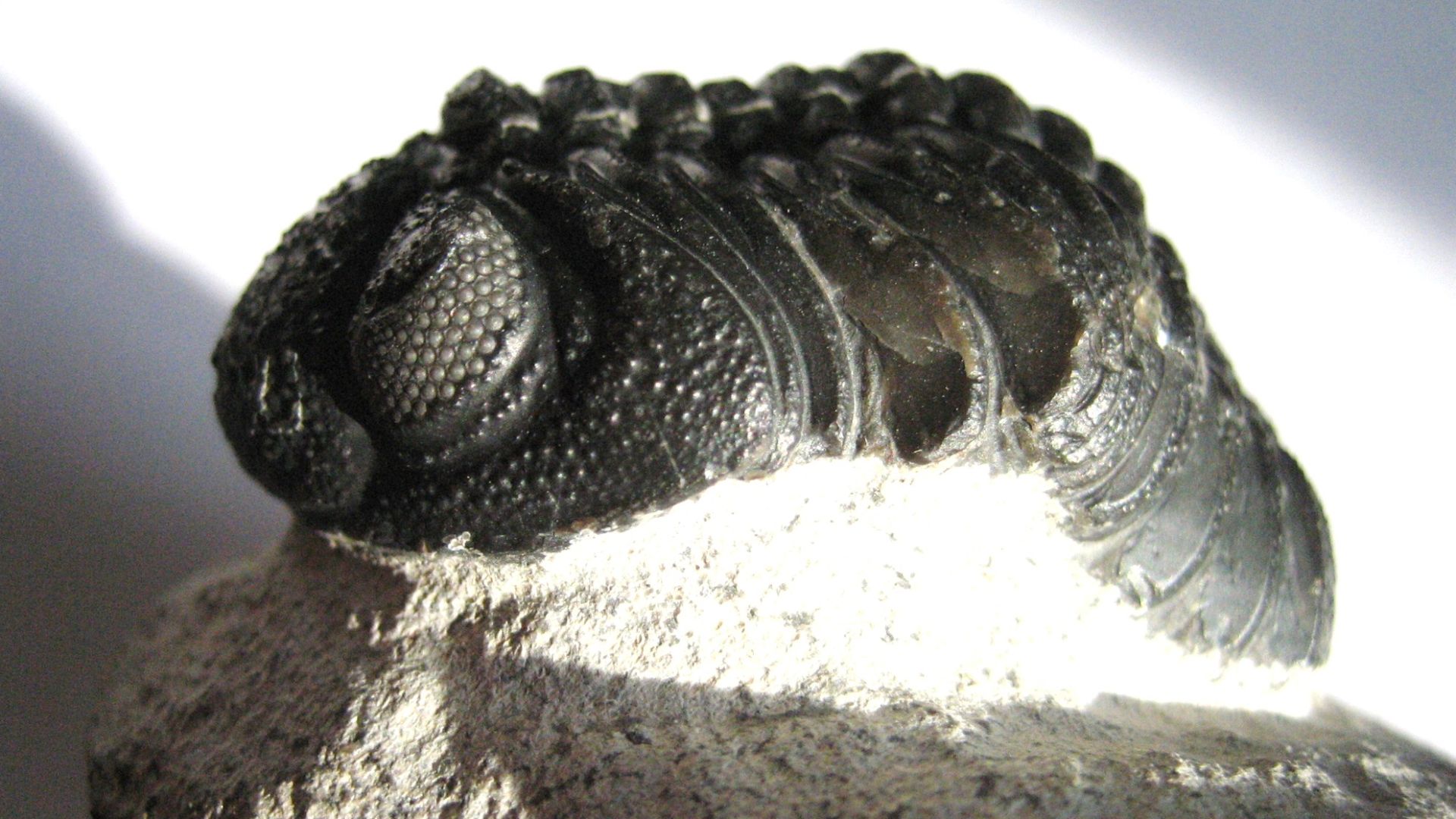 Tomleetaiwan, Wikimedia Commons
Maybe The Problem Was The Expectation
The usual response to an incomplete evolutionary sequence was understandable: some fossils must be missing. Fossilization hardly preserves everything. But Eldredge and fellow paleontologist Stephen Jay Gould explored another possibility. What if the expected sequence wasn’t always what evolution actually produced?
 Lawrence Lipke, Wikimedia Commons
Then Came The Pattern
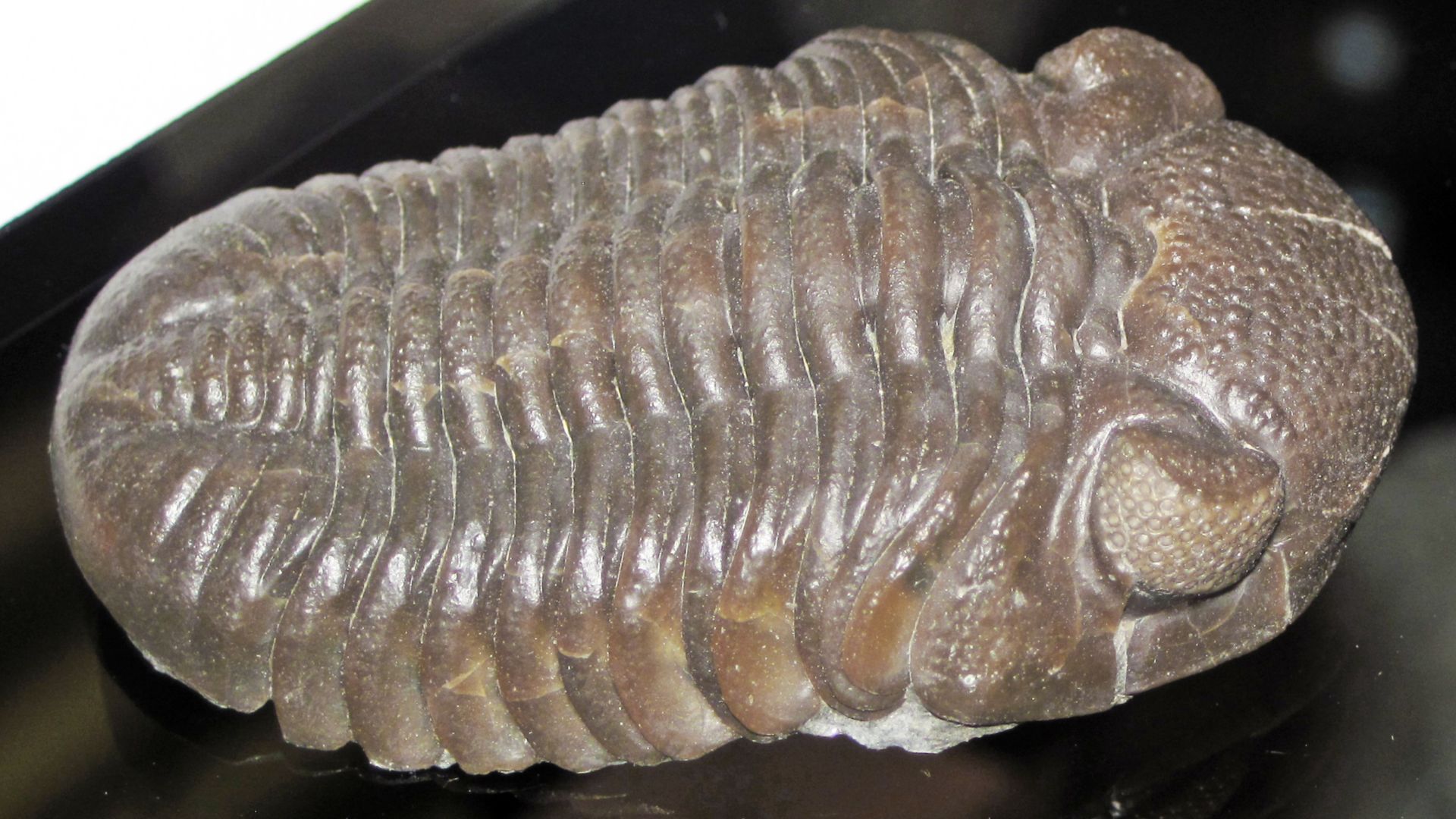
Many species appeared to remain much the same for enormous stretches of geological time. Changes seemed concentrated around relatively brief episodes when new species emerged. Long periods of stability, interrupted by comparatively rapid change: that was the pattern they wanted scientists to take seriously.
 James St. John, Wikimedia Commons
There’s A Name For That
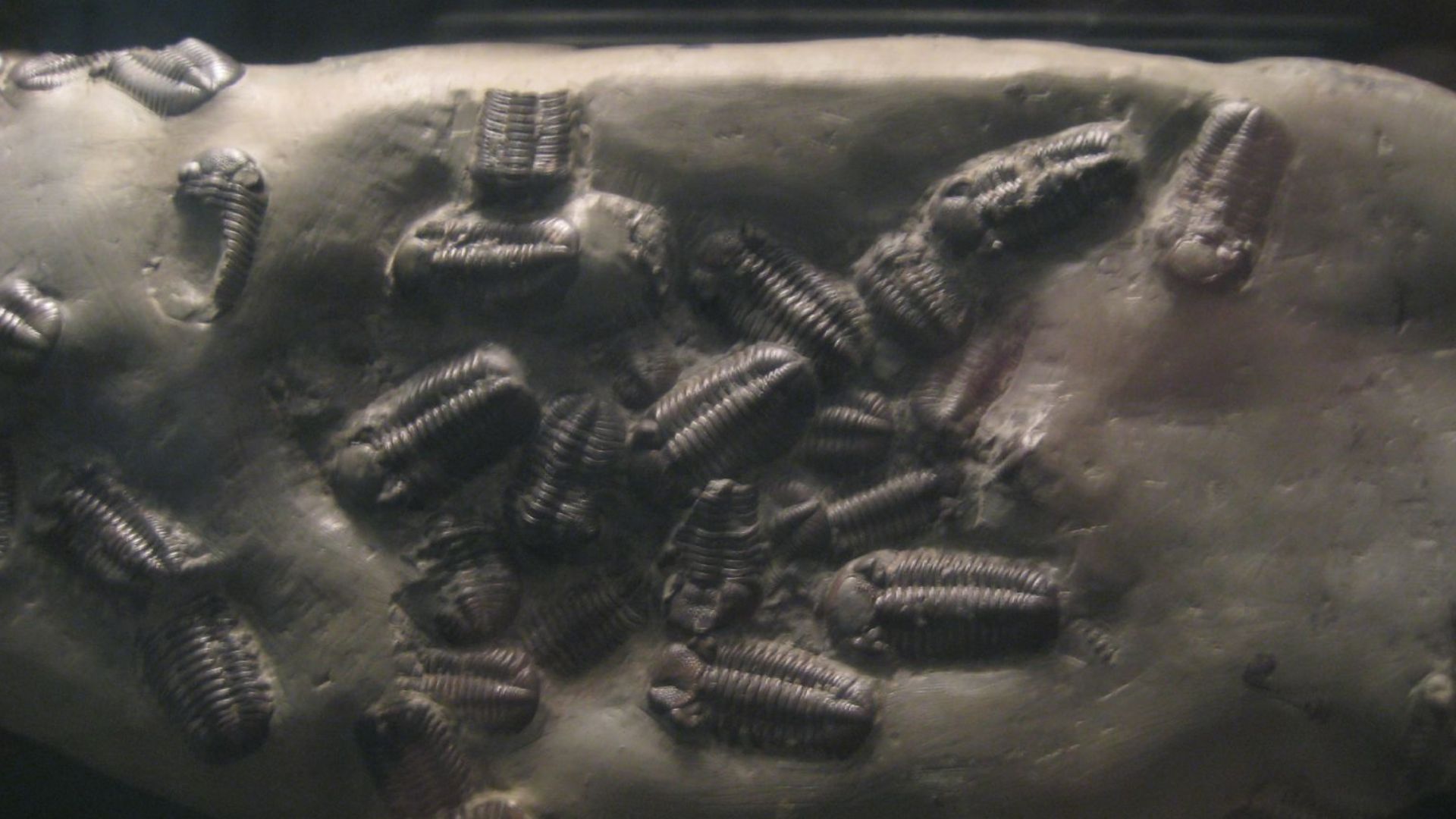
In 1972, Eldredge and Gould formally presented their idea as “punctuated equilibria,” commonly called punctuated equilibrium. The name sounds more complicated than the basic concept: extended periods of relative stability, punctuated by episodes of evolutionary change associated with the formation of new species.
 Claire H. from New York City, USA, Wikimedia Commons
What They Were Actually Rethinking
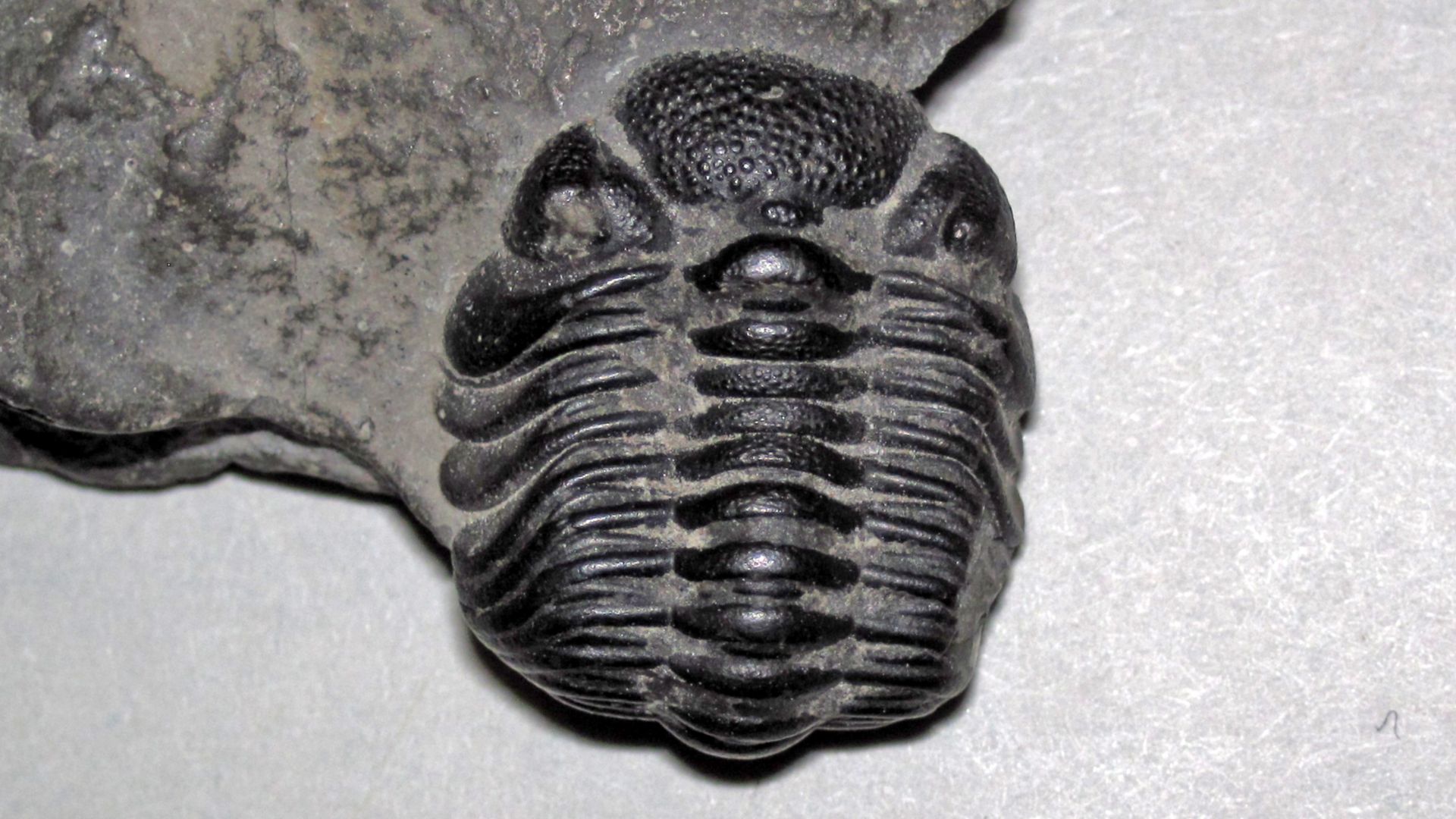
The big rethink concerned evolution’s pace and pattern, especially how new species arise. It didn’t require throwing out common ancestry or natural selection. It challenged the expectation that species generally transform through a long, steady series of changes visible in the fossil record.
 James St. John, Wikimedia Commons
Millions Of Years Of Looking Familiar
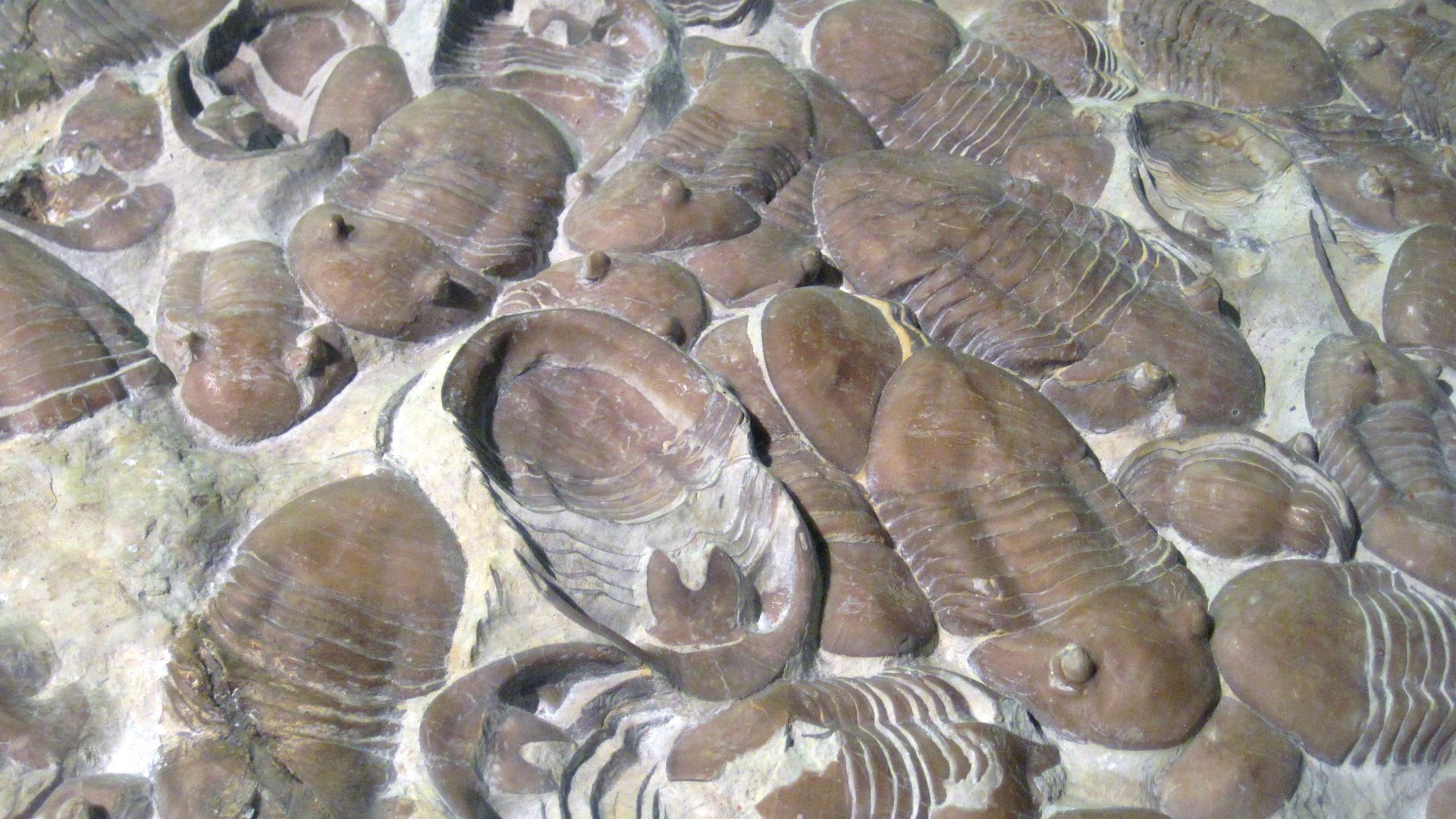
Scientists call those long periods of relative stability “stasis.” Imagine finding fossils in successively younger rocks and seeing remarkably similar shapes again and again. Plenty of generations have come and gone, but the features being studied show surprisingly little lasting change.
 James St. John, Wikimedia Commons
Stable Doesn’t Mean Identical
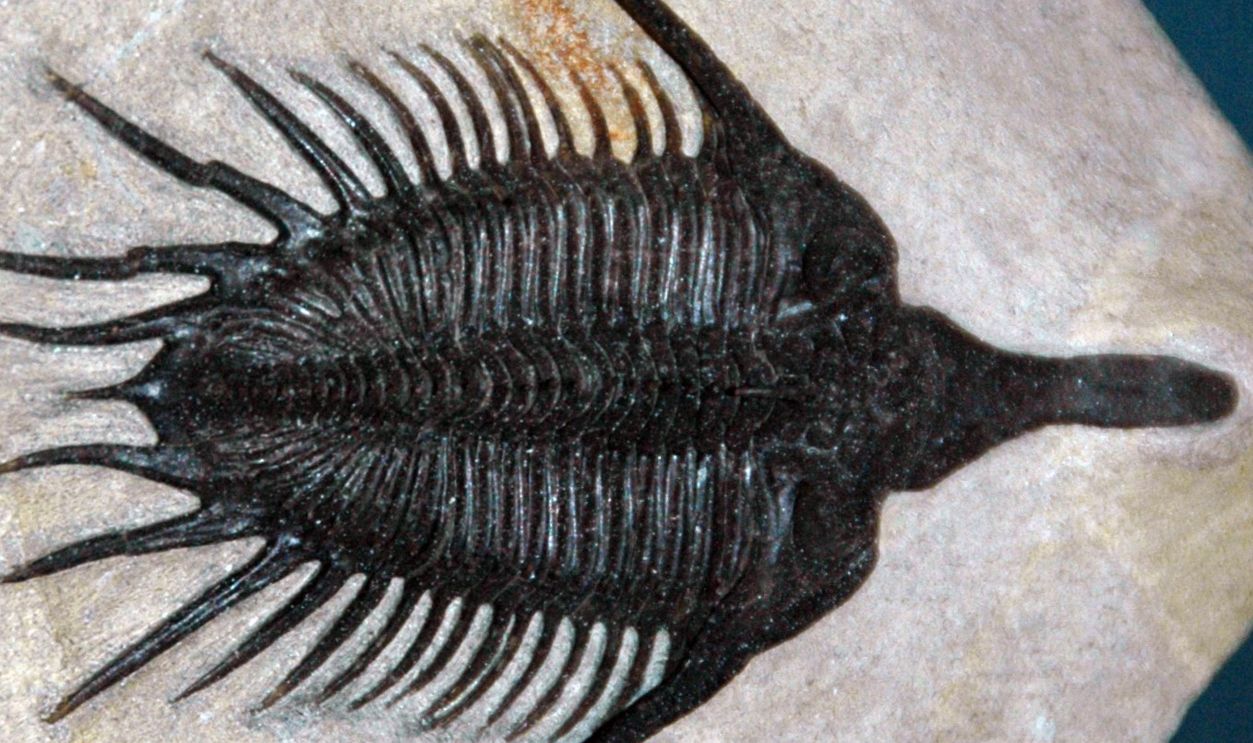
Stasis doesn’t require every individual to look exactly alike. Features can fluctuate across generations without accumulating a major long-term shift. Think of measurements moving around a familiar average. There is variation, but the overall shape isn’t steadily heading somewhere new.
 James St. John, Wikimedia Commons
“Rapid” Needs A Little Explaining
This is where the idea can sound more dramatic than it really is. Geologically rapid change still unfolds across generations. A transition can be brief compared with a species’ long history without anything extraordinary happening between a parent and its offspring.
Nobody Woke Up As A Different Animal
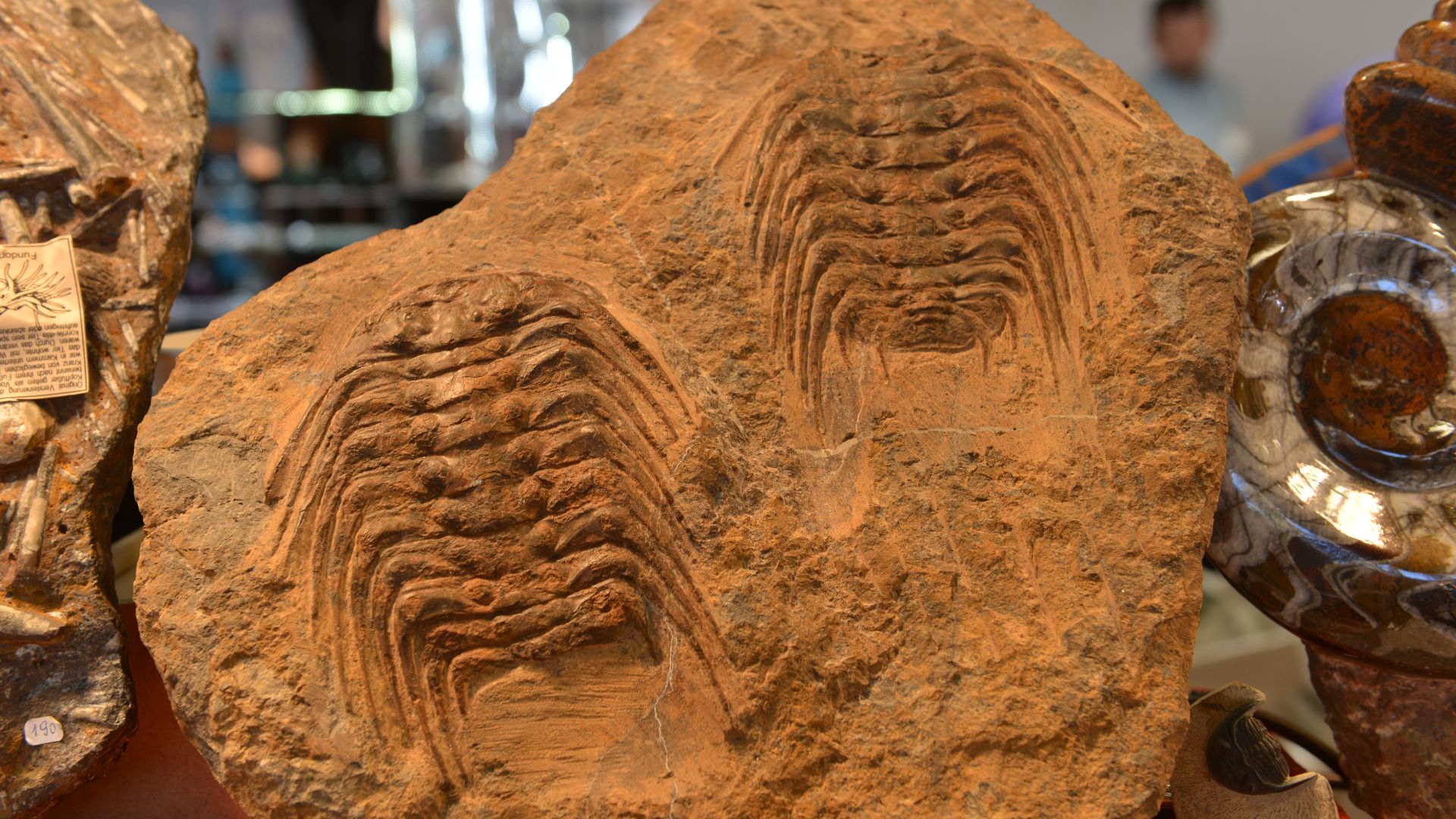
Punctuated equilibrium doesn’t mean an animal suddenly produced a completely different creature. Small changes can accumulate during the relatively short interval. Seen through the much coarser resolution of ancient rocks, that process may look like a jump. Geological time does some serious compressing.
 James St. John, Wikimedia Commons
A Small Group Gets Separated
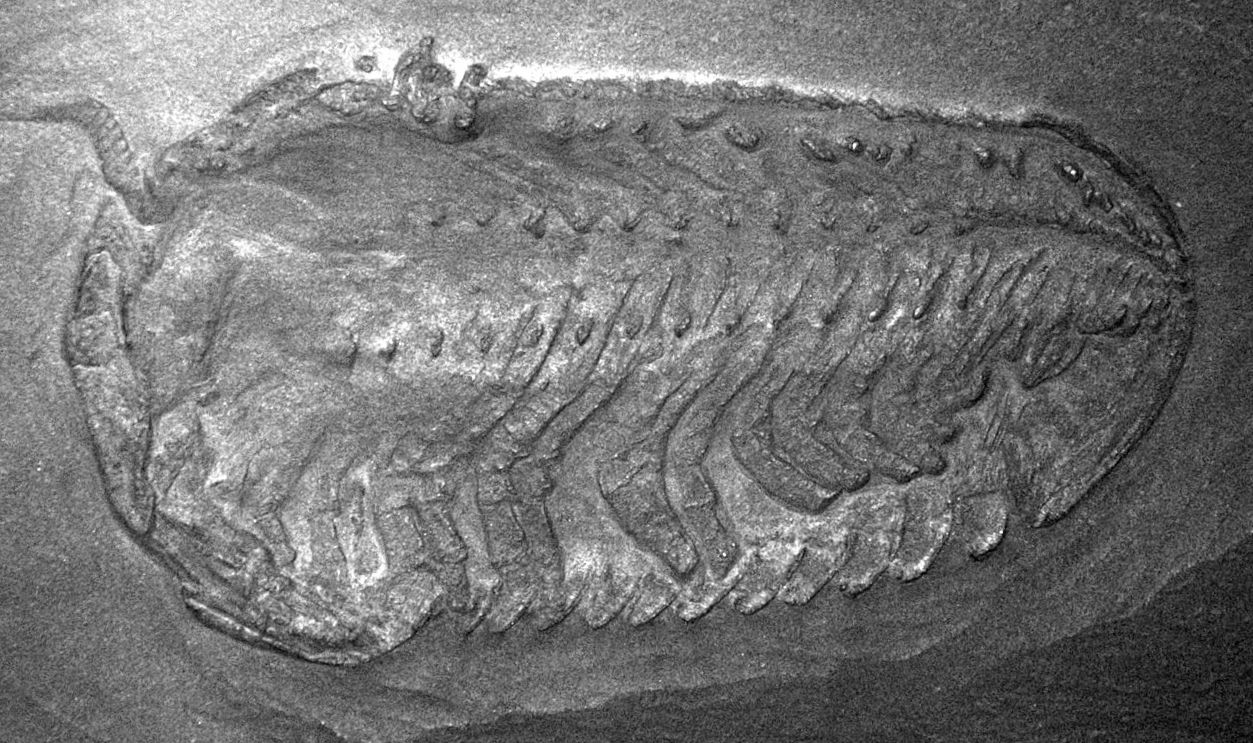
One proposed route begins when a small population becomes geographically isolated. Picture changing sea levels cutting off a group of marine animals from the larger population. They now have their own breeding population and potentially different conditions to deal with.
 James St. John, Wikimedia Commons
Life Gets Different Over There
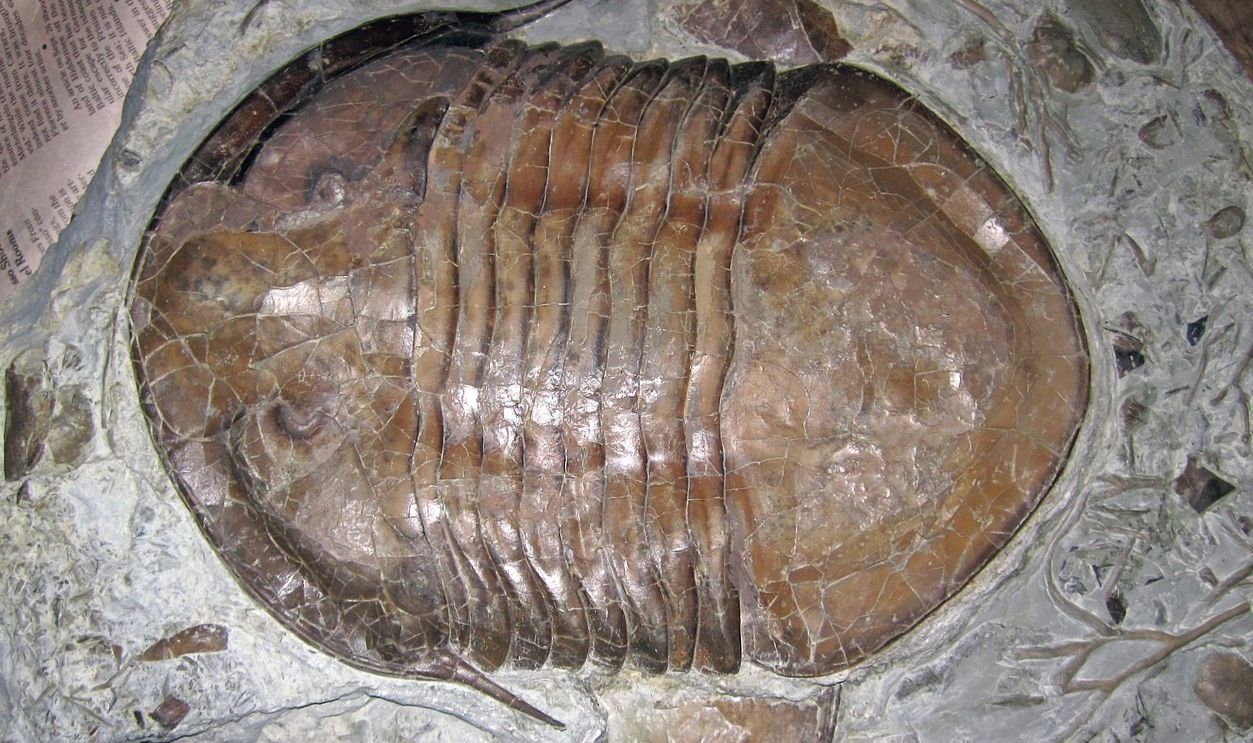
In that isolated setting, different environmental pressures can favor different inherited traits. Over generations, the separated population may diverge from its relatives and eventually become a distinct species. Isolation doesn’t guarantee this outcome, but it provides an opportunity for evolution to take a different course.
 PaleoNeolitic (montage creator), Wikimedia Commons
Good Luck Finding Every Step
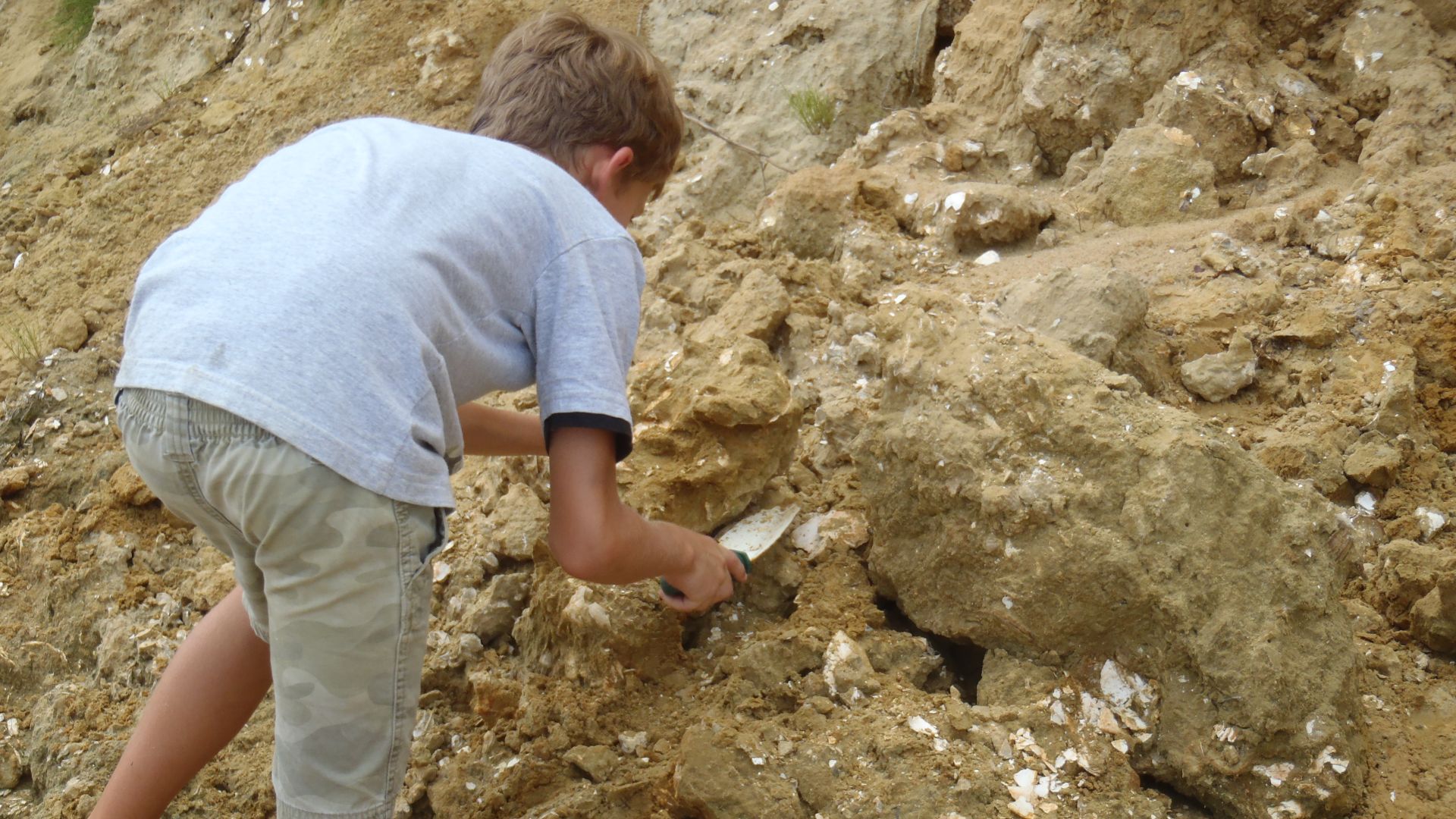
Now consider the odds of that small, isolated population leaving a beautifully complete fossil sequence. There are fewer individuals, a limited location and a comparatively short interval to preserve. The transitional population may leave little evidence that researchers can actually recover.
 Virginia State Parks staff, Wikimedia Commons
Suddenly, The Newcomers Are Everywhere
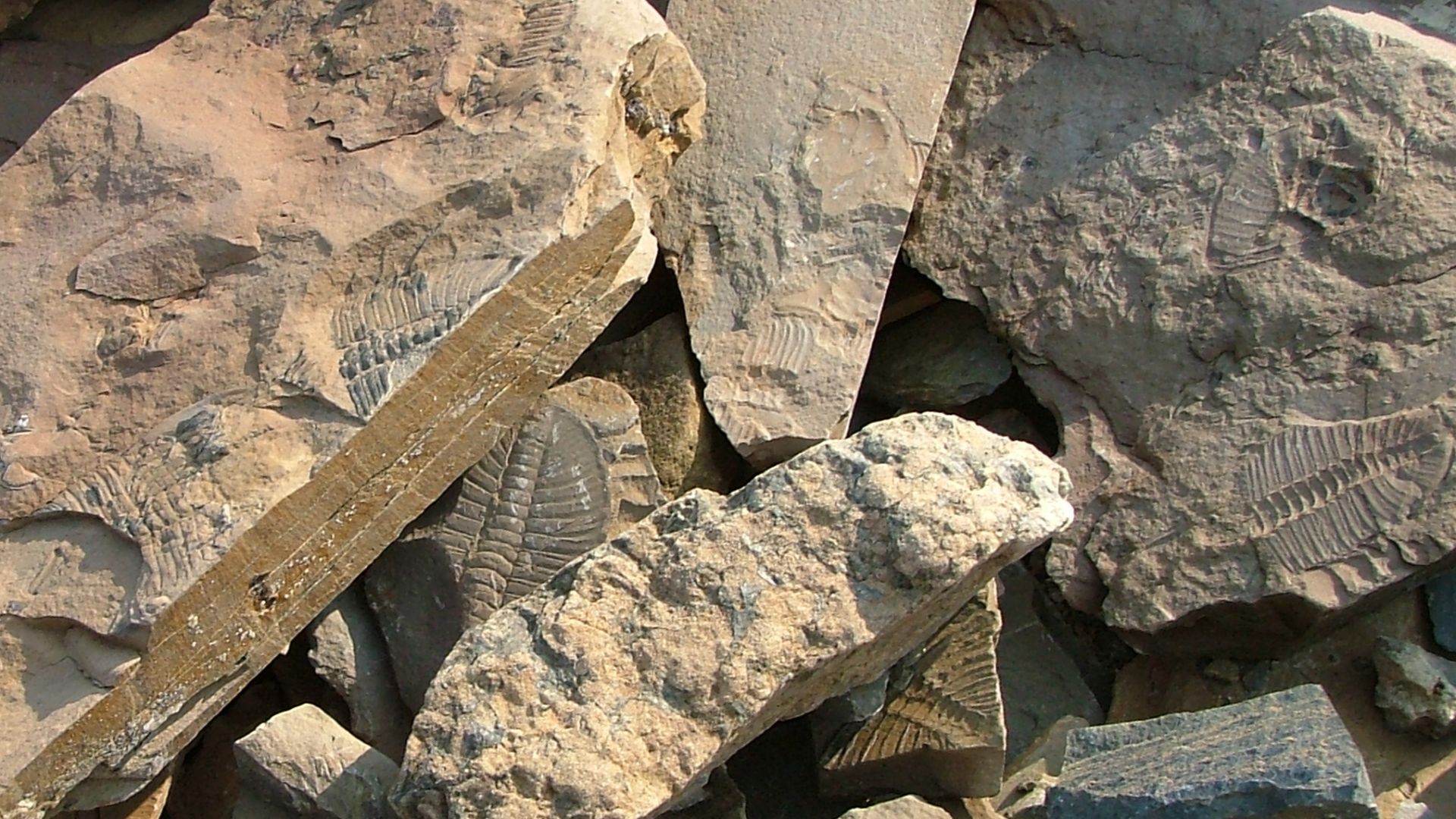
If the new species later expands its range, its fossils may become much easier to find. In a particular area, it can seem to arrive abruptly. The earlier changes happened elsewhere, which makes the local fossil record a slightly misleading place to expect the whole story.
The Original Species Can Stick Around
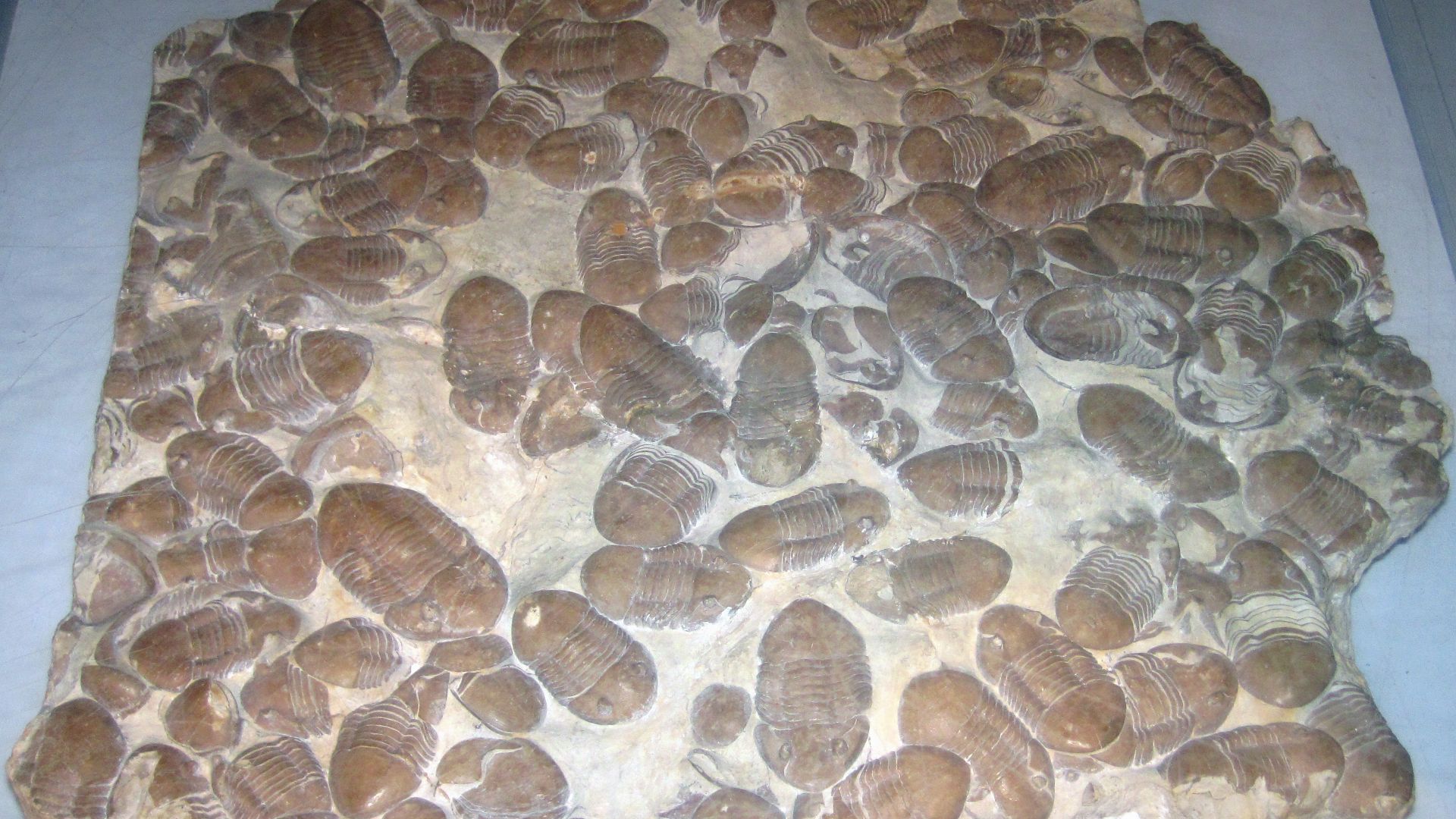
There’s another detail that gets lost in those familiar evolution illustrations. The ancestral species doesn’t necessarily disappear when a new one branches off. Both may continue existing. Punctuated equilibrium emphasizes branching, rather than an entire species marching together toward its next form.
 James St. John, Wikimedia Commons
Those Trilobites Suddenly Made More Sense
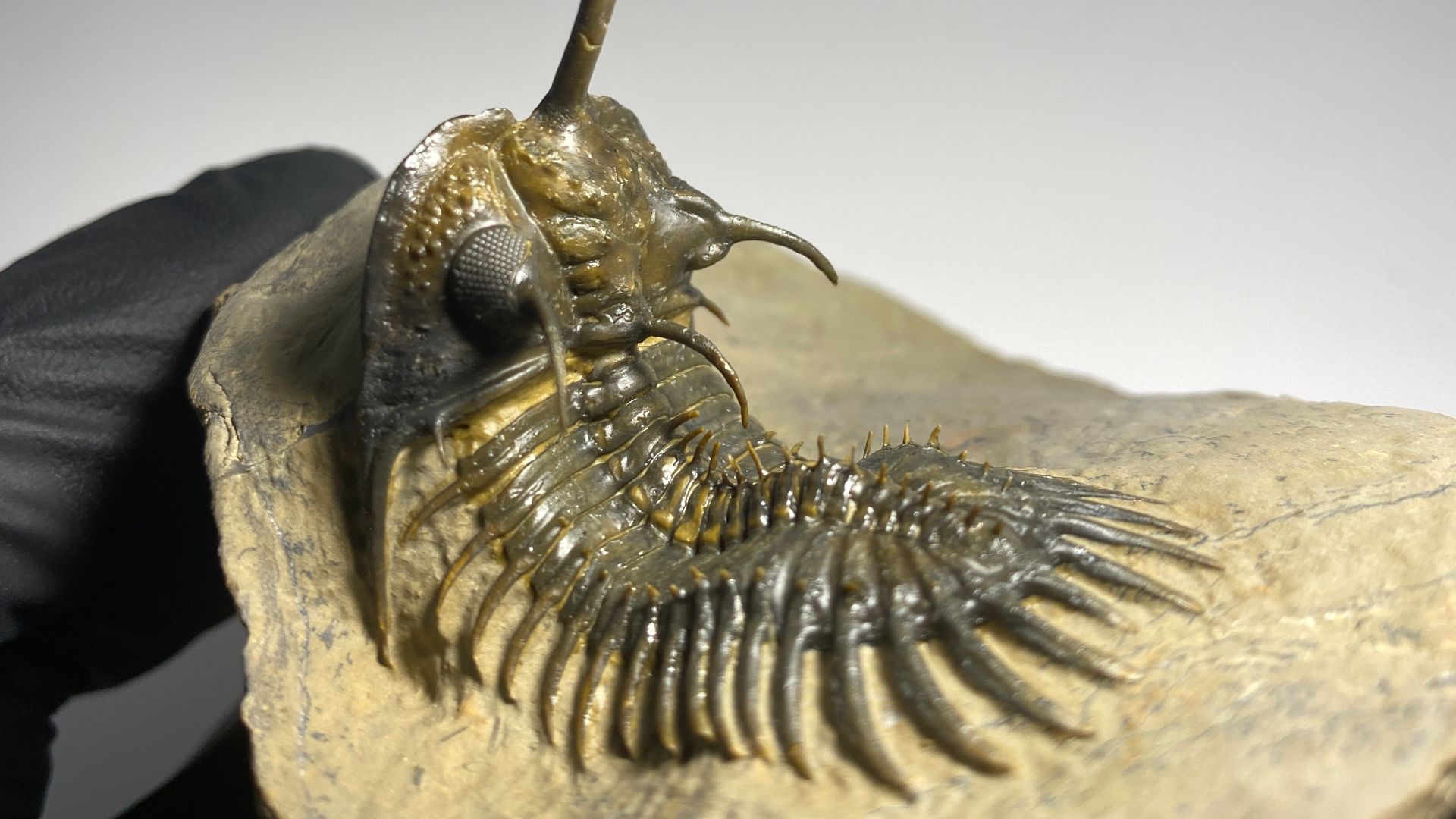
Return to Eldredge’s trilobites. Their apparent stability and relatively abrupt differences were no longer simply disappointing substitutes for the gradual sequence he expected. They were observations worth explaining in their own right. That change in perspective helped turn fossil measurements into a much bigger argument.
 TheFossilTrade, Wikimedia Commons
Scientists Didn’t Just Nod Along
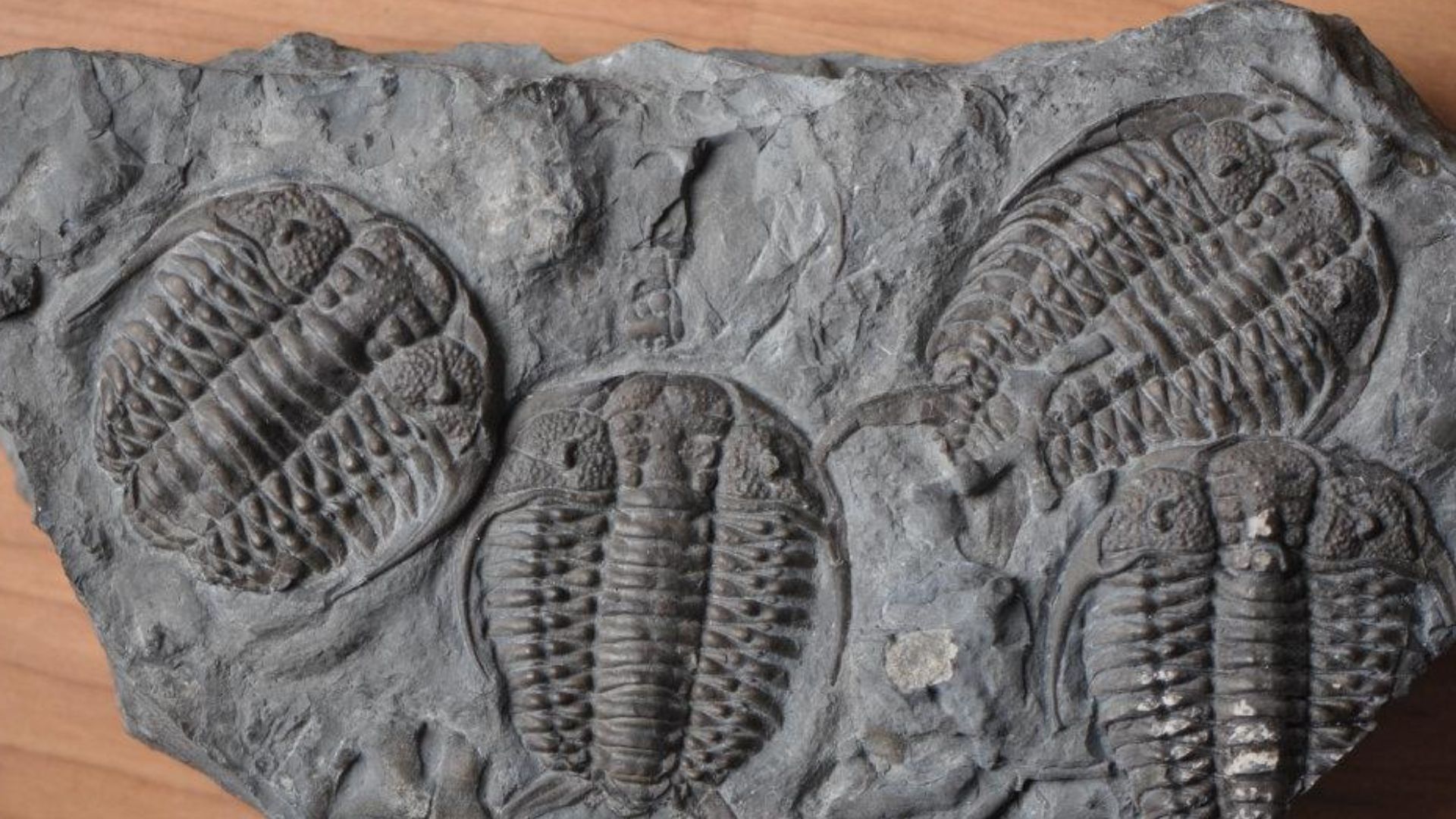
The proposal sparked intense debate. How common was stasis? How closely was evolutionary change tied to the formation of species? Did familiar evolutionary processes explain the pattern? Researchers also disagreed over how particular fossil sequences should be interpreted. There was plenty to argue about.
 Spoonkymonkey, Wikimedia Commons
Then Someone Counted
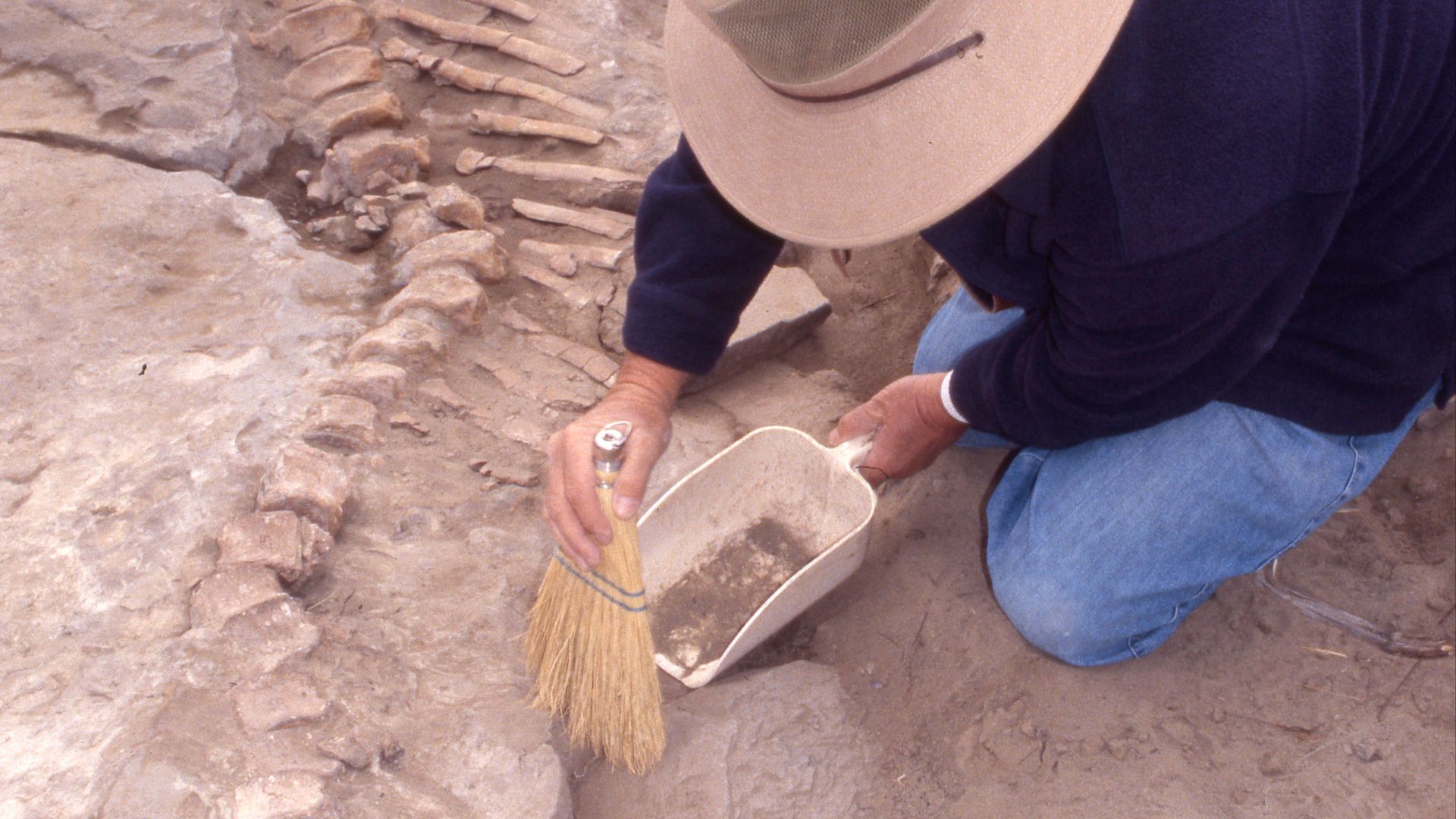
In 2007, Smithsonian paleobiologist Gene Hunt analyzed 251 sequences of fossil traits from 53 evolutionary lineages. Sustained directional change was the best-fitting model in only about 5% of those sequences. The rest were divided roughly evenly between stasis and changes that wandered without a consistent direction.
That Number Has A Catch
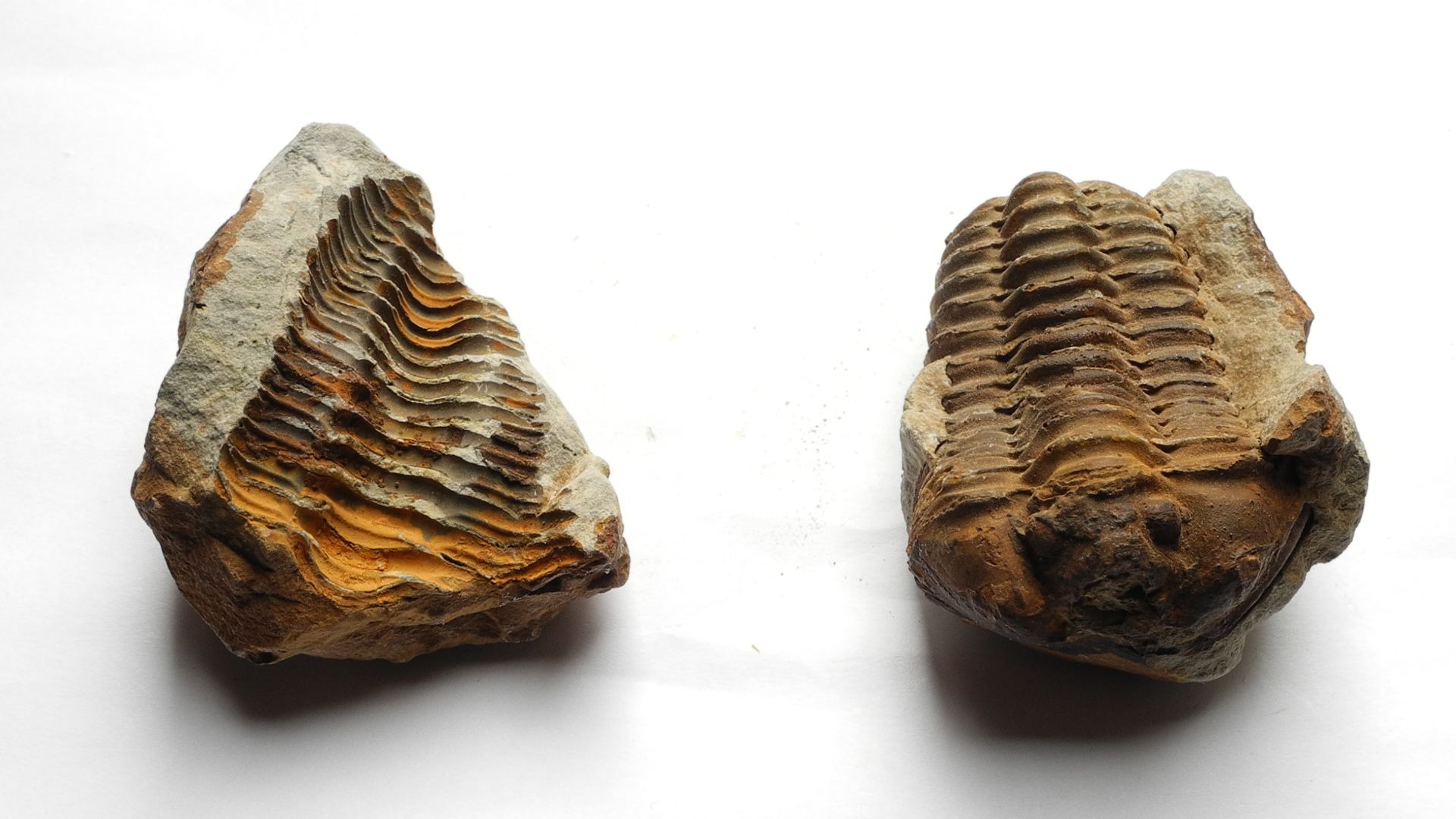
That doesn’t mean 95% of species never evolved. The study compared patterns in particular measurable traits, and wandering change is still change. It supported the importance of looking beyond steady directional trends, without proving that every evolutionary transition follows punctuated equilibrium.
 Thomas Bresson, Wikimedia Commons
A Gap Alone Doesn’t Prove It
A missing stretch of fossils isn’t enough to establish punctuated equilibrium. Researchers need to examine the sequence, its geological setting and the evidence for stability and change. Otherwise, a genuinely incomplete record can be mistaken for a biological pattern. The rocks still need careful interrogation.
 Nicolas D. Farroni, Wikimedia Commons
Evolution Doesn’t Have One Speed
Gradual change and punctuated patterns can both occur. The useful question is which pattern best explains a particular history. Turning punctuated equilibrium into a rule that every species must obey would recreate the same problem: expecting nature to follow a script.
 James St. John, Wikimedia Commons
The Boring Fossils Were Part Of The Story
The surprising part wasn’t simply that evolution could move relatively quickly. It was that long stretches of apparent sameness deserved serious attention, too. Those fossils weren’t failing to tell an evolutionary story. Scientists had to reconsider what kind of story they expected to find.
 James St. John, Wikimedia Commons
You Might Also Like: