
The Universe Is Awfully Quiet
Look up on a clear night and the universe hardly seems empty. There are hundreds of billions of stars in the Milky Way alone, and planets appear to be extraordinarily common. Yet after decades of searching, scientists have found no confirmed evidence of another technological civilization. That uncomfortable silence sits at the heart of the Fermi Paradox.
Fermi’s Famous Lunch Question
The story begins in 1950 with physicist Enrico Fermi. During a lunchtime conversation about extraterrestrial civilizations, Fermi reportedly recognized a strange problem. If intelligent societies were reasonably common, and some could travel between stars, they had seemingly had plenty of time to spread. So, in essence, he asked: where is everybody?
 Department of Energy-Office of Public Affairs, restored by Yann, Wikimedia Commons
Why This Became A Paradox
The Fermi Paradox is not a mathematical proof that aliens should exist. It is better understood as a conflict between expectations and observations. Certain assumptions about plentiful planets, intelligent life and interstellar expansion suggest somebody should be noticeable. So far, nobody is. The trouble may lie with any one of those assumptions.

The Milky Way Had A Huge Head Start
Our solar system is relatively late to the galactic party. Even a civilization expanding slowly from star to star could, under some theoretical scenarios, spread across the Milky Way on a timescale far shorter than the galaxy’s age. That is one reason the absence of obvious galactic engineering seems so puzzling.
 NASA/JPL-Caltech/ESA/CXC/STScI, Wikimedia Commons
We Now Know Planets Are Common
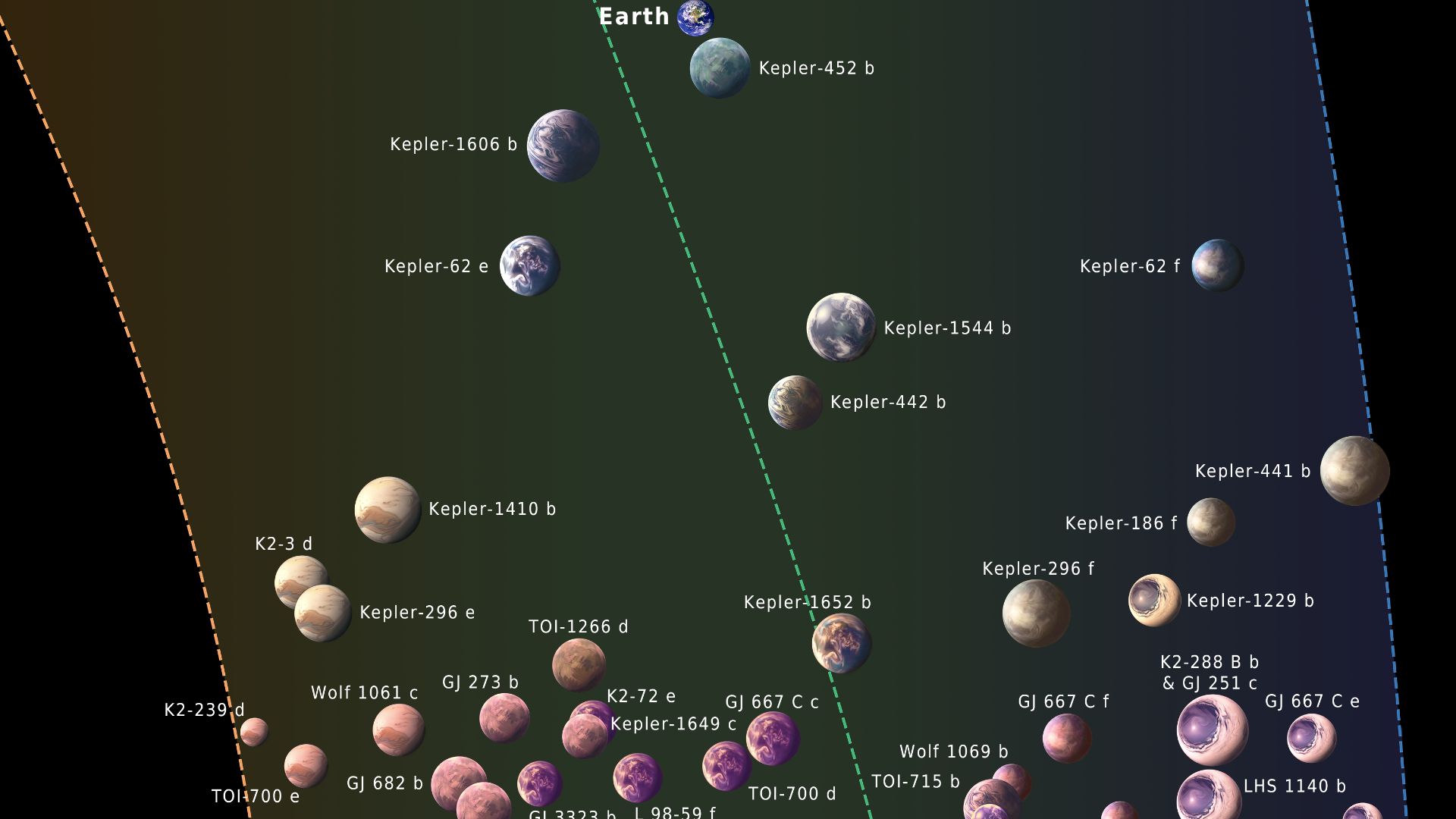
Fermi could only guess how common planets were. Modern astronomers do not have that problem. NASA has now confirmed more than 6,000 exoplanets, with thousands of additional candidates awaiting verification. Planetary systems are clearly not some cosmic oddity, making the question of life elsewhere much harder to dismiss.
 NASA, ESA, M. Kornmesser (ESA/Hubble), Wikimedia Commons
The Drake Equation Changed The Conversation
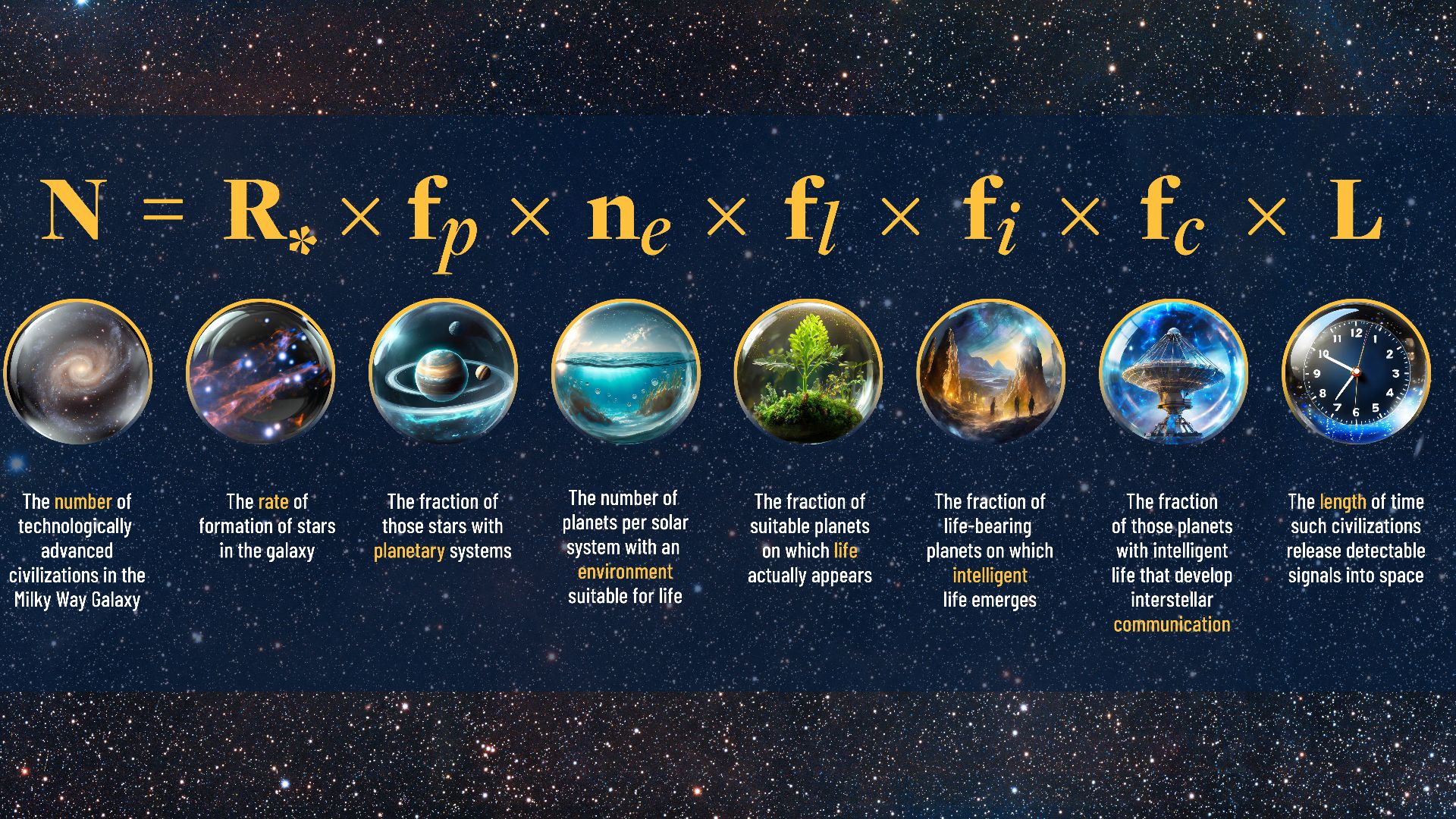
In 1961, astronomer Frank Drake developed an equation for thinking about how many detectable civilizations might exist in our galaxy. It includes factors such as star formation, planets, life, intelligence and technological longevity. The equation is famous partly because several of those numbers remain spectacularly uncertain. It organizes our ignorance rather than eliminating it.
 NOIRLab/AURA/NSF/P. Marenfeld, Wikimedia Commons
Habitable Is Not The Same As Inhabited
Astronomers often talk about planets in a star’s “habitable zone,” where temperatures might allow liquid water under suitable atmospheric conditions. But that does not mean a planet actually has oceans, let alone microbes, trees or radio engineers. Habitability describes possibilities. Biology still has to show up and survive.
Maybe Life Itself Is Rare
One solution to the Fermi Paradox is brutally simple: perhaps getting life started is incredibly difficult. Earth demonstrates that life can emerge, but with a sample size of exactly one inhabited world, scientists cannot yet calculate how often chemistry becomes biology. A galaxy stuffed with planets could still contain very little life.

Maybe Complex Life Is The Bottleneck
Even if microscopic organisms are widespread, complex organisms may be another matter entirely. Earth spent billions of years hosting life before anything remotely capable of building a radio telescope appeared. Perhaps bacteria are common across the galaxy while technologically capable animals are exceptionally rare. We simply do not yet have another biosphere for comparison.

Intelligence May Not Be Inevitable
Evolution has no known requirement to produce something like humans. Earth has hosted countless successful species that never developed electronics, spacecraft or mathematics. Intelligence capable of producing detectable technology may therefore be an unusual evolutionary branch rather than life’s inevitable destination. A living galaxy could still be a technologically quiet one.
 Charles Robert Knight, Wikimedia Commons
Then Comes The Great Filter
The “Great Filter” is the idea that somewhere between dead matter and galaxy-spanning civilization lies an extraordinarily difficult evolutionary or technological hurdle. Perhaps that hurdle is behind humanity, such as the origin of complex life. More ominously, it could be ahead. The idea remains a theoretical framework, not an established scientific finding.
 Paul Harrison, Wikimedia Commons
Civilizations May Have Short Technological Windows
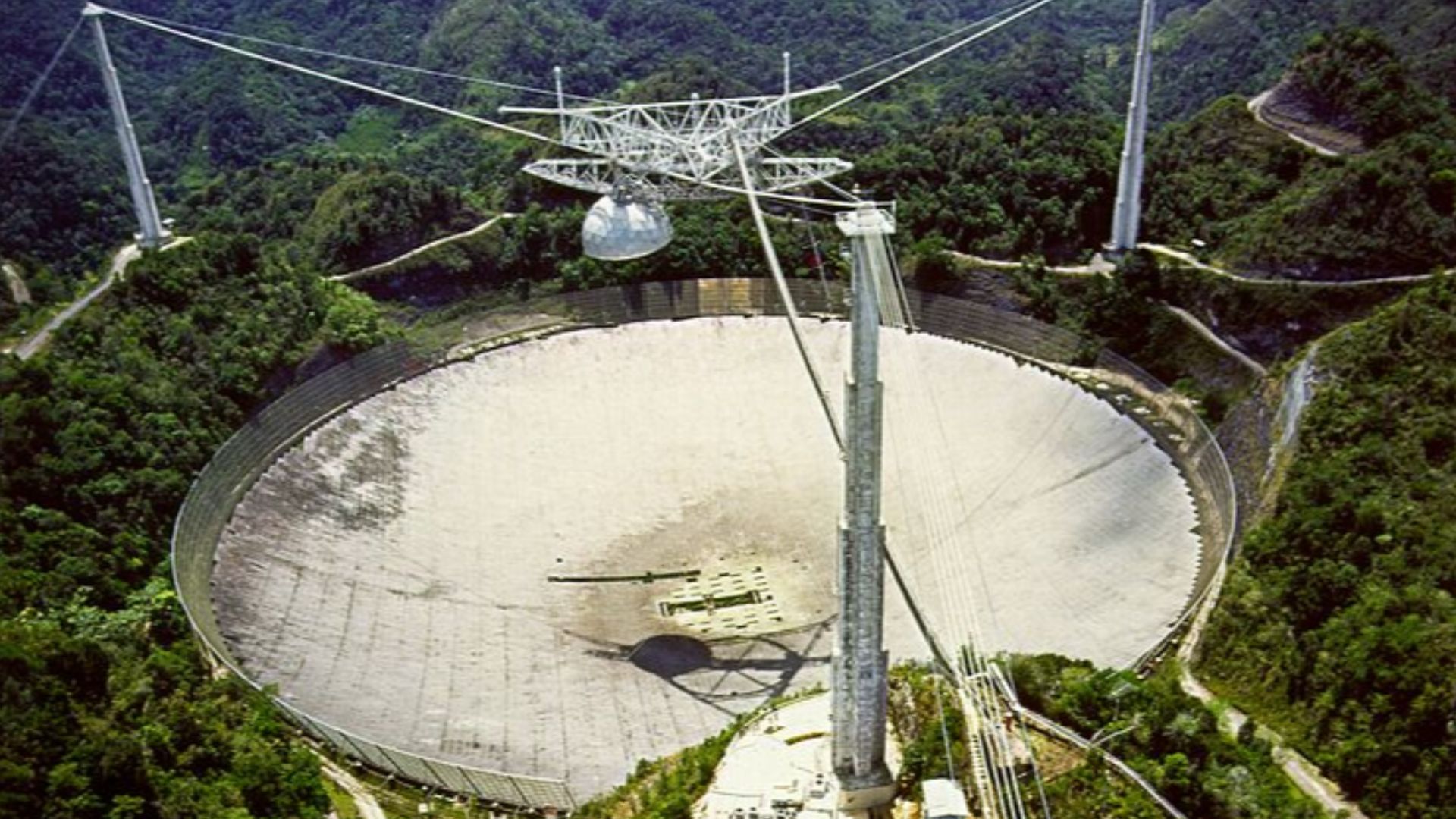
SETI works best if technological civilizations remain detectable for long periods. But humanity has been producing strong artificial radio emissions for only a tiny slice of Earth’s history. If technological societies routinely appear and disappear within centuries or millennia, two nearby civilizations could easily miss one another by millions of years.
 H. Schweiker/WIYN and NOAO/AURA/NSF, Wikimedia Commons
Galactic Expansion Might Be Harder Than It Sounds
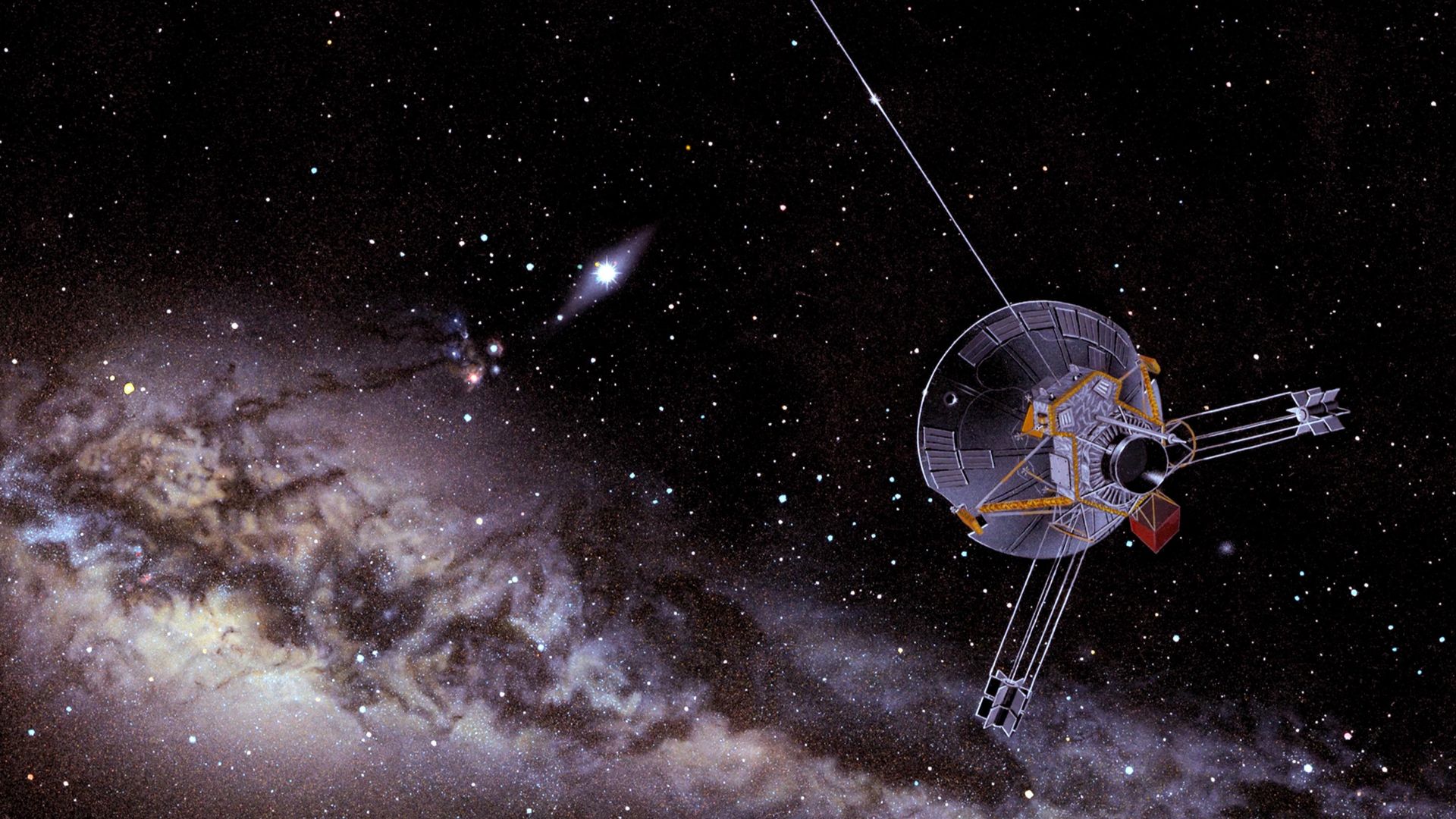
Crossing interstellar space is enormously challenging. Stars are separated by distances so vast that even extremely fast spacecraft would require years, decades or centuries for many journeys. Energy, radiation, engineering failures and economics could all make sustained settlement much tougher than simplified colonization models suggest.
 NASA/Don Davis, Wikimedia Commons
Or Advanced Societies May Not Want To Expand
Fermi-style arguments often assume that at least some civilizations would keep spreading. But technological ability does not automatically produce an appetite for empire. A civilization might concentrate on its home system, build efficient habitats, communicate remotely or deliberately limit expansion. Unfortunately, predicting alien sociology is even harder than predicting alien engineering.
 Mike Winkelmann, Wikimedia Commons
Timing Could Ruin Every Introduction
Imagine two technological civilizations living around neighboring stars. One flourishes 200 million years ago and vanishes. The other appears tomorrow. Astronomically speaking, they are practically neighbors. Historically, they never existed together. The universe can contain many civilizations while still making simultaneous contact extremely unlikely.
 NASA, ESA, CSA, and STScI, Wikimedia Commons
Distance Makes Everything Worse
The nearest star beyond the Sun is more than four light-years away. Much of the Milky Way lies tens of thousands of light-years from Earth. That means every conversation would crawl along at light speed. A message from a distant civilization might reveal a society that disappeared thousands of years before we received it.
 ESO/L. Calçada/N. Risinger, Wikimedia Commons
Radio Silence May Be A Terrible Clue
Classic SETI imagines detecting artificial radio signals, and radio remains extremely valuable. But there is no reason extraterrestrial technology must broadcast powerful signals continuously. Communications could be tightly beamed, encrypted, brief or use technologies we have never considered. Silence at a radio telescope does not automatically mean nobody is there.
Earth Is Quieter Than We Imagine
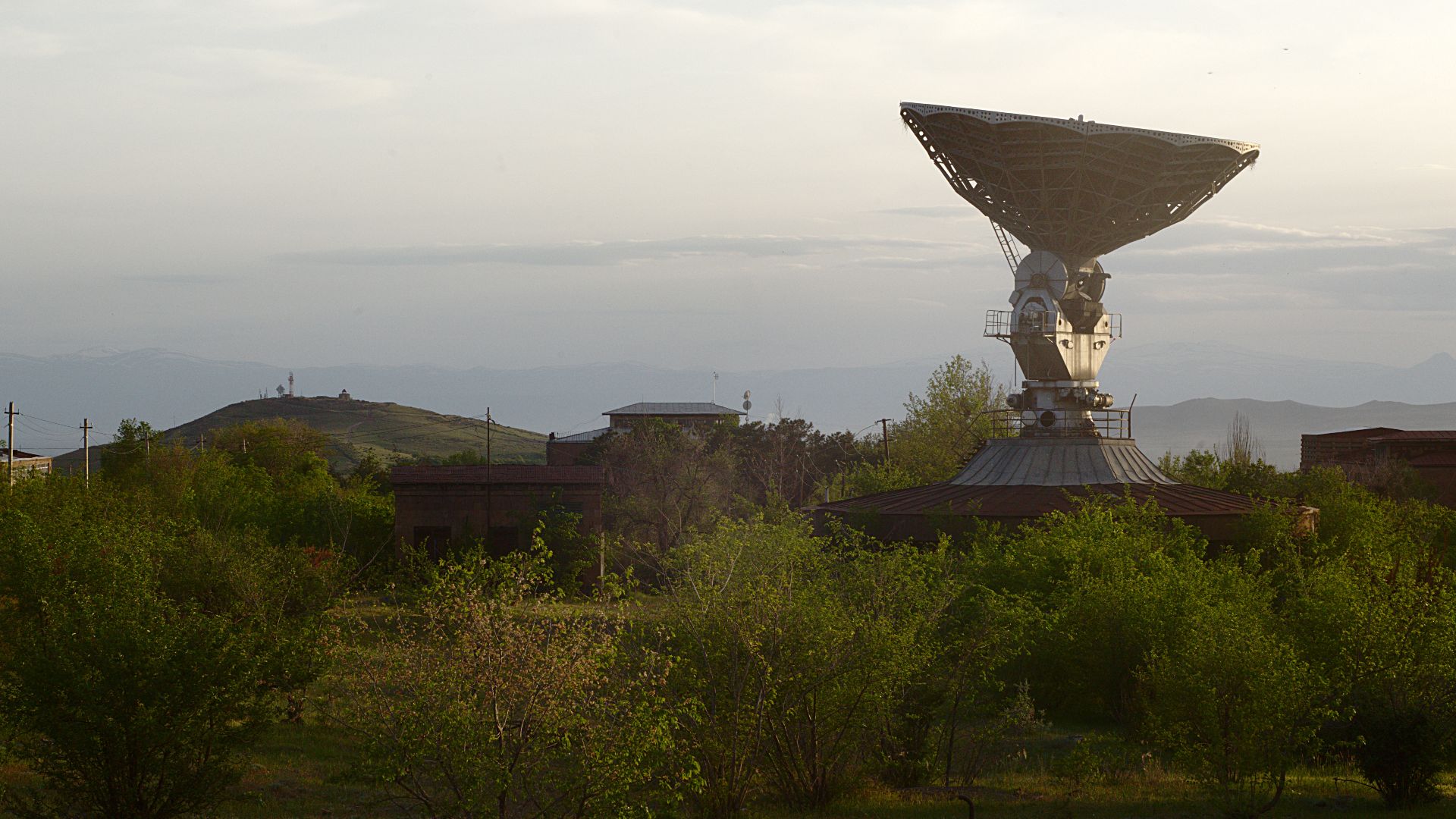
A 2025 study asked how far away astronomers using technology comparable to ours could detect modern Earth. The answer varied enormously depending on the technosignature. Powerful planetary radar was detectable vastly farther away than ordinary communications. Many familiar traces of human technology become astonishingly difficult to spot across interstellar distances.
 NASA Earth Observatory, Wikimedia Commons
We Have Barely Searched The Haystack
Perhaps the biggest misconception about SETI is that humanity has already listened carefully and heard nothing. Researchers who quantified the enormous “cosmic haystack” of possible frequencies, locations, signal strengths and timing concluded that only a minuscule fraction has been examined. Declaring the universe empty now would be like sampling a swimming pool and declaring Earth has no fish.

We Could Be Listening At The Wrong Time
Suppose an alien transmitter sends one signal toward Earth every 20 years. A telescope watches that star for six hours and hears nothing. Did the aliens disappear? Obviously not necessarily. SETI must contend with time as well as frequency and location, enormously increasing the amount of searching required.
 RubinObs/NOIRLab/SLAC/NSF/DOE/AURA/A. Alexov, Wikimedia Commons
Scientists Now Search For More Than Radio
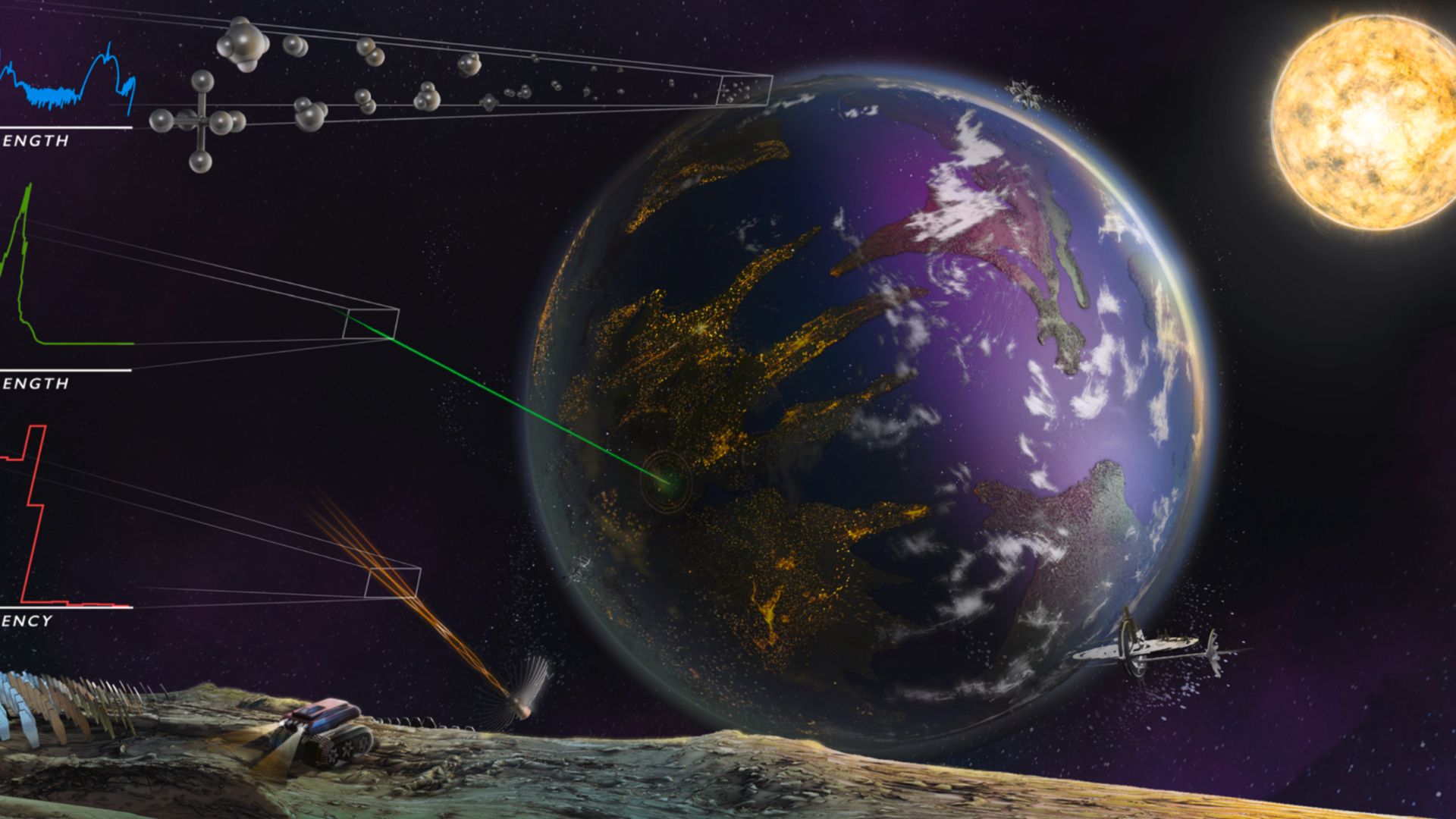
Modern researchers increasingly use the broader term “technosignatures.” These could include laser pulses, unusual atmospheric chemicals, artificial illumination, large structures or other physical evidence of technology. NASA has explicitly discussed technosignatures alongside the wider search for life, greatly expanding the possible ways astronomers might recognize a distant civilization.
Waste Heat Could Give Technology Away
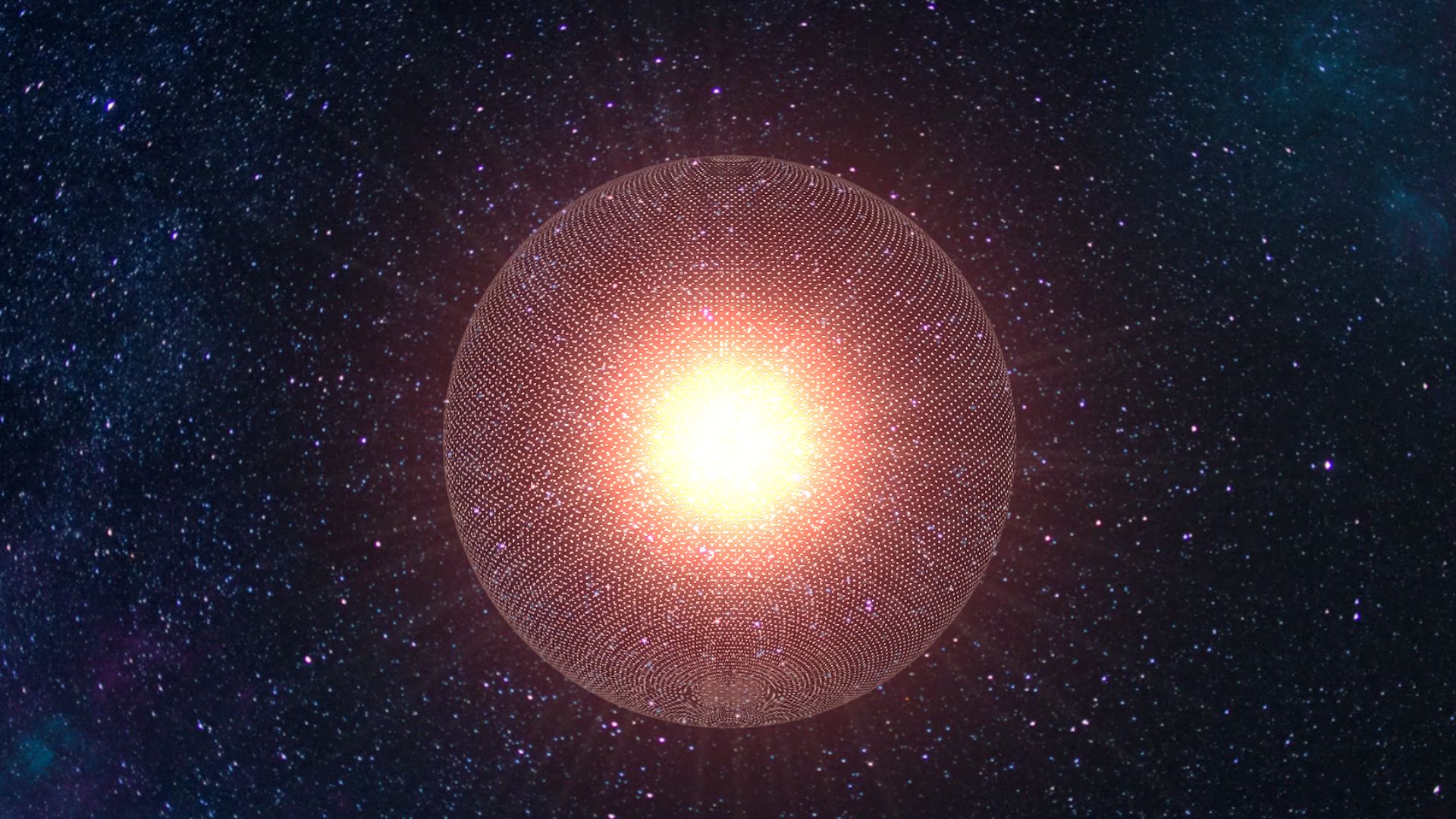
Any civilization using enormous amounts of energy should produce waste heat. That makes infrared astronomy an intriguing SETI tool. Hypothetical structures such as Dyson swarms, designed to capture a large fraction of a star’s energy, could potentially alter a system’s appearance. No confirmed alien megastructure has been found.
Alien Technology May Not Look Like Technology
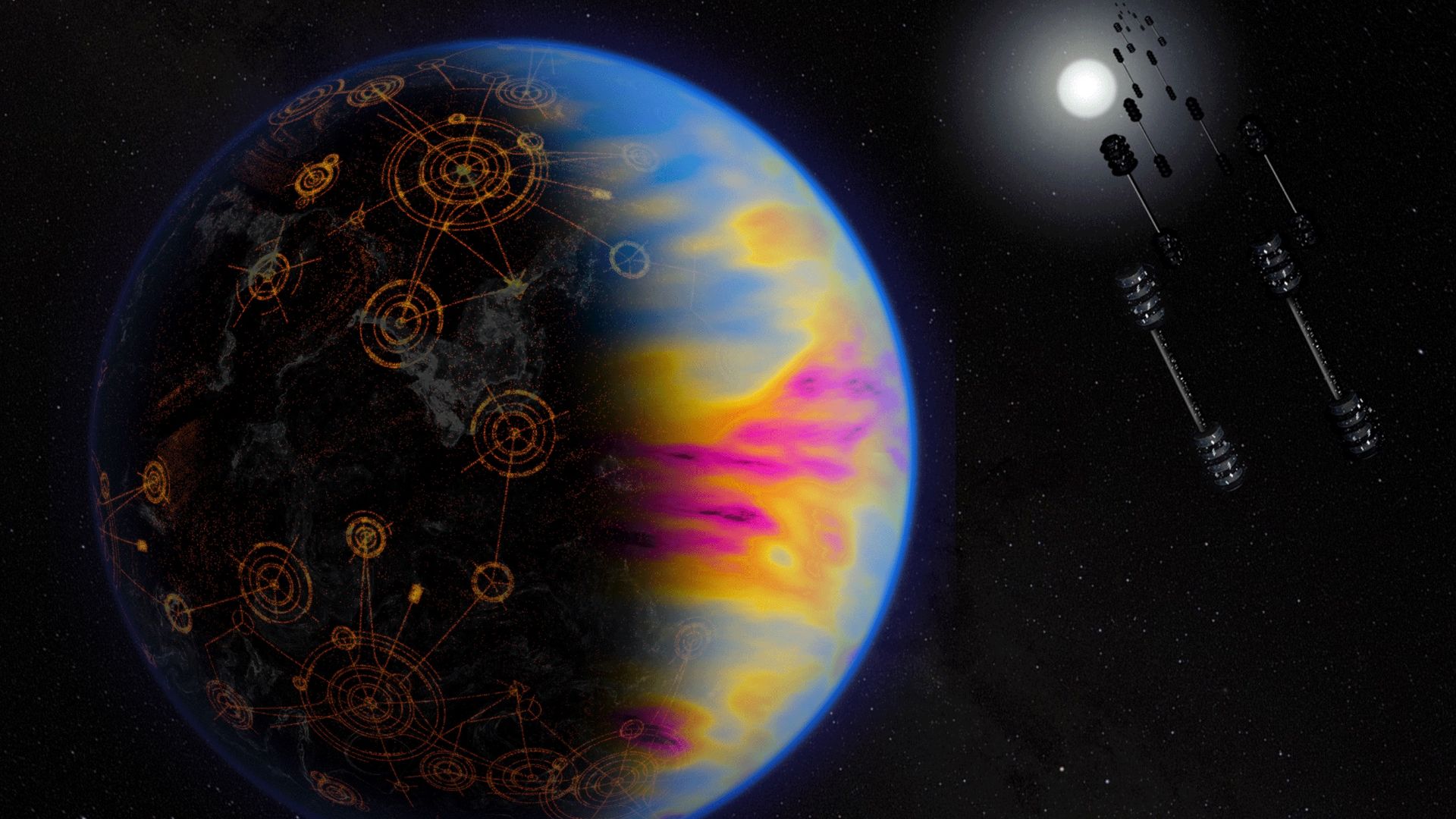
There is an awkward problem hiding underneath every SETI experiment: we design searches using human ideas about technology. An advanced civilization thousands or millions of years ahead of us might produce signals we mistake for natural phenomena, or almost nothing we can detect. Searching for aliens may ultimately mean learning to recognize something nobody has imagined.
 Andrew Howard, Wikimedia Commons
The Zoo Hypothesis Is Fun But Hard To Test
One famous proposal suggests advanced extraterrestrials know Earth exists but deliberately avoid interfering with us, rather like researchers observing wildlife. It neatly explains why nobody has landed on the White House lawn. It also requires assumptions about alien behavior that are extremely difficult to test scientifically, which keeps it firmly in the speculative category.

Some Civilizations Could Be Long Gone
Technological civilizations might leave evidence behind even after their creators disappear. That possibility is encouraging researchers to think about archaeological technosignatures as well as active broadcasts. Scientists have even proposed studying lunar material for unusual engineered particles that might survive for immense periods, although no such extraterrestrial material has been discovered.
 NASA/Jay Freidlander, Wikimedia Commons
The Search Is Getting Better
SETI is no longer a scientist sitting beside a radio receiver waiting for a suspicious beep. Modern searches process enormous datasets across many frequencies, while projects such as Breakthrough Listen and the SETI Institute examine vast numbers of targets. In 2026, researchers even searched interstellar object 3I/ATLAS for radio technosignatures and found none.

Quiet Does Not Mean Empty
The Fermi Paradox survives because virtually every answer remains possible. Intelligent life could be extraordinarily rare. Civilizations could be brief, distant, quiet or technologically incomprehensible. We may also have searched far too little to notice them. For now, the silence is not an answer. It is one of science’s biggest unanswered questions, waiting for more evidence.

You May Also Like:
Things Canadians Notice Immediately When They Drive Through The American Southwest
Top Five Restaurants In The World
The U.S. Cities That Canadians Say Are Better Tourist Destinations Than They Expected