
The Breakfast Promise That Feels Bigger Than It Is
You book a hotel because it says “free breakfast,” then head downstairs and find out that only toast, cereal, or plain coffee are included. Eggs, fruit, yogurt, or anything hot costs extra. You aren't wrong to feel misled, but whether they could actually get in trouble is a different matter.

Why This Matters To Travelers
Breakfast is not some tiny perk when you are trying to keep a trip affordable. For plenty of travelers, it can be the difference between a hotel that looks like a good deal and one that quietly costs more than expected. That is why the wording in a hotel listing matters.

What “Free Breakfast” Usually Implies
In normal travel language, “free breakfast” sounds like an actual meal, not just the cheapest thing on the counter. Most guests would expect at least a basic continental spread or a clearly described limited offering. The problem starts when a hotel uses broad wording but delivers something much smaller.
 MultiEditor03, Wikimedia Commons
Advertising Law Looks At The Overall Impression
In the United States, the Federal Trade Commission says advertising must be truthful, not misleading, and backed up when needed. The FTC does not only focus on technical wording. It also looks at the overall impression an ad gives a reasonable consumer.

That “Net Impression” Standard Matters
If a hotel blasts “free breakfast” in big type but only reveals major limits later, regulators may care less about the fine print and more about what most people would take away from the claim. The FTC’s deception standard asks whether a statement is likely to mislead reasonable consumers. That is why these breakfast disputes can feel so aggravating.

Fine Print Does Not Always Fix A Bad Claim
The FTC has long said disclosures need to be clear and easy to notice. A limitation buried in booking terms may not rescue a headline promise that creates the wrong impression. If the only truly free option is toast, that should be obvious before anyone books.

Hotels Need To Say What They Mean
If a property only includes a continental breakfast or gives a voucher for one basic item, the safest move is to say that plainly. Broad wording creates expectations the hotel may not meet. Clear labels make it easier for travelers to compare prices honestly.
What Counts As Misleading In Practice
A claim can be misleading even if part of it is technically true. If some breakfast item is free, a hotel might argue the ad is accurate. But if the average traveler expects more than toast and plain coffee, the bigger impression may still be deceptive.

There Is No Single Federal Menu Rule
No federal rule says exactly how many items a hotel must offer before it can say “free breakfast.” That is why context matters so much. The claim is judged by how a reasonable consumer would understand it, not by some strange nationwide toast loophole.

State Consumer Protection Laws Can Matter Too
Beyond the FTC, every state has its own consumer protection laws that ban deceptive or unfair practices. Those laws often let attorneys general or consumers challenge misleading marketing. So the answer can also depend on where the hotel is located and where the booking happened.

Online Travel Sites Add Another Layer
Sometimes the hotel is not the only one describing the breakfast. Online travel agencies and booking platforms often boil amenities down to a few words, which can flatten important details. If the platform says “breakfast included” but the hotel means “toast only,” confusion is almost built in.

Terms Like “Continental” Are Not Always Clear
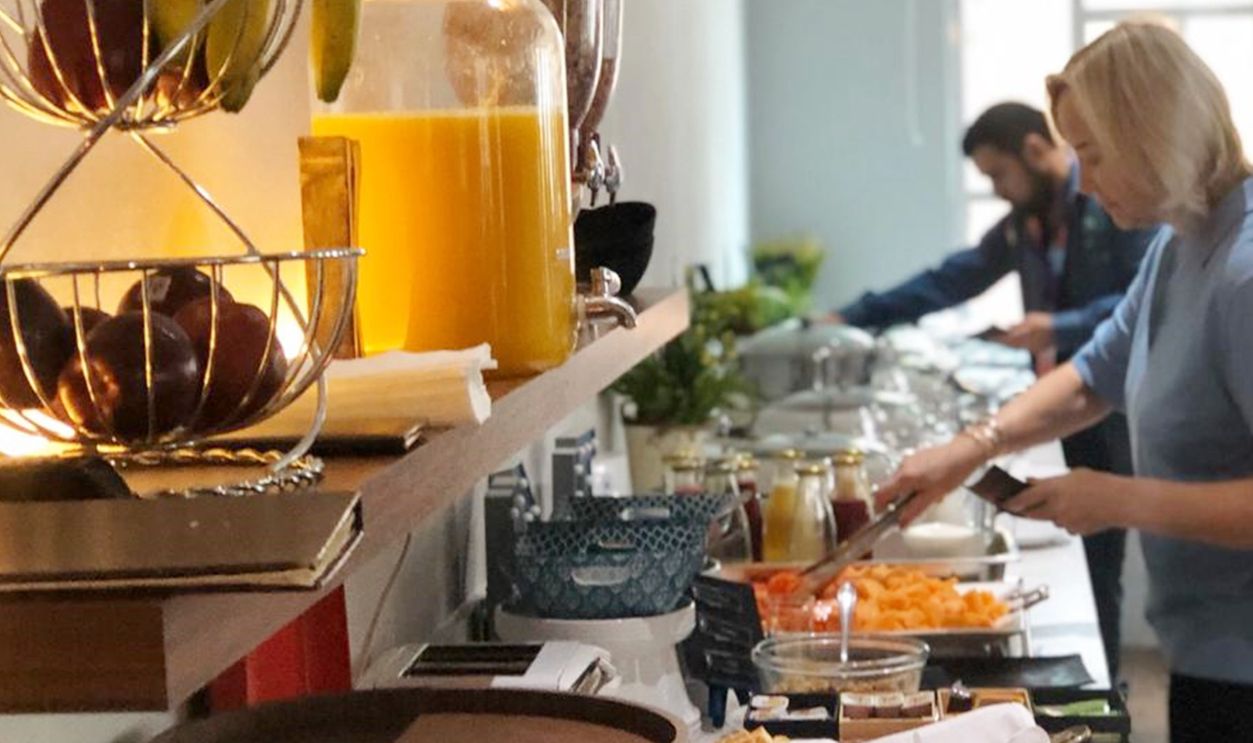
Even “continental breakfast” can be fuzzy because travelers picture different things. Some expect pastries, fruit, cereal, coffee, and juice. Others assume there will be at least a few hot items, especially at higher room rates or full-service properties.
Brand Standards Can Shape Expectations
Major hotel brands often use more specific terms when breakfast is limited. Some say “grab-and-go breakfast,” “light breakfast,” or “breakfast credit.” Those labels help because they tell guests not to expect a full buffet.
Amenities Can Influence Booking Decisions
The FTC pays close attention to claims that affect a consumer’s decision to buy. A free breakfast claim can absolutely do that, especially for families and business travelers. When an amenity helps close the sale, vague wording gets riskier.

European Rules Also Focus On Missing Key Details
In Europe, the Unfair Commercial Practices Directive bans misleading actions and misleading omissions in business-to-consumer marketing. Leaving out key limits that an average consumer needs before making a decision can be a problem. So this is not just an American issue.

The U.K. Takes A Similar View
In the United Kingdom, the Competition and Markets Authority has repeatedly said online booking information must be accurate, clear, and not misleading. Important details should be shown upfront. If breakfast is sharply limited, that is the kind of information many consumers would want before paying.

When A Hotel Might Defend The Claim
A hotel could argue that breakfast was in fact free because at least one breakfast item was included. It might also point to terms on the booking page or in a confirmation email. But those defenses get weaker when the key limit shows up late or is hard to spot.

When The Claim Starts Looking Worse
The warning signs are pretty clear. The listing uses broad language, the limits are buried, and the included items are so minimal that most guests would not see them as a meaningful breakfast. That is when misleading-advertising arguments get much stronger.
Photos Can Make The Problem Bigger
If a hotel promotes “free breakfast” next to photos of eggs, waffles, fruit, or a buffet spread, those images matter. Regulators and courts often treat pictures as part of the overall message. A toast-only reality next to a buffet photo is especially hard to defend.

Reviews Often Reveal The Truth Fast
Before booking, check recent guest reviews for phrases like “breakfast was just toast” or “everything else cost extra.” Travelers tend to flag these letdowns quickly and in plain language. Reviews are not a legal ruling, but they can show a pattern.

What To Screenshot Before You Book
Take screenshots of the room page, the amenity description, and any breakfast photos or labels. Save the confirmation email too. If the hotel later says the limitation was disclosed, you will want a clean record of what you actually saw.

Ask One Specific Question
Message the property and ask, “Which breakfast items are included at no extra charge?” That works better than simply asking whether breakfast is included, because it forces a real answer. A short written reply can prevent a surprise and help if you later dispute the charge.

If You Are Already At The Hotel
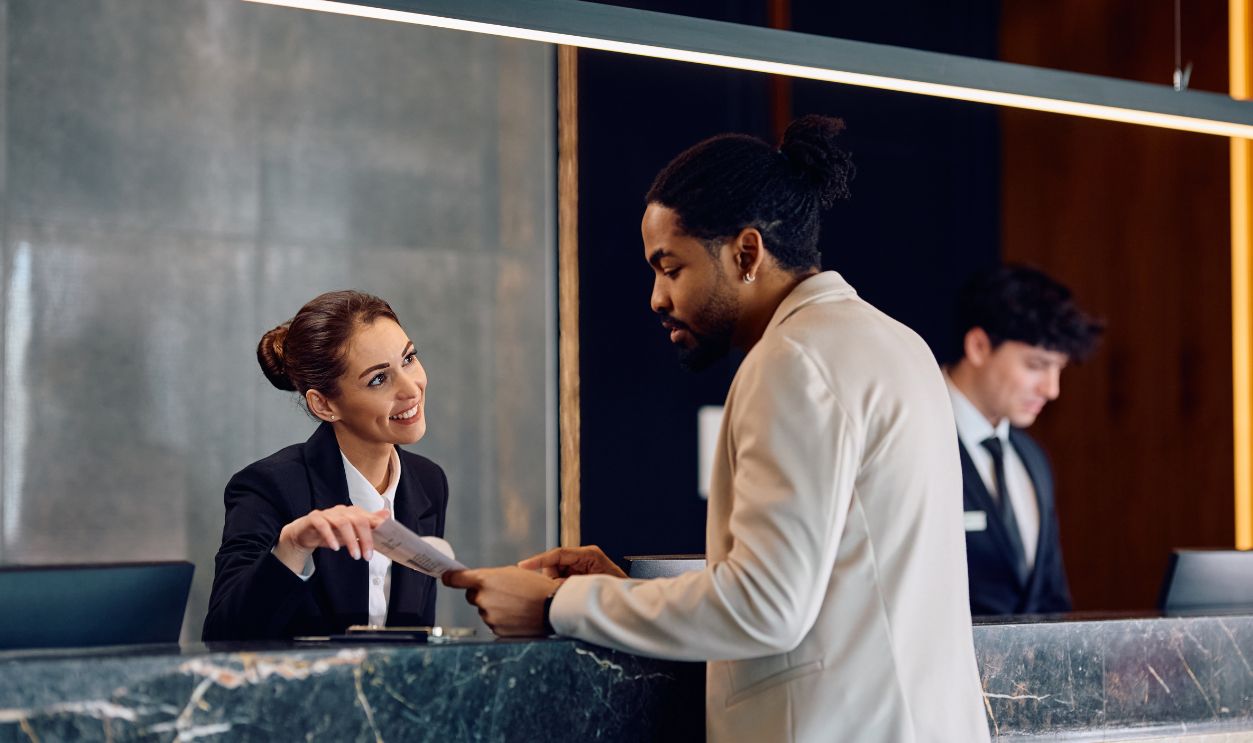
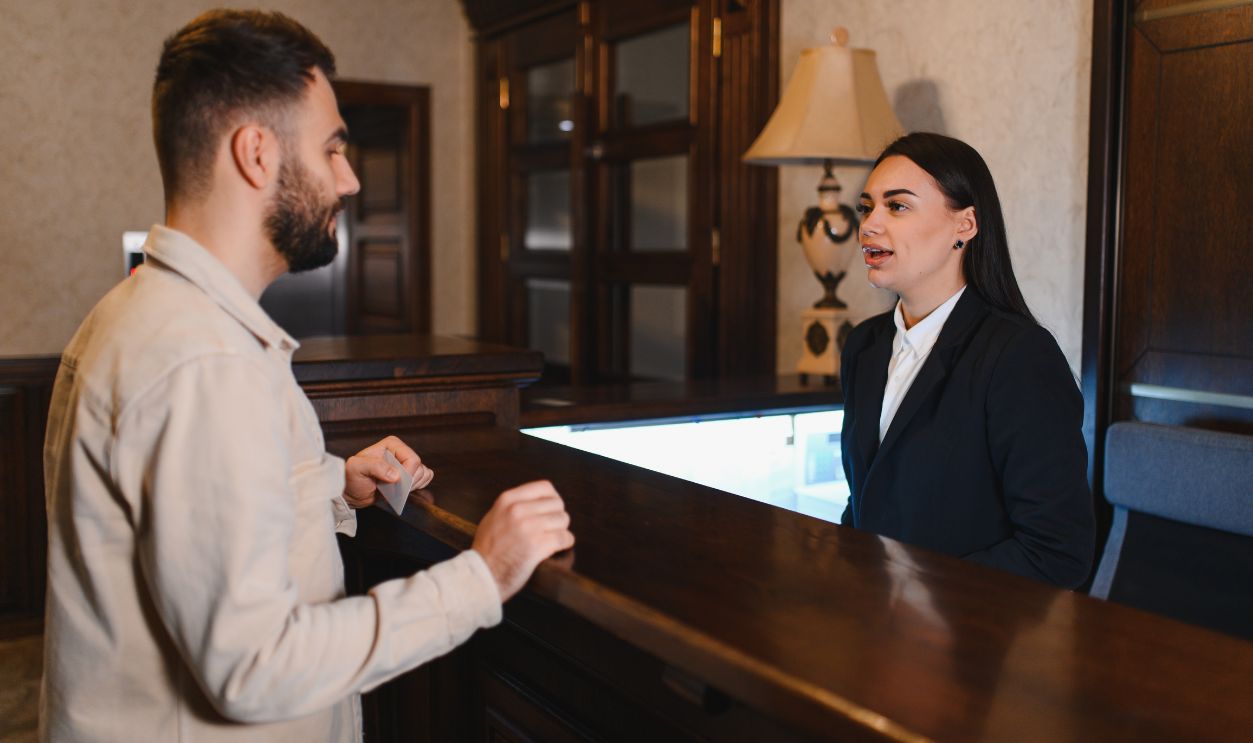
Go to the front desk calmly and ask them to explain the breakfast policy shown in your booking. If the listing only said “free breakfast,” point that out and ask whether the extra charge can be waived or whether you can get a credit. Hotels will not always say yes, but clear and polite pushback usually works better than a fight.
 Hryshchyshen Serhii, Shutterstock
How To Escalate The Issue
If the hotel refuses to help, contact the booking platform if you used one. Many platforms have ways to handle complaints about misdescribed amenities. You can also dispute the charge with your card issuer if you paid extra for items you reasonably believed were included, though results vary and paperwork matters.

Where To File A Complaint
In the United States, you can report deceptive marketing to the FTC and to your state attorney general’s office. If the problem involved a booking platform, you can also complain through that site’s customer service system. One complaint may not change your trip, but repeated complaints can push companies to clean up misleading listings.

The Practical Answer
So, is it misleading? Potentially yes, especially if “free breakfast” creates the impression of a standard included meal and the hotel only offers toast unless you pay more. The strongest cases involve broad promises, hidden limits, and an amenity that clearly influenced the booking decision.

The Best Rule For Travelers
Treat vague breakfast promises the same way you would treat vague resort fees or parking claims. If the description is not specific, assume there may be a catch and check before you book. It takes two minutes and can save real money and a very annoying morning.

Why Clearer Wording Would Help Everyone
This is one of those travel problems that is surprisingly easy to fix. Hotels can simply say “toast and coffee included” or “continental breakfast only” and clear up the confusion right away. When the wording is honest, travelers can decide whether the room is still worth the price.