When Oceans Fight Back
There’s competitive sailing, and then there’s the kind of sailing that makes even seasoned mariners question their life choices. Some races cross entire oceans, others plunge competitors into the brutal waters of the Southern Ocean, and a few have earned reputations for storms, shipwrecks, rescues, and tragic loss of life. While modern technology has made offshore racing safer than it once was, these events remain among the most demanding sporting challenges on Earth. Here are some of the most dangerous sailing races ever attempted.
 Australian Paralympic Committee/Australian Sports Commission, Wikimedia Commons
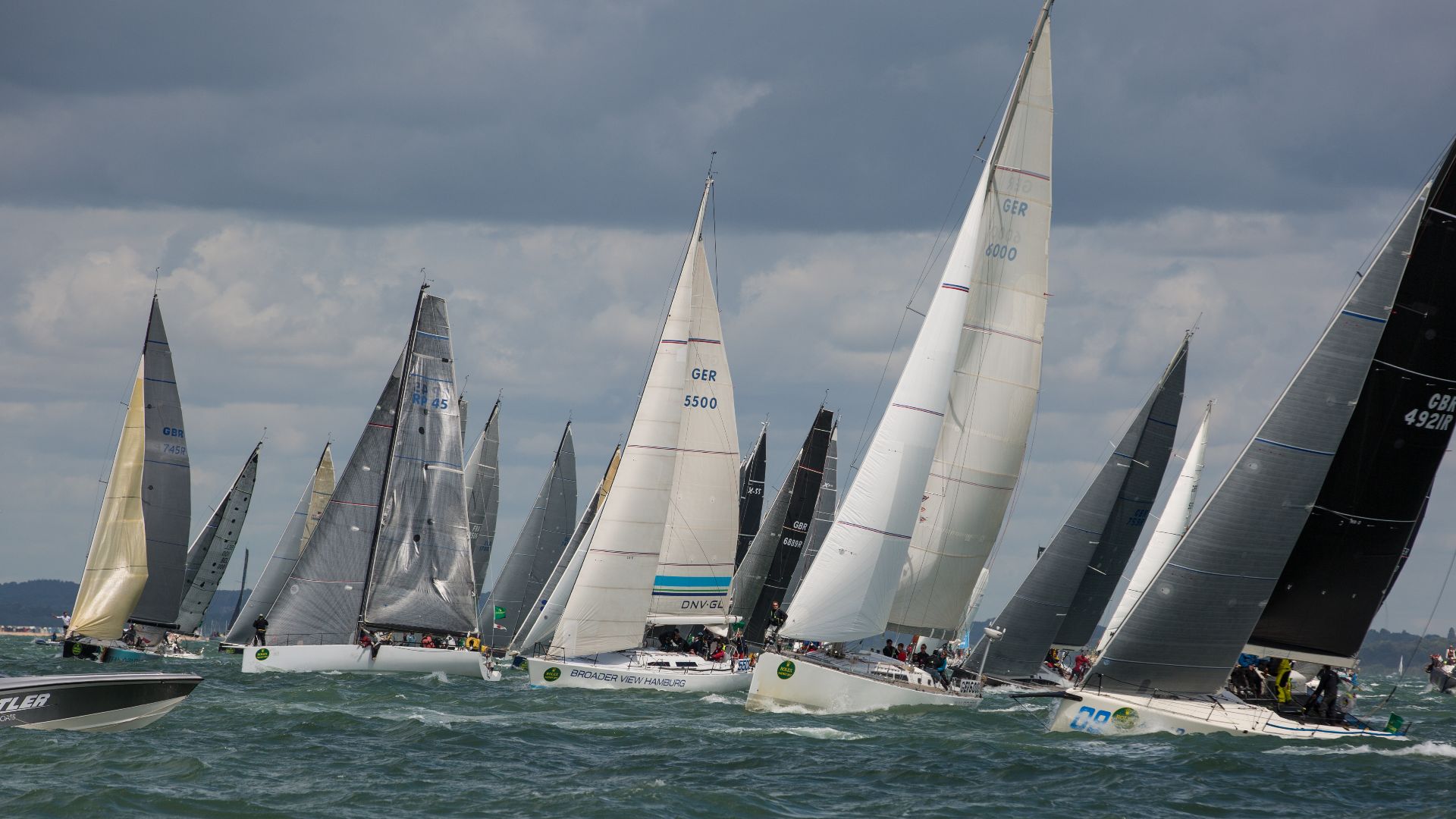
Fastnet Race
The Fastnet Race is legendary in offshore sailing, but its most infamous edition came in 1979 when a powerful storm struck the fleet. Fifteen sailors lost their lives, numerous boats were abandoned or sank, and the disaster led to major safety reforms that still influence ocean racing today. It remains one of the most sobering events in sailing history.
 Martin Hesketh from London, UK, Wikimedia Commons
Vendée Globe
Often called the “Everest of the Seas,” the Vendée Globe sends solo sailors around the world without stopping or receiving outside assistance. Competitors face massive Southern Ocean waves, extreme isolation, equipment failures, and weather systems far from any immediate rescue services. Several sailors have been lost during the race’s history.
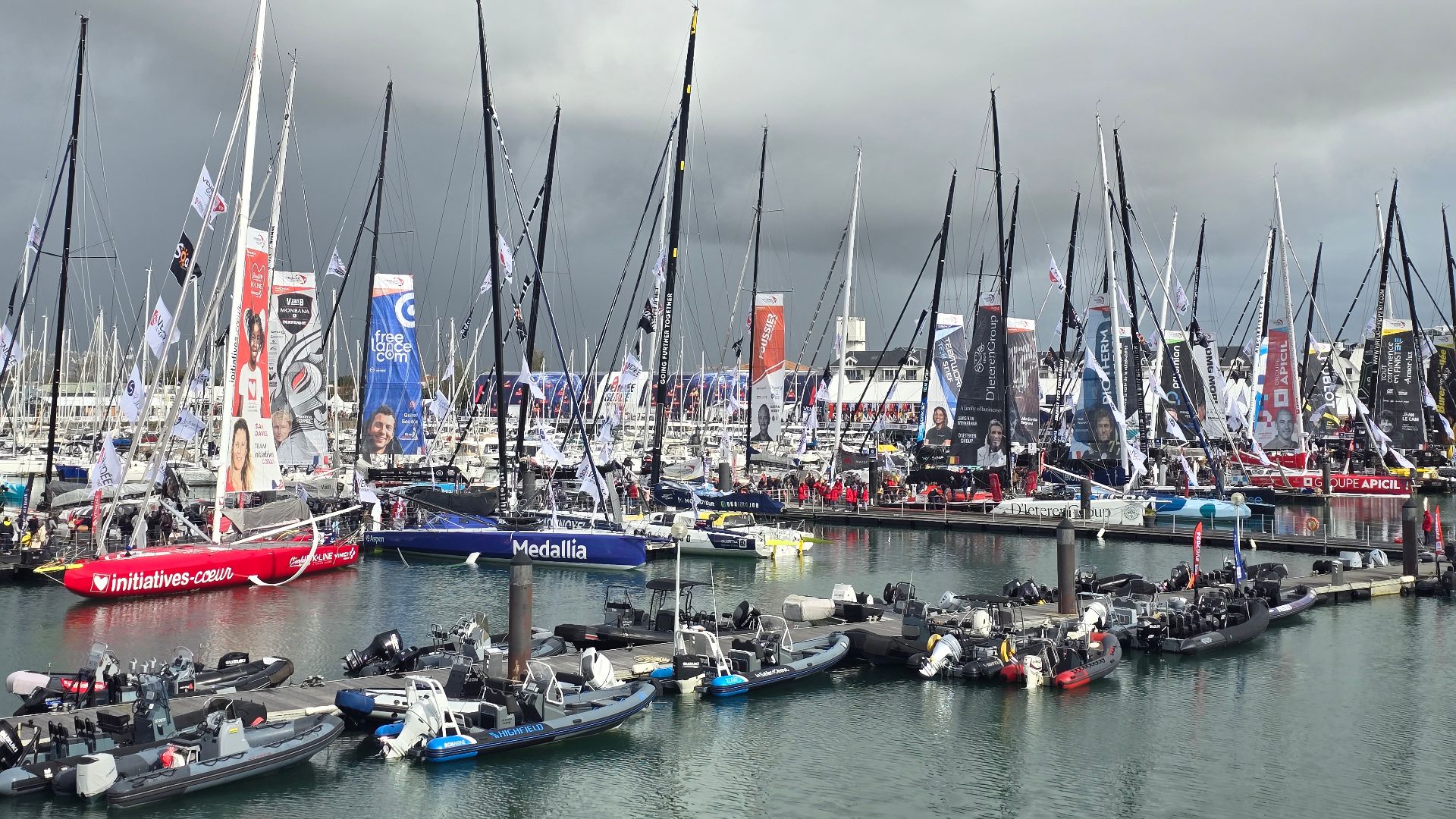 Like tears in rain, Wikimedia Commons
Golden Globe Race
The original Golden Globe Race in 1968 was the first solo nonstop around-the-world sailing competition. The race became famous for extreme hardship, psychological strain, and tragedy. Modern editions intentionally preserve many traditional navigation methods, adding another layer of difficulty to an already demanding challenge.
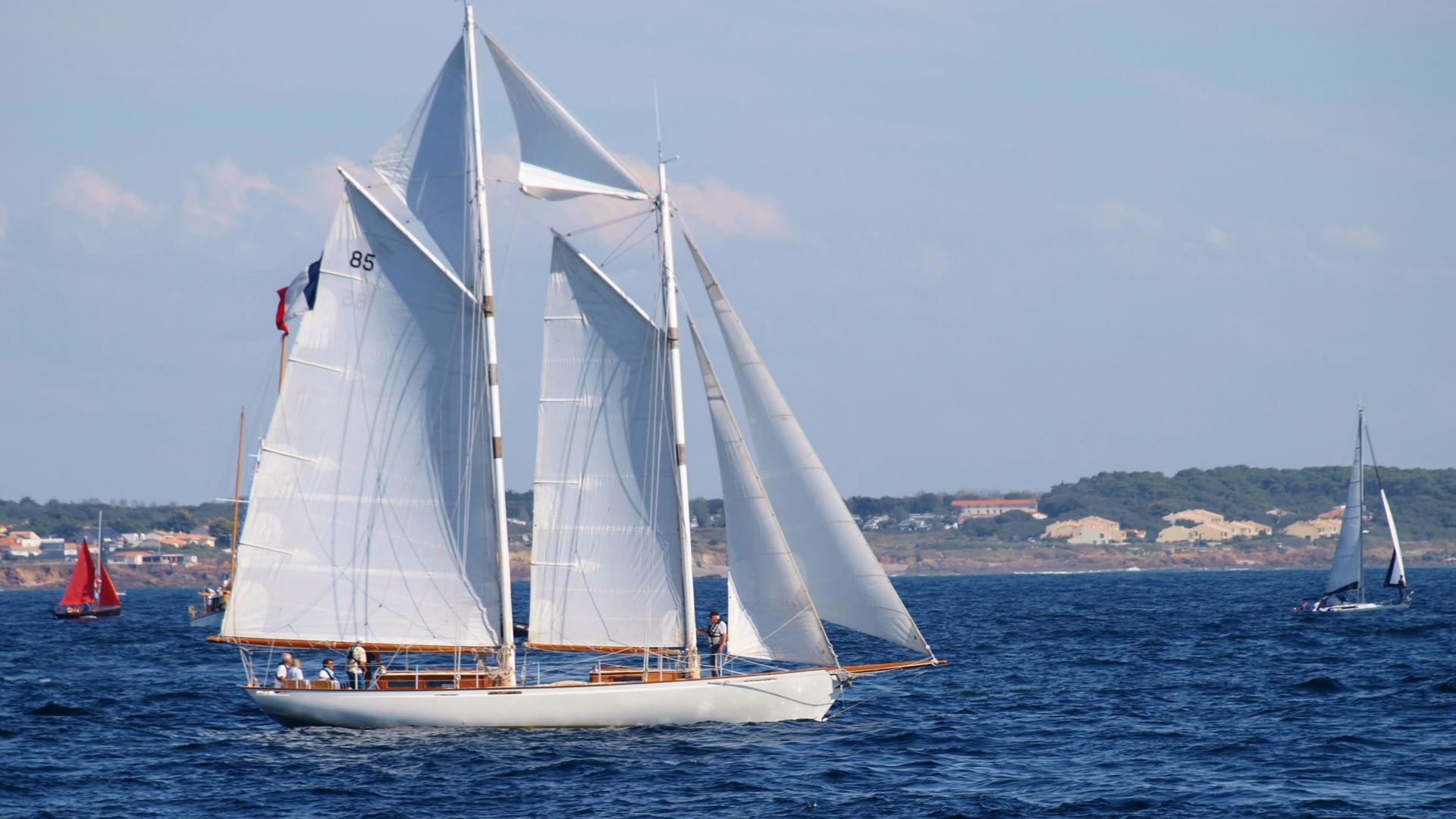 Mechtraveller, Wikimedia Commons
Sydney To Hobart Yacht Race
Australia’s Sydney to Hobart Yacht Race has long been considered one of the toughest ocean races in the world. The route crosses the notoriously rough Bass Strait, where weather can change rapidly. The 1998 race became a disaster when severe storms claimed six lives and forced a massive rescue operation.
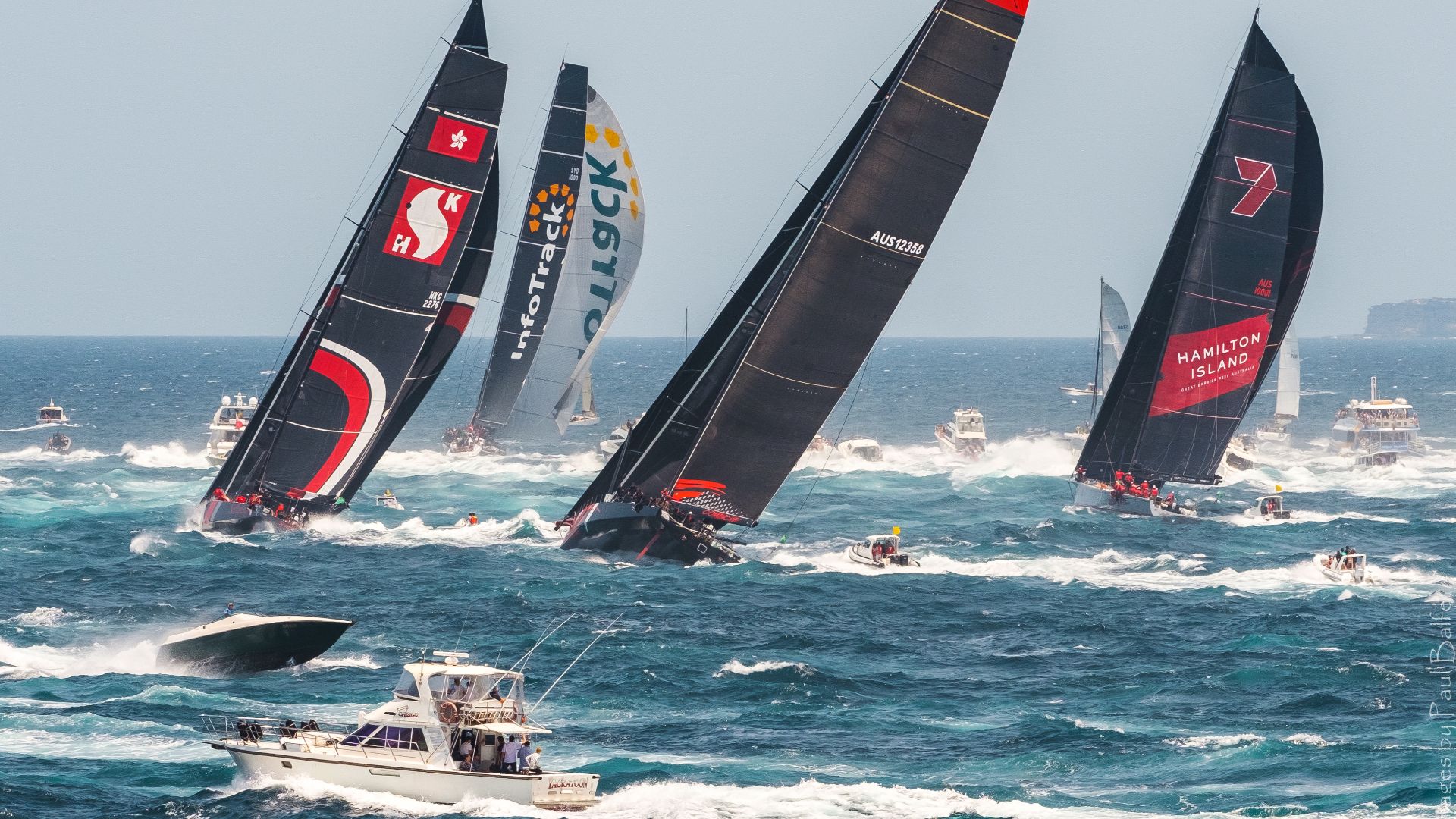
Whitbread Round The World Race
Before becoming The Ocean Race, the Whitbread Round the World Race gained a reputation for pushing crews through some of the harshest waters on the planet. Competitors regularly encountered towering waves, freezing temperatures, and weeks of relentless storms during global circumnavigations.
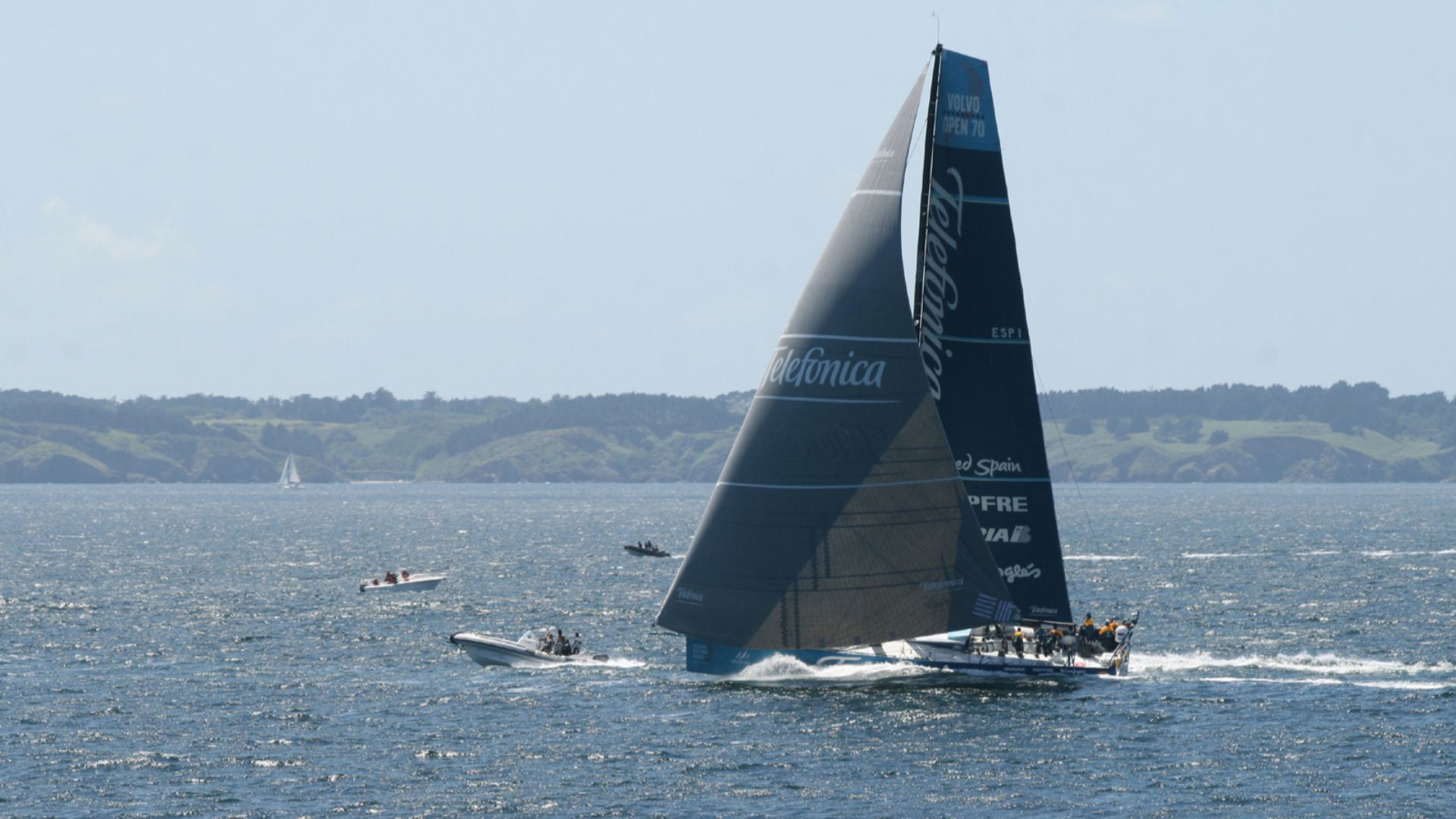
The Ocean Race
The modern successor to the Whitbread remains one of sailing’s ultimate endurance tests. Crews race around the globe through the Southern Ocean, where winds frequently exceed gale force. Equipment failures and dangerous conditions are common despite advances in yacht design and forecasting.
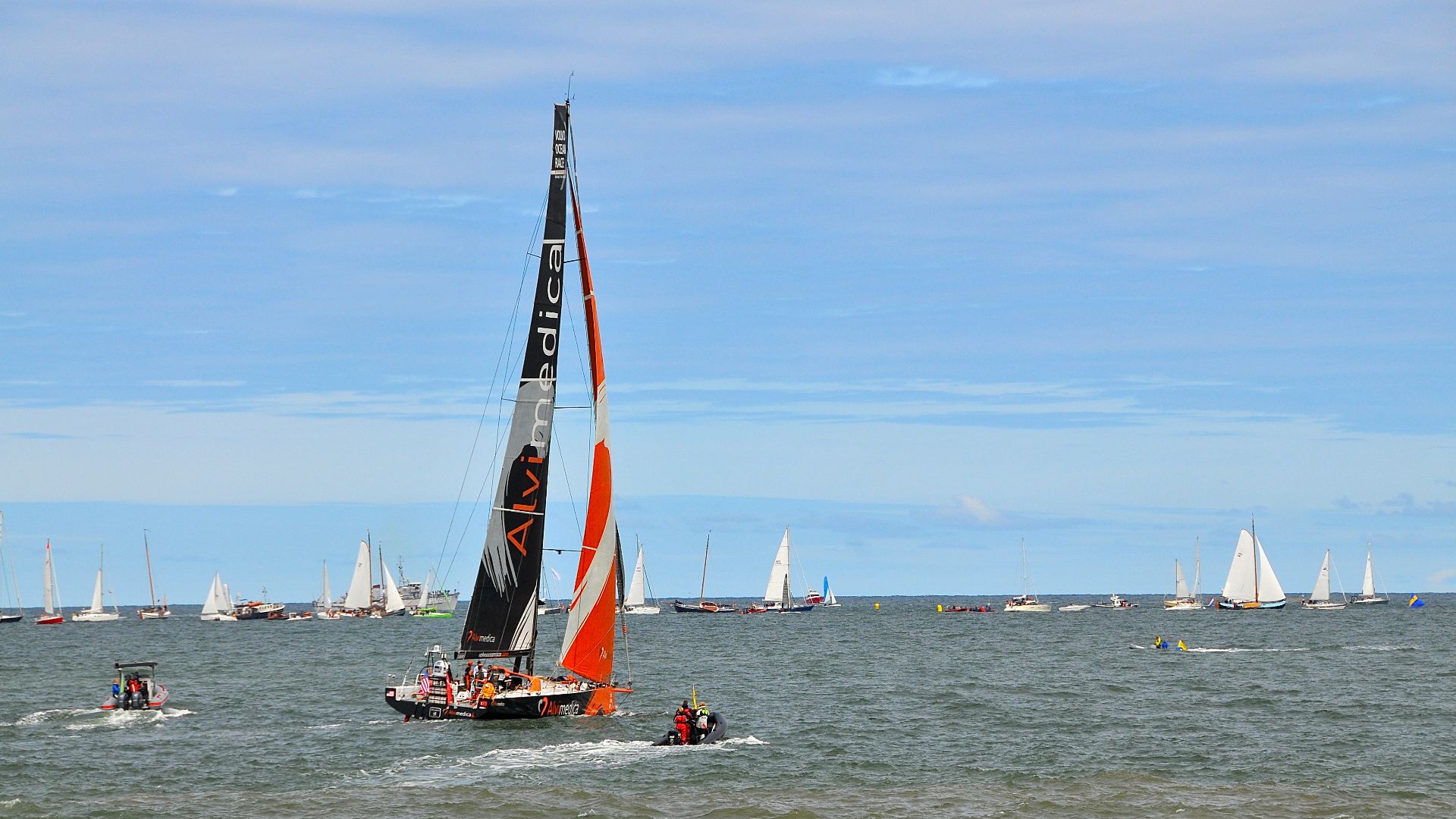 FaceMePLS from The Hague, The Netherlands, Wikimedia Commons
Route Du Rhum
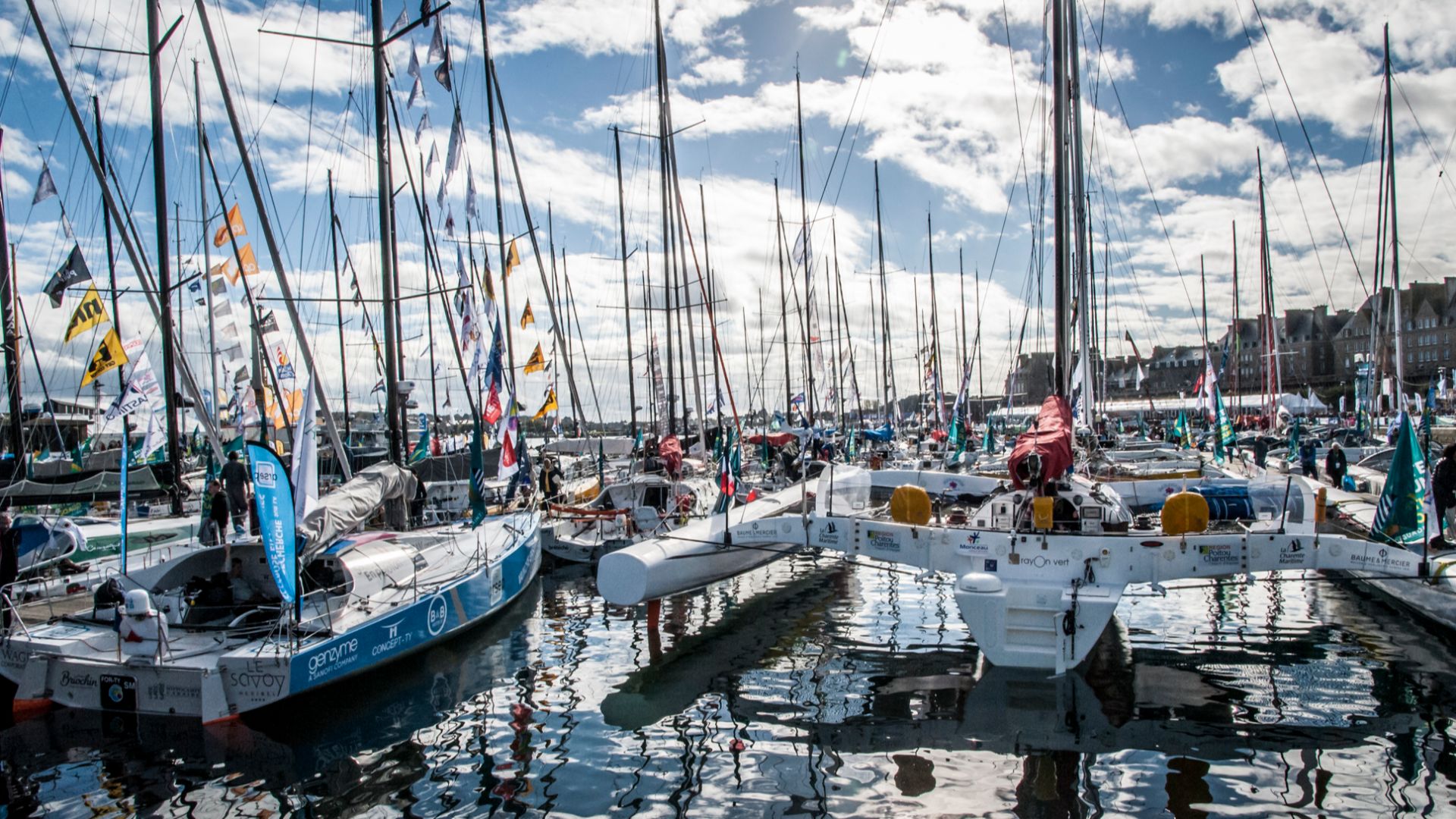
This solo transatlantic race from France to Guadeloupe attracts some of the fastest racing yachts ever built. Sailors cross the North Atlantic during a season when powerful storms can develop quickly. Numerous editions have seen dramatic capsizes, collisions, and emergency rescues.
Transat Jacques Vabre
Named after its sponsor, this double-handed transatlantic race sends crews from France across the Atlantic. Fast modern yachts can cover enormous distances daily, but they also face heavy seas, mechanical failures, and severe weather systems capable of ending campaigns in moments.
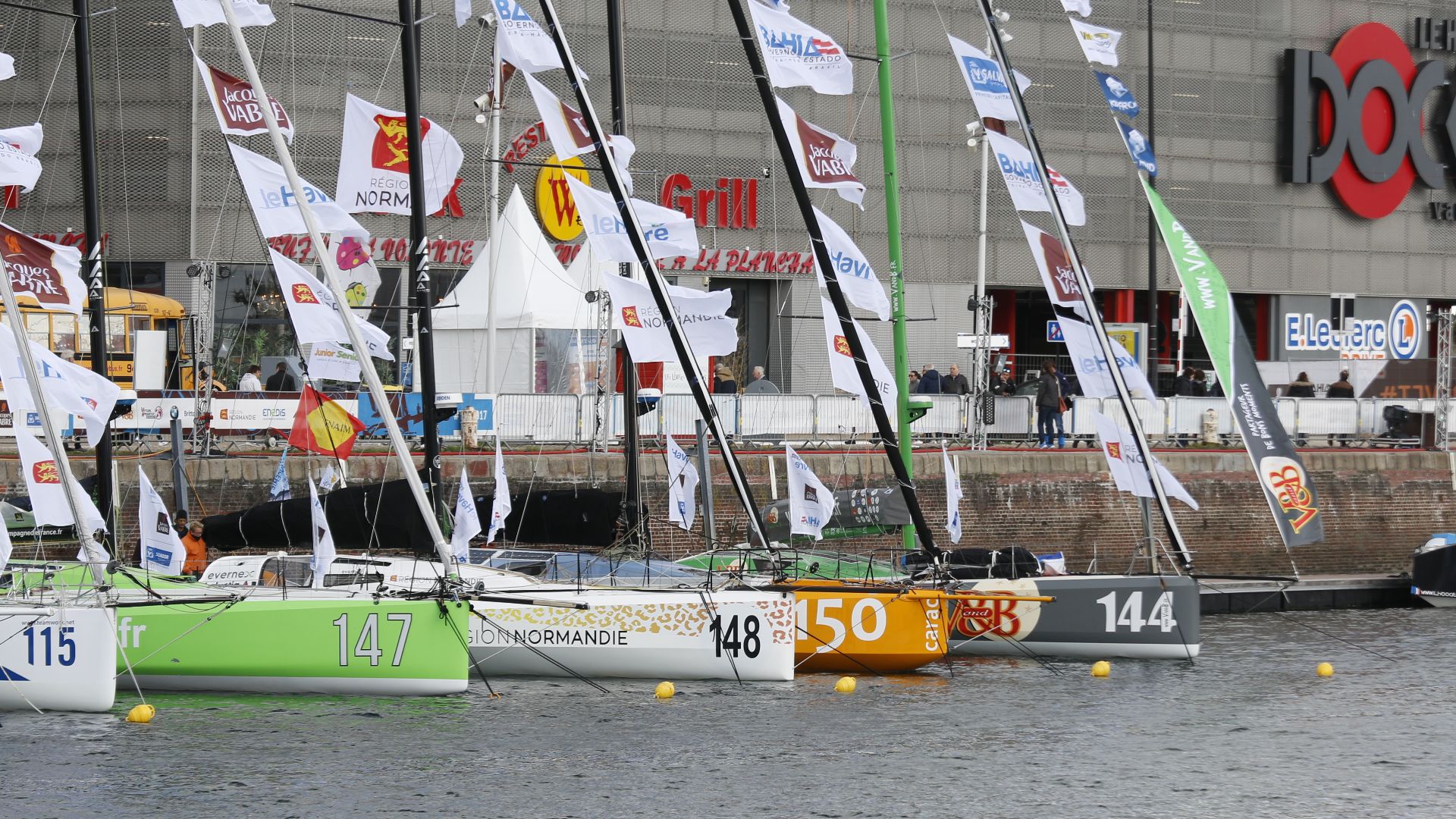 Soldatryan58, Wikimedia Commons
Mini Transat
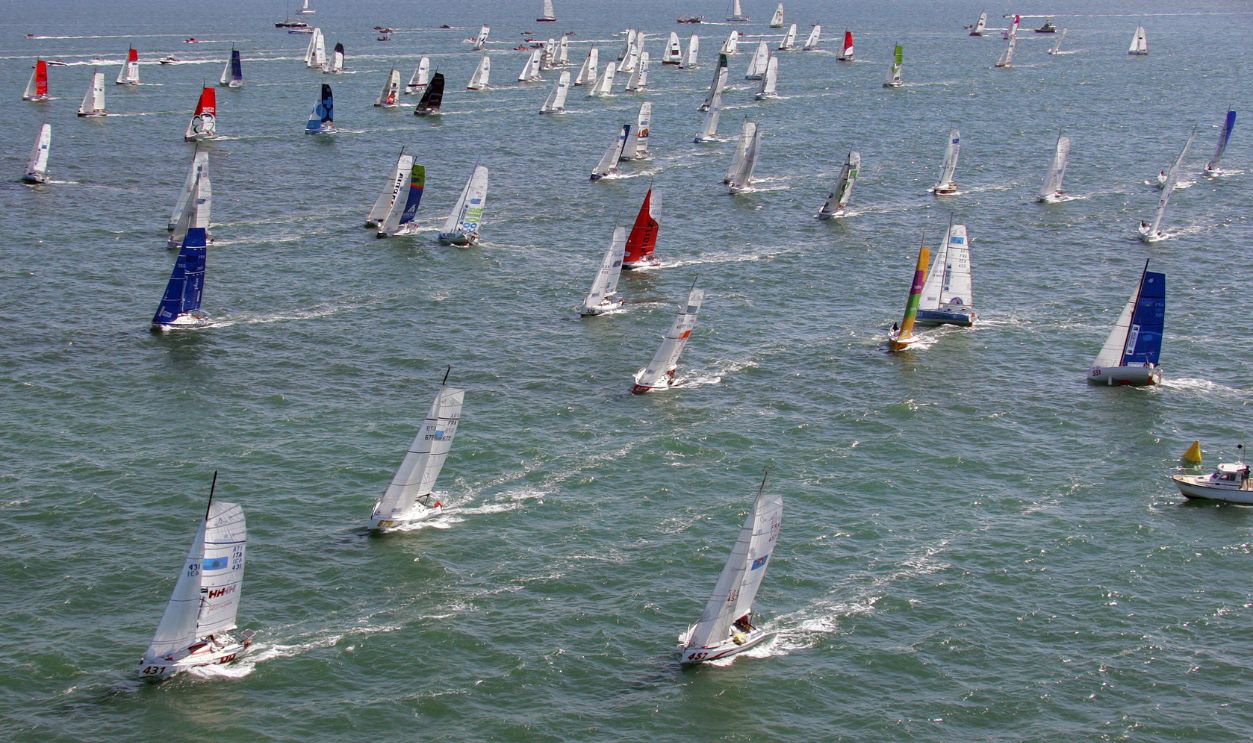
The Mini Transat may use tiny 6.5-meter boats, but that hardly makes it safer. Sailors cross the Atlantic alone in vessels smaller than many recreational sailboats. Limited space, isolation, and exposure to ocean conditions make the race particularly demanding.
Solitaire Du Figaro
The Solitaire du Figaro is widely regarded as one of the toughest training grounds in professional sailing. Competitors race alone through multiple offshore stages, often navigating difficult coastal waters and unpredictable weather while surviving on very little sleep.
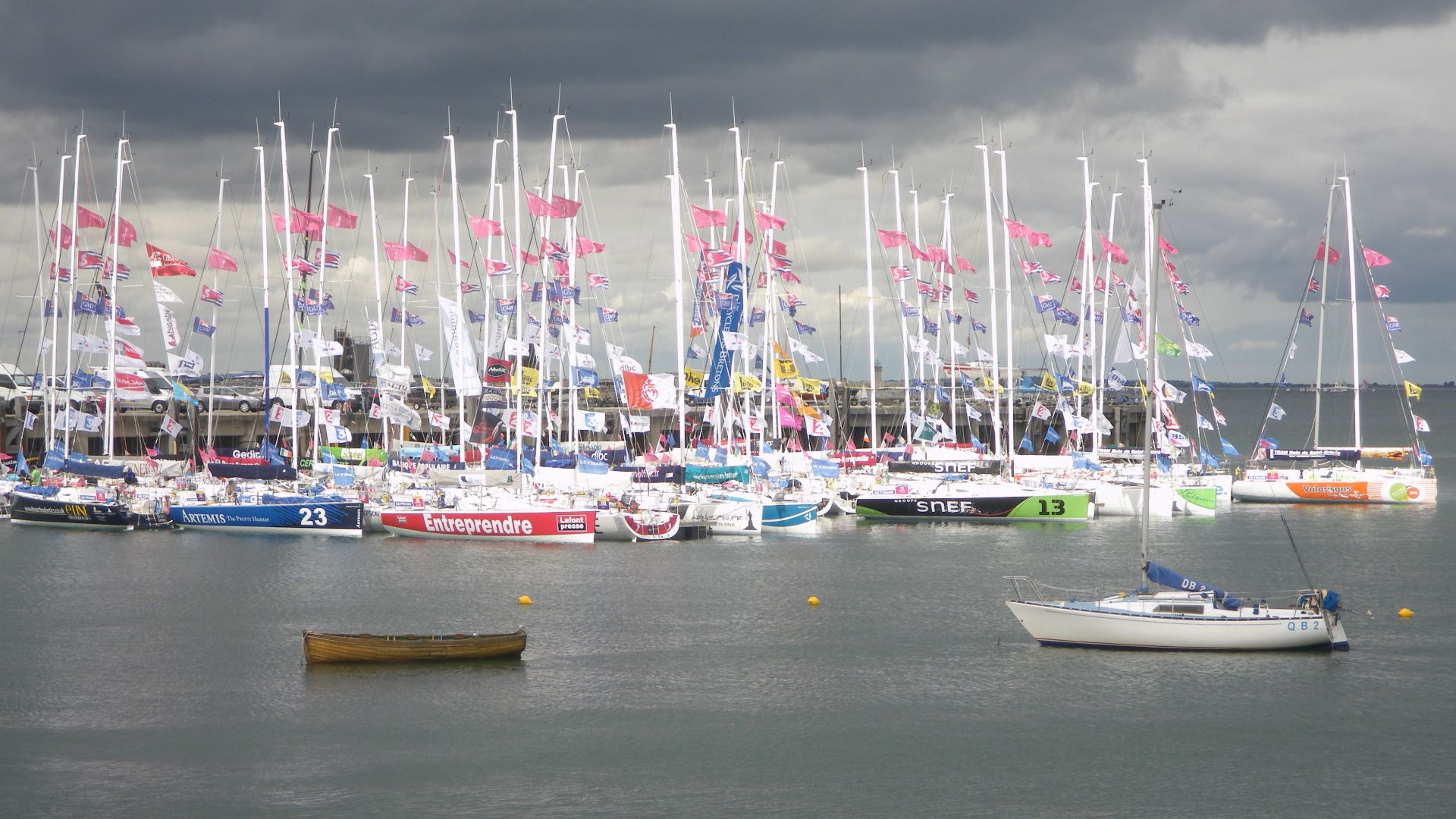
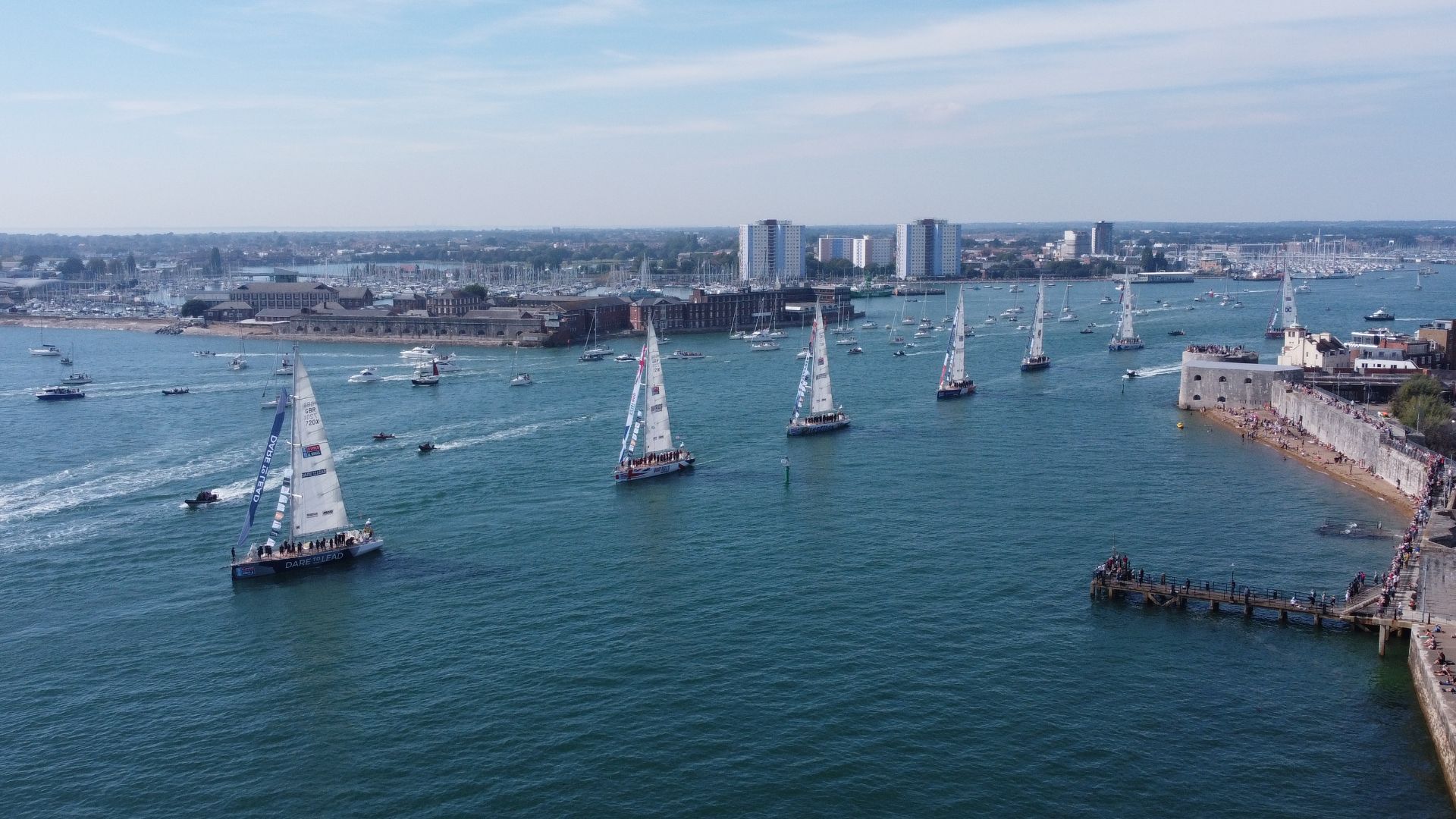
Clipper Round The World Yacht Race
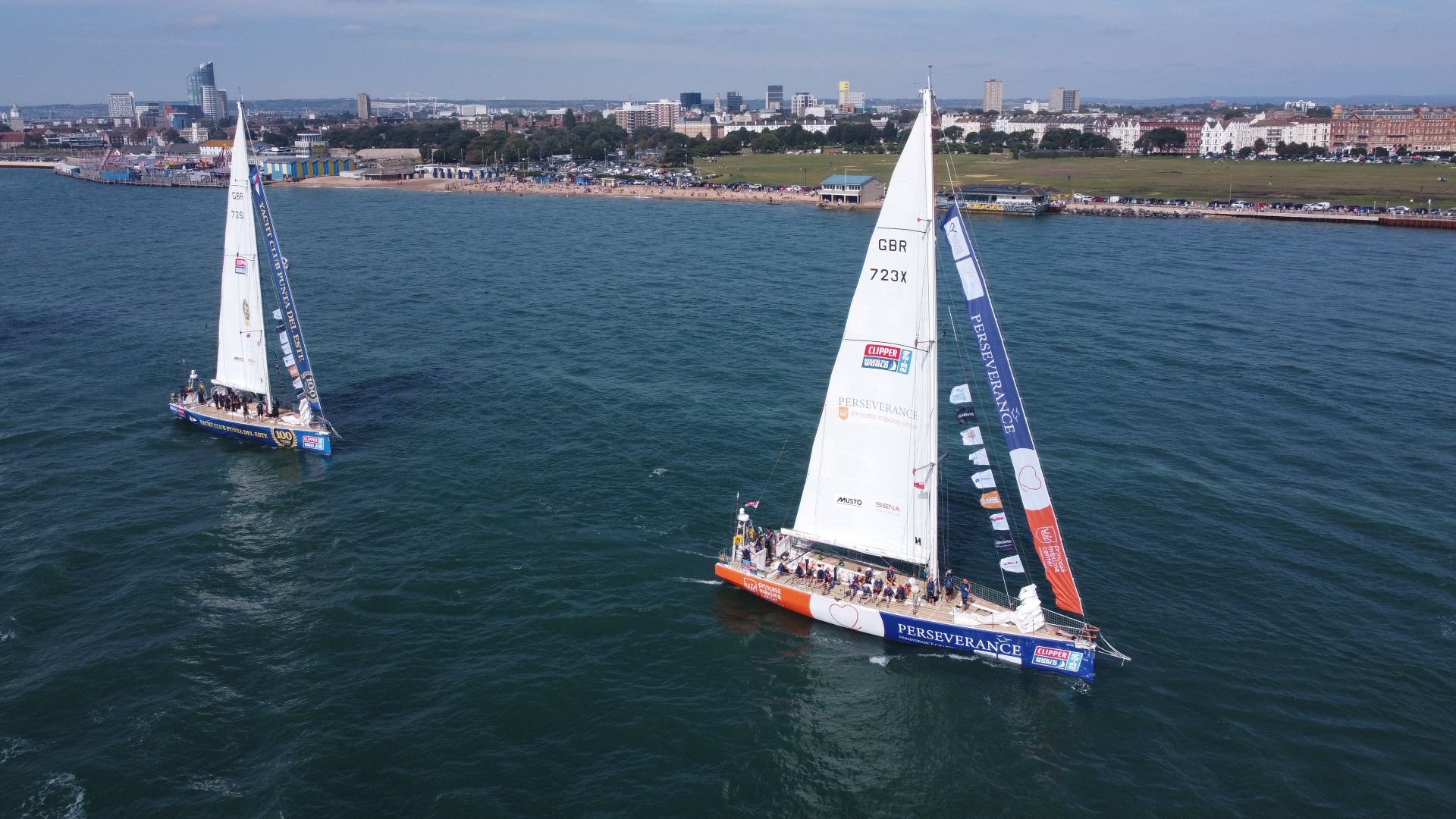
Unlike many professional races, the Clipper Race allows amateur sailors to participate after extensive training. Crews circle the globe through some of the world's roughest oceans. The race has experienced fatalities and serious incidents over the years, highlighting the risks involved.
 Tim Sheerman-Chase, Wikimedia Commons
Around Alone
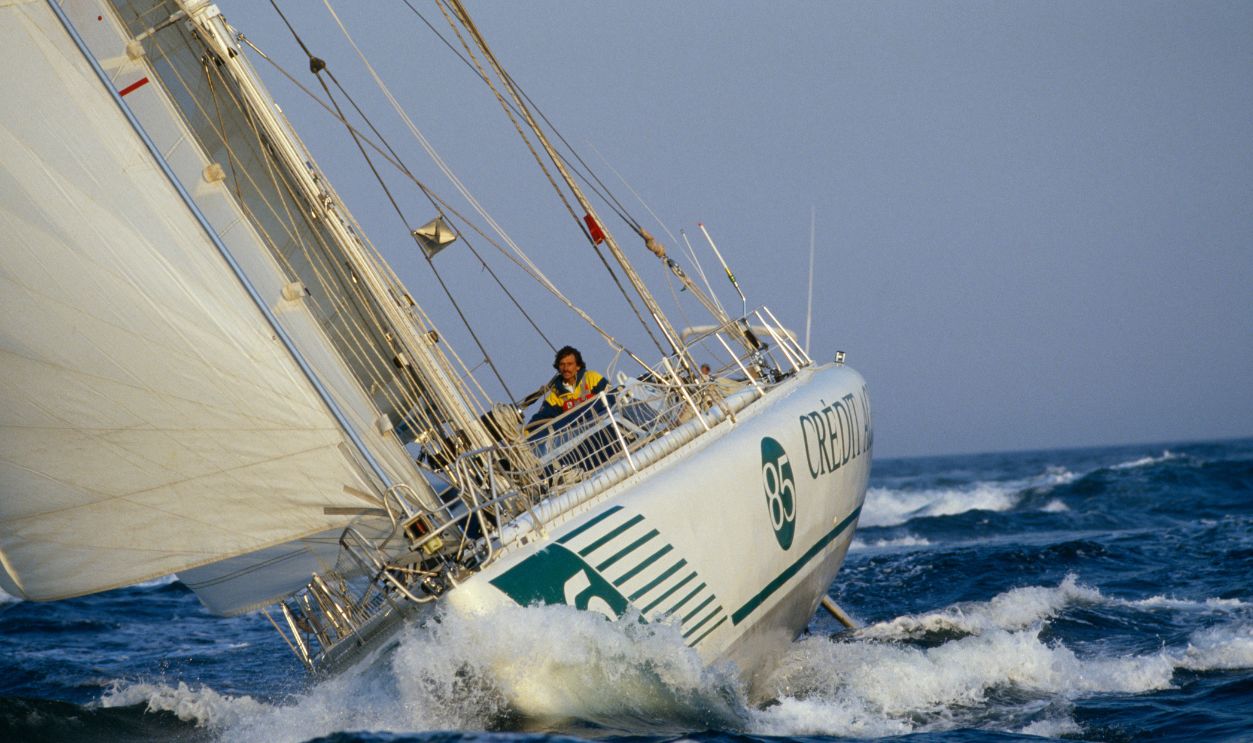
Previously known as the BOC Challenge, Around Alone sent solo sailors around the world with stopovers. Despite allowing breaks between legs, competitors still faced huge oceans, violent storms, and the mental challenges that come with extended isolation.
Jules Verne Trophy Attempts
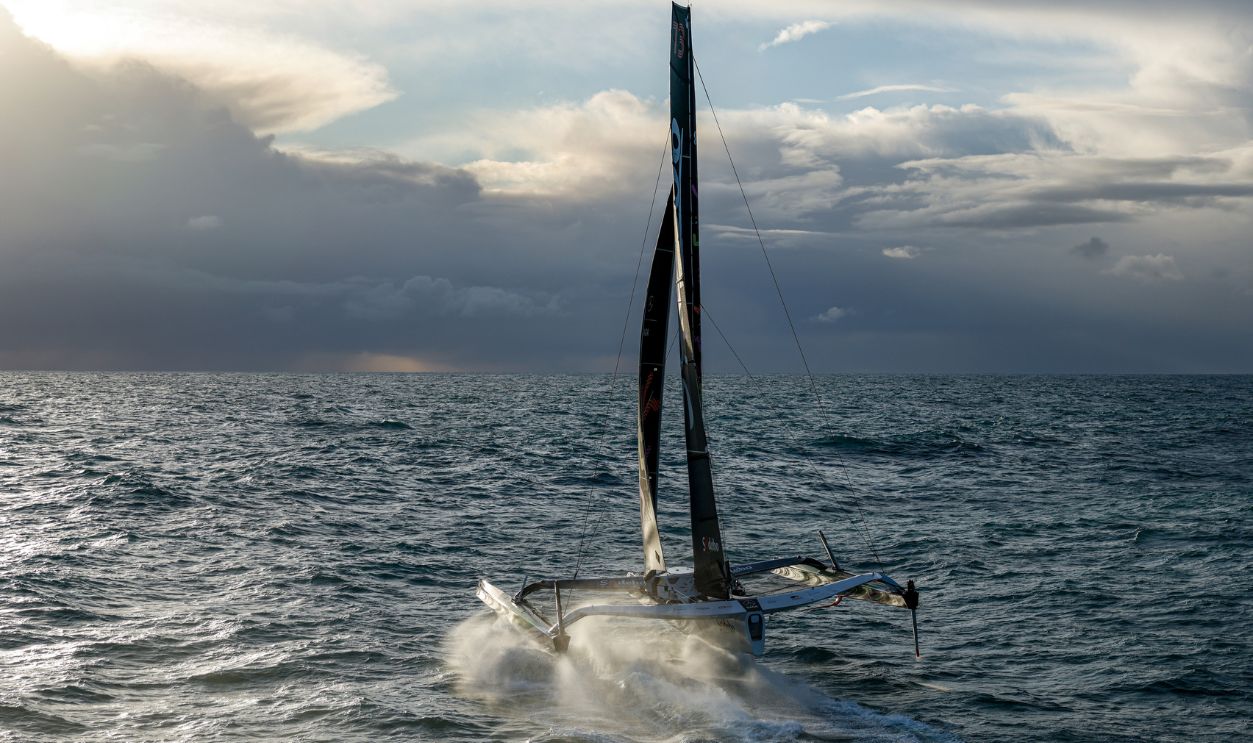
Technically a record challenge rather than a traditional race, Jules Verne Trophy attempts push crews to sail around the world as fast as possible. Boats travel at extraordinary speeds through dangerous waters, often taking risks to shave precious hours off their times.
OSTAR
The Original Single-Handed Trans-Atlantic Race helped define modern solo ocean racing. Competitors face the notoriously unpredictable North Atlantic alone, navigating storms, fog, shipping traffic, and equipment problems without assistance.
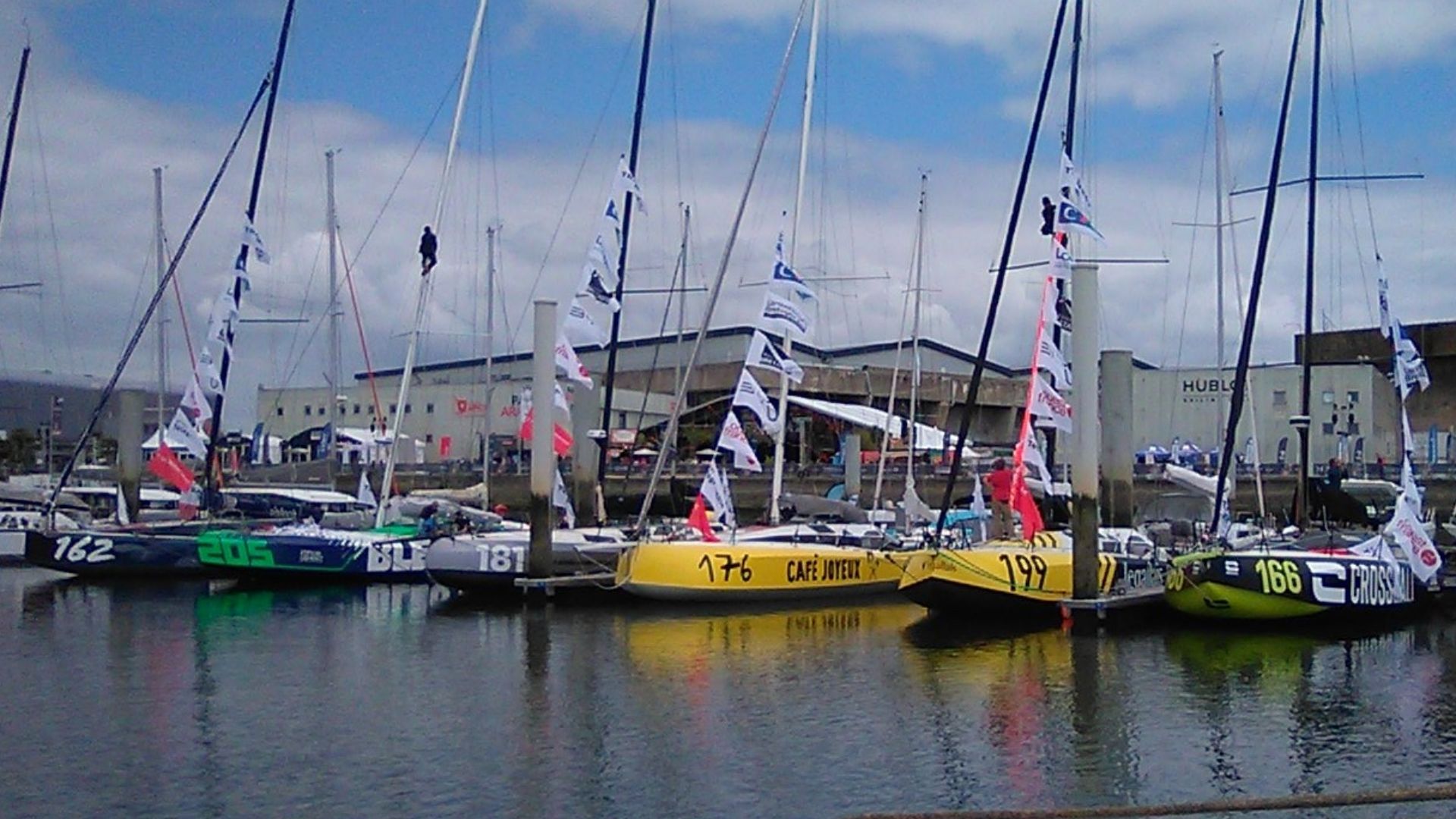
Barcelona World Race
This double-handed nonstop circumnavigation challenges crews to sail around the globe without stopping. Teams encounter many of the same Southern Ocean hazards seen in the Vendée Globe, including extreme weather, freezing conditions, and vast distances from help.
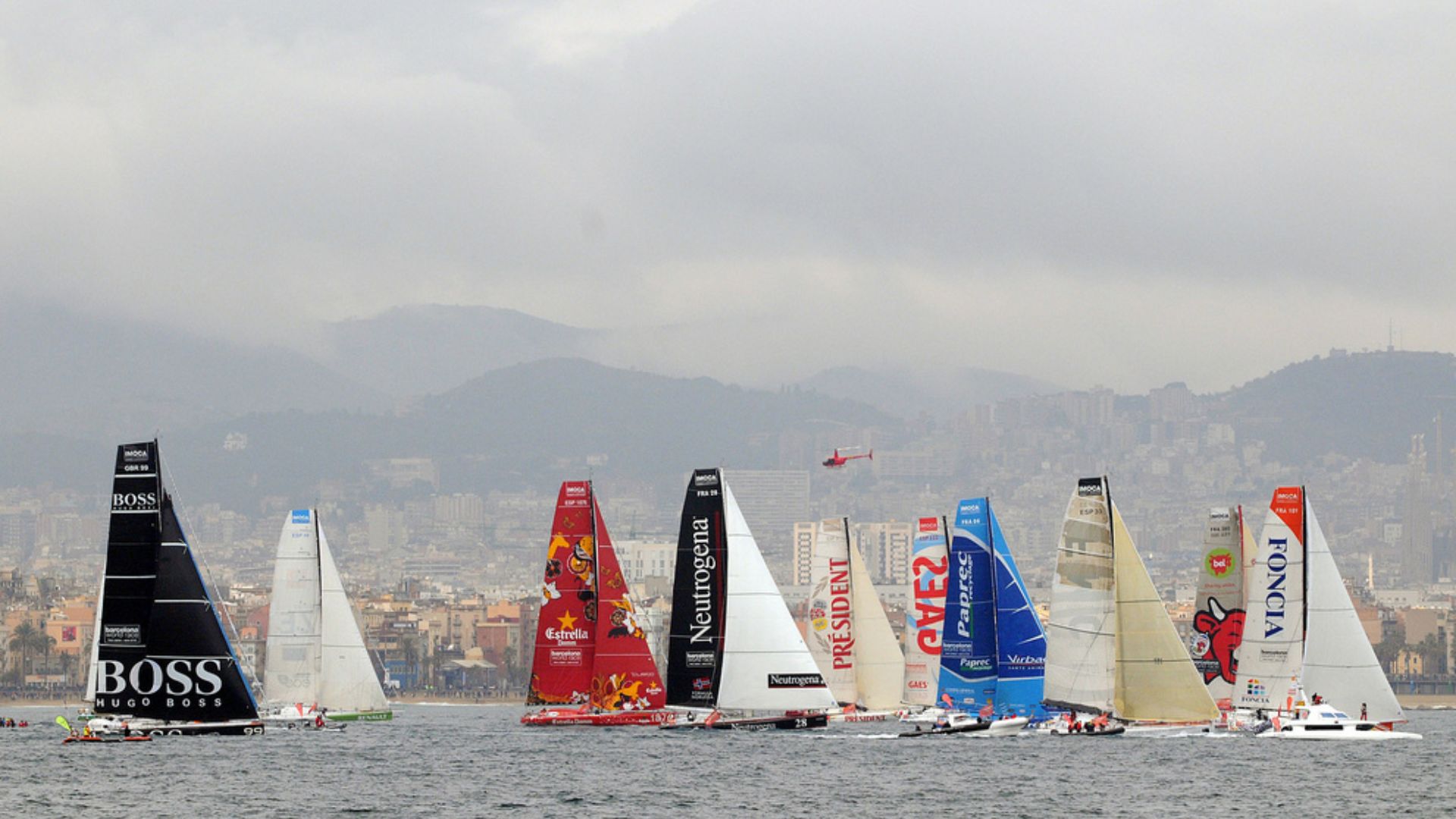 Estrella Damm, Wikimedia Commons
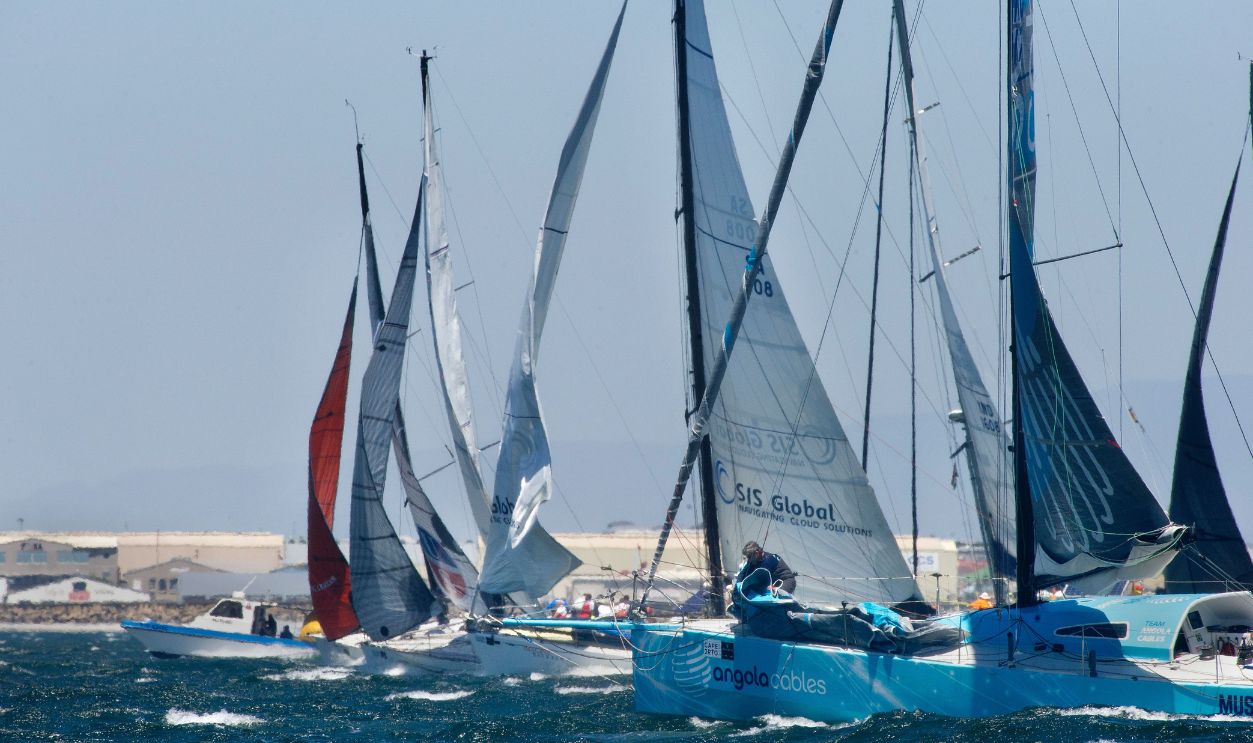
Cape To Rio Race
The Cape to Rio Race crosses the South Atlantic from South Africa to Brazil. While often blessed with favorable winds, sailors must still contend with long periods at sea, changing weather patterns, and the possibility of severe storms.
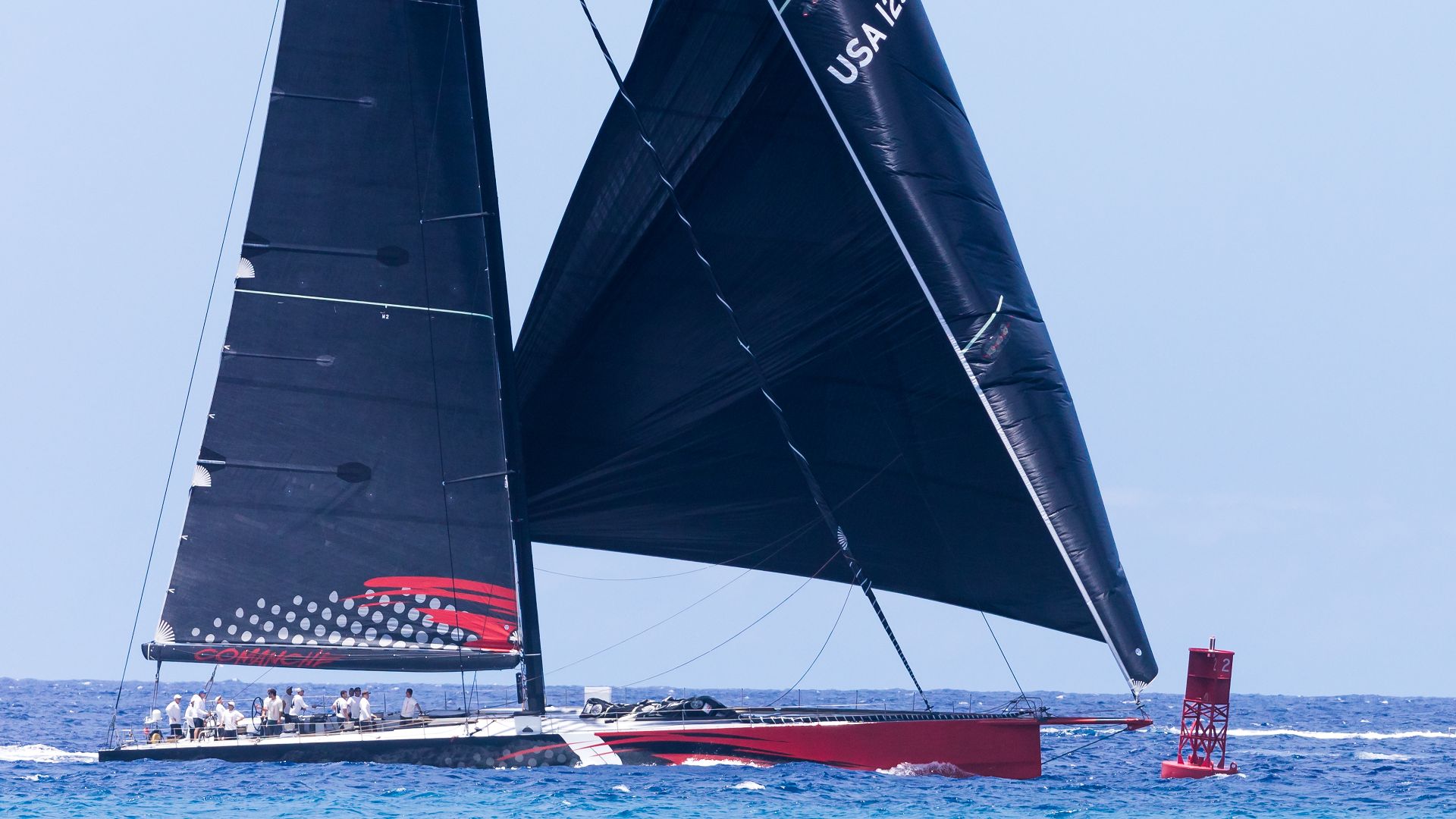
Transpac Yacht Race
The Transpac takes sailors from California to Hawaii across thousands of miles of Pacific Ocean. Although known for fast downwind sailing, crews still face equipment failures, isolation, and occasionally powerful weather systems far from shore.
Newport Bermuda Race
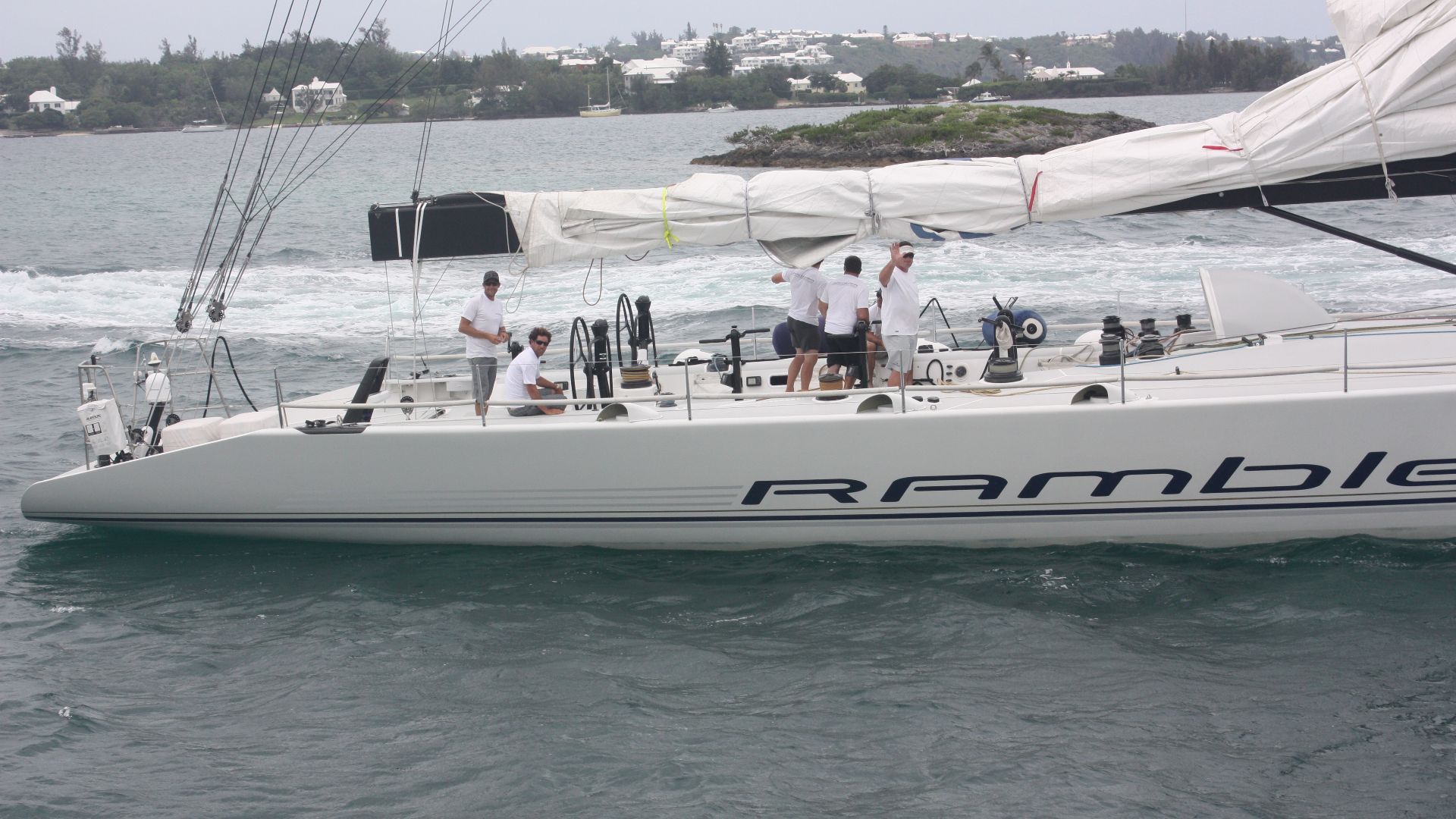
First held in 1906, the Newport Bermuda Race is one of the oldest offshore sailing competitions. The Gulf Stream creates complex weather conditions, while sudden storms and rough seas have tested generations of sailors.
Rolex Middle Sea Race
This Mediterranean classic circles Sicily and covers hundreds of miles through waters that can produce surprisingly violent weather. Strong winds, steep seas, and volcanic landmarks create a race that is both beautiful and unforgiving.
Southern Ocean Racing Circuit Events
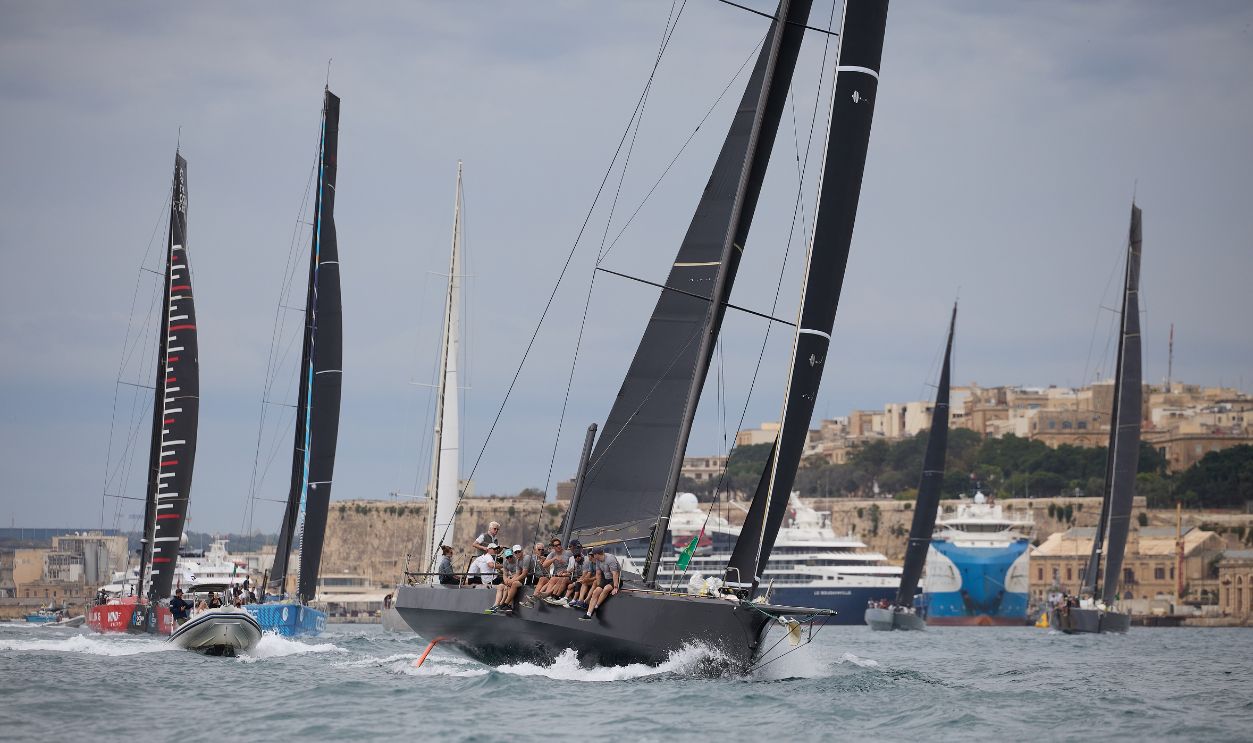
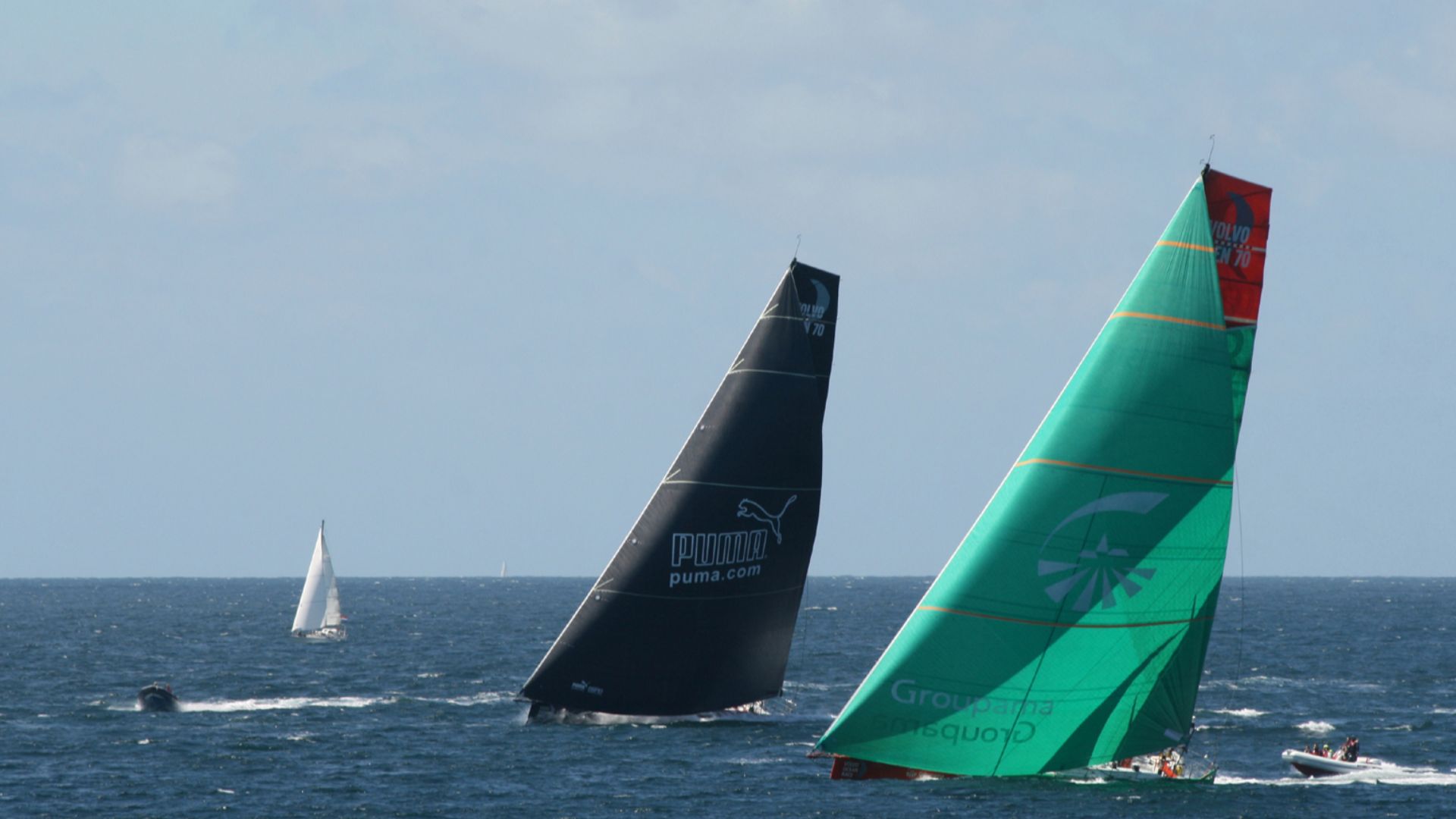
Many major offshore races spend time in the Southern Ocean, widely considered one of the most hostile marine environments on Earth. Massive waves, freezing temperatures, and relentless winds have damaged some of the strongest racing yachts ever built.
Around Cape Horn Challenges
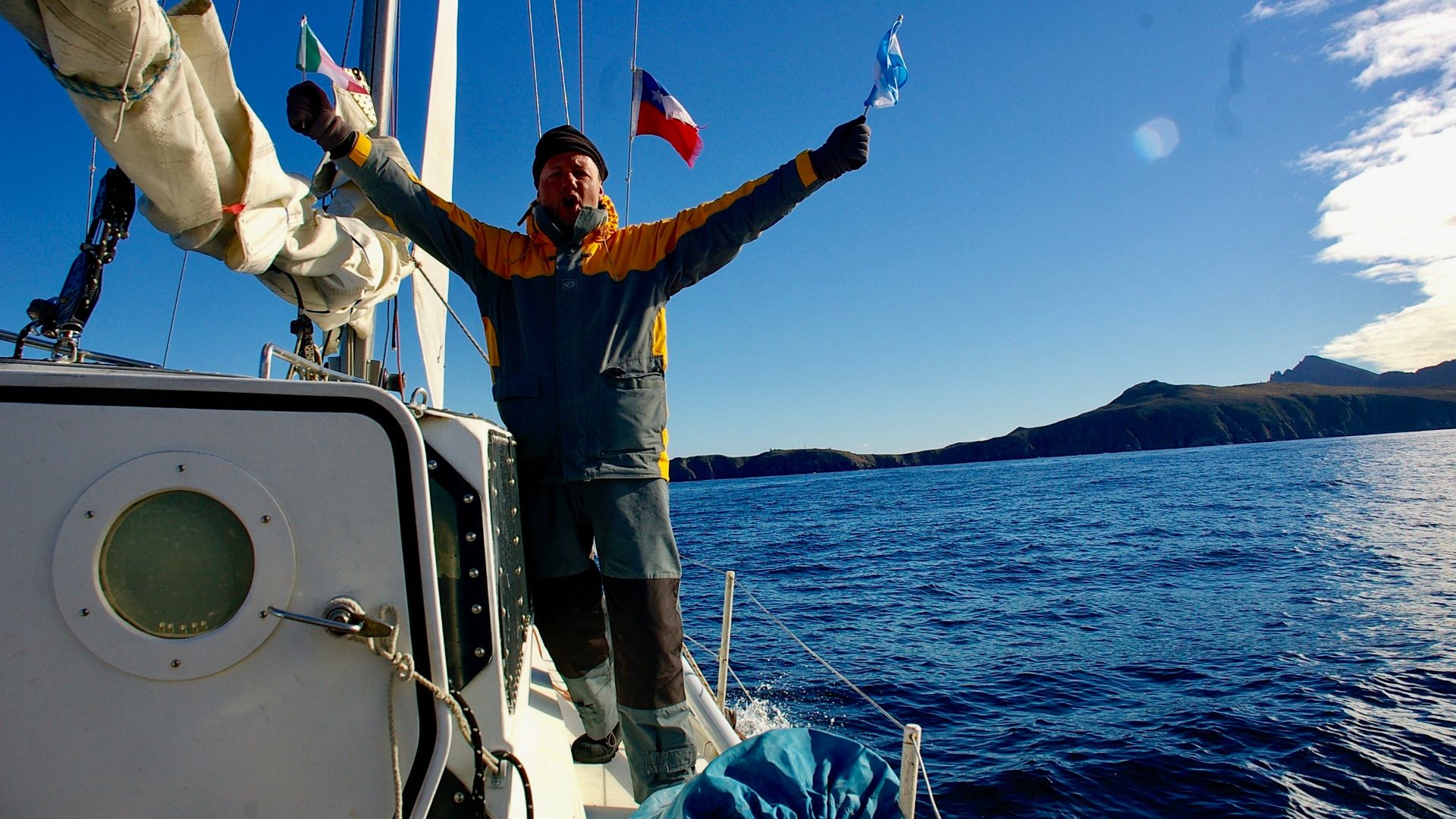
Any race requiring competitors to round Cape Horn earns instant respect. The meeting point of major oceans, the cape has long been feared by sailors for its fierce storms, enormous waves, and unpredictable weather. Even in the modern era, it remains one of sailing’s greatest challenges.
 Danilo.1968, Wikimedia Commons
Why These Races Remain So Dangerous
Modern satellite communications, weather forecasting, emergency beacons, and improved boat design have significantly reduced risk. Yet the ocean remains unpredictable. Extreme weather, equipment failures, collisions, fatigue, and simple bad luck continue to threaten sailors who choose to test themselves in these remarkable events. That combination of danger and determination is precisely what keeps these races among the most respected challenges in sport.
 Tim Sheerman-Chase, Wikimedia Commons
You May Also Like:
The Most Dangerous Selfie Spots In The World
10 Forbidden Places You're Not Allowed To Visit