The Question Behind The Carry-On
You love your cat, your cat loves you, and the airline has just handed you the emotional equivalent of a middle seat next to the lavatory: “Cats don’t qualify.” It sounds harsh, especially if your furry co-pilot has paperwork, a certificate, and a long résumé in calming your nerves. But in air travel, the rulebook matters more than the vibe, and right now that rulebook is not especially cat-friendly.
Why The Airline Is Saying No
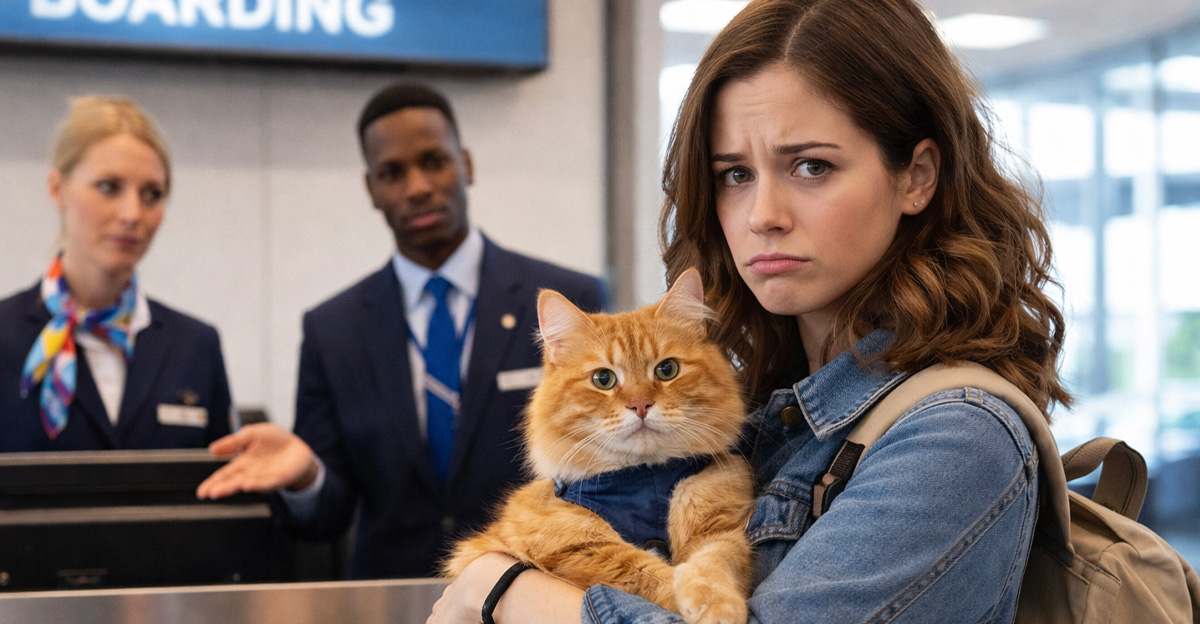
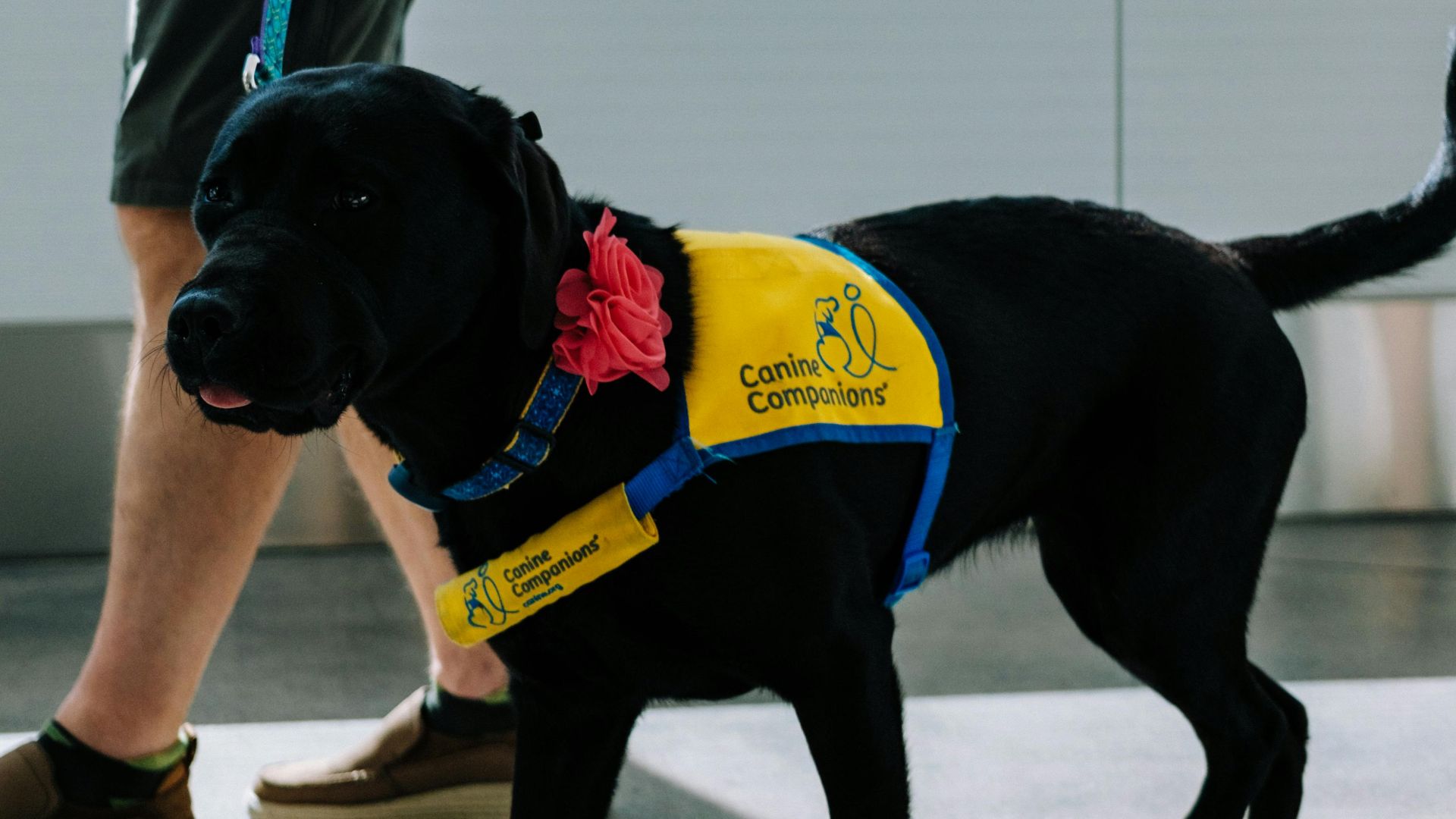
In the United States, airline rules now focus on trained service dogs, not emotional support animals of every kind. That means a cat can be incredibly important to your mental well-being and still not qualify under the airline’s service animal policy.

The Certification Trap
Here is the part that catches a lot of travelers off guard: an emotional support animal “certificate” does not override airline policy. Airlines can still refuse ESA status for cats, even if the paperwork looks official and even if the animal genuinely helps you.

Certified Does Not Always Mean Protected
That certification may still matter in other situations, depending on local rules or housing policies, but air travel plays by its own set of definitions. At the airport, the airline’s policy is what counts most, and that policy usually does not treat emotional support cats like service animals.

The Big Rule Change Travelers Missed
A lot of passengers still remember the era when emotional support animals were more commonly discussed as part of air travel. But the rules changed, and many airlines now limit recognized service animals to trained dogs, which is why this issue keeps blindsiding travelers.
So What Can You Actually Do
The practical answer is less glamorous than the emotional one: if your cat cannot fly as a service animal, your next move is usually to fly with her under the airline’s regular pet-in-cabin policy. That means treating your cat as a pet traveler, not as an ESA with special status.
Start With The Pet Policy, Not The ESA Argument
This is where many travelers lose time and patience. Once the airline has said your cat does not qualify as a service animal, arguing about certification often gets you nowhere. Your energy is better spent checking whether the airline allows cats in the cabin, what carrier size it accepts, and what fee it charges.

Remember That Airlines Set Cabin Pet Rules
Even if your cat is tiny, quiet, and more emotionally supportive than half your contact list, the airline still makes the final call. Some allow cats in the cabin under standard pet rules, and some make that process easier than others.

The Underseat Reality Check
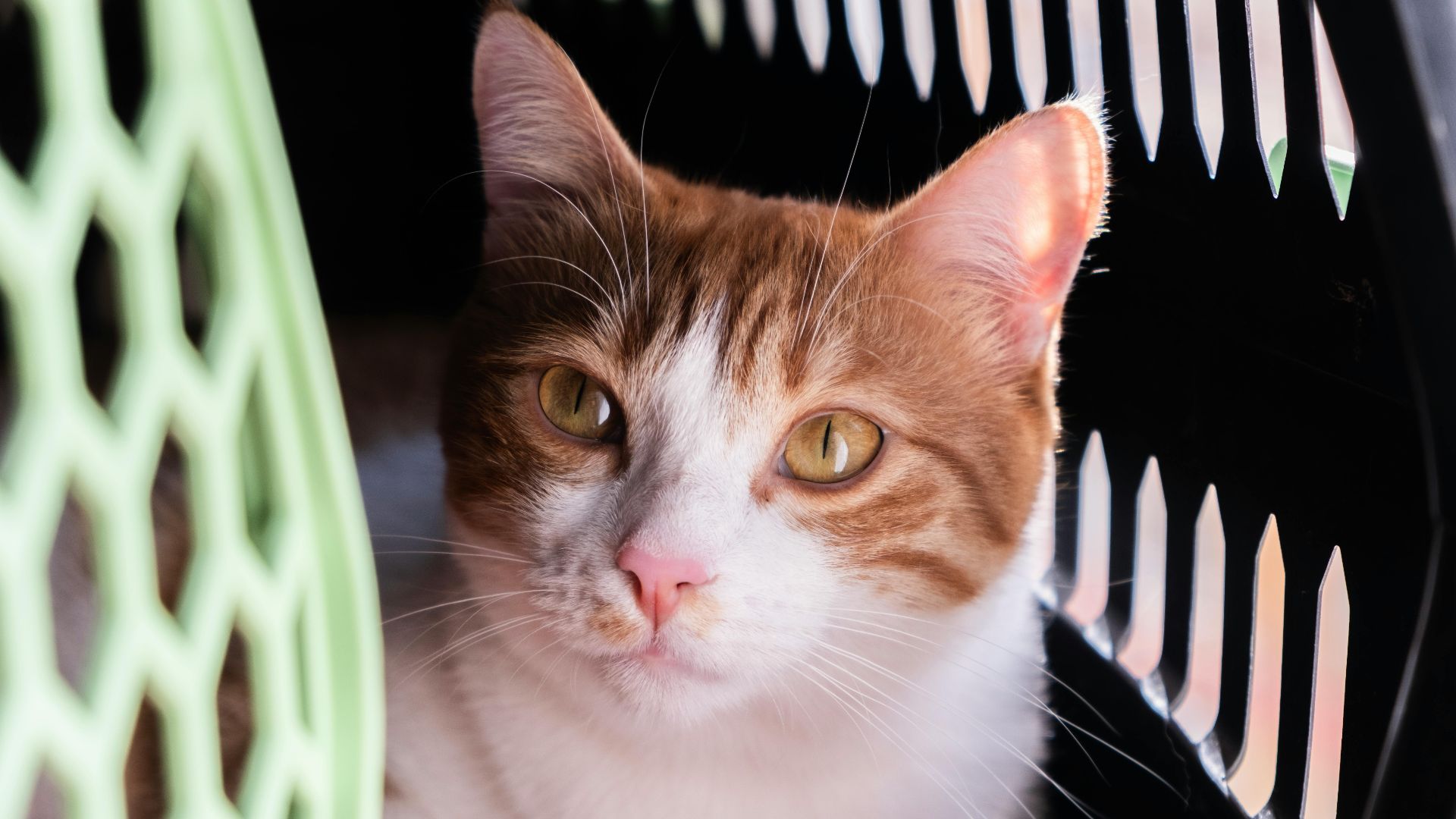
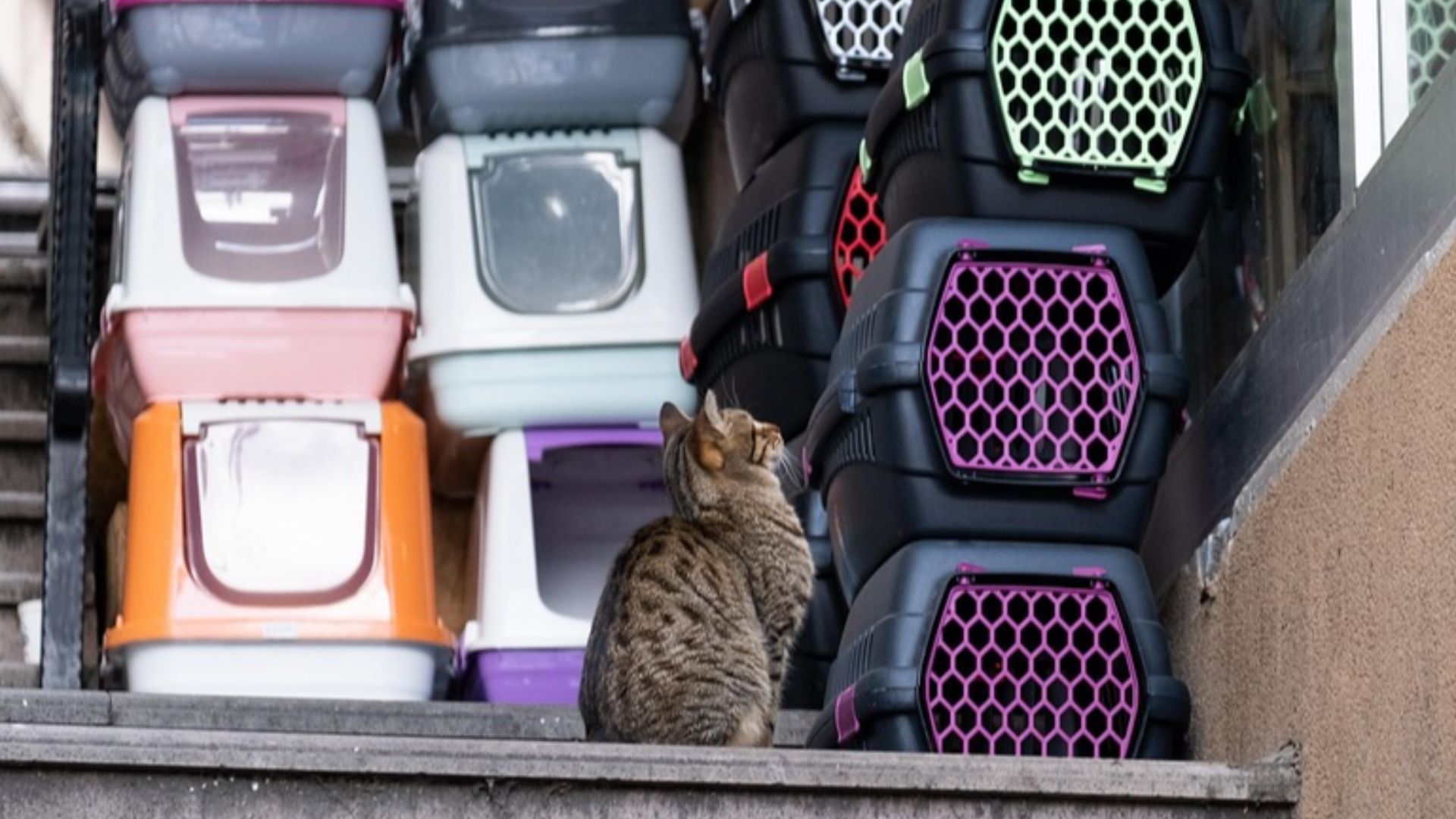
If the airline does allow cabin pets, the carrier usually has to fit under the seat in front of you. That means your cat’s travel setup has to satisfy baggage rules, safety rules, and the airline’s own size limits, all before your cat even gets to work being adorable.
Call Before You Book
Do not assume that one airline’s pet policy is basically the same as another’s. A quick call or a careful read of the airline’s website can save you from the kind of surprise that turns check-in into a stress festival.

Ask The Right Questions
When you call, skip the emotional support debate and ask practical questions instead: Are cats allowed in the cabin? What are the carrier dimensions? Is there a pet fee? Is there a limit on the number of pets per flight? Those are the answers that actually decide whether your cat gets onboard.

Don’t Forget The Security Checkpoint
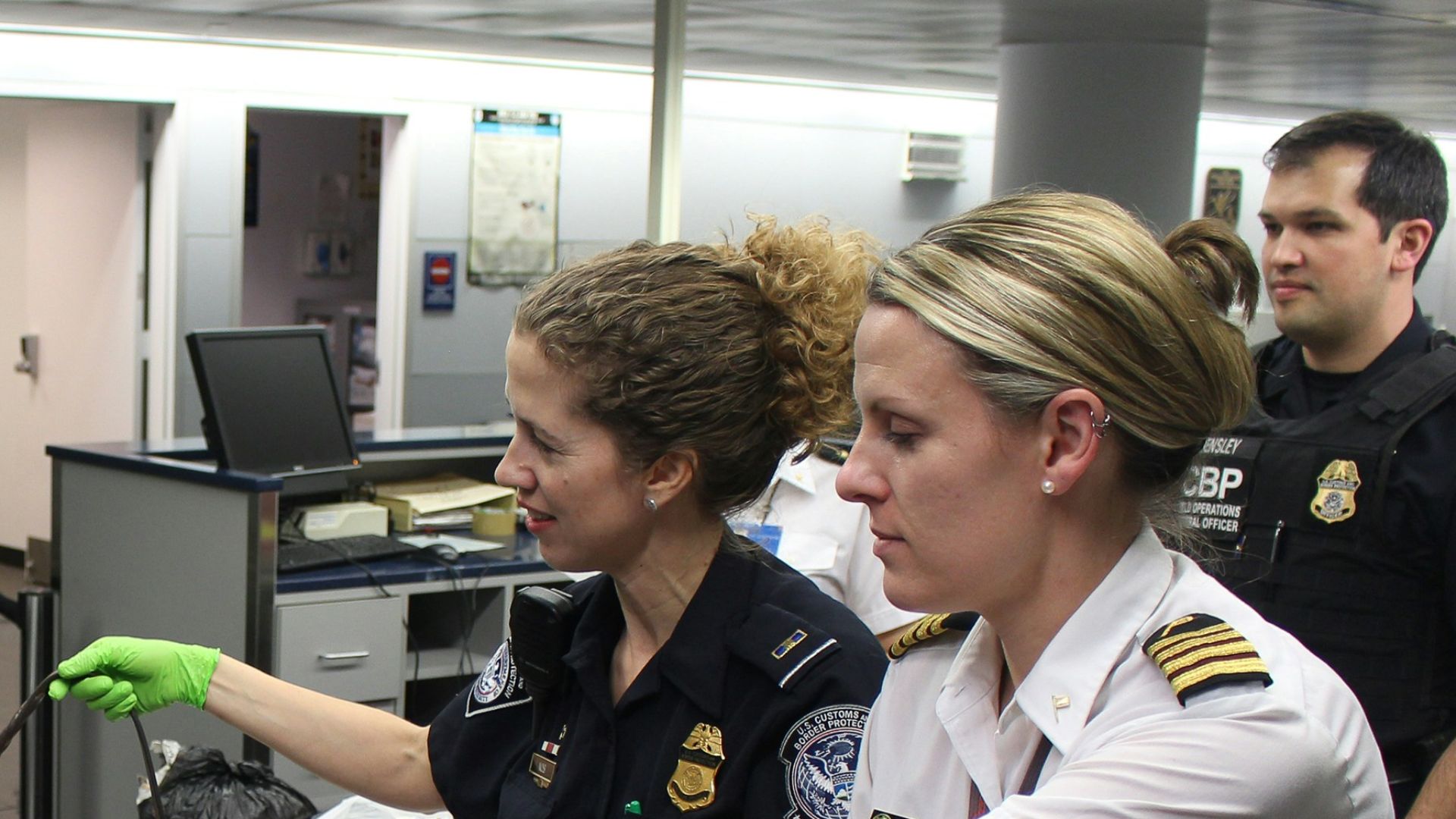
Airport security is its own little adventure. You will likely need to remove your cat from the carrier while the carrier is screened, which is not the ideal time to discover your sweet baby is suddenly auditioning for a prison break movie.
Practice The Airport Routine At Home
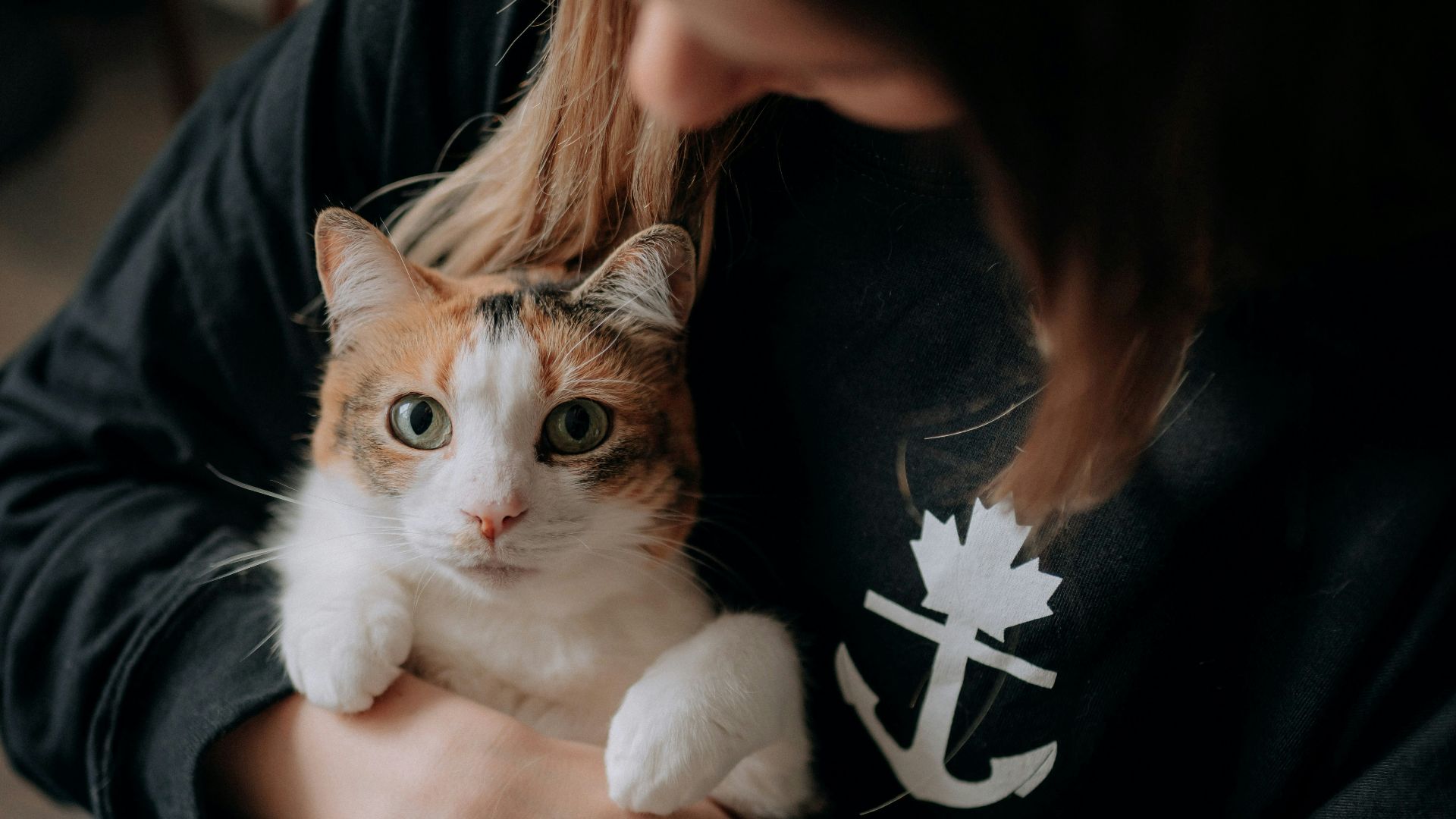
A calm airport cat is rarely born; it is trained through repetition and snacks. Get your cat used to the carrier, short periods of confinement, and being handled calmly before travel day so the whole experience feels less shocking.
Pick Flights Like A Strategist
Nonstop flights are your friend. Fewer connections mean fewer noisy terminals, fewer unfamiliar spaces, and less time spent asking your cat to accept commercial aviation as a normal life event.

Timing Can Make A Huge Difference
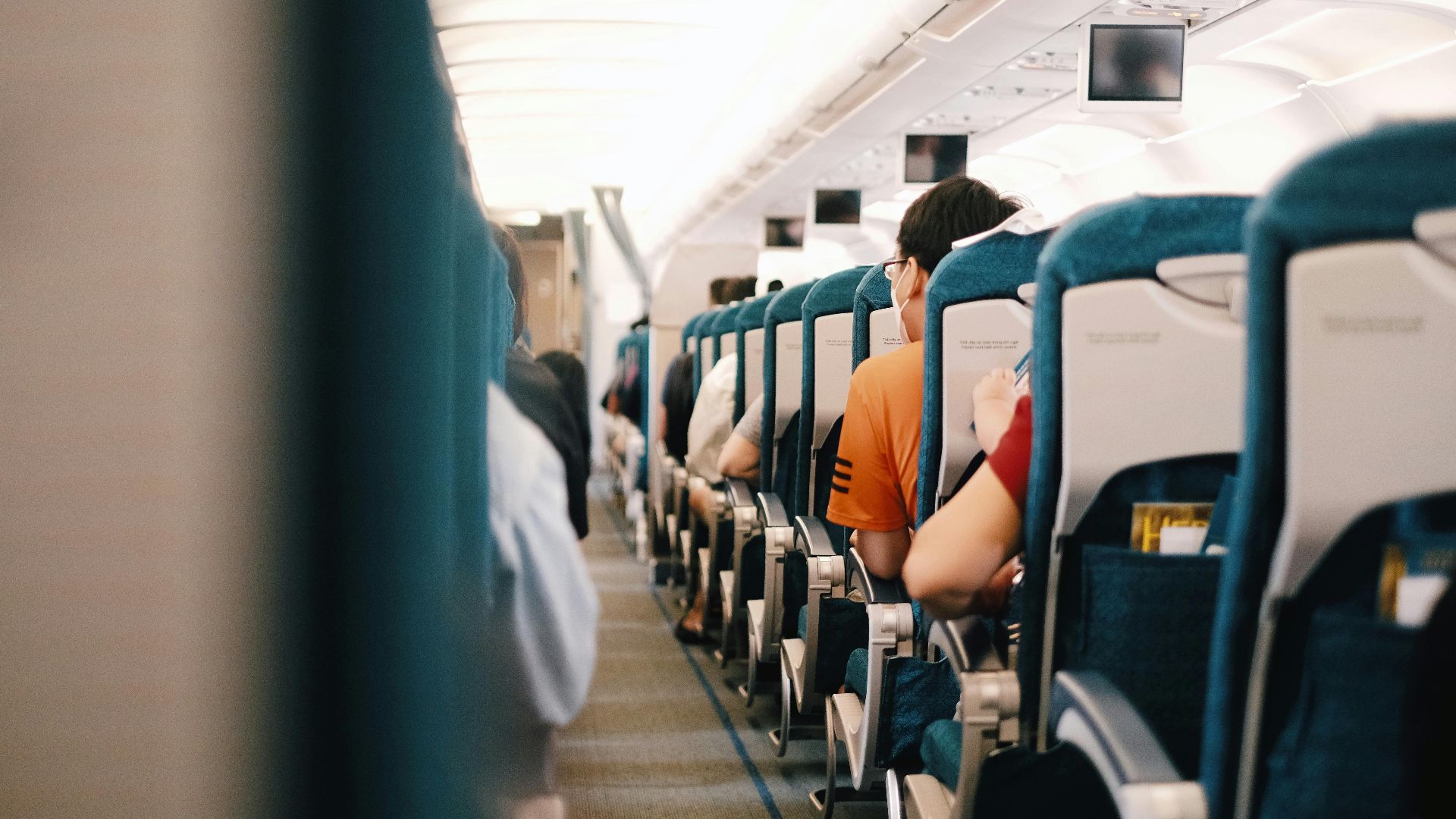
Choose quieter travel times when possible. Less crowded flights and calmer terminals can make a surprisingly big difference for both nervous humans and nervous cats, especially when stress is already running high.
Bring The Vet Into The Conversation
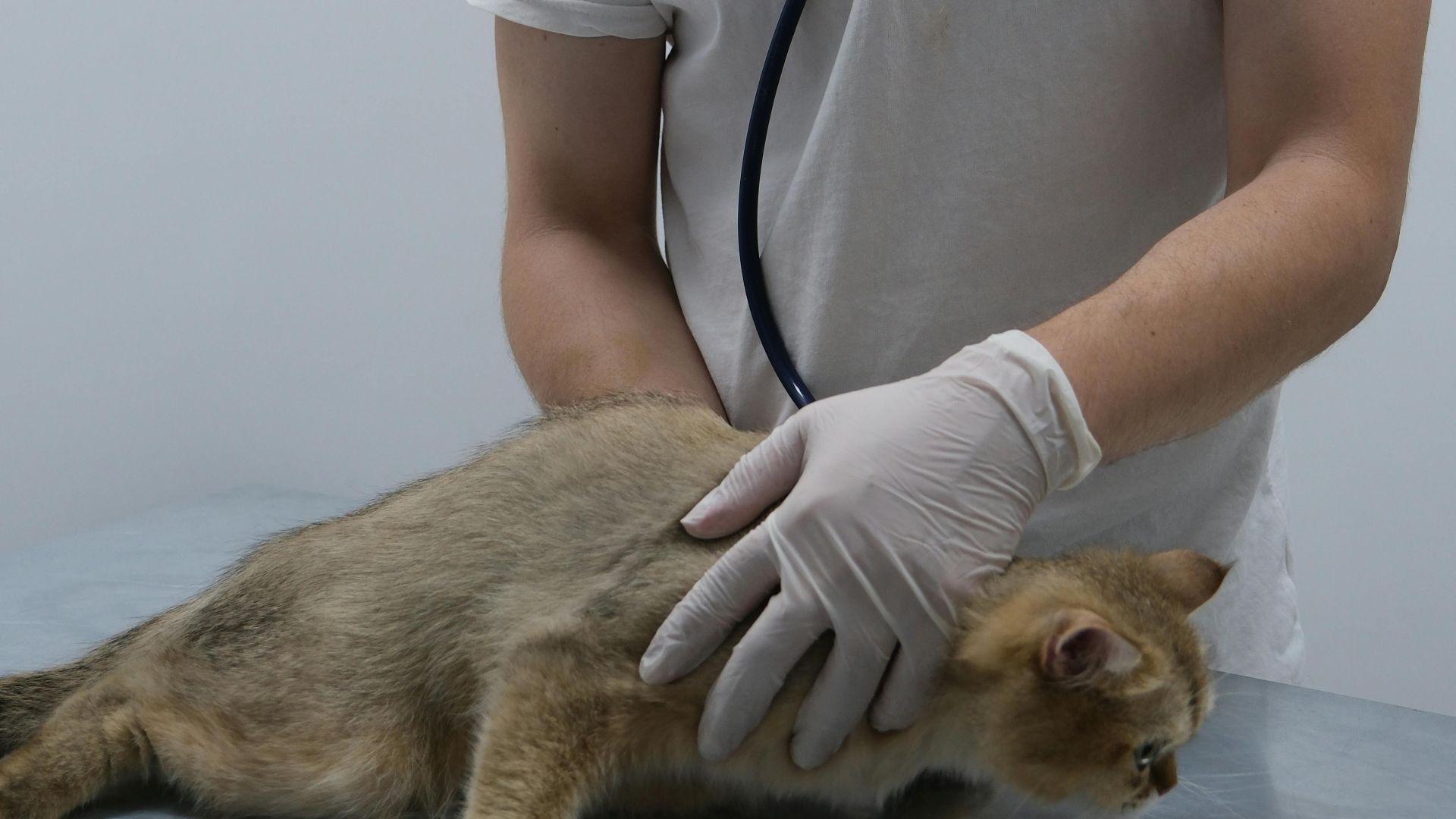
Even when an airline allows cabin pets, it is smart to check with your vet before flying. A vet can help you think about stress, health issues, hydration, and whether your cat is actually suited for air travel instead of just technically allowed.
International Trips Are A Different Beast
If this is an international trip, the airline’s policy is only part of the story. Your destination may have entry requirements, health paperwork, or vaccination rules, so the process gets more complicated the minute another country joins the conversation.
What If You Have A Disability
This is where things feel especially frustrating. A person can absolutely have a real disability and still be told that their cat does not qualify as an onboard service animal, because the rules focus on the kind of animal and the kind of training involved, not just the emotional need.

Could Your Cat Ever Count As A Service Animal
Under current airline policy, the answer is generally no. That is the part many cat owners find hardest to accept, especially when their animal provides real and meaningful support every day at home.

What About Psychiatric Service Animals
This is another point of confusion. Psychiatric service animals can qualify in air travel, but that does not mean any emotionally supportive animal qualifies. The distinction usually comes down to species and task-based training, which is why cats are typically excluded.
Skip Online Promises That Sound Too Easy
If a website promises a fast ESA certificate that will magically guarantee cabin access for your cat, back away slowly. Travel rules are not rewritten by fancy PDFs, urgent email confirmations, or websites that make big promises in soothing colors.

If The Airline Allows Pets, Move Fast
Many airlines limit the number of pets allowed in the cabin on each flight. So if you find an airline that accepts cats in cabin, reserve that spot as early as possible before someone else’s tabby beats you to it.

Get Everything In Writing
If a phone agent confirms your cat can fly in the cabin, ask for a reservation note, confirmation email, or reference number. Travel has a funny way of becoming forgetful at the check-in desk, and written proof can save you a major headache.

When A Complaint Makes Sense
If you think the airline handled your situation unfairly, a complaint may be worth filing. But it helps to be realistic: a complaint is more likely to help when an airline misapplied its own rules than when it simply enforced a policy you do not like.

Know The Official Complaint Path
If you decide to push the issue, make sure you use the airline’s formal complaint process and keep records of what happened. Save your emails, note the names of representatives you spoke with, and write down the timeline while it is still fresh.

Your Best Game Plan Now
So here is the real-world playbook: stop fighting for ESA recognition once the airline has ruled it out, shift immediately to the pet-in-cabin option, confirm the carrier rules, prep your cat for screening, and document every step. It may not be the answer your heart wanted, but it is the one most likely to get both of you on the plane.

The Soft Landing
Air travel has a talent for turning loving pet owners into accidental policy experts, but the bottom line is simple. Your cat may be emotionally essential to you and still not qualify as a protected service animal onboard. That does not mean the trip is impossible; it just means success comes from mastering the pet policy, not trying to win an argument with a rule that has already changed.

You May Also Like:
What Expats Miss Most About The United States—According To New Surveys