The Fluffy Travel Dream That Hit Turbulence
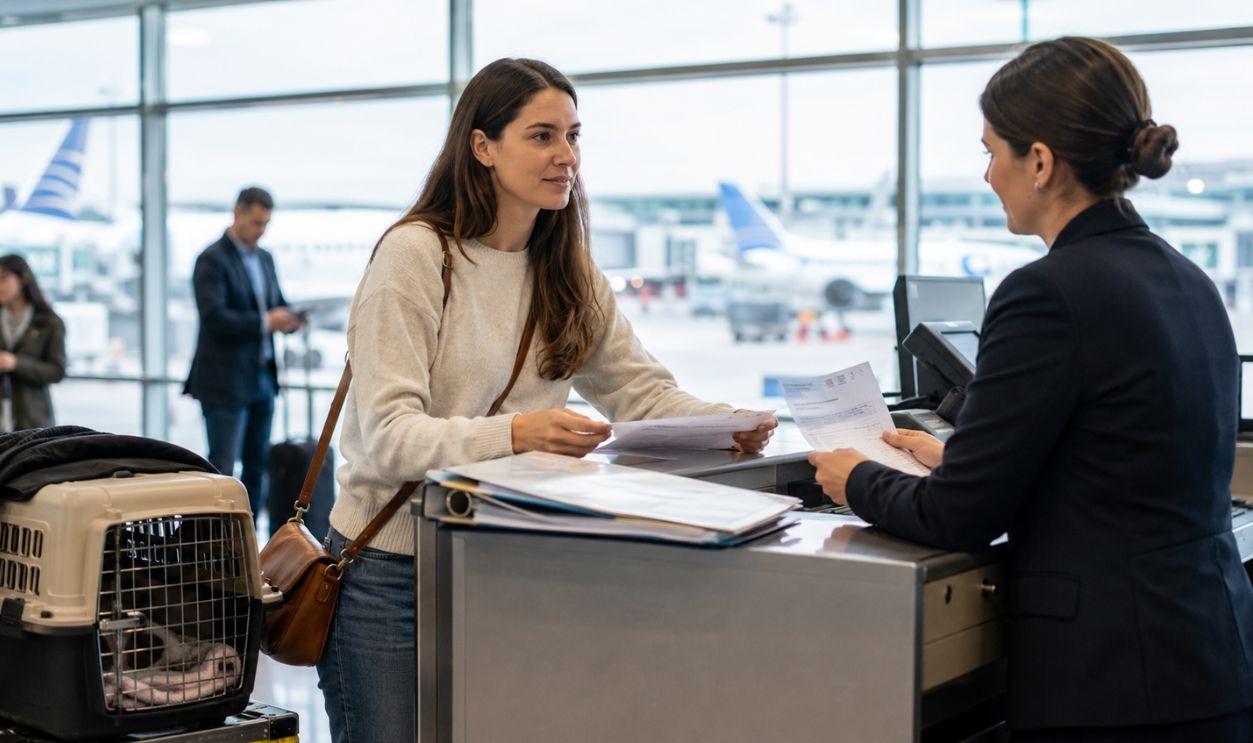
Importing a Husky into the United States sounds like the start of a joyful airport reunion: wagging tail, happy tears, dramatic slow-motion cuddle. Then reality barges in wearing a reflective vest. You paid a $2,000 deposit, packed your patience, and suddenly heard the dreaded words: the dog cannot board.
First, Do Not Panic
This is stressful, but it is not automatically the end of the story. Dogs get blocked from flights for many reasons, and some are fixable. The trick is to stop the scramble, collect the facts, and figure out whether you are dealing with an airline issue, paperwork issue, health rule, or seller problem.
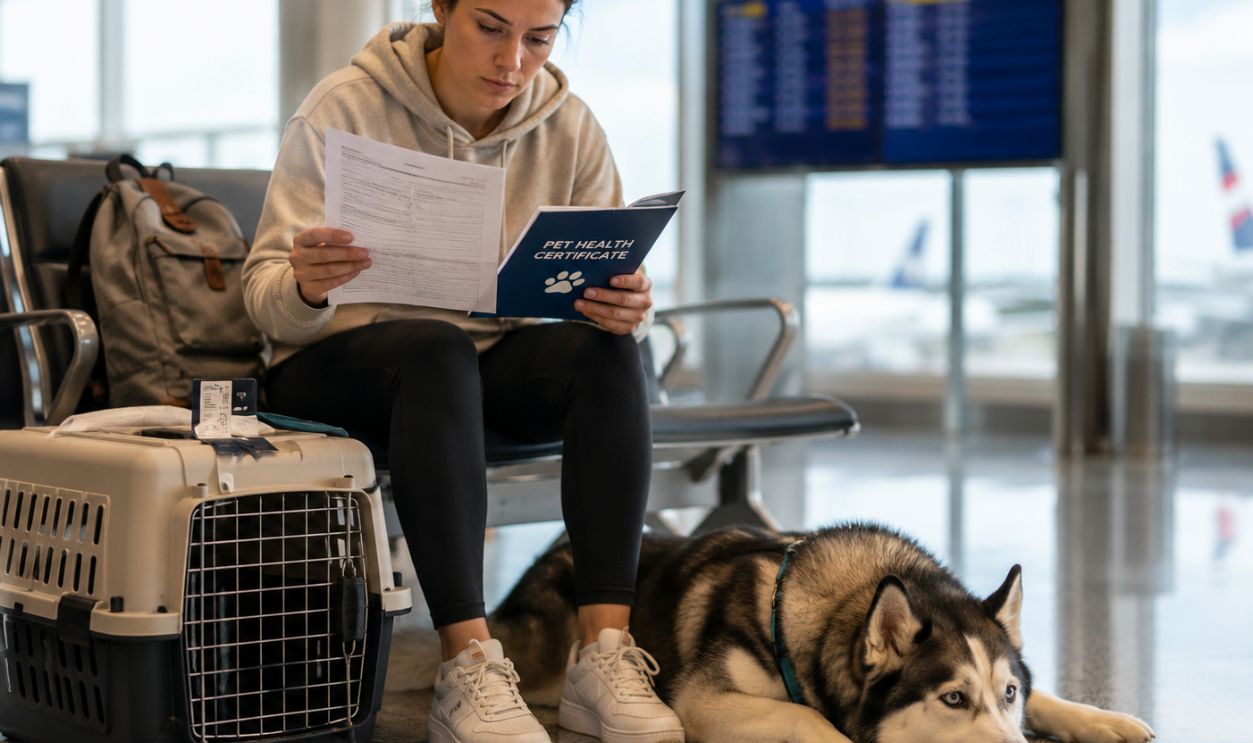
Ask For The Exact Reason In Writing
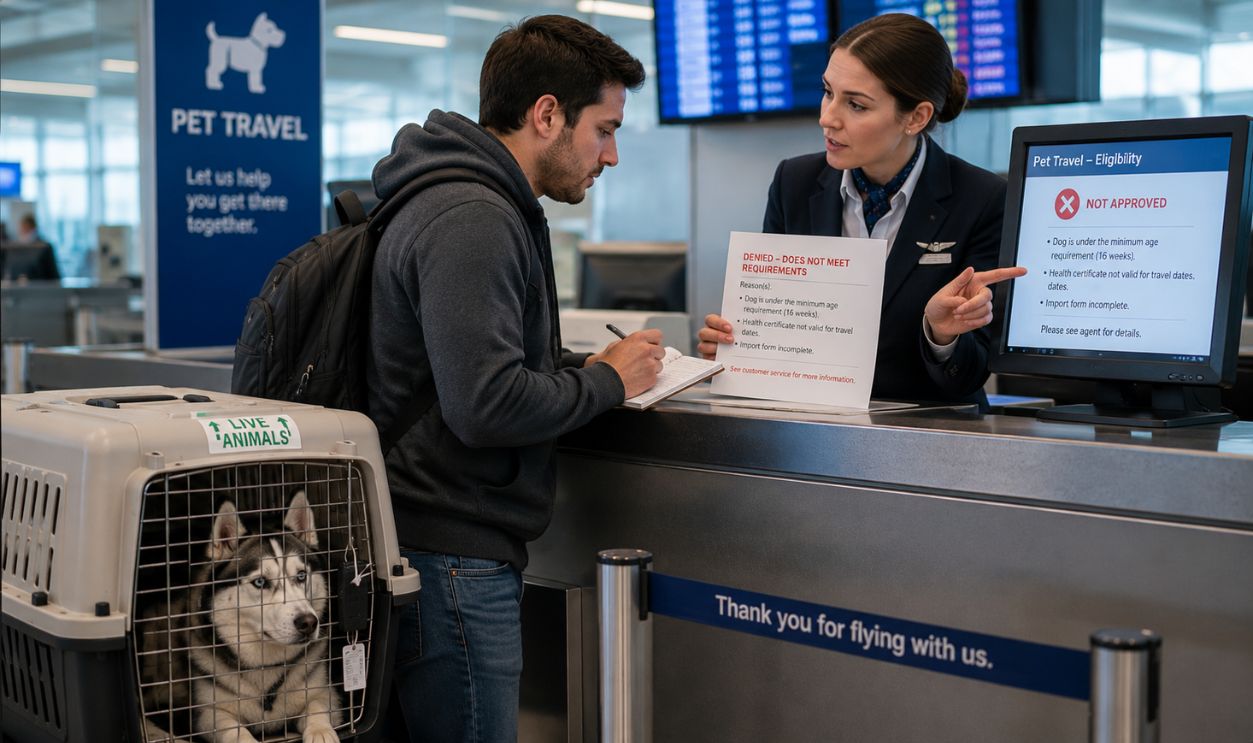
Before anyone shrugs and says “rules are rules,” ask for the precise rule. Was the crate rejected? Was the dog too young? Was a form missing? Was the route not approved? Written answers matter because they separate a real compliance problem from a vague excuse that may help someone keep your deposit.
Check The CDC Dog Import Rules
The United States has specific rules for dogs entering the country. Requirements can depend on where the dog has been during the previous six months, whether it was vaccinated in the U.S. or abroad, and whether the country is considered high risk for dog rabies. One missing detail can ground the whole plan.
Confirm The Dog Is Old Enough
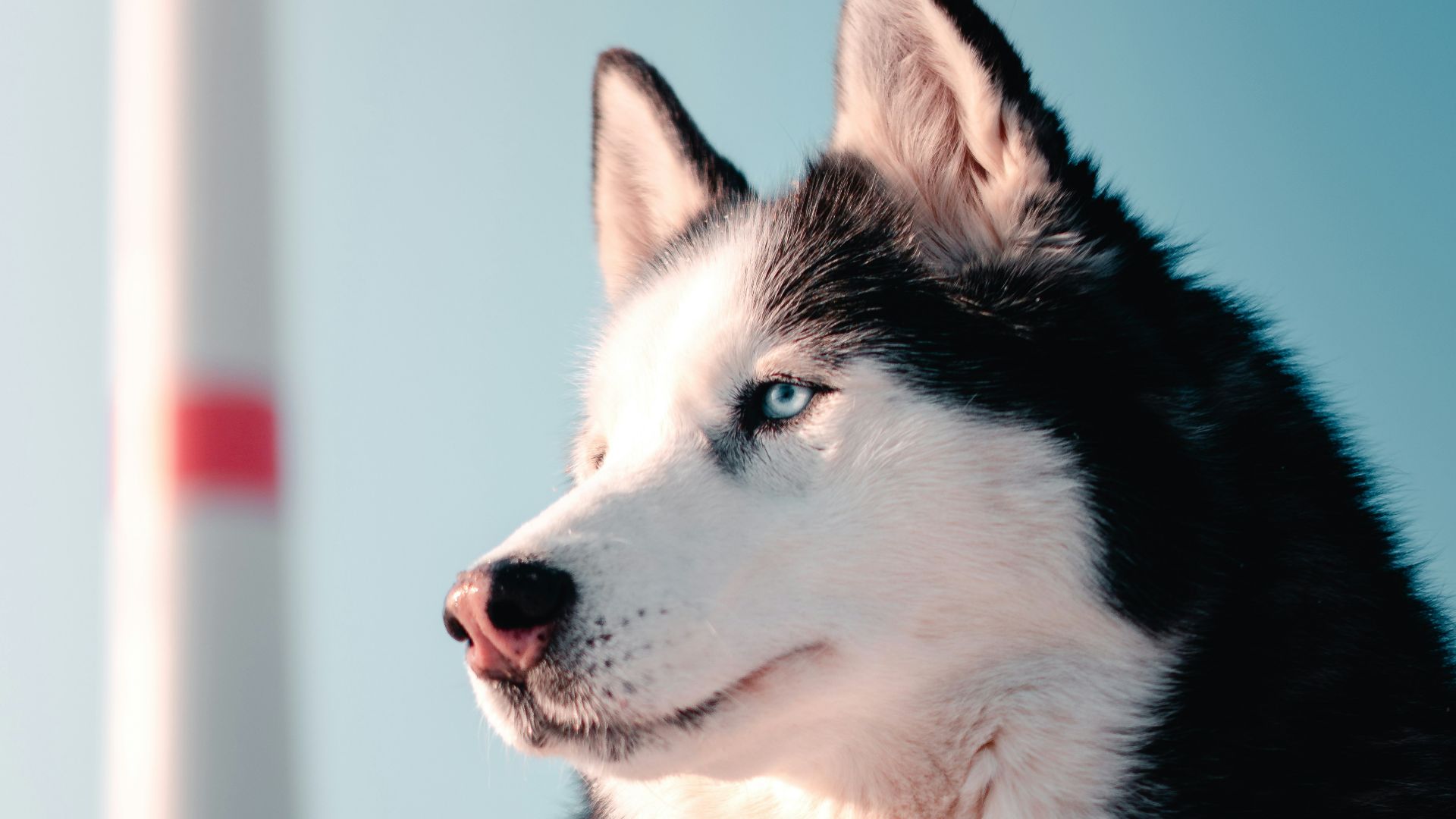
Under current CDC rules, dogs entering the United States generally must be at least six months old. If your Husky is a puppy younger than that, the airline may not have had much choice. This is one of those rules that no amount of adorable blue-eyed pleading can melt.
Make Sure The Microchip Comes First
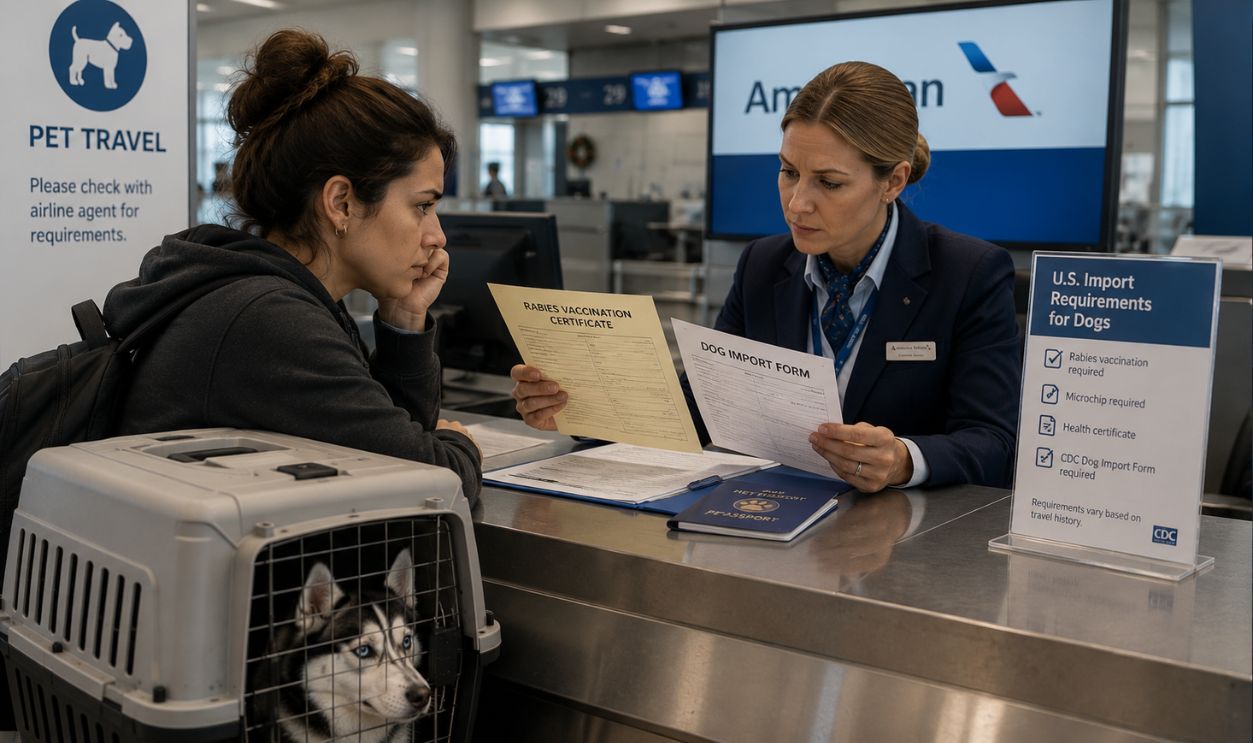
A dog’s microchip is not just a fancy pet ID. For import paperwork, it must line up correctly with vaccination records and other documents. If the microchip was inserted after the rabies vaccine, or if the number does not match, the paperwork can become a snowdrift of trouble.
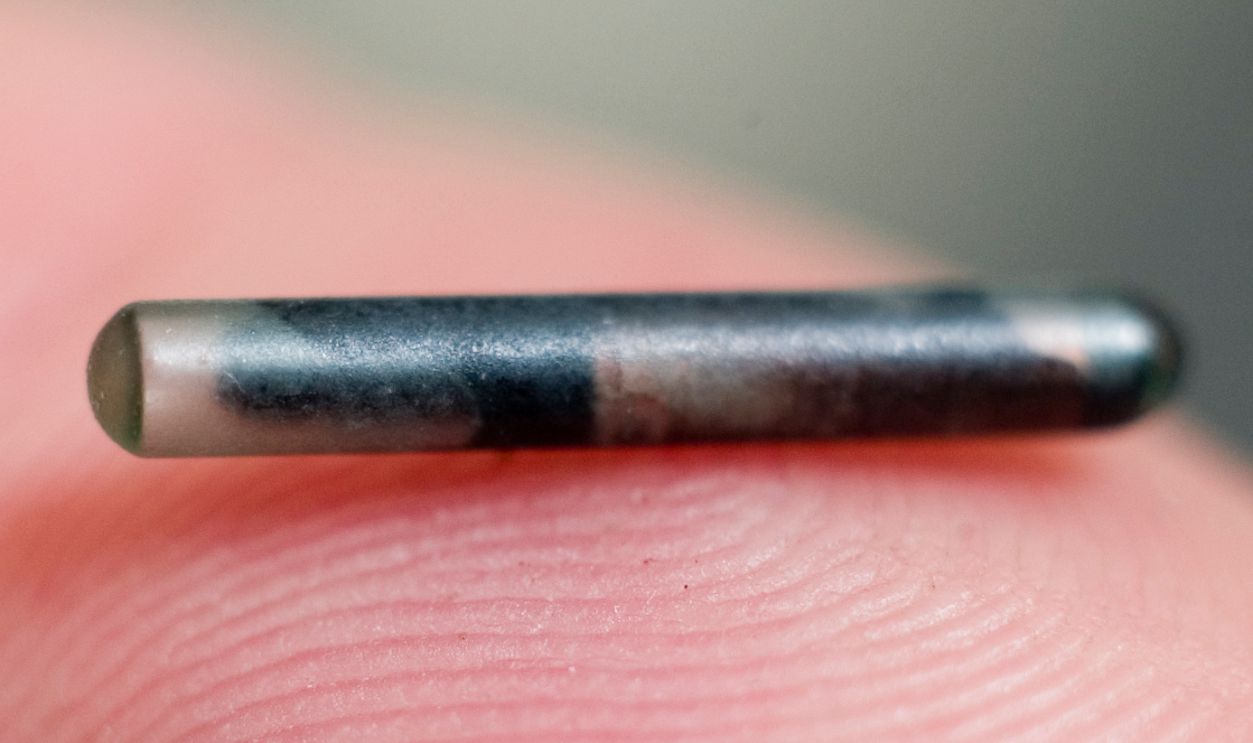 MediaNews Group/Reading Eagle, Getty Images
Review The Rabies Paper Trail
Rabies paperwork is where many pet travel plans go to faceplant. Check the vaccine date, product, veterinarian details, microchip number, certificate format, and country of issue. A Husky may be built for icy adventures, but airport staff are not built for mysterious documents with missing boxes.
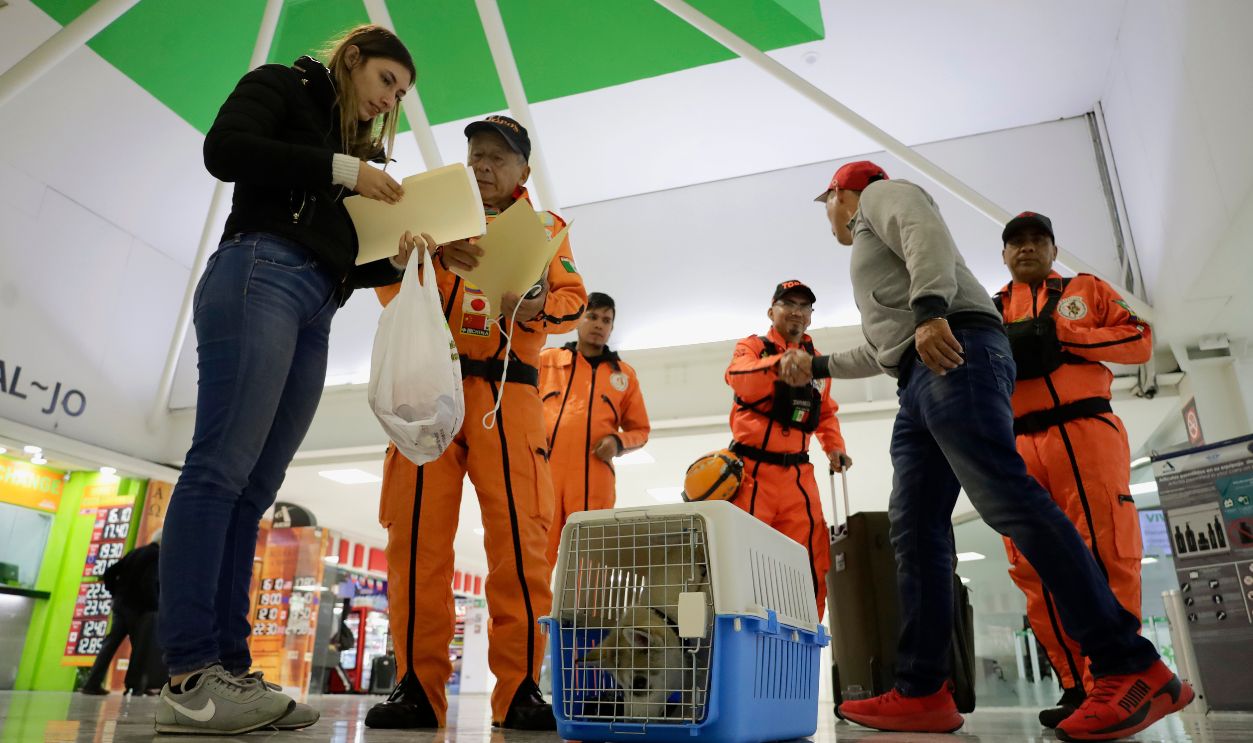
Look At The Country History
The question is not only where the dog is flying from today. U.S. rules may look at where the dog has been during the previous six months. A dog that spent time in a high-risk rabies country can face stricter requirements, even if its current flight begins somewhere else.
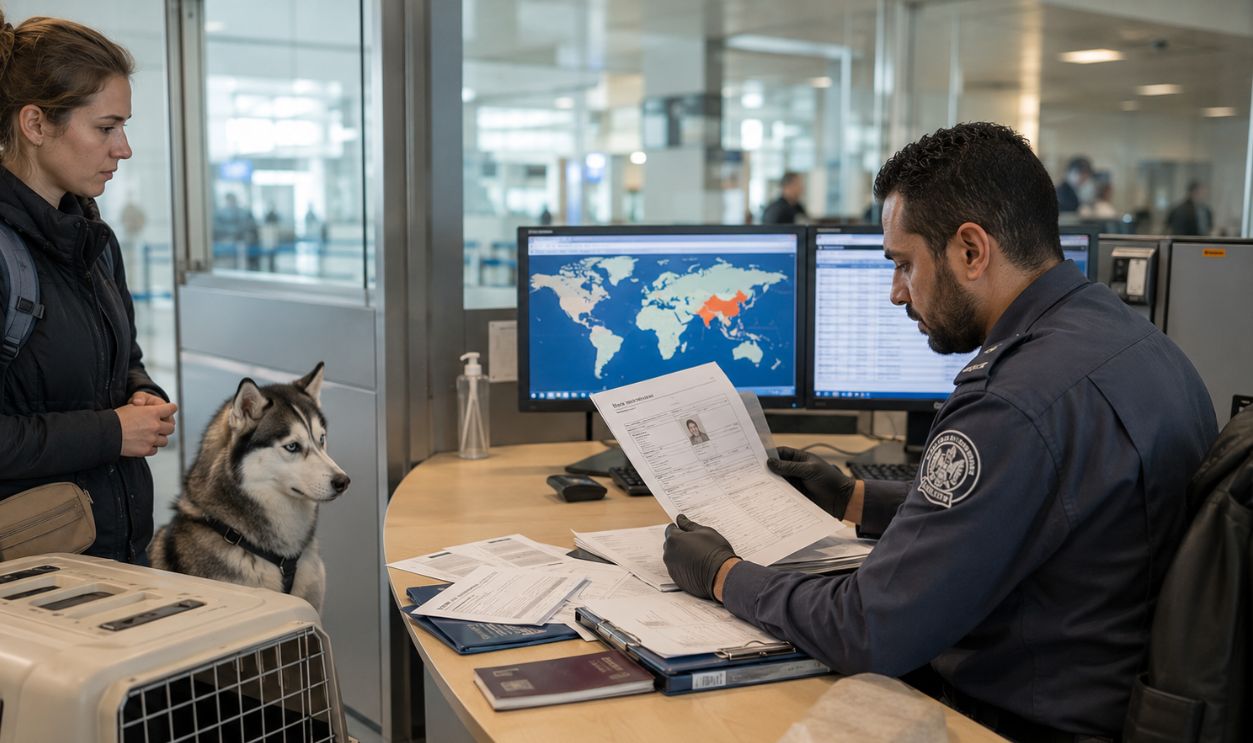
Ask About Approved Arrival Airports
Some dogs, especially those with high-risk country history or foreign vaccination records, may need to arrive through specific airports or use special care facilities. If the booking sent the dog through the wrong airport, the airline may have stopped boarding before the problem became worse on arrival.
 User:Mattes, Wikimedia Commons
Check Whether An Animal Care Facility Was Needed
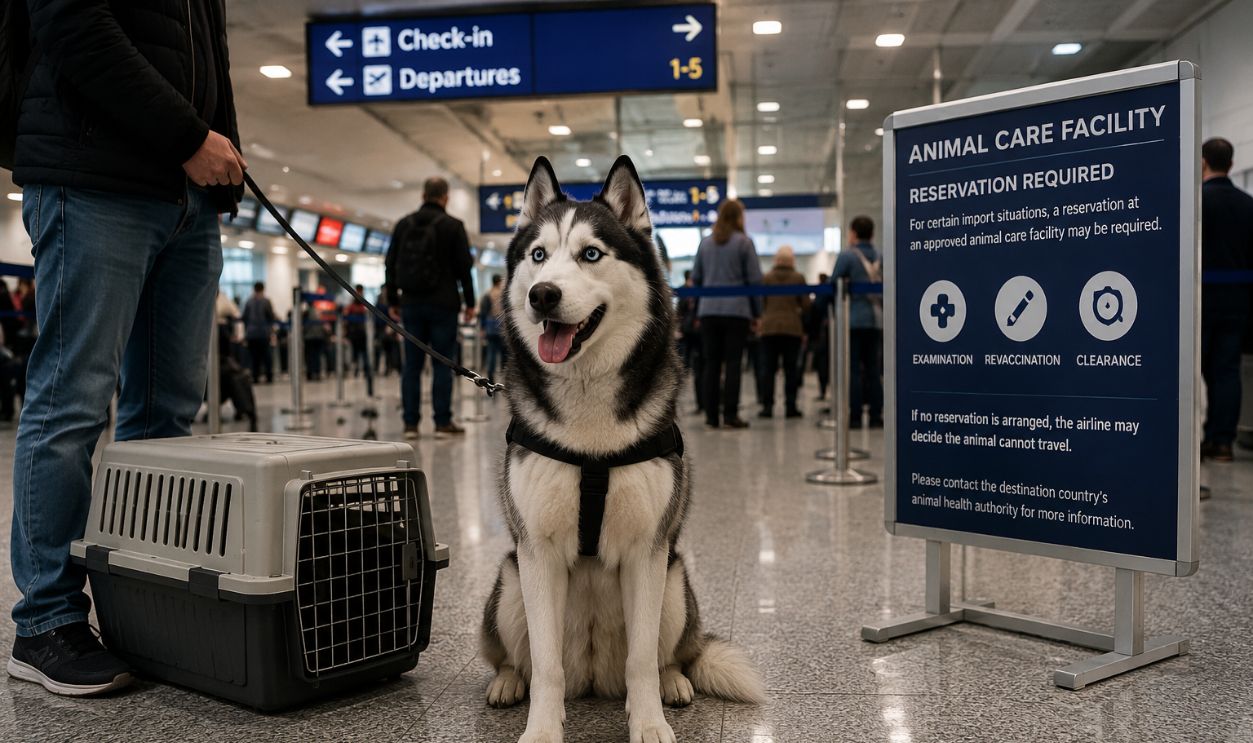
For certain import situations, a reservation at an approved animal care facility may be required. That means the dog may need to be examined, revaccinated, or cleared after landing. If nobody arranged that reservation, the airline may have decided the dog could not legally travel.
Do Not Try A Sneaky Workaround
It may be tempting to reroute the dog through another country or have someone label the shipment differently. Do not do that. Misrepresenting a dog’s history or paperwork can turn a travel headache into a customs nightmare. The goal is a legal reunion, not an international pet mystery novel.
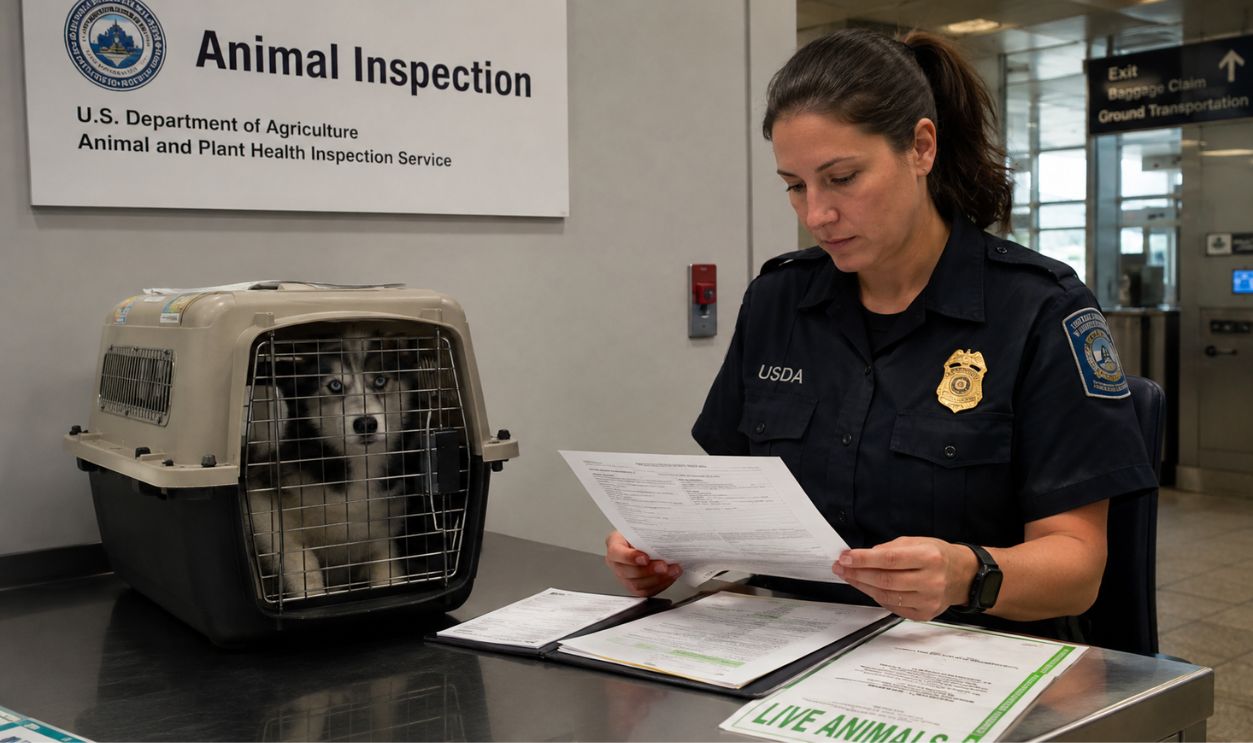
Ask The Airline About Crate Problems
Sometimes the blocker is not U.S. import law at all. Airlines have their own rules about crate size, ventilation, locks, water bowls, absorbent material, labels, and whether the dog can stand and turn comfortably. Huskies are not purse dogs. Their travel crate needs to be roomy, sturdy, and airline-approved.
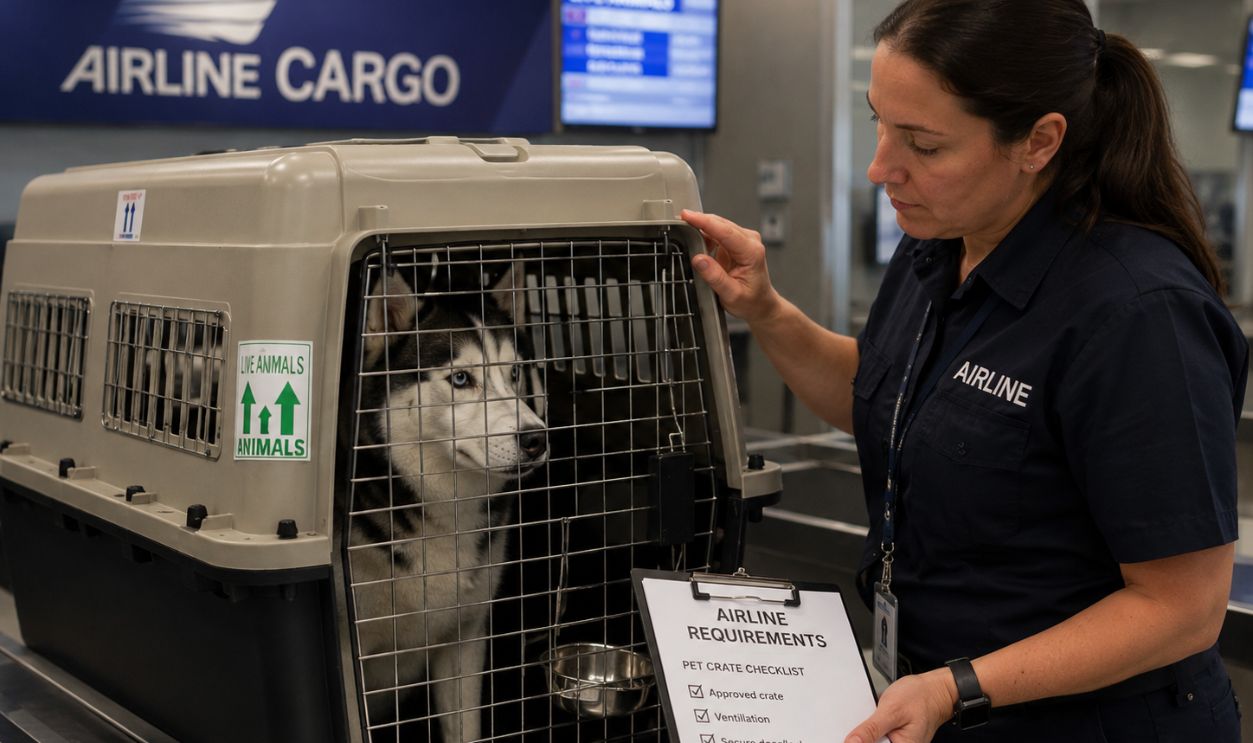
Weather Can Cancel A Dog’s Trip
Huskies love cold weather, but airlines worry about airport heat, tarmac delays, and cargo safety. Some carriers pause live-animal travel during extreme temperatures or certain seasons. If the route crosses a hot hub, the airline may refuse boarding even when the U.S. paperwork is perfect.

Airline Embargoes Are Real
Some airlines temporarily or permanently restrict pet cargo. Others limit breeds, aircraft types, destinations, or international live-animal bookings. A booking agent may accept a deposit before every operational detail is confirmed. Annoying? Absolutely. Unheard of? Sadly, no.
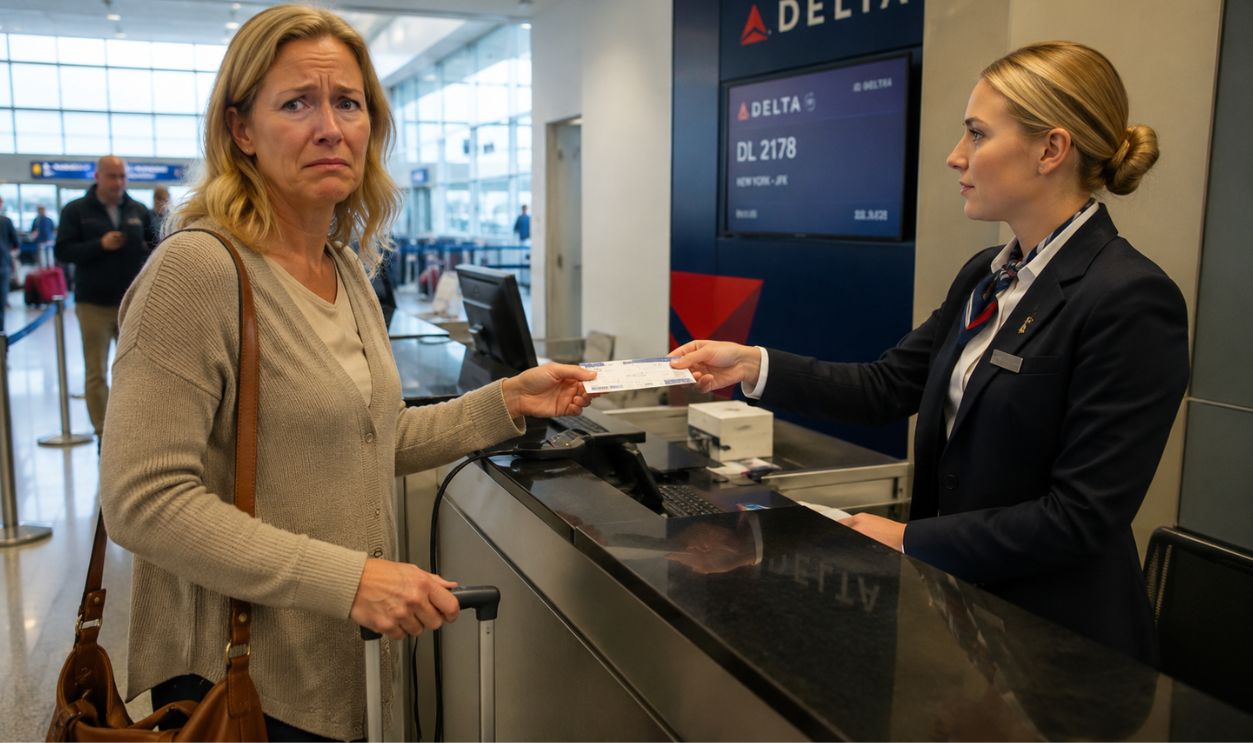
Find Out Who Took The Deposit
Your next move depends on who has the $2,000. Was it a breeder, rescue, pet shipper, airline cargo office, travel broker, or online seller? Each one has different refund rules. Get invoices, contracts, payment receipts, screenshots, messages, and any terms you agreed to before paying.
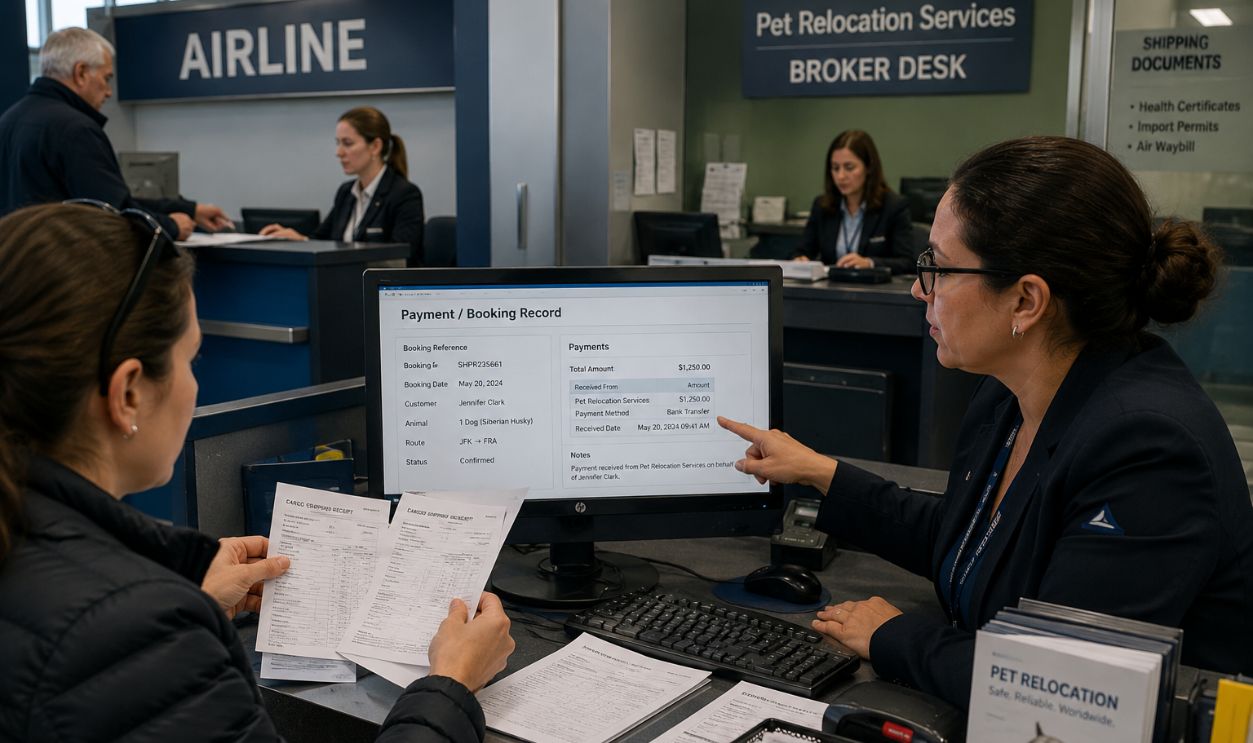
Read The Deposit Language Closely
Look for words like refundable, non-refundable, transport fee, holding fee, cancellation, force majeure, and buyer responsibility. A “non-refundable” label is not magic, especially if the seller or shipper promised a service they could not provide. But the exact wording can shape your refund argument.
 Guilherme Stecanella, Unsplash
Ask For A Practical Fix First
Before going nuclear, ask for three options: a corrected flight plan, a later flight after documents are fixed, or a refund. Keep the tone calm and specific. “Please explain what requirement failed and what steps are needed to transport the dog legally” is much stronger than “What is going on?”
Put Everything In One Email
Phone calls are fine for comfort, but written records are your parachute. Send a clear email summarizing the timeline: deposit paid, promised transport, denial at boarding, reason given, and your requested solution. Attach receipts and ask for a response by a specific date.
If It Was A Seller, Watch For Scam Signals
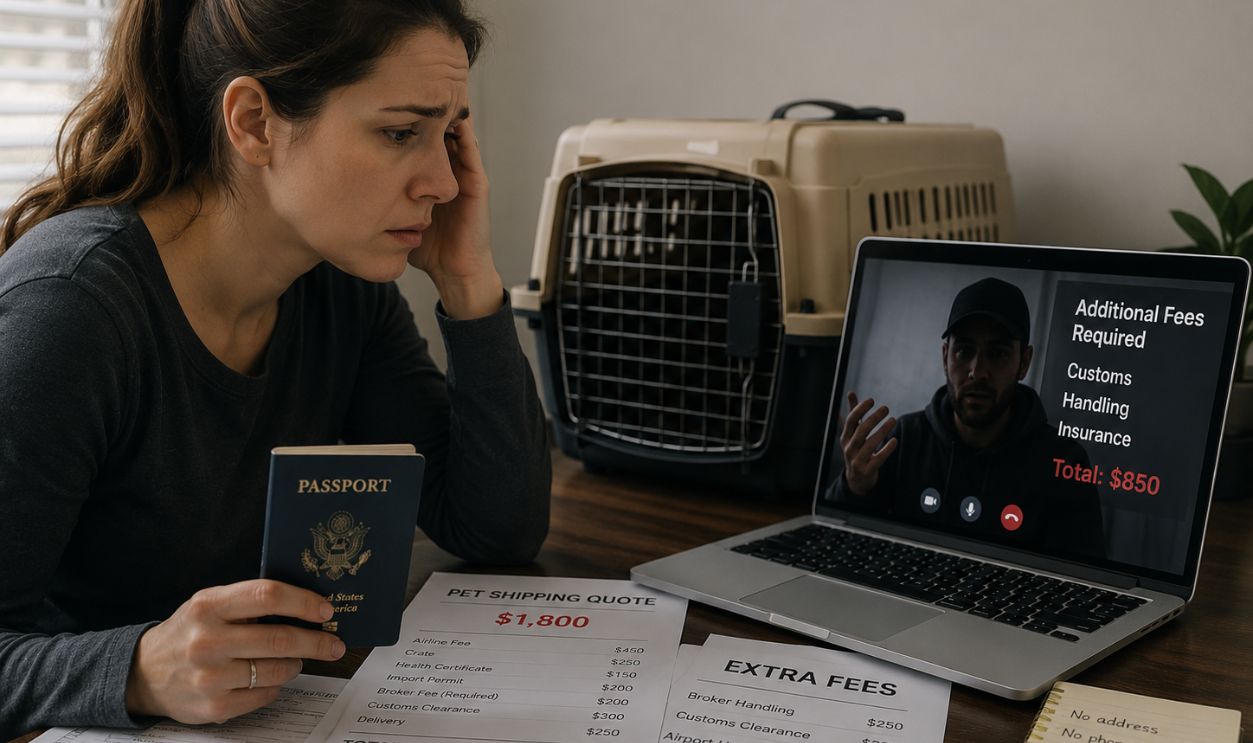
Pet import scams love urgent deposits, emotional photos, fake shipping emergencies, and surprise fees. If the seller suddenly asks for more money for insurance, quarantine, thermal crates, or “government permits,” slow down. Verify the dog exists through a live video call and independent documents.
Contact Your Payment Provider
If the other party refuses to fix the problem, contact your credit card company, bank, PayPal, or payment platform. Explain that you paid for a dog transport service or deposit and the dog was not able to travel. Provide the written denial, contract, receipts, and messages.

Consider A Formal Complaint
Depending on who took your money, you may be able to complain to a consumer protection office, state attorney general, Better Business Bureau, marketplace platform, or airline cargo customer relations team. Complaints work best when they are boring, organized, and packed with documents.

Arrange Safe Care For The Husky
While humans argue over money, the dog still needs food, water, exercise, shelter, and veterinary care. Confirm where the Husky is staying, who is responsible, and whether boarding fees are building up. Get photos or video. The dog’s welfare should not become a bargaining chip.
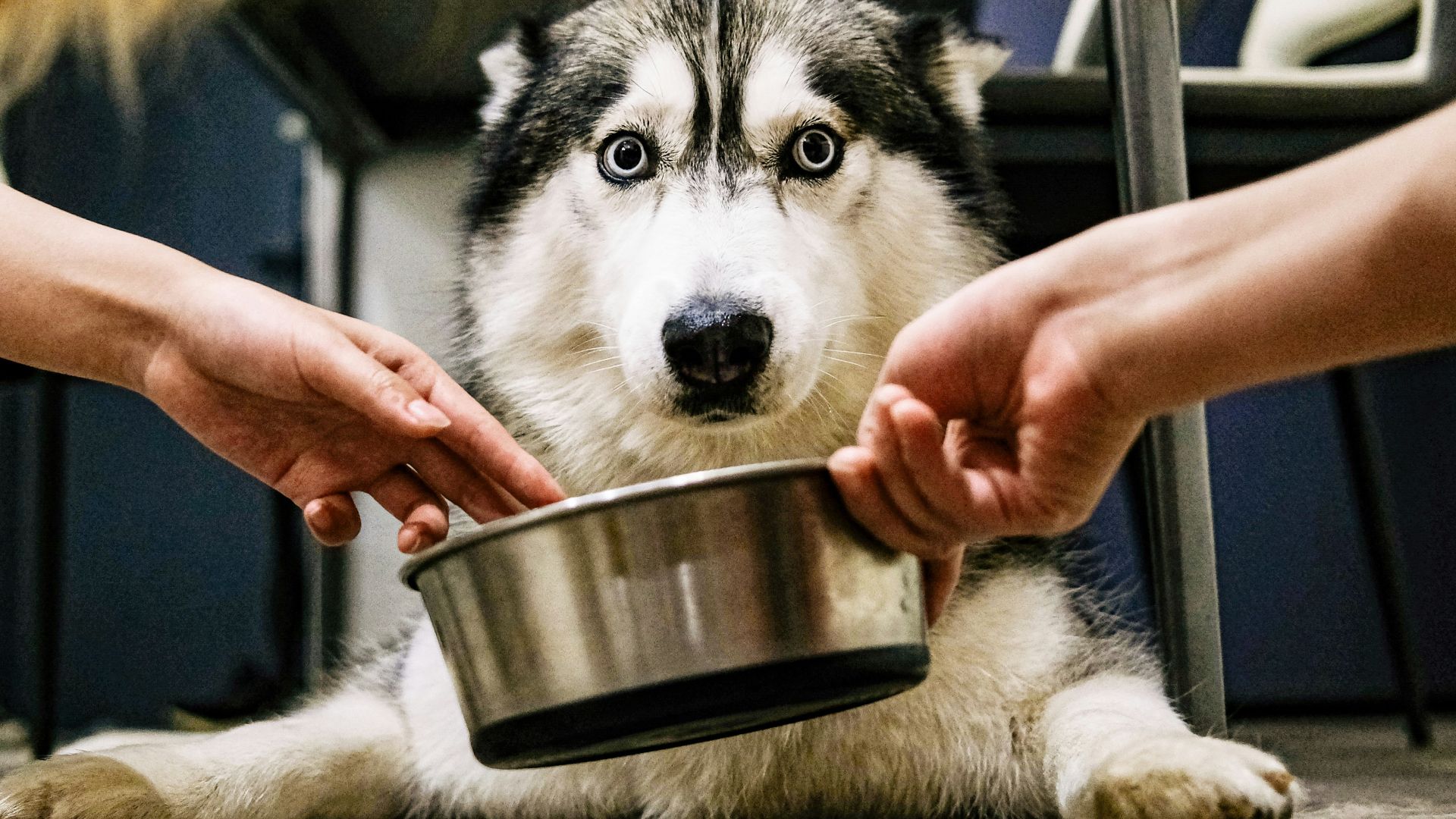
Talk To A Pet Relocation Specialist
A reputable pet relocation company can review the route, documents, crate, airline options, and arrival rules. Yes, it costs money, but it may save you from paying twice for the same mistake. Look for companies that explain rules clearly instead of promising instant airport miracles.
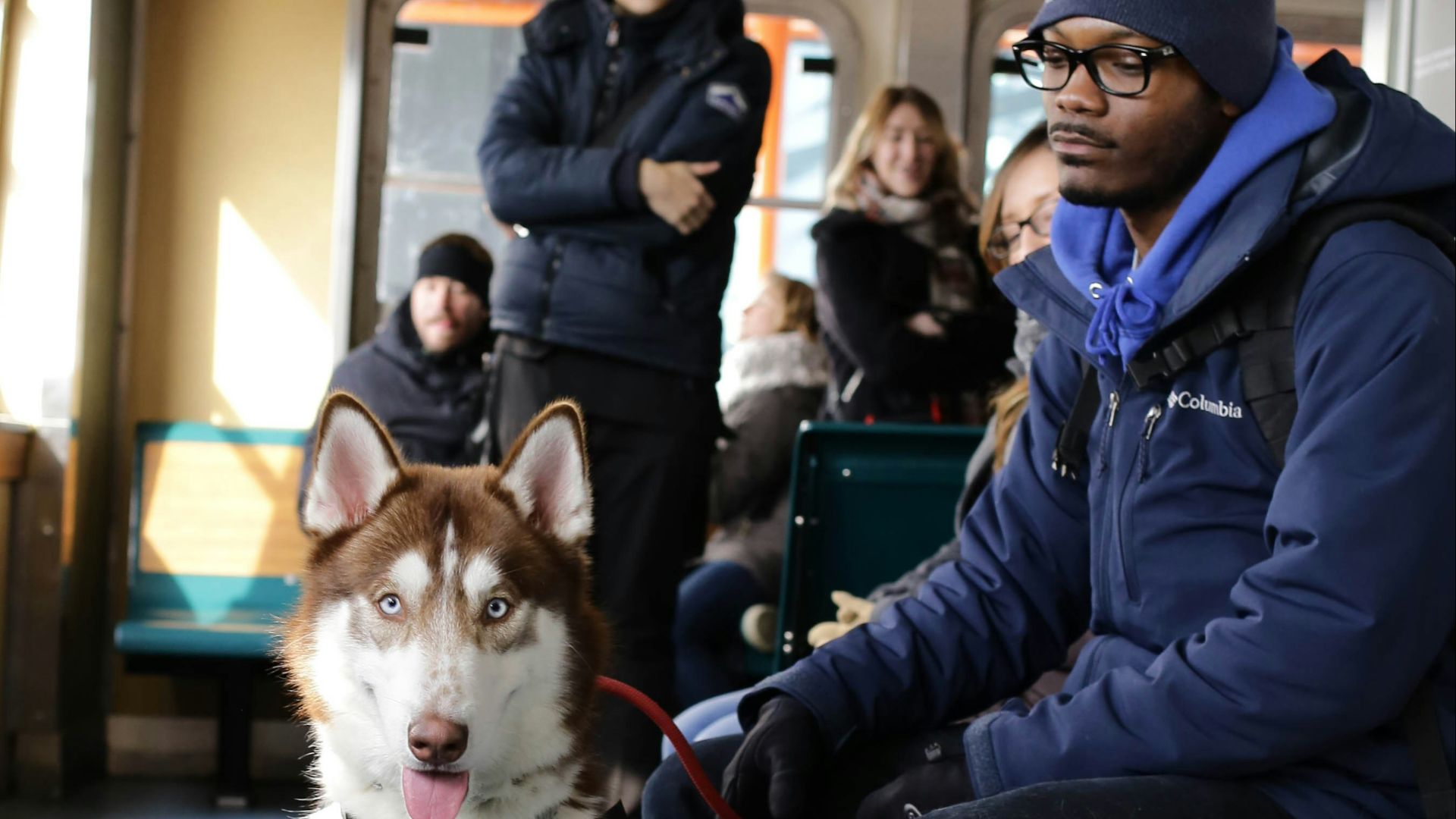
Ask A Veterinarian To Audit The Documents
A vet familiar with international pet travel can spot problems fast. They can check vaccine timing, microchip records, health certificates, and whether documents match the destination requirements. Think of this as a passport check for a very furry passenger with no interest in bureaucracy.
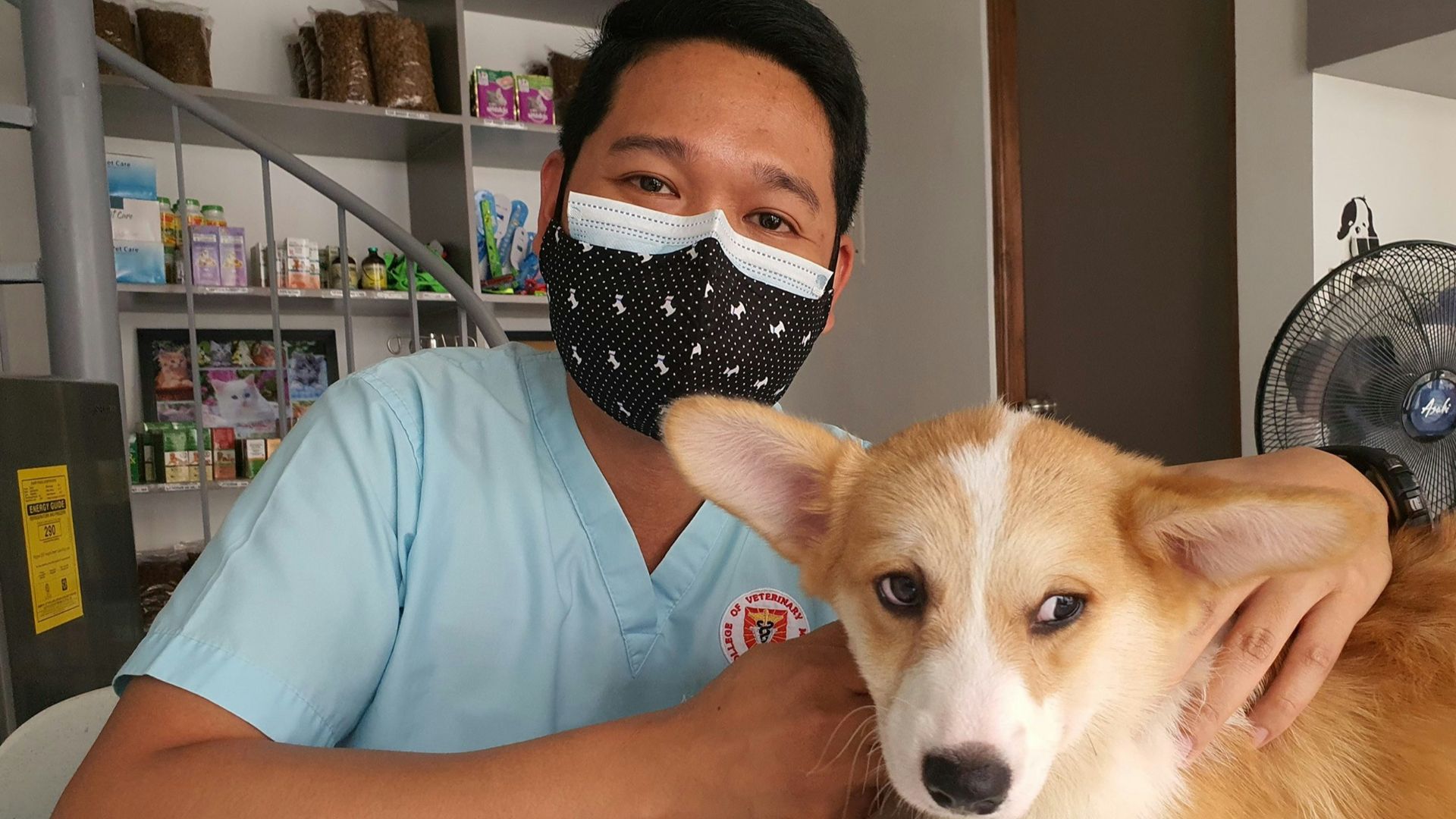
Be Careful About Importing From Breeders Abroad
Many international breeders are legitimate, but distance creates risk. Before paying large deposits, ask for transport plans, airline confirmation, veterinary records, refund terms, references, and proof the dog meets U.S. entry rules. A cute puppy photo should never be the whole business plan.
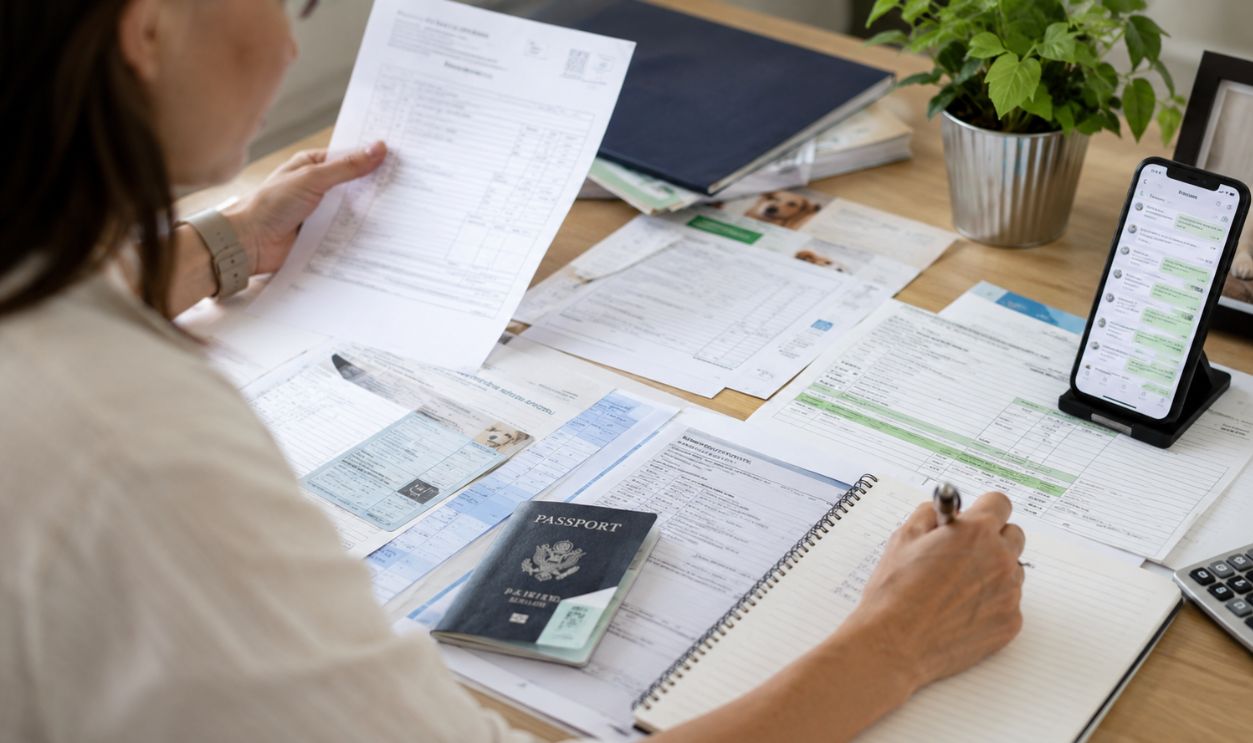
What You Can Do Right Now
Your immediate checklist is simple: get the airline’s written reason, verify CDC and USDA requirements, confirm the dog’s age and microchip, review rabies documents, identify who holds the deposit, request a fix or refund, preserve every message, and avoid sending more money until the facts make sense.

The Bottom Line
A blocked boarding is a mess, but it can also be useful information. It tells you something in the plan was not ready, not legal, not safe, or not honestly handled. With documents, calm pressure, and the right expert help, you may still rescue the trip, the refund, or both.
You May Also Like:
My travel buddy disappeared for two days and left me with the hotel bill. Can I recover the money?